//The Serengeti – June 2015

The Serengeti – June 2015

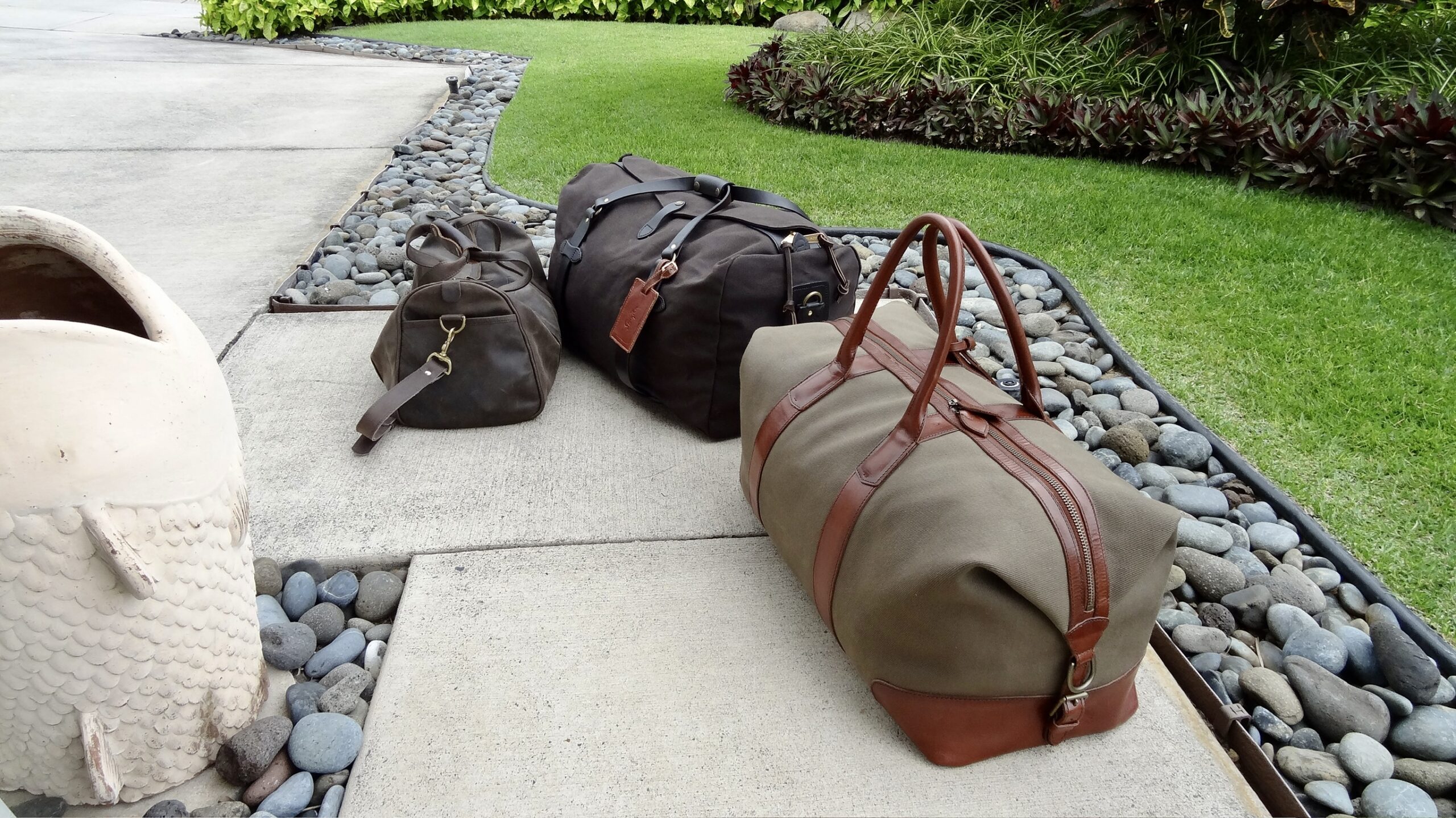
Off to Africa. We packed duffels, since our bags would need to be squashed into small planes. Here our luggage awaits our taxi ride to Kahului Airport.
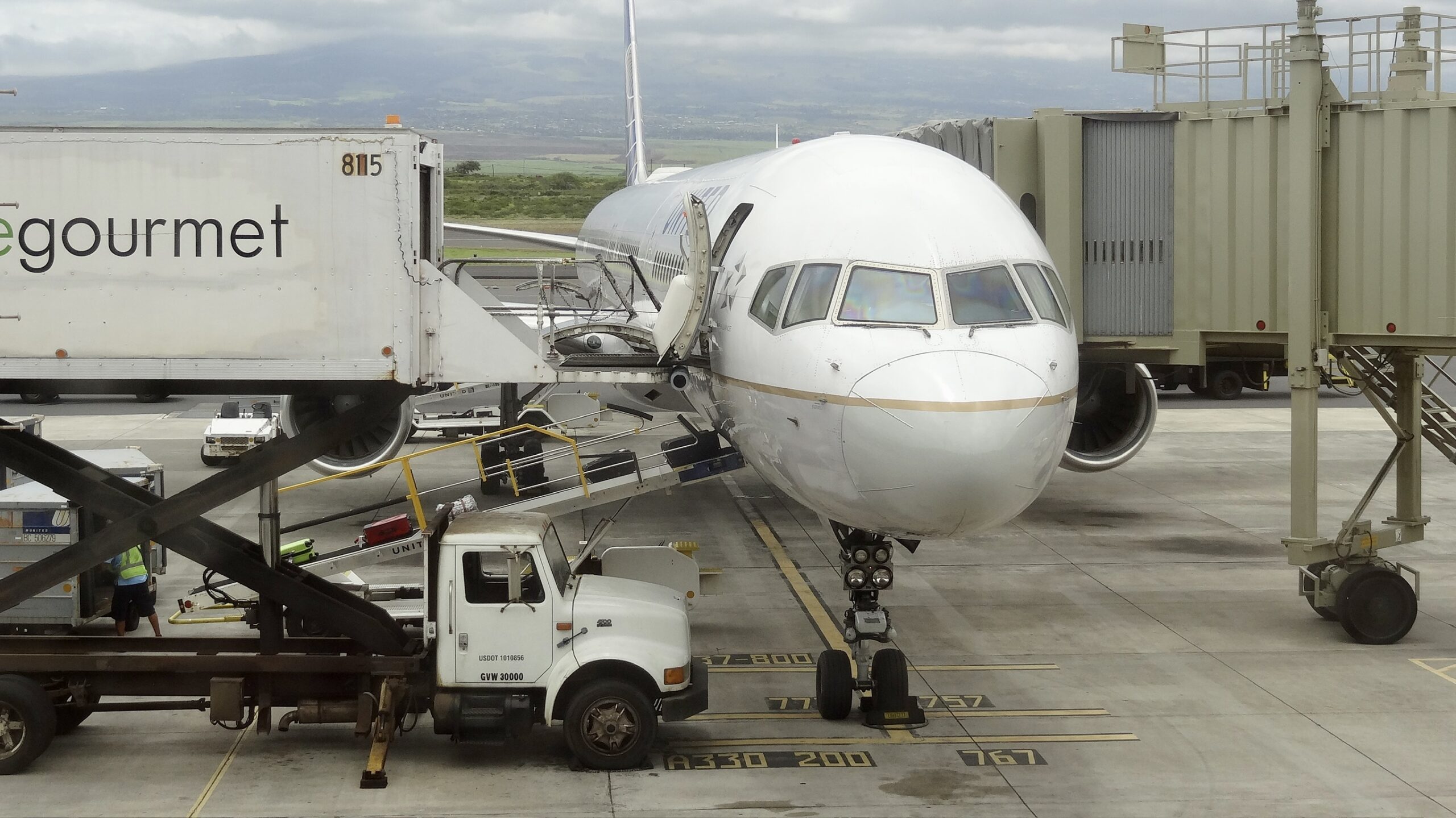
We love living on Maui, but getting to someplace like Africa is a long drive, so we try to break up the flights, when possible. Our first flight was on United, from Kahului to San Francisco.
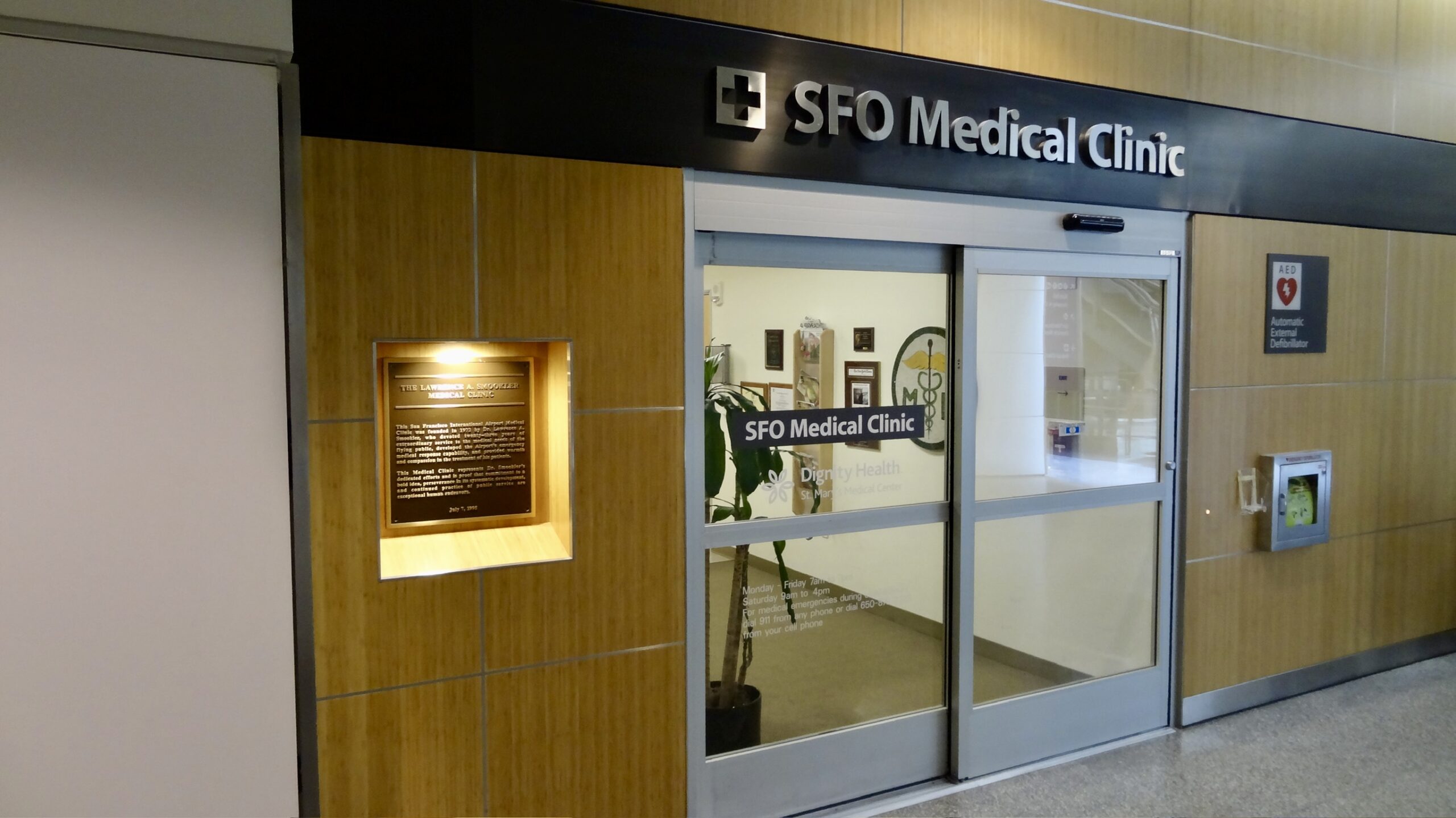
Our overnight layover in San Francisco turned out to be handy. We had left our malaria pills on the dresser at home, and SFO had a convenient clinic where we could get new prescriptions.
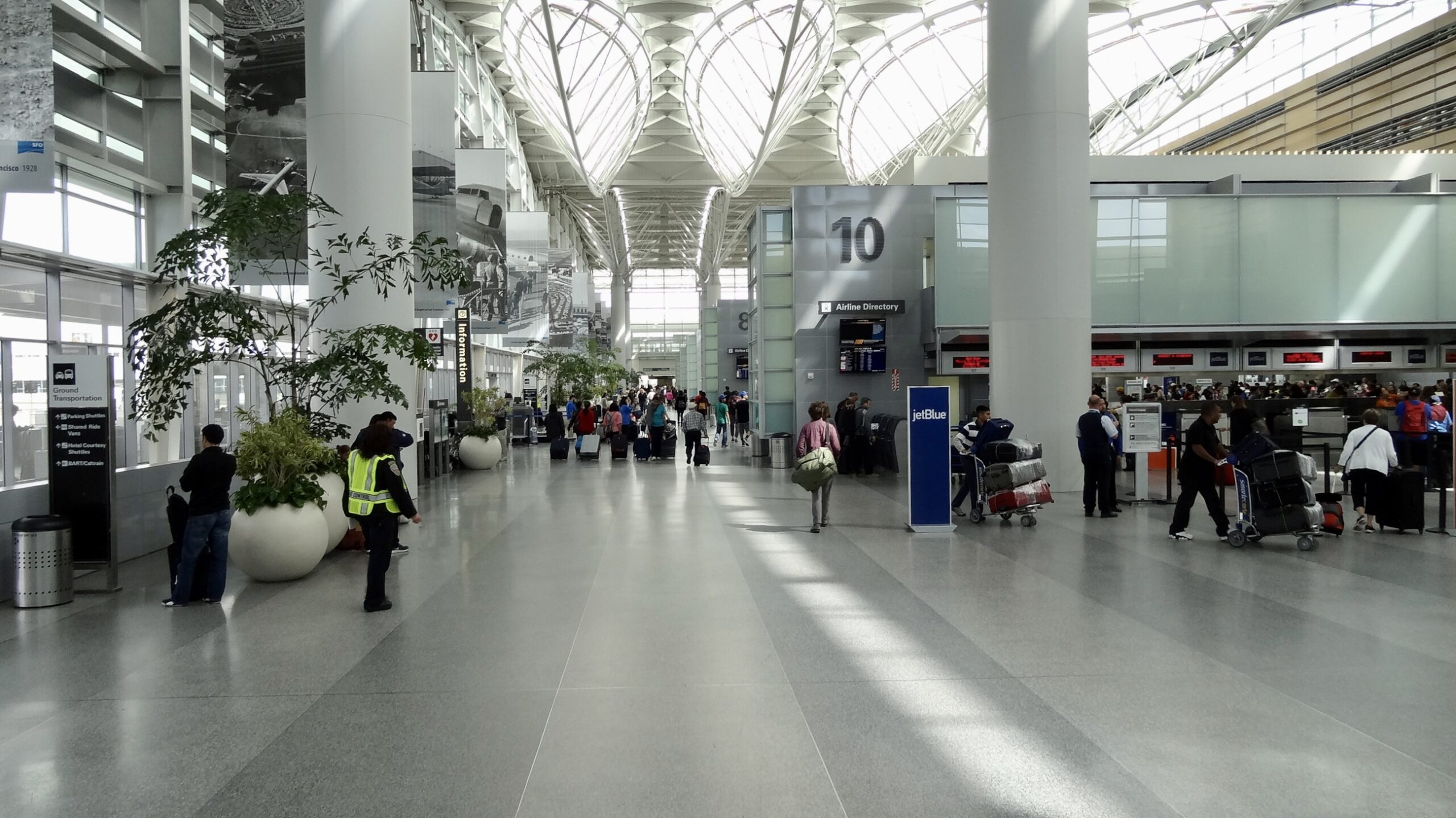
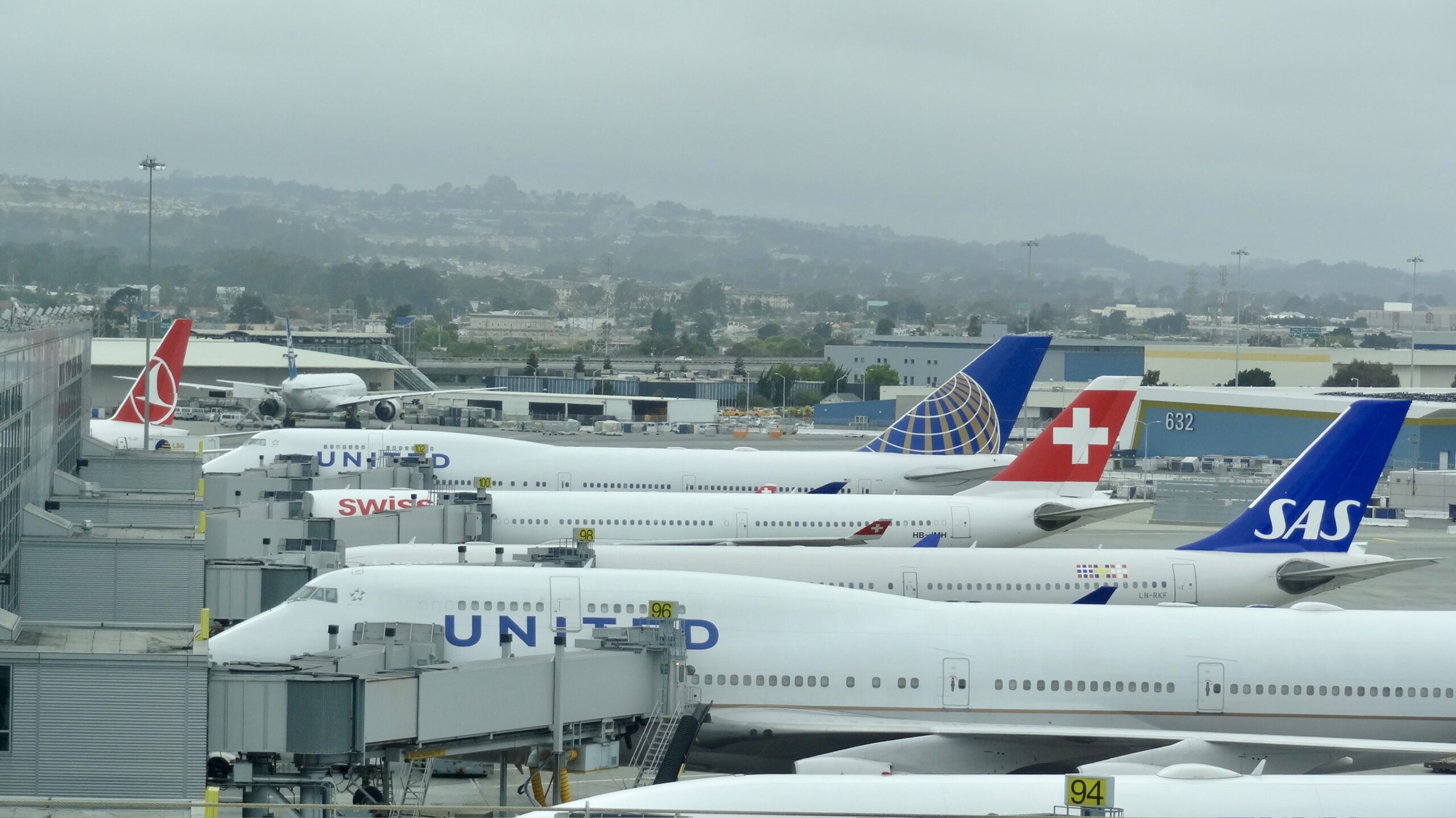
Having lived in San Francisco, leaving from the International terminal always has a romance to it (above and below).
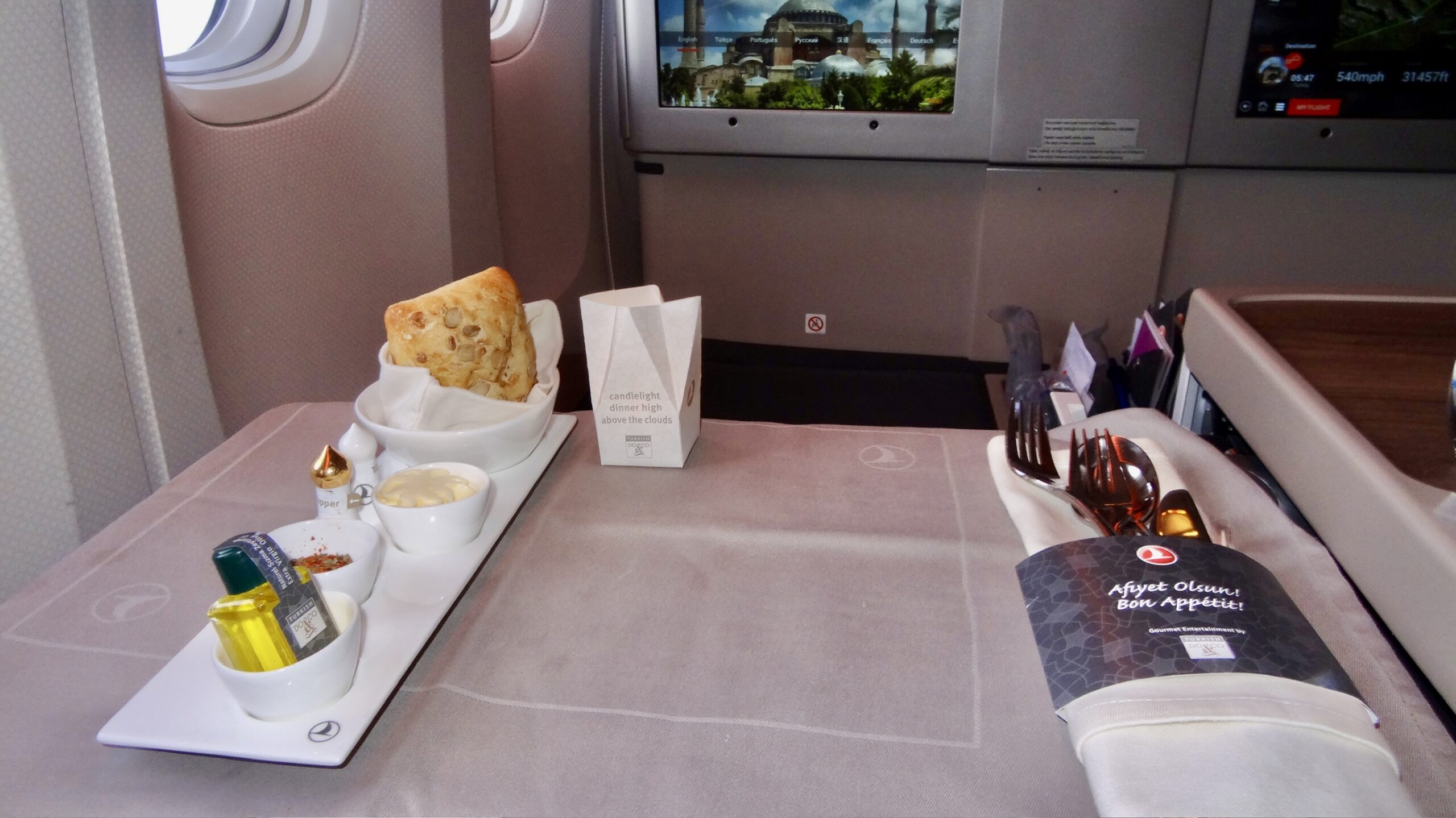
We flew Turkish Airlines. 13 hours to Istanbul. Leaving mid-afternoon and arriving at dawn the next day made it a daytime redeye flight. Tough to get a night’s sleep. But their business class service and candlelight meals made the flight enjoyable.
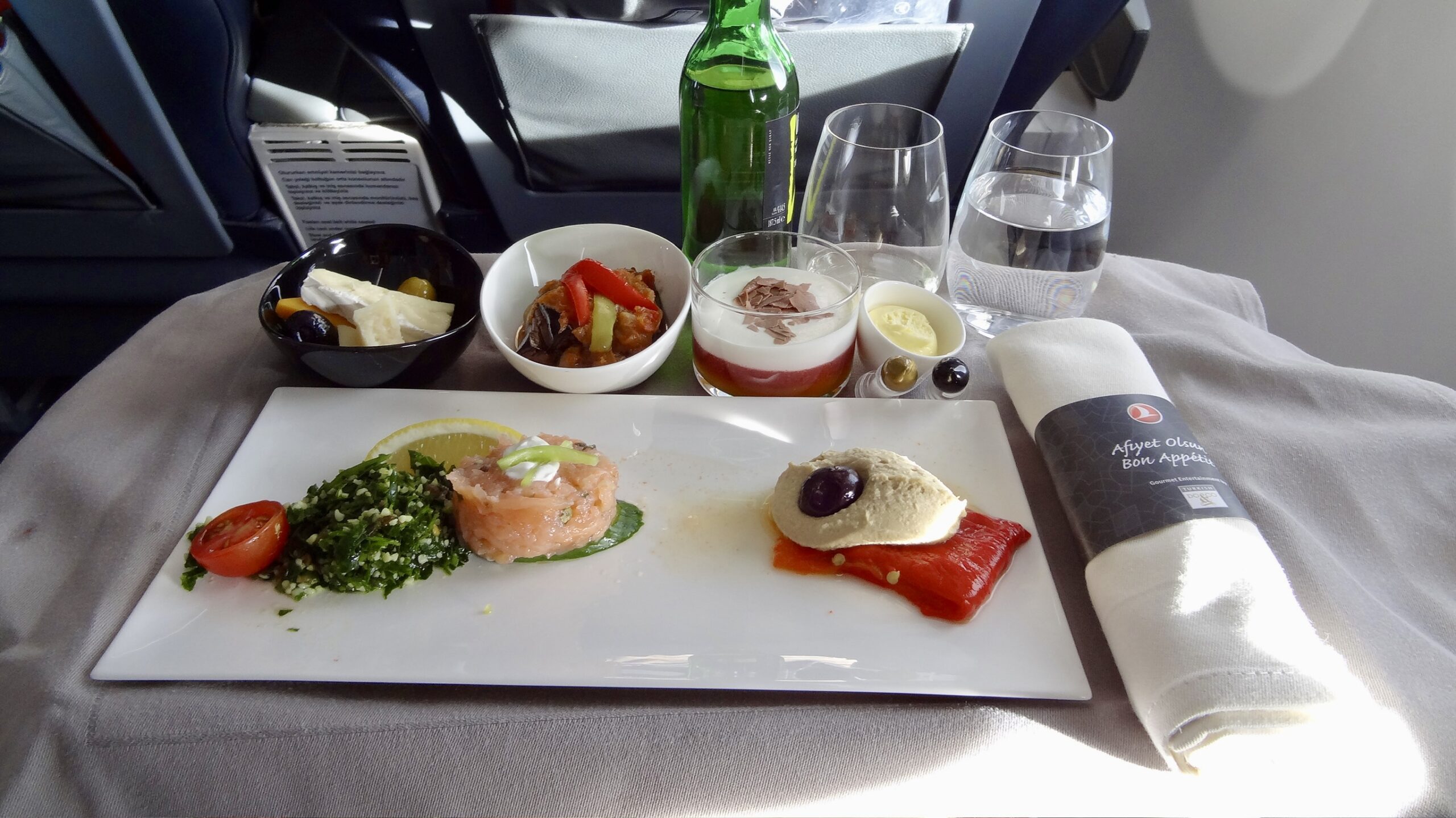
On our ongoing seven-hour flight to Arusha, Tanzania, Turkish Airlines served us a 6:00am Turkish-Mediterranean … what? Breakfast? Lunch? It helped wake us up.
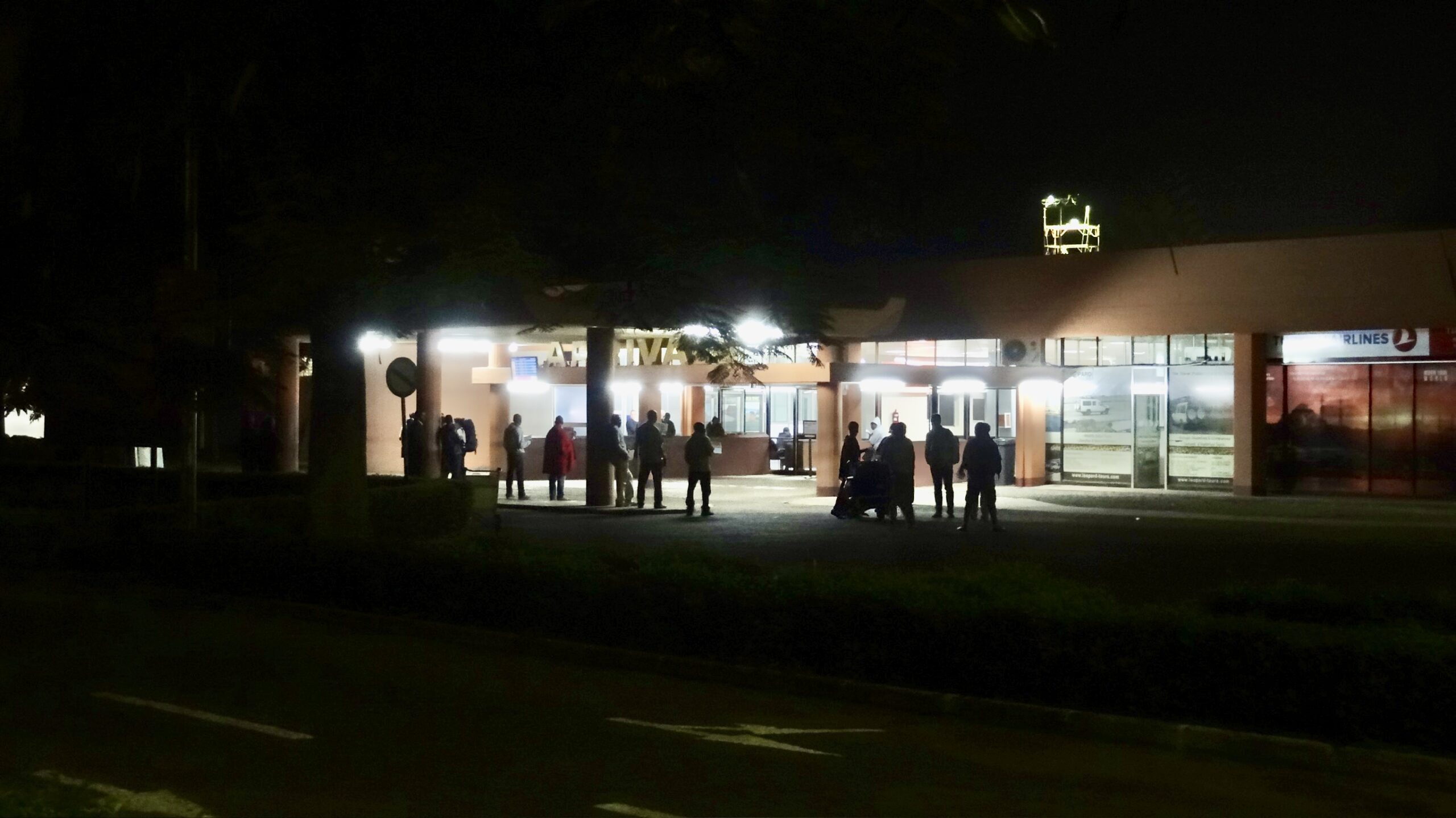
We arrived at Kilimanjaro International Airport after dark. We were still a bit blurry from all the flying and were glad we had a regular night’s sleep to look forward to.
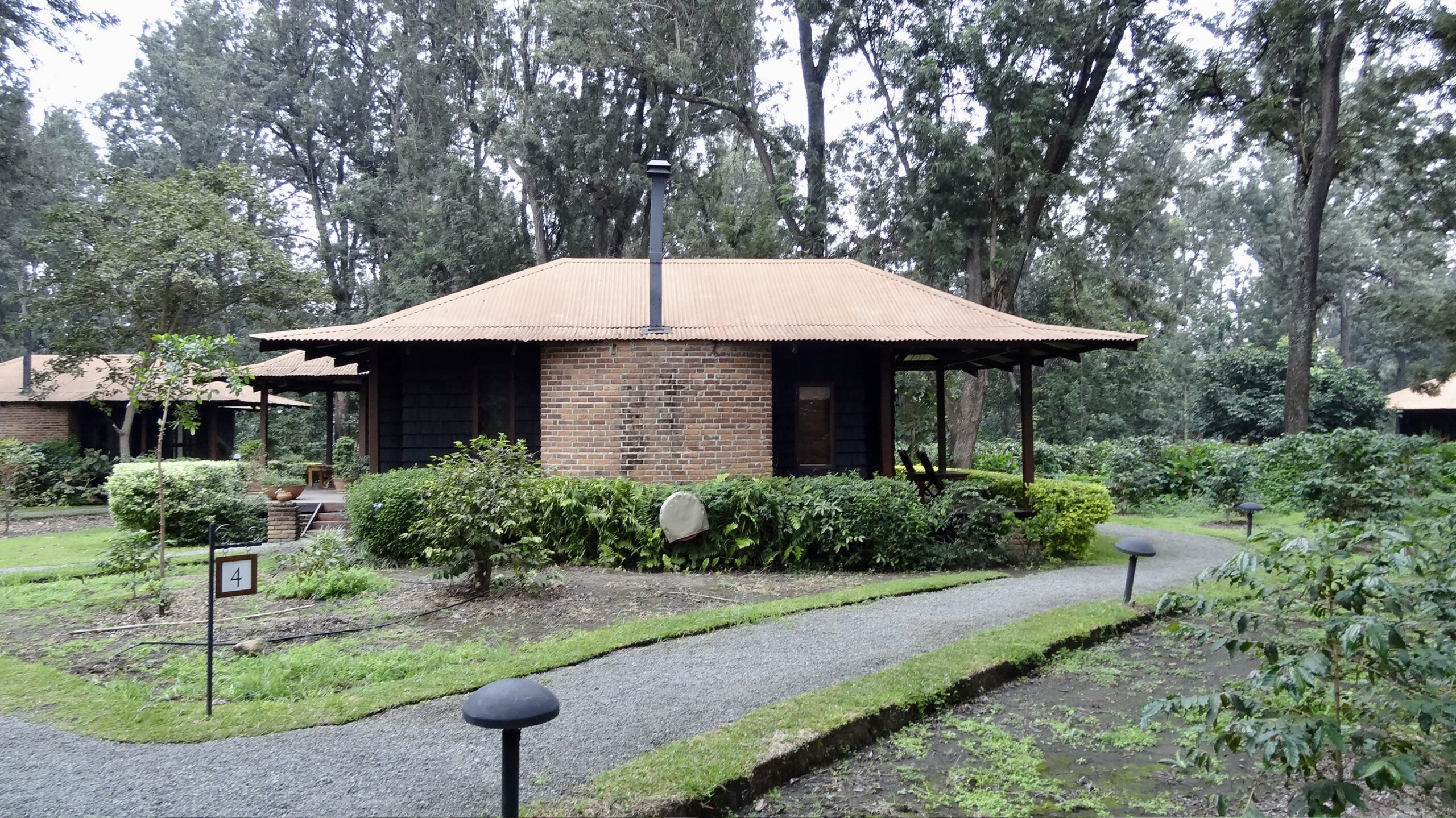
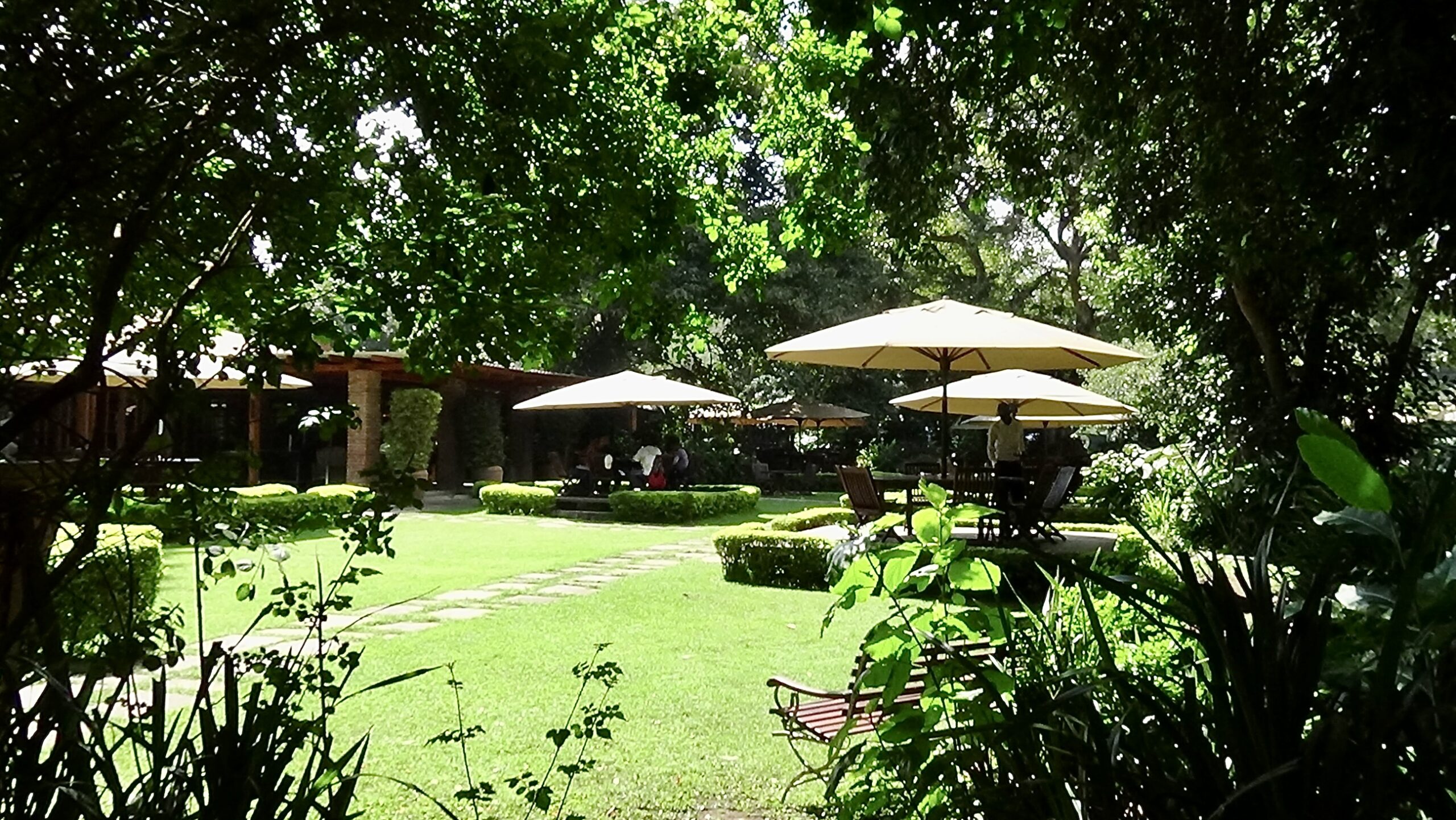
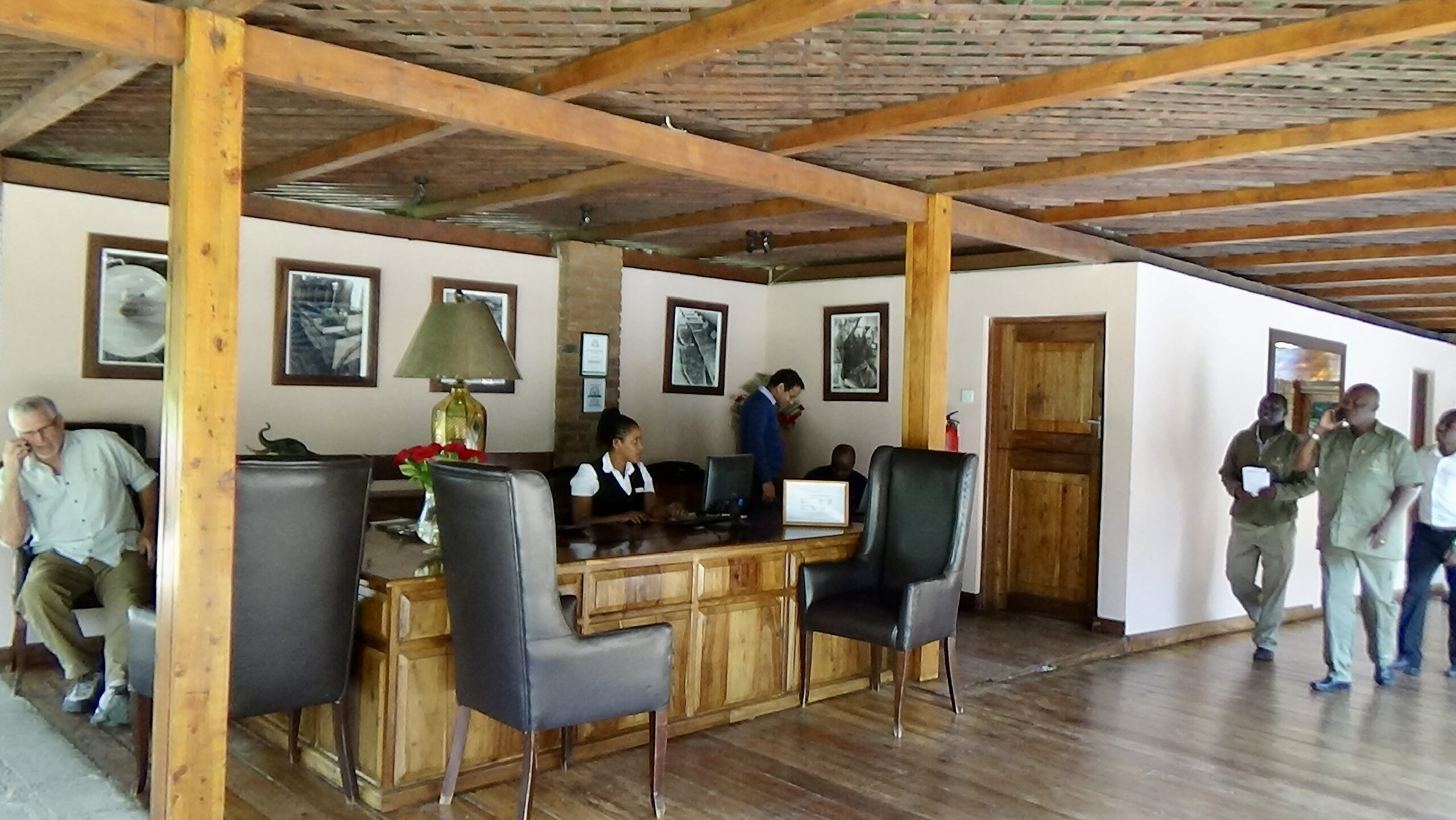
The next morning we woke up early and feeling like ourselves again. We had picked the Arusha Coffee Lodge (above and below) because everybody seems to choose that lodge. For all we know, it’s a safari requirement. The property is embedded in coffee plantations, just outside of small Arusha town.
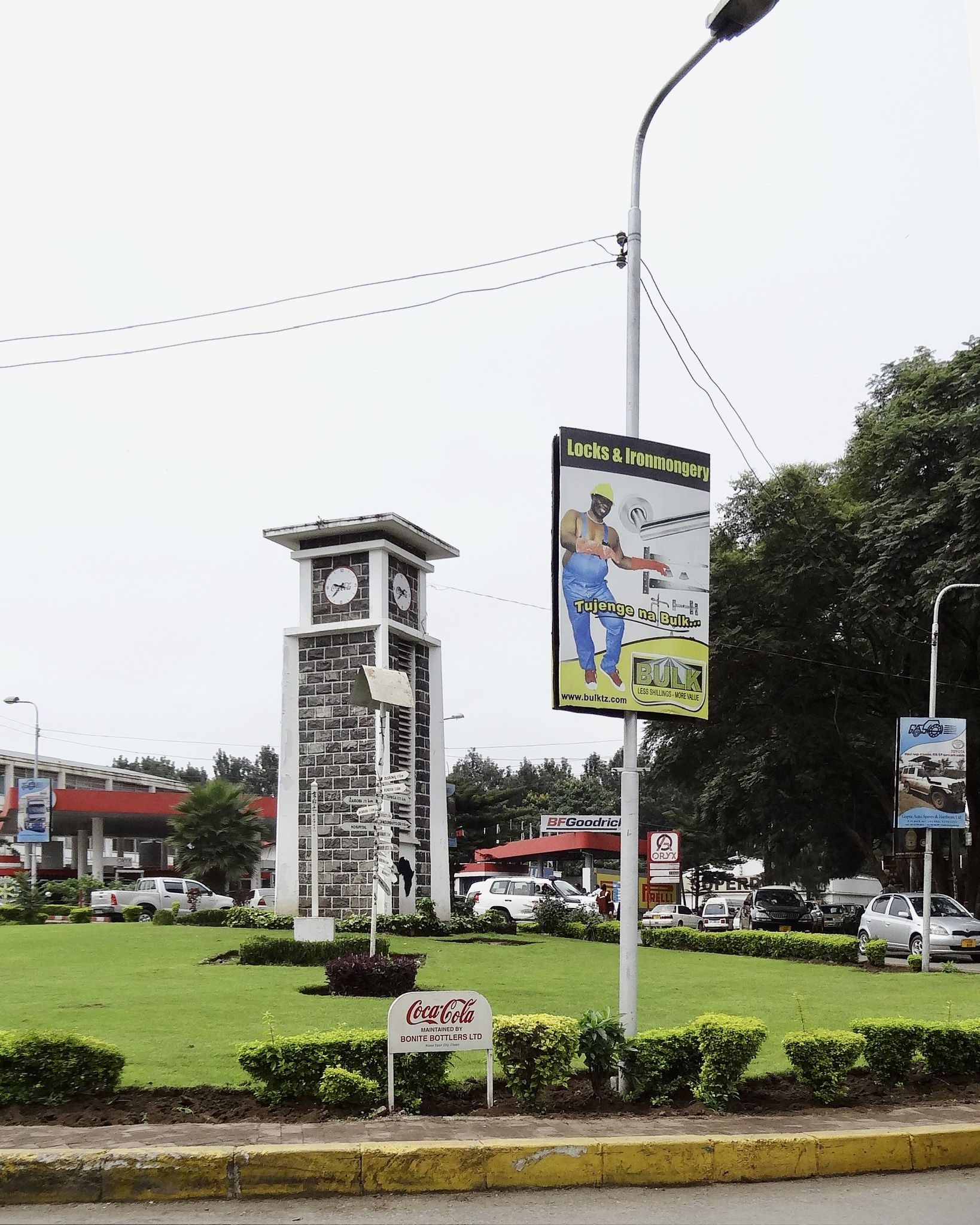
After breakfast, we hired a driver and headed downtown. This is it. But don’t let the grassy clock square mislead you …
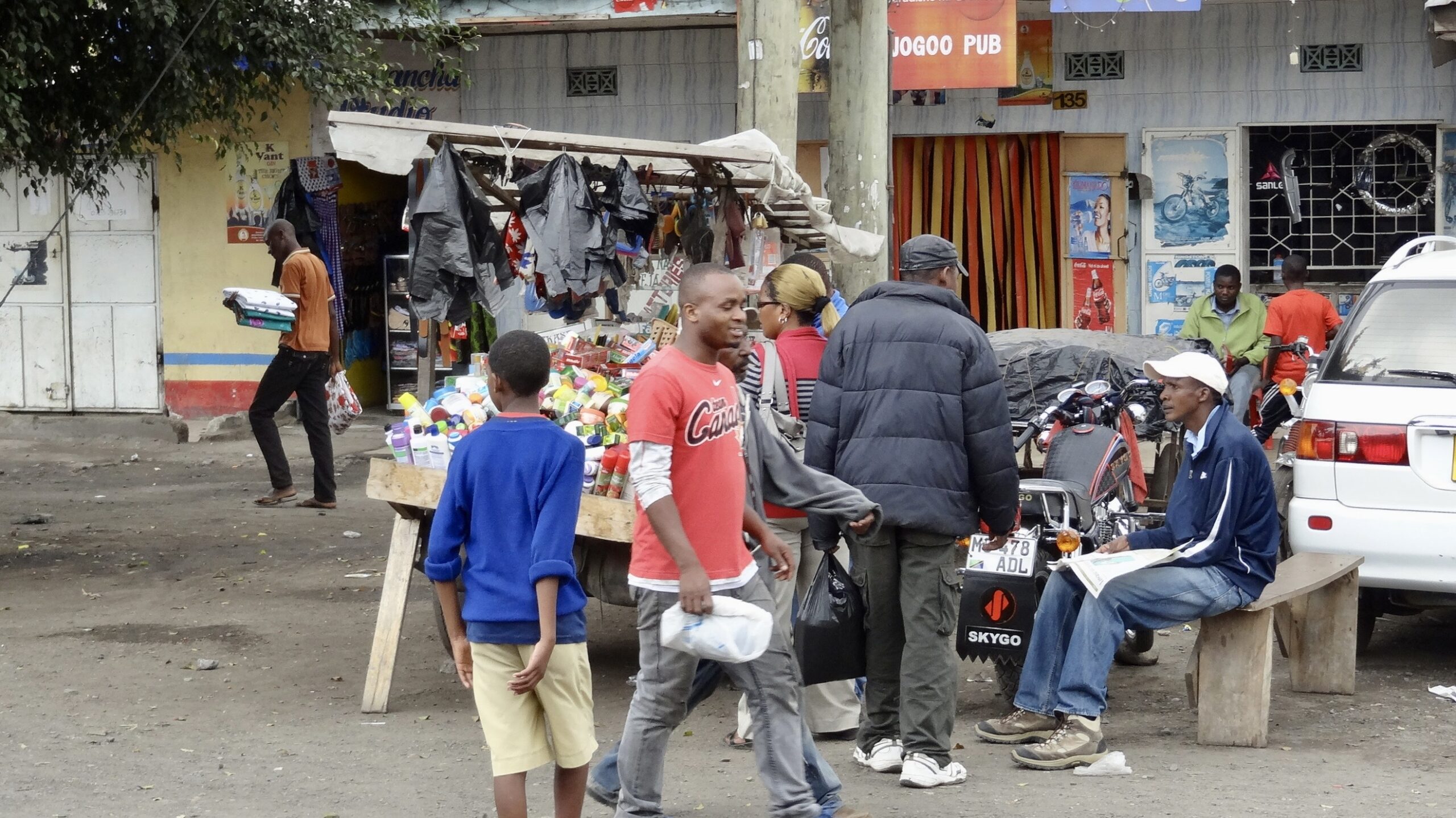
The town is quintessential small town Africa, with dirt streets lined with sawhorse shops …
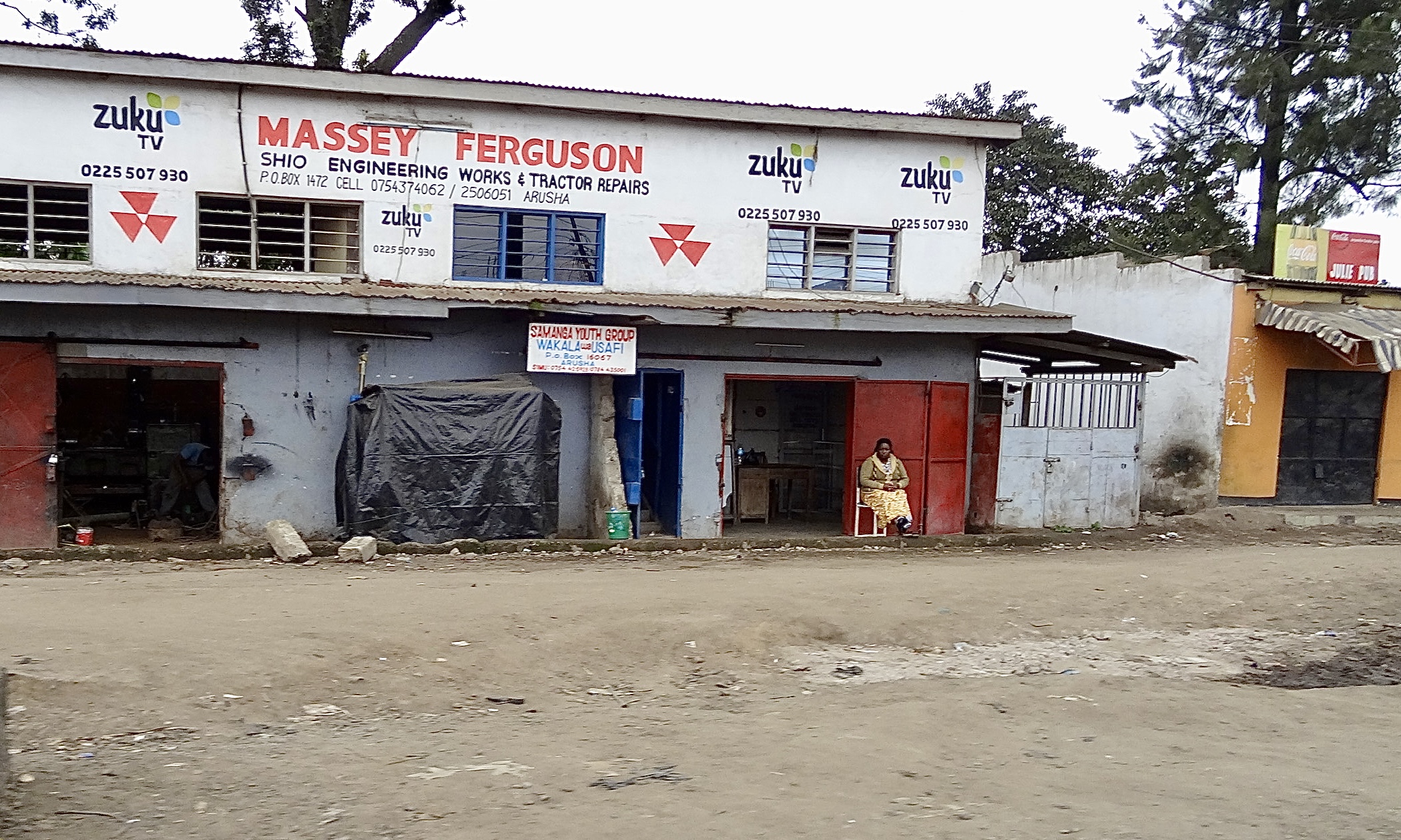
And random collections of services, like this tractor repair, youth group, TV store.
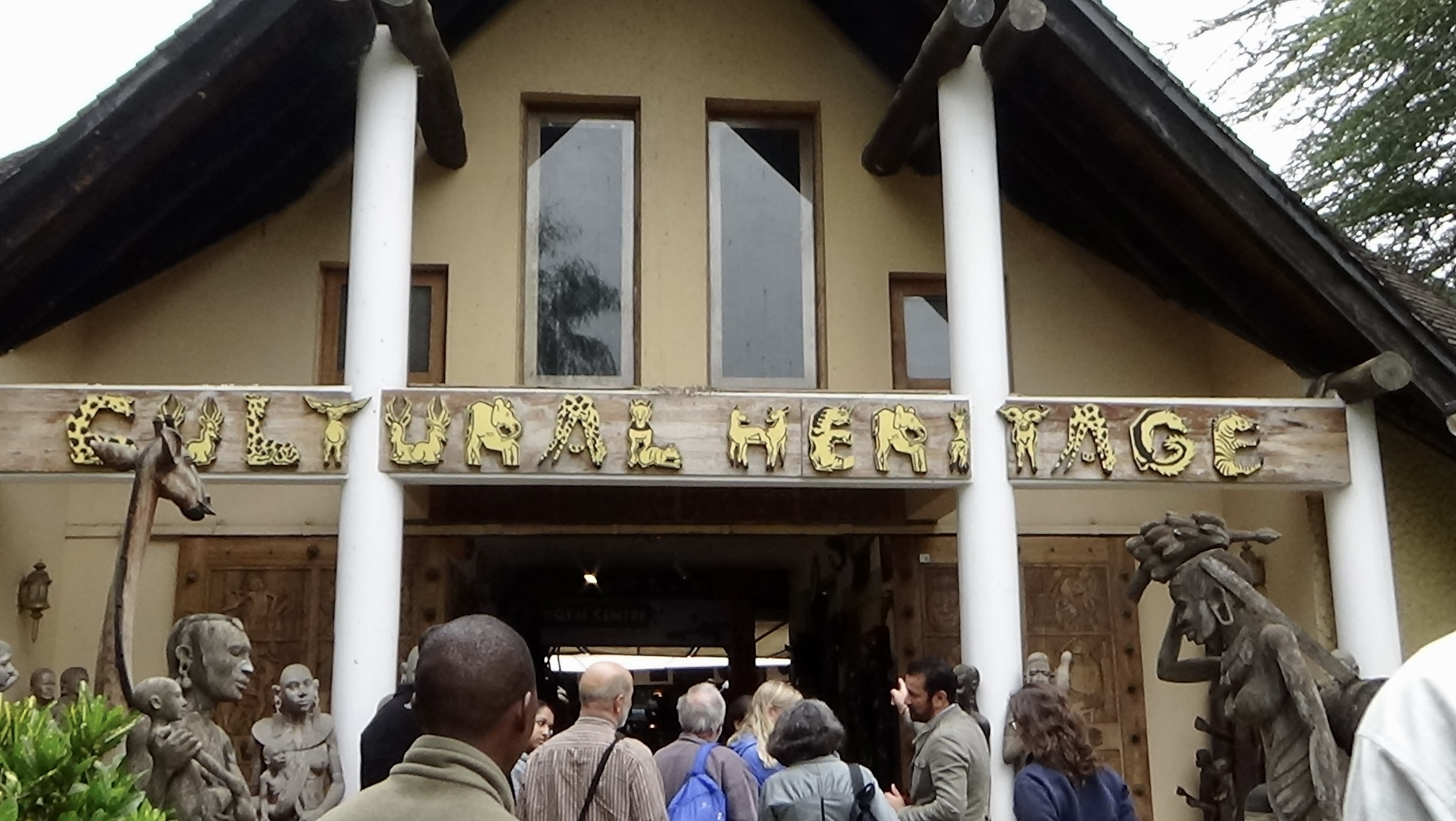
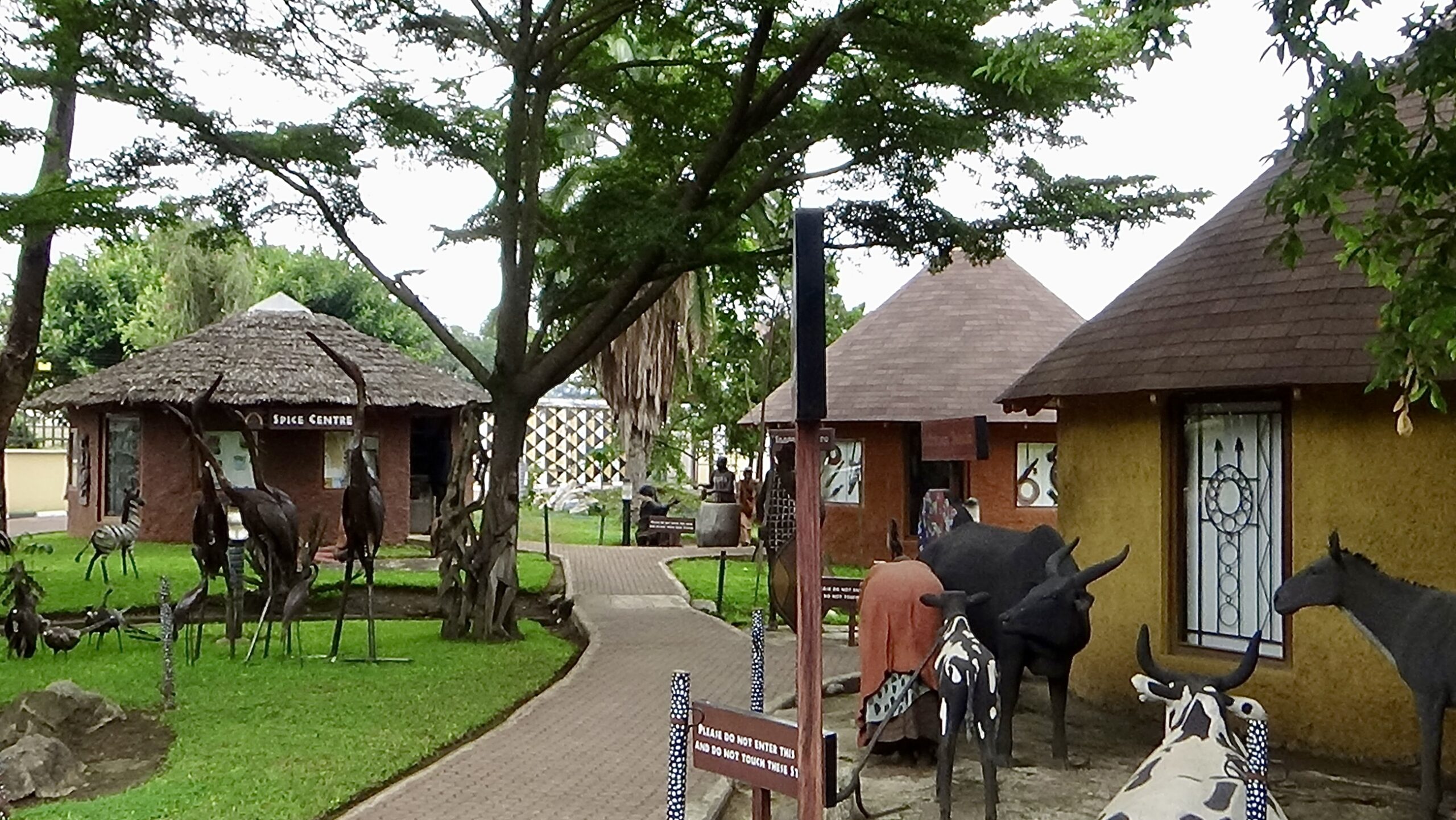
We also made a stop at the Cultural Heritage Center, a large, interesting curation of African art and crafts, all of which is for sale. Each arriving group gets a dedicated sales guide.
The guide who led the two of us took us through the grounds and displays. Though primarily a commercial enterprise intent on selling you stuff, we did learn a lot about the different cultures that contribute. We bought a ebony wood carving of a Generuk Gazelle and a beaded Masai chief’s belt. The first is a work of a contemporary artisan and the second had been acquired from a Masai family estate.
We arrange all our travel independently. Occasional hiccups are unavoidable and part of the experience. When we returned from our morning in town, we learned there was confusion about our onward safari flight, which we had apparently missed. Getting us on another plane was surprisingly easy, with both the lodge and the air operator being super accommodating.
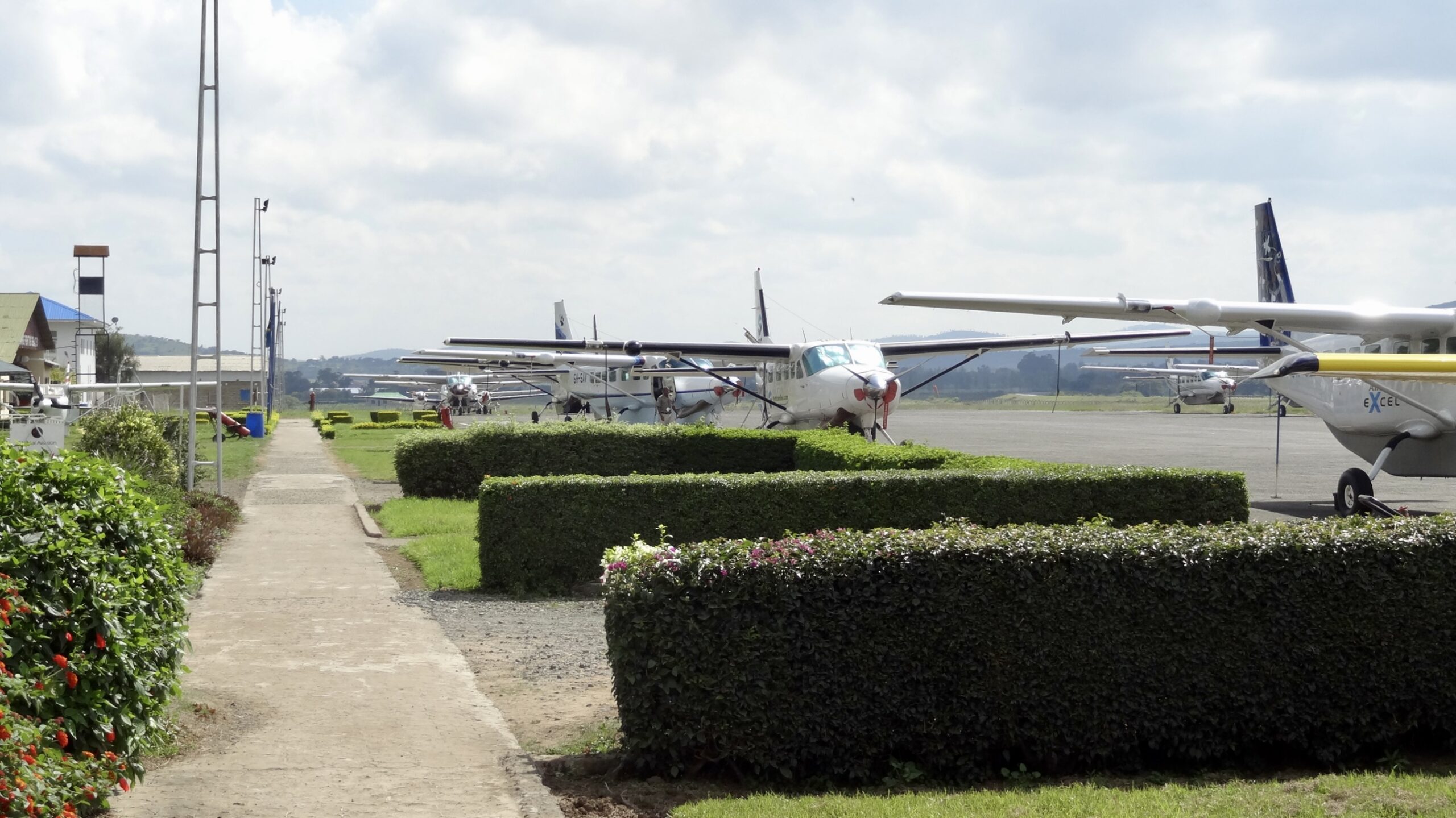
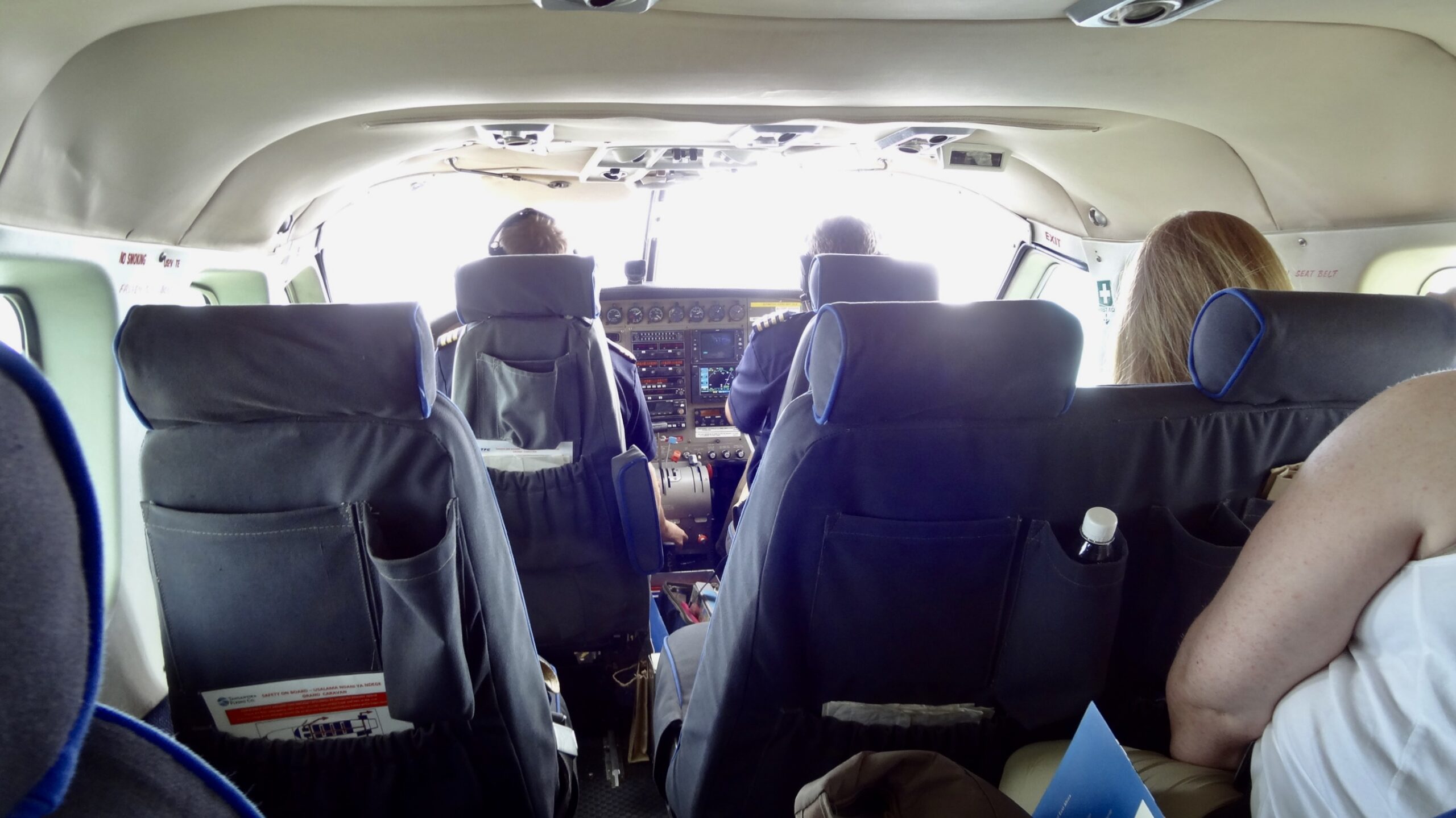
So we loaded up our duffels and headed to the Arusha Airport, the small airport popular with Cessna Caravans, the largest workhorse of flying safaris.
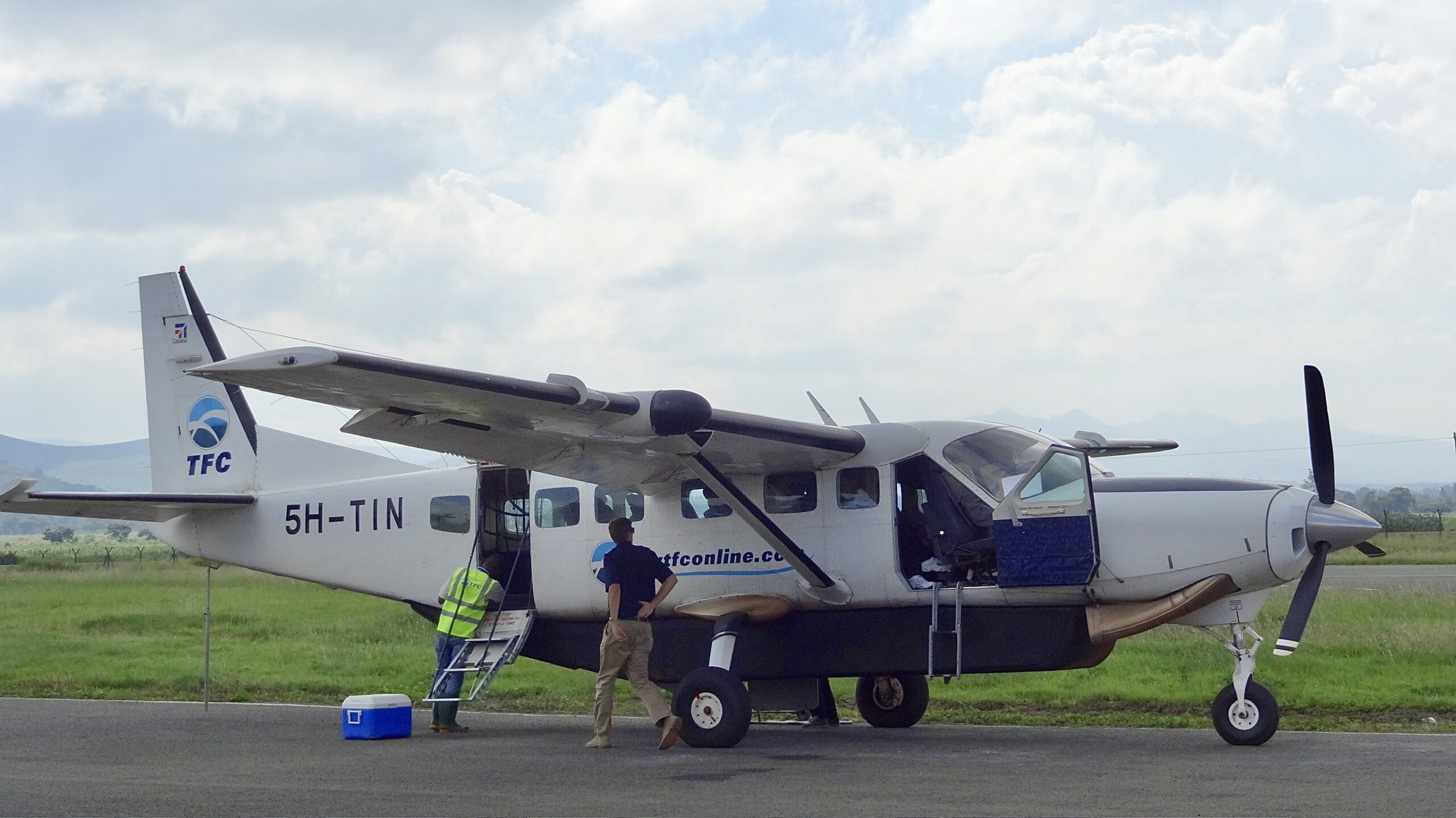
We headed to our waiting plane.
There were a couple of other passengers who were being dropped off at the Four Seasons Safari Lodge on our way to Grumeti.
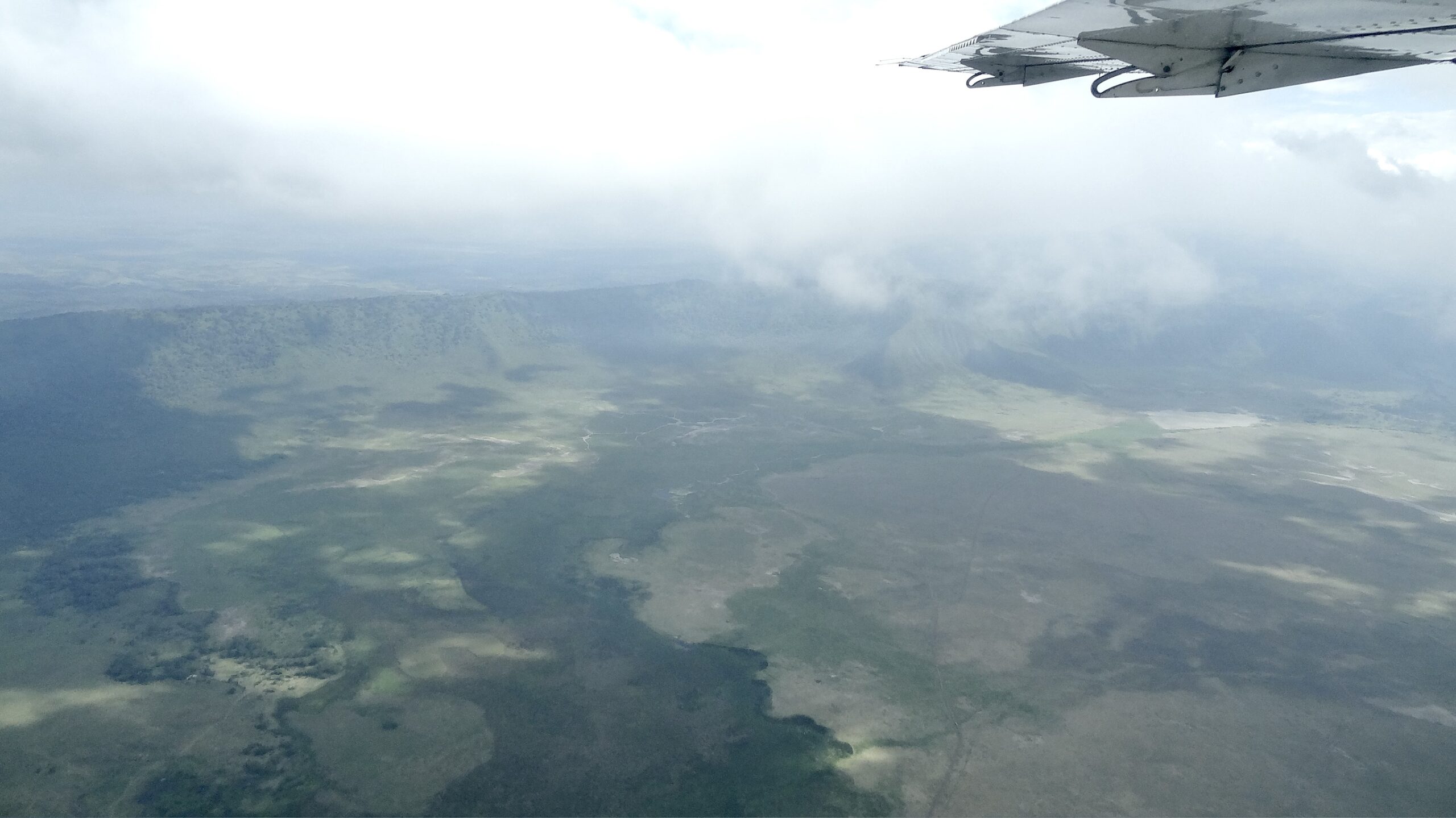
The first hop was 30 to 40 minutes and took us over Ngorogoro crater, the world’s largest extant caldera volcano. Its enclosed ecosystem has hosted humans and our predecessors for 3 million years. Now it’s home to Masai farmers, who named the crater for the sound of their cowbells, ngoro-ngoro, and a go-to destination for many safaris, because the wildlife doesn’t migrate.
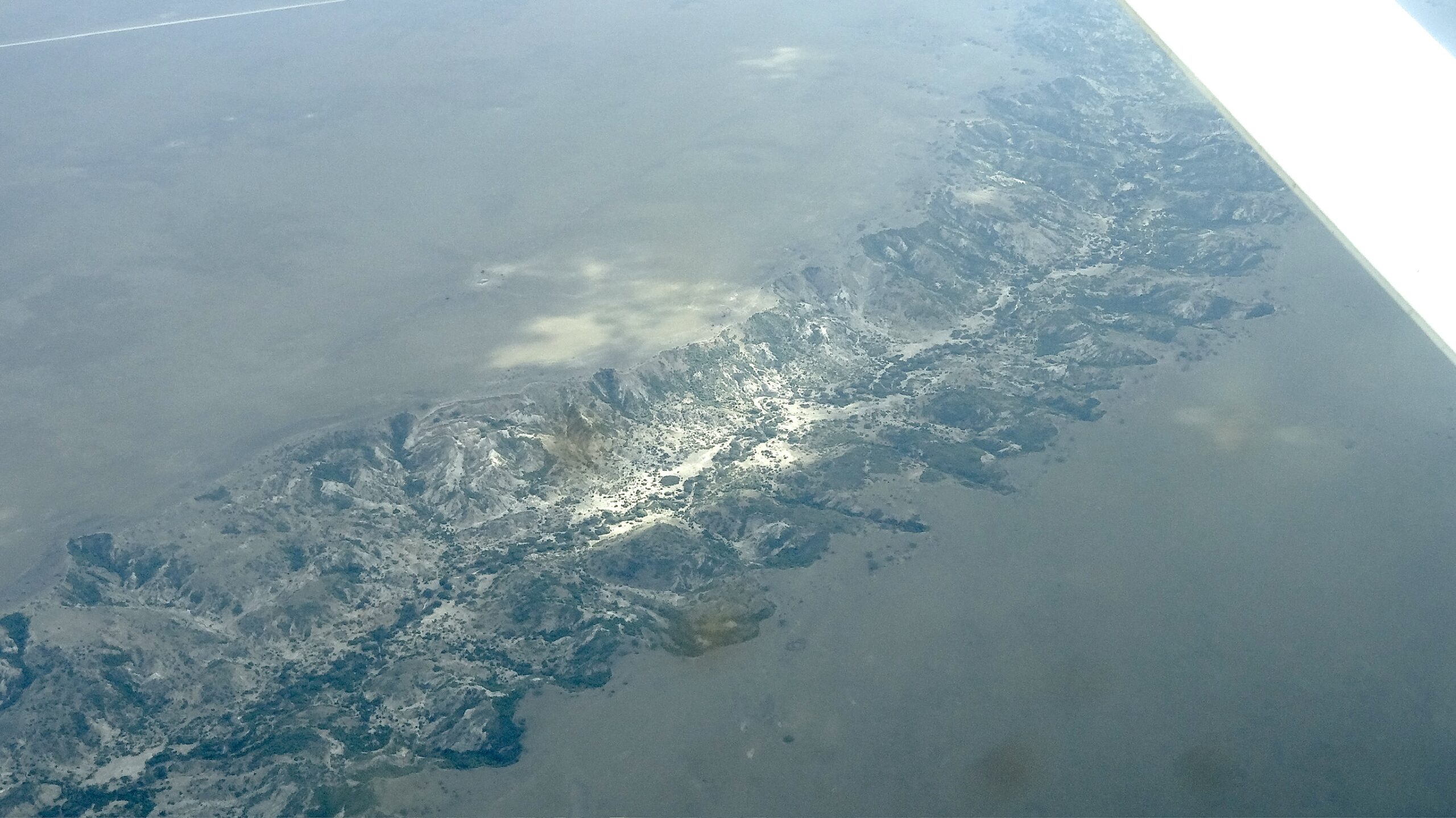
Beyond the crater, we flew over part of the Oldupai Gorge, which the Leakeys made famous with their finds of early human ancestors and their tools.
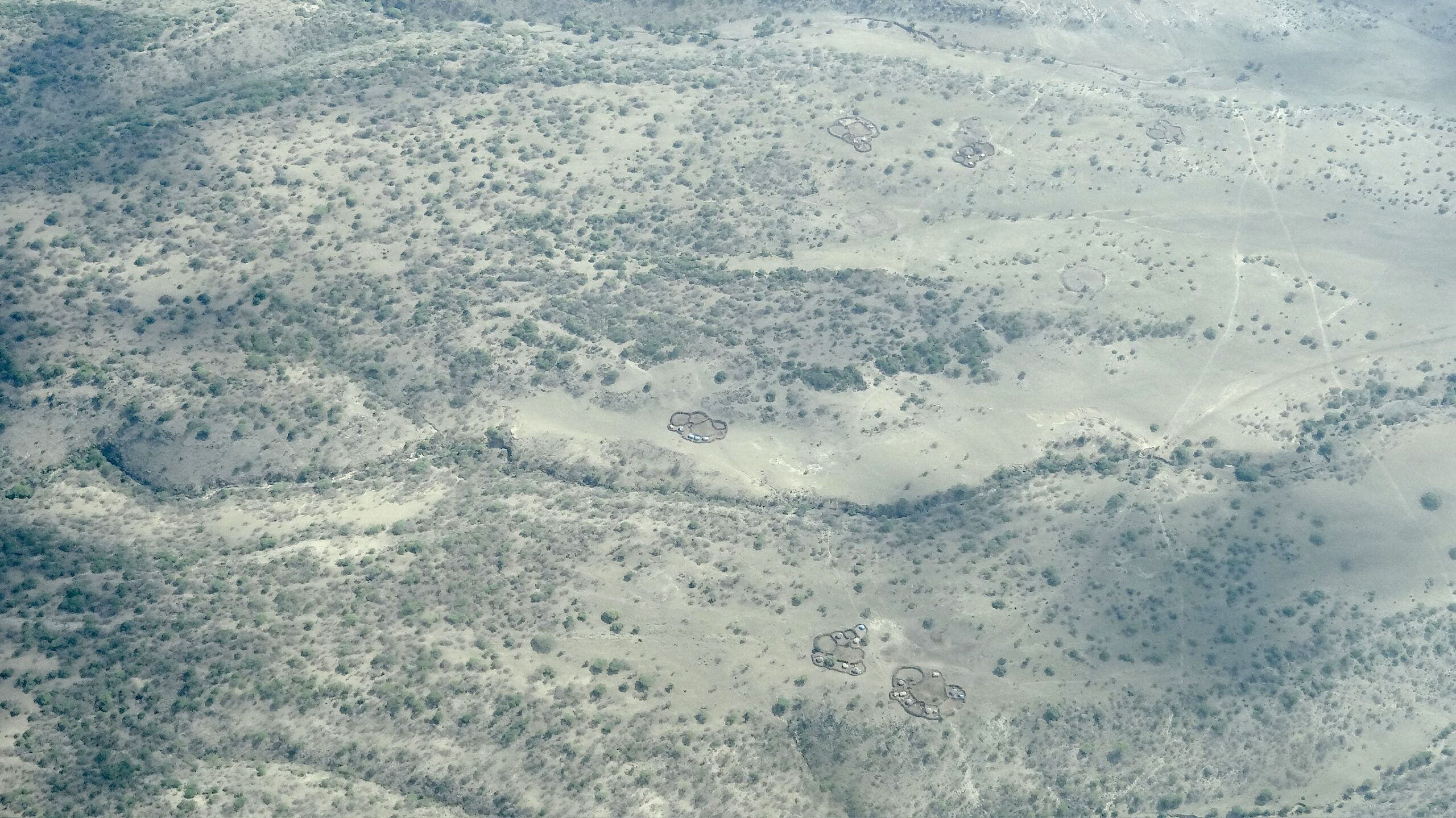
Beyond the gorge, Masai compounds dot the plains.
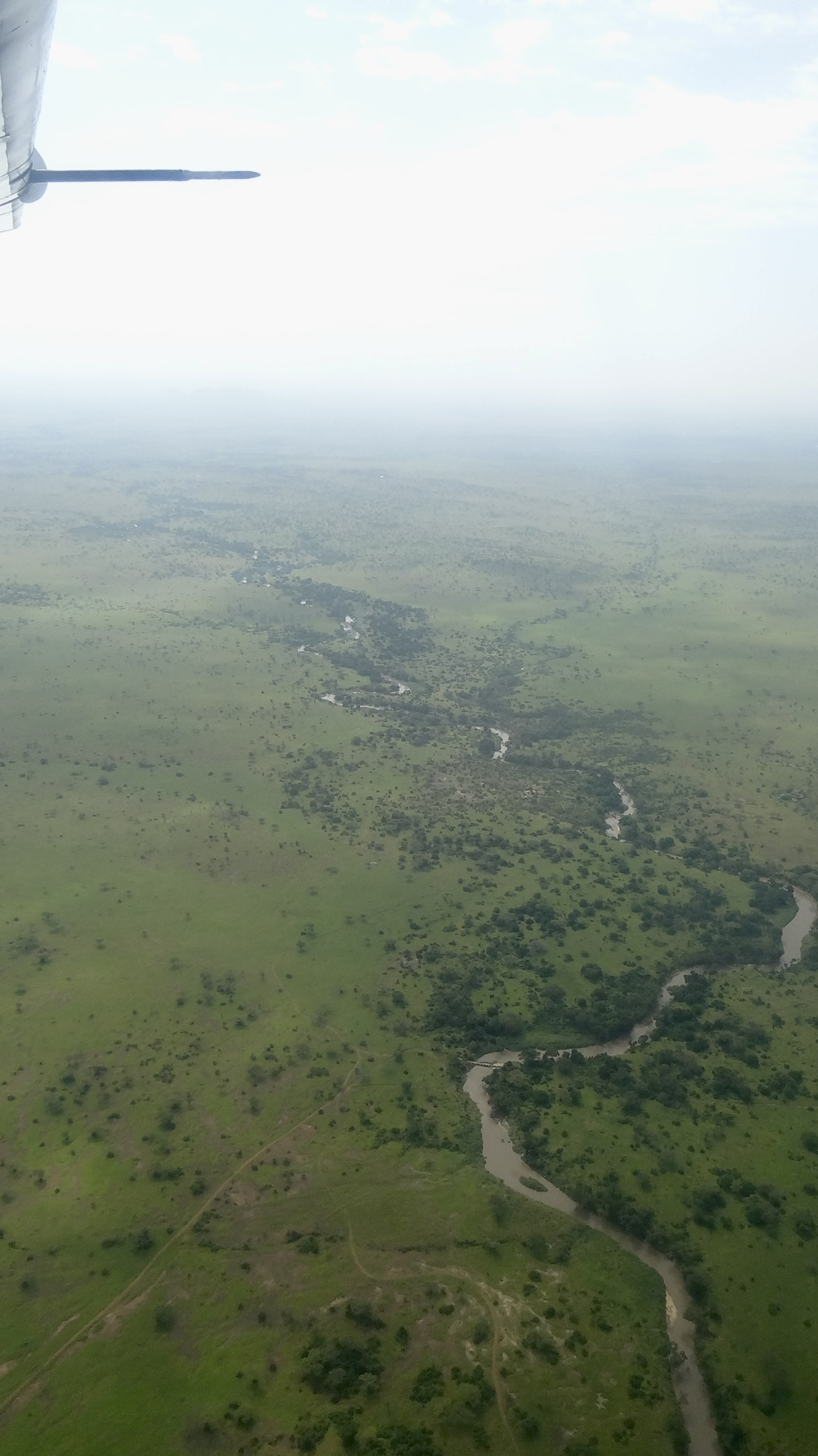
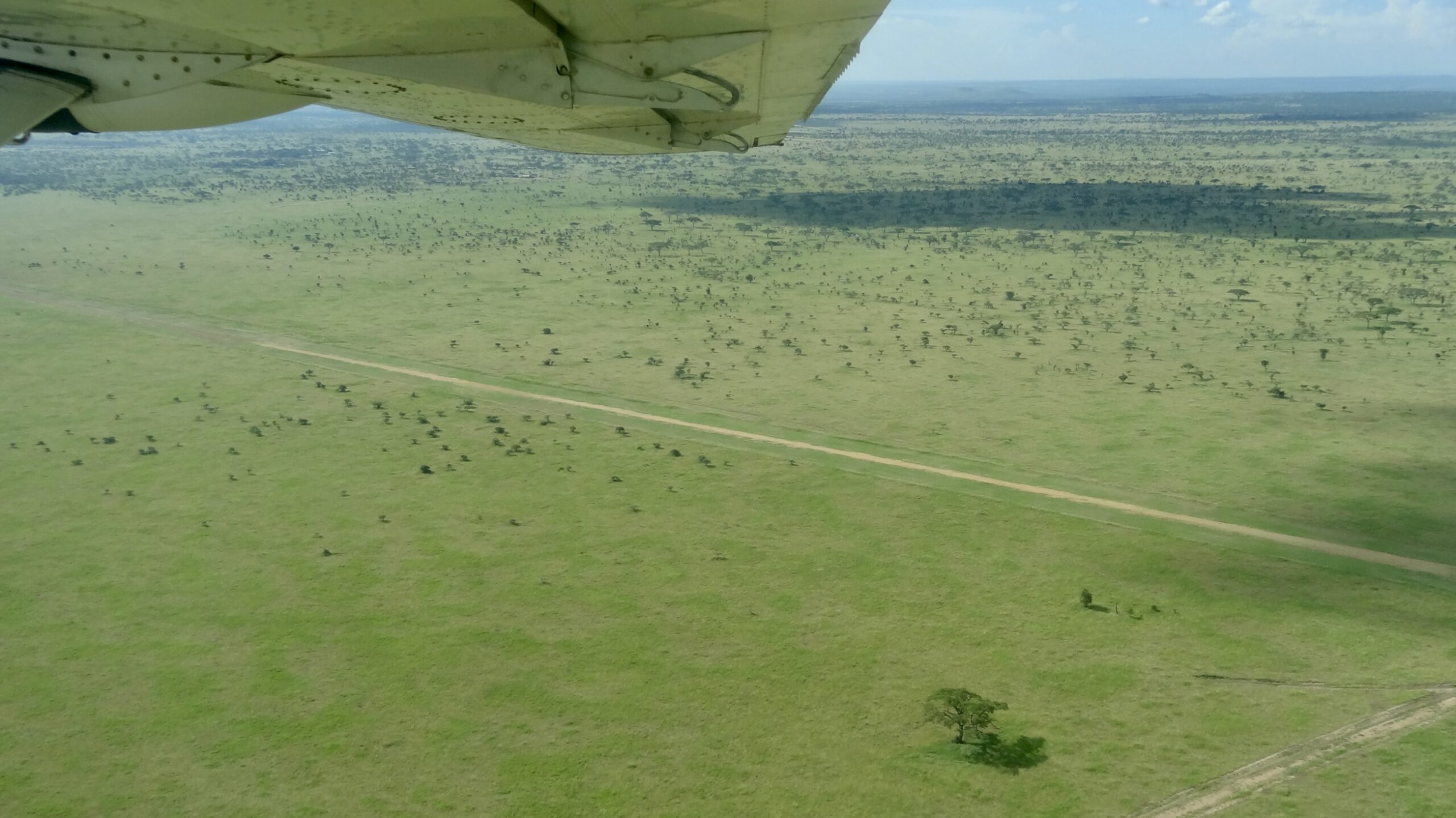
After dropping off the other passengers, it was another 20 minutes flying to get to the Grumeti plains. The Grumeti is a vast catchment for seasonal rains, much like the larger Mara catchment to the north. Its rich soil and spring greening make it an important waypoint for the millions of wildebeests, zebra, and gazelles on their annual 1,800 mile circuit of the greater Serengeti.
The airports, though, just keep getting smaller.
From the airfield, we went by Range Rover and dirt track about a mile to the lodge.
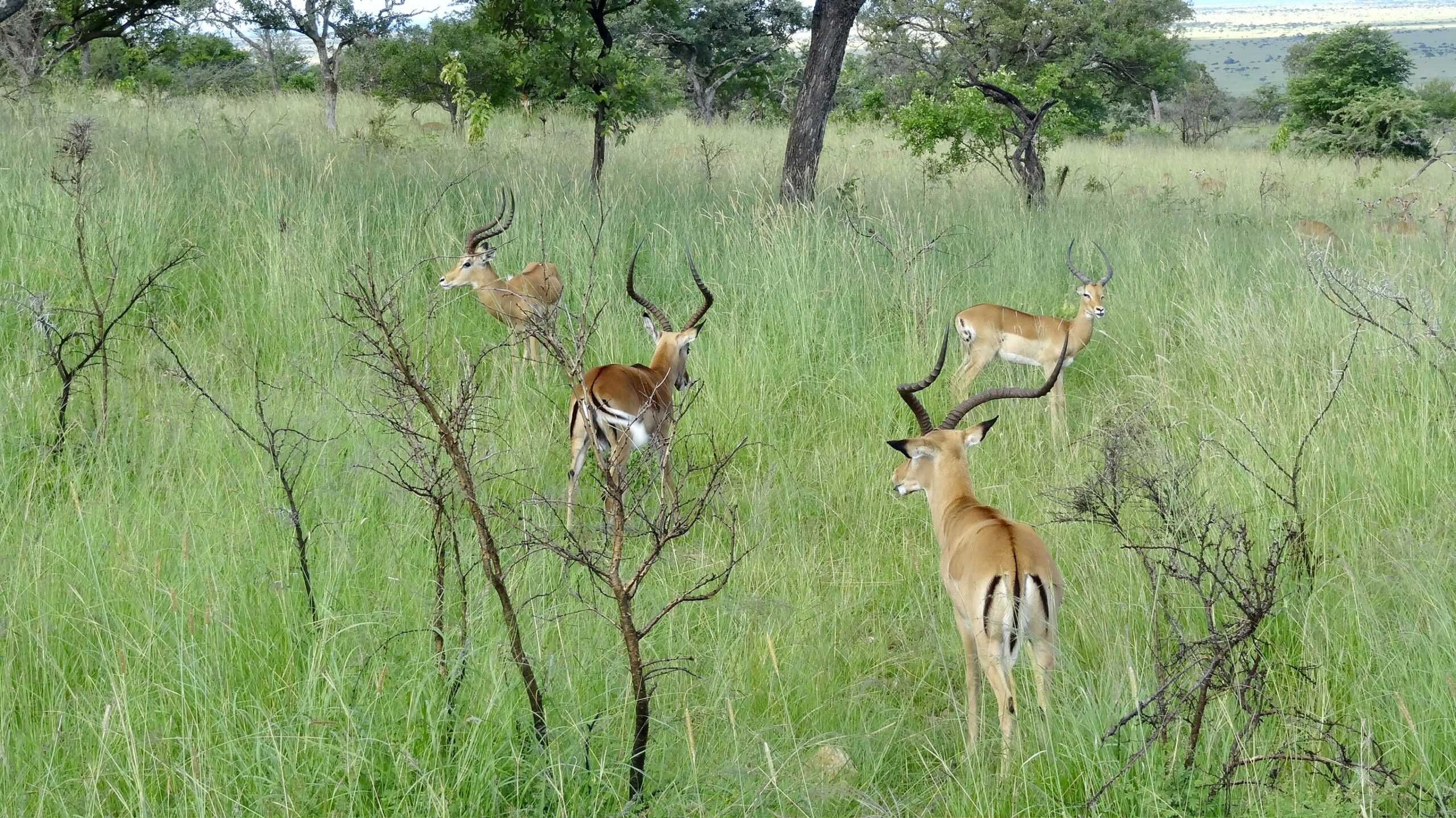
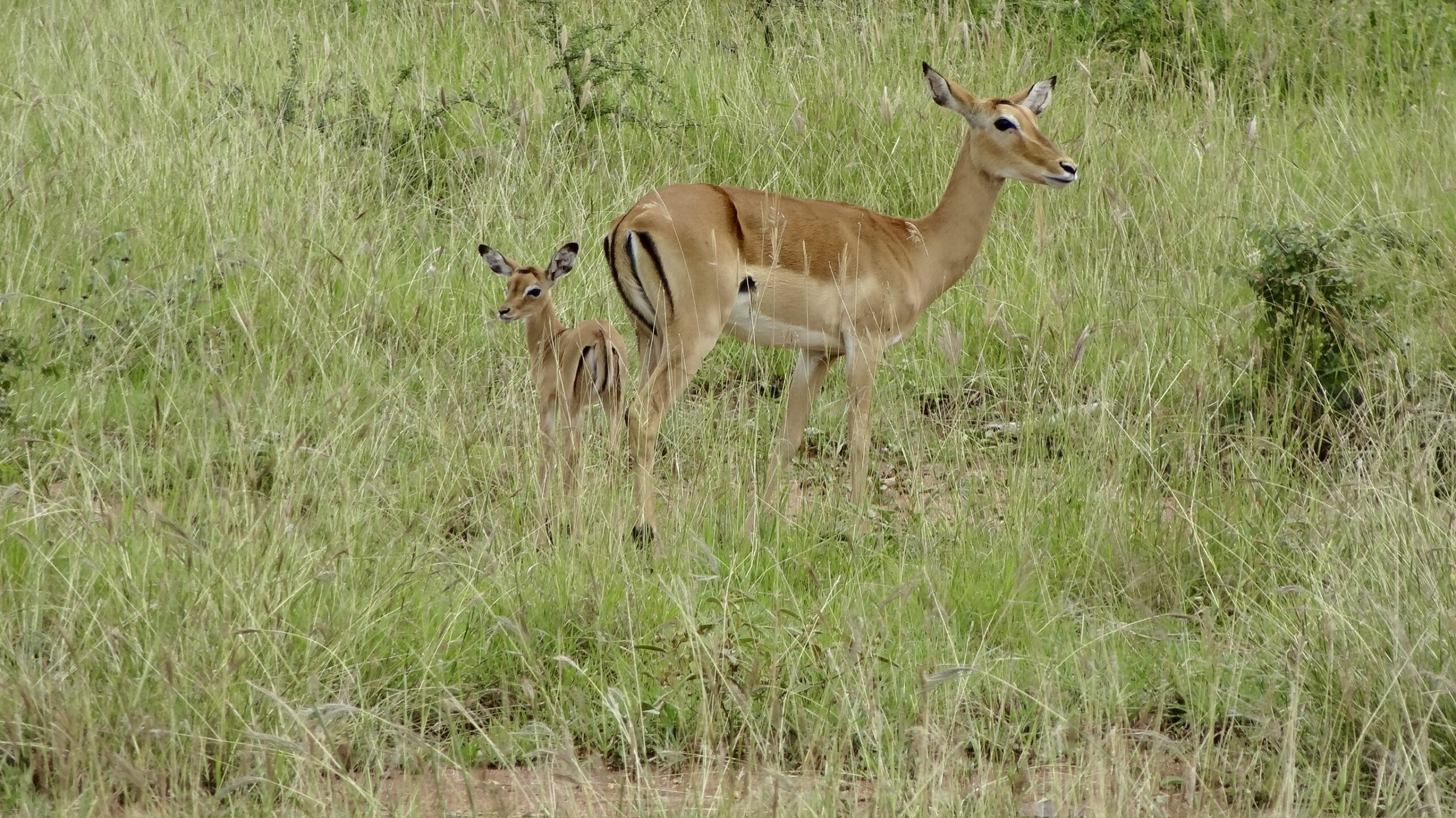
On our way up the low hill, we stopped to watch a herd of Impalas. Front and center is a small group of males.
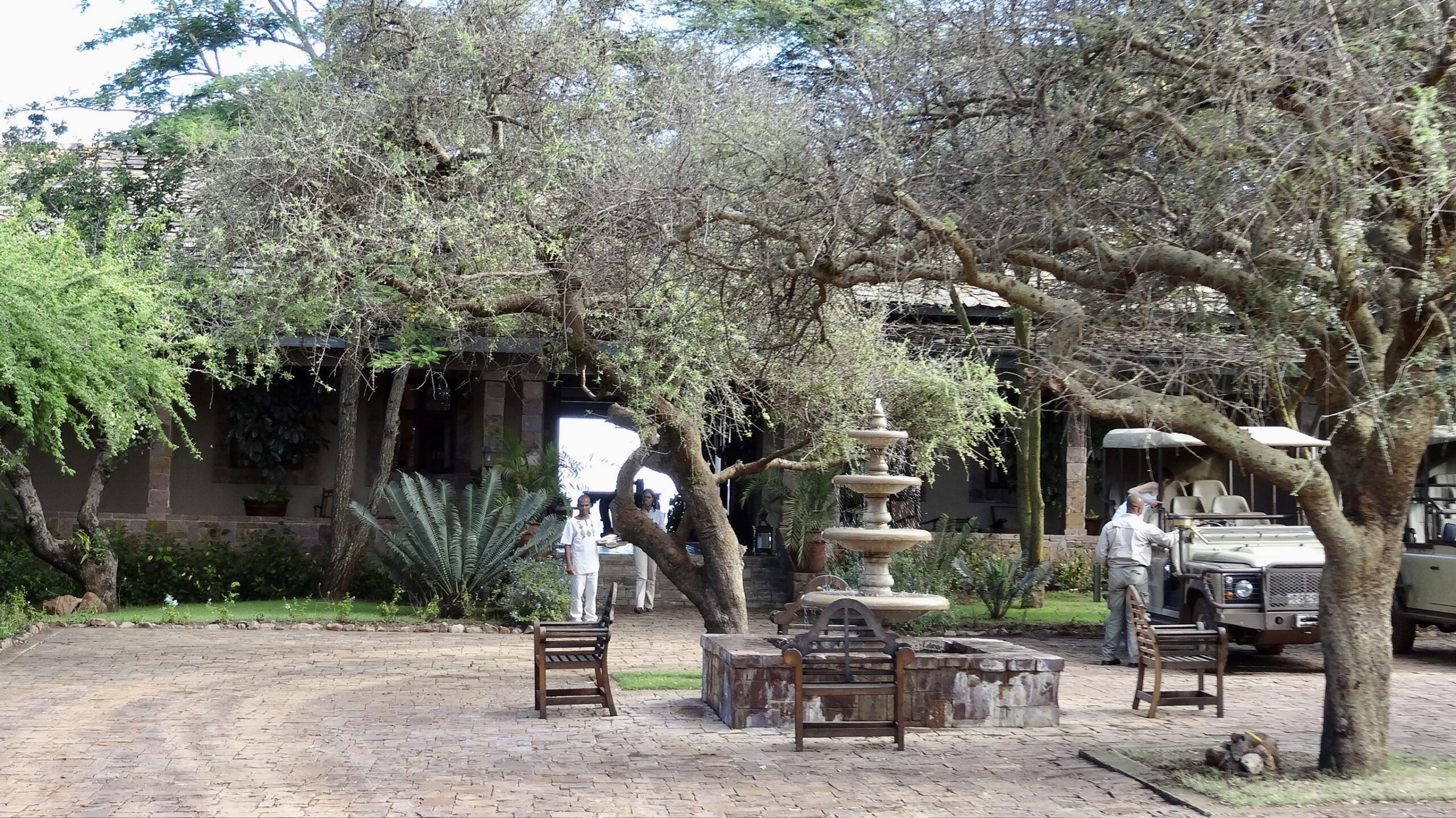
At the top of the hill is Singita Sasaskwa Lodge. Waiting to welcome us at the entrance is Frederick, who would attend us during our stay.
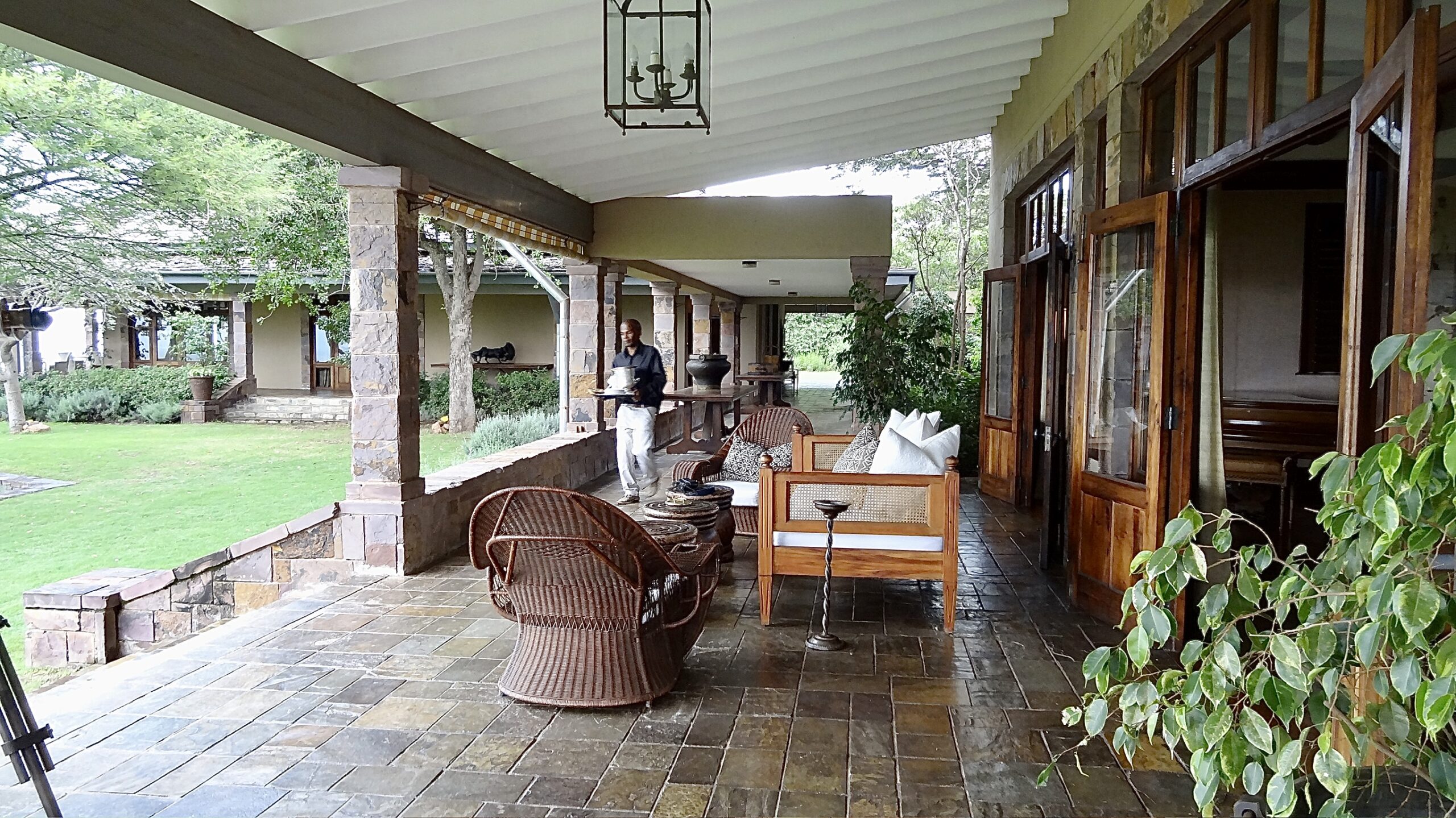
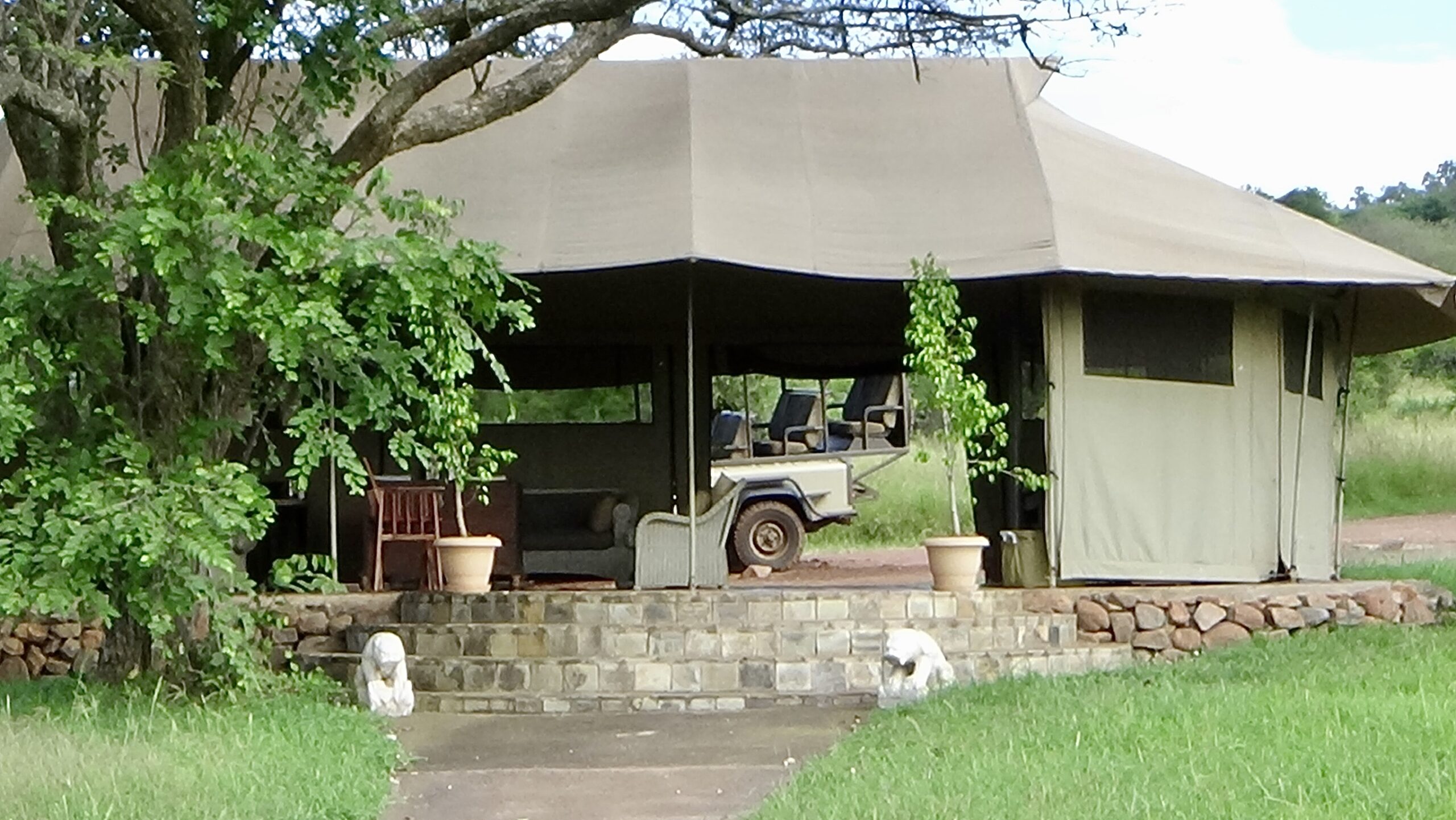
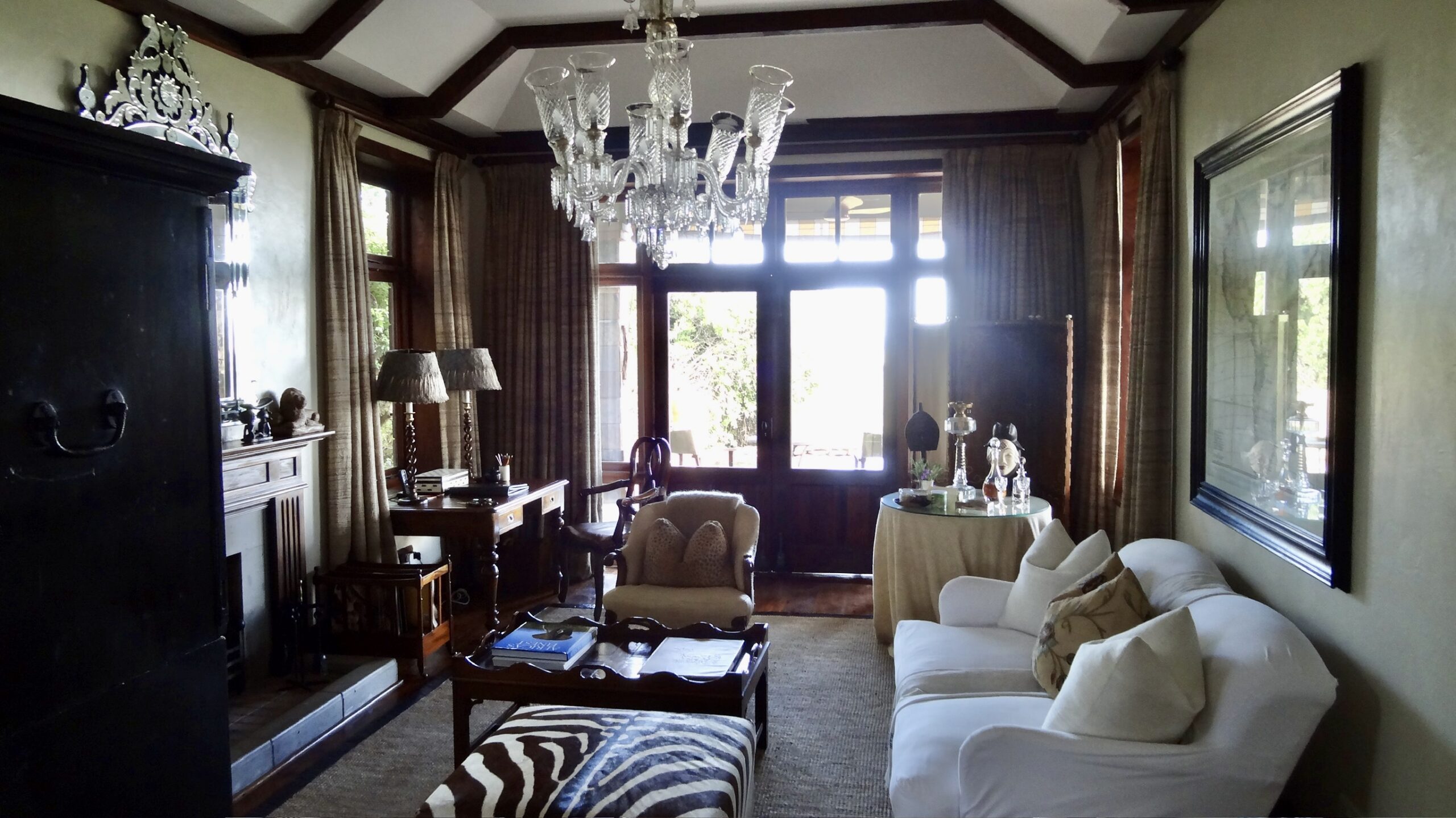
The lodge’s rooms are spacious individual cottages.
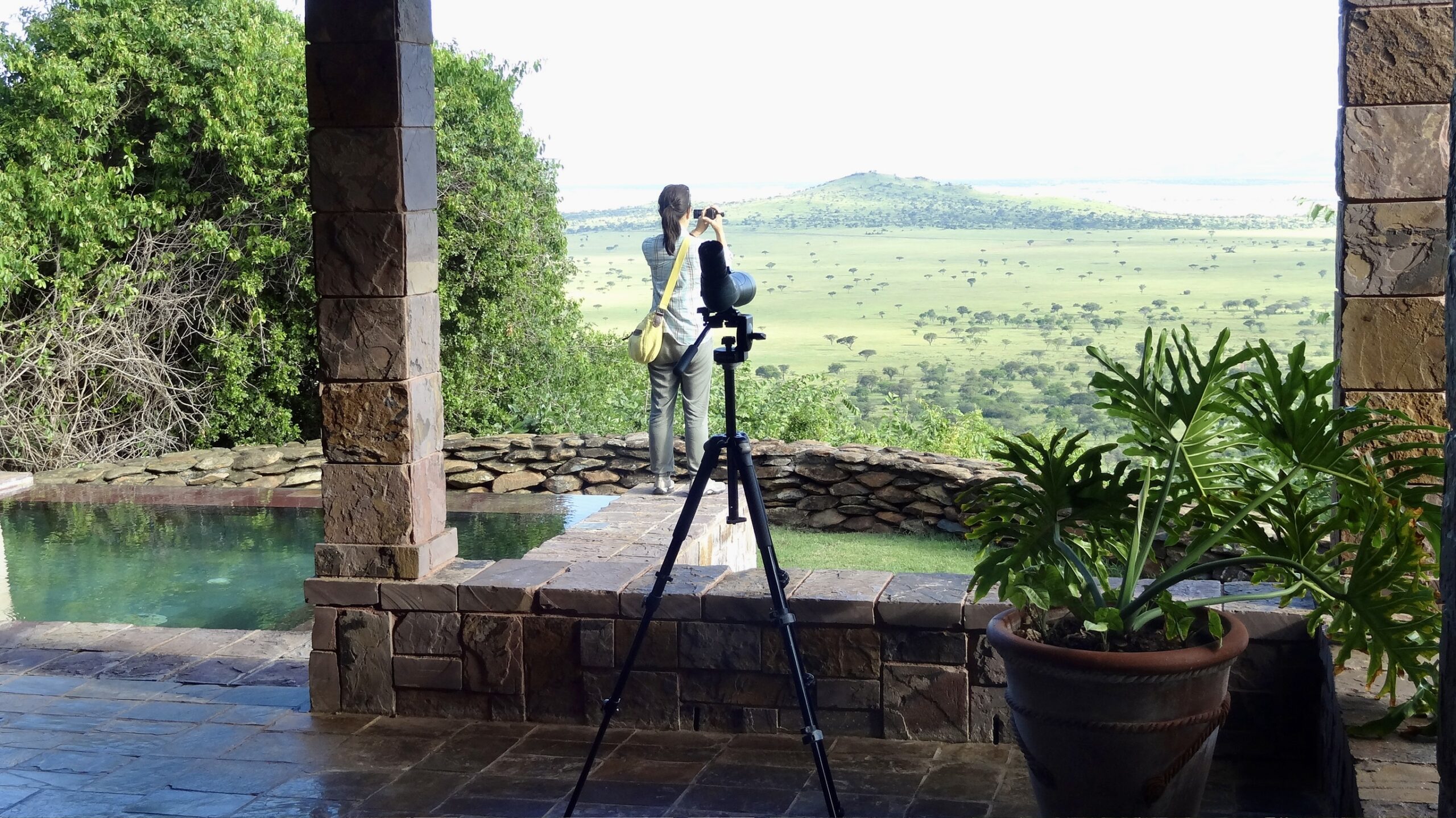
The videographer went strait for the view from the little plunge pool.
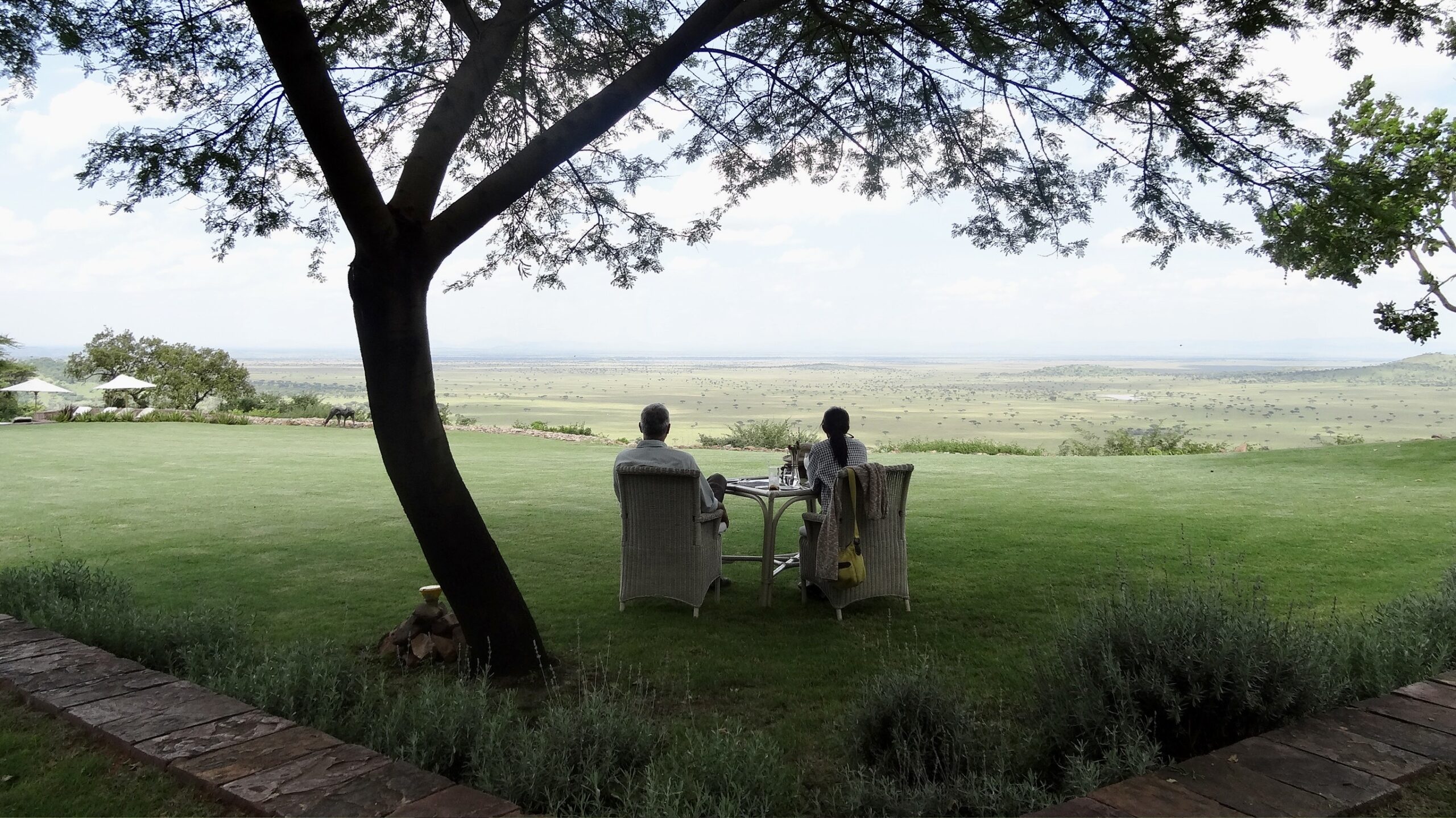
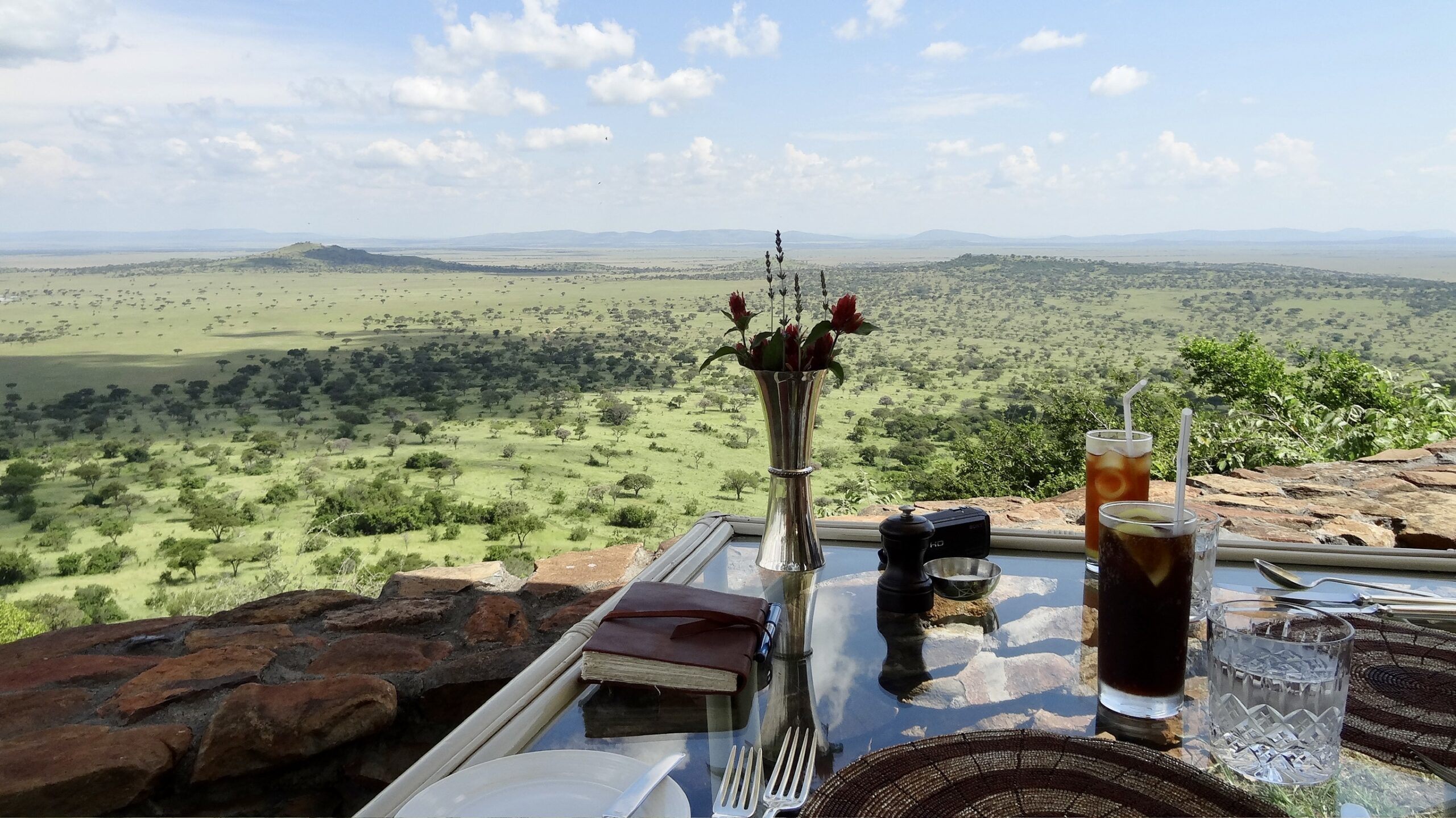
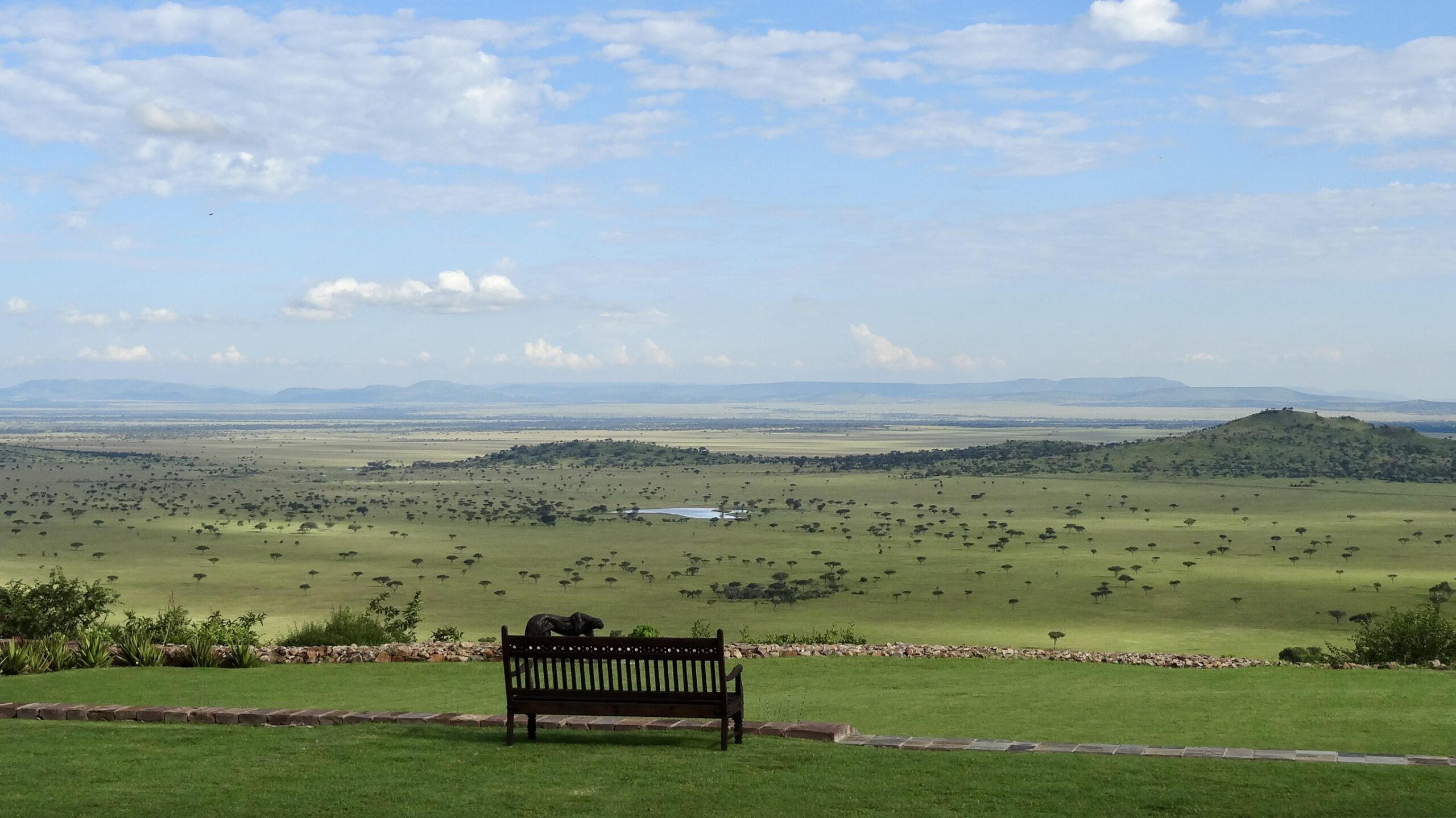
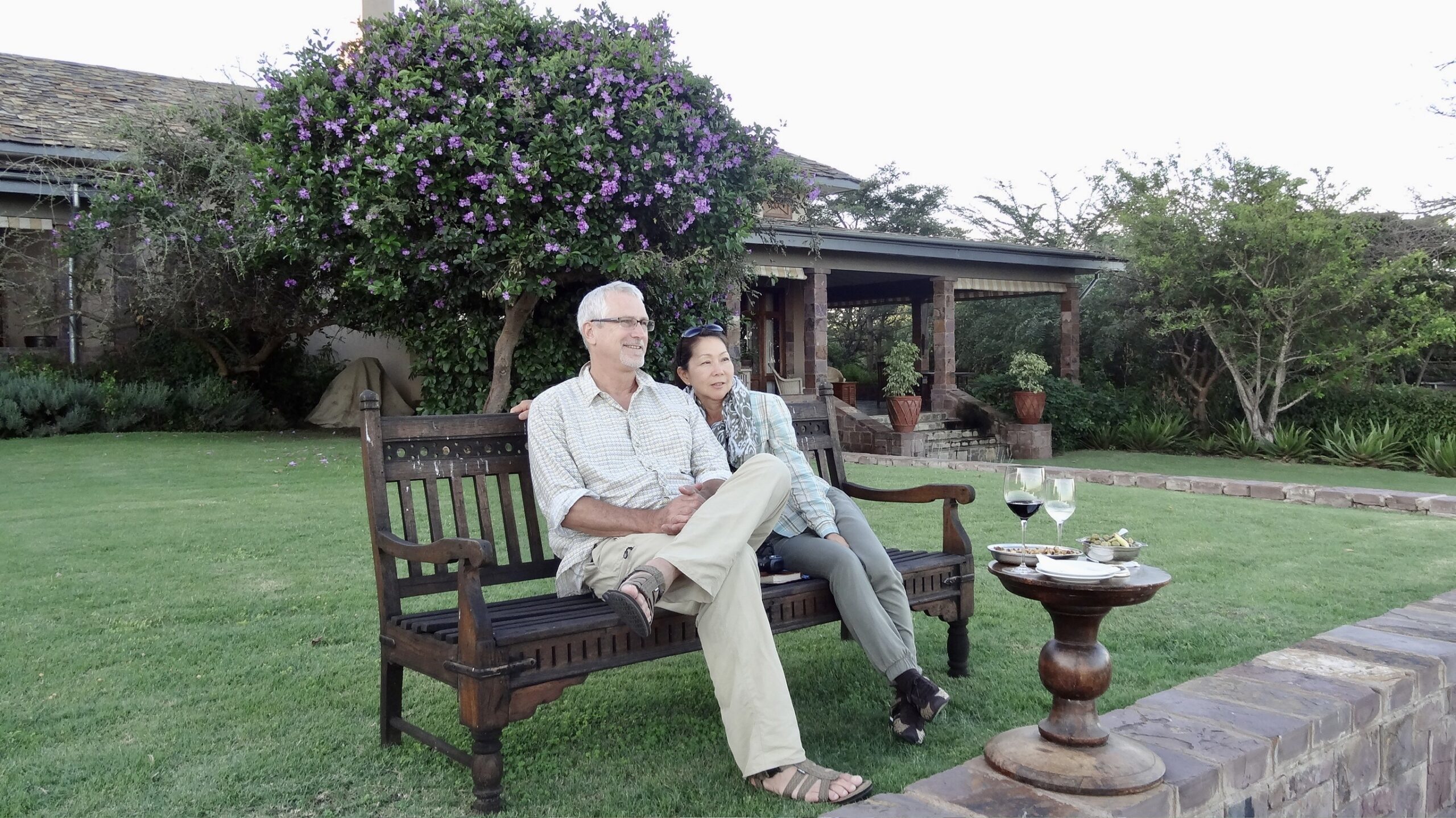
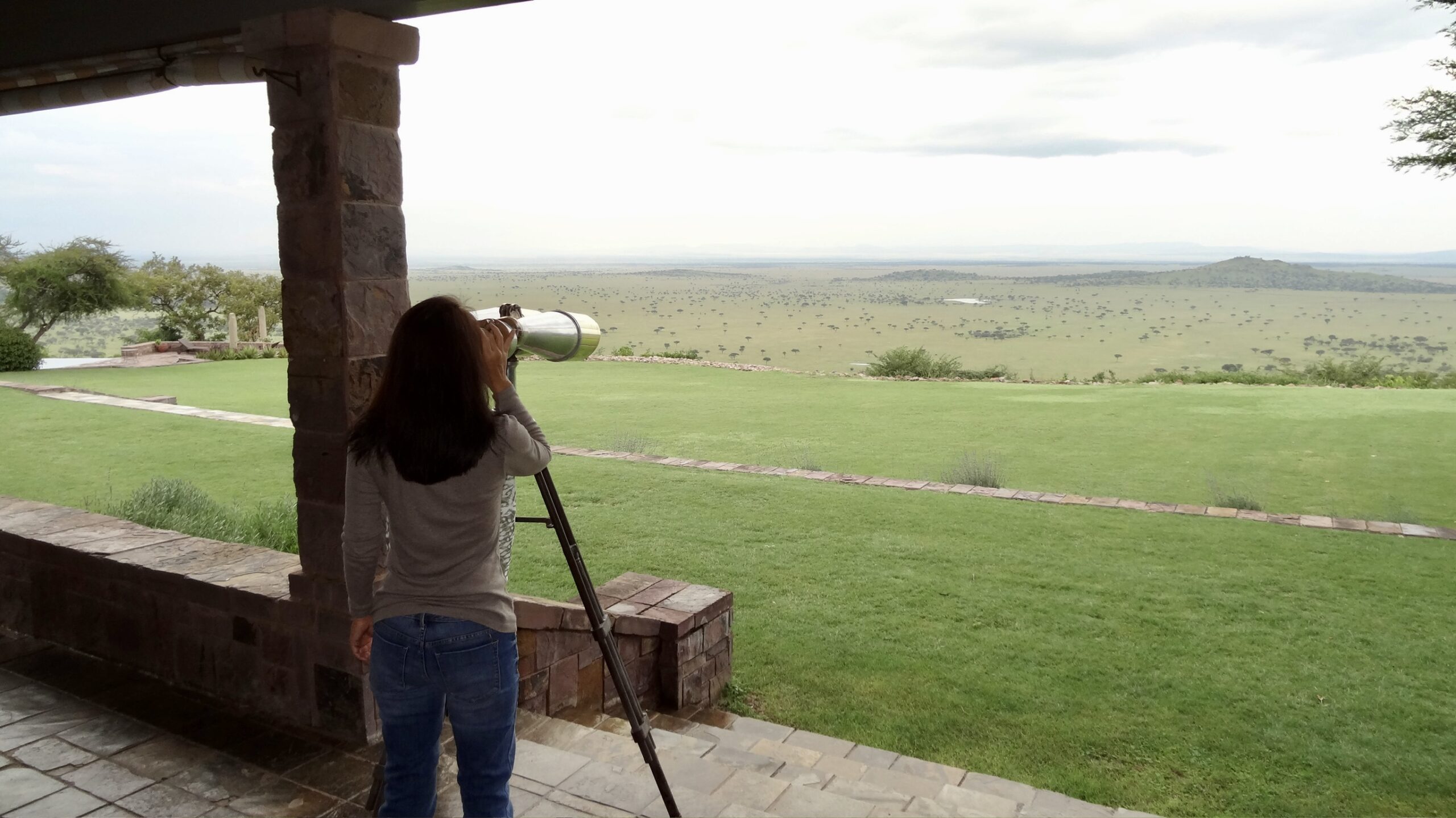
The lodge has an unrivaled view of the savanna. The Grumeti river that runs through it is seasonal, and any water that doesn’t soak in ends up in Lake Victoria. about 30 miles to the west. The bench immediately attracted us.
Frederick brought us snacks and wine and took our picture. We sat there until it was time for dinner. He set a table right behind us and served us there, so we didn’t leave the view until we headed back to our cottage.
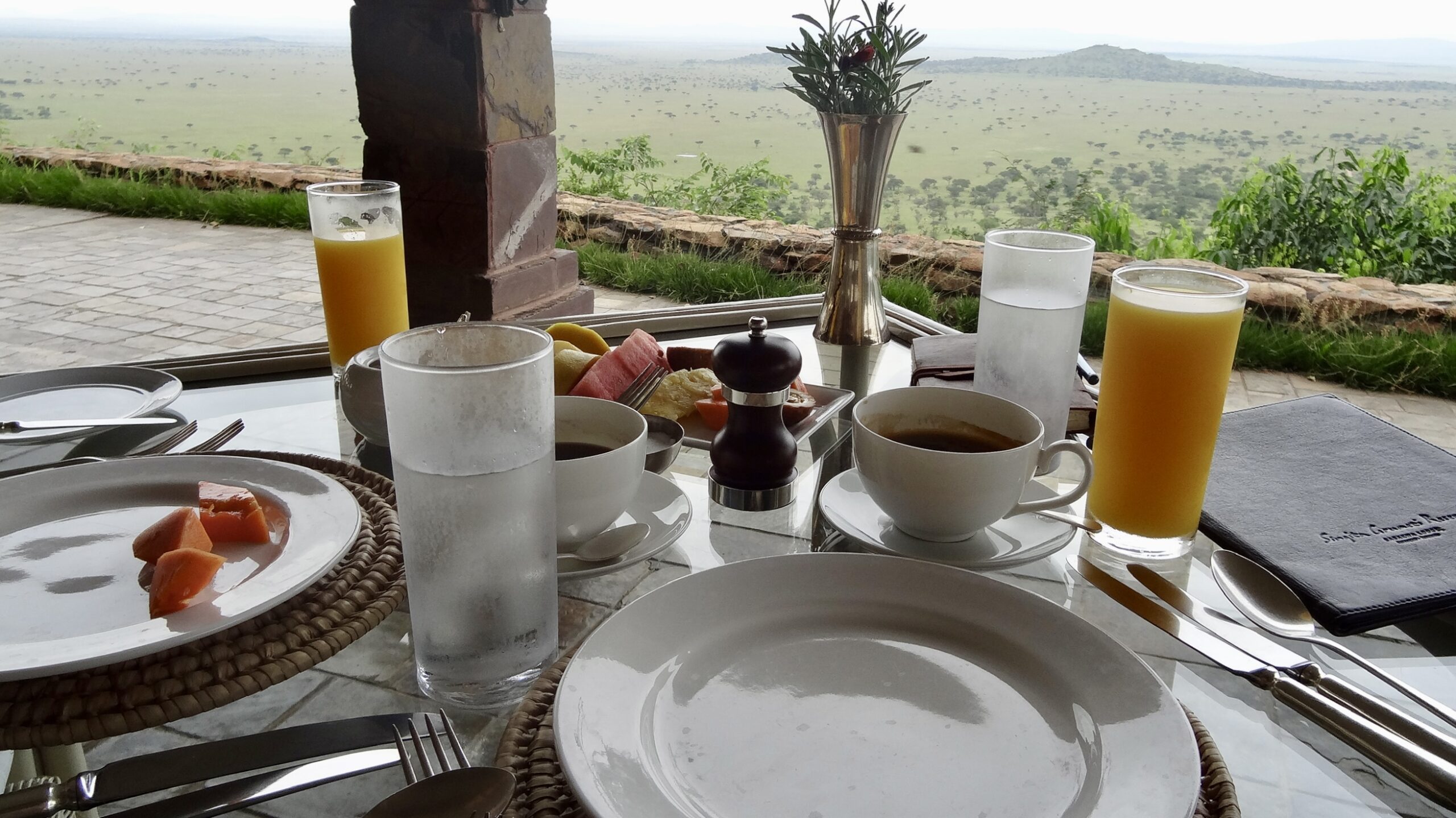
Morning started with a light first breakfast before a game drive.
The videographer checked out the distant pond to see if there were any hippopotamuses.
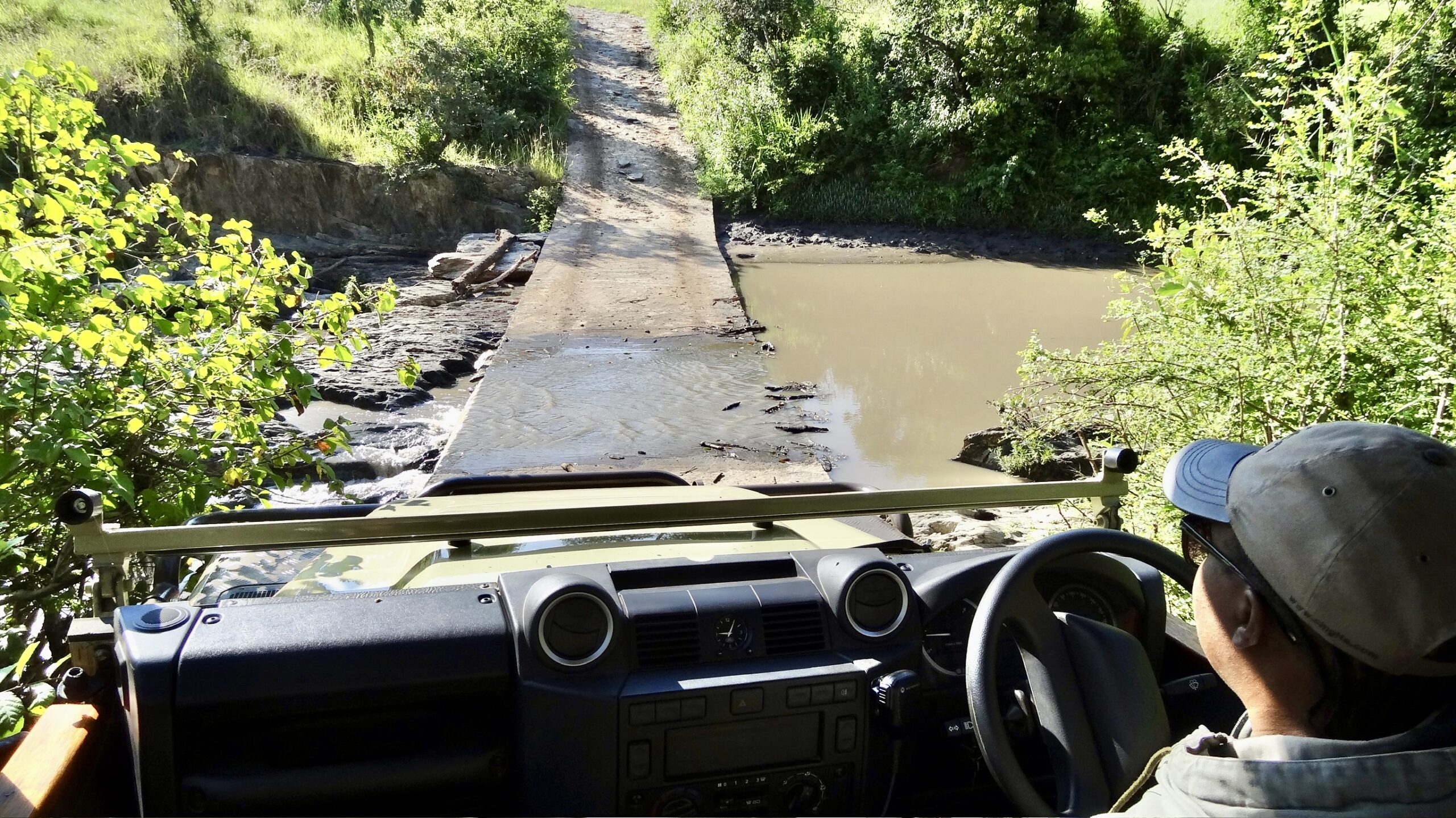
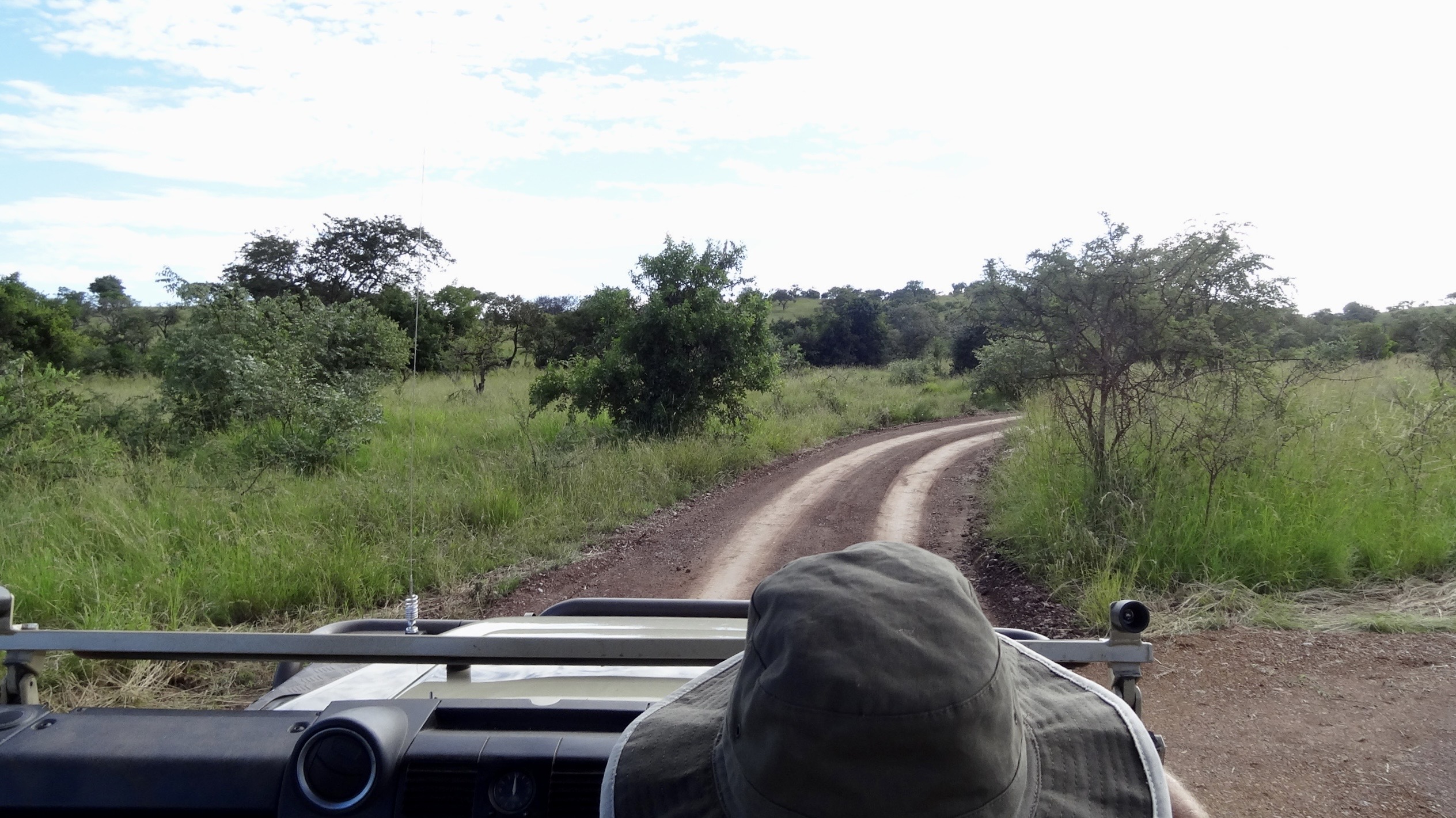
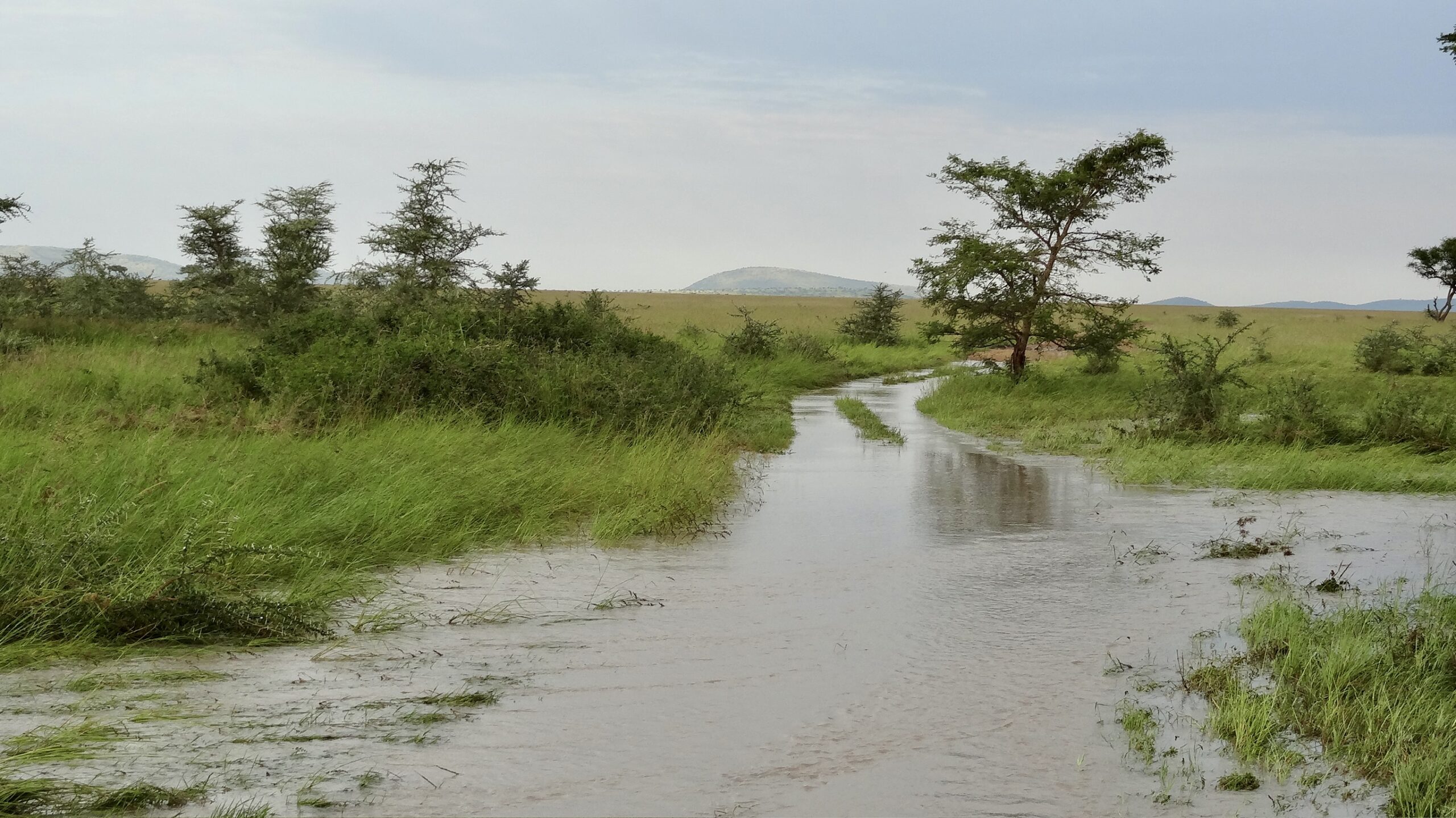
Then we were in the Land Rover, warm blankets in our laps, looking for wildlife. The Grumeti’s rains had recently ended, and low points and gulleys still needed to be waded through.
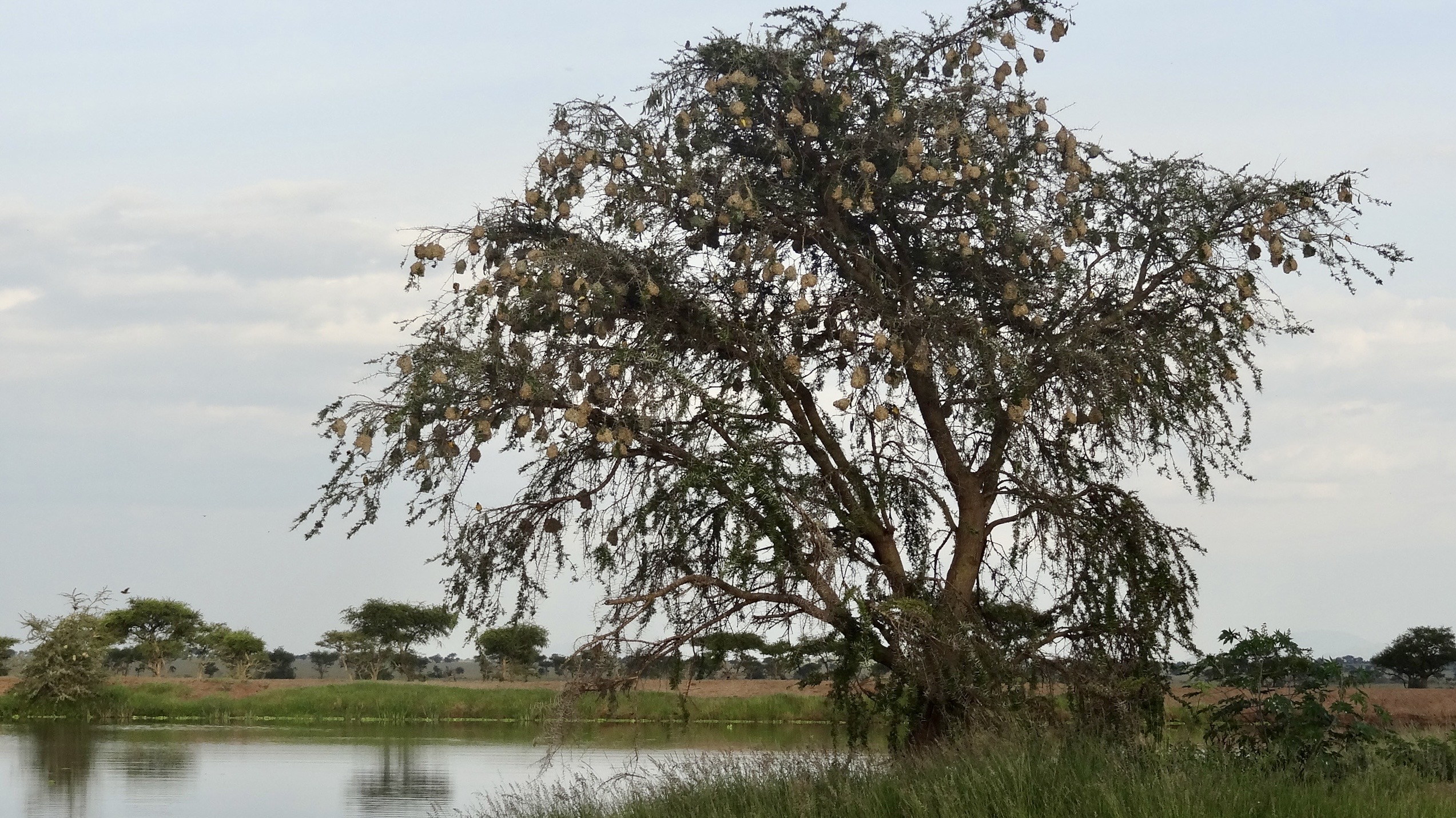
We didn’t have a big-five checklist and were excited to see everything. Like this tree of basket-weaver bird nests.
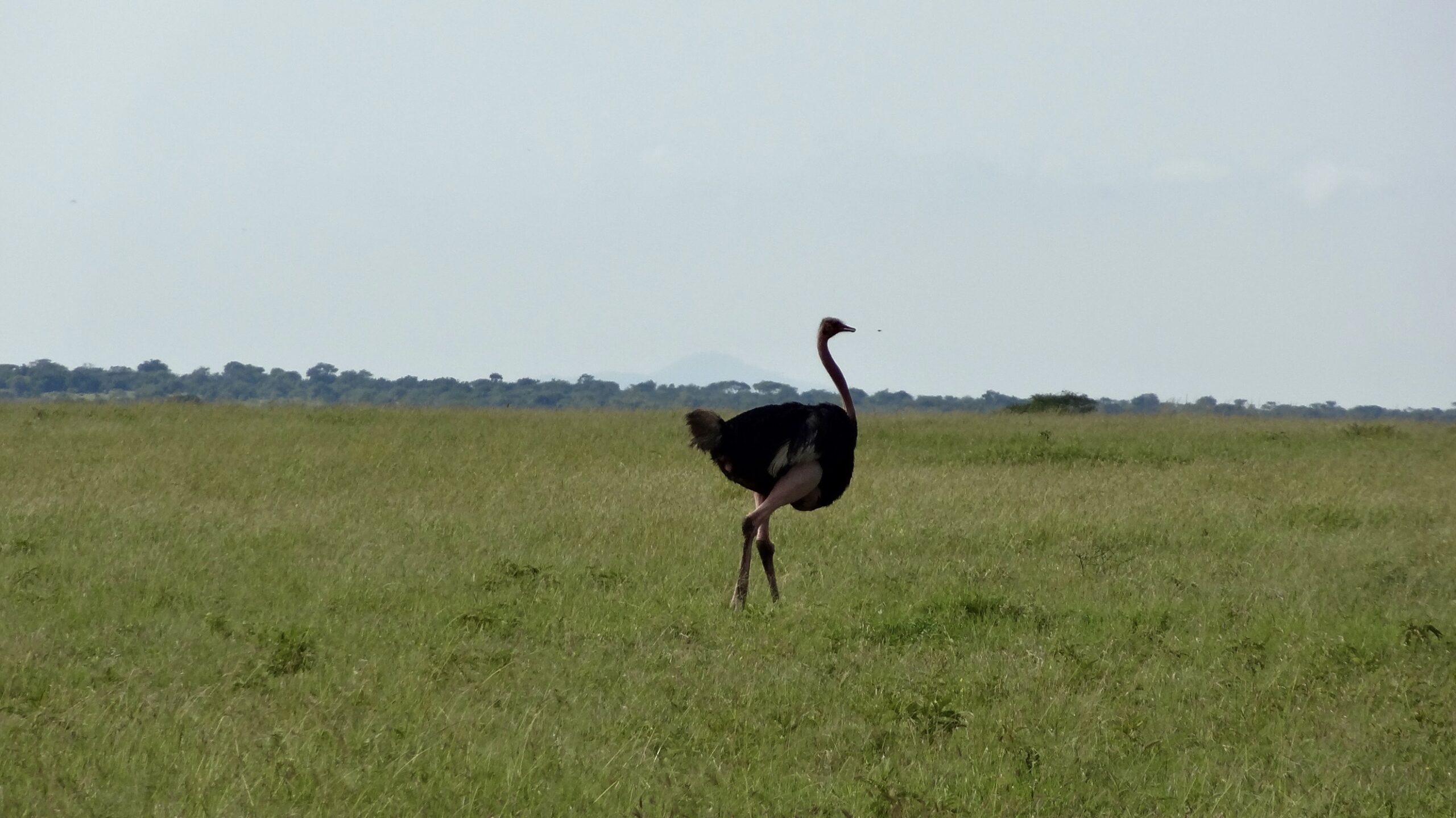
And the occasional Ostrich …
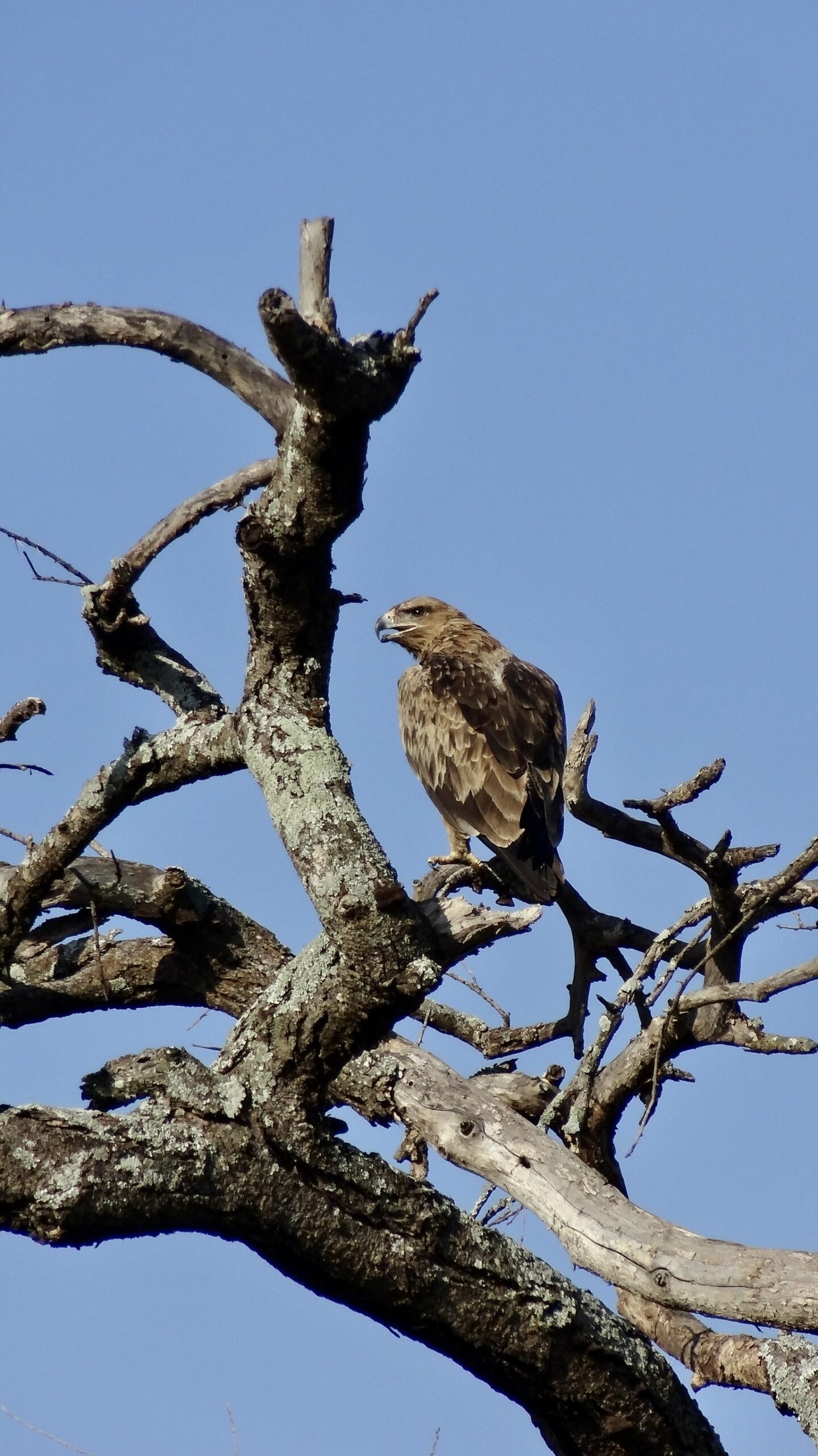
Along with other birds, like this Tawny Eagle, also called an Aquila …
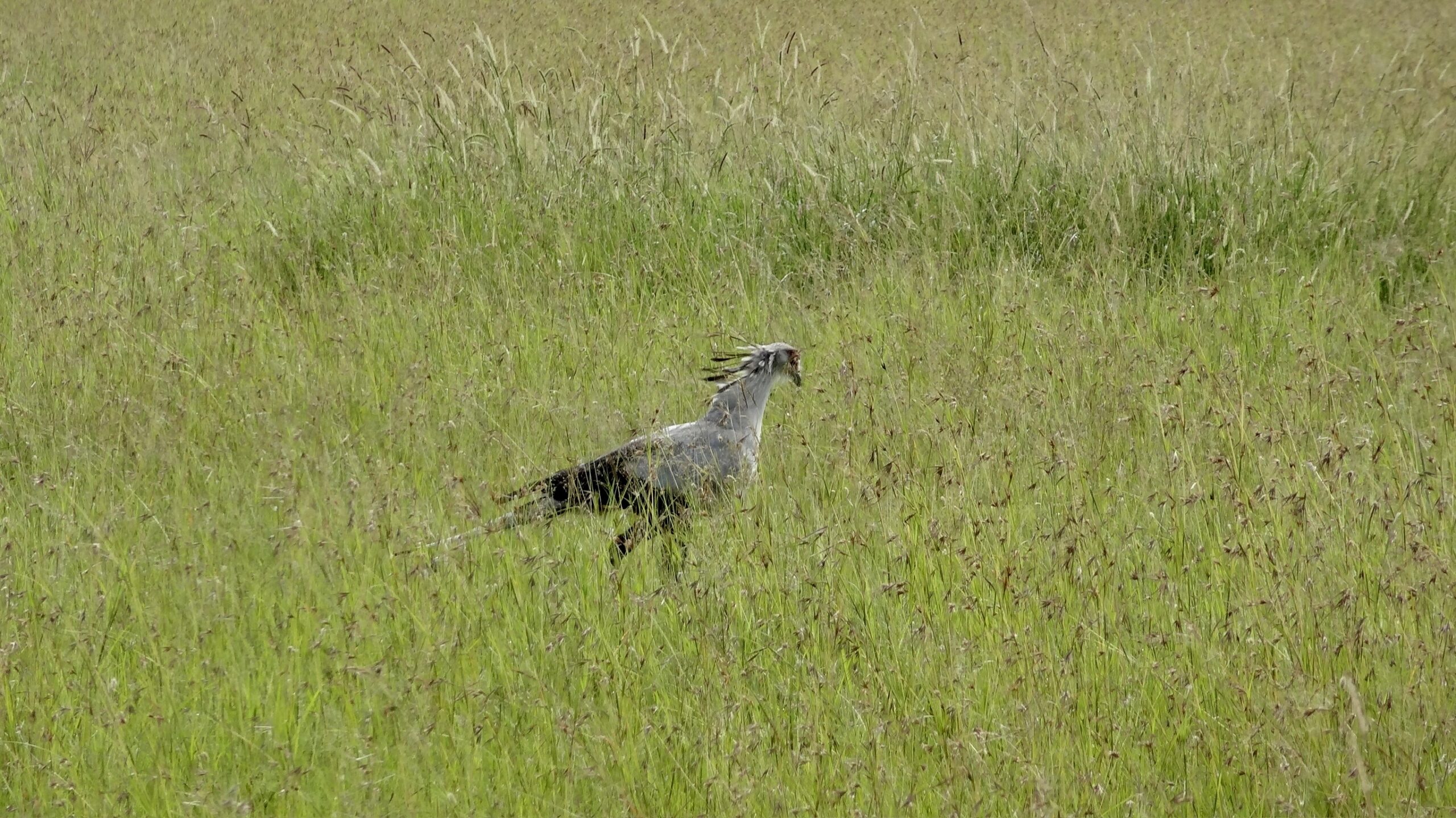
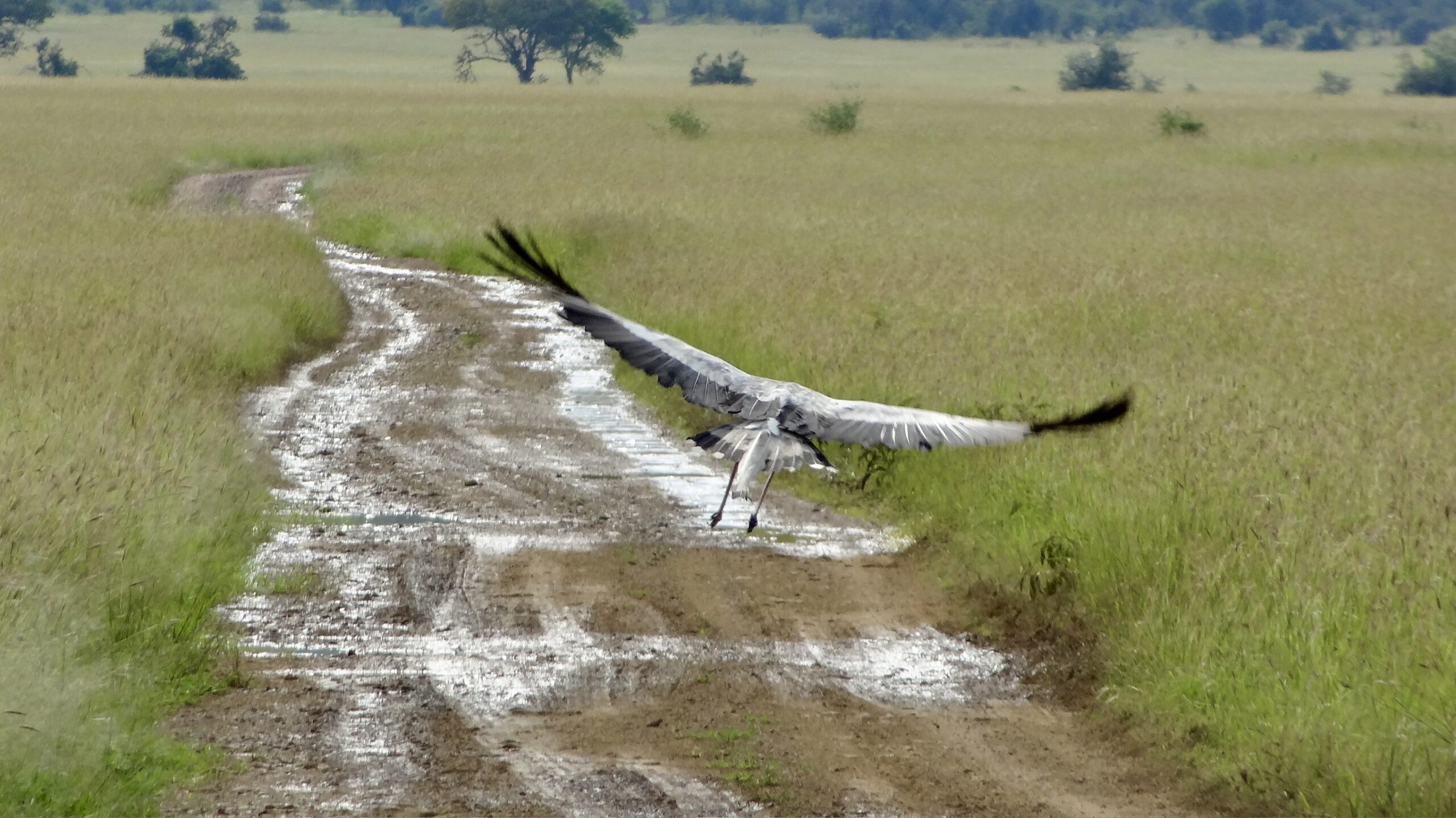
And Secretary Birds (above and below) …
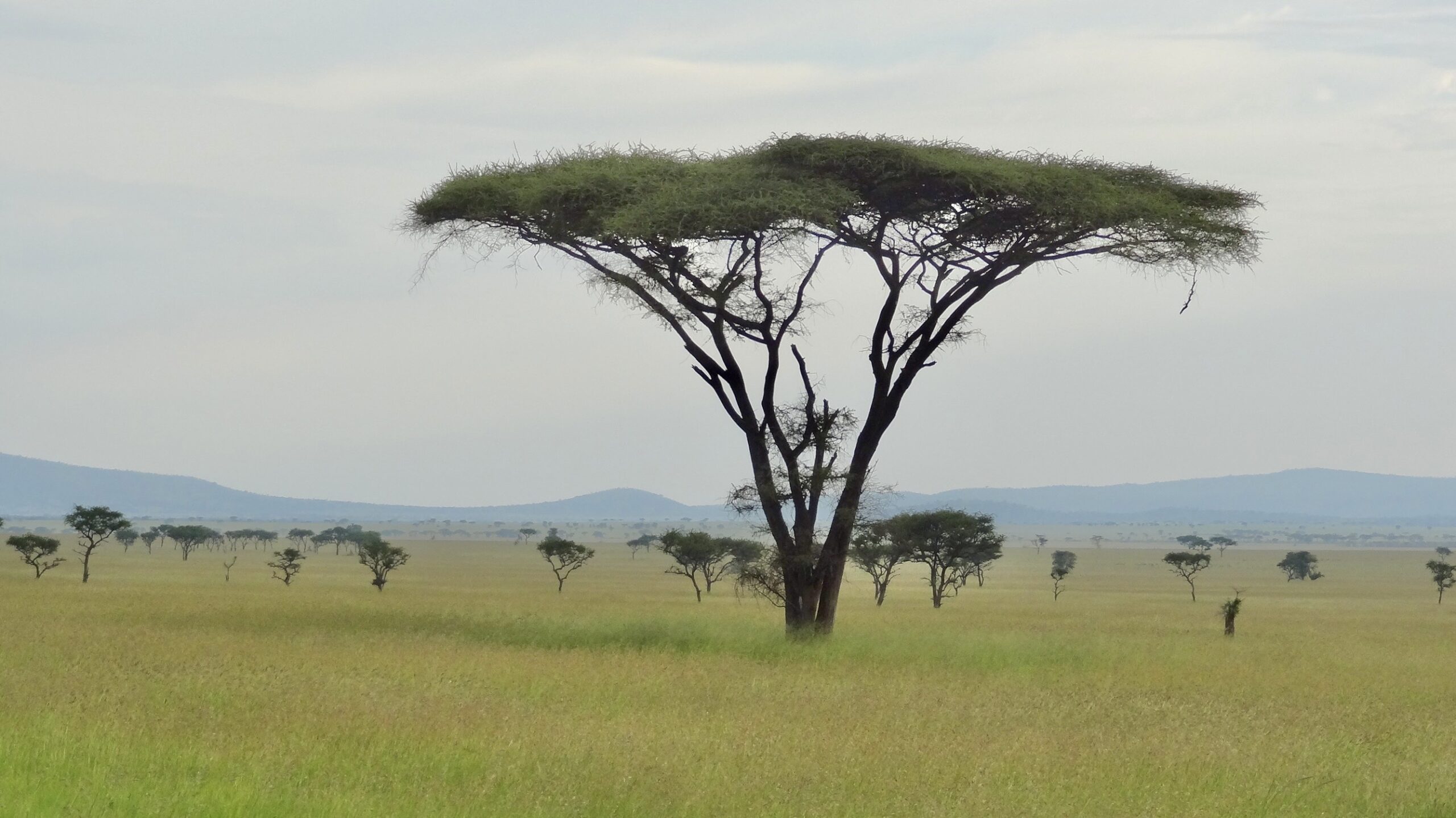
Even the wide, empty stretches of Acacia trees were mesmerizing.
But larger wildlife was everywhere, too. Here is the little Oribi, yet another member of the Antelope family. There are dozens of different kinds of Antelope in the Sarengeti.
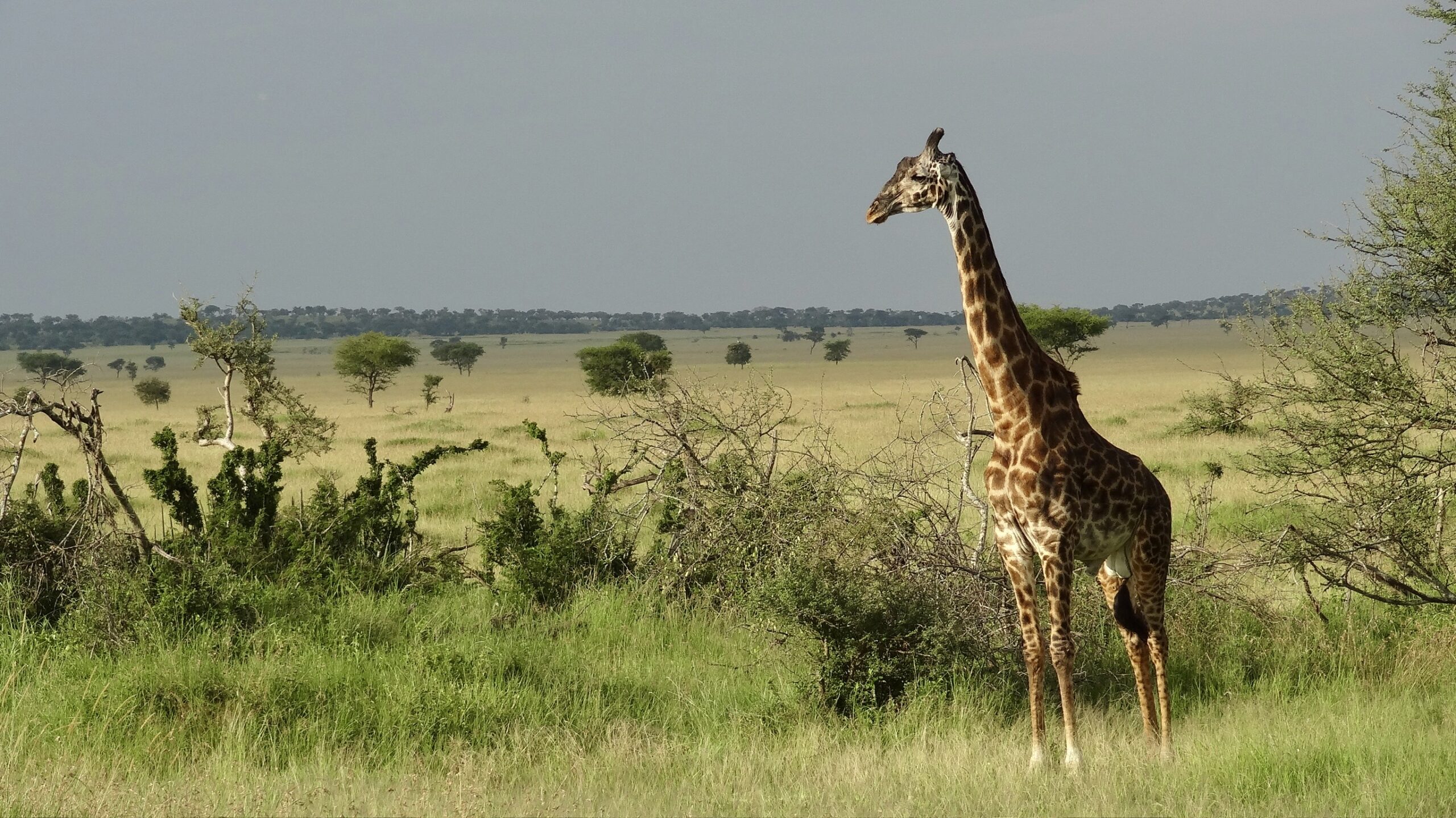
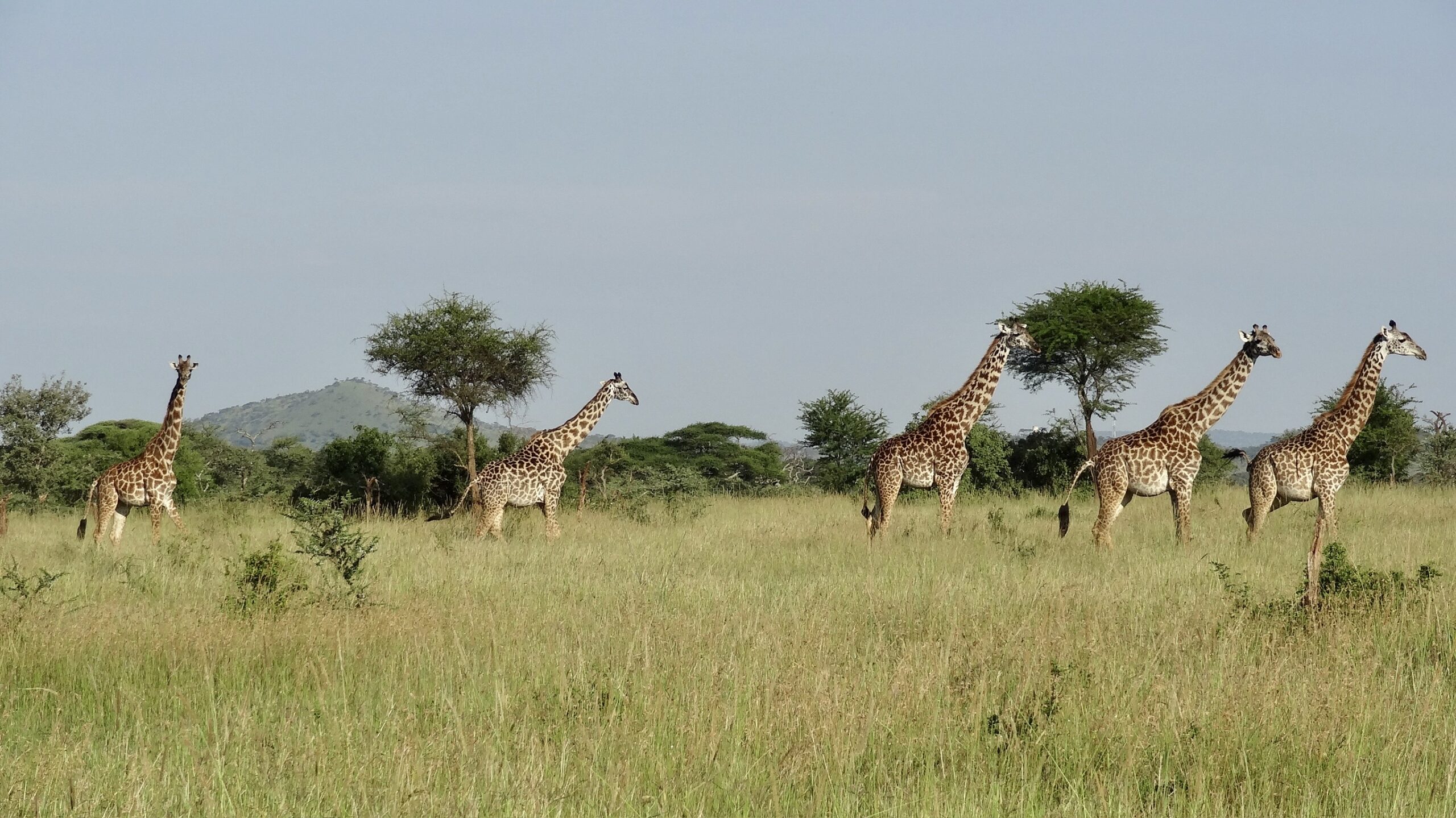
And Giraffes (above and below) …
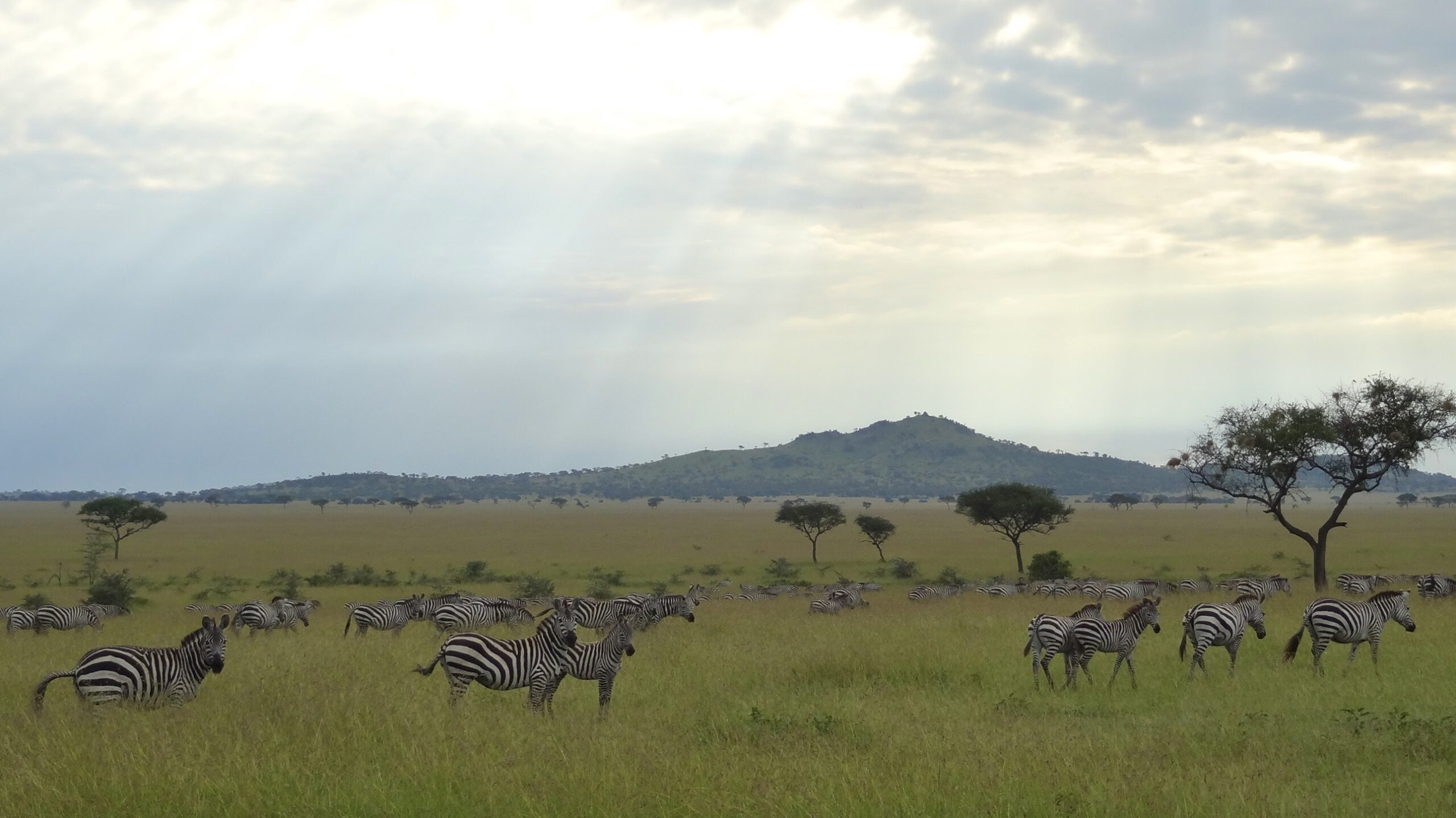
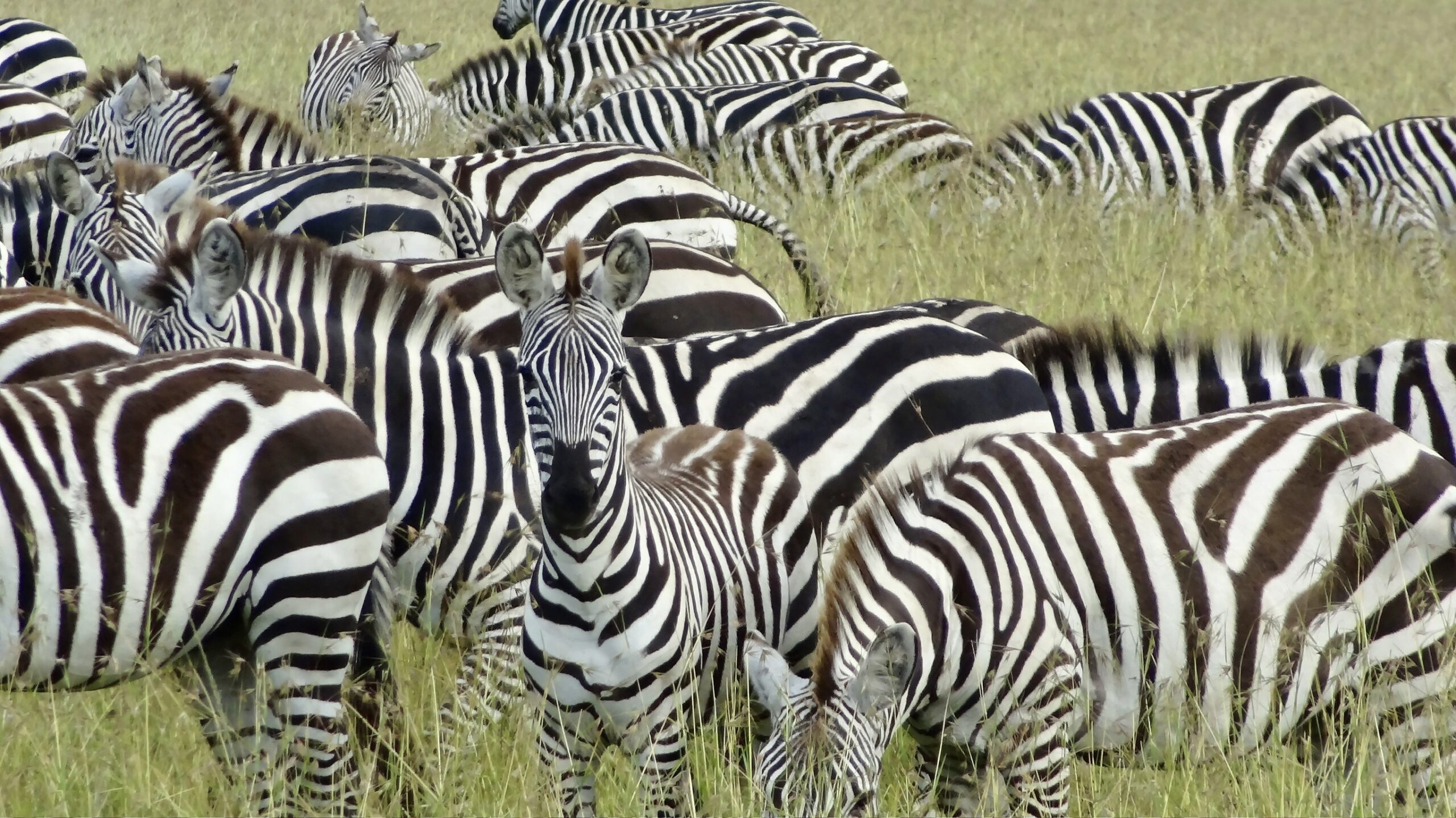
Herds of Zebra …
Some of them just as curious about us.
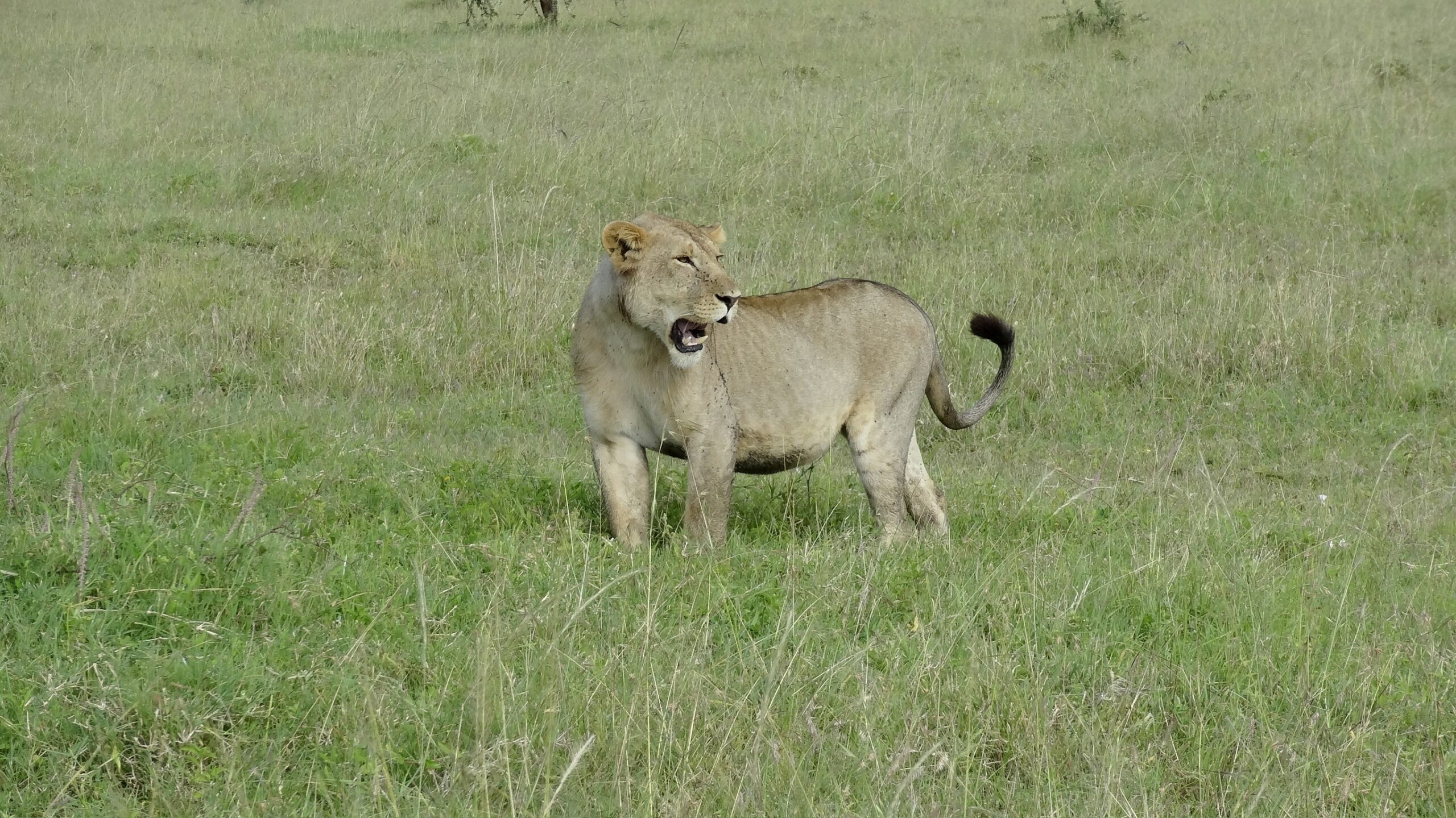
We followed this young lion for a bit. He was being swarmed by pesky bugs and midges, which he didn’t seem too happy about.

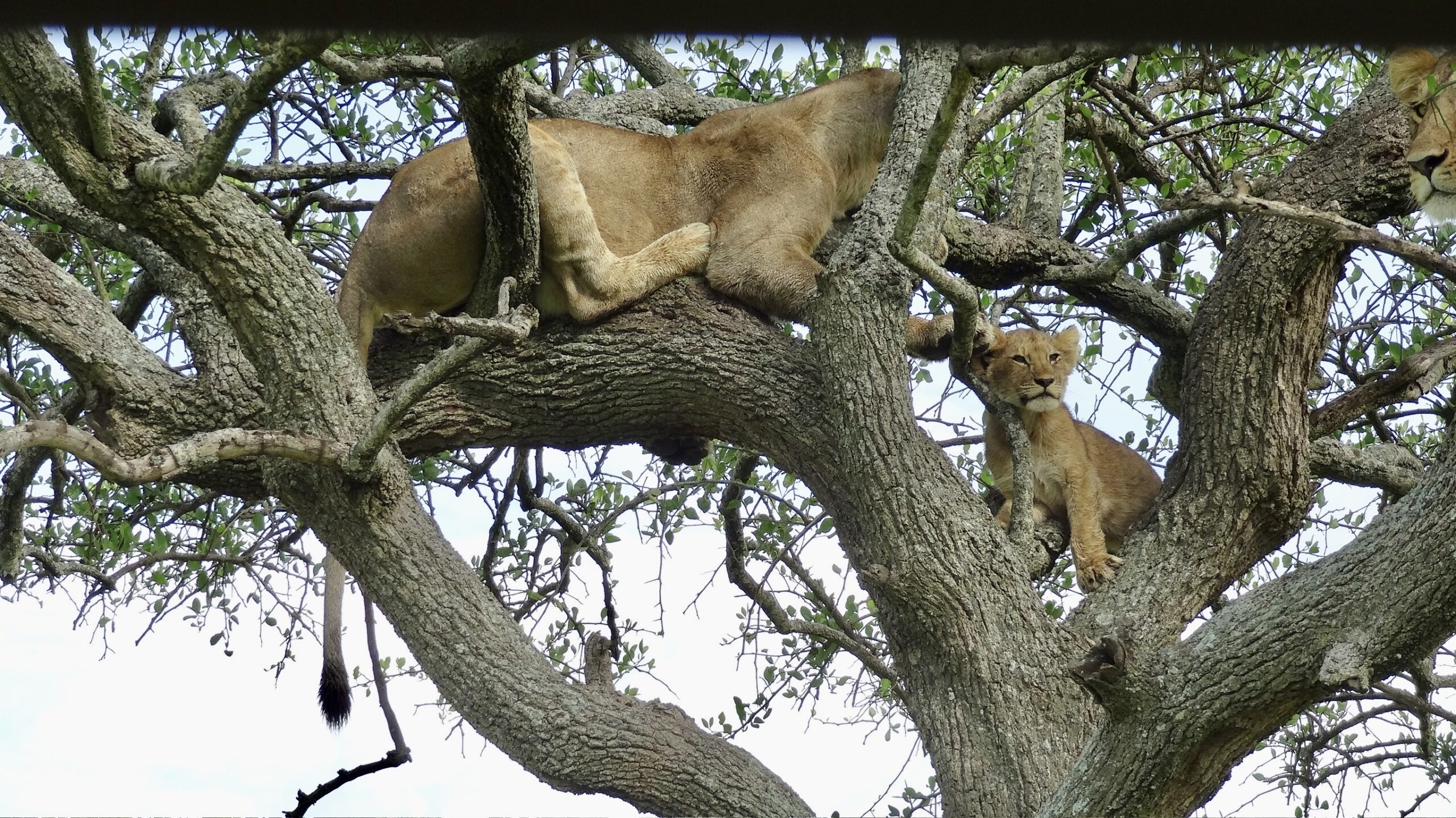
He was headed for a tree. Lions climb trees about as well as dogs. It was entertaining to watch.
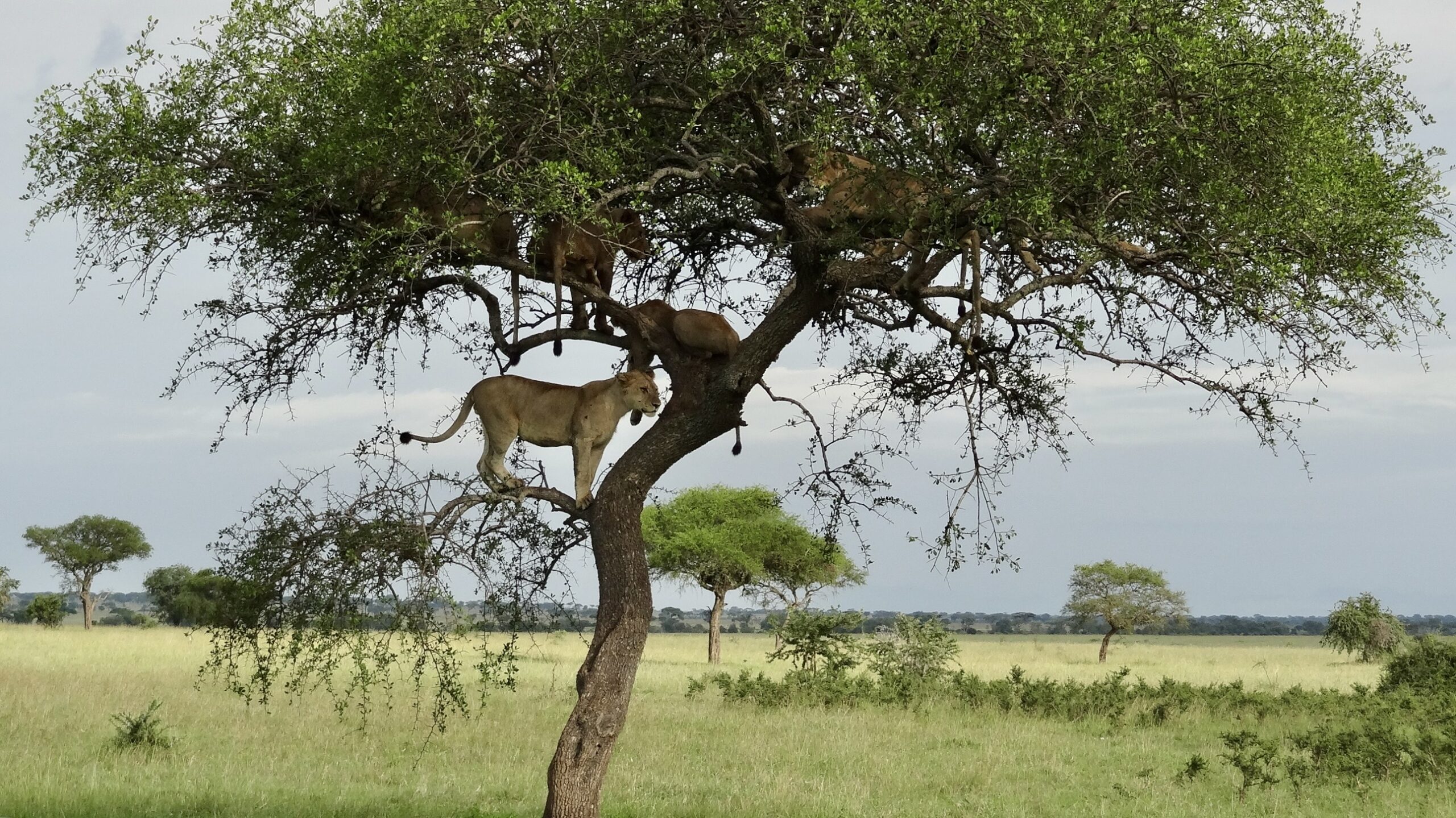
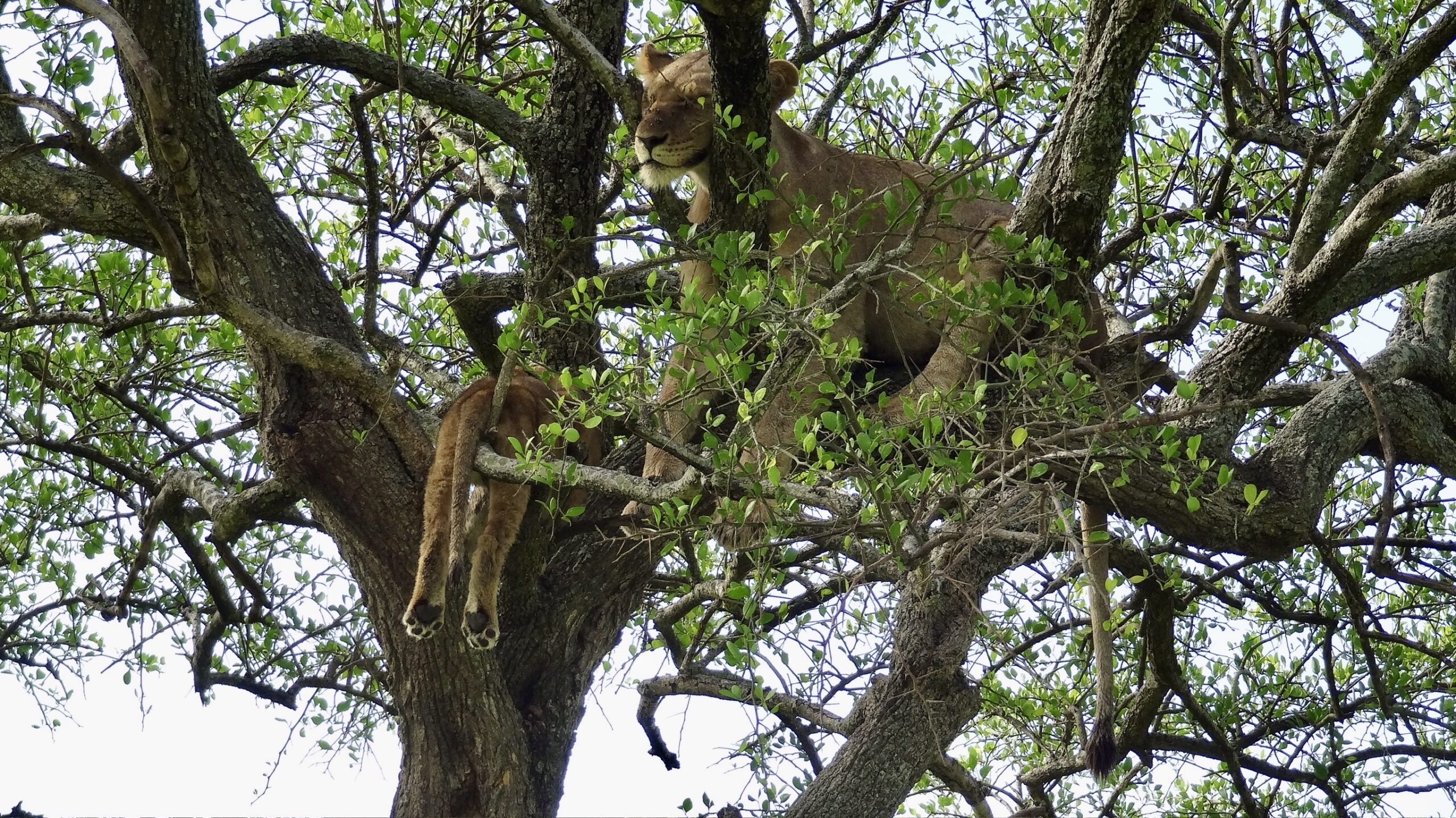
Here he is again, on the lowest branch. It was amazing to see the immediate relief from bugs, just by getting a few feet above the grass.
The lions that arrived first had the best spots, of course.
Including the cubs.
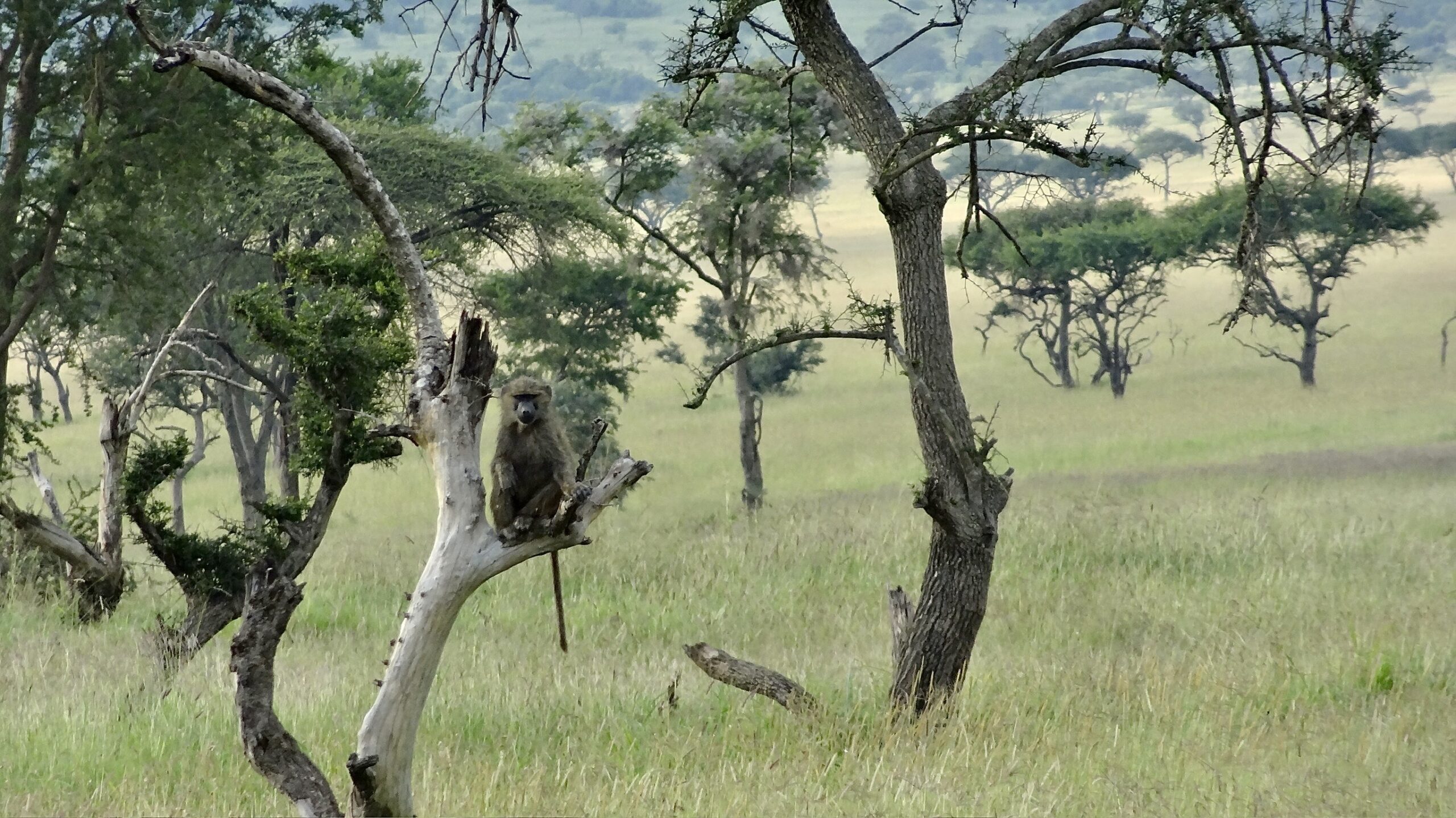
Mishi, our driver and guide, didn’t quite understand our interest in the baboons, which to her are flat out obnoxious.
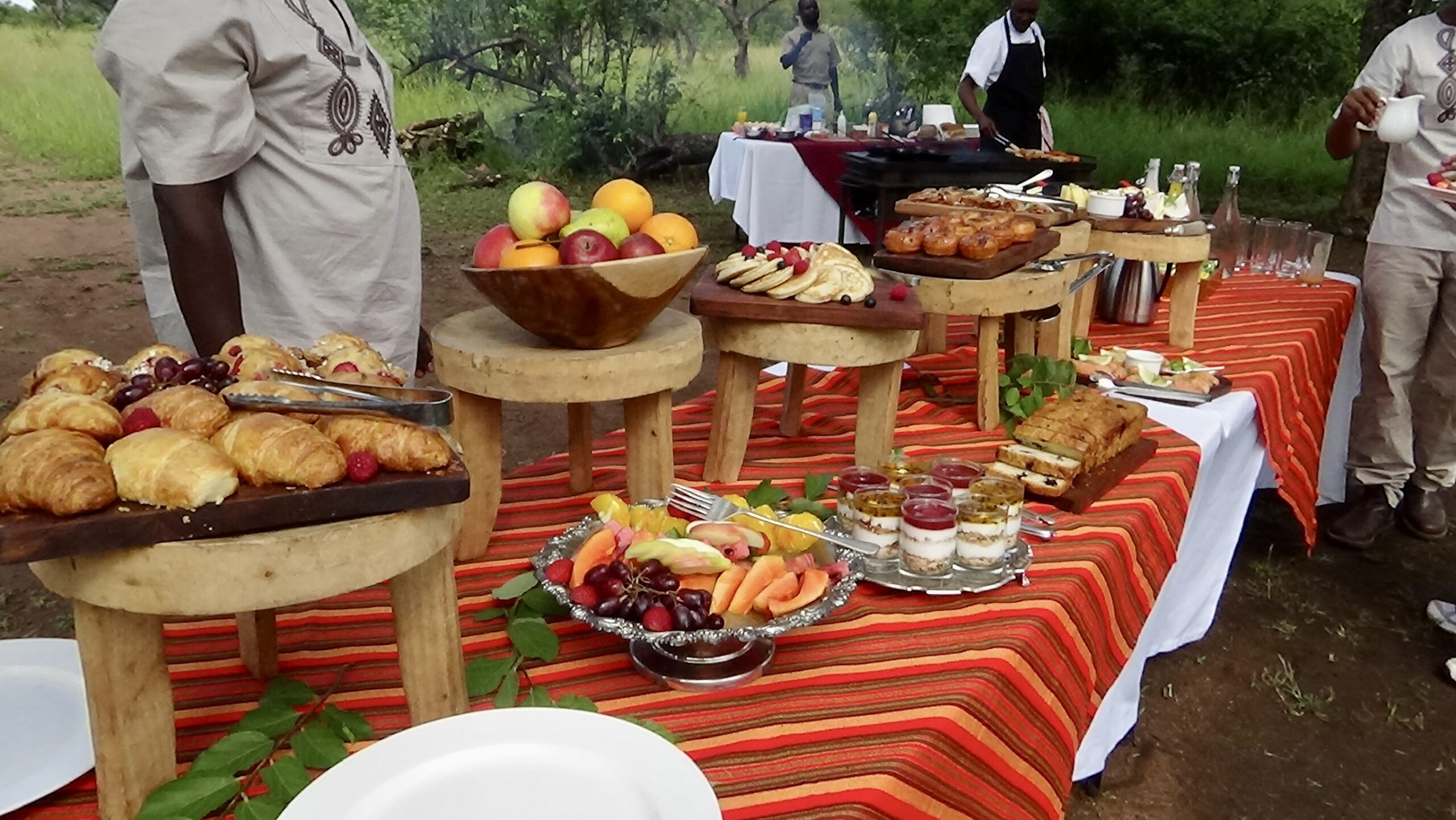
Midmorning we stopped for a second breakfast at a buffet the lodge had set up on the savanna. No other Land Rovers were there, so guides must stop by as their game drives allow.
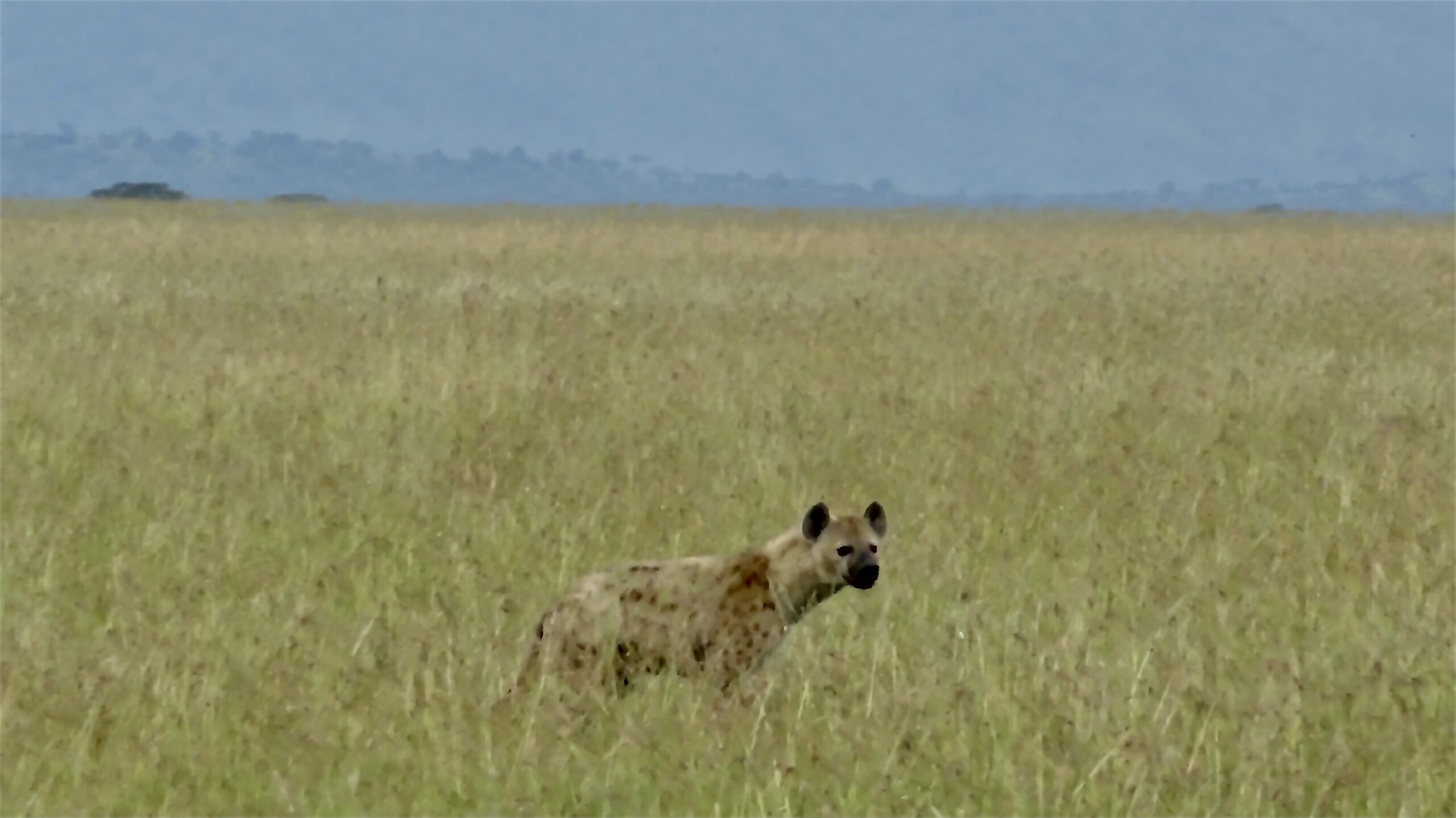
As we continued our drive, we saw a lone hyena loping through the grass …

And a herd of Topi that were spooked by something, the younger ones practicing their pronking.
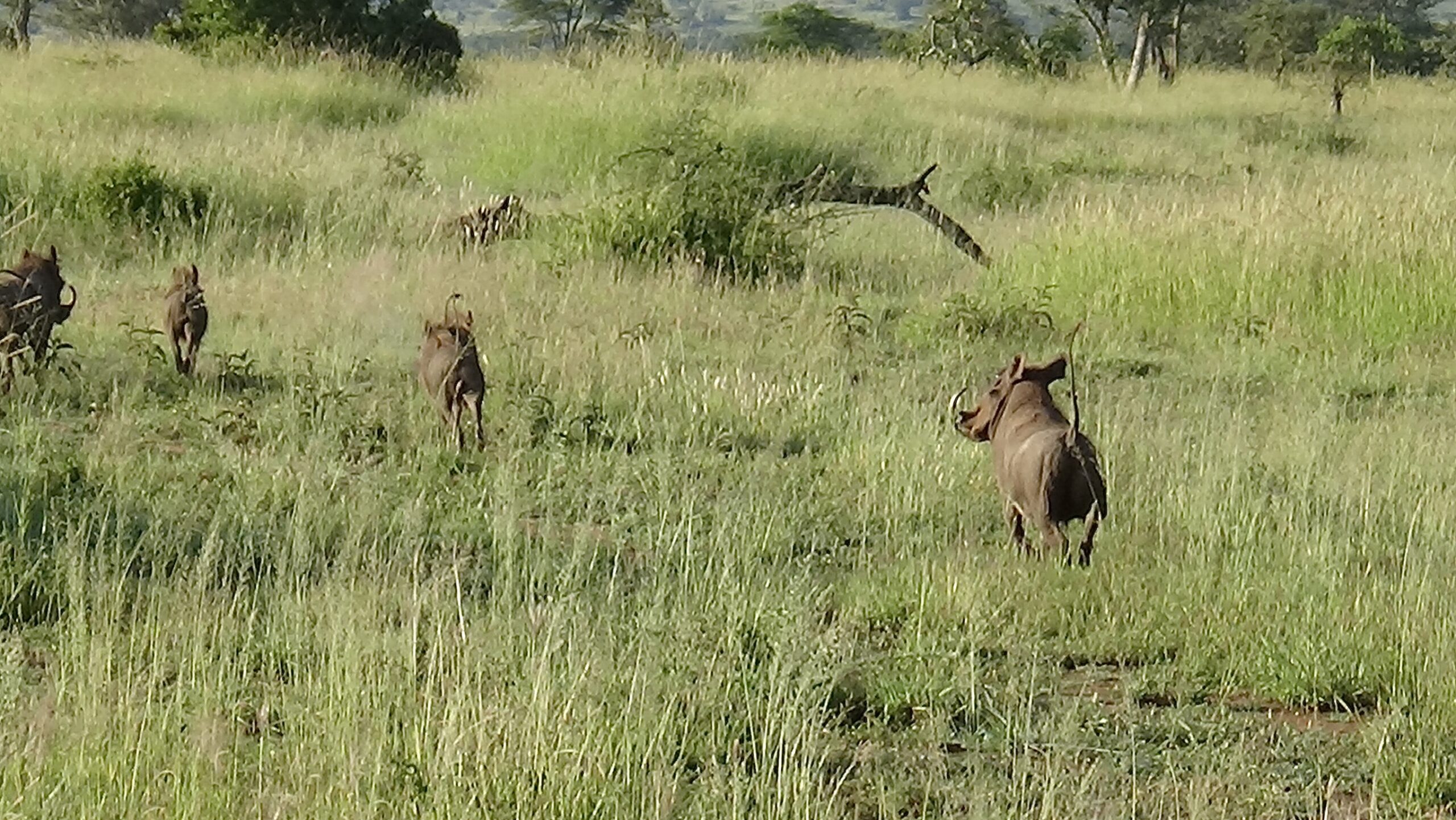
One of favorites, though, were the shy Warthogs. They wouldn’t stick around for long, quickly popping their tails up and heading for cover.
Back at the lodge, we were always greeted with iced towels and beverages.
And Frederick would set up a table at various locations on the lawns and porches for our meals, like the dinner above …
And late lunches, which usually preceded a quiet time before a later afternoon drive, when wildlife is more active again.
Another morning, another game drive. This time south and east, in search of the leading edge of the Great Migration moving into the Grumeti. The animals in the migration can stretch over 25 miles, sometimes bunching up, other times moving in waves. On our way, we crossed seasonal streams that feed into the Grumeti River, itself seasonal.
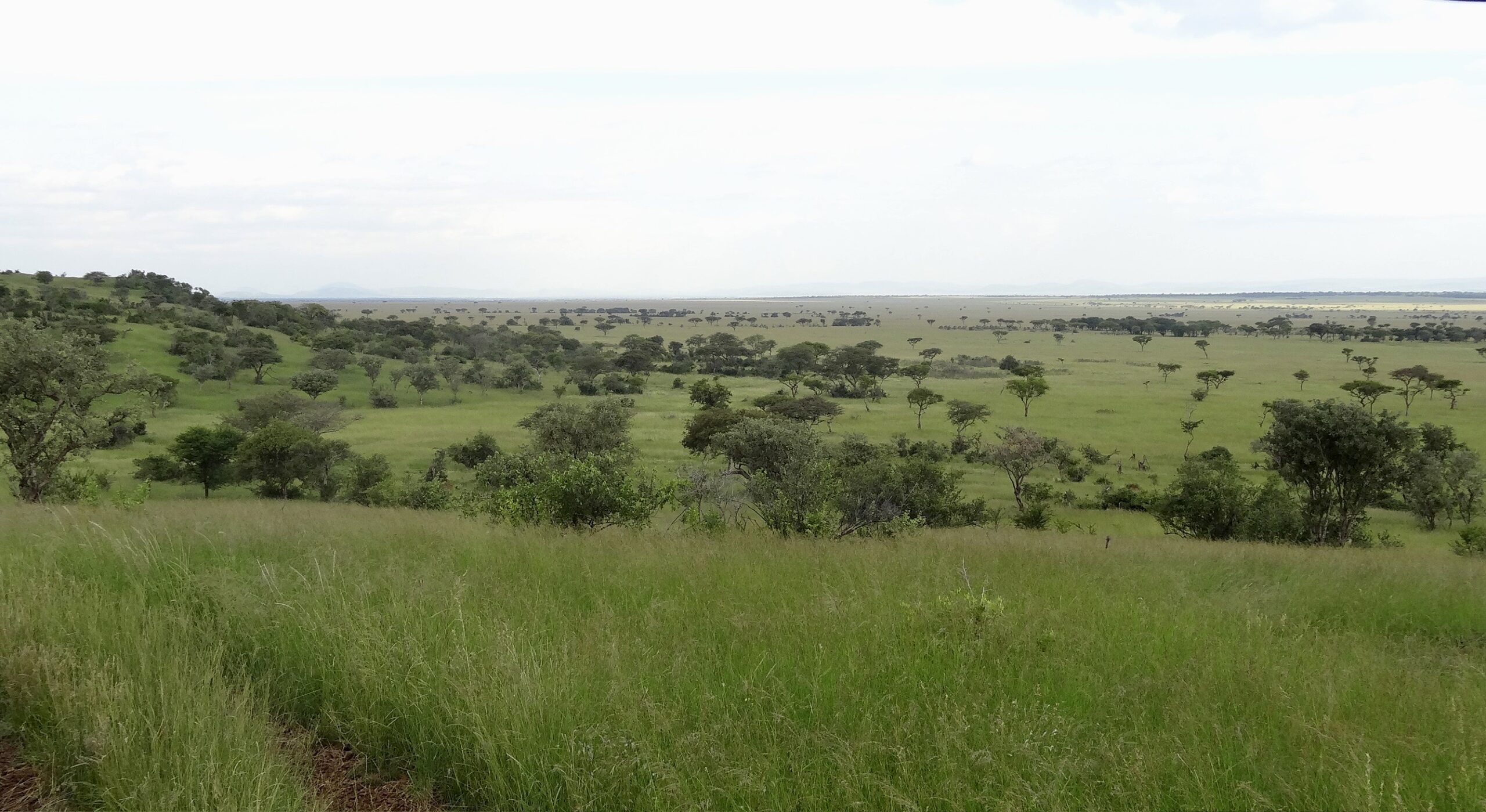
Our track took us through some hill country that gave us a broad view of the green savanna that would soon be feeding millions of animals.
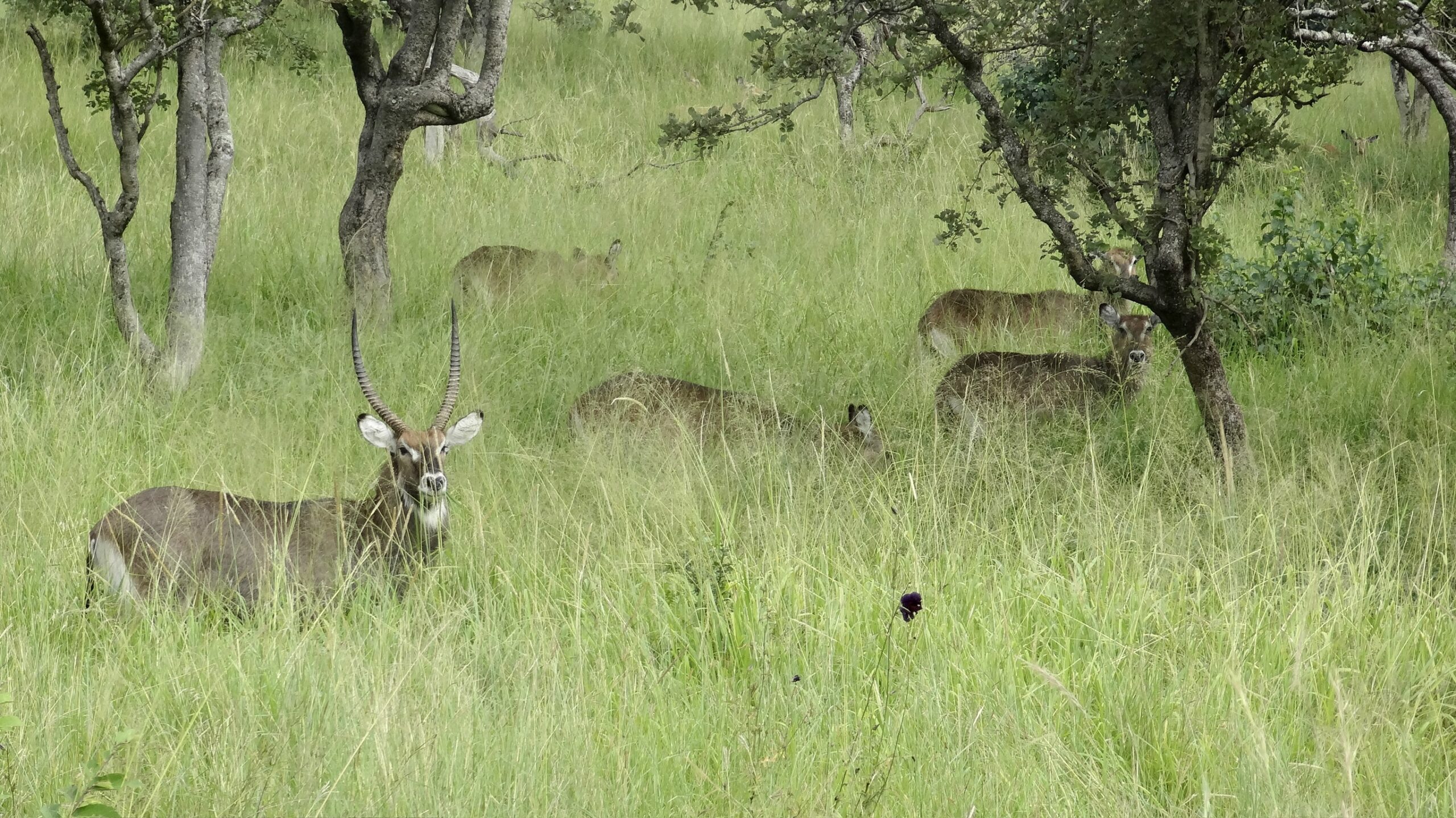
The tall hillside grass we drove through took us by a herd of Waterbuck, another type of Antelope that lives in the Grumeti year-round.
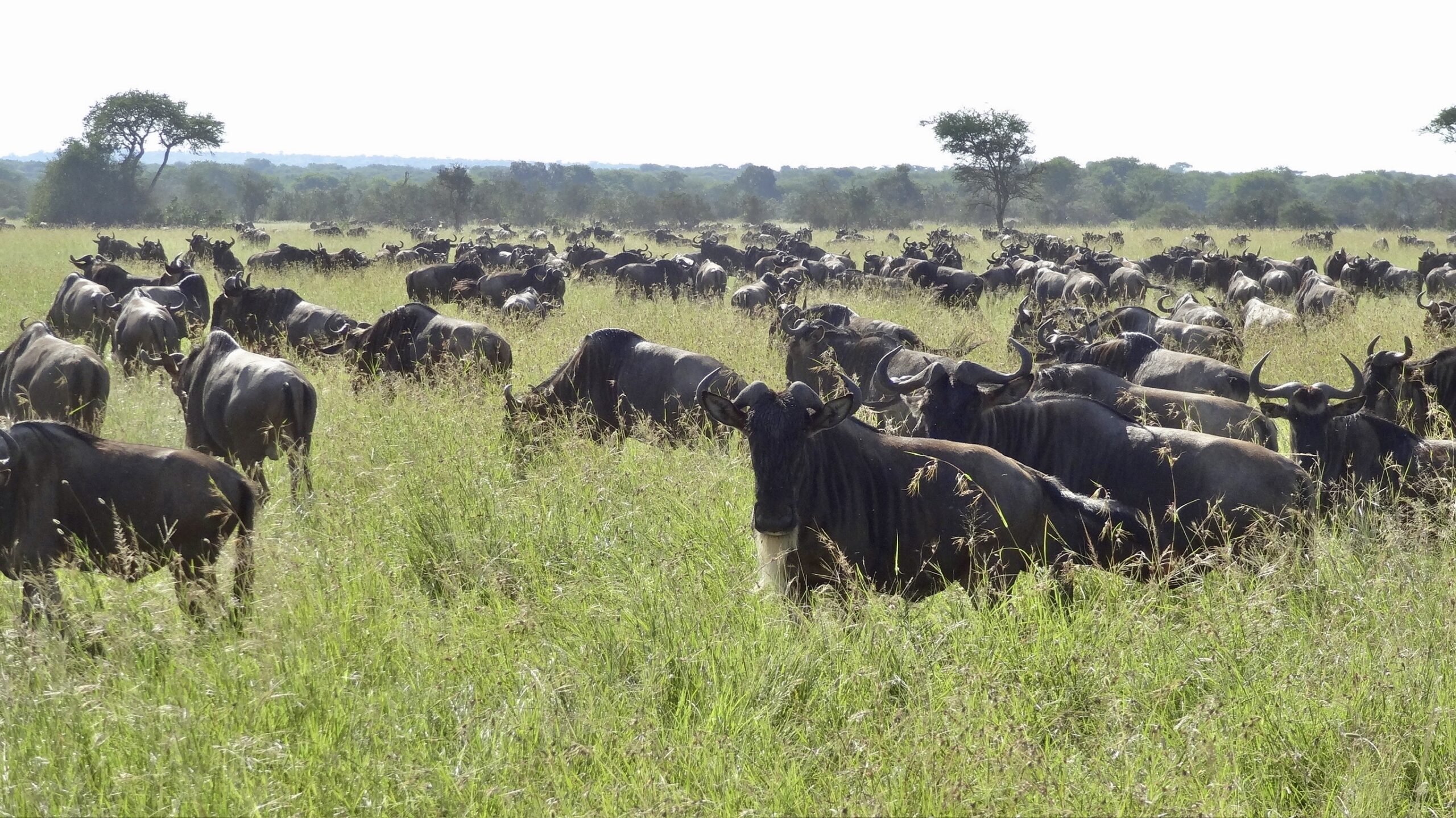
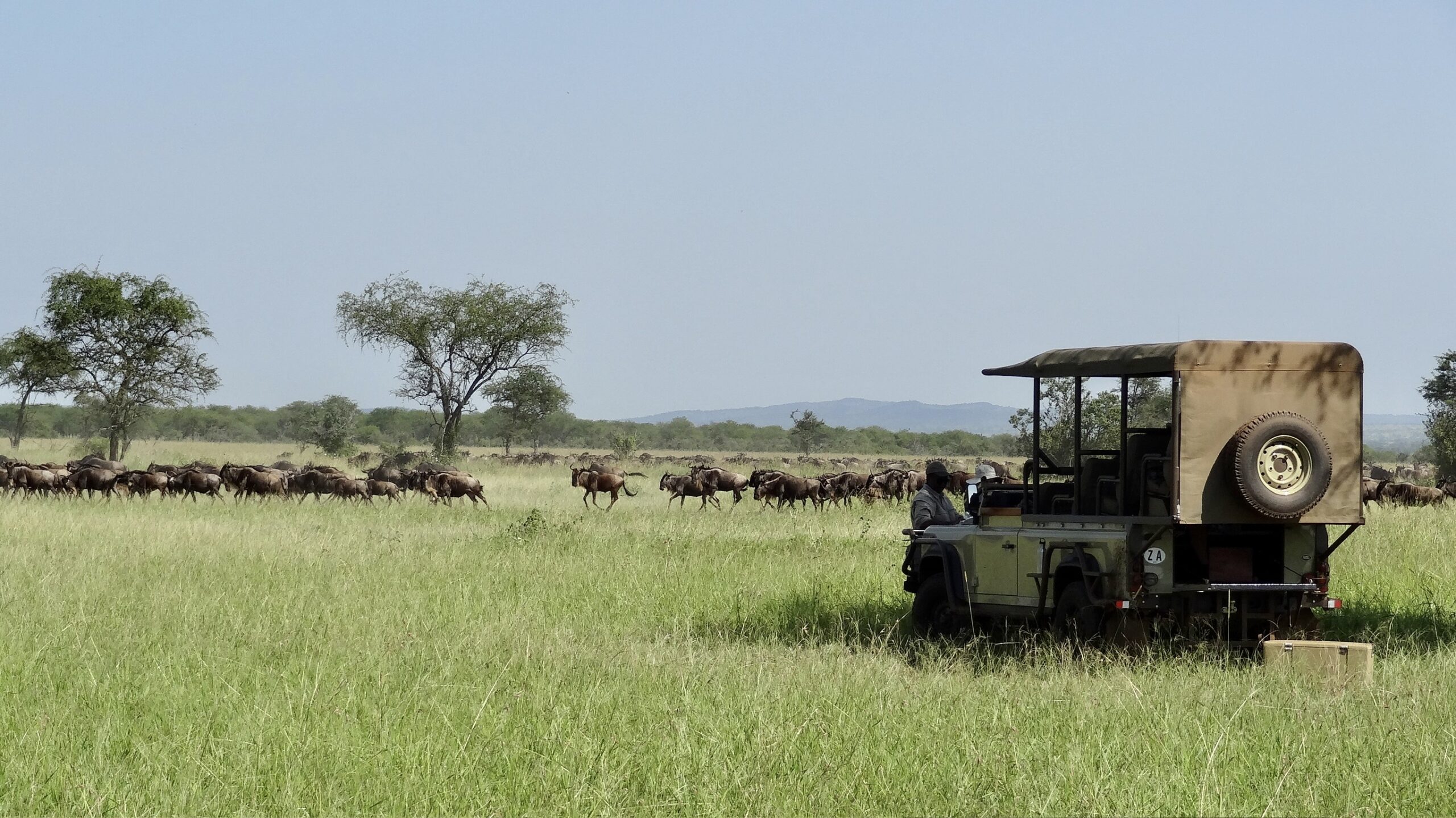
Then we started seeing Wildebeests, which make up the vast majority of migrating animals. And there are a lot of them.
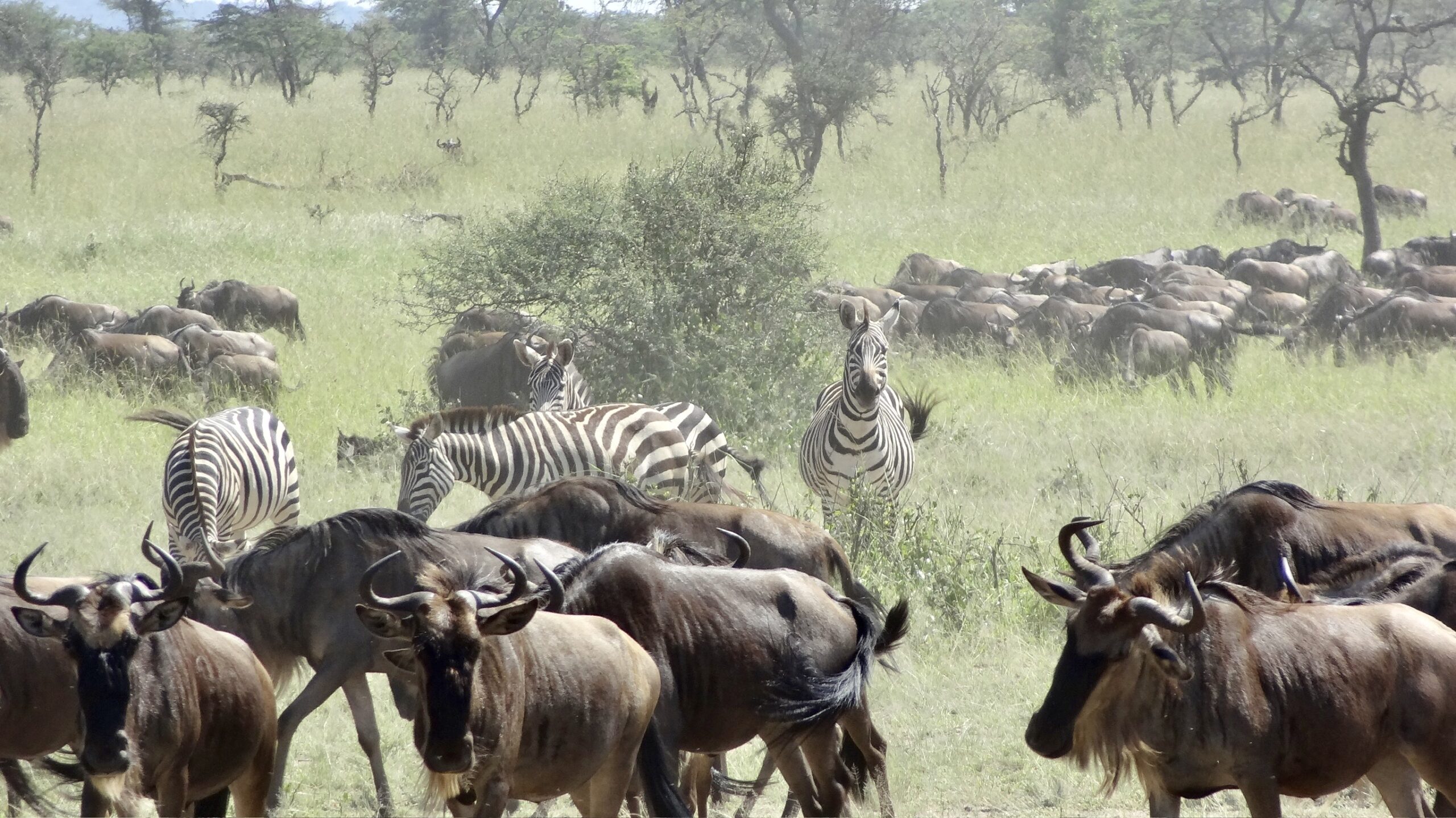
Groups of Zebra were scattered among them, dust hanging in the air from all the milling about.
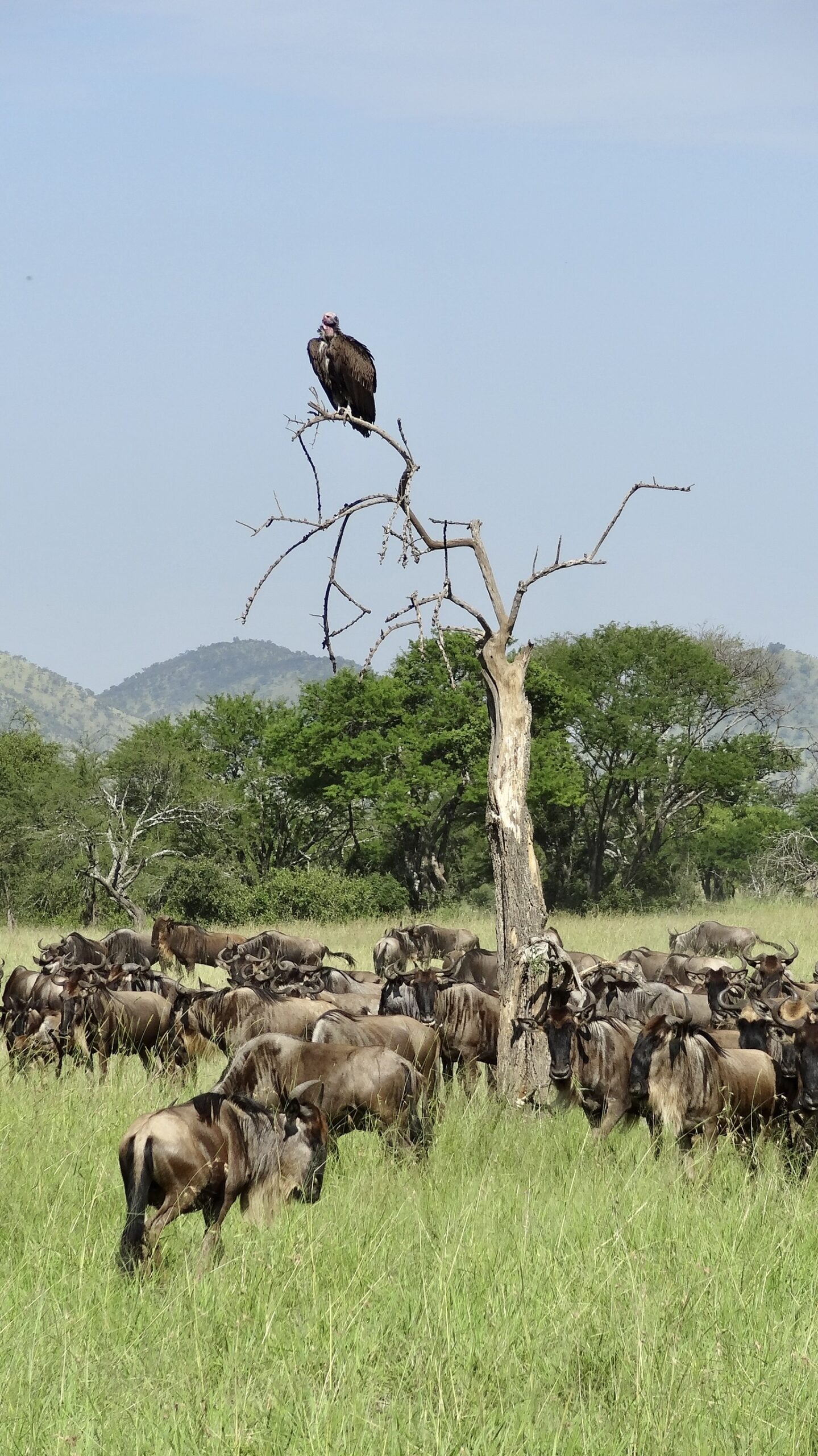
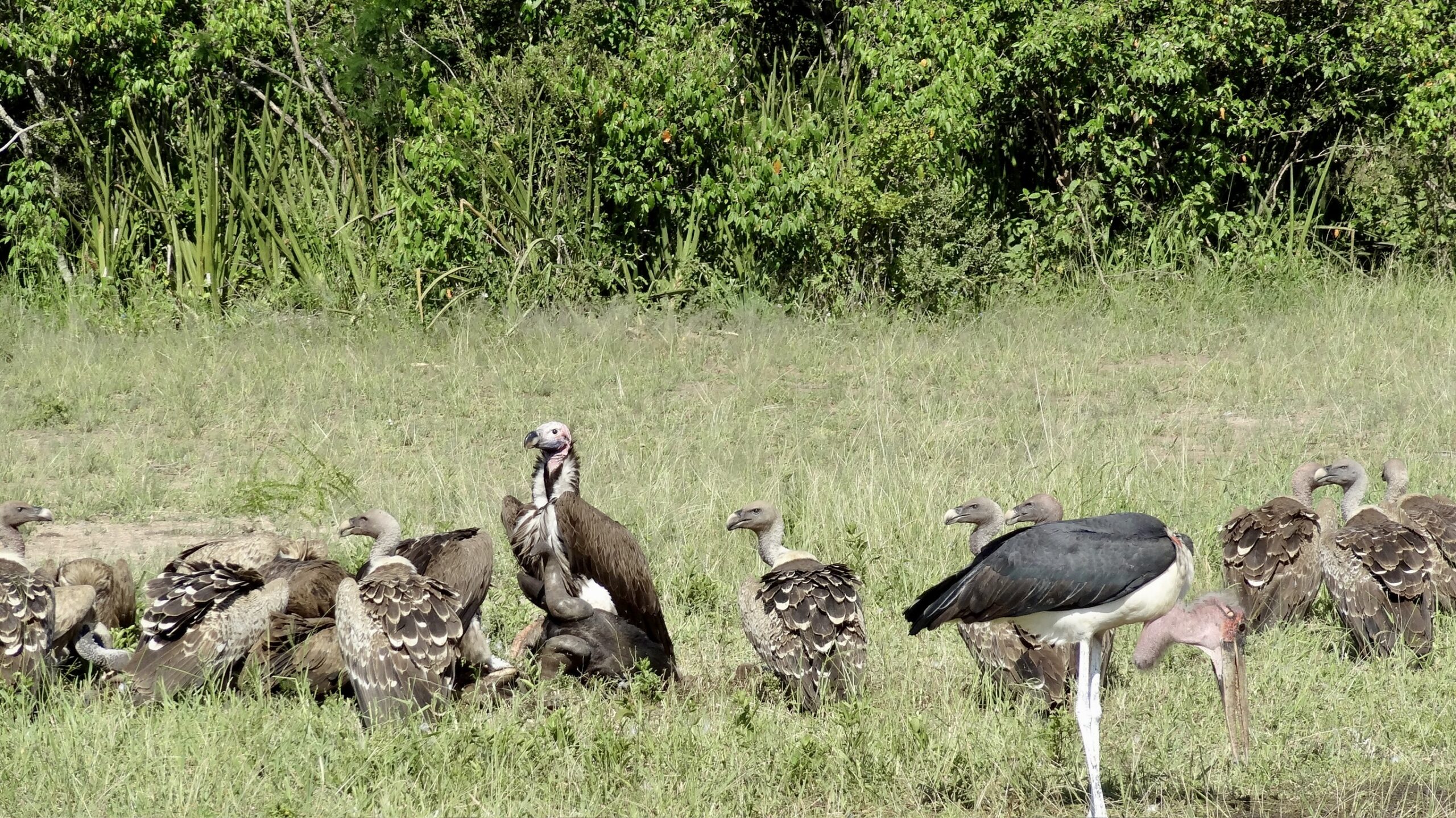
The migration has its hangers-on, particularly vultures on the lookout for expired animals.
Given their vast numbers, some 200 wildebeests can die of nothing more than old age on any given day. Here Vultures and Storks take advantage of that statistic.
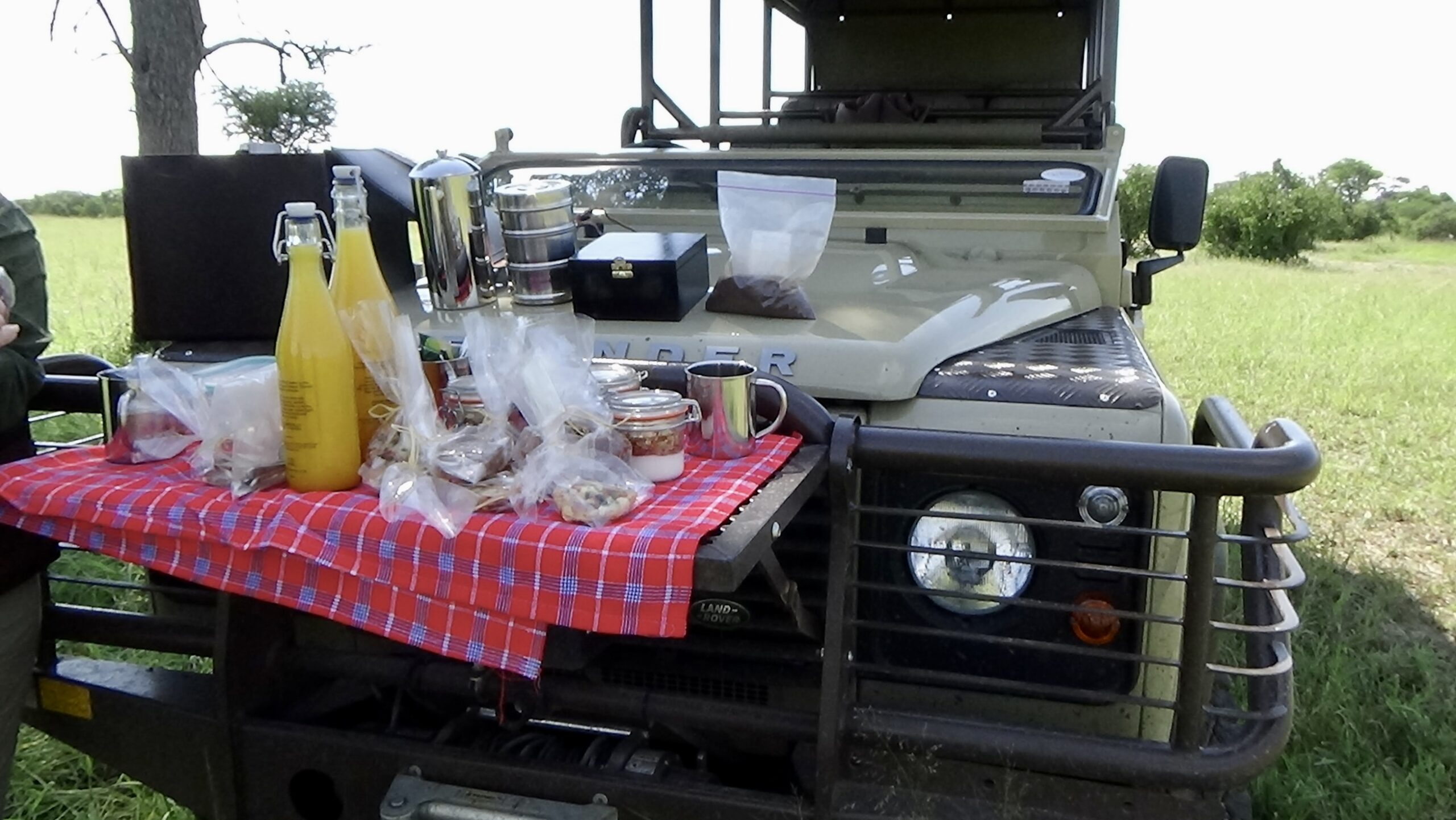
Our driver set up a light second breakfast on a convenient tilt-up on the front of the Land Rover (above and below).

We sipped tea and fresh orange juice as we watched the Wildebeests move through.
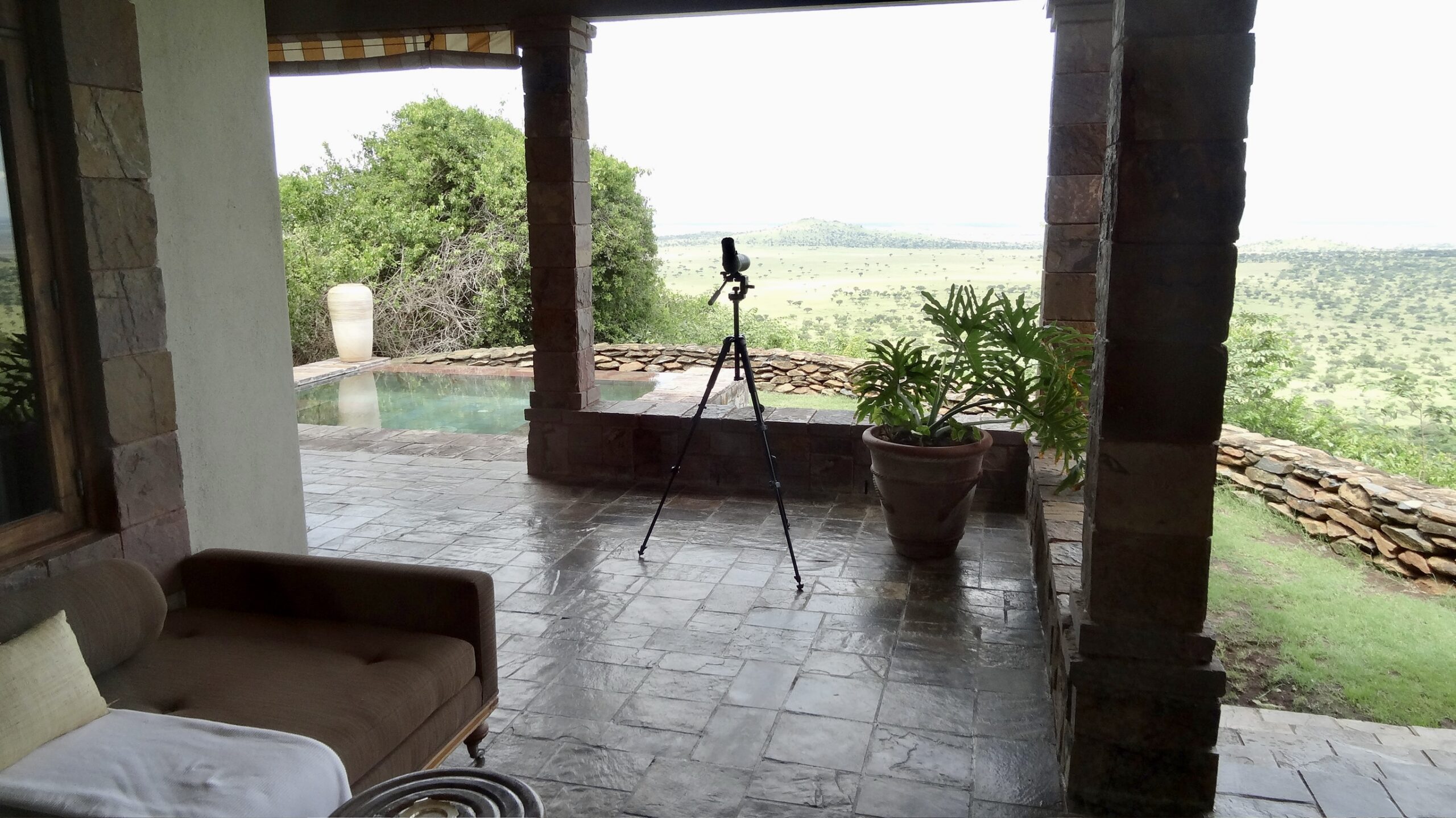
Back at the lodge, we spent the afternoon relaxing with the view …
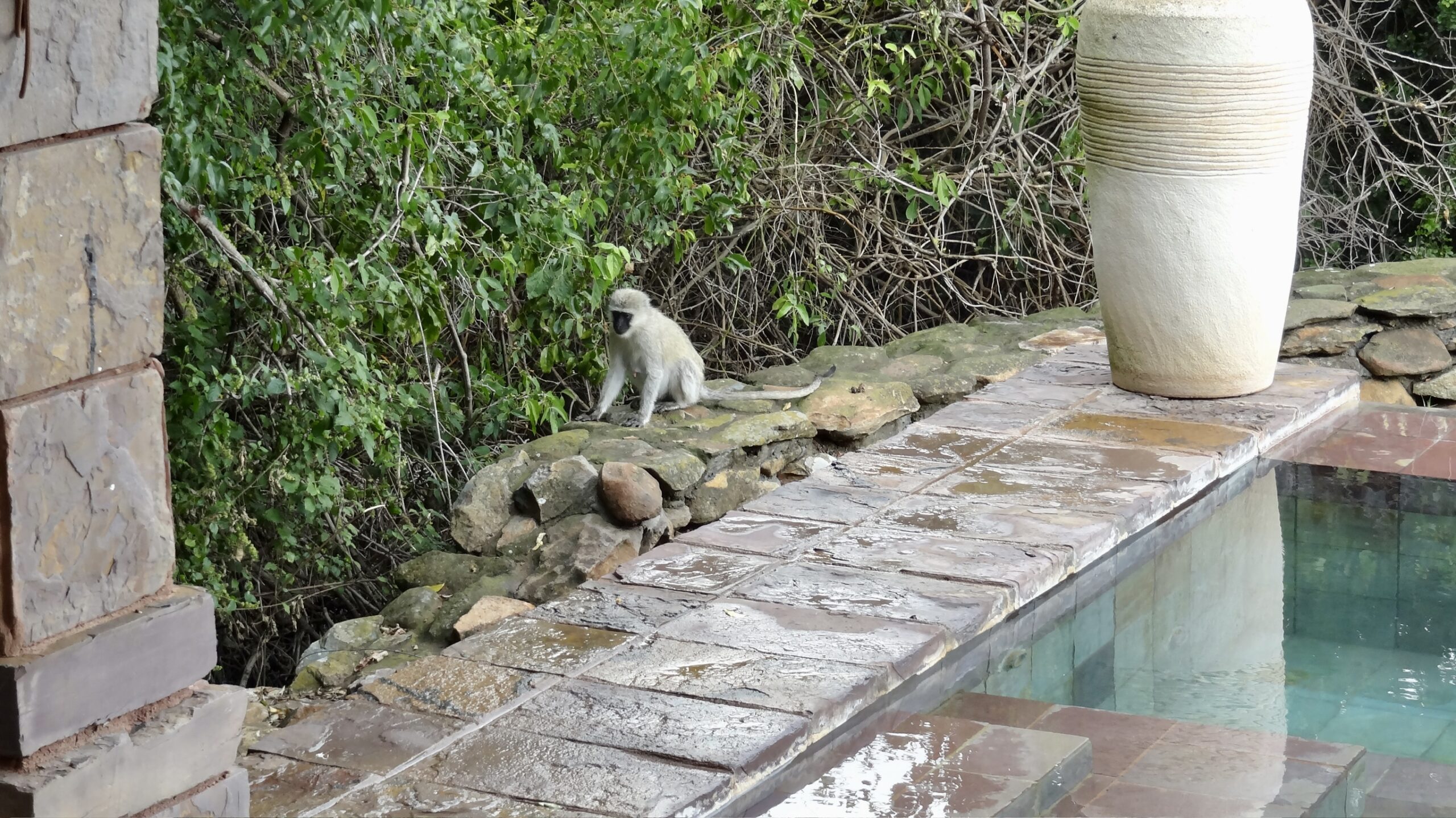
And watching a couple of Vervet monkeys cavort around the pool.
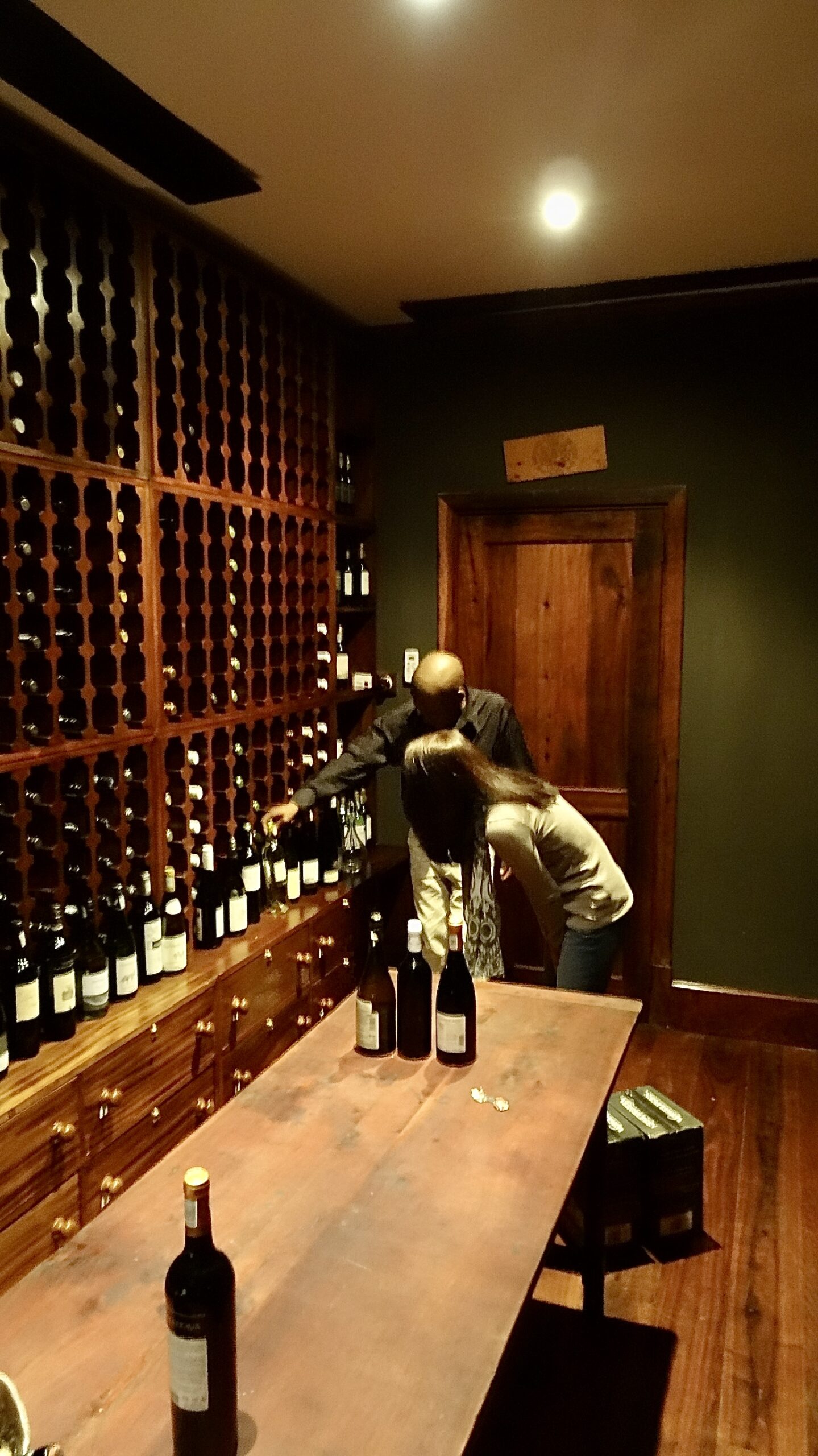
Evenings would often start with a visit to the wine cellar to see what might make a good paring with the sunset.
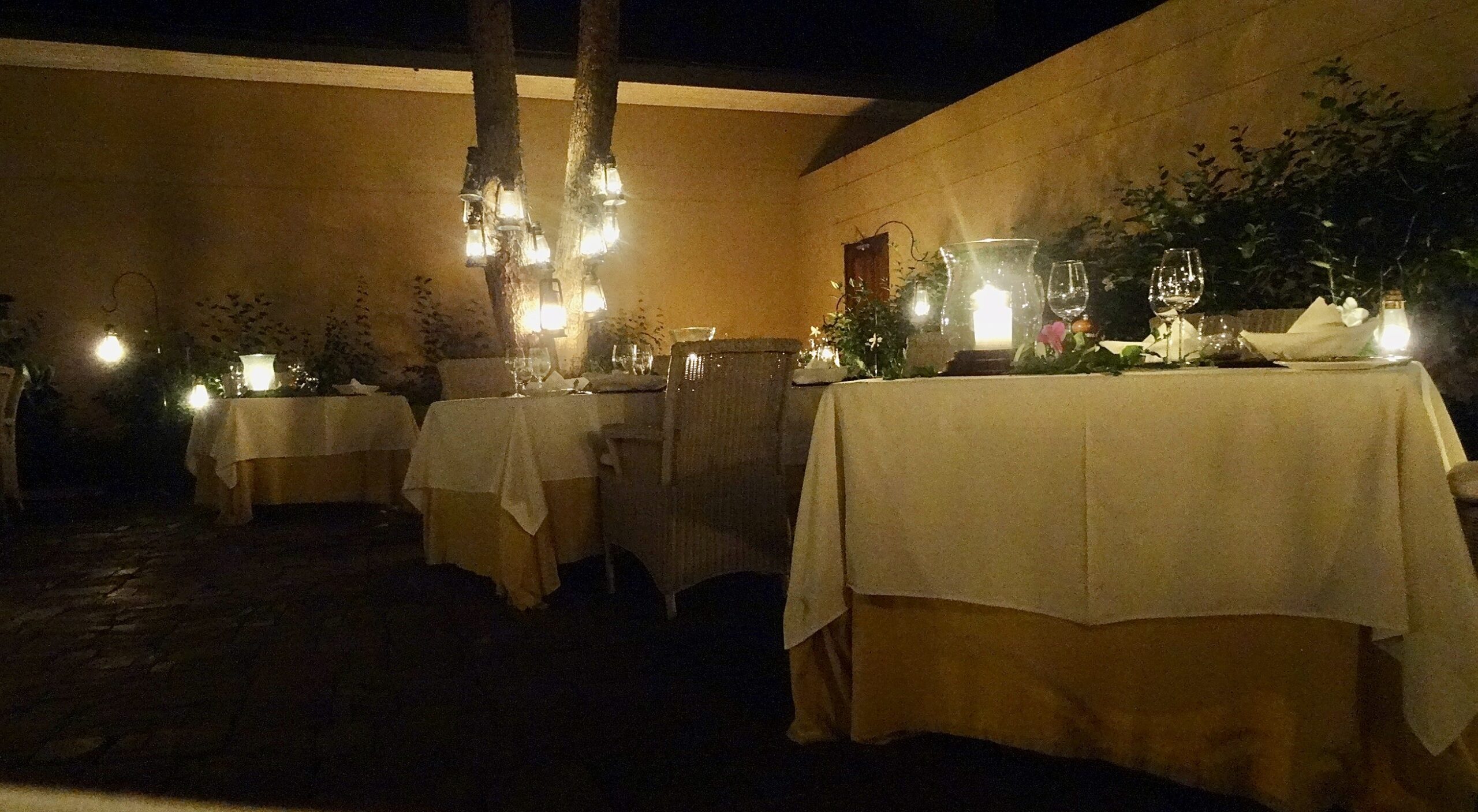
One evening, tables were set up in a courtyard for a barbecue. Frederick served us, as he did every meal.
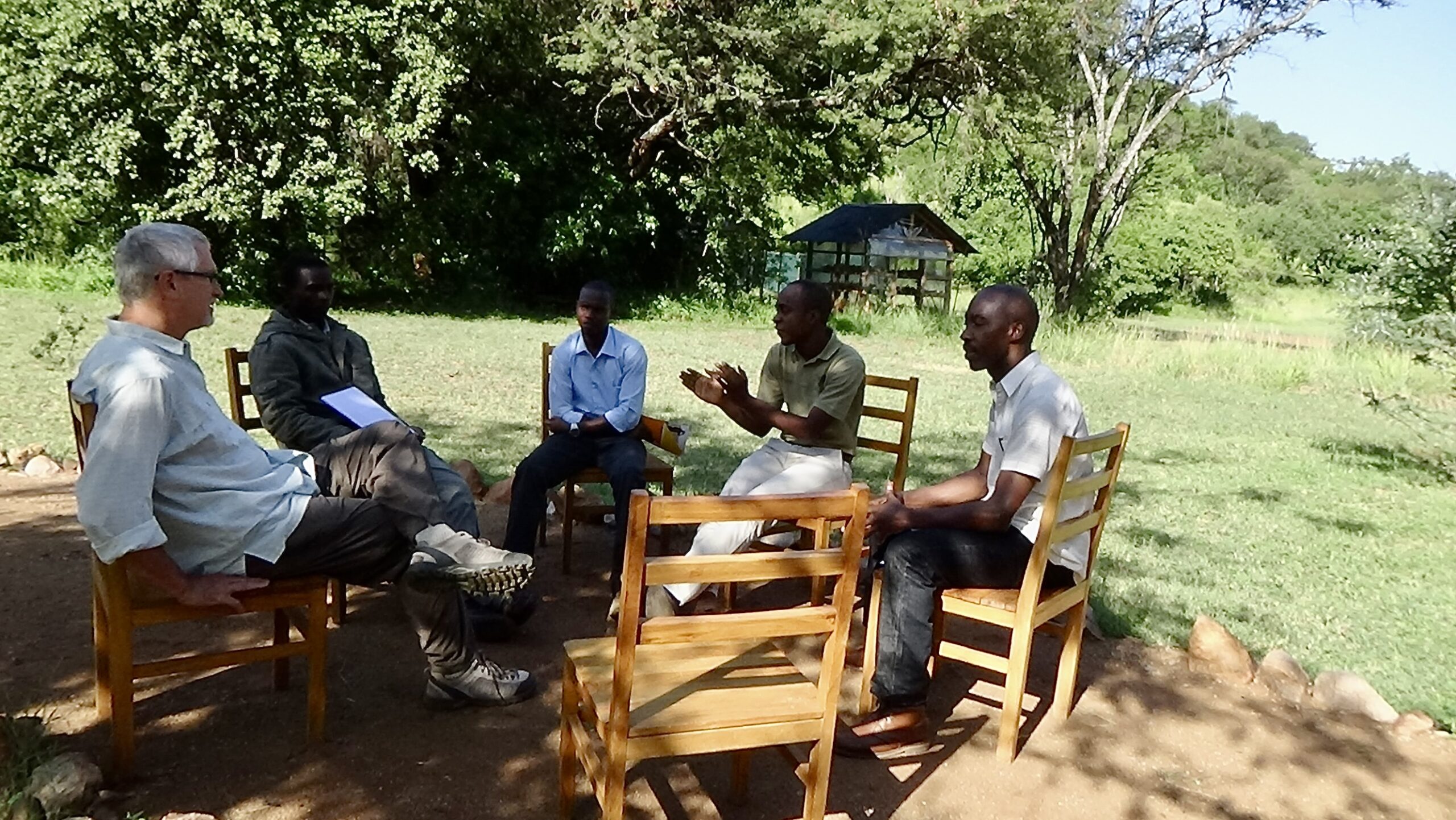
We decided to forego game drives on one of our days so we could learn more about the local culture. The lodge offered the opportunity to meet with members of the Grumeti Fund and visit a local community. We spent time learning about how the Grumeti was transitioning from a hunting ground plagued with poachers to a conservation area using a multi-pronged approach.
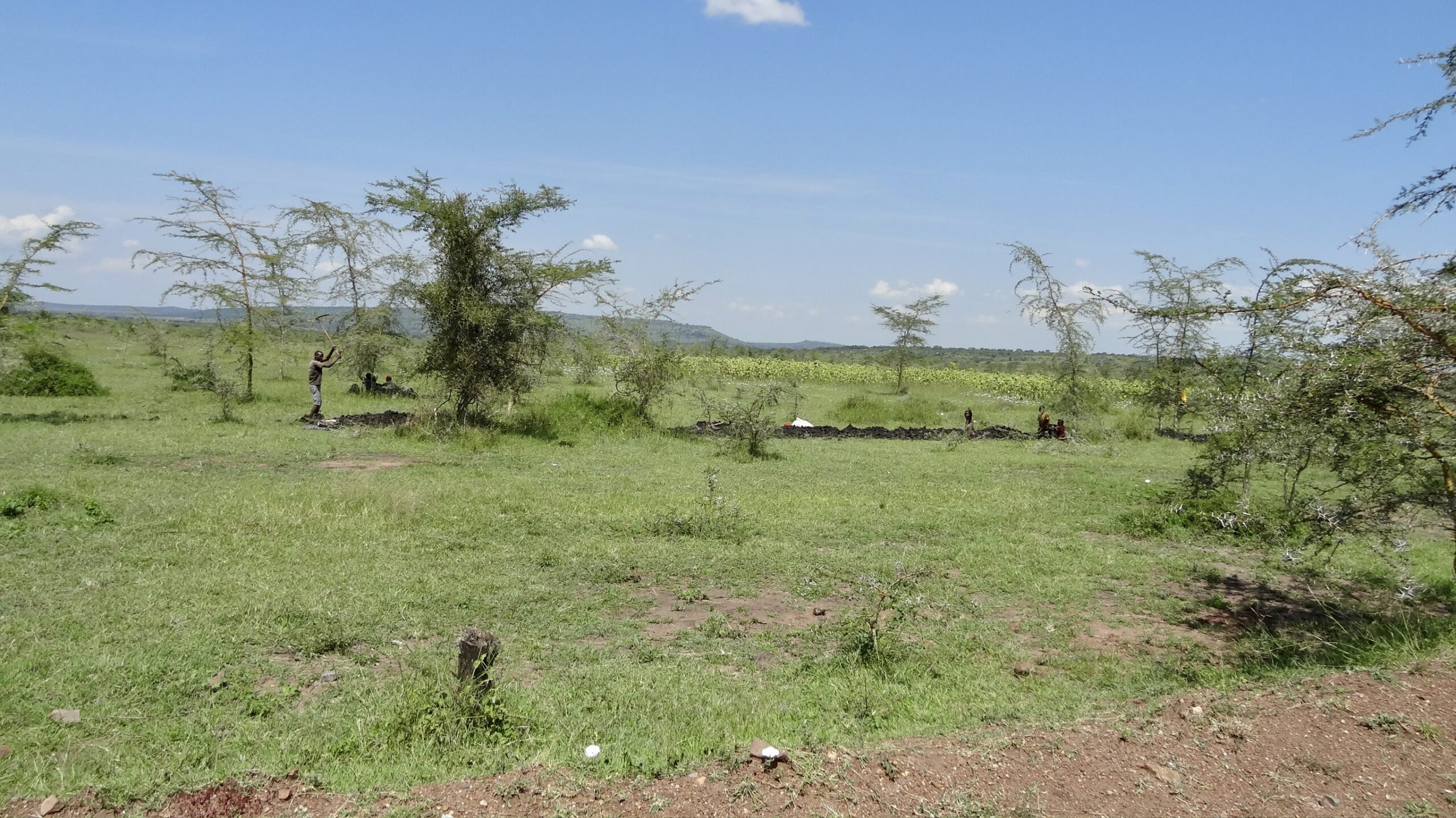
Then we headed for a village. The unpaved road followed a ditch being dug for, of all things, a fiber optic cable. Rural Africa runs on cell phones.
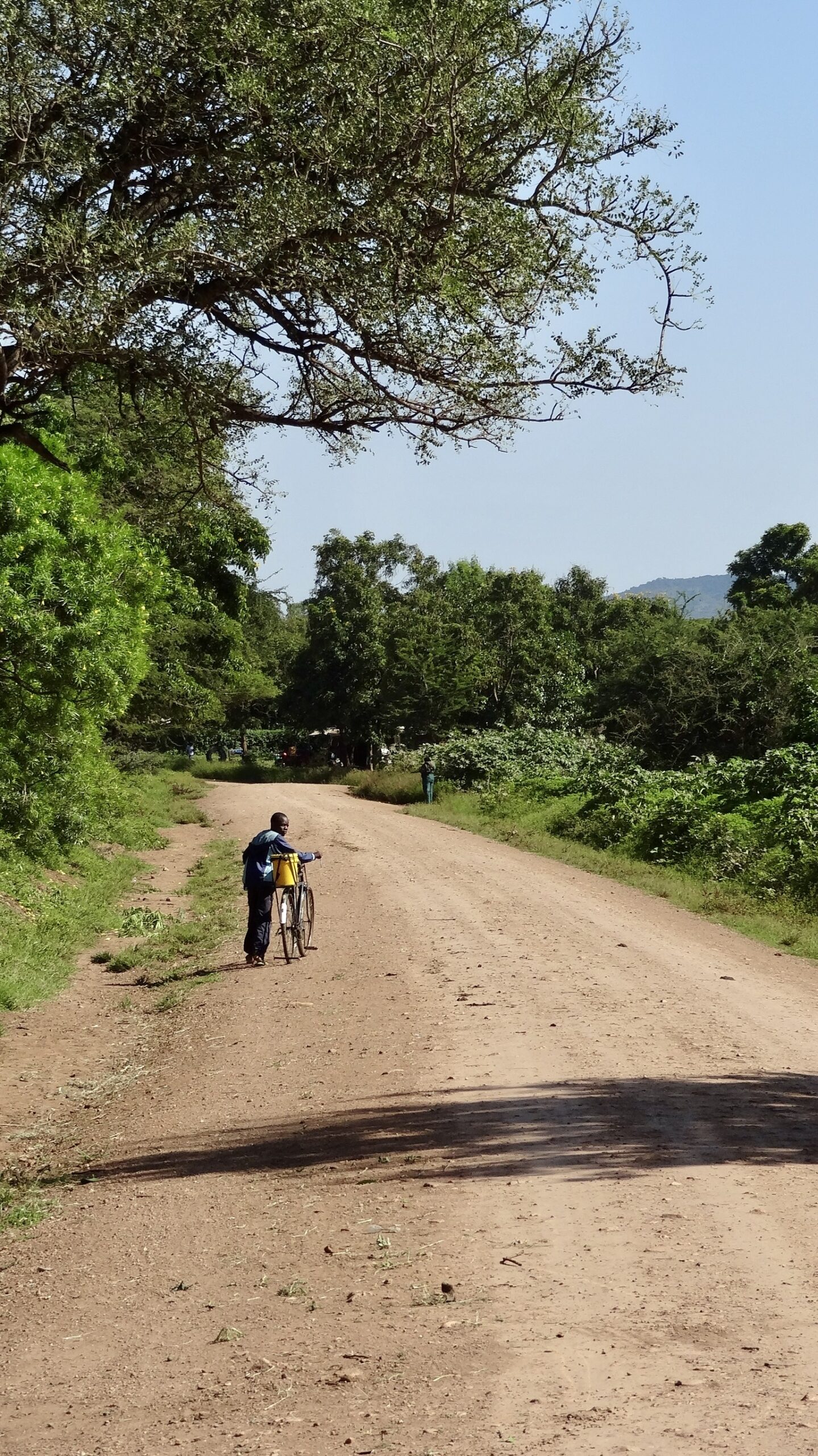
We were just about the only vehicle on the road.
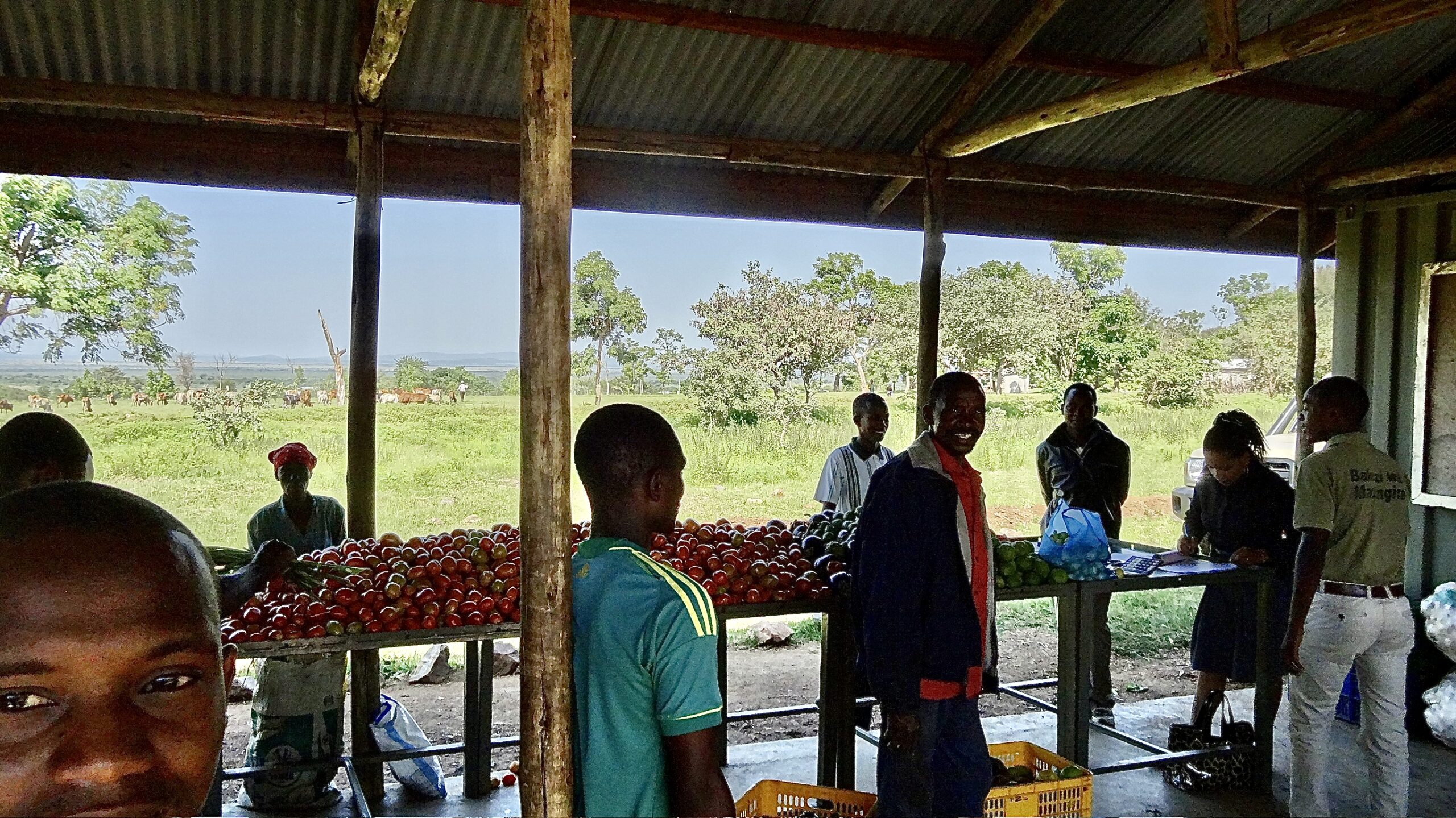
One of the Fund’s projects is agricultural markets. The Fund works with local families to grow produce for market, including the Singita lodges and camps. This helps provide income to replace money and sustenance previously provided by hunting.
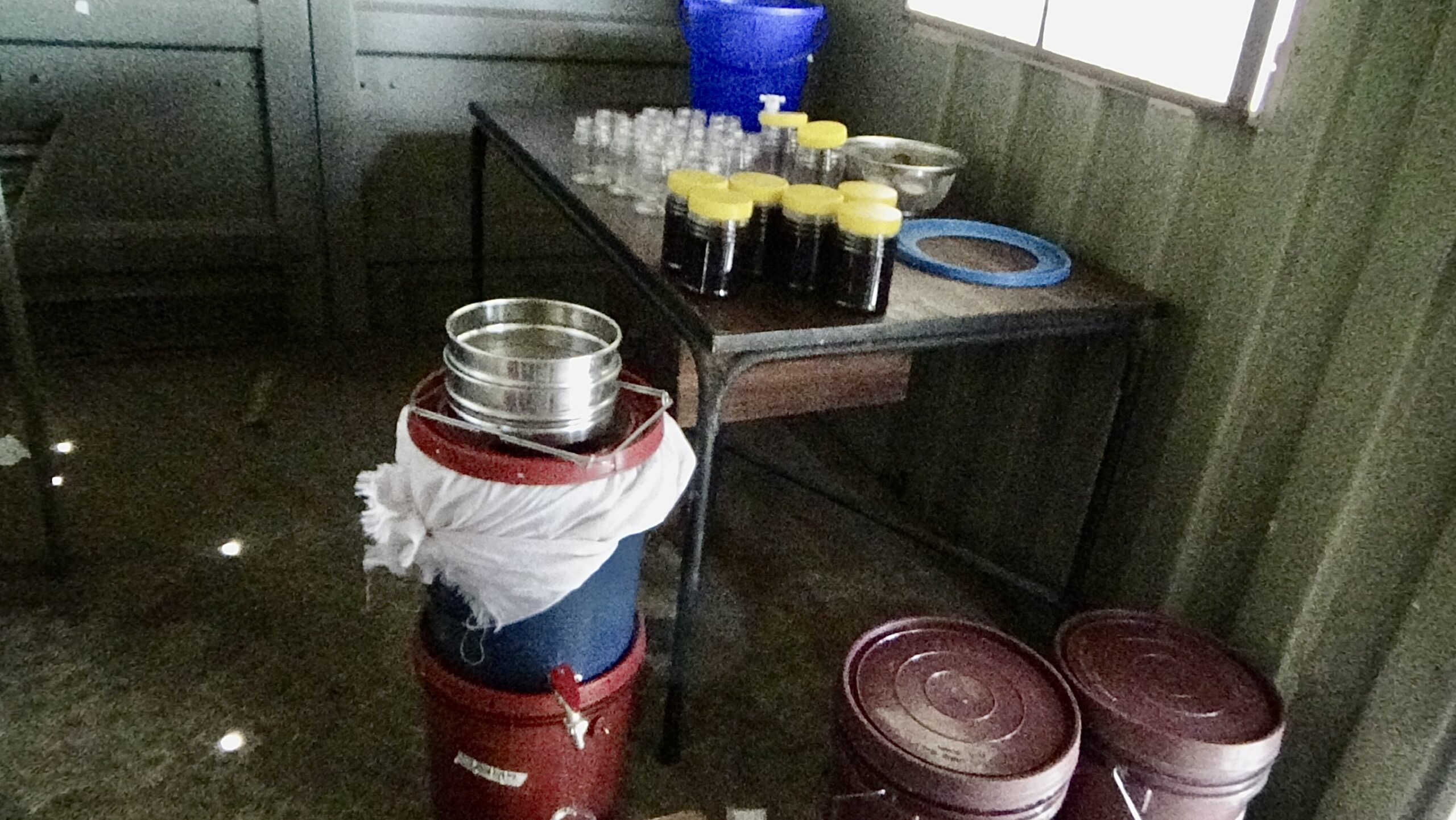
Attached to the open-air market is a honey room, where we watched a woman filter and bottle the acacia honey she collected. We bought a couple of bottles to give to Frederick and Mishi.

A drive through small fields of corn, cassava, beans, and sisal took us to the compound of an extended family. They greeted us with traditional music and dance. The small amount we were charged for the visit was coordinated by the Fund to earn money for the family as they preserve their traditions.
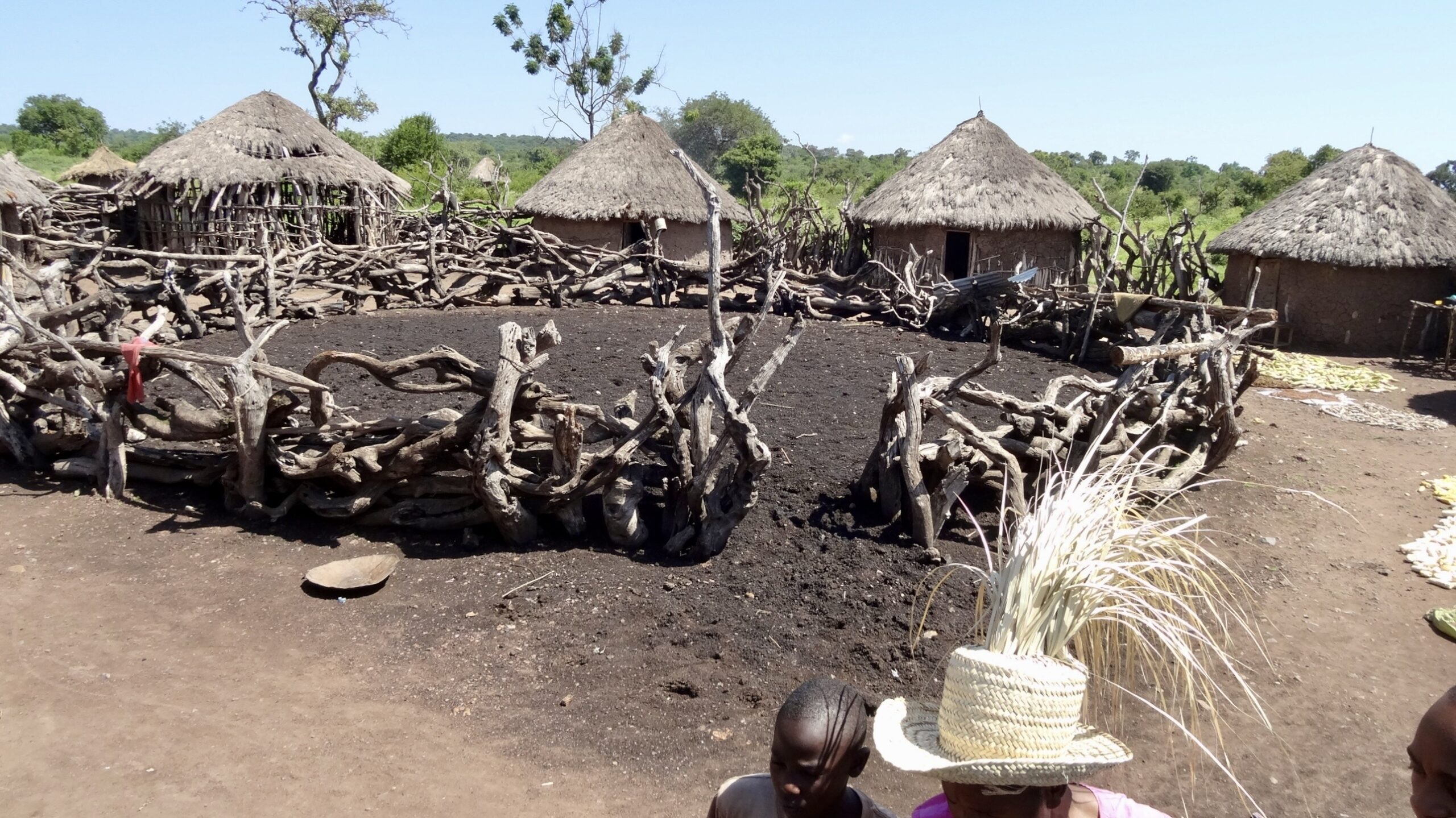
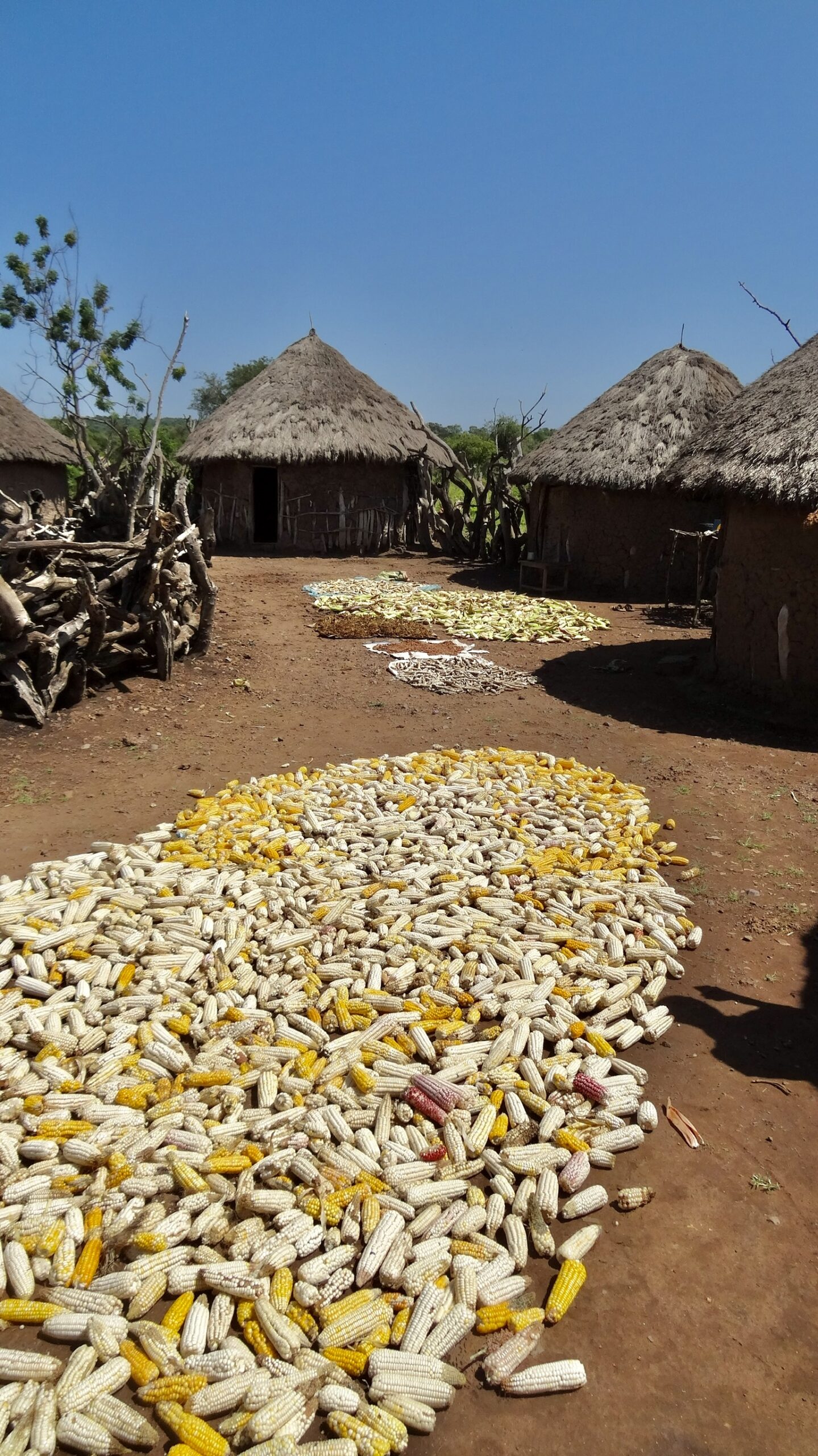
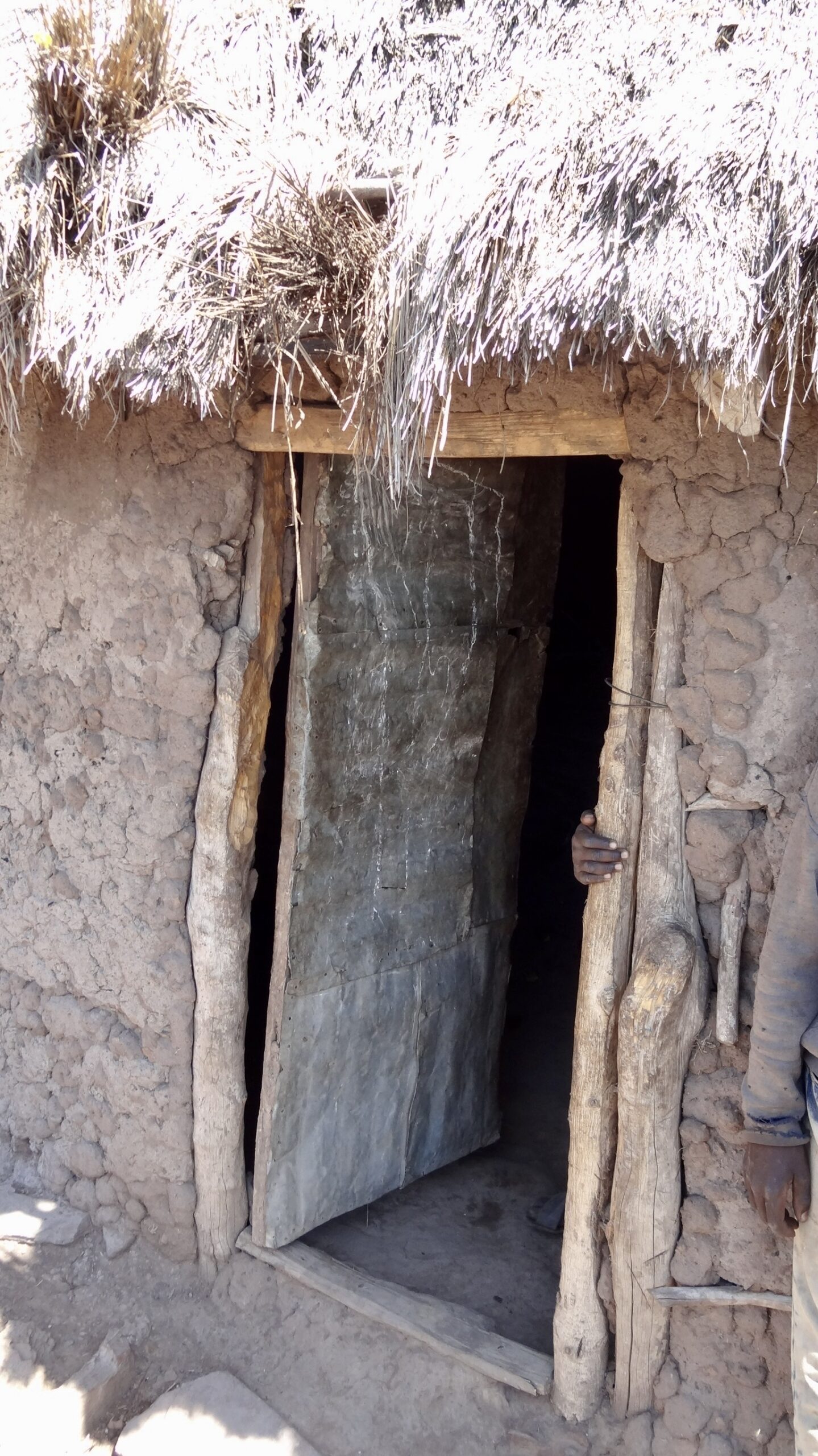
The compound is home to a growing family anchored by two brothers. The single-room huts housed the brothers, their parents, their children, and chickens. A corral is at the center of the compound, where their animals are penned at night, so they don’t get taken by thieves. When we asked why their crops weren’t also protected from theft, we learned that no thief would steel a crop, because it would bring a lifetime of bad luck. Unfortunately, hungry elephants don’t subscribe to the belief and are a regular problem.
The packed earth around the huts was being used to dry crops.
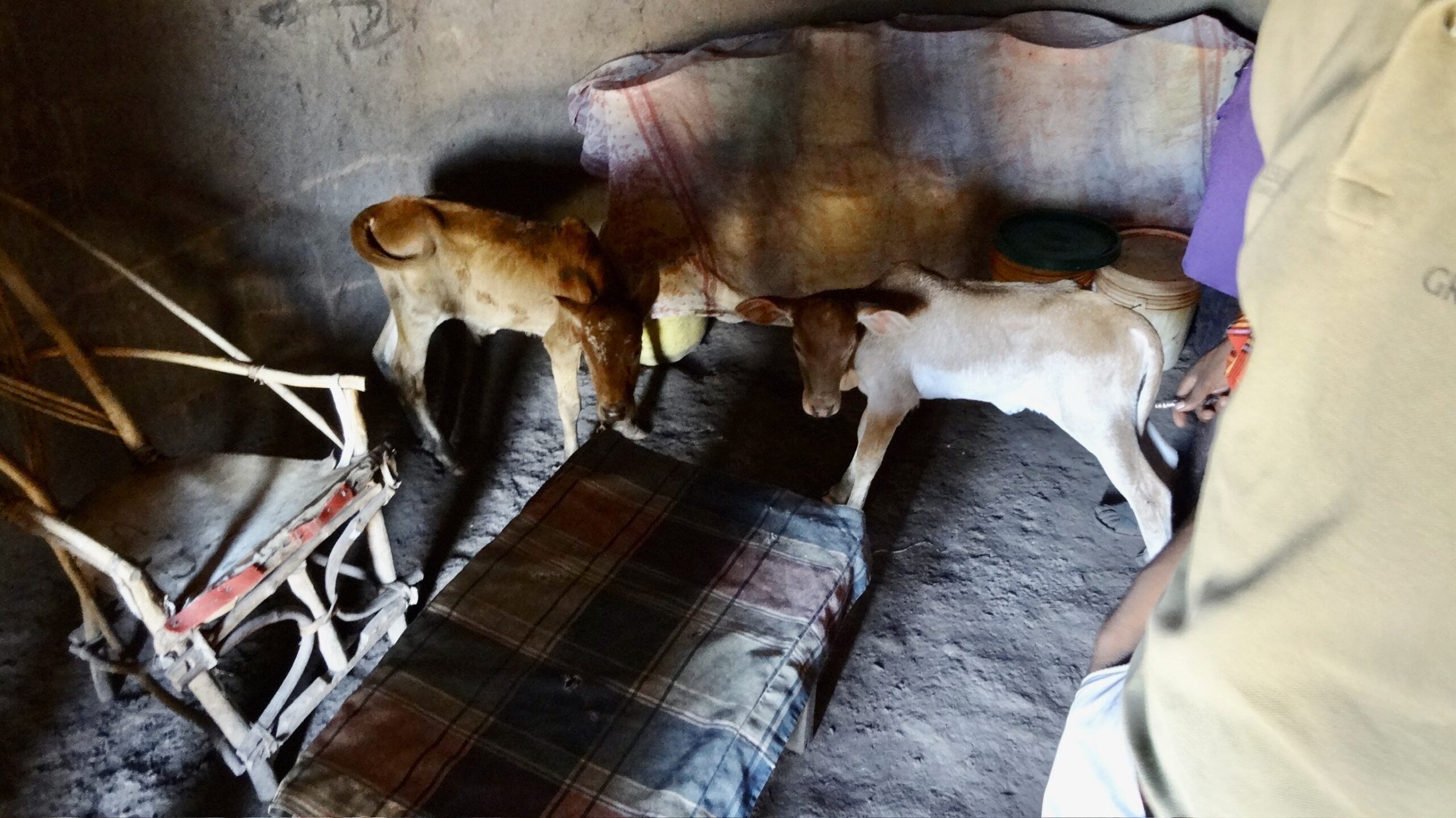
A shy child hid in the oldest son’s hut. The oldest son had his own hut, but he shared it with his family’s young livestock (below), because it’s his job to protect them.
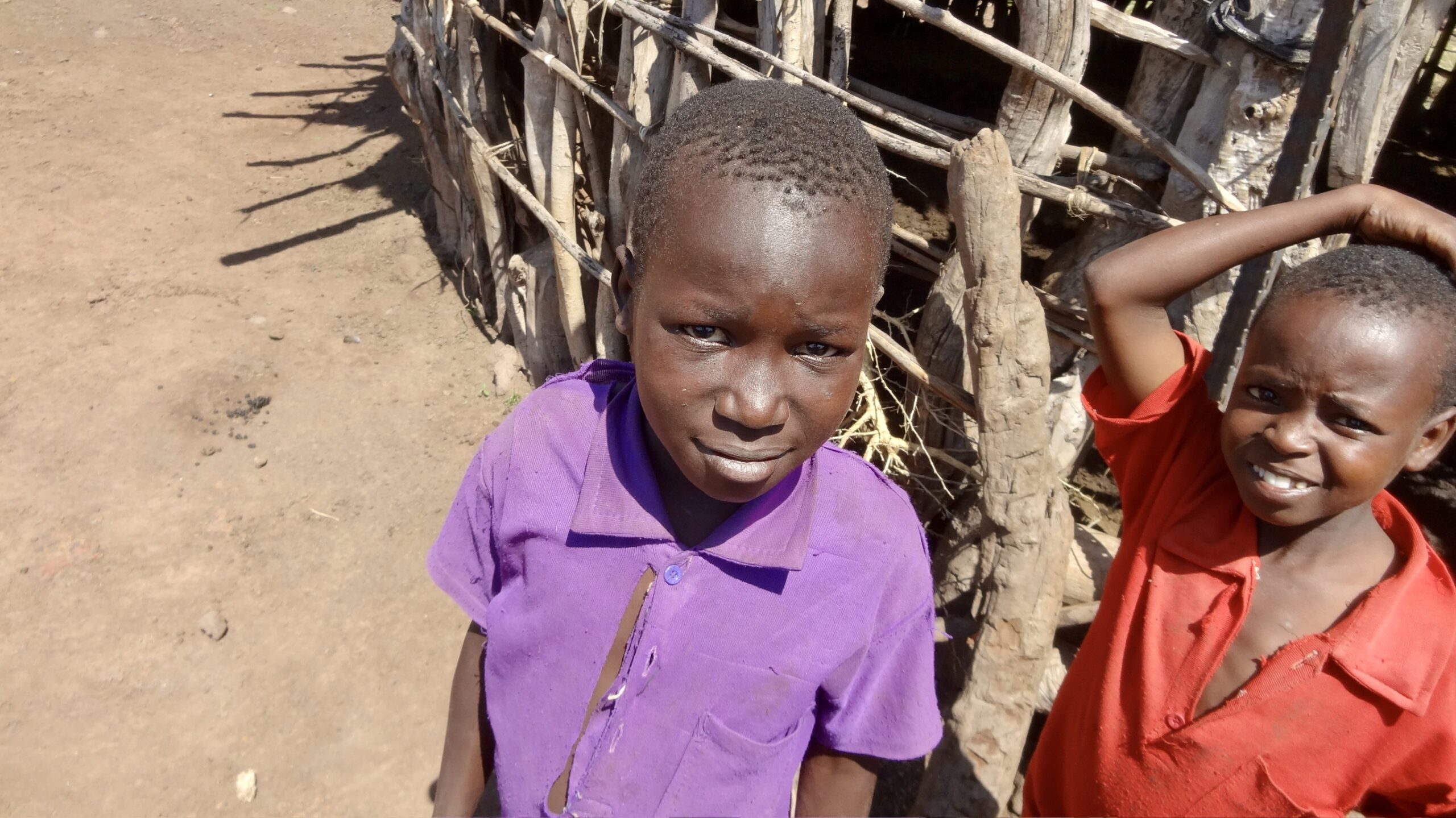
This determined looking fellow followed the blogger about and borrowed his camera as often as he could get his hands on it. He probably took a hundred pictures of blurry fingers, feet, and dirt.

The visit felt festive. Many neighbors came to watch the family host us, and kids couldn’t help joining in.
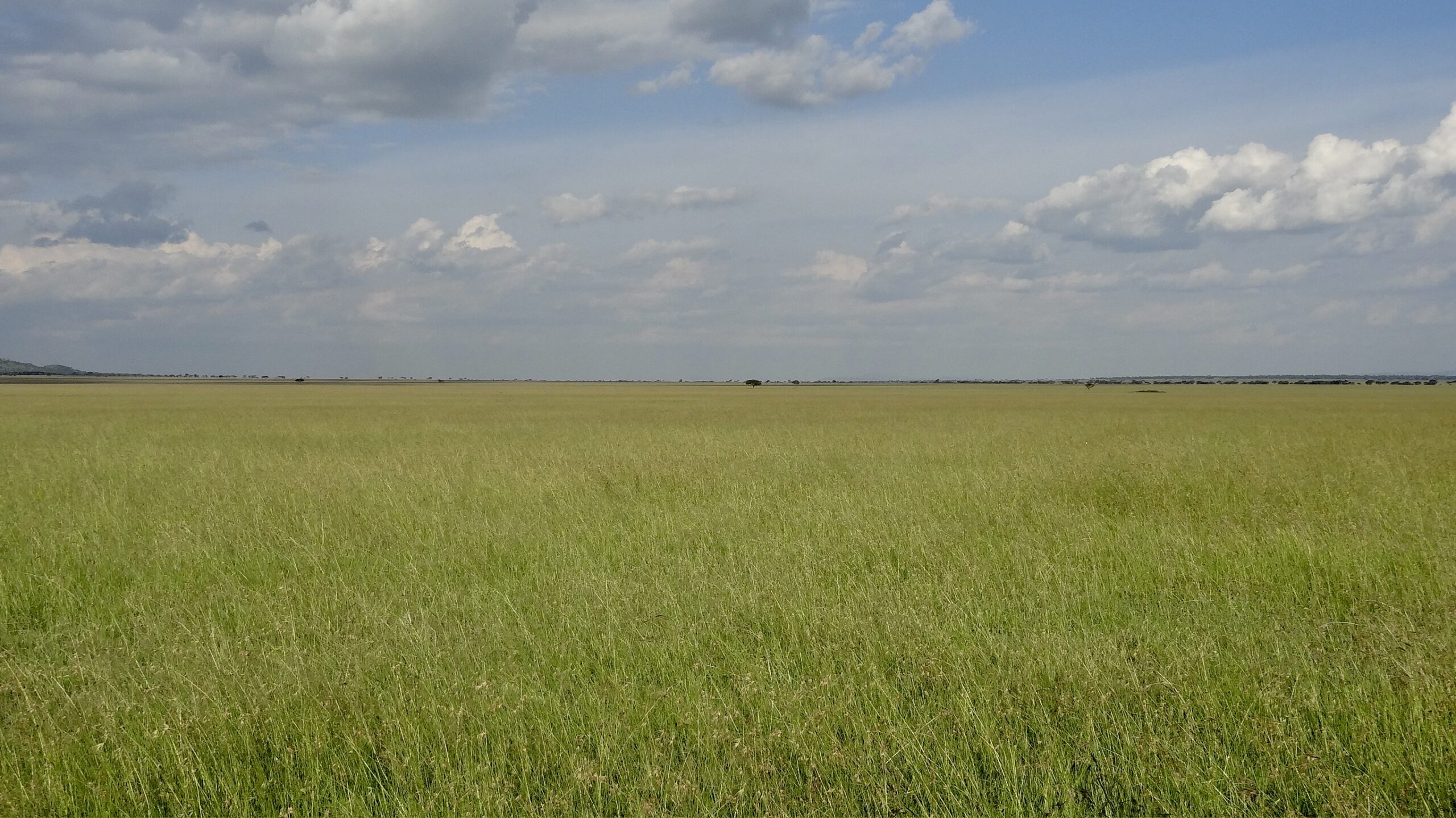
On our last day of wildlife drives, we headed out onto the grassy savanna.
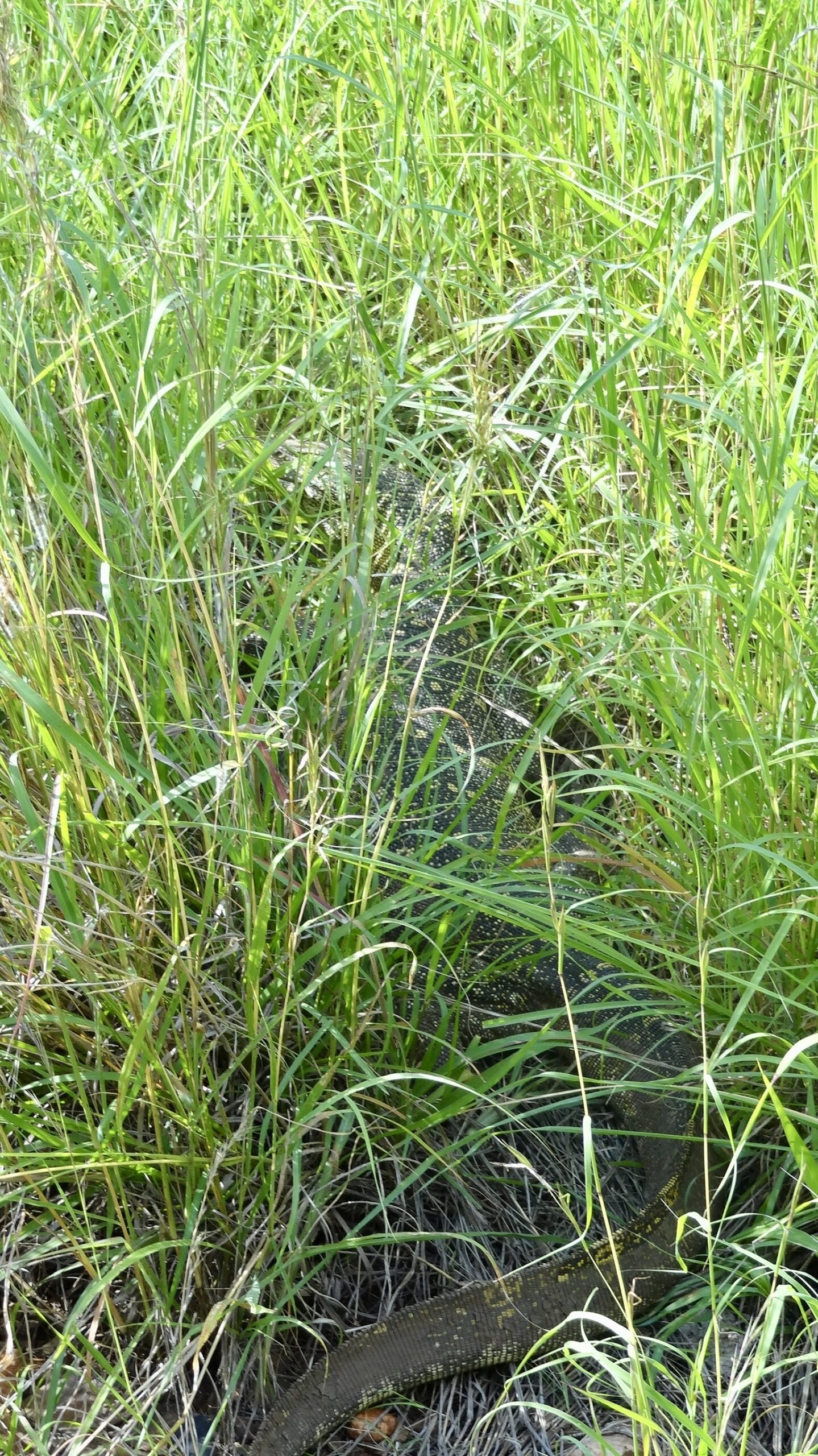
The long grass hides many things, like this Nile Monitor lizard.
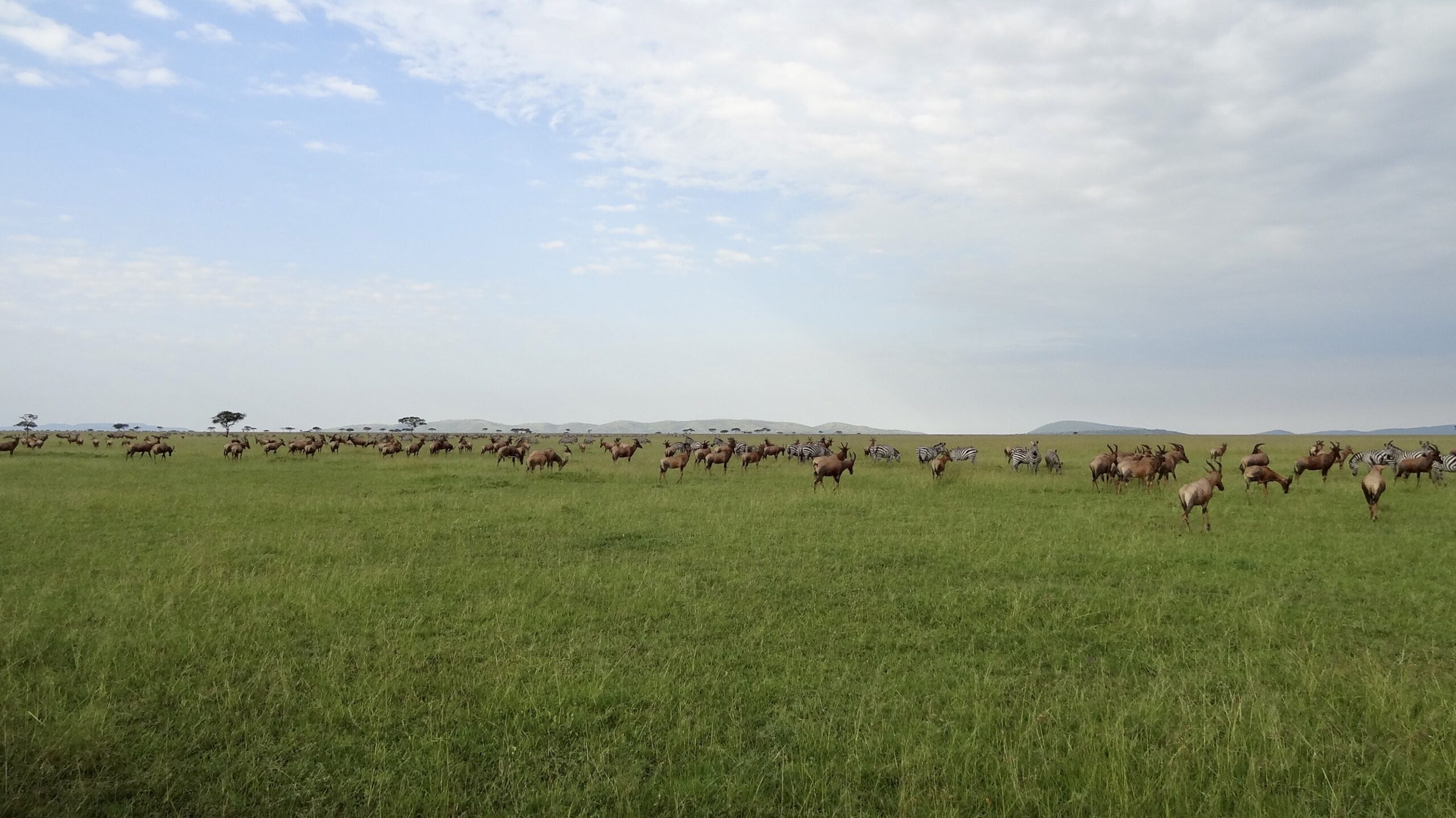
Large swaths of the grass, though, were being cropped by mixed herds, like this one of Zebra and Topi.
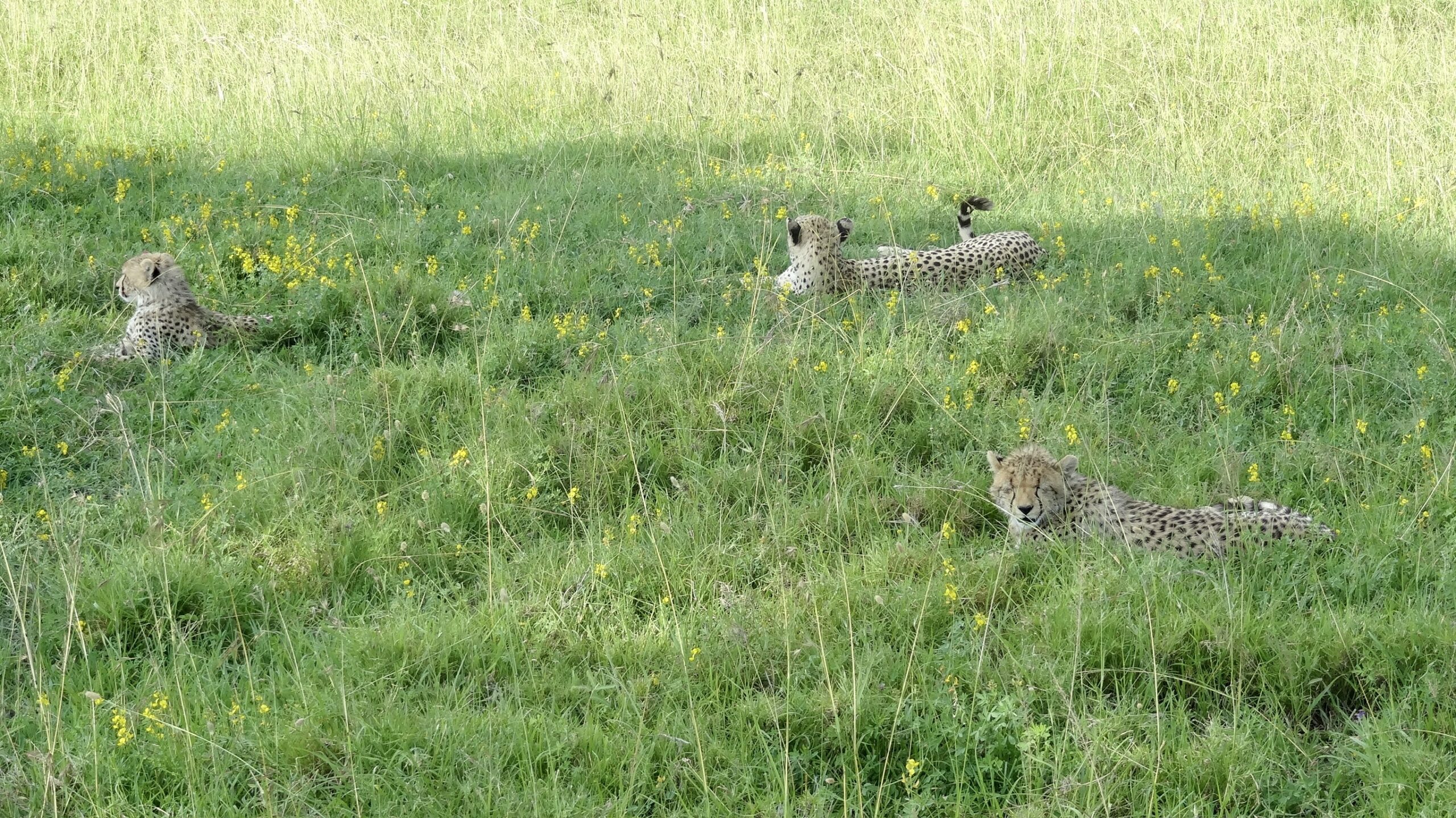
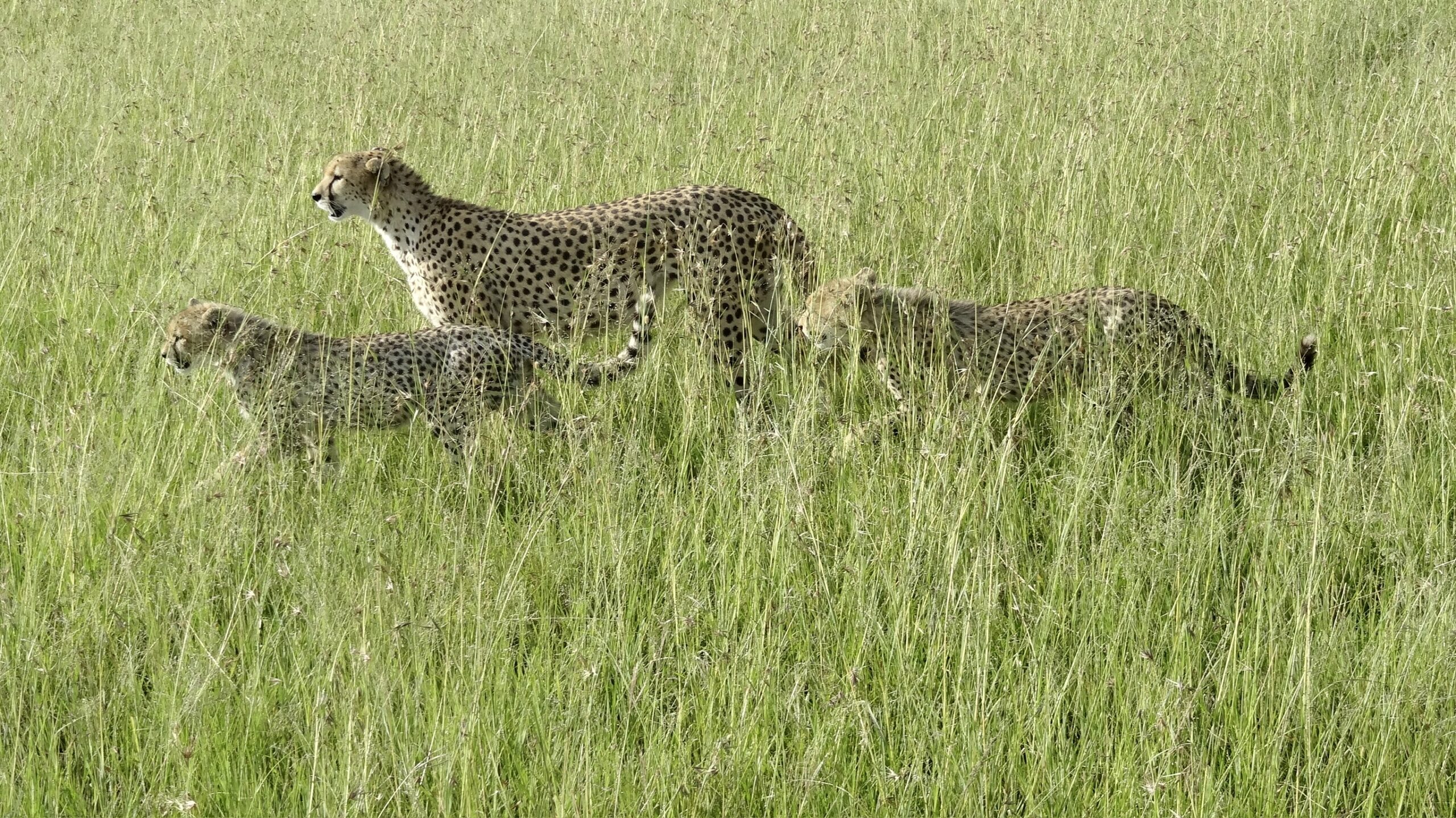
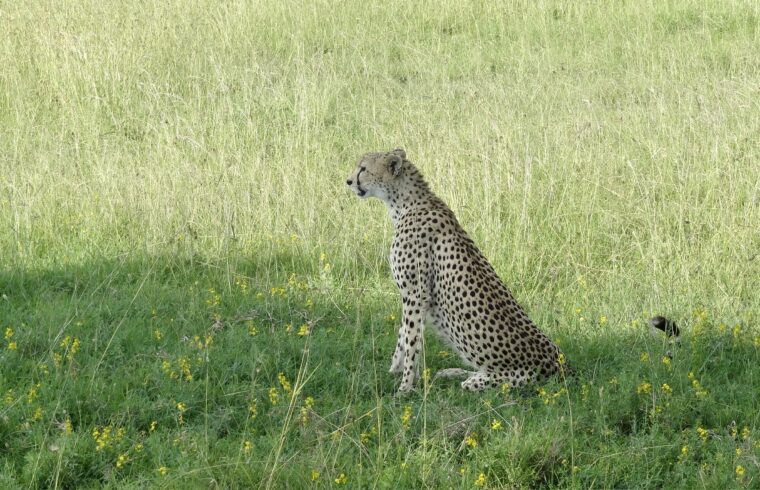
We stopped to watch a Cheetah lounge under an acacia tree with her two cubs.
Something we couldn’t see – or more likely hear – got her attention, and they off to check it out.
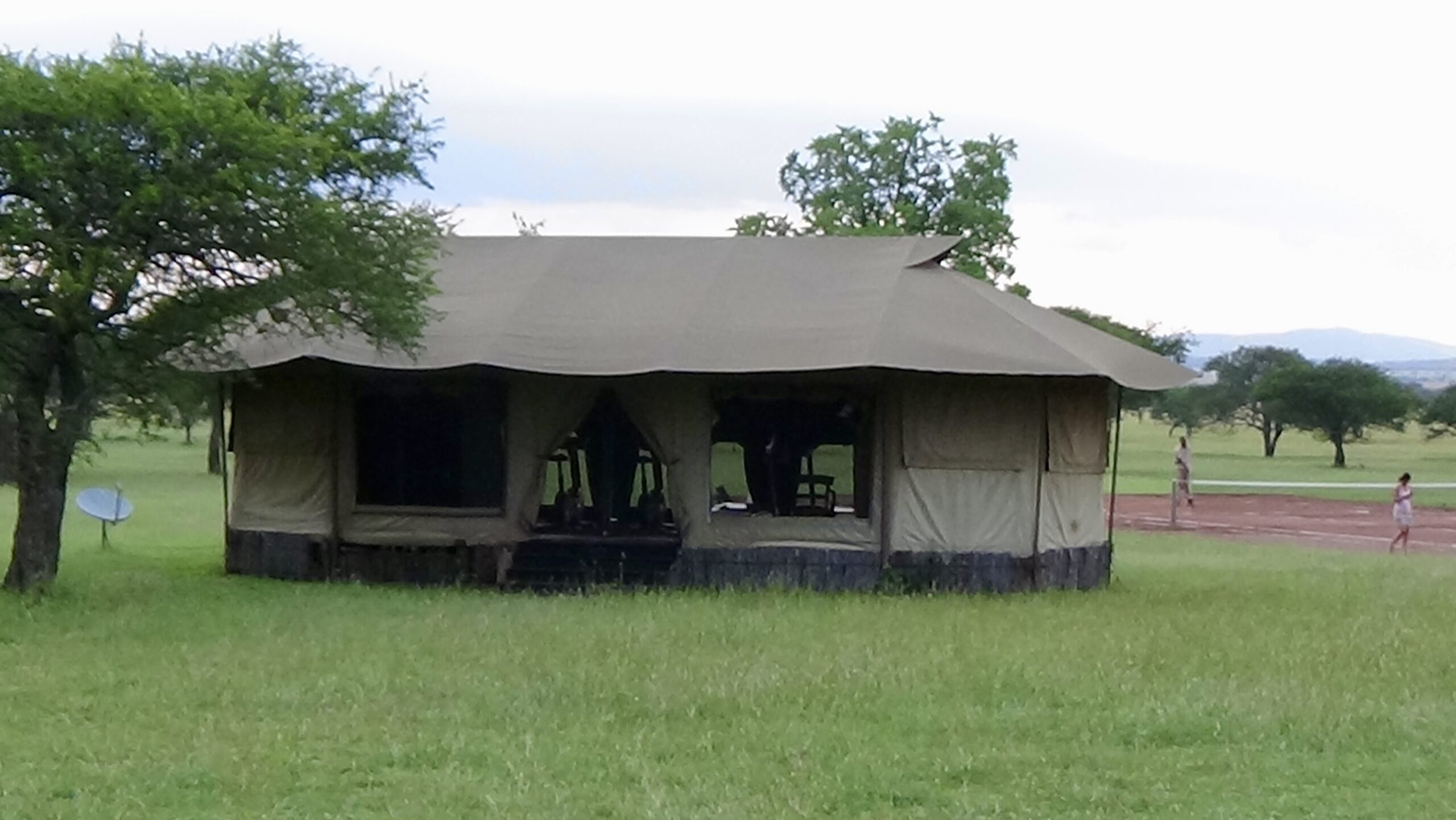
On our way back, we drove through the only other safari camp in the Grumeti, a Singita tented camp. Note the tennis court and satellite dish.
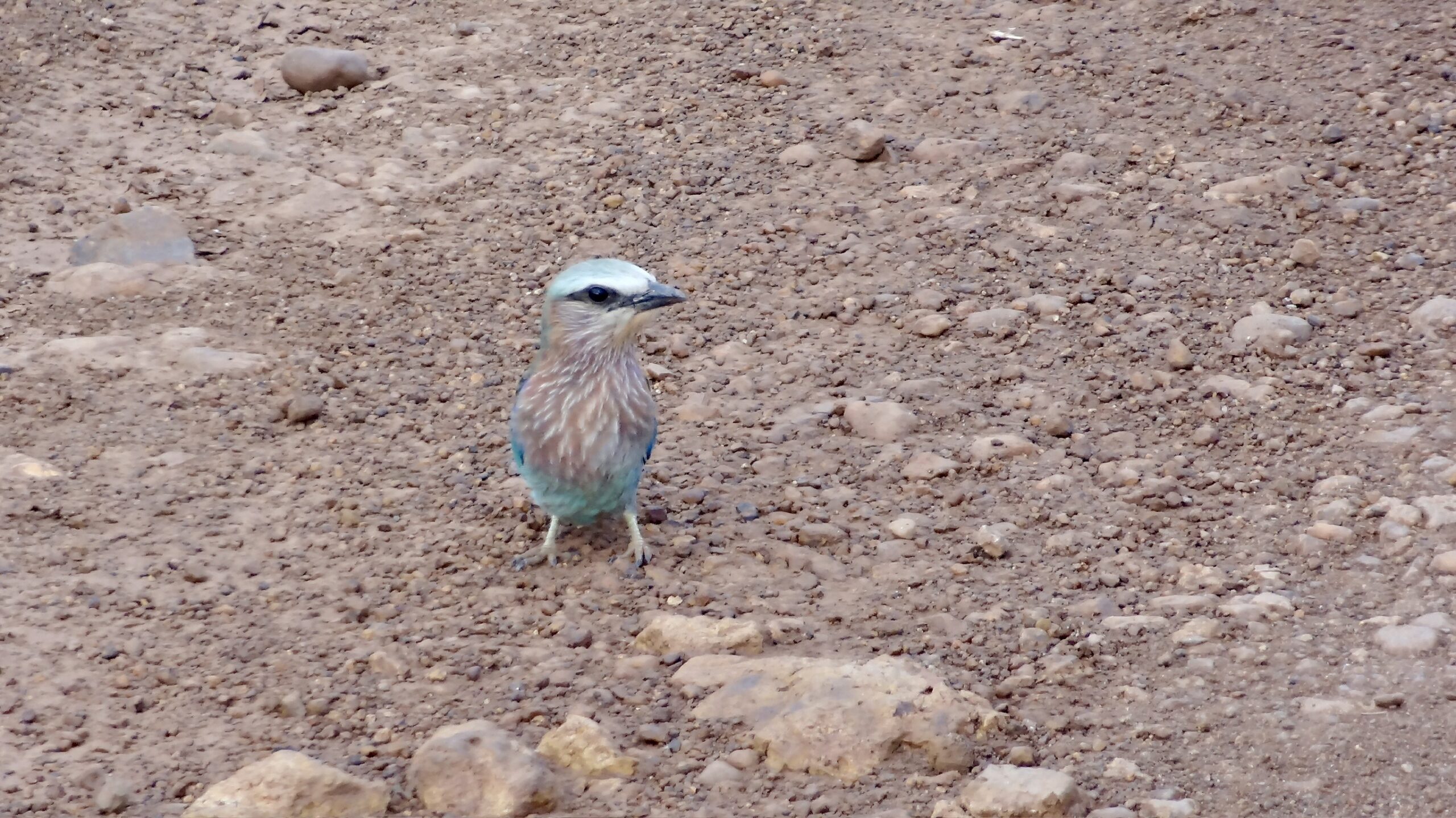
Lilac-breasted Rollers pop up everywhere, like colorful little jewels in the greens and browns of the Serengeti.
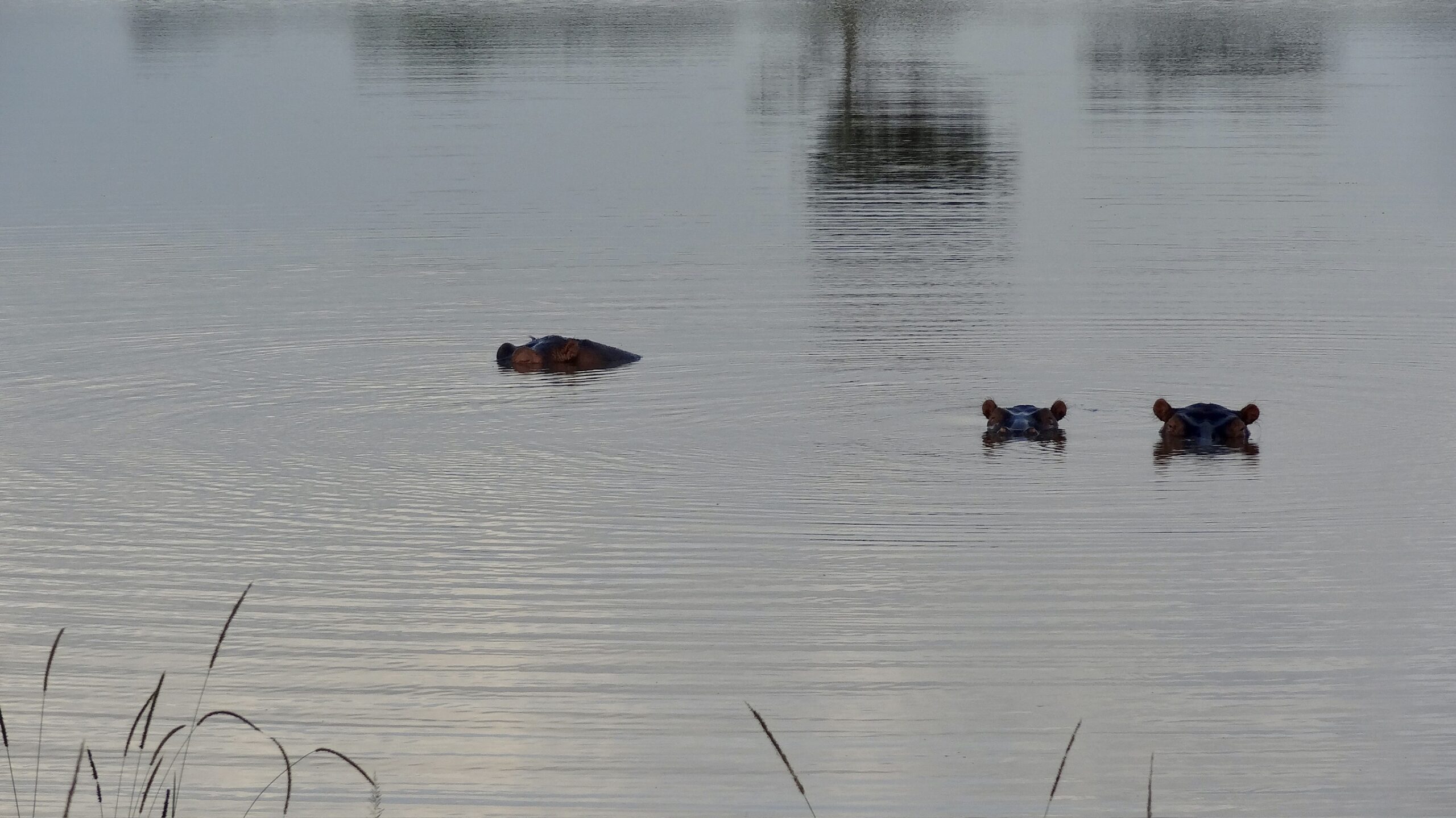
In the afternoon, we circled the large watering hole, under the watchful eye of the resident male hippo and his two girlfriends.
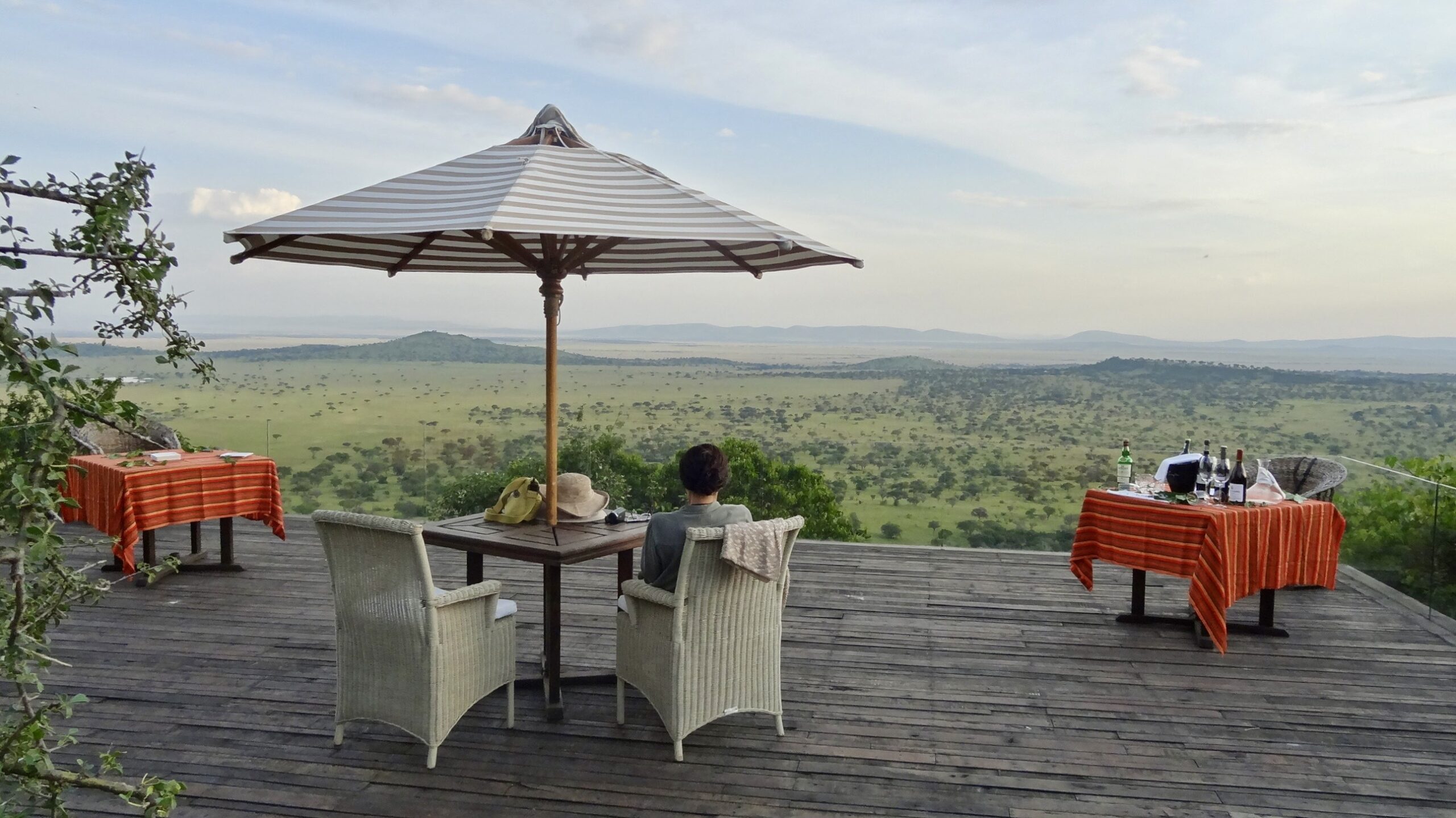
On our last evening, our dinner table was set up on a deck overlooking the Grumeti.
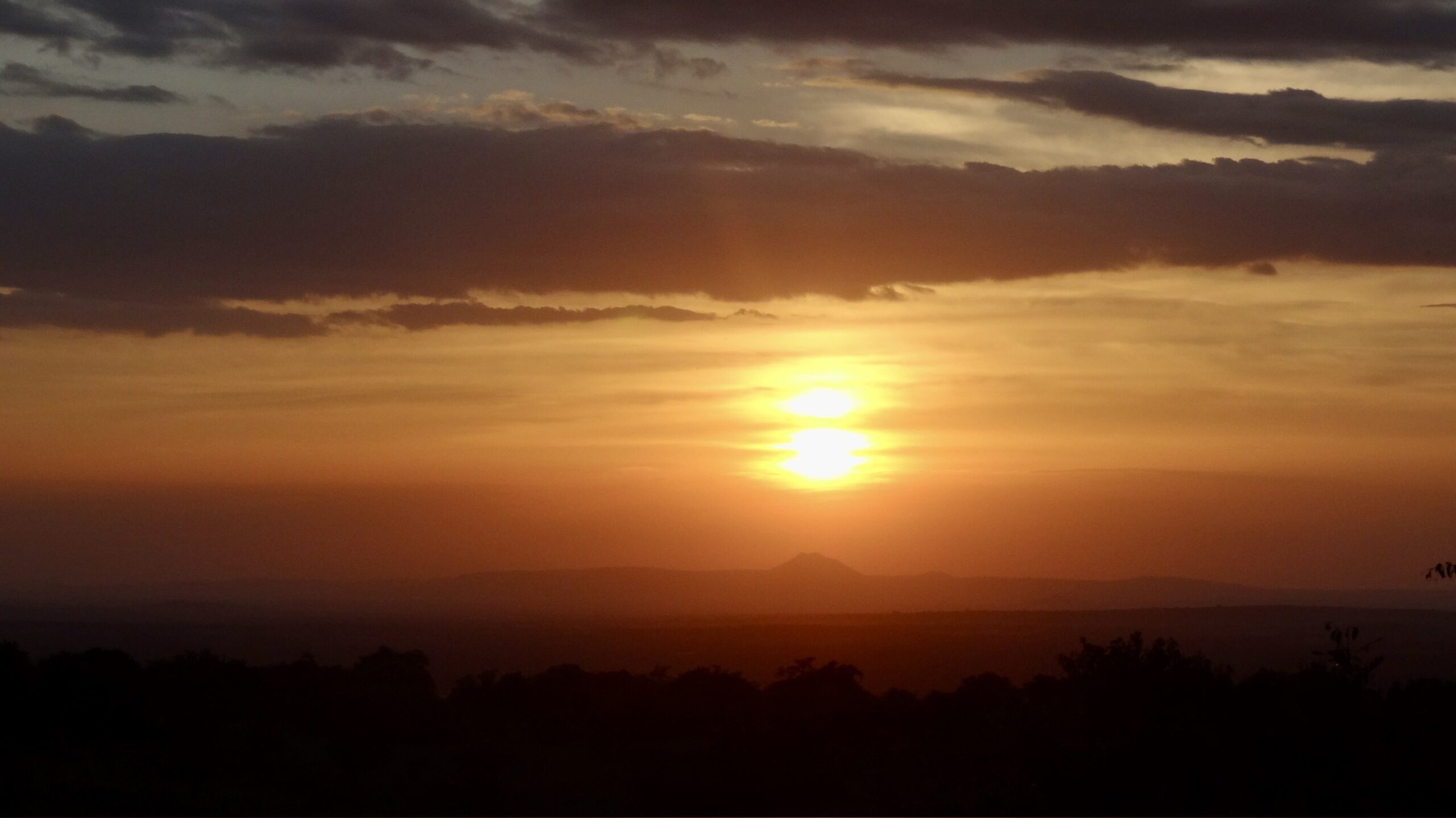
We sipped wine and watched the sun set.
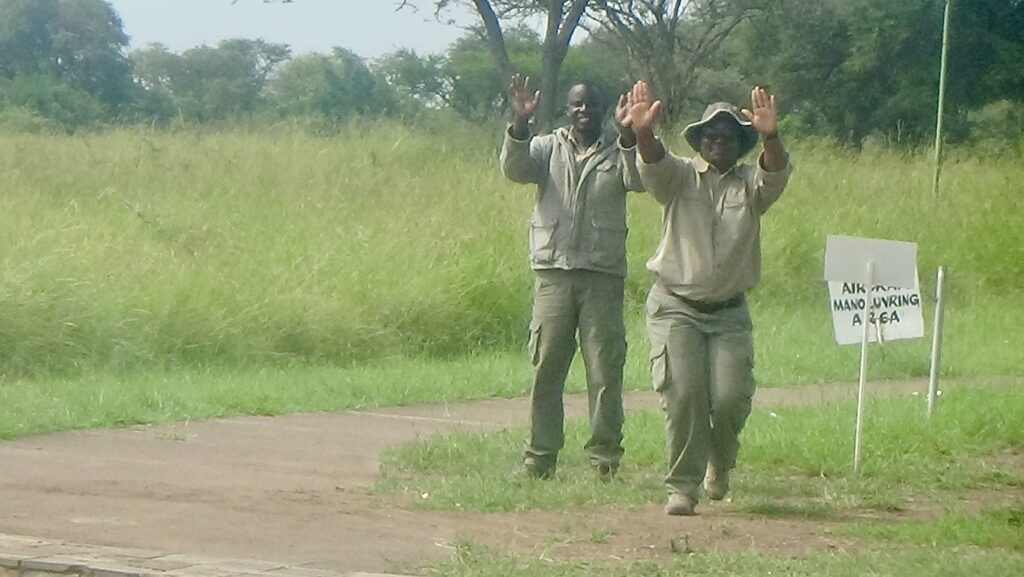
The next morning, Mishi waved us off as our small plane taxied away.
Then we were airborne again, headed for the Kilimanjaro Airport to catch a short flight to Nairobi, Kenya. For anyone who hasn’t experienced Africa or been on safari, we can’t recommend it enough.