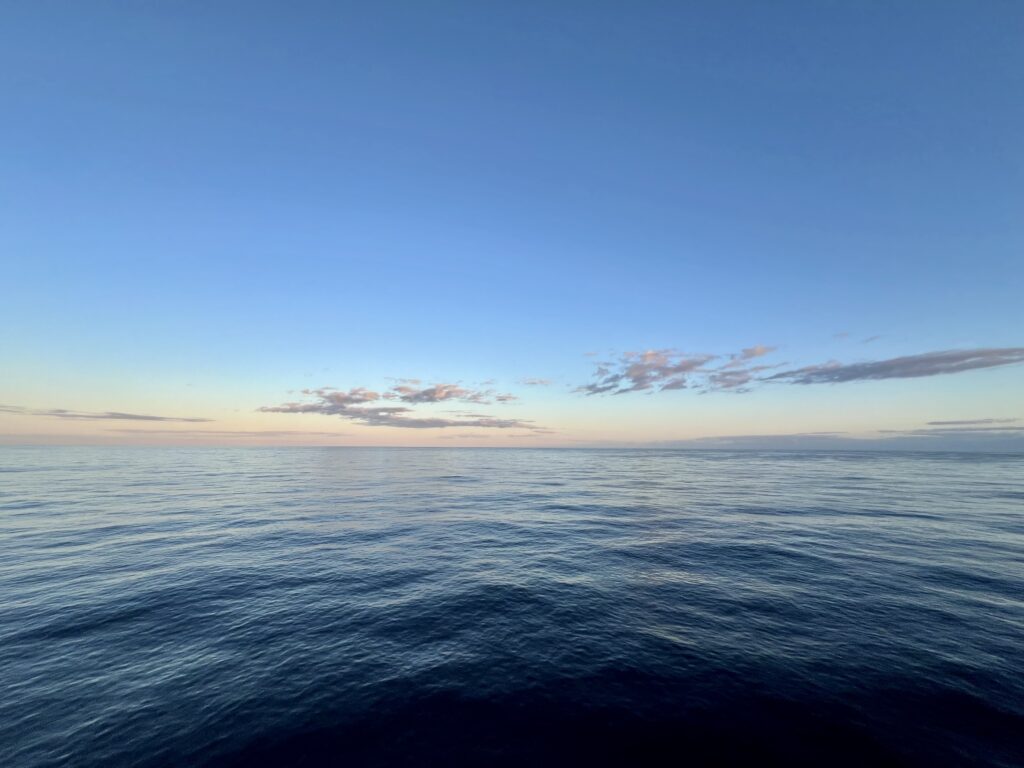
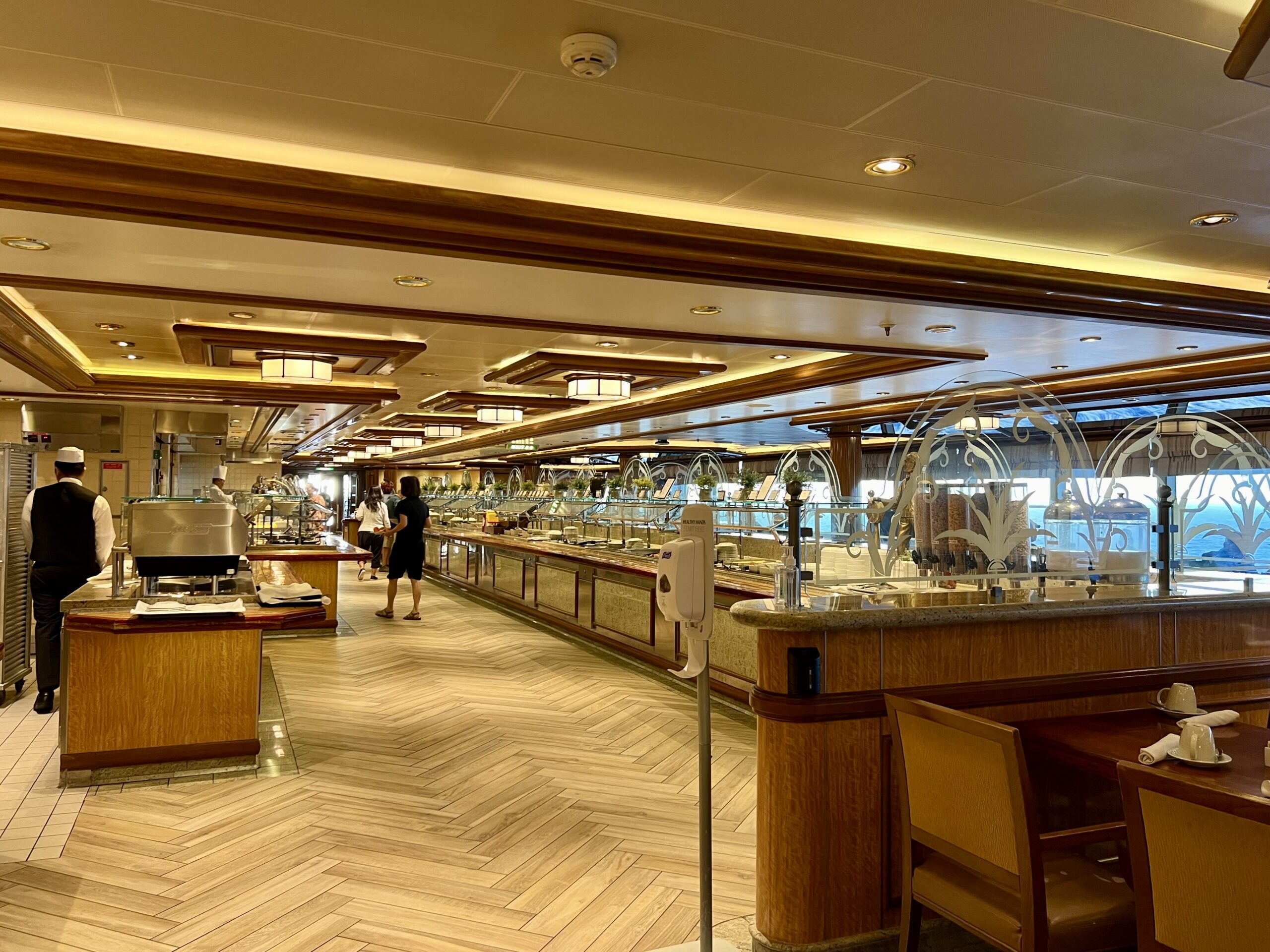
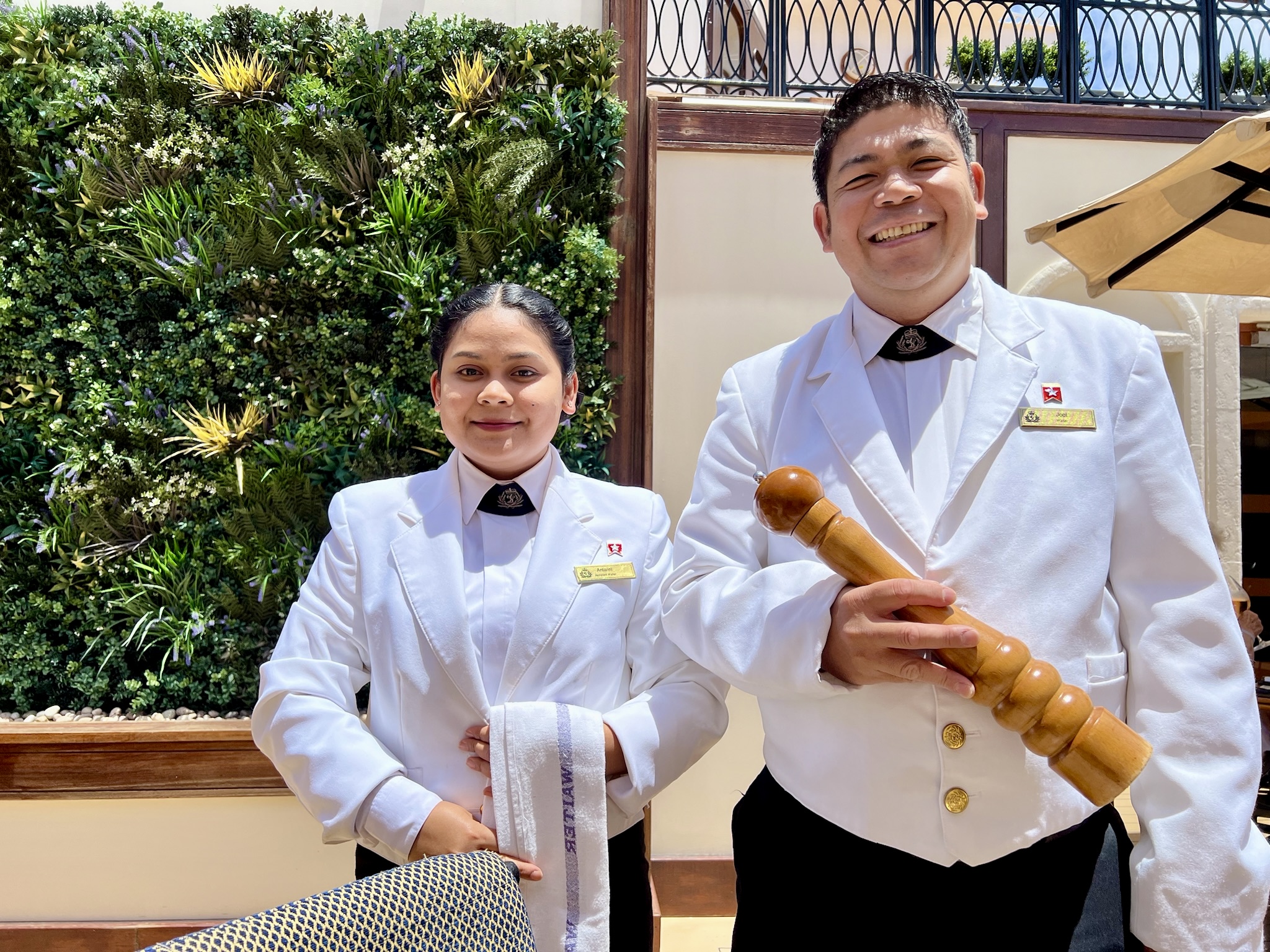
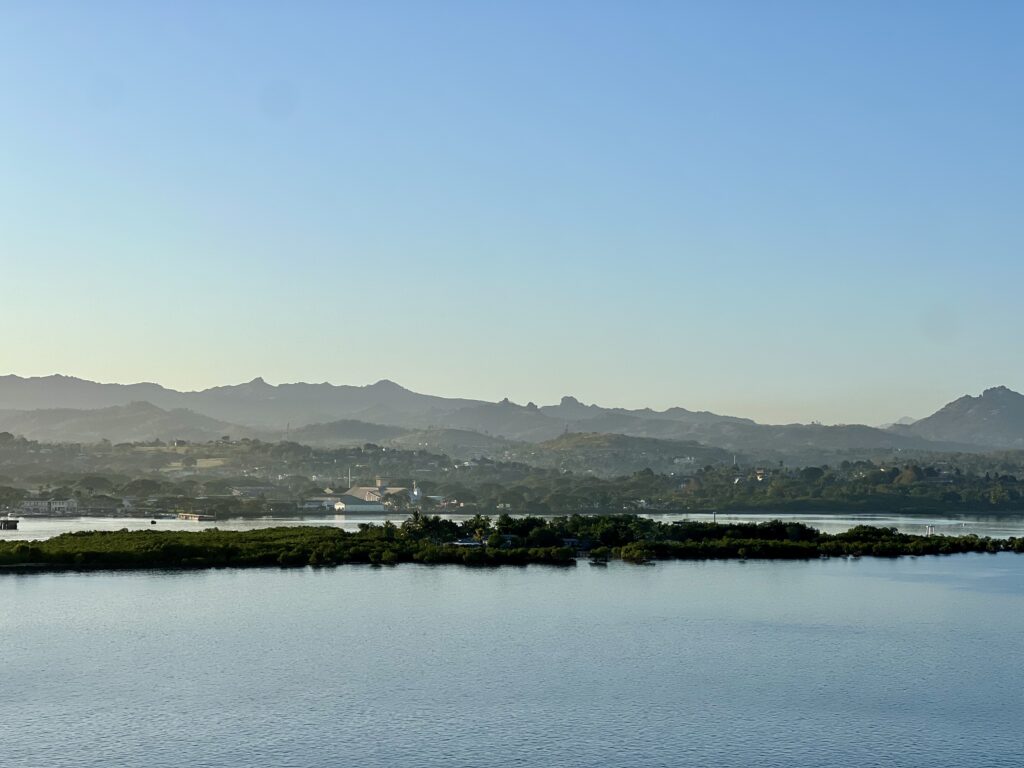
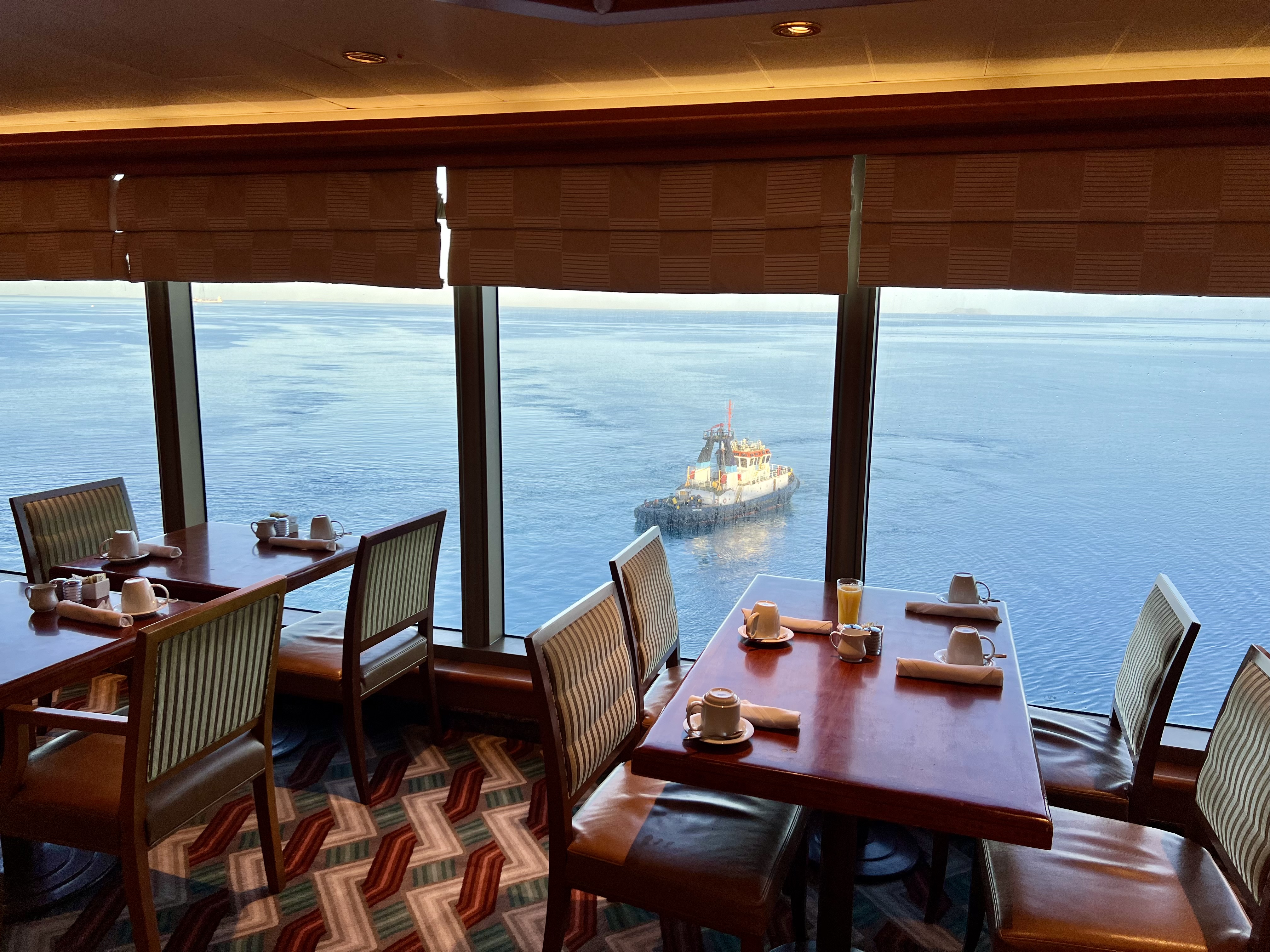
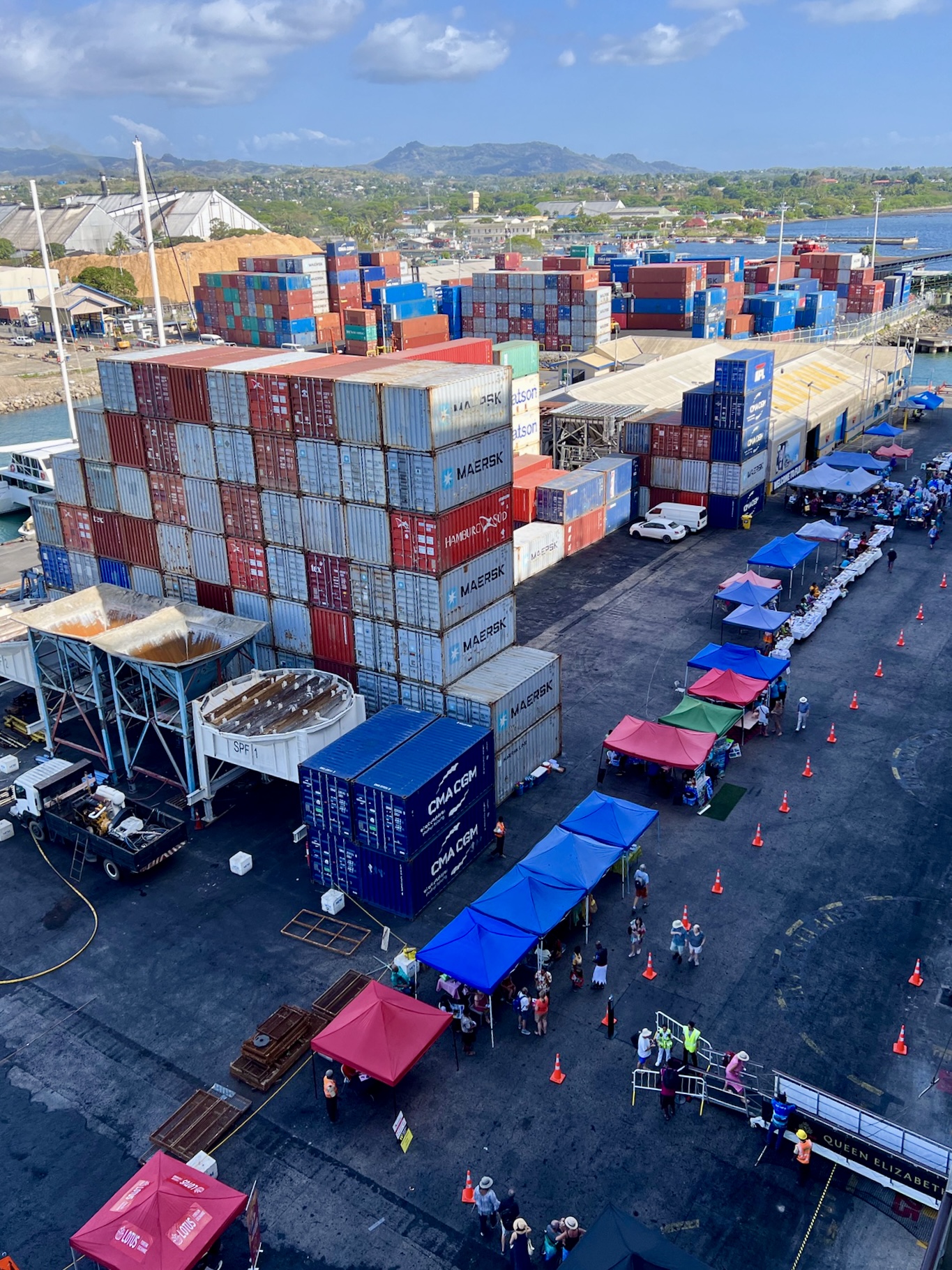
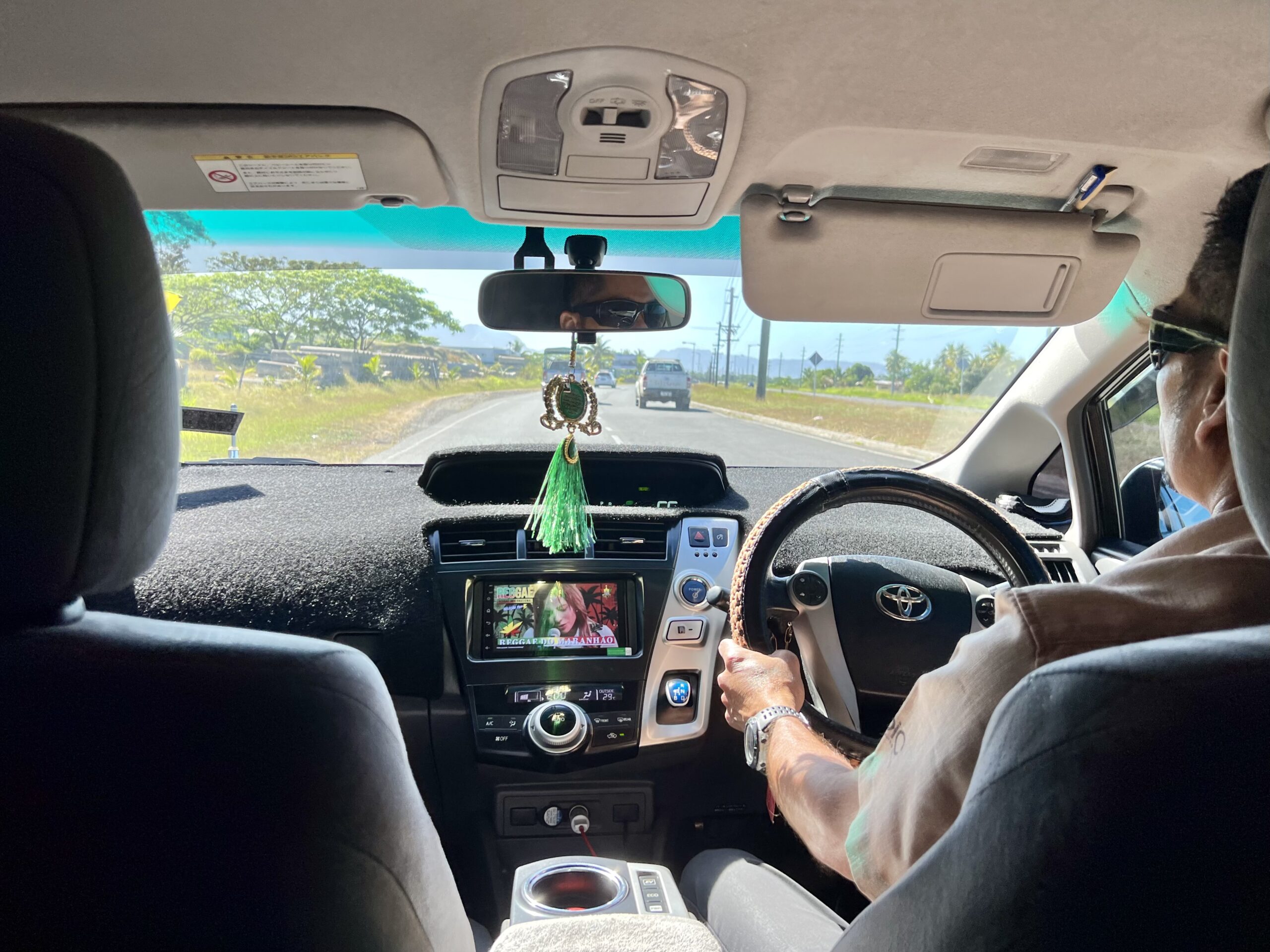
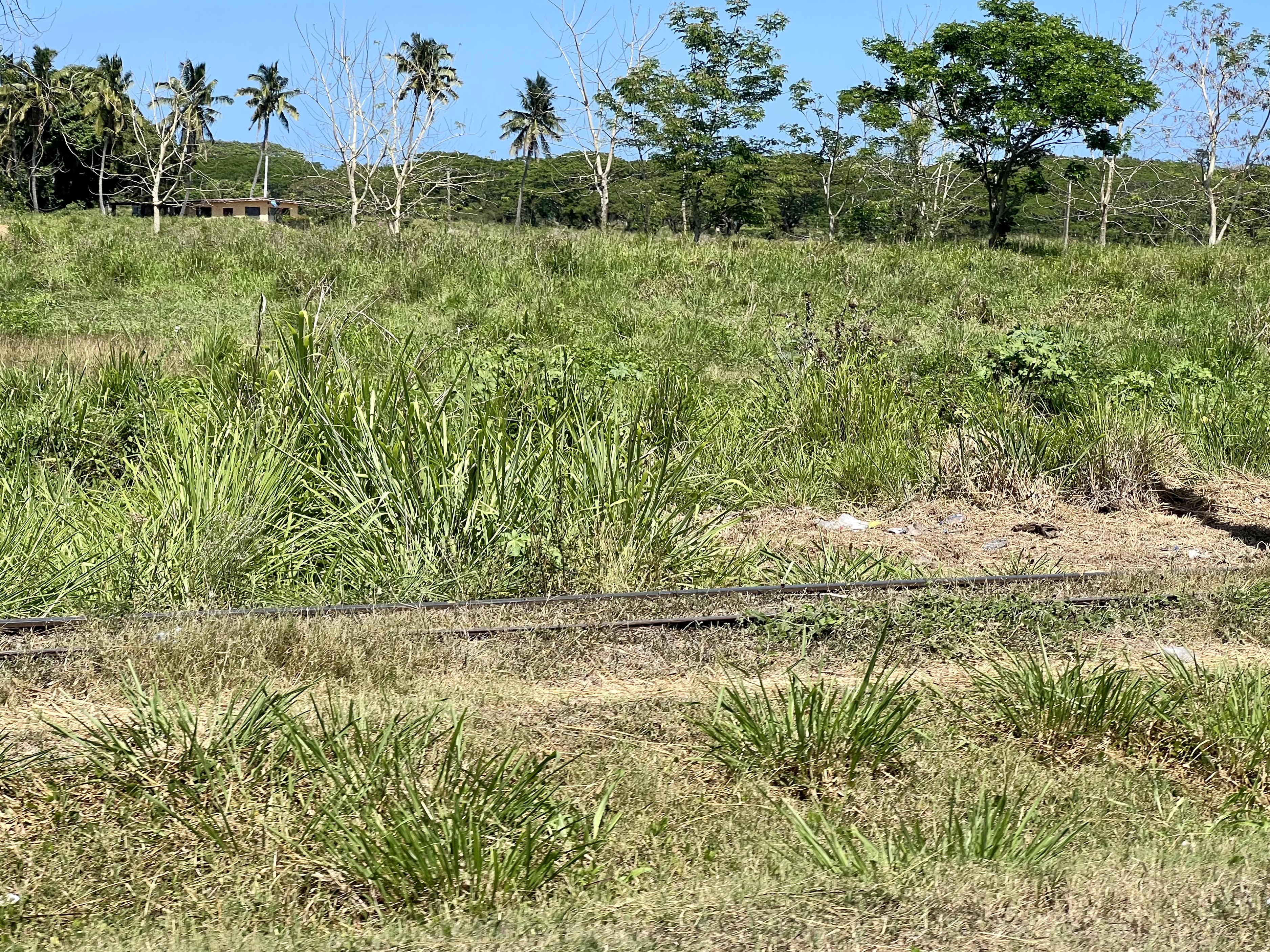
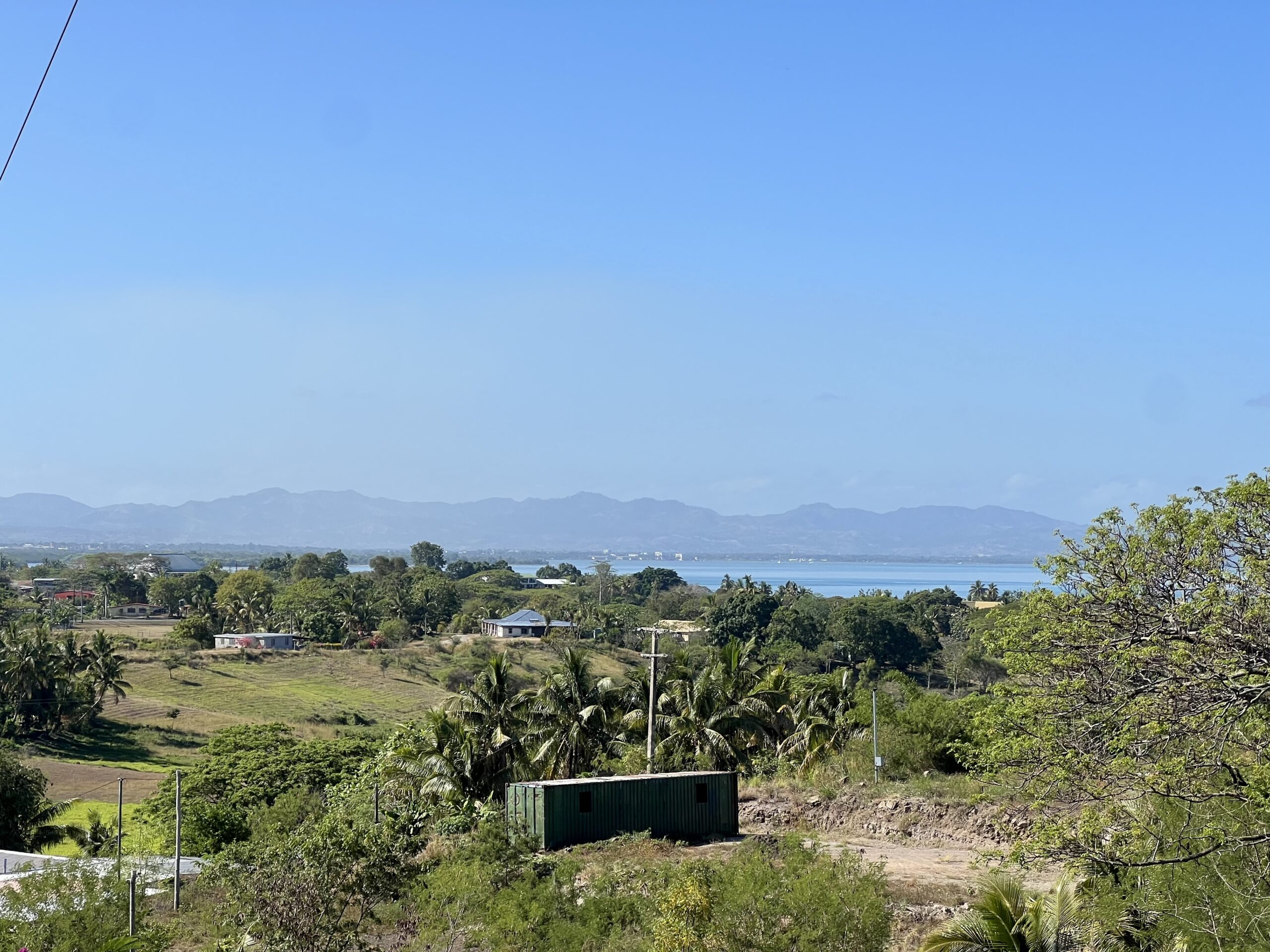
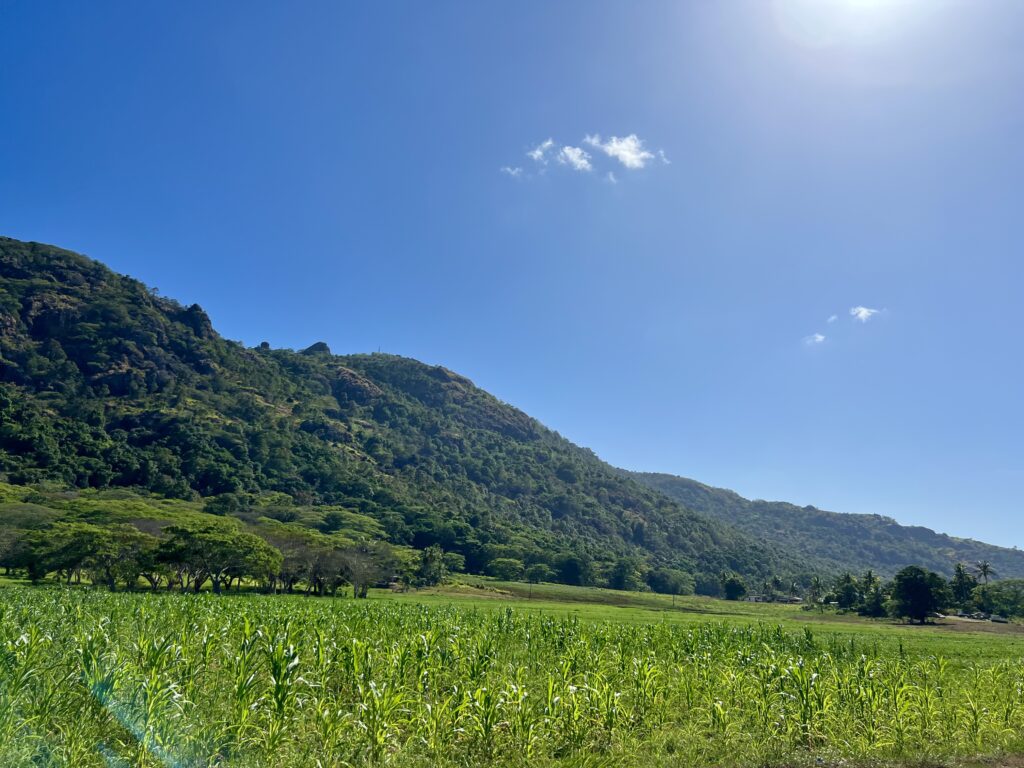
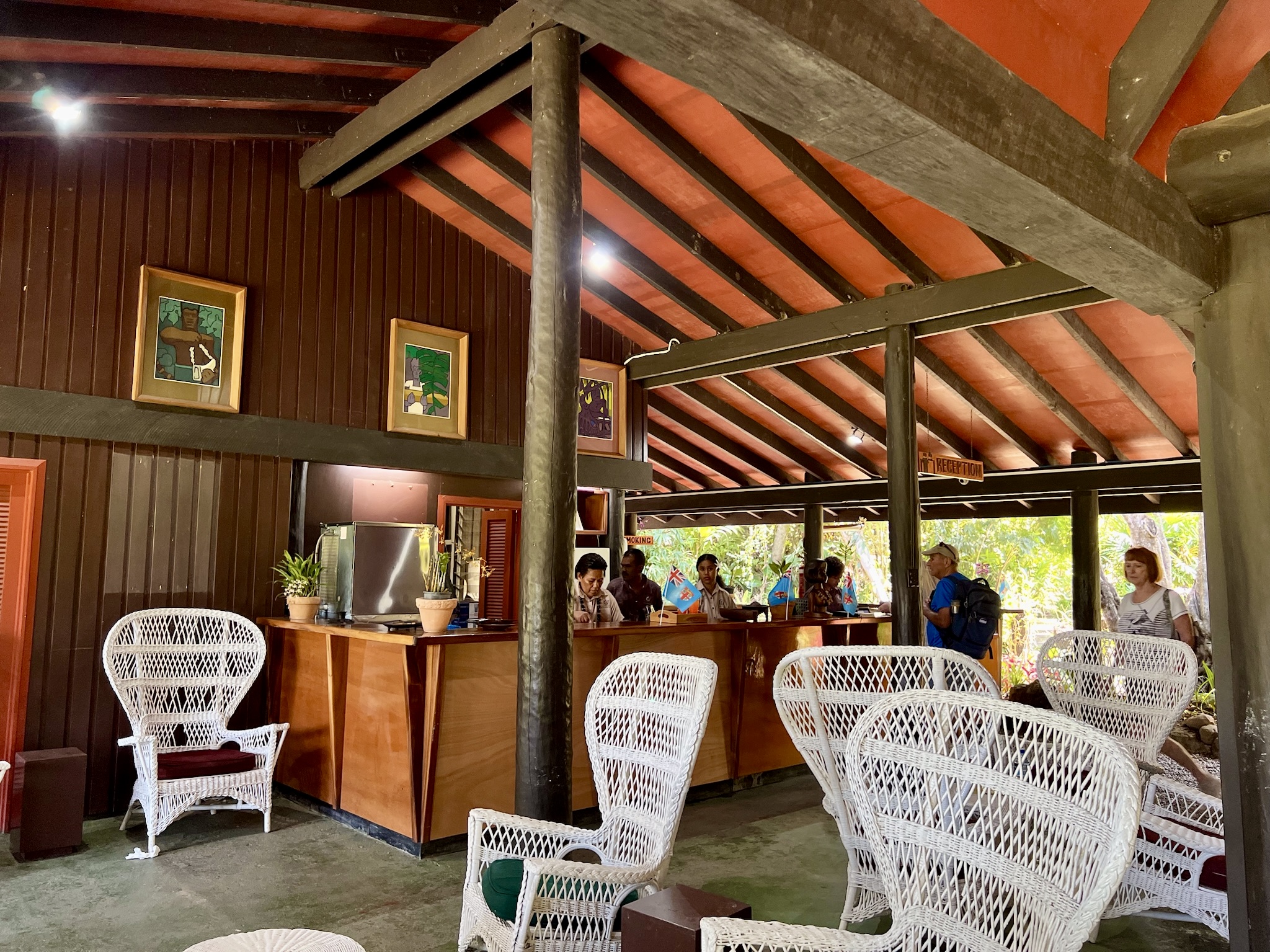
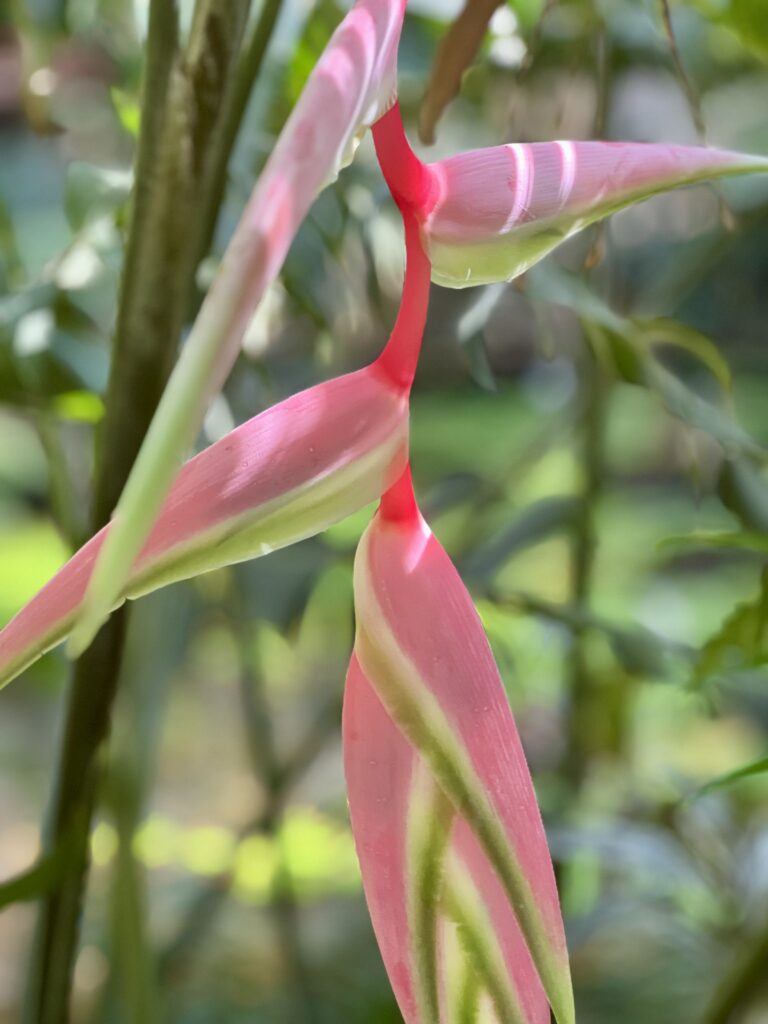
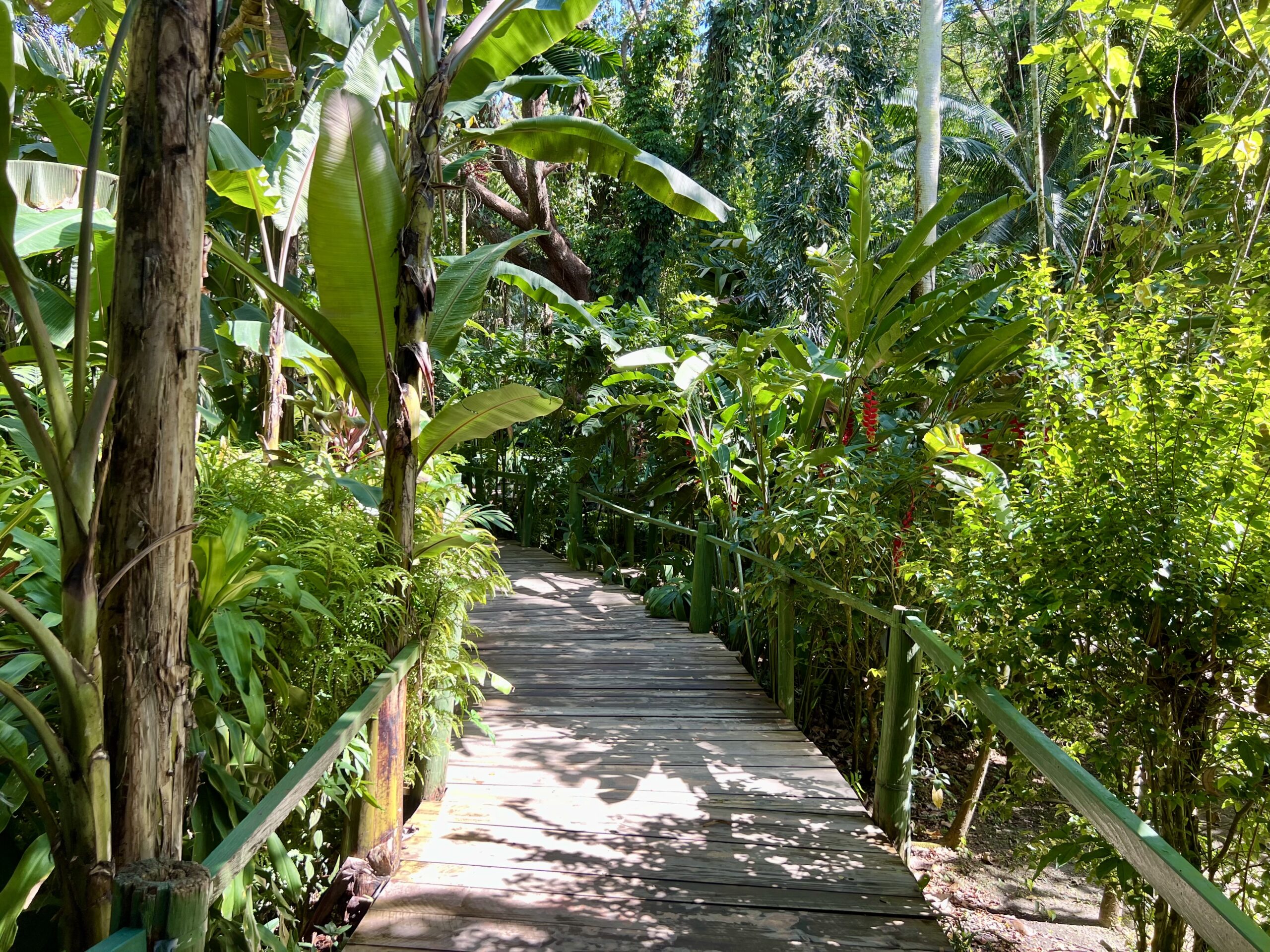
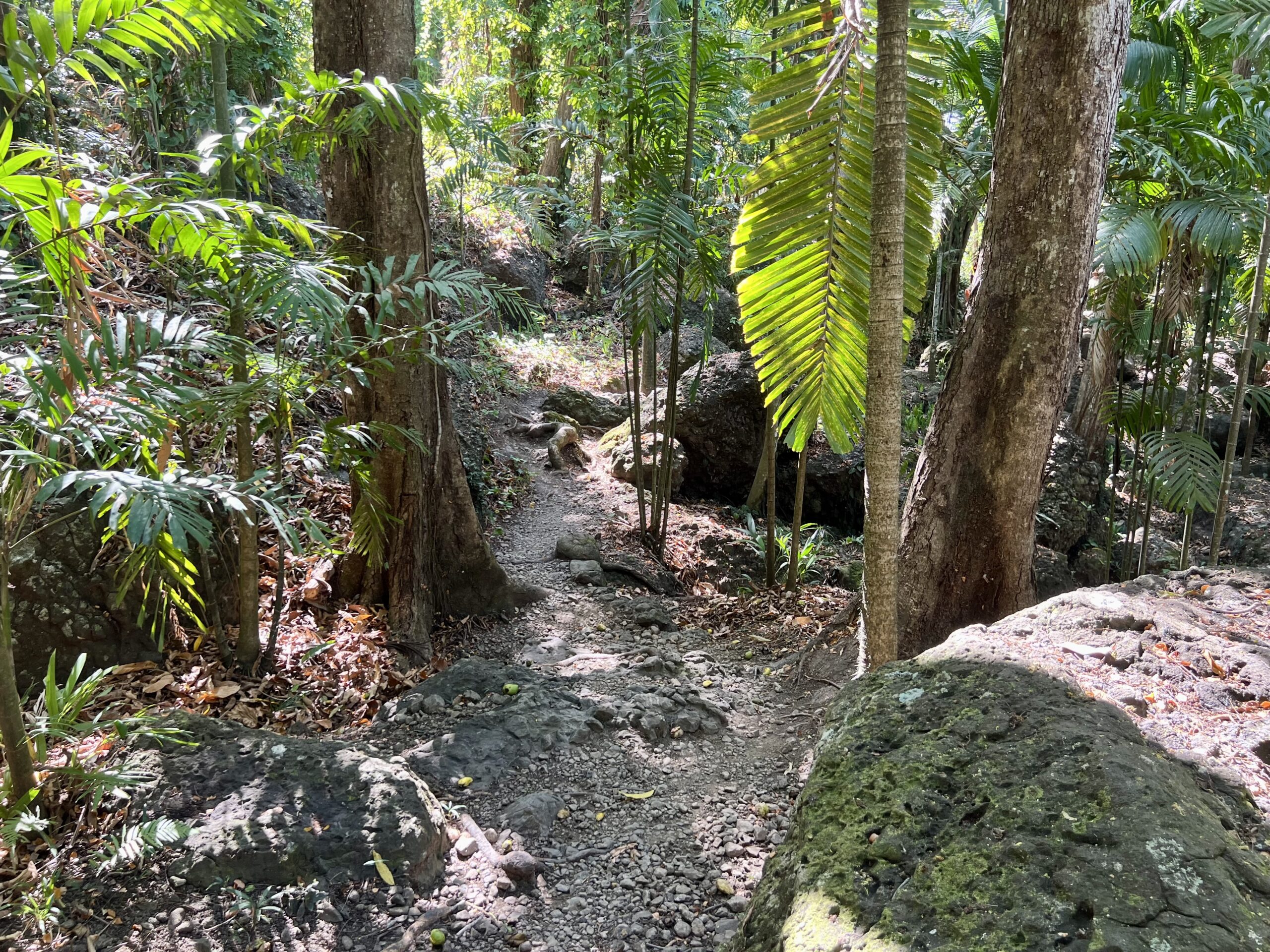
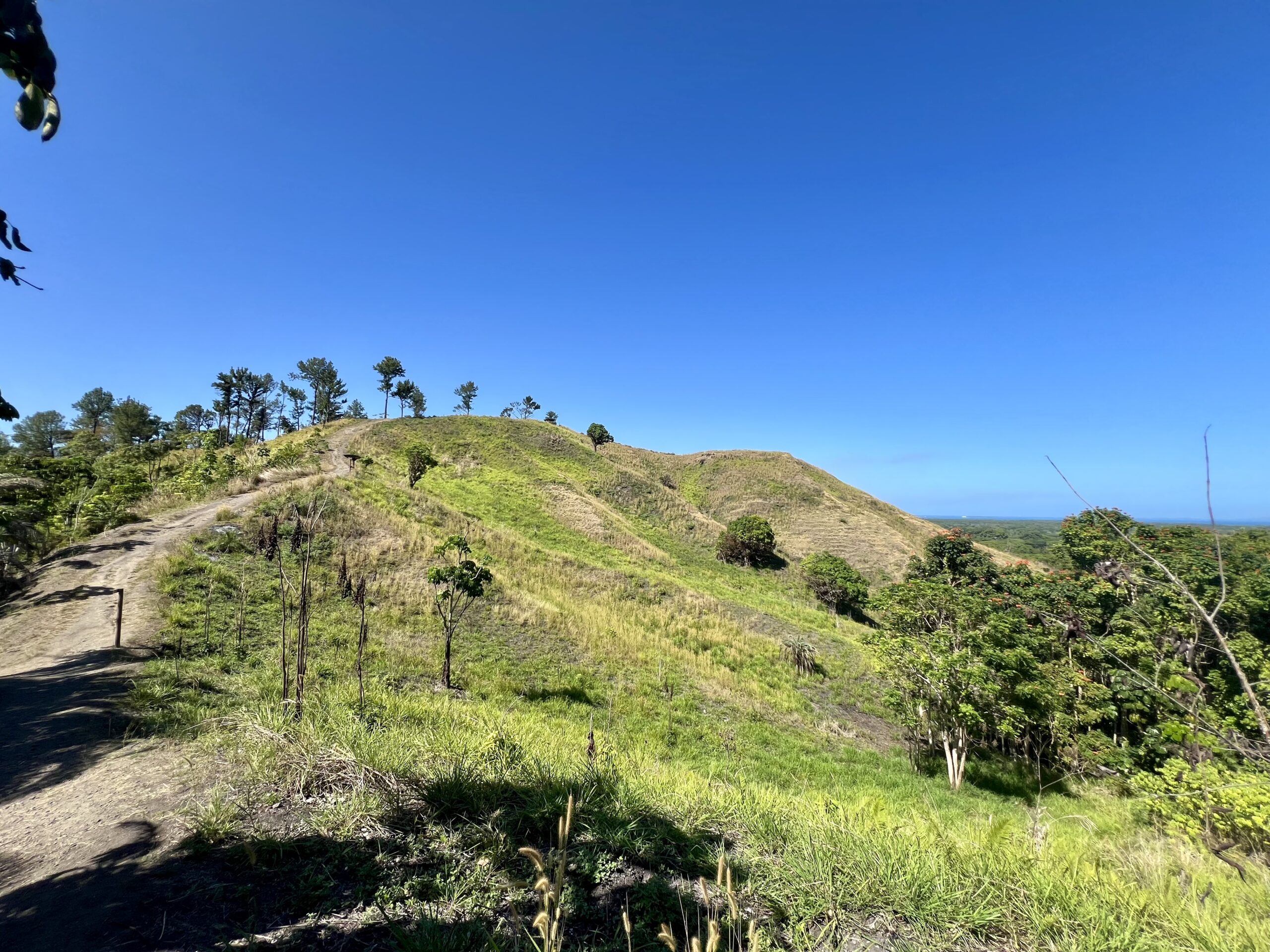
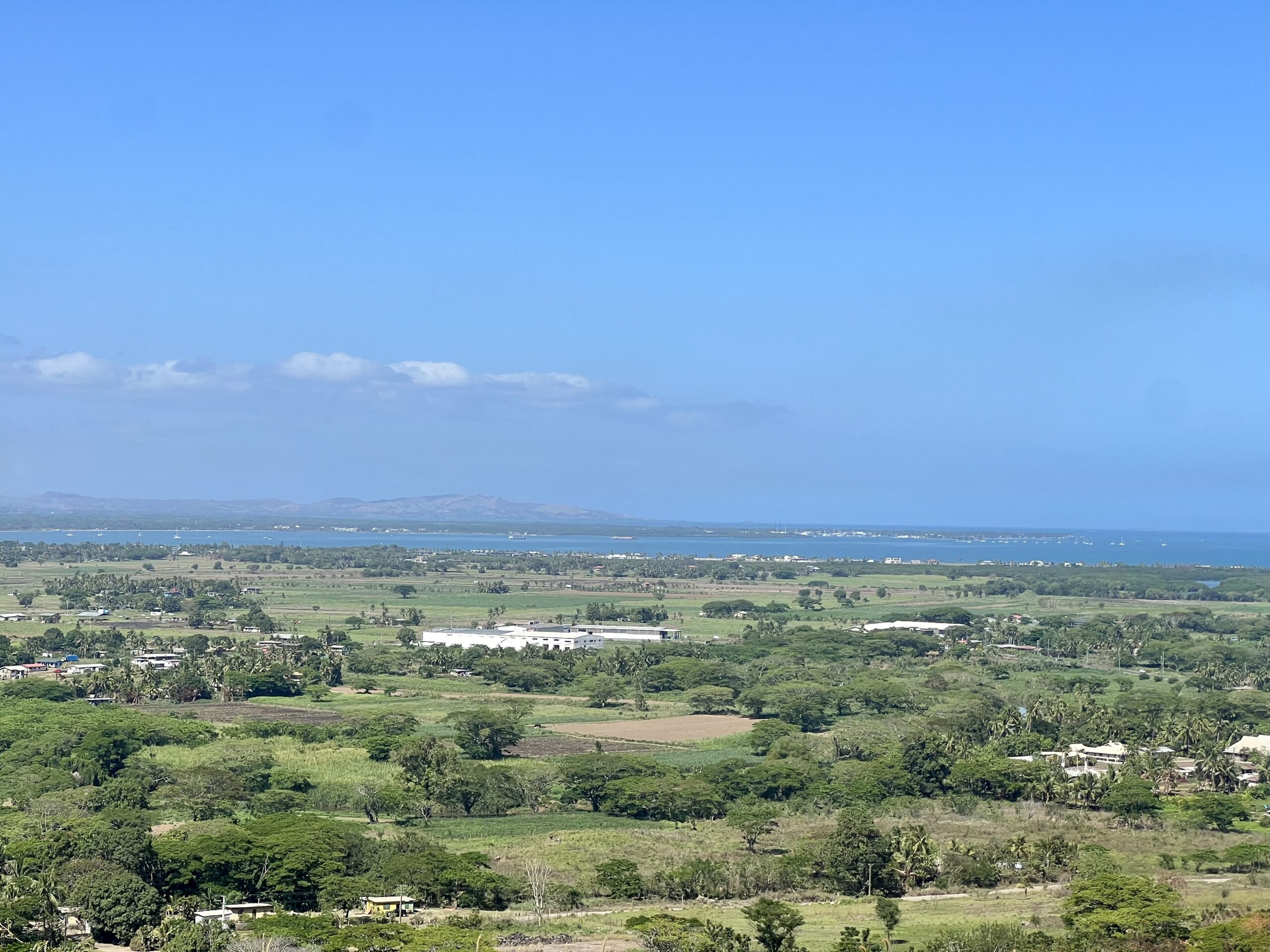
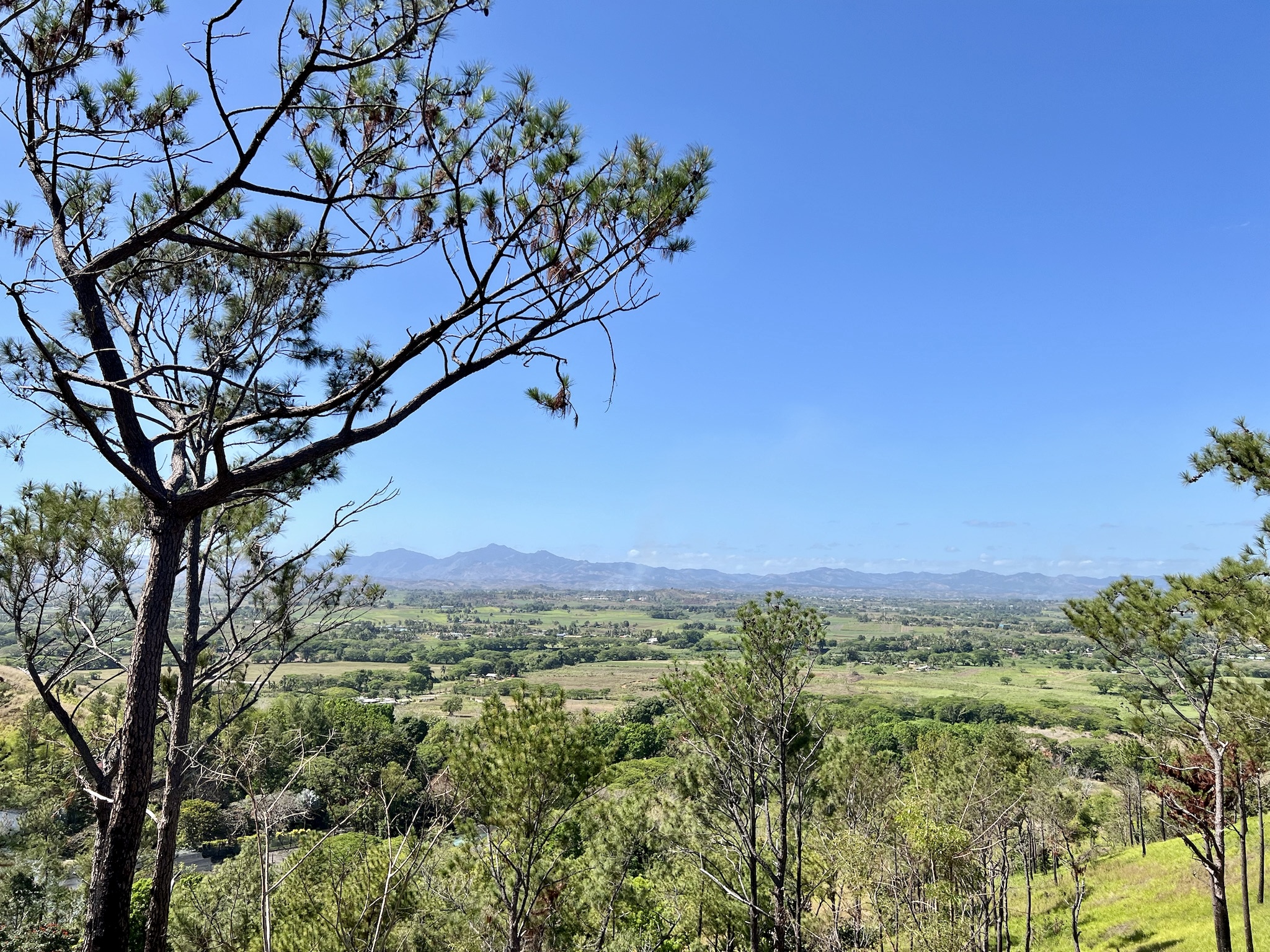
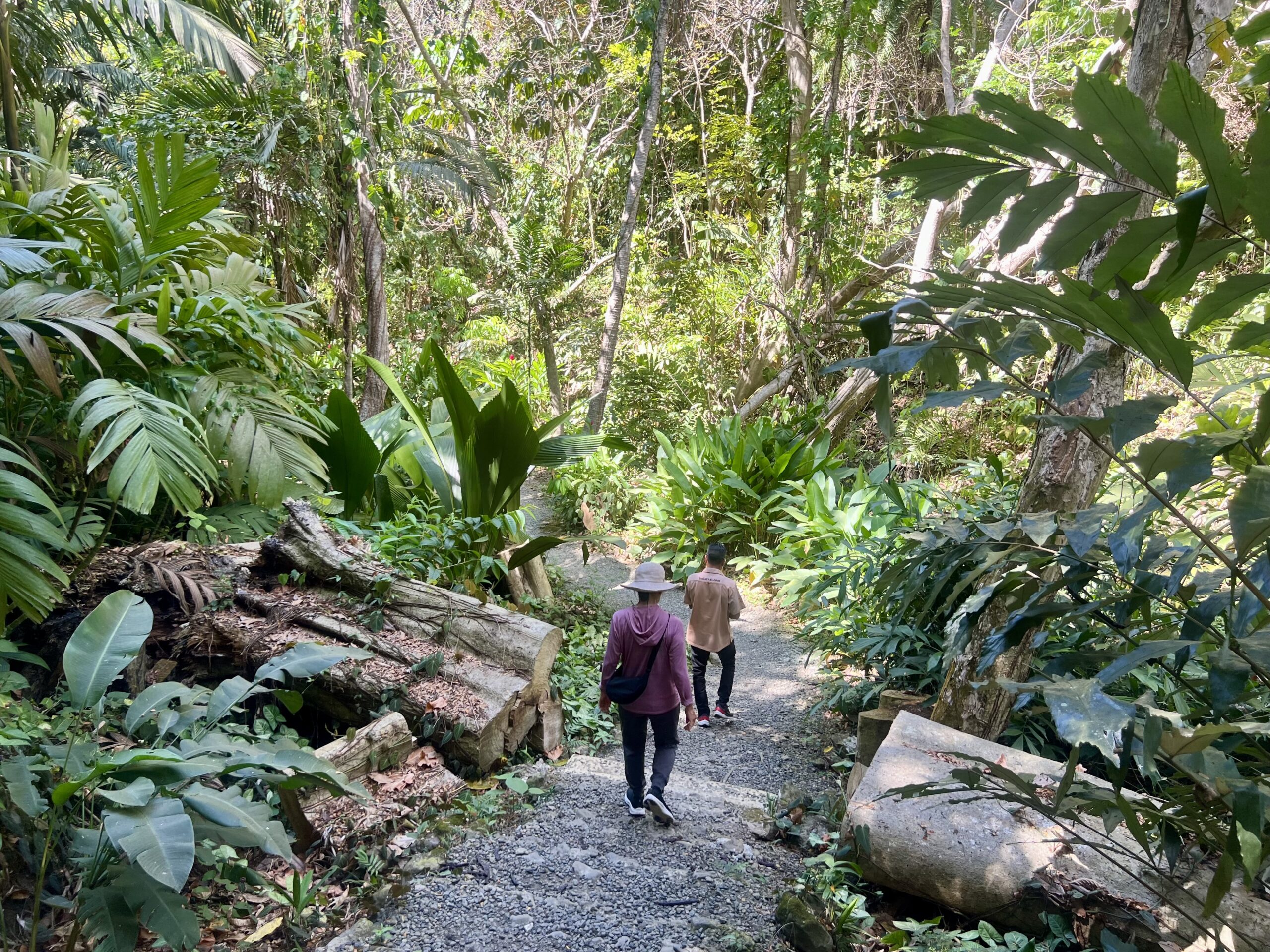
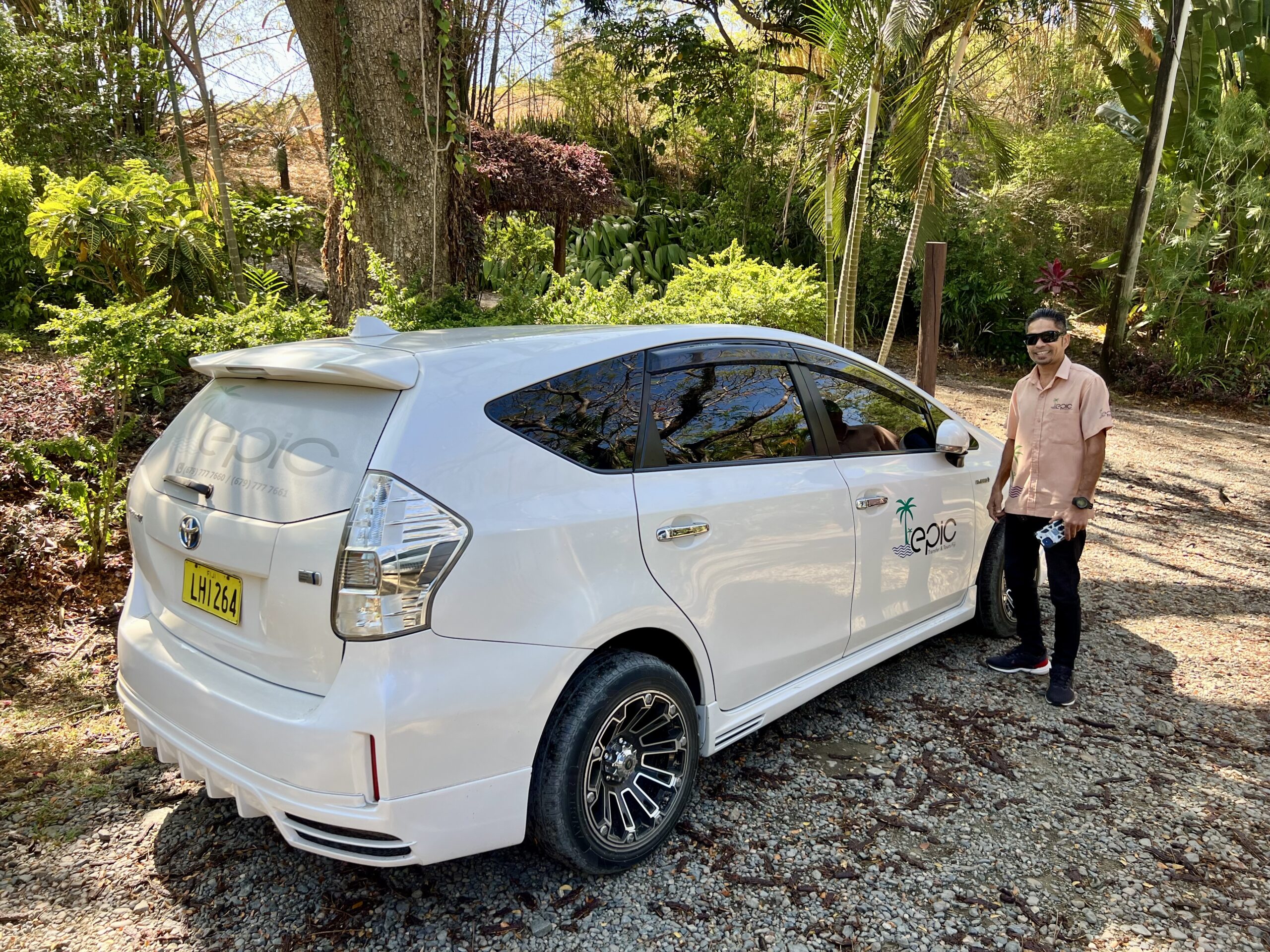
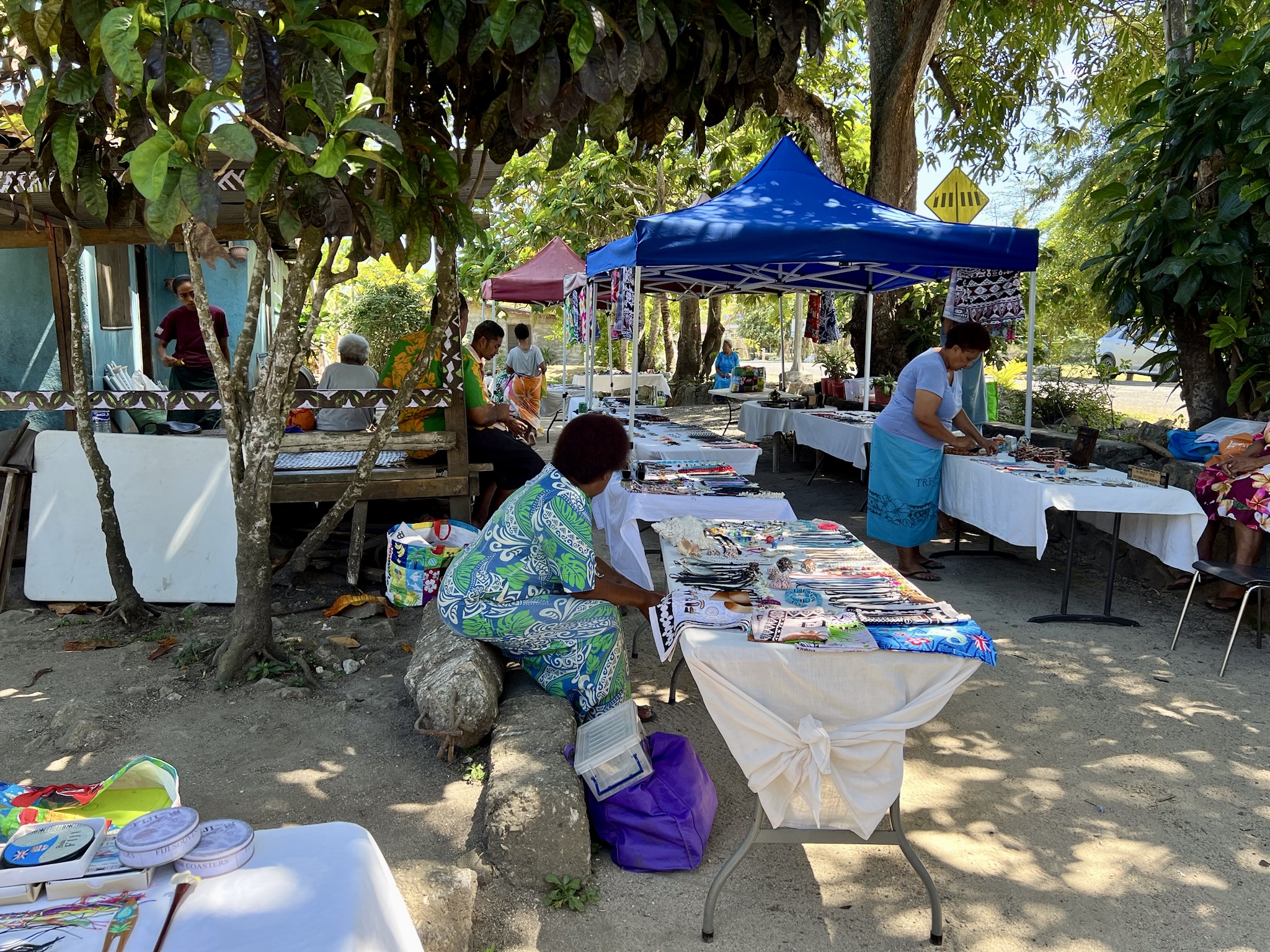
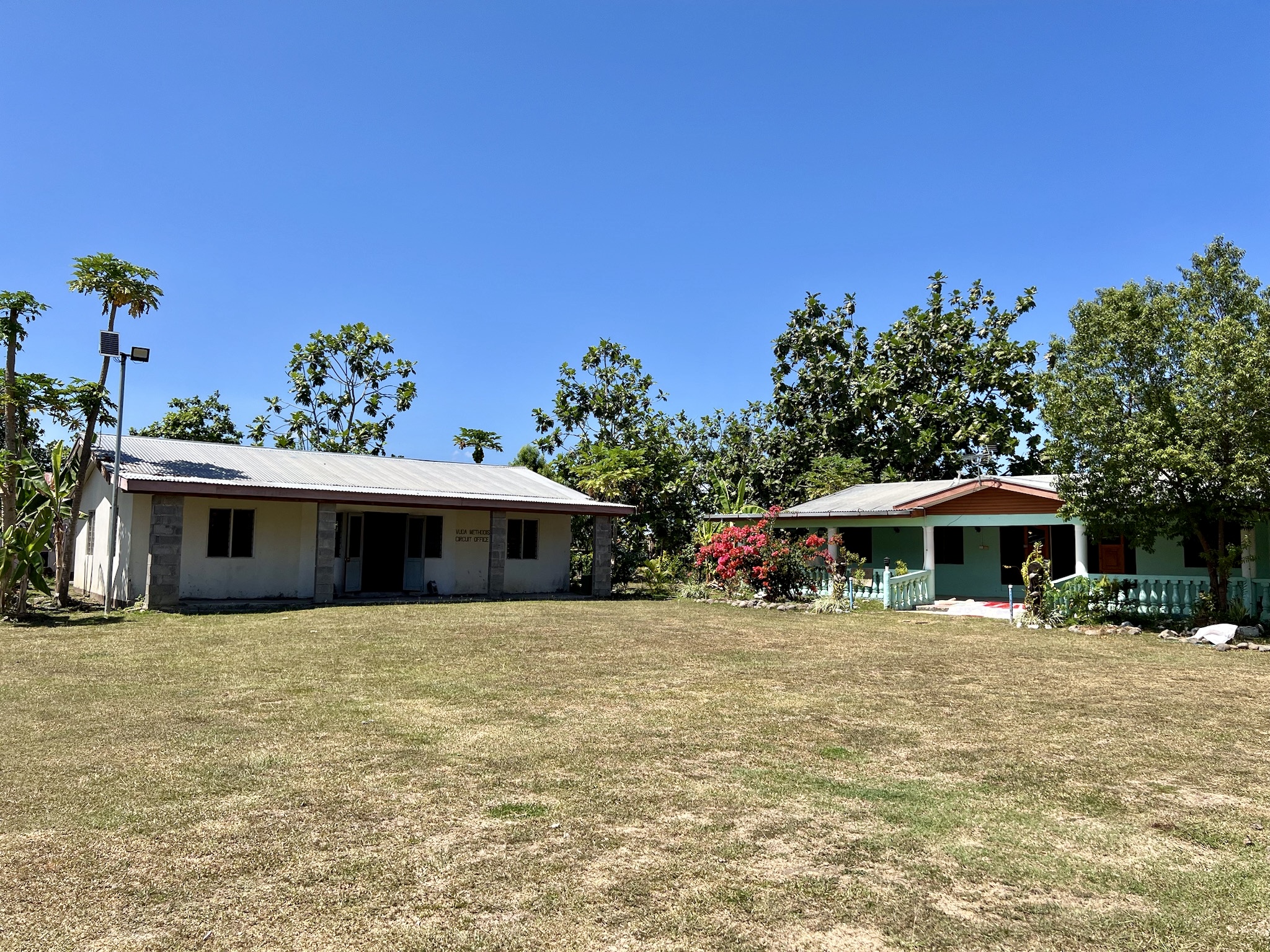
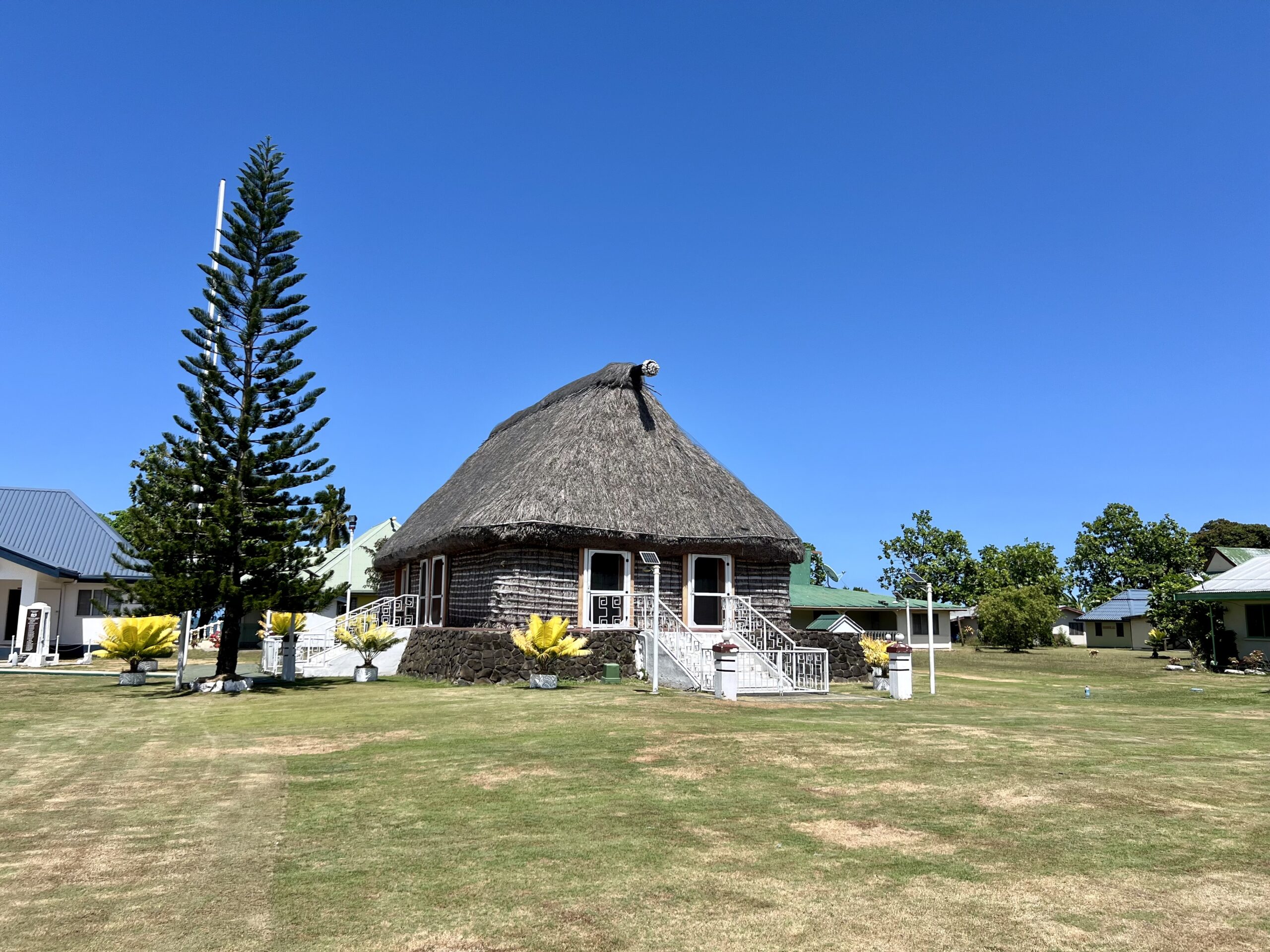
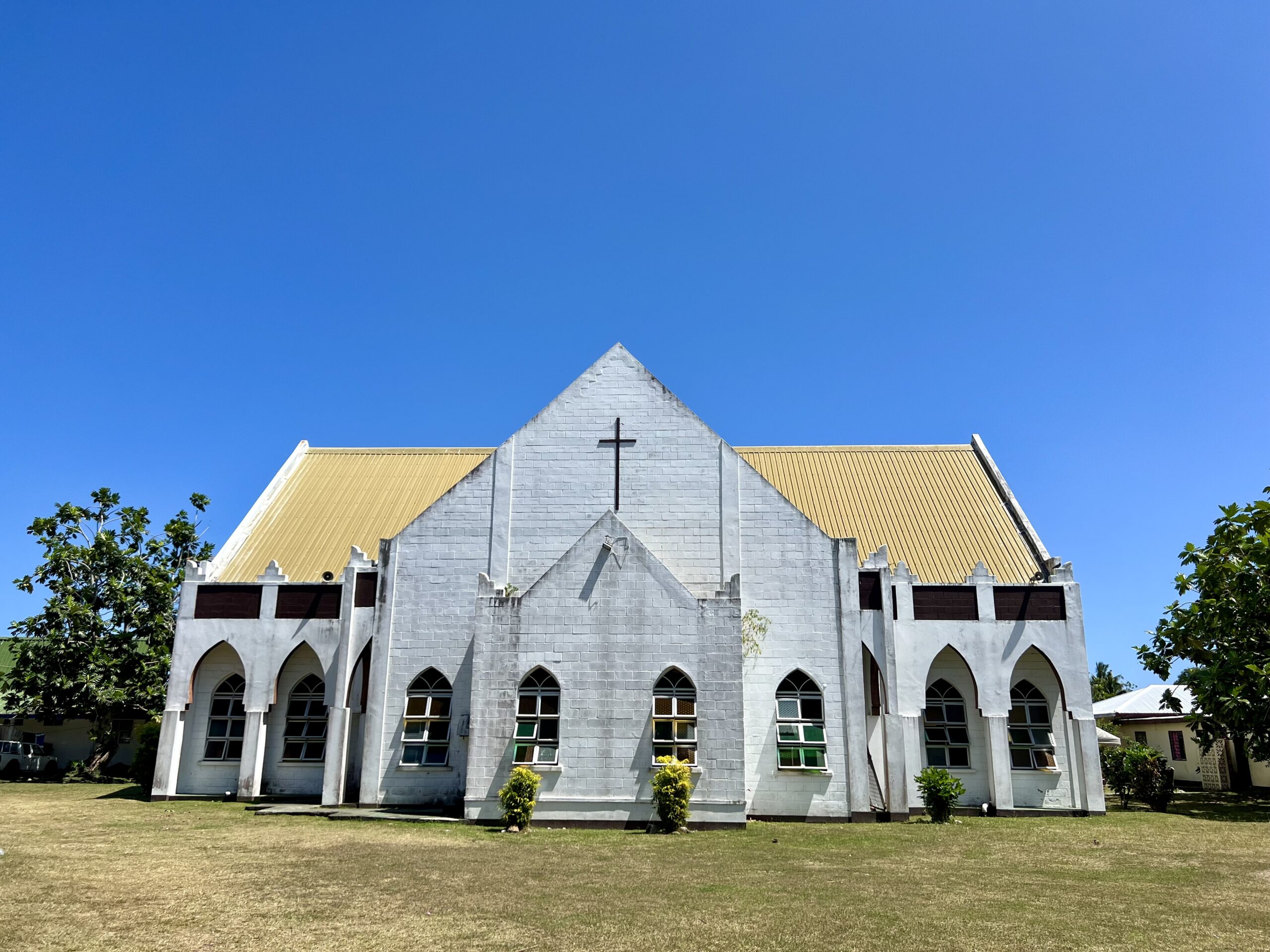
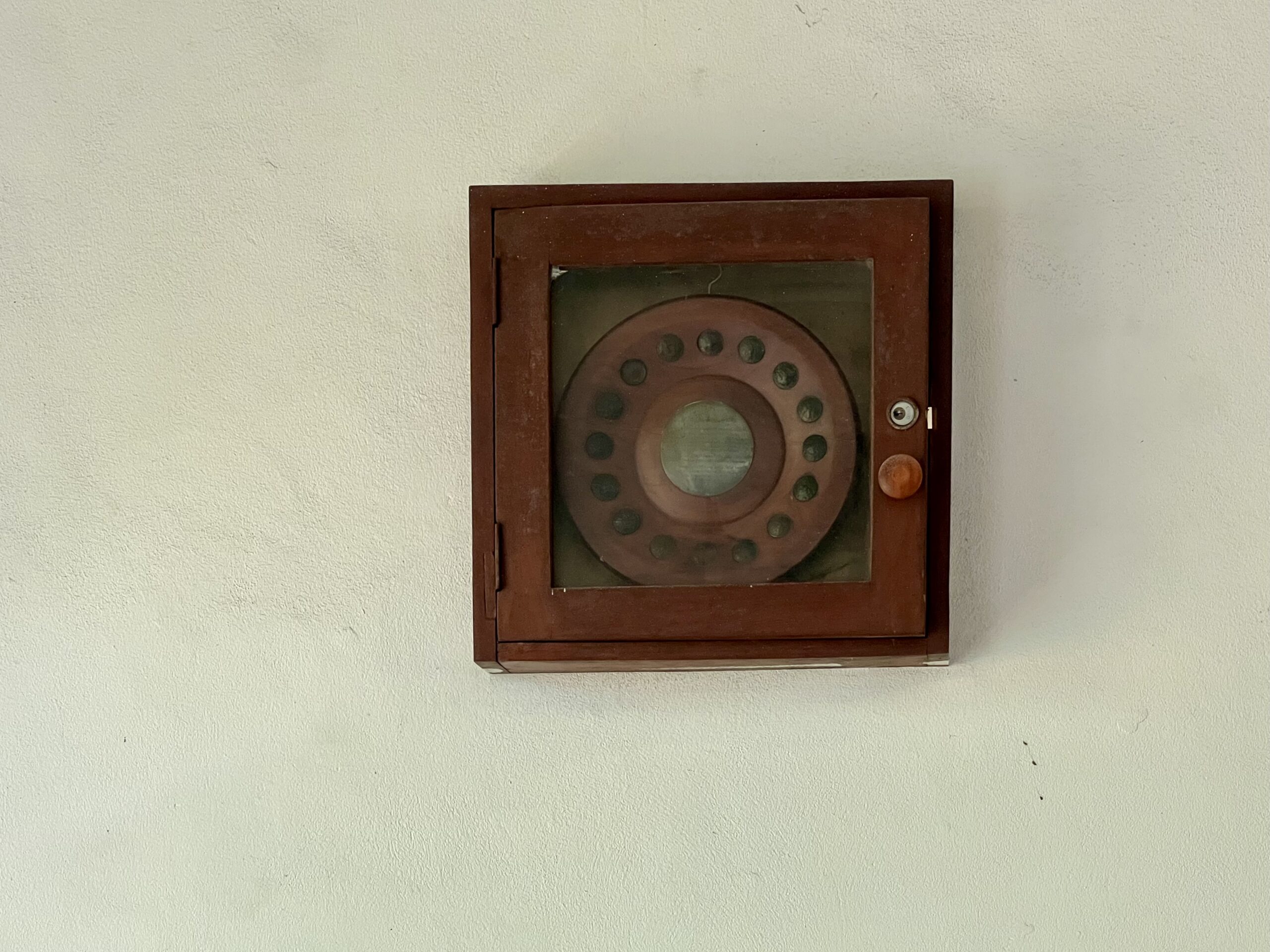
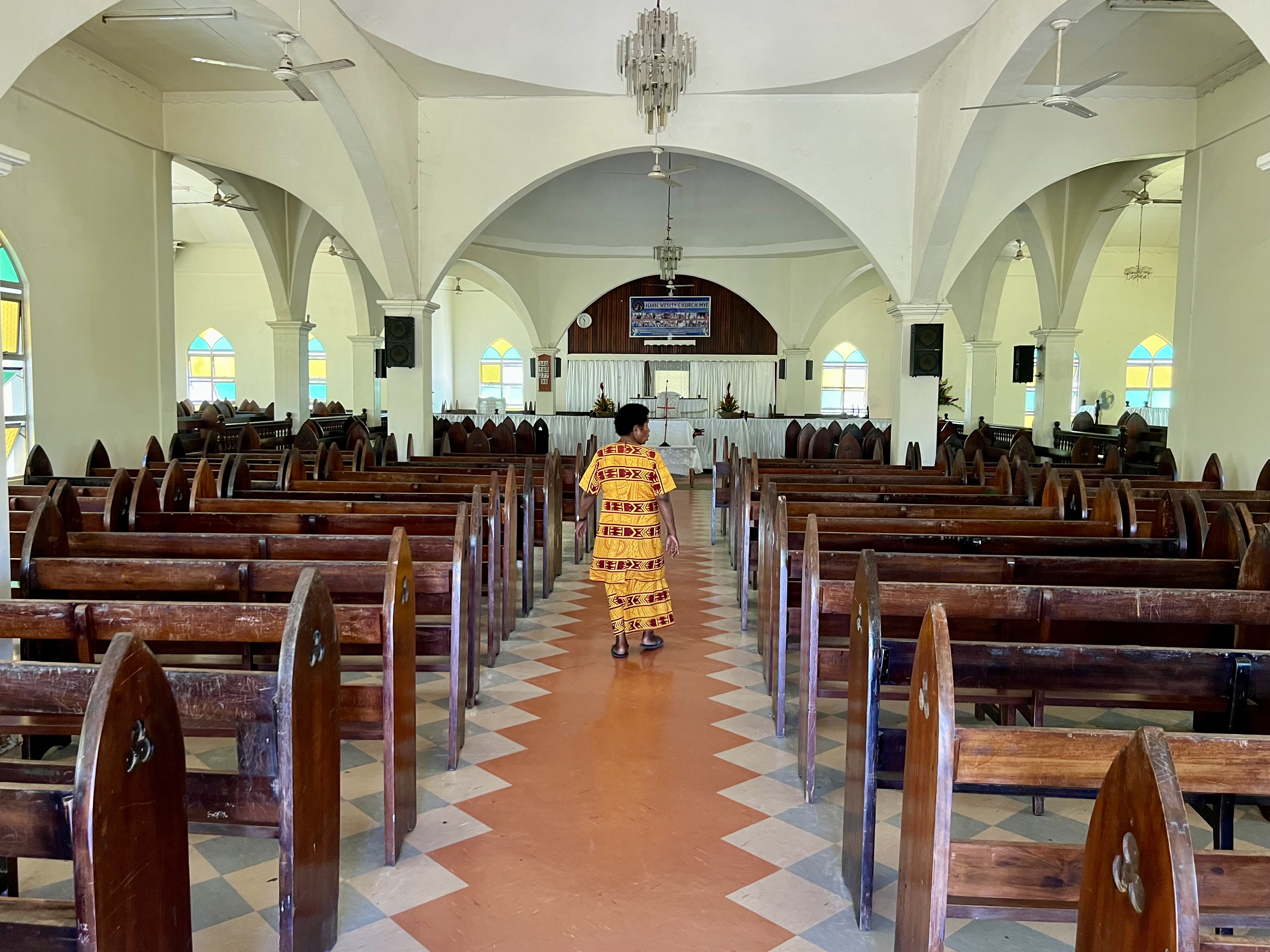
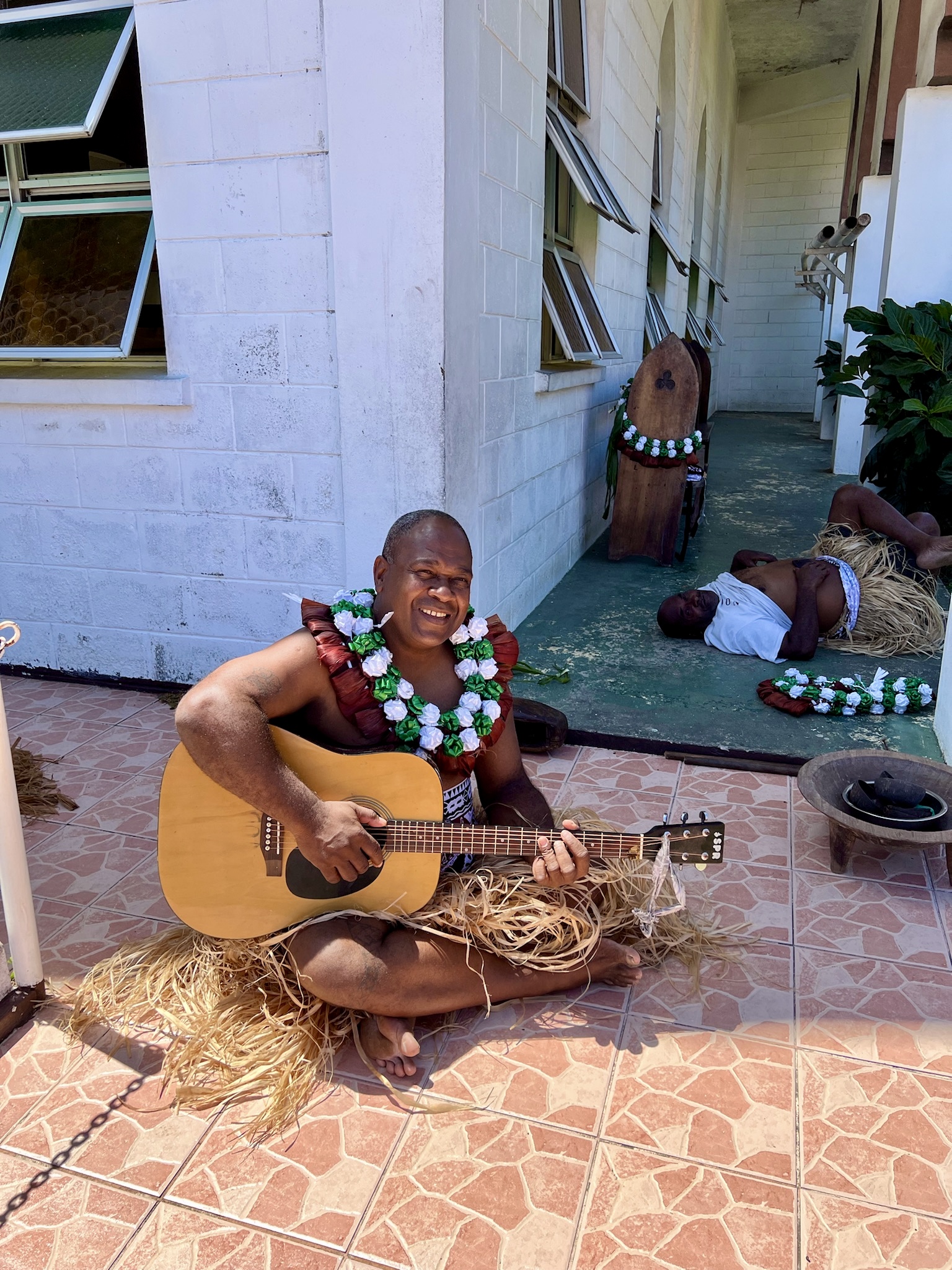
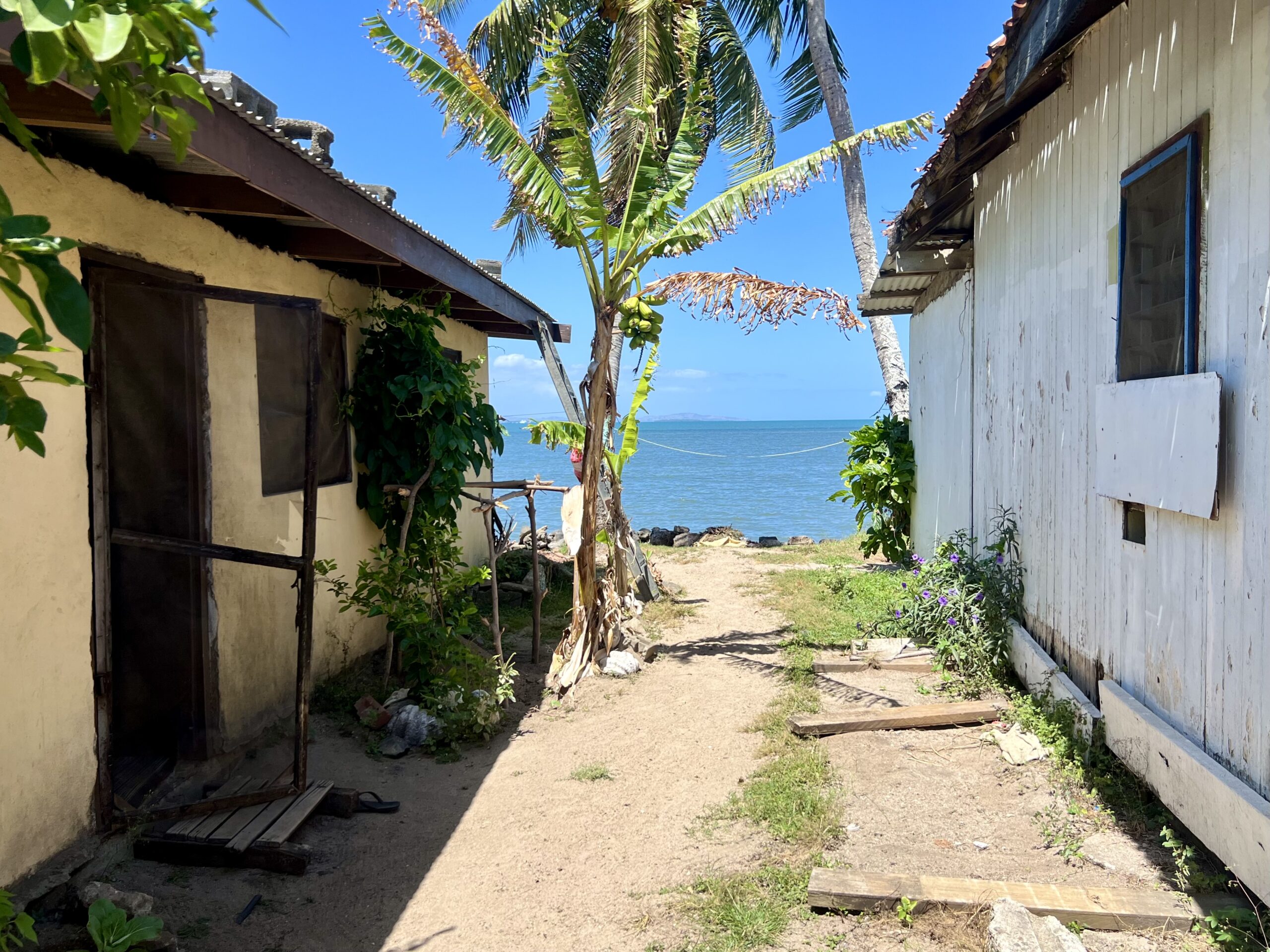
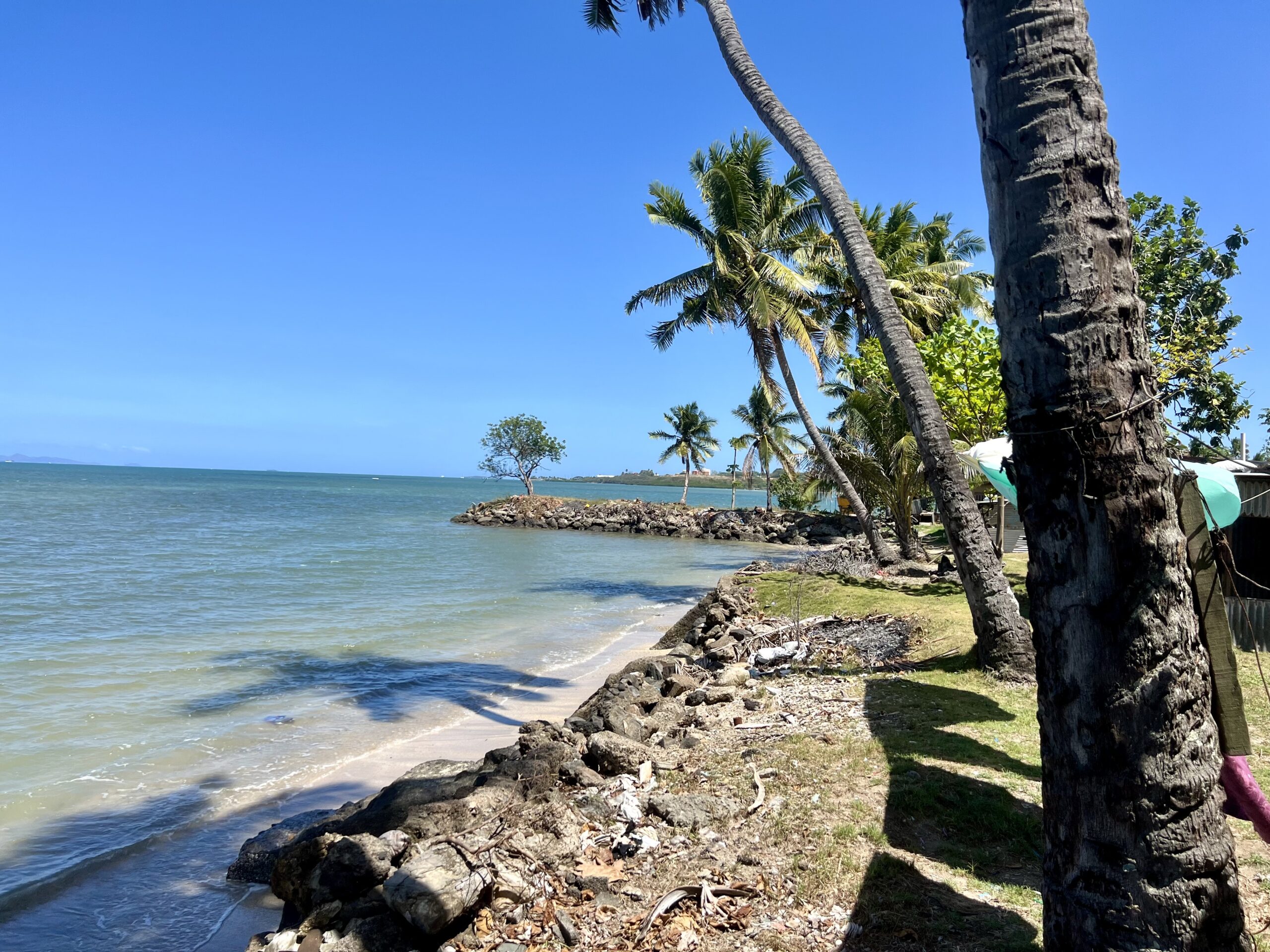
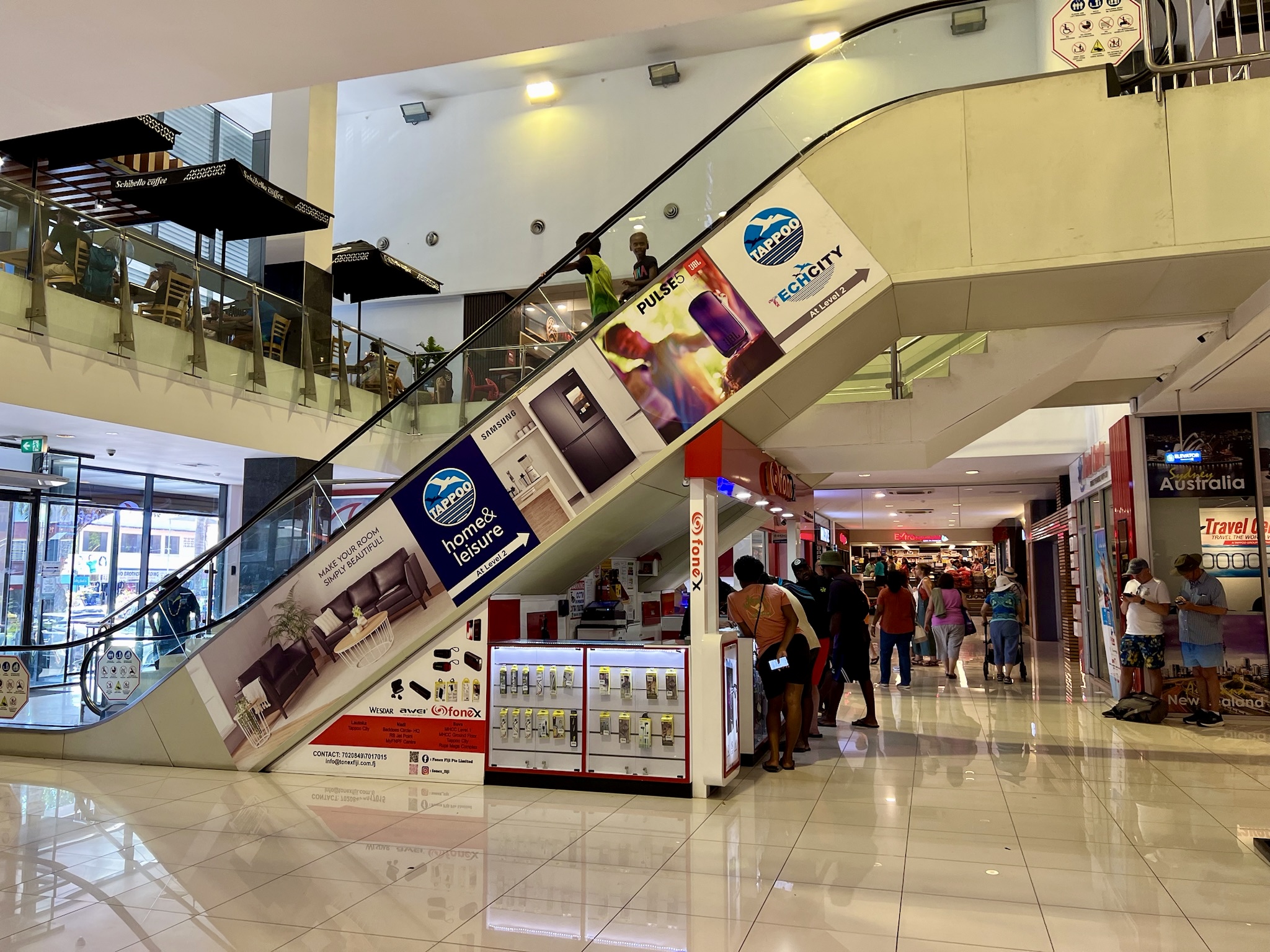
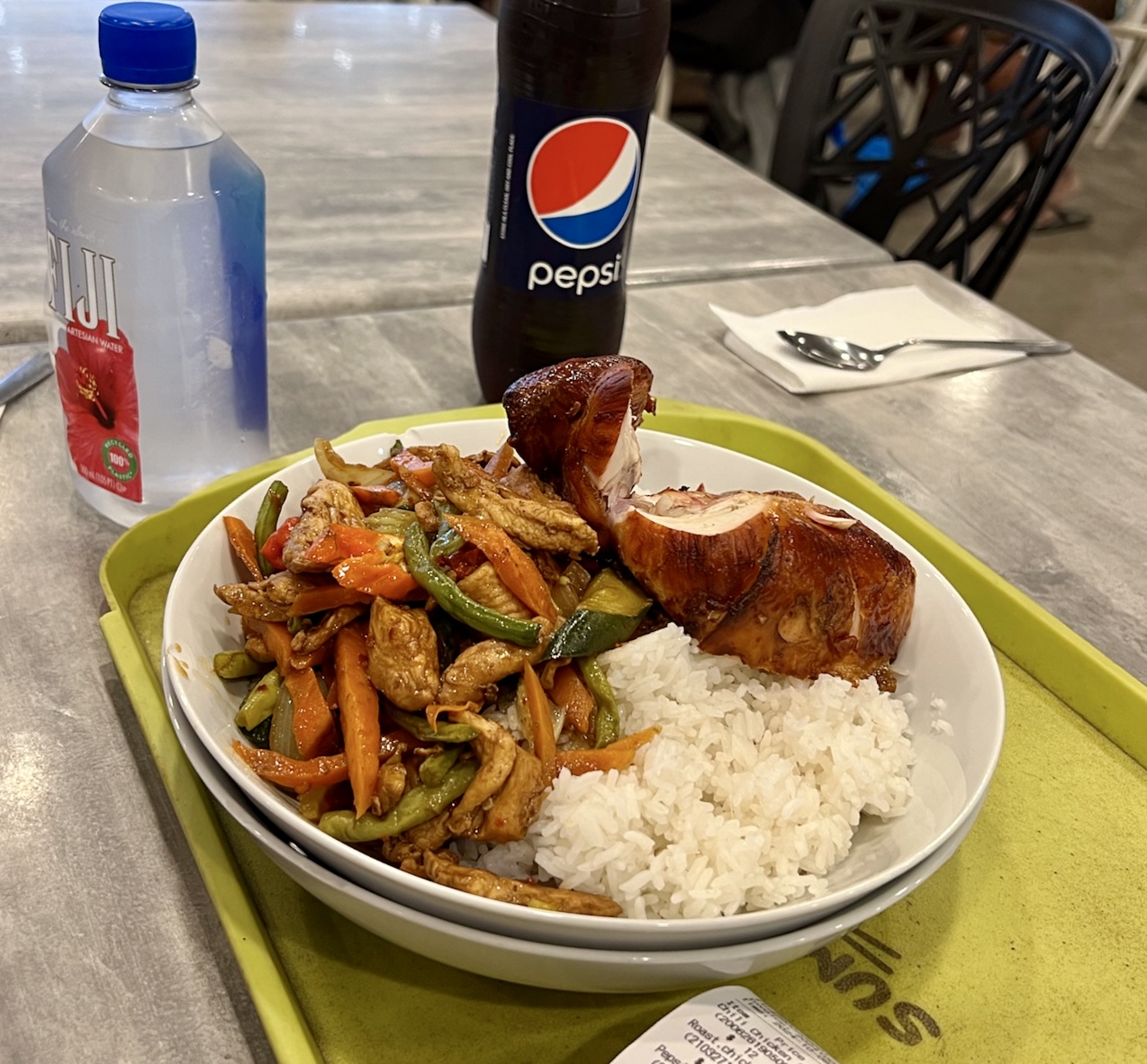
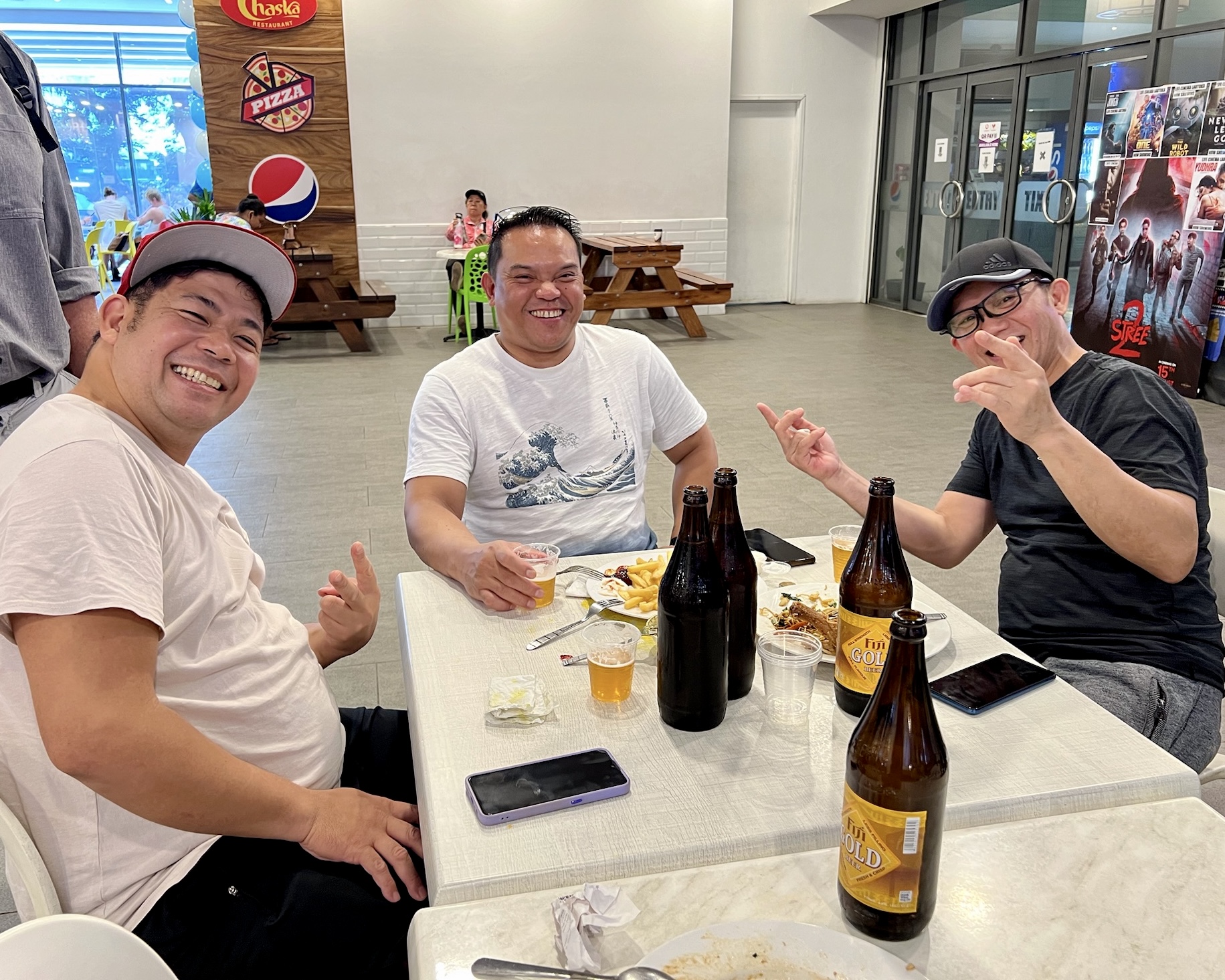
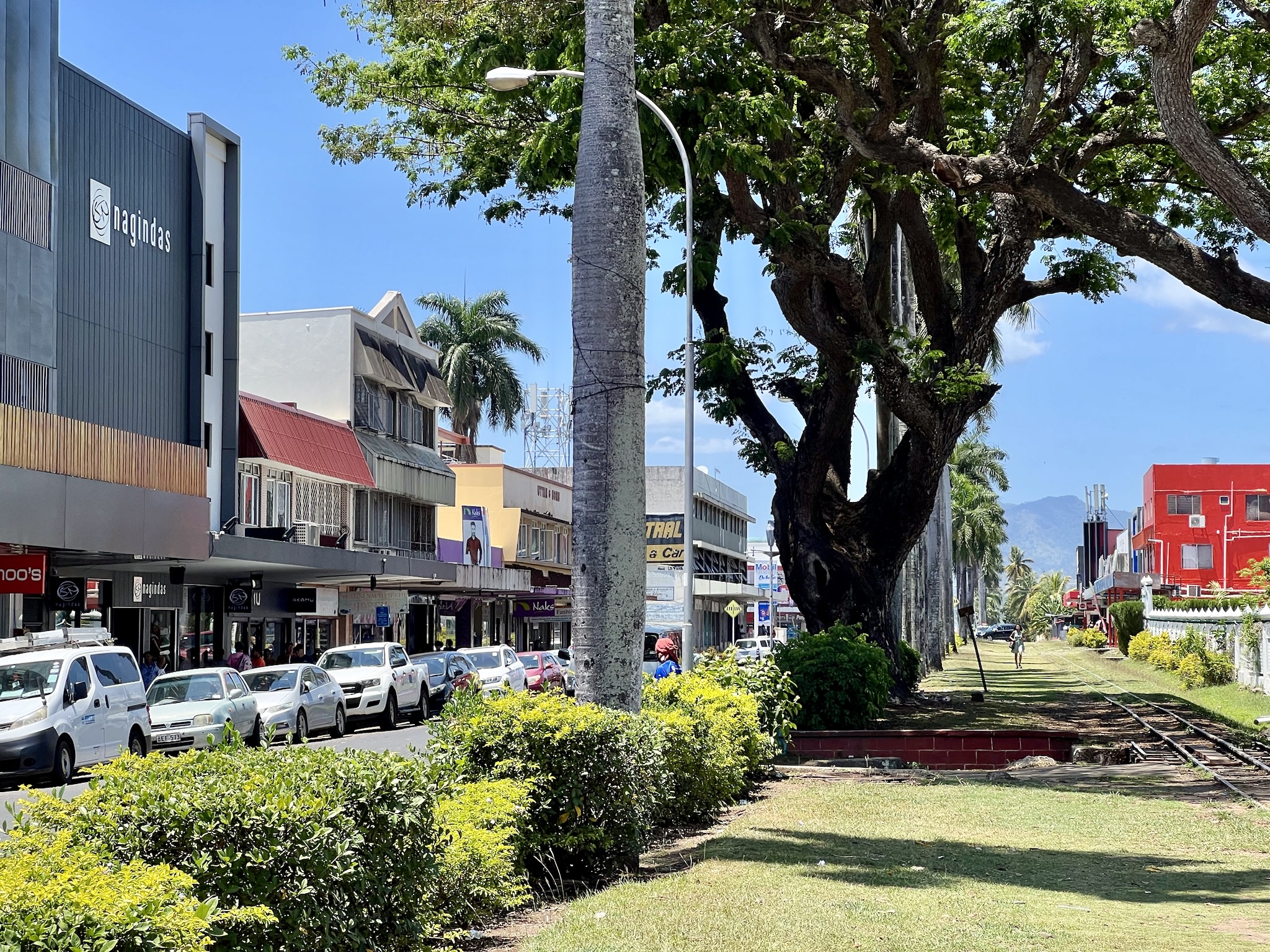
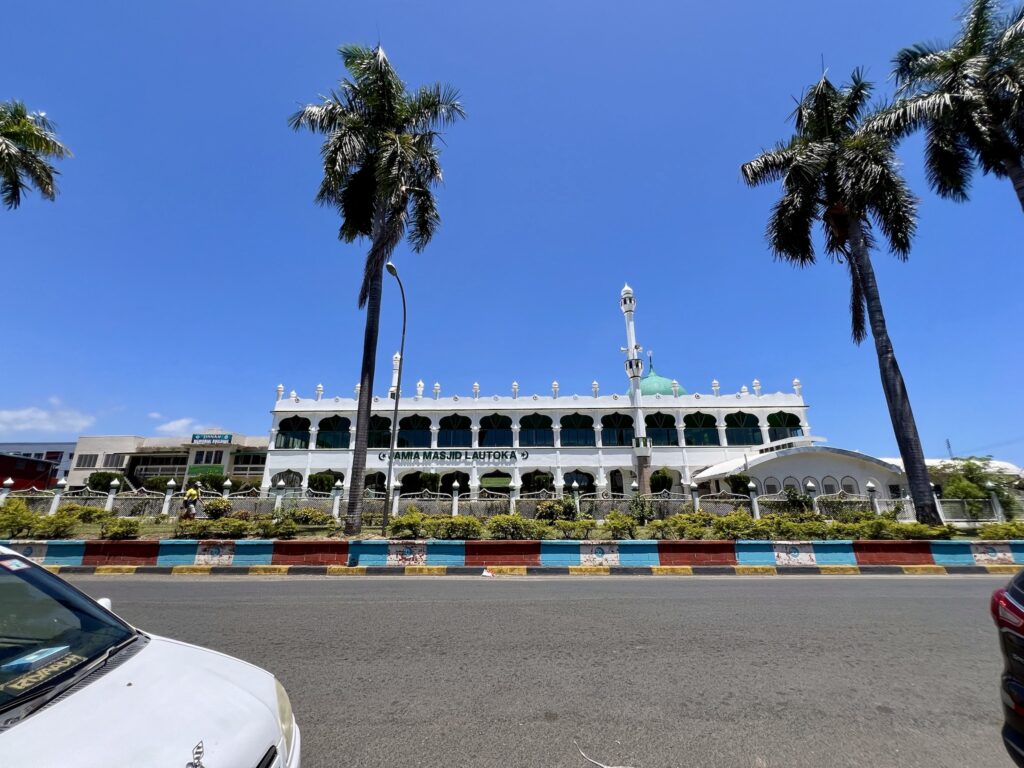
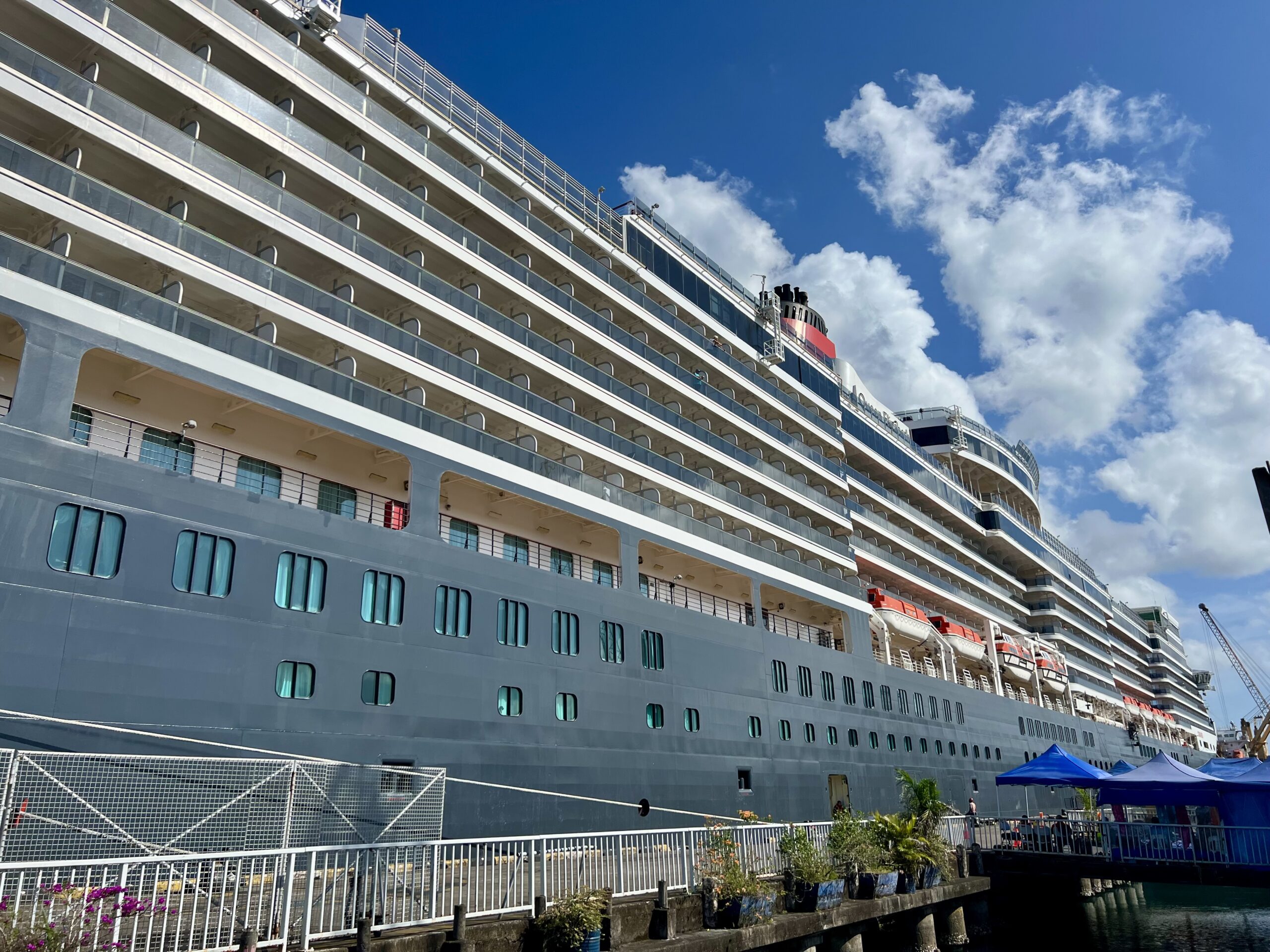
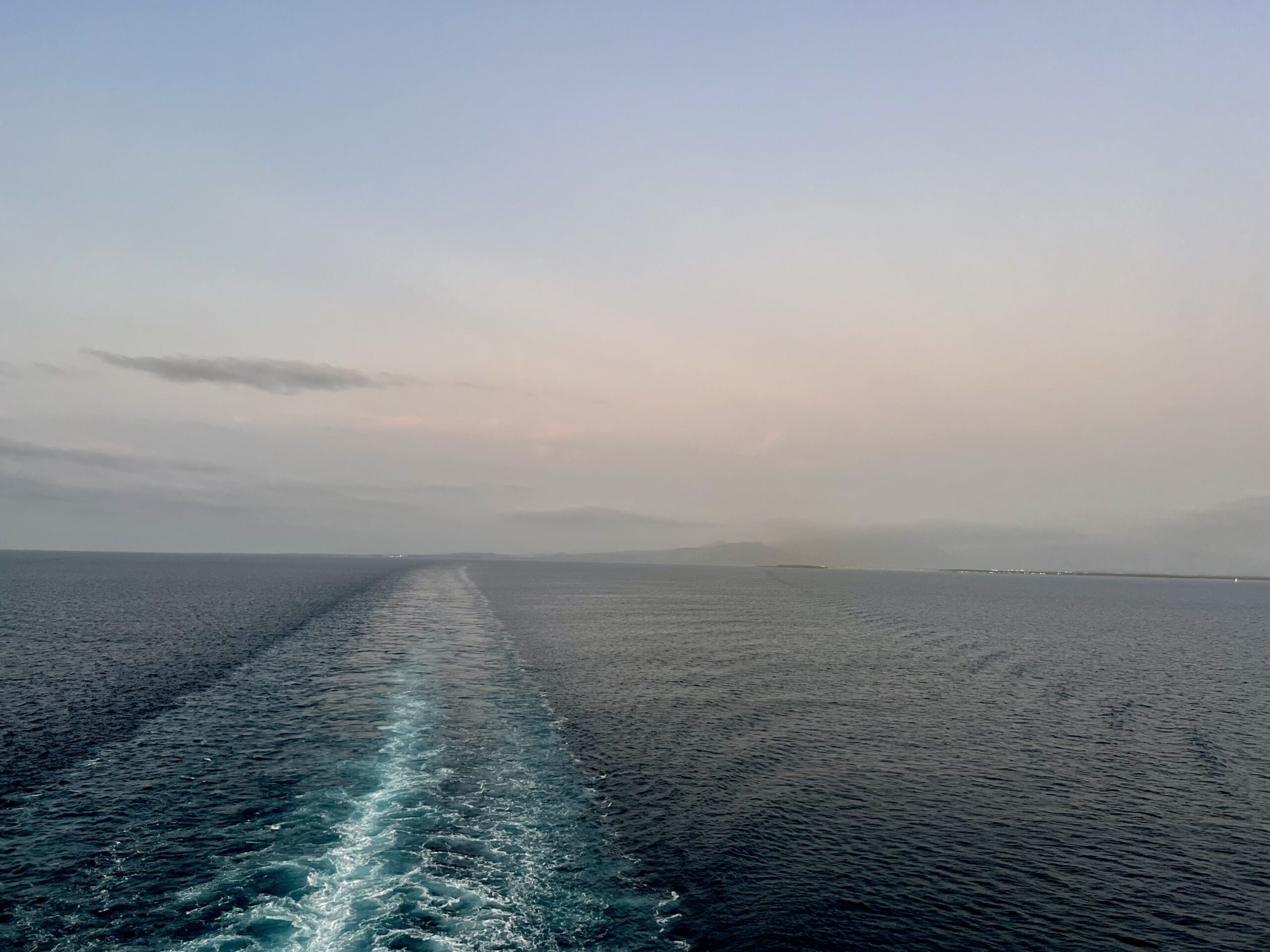
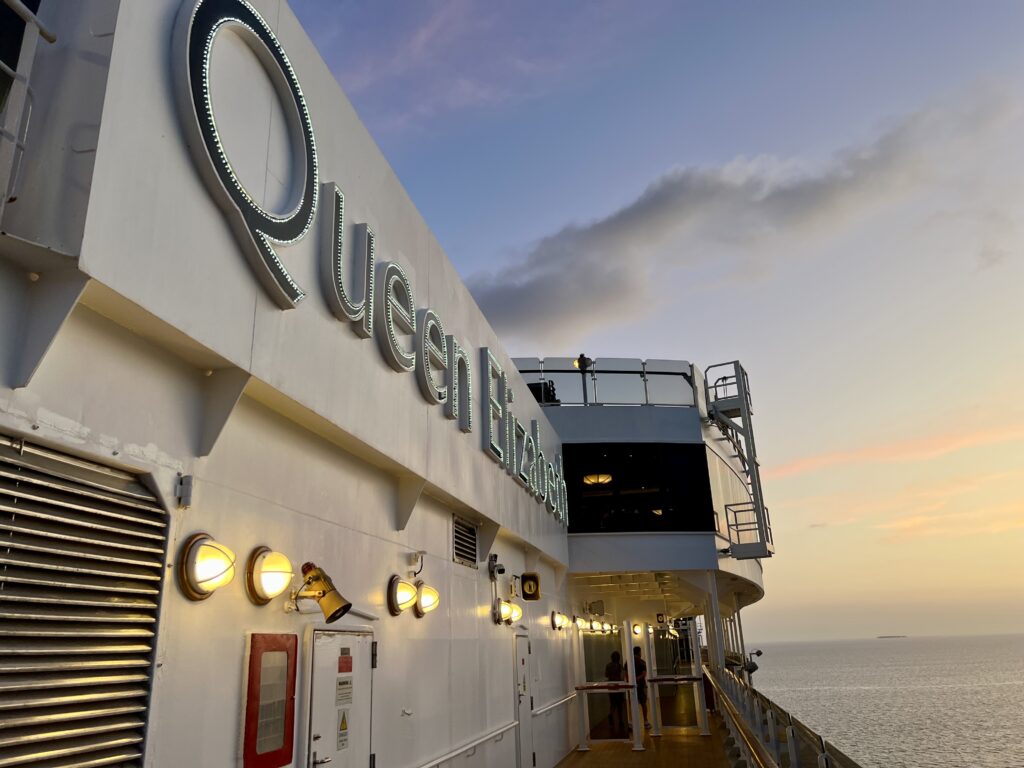
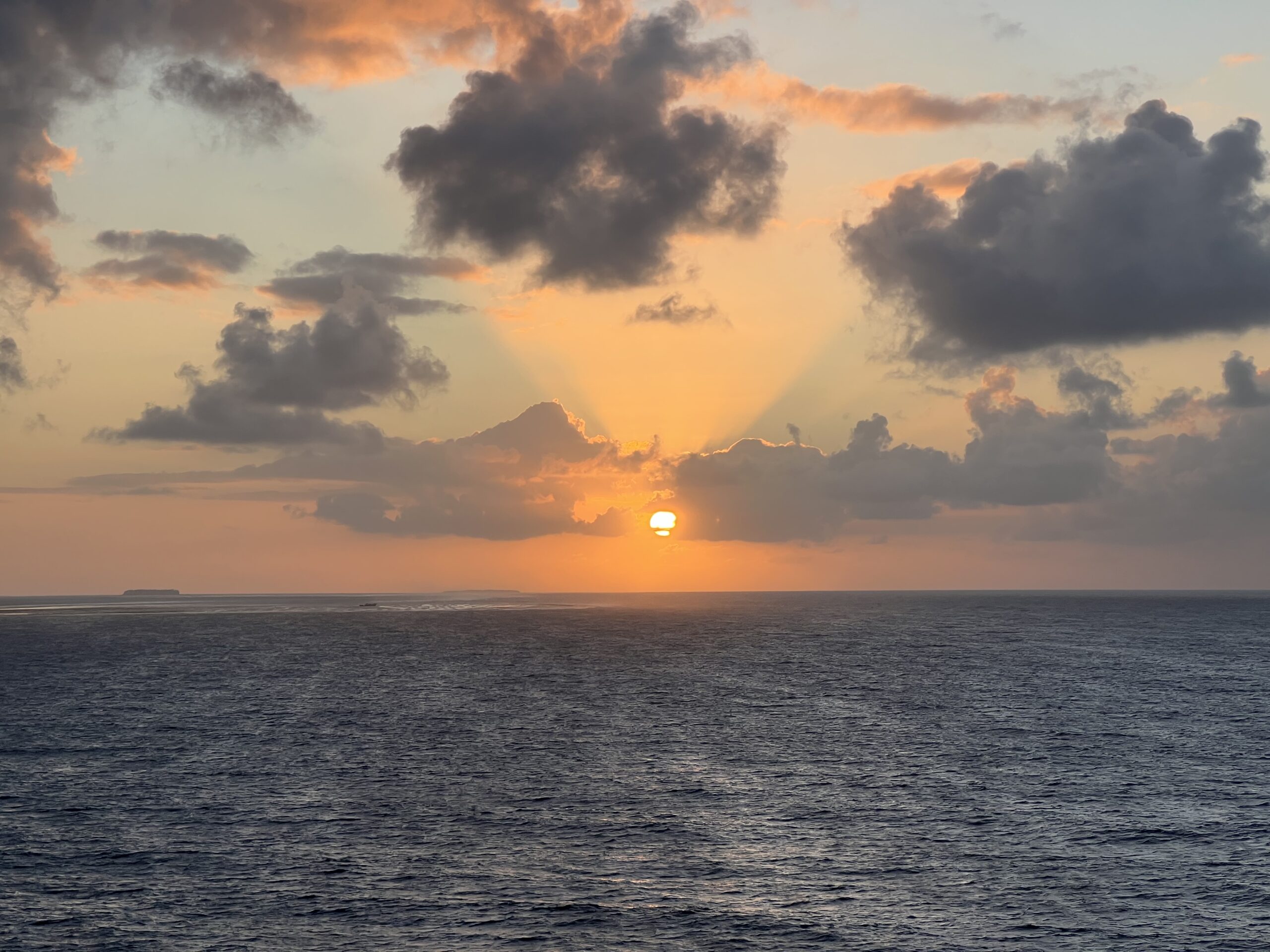
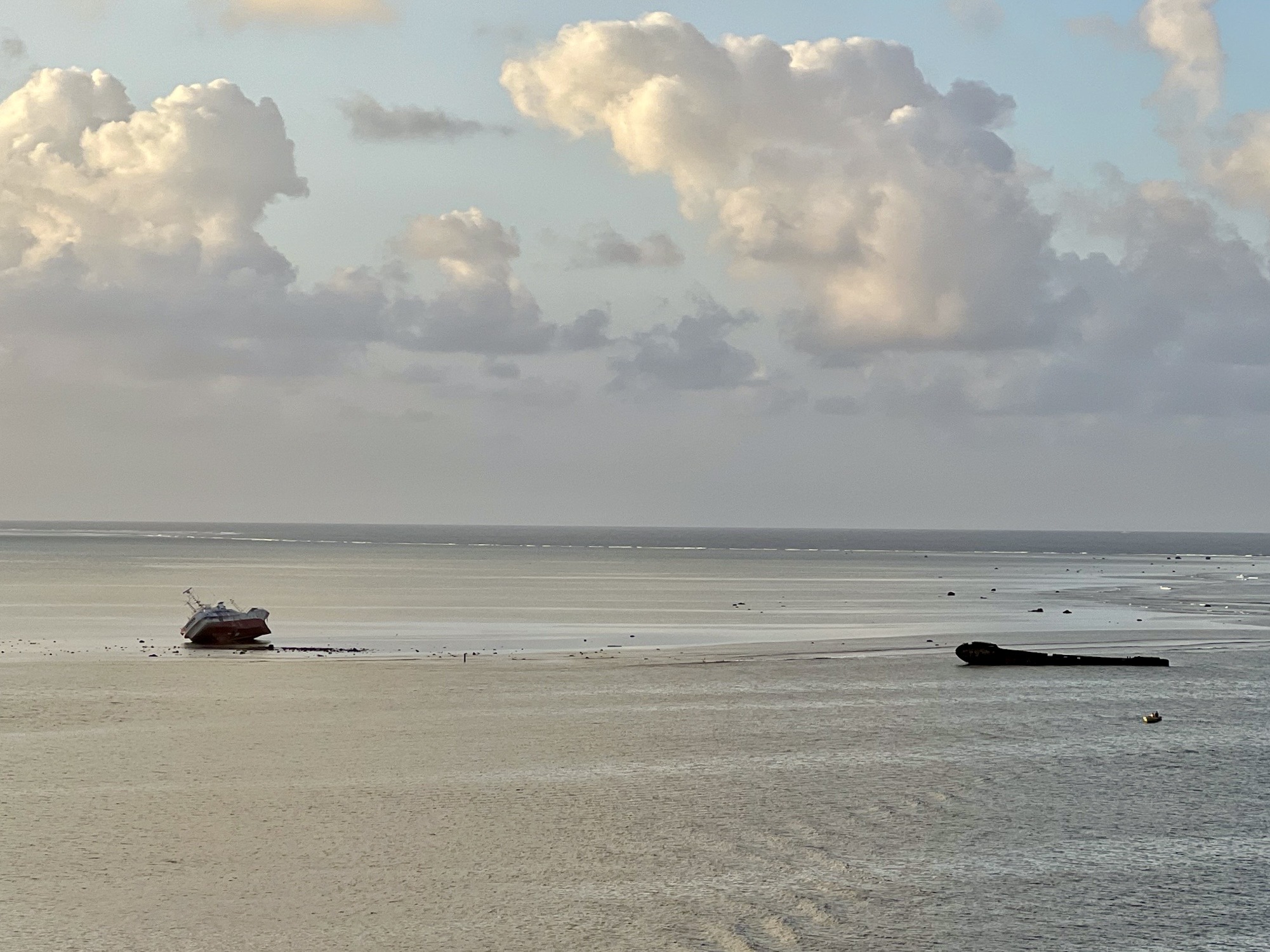
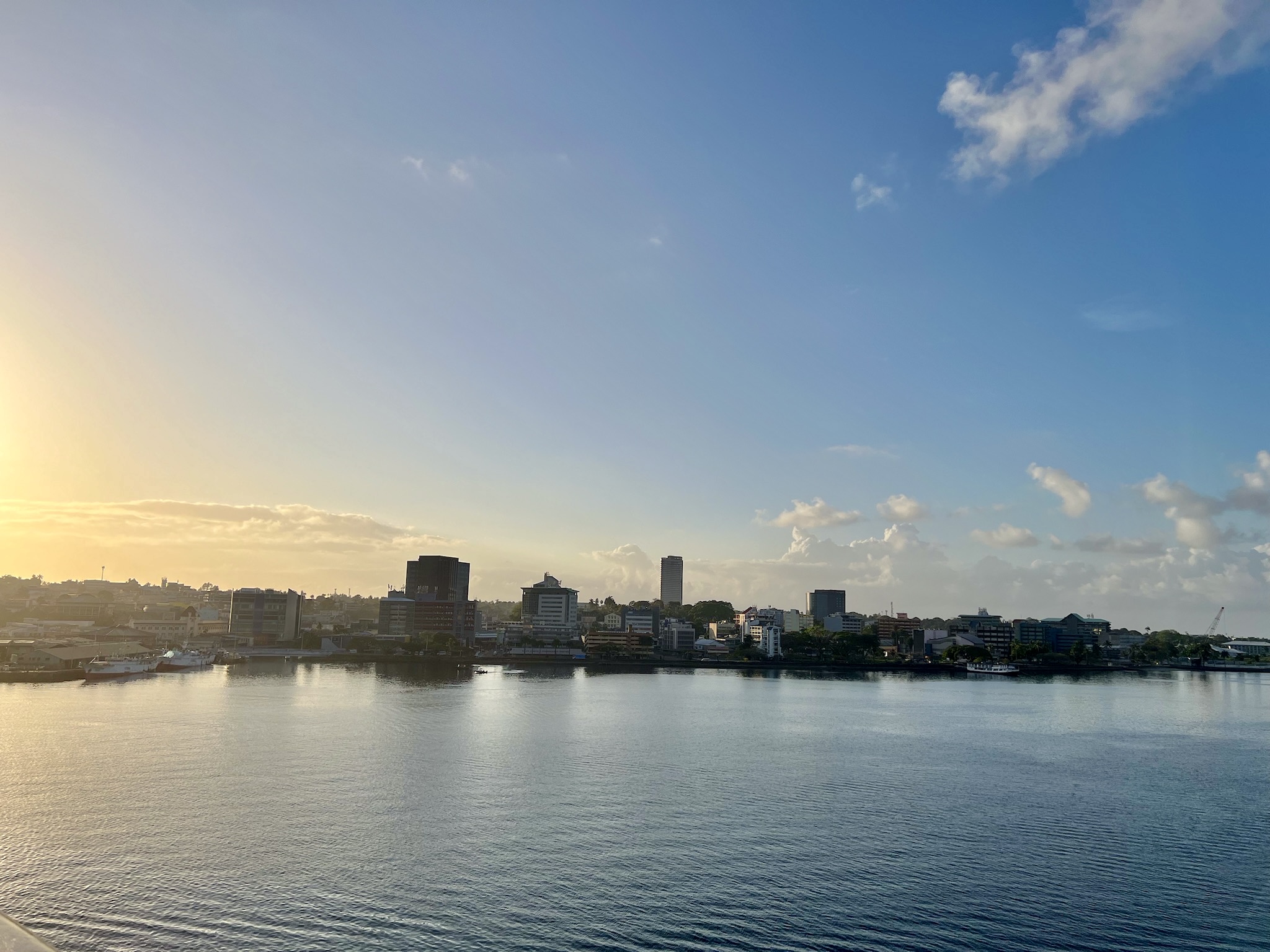
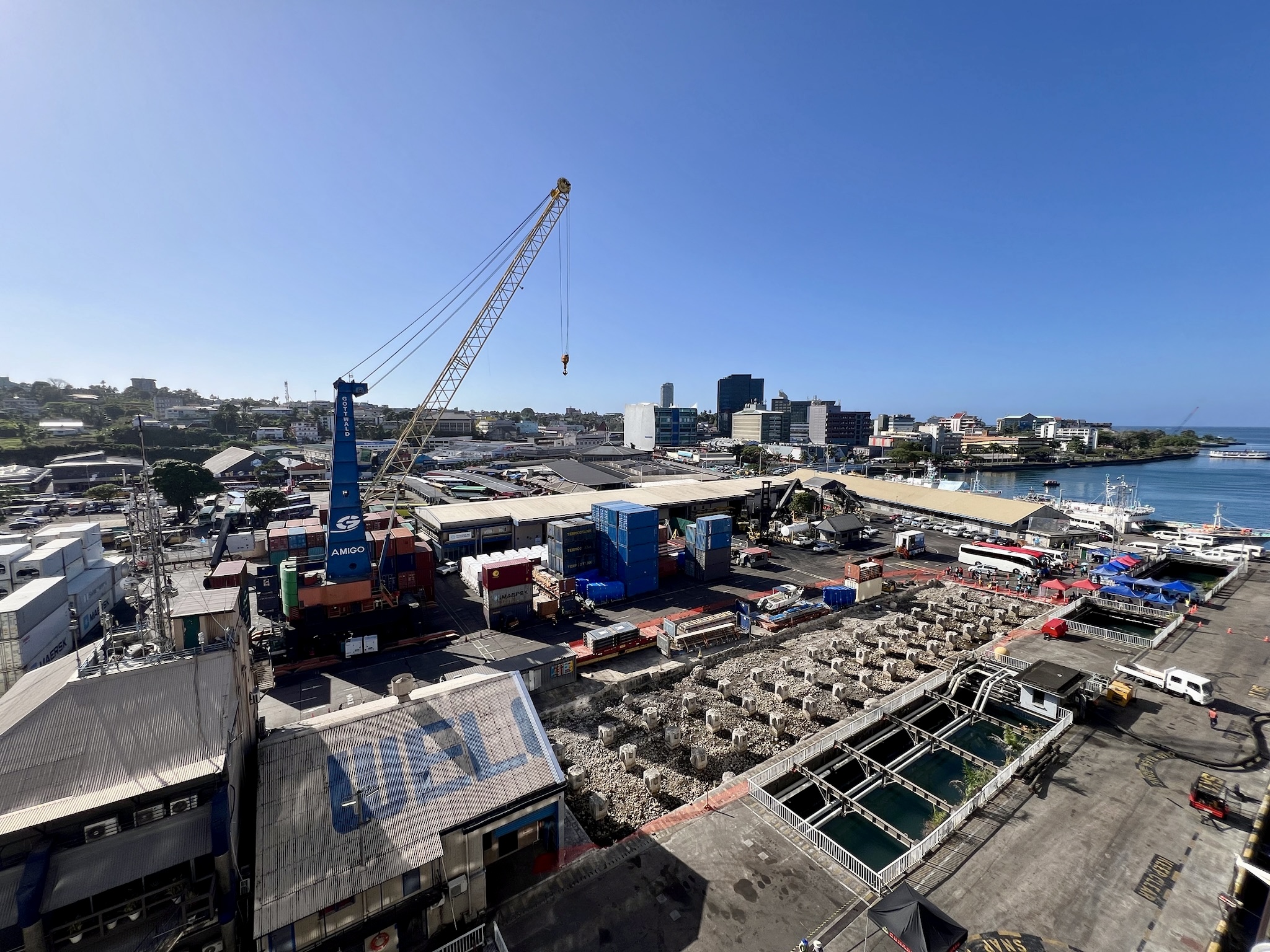
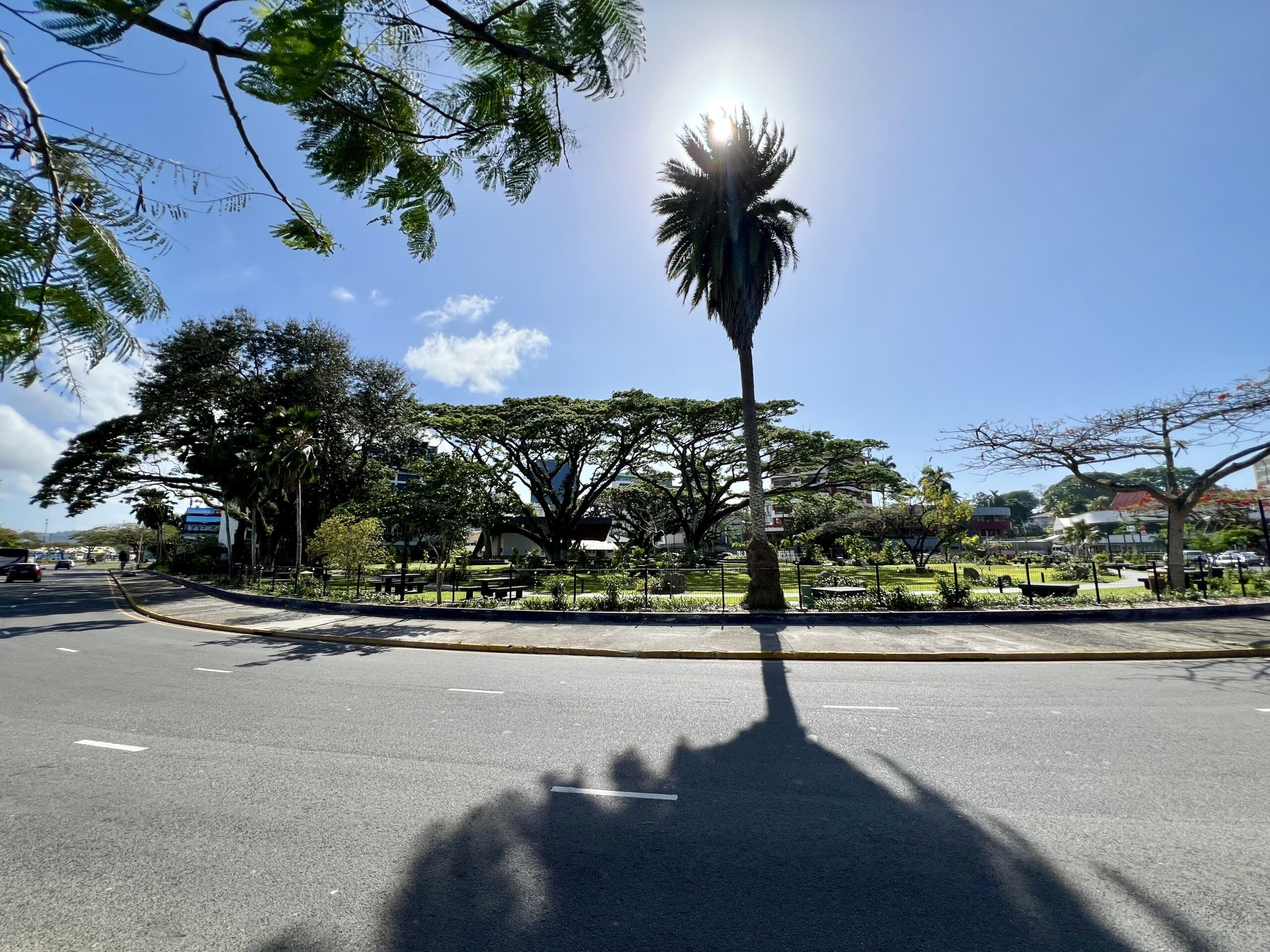
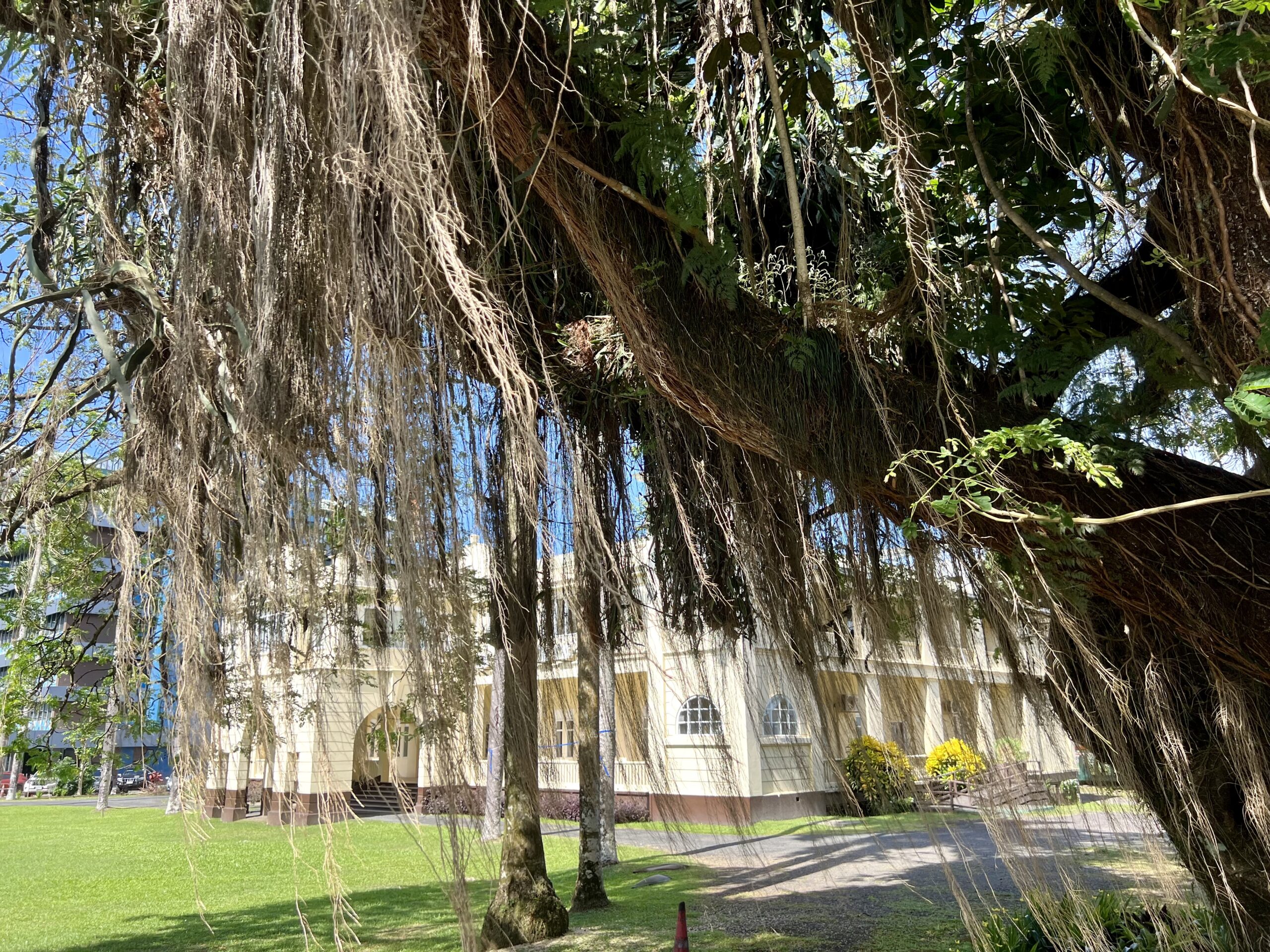
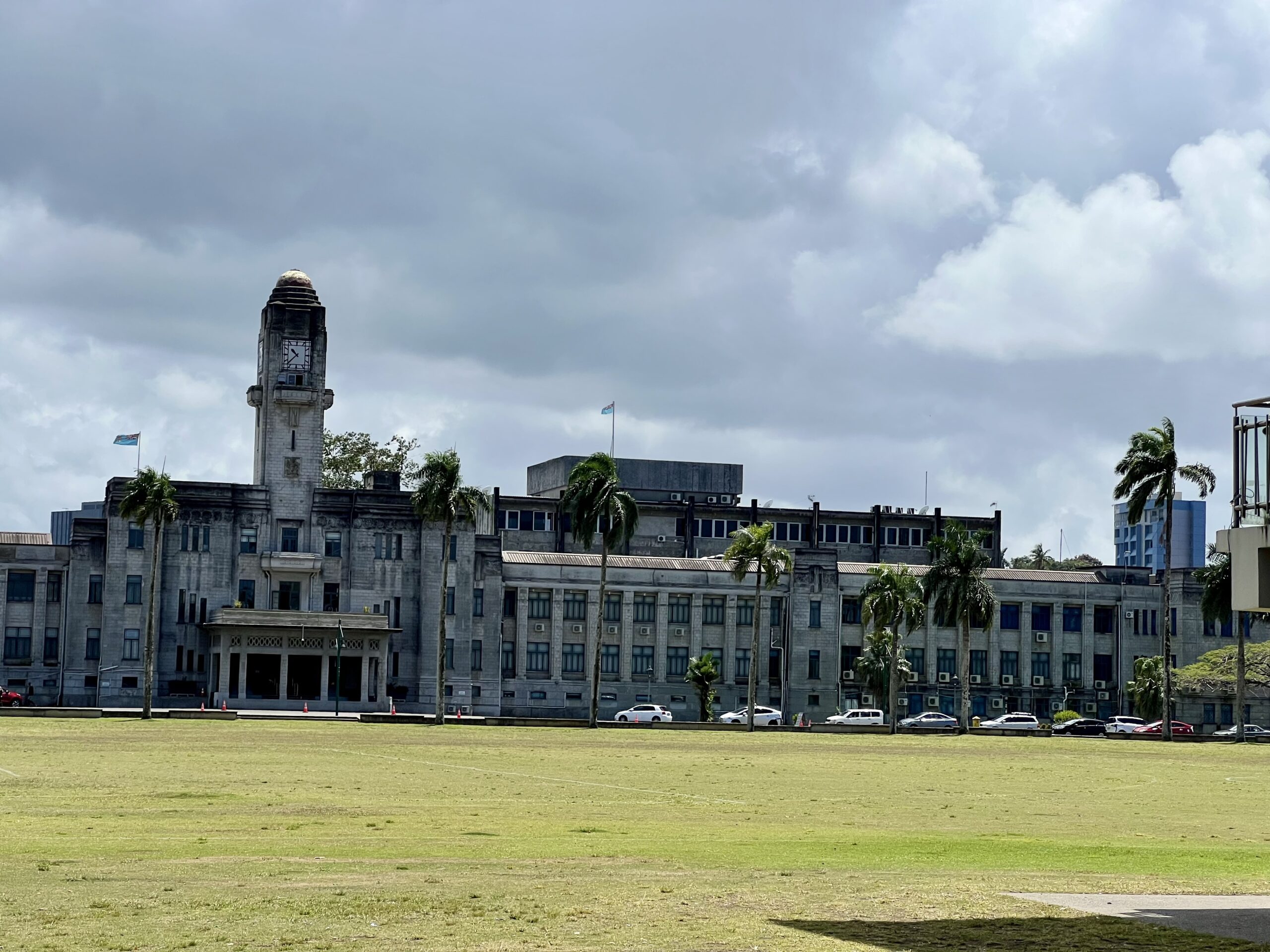
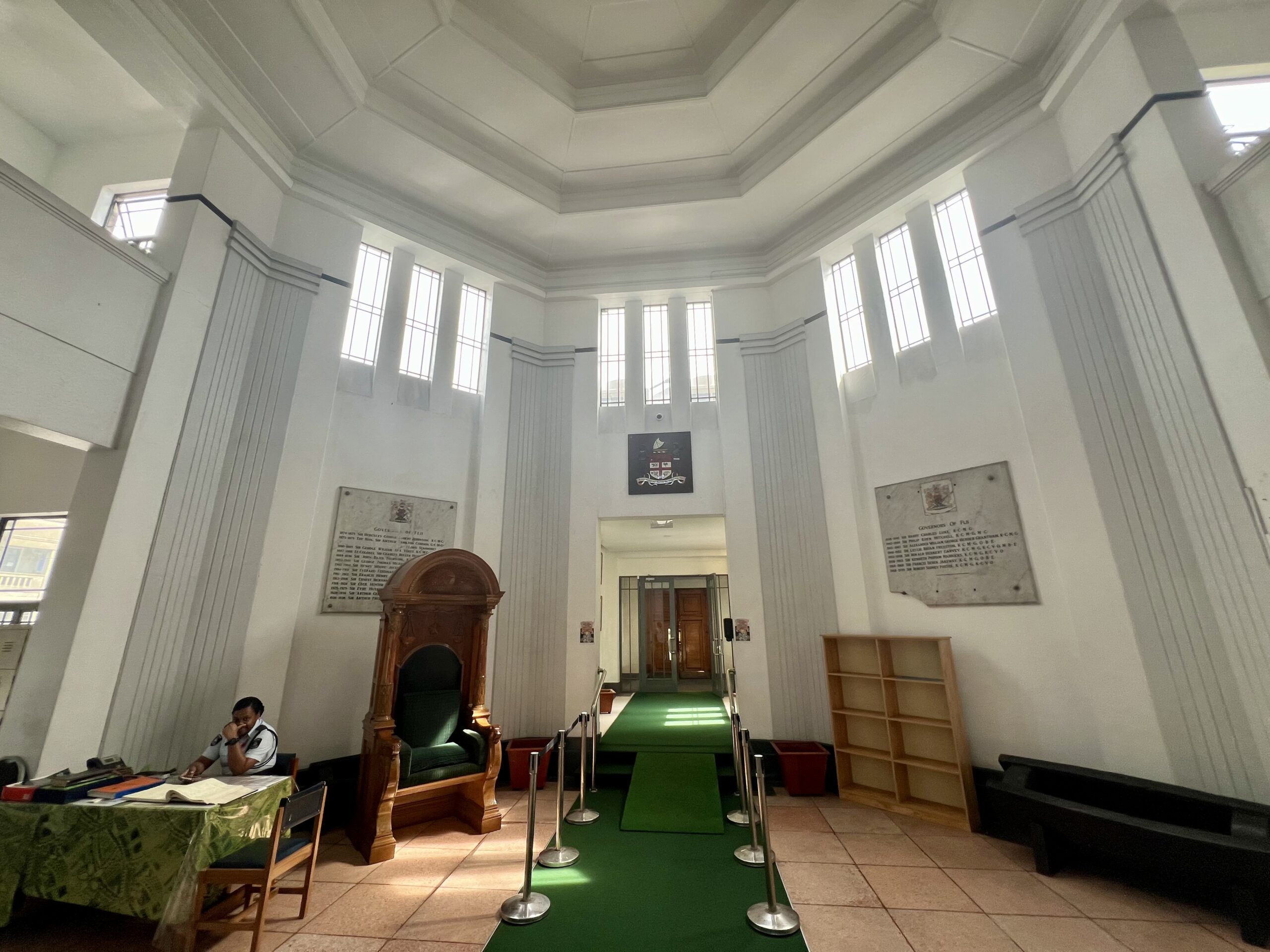
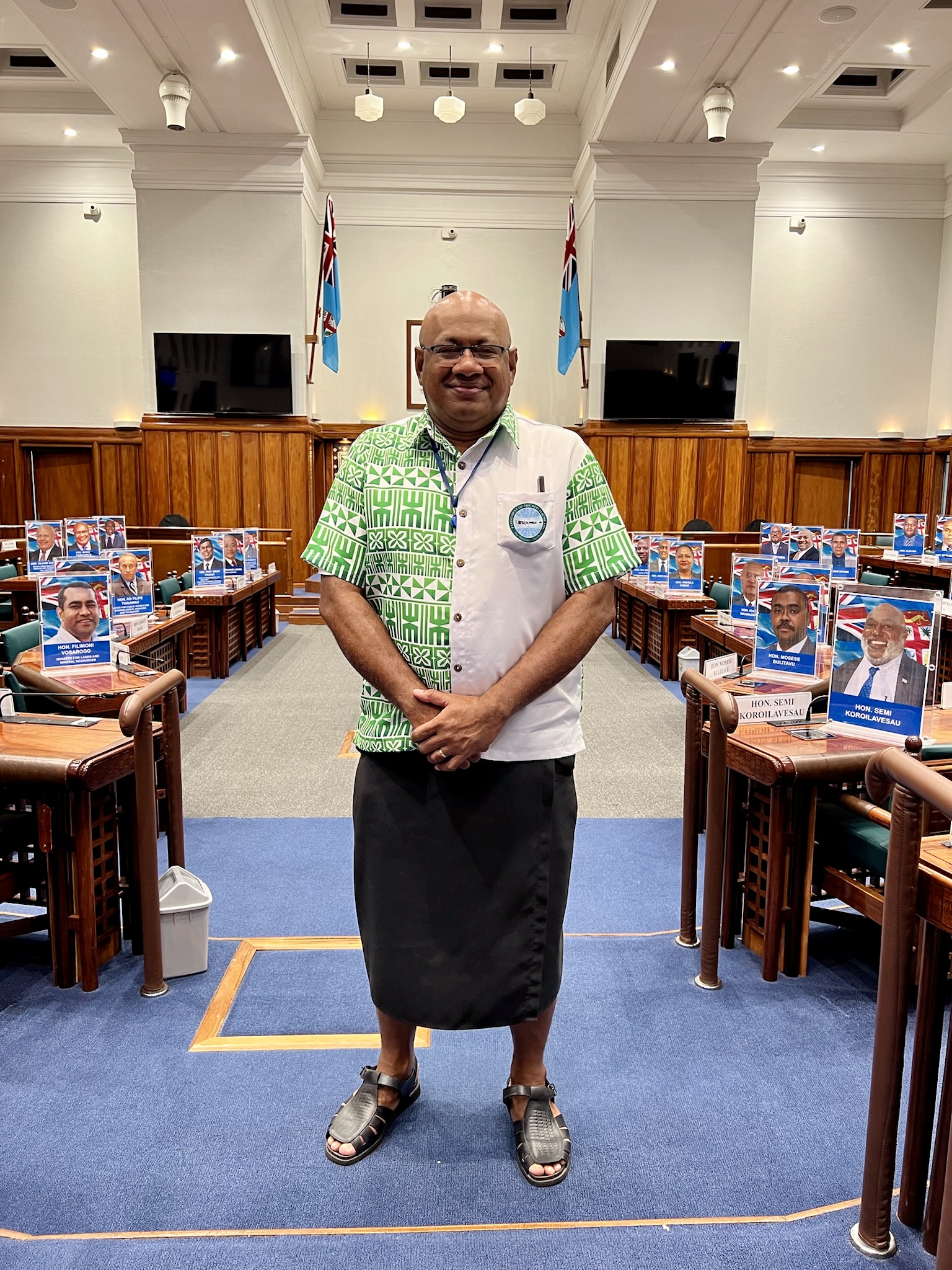
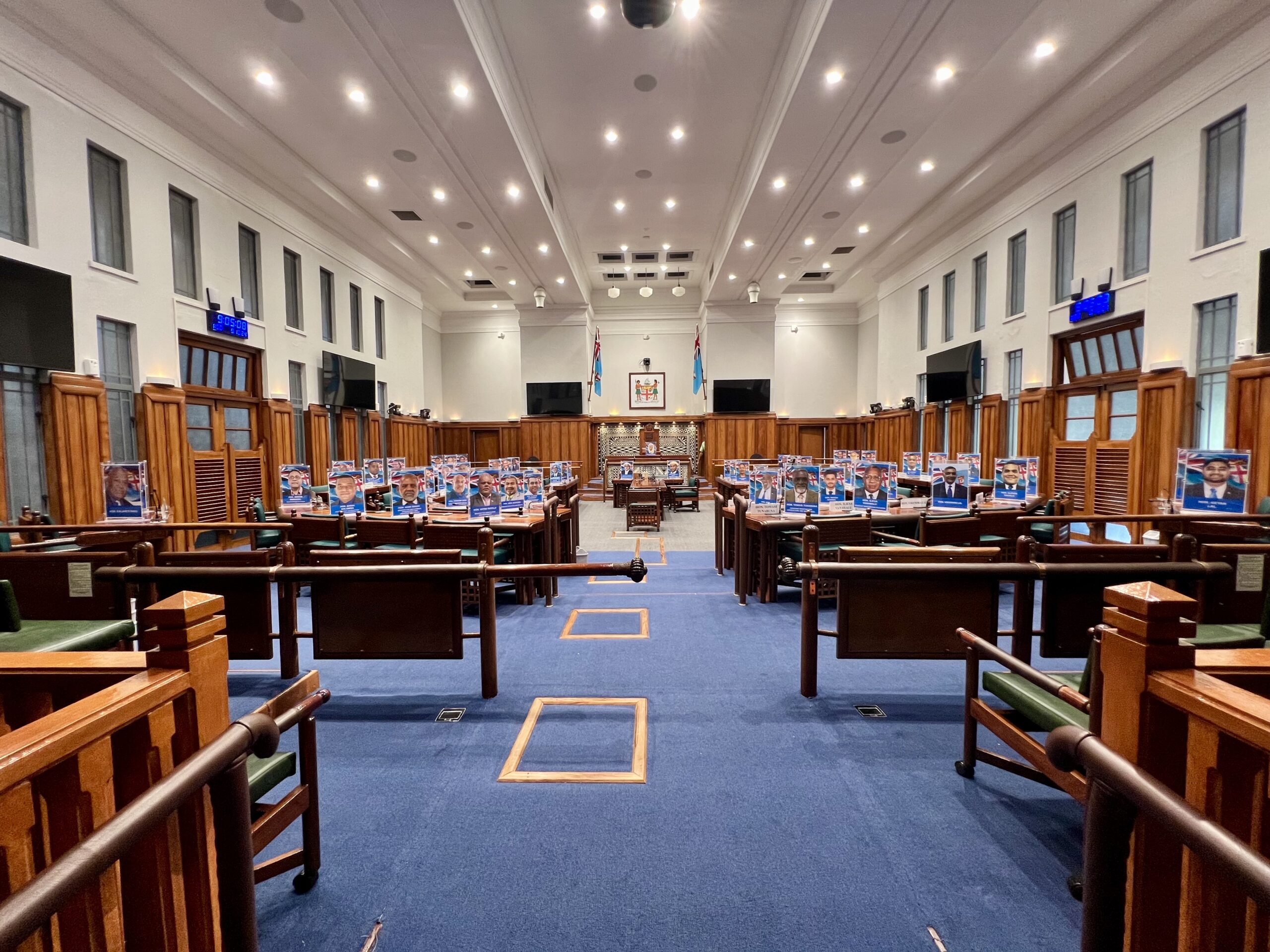
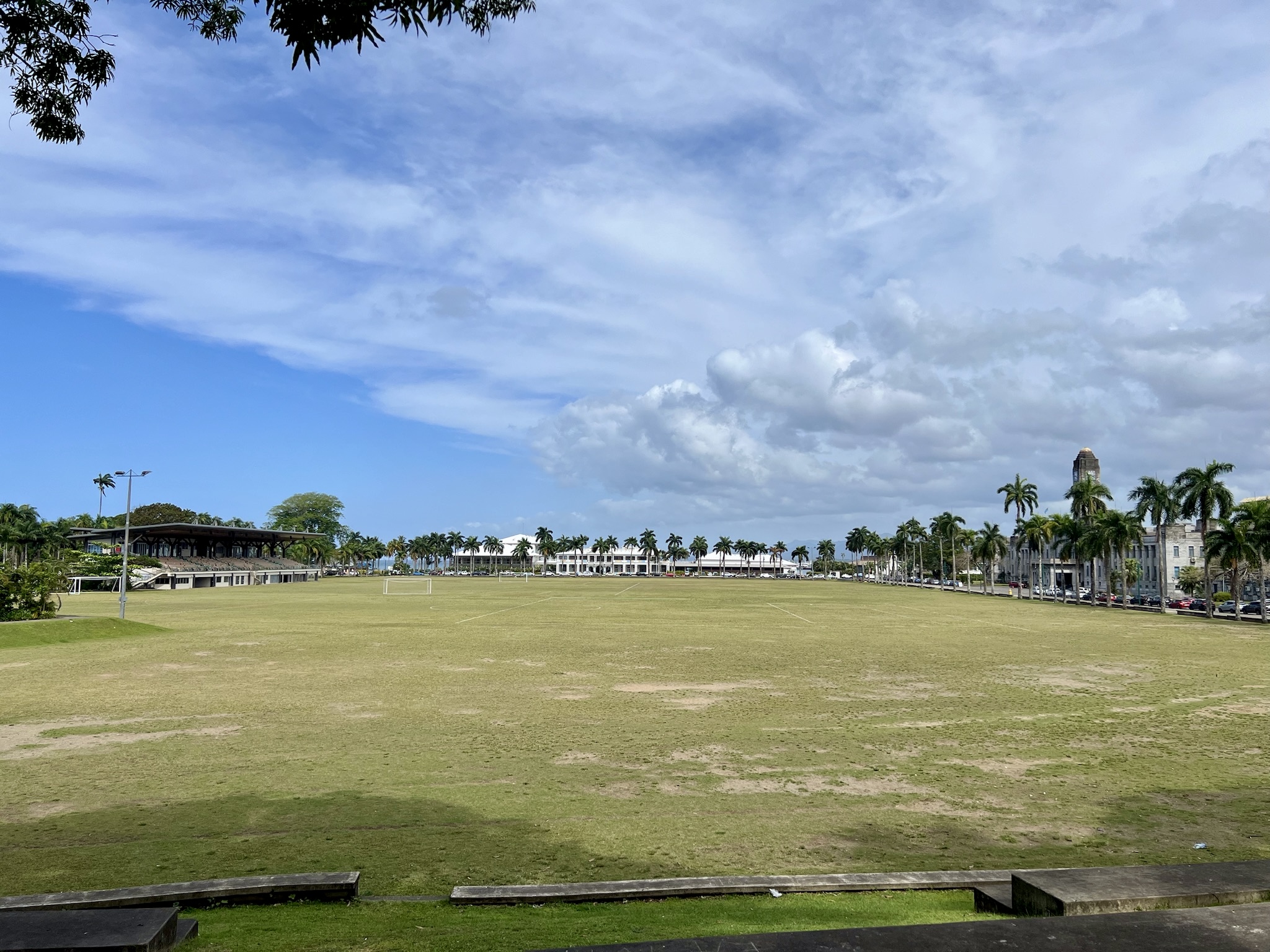
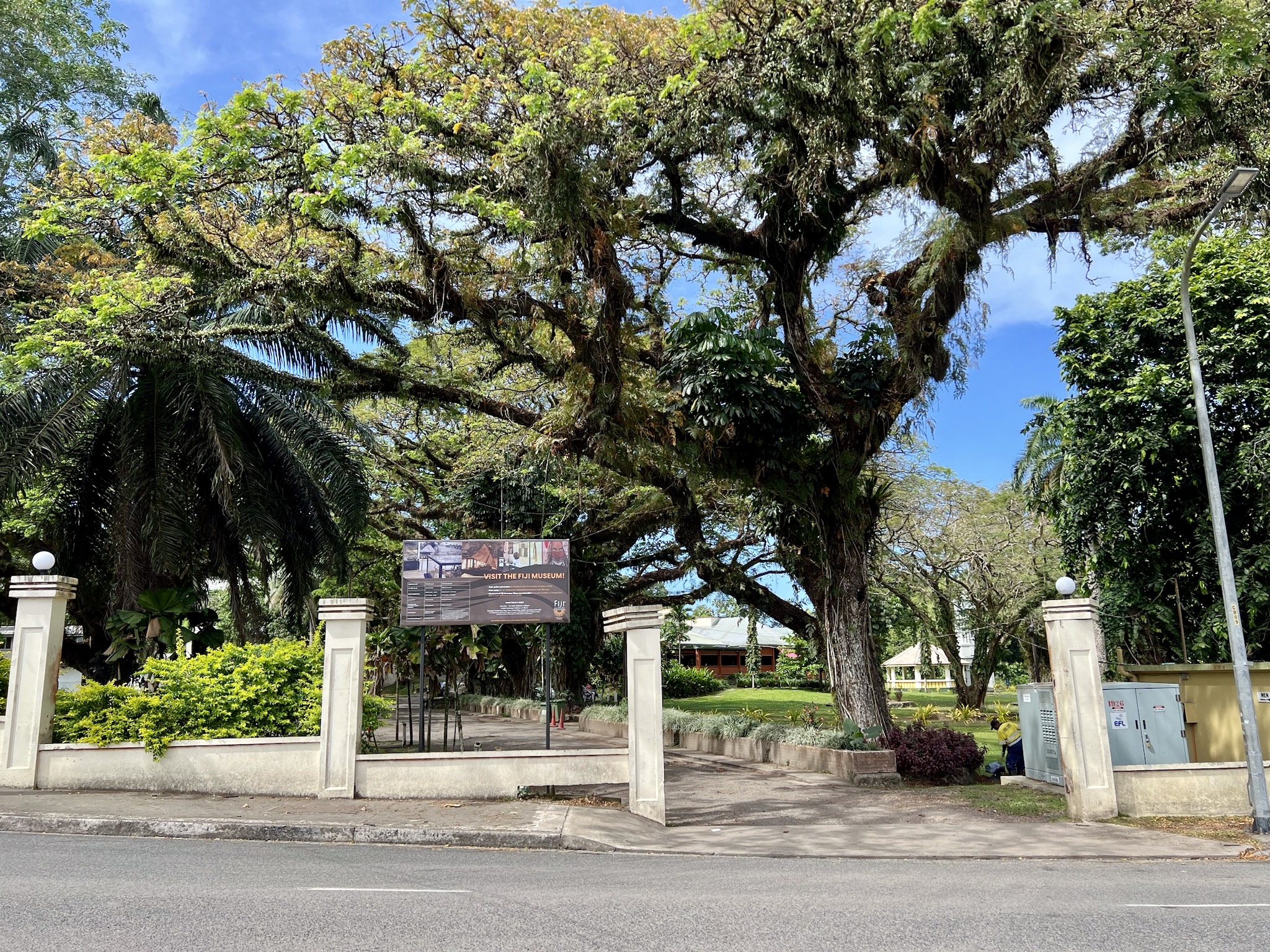
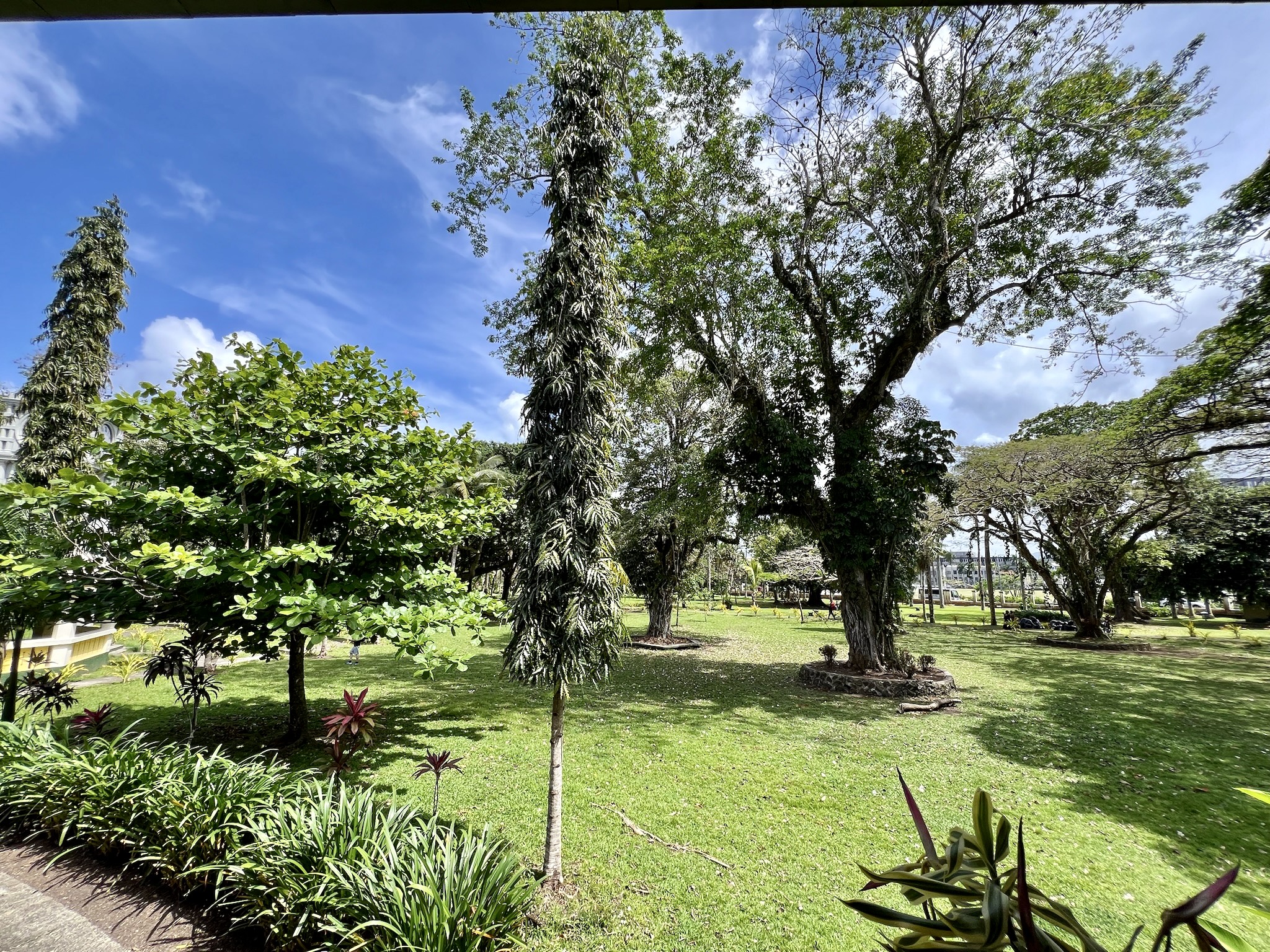
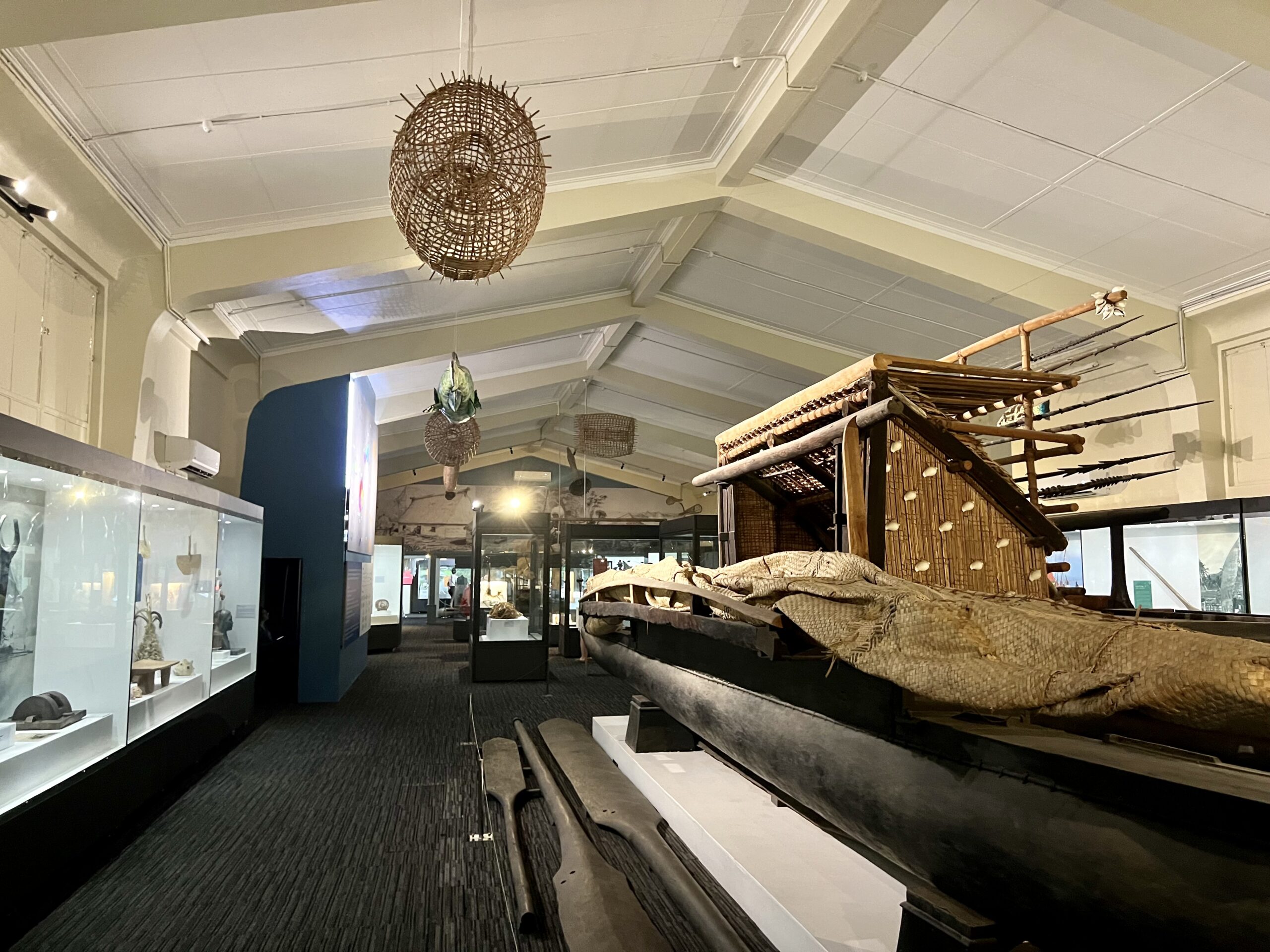
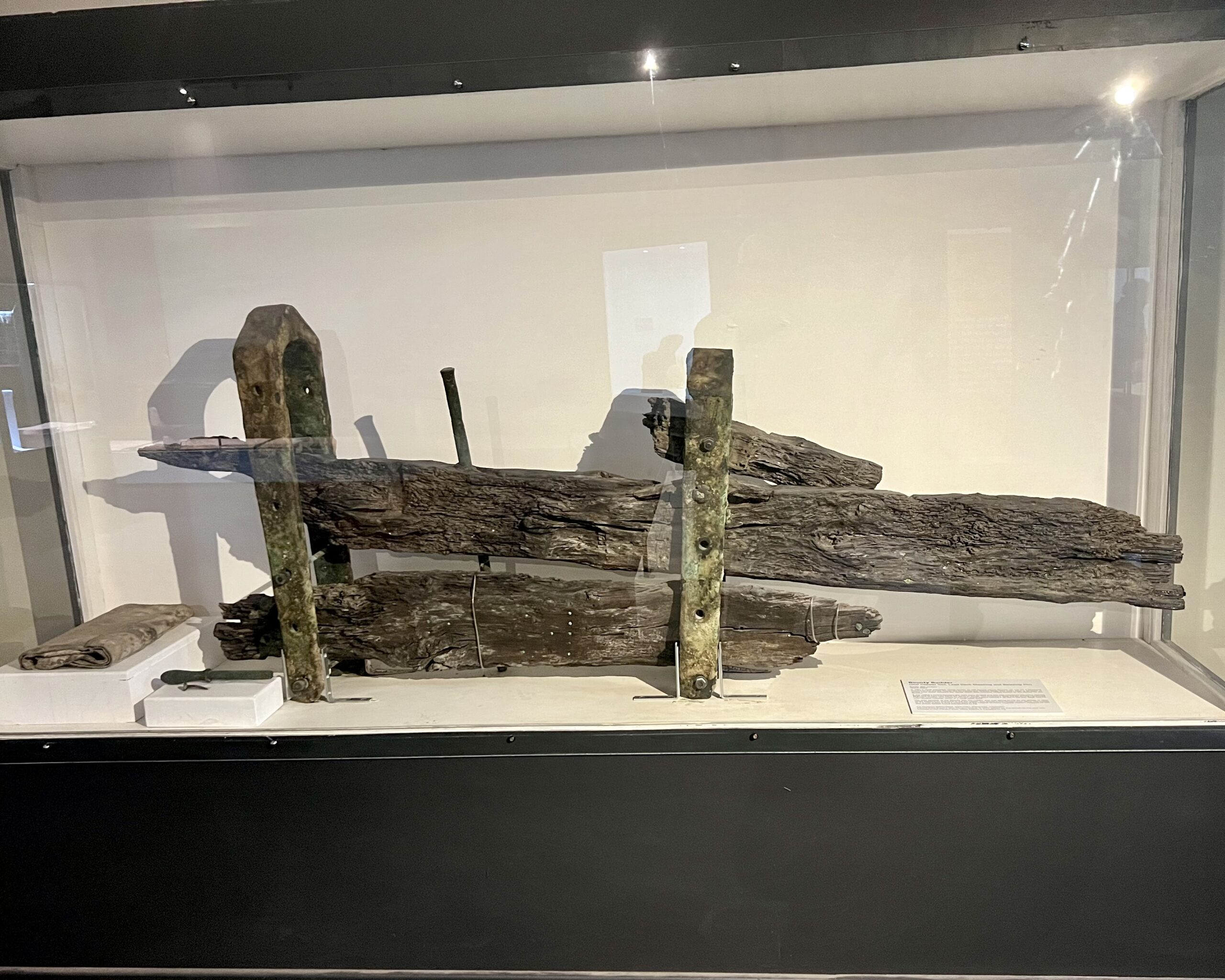
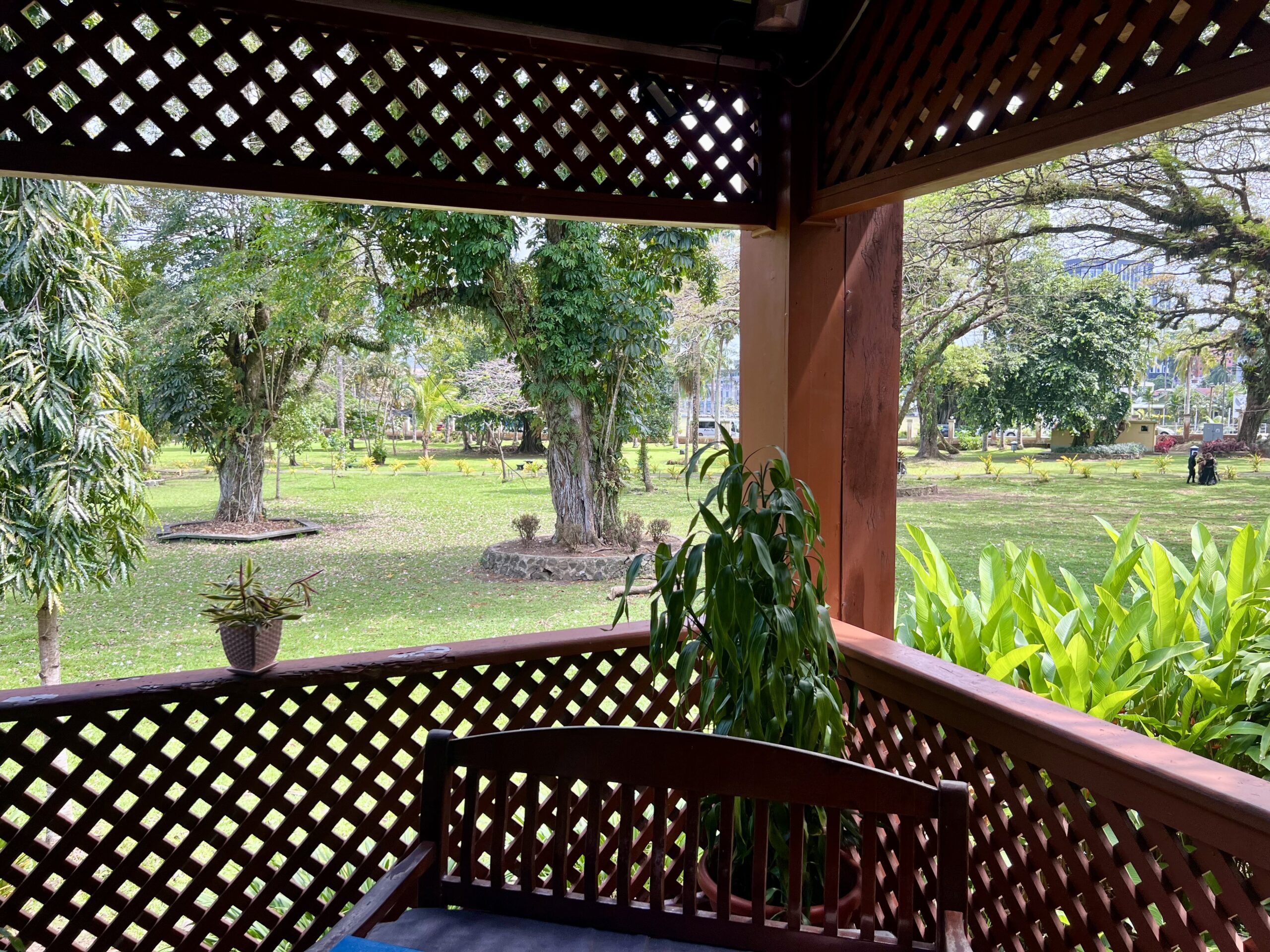
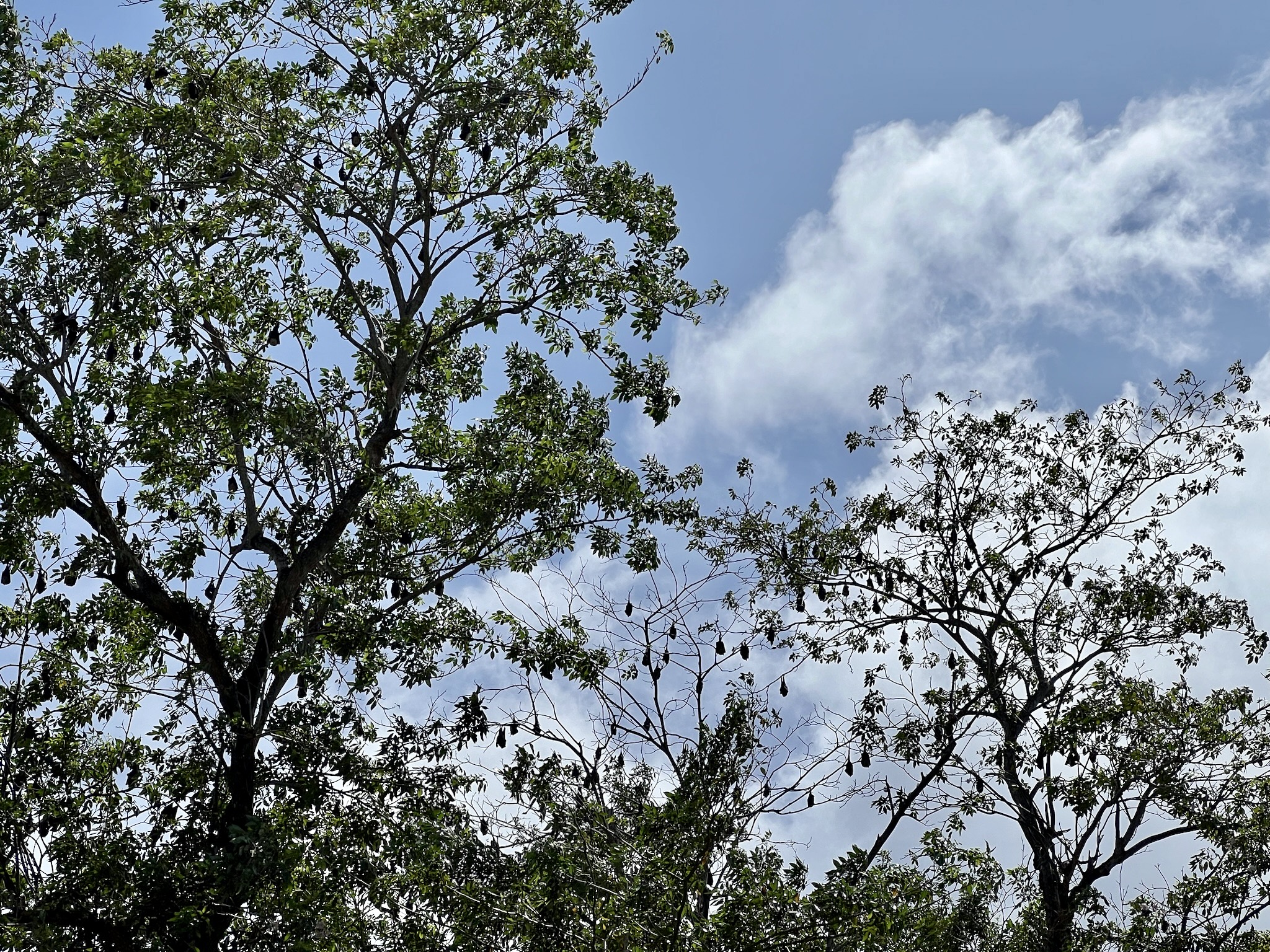
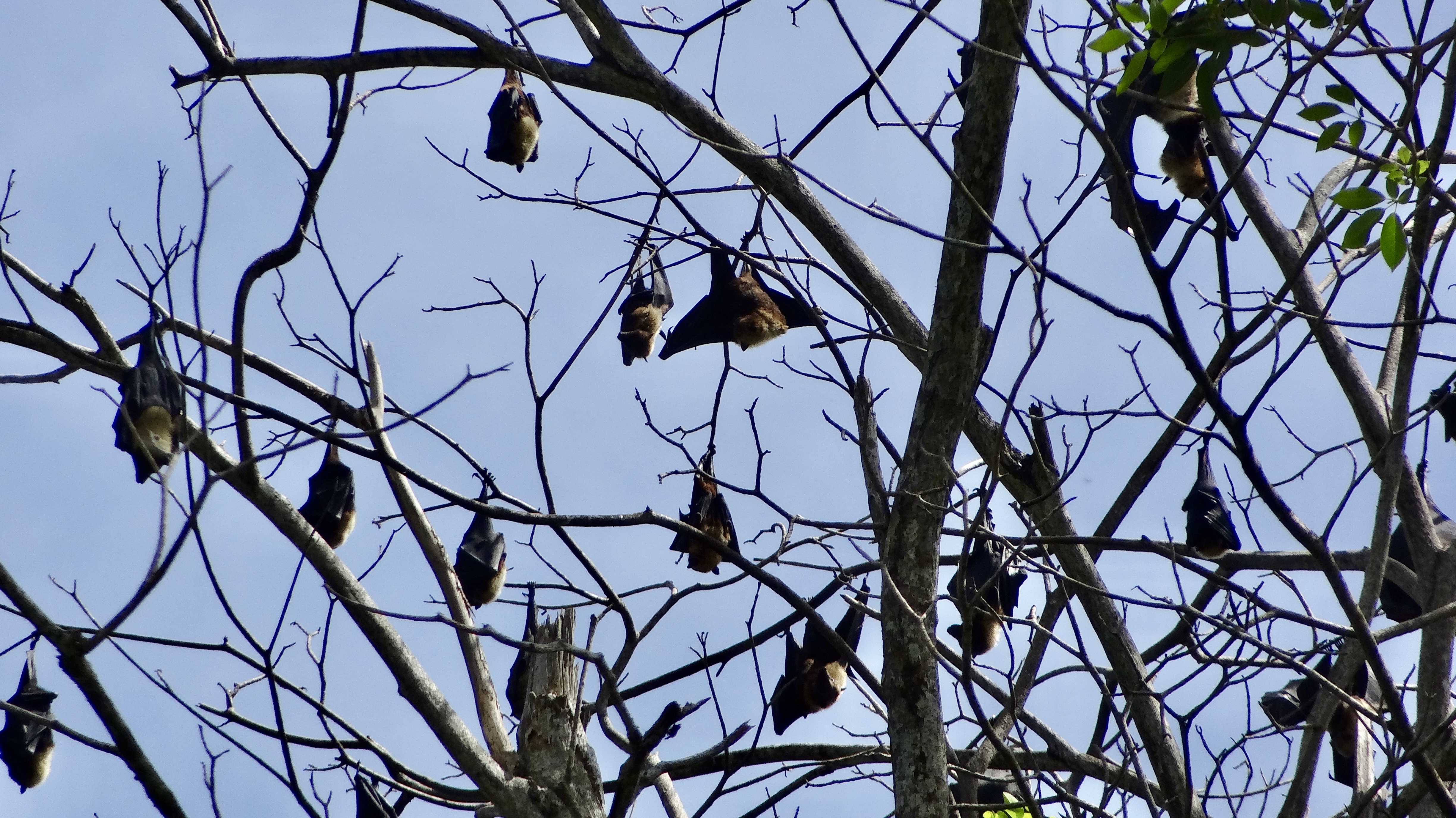
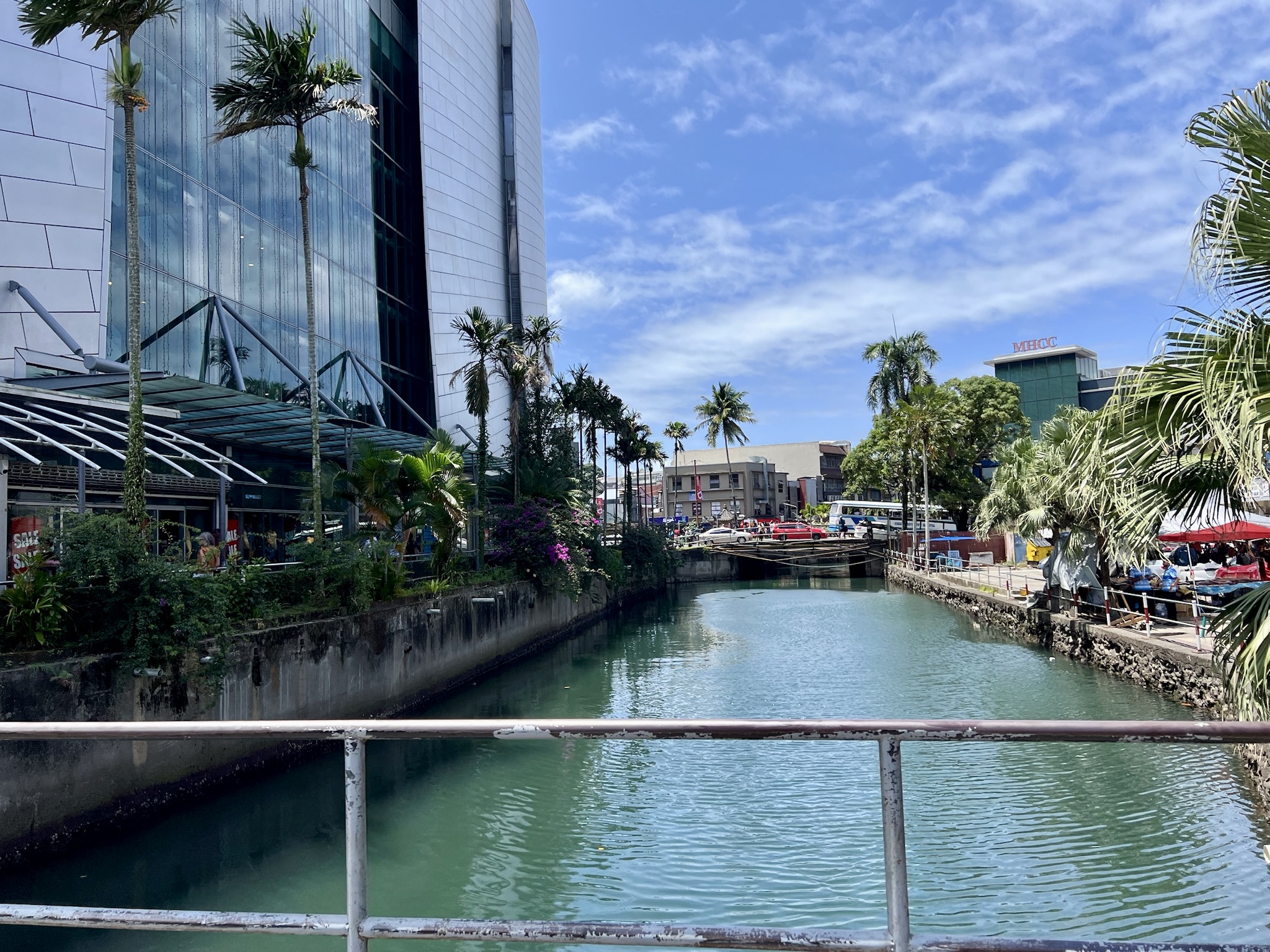
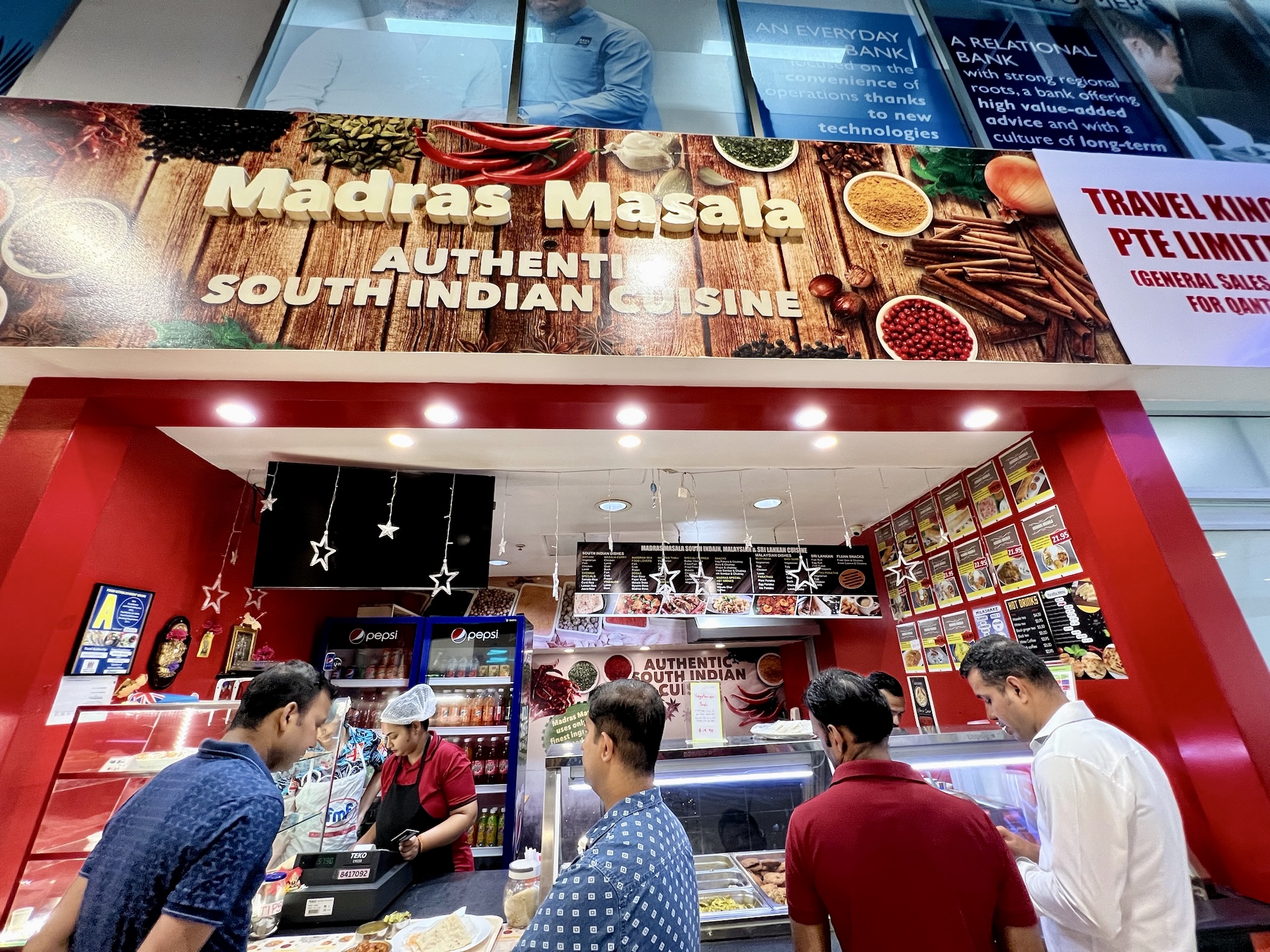
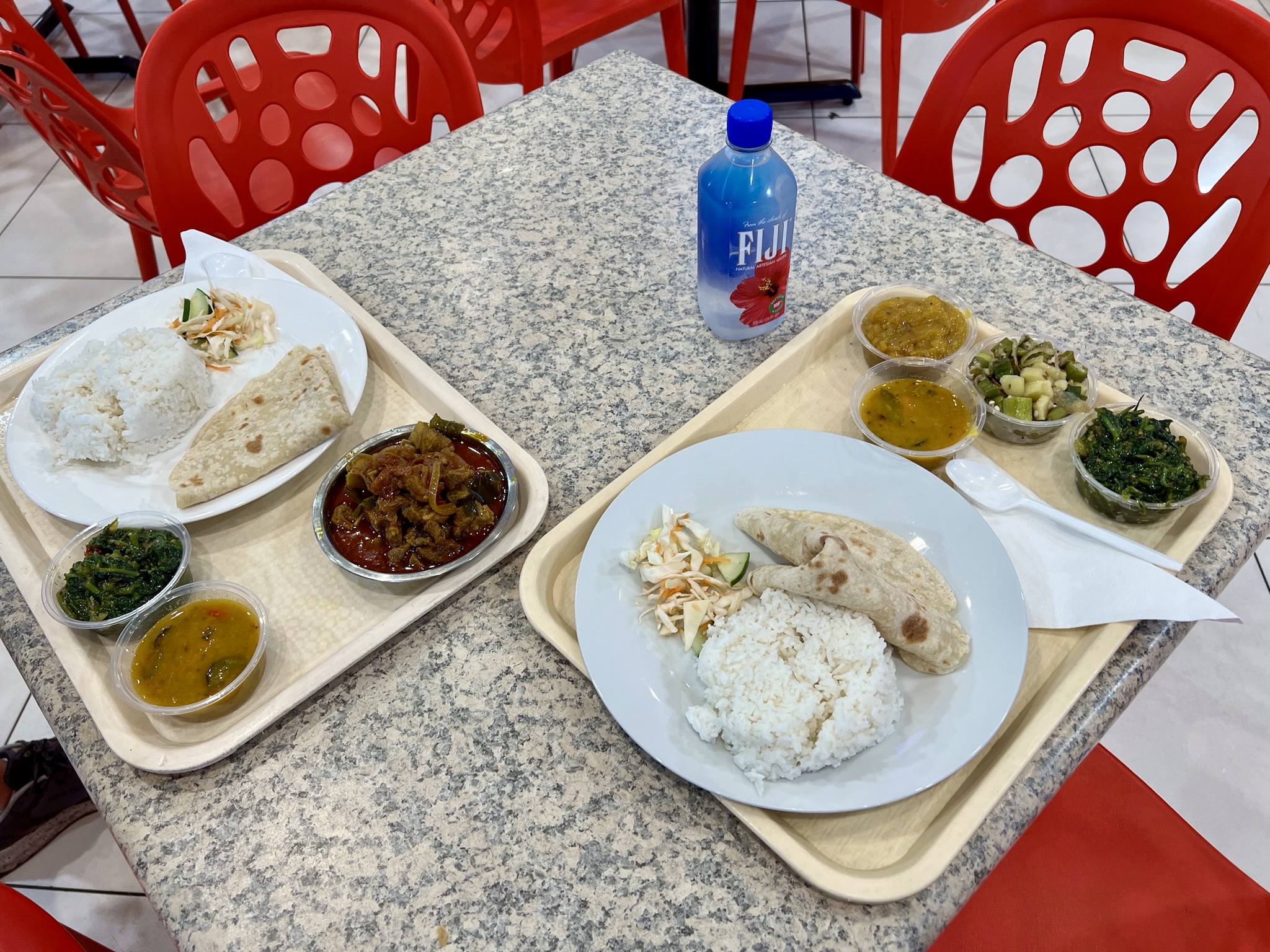
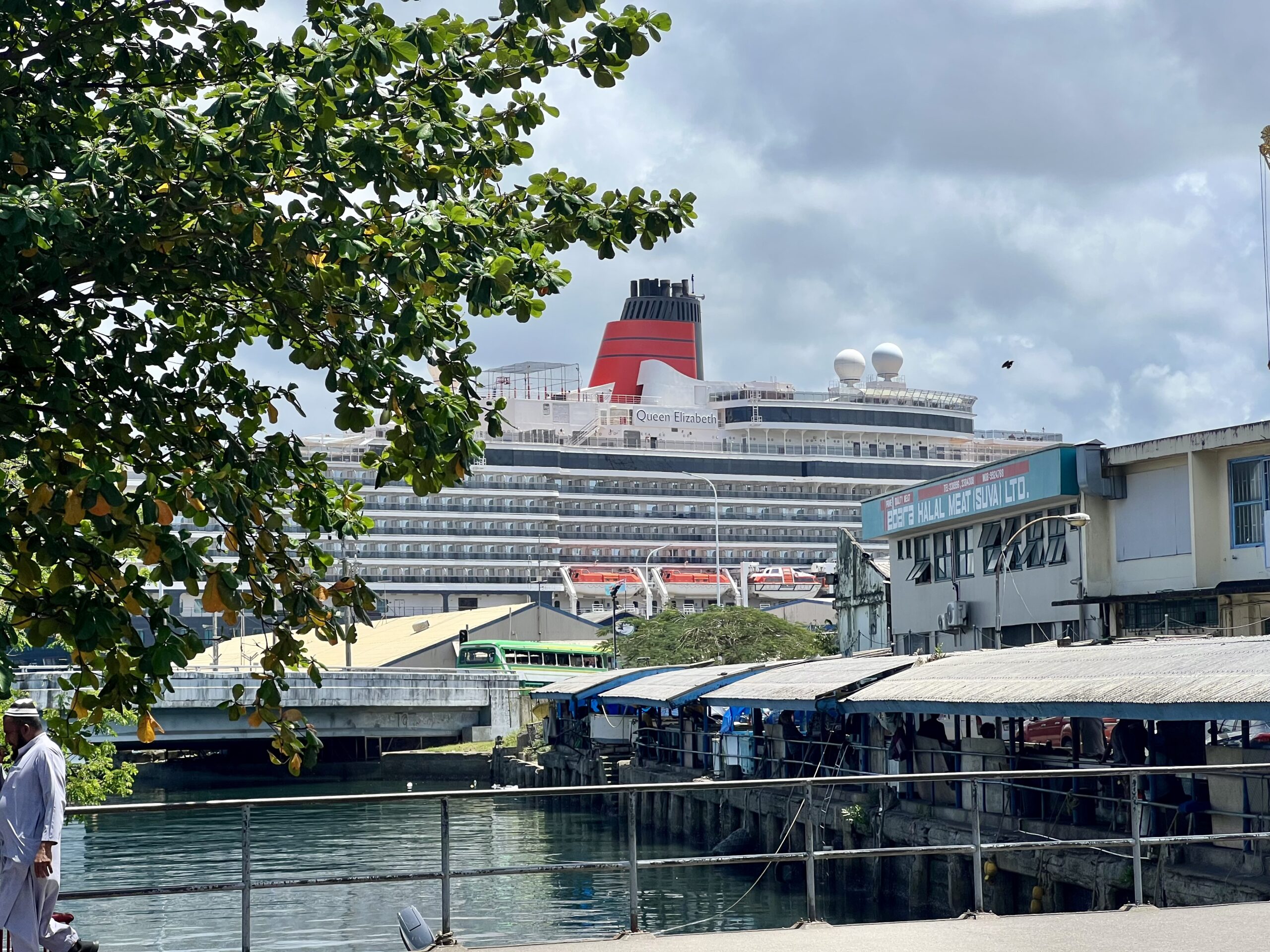
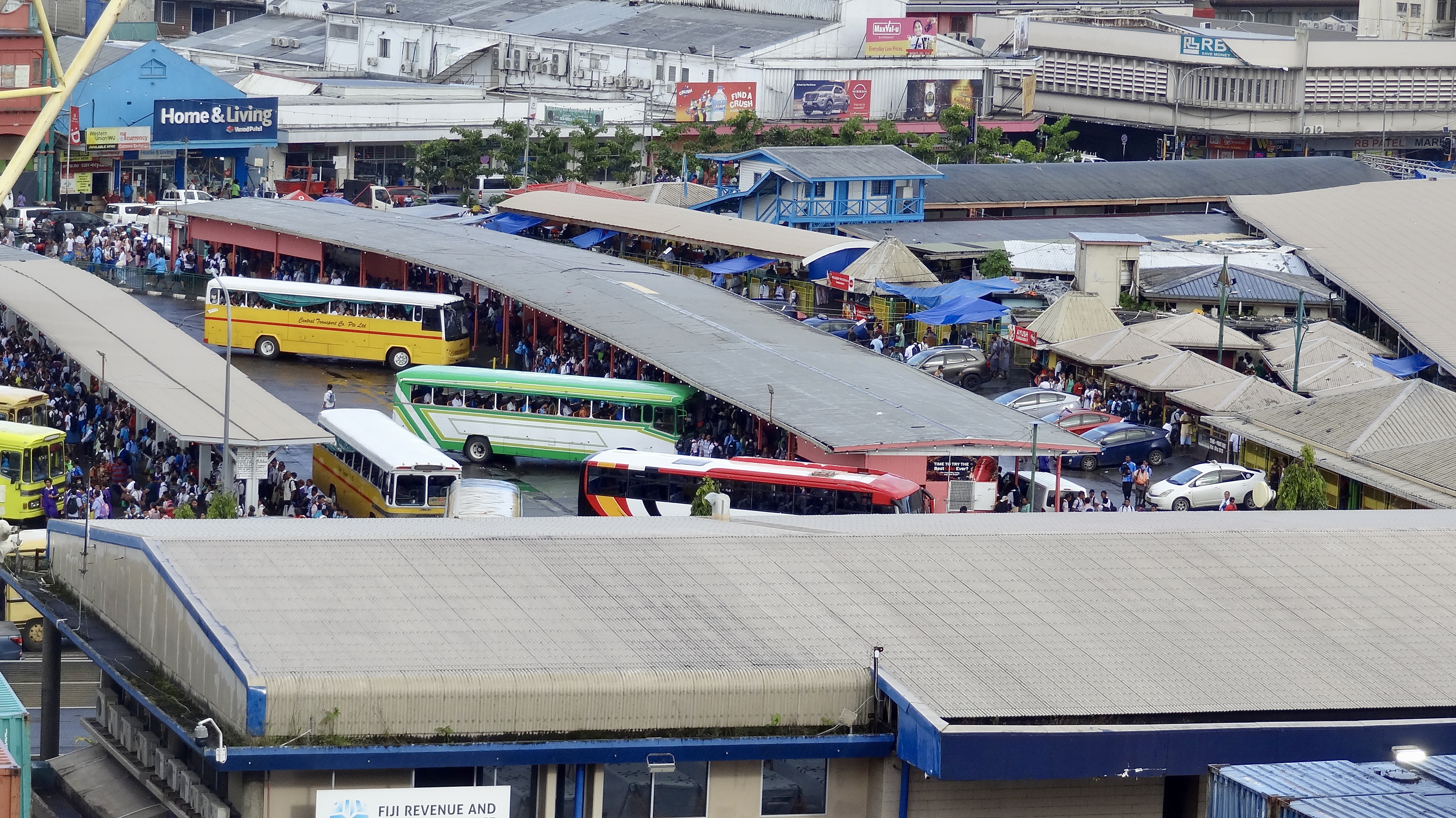
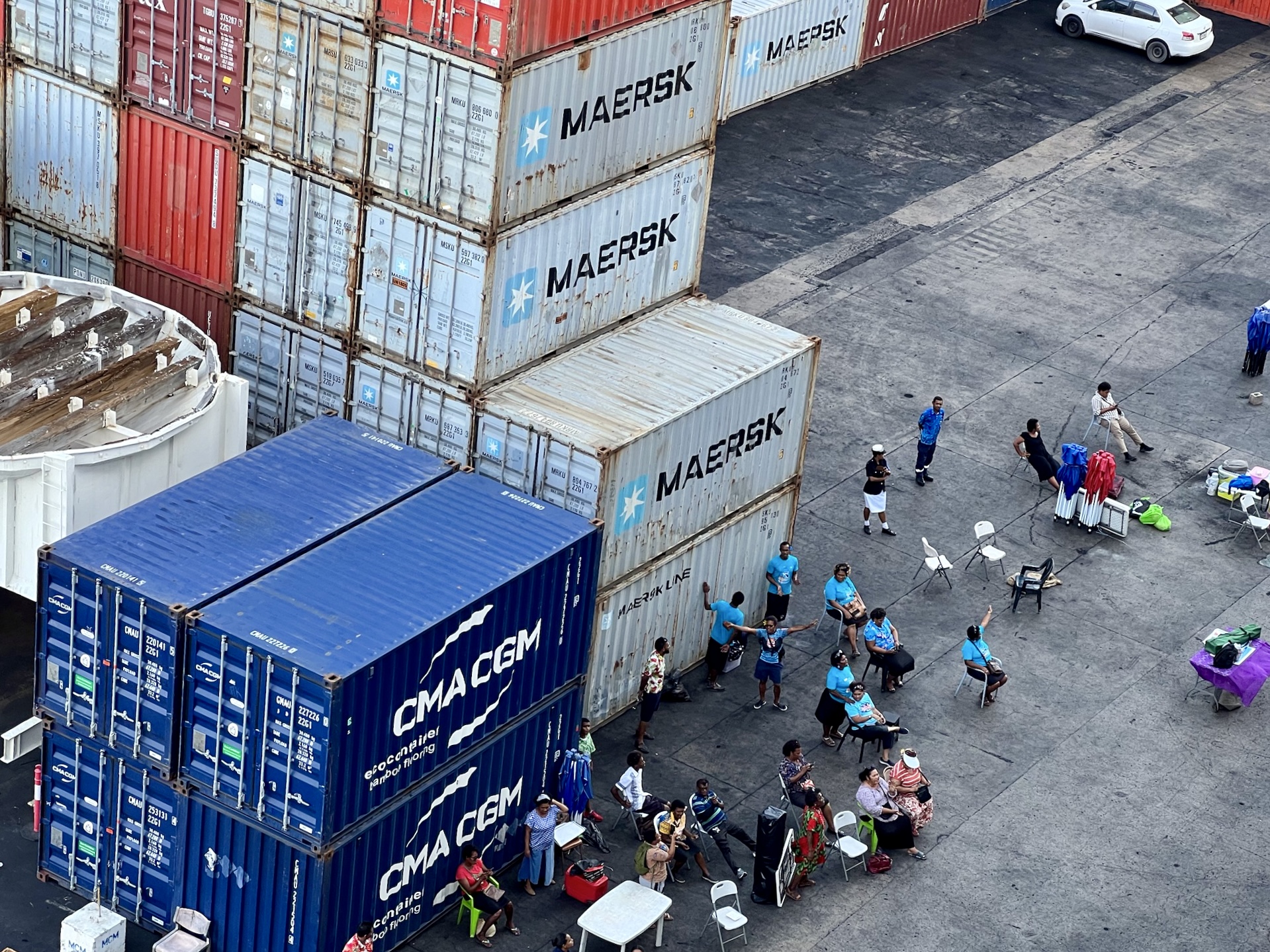
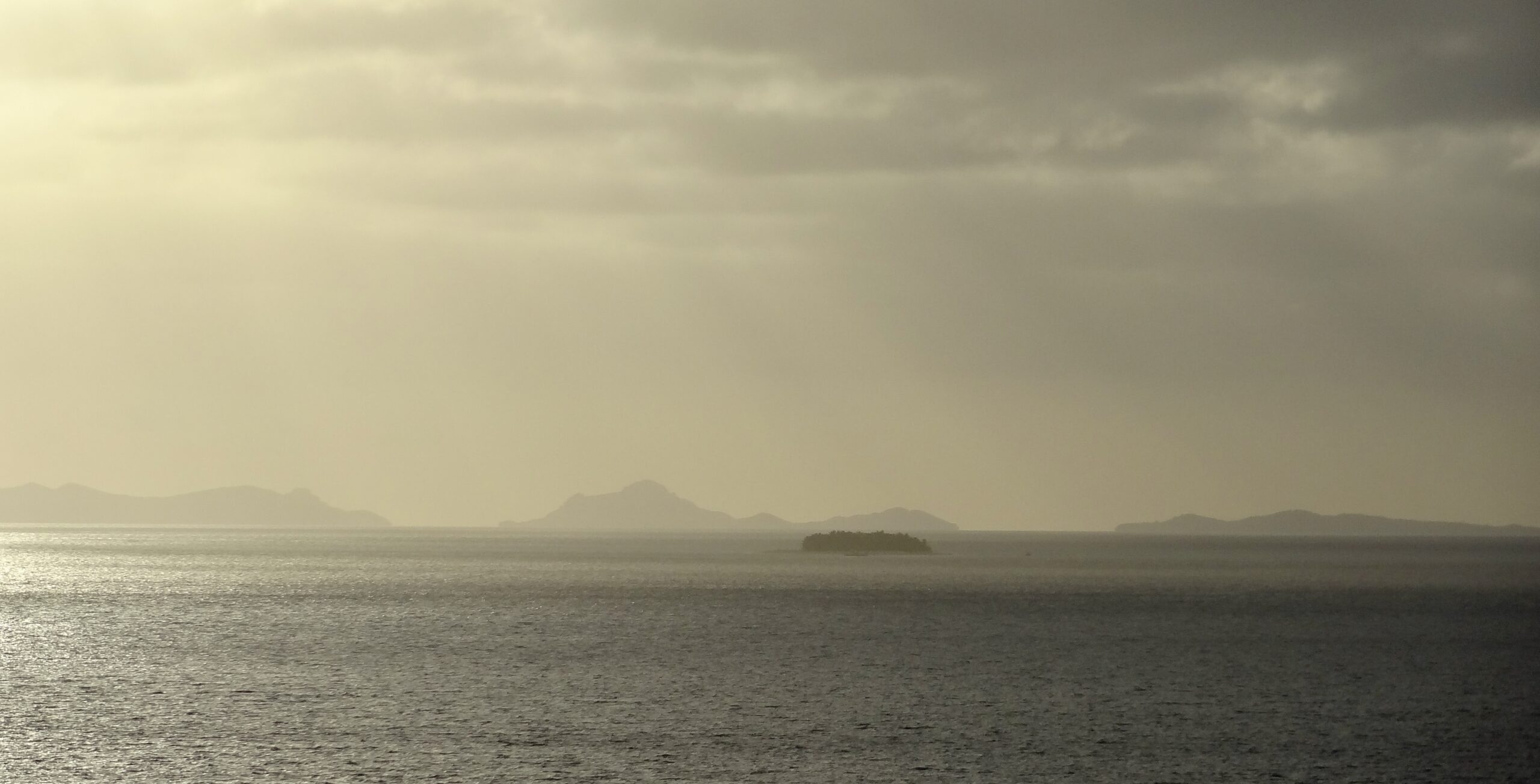
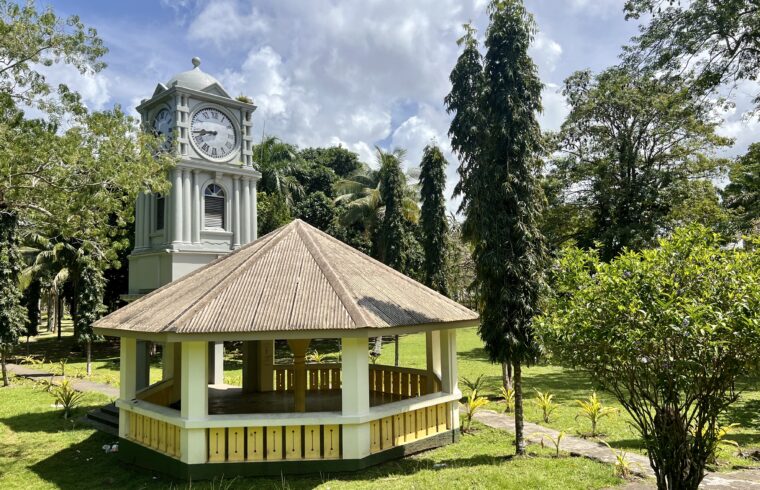
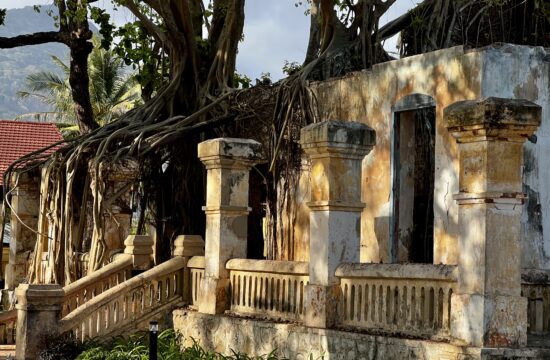
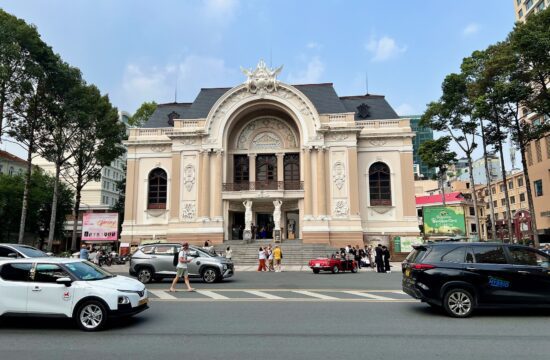
It’s a two day sail from Apia, Samoa, to Lautoka, Fiji. Two more days of ocean, sometimes almost glassy. Well, carnival glassy. As before, days began with breakfast in the Lido Restaurant, because it’s the only one open before 7:00 am. Besides, getting there early meant there were no lines at the prunes.And the days were tropical. We’d spend time on deck and usually have lunch in the sheltered Grills Courtyard. Anarin and Joel are our Princess Grill dining room stewards for all meals, including those in the courtyard. Anarin is from Bali, not far from Ubud, and Joel is from the Philippines.Our third morning found us approaching Lautoka, Fiji, on the west shore of Viti Levu, the largest of Fiji’s over 800 islands and islets.Arriving early at the port, the ship docked while we had breakfast and watched the tugboats work. We had time before we were to meet our driver, so we kept an eye on the dock to see what kind of gauntlet we’d need to run.Once in our car, it didn’t take us long to get out of Lautoka town. The driver did correct us, though, Lautoka is a city, not a town. We followed the Queen’s Road most of the way. Running alongside are narrow-gauge tracks still used to haul sugarcane from the fields to the mill.Past Vuda Point and around a bit of mountain, we stopped at a low hill where we could look out over Nadi Bay to the range of hills beyond.We continued along the mountains, past small fields of sugarcane, corn, and cassava.Our destination was the Garden of the Sleeping Giant, a private botanical garden at the foot of a mountain that’s supposed to look like a sleeping giant. Through the entrance are gardens of ferns and orchids, and some heliconias we hadn’t seen before, like this pink one.The paths continue on through tropical forest (above and below), some things newly planted but many trees well over 100 years old, including ancient mango trees reaching to 100 feet. On the far side of the garden is a hill meant to be climbed for the view. From the top, one way looks to Nadi Bay …While the other looks across the mostly agricultural plain.Another path took us back to the car park …Our driver, Junior, posed for the photographer next to his pimped out tour car. Fiji is much more culturally diverse than Samoa, where virtually everyone we met is Samoan. In Fiji, there are Fijians, of course, but also large numbers of Hindis and Muslims from India, and Chinese. Junior is an Urdu speaking Muslim descended from indentured workers brought over from India.As we followed the road back along the coast, we stopped at Viseisei Village, which tradition holds to be the first settlement on Fiji, founded by Lutunasobasoba when the first Melanesian canoes beached at Vuda Point. The villagers sit at roadside tables and sell souvenirs to tourists and, for a few dollars, will walk you through their village. The homes are simple and well kept, spread about large lawns.At the center of the village is the chief’s house on a raised platform, as custom requires. Sharing the village center, and much larger than the chief’s house, is a Wesleyan Methodist Church. Our guide claimed it was established when John Wesley visited Fiji in the early 1800s. Interestingly, John Wesley never visited Fiji and had passed away in his 80s, decades before early Methodist missionaries first visited Fiji.Nevertheless, village legend holds that Wesley gifted a coat to the village chief, and that he was buried in it. The coat’s buttons, later exhumed, are proudly displayed on a church wall. Another legend shared by our devout guide is that the first settlers who established the village two thousand years ago sailed from Tanzania, on the African east coast. But it is just legend. Fijians, and more broadly melanesians, share no such genetic history with any African peoples.As we continued our walk, we came across two horizontally inclined musicians. One of them snapped to a sitting position and struck a pose before the photographer could get her camera out. They were waiting to put on a village show, probably for a bus load of ship tourists.Set right on the shore, the village is as close to a tropical ideal as you could hope for (above and below) …Give or take the tropical cyclones that threaten the islands during most northern winters.We asked our diver to drop us back in “the city” so we could grab a late lunch at the Tapoo City food court. If we want to eat local, a food court on top of a little shopping center is our go-to. We went for a pile of spicy stir fry and a good part of a roast chicken. We shared.As luck and coincidence would have it, some of the ship’s crew were also enjoying what they call real food. And beer. Joel, our dining room steward, called out when he spotted us. It was good to see him having fun off the ship.Back at street level, we followed the same narrow gauge sugarcane-train track down the middle of Vitogo Parade, which appeared to be the mainest street, lined with shops, Sikh and Hindi temples, government buildings and mosques (below).After wandering around town, buying a t-shirt and a war implement or two, we found the Cunard shuttle stop and caught the bus back to the ship.The Queen Elizabeth left port early for a night sail around the island to Suva. We walked the decks before dinner to enjoy the views, above, and the lights coming on around the ship, below.The next morning’s sunrise found us gliding into Suva Harbor …Past a couple boats that had run aground on the reef. By tropical cyclone Sarai. In 1999.Suva is more of a city than Lautoka. Still small. And very walkable. Another port, another stack of containers.We decided there’s enough to do in Suva to not want a car or guide. With the Fiji Museum our goal, we began with a walk down Stinson Parade, past a park named for Ratu Josefa Lalabalavu Vanayaliyali Sukuna, a Fijian chief, scholar, soldier, and statesman who helped pave the way for Fijian independence. After all that, we expected a much larger park.As we turned on to Victoria Parade, we passed government buildings, some of them picturesque. At the end of Victoria Parade is Albert Park, which is bordered by the Fijian Parliament Building.There we ran into a kind gentleman named Josua standing on the steps. He described his job as a secretary to parliament. He unlocked the doors and invited us in.We spent quite a bit of time talking to him about the history of parliament, the building, and the workings of government. Because he advises the speaker and members of parliament, he goes where they go. So he is very widely travelled, and he laughs about how his passport from Fiji is a complete mystery to so many border agents. With the following day being Fiji Day – celebrating Fiji’s independence from Britain – the parliament desks were all set up with pictures of who sits where. This was to help with the previous week’s many school excursions.Albert Park itself is immense, large enough to field simultaneous rugby games. It’s also where Charles Smith landed his Fokker tri-motor in 1928, on the first trans-Pacific flight from the United States to Australia. The street in front of parliament now bears the name of his plane, the Southern Cross. In the far distance is the Grand Pacific Hotel, built in 1914 by Union Steamship Company of New Zealand.Across Albert Park from the parliament building is Thurston Gardens and the Fiji Museum.Thurston Gardens was originally a botanical garden built on the site of the original town of Suva, which was burned in 1843 in one of the bloodiest fights in Fiji’s history. Many of the towns inhabitants were killed and subsequently eaten by the people of the surrounding area.The museum is small and very well done, with clear, concise information on the island’s history, and a wide range of artifacts …Including the remains of the original rudder from the HMS Bounty, famous of course for the mutiny against Captain Bligh.After exiting through the gift shop, we found a table in the museum’s outdoor cafe and enjoyed the garden and the breeze …The photographer, however, wasn’t too excited about all the fruit bats hanging in the trees.The bats, also called flying foxes, are of the only species with sharp eyesight, which may explain why they were flitting around in the daytime. Then a leisurely walk back through town to, you guessed it, Suva’s Tappoo City food court. The head waiter in the Princess Grill restaurant on the Queen Elizabeth, Ravi, is from Chennai, India, where we fell in love with their thali. When talking with him, he said he has a friend from Chennai who opened a thali restaurant in Suva named Madras Masala – Madras being the former name for Chennai. We tracked it down and found it above Tappoo City.The photographer had the vegetarian thali and the blogger had the lamb. It was very good, and provided calories sufficient to see us into the next week. Ravi was there eating, too, and we thanked him for the recommendation. Then a little more walking around and shopping, and back to the ship.And to our stateroom, where we ate scones on the balcony and watched Suva’s rush hour begin in earnest. Streams of workers and shoppers boarded buses as fast as they could be driven through the long sheds that are the main bus terminal.As the ship prepared to pull away, the people who had tended the tour and souvenir tables all day hung around and sang songs and waved farewell. A lovely end to the day.Then back at sea and a day sailing to Vanuatu. Traveling by ship is not our cup of tea. The sea days are confining, with activities being so similar and quickly boring, and a single day in port far too short. If we’re interested enough in a place to visit it in the first place, we’d like more time to get to know it.