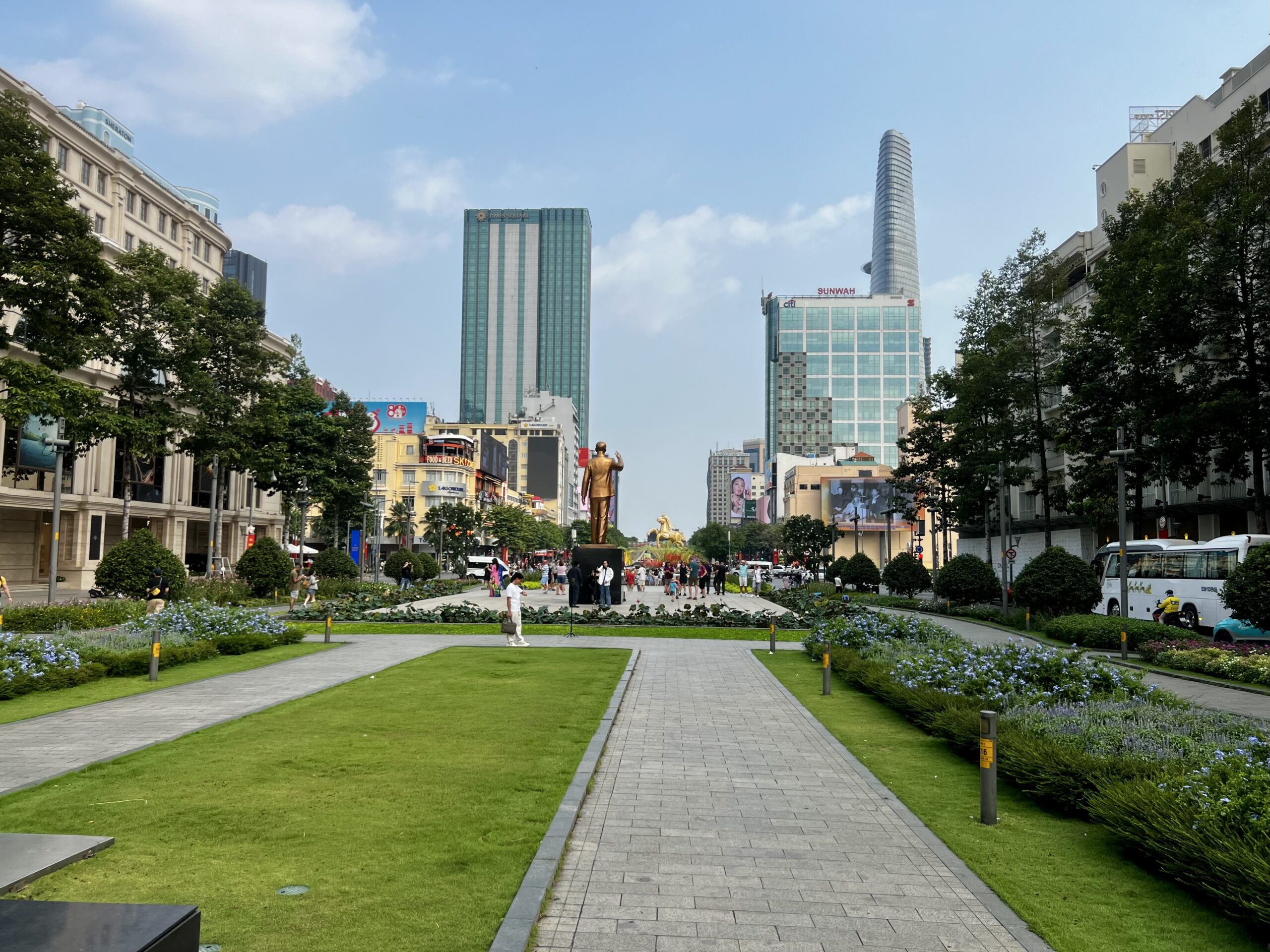
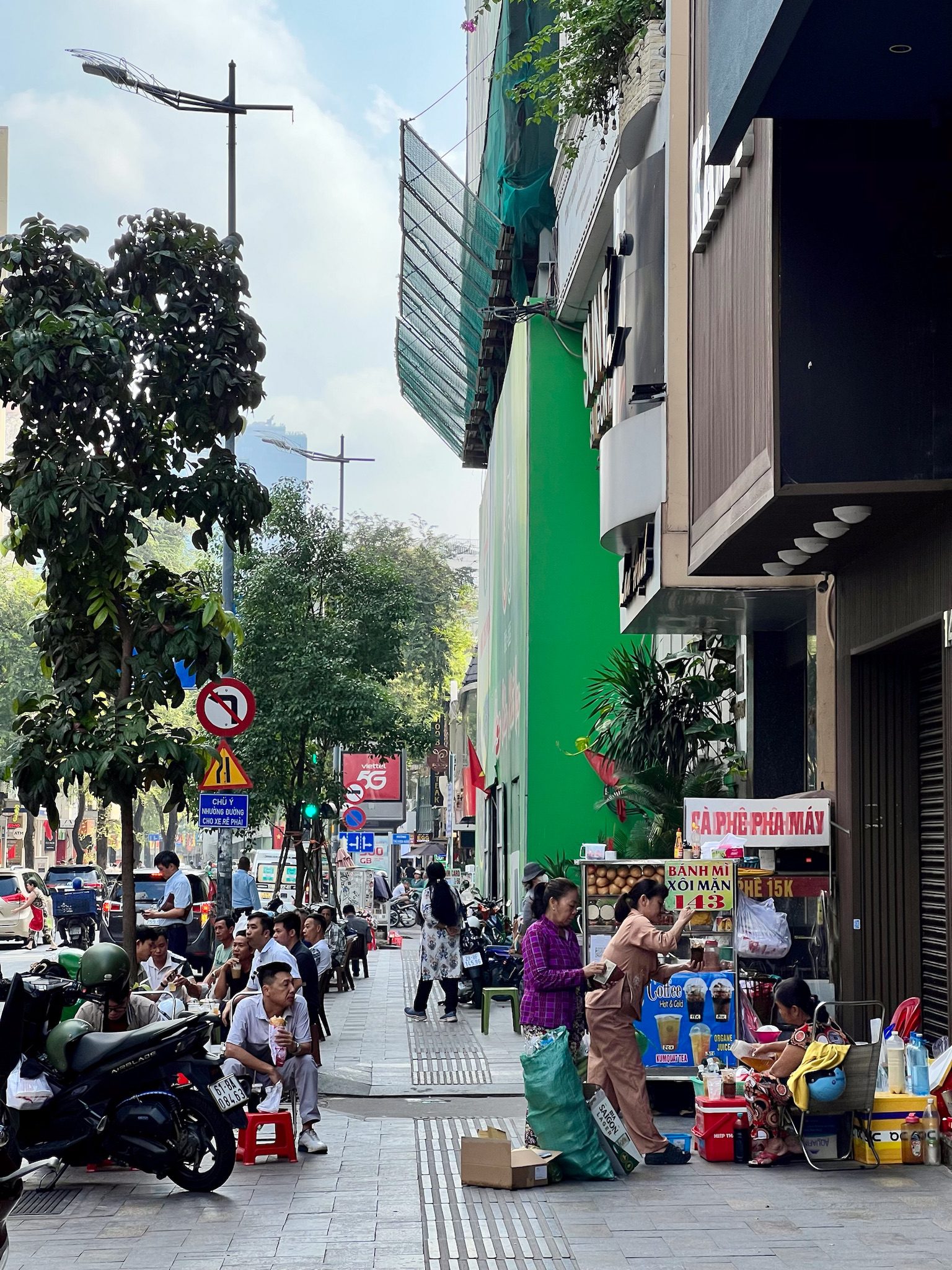
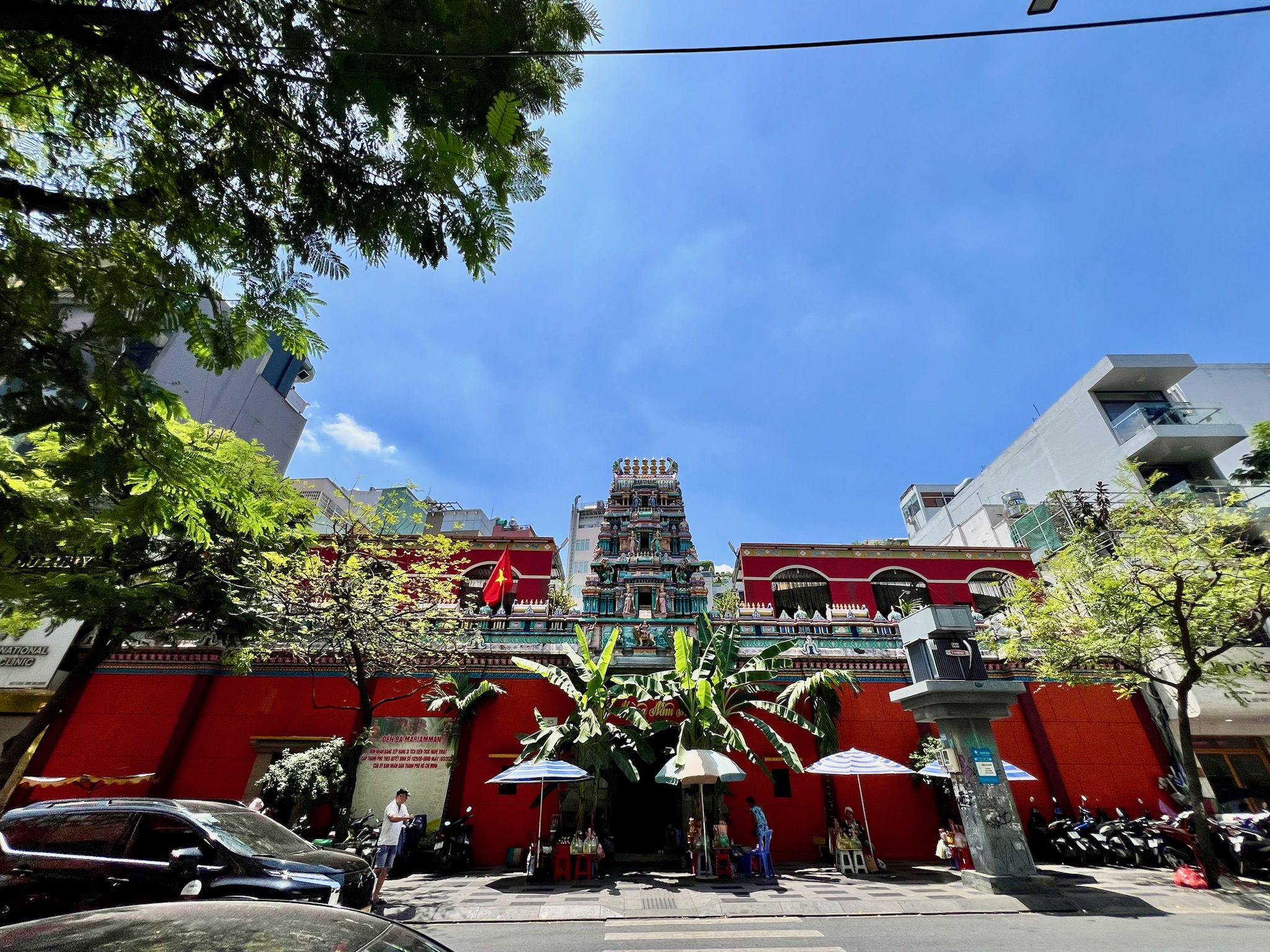
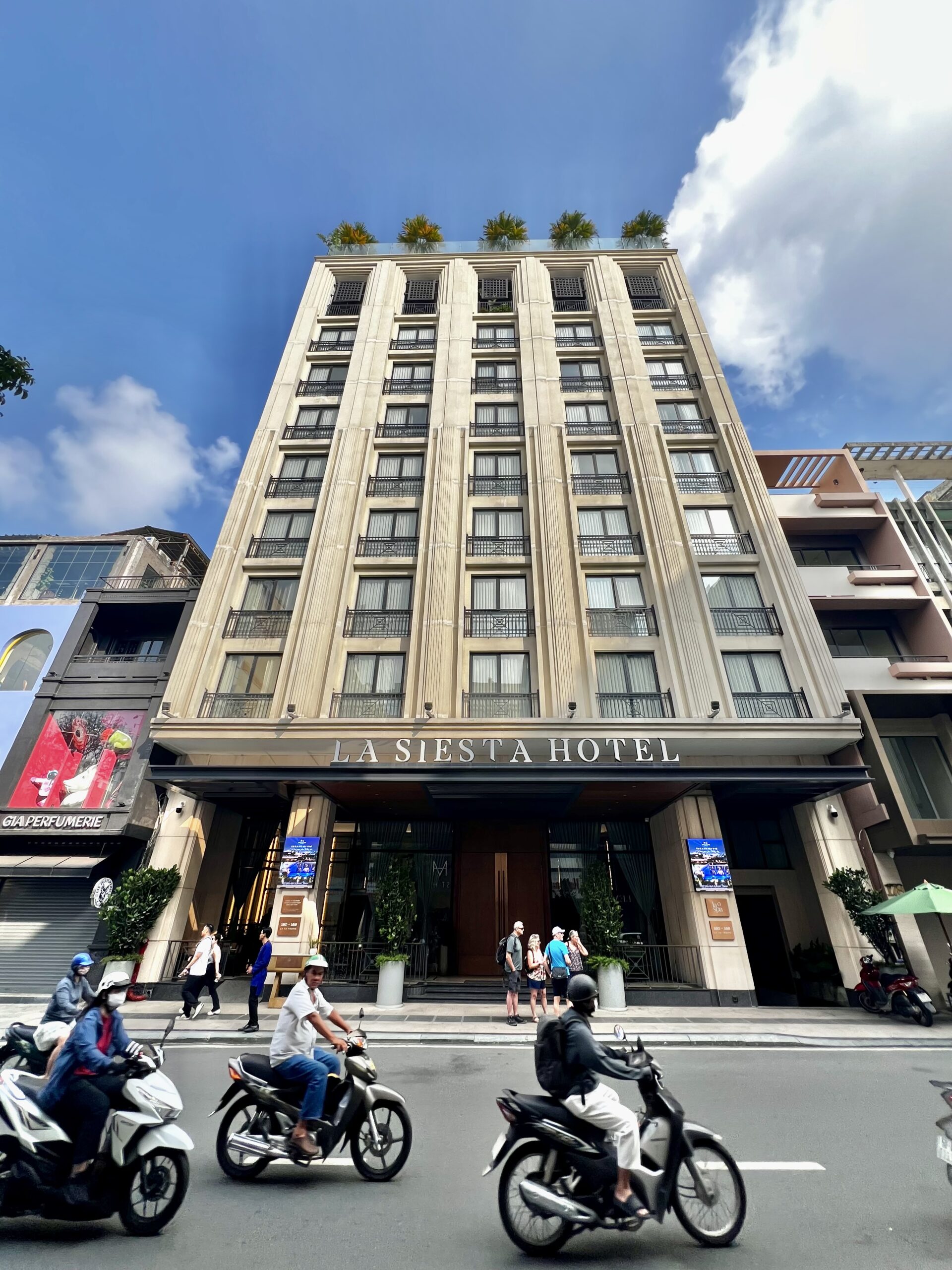
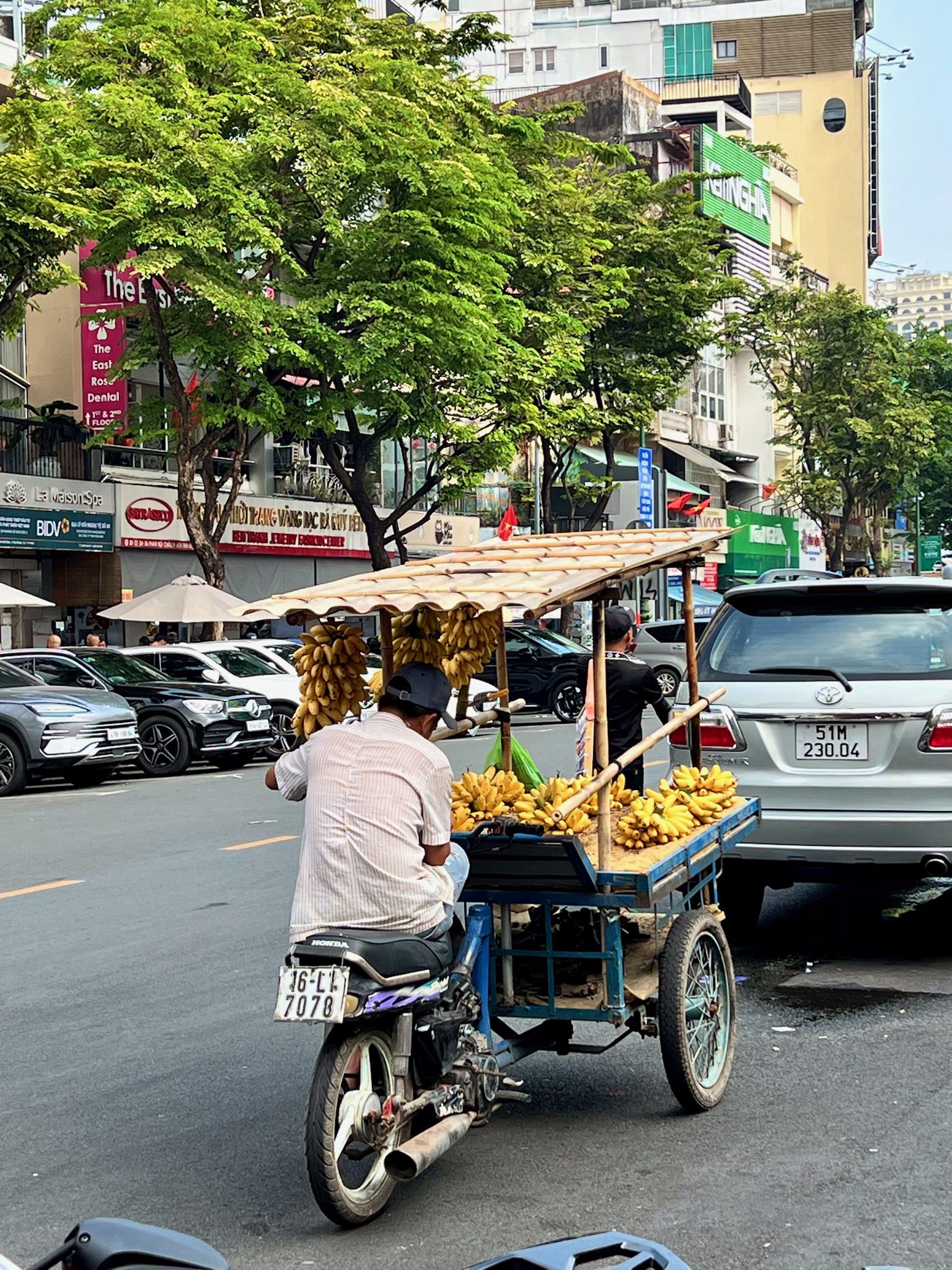
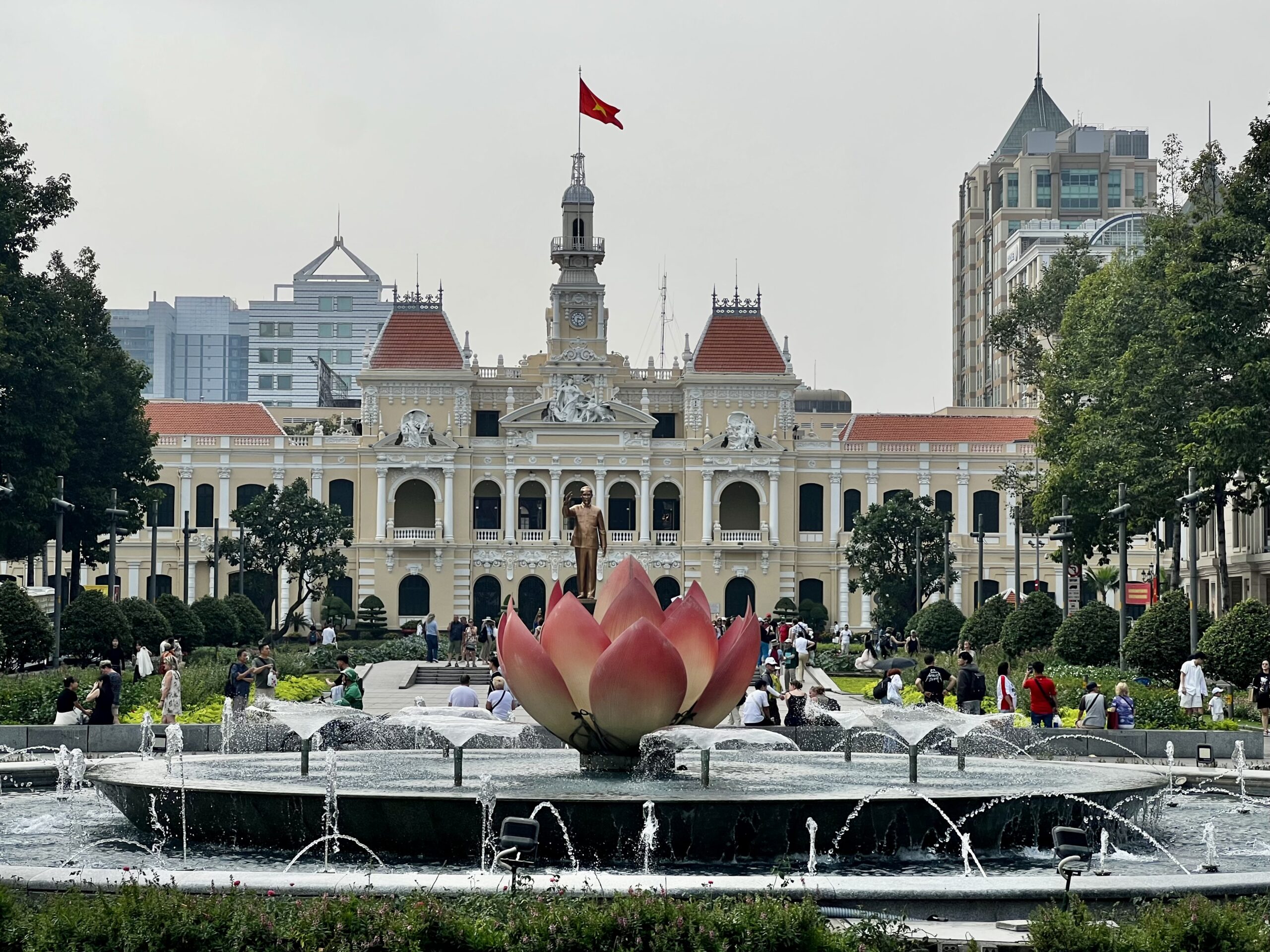
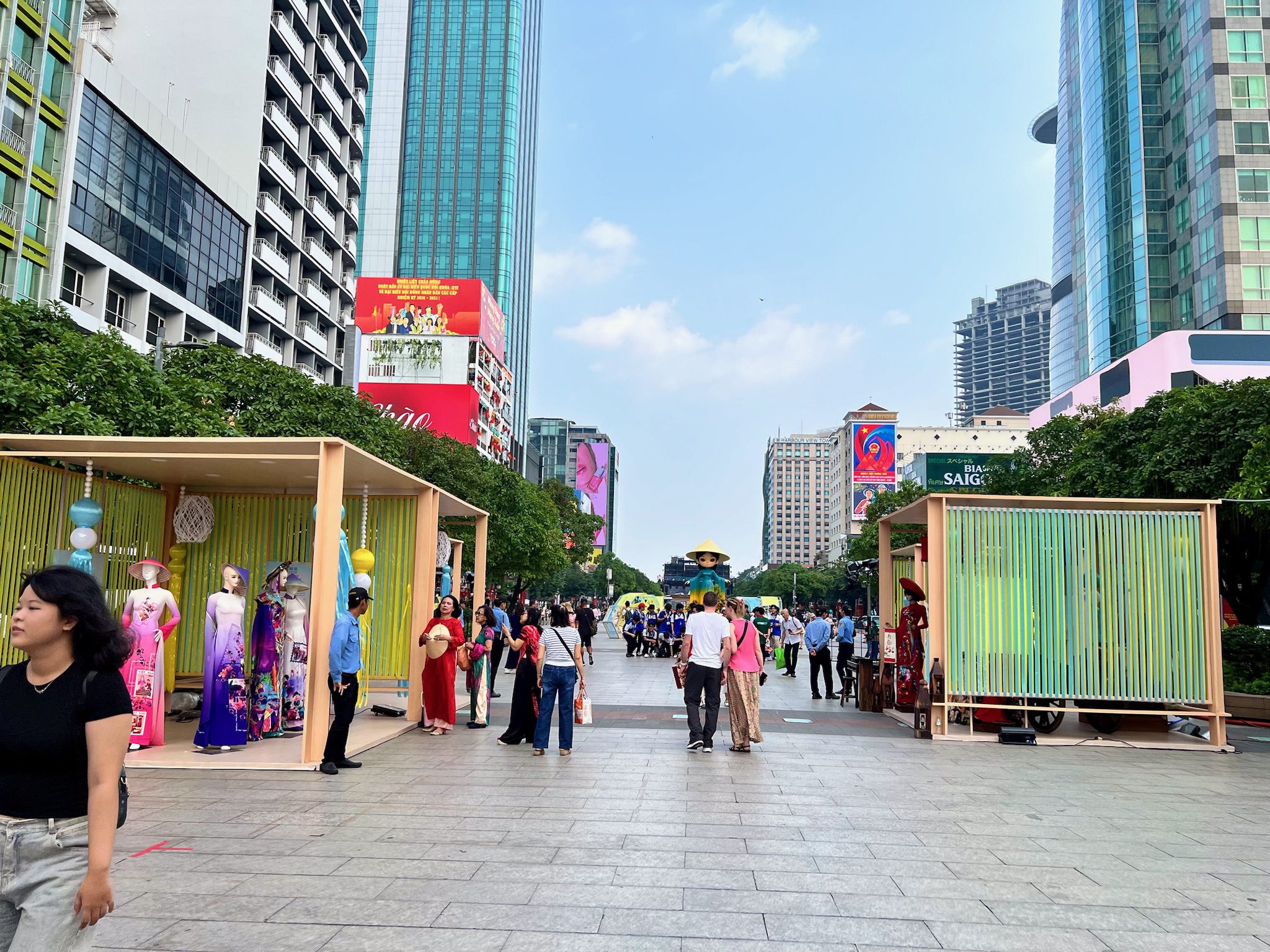
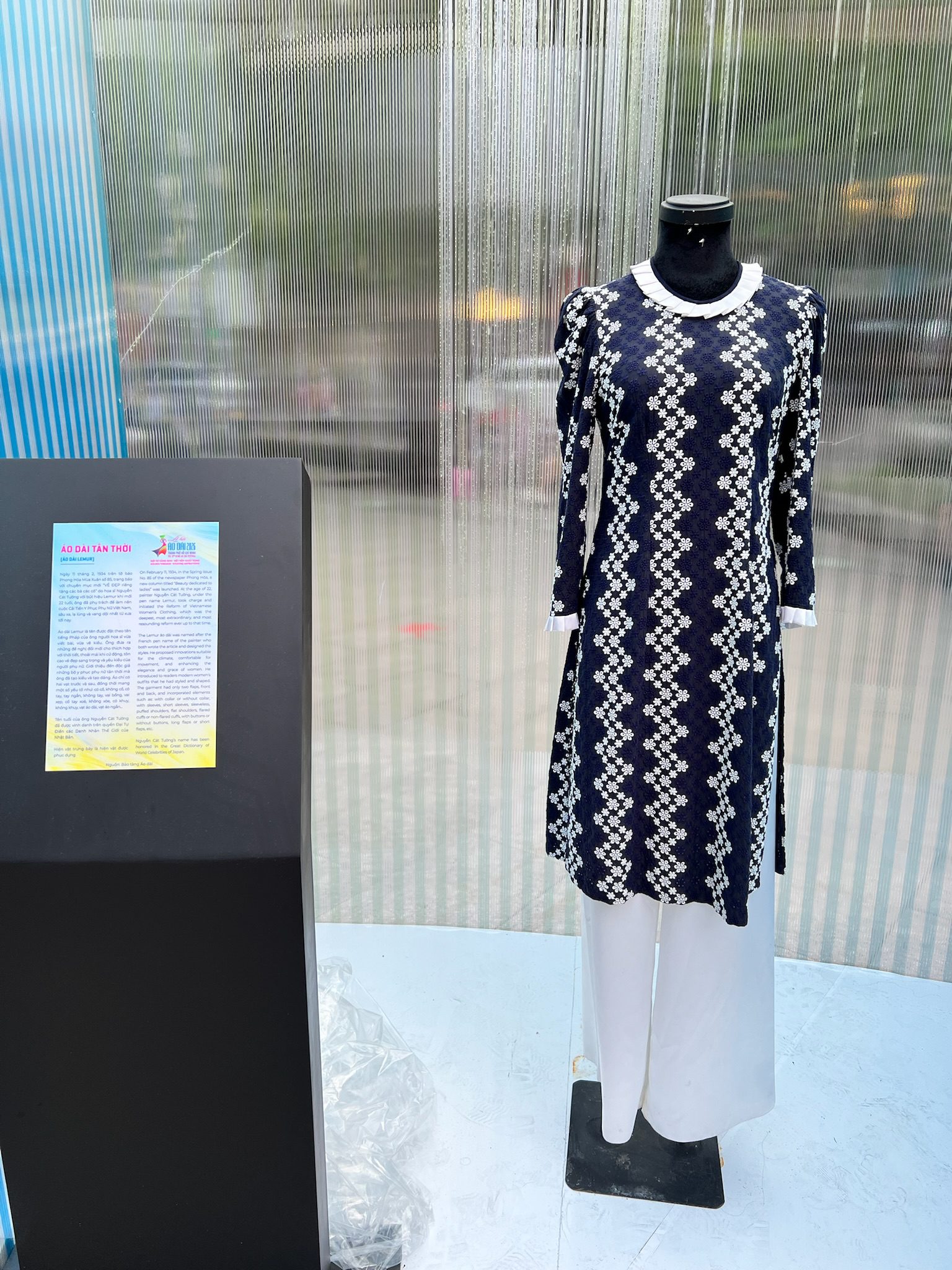
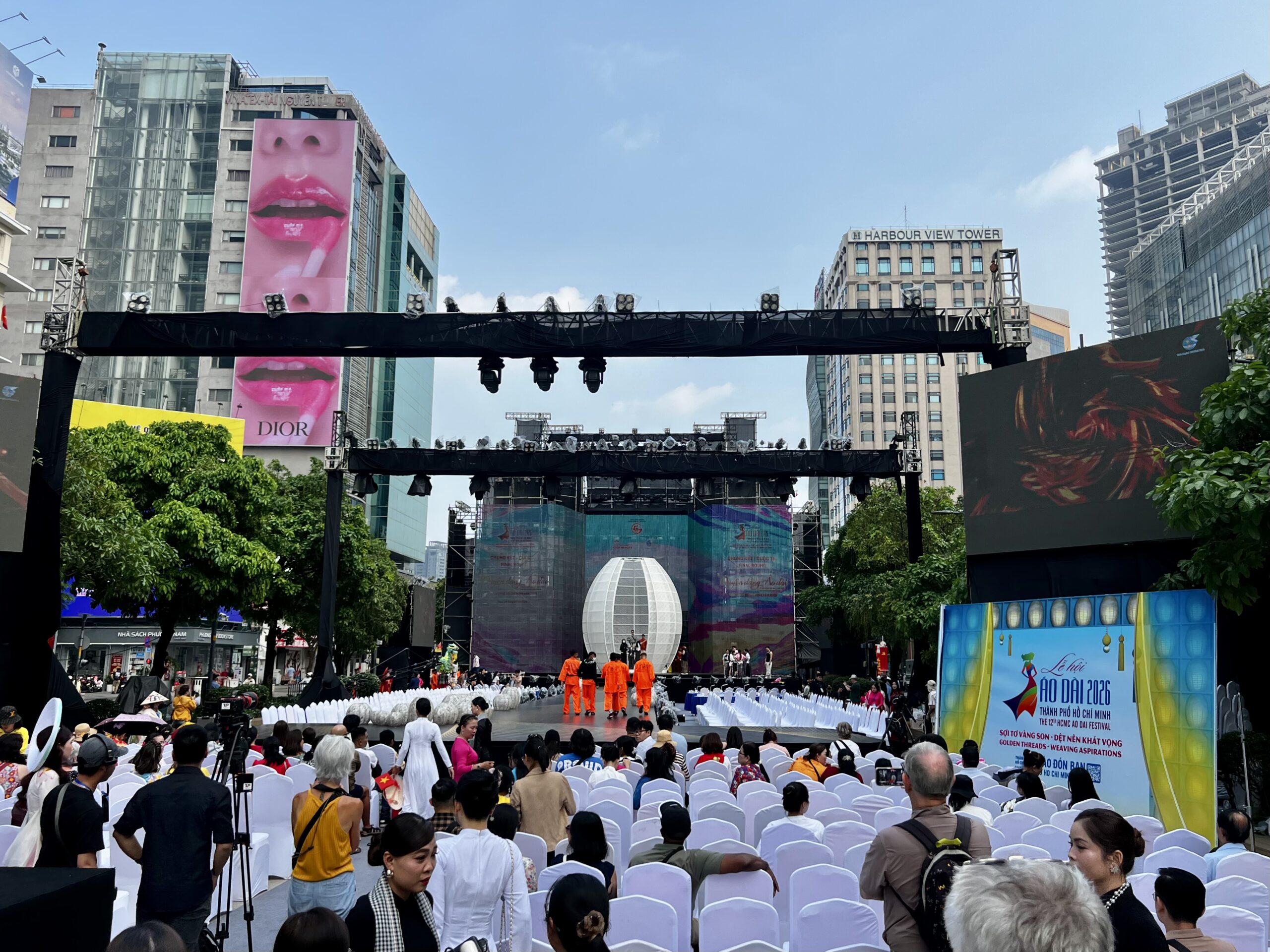
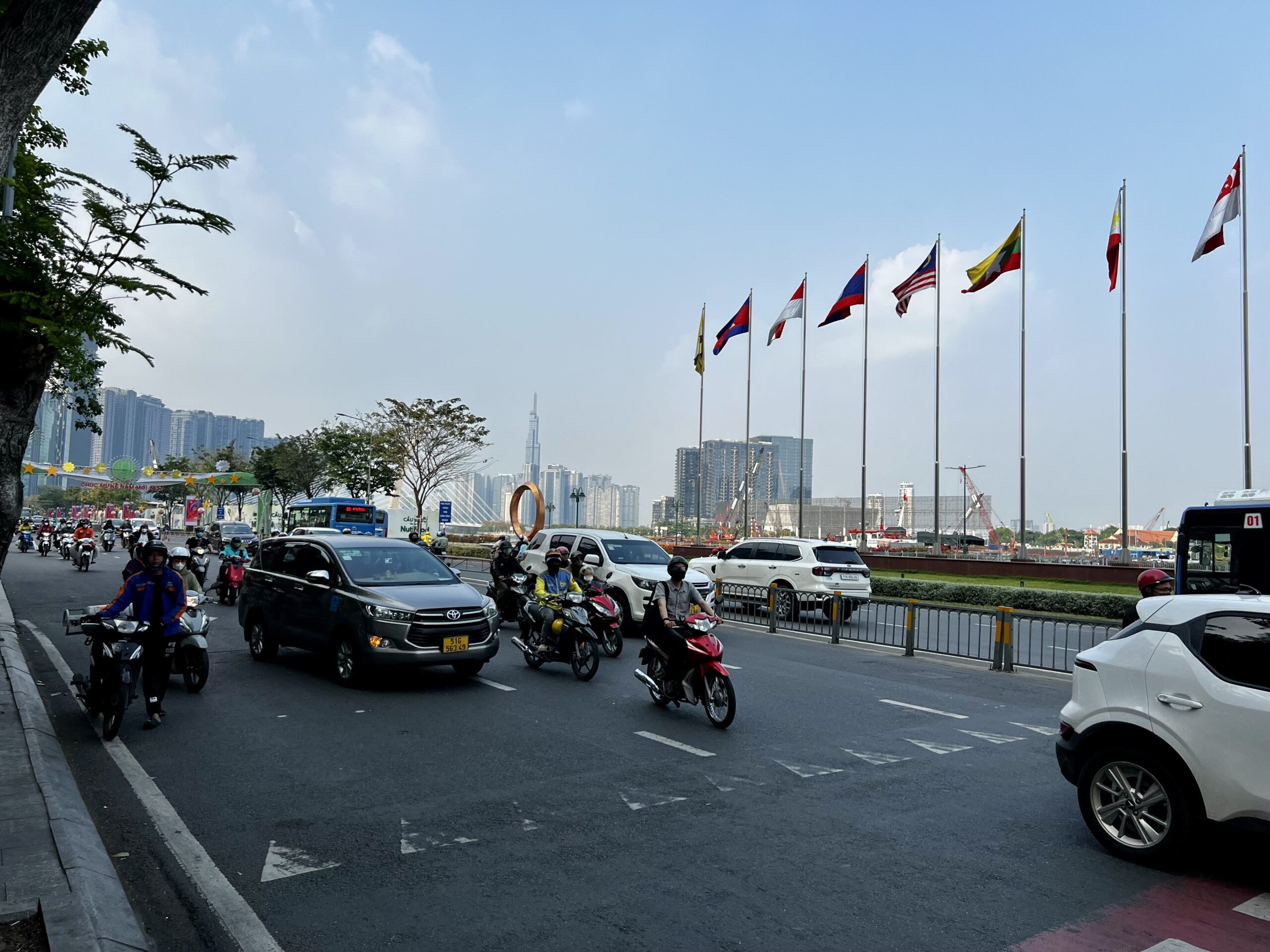
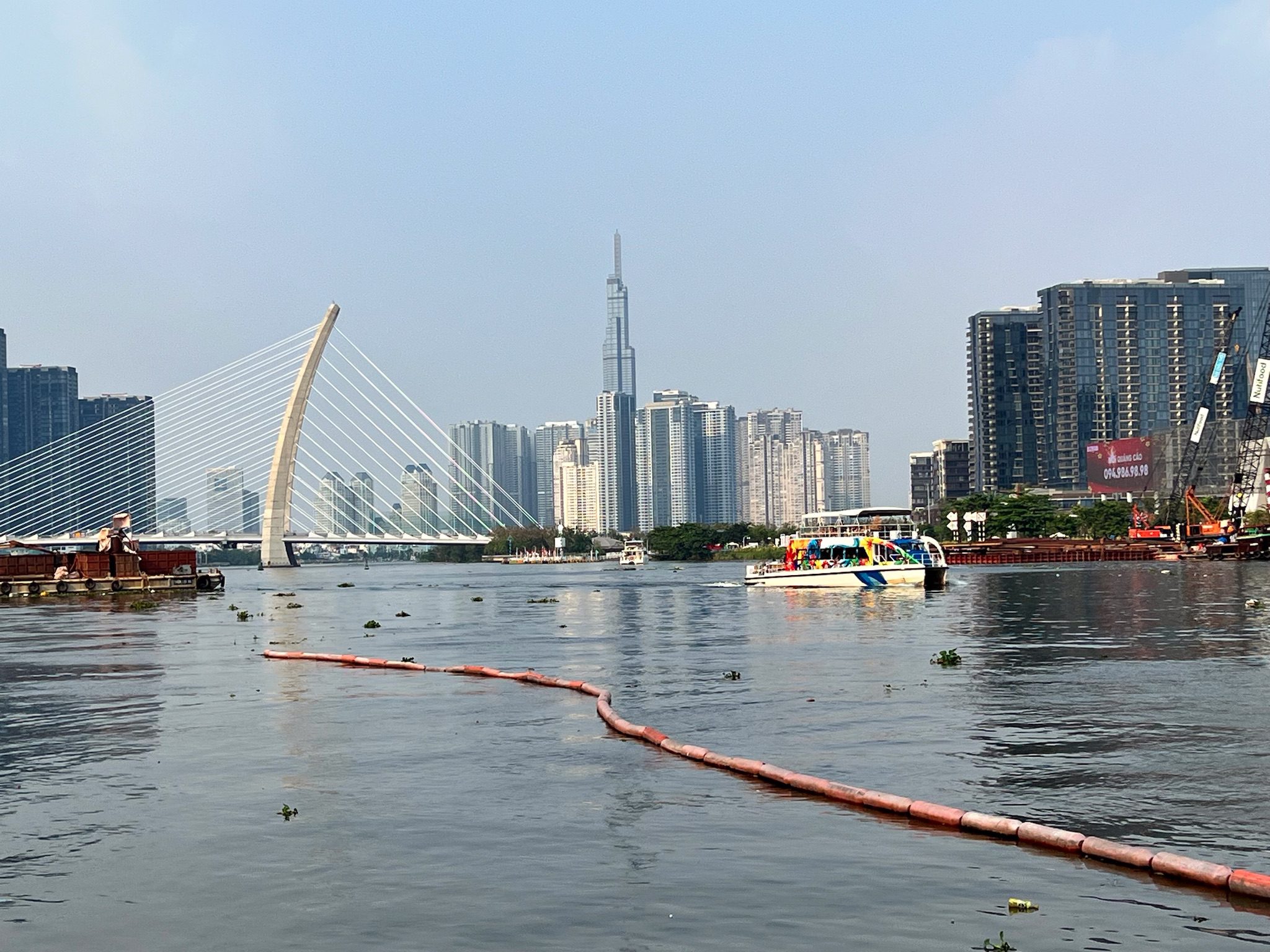
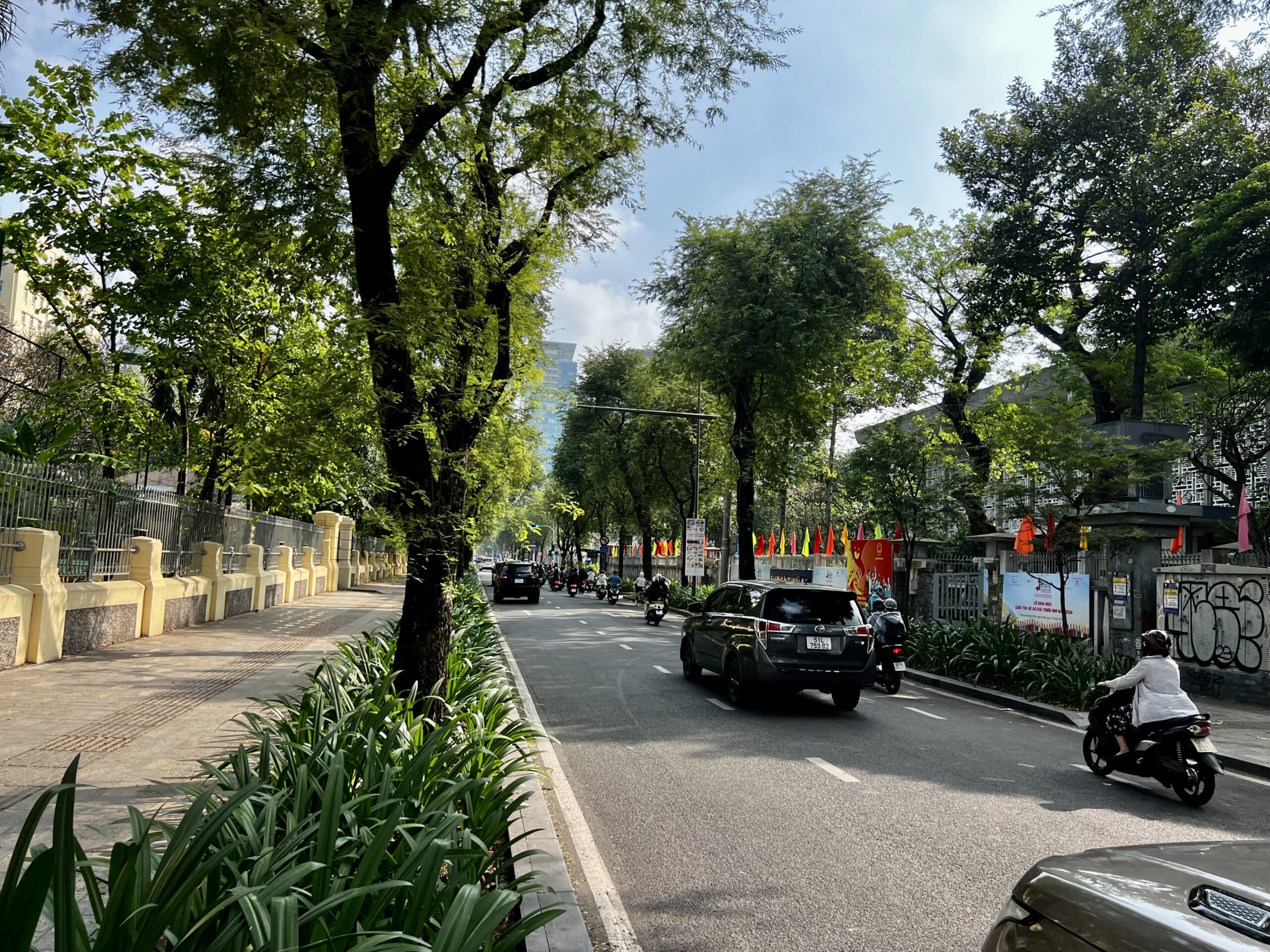
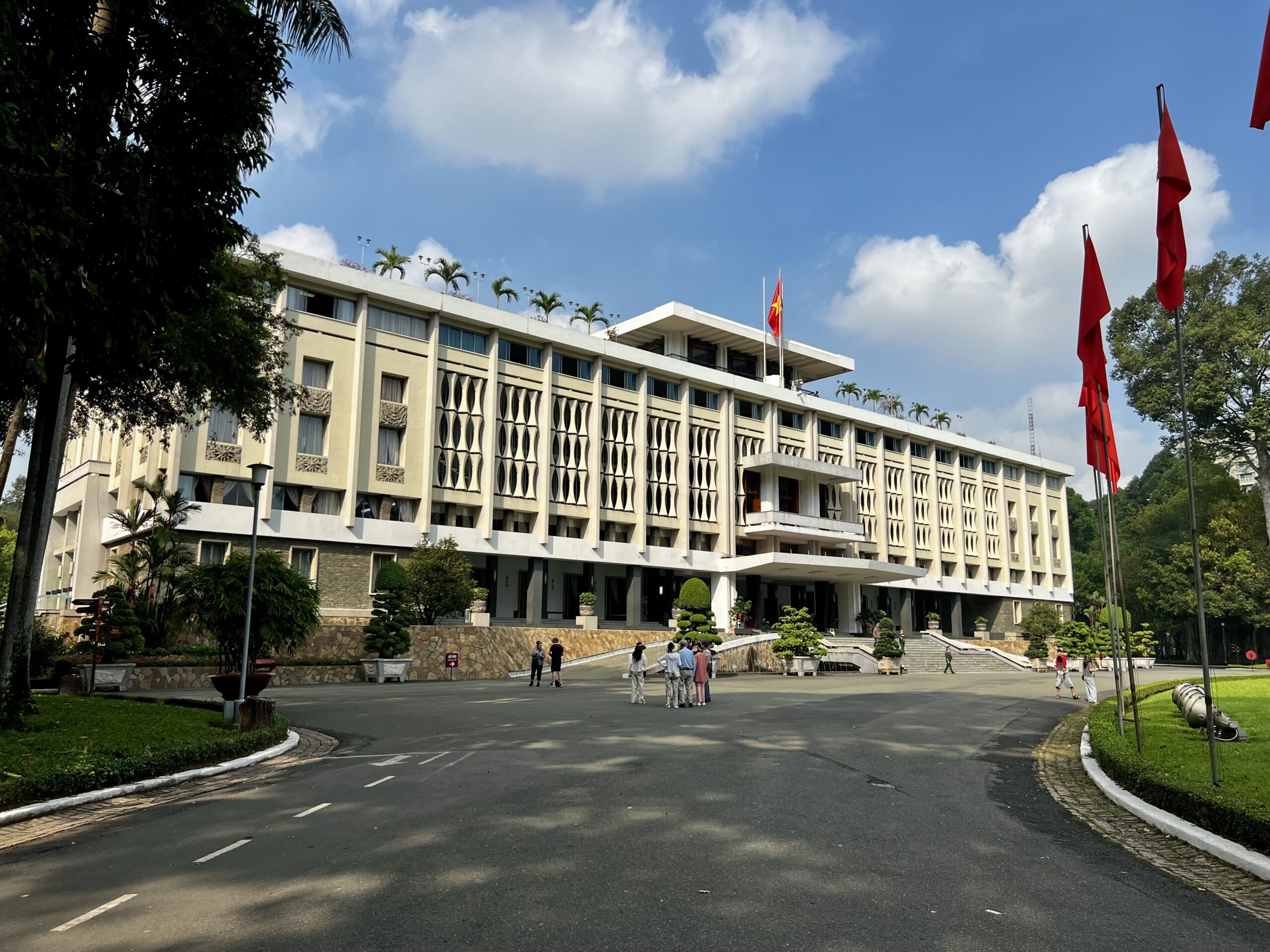
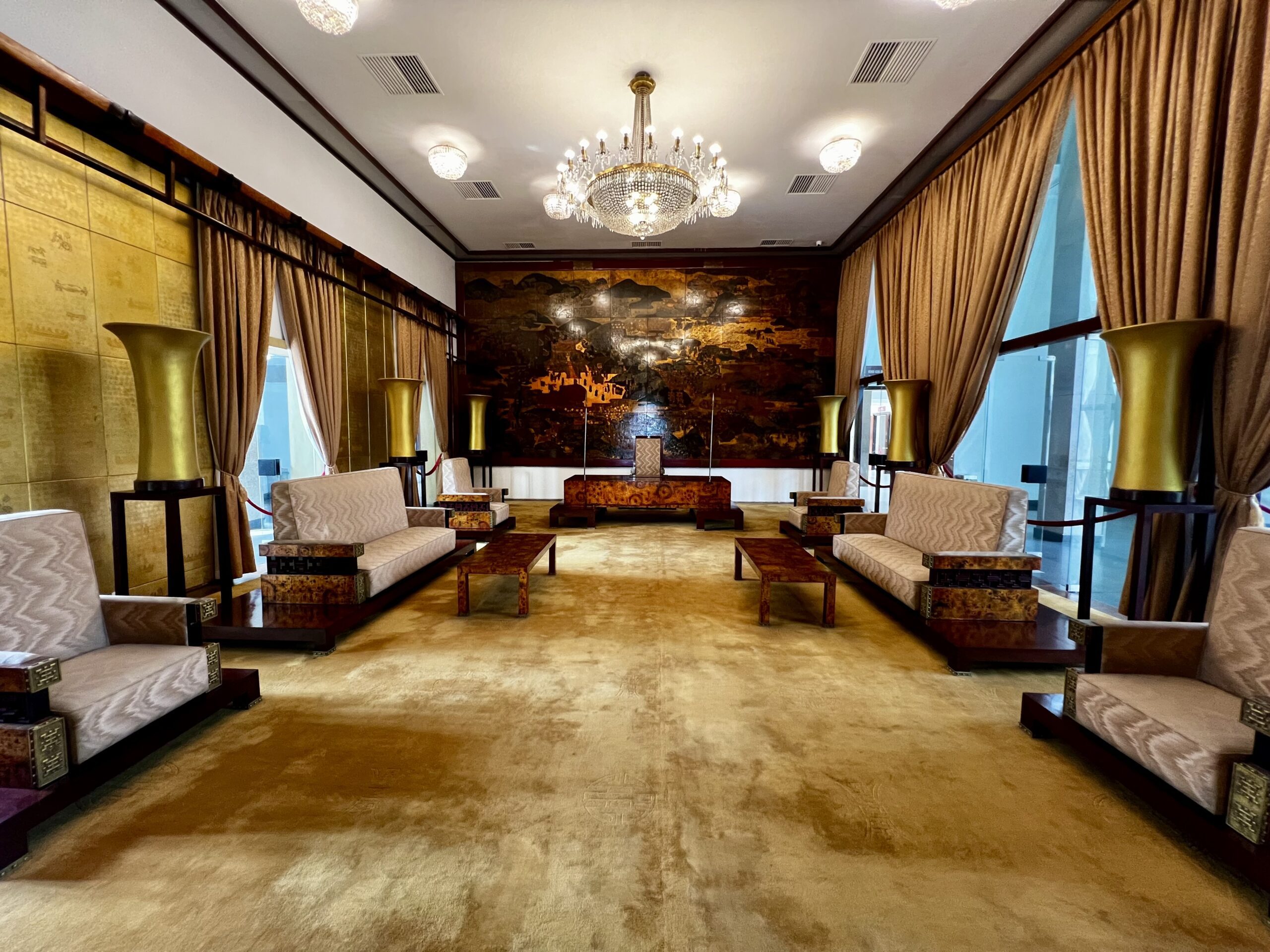
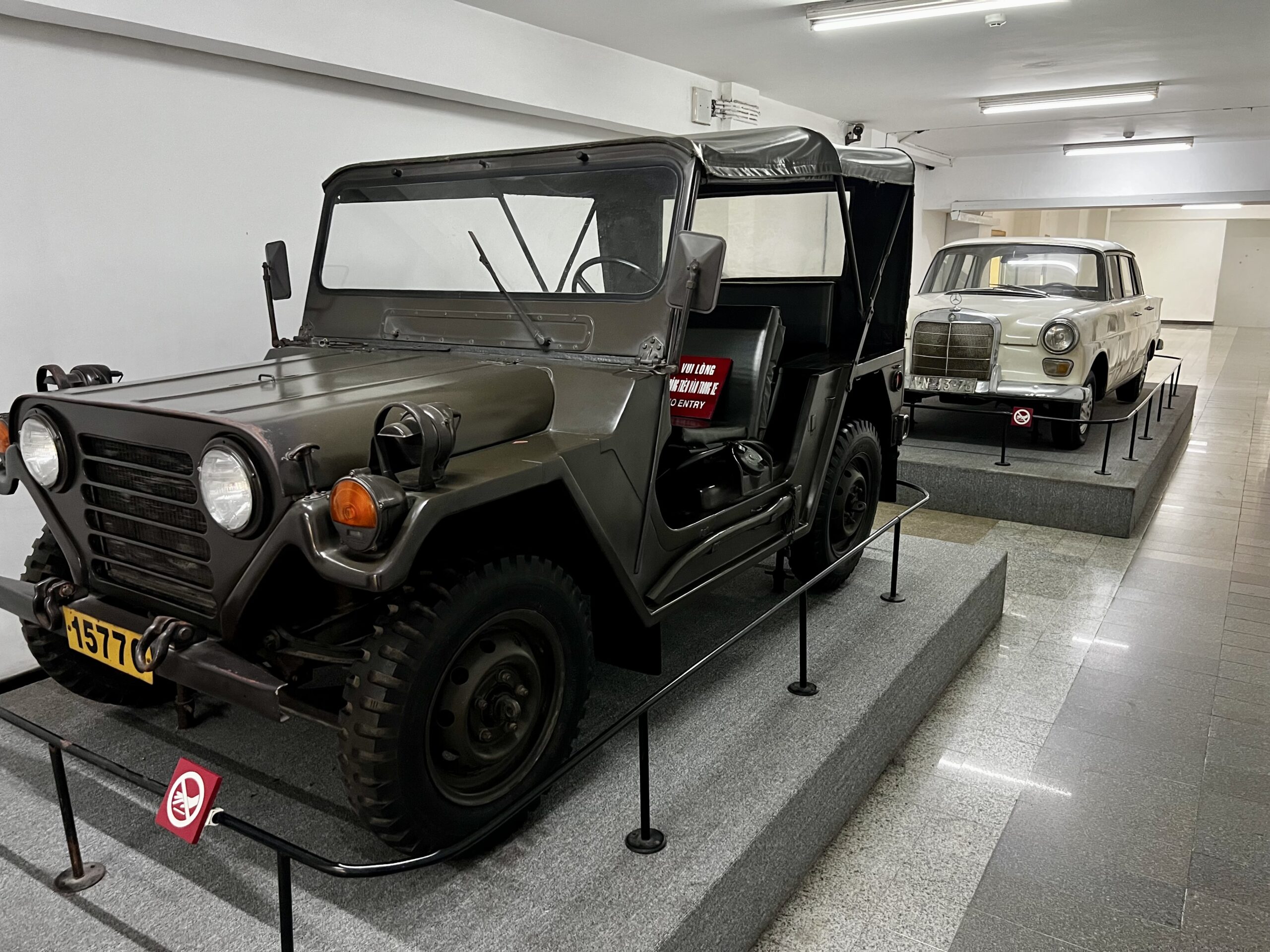
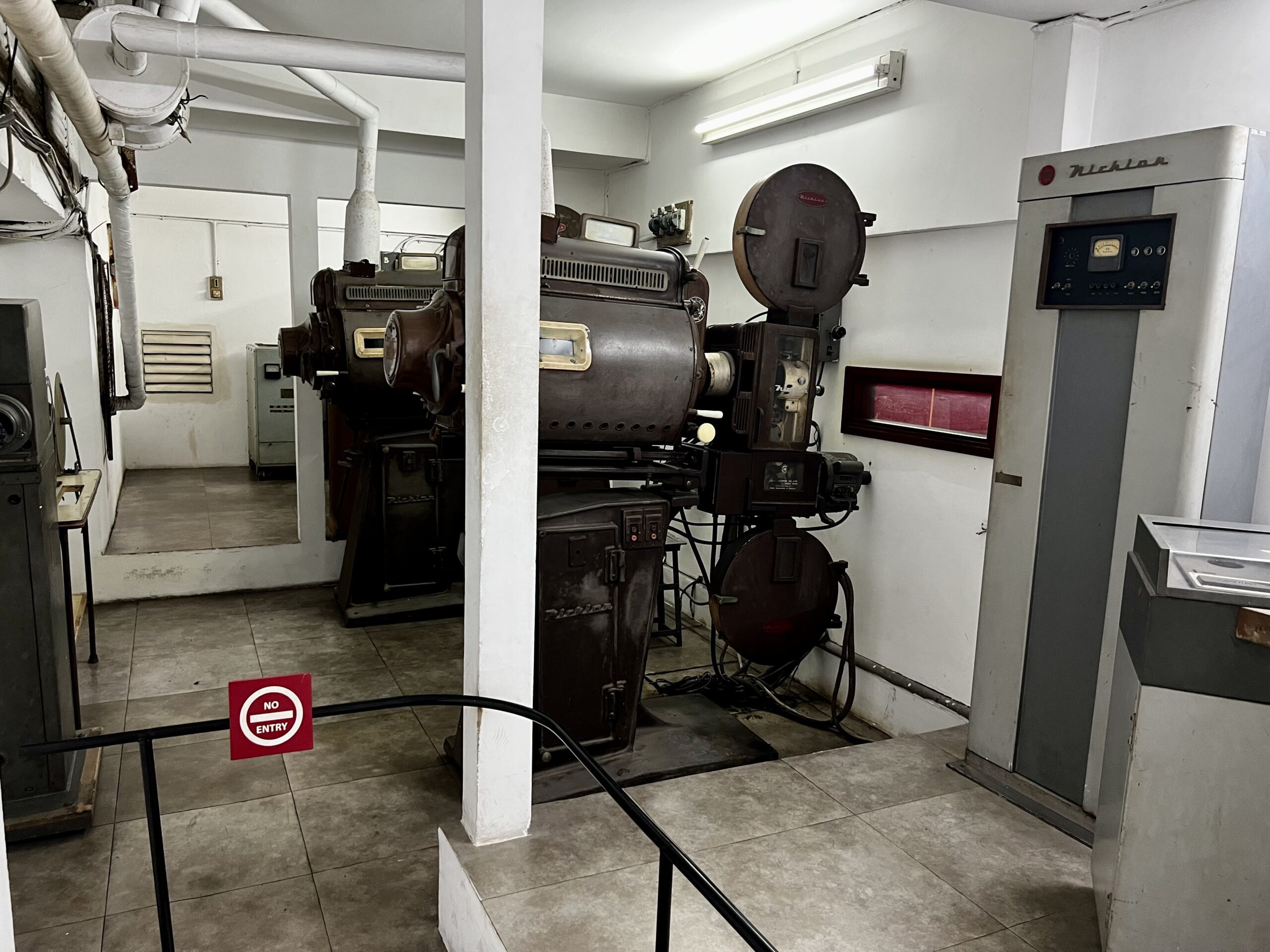
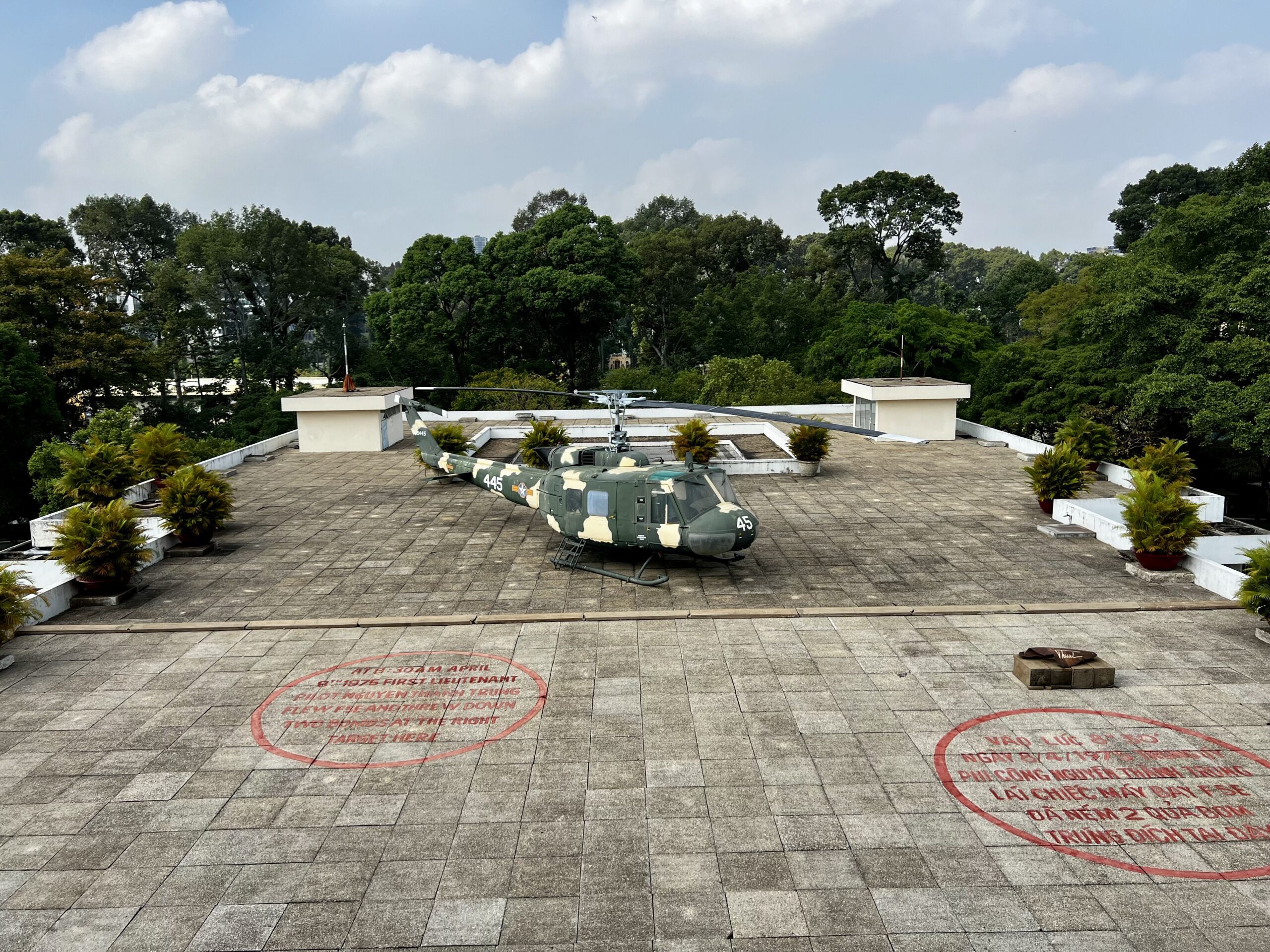
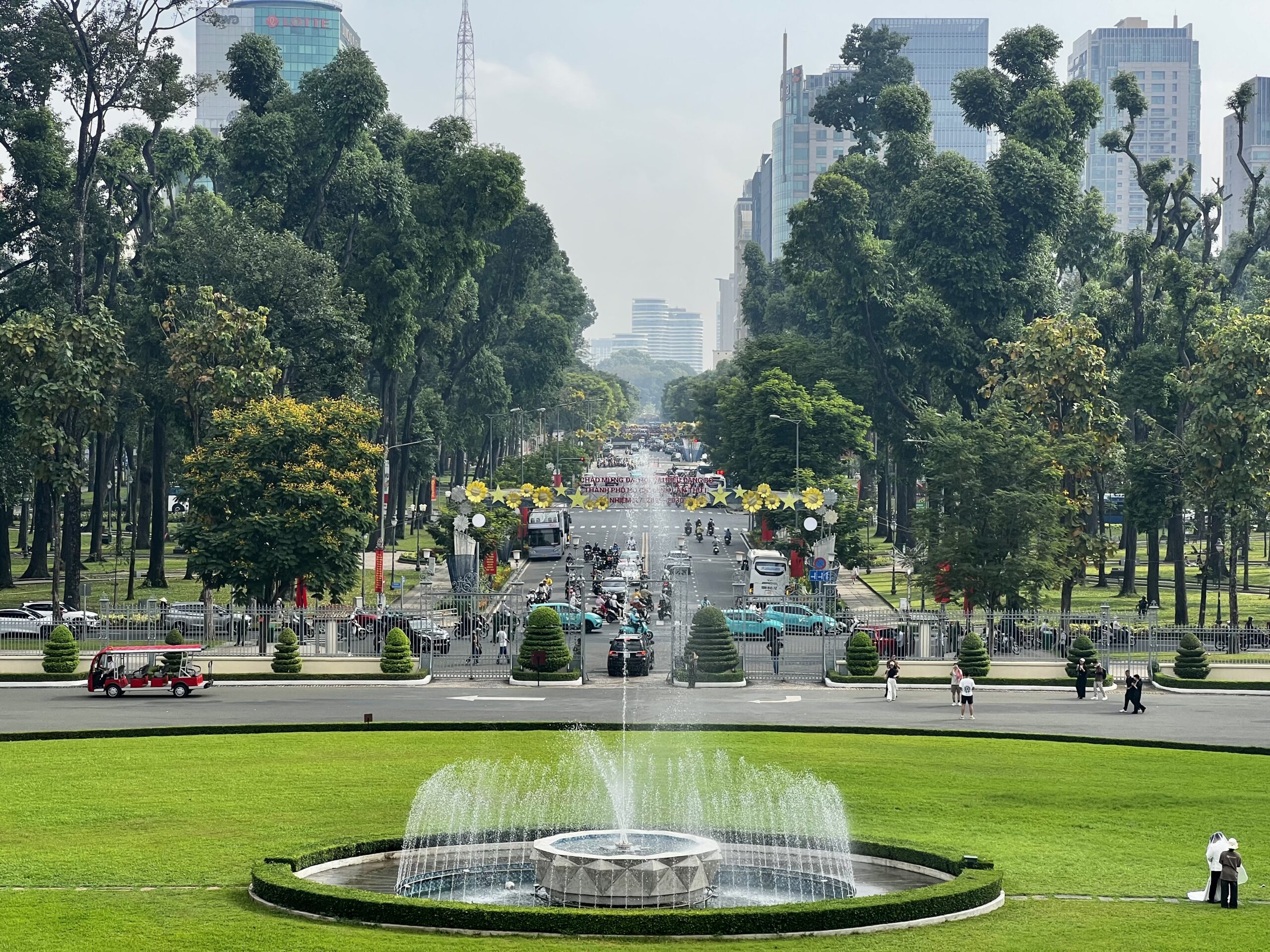
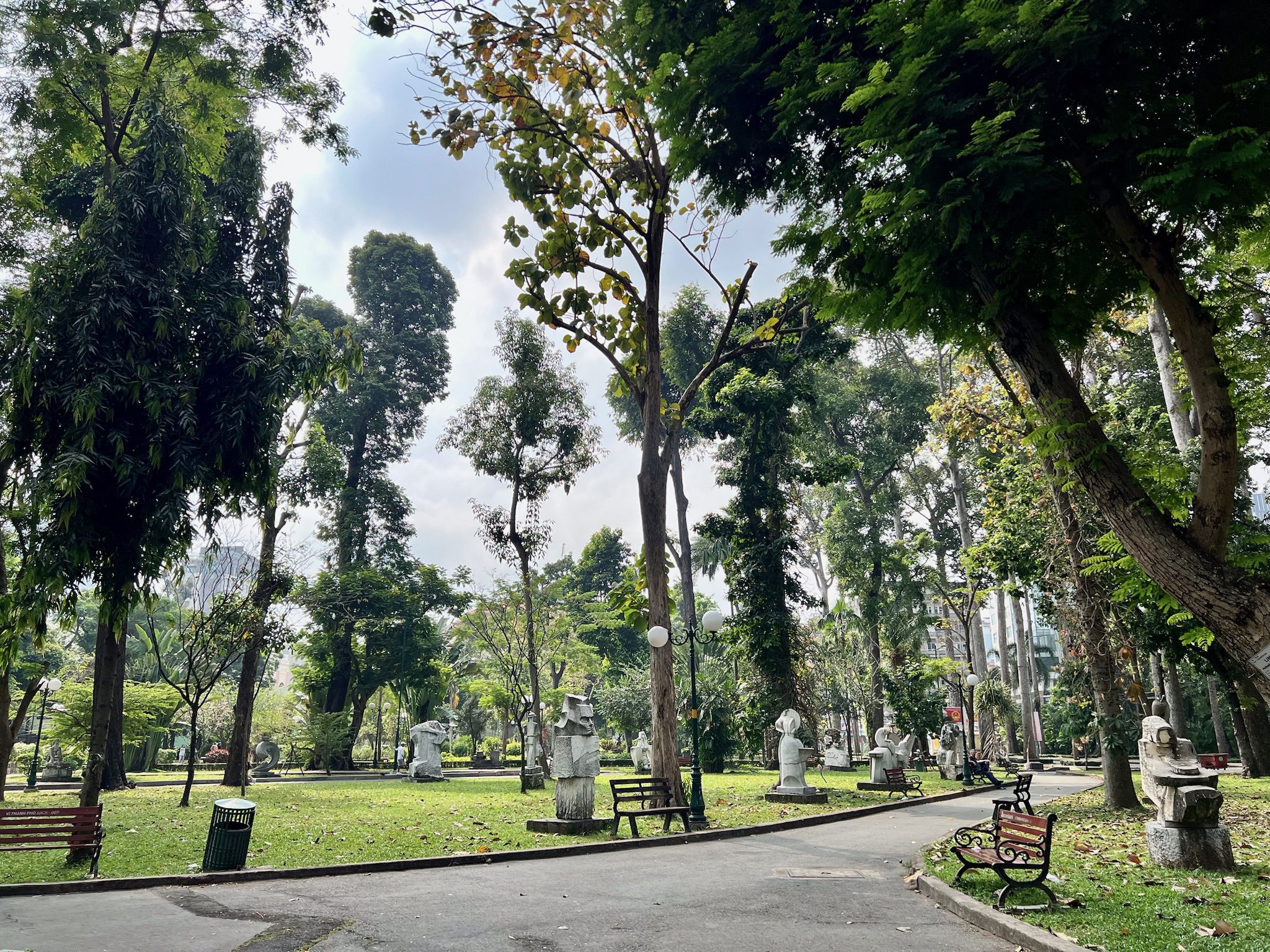
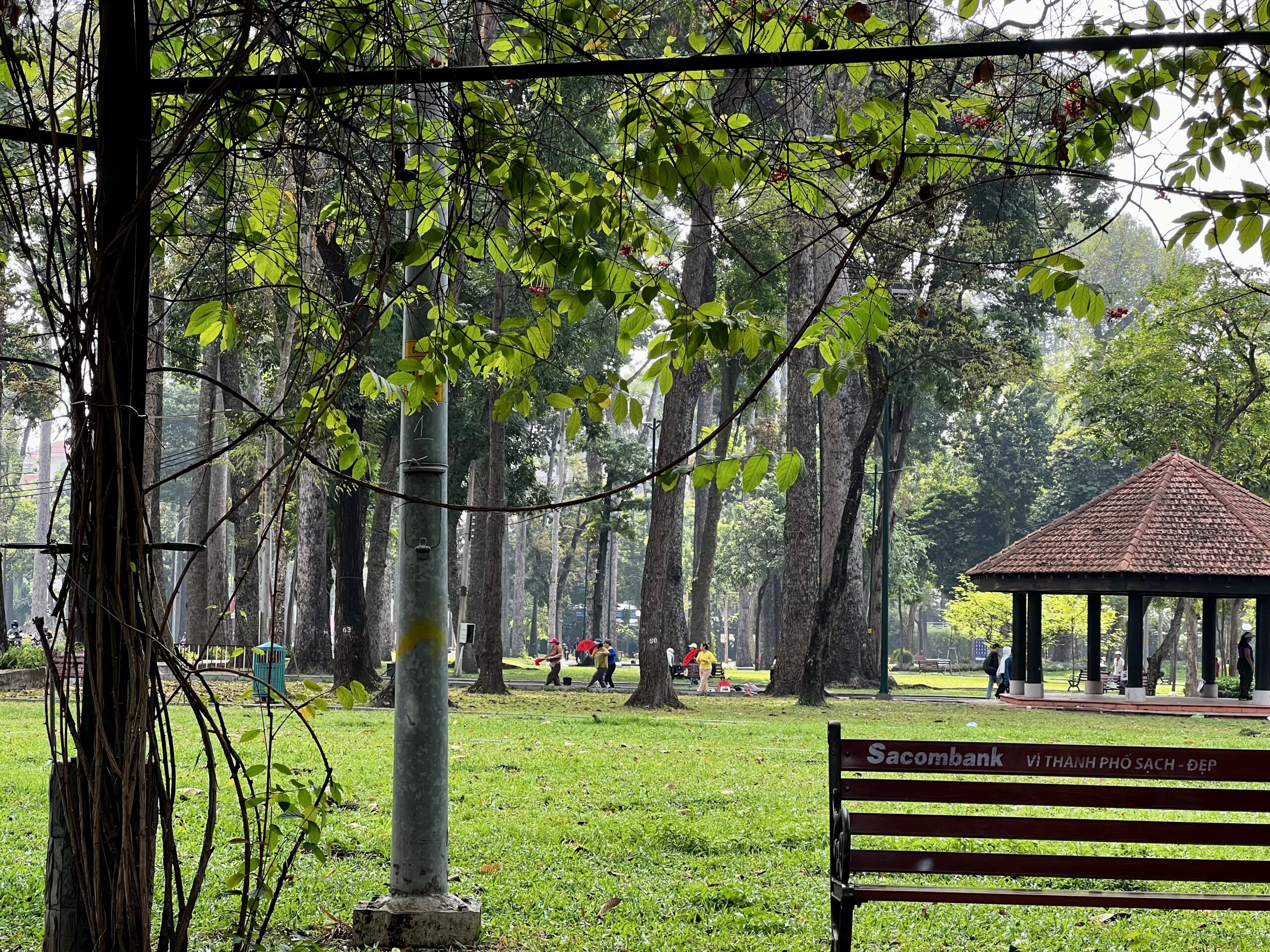
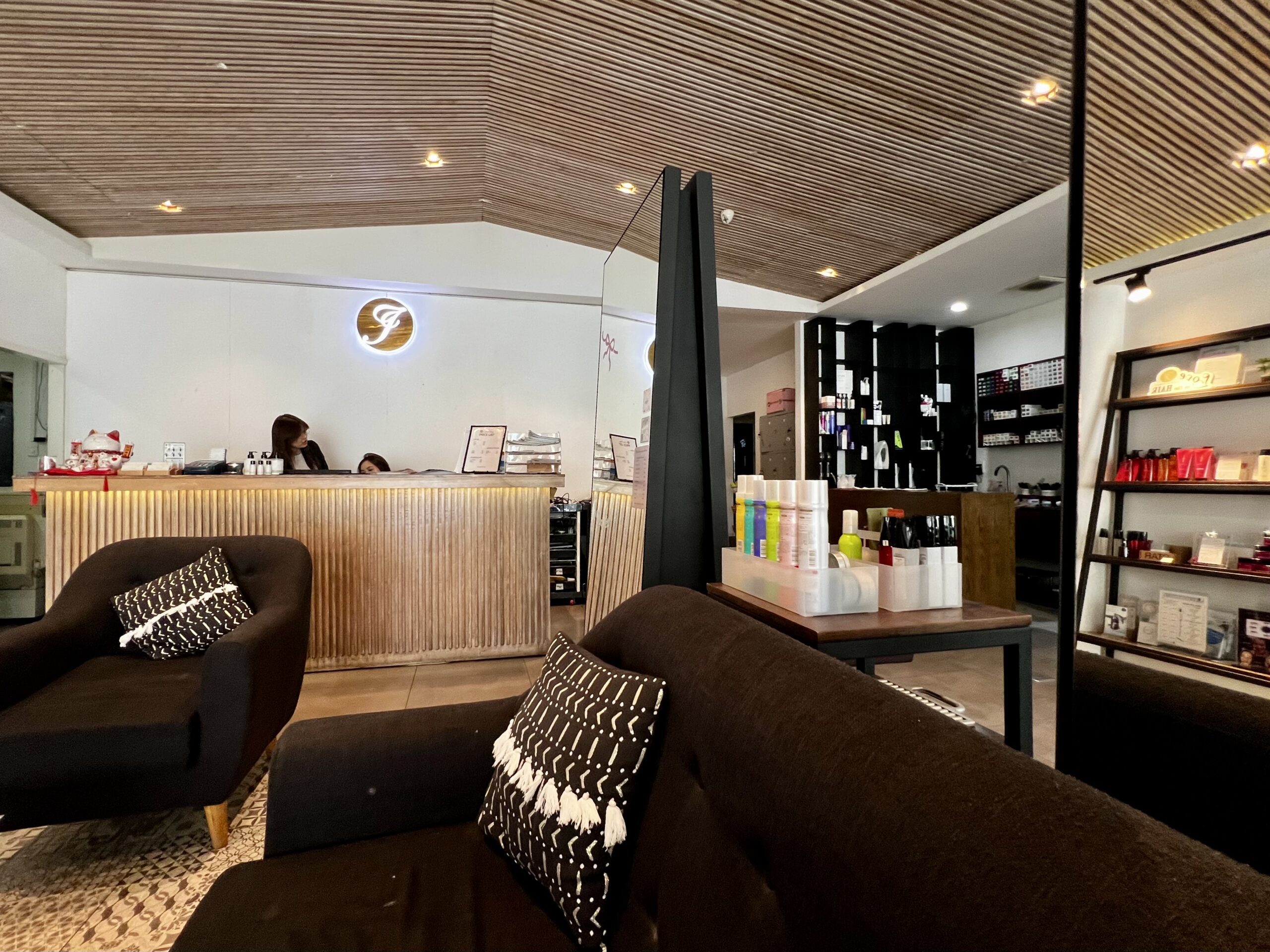
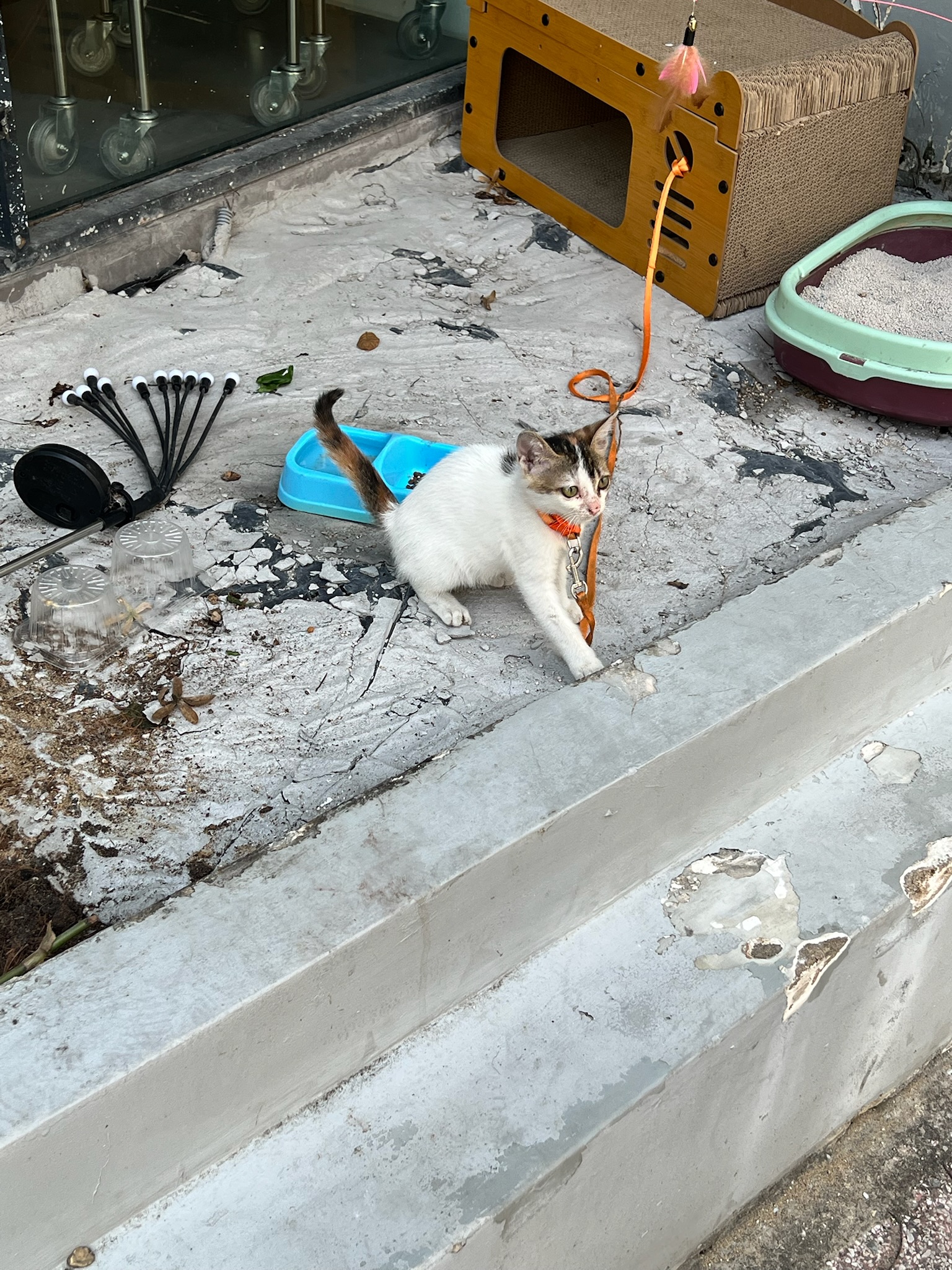
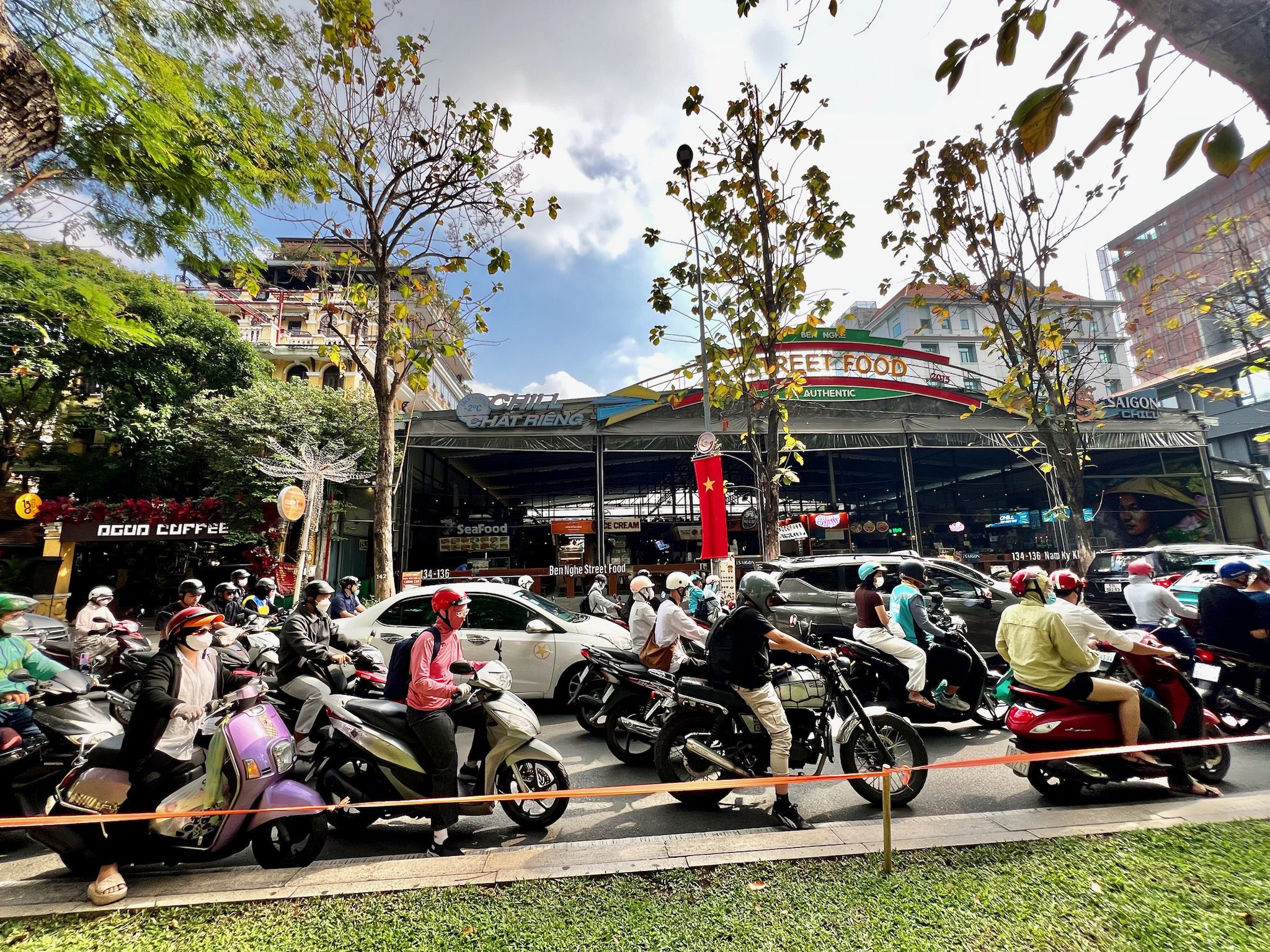
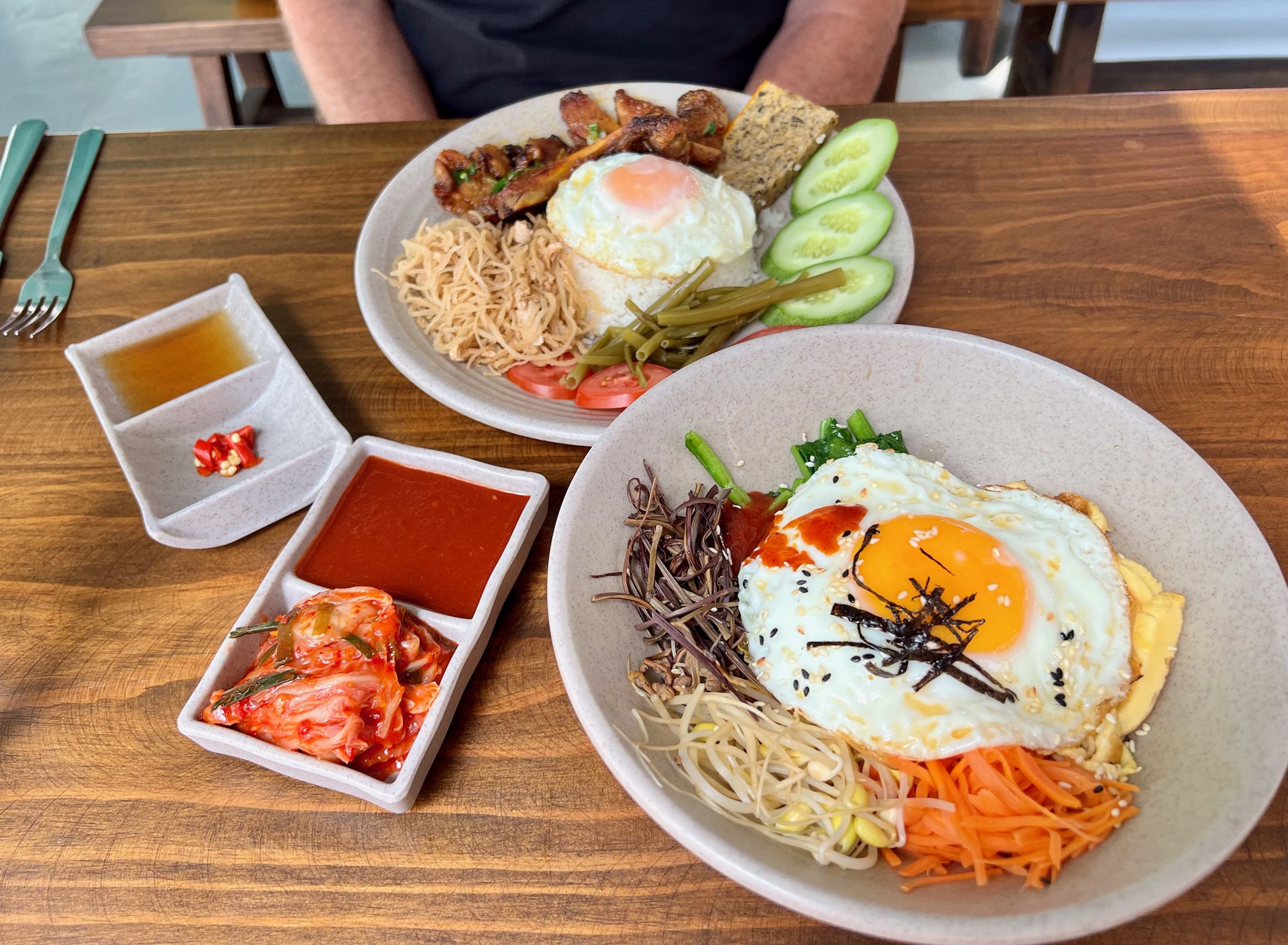
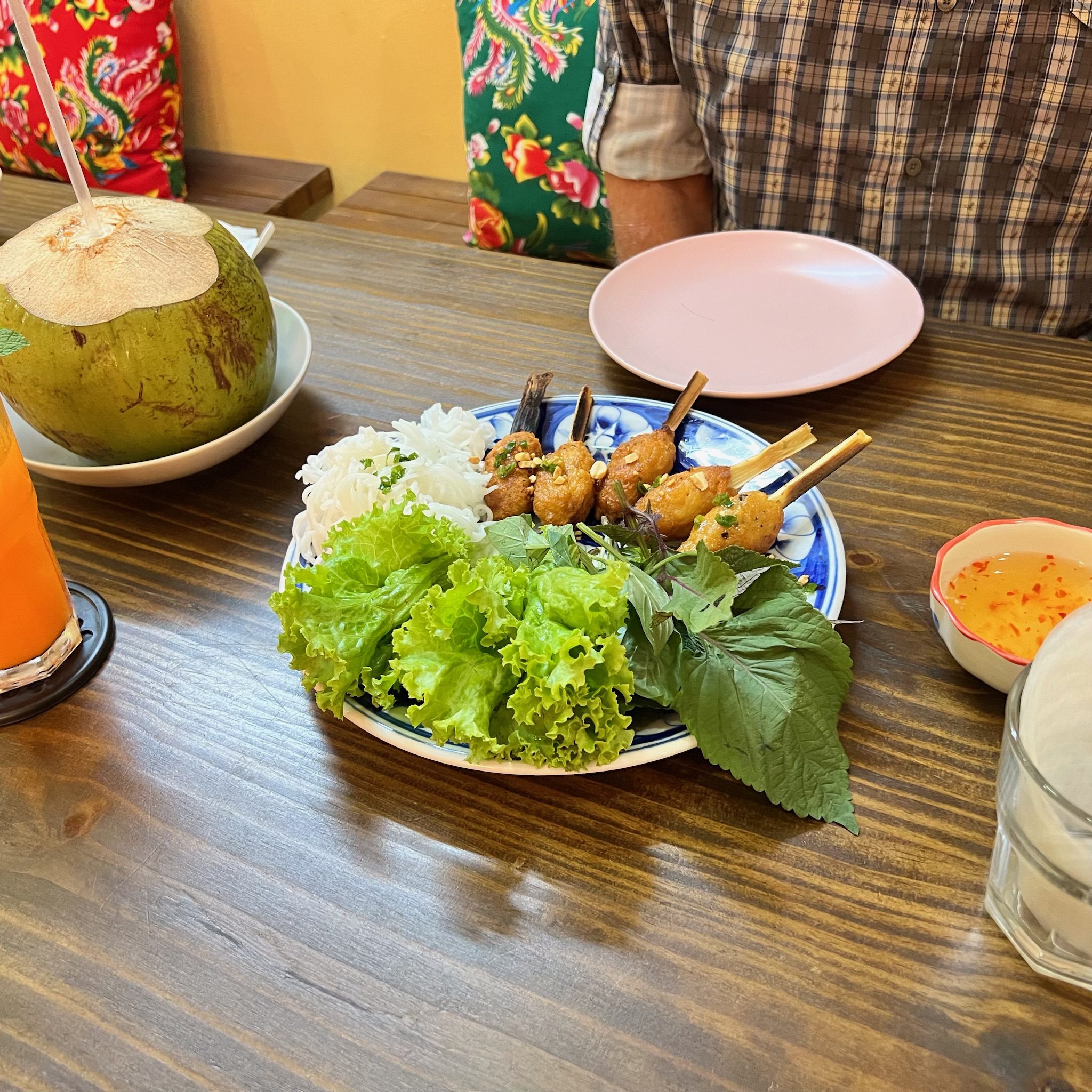
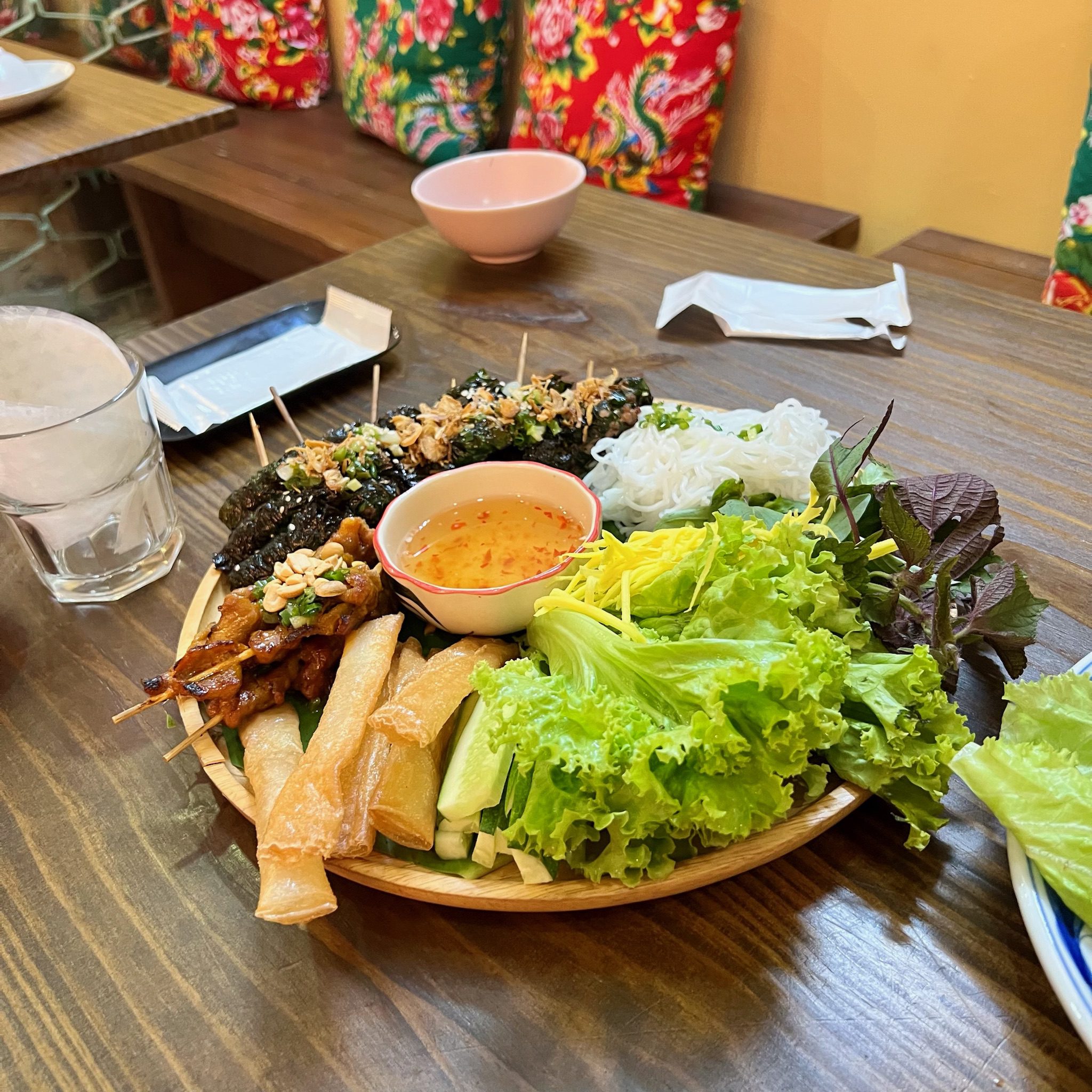
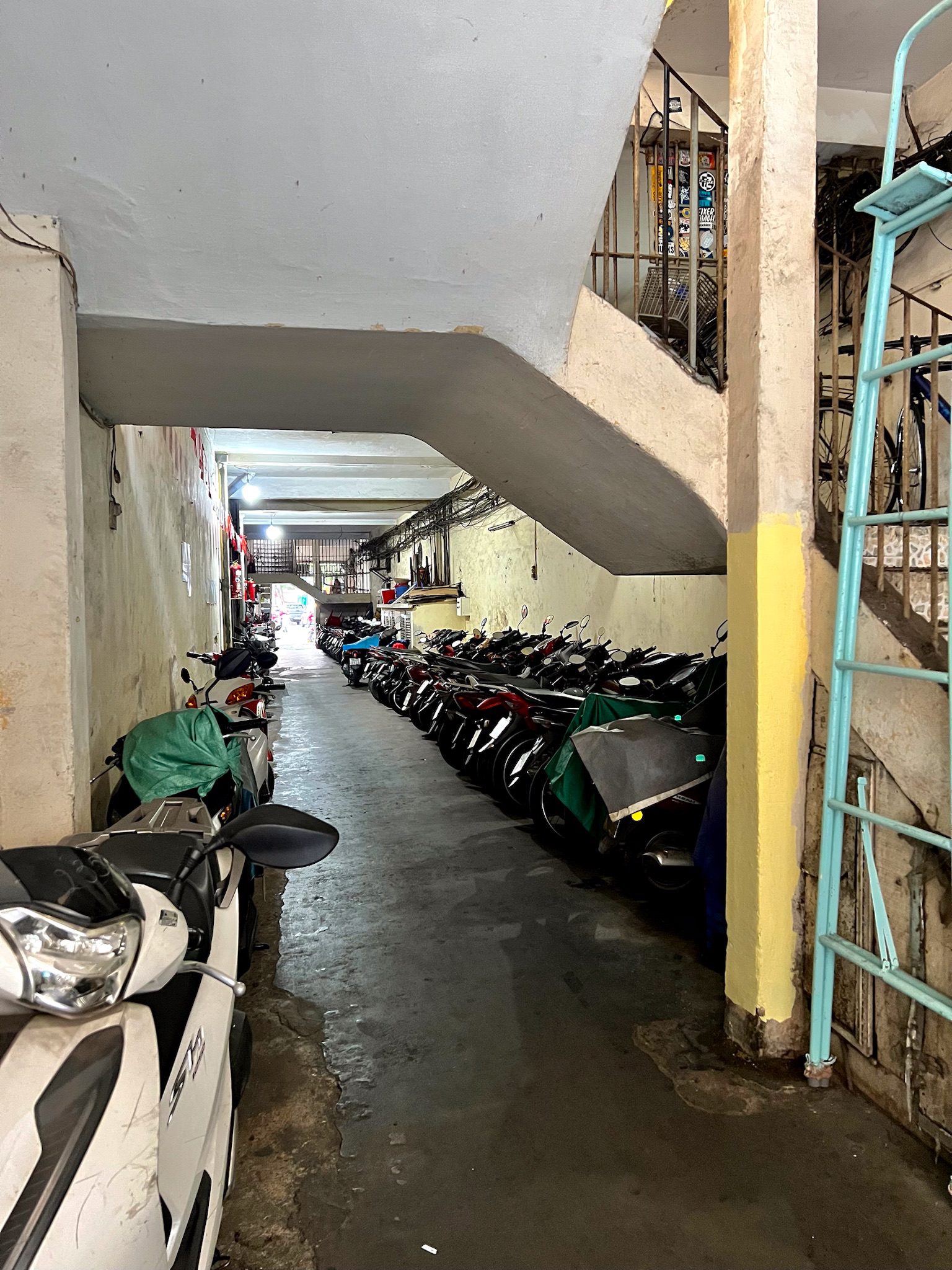
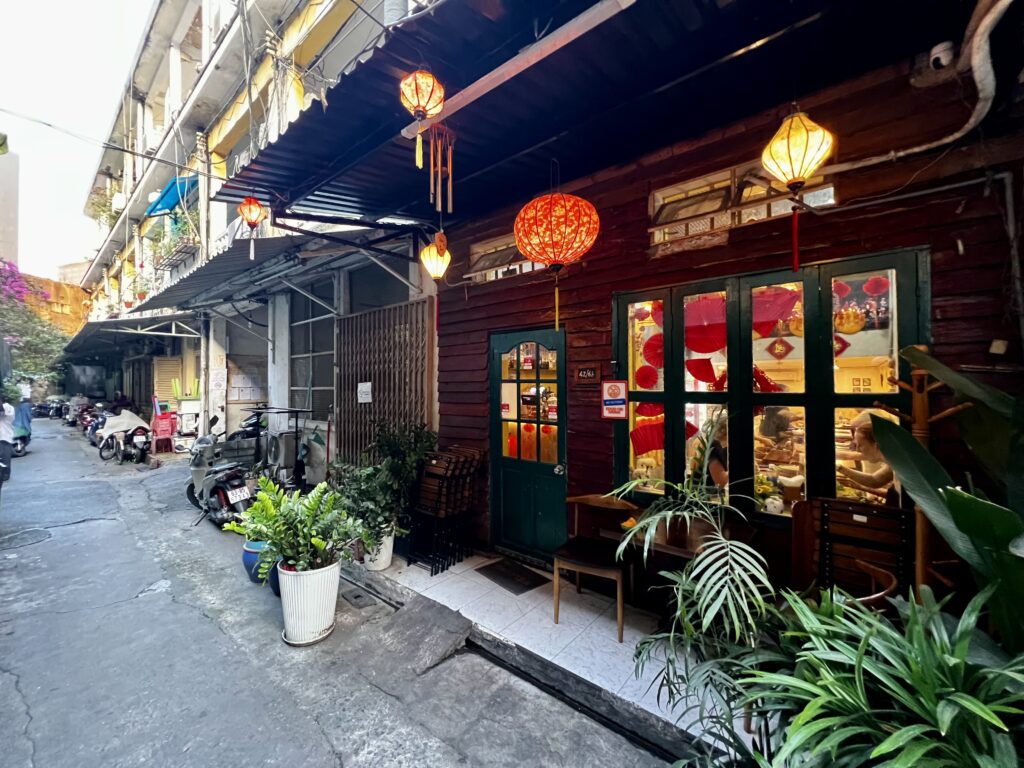
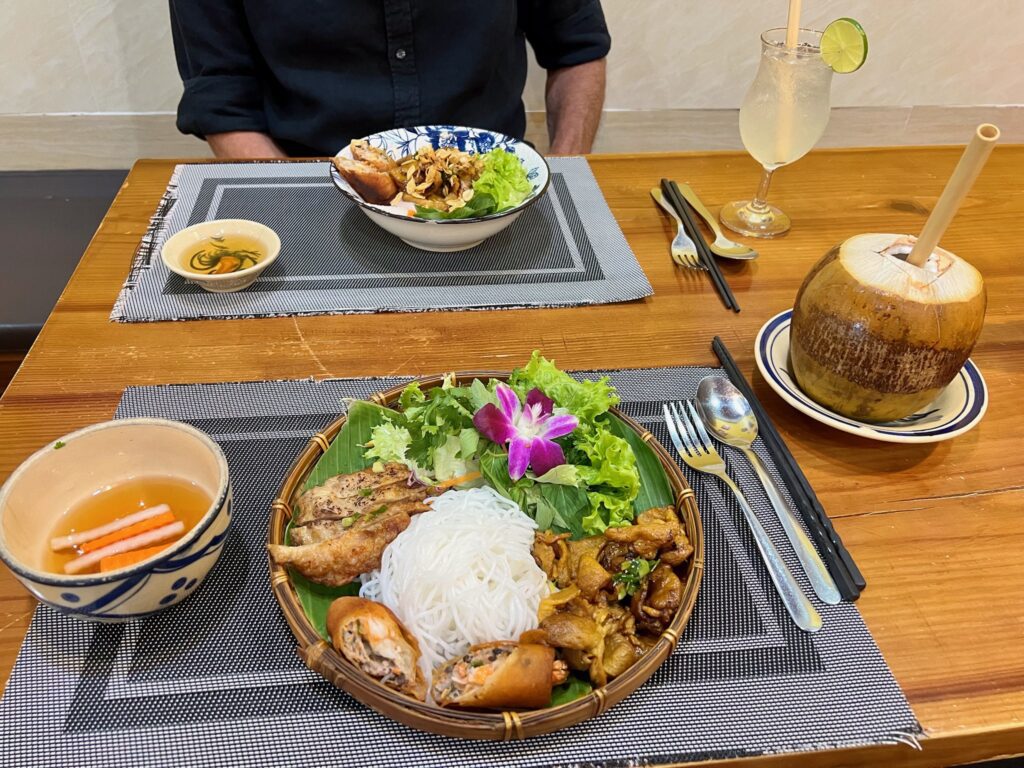
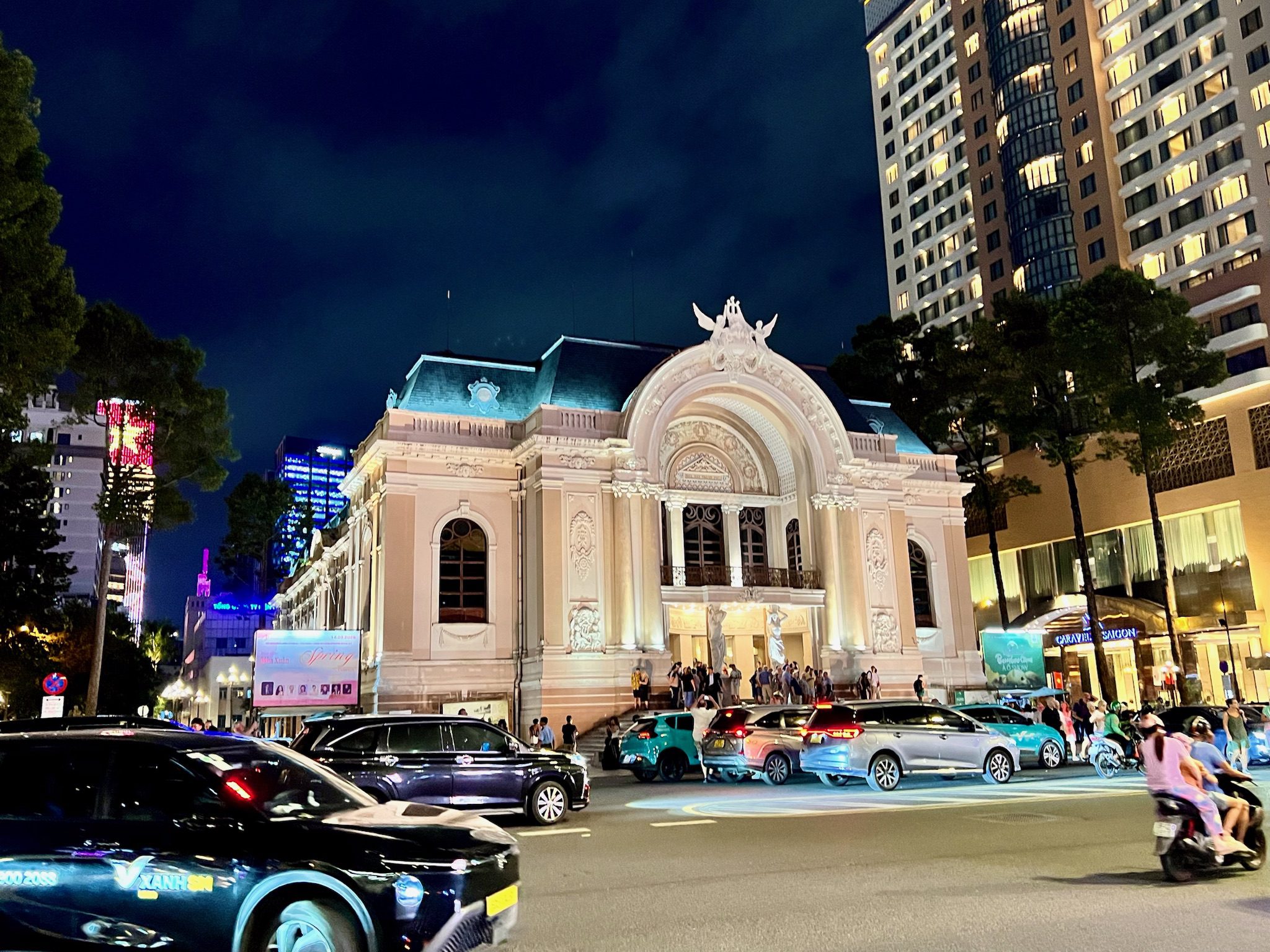
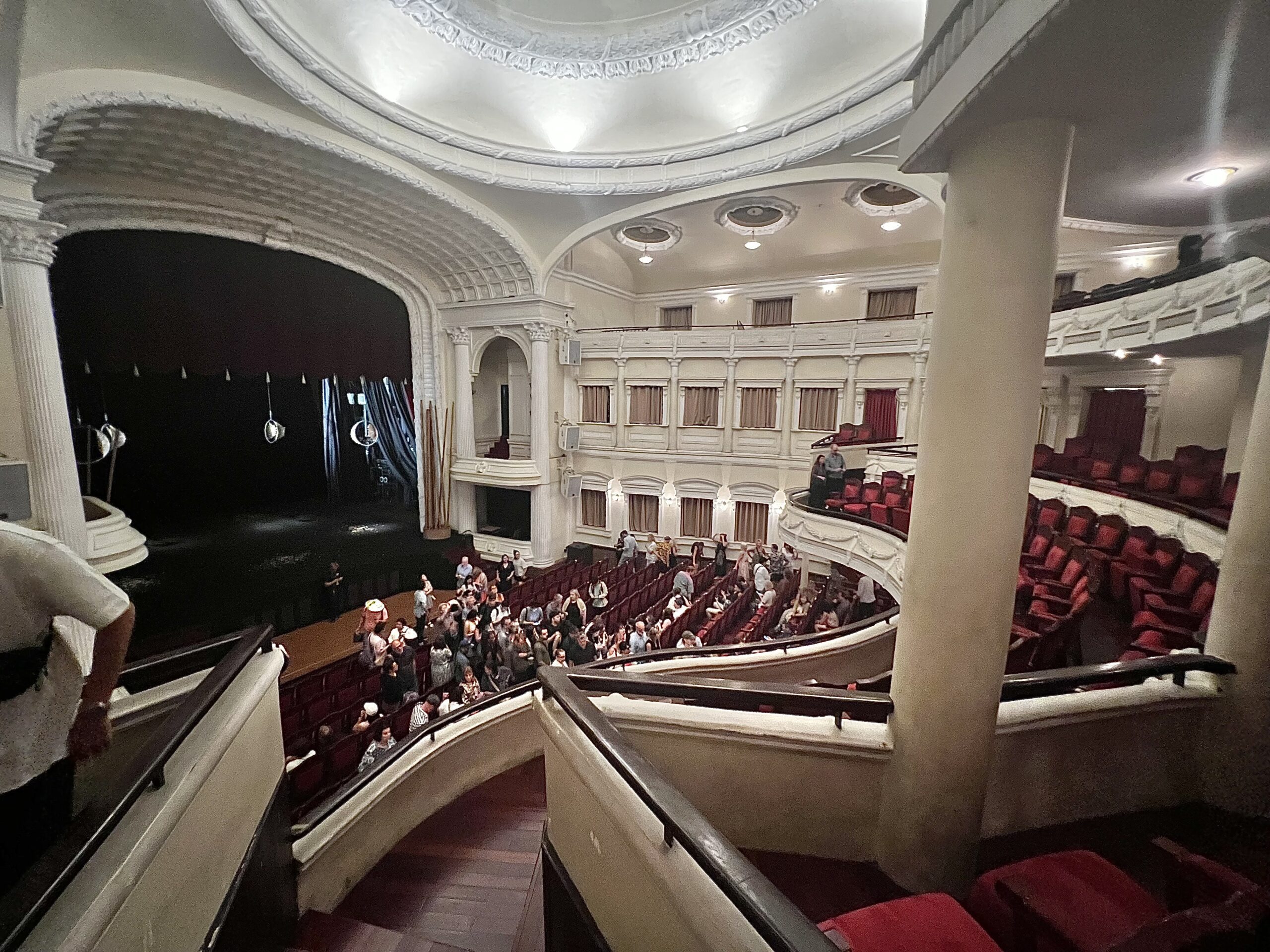
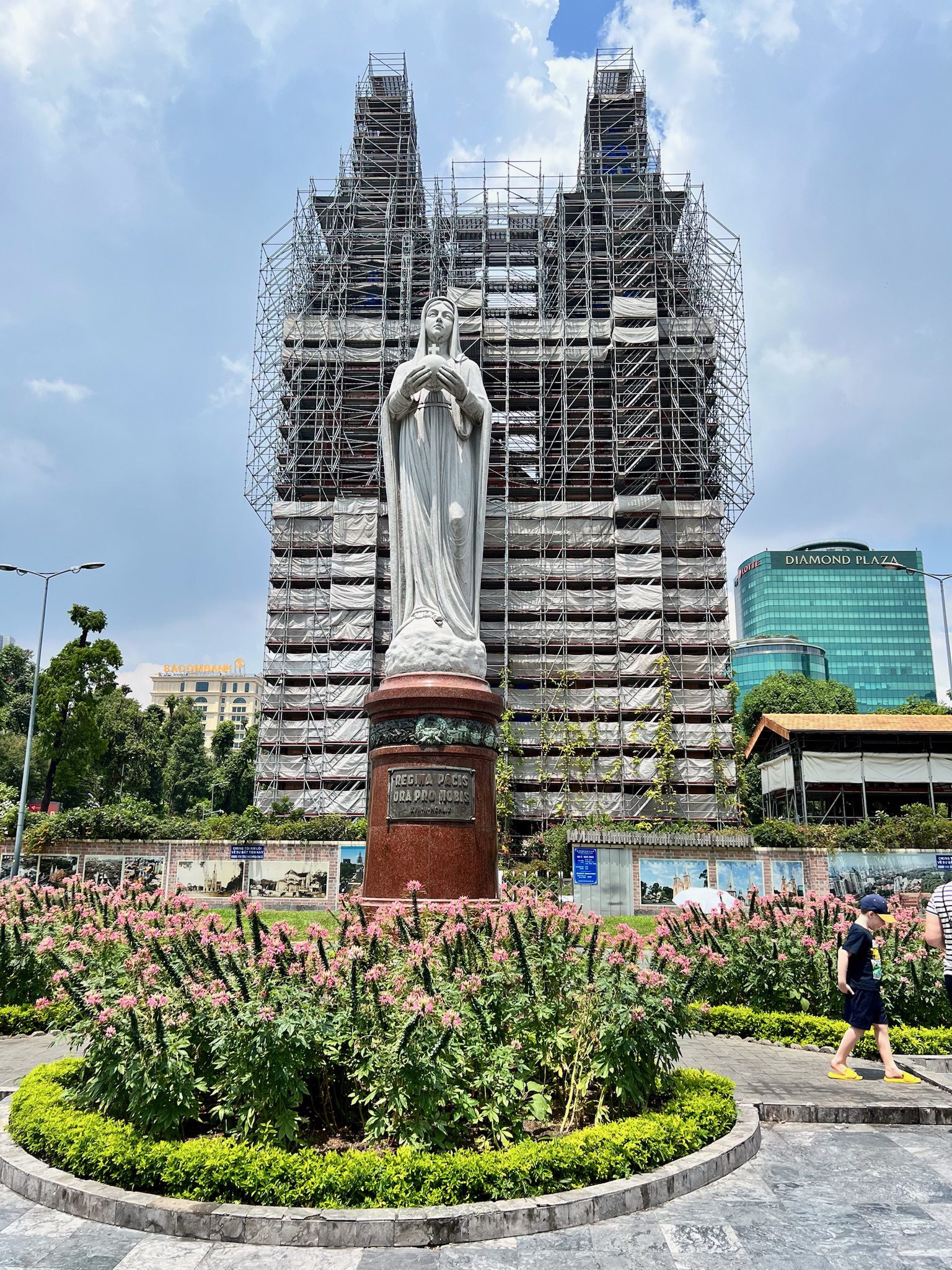
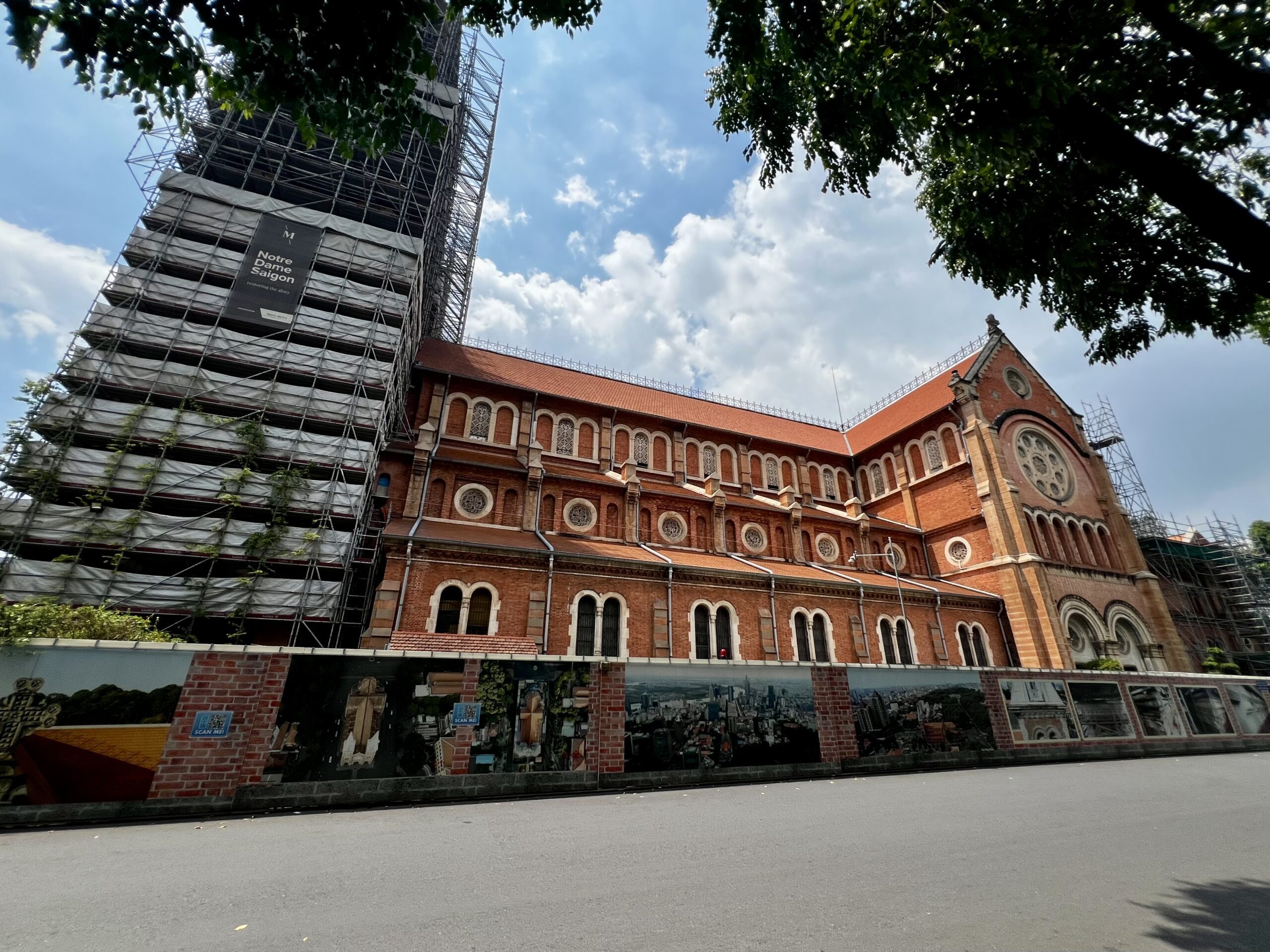
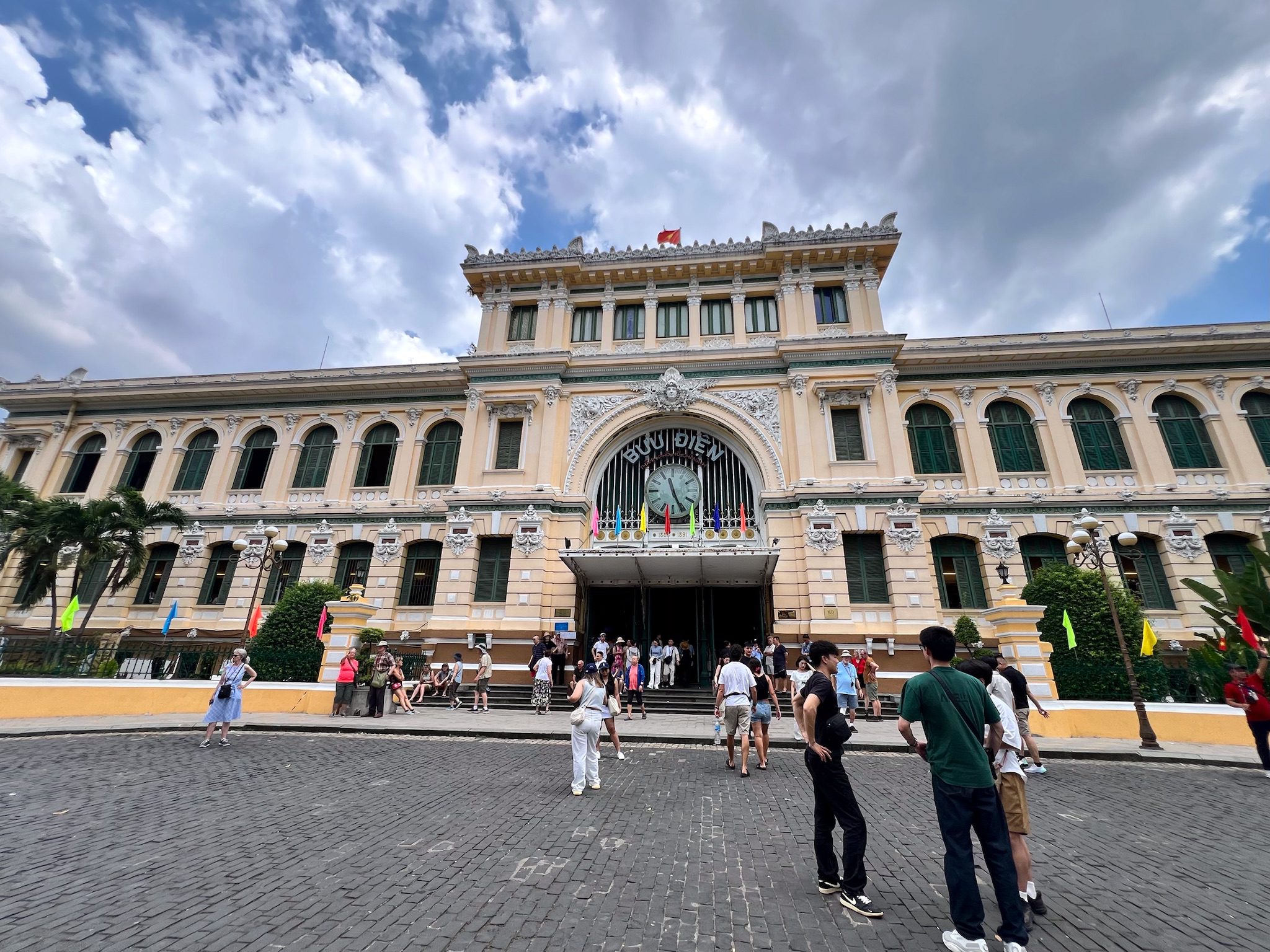
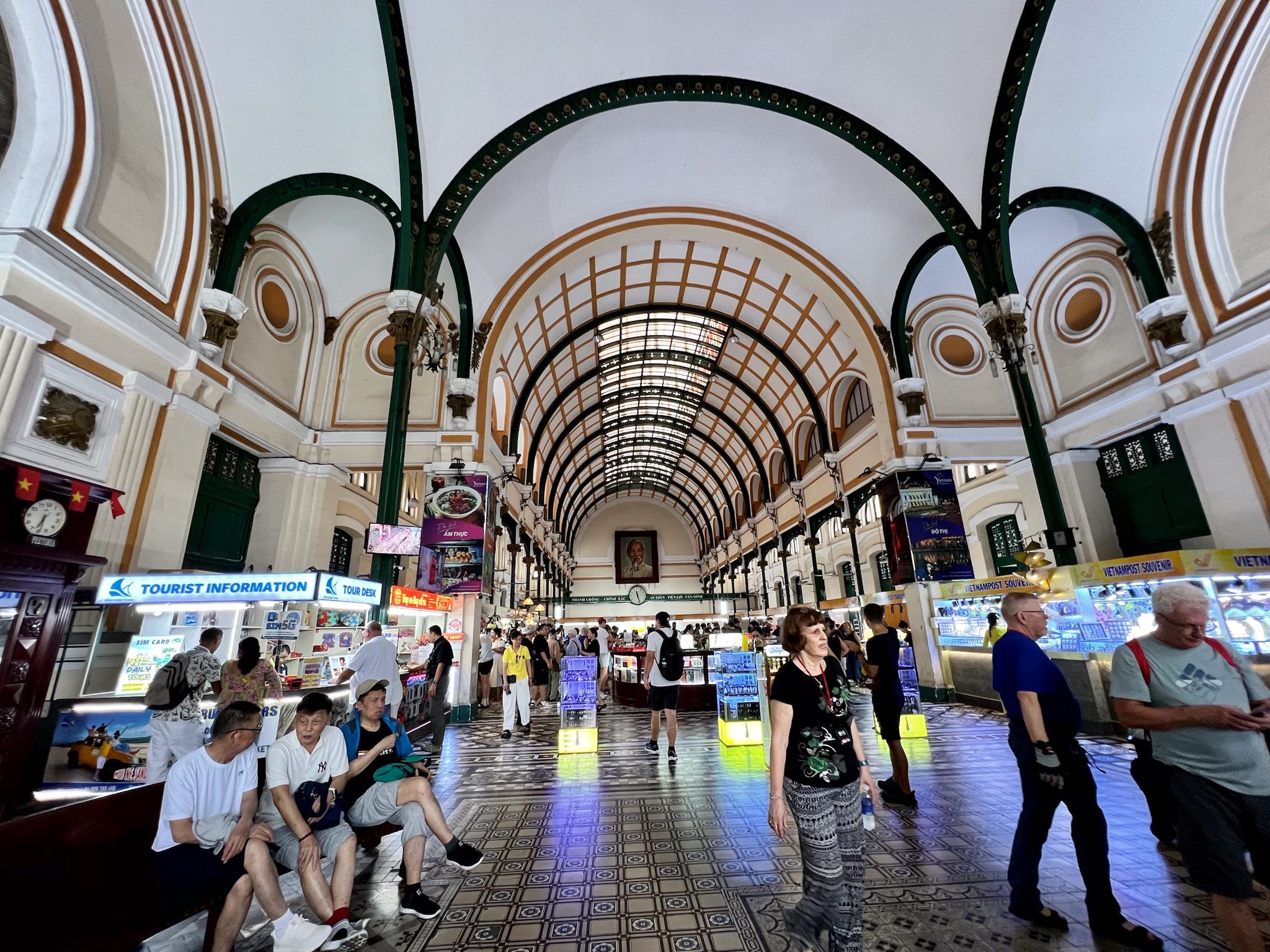
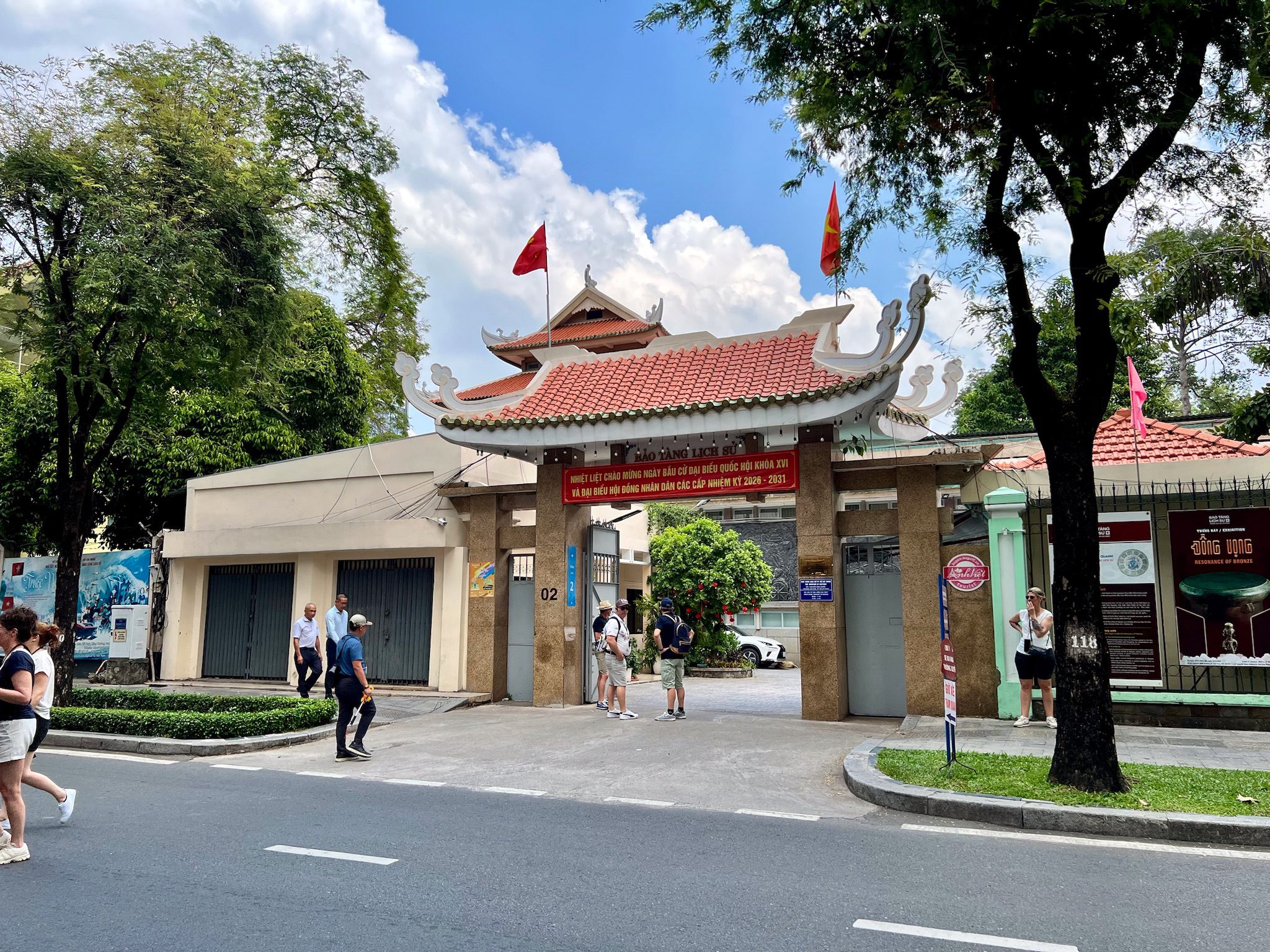
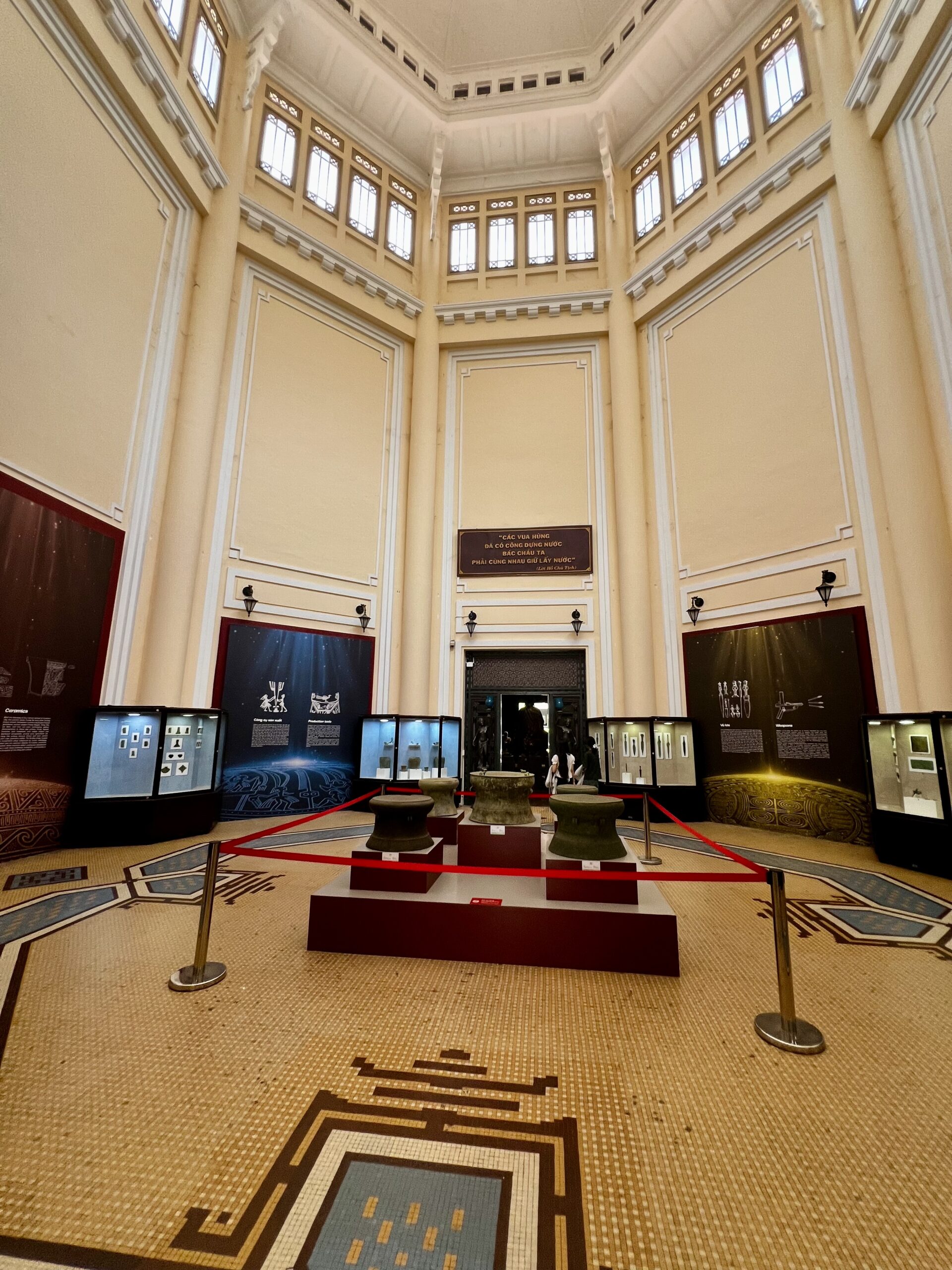
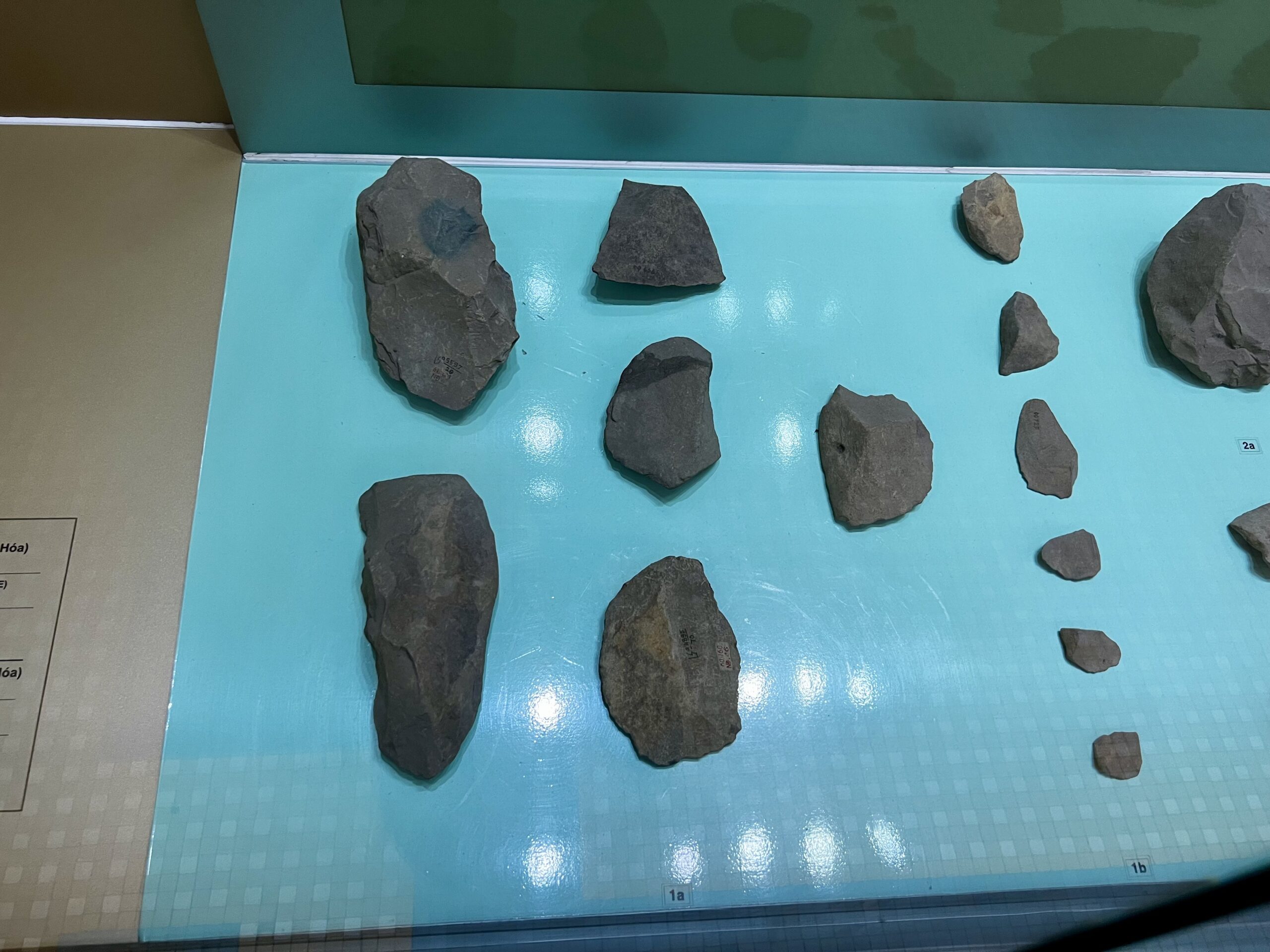
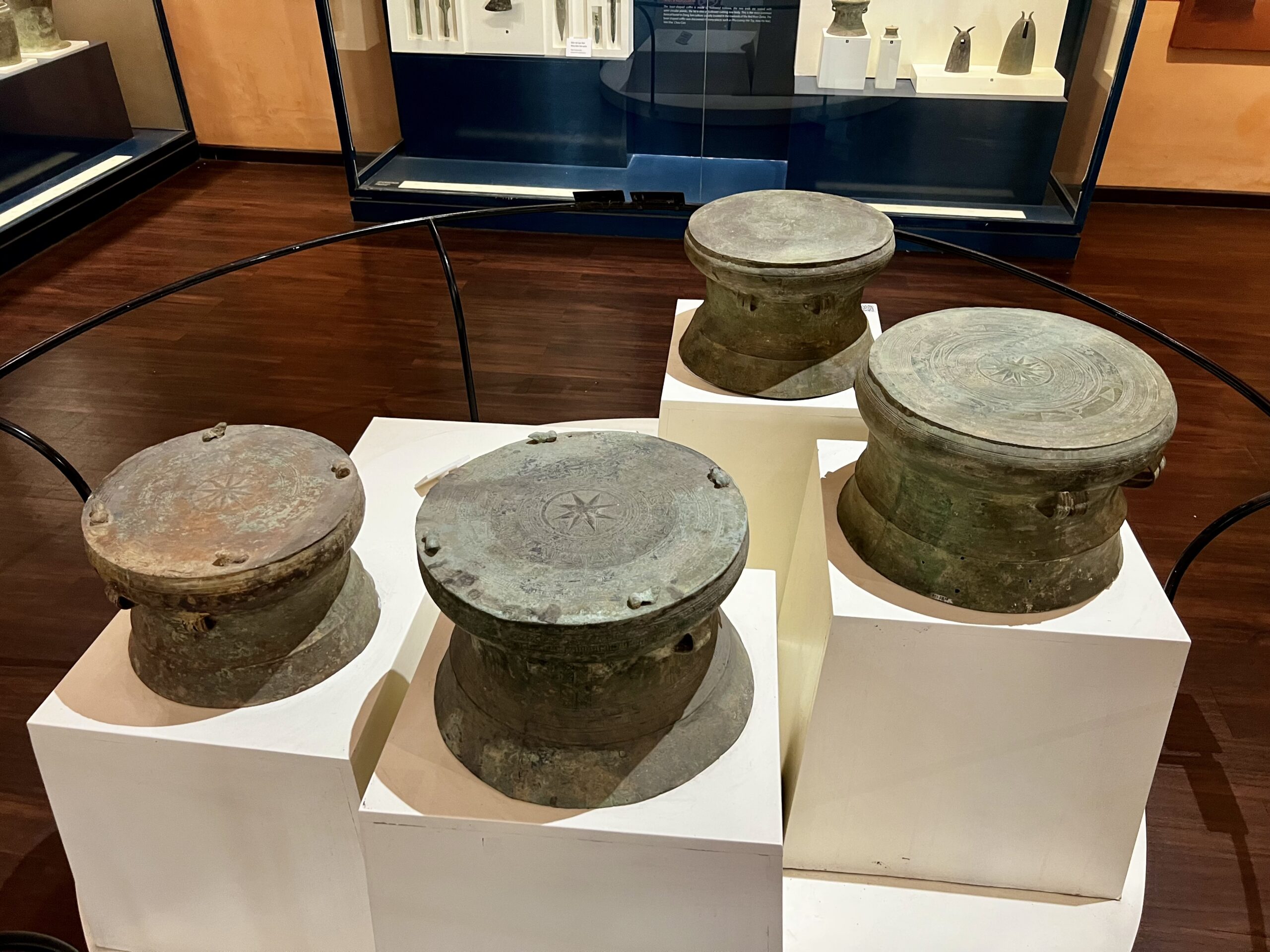
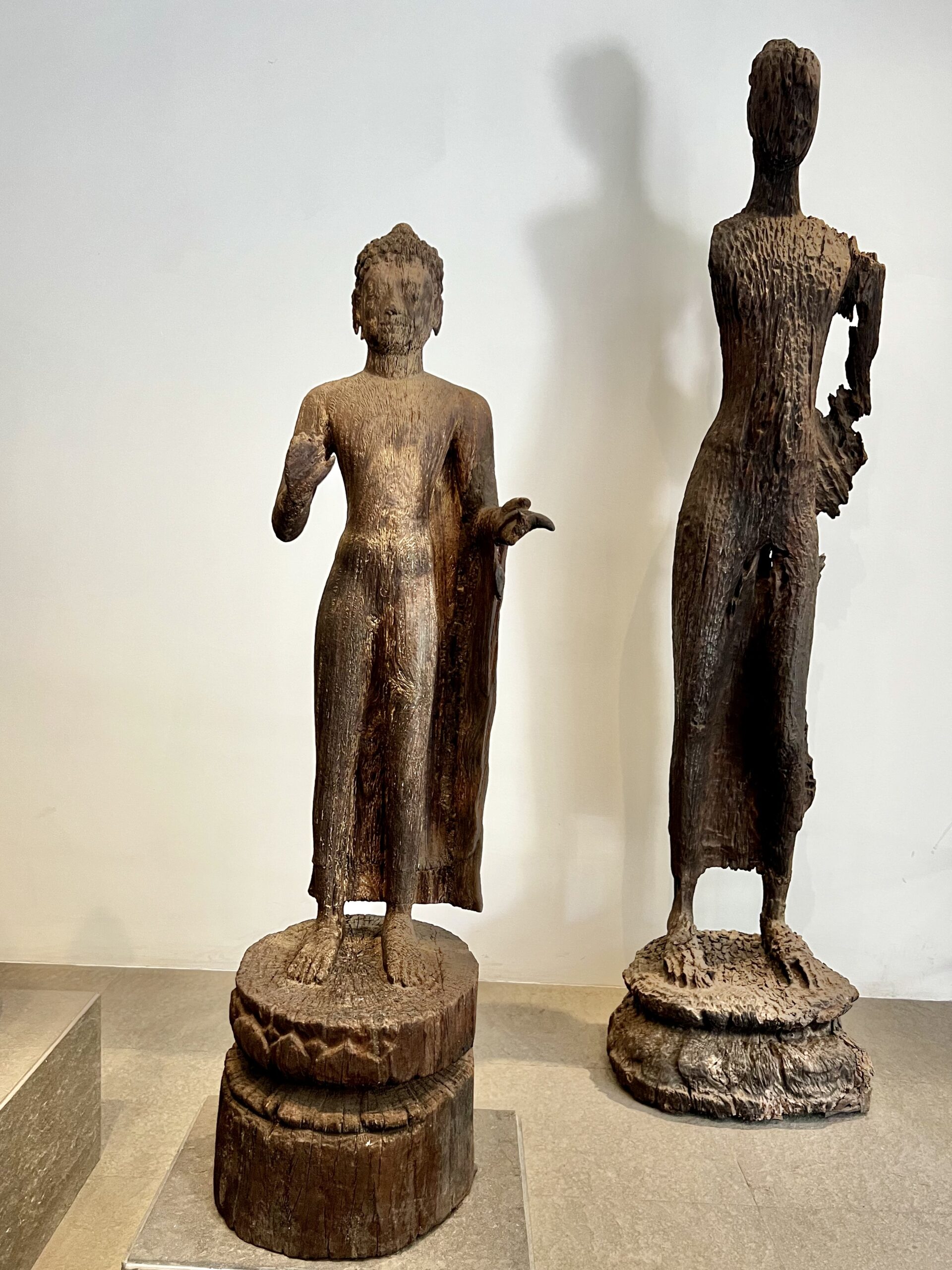
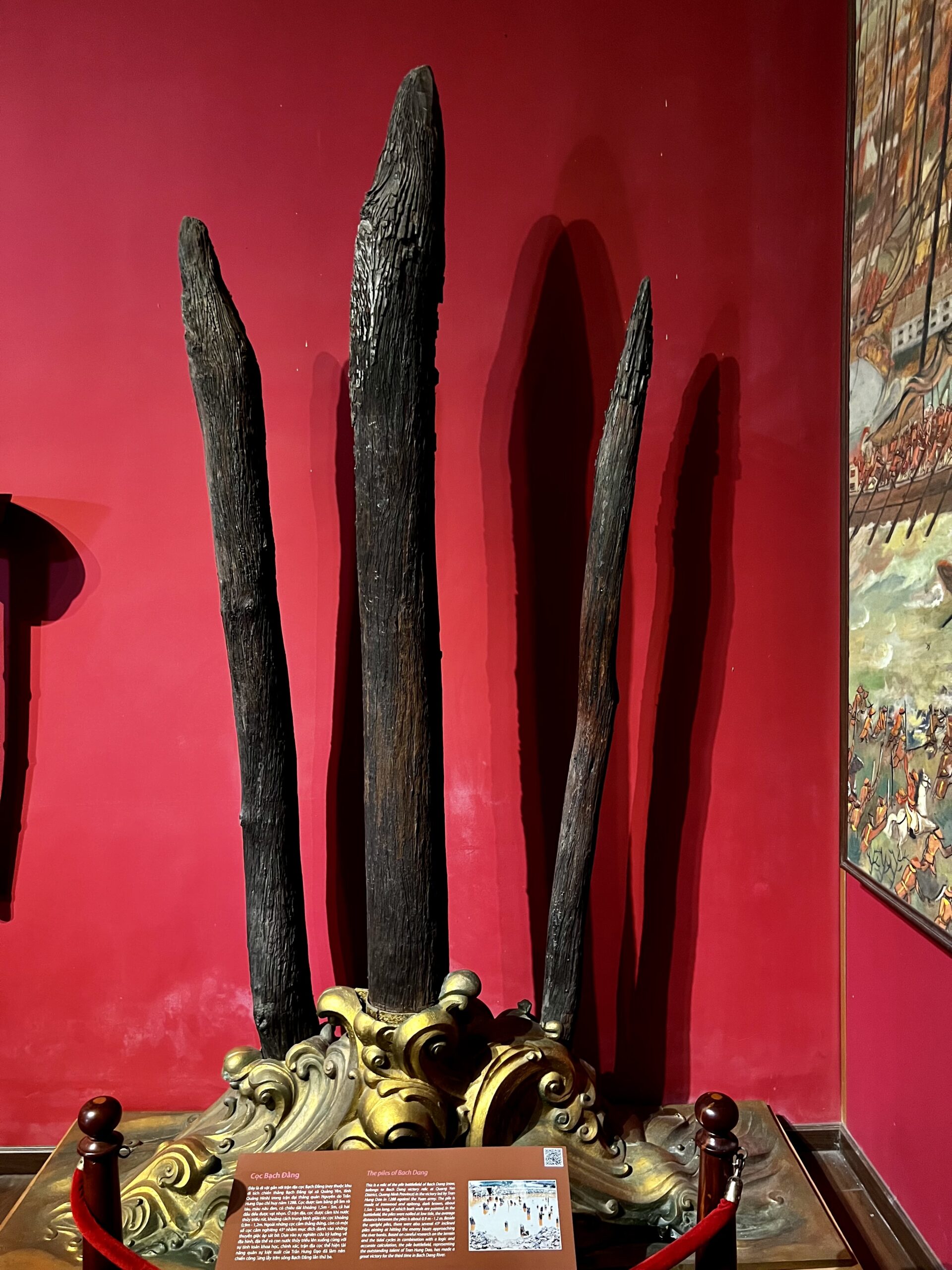
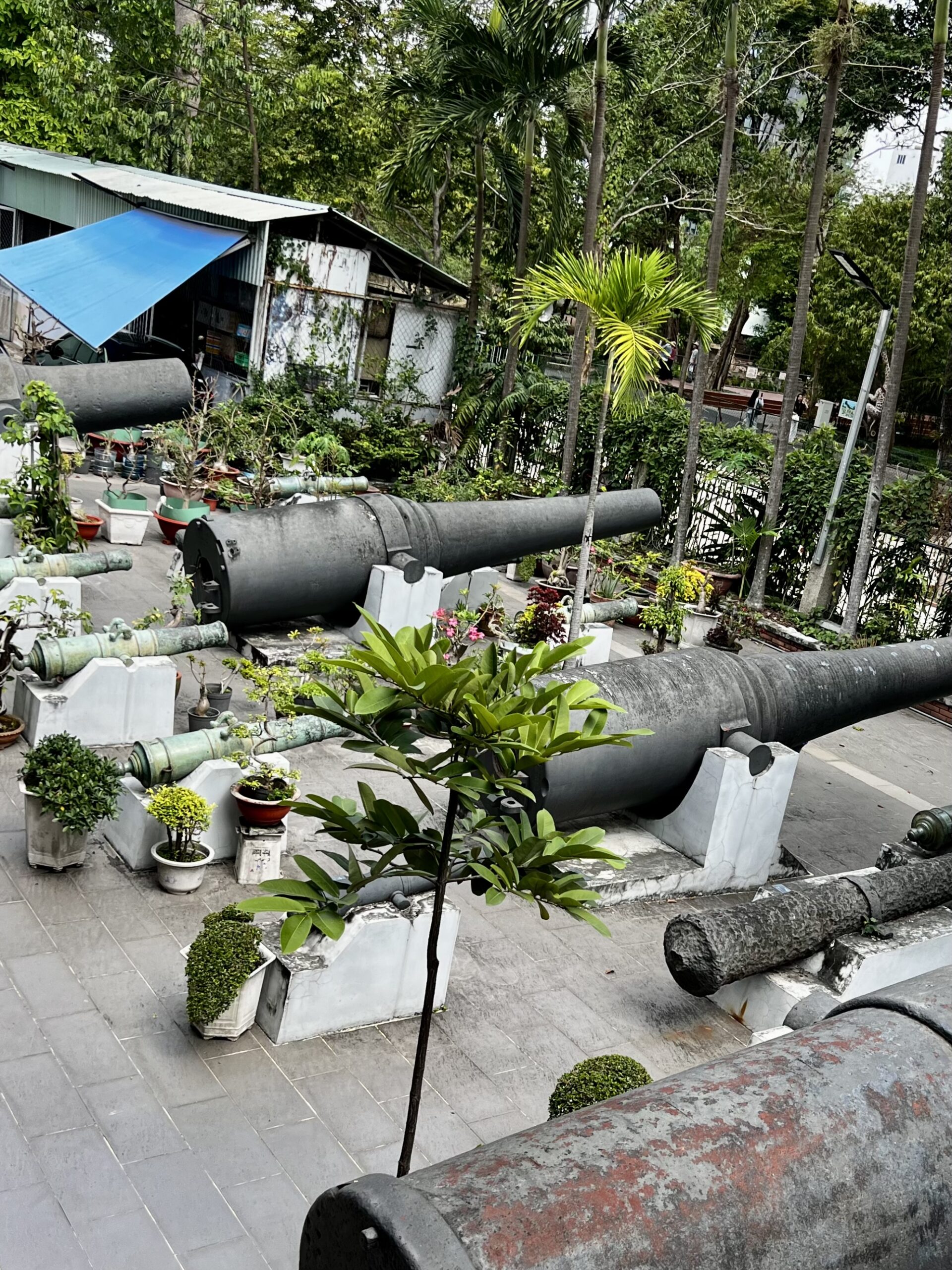
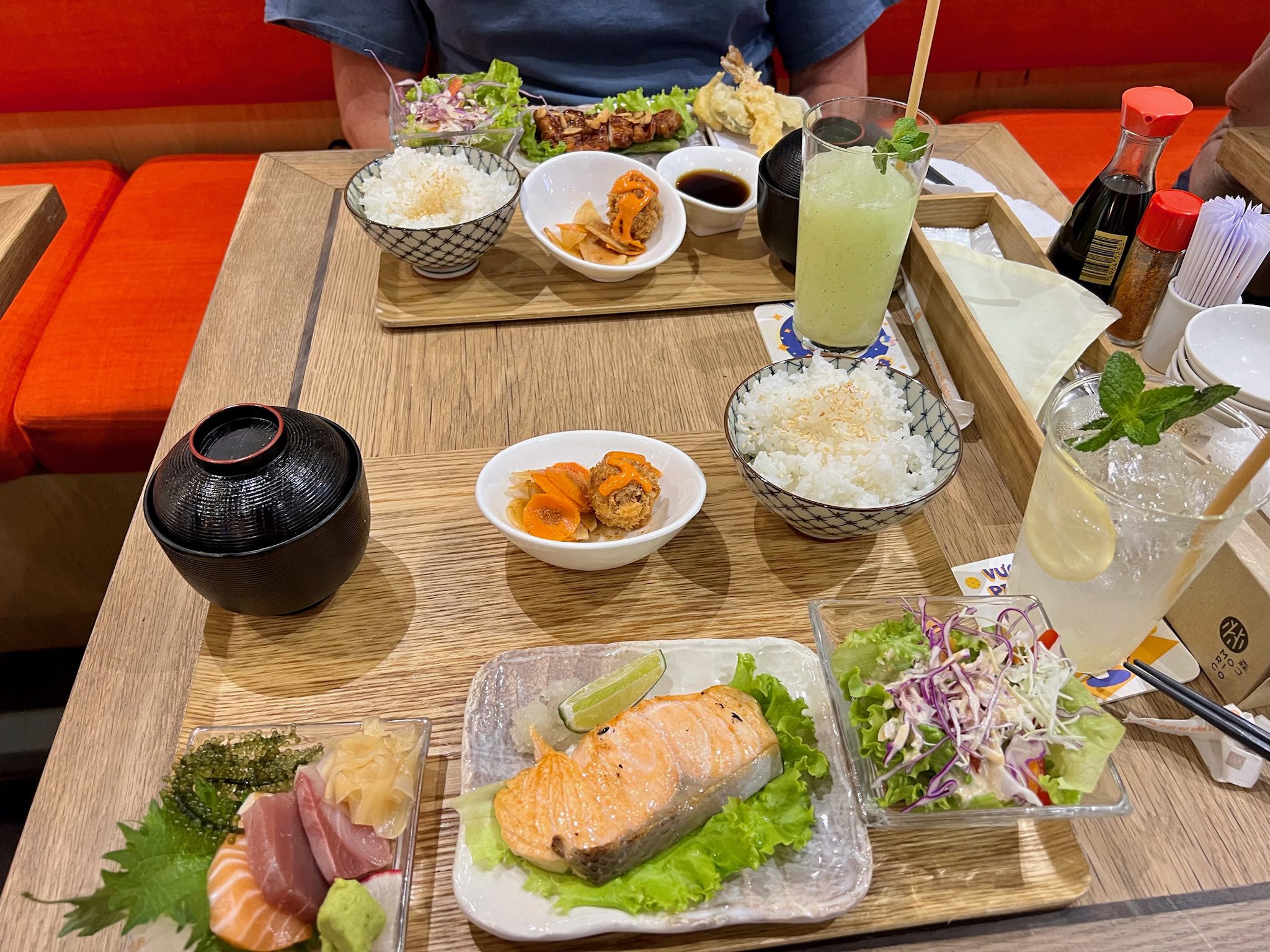
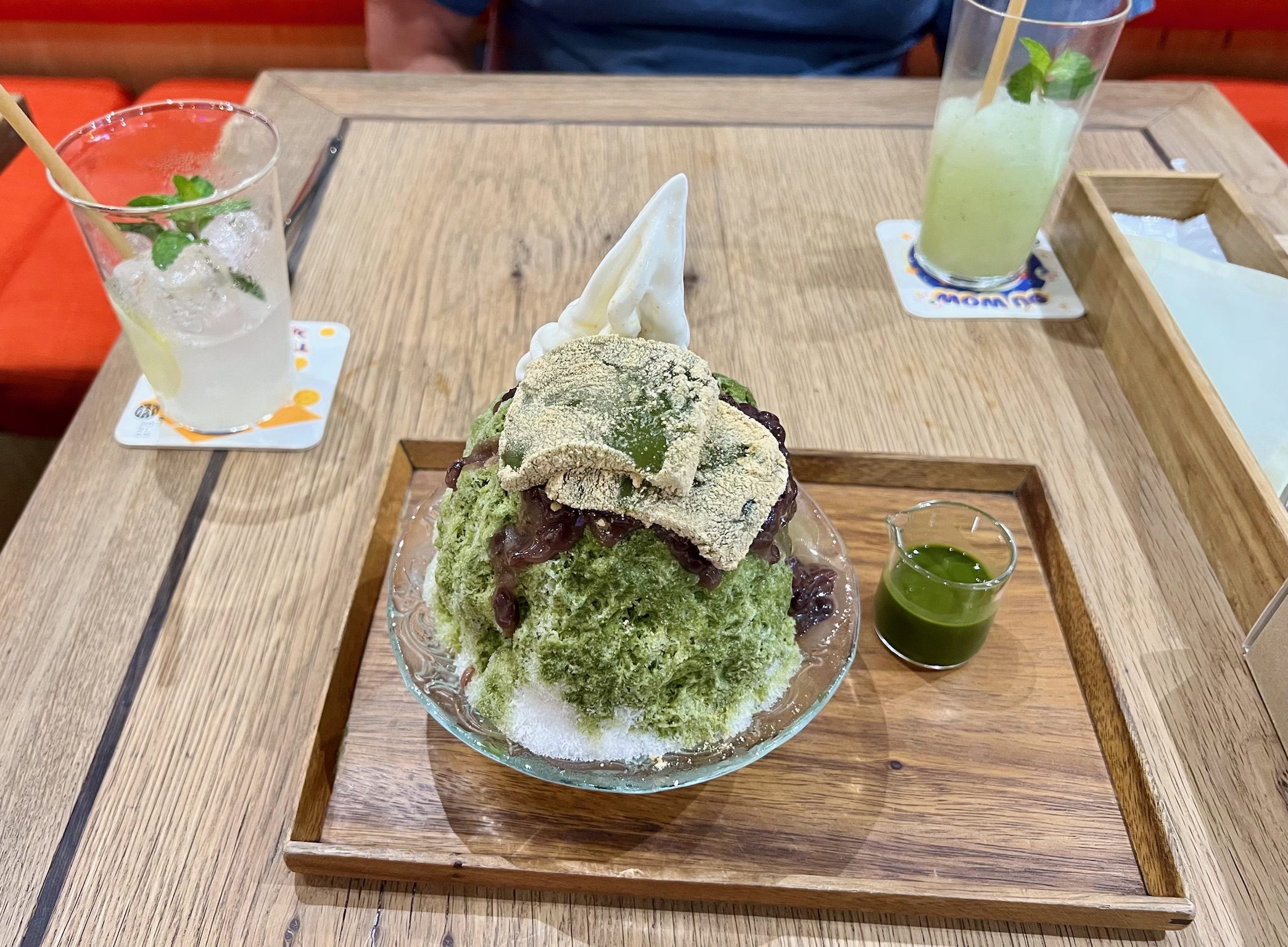
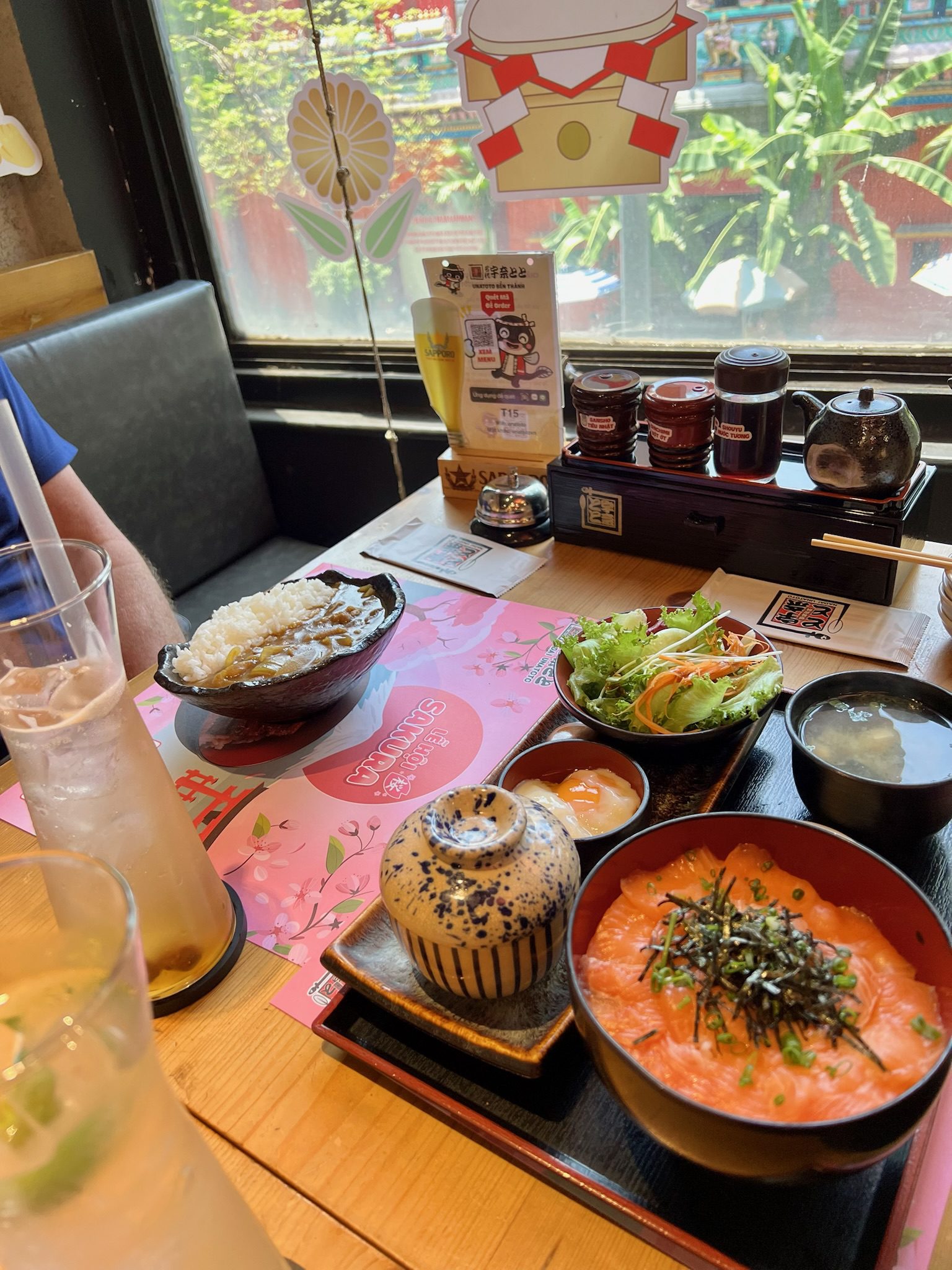
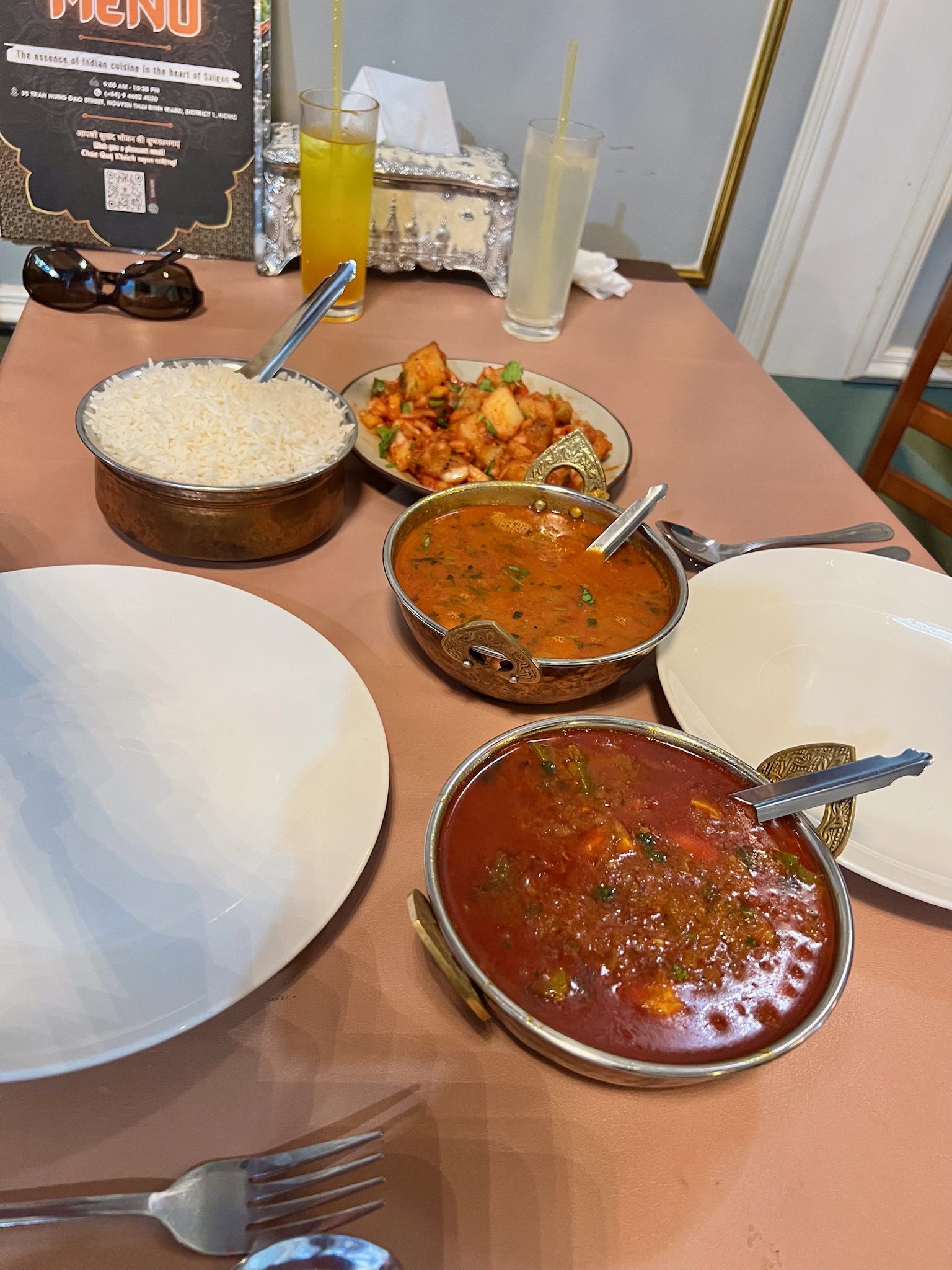
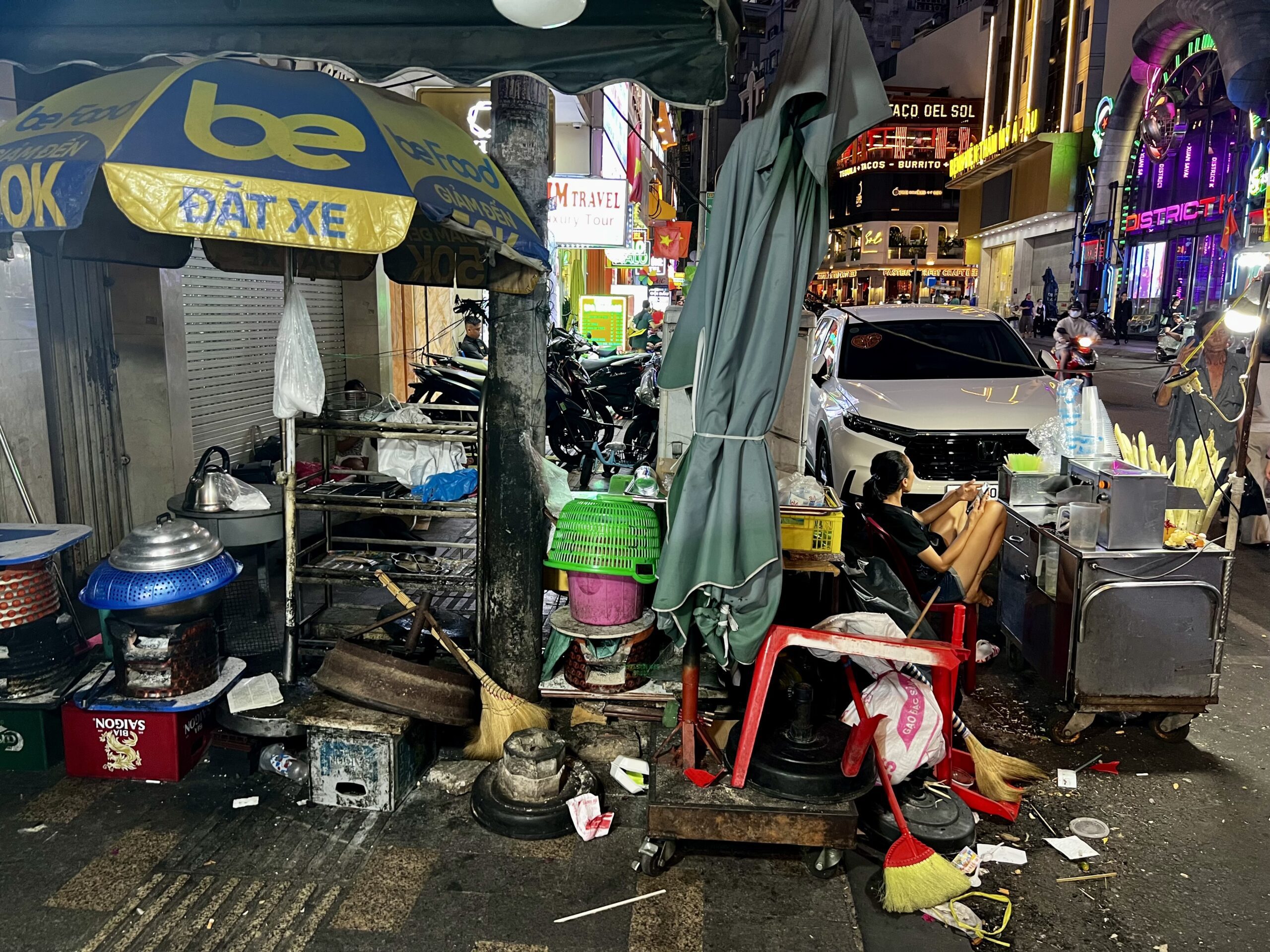
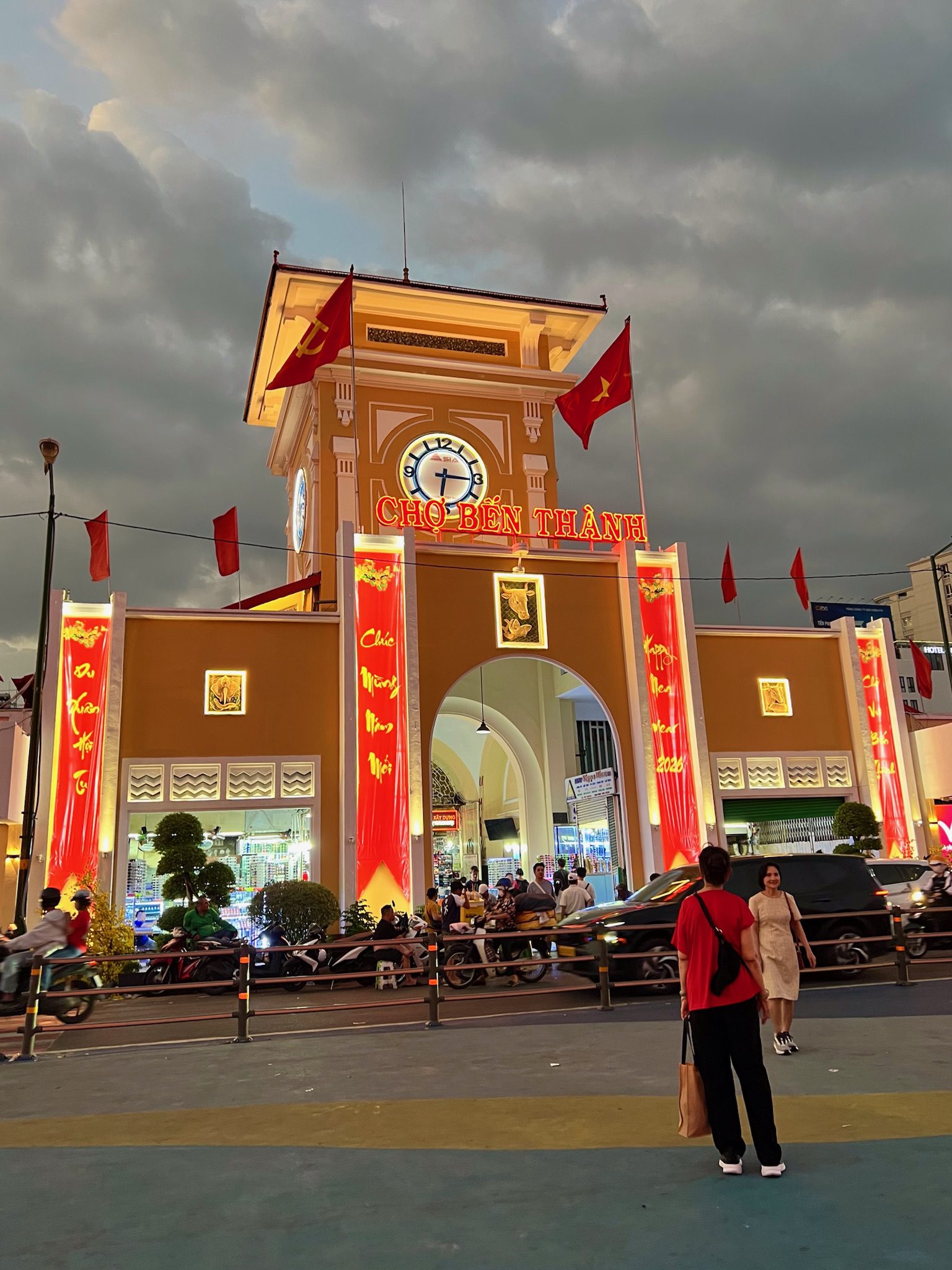
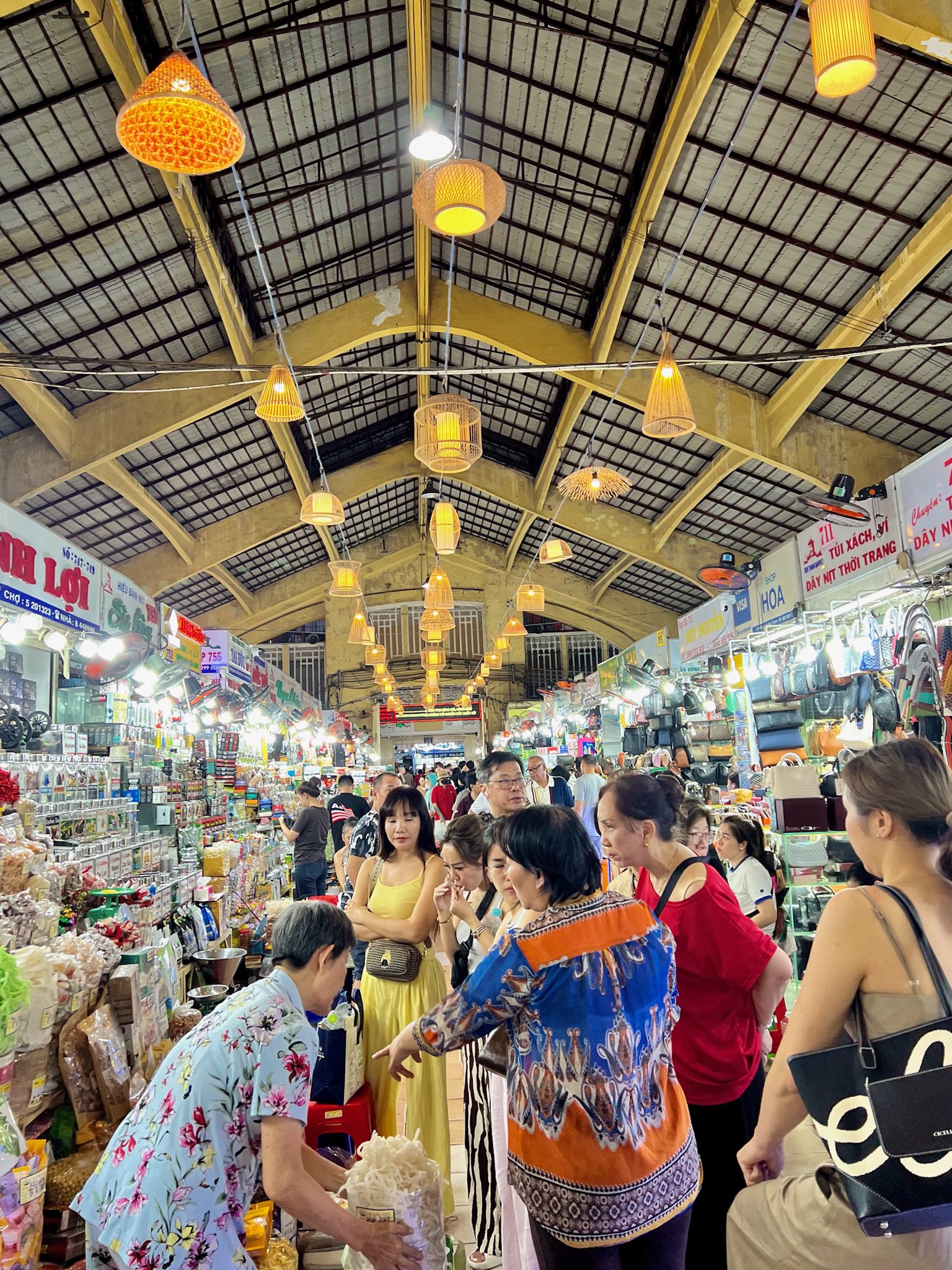
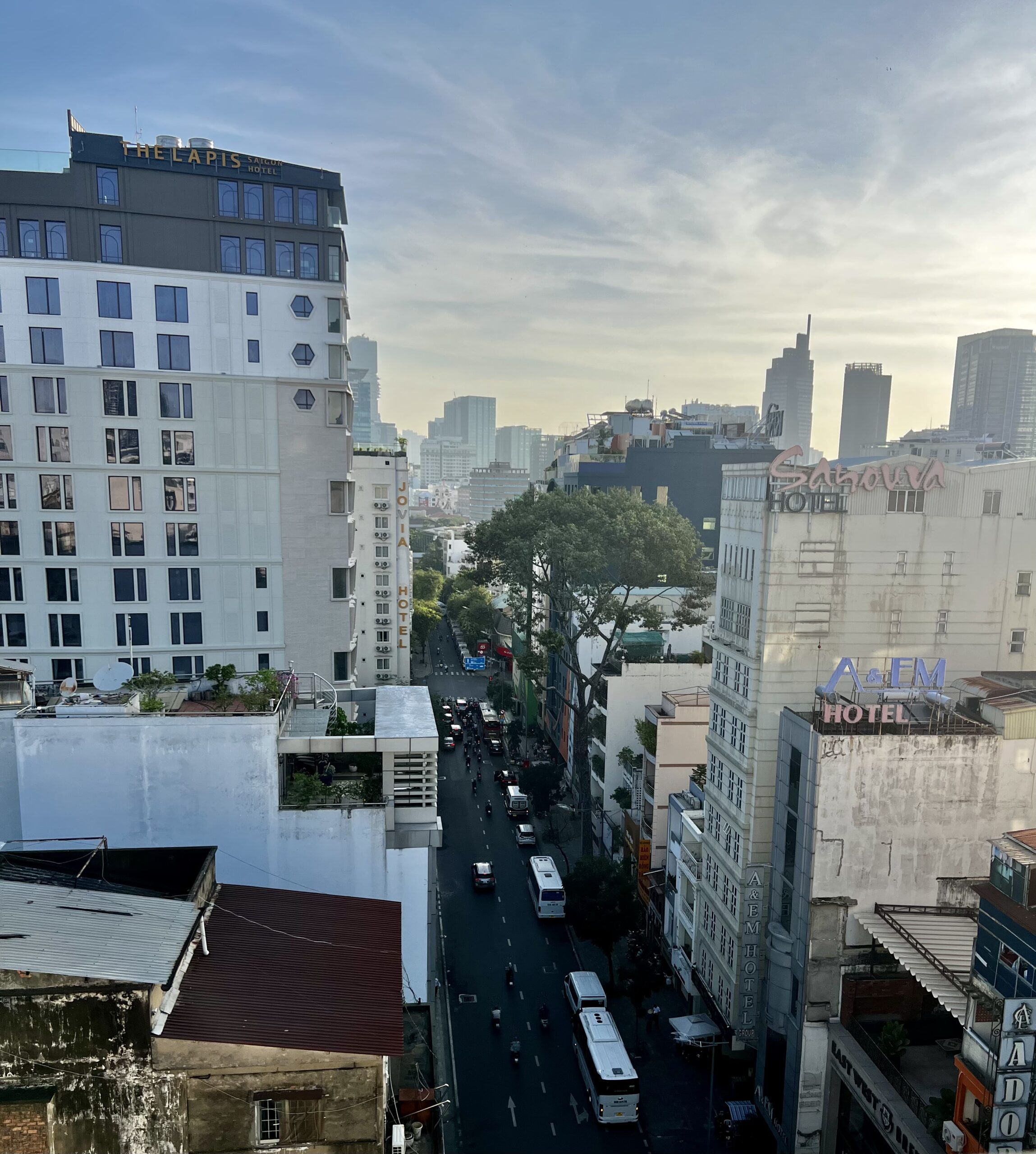
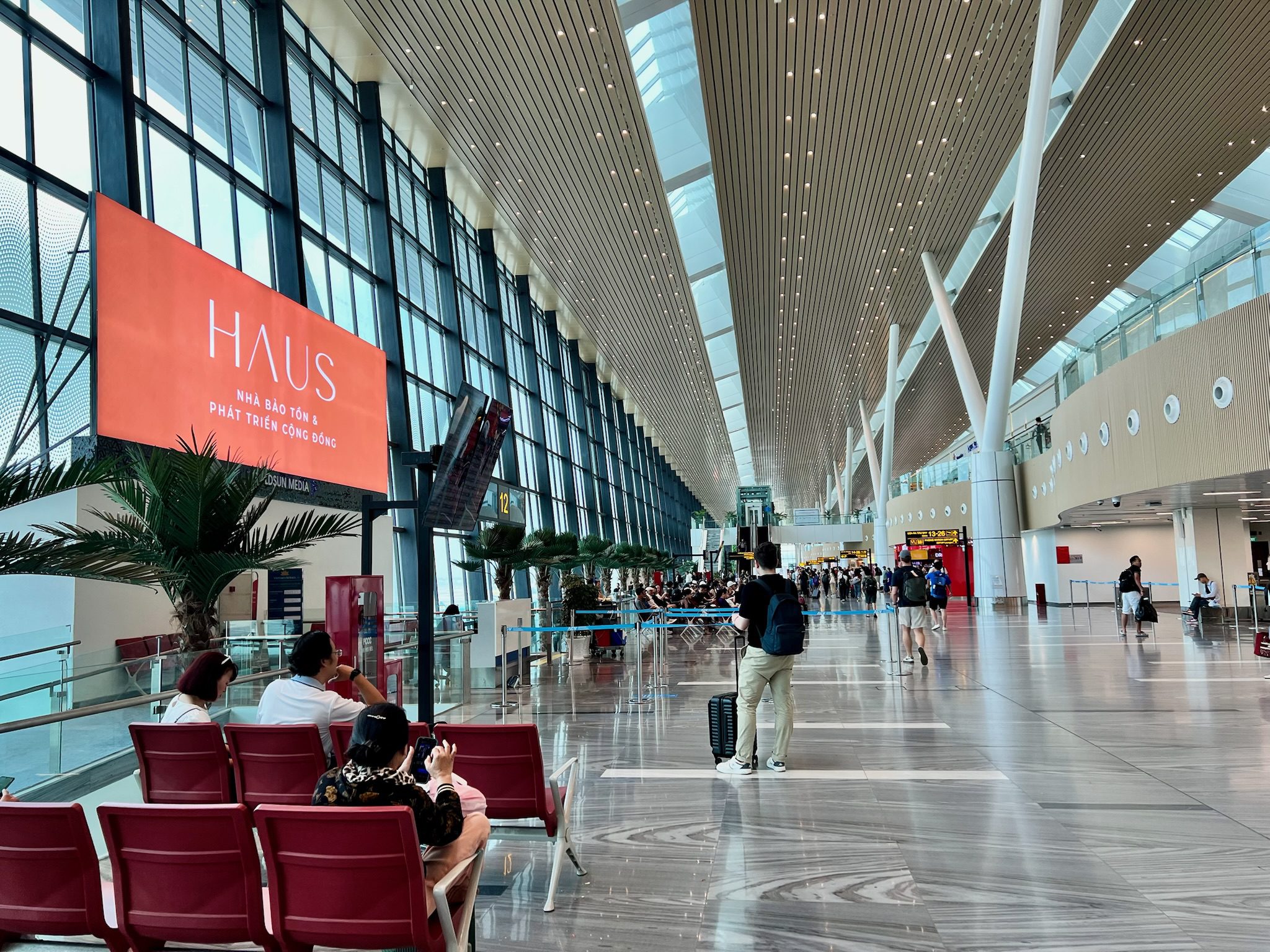
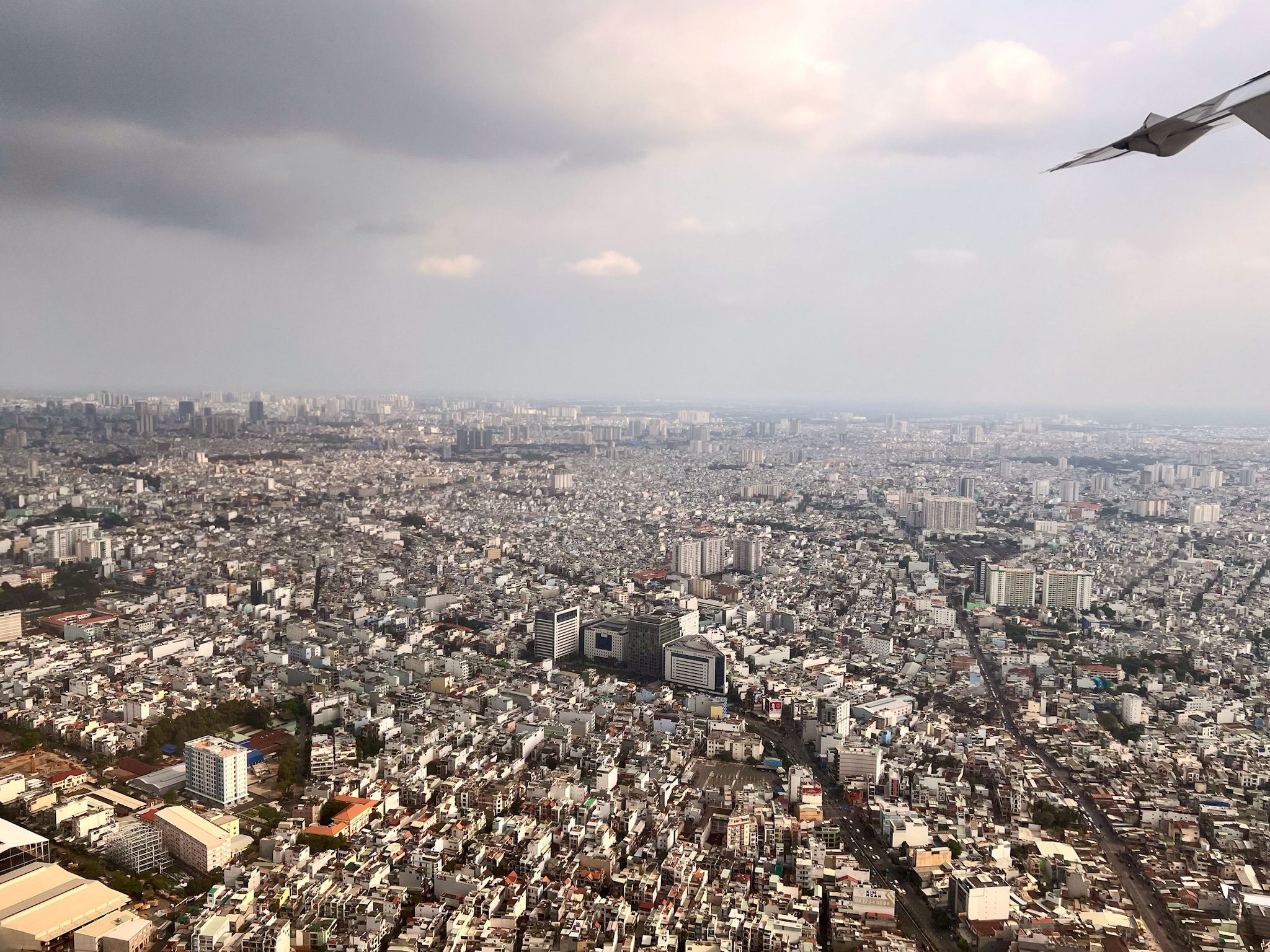
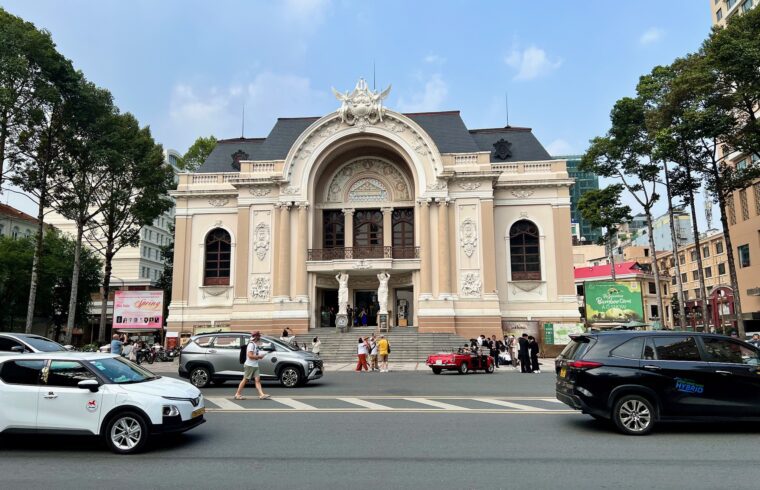
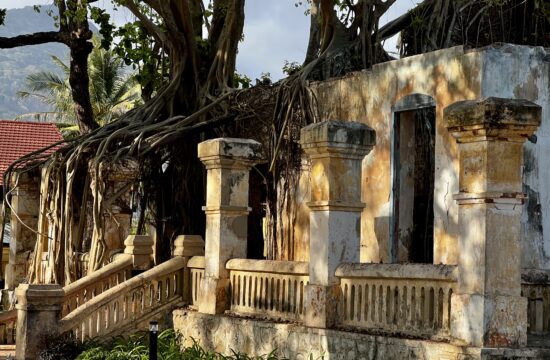
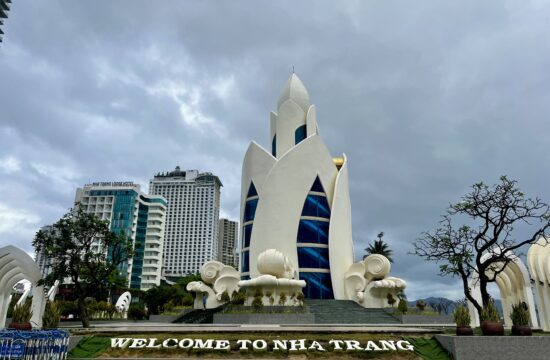
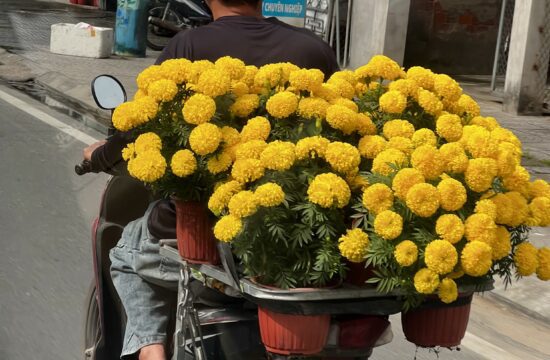
We arrived in Ho Chi Min City on a Sunday for a short four-day stay. It had been almost 15 years since we’d last visited. Since then, new buildings have appeared and boulevards have been renovated …But the streets and traffic are pretty much the same. And random buildings still stand shoulder to shoulder, like this 19th century temple to the Hindu goddess Mariamman.We stayed at the La Siesta Hotel. Despite the unexpected name, it is a Vietnamese brand of boutique hotels. We have stayed at two of their properties in Hanoi at different times and were impressed. This one didn’t disappoint.We headed out for a walk, just to see what we would see.District 1 in Saigon is where all the important things are, including our hotel. The People’s Committee of Hồ Chí Minh City, behind the Willow Roundabout’s fountain, holds pride of place at the top of Nguyen Hue Walking Street.Nguyen Hue runs down to the Saigon River and is called the walking street because it is split down the middle by a wide mall. It took us through an exhibit honoring the Ao Dai, the elegant, long, slitted dress-over-trousers that is the icon of Vietnamese fashion (below).Further along, a large stage was set up. It was International Women’s Day, and a constant parade of musicians, singers, dancers, martial artists, and what have you were taking turns entertaining and celebrating.At the foot of the avenue is a multi-lane gauntlet that must be braved in order to reach the river. Crosswalks are provided by street planners but completely ignored by drivers. Even city locals prefer to cross in large groups, hoping to be one of the lucky who survive the crossing. The river is as you’d expect. Bridges, dredgers, tourist boats and trash booms. On our first full day, we had places to go. Saigon’s District 1 is easy to walk, especially once you get into the government avenues. With the walled Peoples Court on the left and the HCMC Science Library on the right, the wide sidewalks remain uncluttered, and picturesque.Our first destination was the Independence Palace, also known as Reunification Hall. This was the home and office of the president of the Republic of Vietnam during the Vietnam War. It was also the epicenter of the war’s end, when the Liberation Army broke through the gates.Designed and built in the 1960s by Paris-trained and renowned Vietnamese architect Ngô Viết Thụ, it is a model of mid-century design, blended with Asian elements – like the Japanese influenced Ambassador’s Reception Room above.In the basement, near the bunker and war planning rooms, are a couple of presidential vehicles preserved. And in the palace’s private theater, the original movie projectors remain.From the top-floor’s party room (amusingly enough originally intended to be meditation space for the country’s leader), the helipad hosts a Huey helicopter like the one the president kept handy. The red circles mark where two bombs were dropped on the palace and subsequently repaired.The front of the palace looks down Le Dian Boulevard, the grand avenue that dates back to the 1800s.Behind the palace is Tao Dan Park. The 25 acre park was once the garden attached to the, then, French Colonial Governor’s Palace.We sat in the leafy shade of a pergola and watched women doing tai chi with fans. If you sit in the shade, drink cool beverages, don’t move, and are lucky enough to have a bit of breeze, Saigon is a lovely city.Eventually, we had to return to the streets. We had haircut appointments at J-First Tokyo, one of a small chain of salons owned by a Japanese national. We had been traveling long enough to need them, and master cutters at Vietnamese prices are hard to pass up. The salon had just adopted a little kitten named bóng, or bông, or maybe bống. Depending on intonation, her name could mean cotton, reflection, light bulb, a gay fellow, blossom, or third wheel. That helps explain the laughs and blank stares we get when we try our hand at Vietnamese.For lunch, we sought out a street-food food court, kind of like a Singaporean hawker center, almost visible here behind the traffic. We ordered Grilled Pork with Broken Rice and Bibimbap from different stalls. In our experience , Saigon has the best Vietnamese food in the country. At Ngoi, we shared Grilled Sugarcane Shrimp (above) and Bo Lolot with Cuon Ram (below). Both excellent. Through a parking-tunnel between and under two buildings …And around a corner into a dead end, is Taste of Saigon restaurant. We don’t know how we found it or why we went into the tunnel, but the food is excellent. We had Bun Thit Nuong, a deconstructed rice noodle and pork dish over which you pour sweet fish sauce, and Bun Cha, the classic combination of two types of pork and spring rolls with rice noodles and Nuoc Cham dipping sauce.After one dinner we walked to the Saigon Opera House to watch A O, a sister show to the Teh Dar bamboo circus we saw in Hoi An Old Town with friends.The show was athletic and entertaining, and seeing it performed in the 1920s opera house made it that much more fun.Though we had visited many of the popular sights on our previous trip, seeing them again was almost unavoidable, being clustered in District 1 and on the way between one place and another. The Notre Dame Cathedral, however, was nearly unrecognizable, walled off and under scaffolding.Built in the late 1800s, it’s nearing the end of a 10-year restoration.Nearby, the Saigon Central Post Office has become more trinket shop than mail post.We had bought quilled art pieces in a side gallery 15 years ago, but now the entire main hall seems to be souvenir stalls. Only a couple of counters in the back corner still service postal customers. One of our morning walks took us to the Ho Chi Min City History Museum.Designed by a French architect and inaugurated in 1929, the museum was renamed in the 1970s, along with the city.Exhibits showcase flaked tools that go back to Homo Erectus occupation 500,000 years ago.While bronze drums dating back 3,000 years attest to the radiation of the Dong Son culture from northern Vietnam.Much of the museum is devoted to the influences of outside cultures. The first Indianized kingdom in Southeast Asia existed in the Mekong Delta. Amazingly, 2,000 year old wood statues of Buddha have been recovered from the area. Influence can lead to invasion, and the area that is now Vietnam has seen more than its share of the latter. These ingenious 13th century anti-ship piles from the Bach Dang River battle (in the north, near Haiphong) played a key role in defeating the Mongolian Yang Dynasty when it attempted to coop the region.As we left the museum, we weren’t sure if this is a bonsai garden with canons or a canon garden with bonsai. As much as we like Saigon’s Vietnamese restaurants, middays would sometimes find us eating Japanese – maybe because the photographer is the designated restaurant-picker? At Morico in Vincom Center we had Teishoku …Followed by Kakigori – shave ice with matcha, kinako mochi, red bean, and soft-serve ice cream. The blogger wasn’t complaining. Another lunch found us at Izakaya Unatoto, where we had Japanese Curry and rice and Salmon Teishoku. Some dinners lead to variety, too, like Potato Chat, Sambar, and Handi Chicken at Papadums Indian Cuisine. We always eat too much when we eat Indian. Like eating too much isn’t already a problem when we travel.Since evenings cool a bit after the sun sets, we’d sometimes do our walking then. The problem is, heat is only one of the problems. This woman appears to be oblivious to the fact that the hardware supporting her food cart is completely blocking the sidewalk. We joined everyone else and just walked around her on the street. One evening took us to Ben Thanh Market, which has something like 1,500 shops under its roof and sees nearly 10,000 visitors in a day.The place is a noisy madhouse. We didn’t find anything we couldn’t live without. Except for the heat, the sidewalk rules of engagement, the virtual invisibility of pedestrians to drivers, and the local penchant for all things loud, Saigon is a surprisingly livable – and breathable – city. On our last visit, we spent time exploring the Mekong Delta. This trip let us get to know the city better.We left Saigon from the shiny new domestic Terminal 3, on the small ATR-72 regional twin-prop that Vietnam Airlines uses as their puddle-jumper.The photographer got a good look at the city as we headed to Con Dao. The blogger got a good look at his knees.