//Okavango – June 2015

Okavango – June 2015

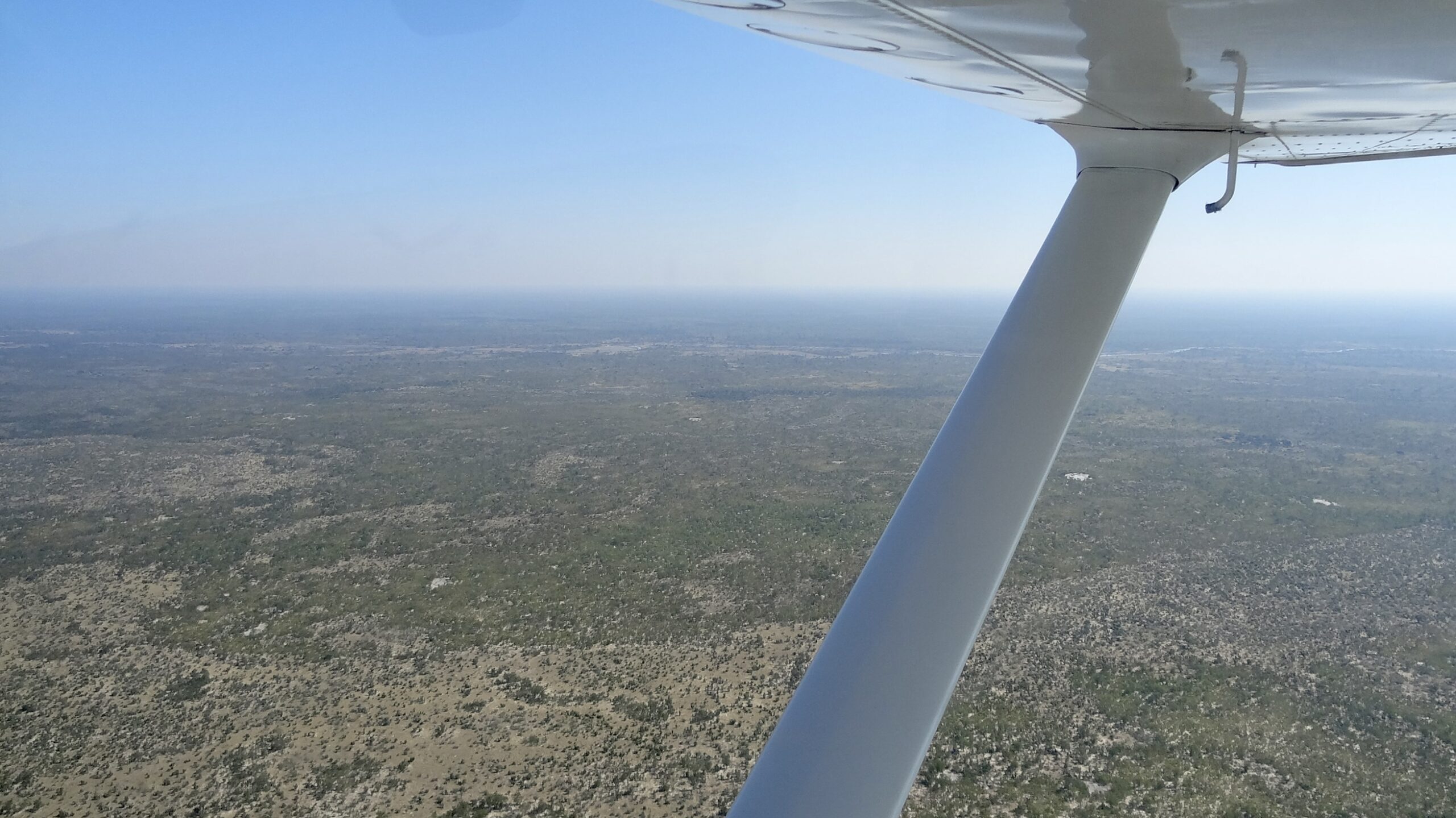
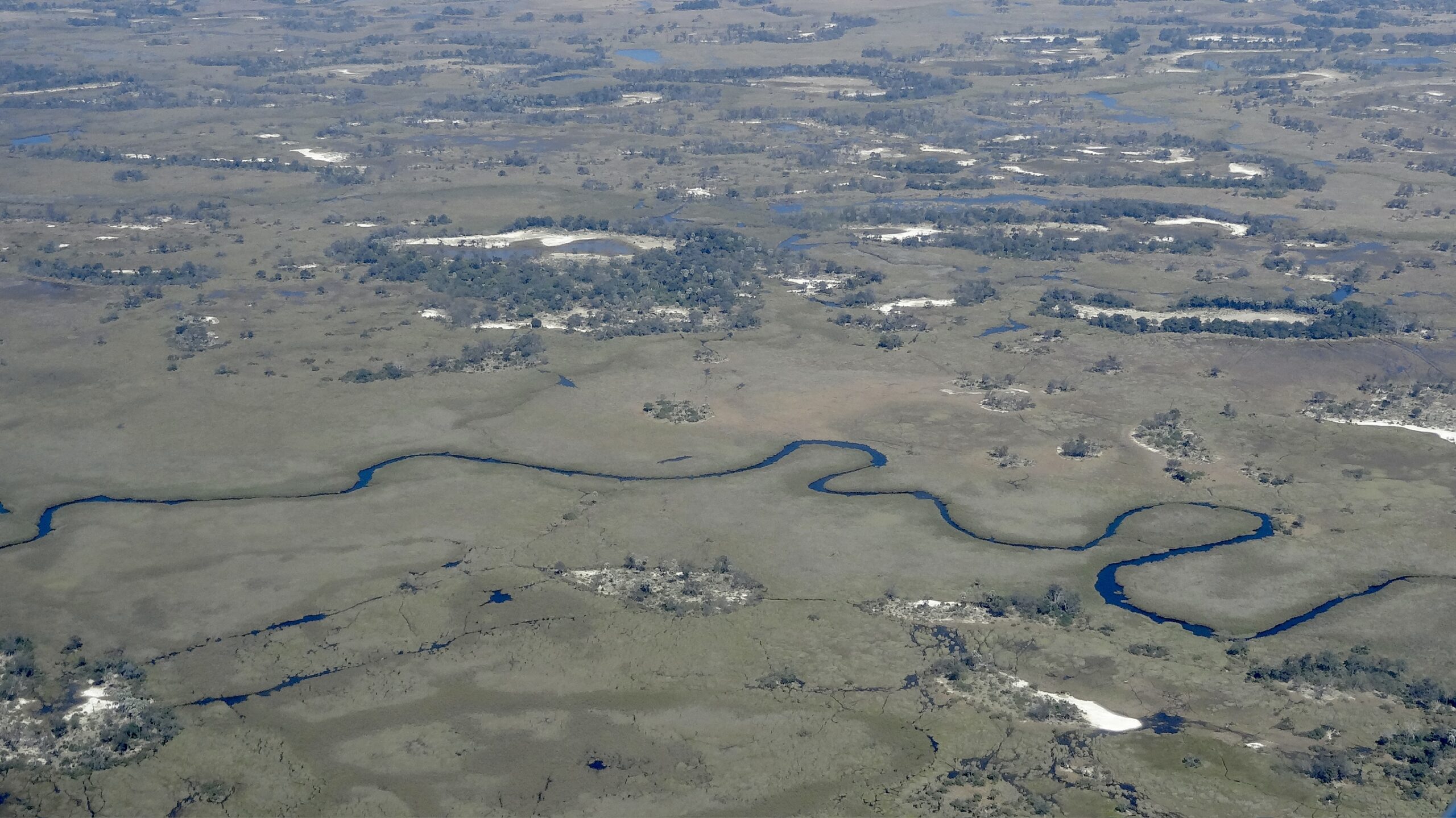
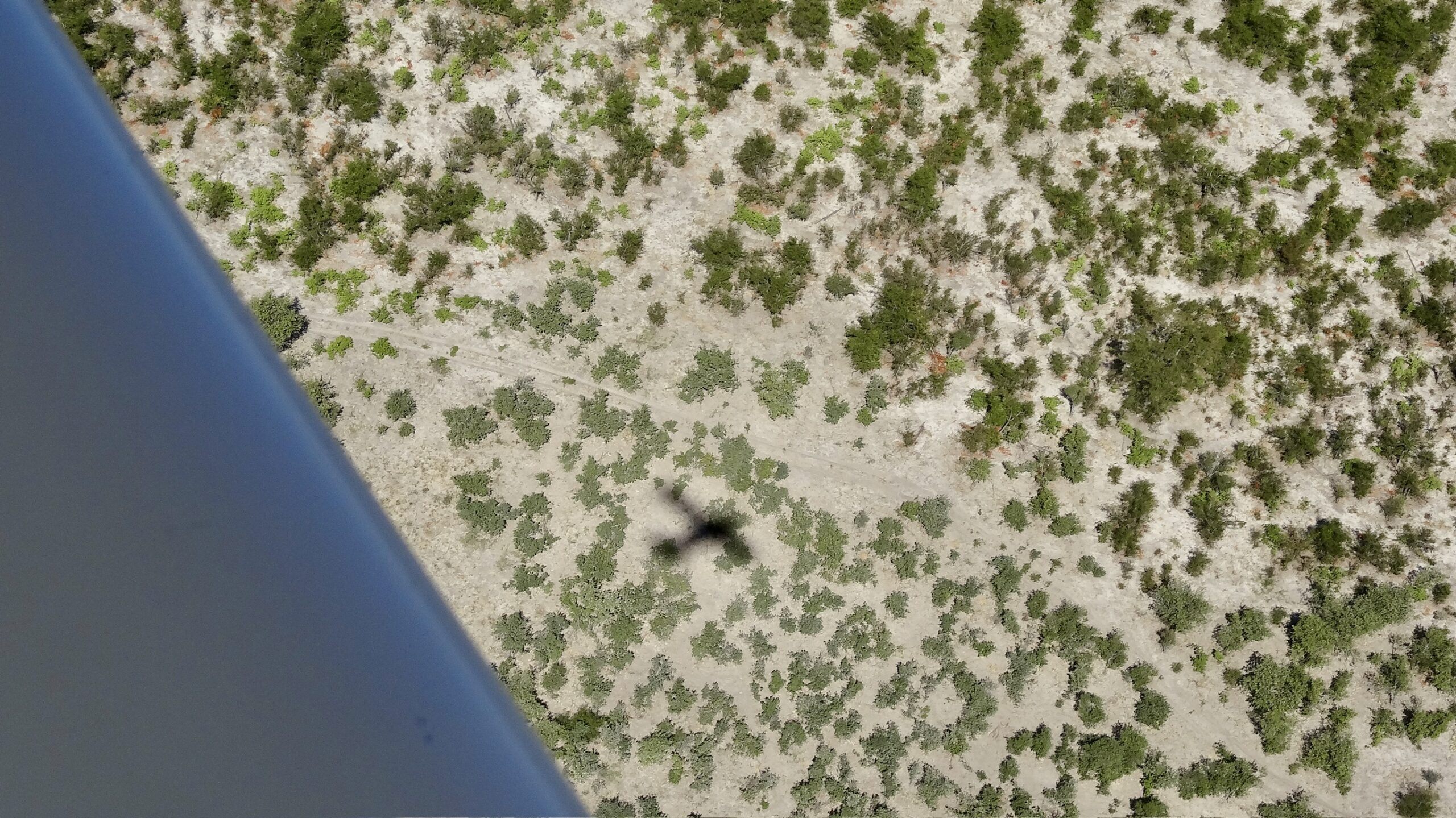
Our third and final safari destination was also in Botswana, near the Okavango Delta, some 200 miles from the Kalahara. Cloudless skies meant our plane’s shadow followed us for the trip.
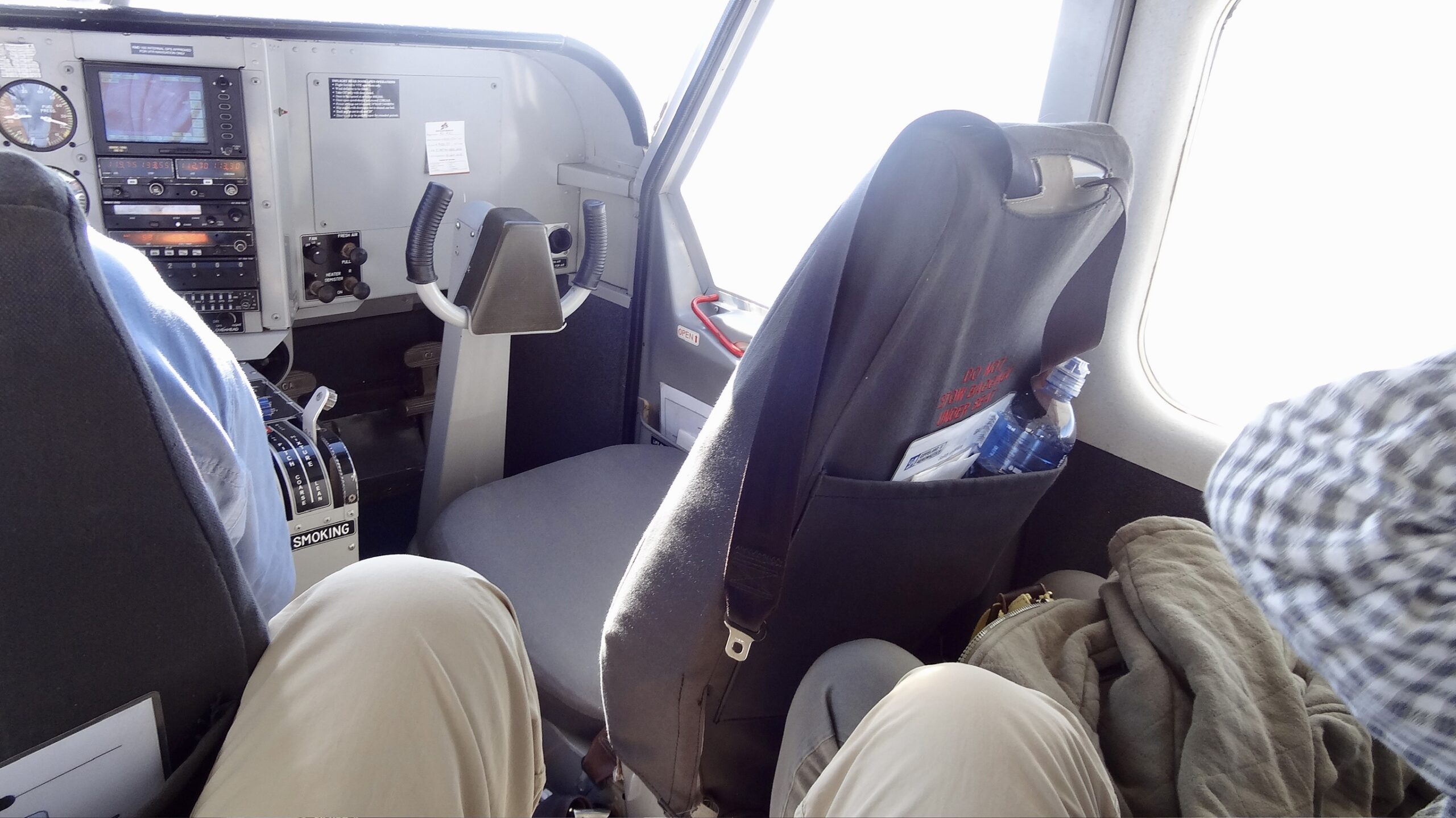
There’s a reason why these things are called small planes. The videographer could tuck her legs in, but the blogger would have been better off checked in as luggage.
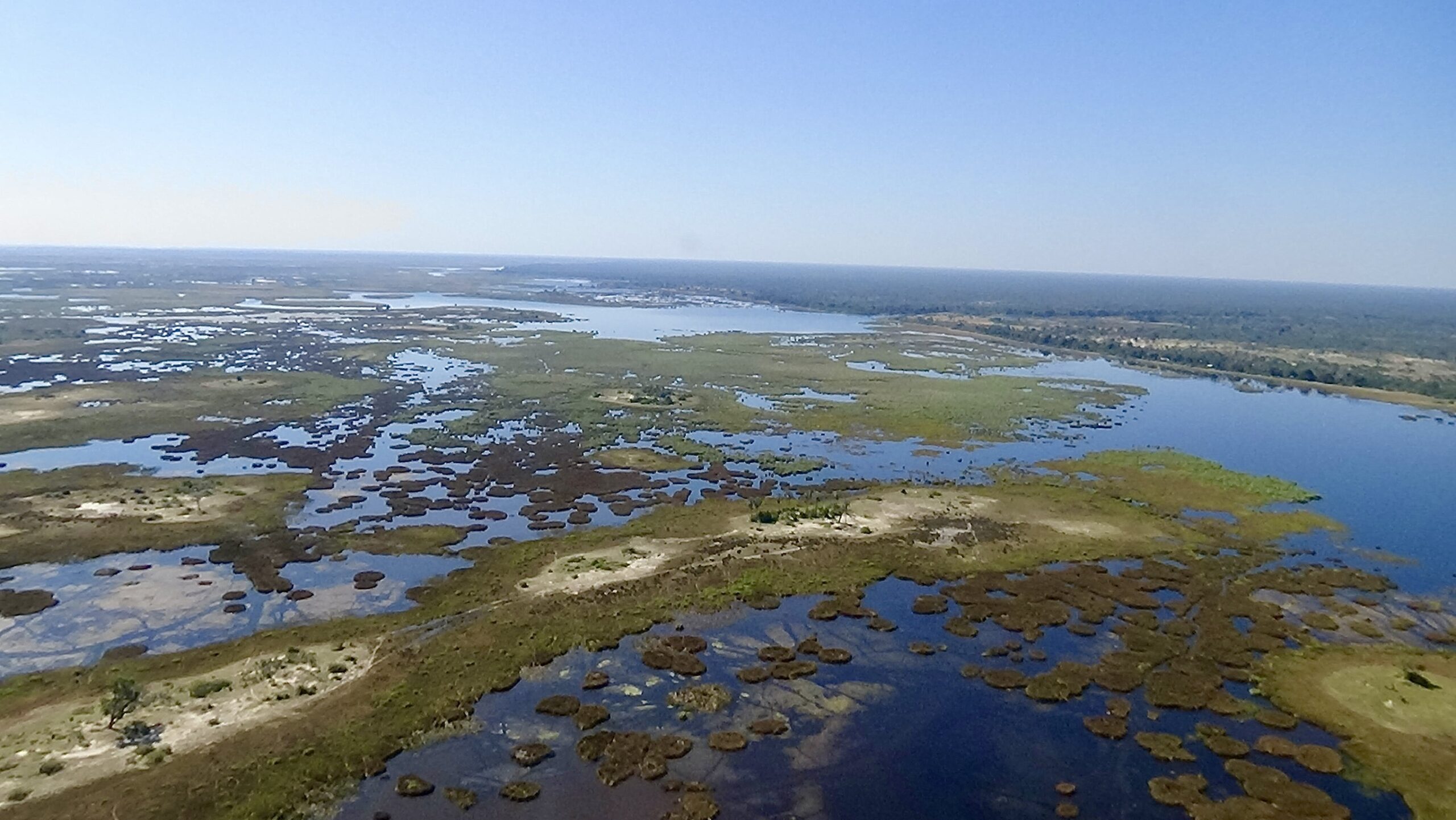
Our destination was the Selinda Reserve, a vast reserve that connects the Okavango and Linyanti River water systems via the natural Selinda Spillway.
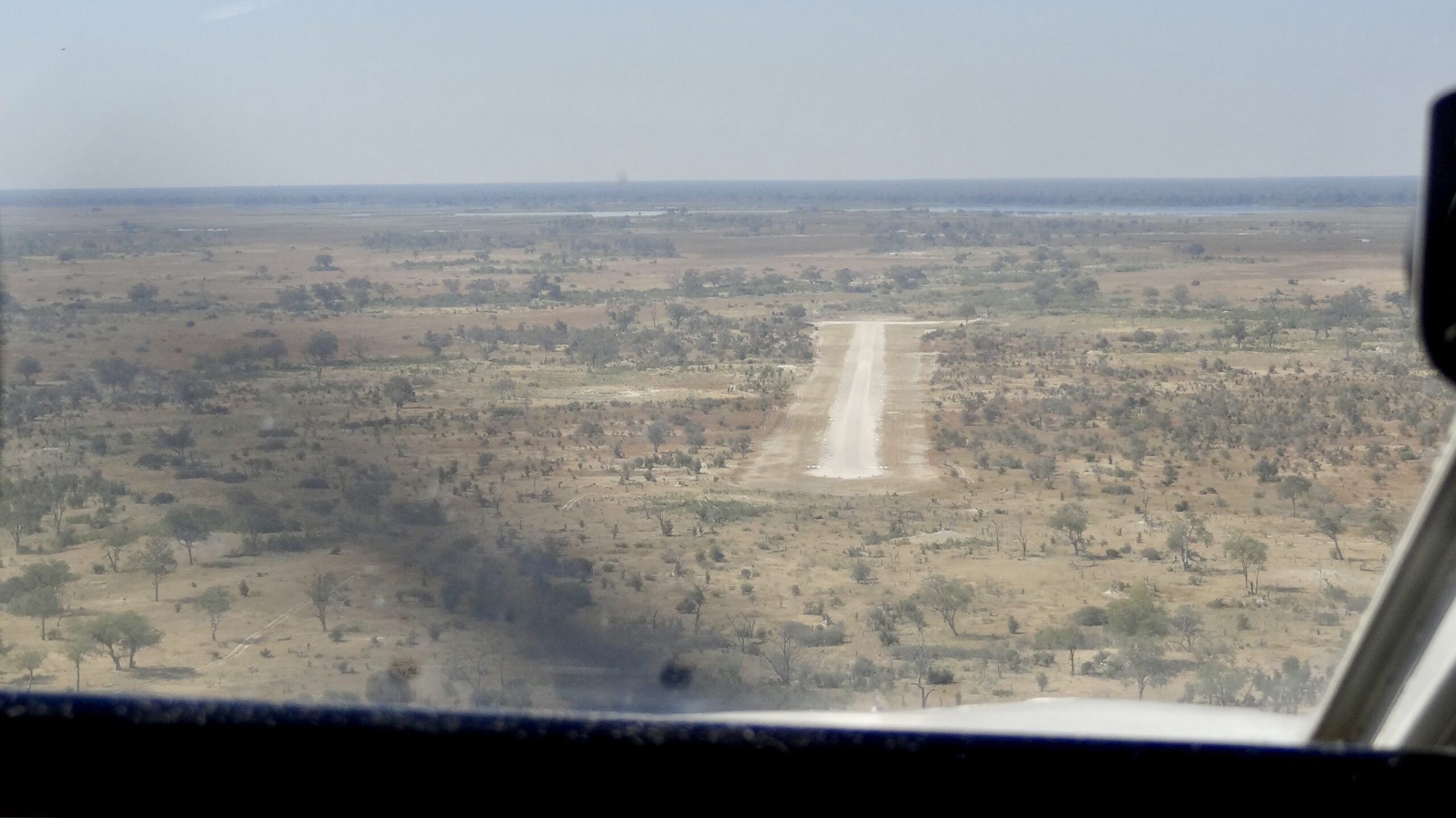
The camp’s landing strip is on the edge of the savanna, with the floodplain’s wetlands beyond.
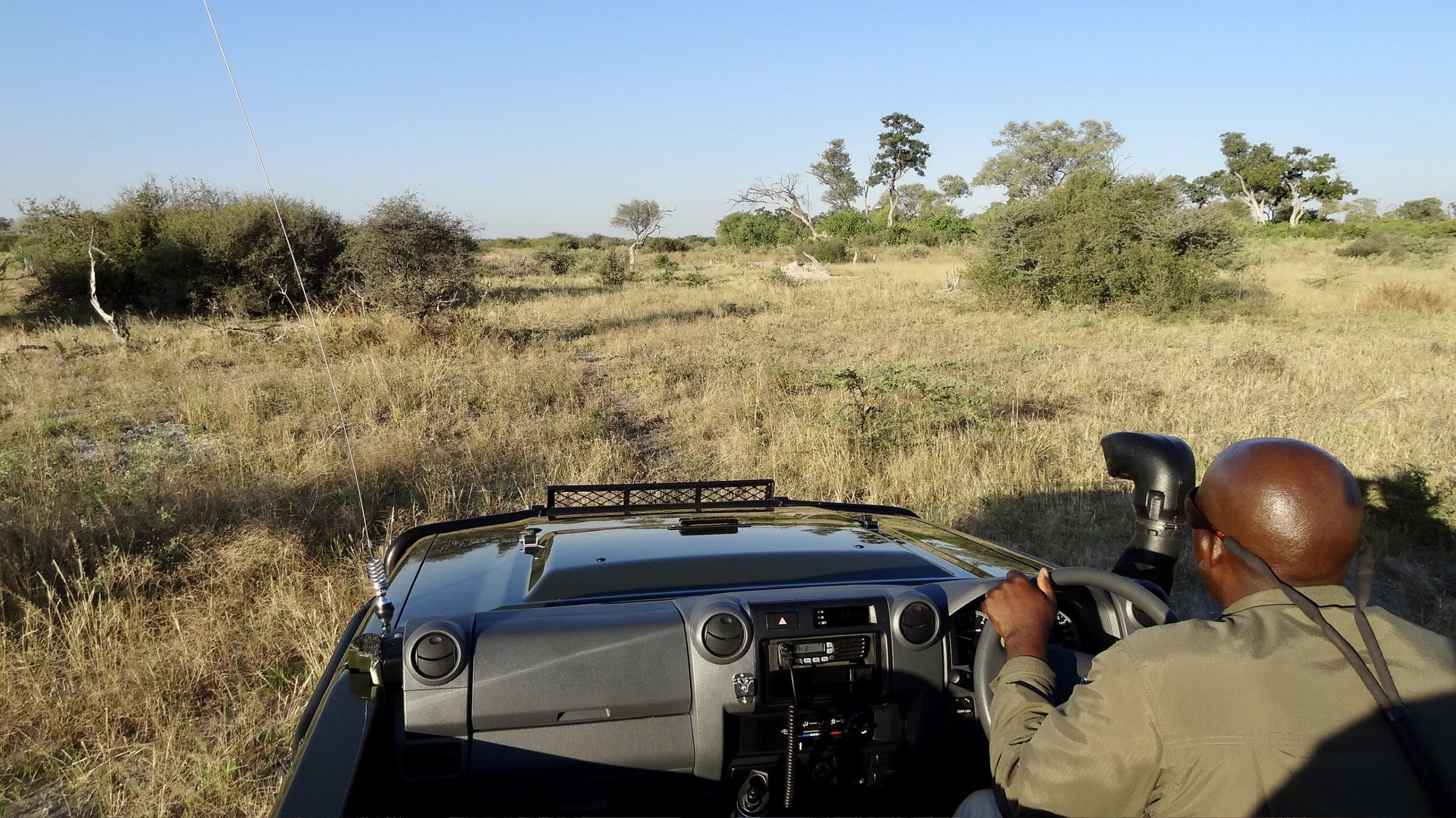
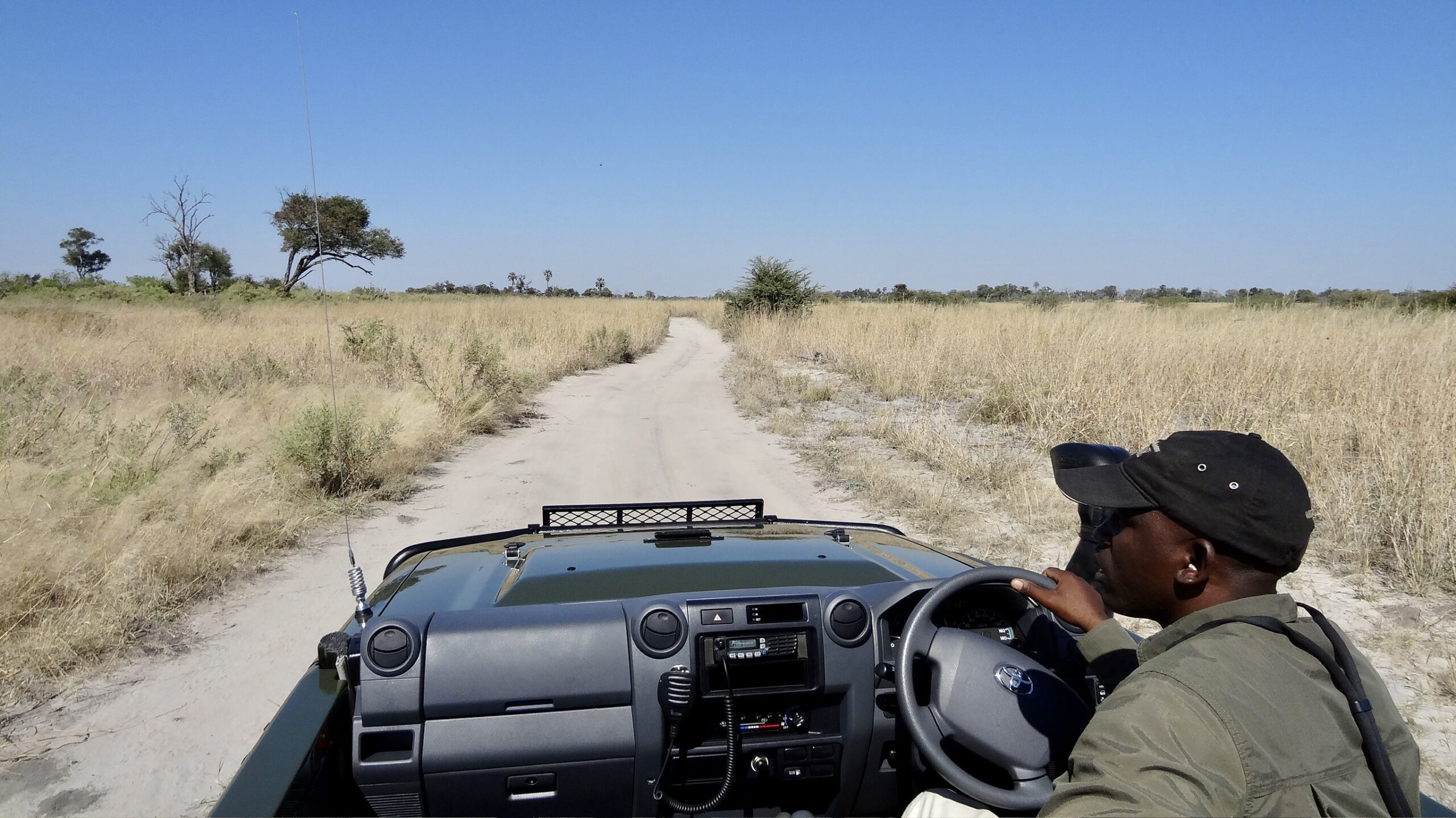
On landing, we were met by Raymond, who would be our safari driver and guide during our stay. On the short drive to Zarafa Camp, he kept an eye out for wildlife.
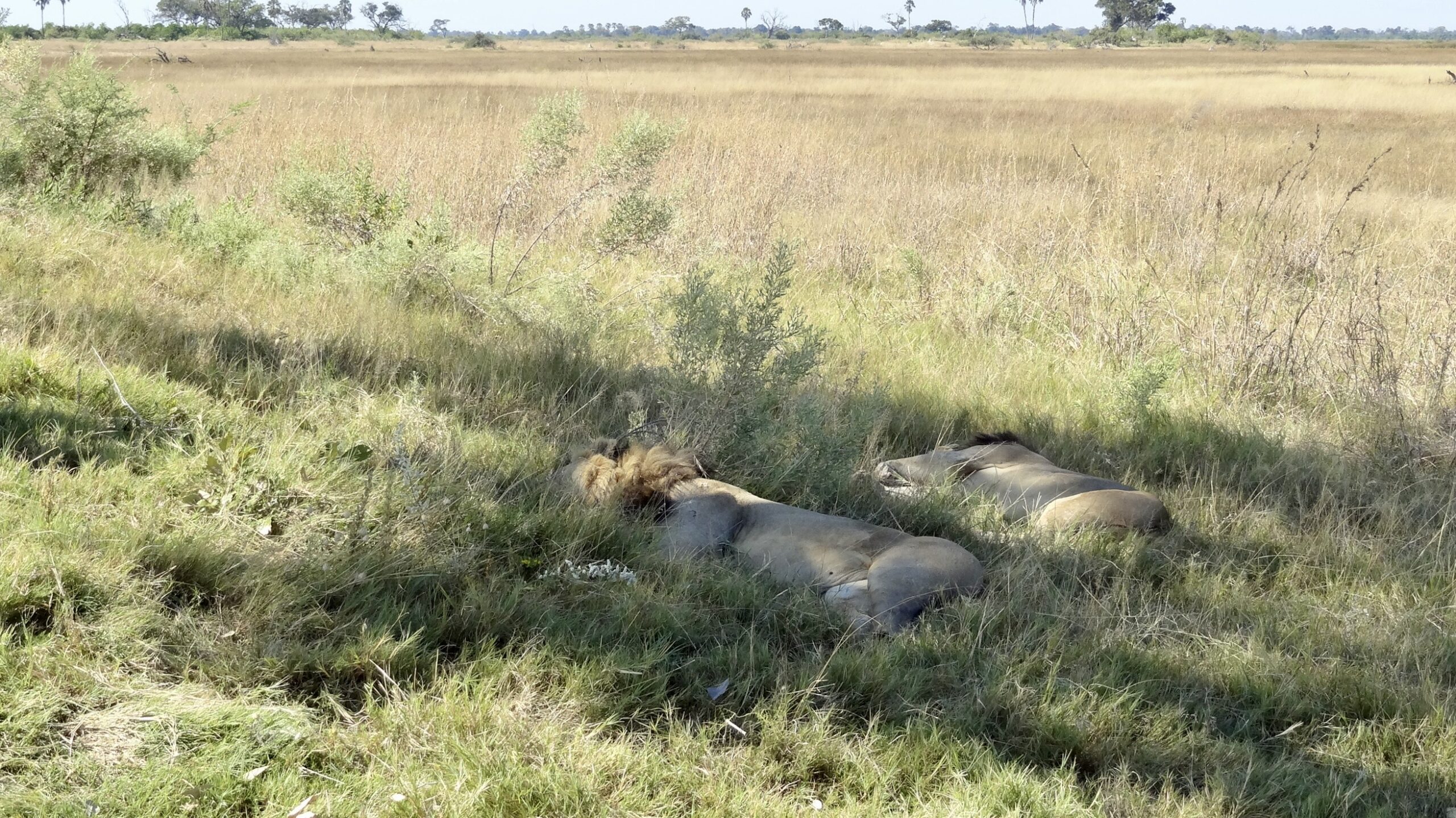
The problem with spotting animals in the afternoon is they’re all horizontal. These two young bachelor lions were passed out in the shade.
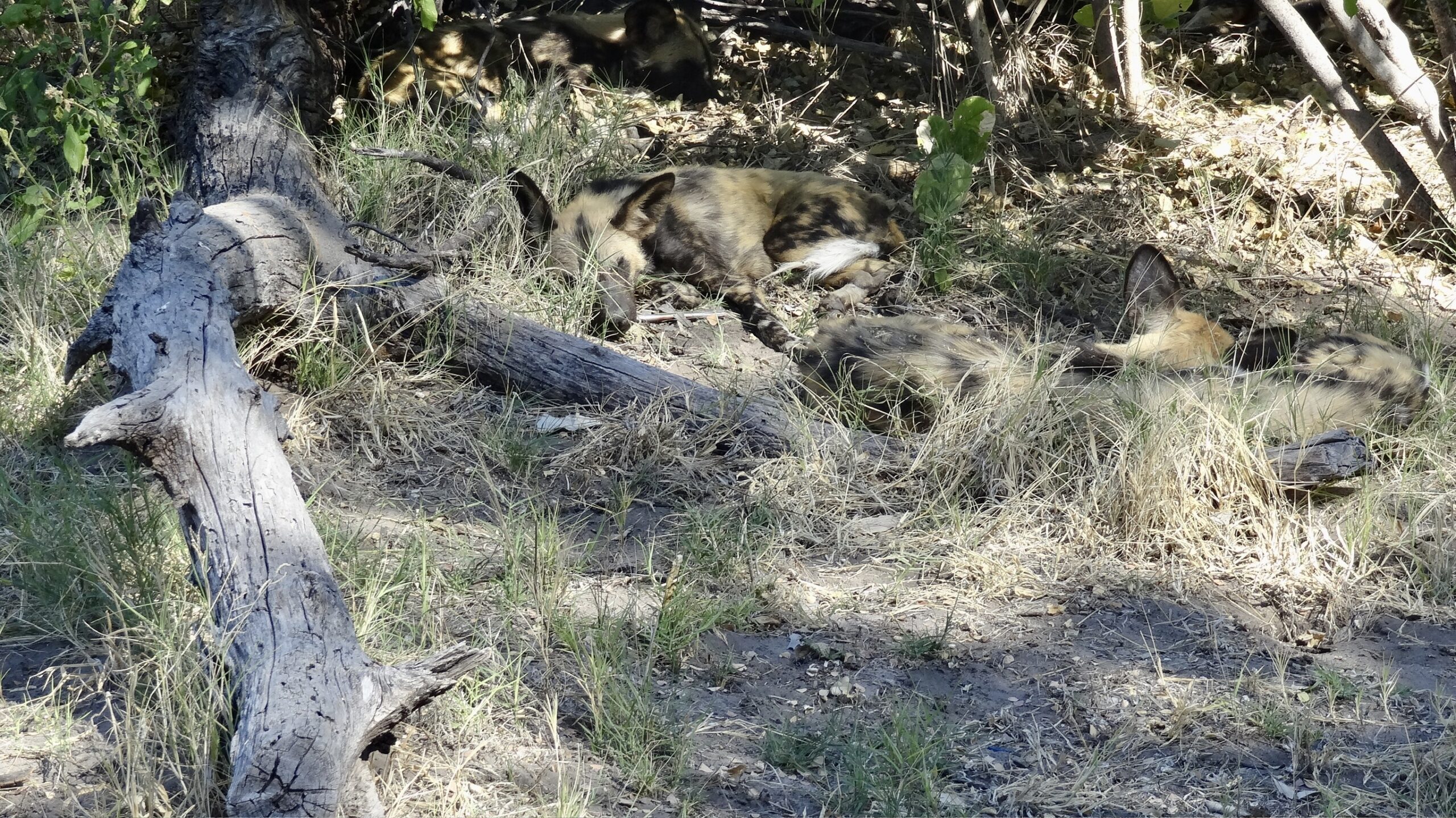
He also pointed out a pack of napping African Wild Dogs. They either didn’t notice us or didn’t care.
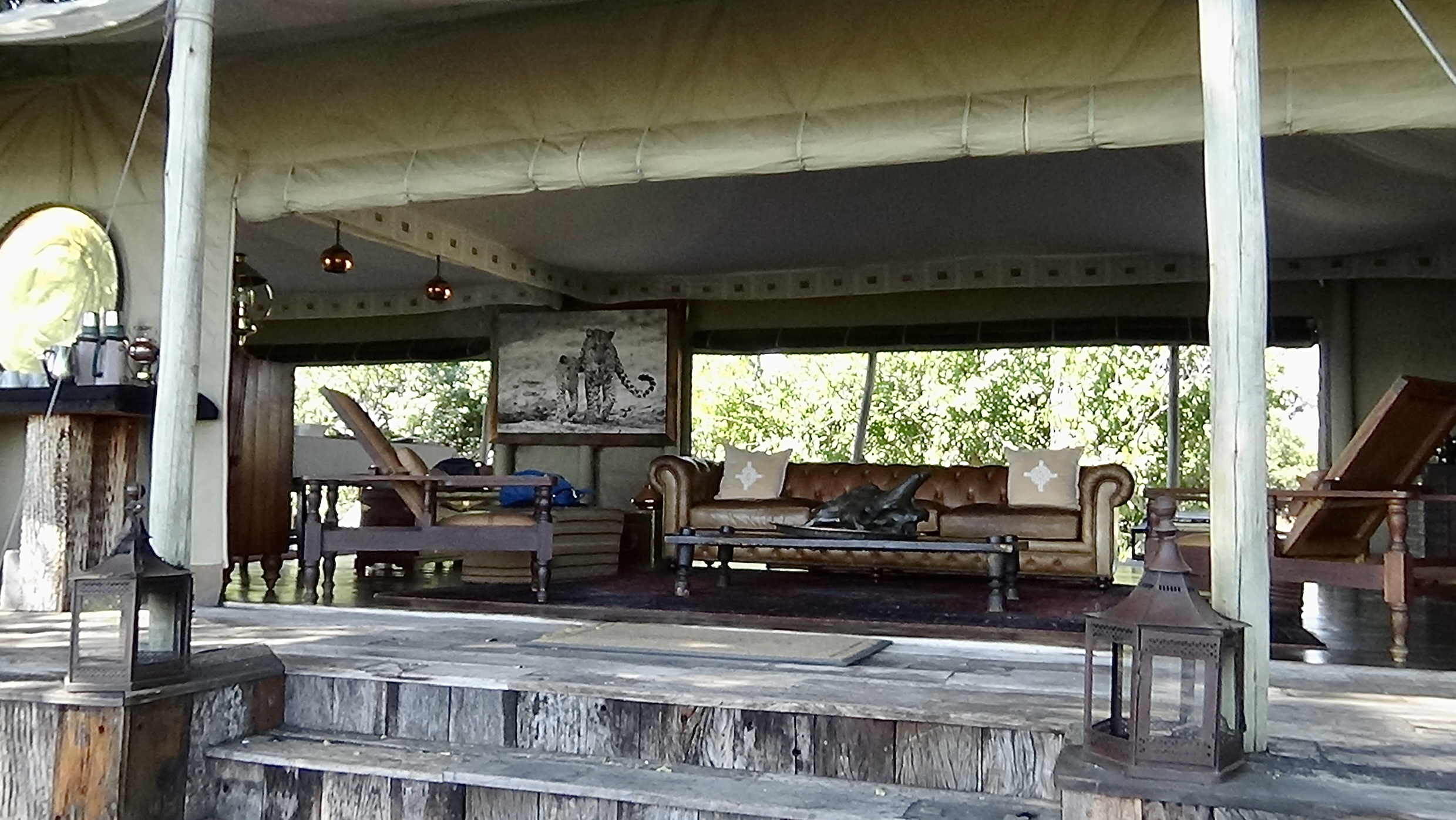
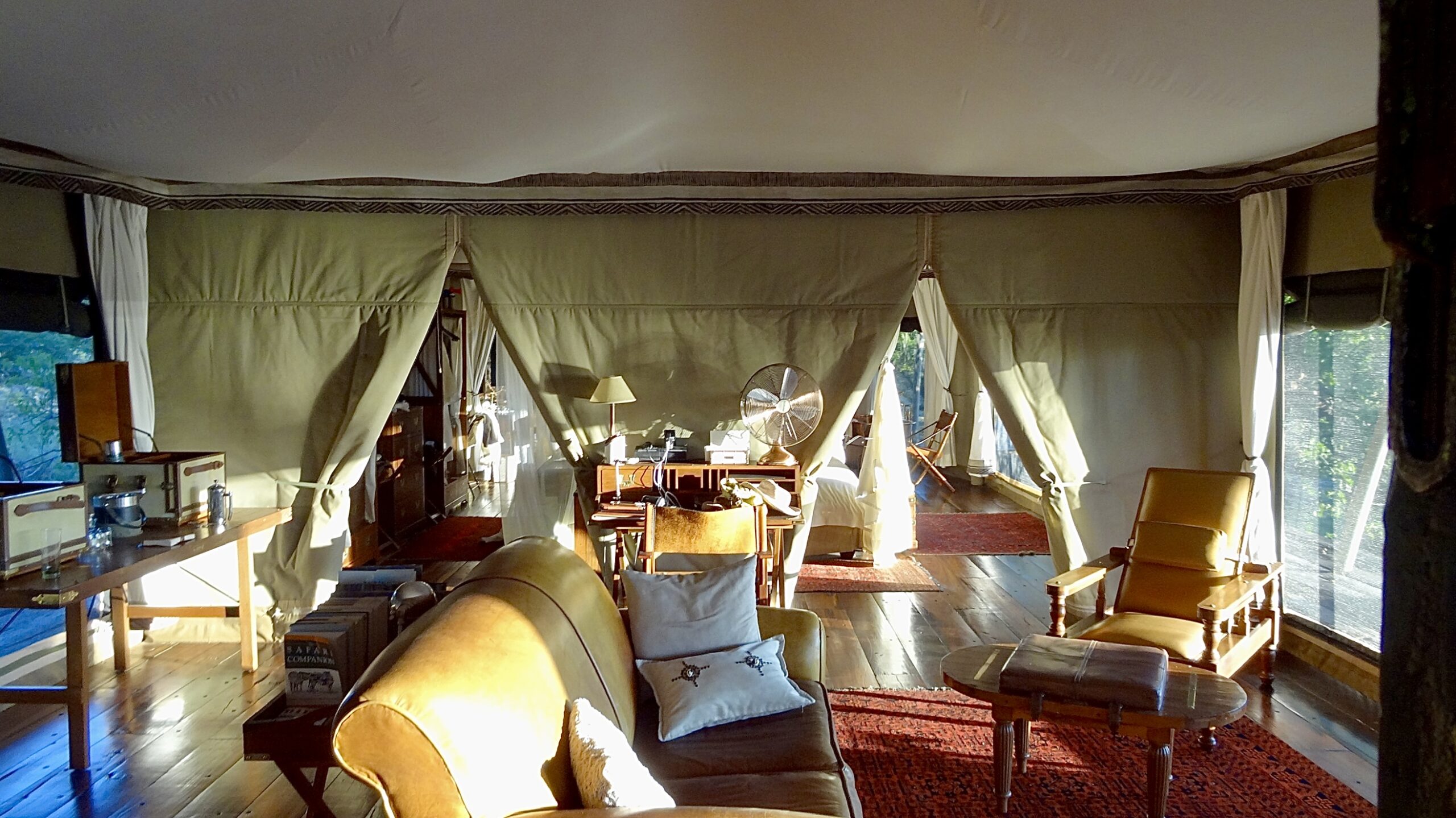
Zarafa camp is a permanent tented camp on the Zibadianja Lagoon, part of the Selinda floodplain. It is small, elegant, and immersive.
The camp has only four guest tents, each one completely private and immensely comfortable.
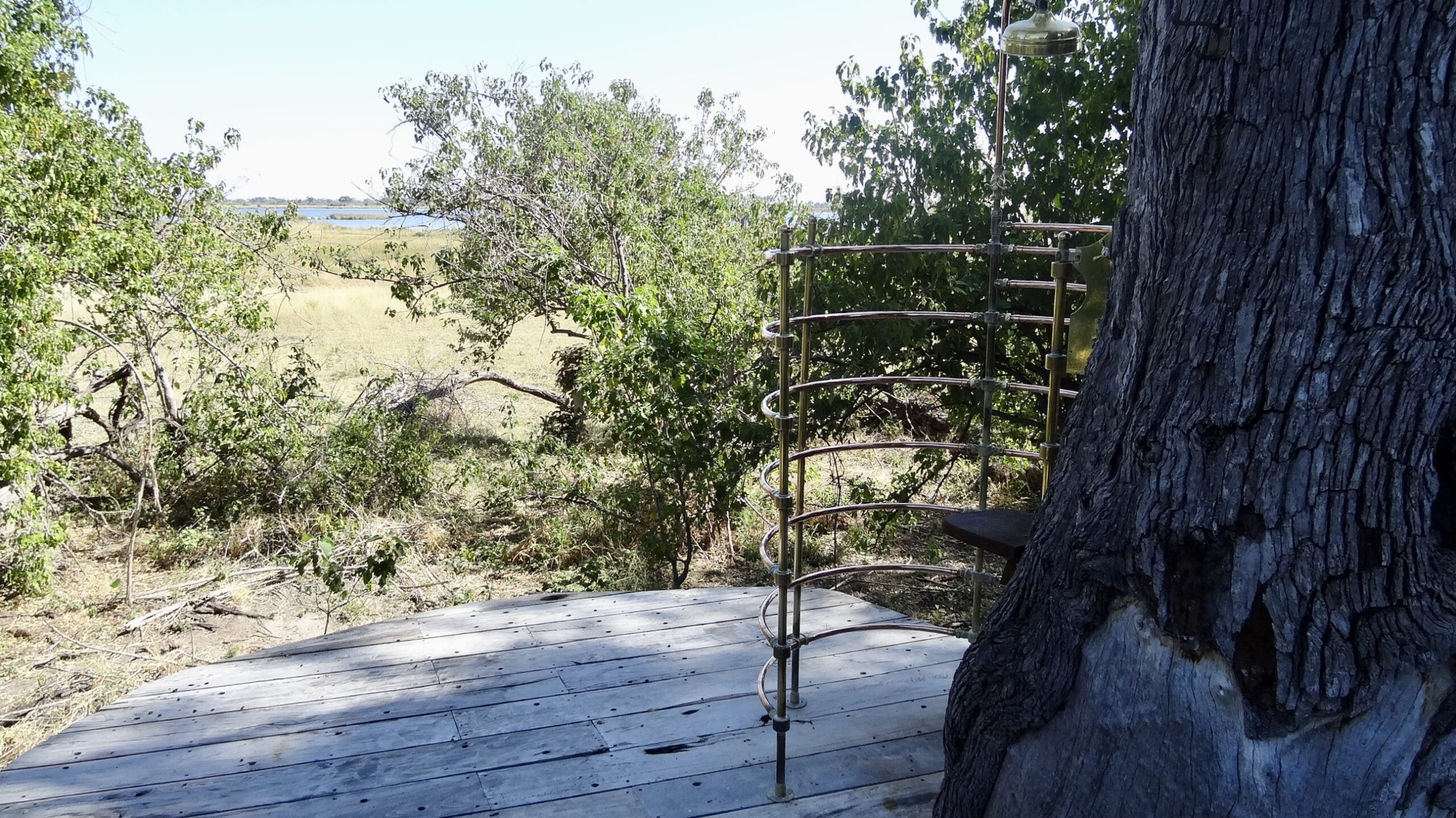
With the option of an outdoor shower.
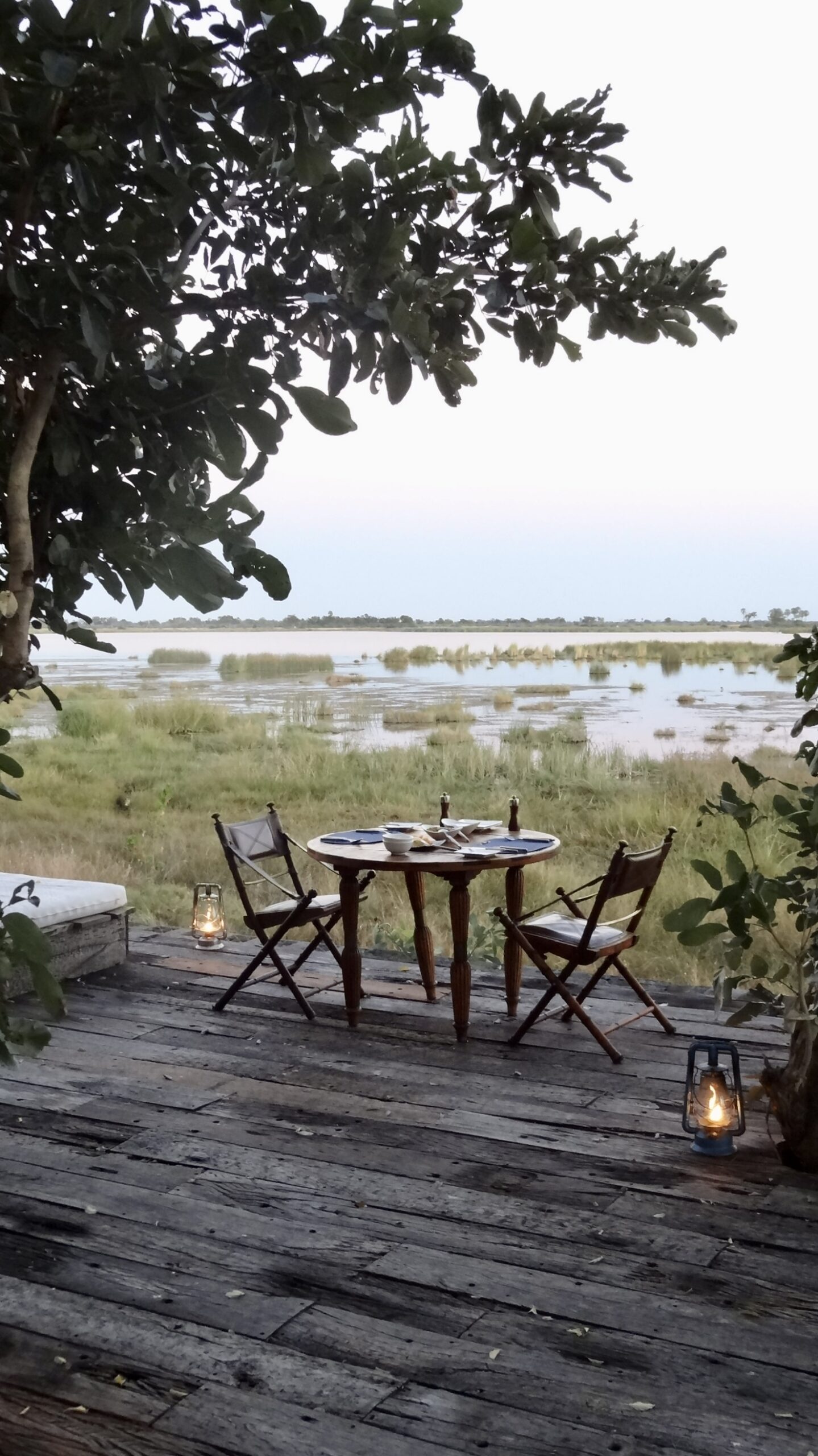
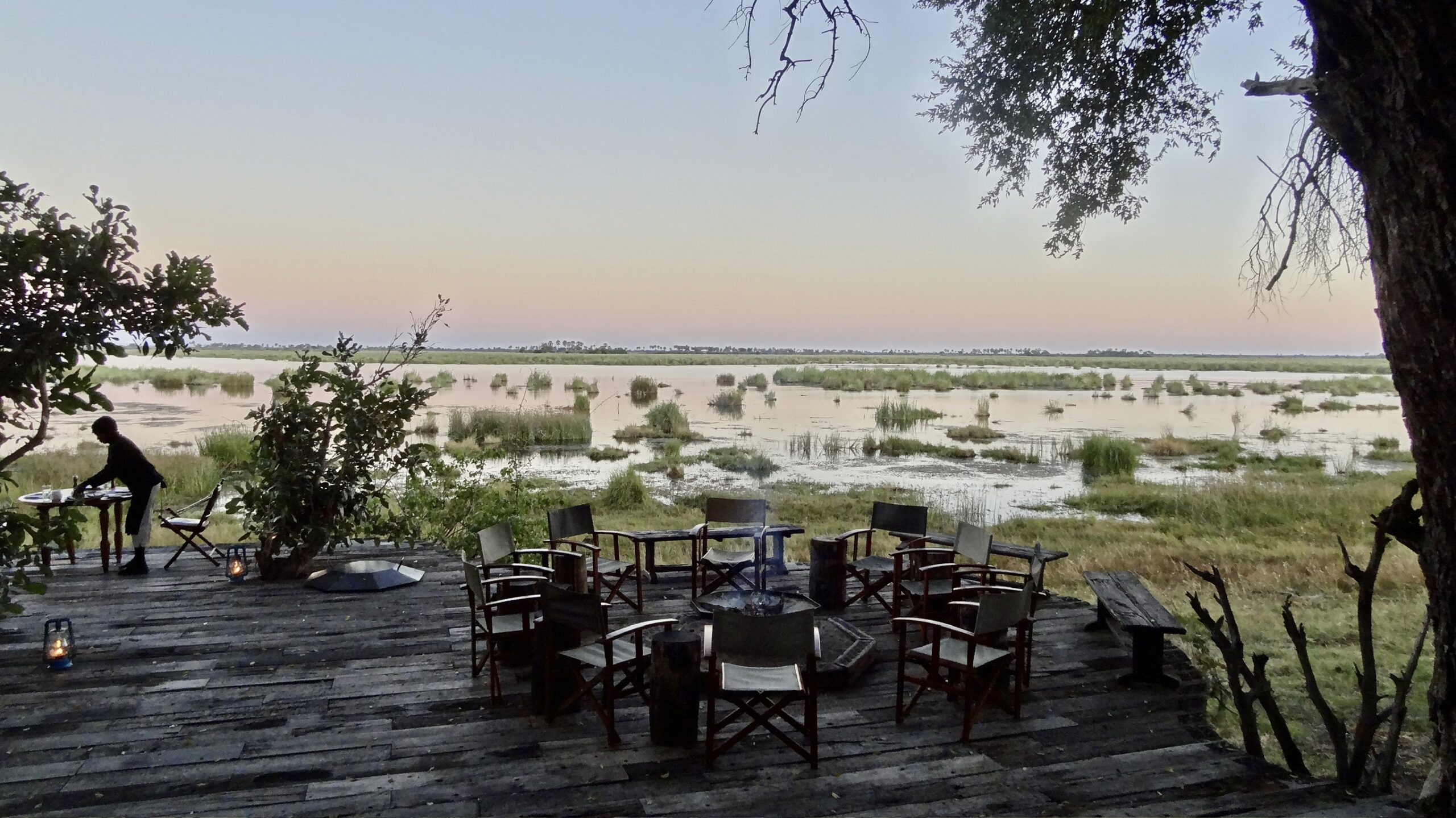
The lagoon itself ebbs and flows with seasonal rains and, like the Okavango Delta and Linyanti River, provides the water that anchors the dense resident wildlife. Here one of the staff sets up our table for dinner.
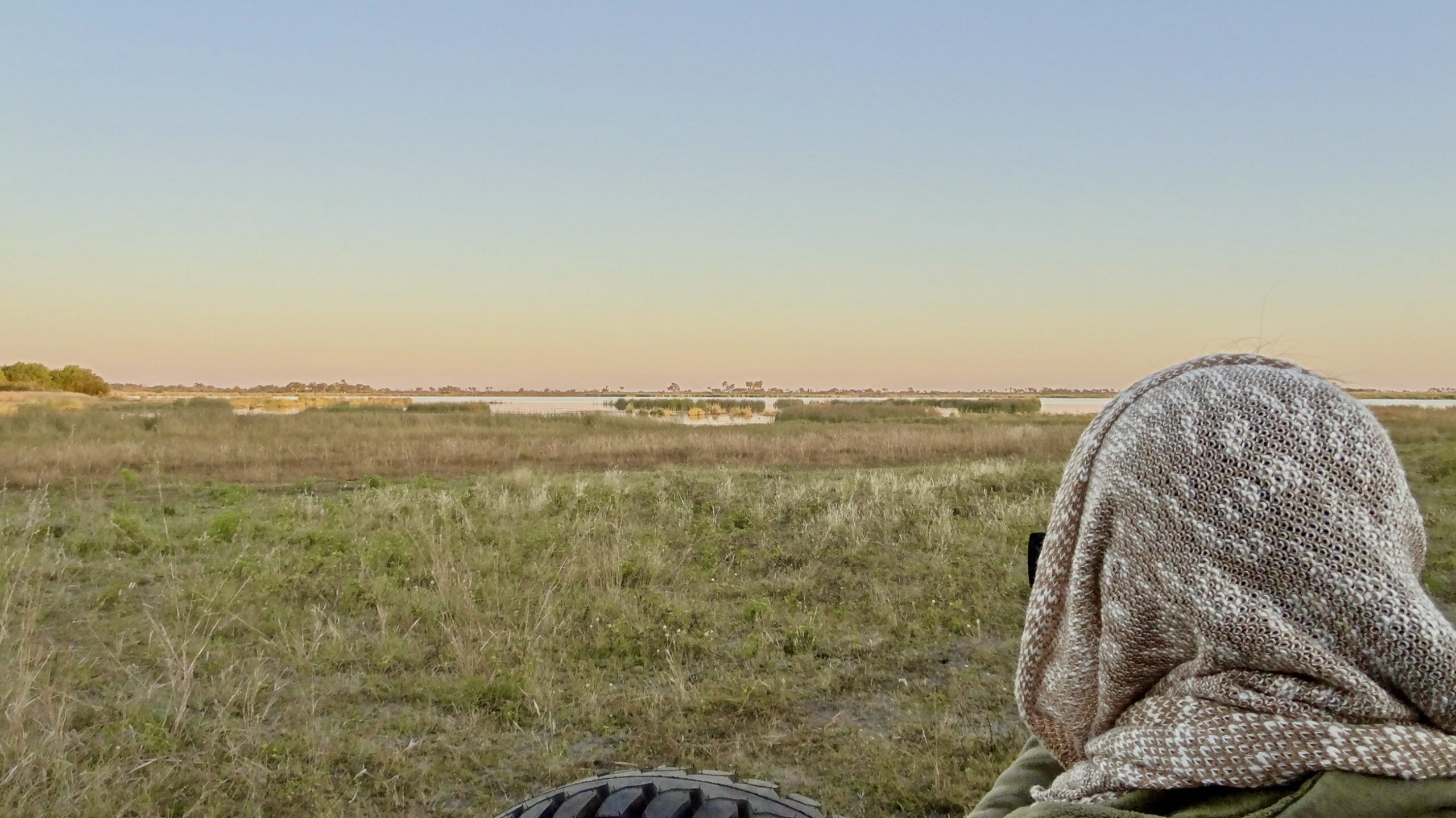
As on our other safari stops, our game drives started early, the air crisp and cold and the sunlight golden.
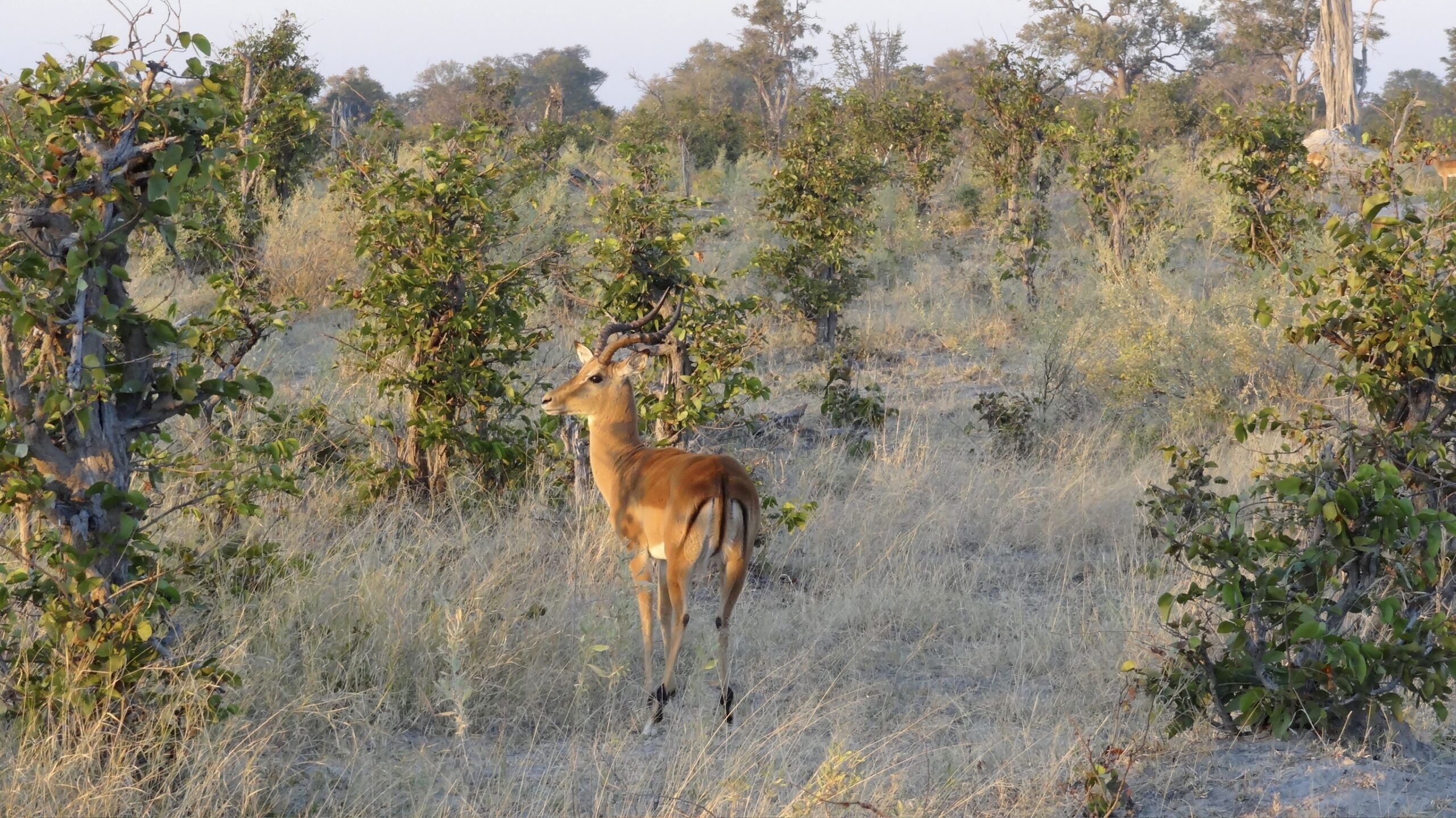
Here we caught the attention of a grazing Impala.
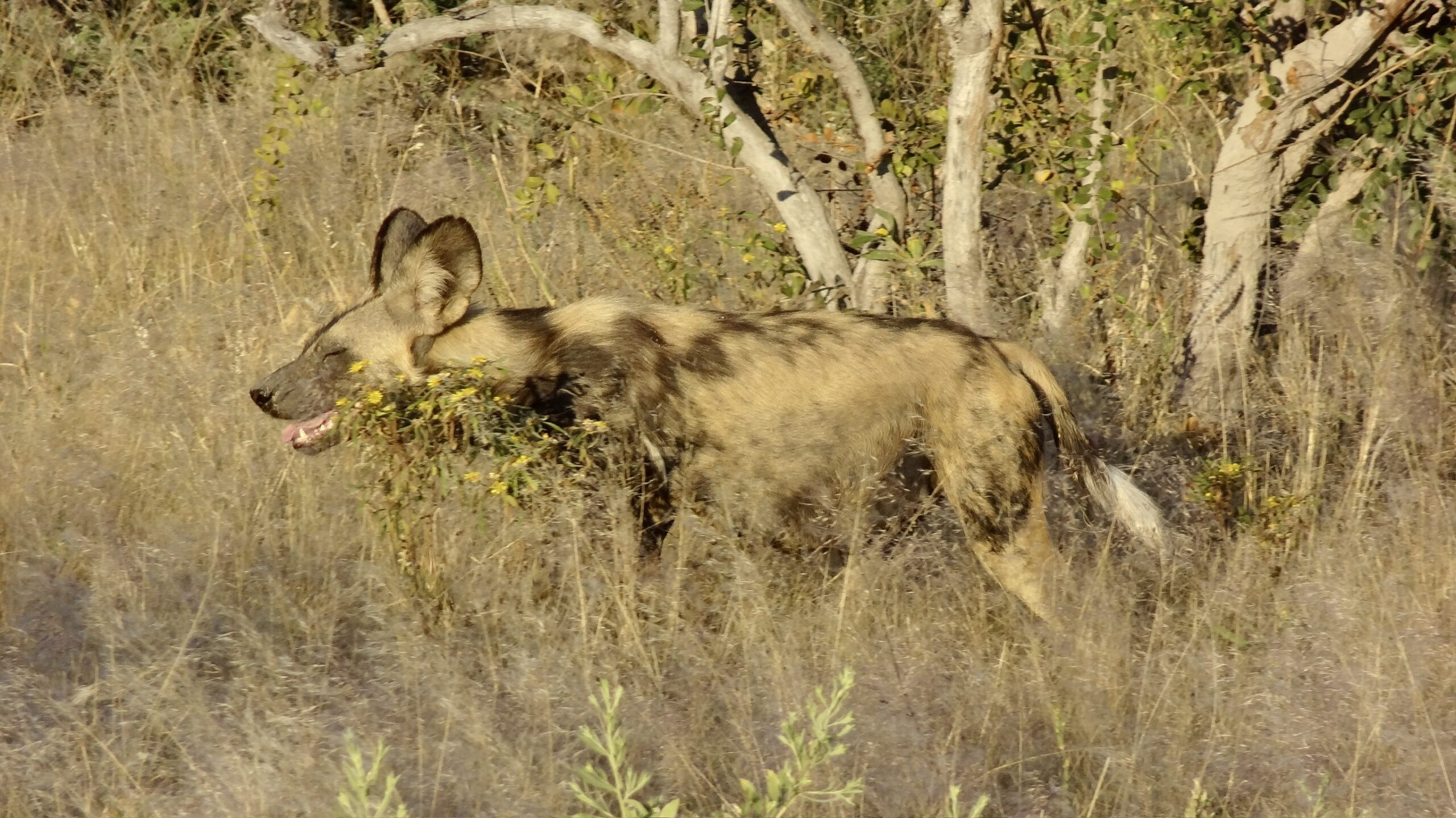
And we stopped to watch a pack of Wild Dogs, sometimes called African Painted Dogs, trot past. They were on a mission. The alpha female heavily pregnant.
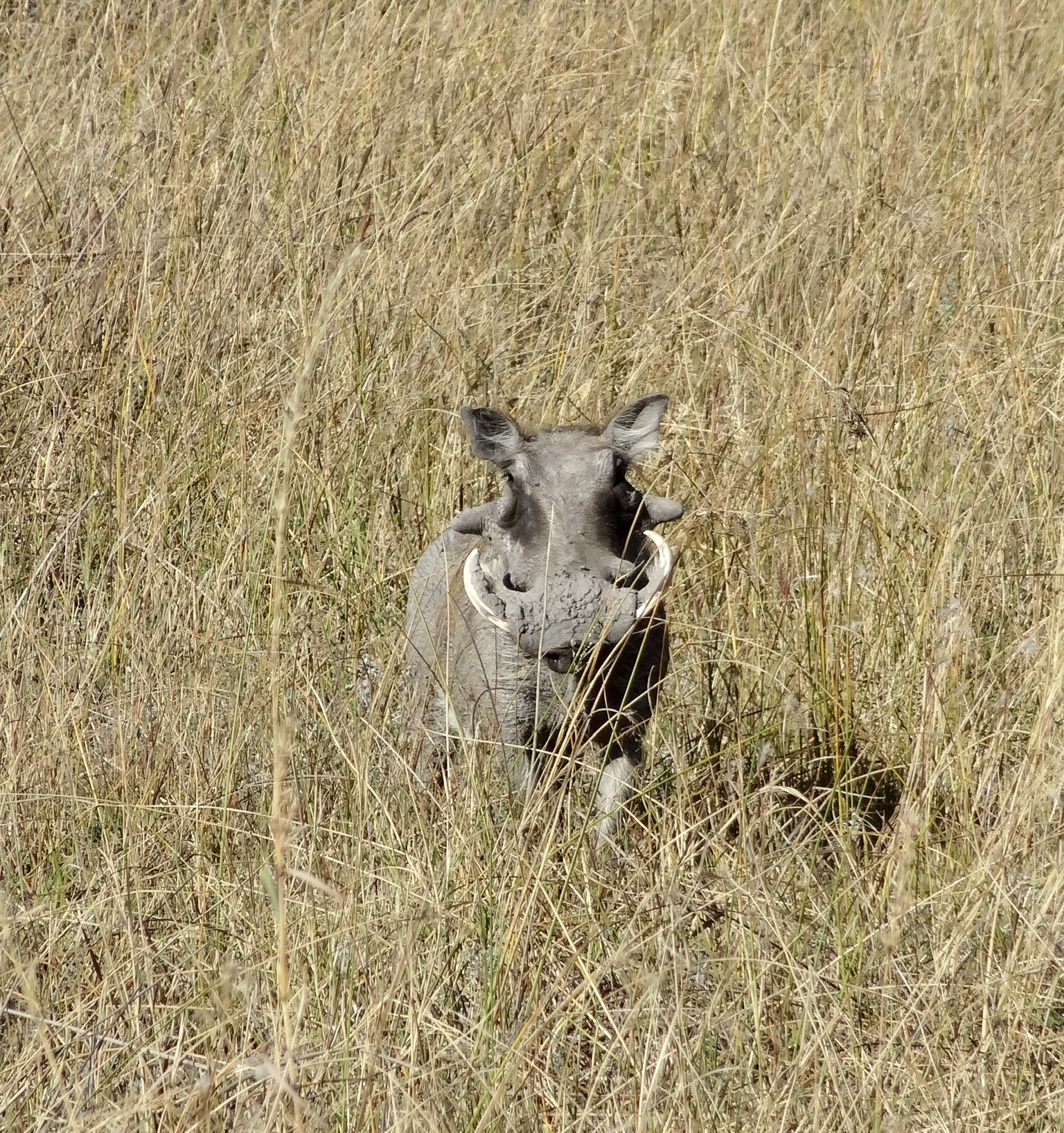
Warthogs remain a top favorite of ours, of course.
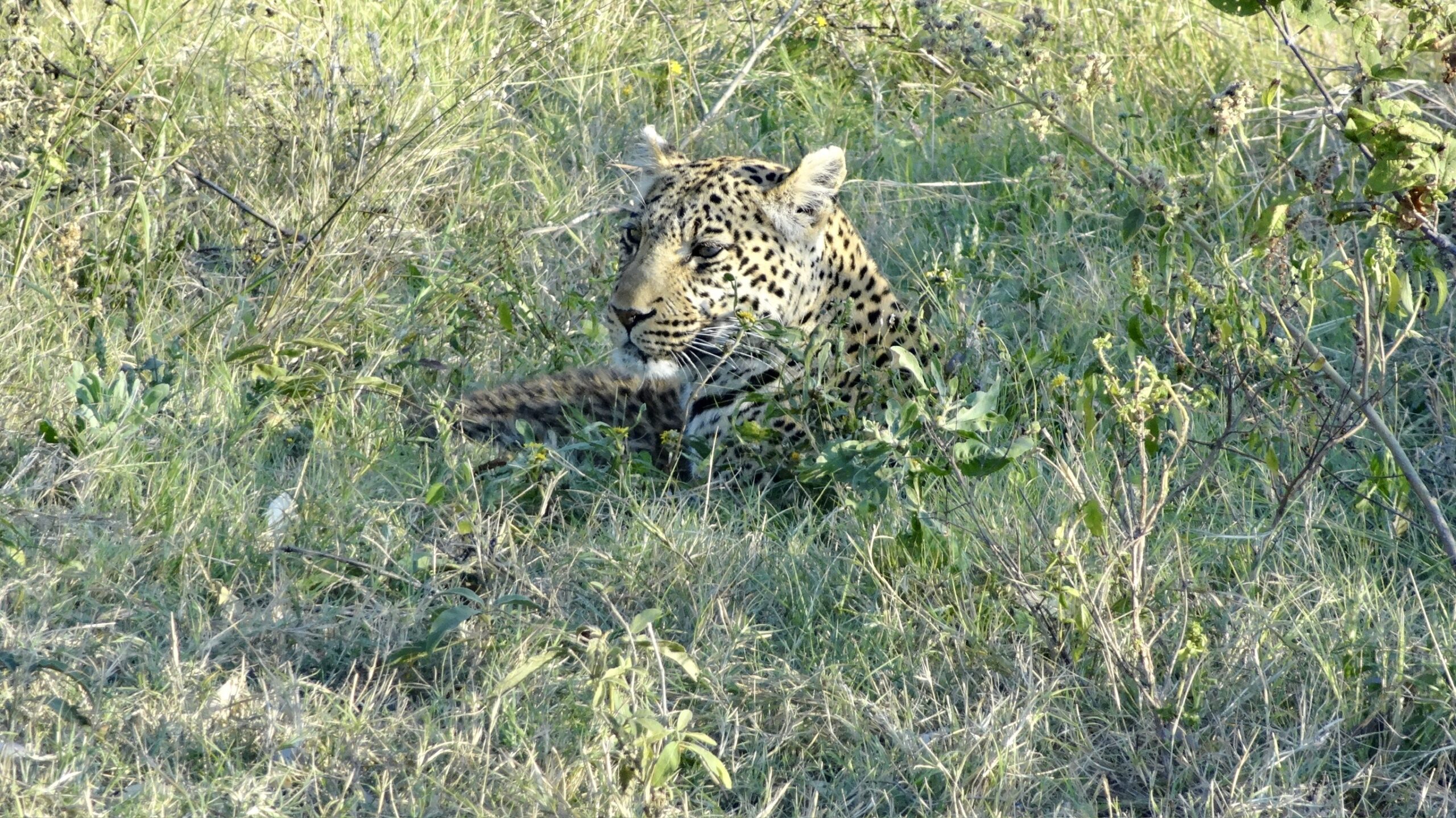
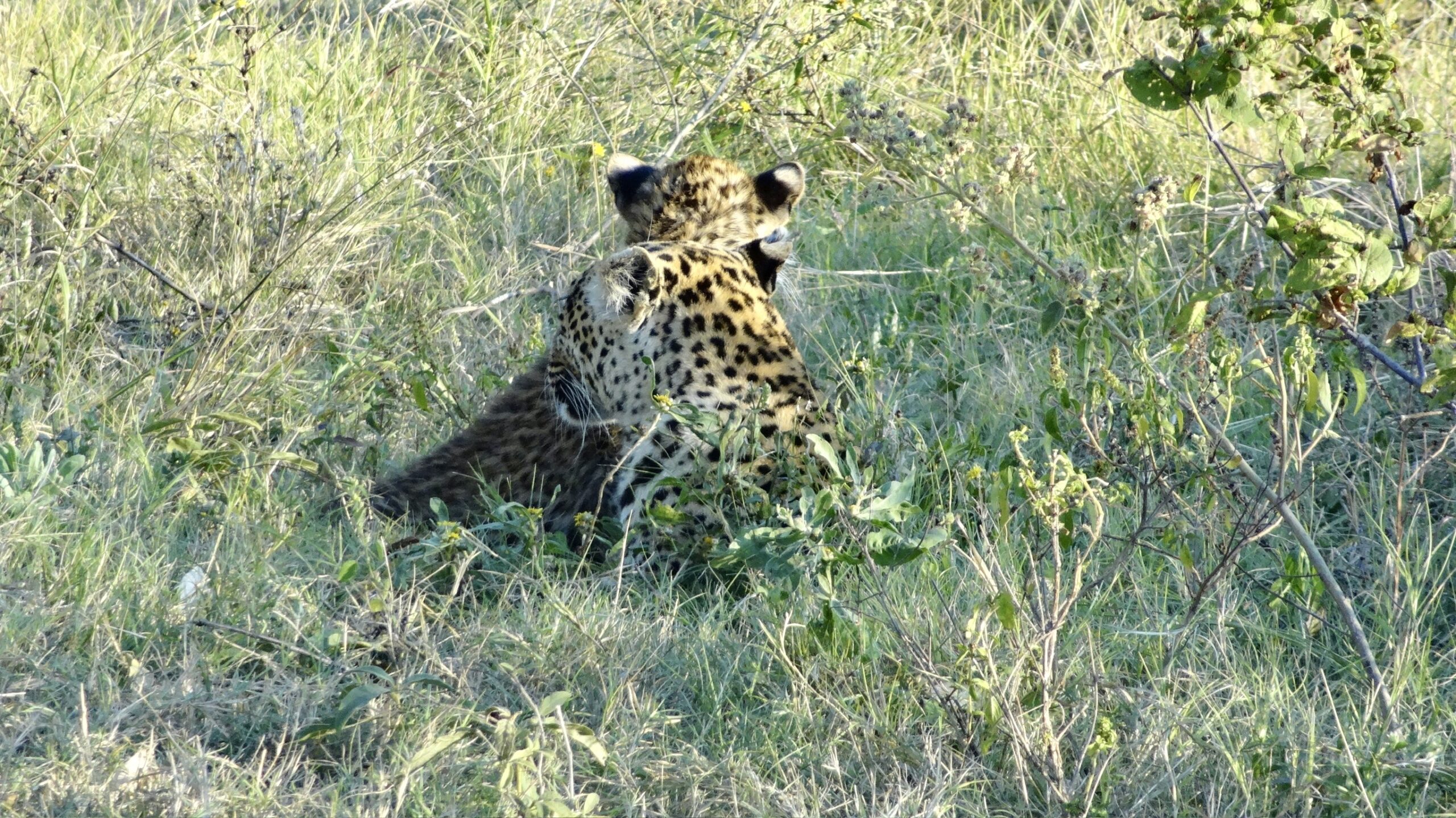
We were excited to find a Leopard resting in the grass …
Especially when it turned out her cub was with her.
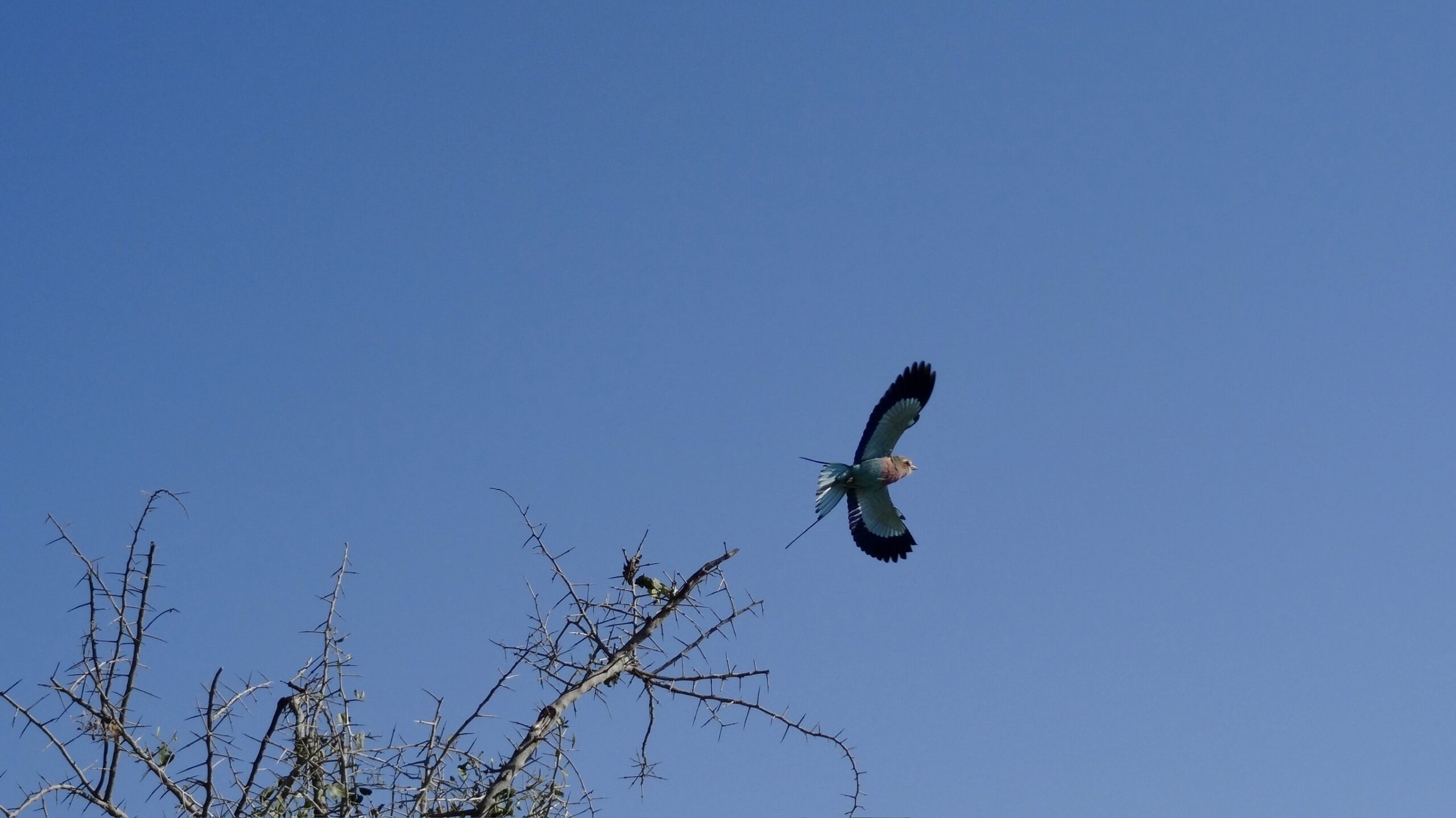
Birds were in abundance, too, like this beautiful Lilac-breasted Roller …
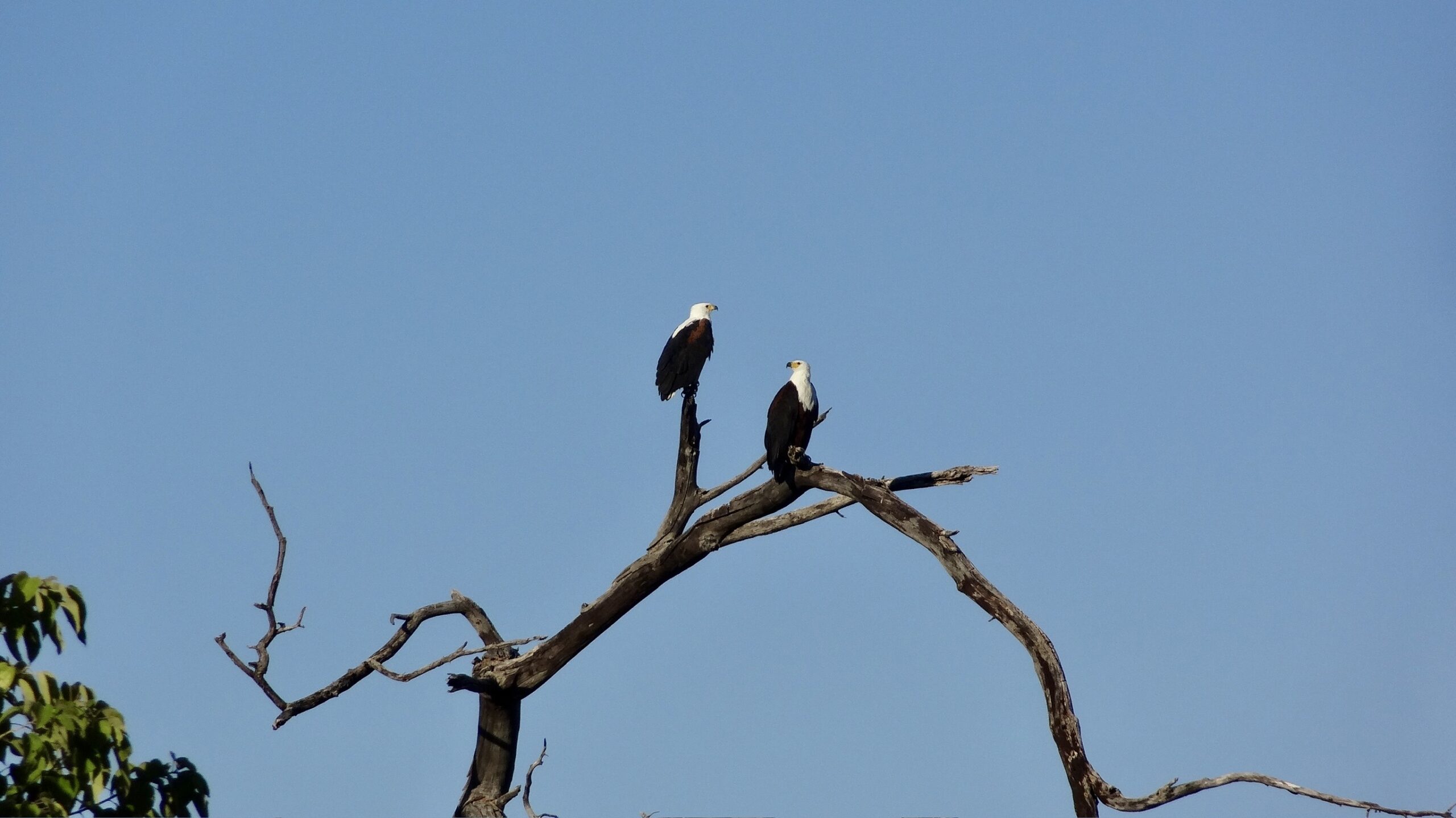
African Fish Eagles on lookout …
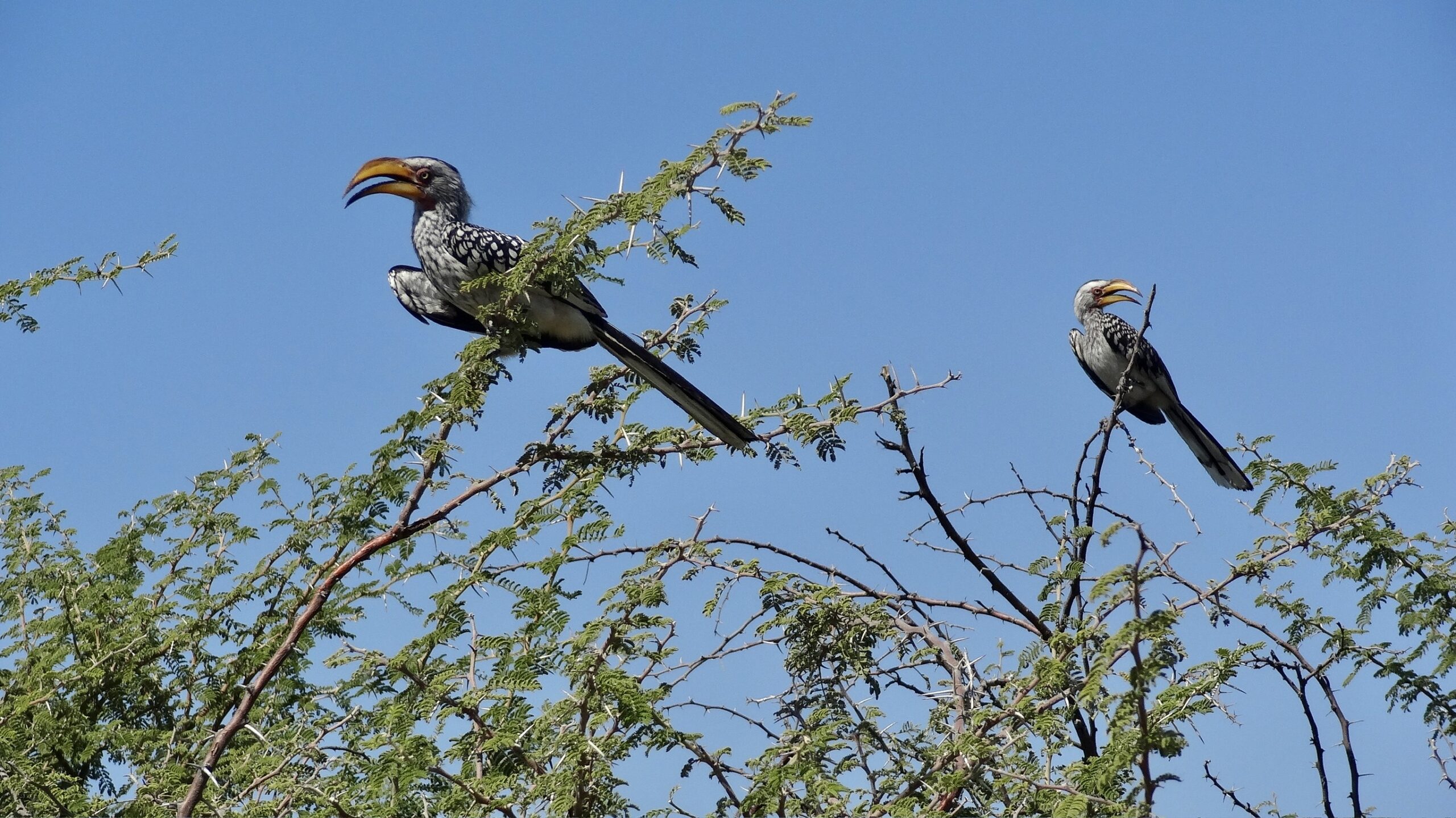
And Yellow Hornbills just hornbilling in a thorny Acacia tree.
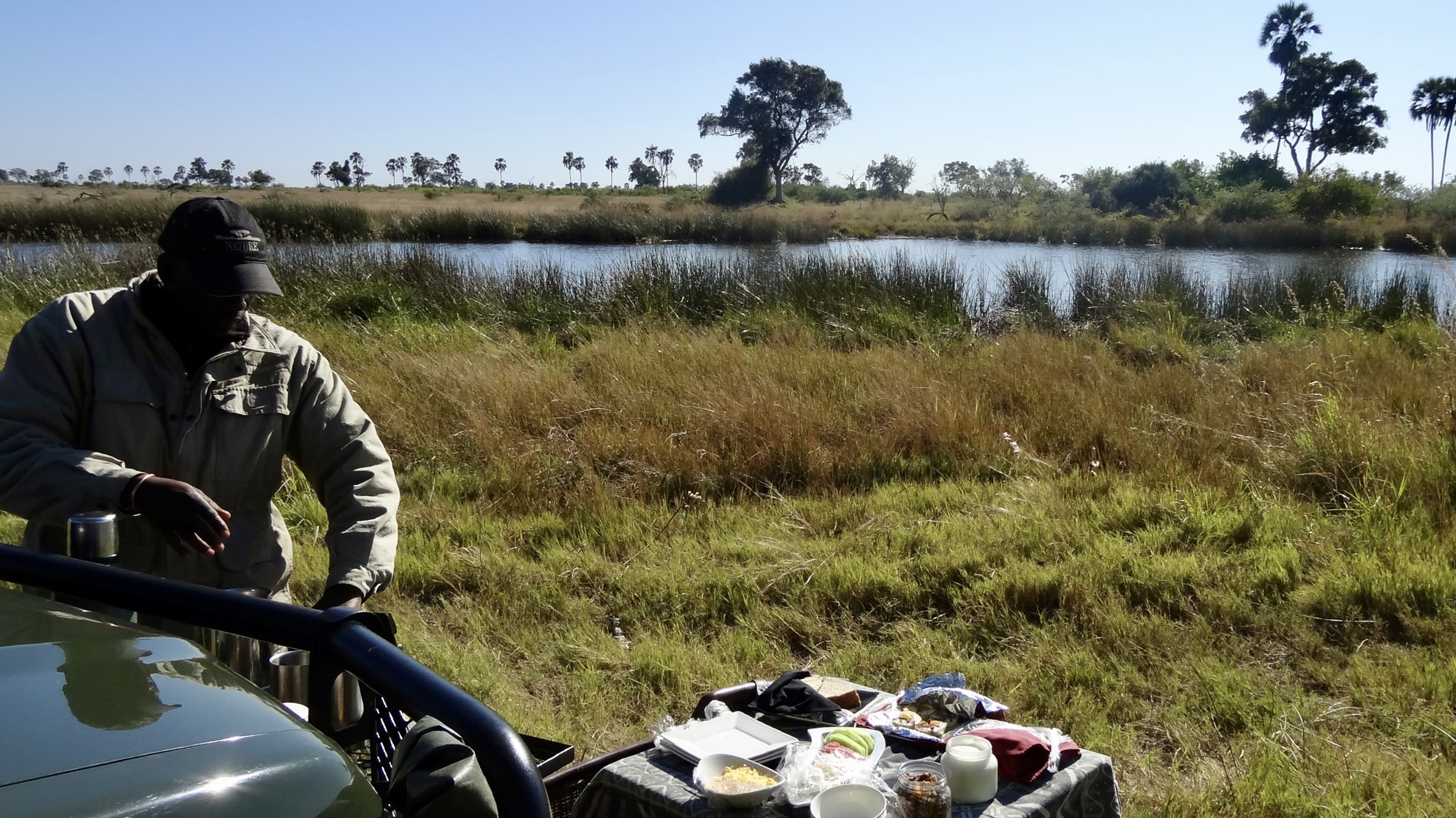
Our guide Raymond picked a pretty spot where we stopped for our now de rigueur second breakfast.
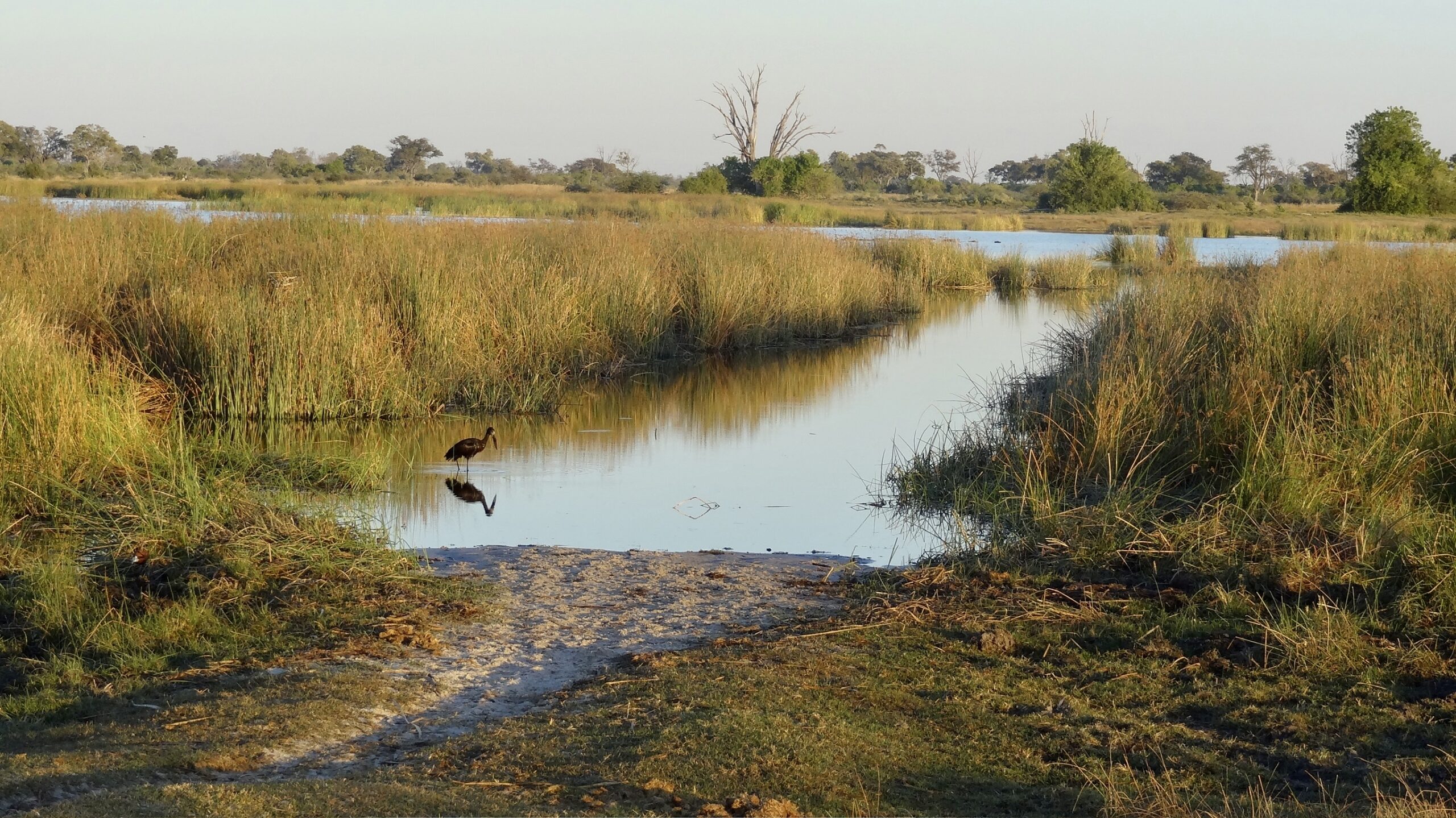
Our snack stop wasn’t far from what looked like a sandy boat ramp. It wasn’t. Elephants were involved.

We parked on a small rise behind a termite mound and watched a herd approach. The matriarch lead her group down to the water. One of the males gave us a hard look and warning ear flap as they passed.
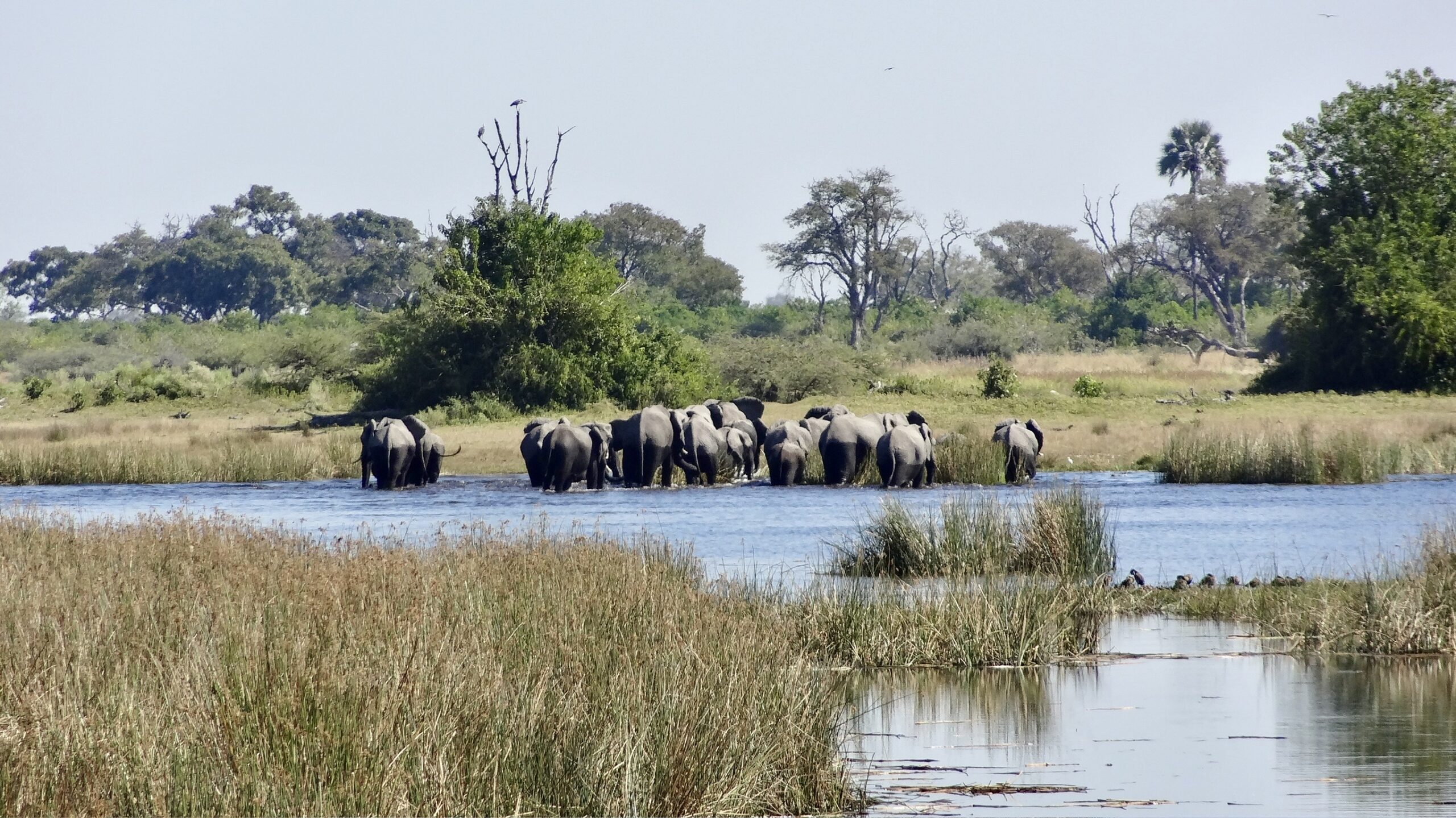
We watched them stroll down the ramp and off through the water.
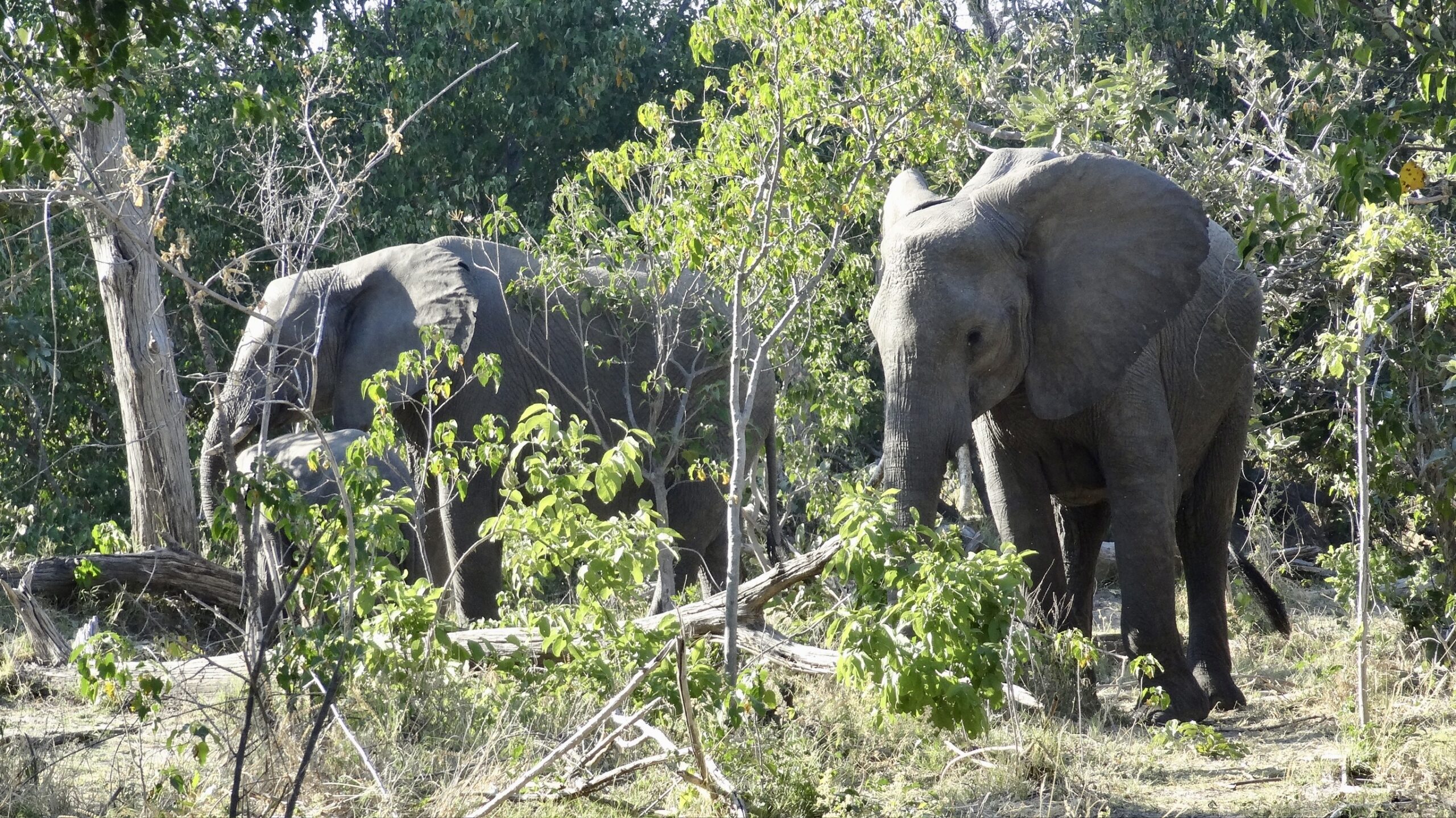
Back at camp after a late lunch, another group of elephants wandered through the tents. They were frequents visitors, even at night, when we could hear them rumbling through.
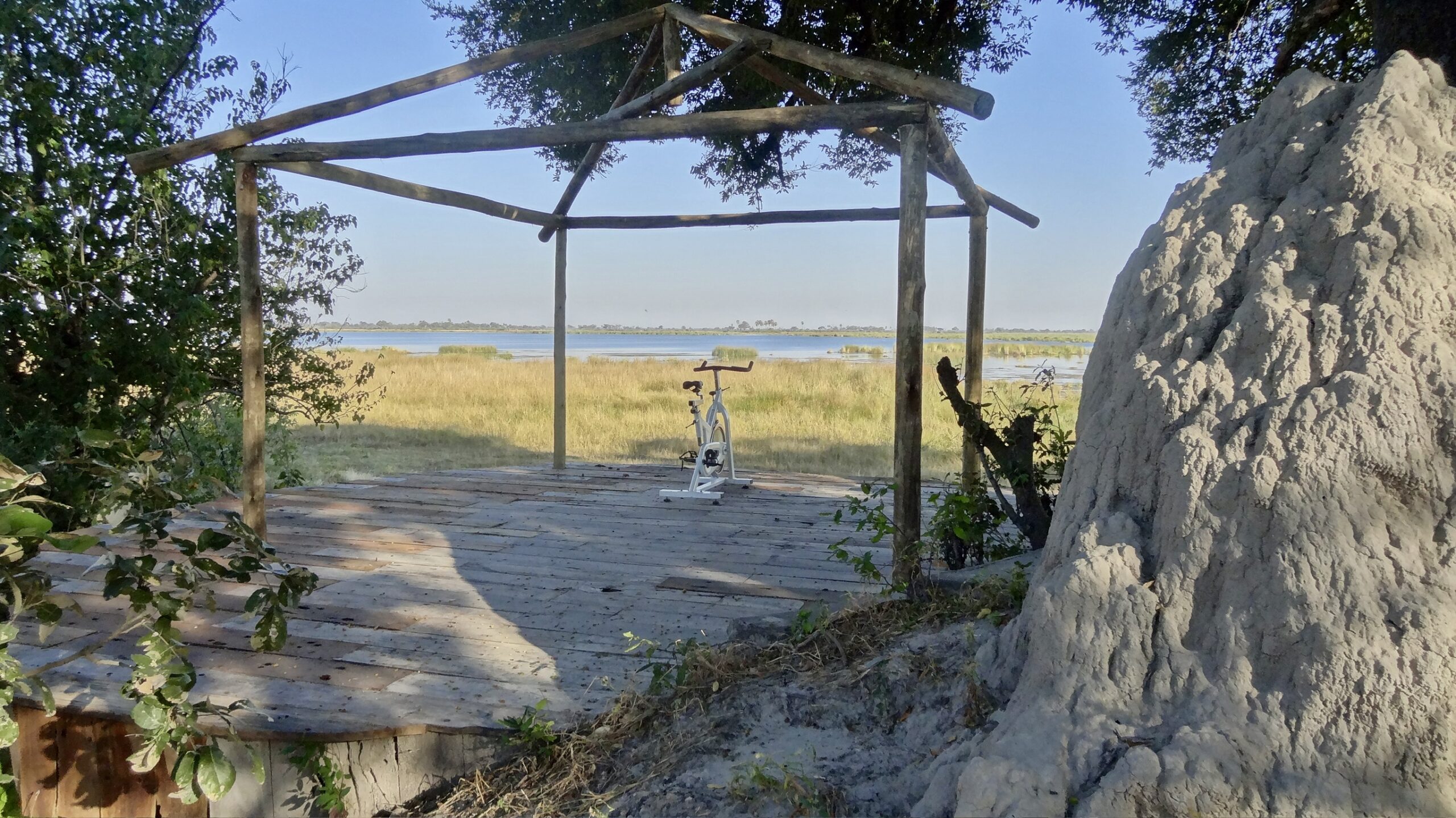
When we wanted to exercise, we went to the fitness room. Nothing like the one we enjoyed at the Singita lodge in Tanzania, it began and ended with a stationary bike. That’s one bike more, though, than what we had at Tau Pan.
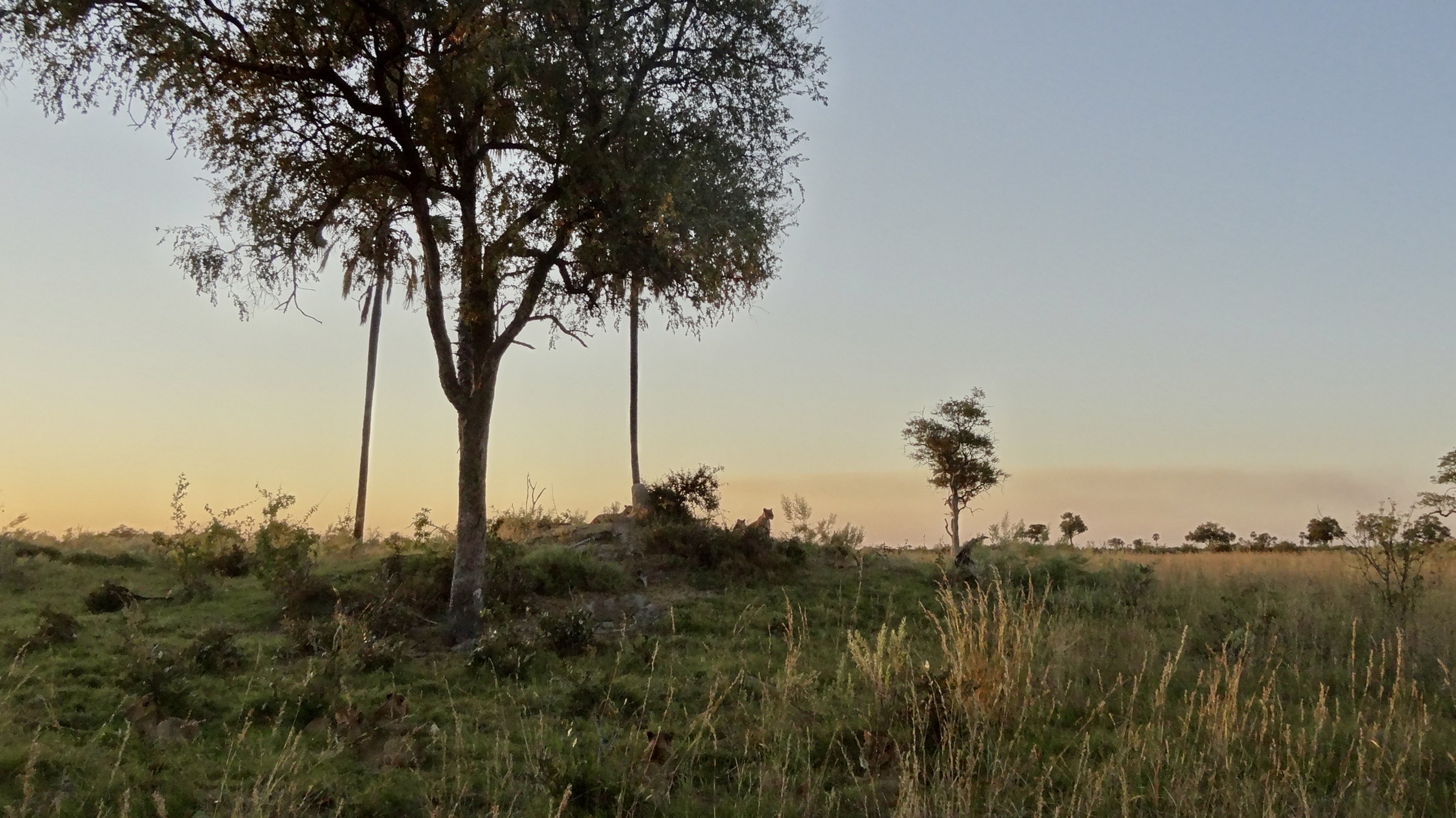
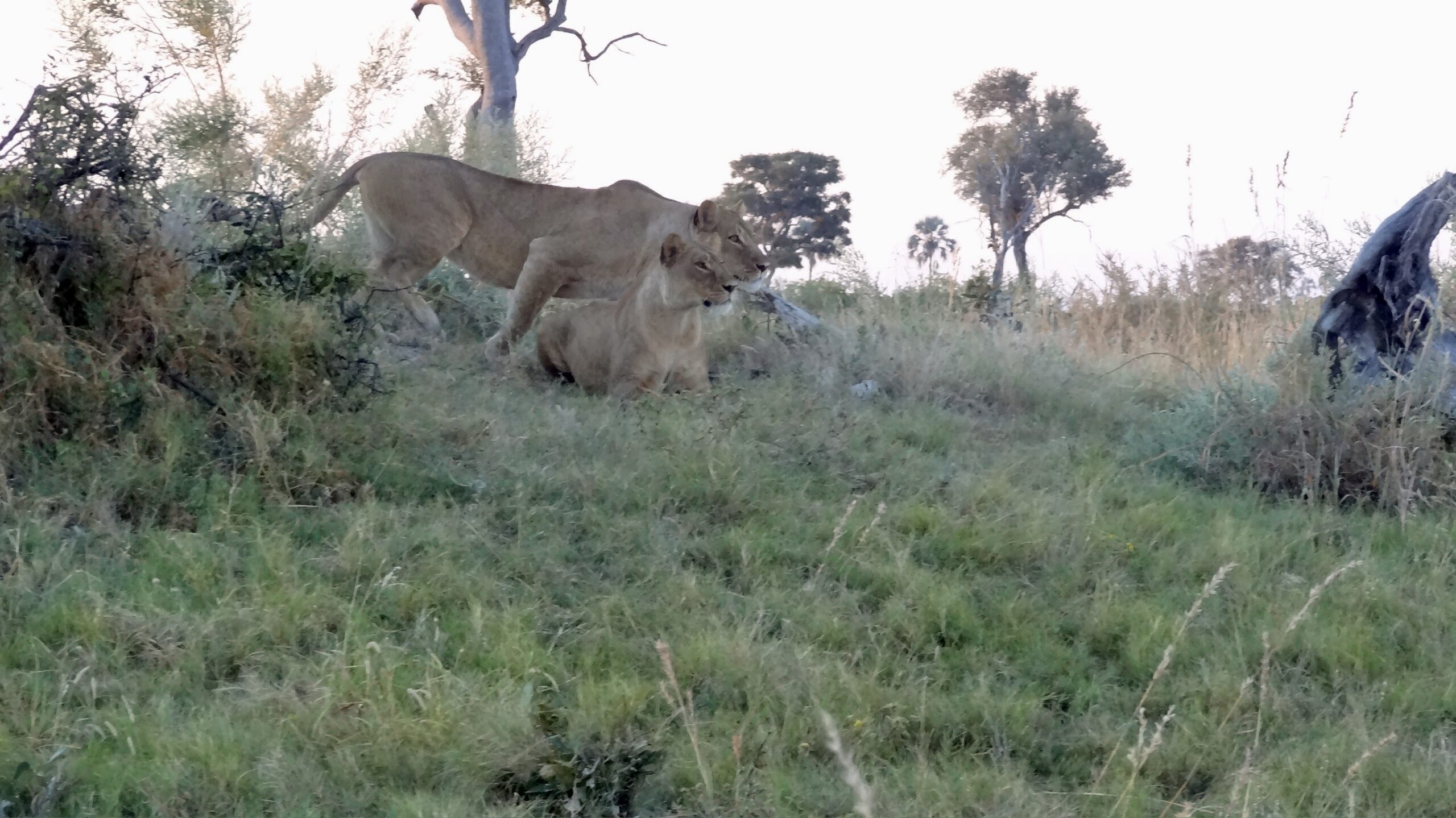
An afternoon drive took us to a small rise overlooking the grasslands and a large pride of lions that had stopped there.
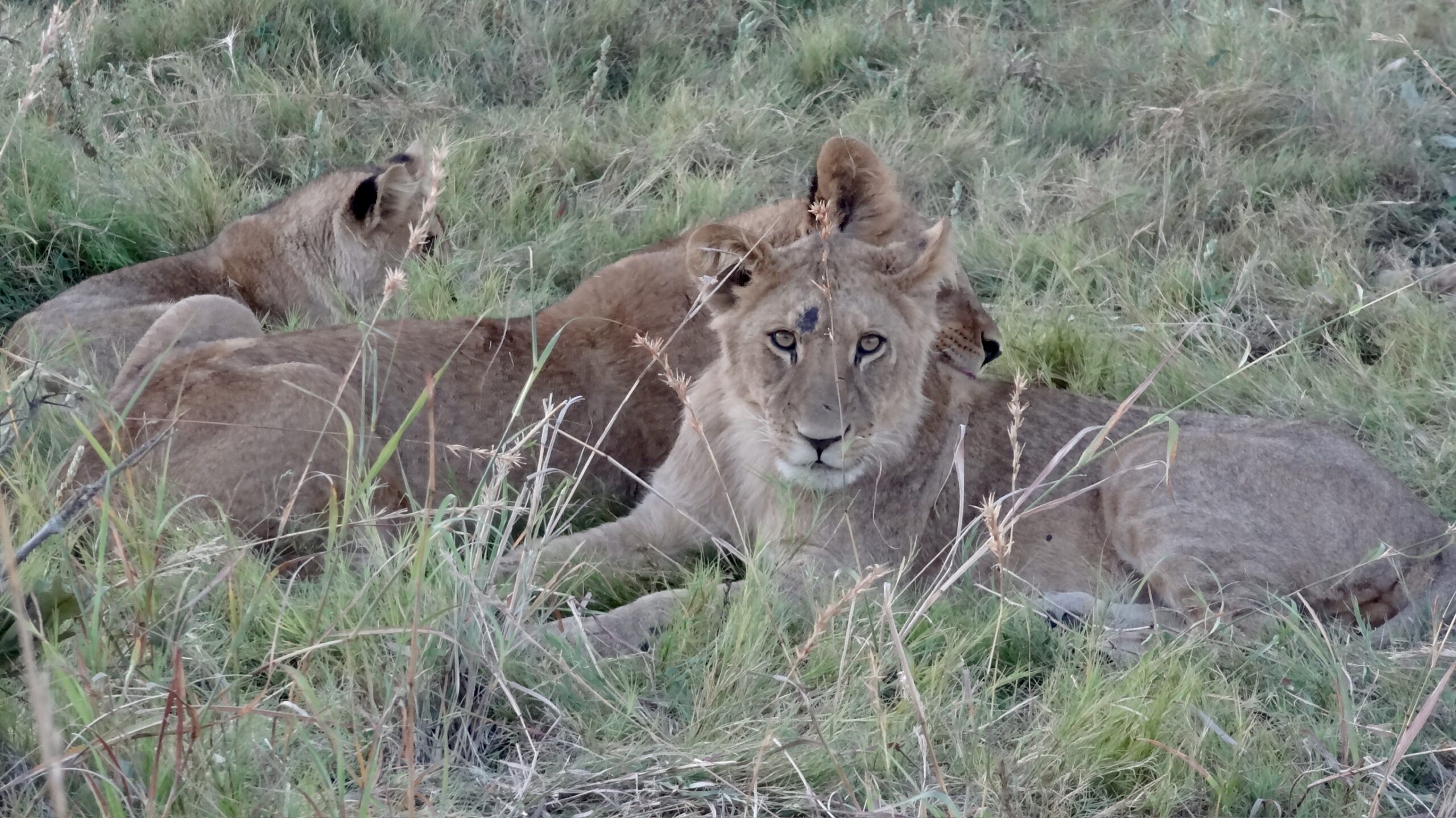
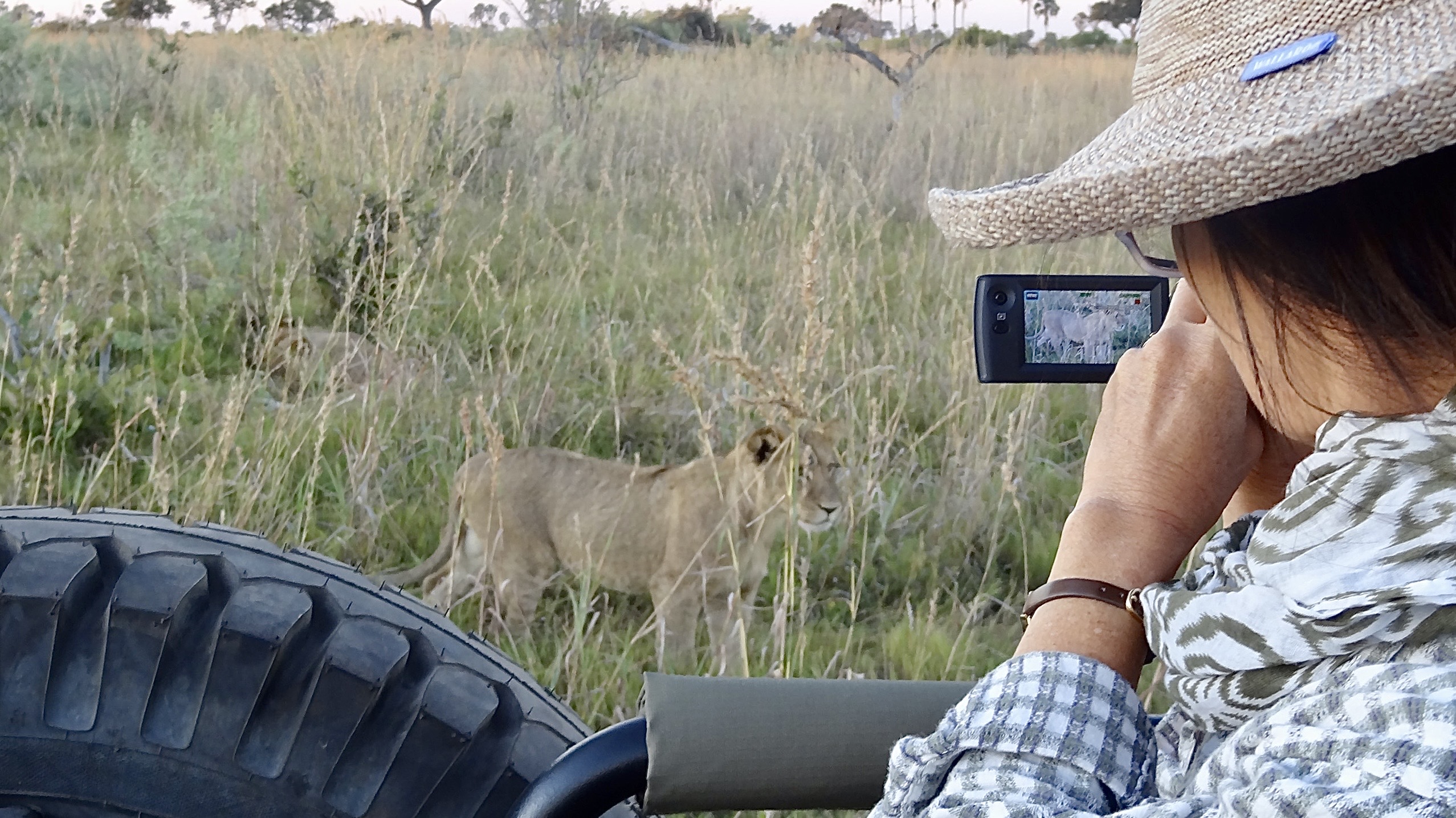
We parked among a lower group and just watched them …
They were close.
While we were there, a distant pack of wild dogs got their attention.

After the brief excitement, everyone went back to hanging out.
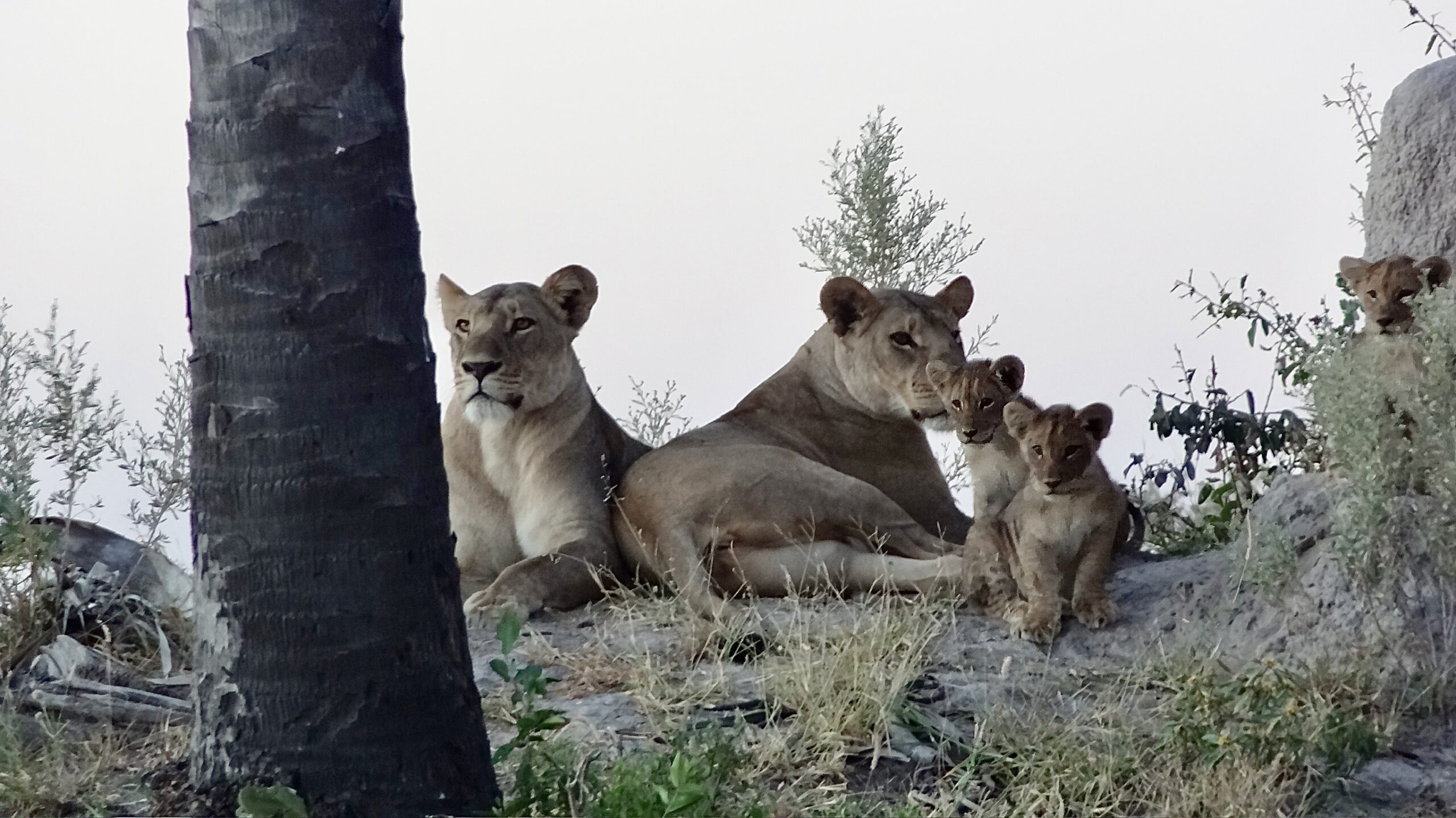
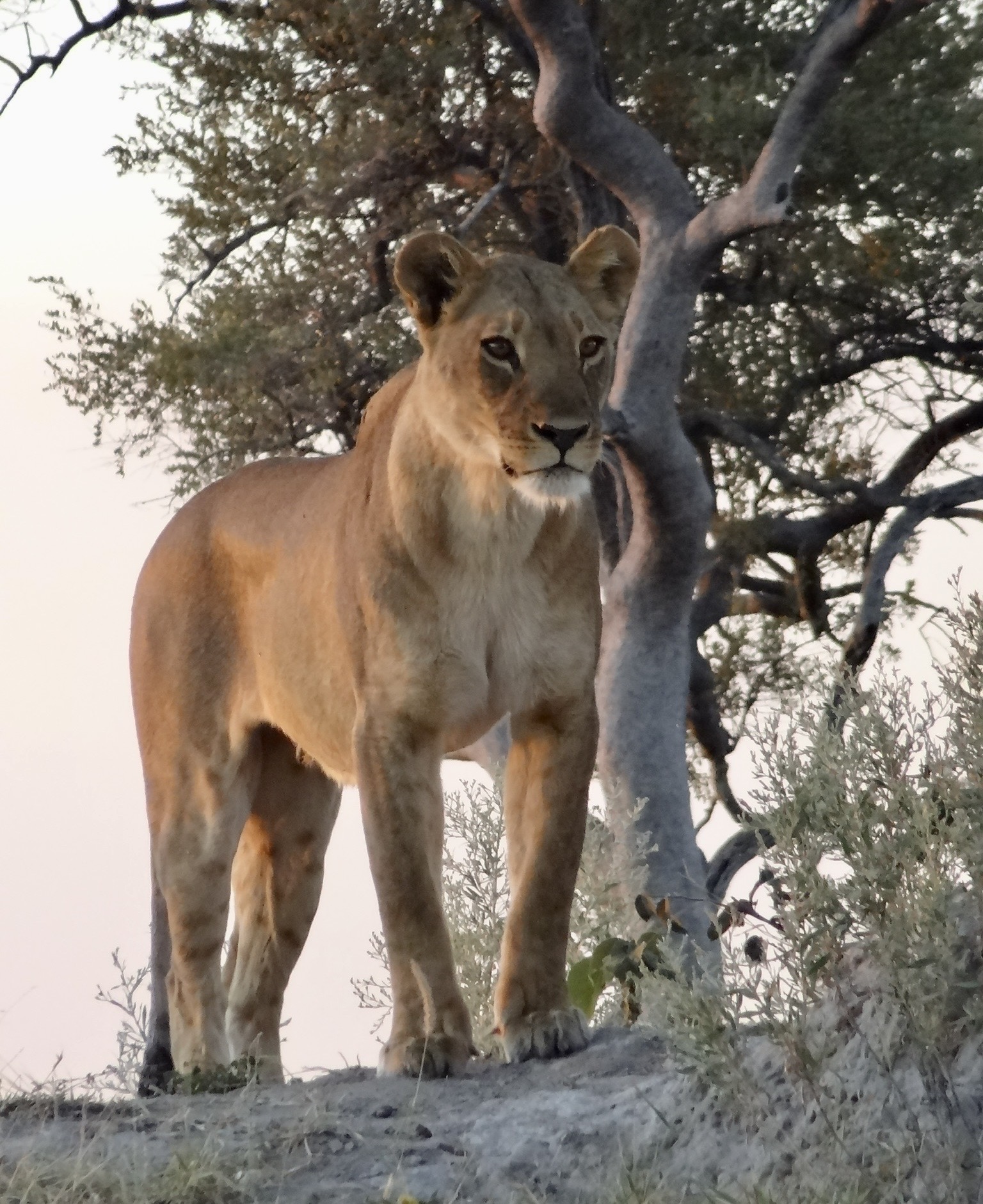
The senior females staked out the high ground, along with their current crop of cubs …
And took advantage of the high ground.
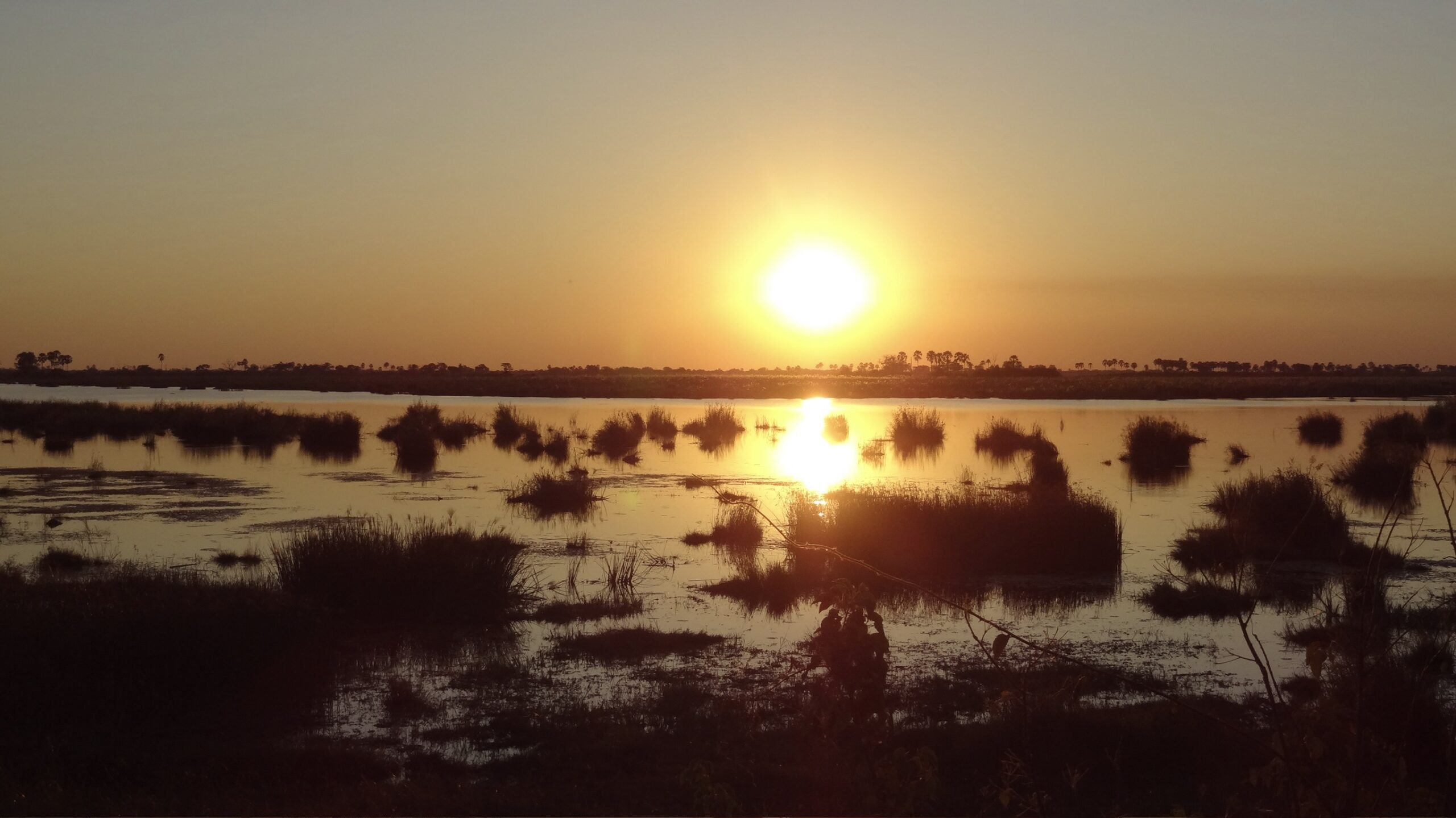
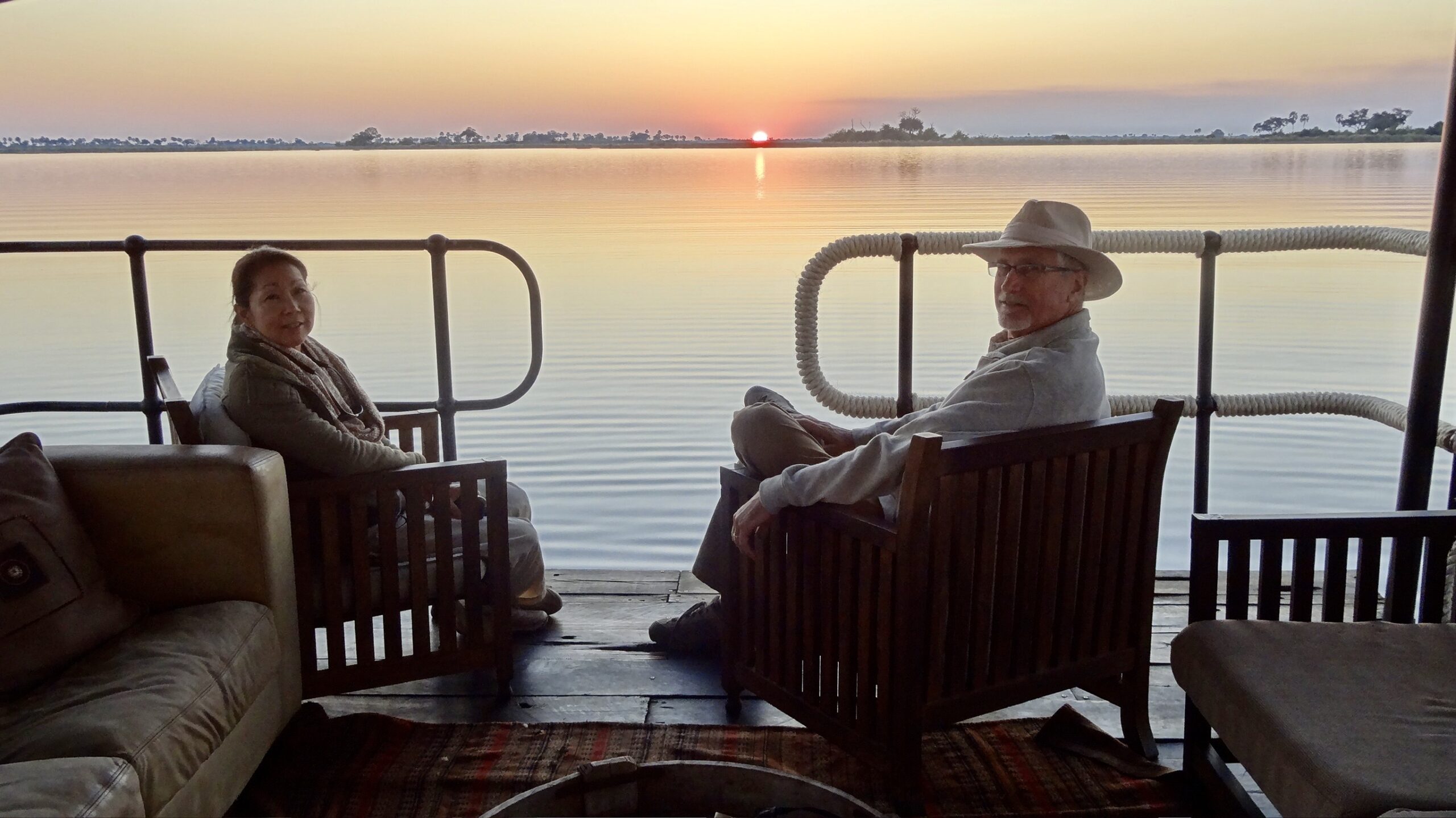
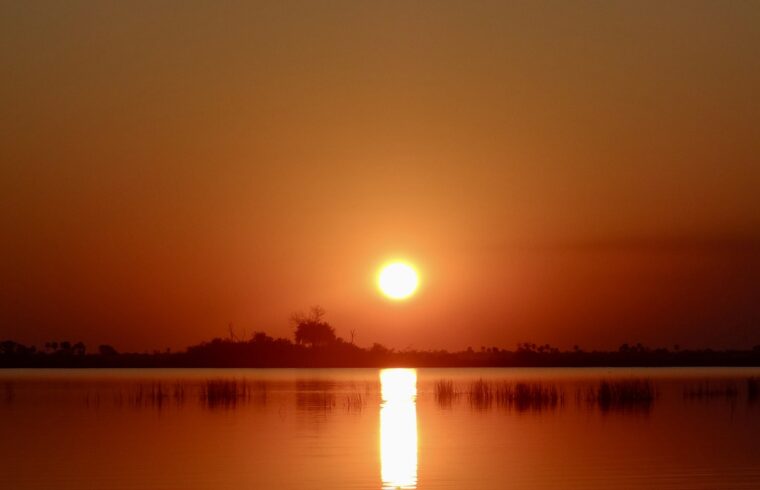
Dinners were our favorite meal of the day, relaxing by the lagoon until well after the sun set (below).
On one drive, our guide took us away from the water, because we were interested in how the wetlands change through the seasons.
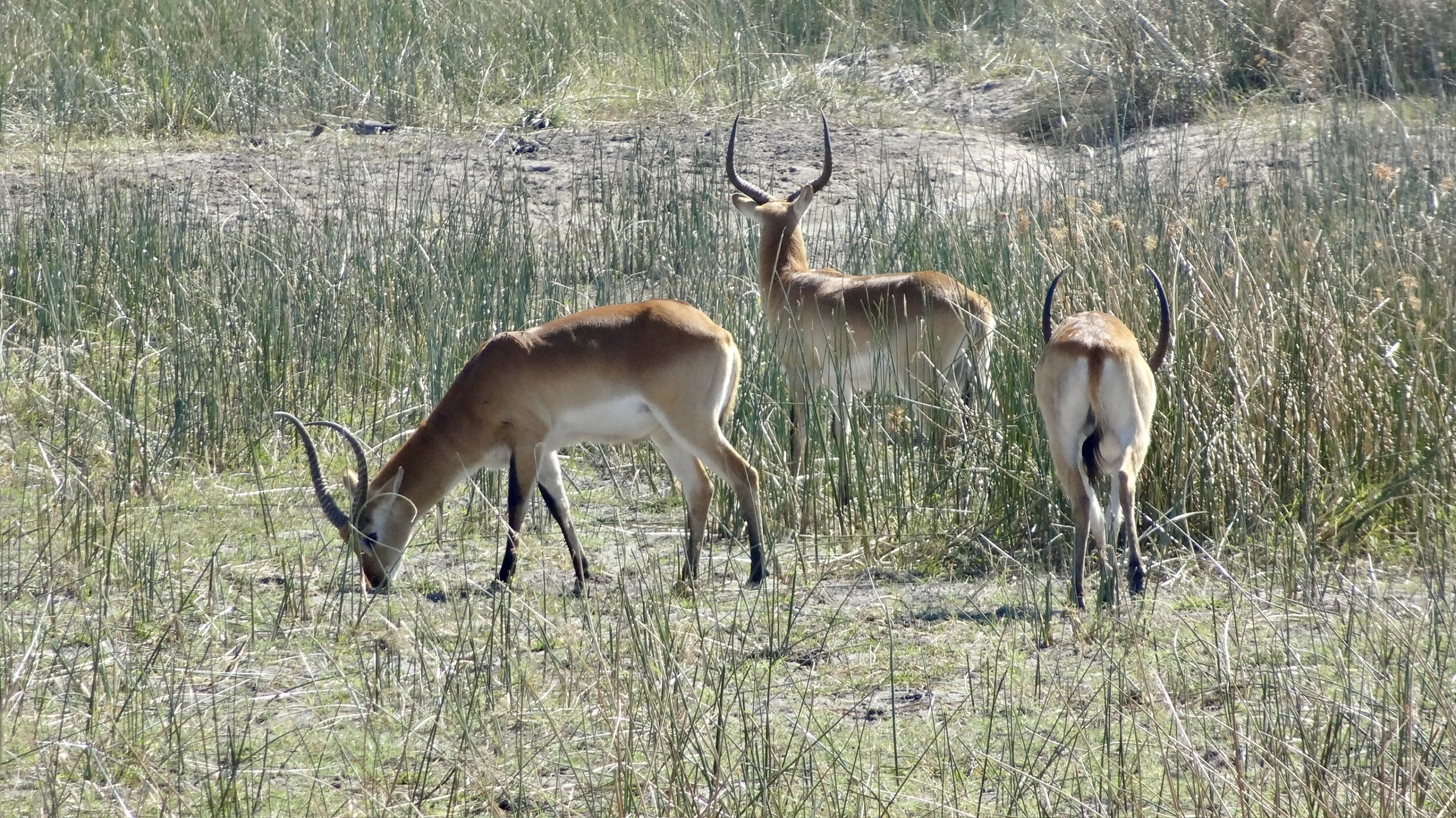
Land that was all but submerged during the rains now feeds grazers, like these Lechwe, another type of antelope. There are so many species of antelope in Africa, and as many as we encountered, we barely scratched the surface.
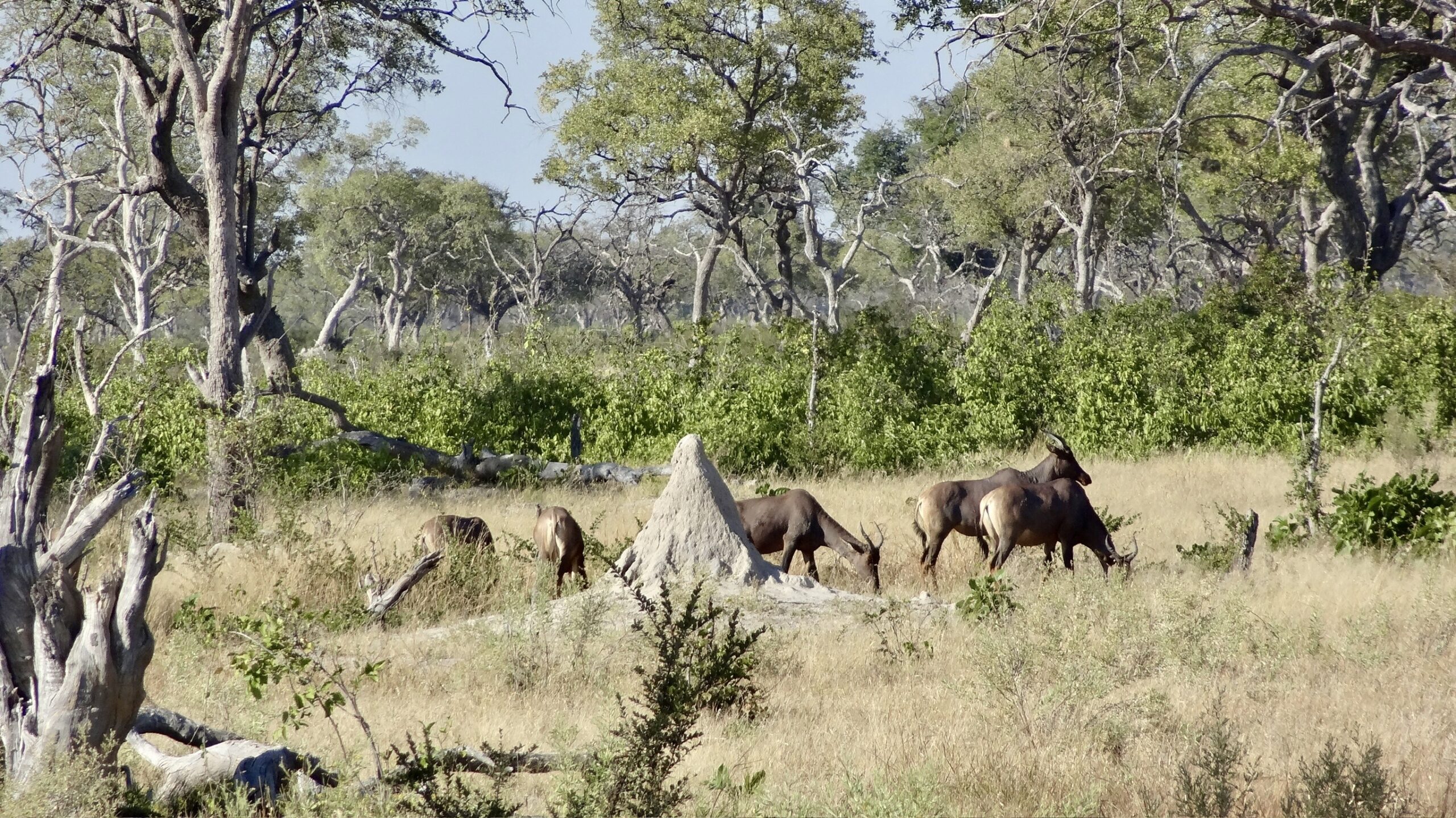
Areas of shrubs and trees indicated a change from wetland to savanna, and we came across a small group of Tsessebe, said to be the fastest species of Antelope in Botswana, able to get close to 70 mph in a bounding run.
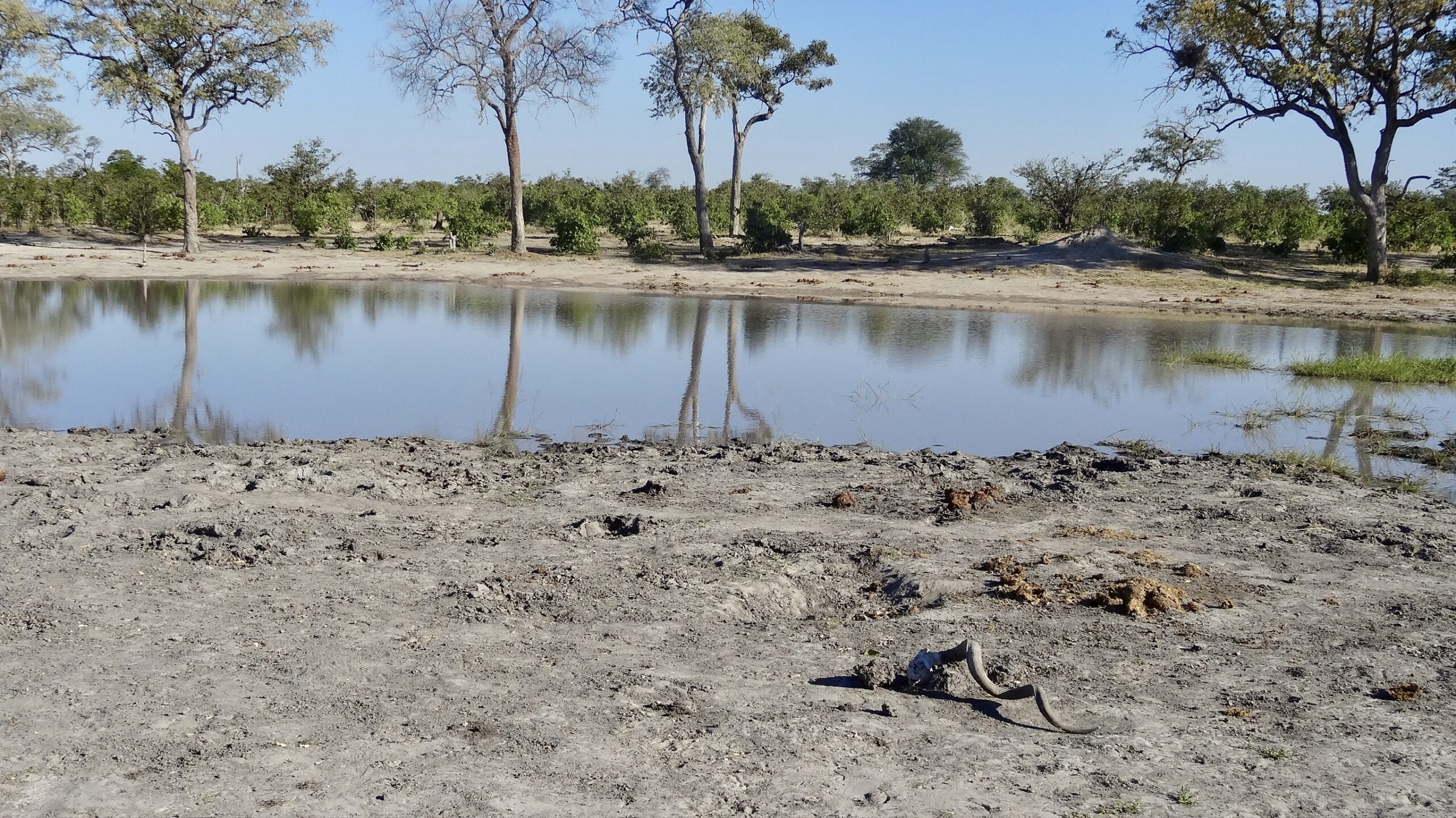
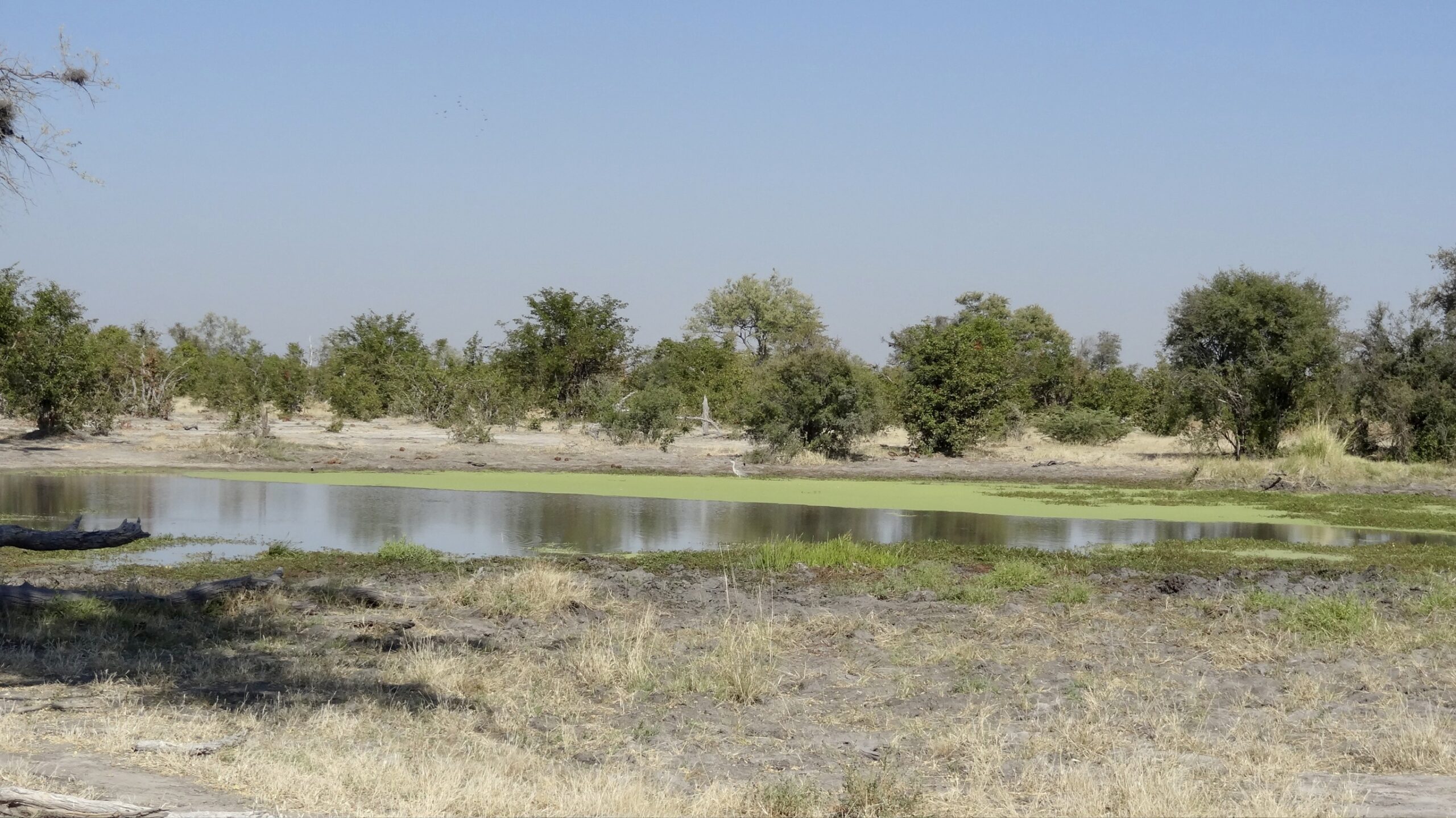
We followed a string of drying waterholes, littered with clear signs of wildlife – discarded animal parts, wallows, and various poops. Most of what we saw would be completely dry in a couple of months.
The trees are popular with elephants, many of which they keep shrubbed and low, so their young can reach them.
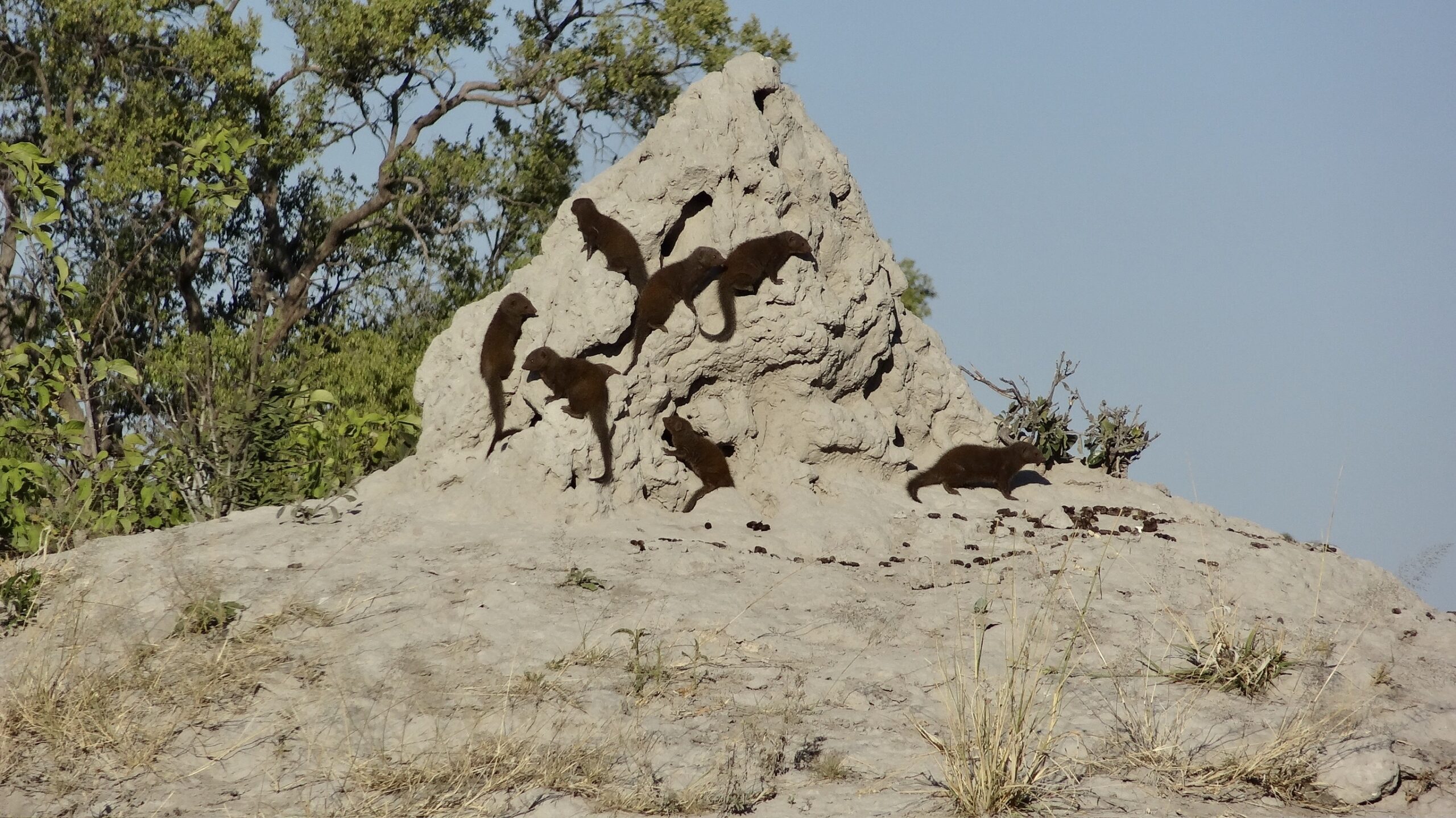
Huge termite mounds are everywhere. This one had been coopted by a family of black mongoose.
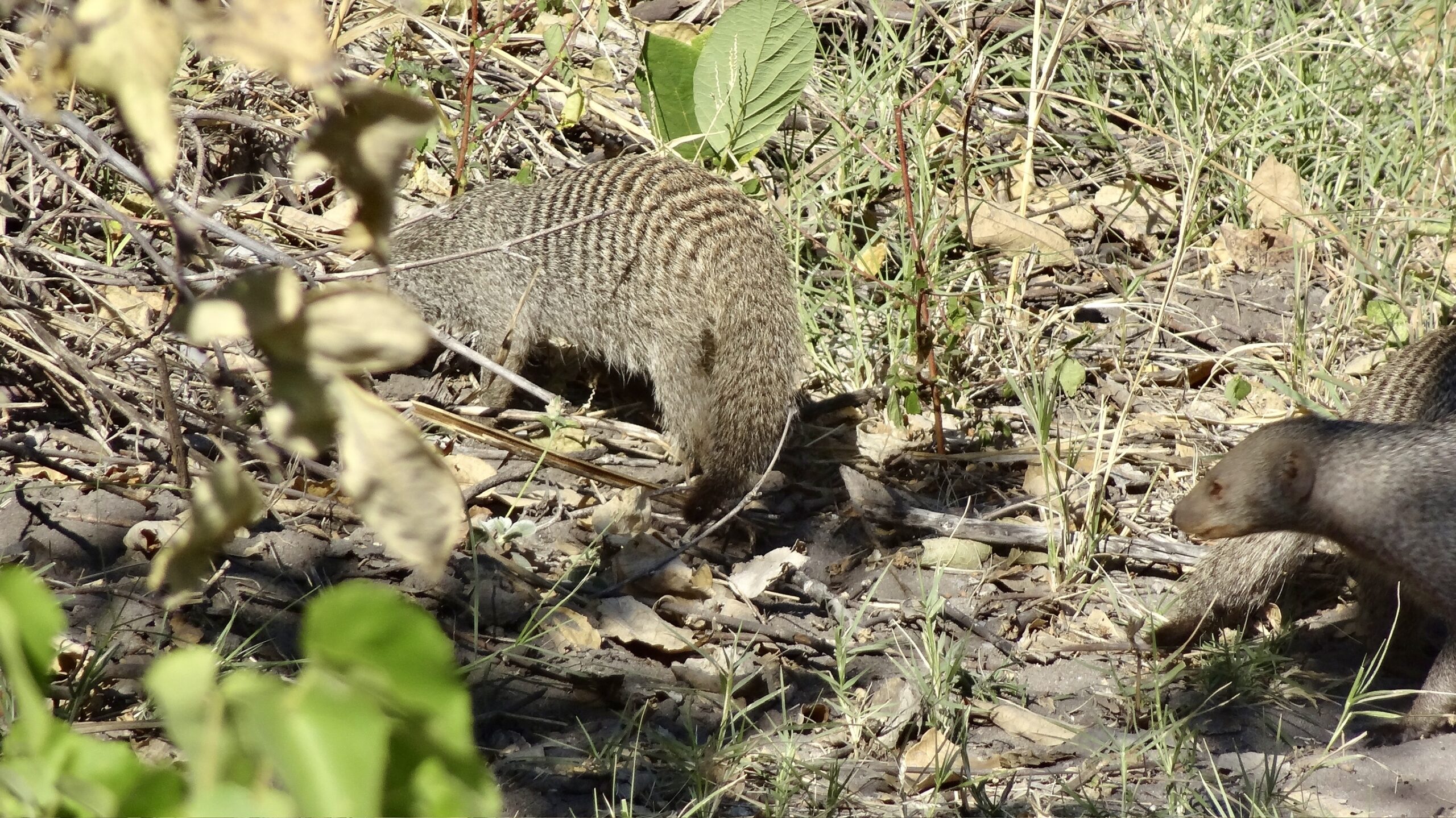
We also saw banded mongoose poking about in the brush.
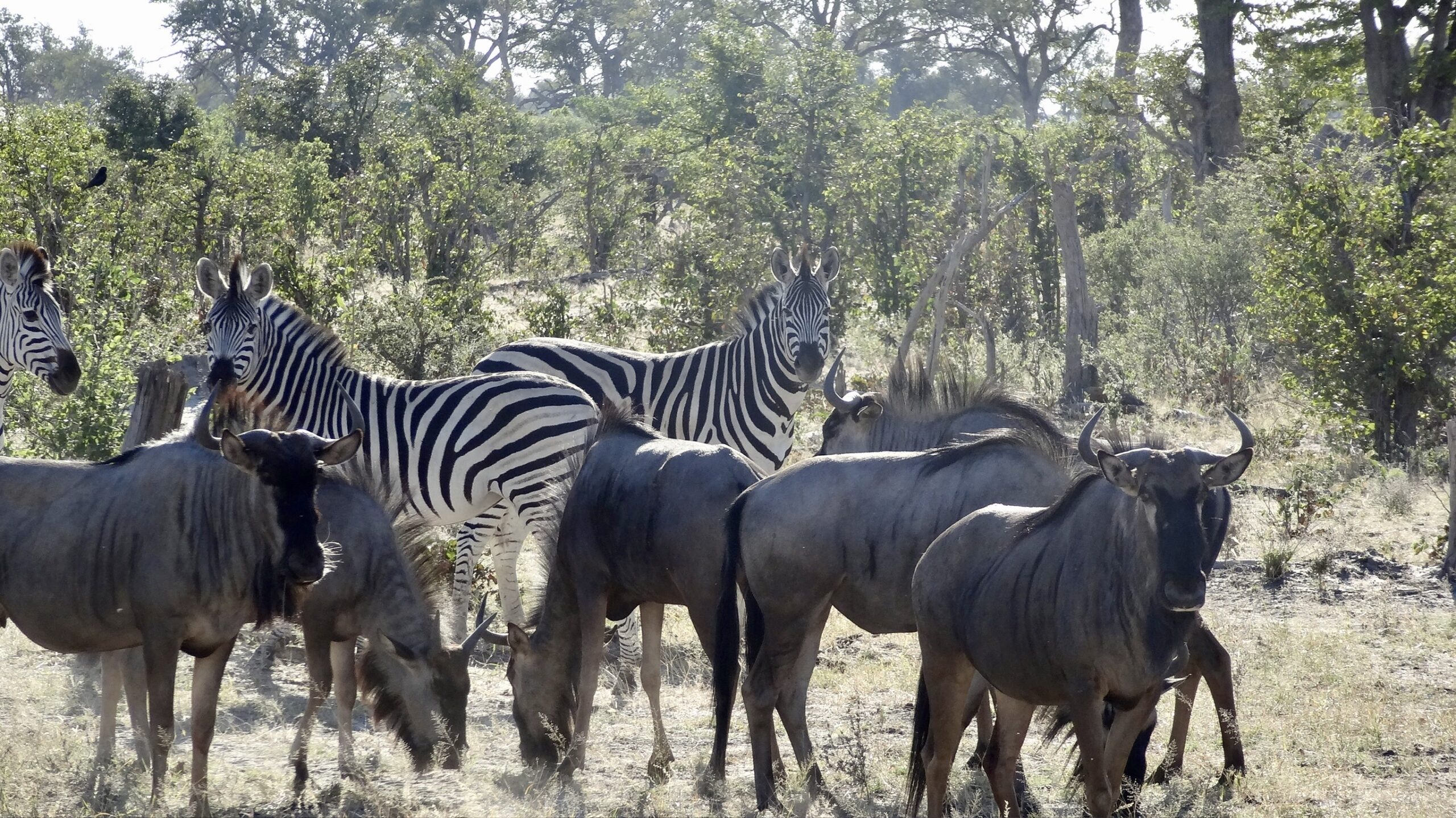
In the dryer growth, we came across ornery Zebra hanging with sociable Wildebeests. Odd but common grazing buddies.
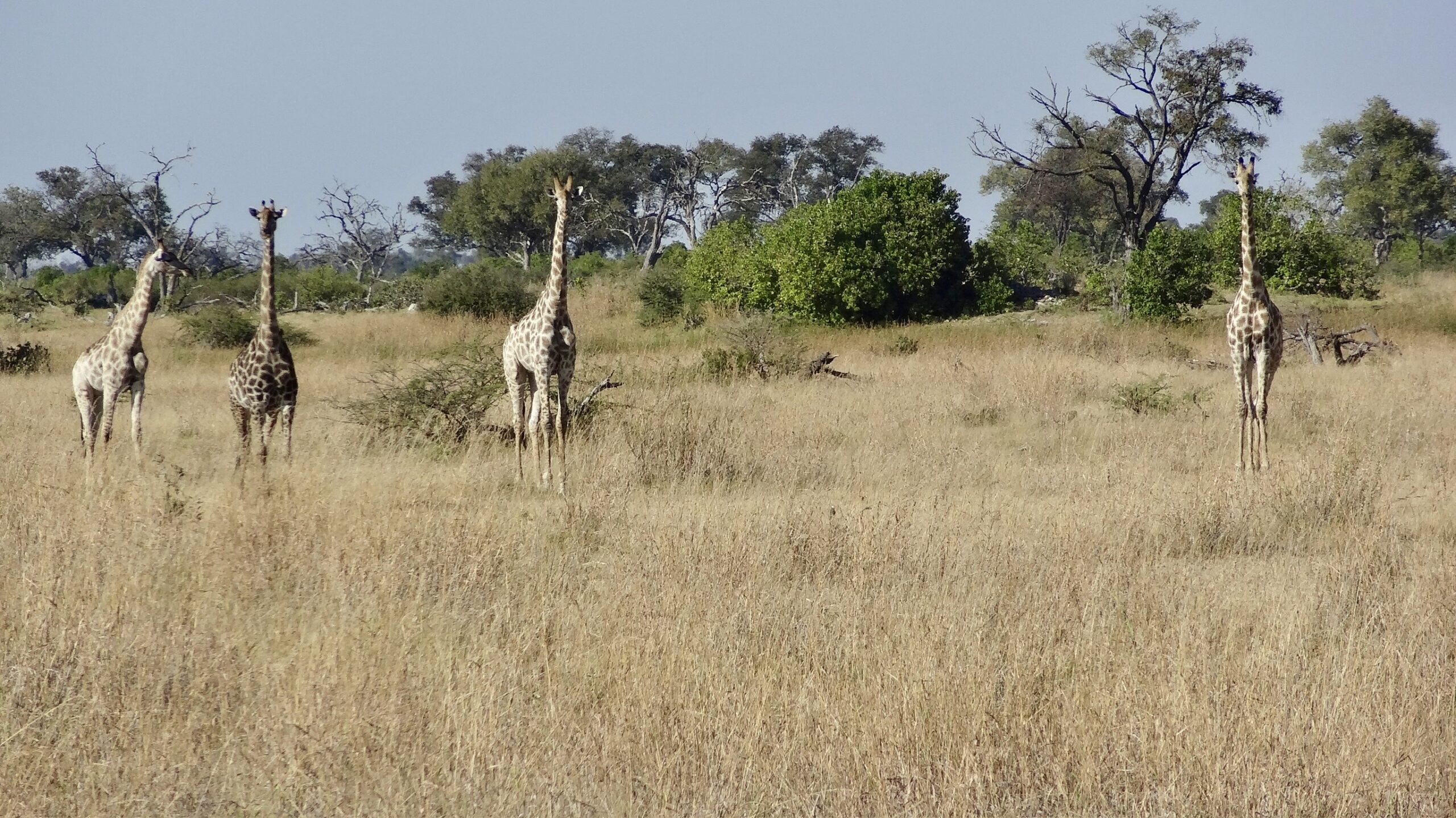
And giraffes, which thrive in the savanna.
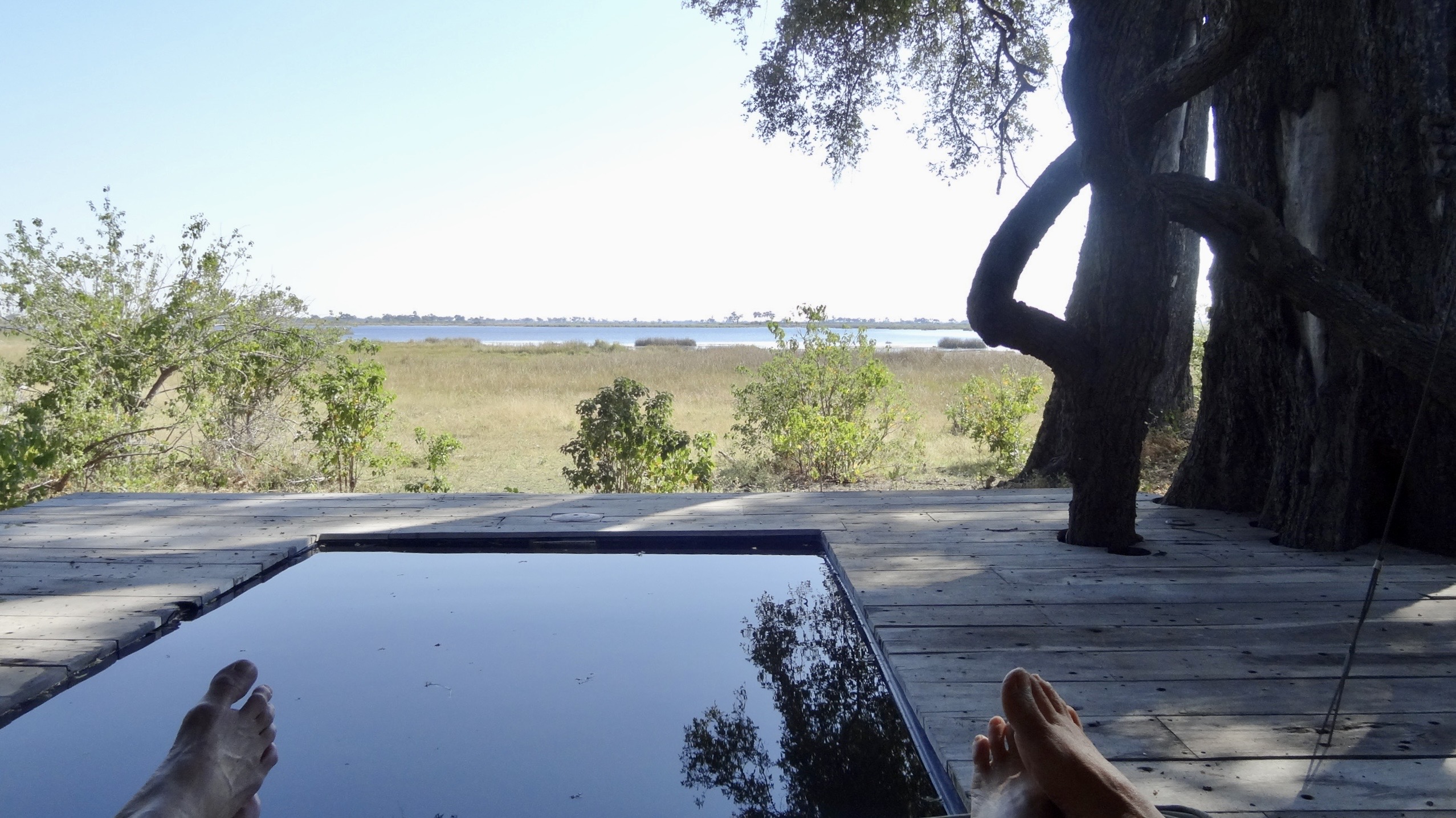
Afternoons at camp were usually lazy affairs, with us spending at least some of our time lounging around the tent’s plunge pool.
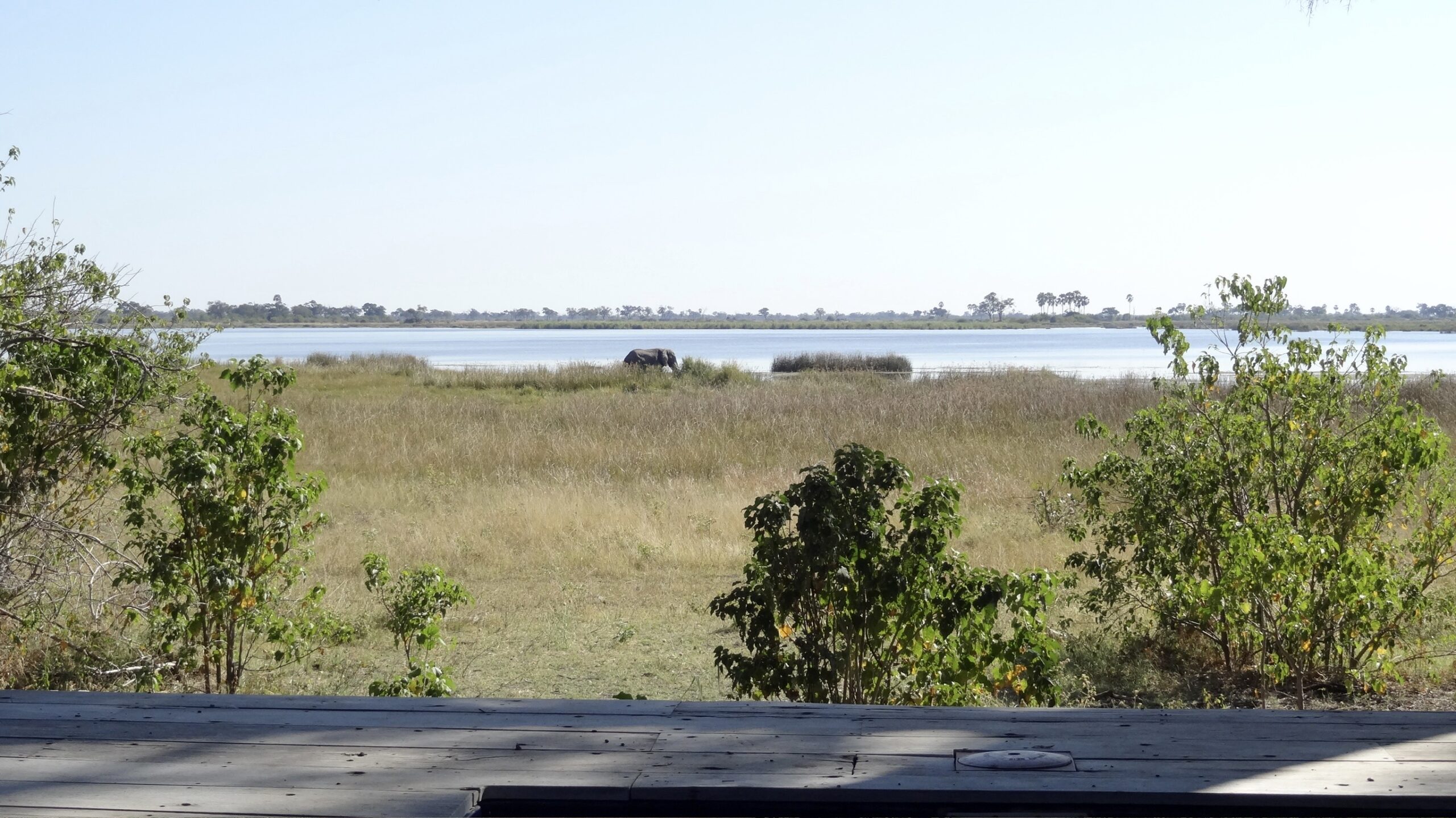
We would watch elephants meander along the lagoon’s bank …
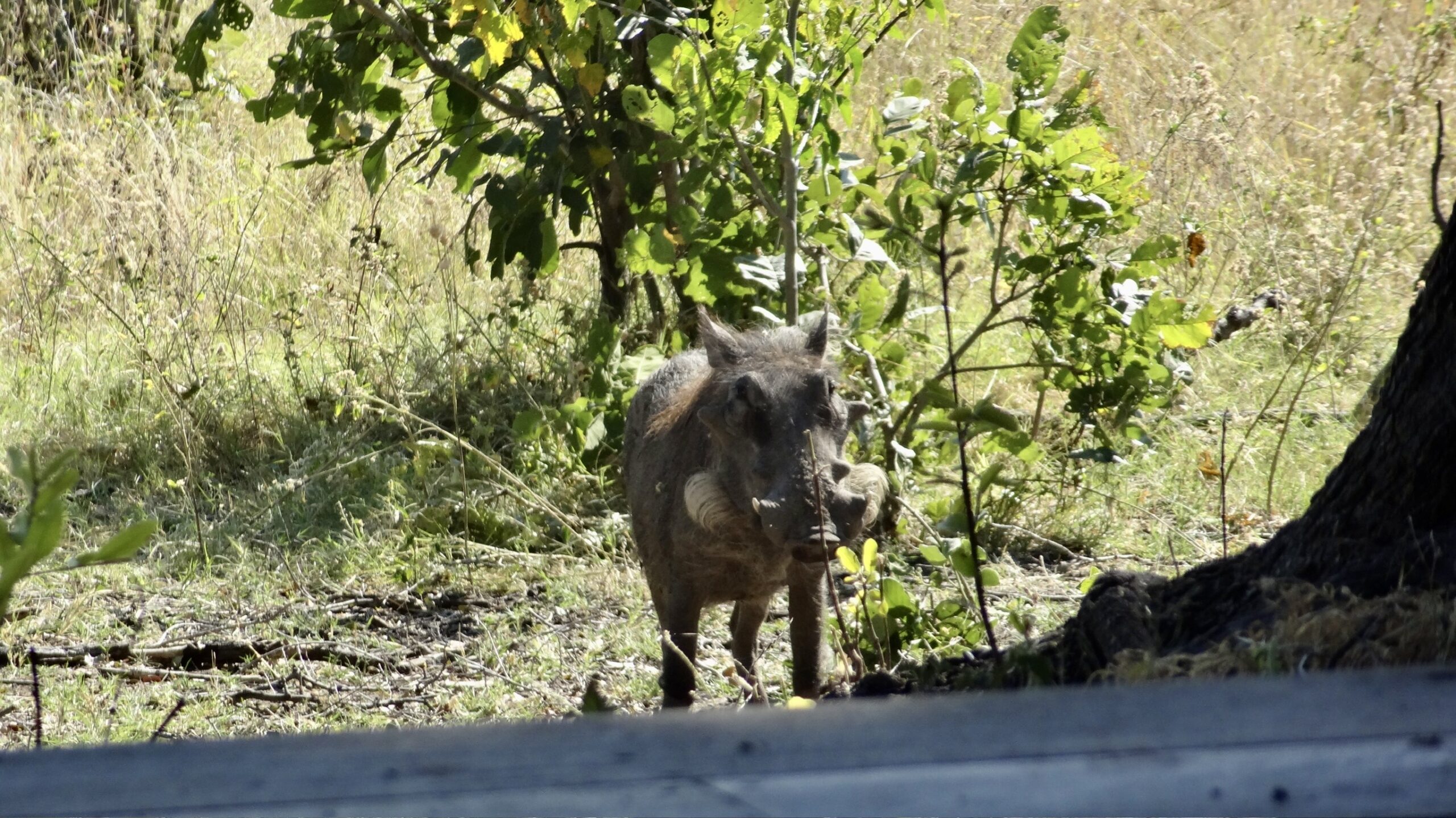
And warthog neighbors would check in on us …
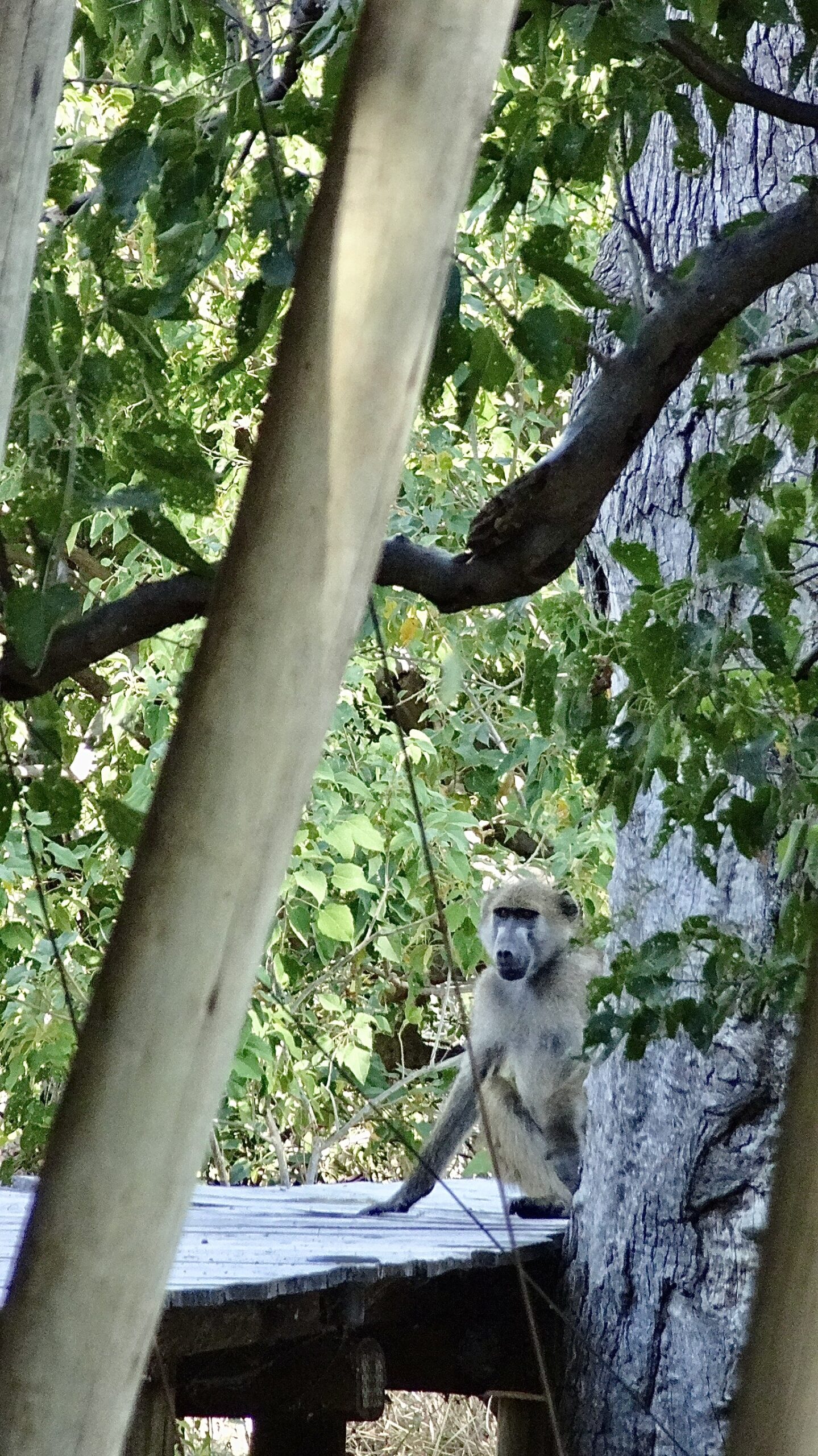
As would baboons, which are the reason for the complicated latches on the tent doors and the secured screens. Humans aren’t the only ones who collect souvenirs.

Late afternoon on our last day, on our way to the lagoon for sundowners, we came across a pack of the wild dogs that had just made a kill. One of them made a keening howl to call the rest of the pack, and they came running.
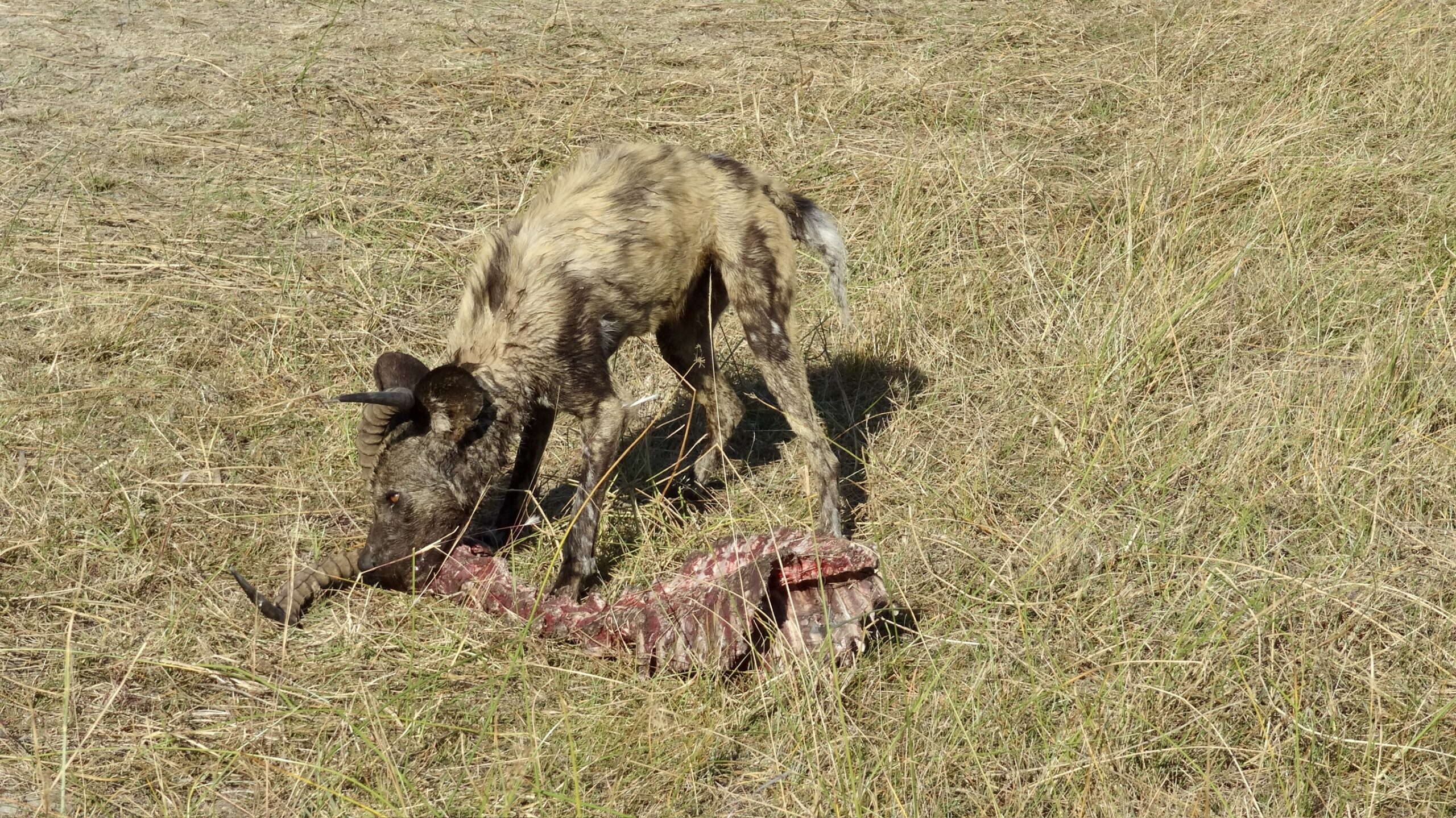
In literally no time, there was nothing left of their prey except bones to gnaw on.
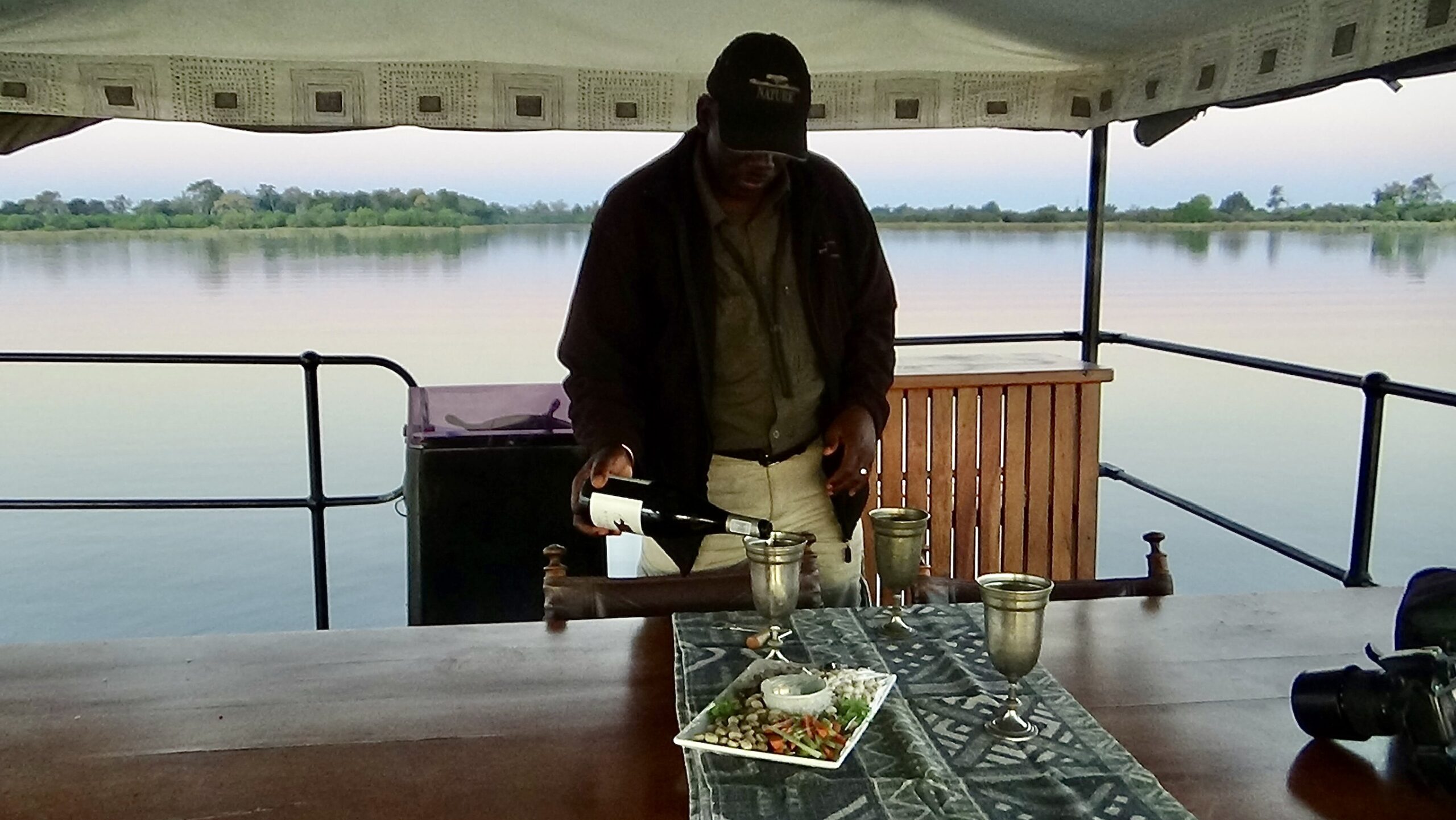
Zarafa camp keeps a comfortable electric pontoon boat for getting out on the water. Our gude Raymond set us up with snacks and wine …
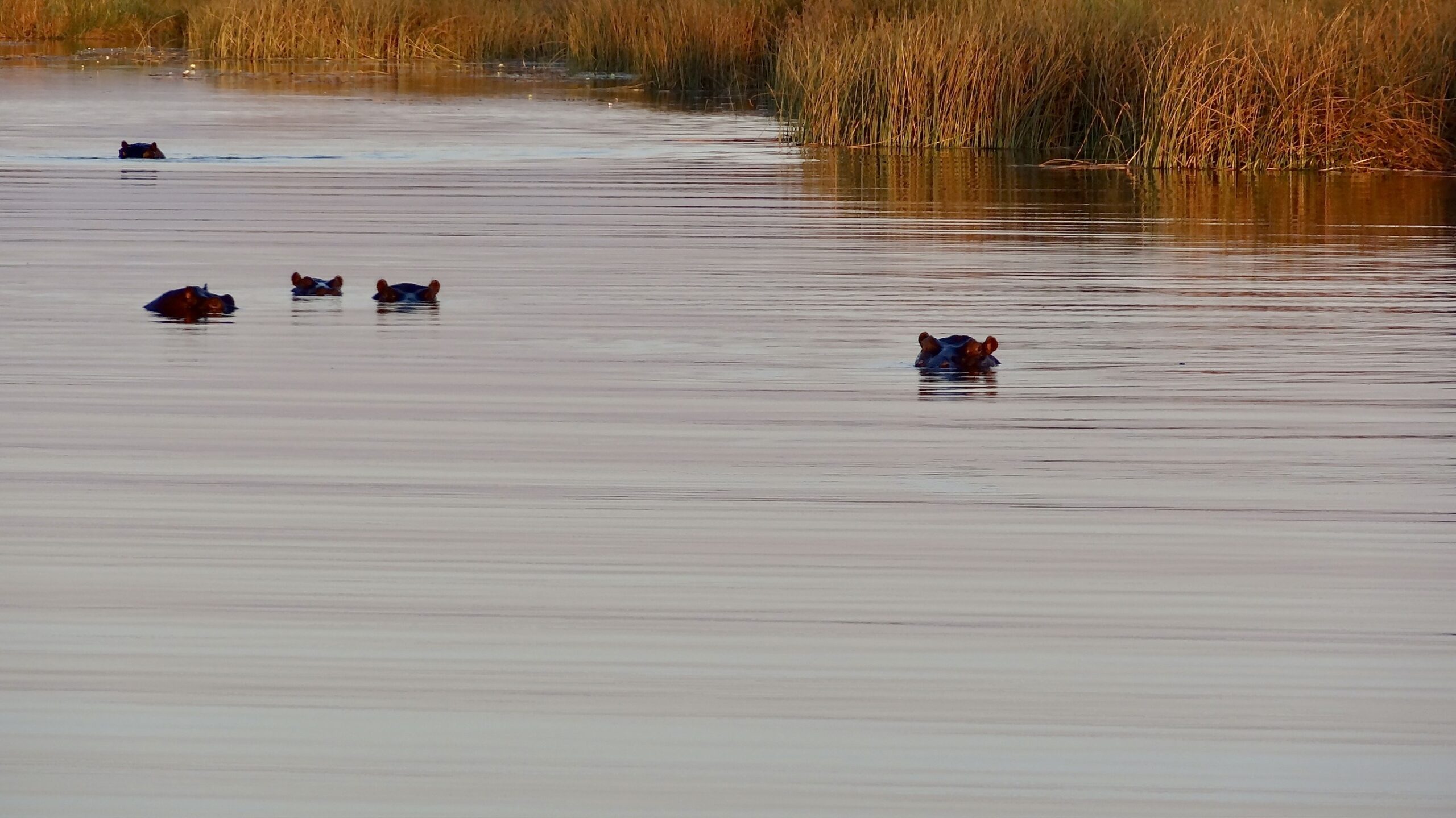
And a school of hippos watched as we puttered out …
We watched the sun set before heading back to a private dinner on the deck by our tent’s plunge pool.
The next morning, we were back in the air following the Selinda Spillway on our way back to Maun.
Our safaris coming to an end, we cannot recommend the experience enough.