//Voyage: Samoa – October 2024

Voyage: Samoa – October 2024

Hawaii to Samoa. Five more days at sea on the Queen Elizabeth. Nuff said.
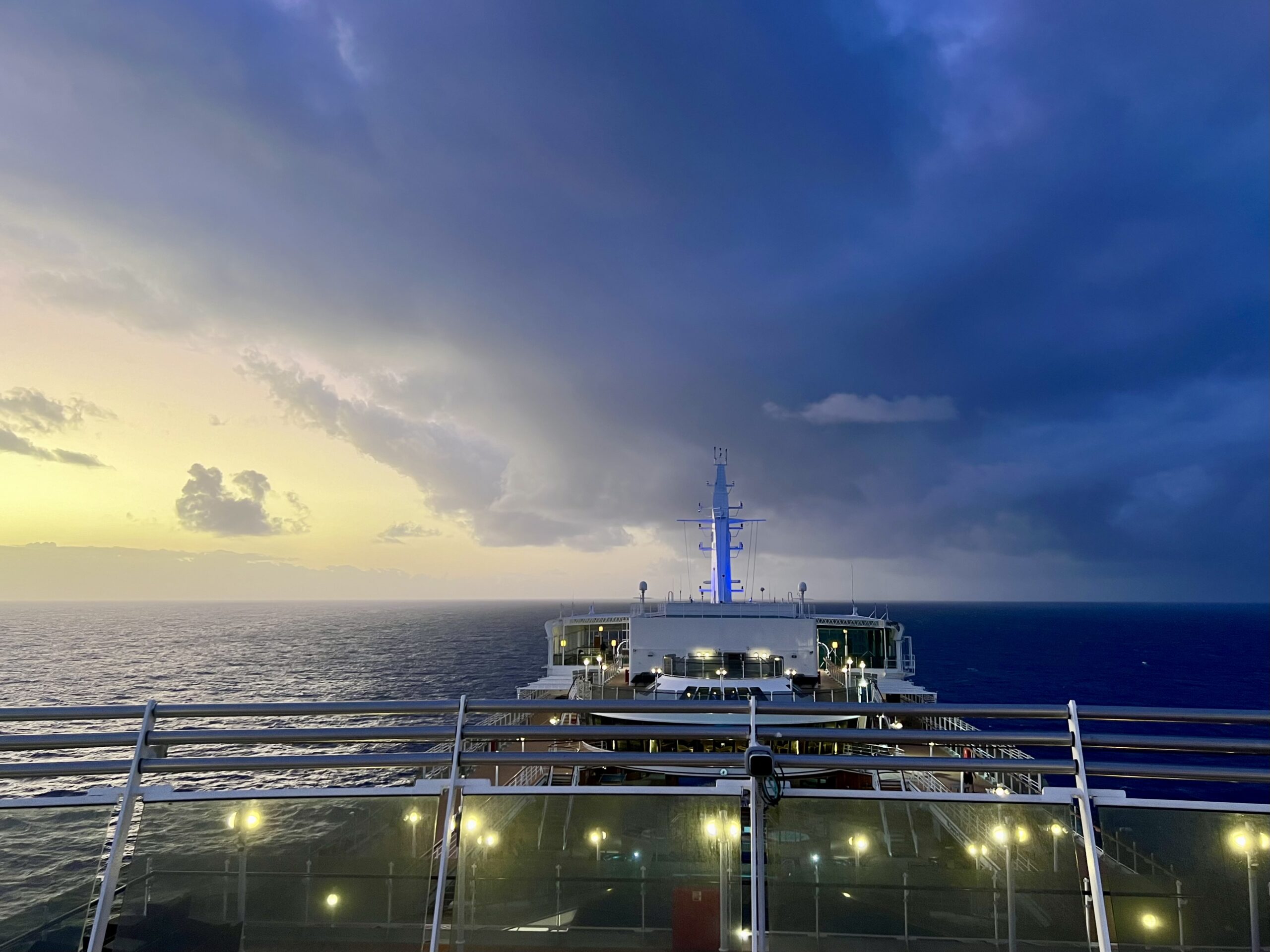
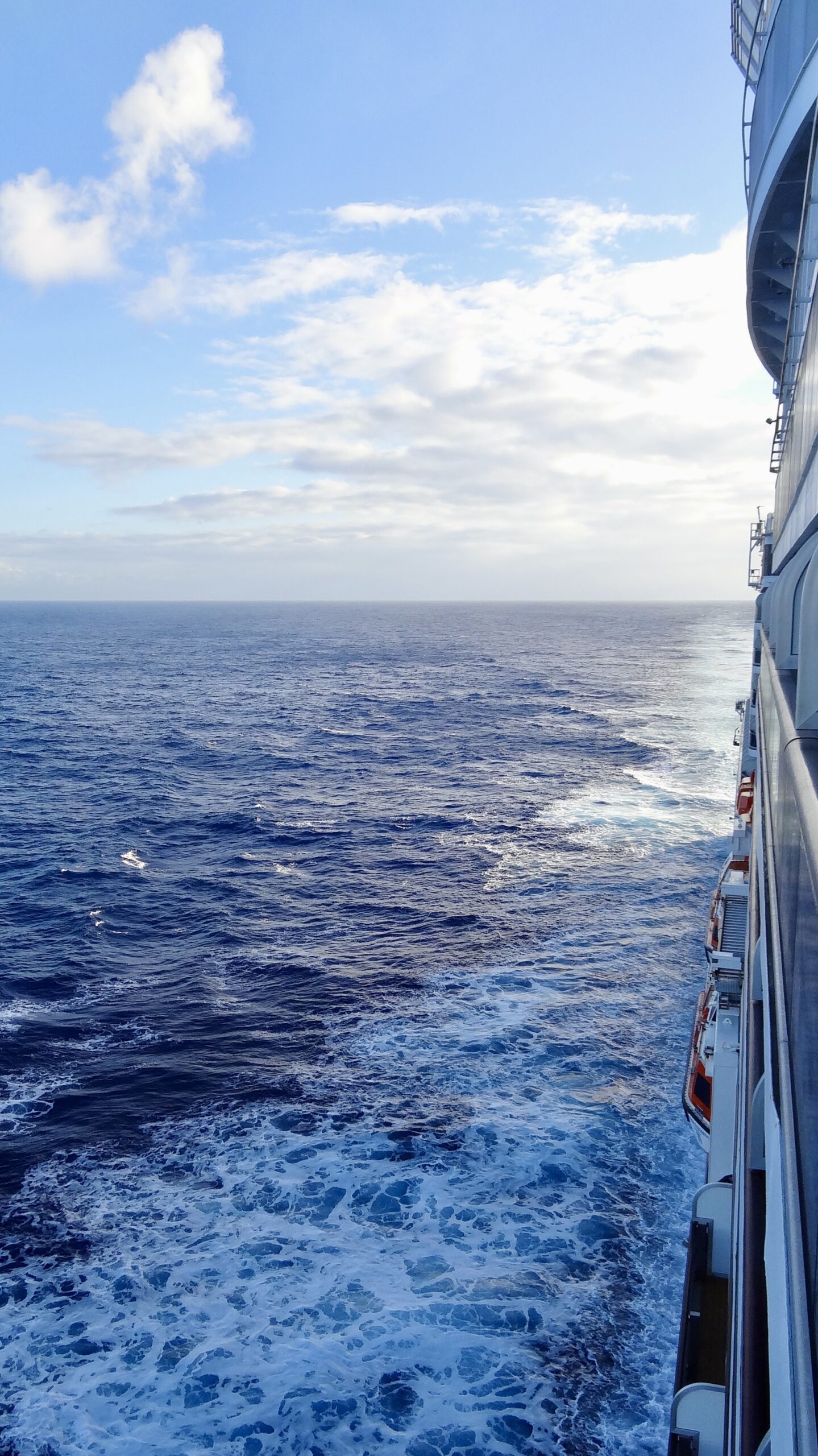
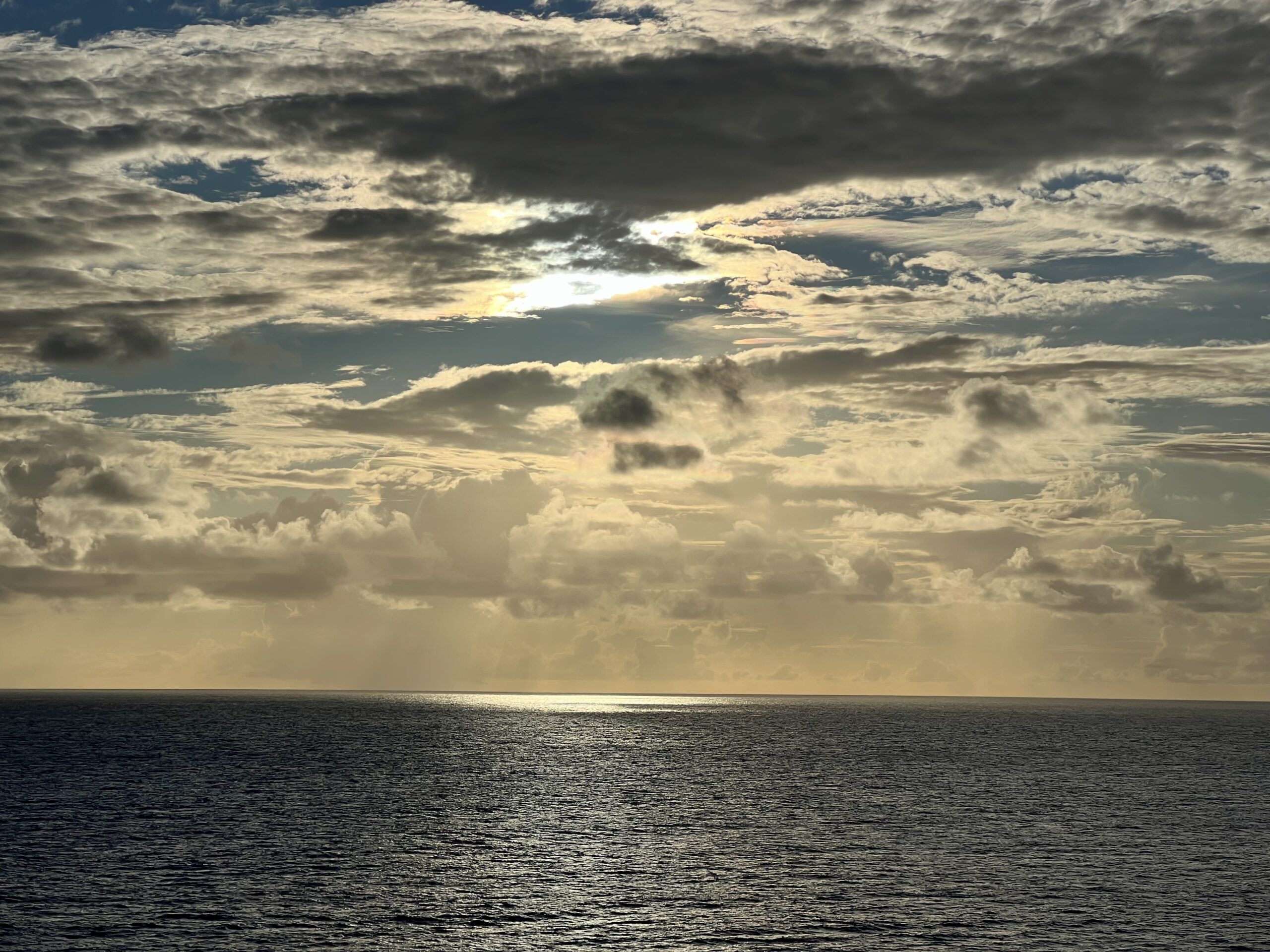
Crossing the Pacific, the sea was much the same each day, and different. Though often beautiful.
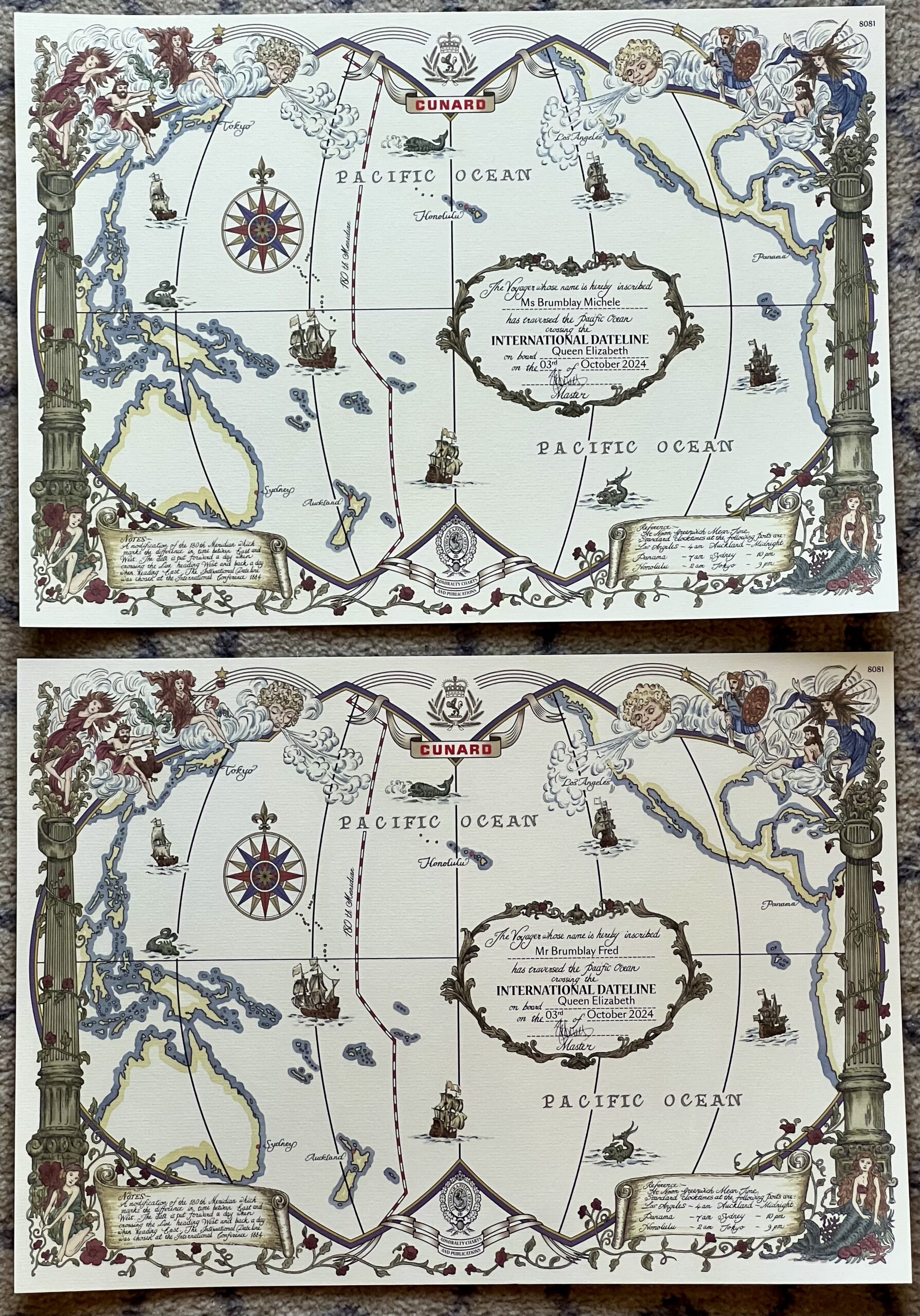
Two days out from Samoa, we crossed the equator and the international date line. The ship made an event of it and gave us certificates. All our previous crossings had gone uncelebrated, our having to make do with inflight movies and a pillow.
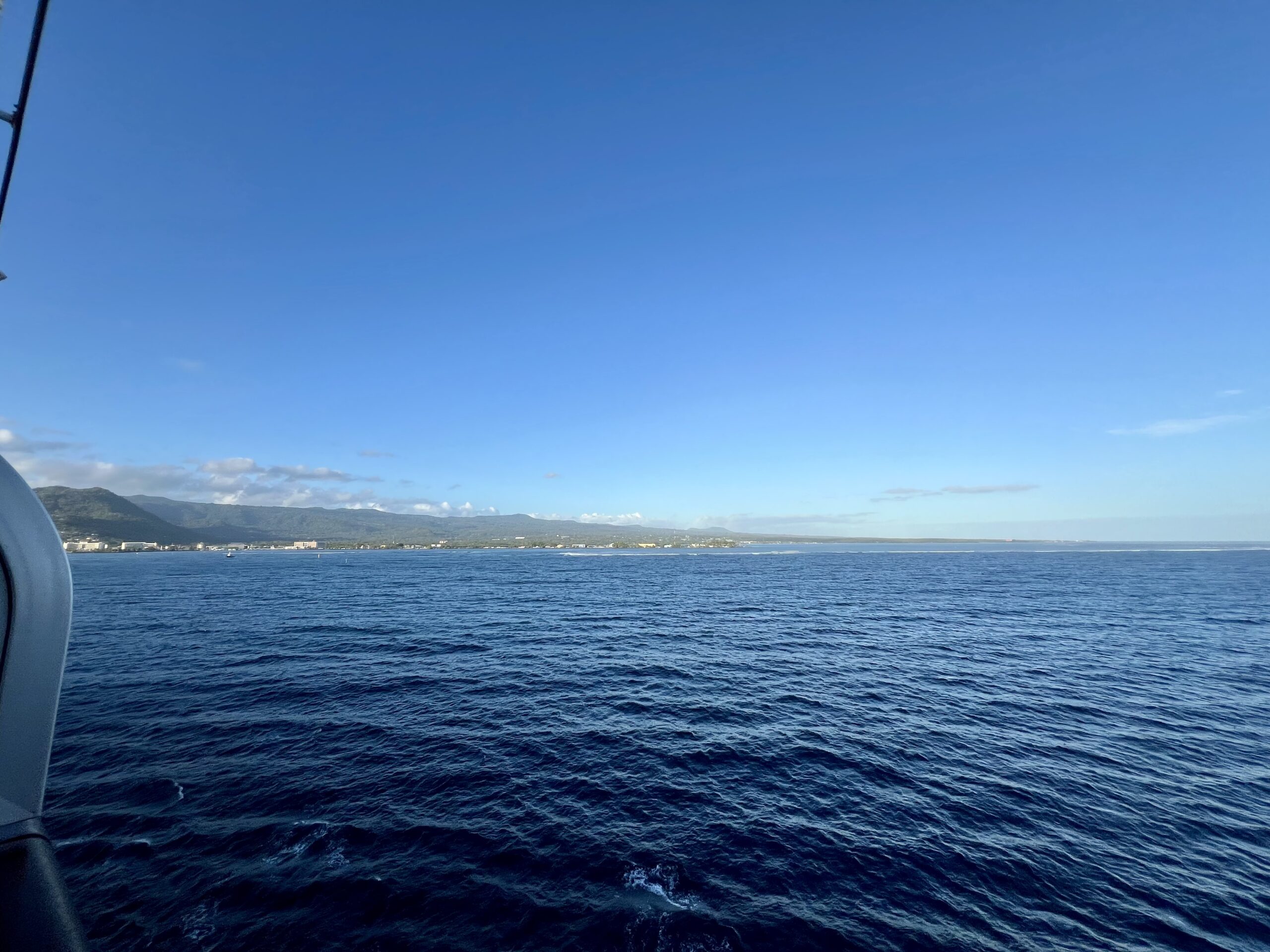
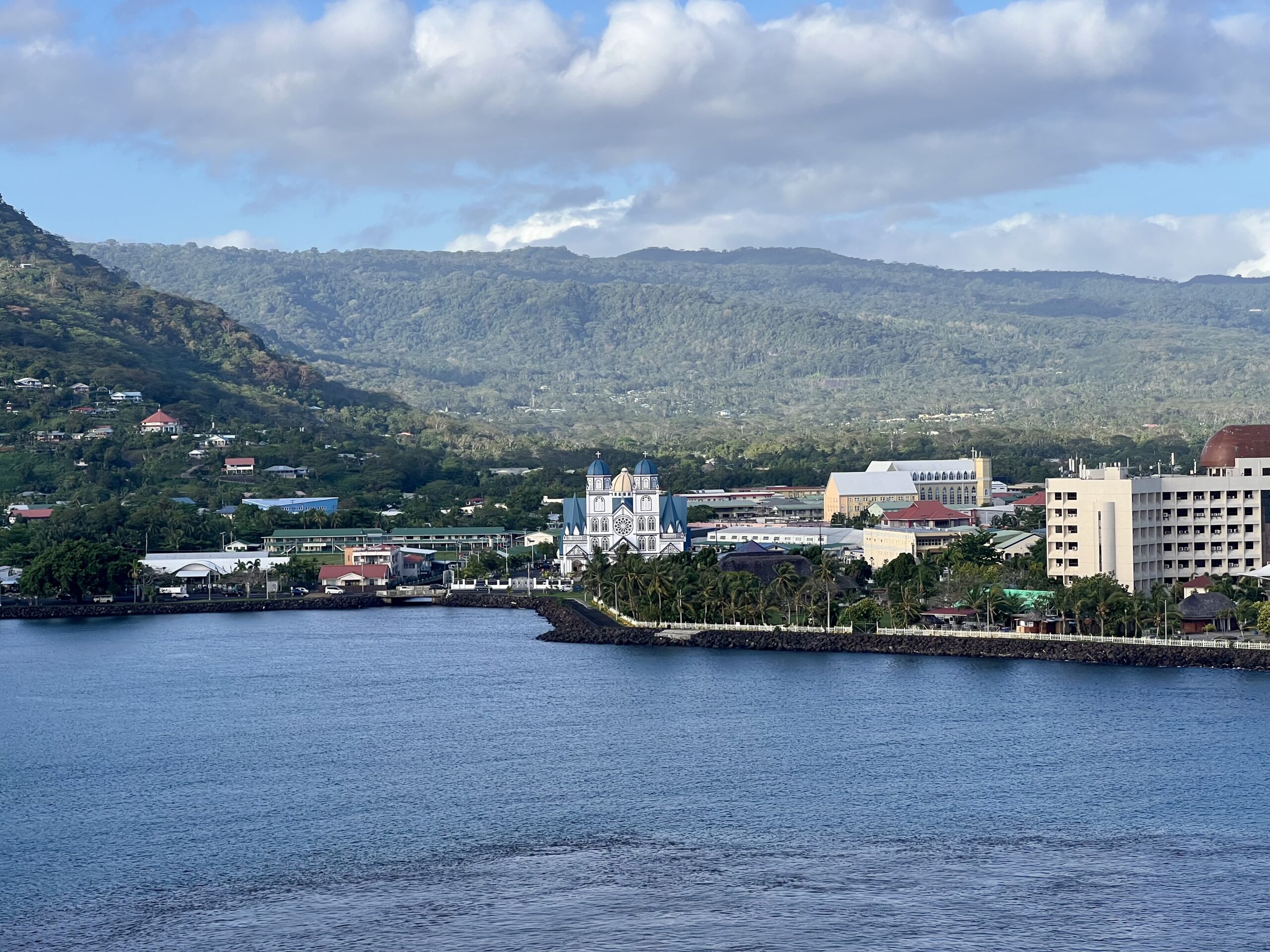
Then on the morning of our sixth day after departing Honolulu, we saw land. Here we approach Apia Harbor on Upolu Island, the main island of Samoa.
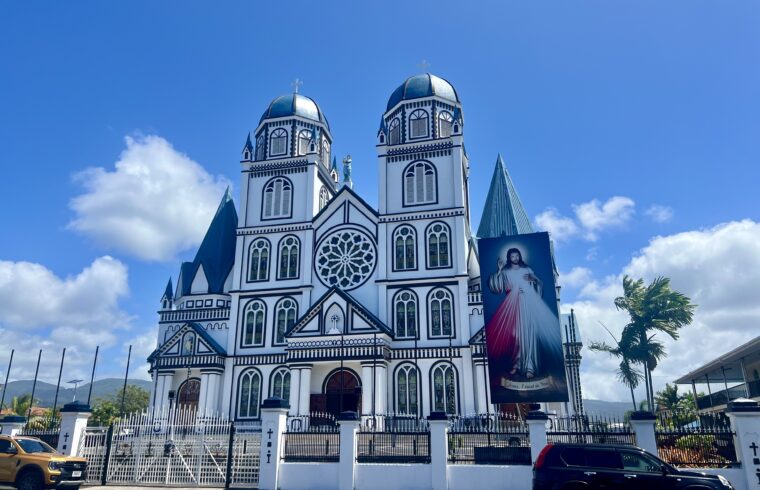
Apia is the country’s largest city. As it so happens, it’s also the only city.
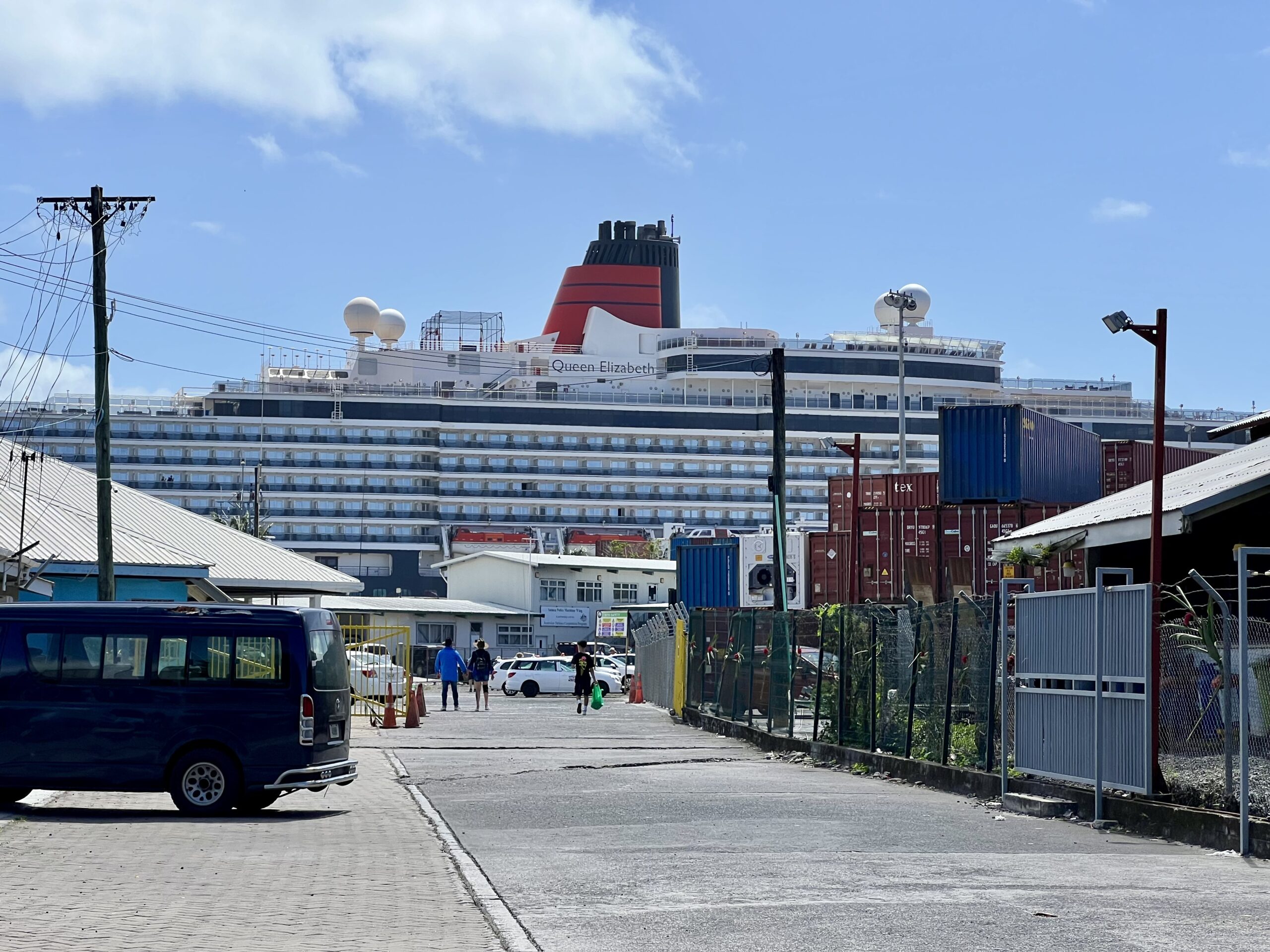
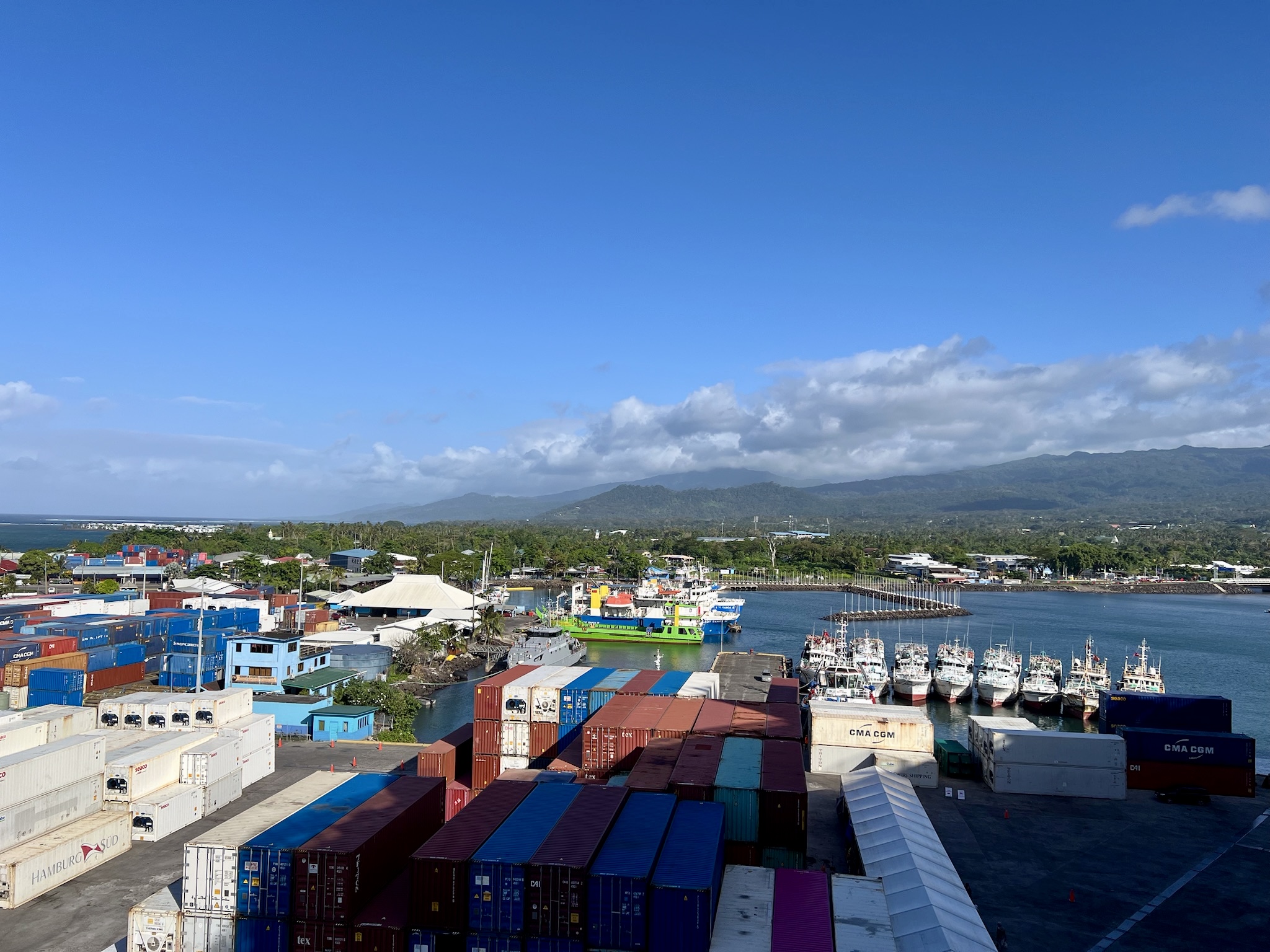
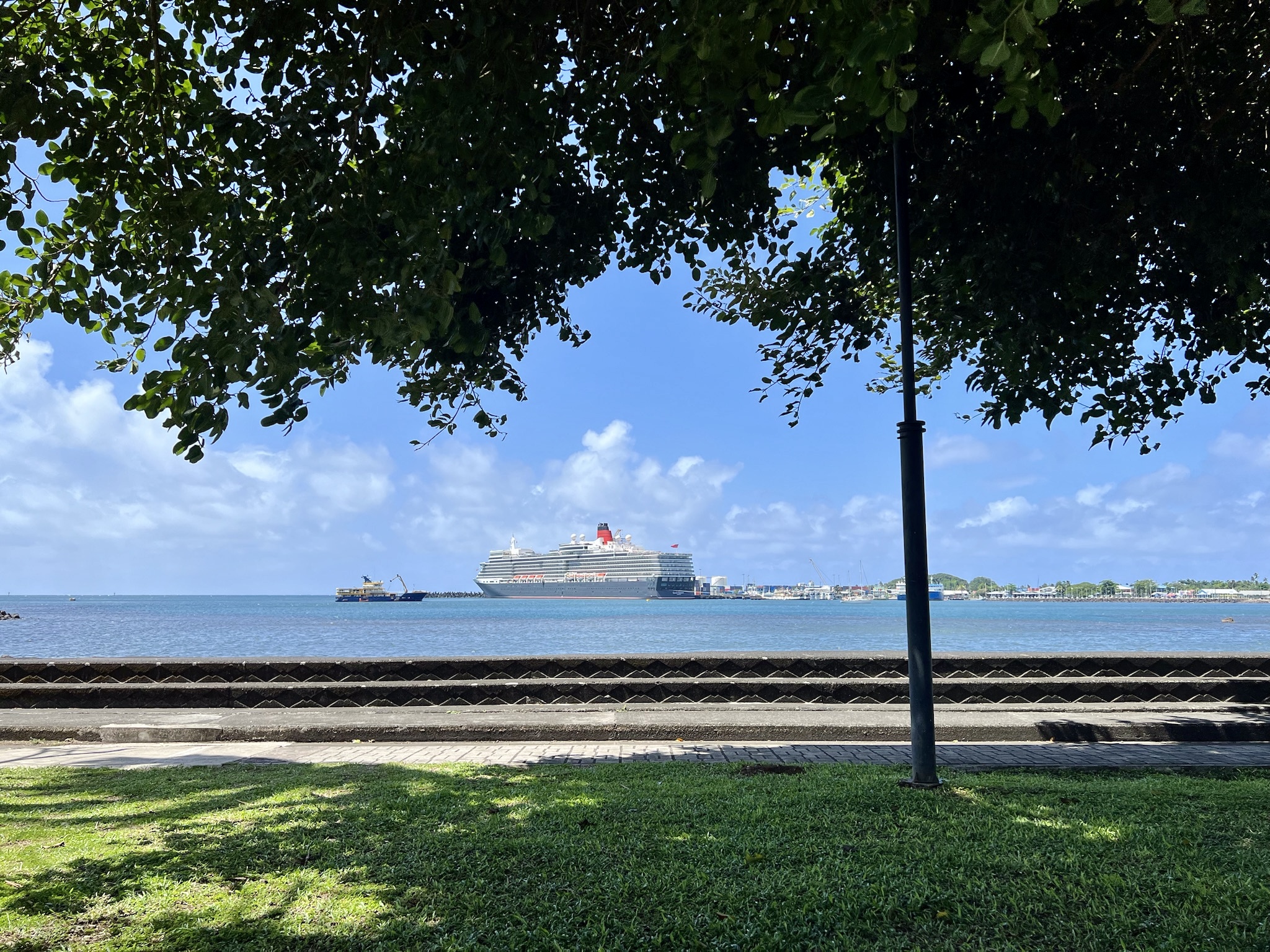
The only place to park a large ship is at the commercial port, next to the containers.
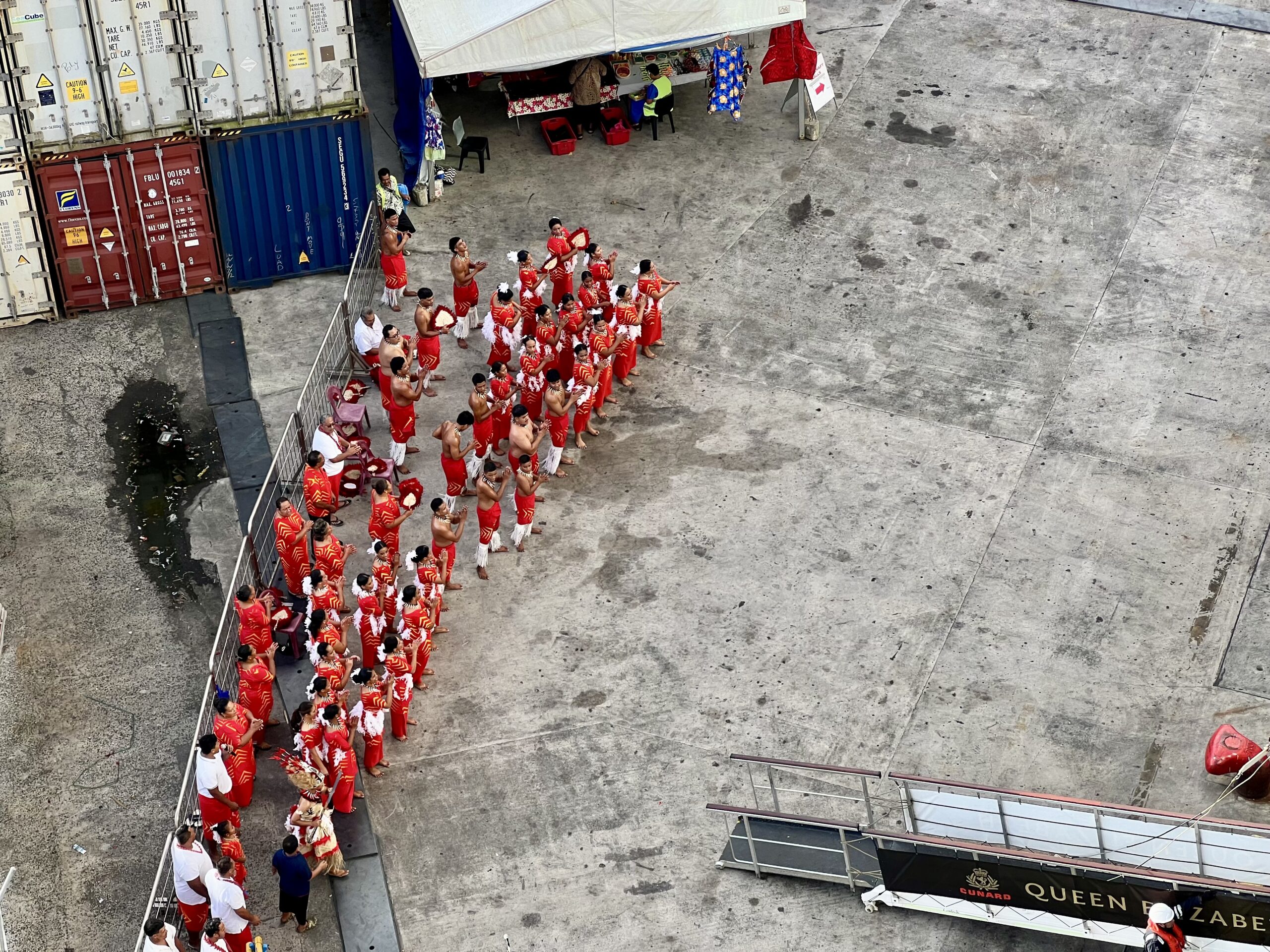
As the ship docked and the gangway lowered, a large group of greeters sang.
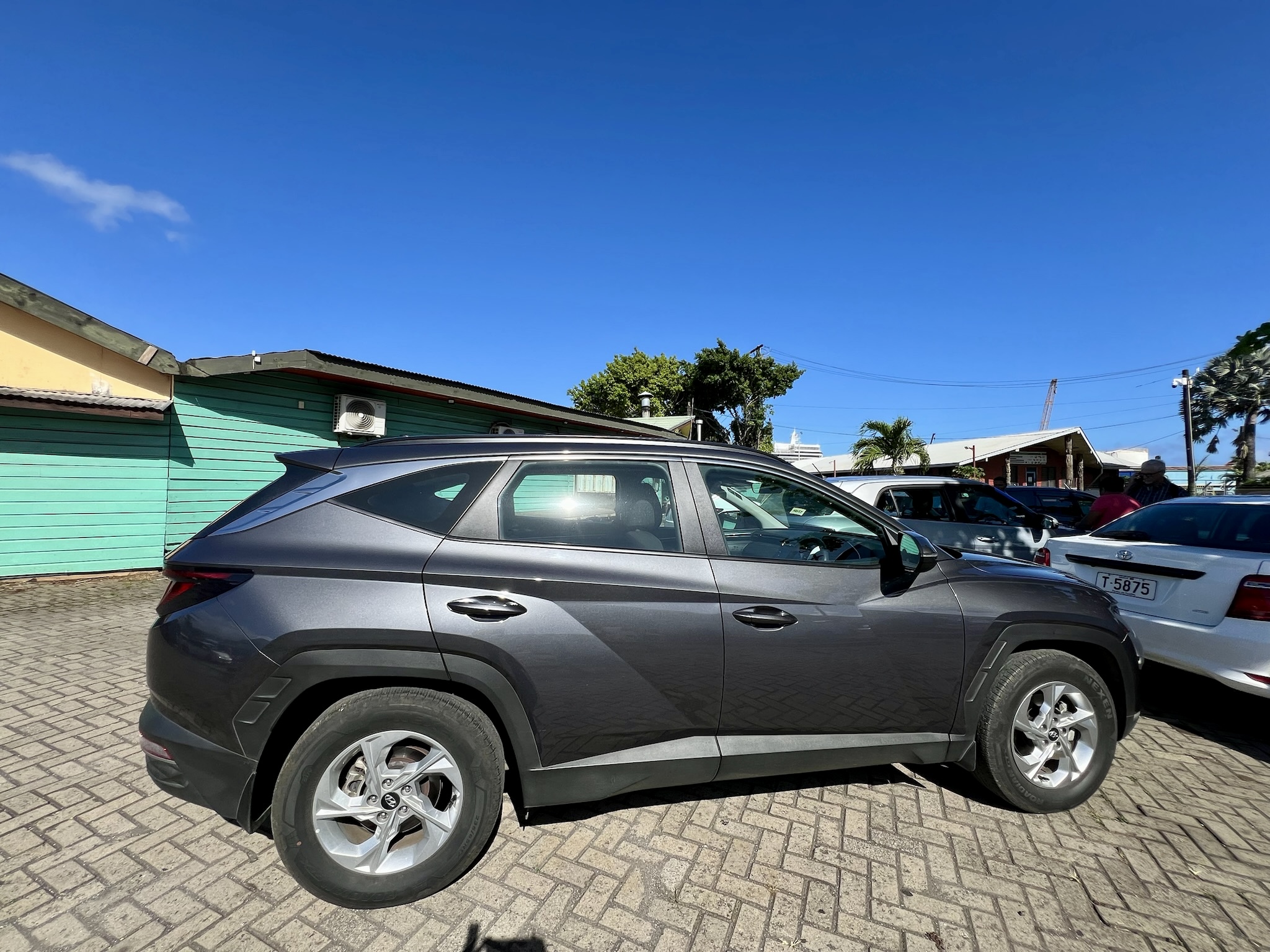
A bit later, we made our way off the ship and to “the big tree outside the port,” where Blue Pacific Car Hire met us with our rental.
We drove along the bay into town …
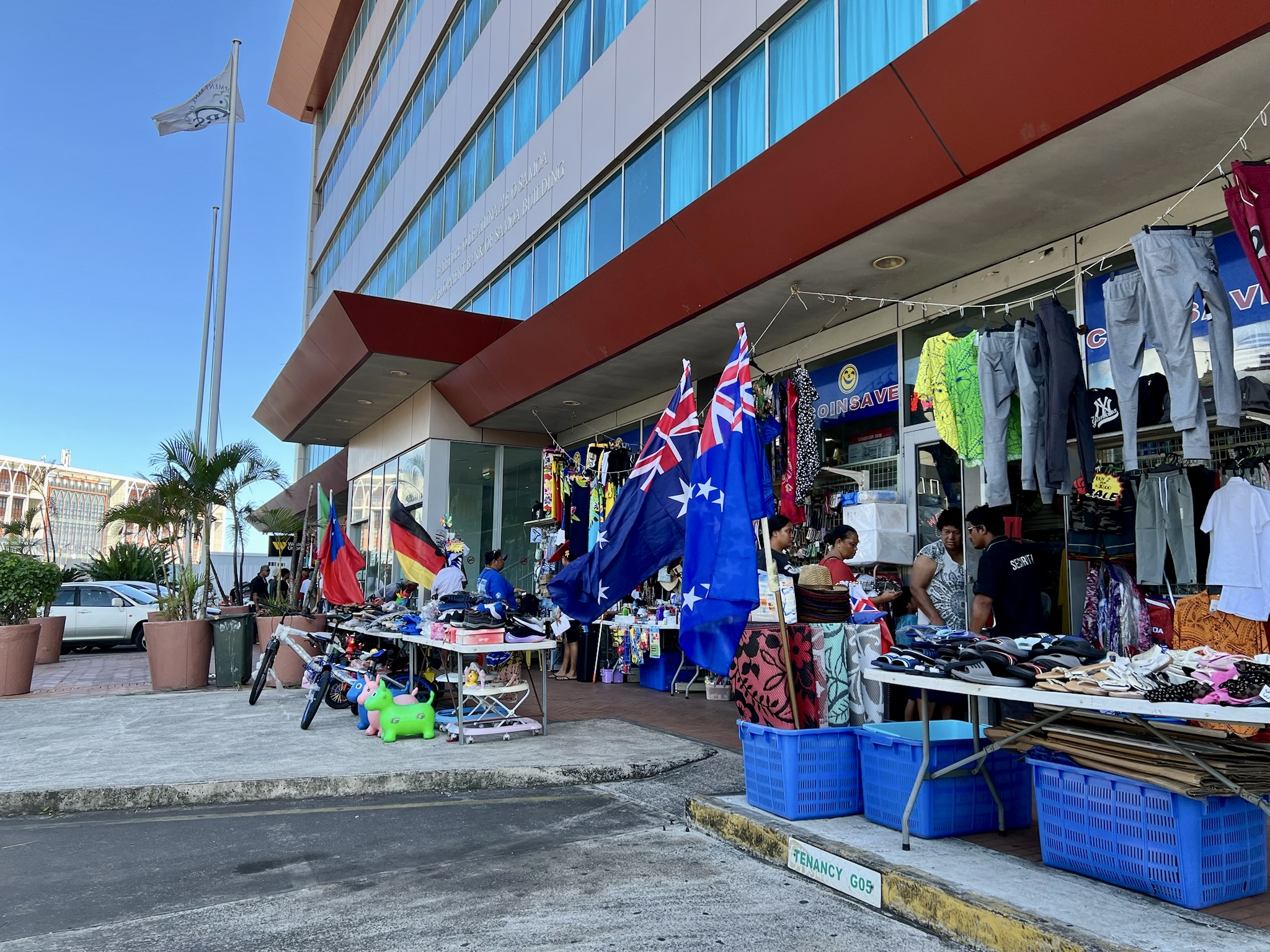
Our first stop was at a Western Union. The photographer shopped a local sundry store while the blogger checked about swapping some unneeded French Polynesian francs for local Samoan talas. The line was too long. Next stop: an ATM.
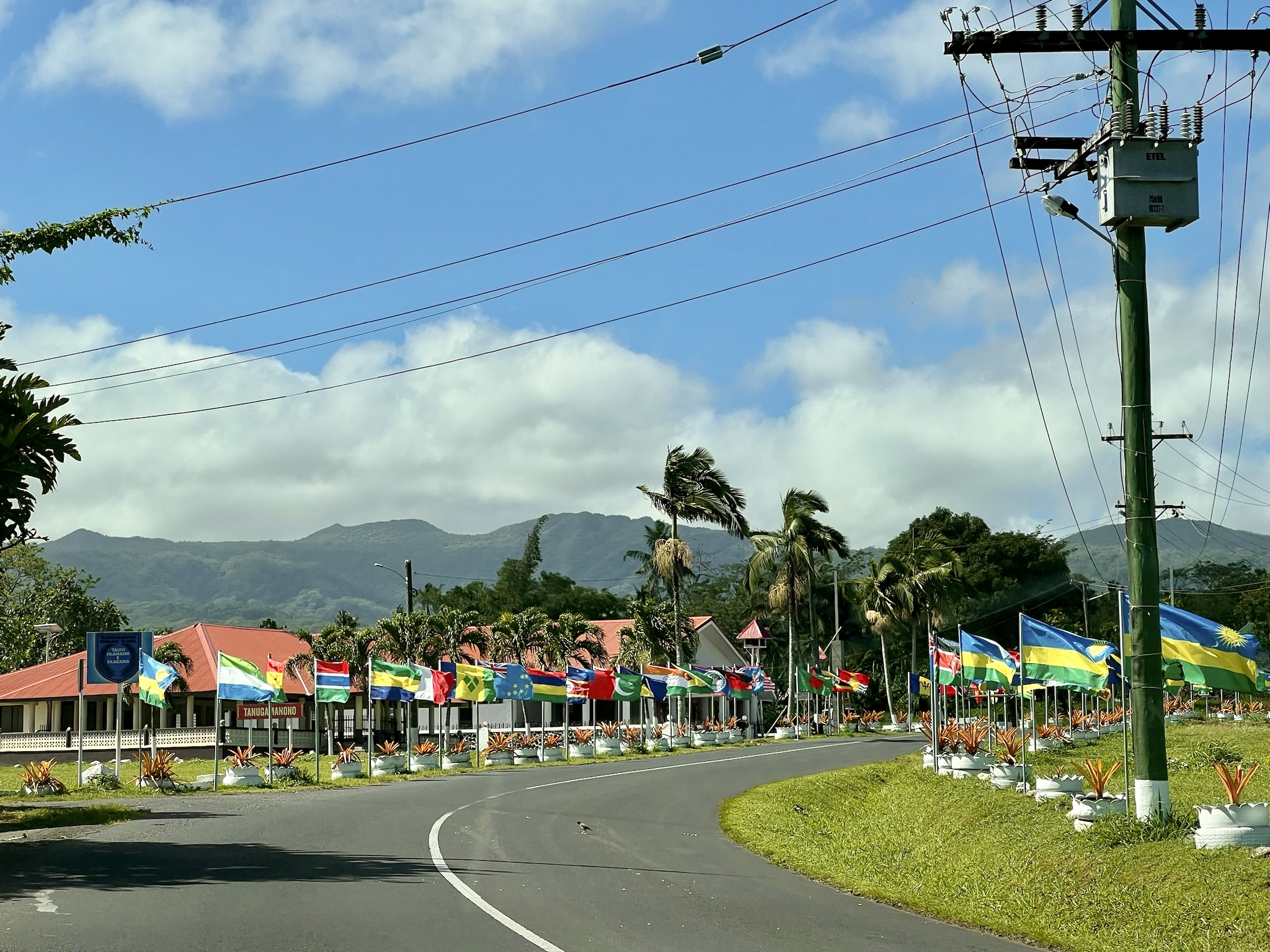
Then it was up the Cross Island Road that connects Apia on the north side to the less populated south shore.
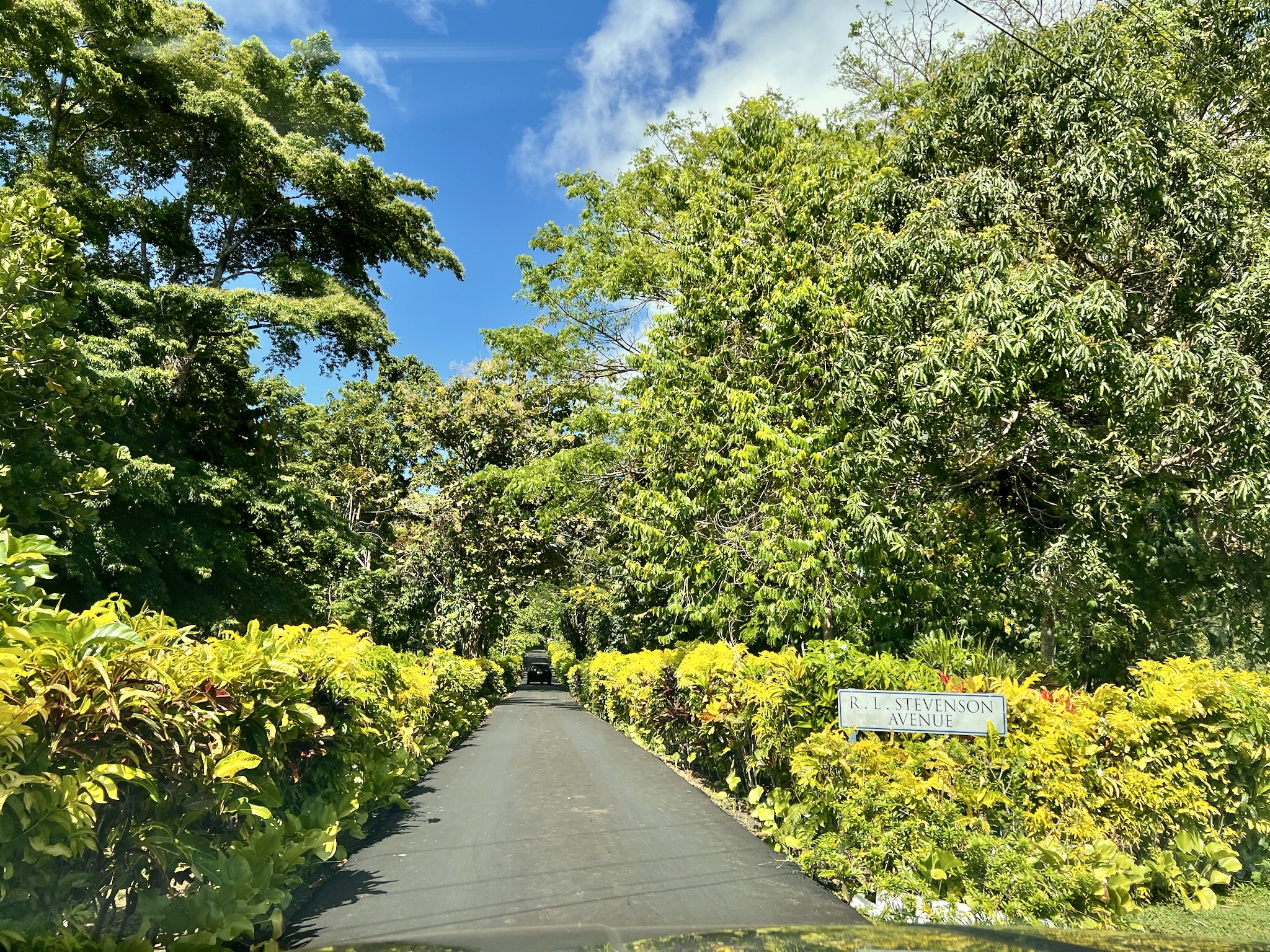
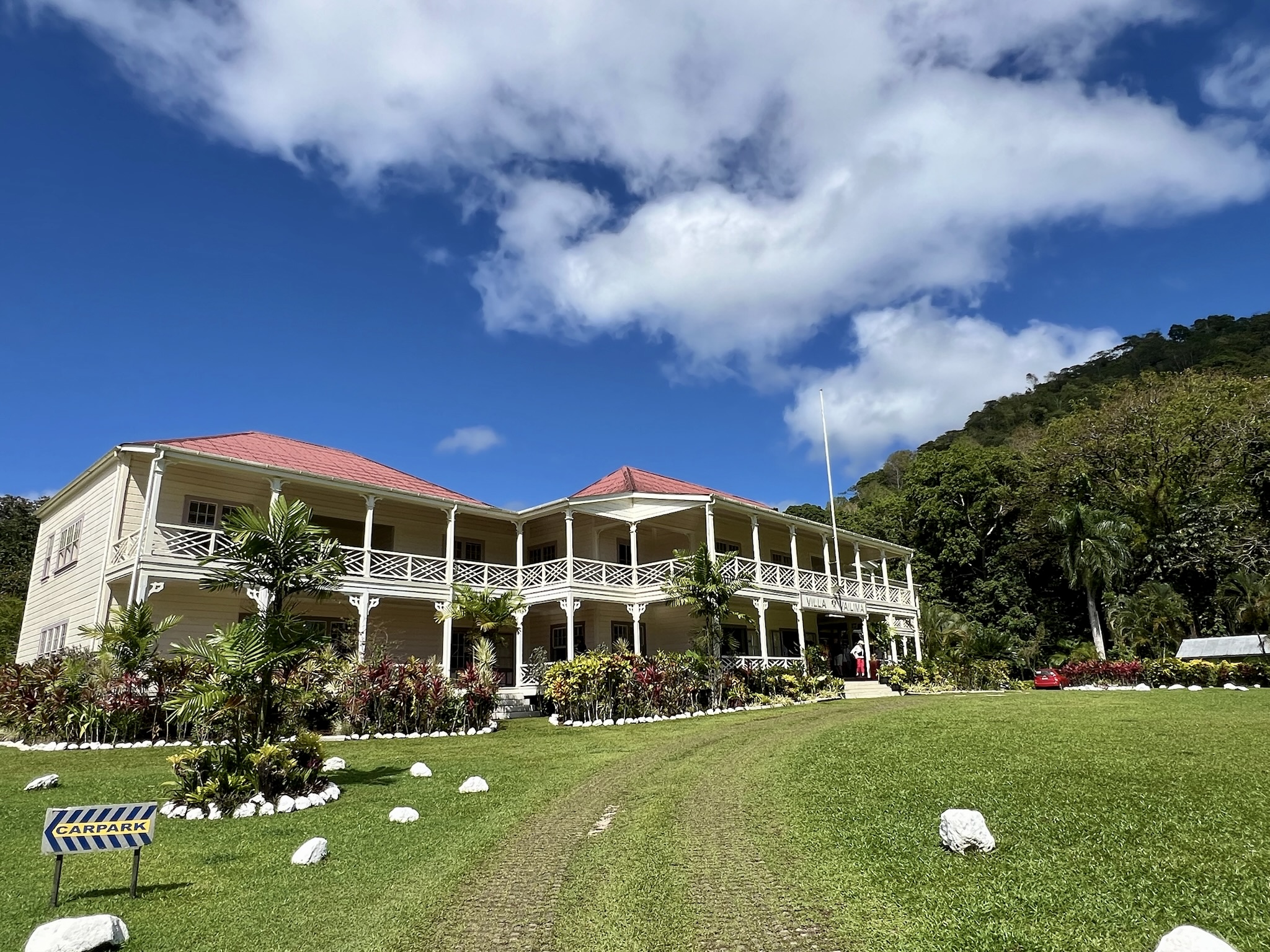
Our destination was Robert Louis Stevenson’s home, now a memorial to the famous writer.
His home is about two miles into the valley that cuts between volcanic peaks.
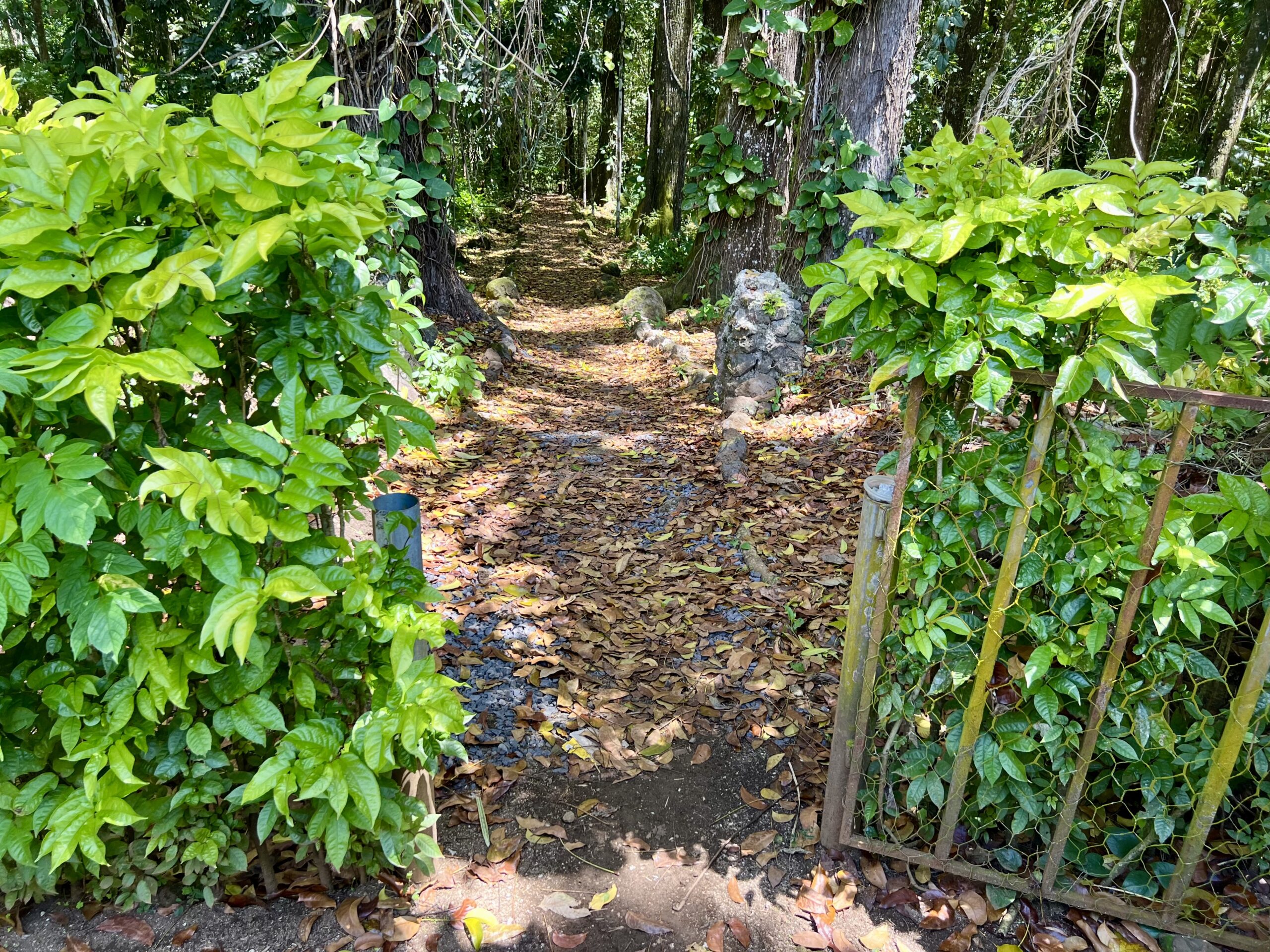
Since the house itself was occupied by what looked like a bus load of shipmates, we went straight for the hike to Robert Louis Stevenson’s tomb. It’s a short hike, and the start through the little gate went well enough.
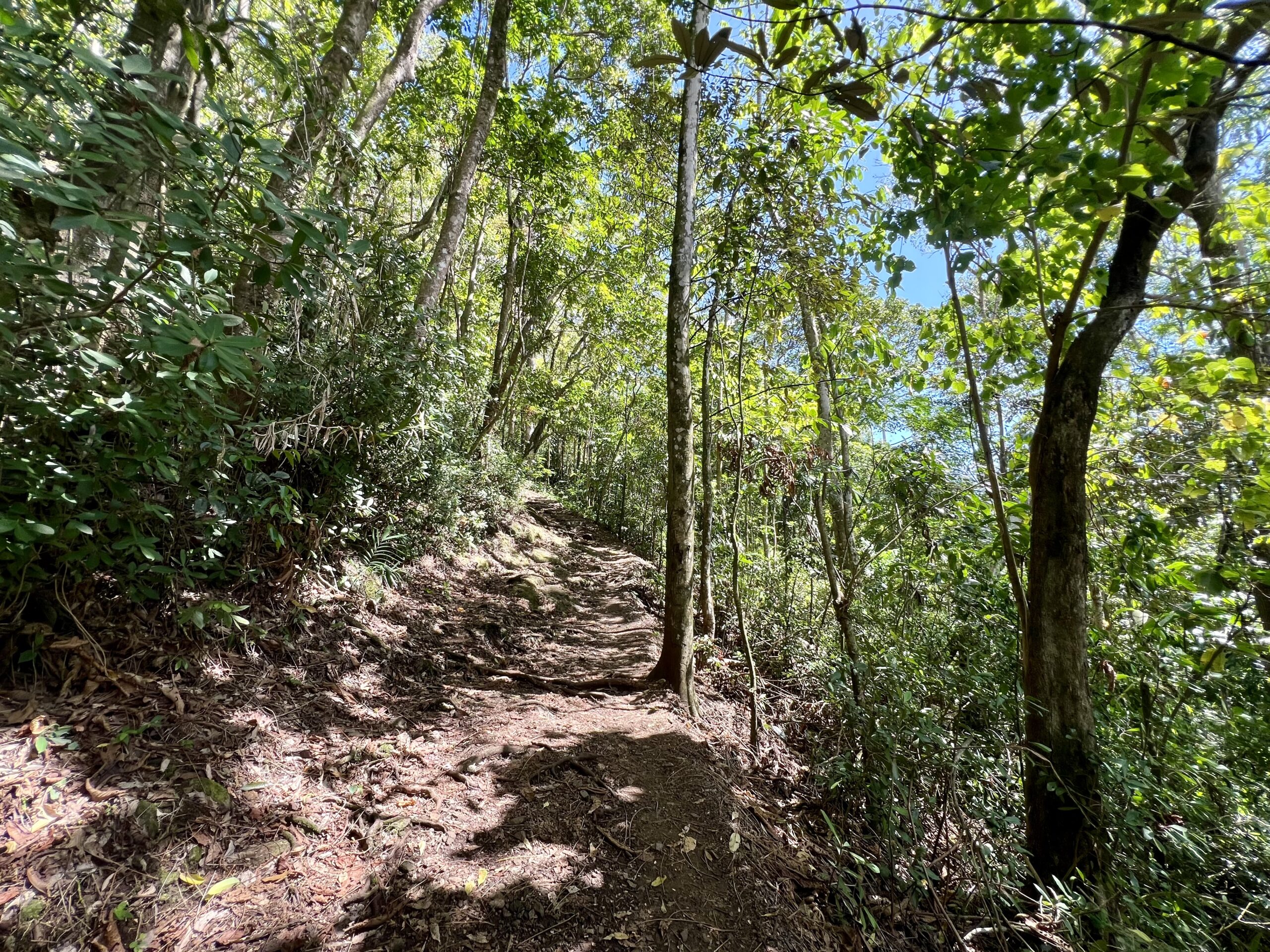
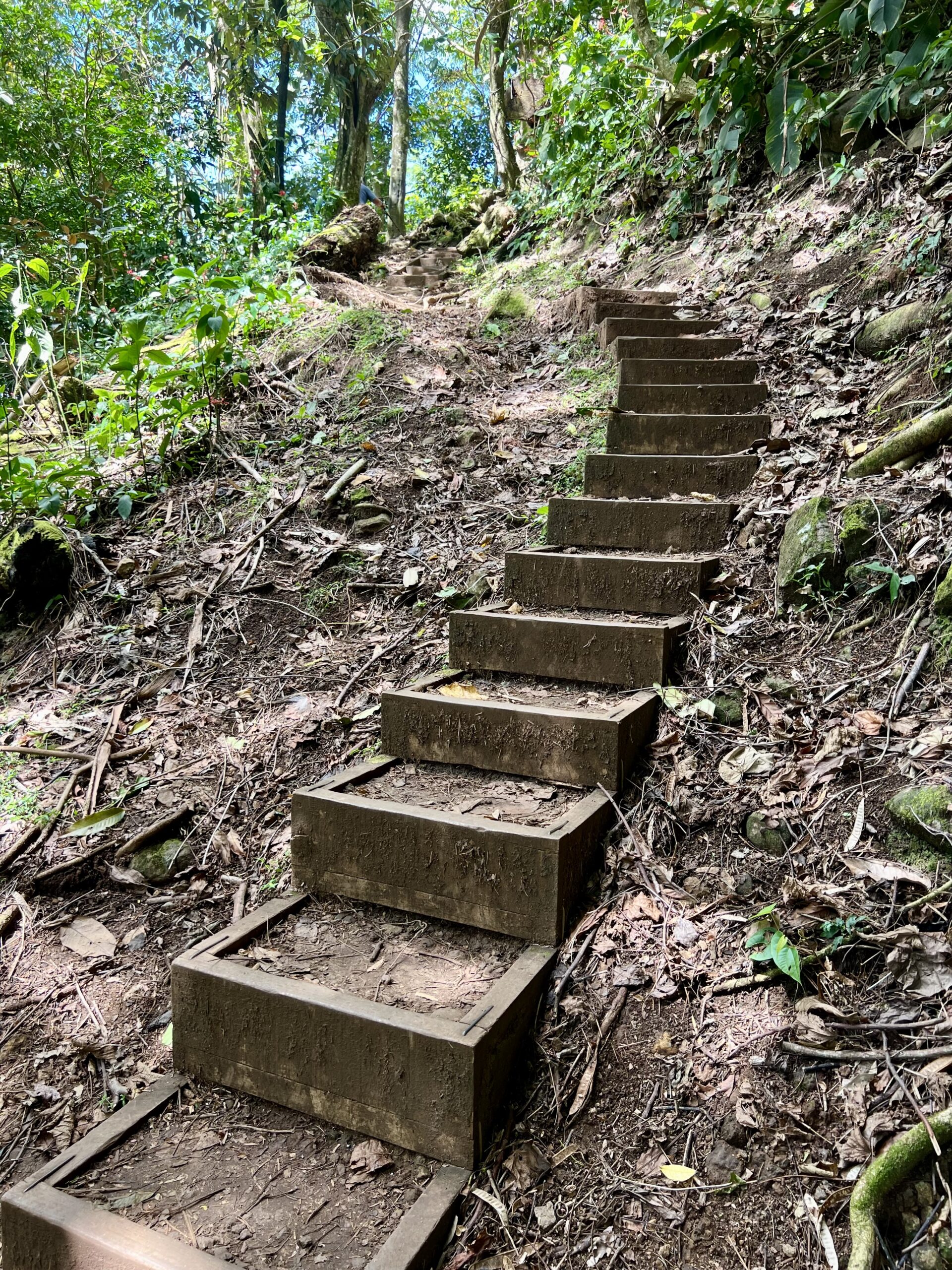
Then the path steepened gradually …
Then not so gradually. With an average grade of almost 30 percent and a 730 foot altitude gain, the hike is equivalent to taking stairs to the top of a 70 story building. If RLS made this trip very often, we think we know what killed him.
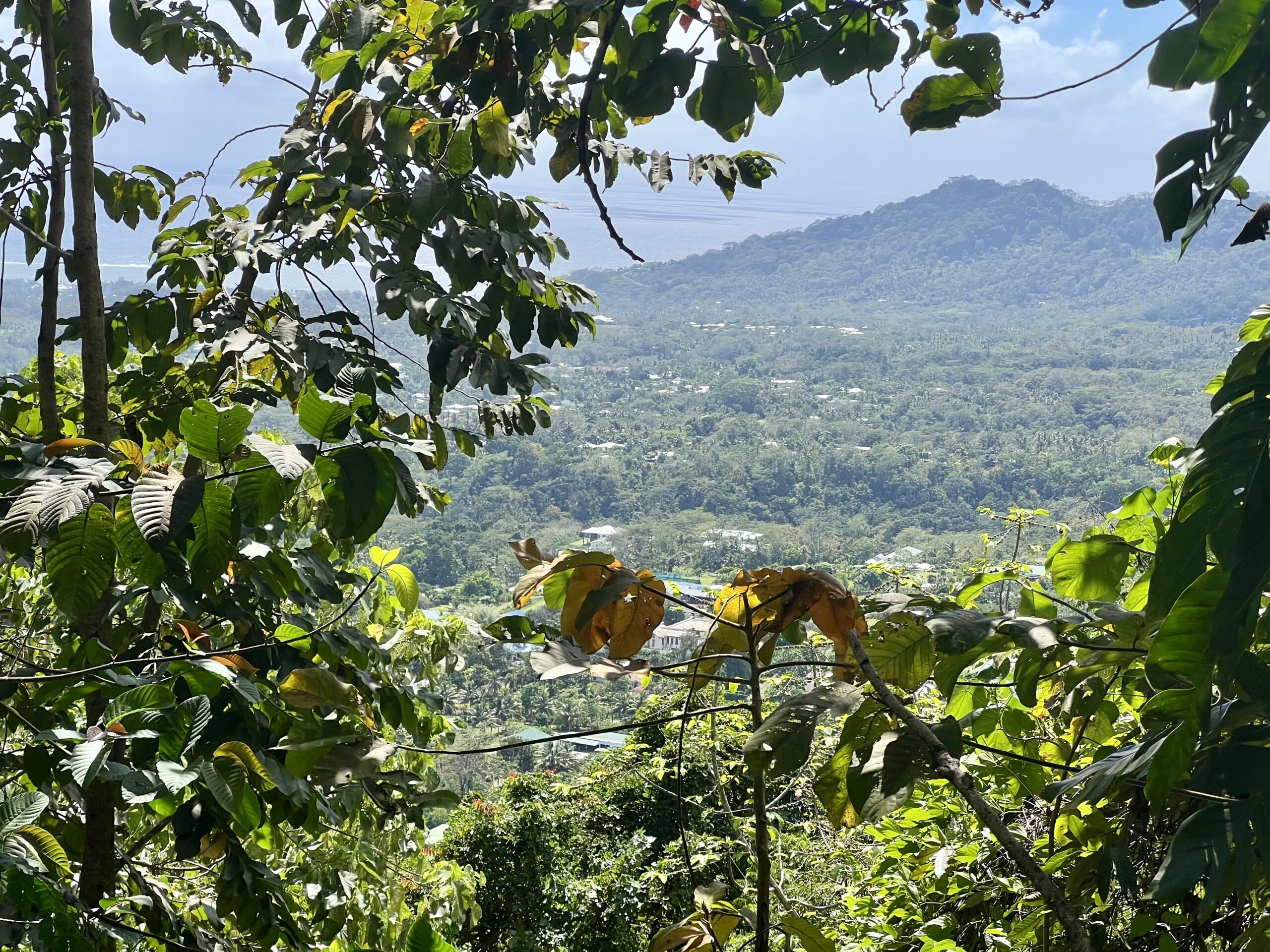
The trail led through jungle, but now and then we could peak through and see the island below us.
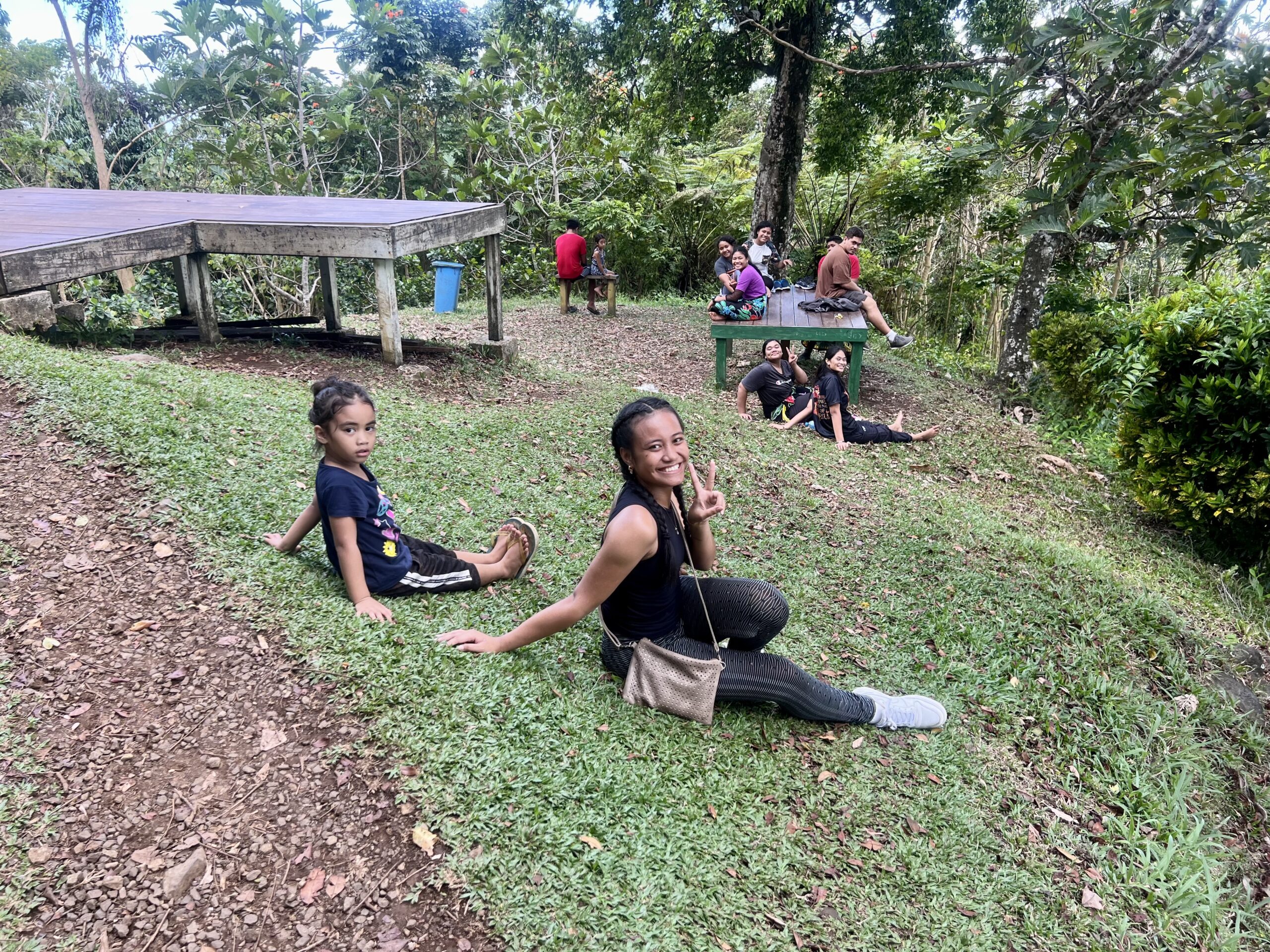
On the way to the top, we took turns passing and being passed by a number of islanders. We routinely passed this girl and her friends in the background. They would run past us giggling and laughing, then we’d come on them sitting, giggling and laughing. This repeated all the way up. It turned out they were part of an extended family of 30 or more, who made the climb a weekend adventure, most for the first time.
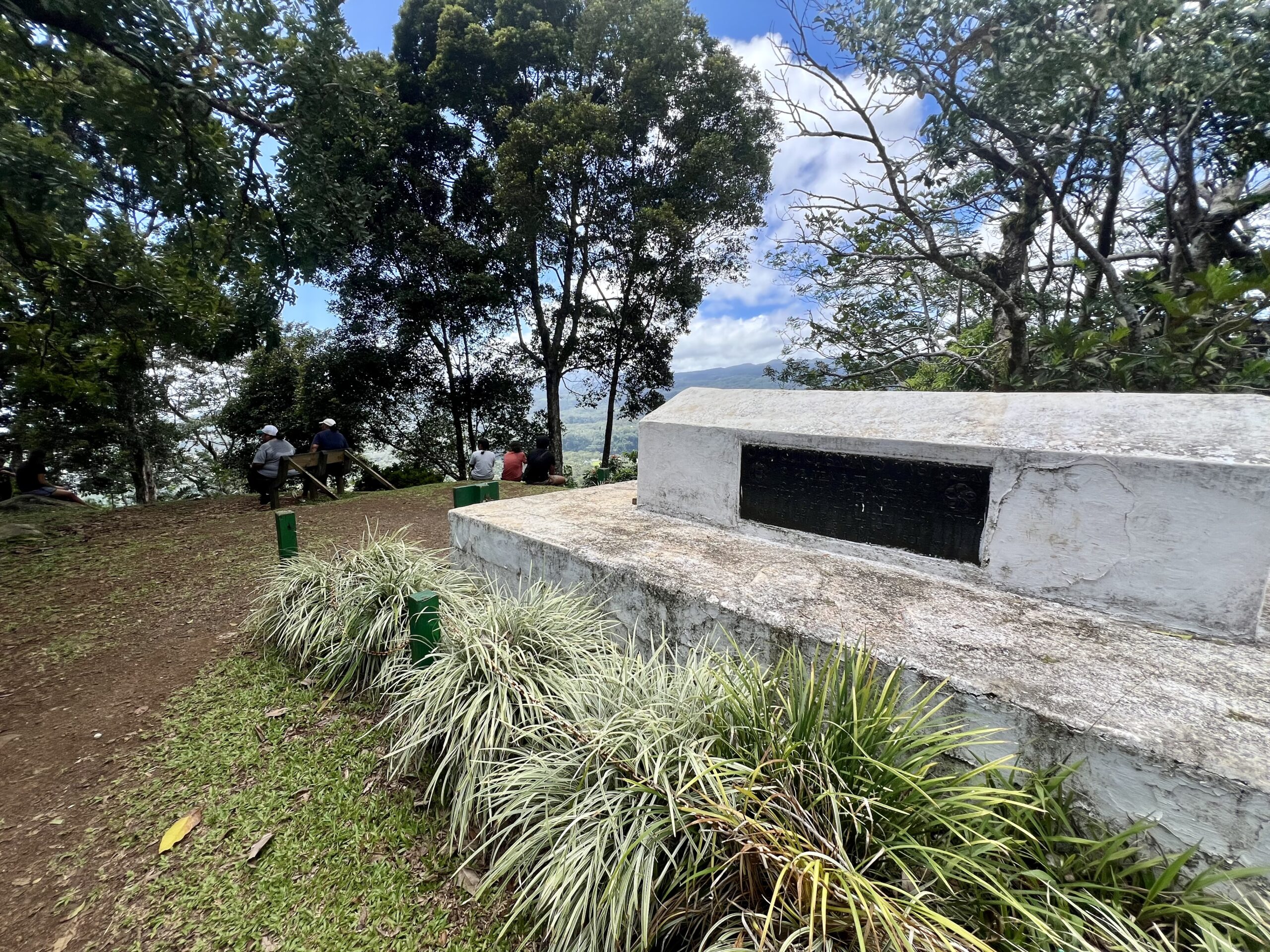
The tomb itself is simple, and the epitaph he wrote himself reads,

Under the wide and starry sky,
    Dig the grave and let me lie.
Glad did I live and gladly die,
    And I laid me down with a will.

This be the verse you grave for me:
    Here he lies where he longed to be;
Home is the sailor, home from the sea,
    And the hunter home from the hill
.

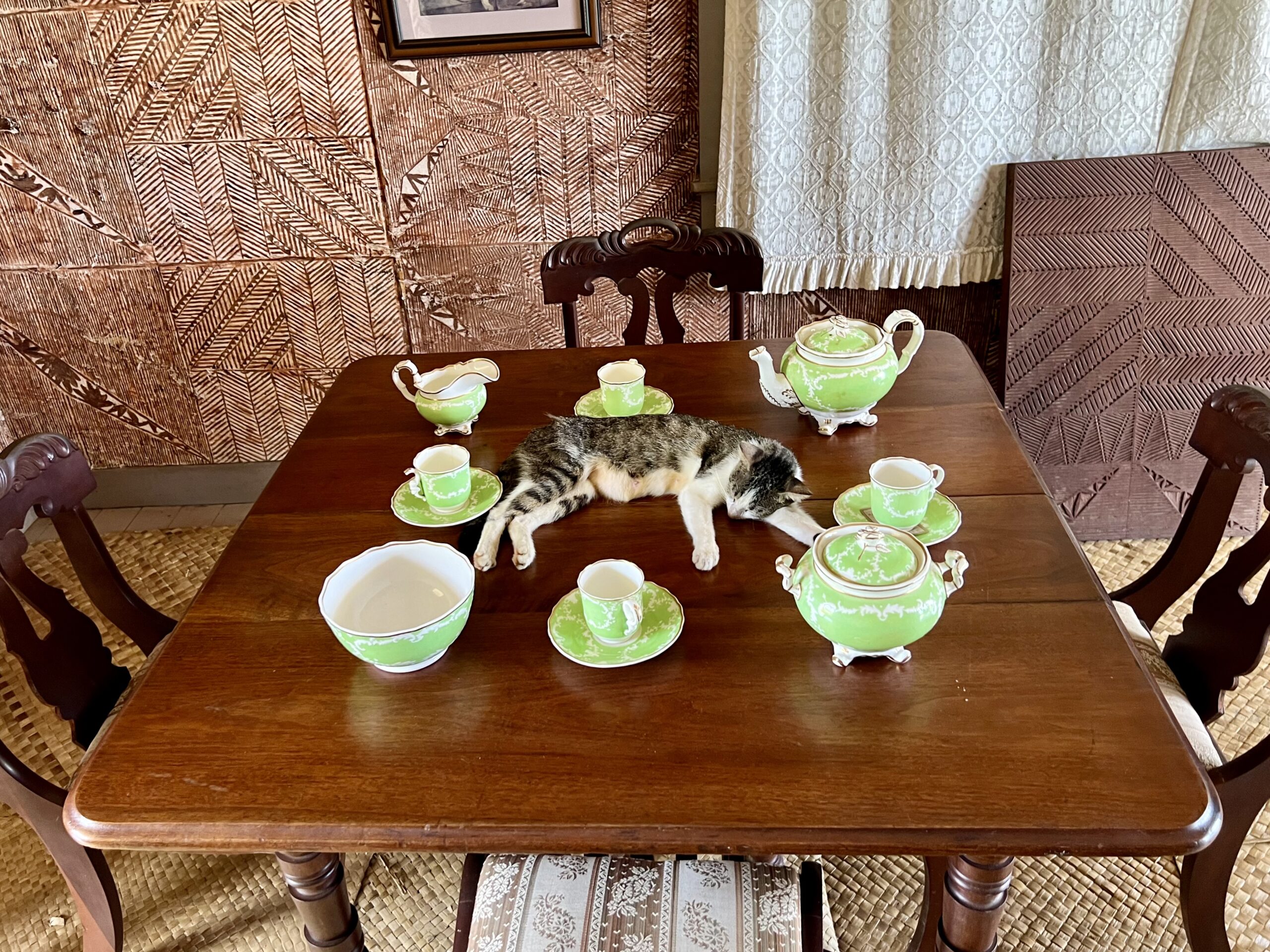
Once we were back down the hill, we paid our US $10 each to walk through the house. Our first encounter was with one of the beneficiaries of the entry fee, contentedly napping amidst the tea service in the breezy dining room.
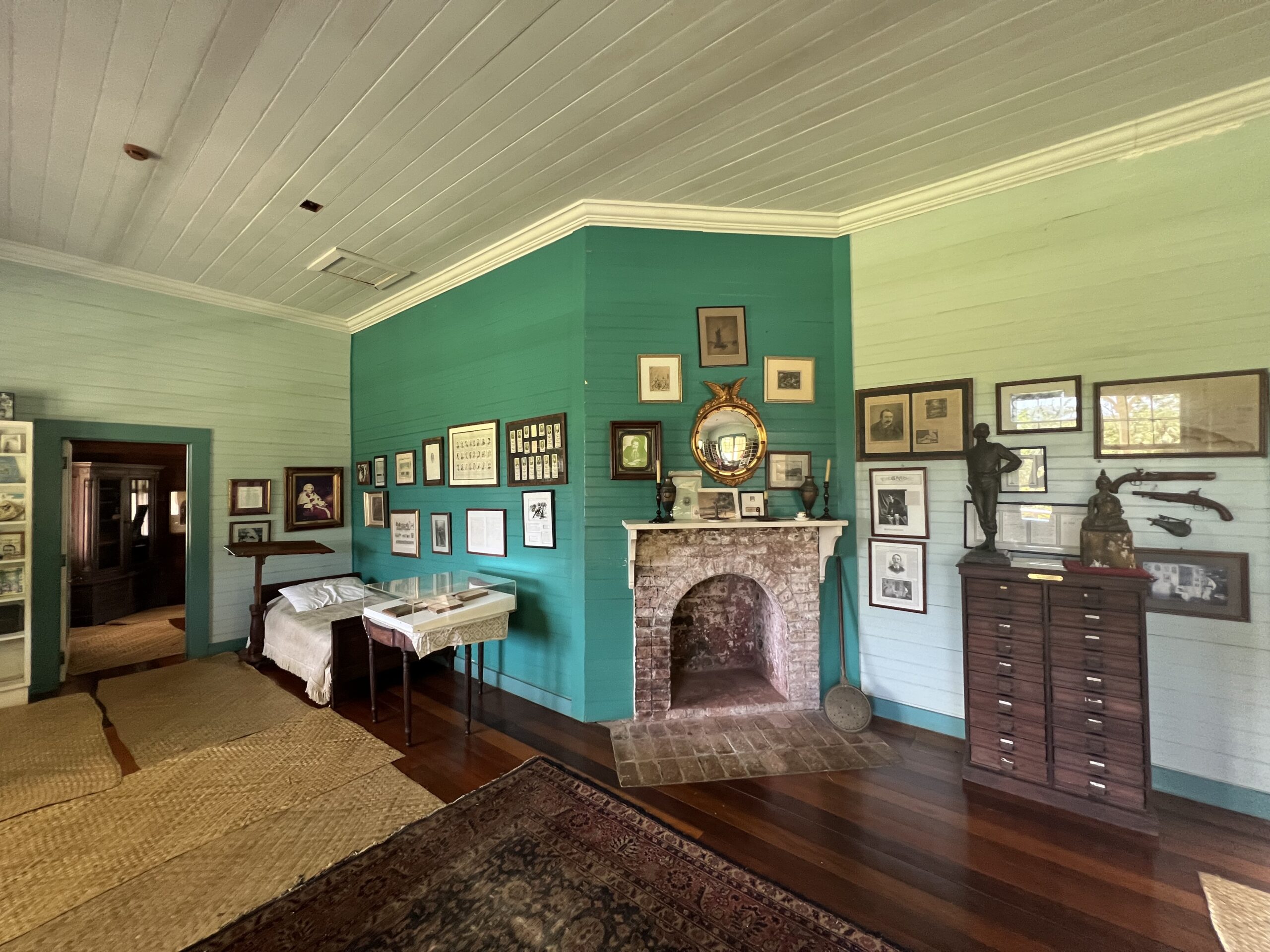
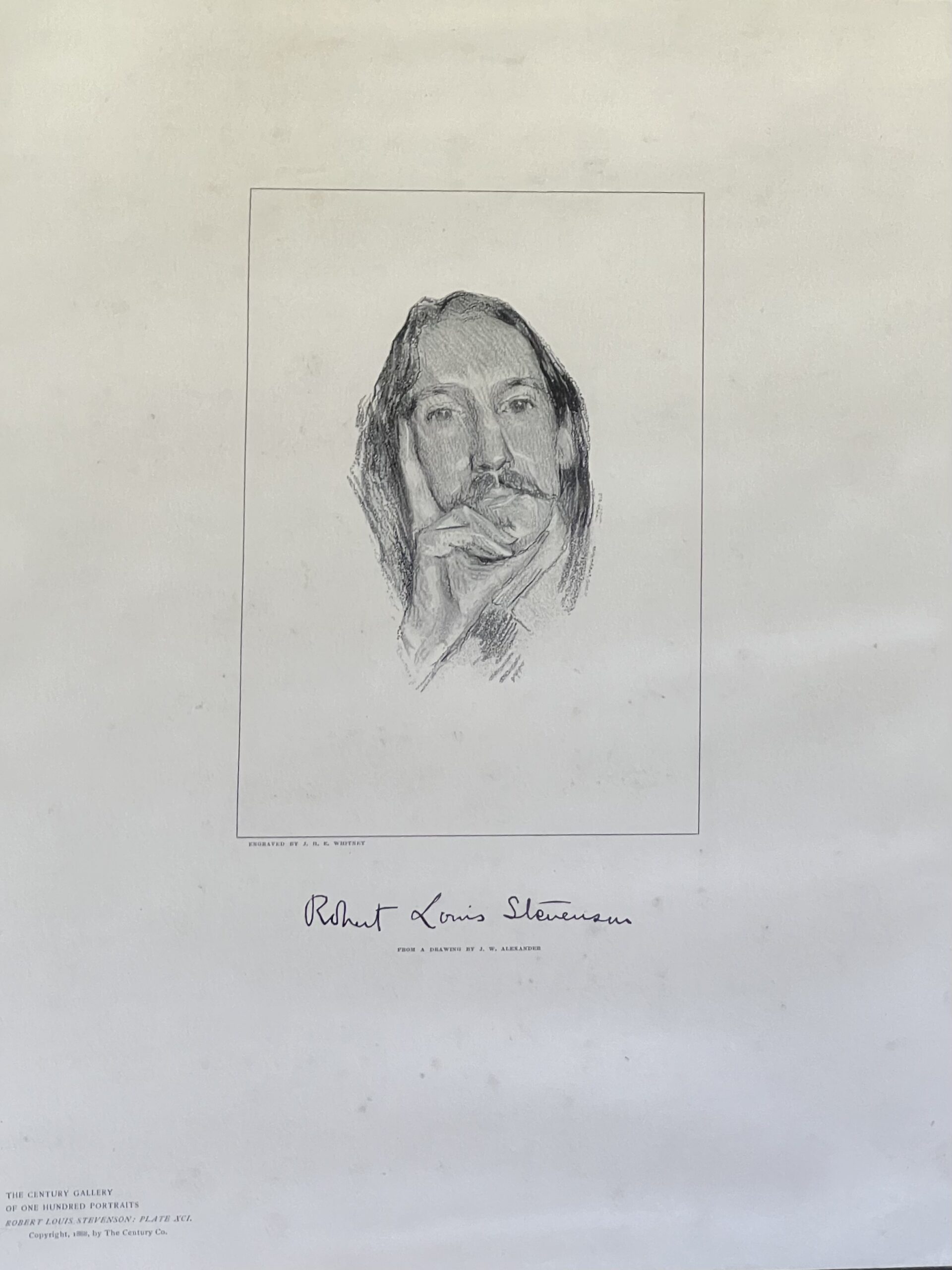
The rest of the large home held the writer’s furnishings and family memorabilia, including likenesses (below).
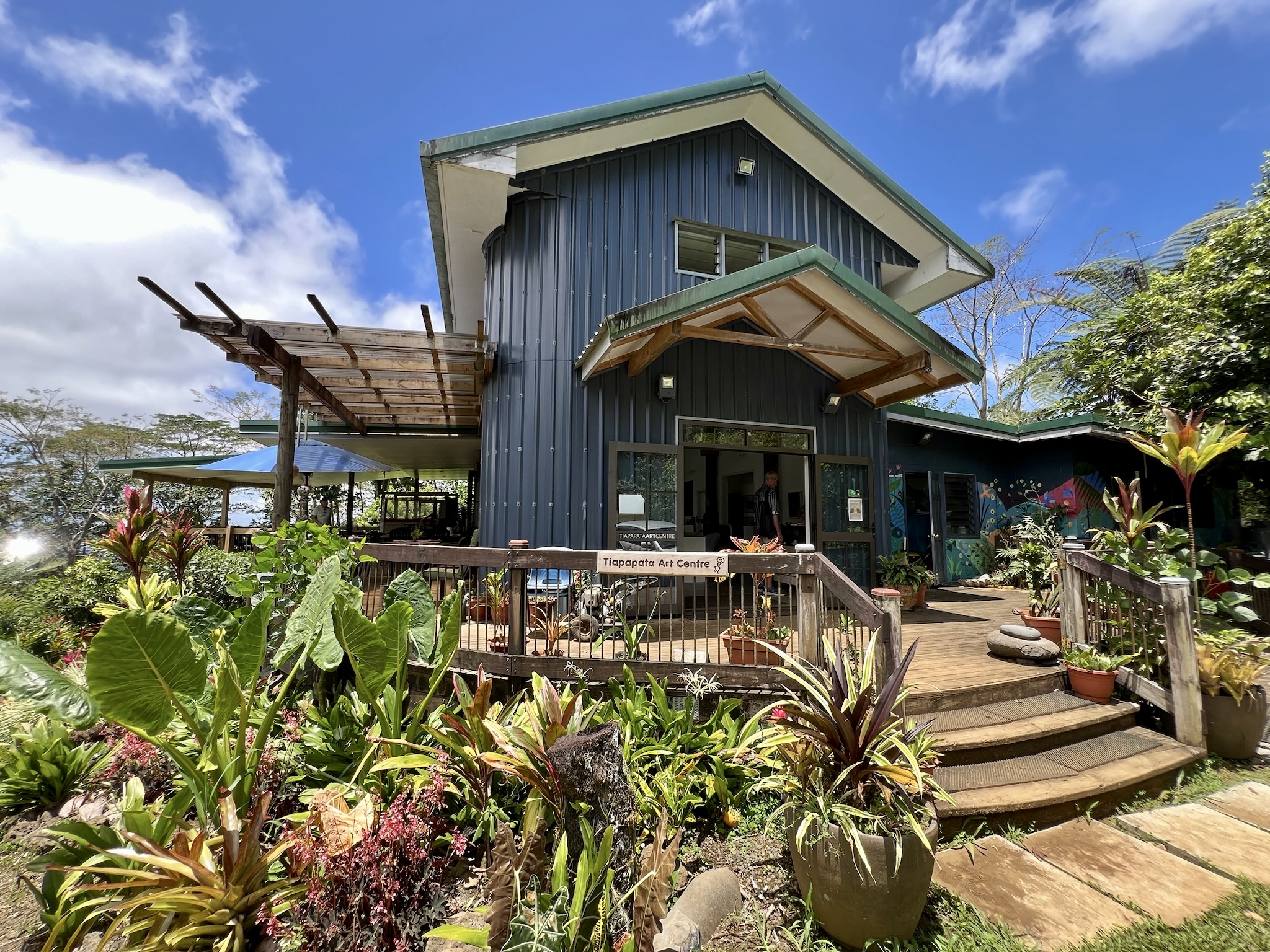
Then we were back in the car headed further up the Cross Island Road, past where the road roughens and narrows, and well past any lane markers, to Tiapapata Art Center.
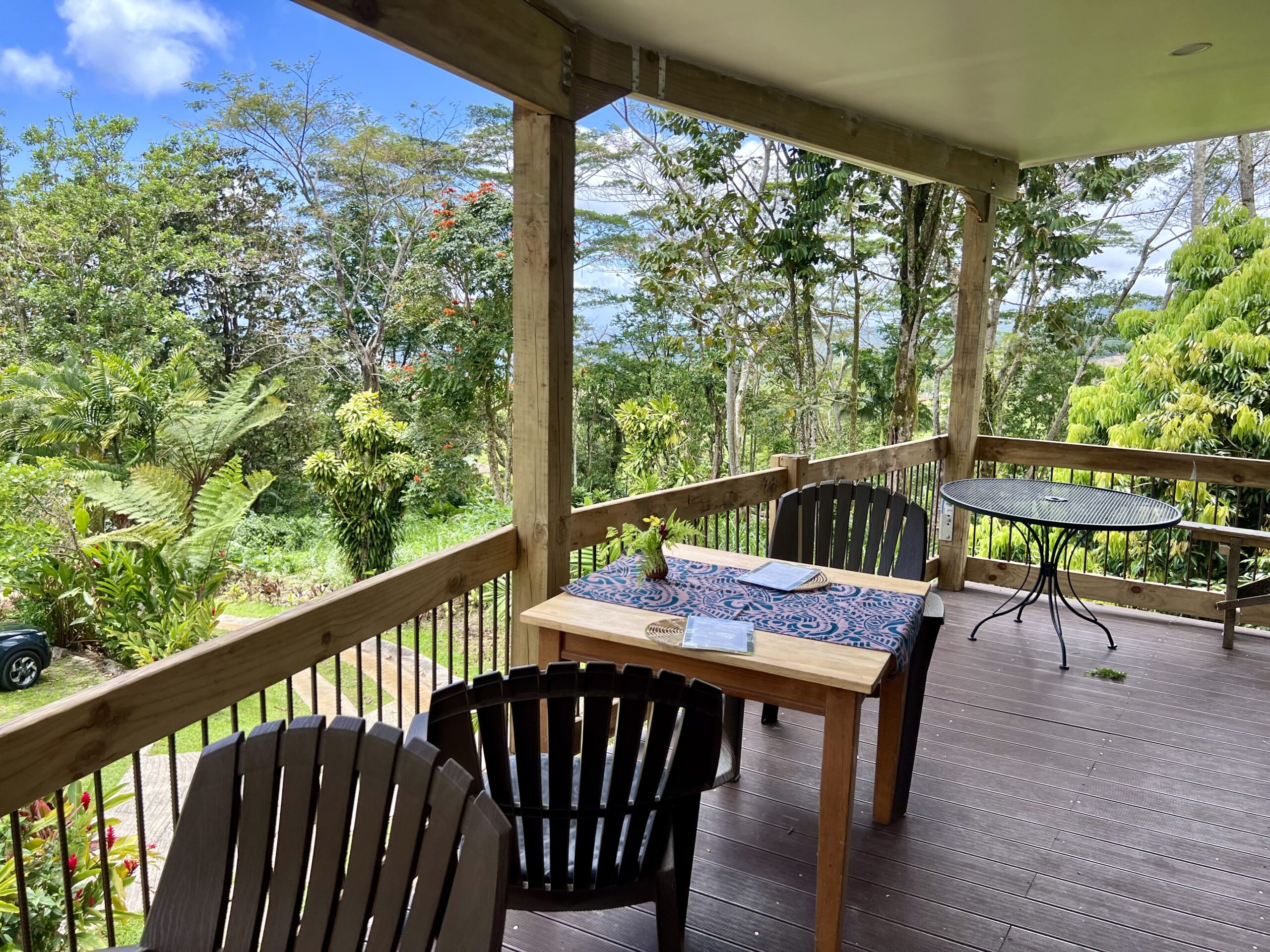
The place is run by an eccentric islander and his wife, who is originally from Boston. The little patio restaurant that adjoins the small gallery looks out over the lush garden, with a peekaboo view of the south shore of the island in the distance.
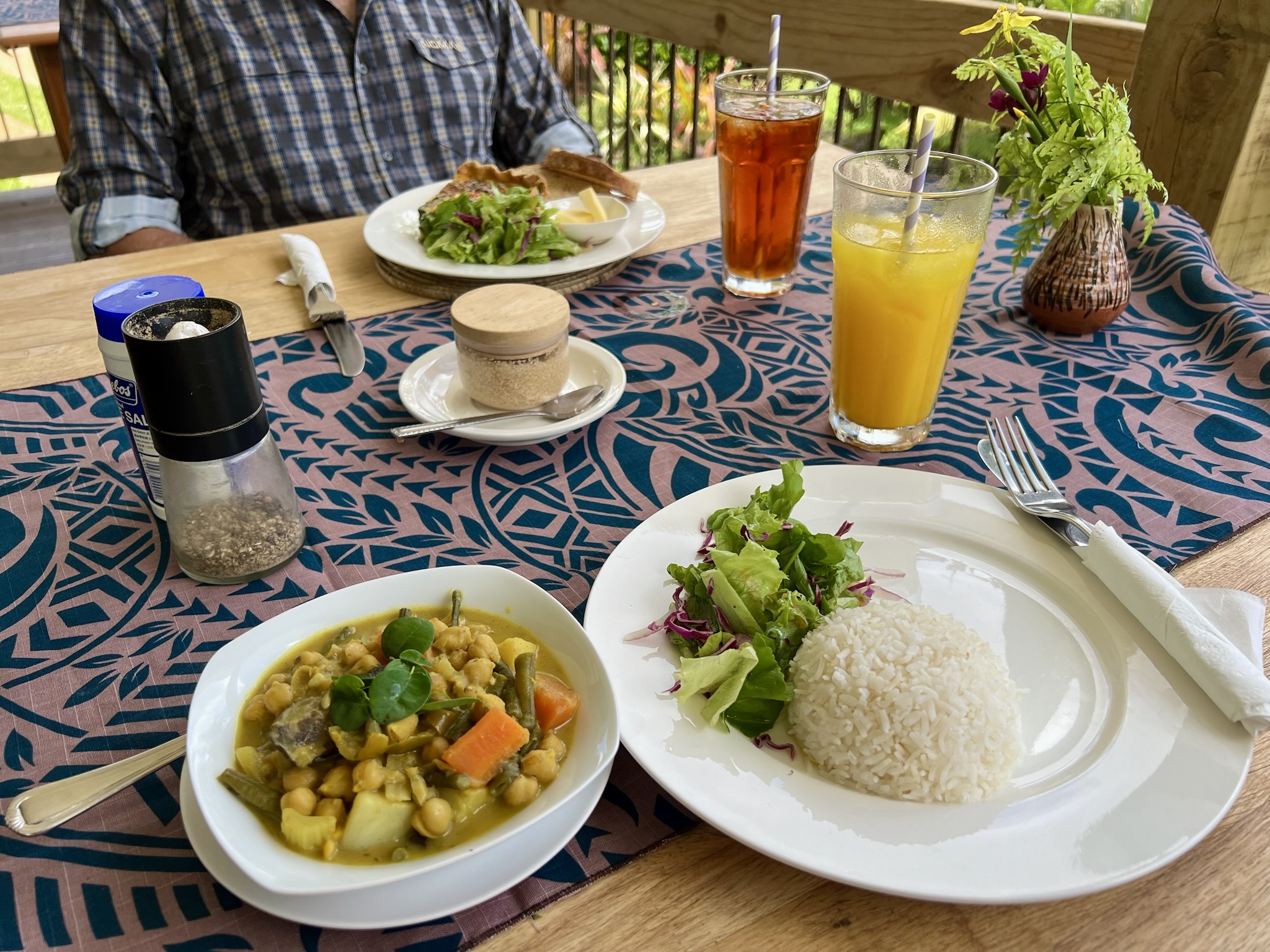
The cafe serves vegetarian-friendly dishes. The spinach and cheese quiche was hot from the oven, and both that and the photographer’s chic pea curry were excellent. More flavor than we’d become accustomed to on the ship.
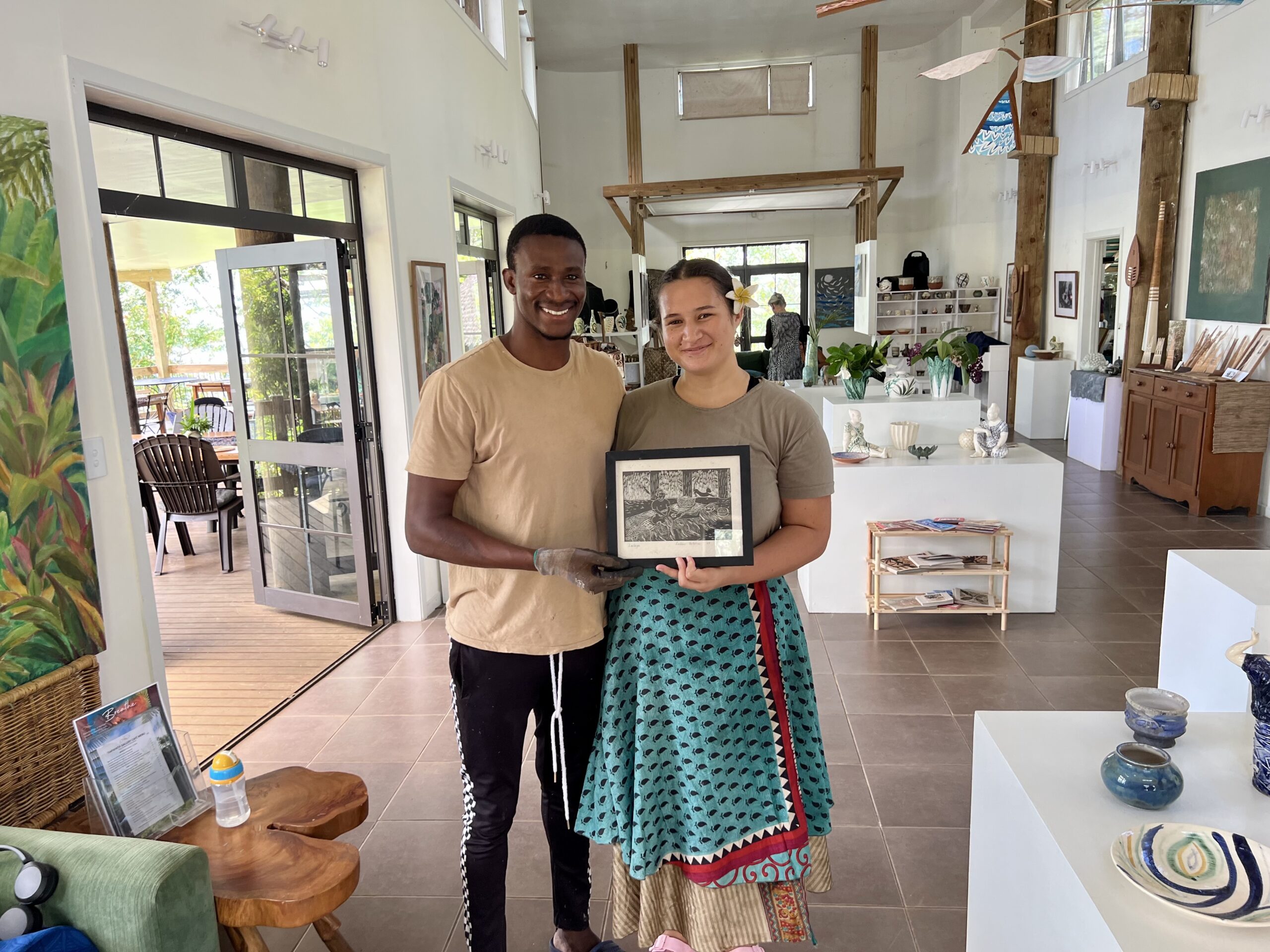
The gallery had little to interest us until we spotted some linocuts of native life. They are done by the cafe’s cook Leilani using bamboo paper made on property by a fellow from Ghana. Leilani has worked with many art forms since she was young, including watercolor, but never sold one. Our purchase was her first sale ever. We celebrated with a picture of her and her paper maker.
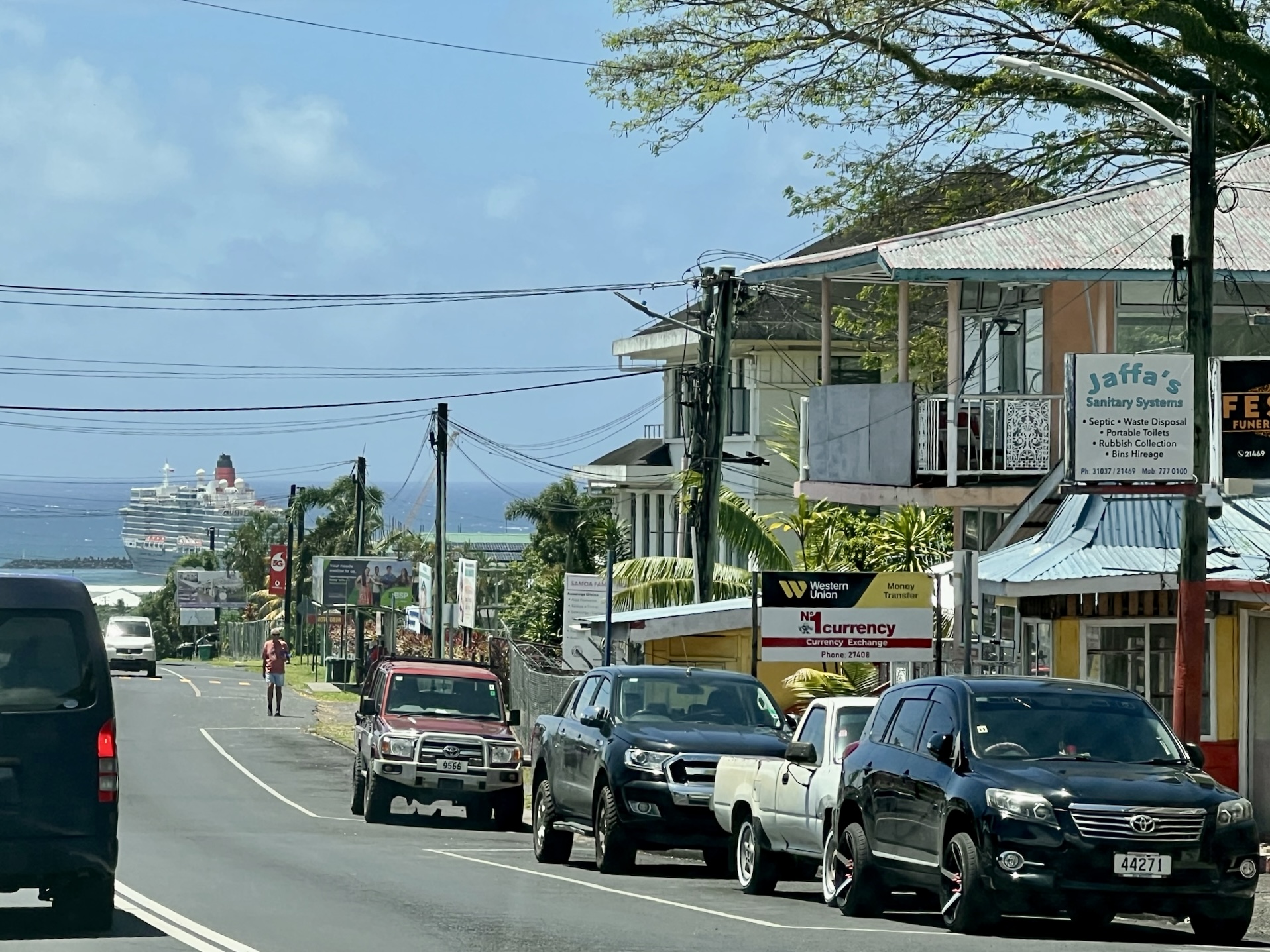
Refueled after our morning trek, we headed back into town, the Queen Elizabeth coming into view as we descended toward Apia.
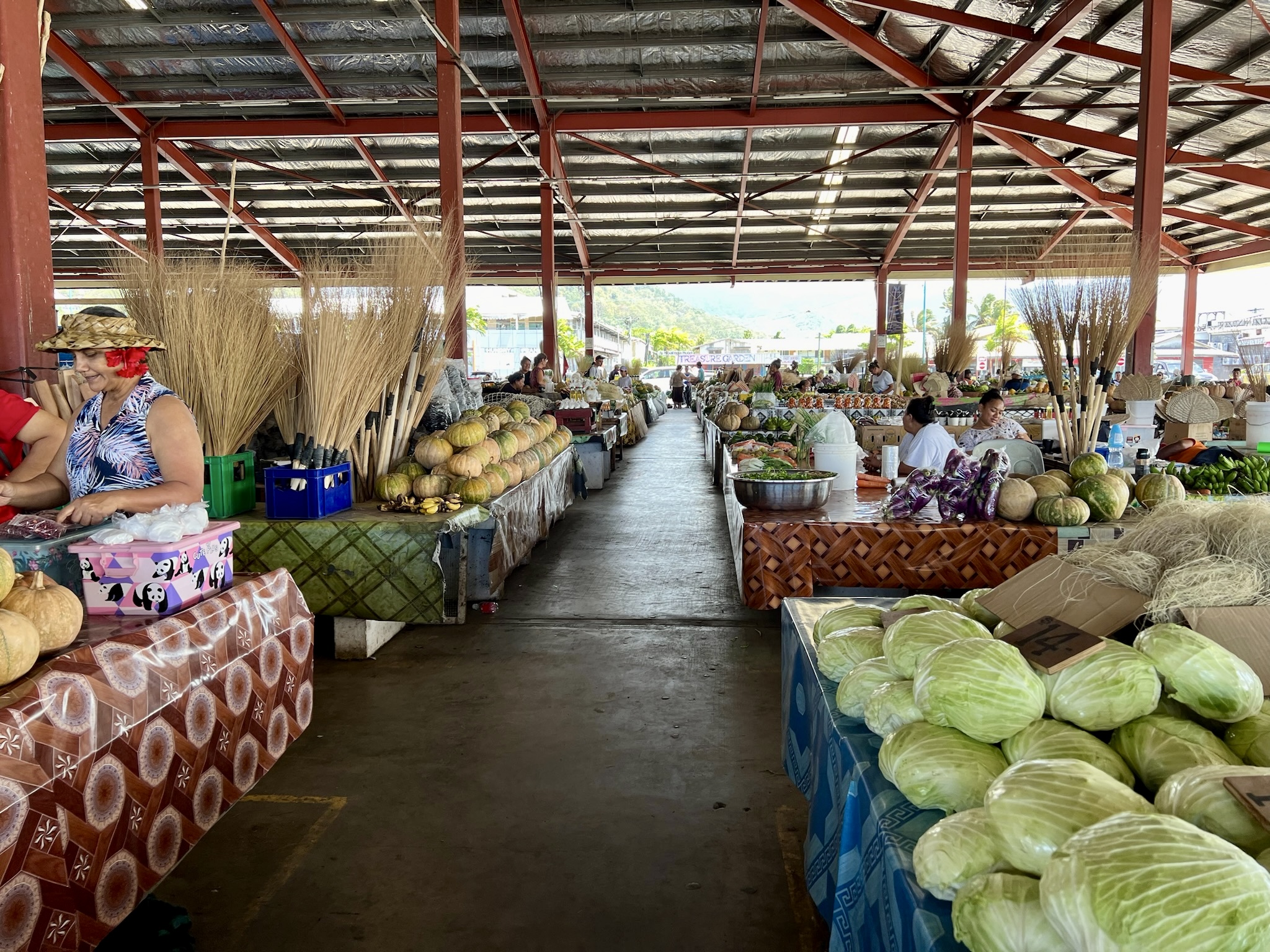
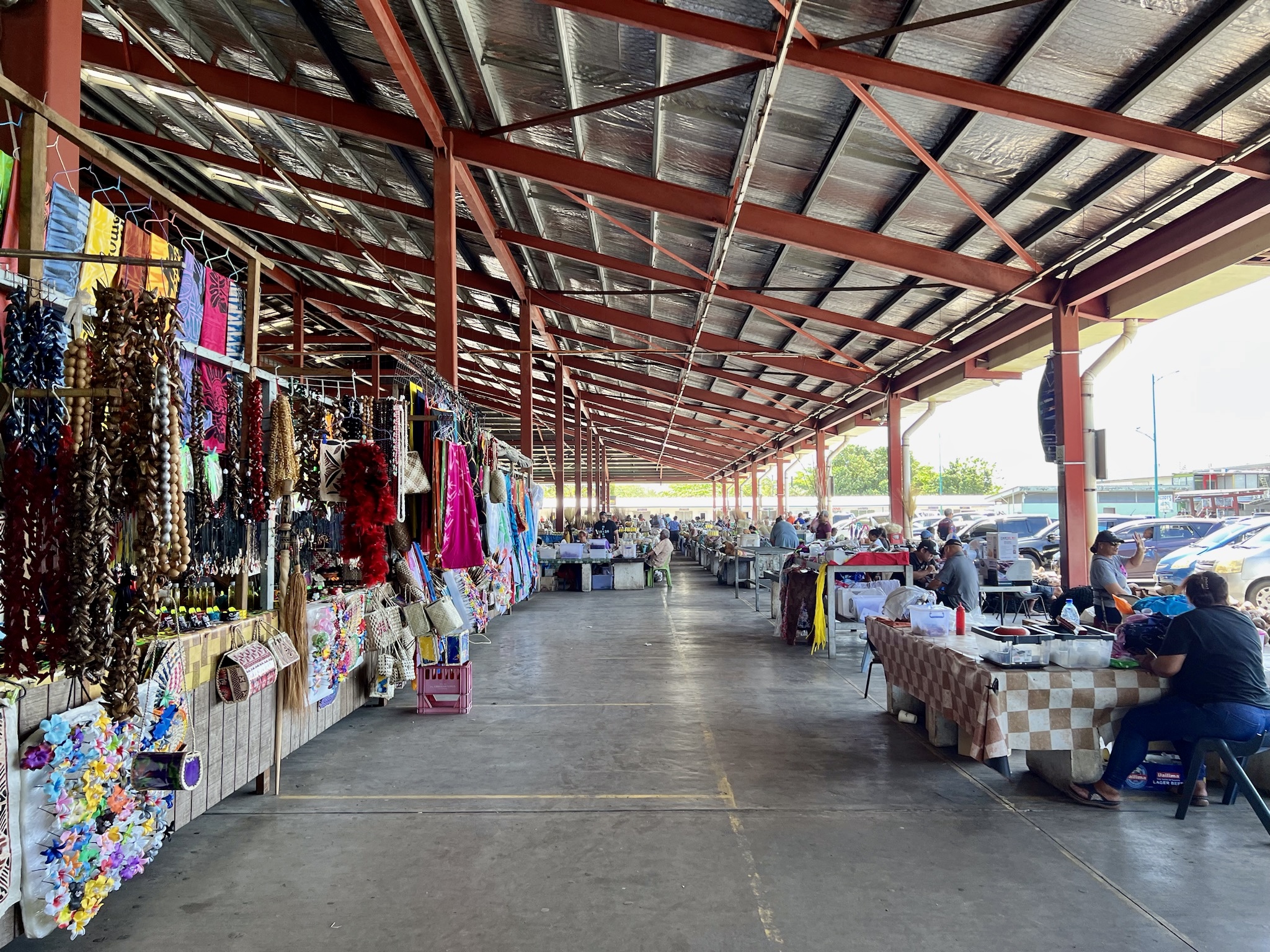
It being a Saturday, we discovered that the Museum of Samoa was closed and the craft shop we wanted to visit closed early. So we went to the Fugalei Fresh Market, where we wandered through tropical staples.
And gravitated to the stalls selling tourist stuff, where we bought a replica Samoan neck breaker of dubious provenance.
Then back to the ship, where we returned our car and had our purchases x-rayed by Cunard security, who were cool with our having a neck-breaker in our bag.
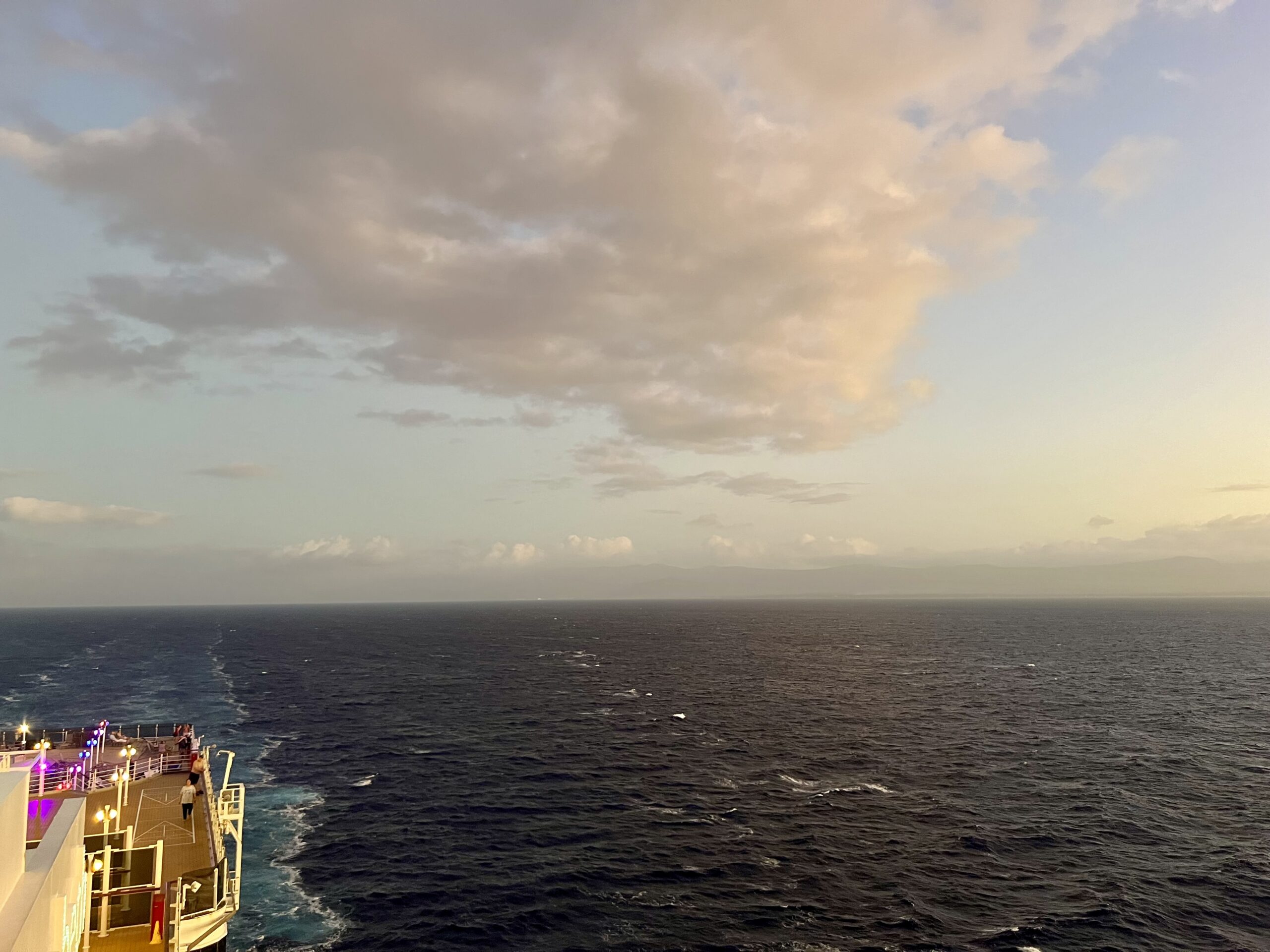
The ship sailed in the early evening, with the island quickly disappearing astern …
Two days of sailing ahead, then Fiji – give or take a slight detour.
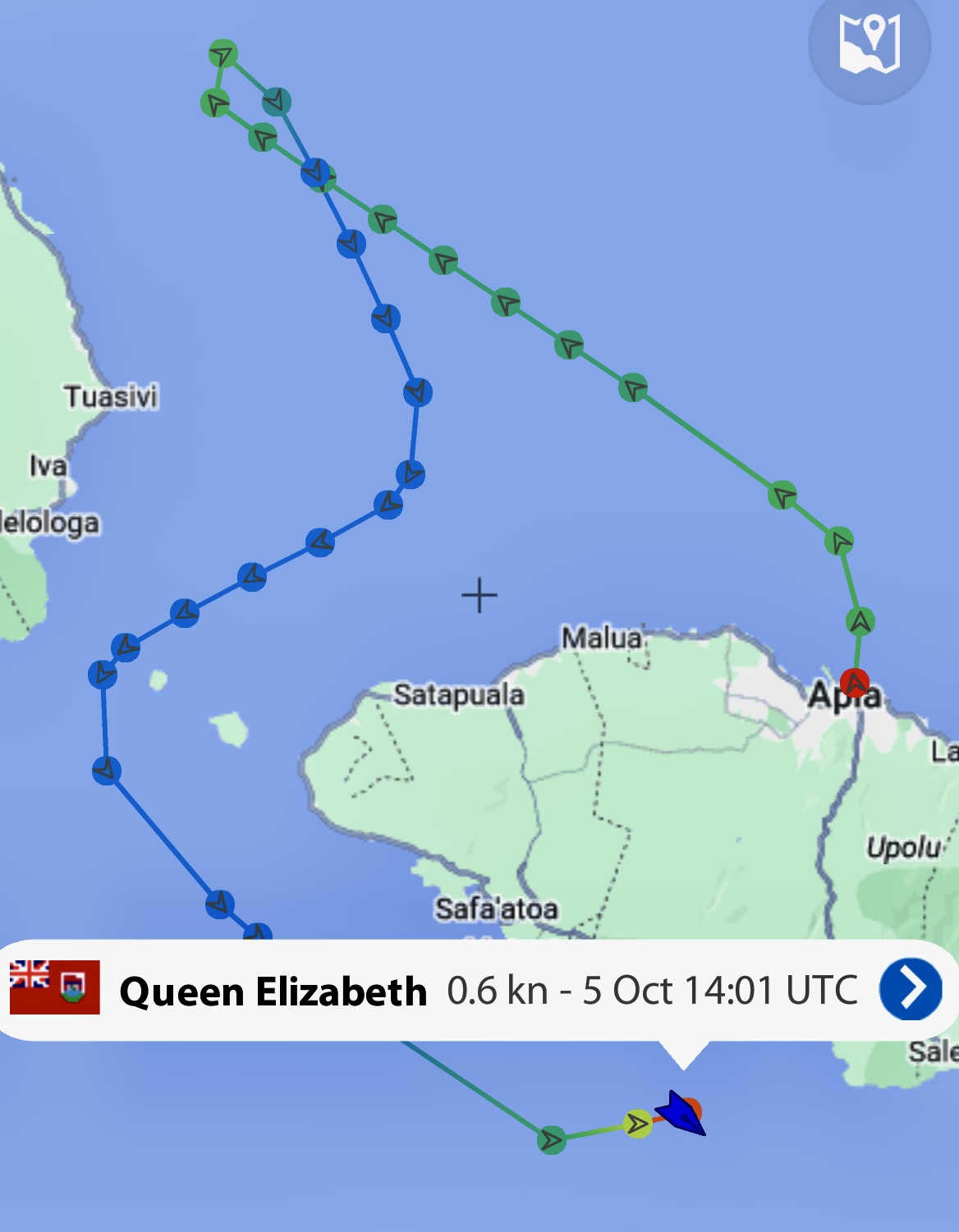
After a short bit, the photographer wondered why the floor was so steeply sloped. The ship was in a tight 400-degree turn. A little sleuthing showed we had turned about and were navigating to the south side of Upolu Island in response to a mayday call from a New Zealand Navy ship that had run aground. The Queen Elizabeth stayed on station in case help was needed, but the crew safely abandoned ship and we went on our way sometime during the night. The next day, the nearly 300-foot vessel sank. There are some days you just don’t want to be captain of a boat.