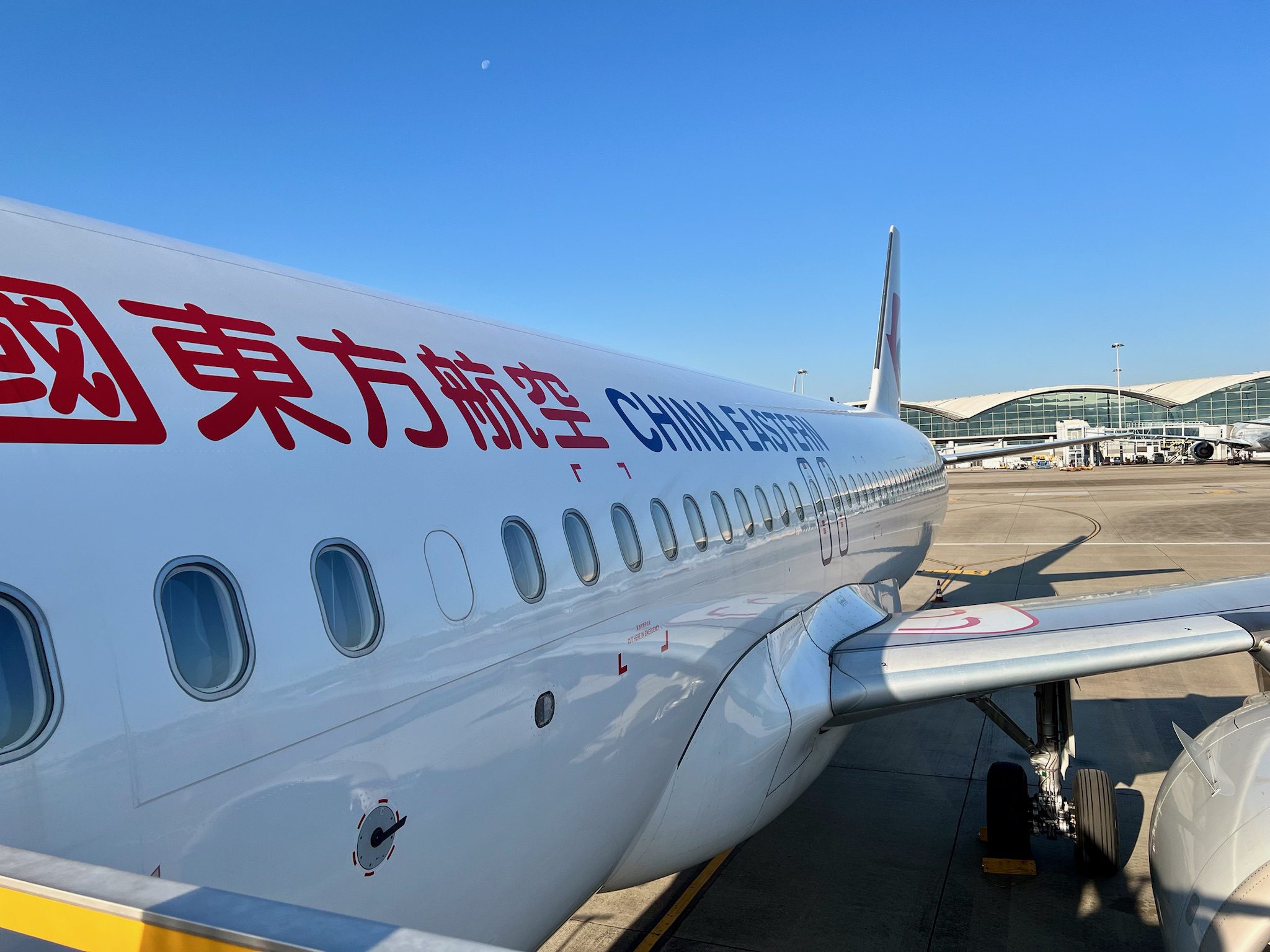
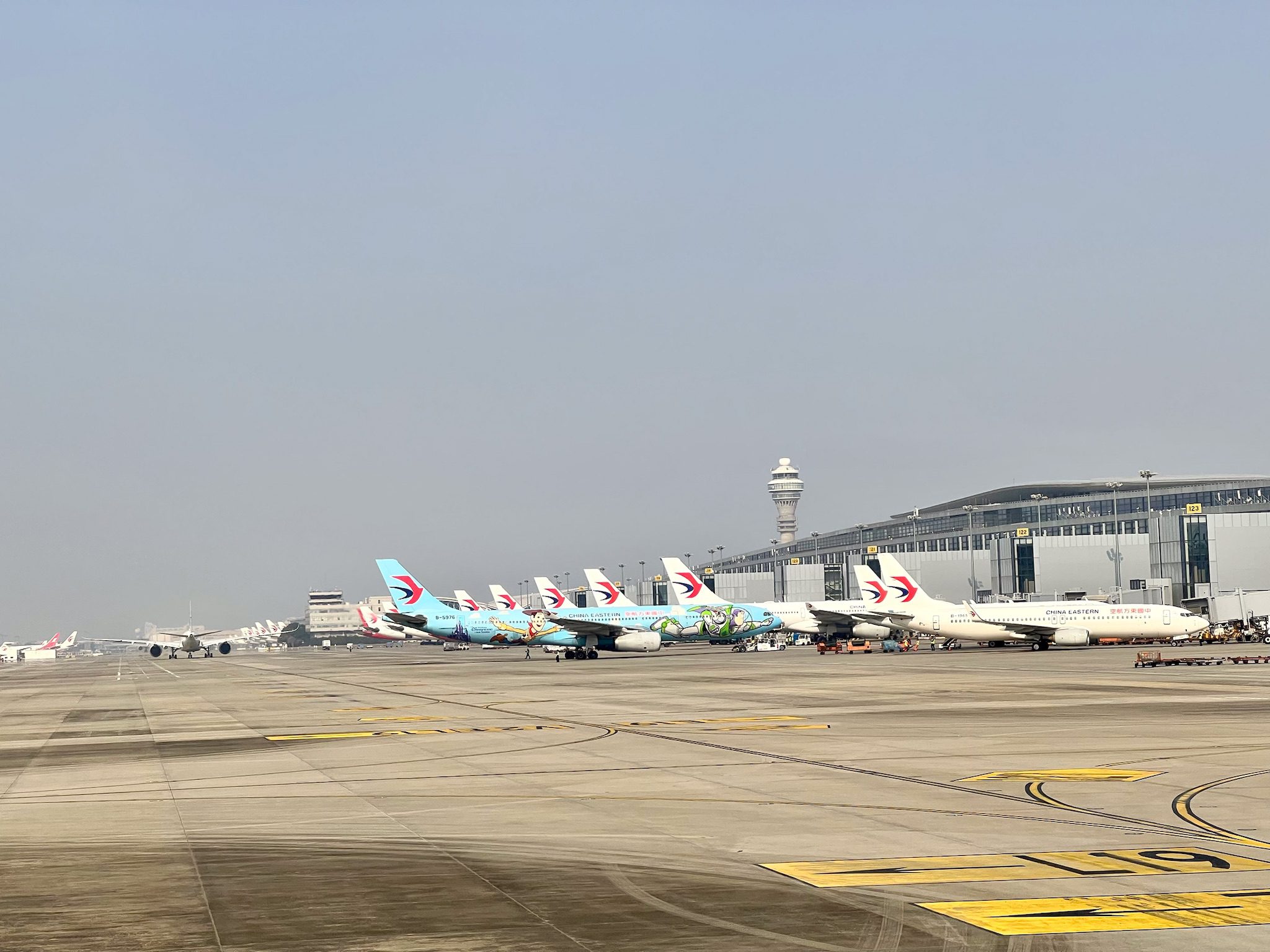
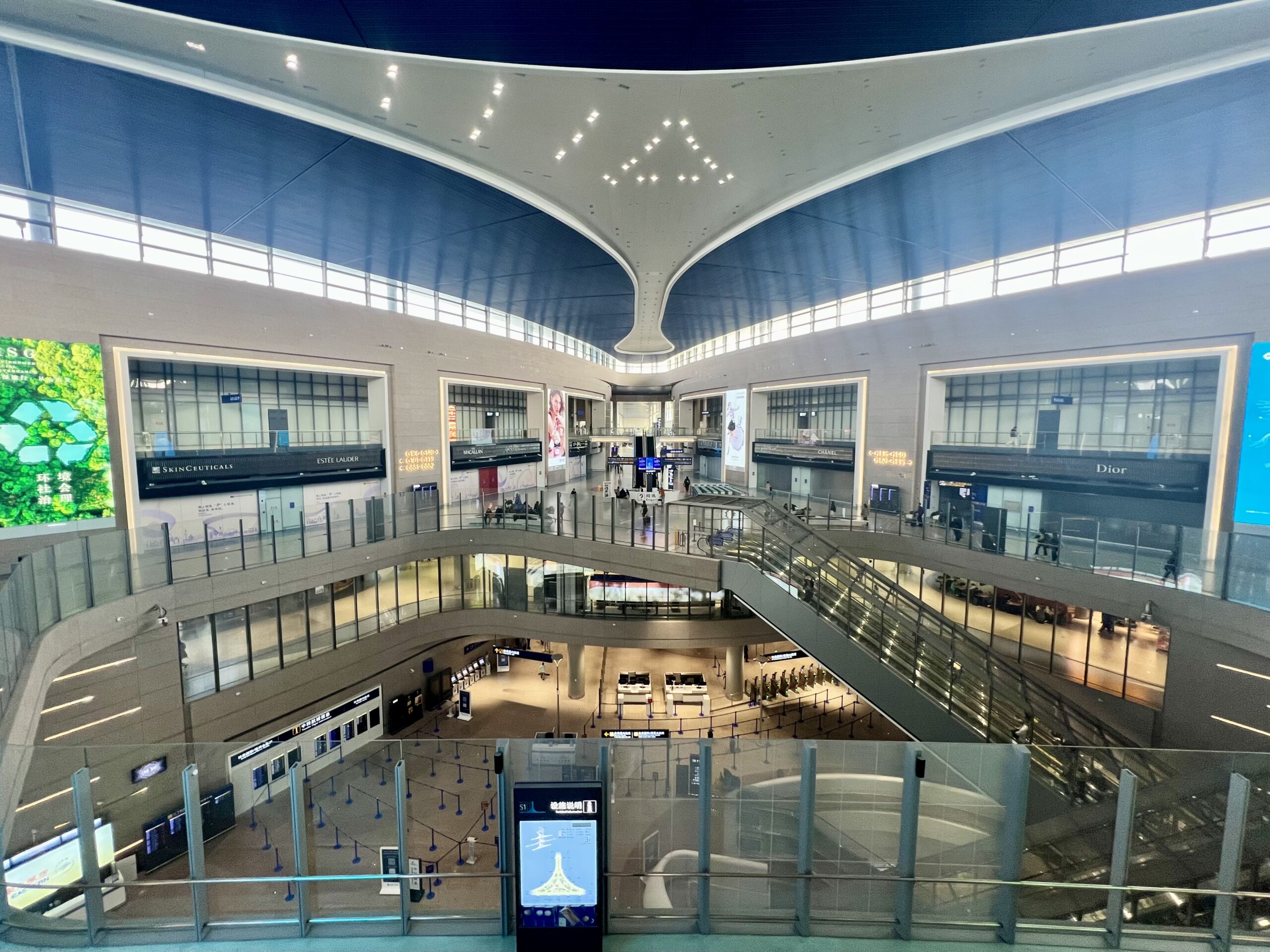
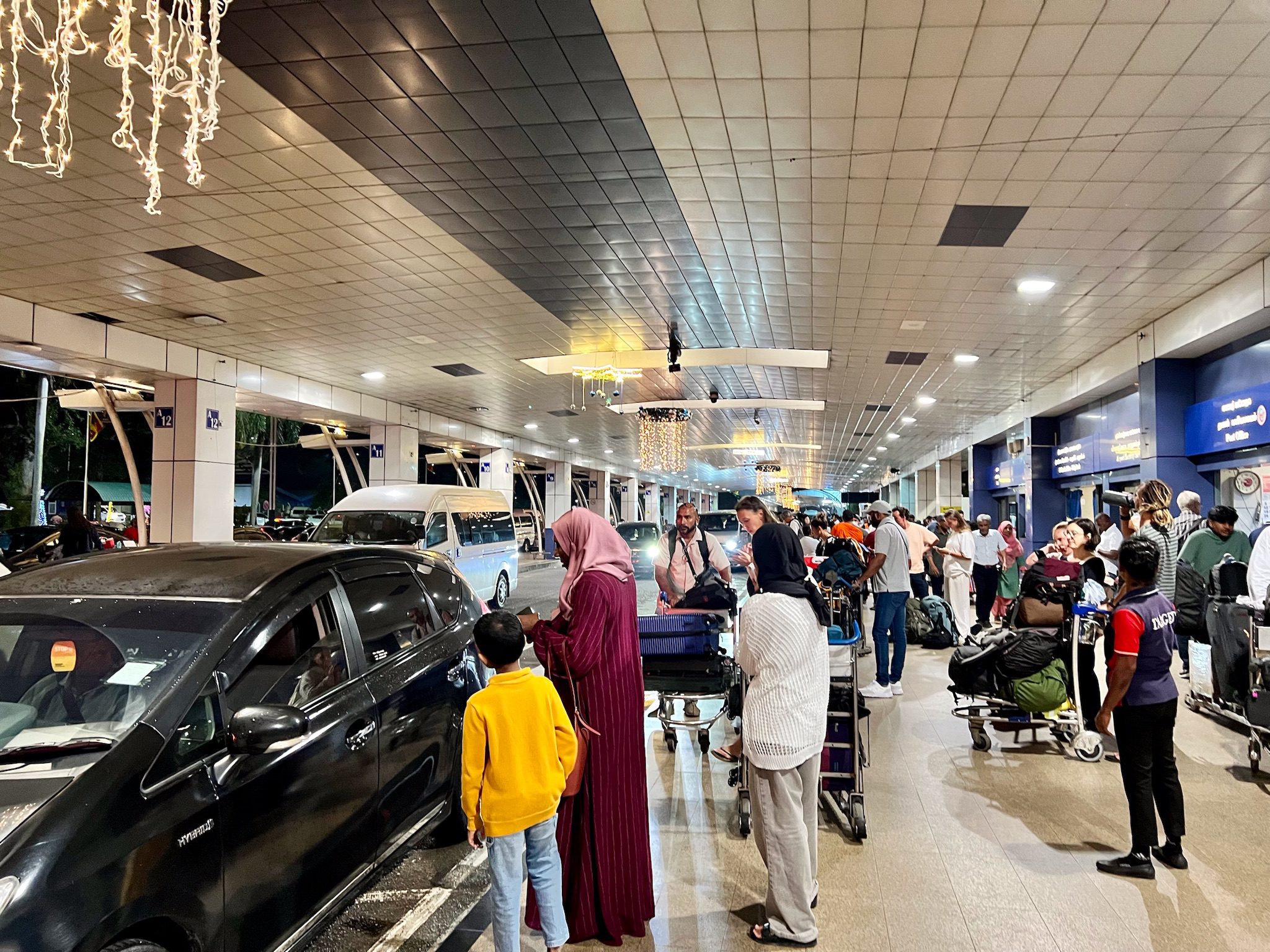
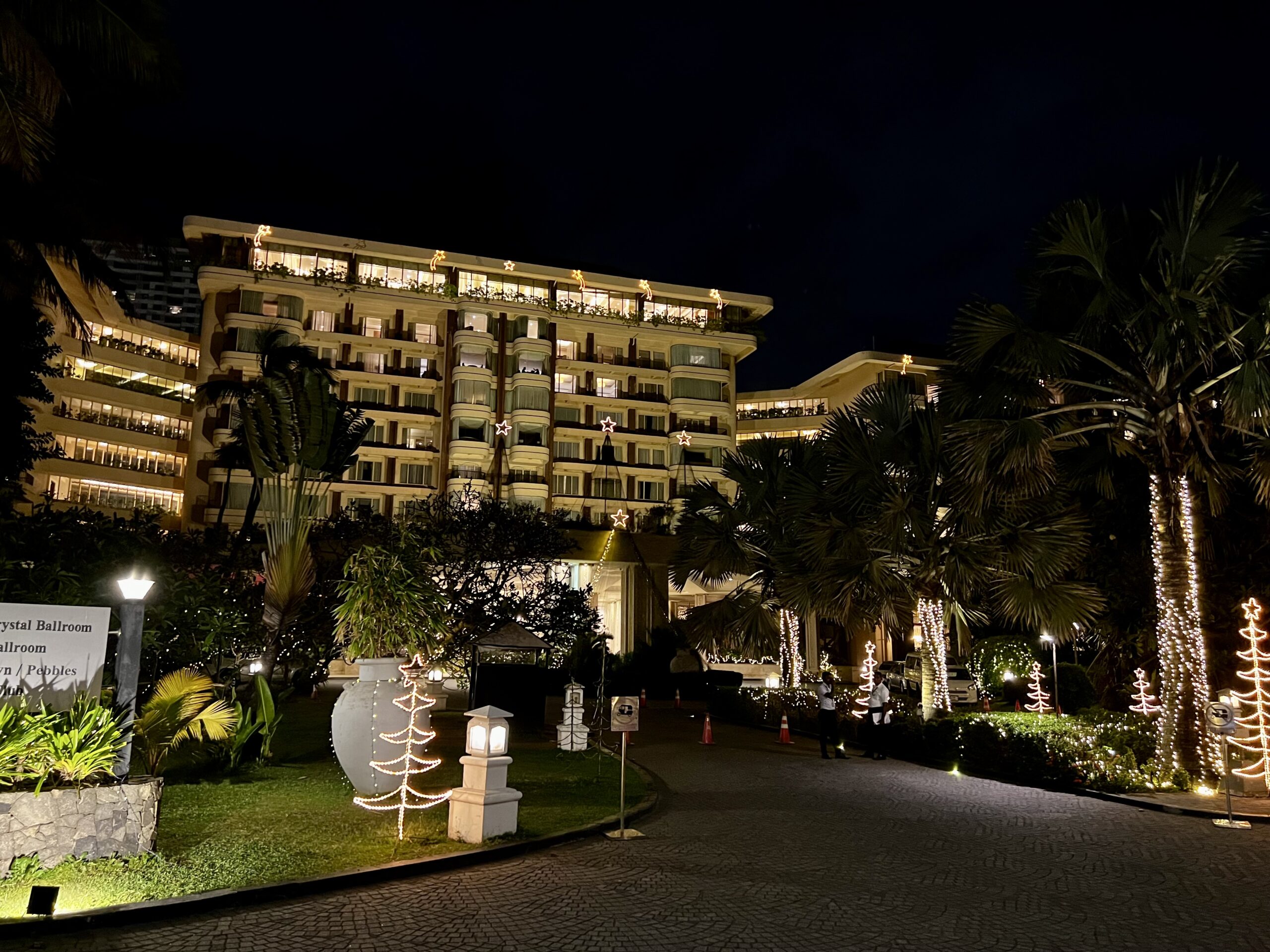
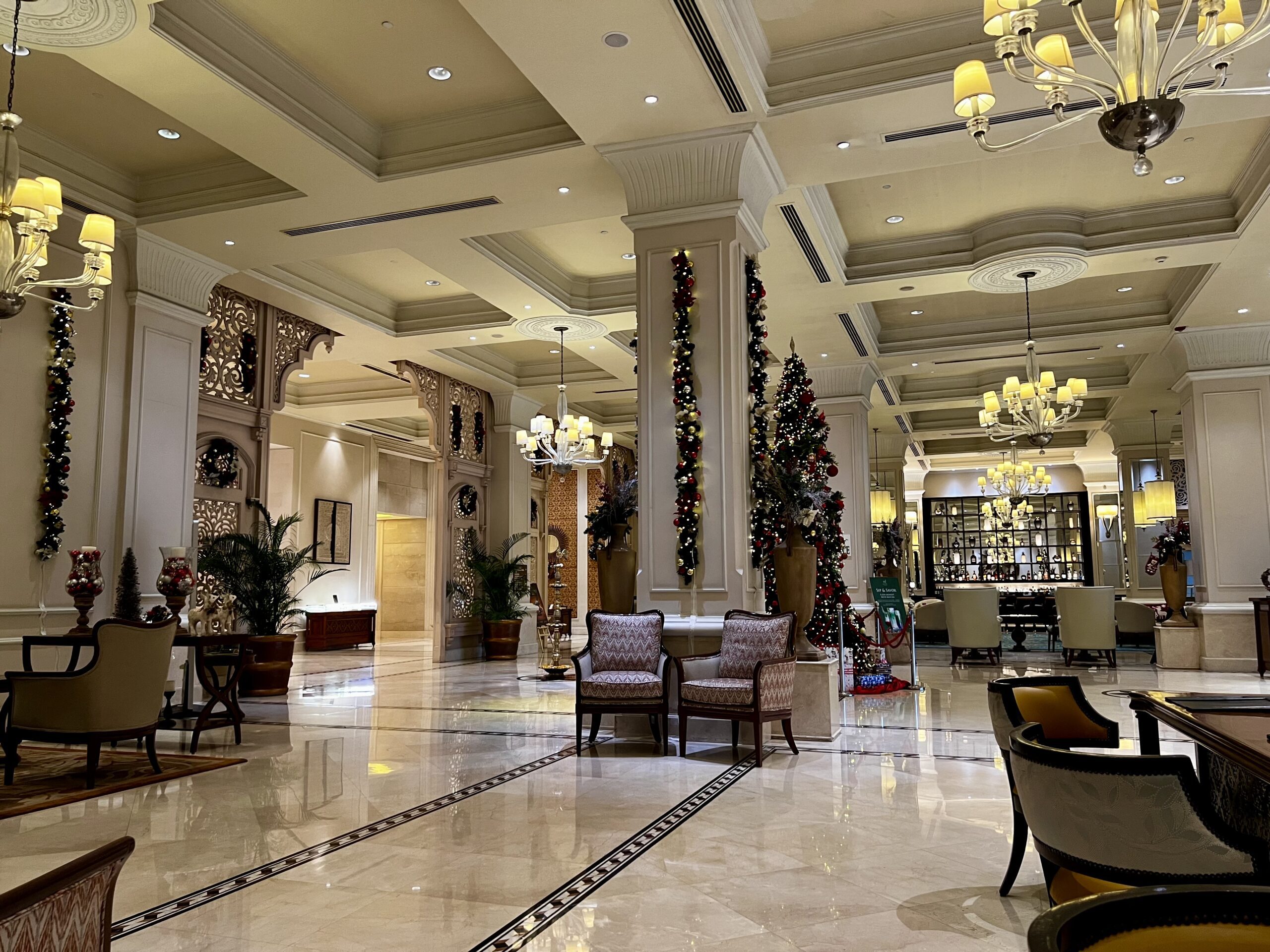
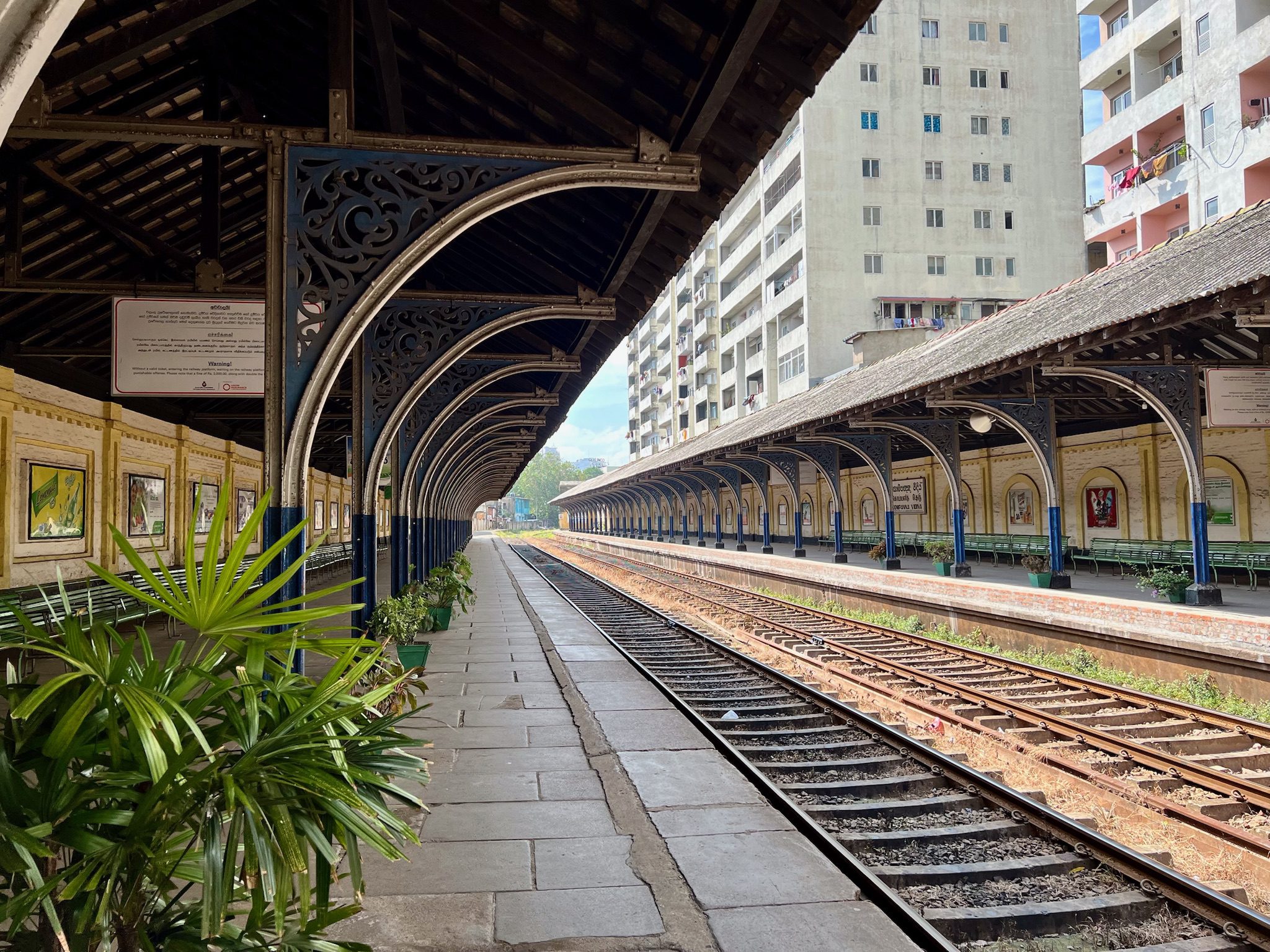
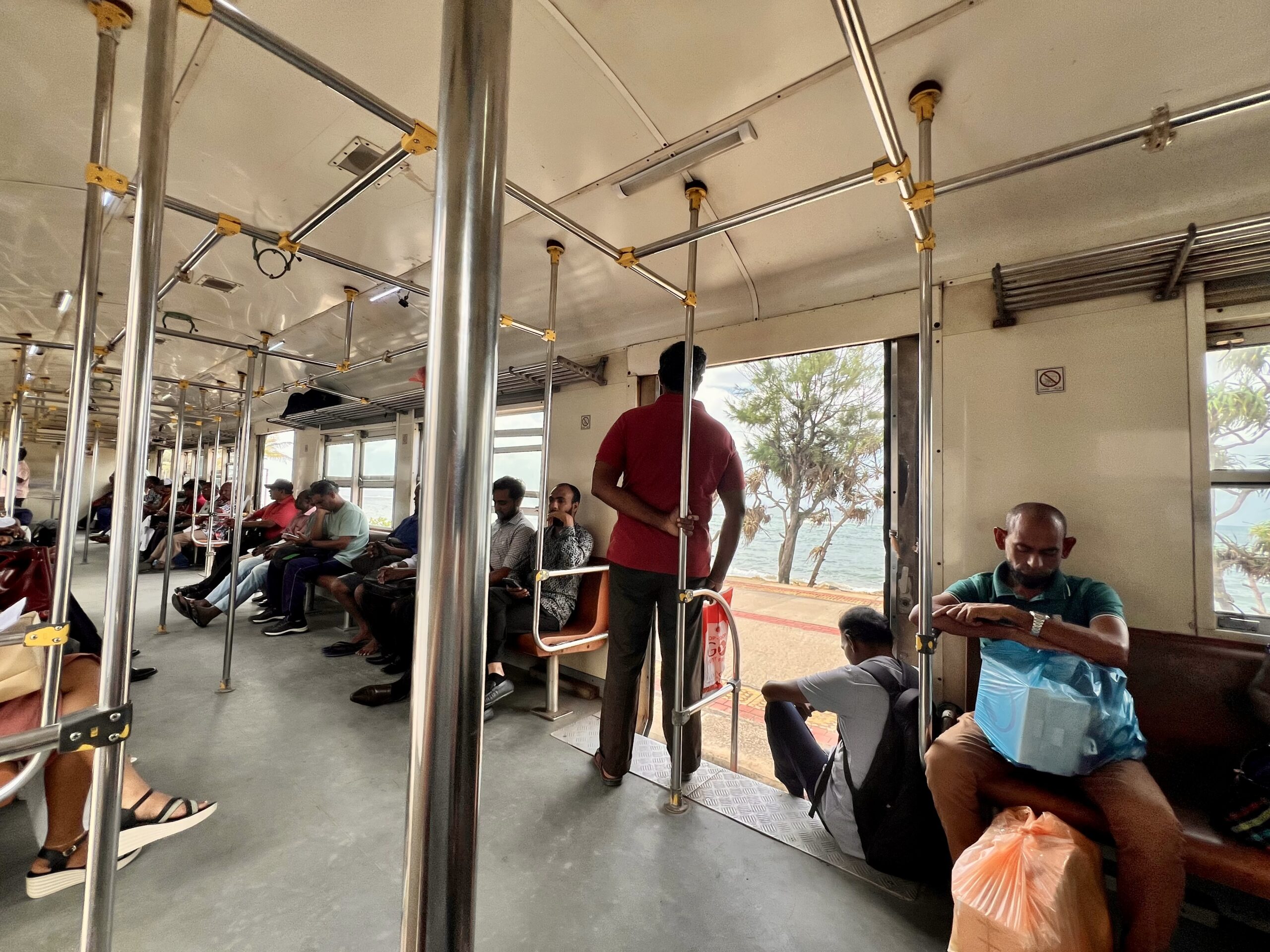
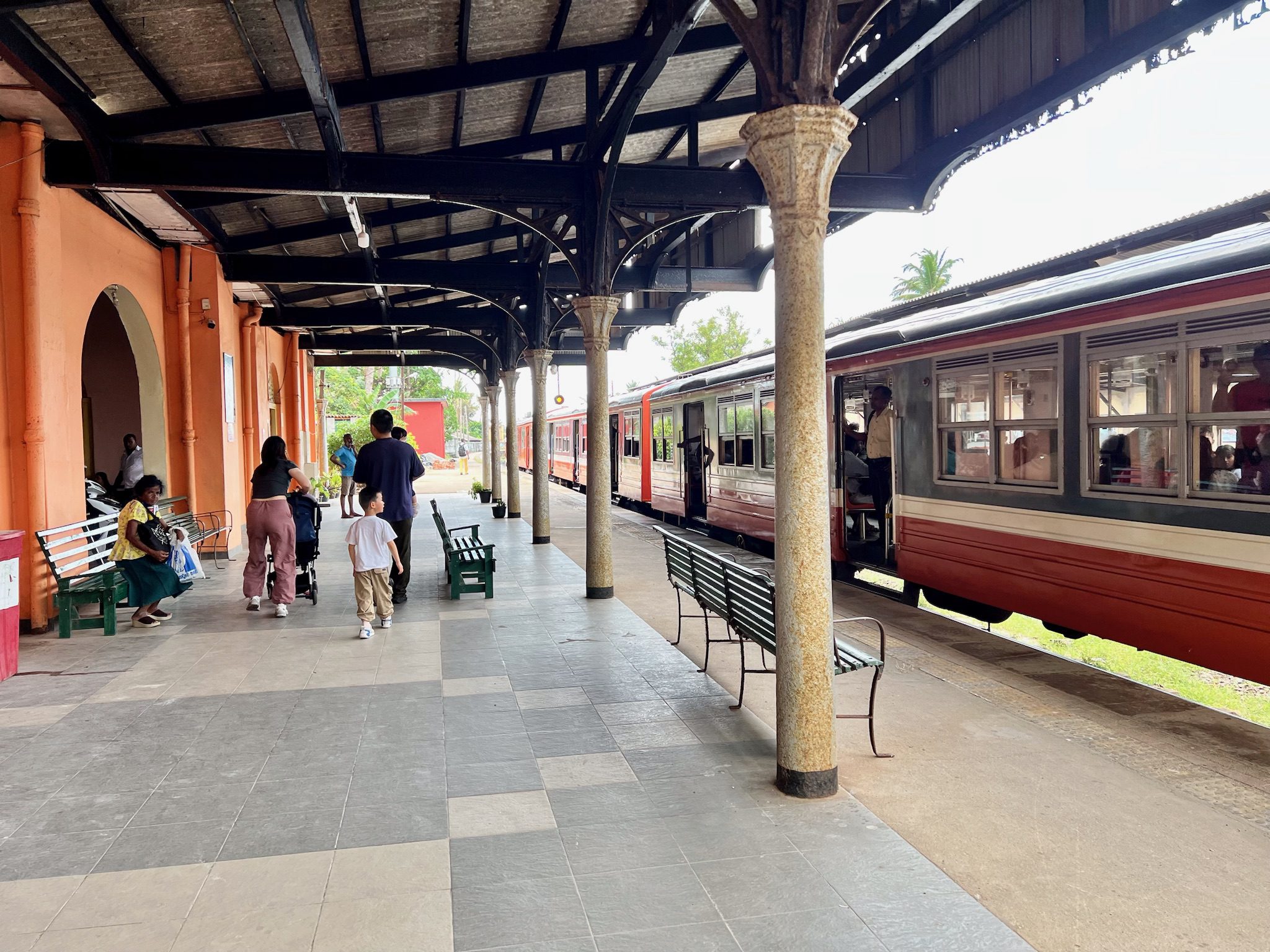
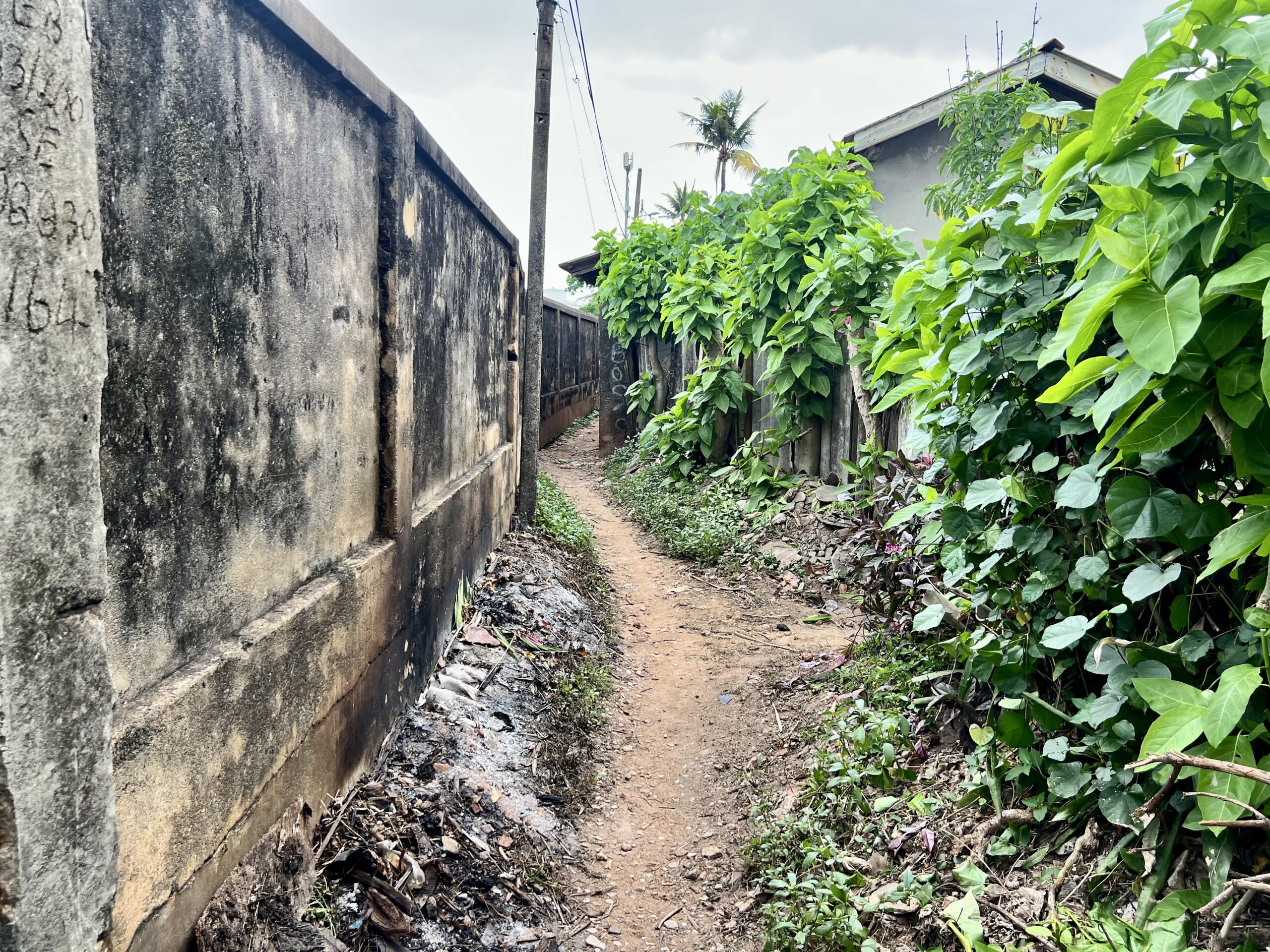
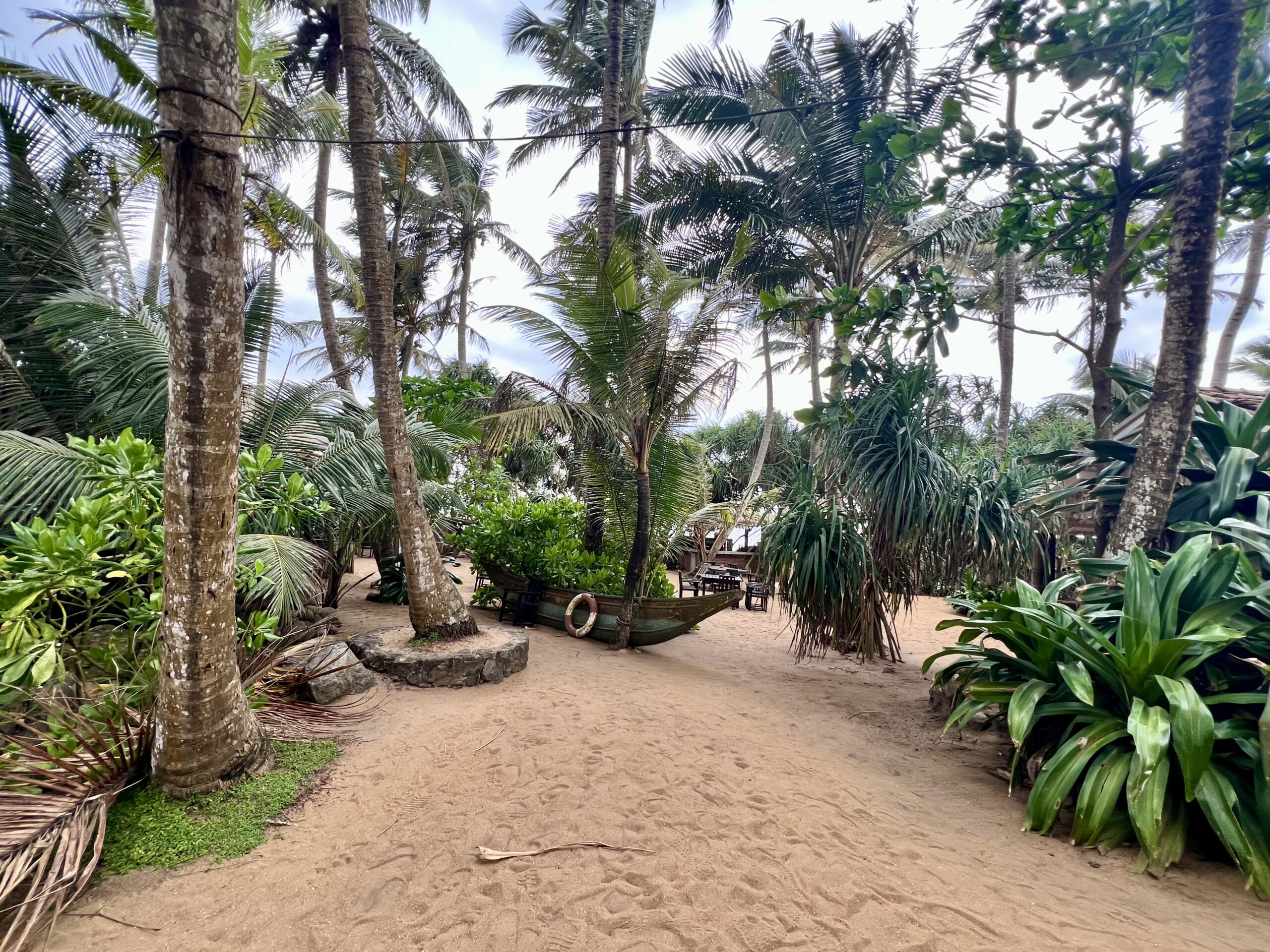
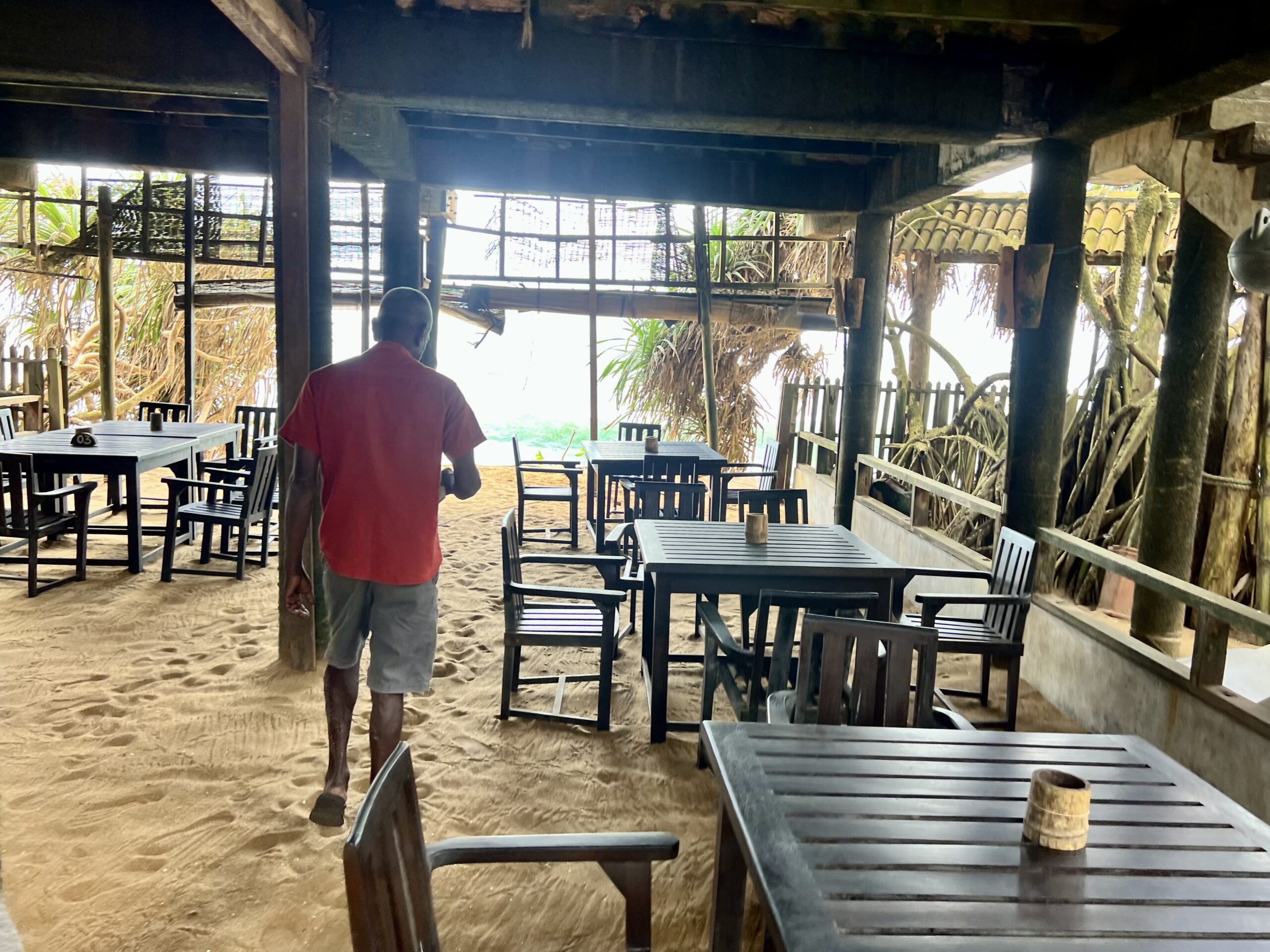
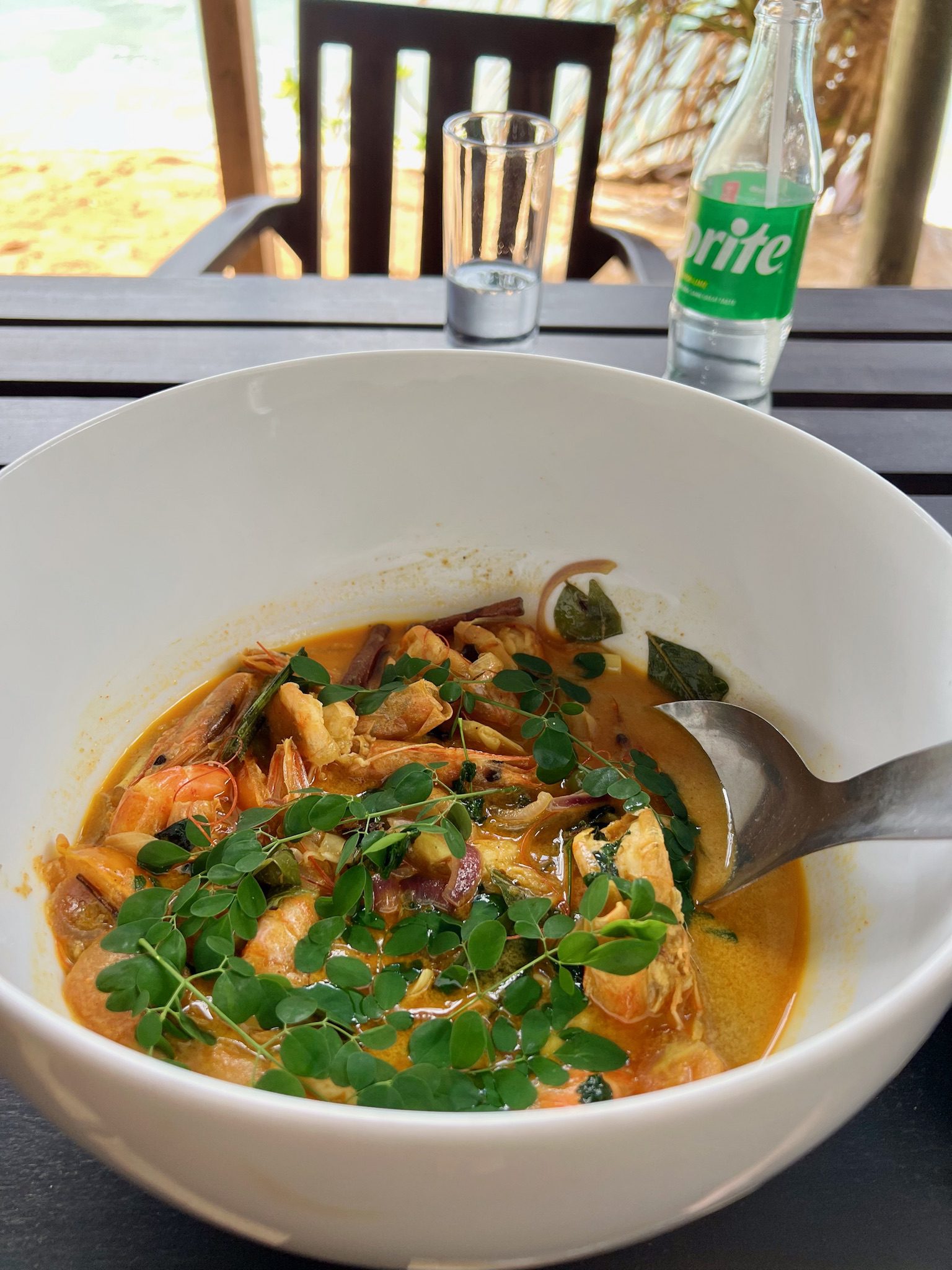
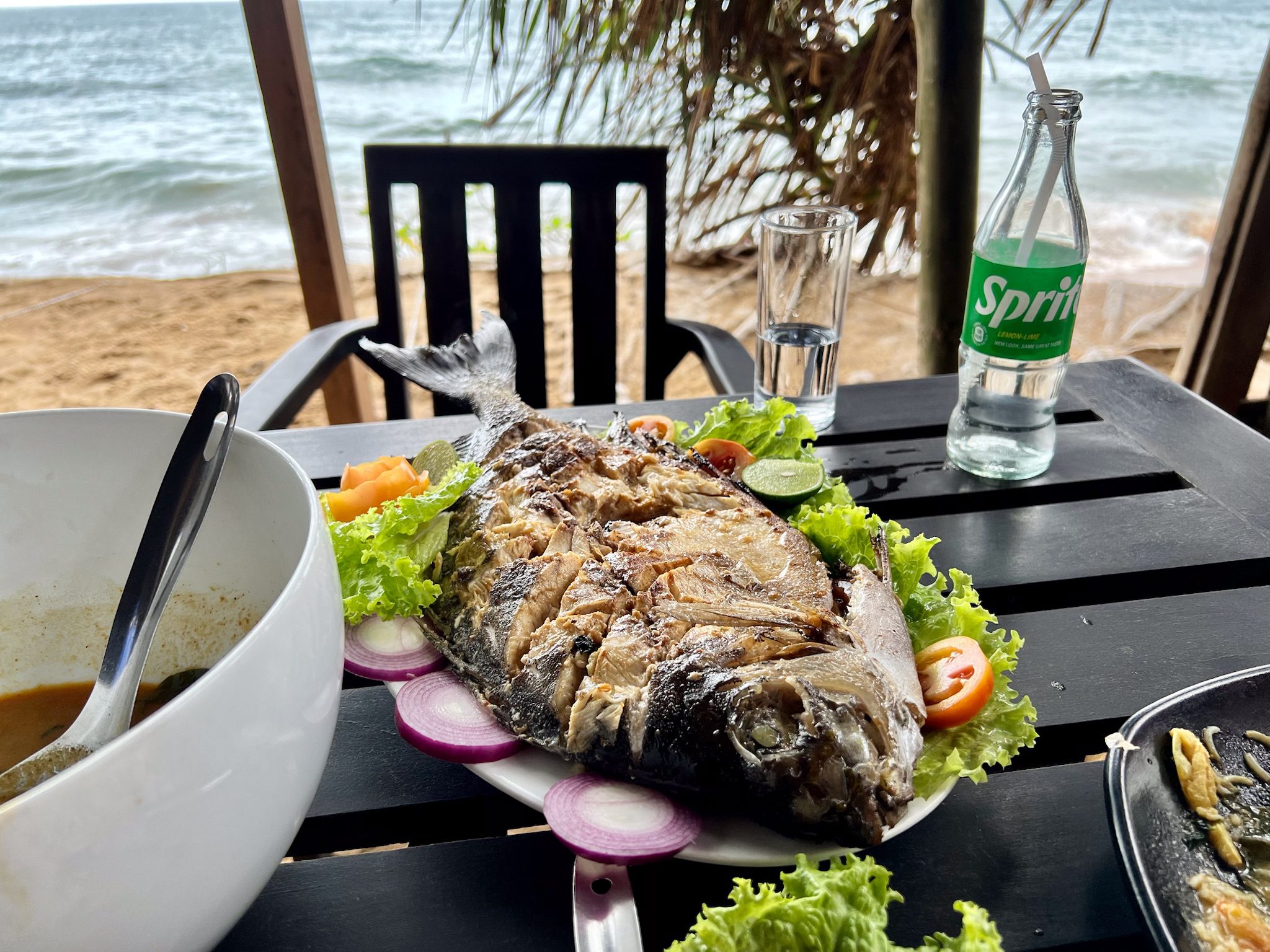
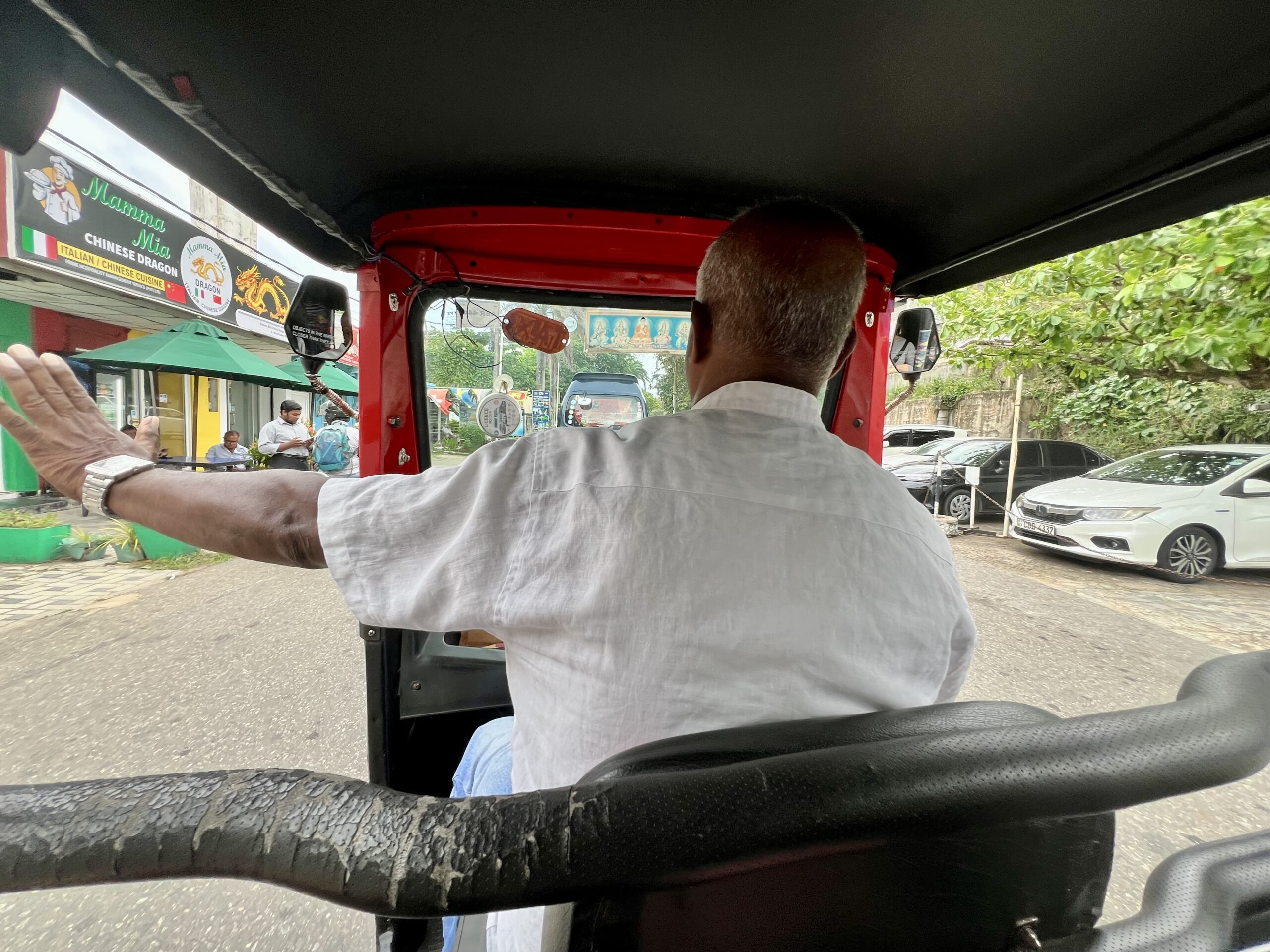
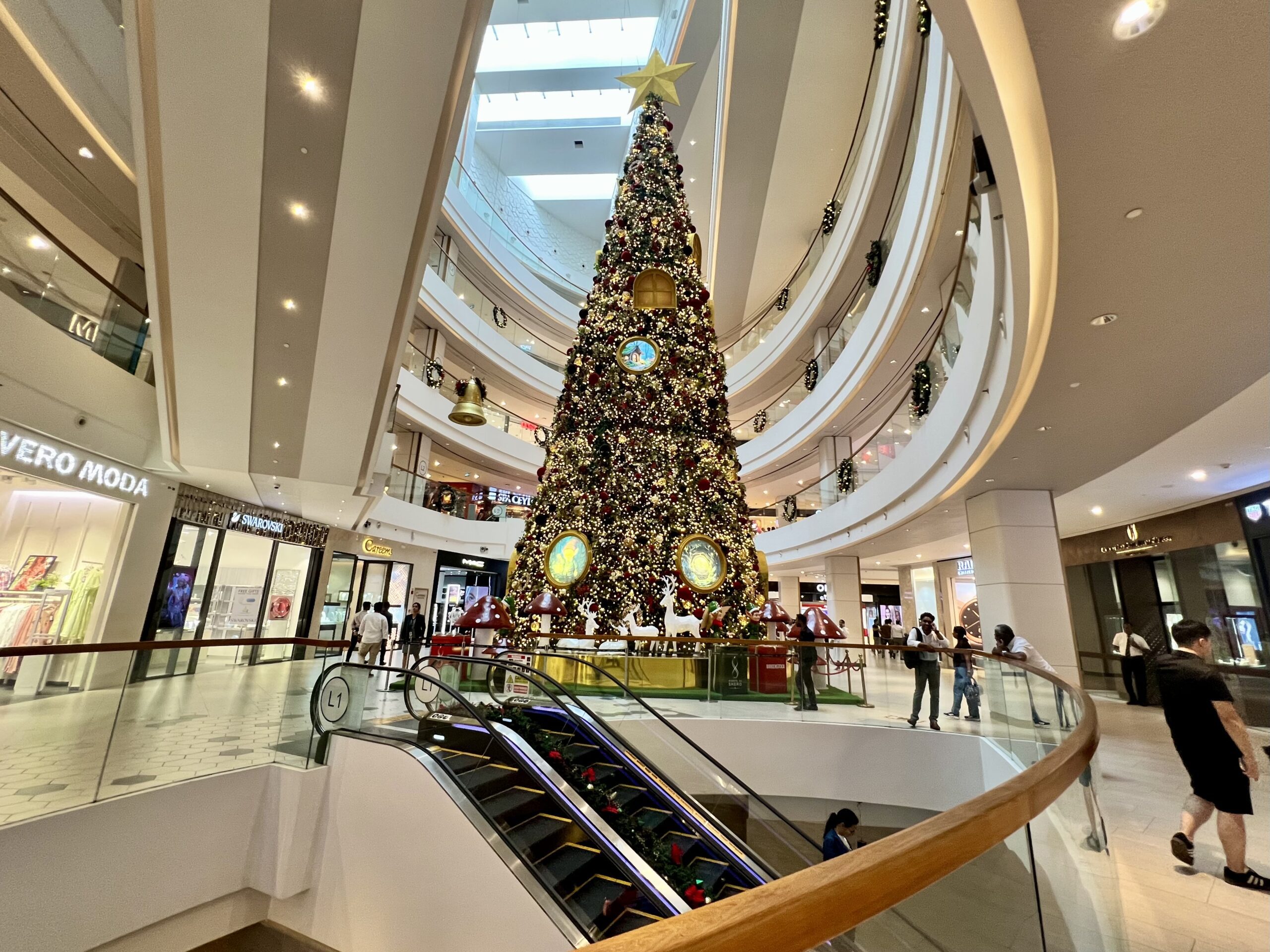
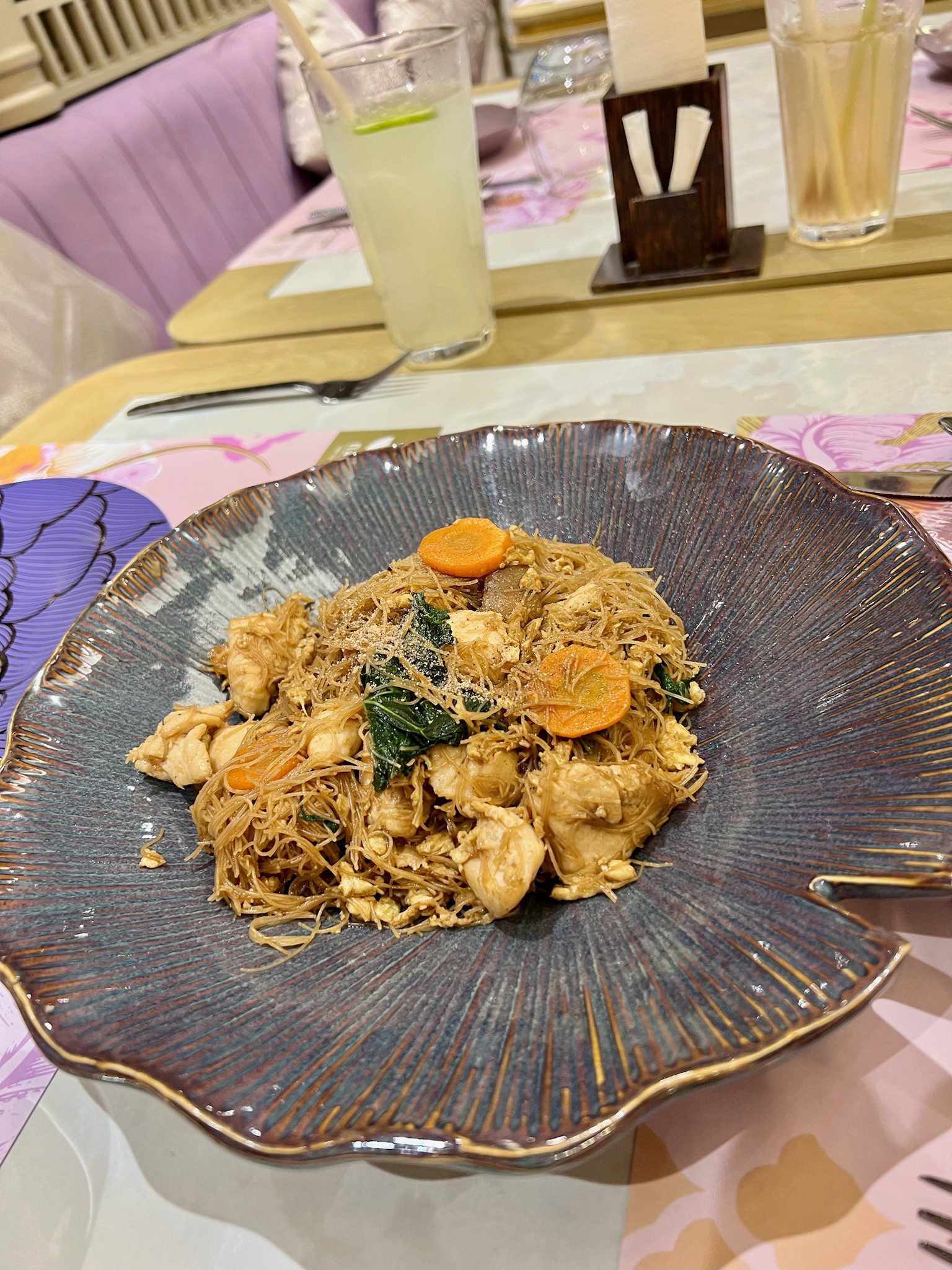
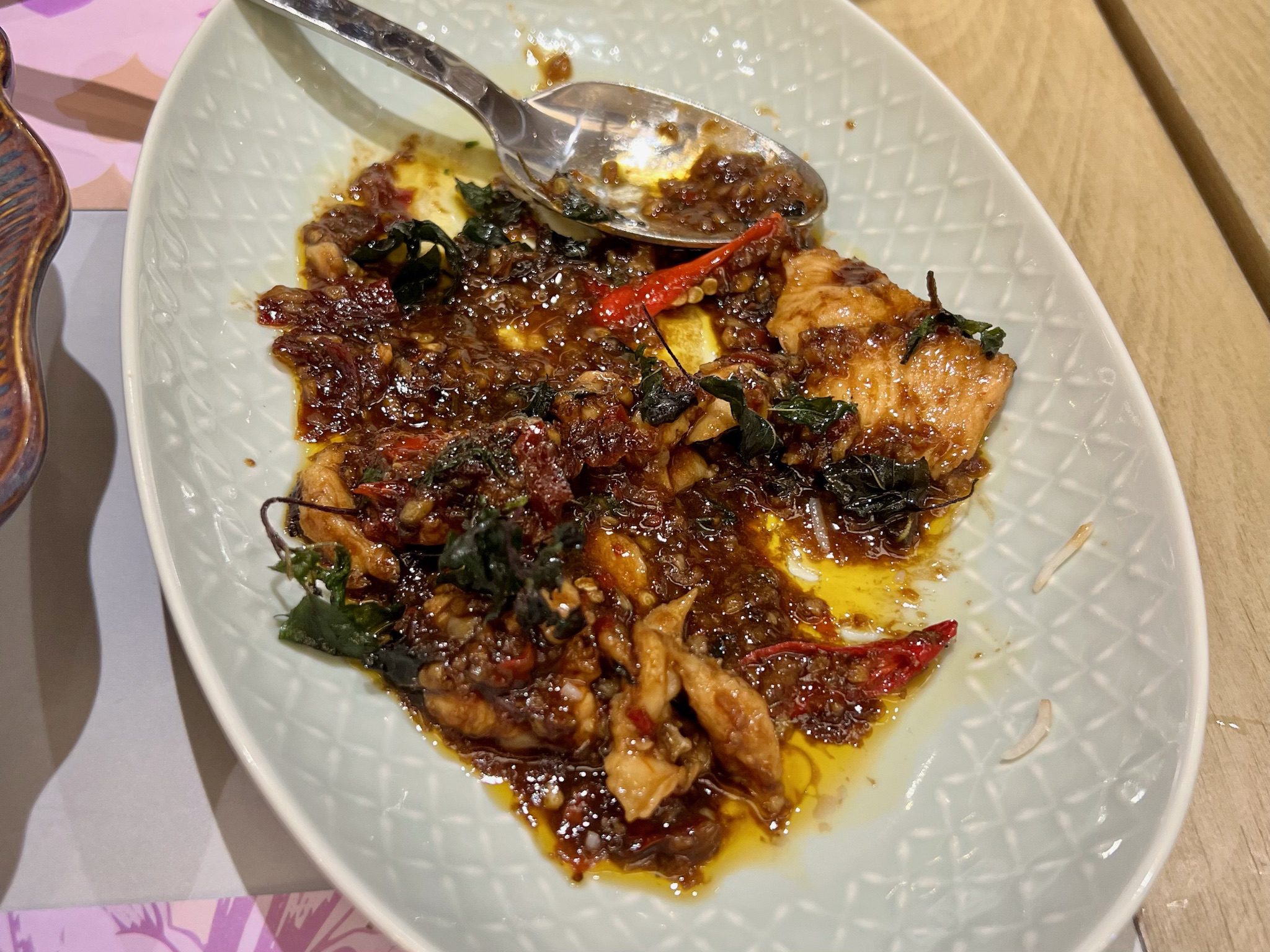
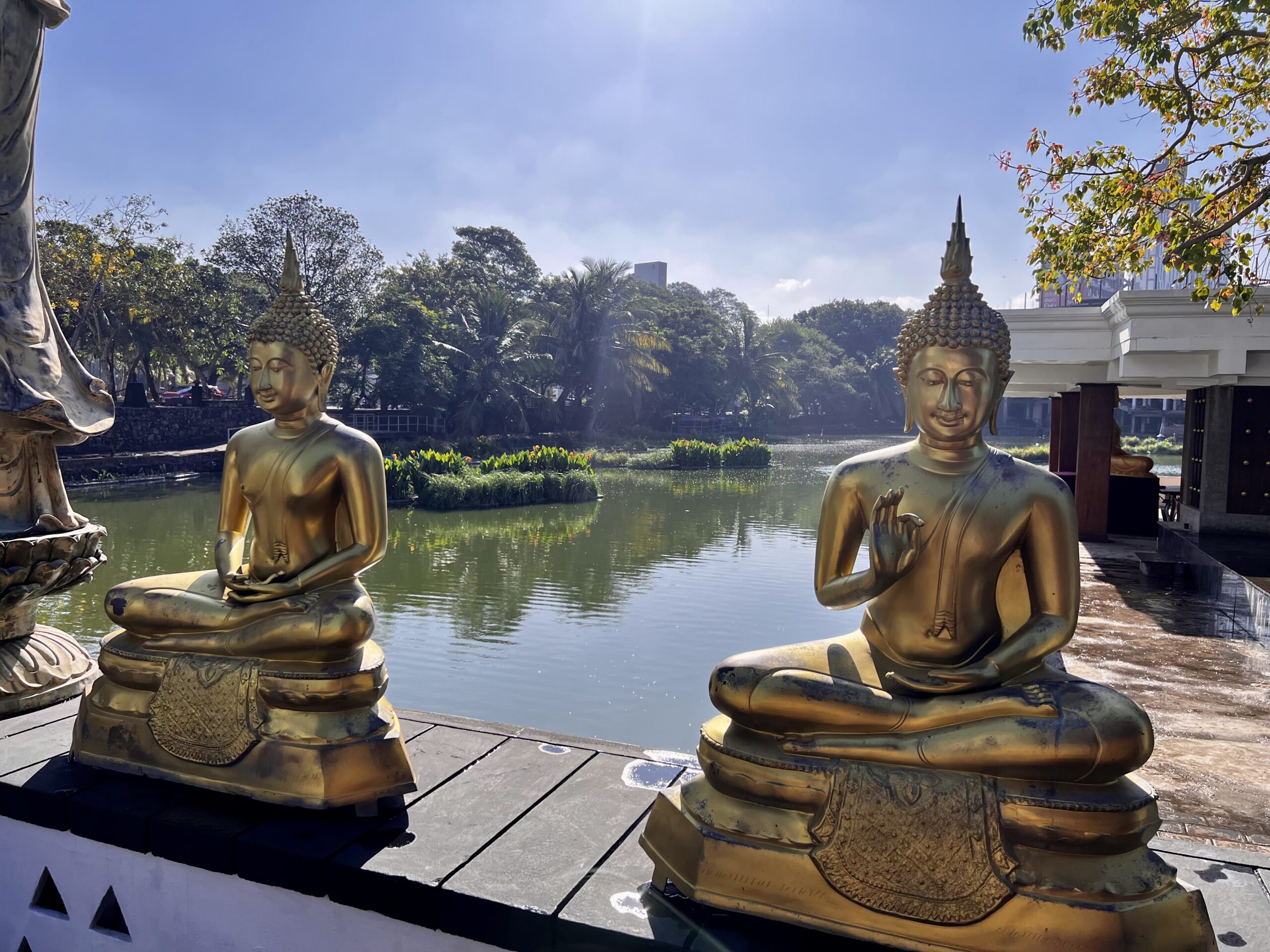
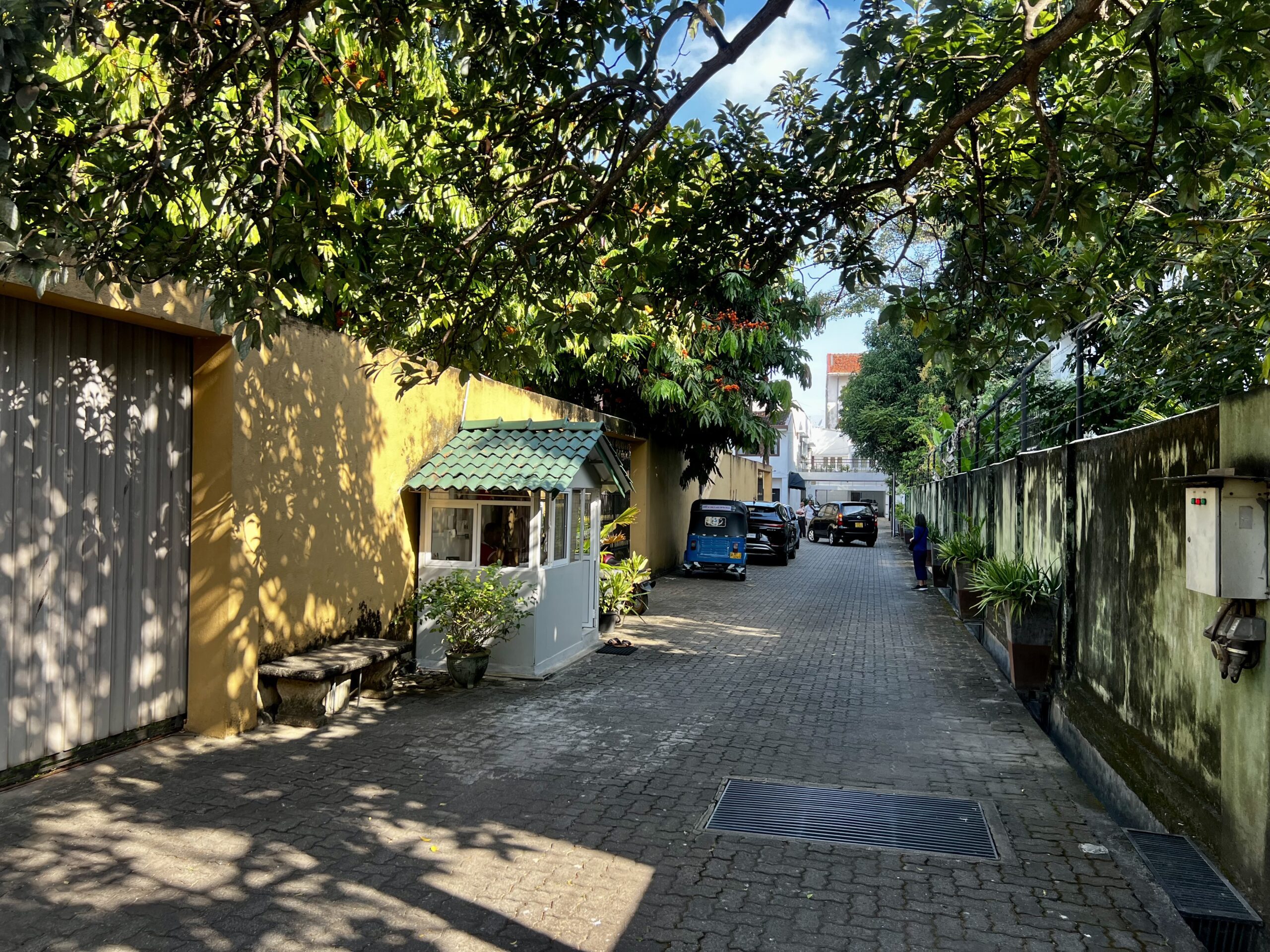
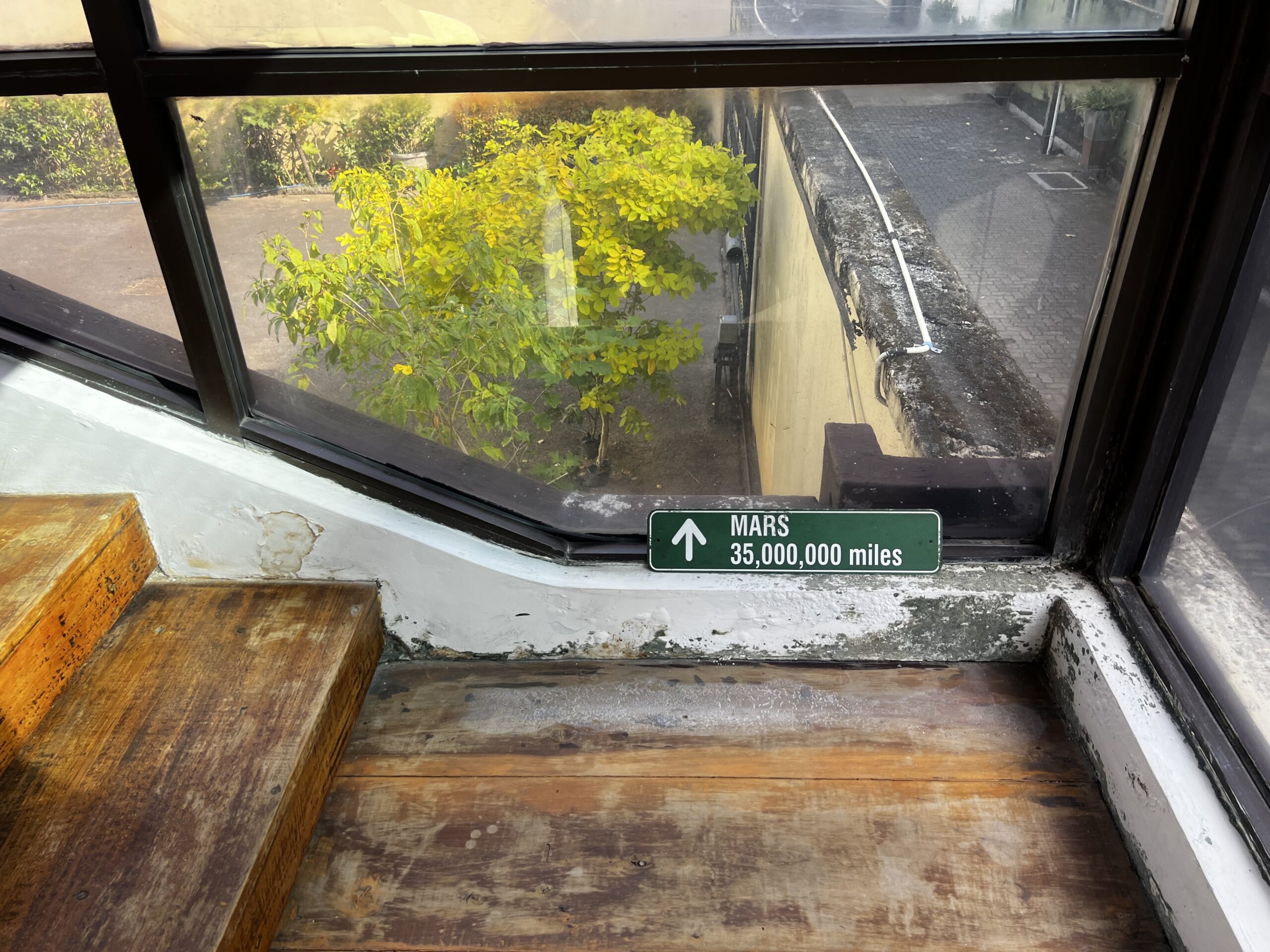
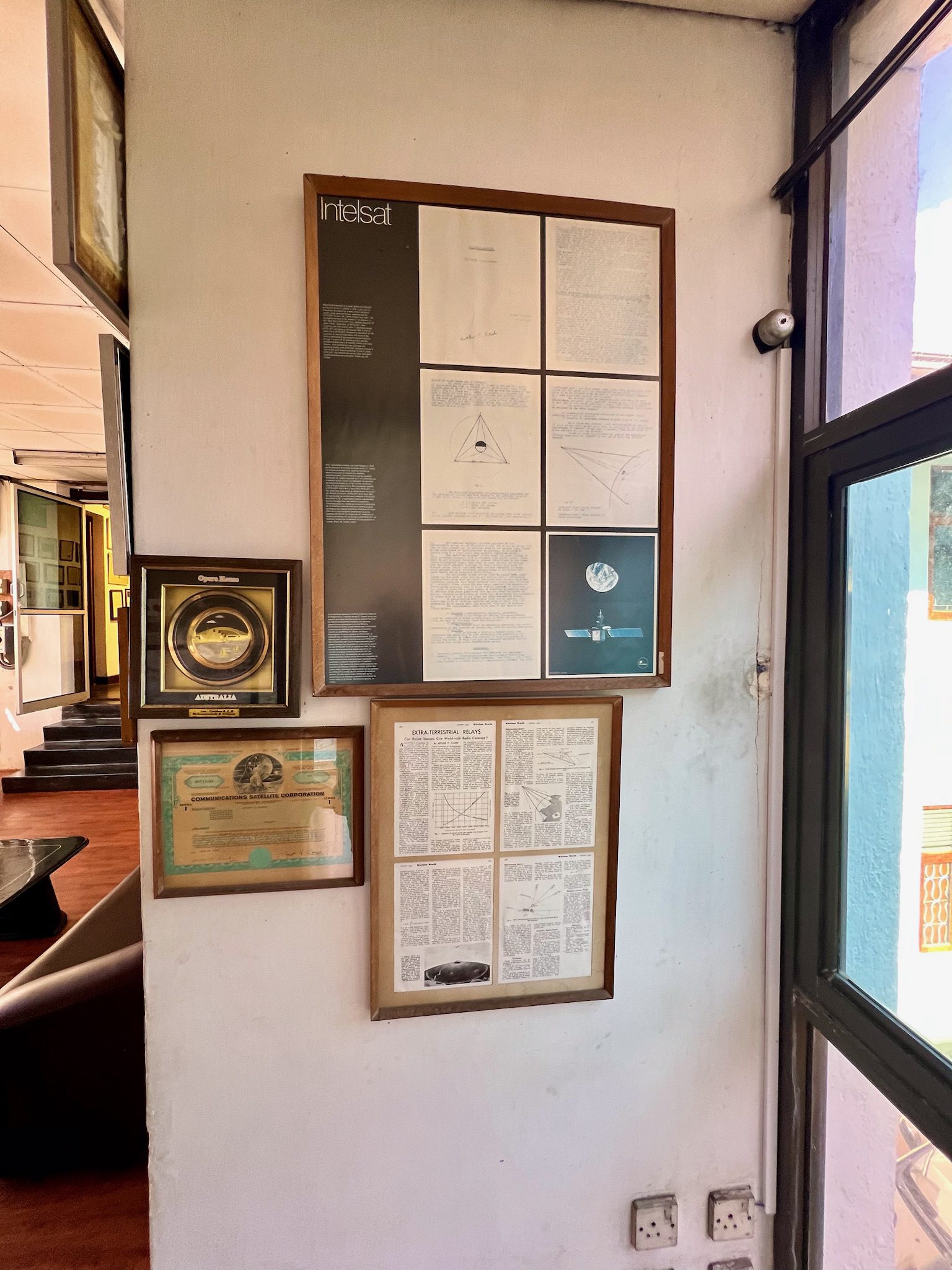
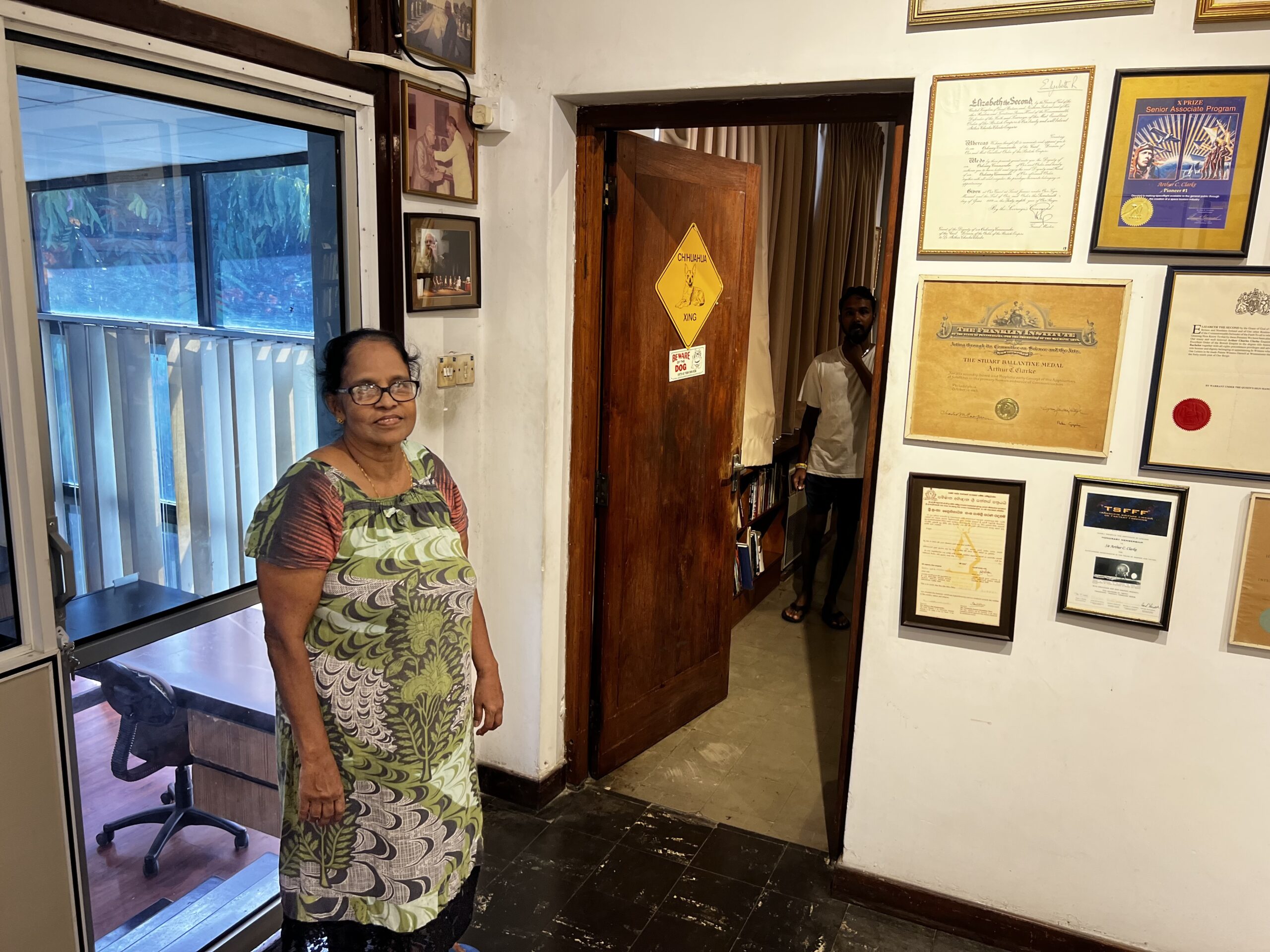
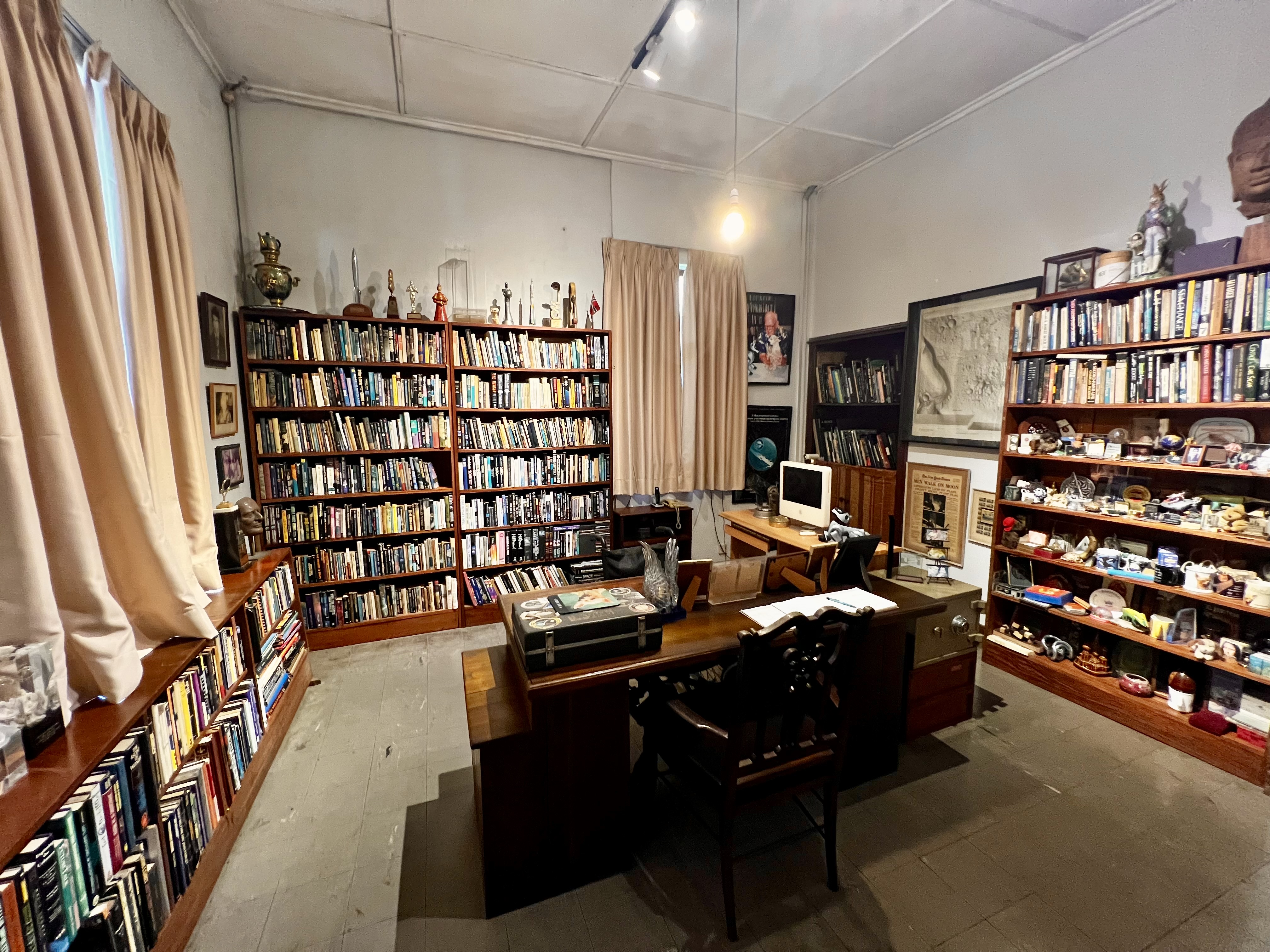
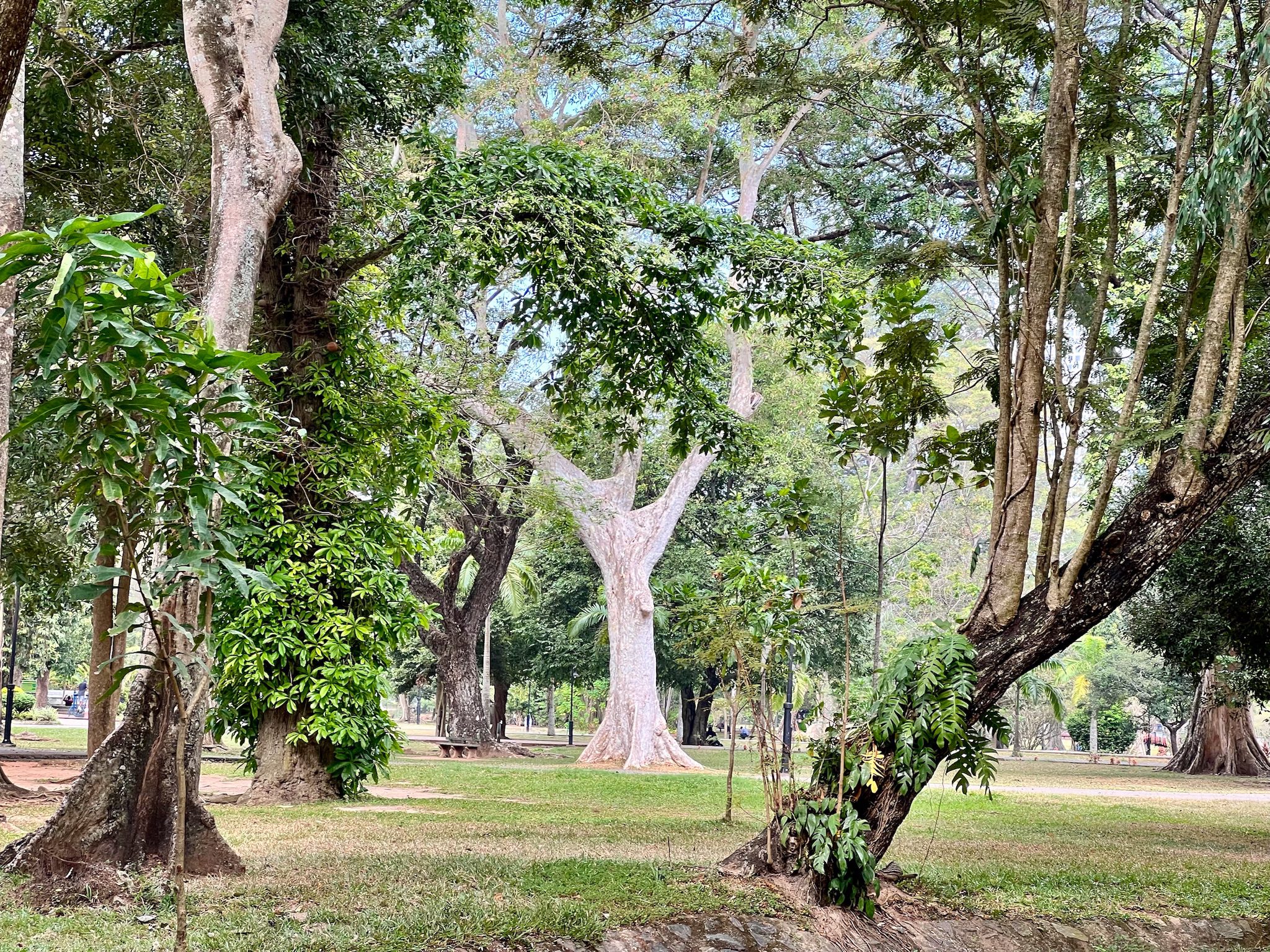
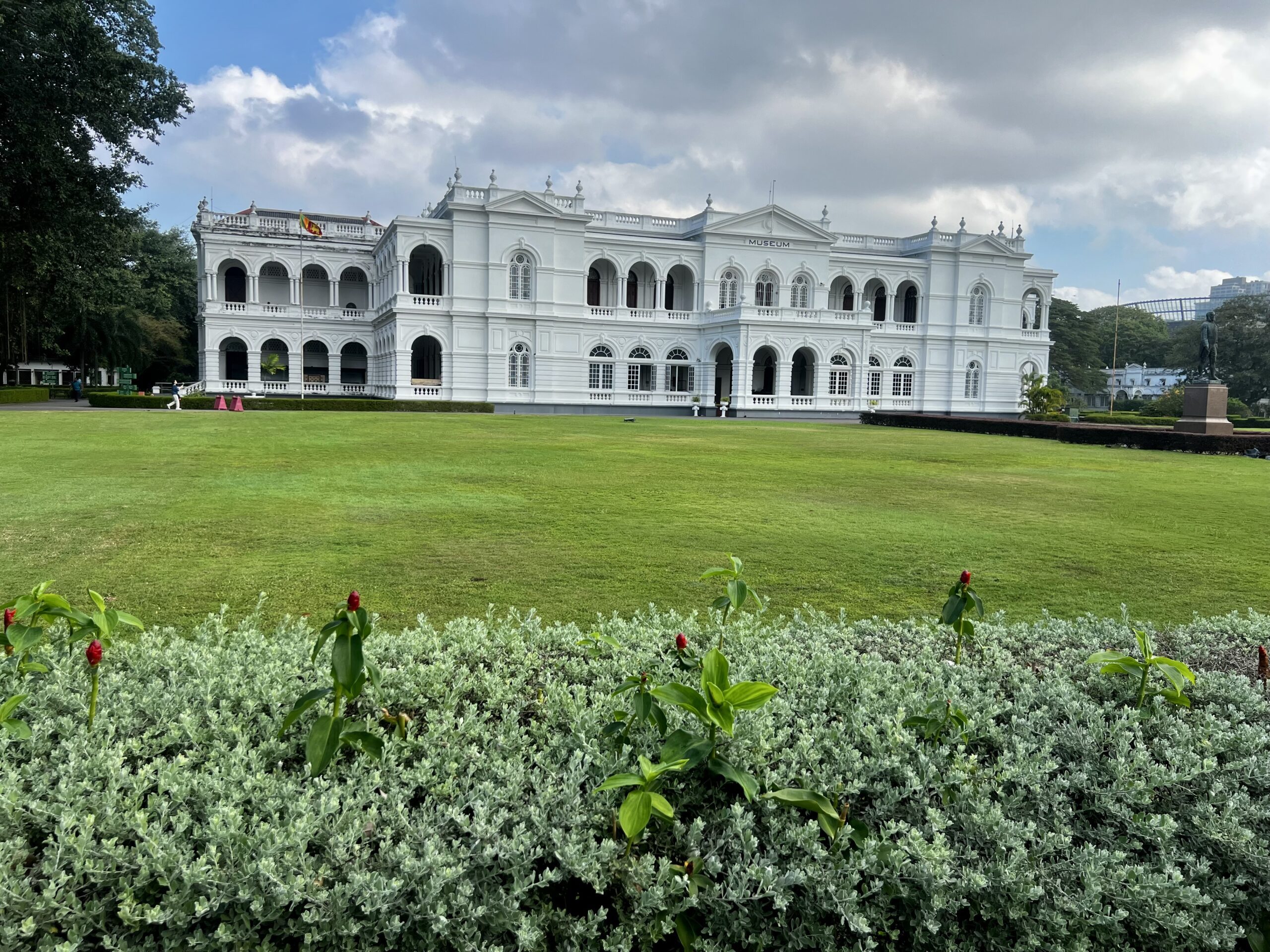
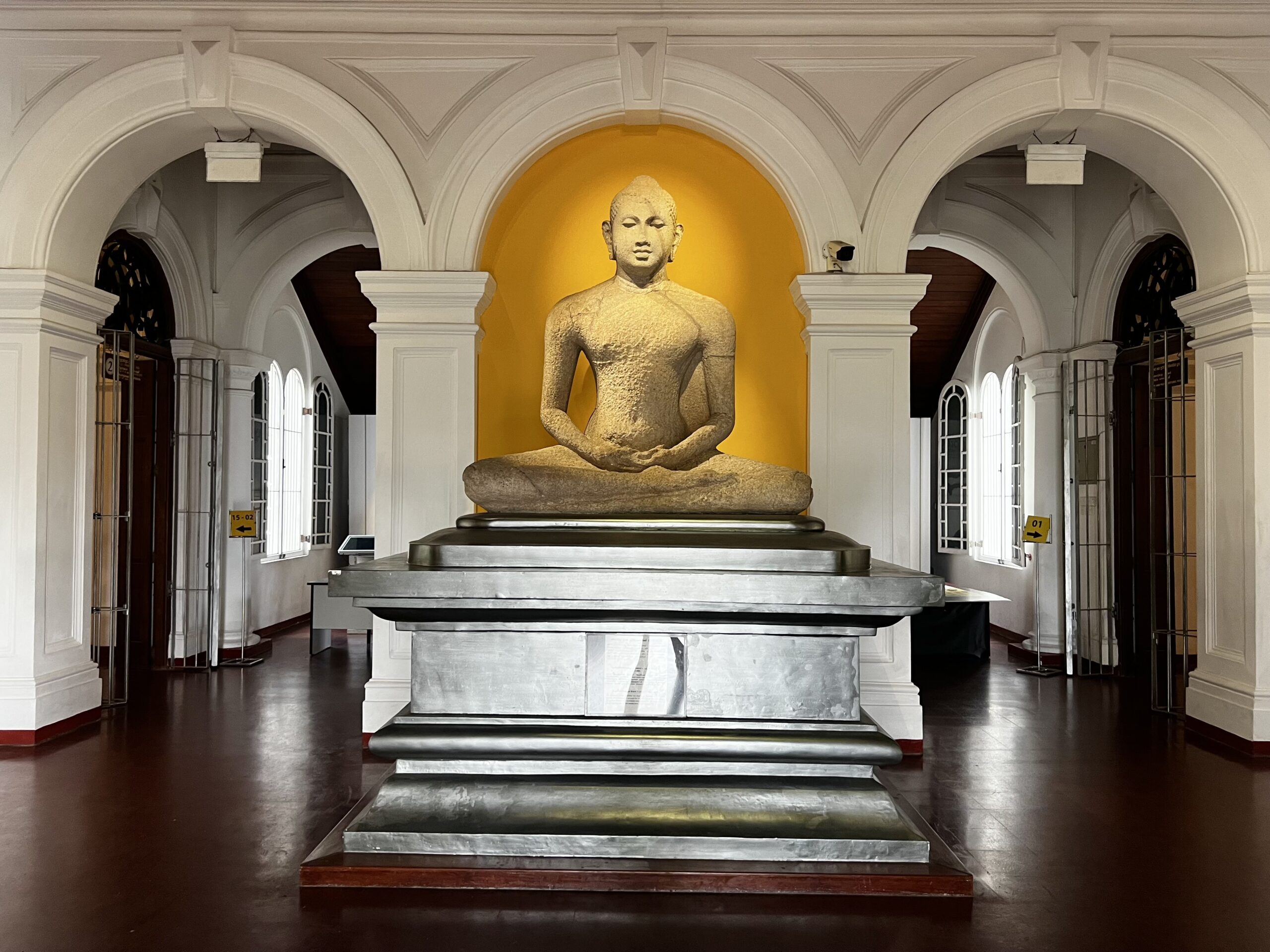
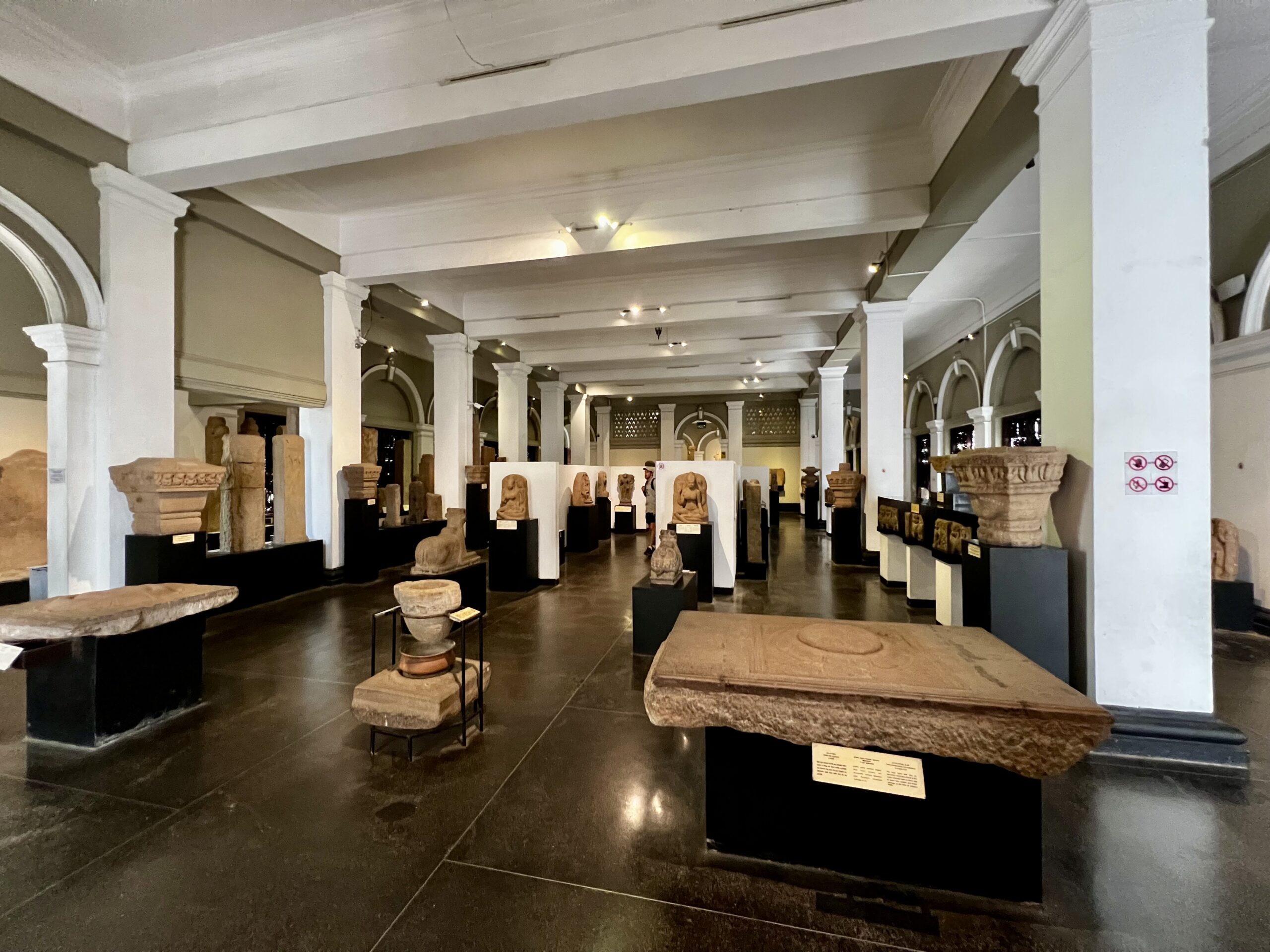
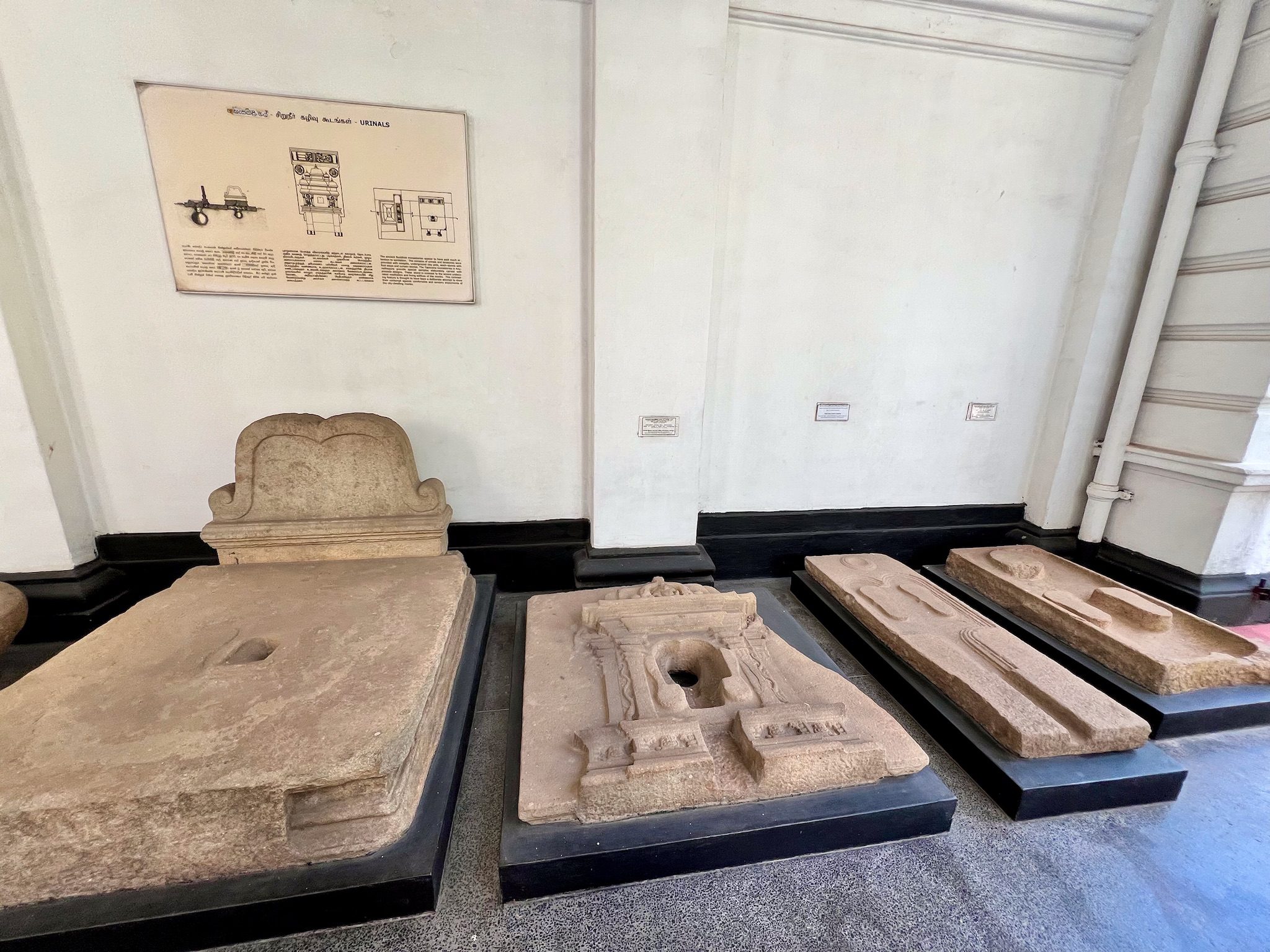
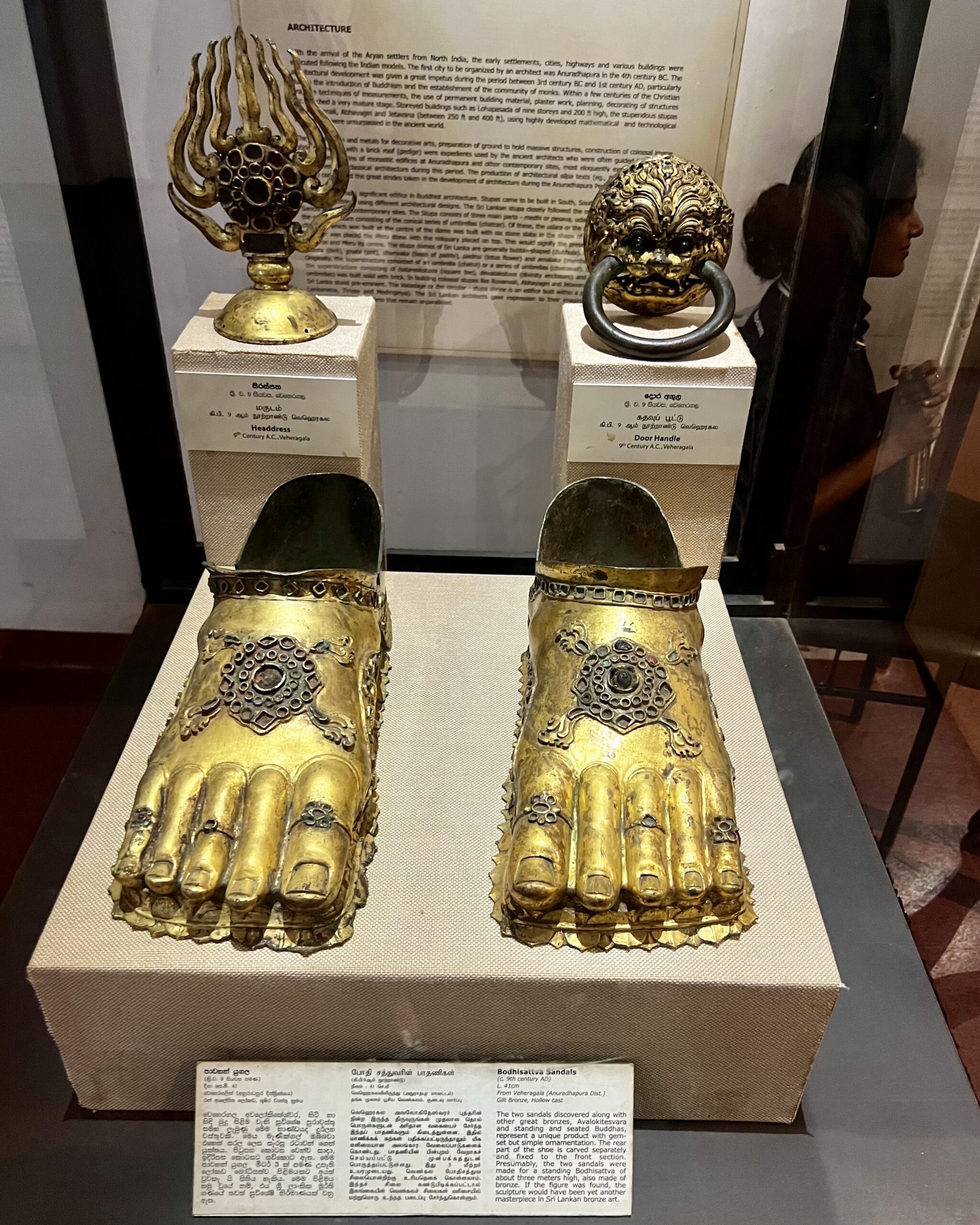
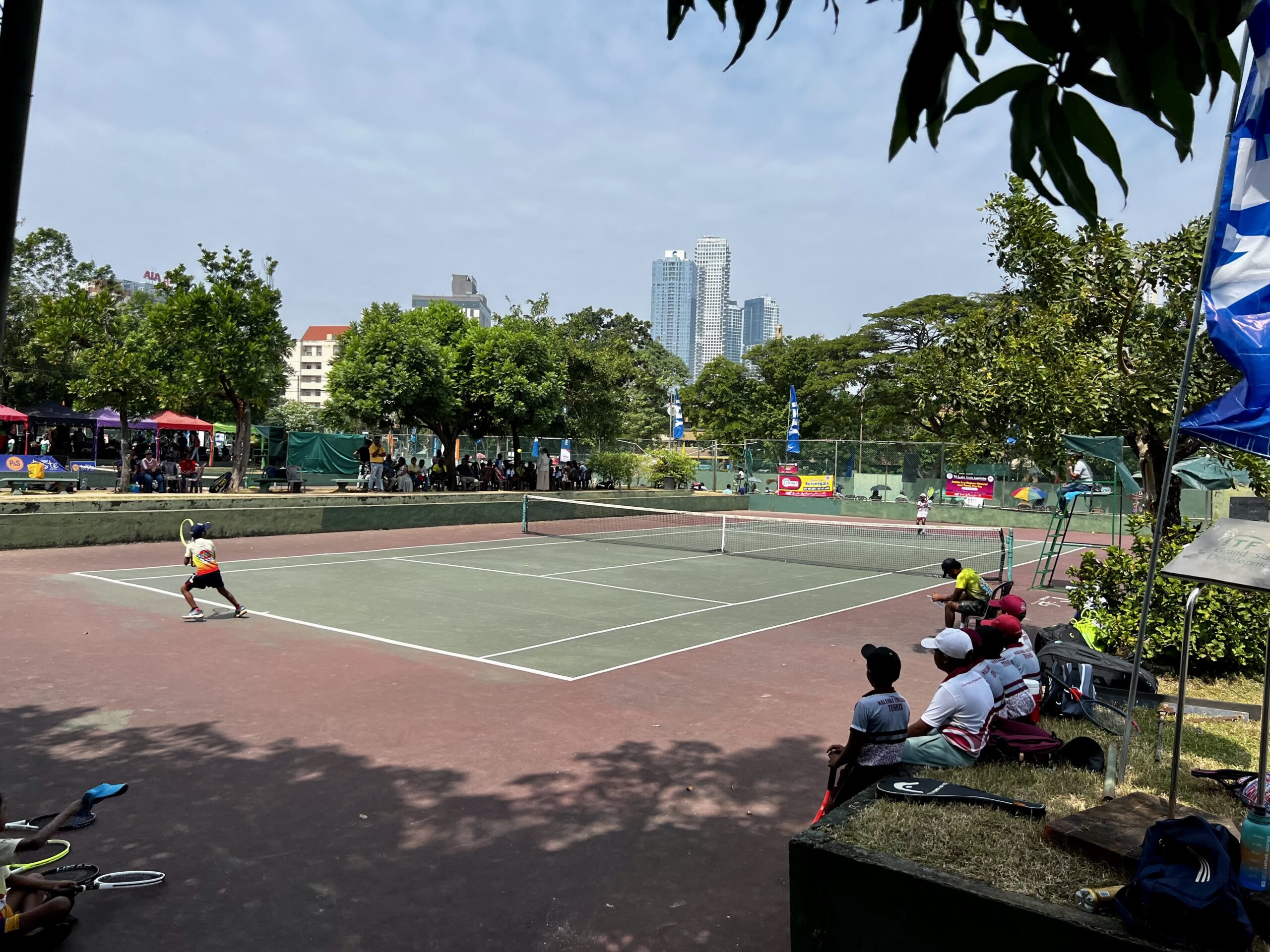
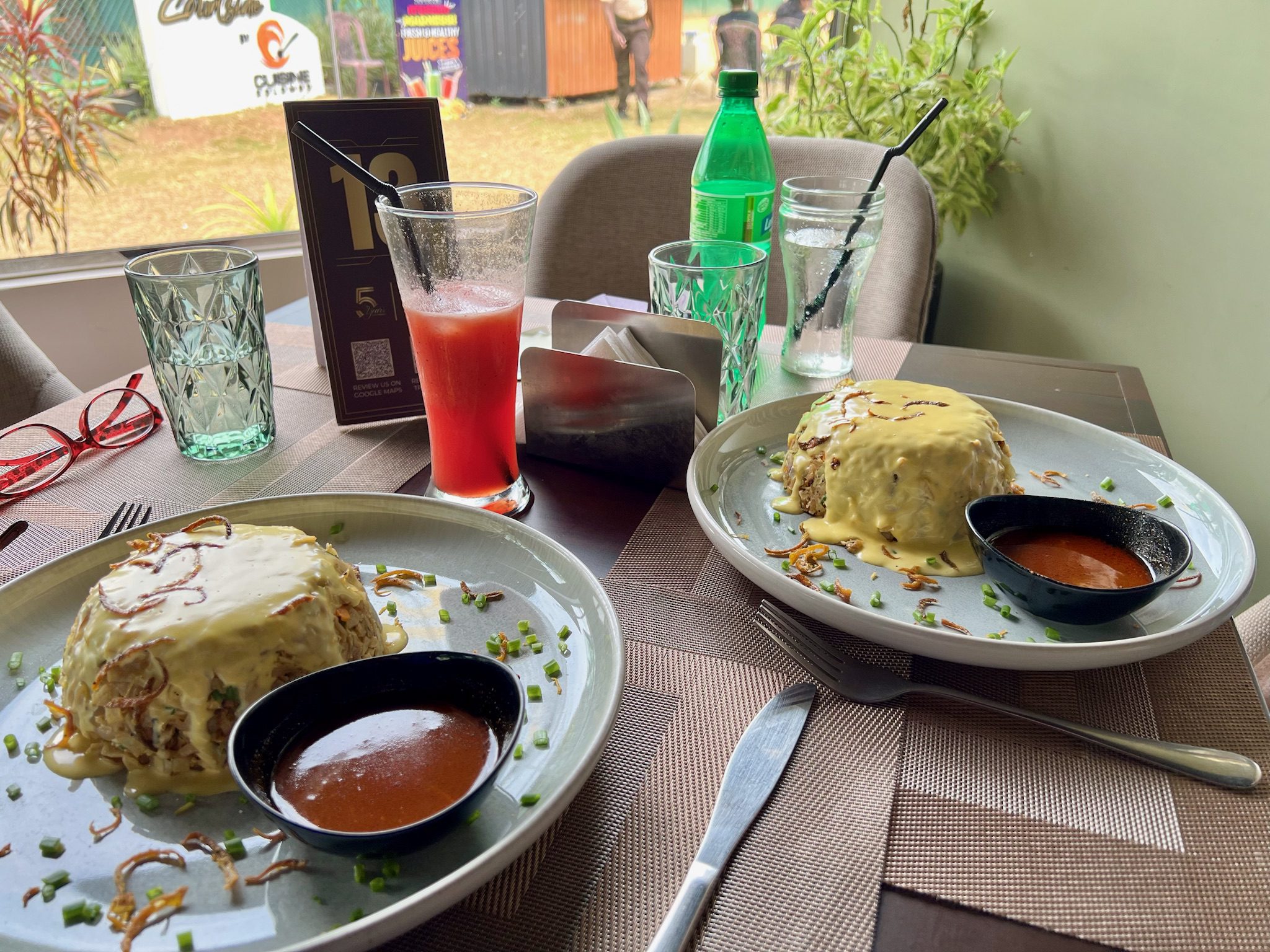
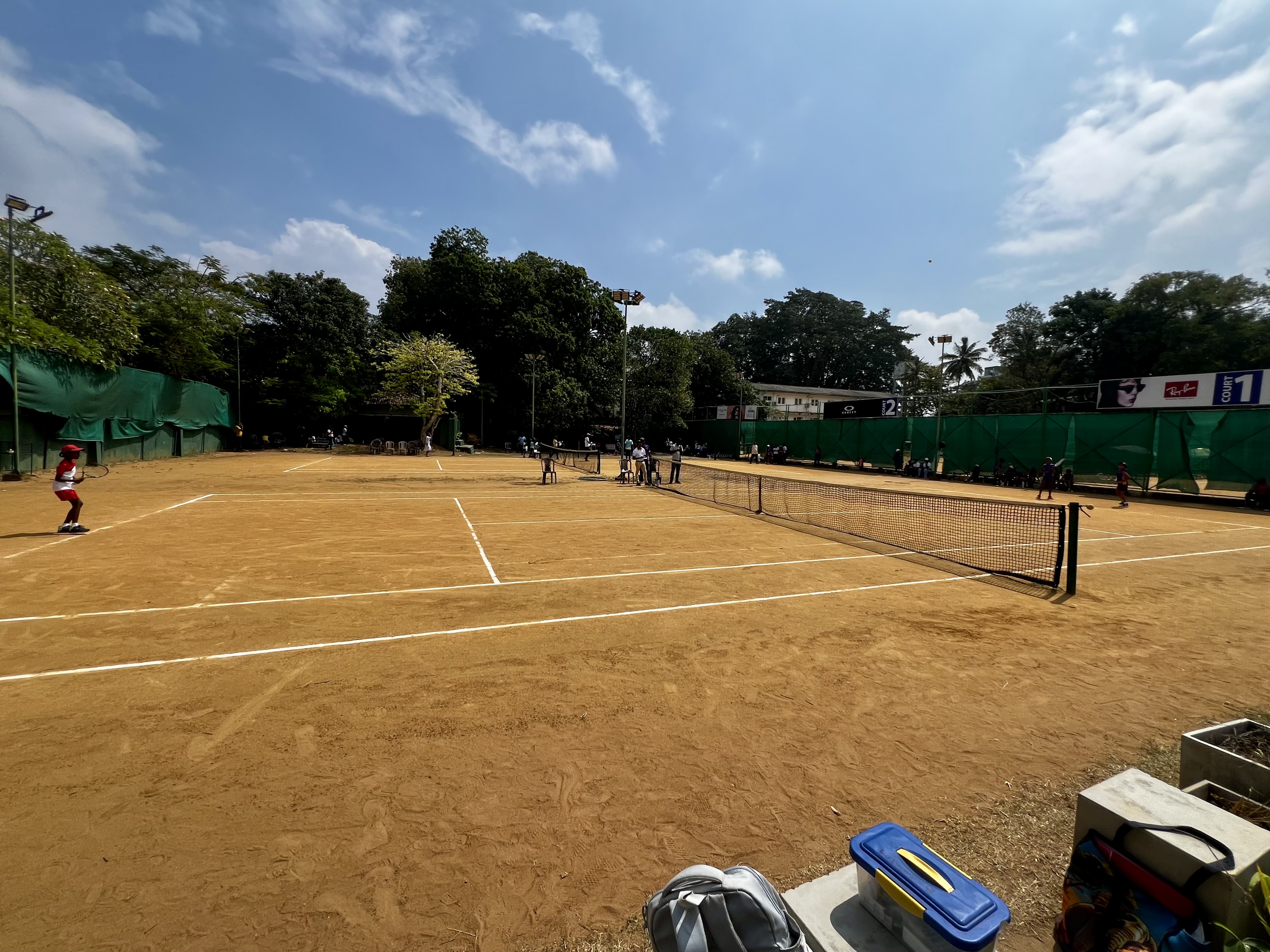
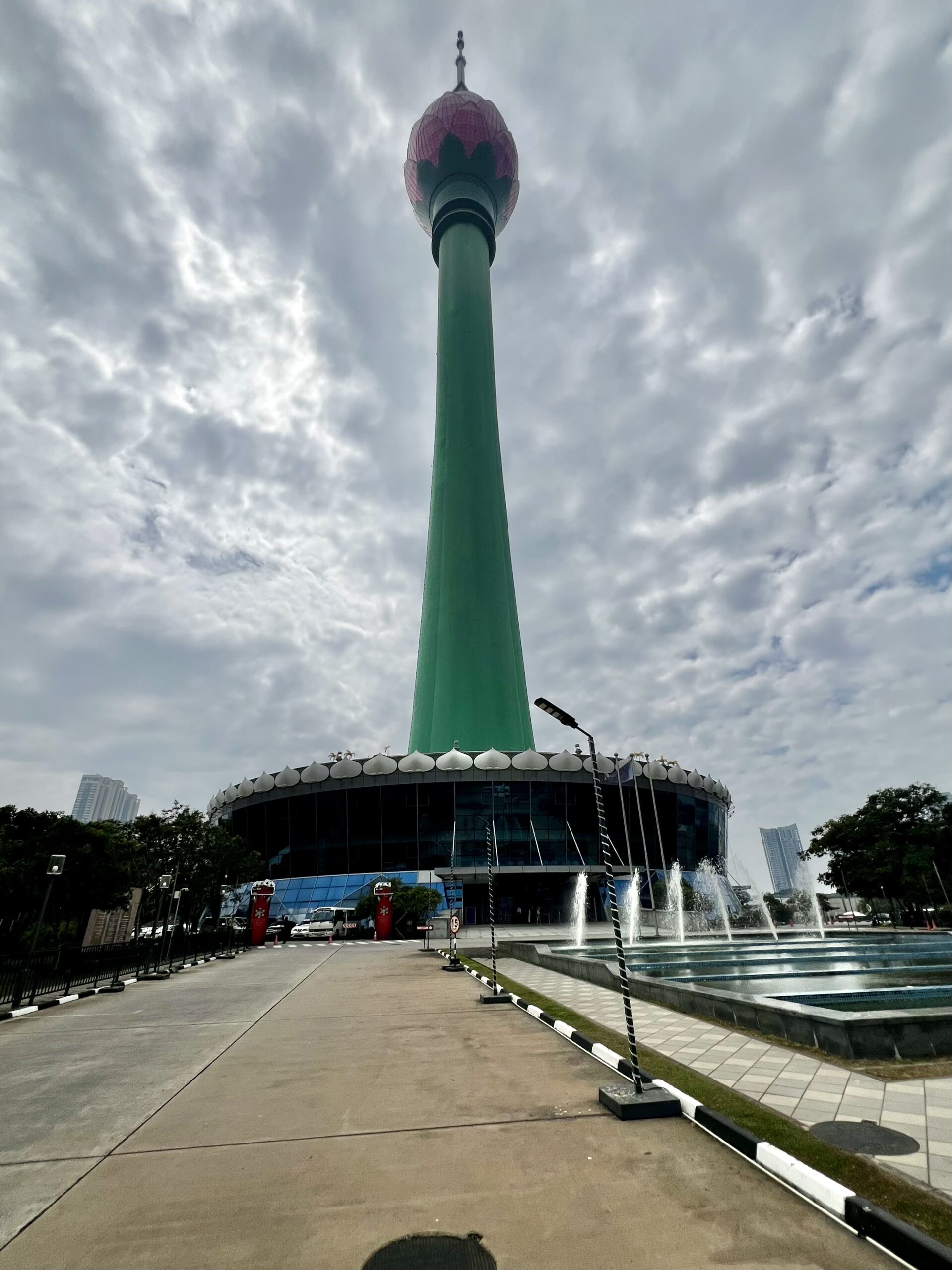
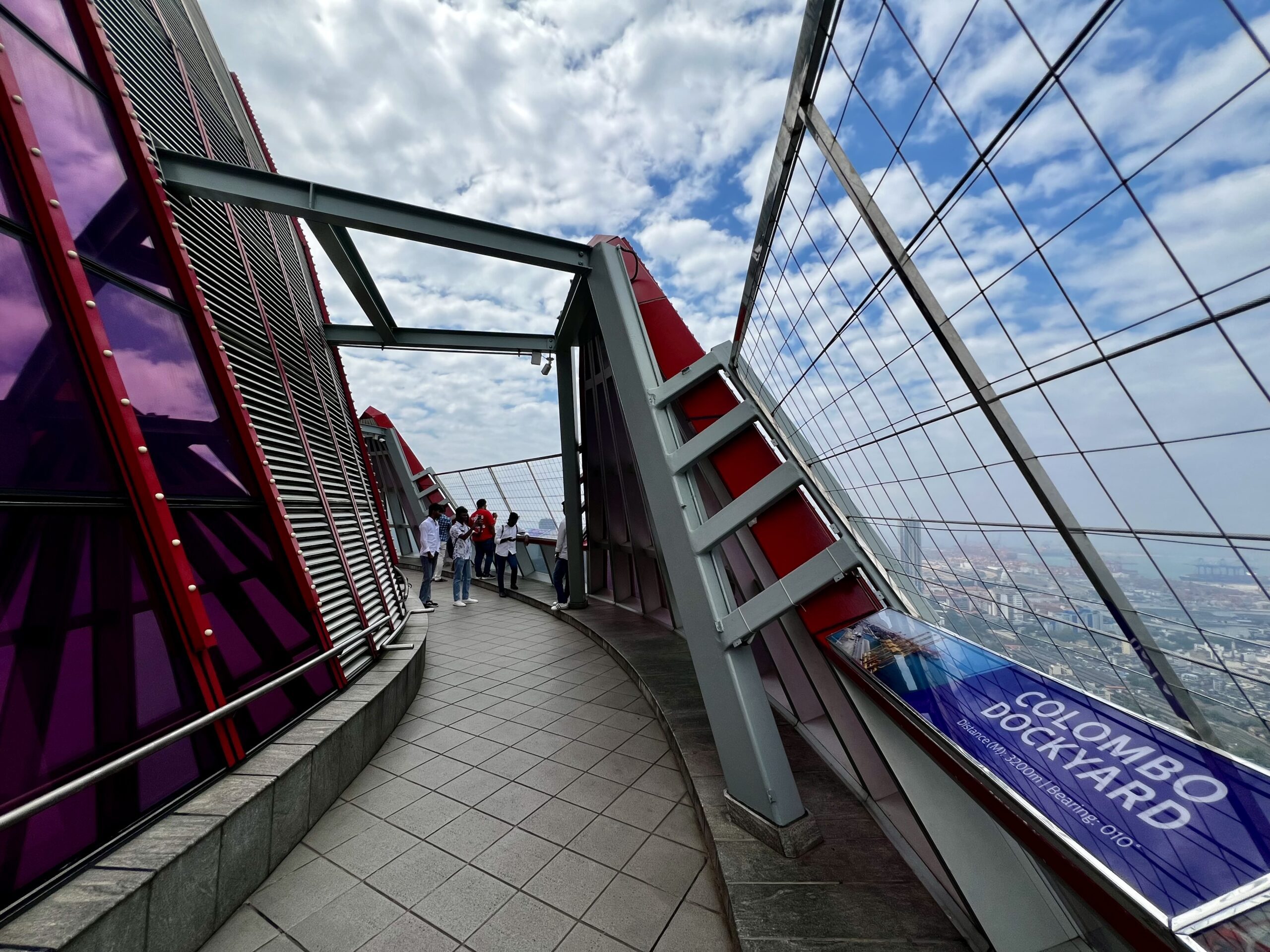
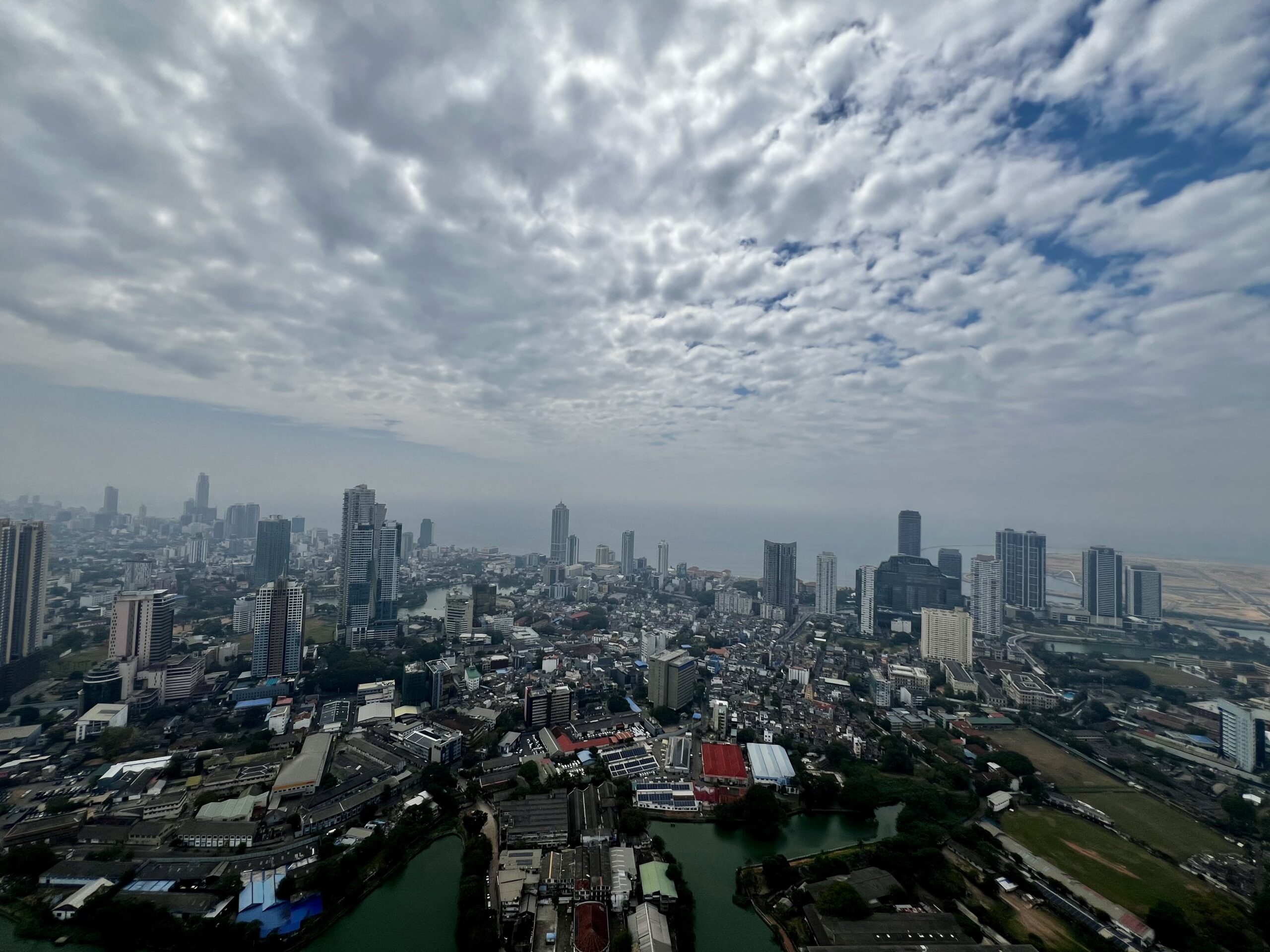
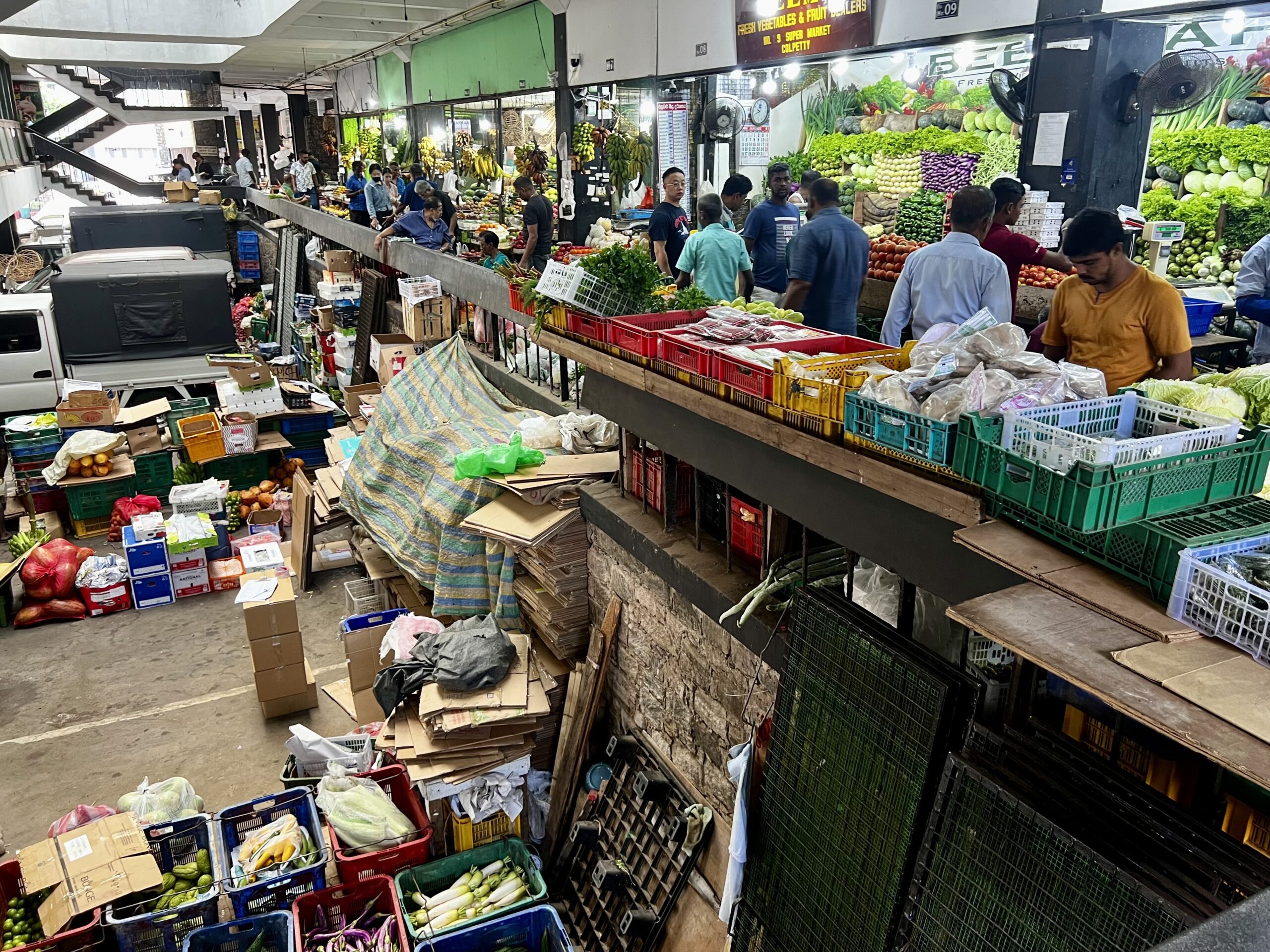
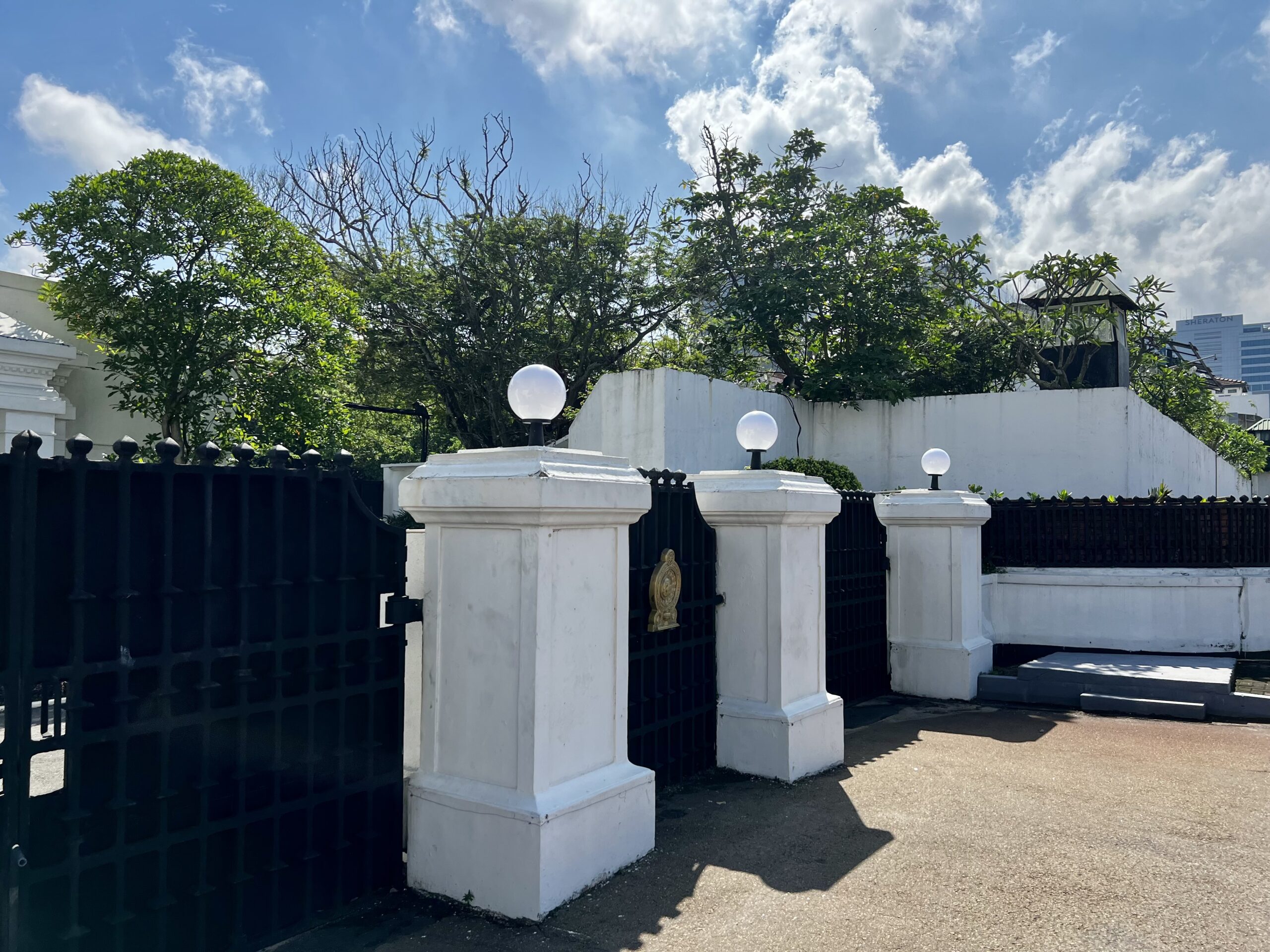
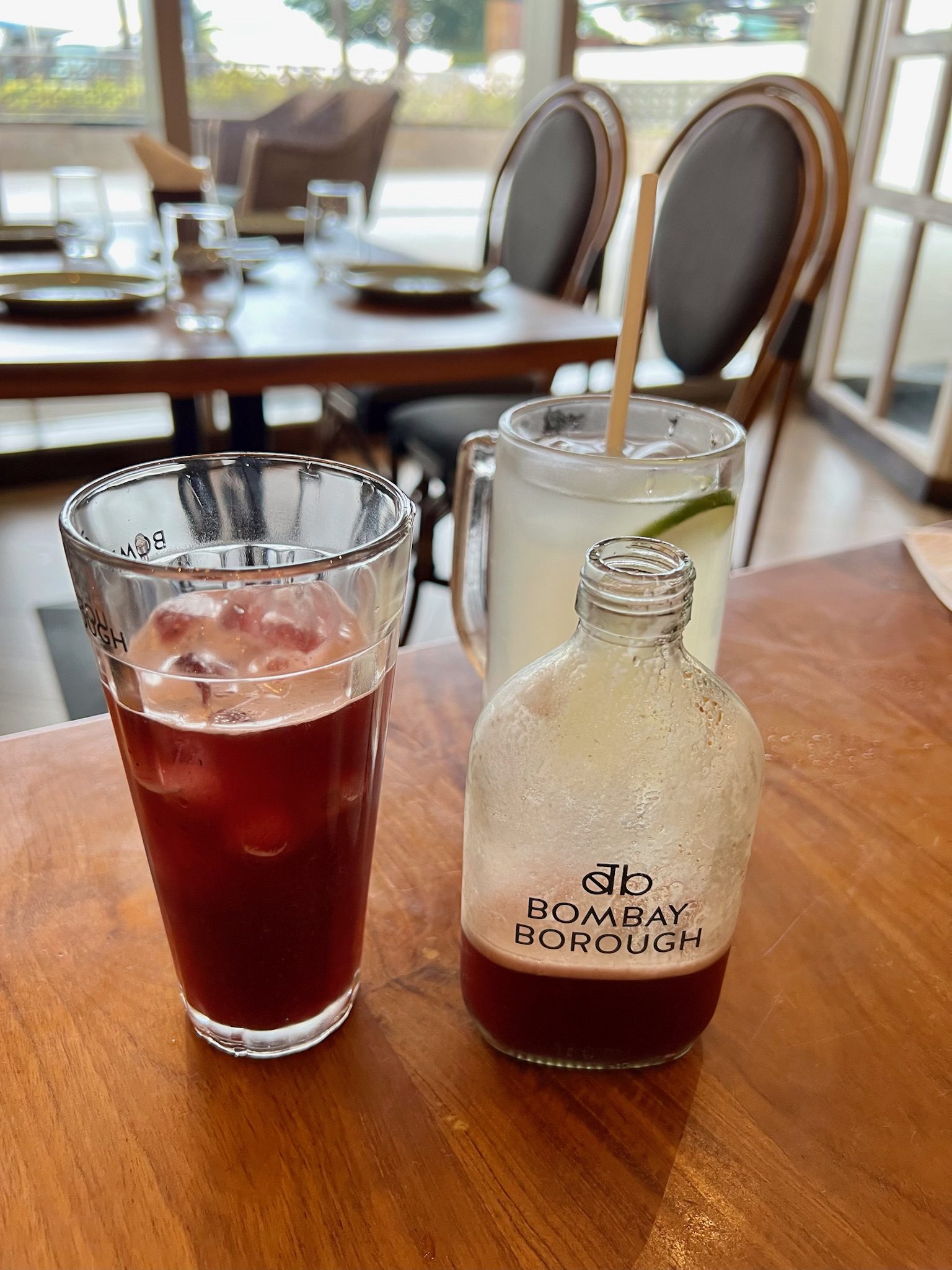
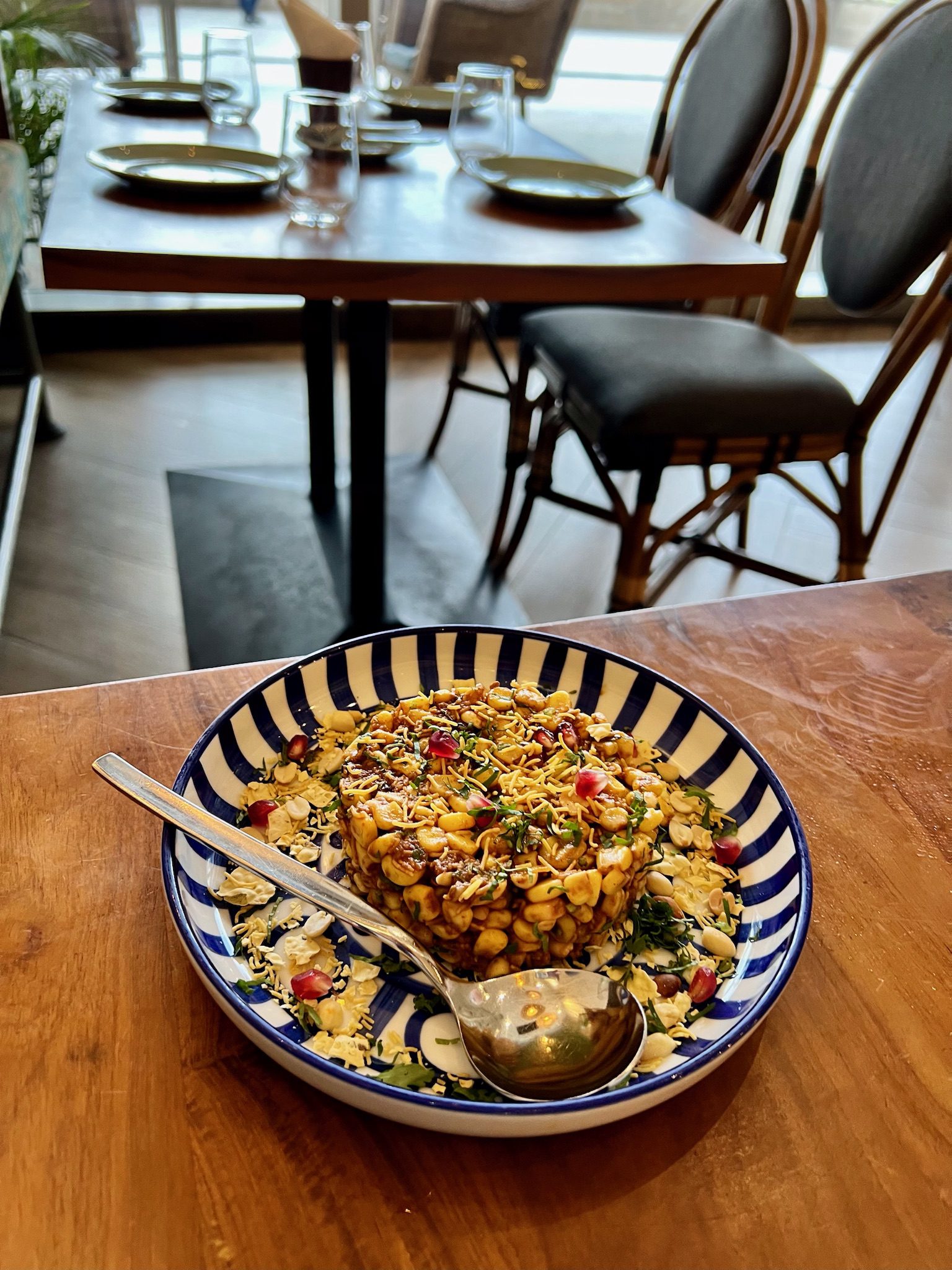
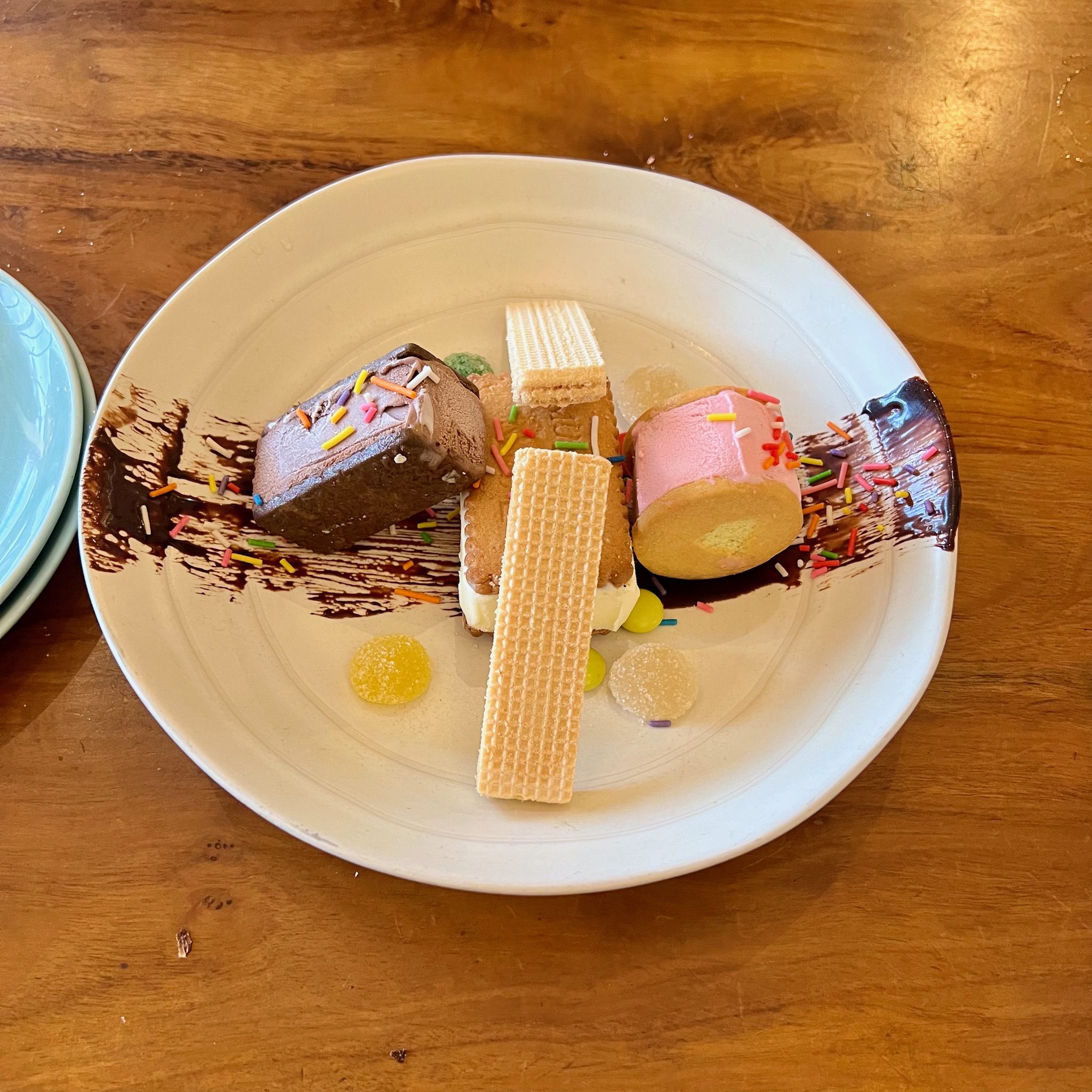
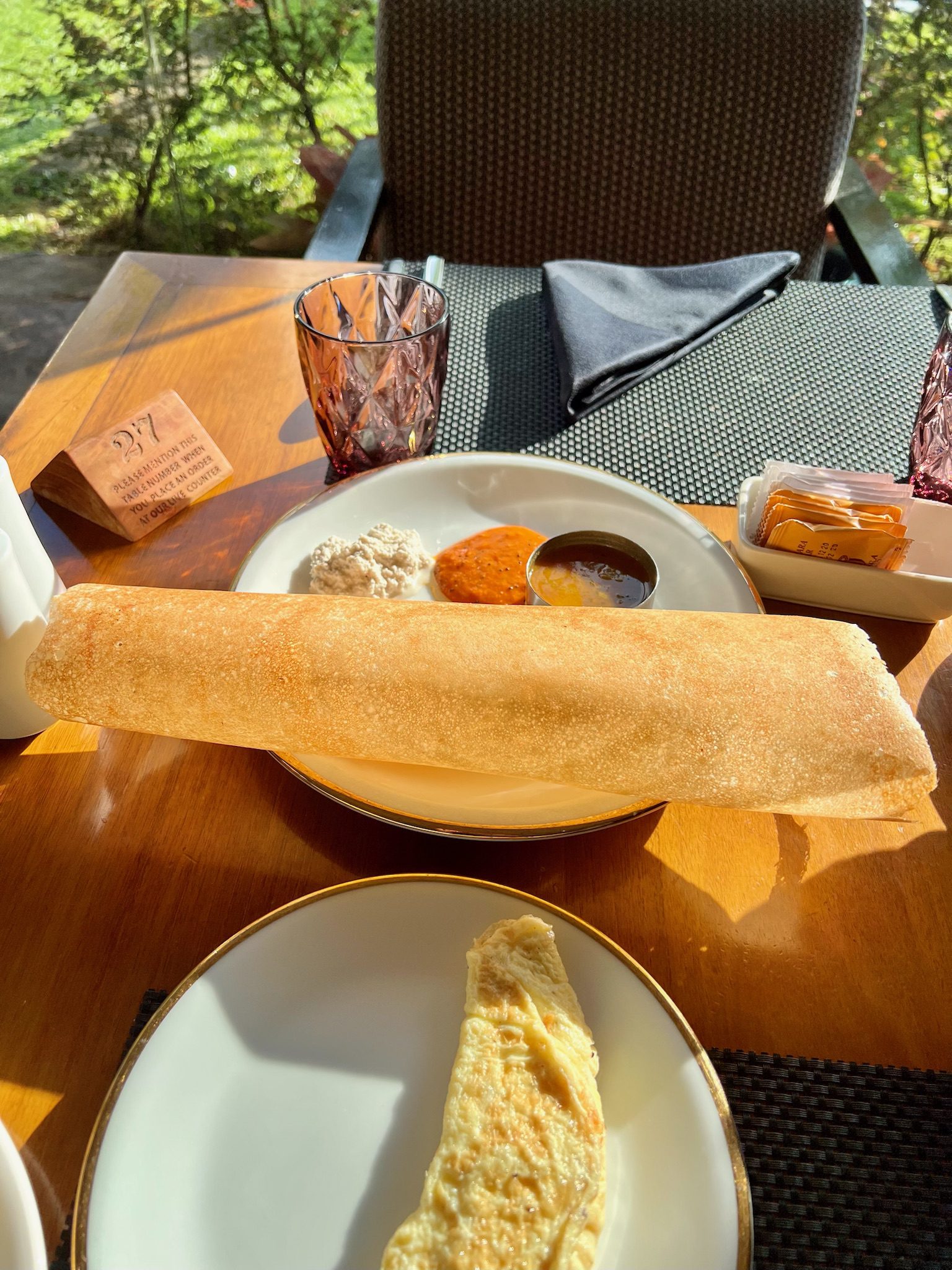
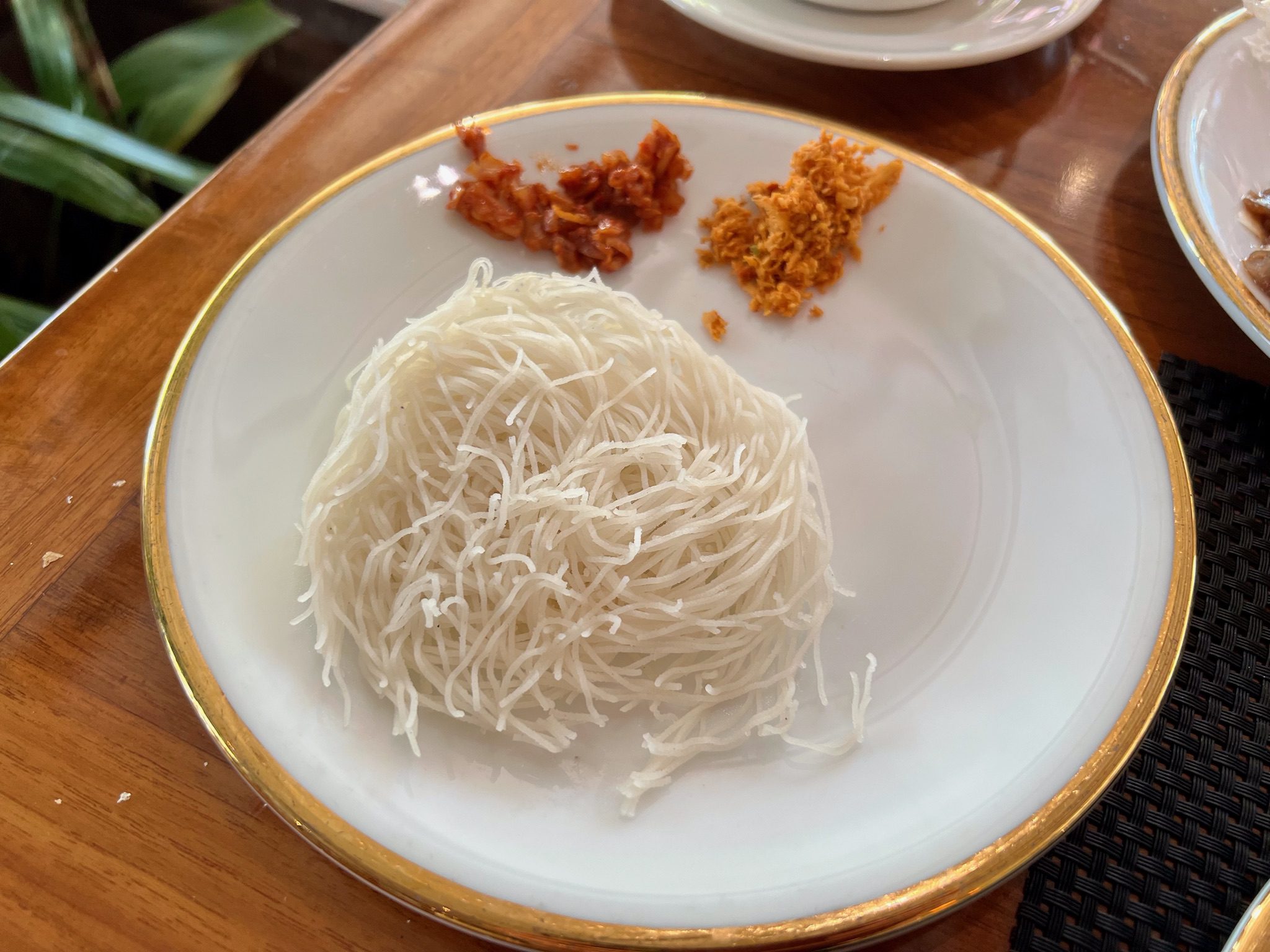
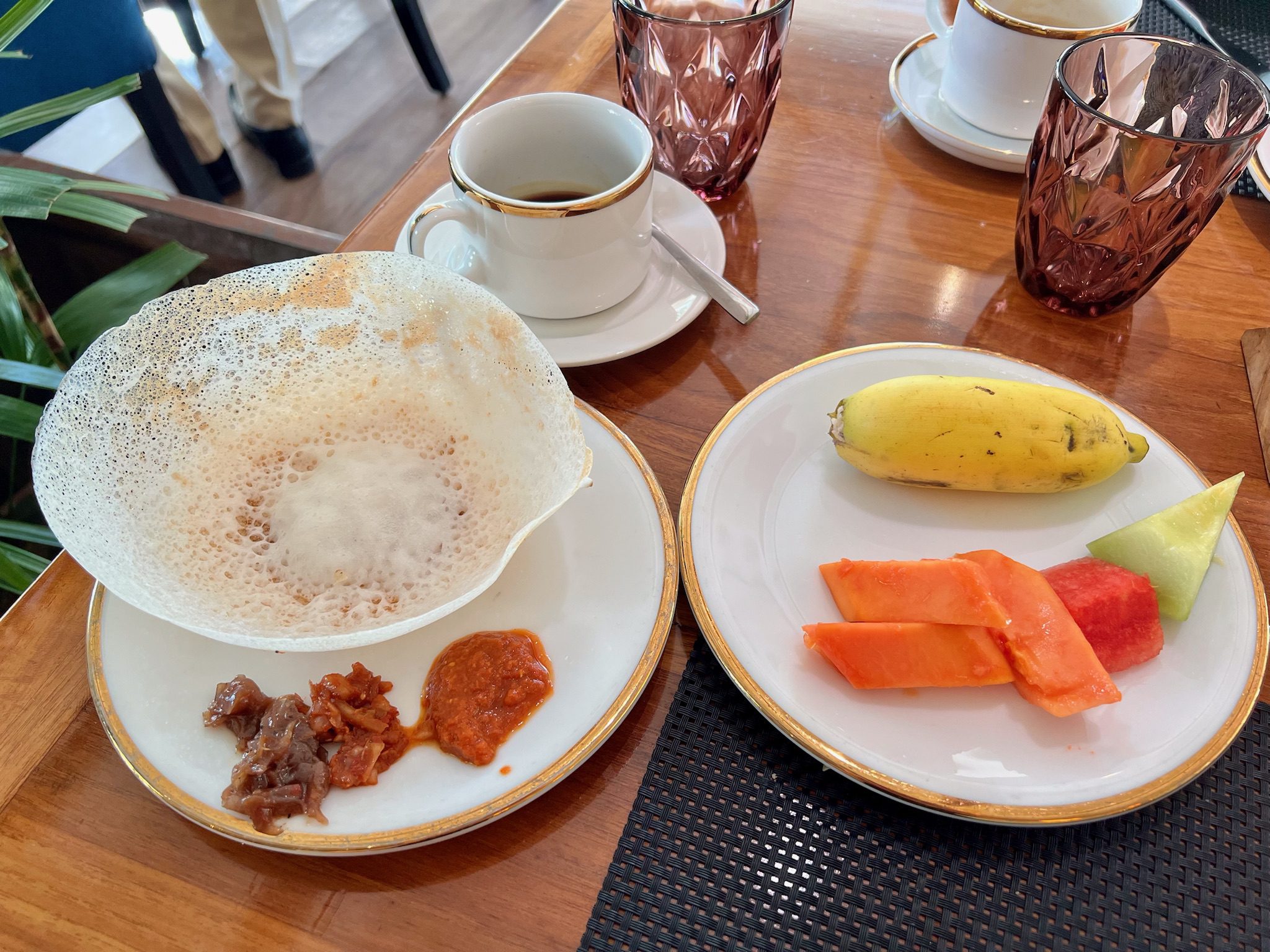
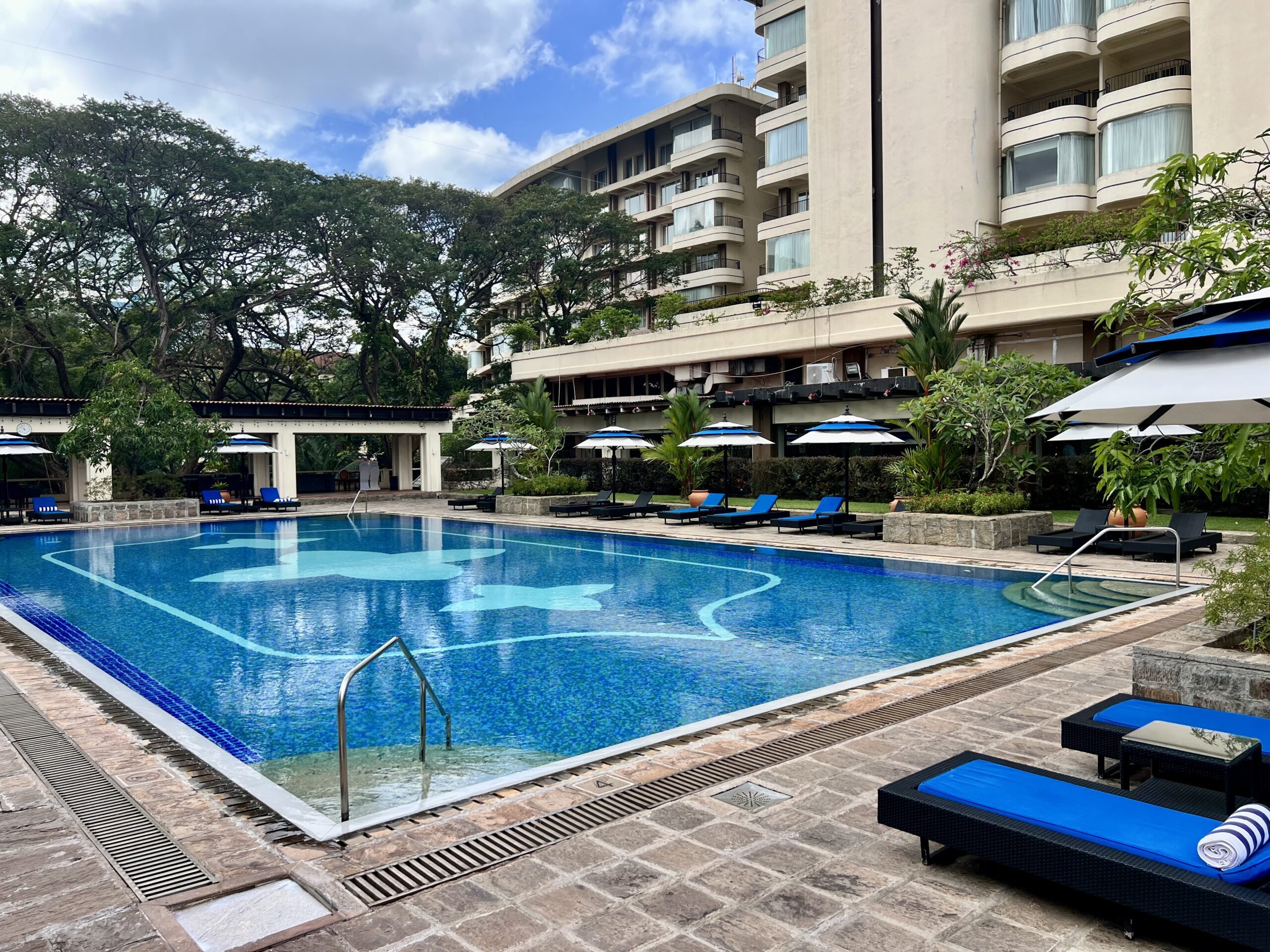
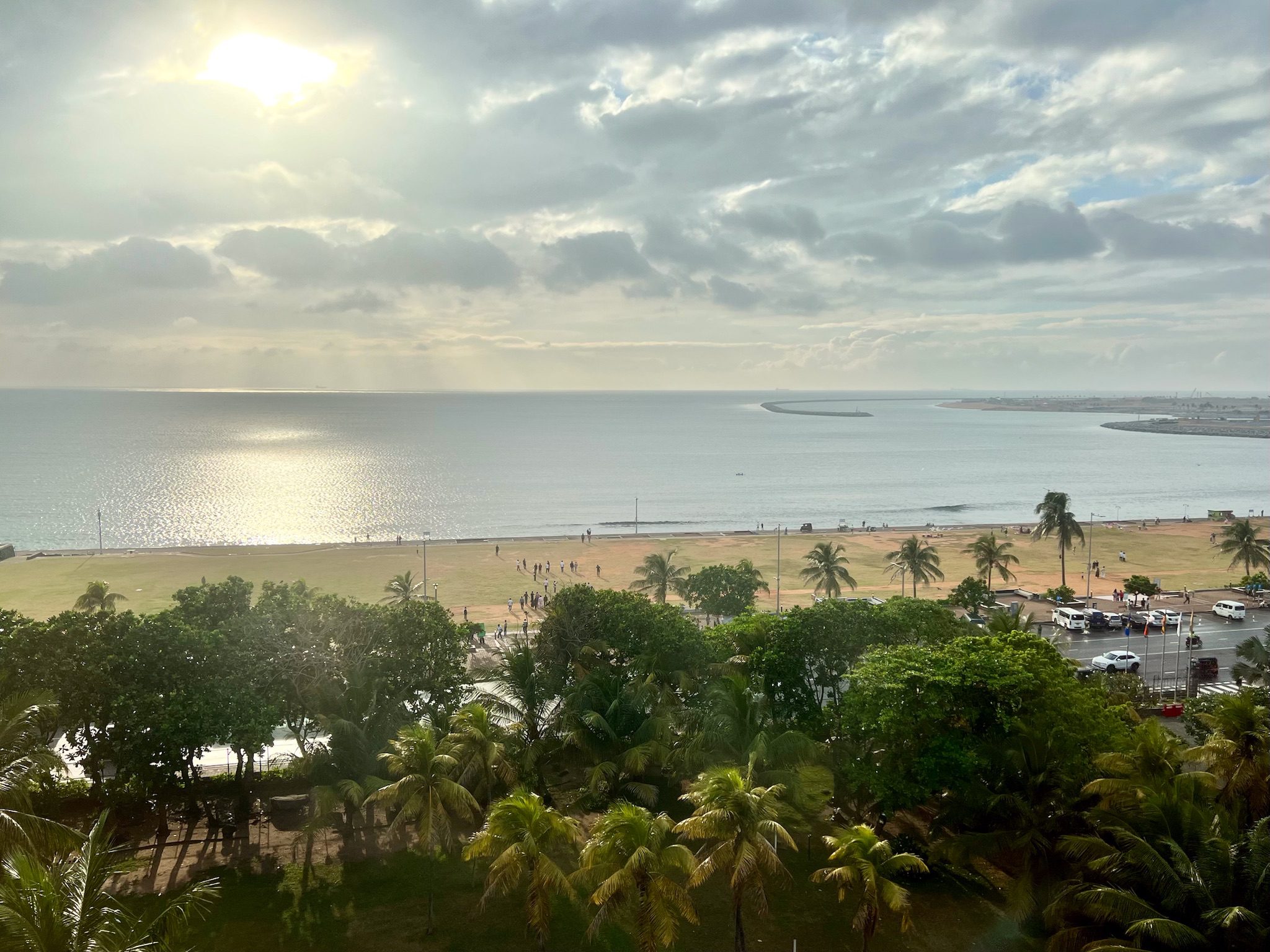
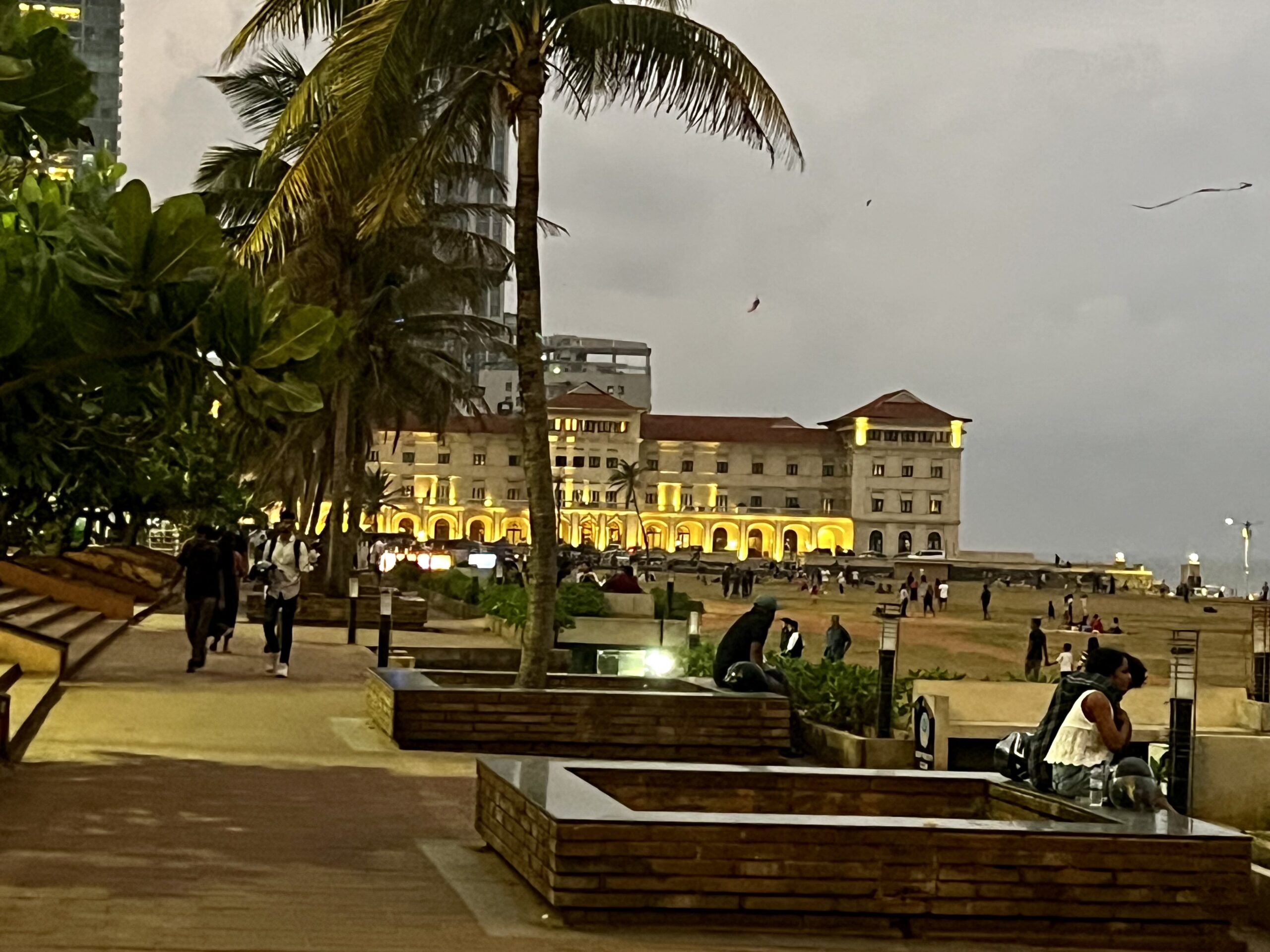
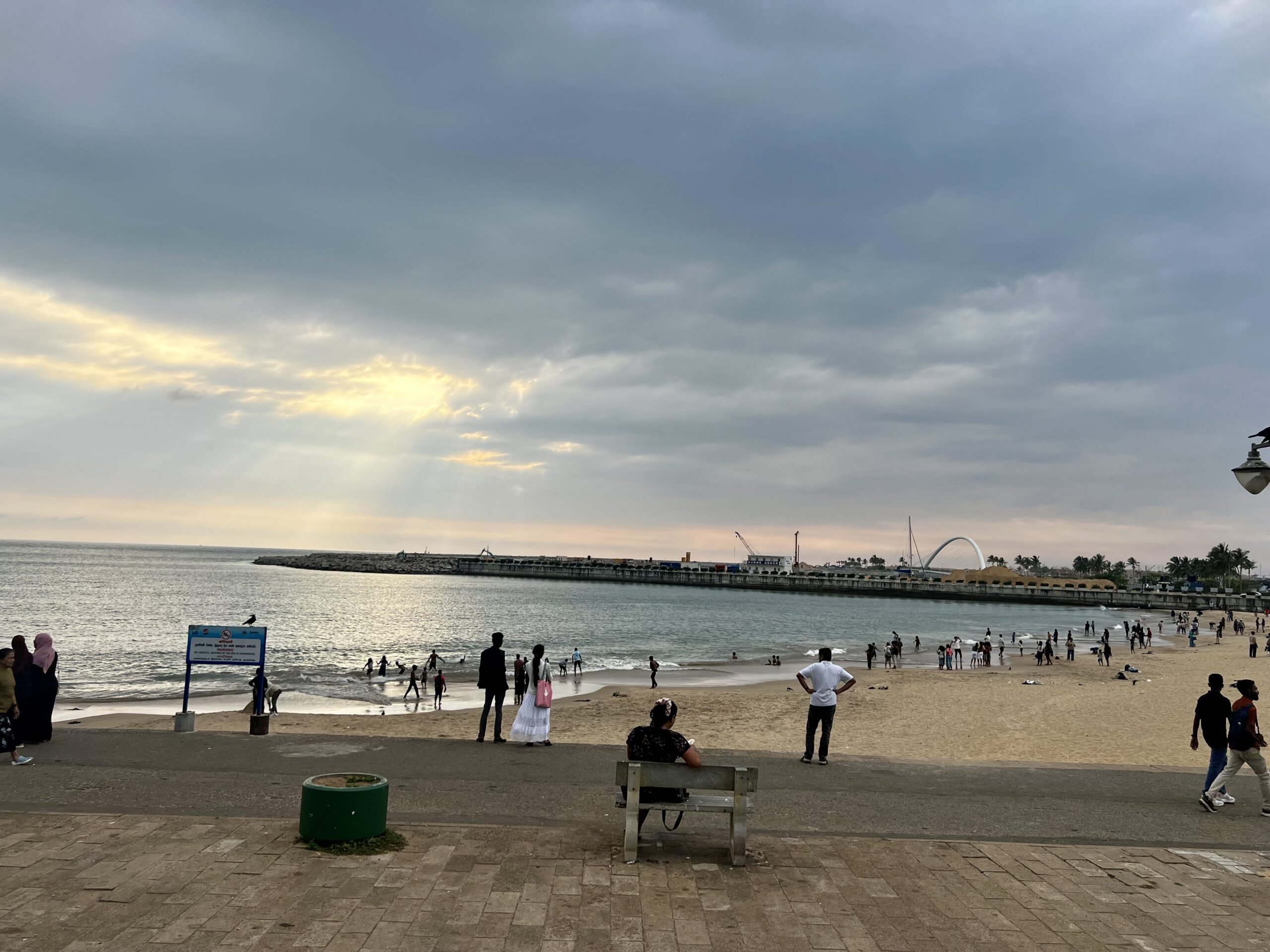
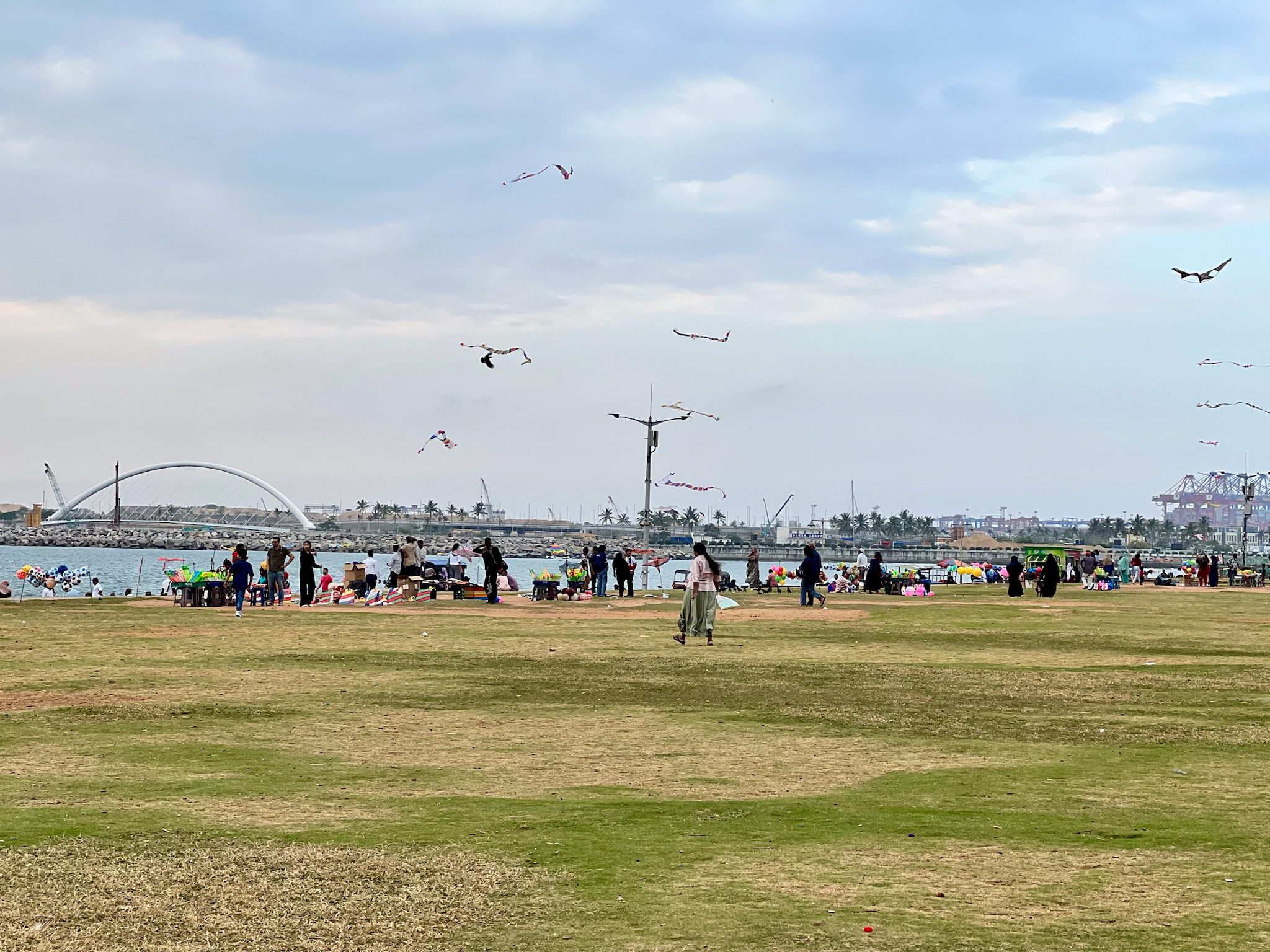
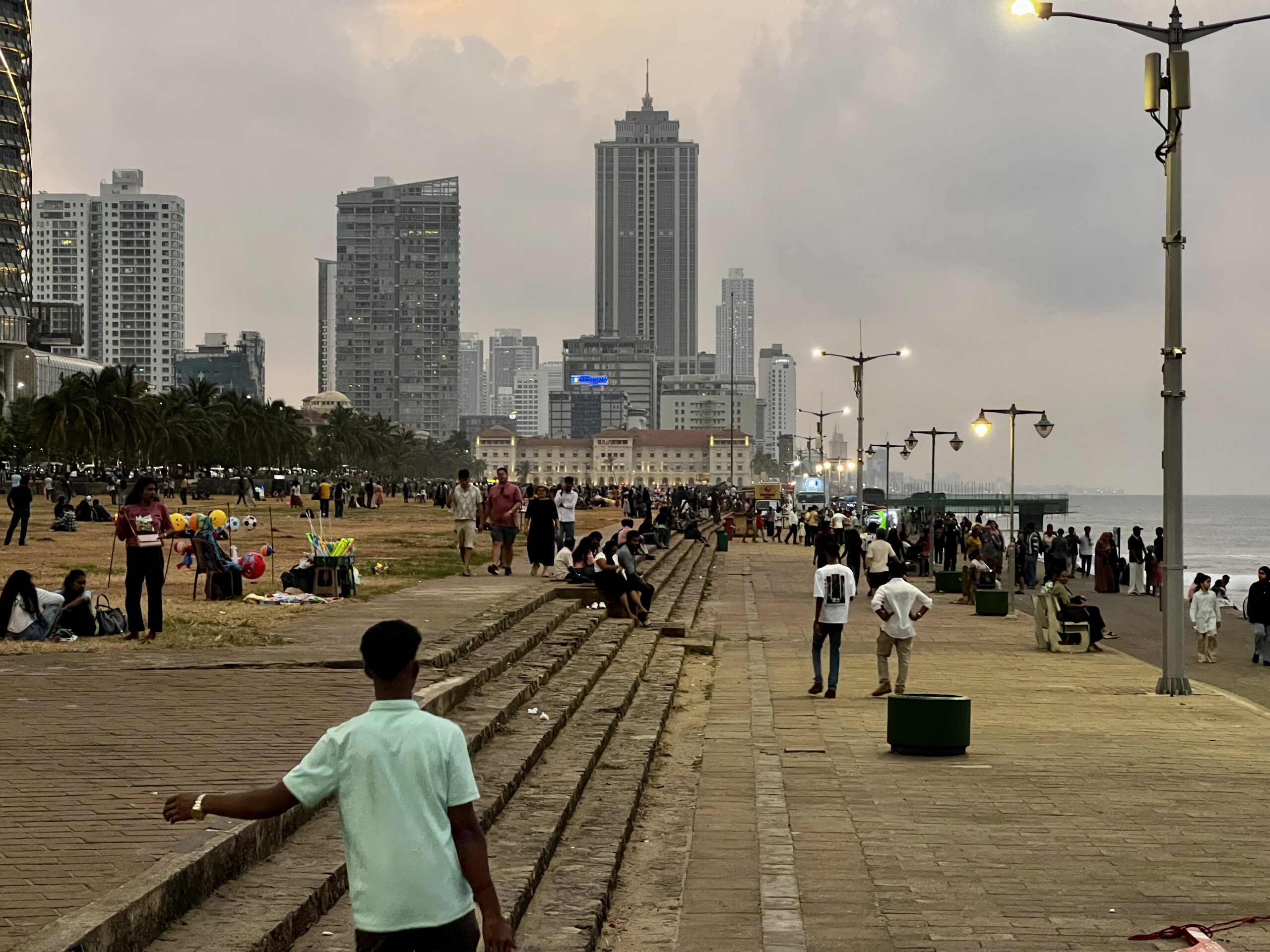
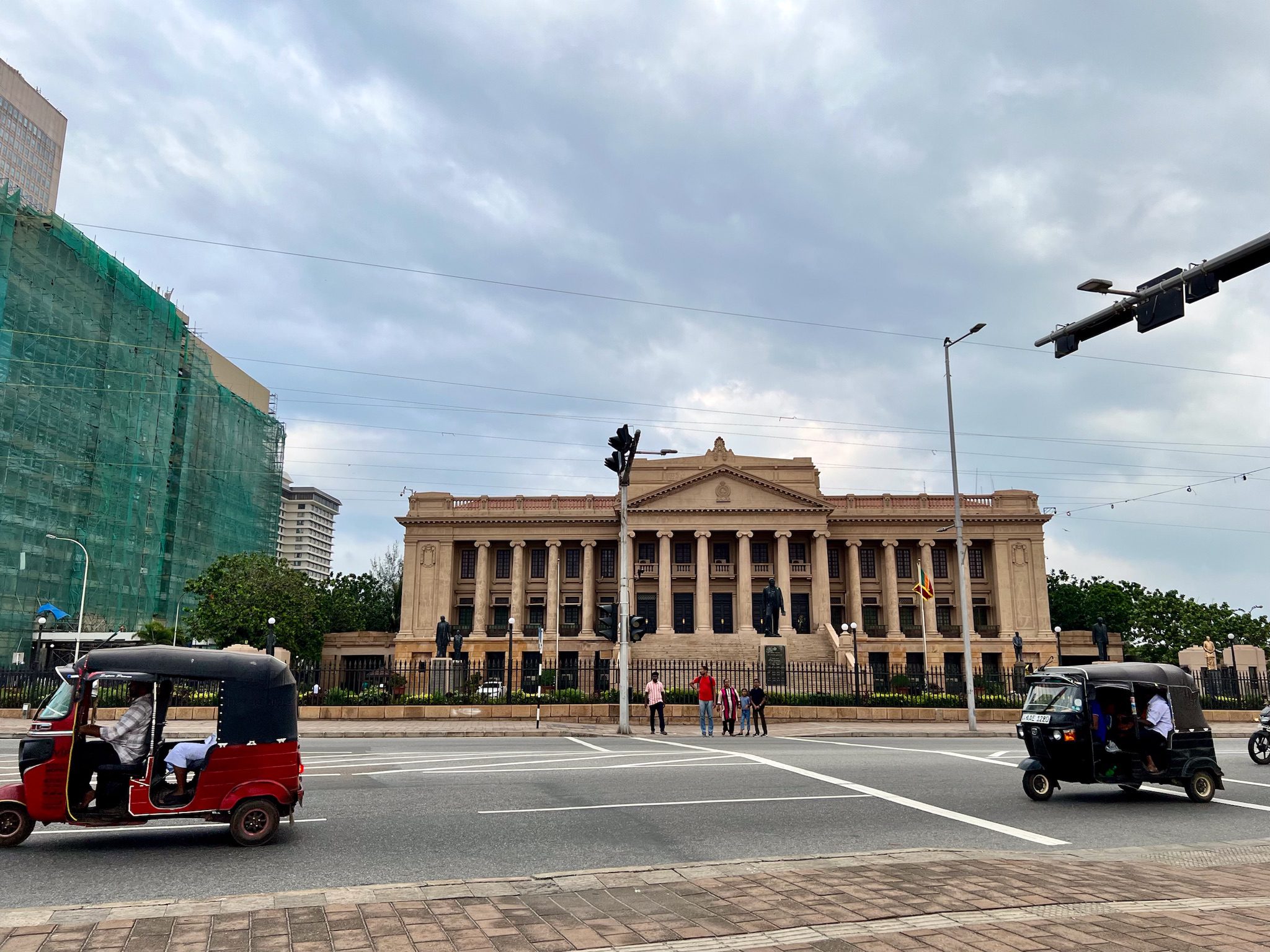
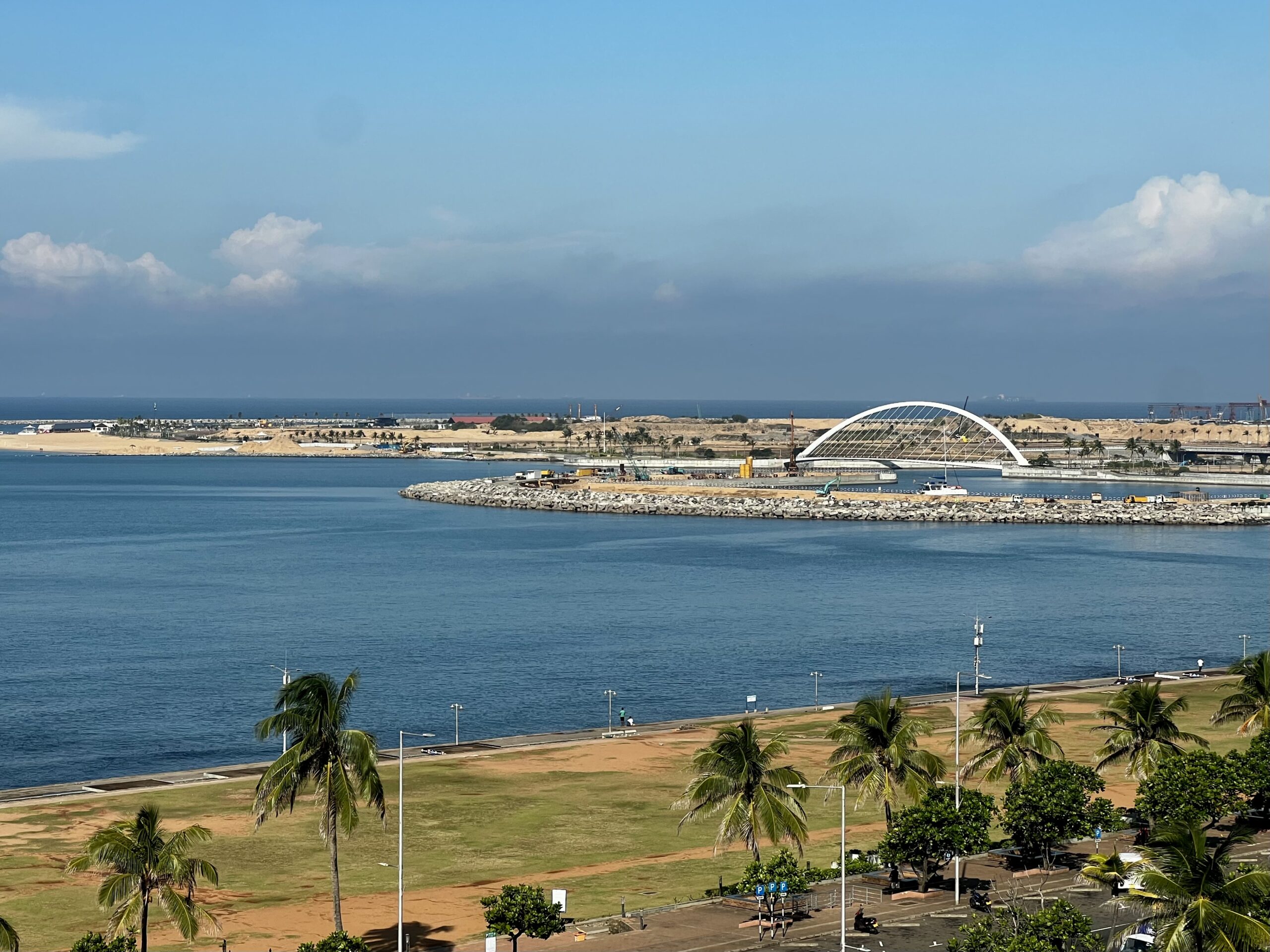
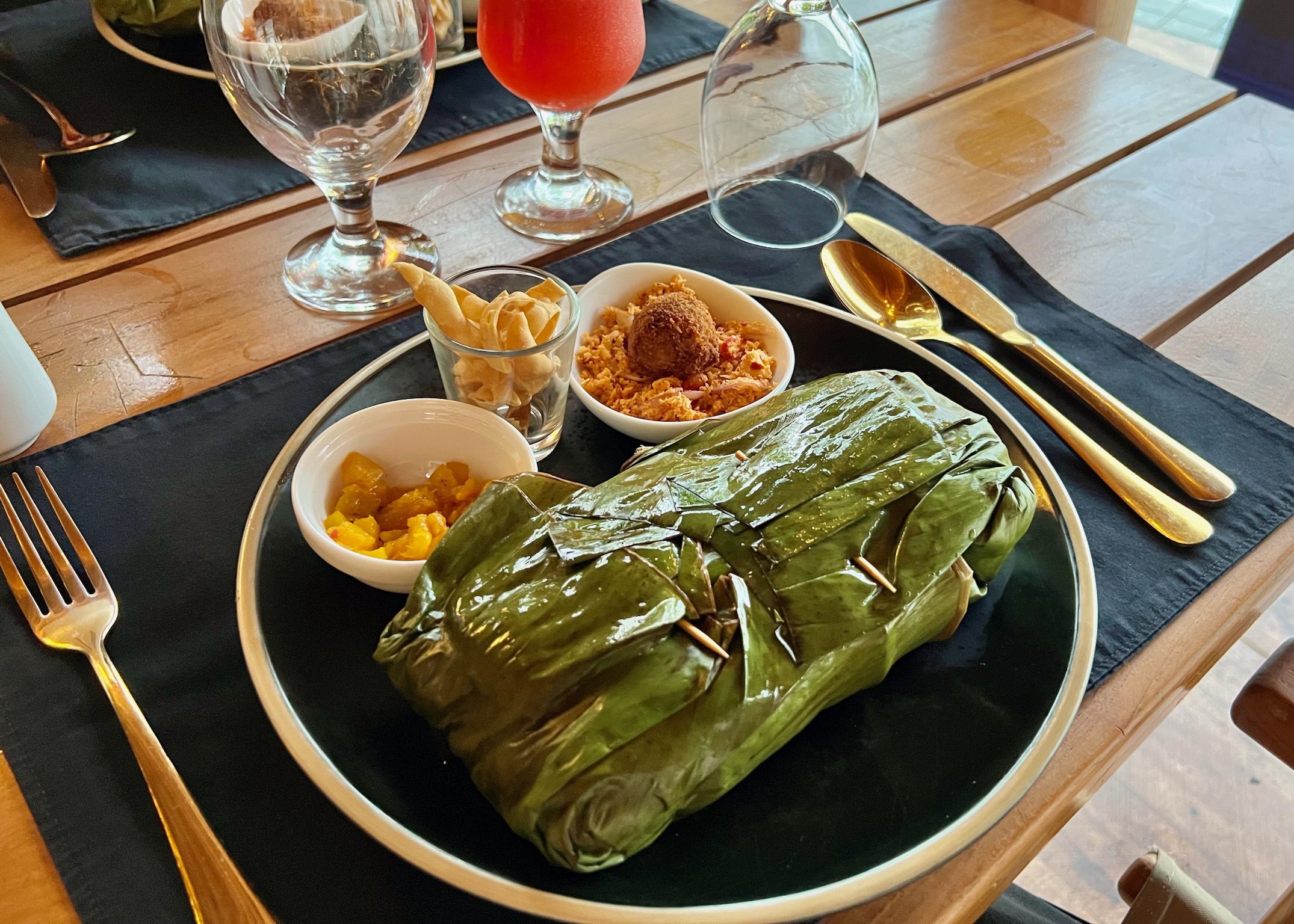
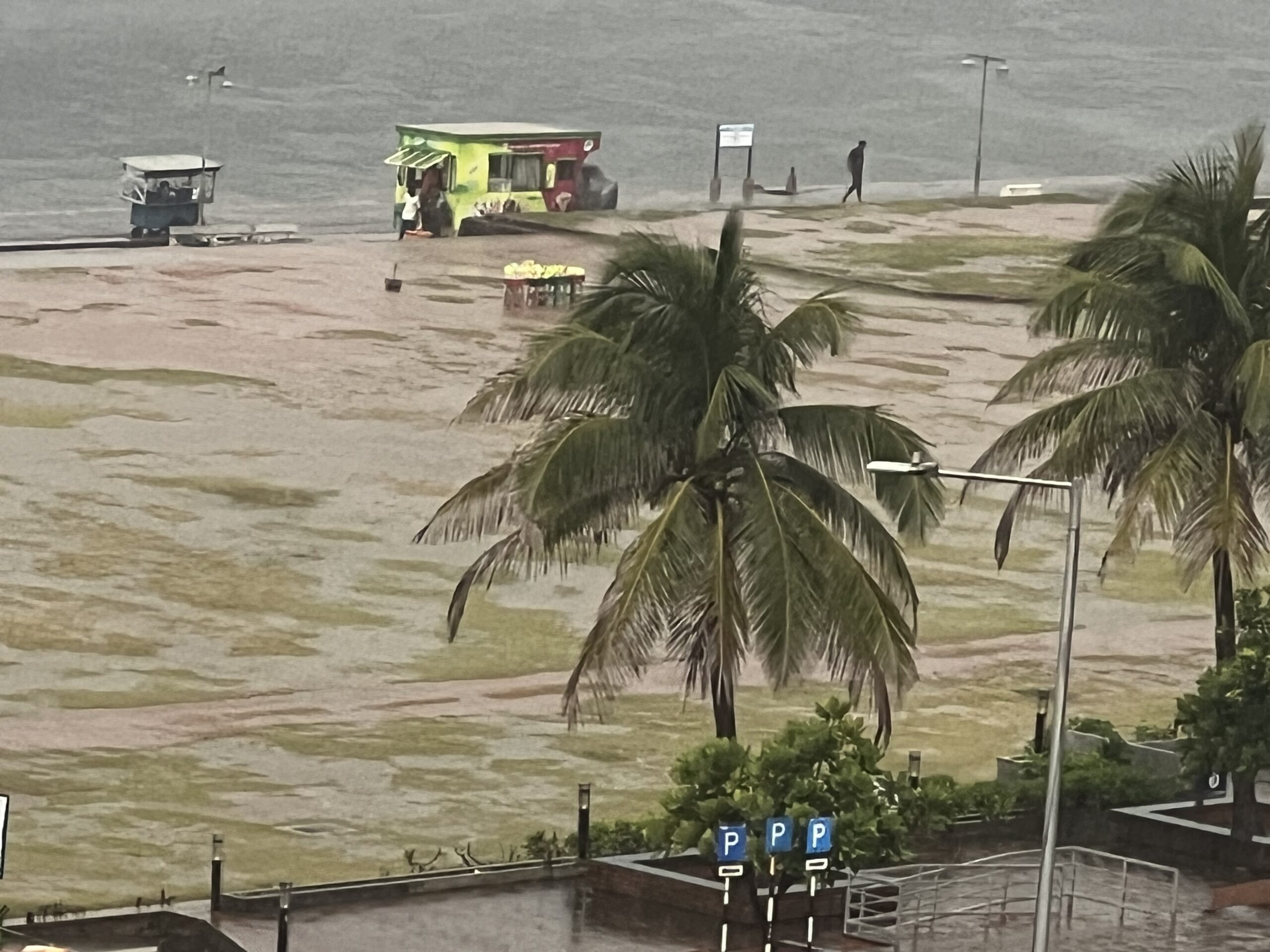
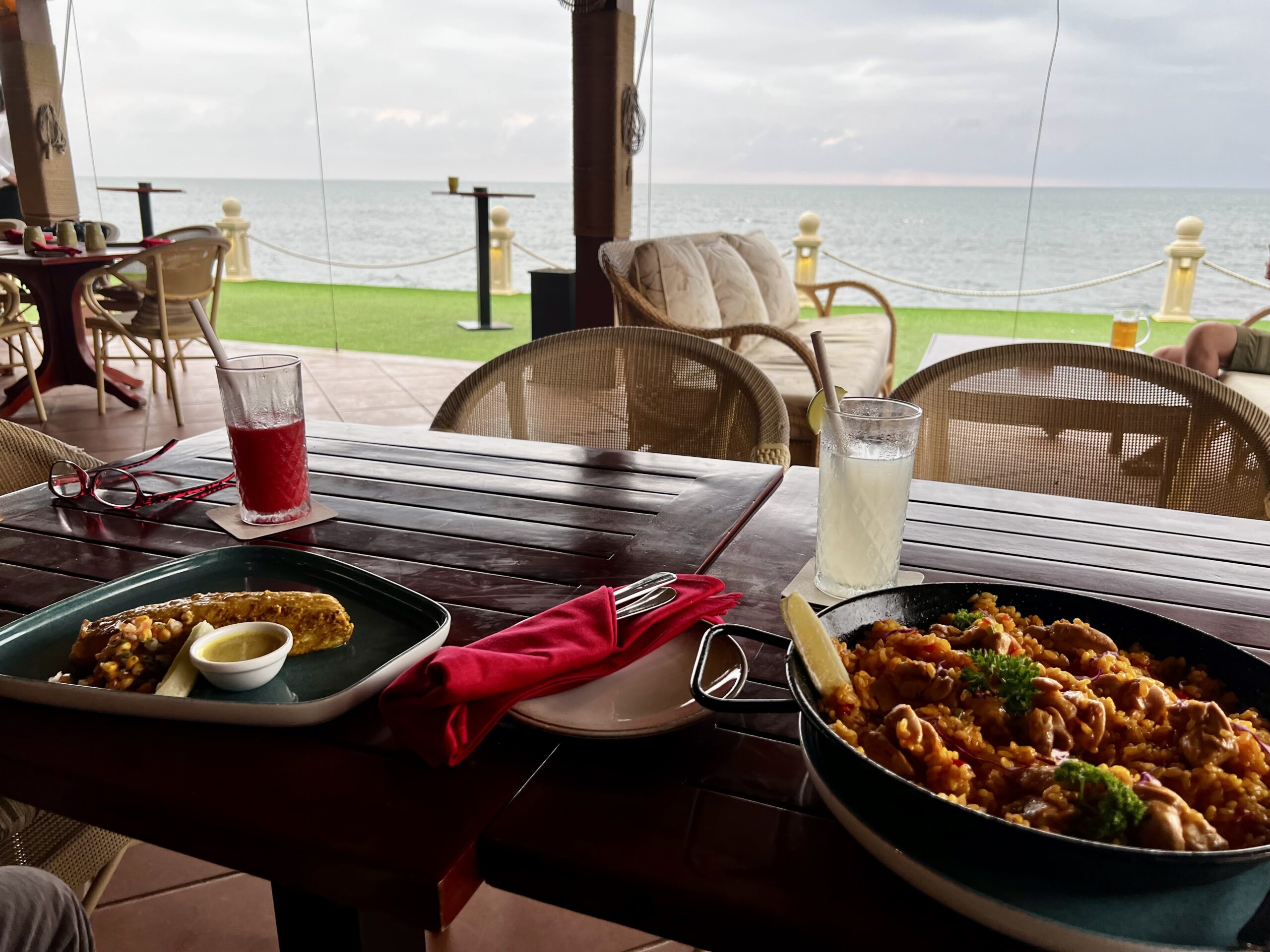
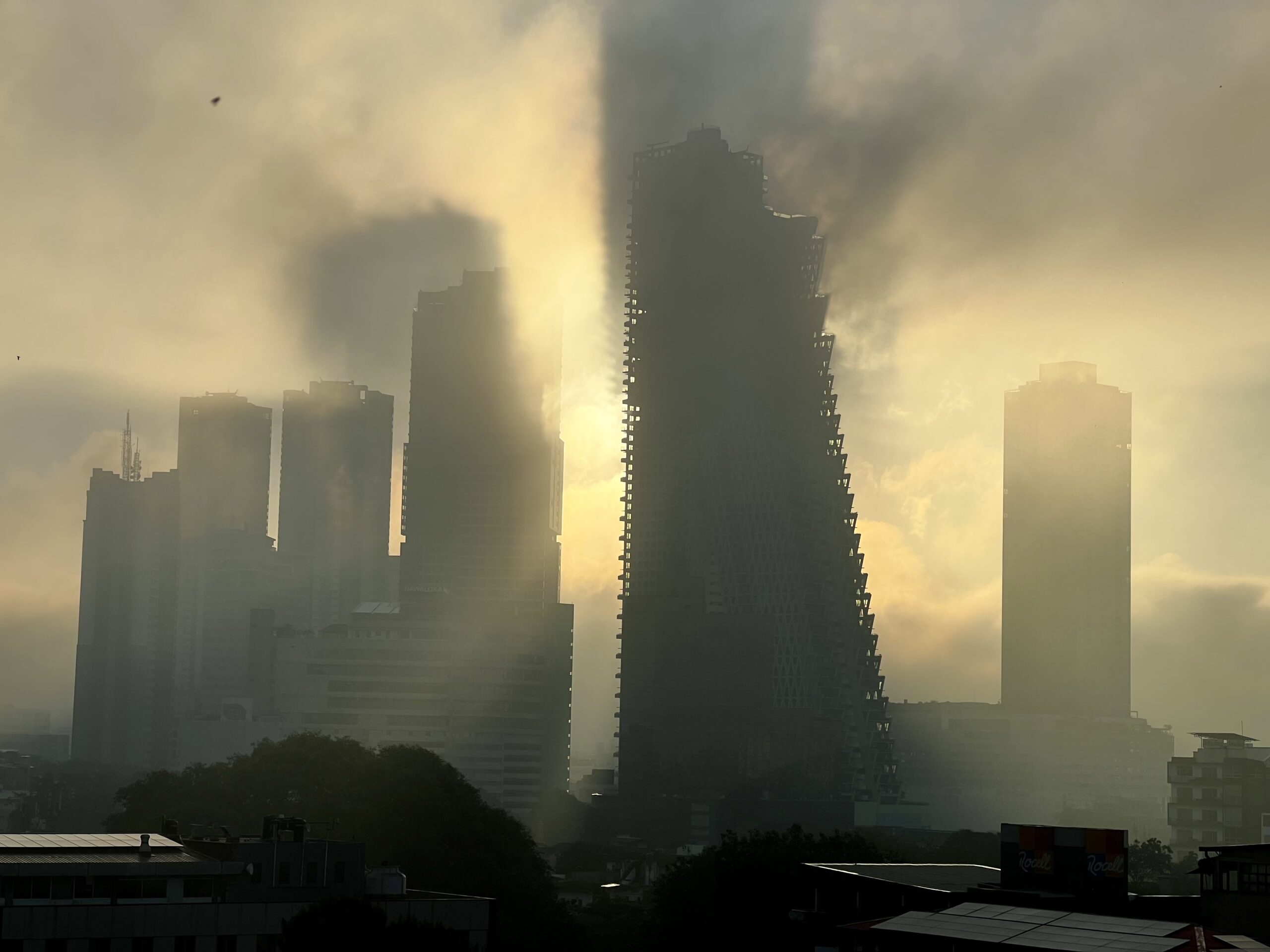
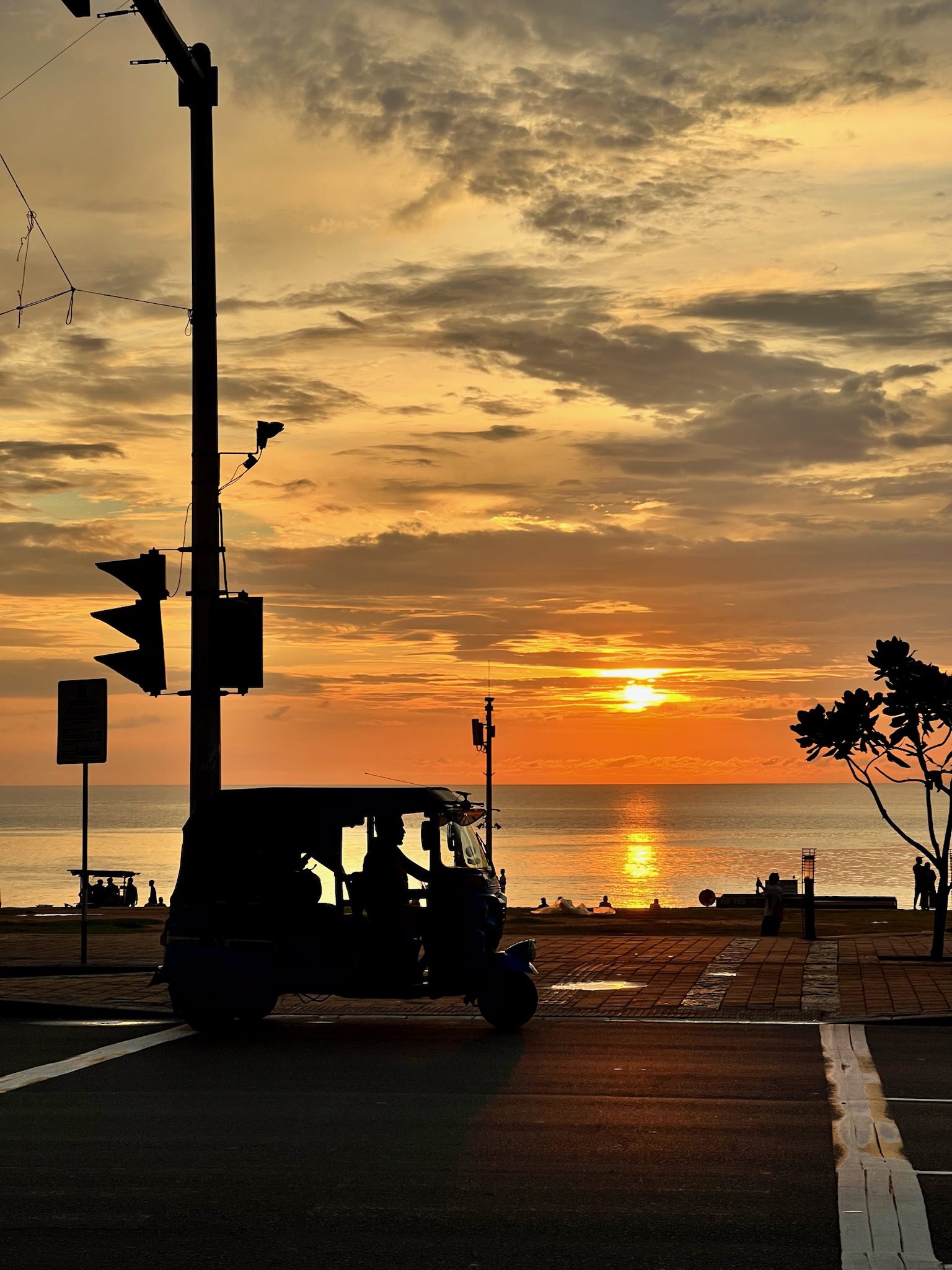
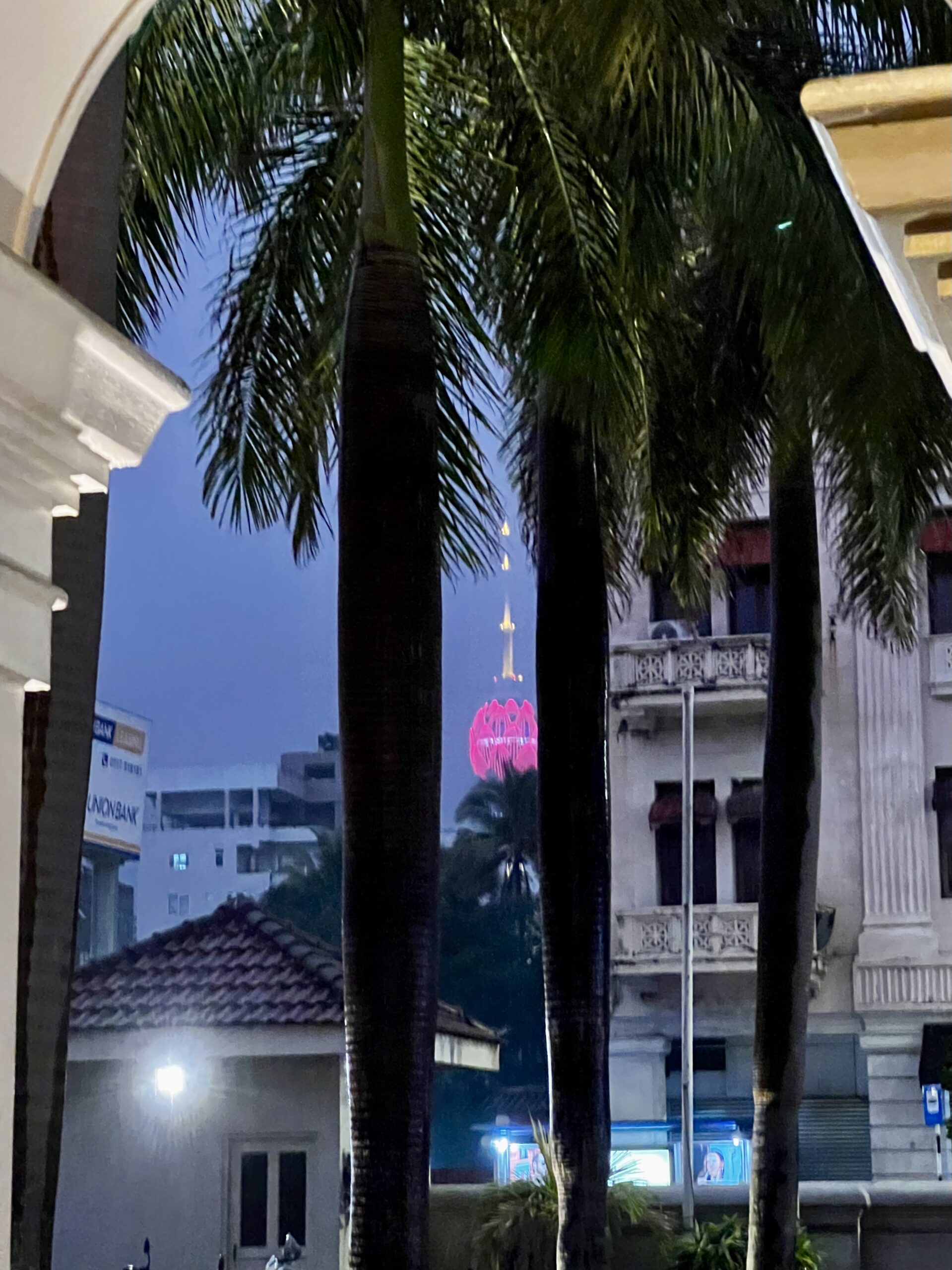
Our ride to Colombo, Sri Lanka, was on China Eastern Airlines. Leaving Hong Kong, we were bused out to the plane. It seemed odd that the new Hong Kong International Airport, which could well be the size of Rhode Island, doesn’t have enough terminal gates to handle its flights.Connecting through Shanghai, the pilot had to drive around for 30 minutes looking for a parking spot. If Hong Kong International is the size of Rhode Island, Shanghai International is the size of Texas. And it’s bleak. As we traversed long empty hallways between gates, we had to pass through no less than six passport, boarding pass, and security checks. And this for a simple airside connecting flight. In the end, we landed in Sri Lanka, no worse for wear. We knew immediately we were someplace different. Hong Kong was redolent of incense and cooking in oil. From the moment we stepped outdoors, Colombo smelled of flowers and spices – at least until we got into traffic. We stayed at the Taj Samudra Hotel. It has been a centerpiece on the Galle Face seafront for over 40 years, but it has been maintained well and feels like a Taj hotel.Oddly enough, Christmas was still in full swing, well into January. Even more oddly is that the Taj is an Indian brand from a predominantly Hindu country and Sri Lanka is very Buddhist, with Christians a tiny minority. Maybe that’s why they don’t know Christmas is over?On our first day, we decided to take a commuter train to Mount Lavinia, about 30 minutes south. We left from the Kompannavidiya Station. Fortunately, it’s within walking distance from the hotel. Kompannavidiya doesn’t quite roll off the tongue when hailing a tuk-tuk driver.The train itself is a swaying, bouncy, rattling affair, punctuated by metallic shrieks. But it runs along the coast and the open doors and windows provide a steady breeze.Mt Lavinia train station is a simple thing in a largely residential area. The Mount part of Mount Lavinia is a bit misleading. Apparently there is or was a big rock around somewhere that, with sufficient imagination, provided enough altitude for the moniker. We wandered a path along the station’s walls looking for a restaurant we heard was there. Residential doesn’t mean less chaotic, just residential. Eventually we found Buba Beach, a surprisingly large restaurant spread on the sand between the train tracks and the shore. A local fellow walked us to it.As we were lead to a beach-side table under some kind of raised structure amid the lauhala trees, we asked what Sri Lankan dishes were on the menu. Our nearly toothless host’s reply, “you want curry and rice?”In the end, we didn’t order anything from the menu. The kitchen made us an incredible Sri Lankan Prawn Curry – that took forever to make. We suppose such is the case with any curry worth its cumin …And fresh caught grilled mullet. About four pounds worth. We ate until we couldn’t.Rather than take the train back, we negotiated a rate with a tuk-tuk driver to take us to the Ancient Puppet Museum. Negotiating with a tuk-tuk driver means threatening to use Uber until you get to about 30 percent of where he started. After negotiating comes paying attention to where the heck he tries to take you. We think all he heard was “museum” and fully intended to take us to whatever museum he had front of mind. After reemphasizing “puppet,” he did a U-turn and got back on track. The museum was closed anyway, thanks to the recent floods, so we had him take us to The Mall.When it comes to malls, The Mall is One Galle Face Mall. It’s a sparkling, six-level tribute to consumerism, with a four-story, hobbit-themed, behemoth of a Christmas tree. It’s down the street from the Taj, and we bought Ceylon tea, shopped for snacks, and grabbed the occasional dinner.On one evening we ate at Nara, a Thai restaurant. It’s fascinating to see how ethnic food differs by the country in which you’re eating it. This dish, Phad Si Iew, was kind of like Singapore Noodles with Sri Lankan spices.Their Phrad Kraprao, stir fried chicken with hot basil, was nothing like American Thai stir-fried anything. Really good, though. Our explorations of Colombo were all self-styled and usually involved tuk-tuks. Just a bit farther from the hotel than we wanted to walk is Seema Malaka. It is a floating Buddhist shrine on Beira Lake, intended mostly for meditation – and revenue generation. Designed by the famous local architect Geoffrey Bawa, access is free for locals, Rs 500 each for foreigners (~$1.65). Once again we had to monitor our driver. He must have heard something else, because he headed for a large temple up the street.We knew that Arthur C Clarke had lived in Colombo, and the photographer did some sleuthing and found his address: 25 Barnes Place. Again, the tuk-tuk driver only heard Barnes Place. After he overshot it by a good six blocks, we called him on it. U-turn. We found a few 25 Barnes Places all in a row; ringing some doorbells got us directed to the right house, down a shady little lane. Luckily, the woman who was Arthur C Clarke’s cook and housekeeper for over 30 years was just returning from the market. She was happy to show us in and led us upstairs to his office.In one room is posted Clarke’s paper that essentially invented the idea of using geostationary satellites for global communications, which he published when he was 27. He used money from subsequent awards to fund the Arthur C. Clarke Institute for Modern Technologies in Colombo.Here we’re shown into his office by his housekeeper. It remains just as he left it, with one wall filled with different editions and translations of his books. A number of shelves hold his space toys, and there is a wall of VHS tapes.Clarke’s home is just up a street from Viharamahadevi Park, the largest park in Colombo. We walked there from his house. On one of the boulevards bordering the park is the Colombo National Museum. We went in.The museum is large, with giant fans everywhere to make up for the lack of air conditioning.The sixteen galleries are well laid out and take visitors from pre-history through to the modern age. Out of doors, between two galleries, the curators thoughtfully included excavated urinals, squatting toilets, and standing bathing basins.Buddhism and gold are common themes. Here we have golden Buddha toes.On a corner, down the street from the museum, is the Sri Lanka Tennis Association and a score of tennis courts. They were hosting an annual juniors tennis tournament, 12 and under.We found a court-side restaurant named Cuisine Colombo. They had Kottu on the menu, a popular street food made of chopped up roti, stir fried with chopped vegetables, egg, spices, and usually chicken. And peppers. Sometimes topped with cheese, ostensibly to cut the heat from the peppers. Another great menu choice, and another hearty meal. We couldn’t finish half of it. We did get to watch kids play on the clay courts while we waited. Some very good, others more suited to cricket. One kid repeatedly hit balls over the fence. He had to wrangle balls from other kids to keep playing.On our way back to the hotel, we tuk-tuked to the Lotus Tower. Essentially a 115 story viewing platform and a source of national pride.USD $20 gets foreign tourists a ticket in a fast but somewhat cramped elevator to the top and its open-air deck.The views are expansive, give or take the air quality.Some days we’d head out in the morning to check out markets, like Kollupitiya Market, above …Or look for the guard peacocks on top of the walls of Temple Trees, the official residence of the Sri Lankan Prime MinisterIn the evenings, we’d search out restaurants with foods we like – or wanted to see if we like. Bombay Borough is one. The photographer ordered an Angoori Soda – black grape juice, roasted cumin powder, lemon juice, and sparkling soda. Refreshing, but the cumin made it taste more like something that should be on a plate rather than in a glass.We also ordered Chowpatty Corn Chaat – fresh corn, peanuts, chutney, and pomegranate, a common street food often served in a paper cone.Dessert was a Bombay Ice Cream Sandwich Jim-jam. For breakfasts, in addition to our American cereal and eggs, we occasionally had Dosa with finely shredded coconut and spicy curries and sambols …Or string hoppers with onion and spicy coconut sambols …Or a bowl hopper, with spicy chutneys and curry. Hoppers are called hoppers because that’s what the British heard when natives said Appam, their name for fermented rice batter.We spent a couple afternoons doing nothing but sitting around the pool, with maybe a massage for the photographer. From late afternoon, the city cools down, and many make their way to Galle Face Green, a half-kilometer stretch of lawn and promenade directly in front of the Taj hotel. We walked it in the evenings. It’s anchored at one end by the venerable Galle Face Hotel, which opened in 1864. It’s an iconic heritage hotel listed as one of the “1000 Places to See Before You Die” in the book “1000 Places to See Before You Die.” One down. At the other end is a popular urban beach, kind of like Chowpatty Beach in Mumbai. In between are toy venders, food carts, ice cream trucks, kite flyers, cricket games, and families out for a stroll. The place gets busier by the minute as the sun sets.Past the beach and into the Colombo Fort area is the Presidential Secretariat, formerly the parliament building, now the Sri Lankan President’s office. Fronting the Presidential Secretariat and Colombo Fort area is a vast landfill desert aspirationally named Port City, seen here in the distance from the Taj hotel. Land reclamation started over 10 years ago, and people say it’ll likely be another 10 years before much is done with it – politics being politics.There is one small cluster of buildings on the new land, though. They contain a few stores and restaurants. We ate at one, Chill, that features Sri Lankan dishes. We went for the Lamprais.Lamprais is a meal in a banana leaf, a uniquely Sri Lankan mashup of Dutch Burgher and Indonesian descent. It starts with saffron-infused rice, then meat curries, eggplant pickle, ash plantain, onion relish, and a fried egg, are all neatly arranged around the rice. But then it gets all smooshed together and baked. Here it’s served with sides of Danish fried Frikadeller Meatballs on Pol Sambol and Pineapple Chutney. Like Sri Lankan Kottu, it is capable of fueling a day’s worth of heavy labor.Sri Lanka’s winter monsoon affects mostly the north part of the island, but a couple of late afternoons brought thunderstorms, heavy enough to quickly saturate the ground.On our last night before heading out to Weerawila and safaris in the jungle, we enjoyed dinner at the aforementioned Galle Face Hotel. It started with a sunset and ended with a thunderstorm. It didn’t let up, so we Ubered the half-block back to the hotel. Colombo shares some similarities with cities in India to its north, like poor air quality and deafening traffic noise. But there are some pretty big differences. The city is much cleaner city, and buildings don’t seem to be falling apart around you, plus we didn’t see any of the massive knots of wire dreadlocks that are the trademark of India’s electric grid.The smoke and haze, though, do make for lovely sunsets.