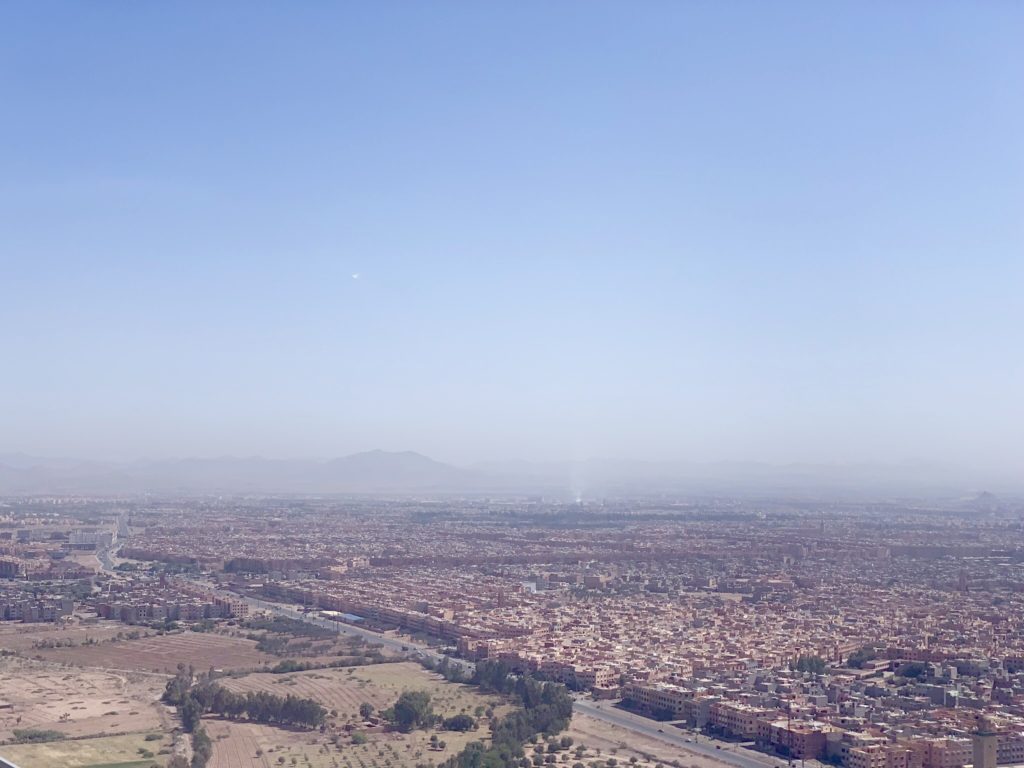
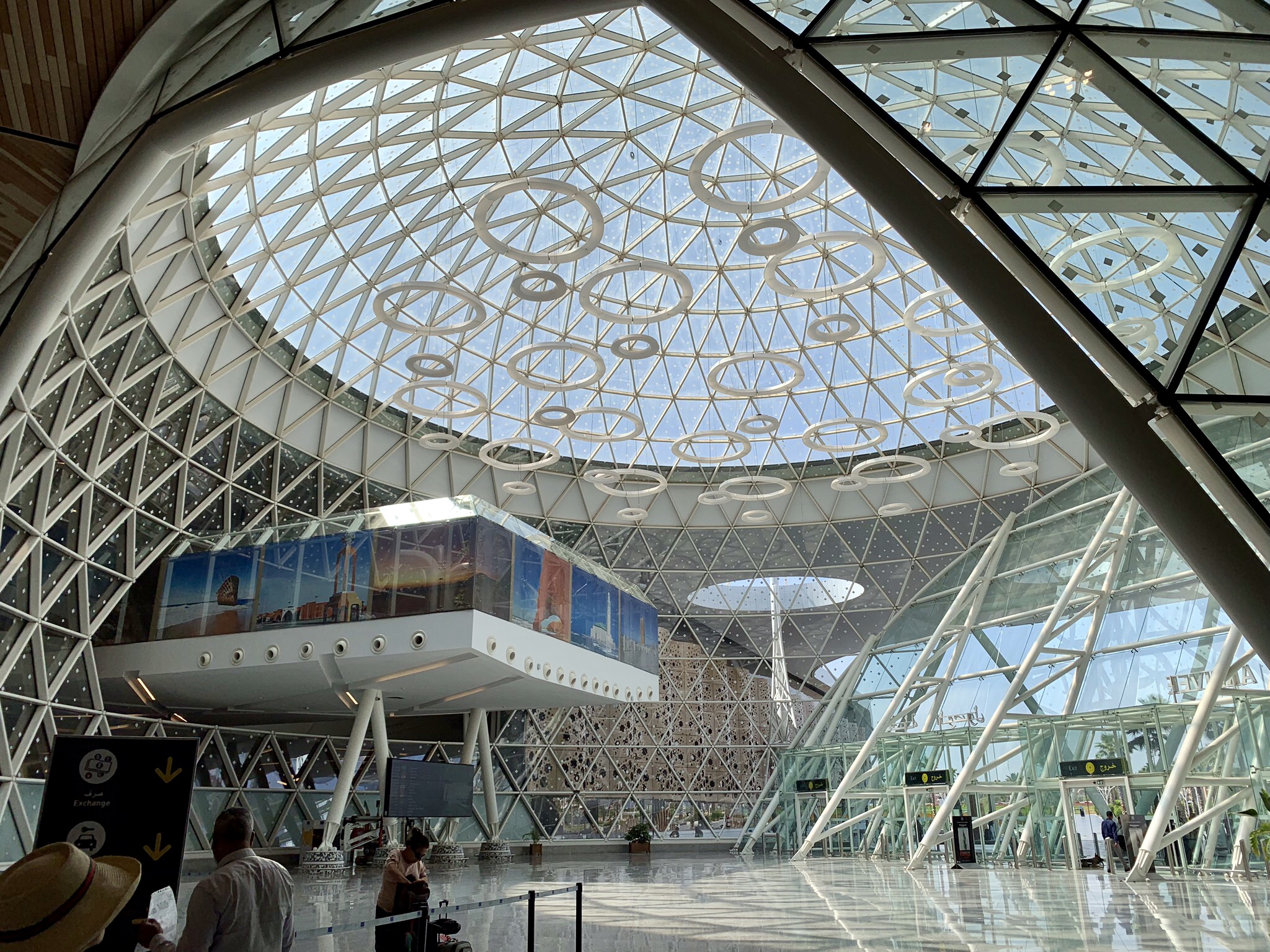
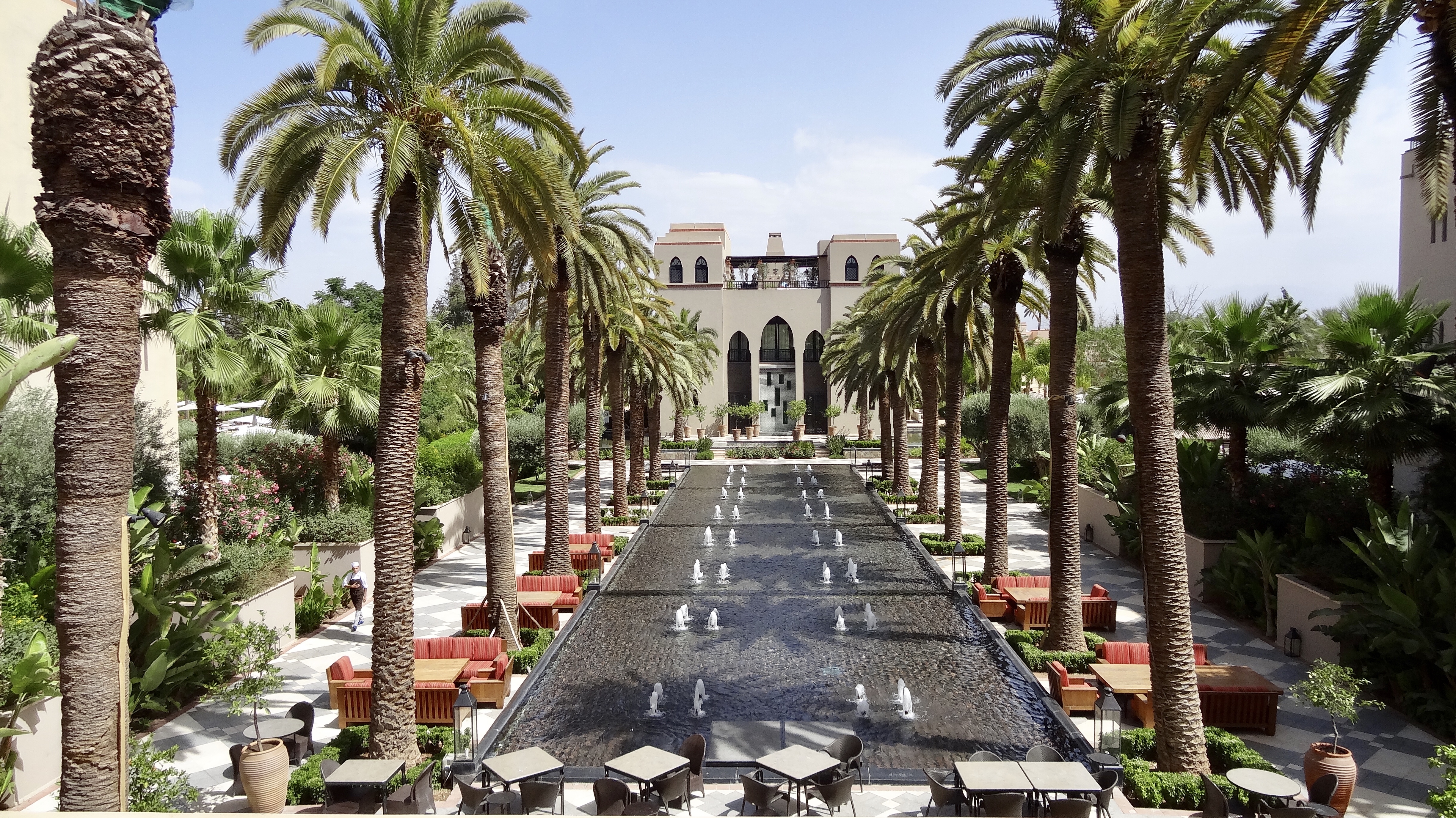
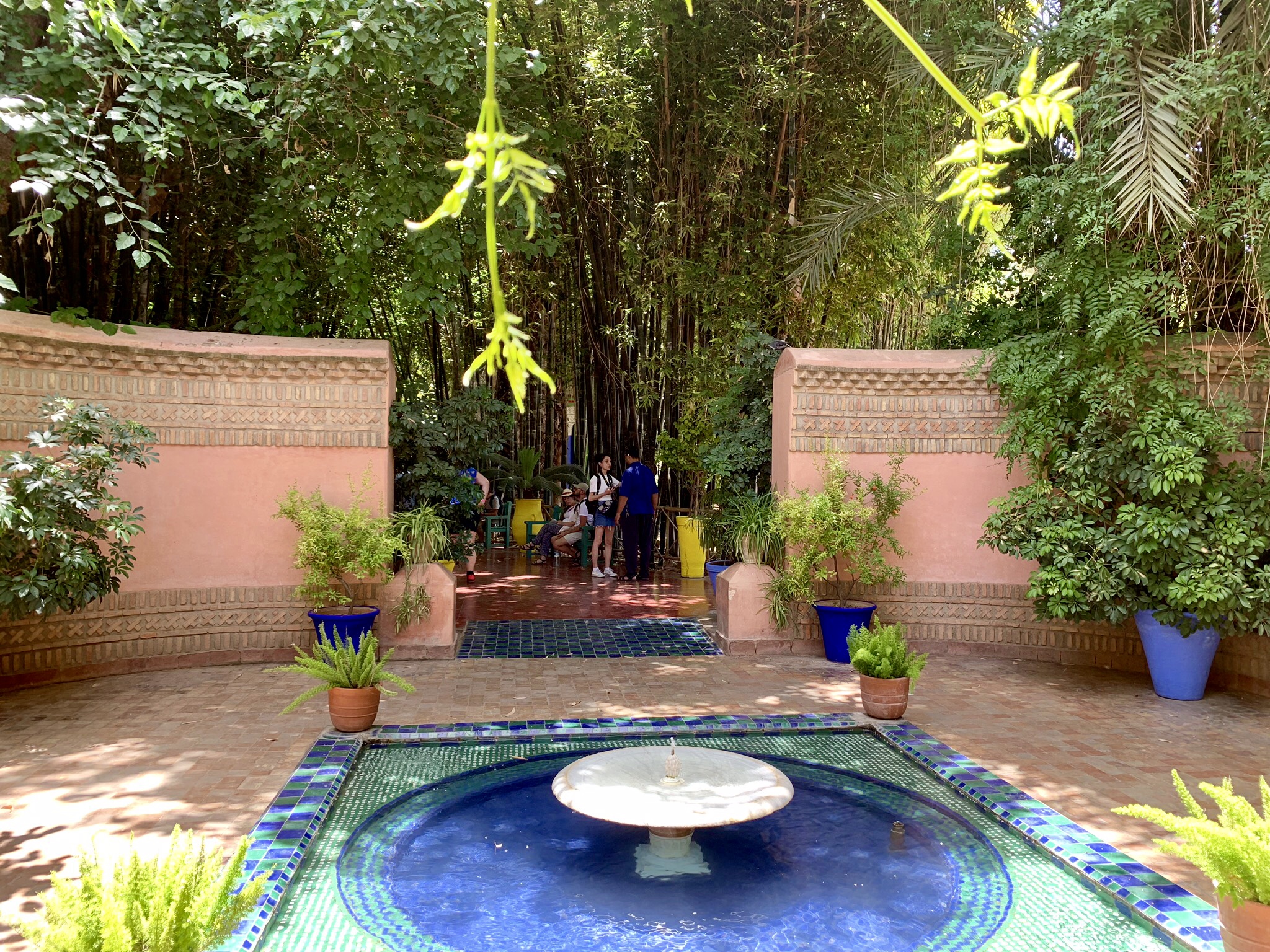
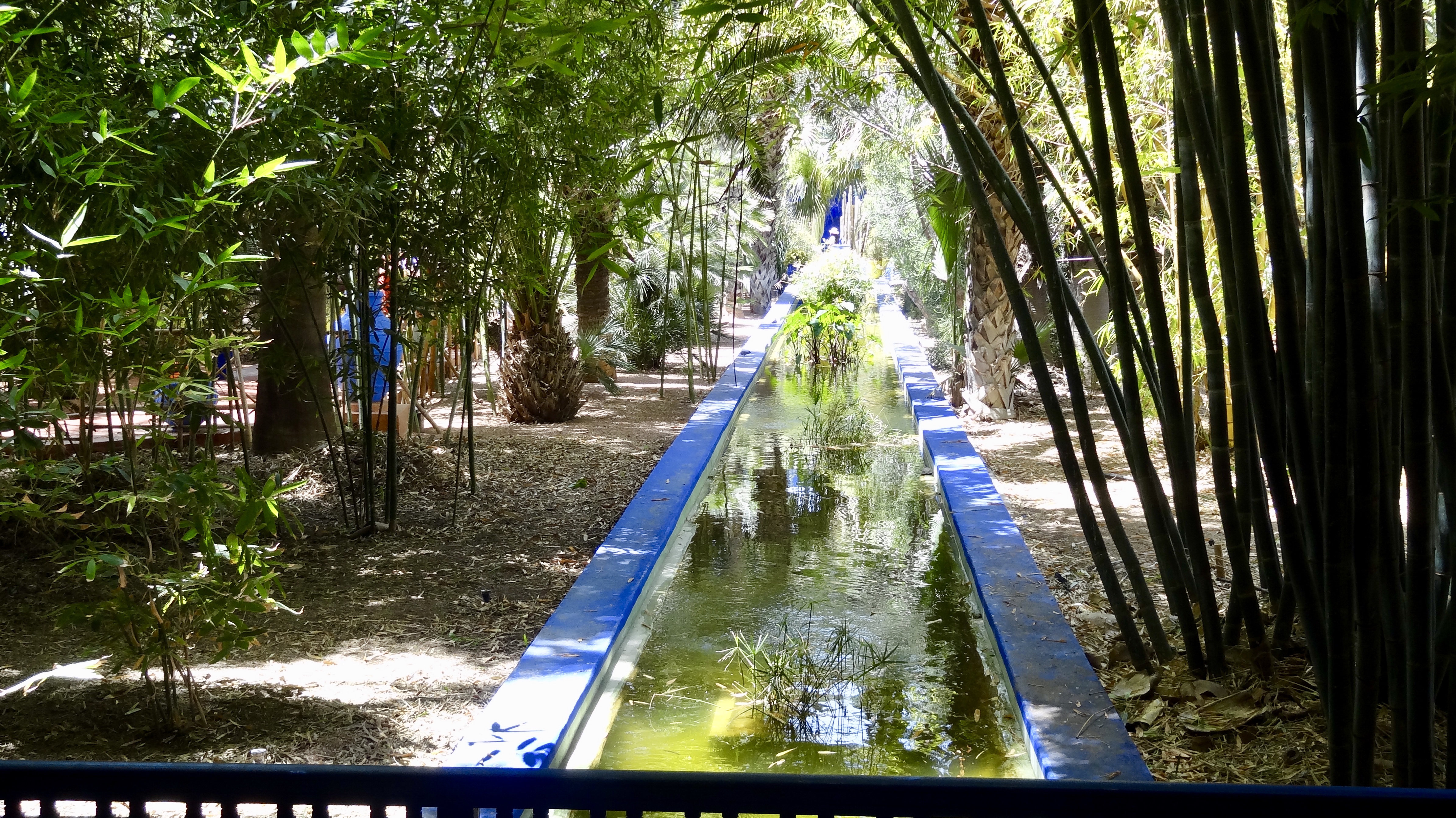
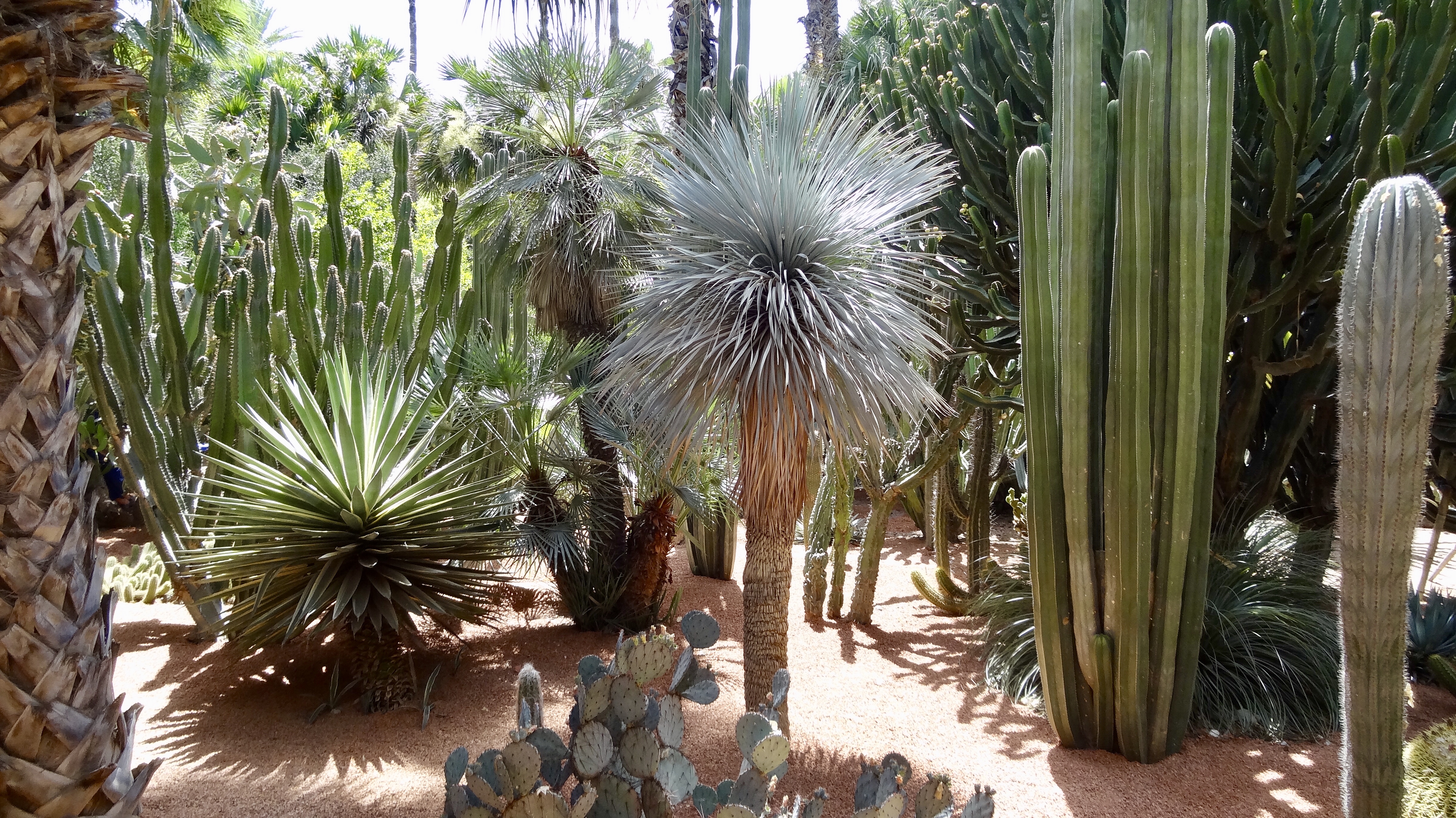
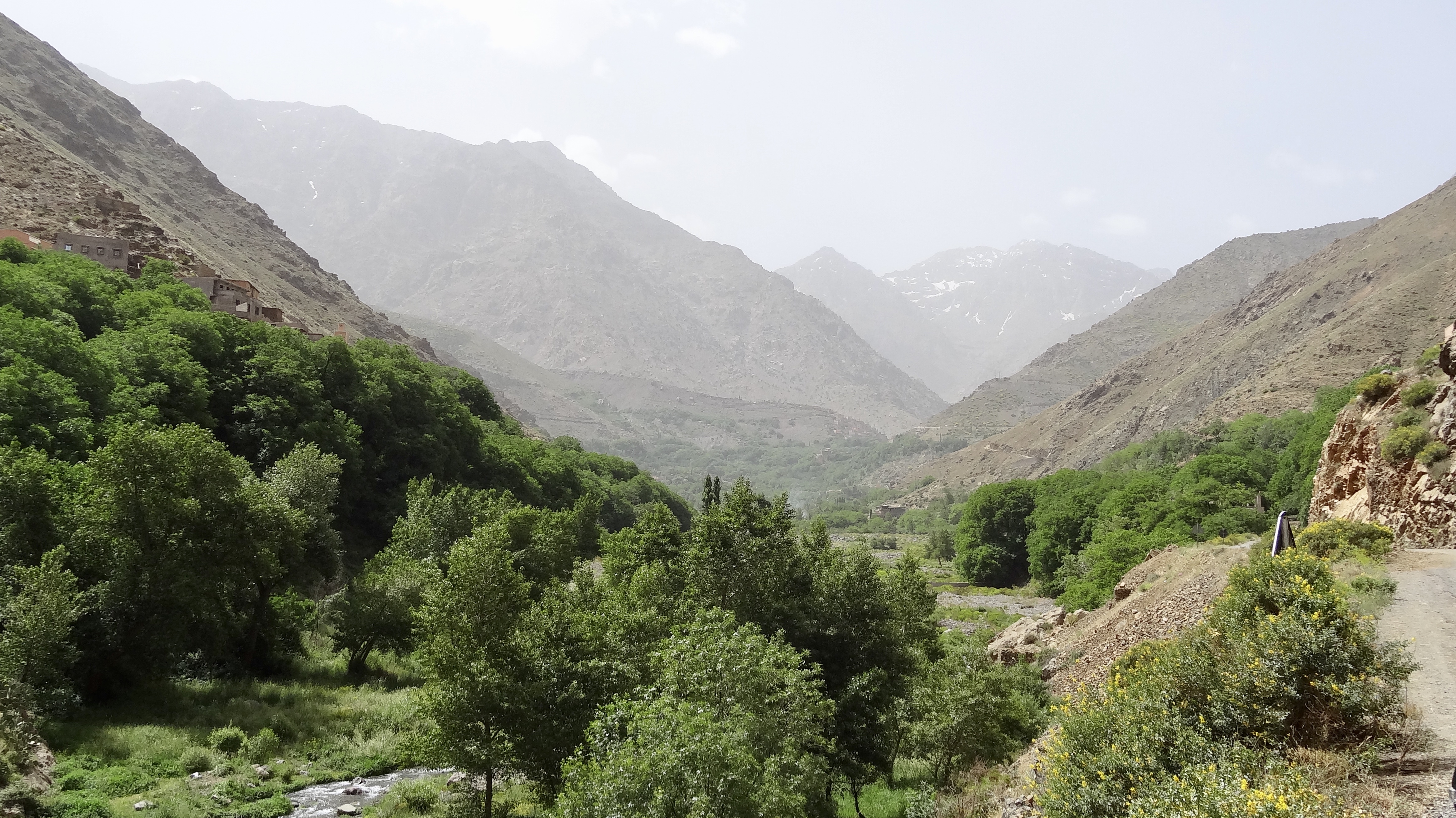
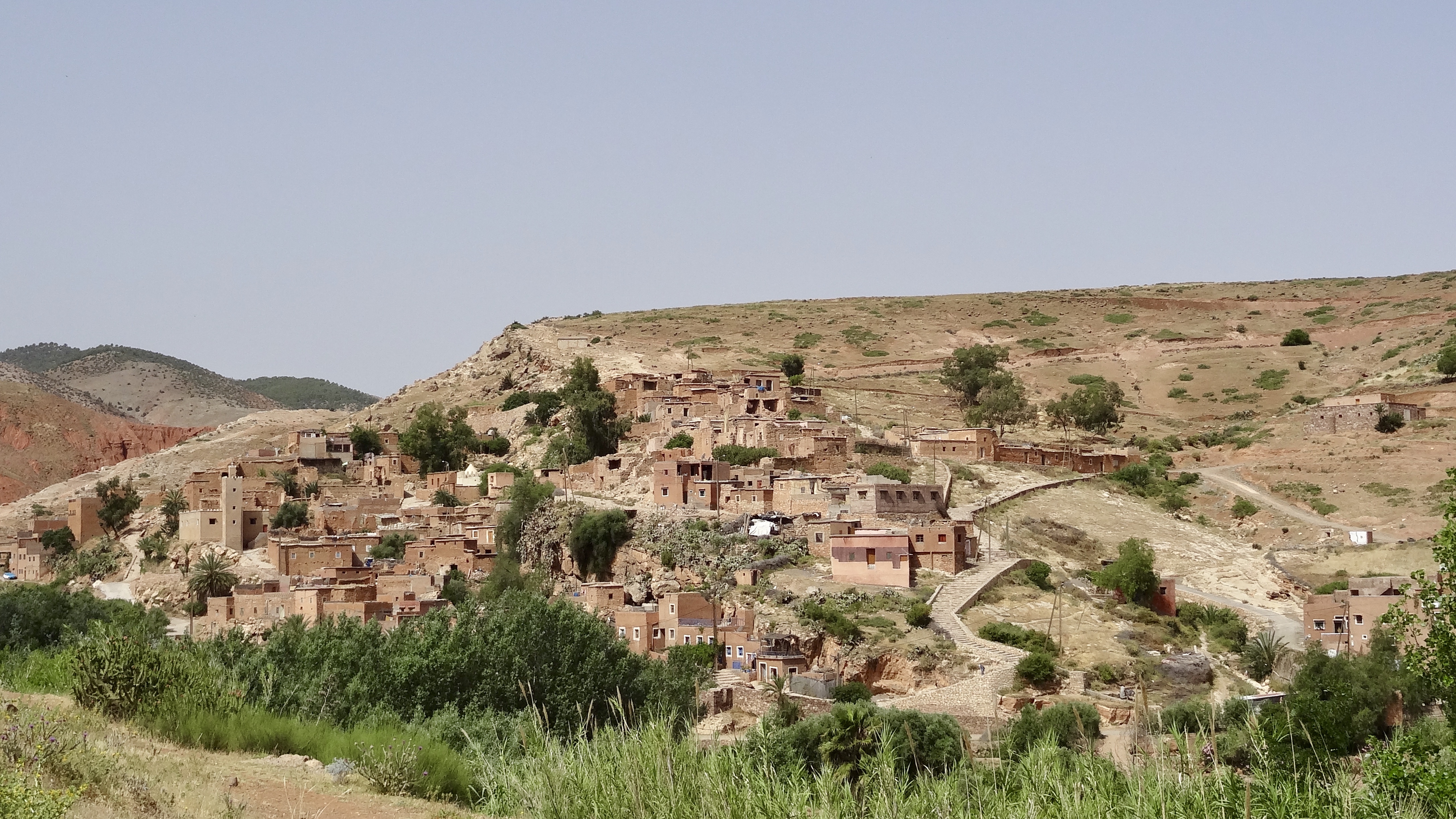
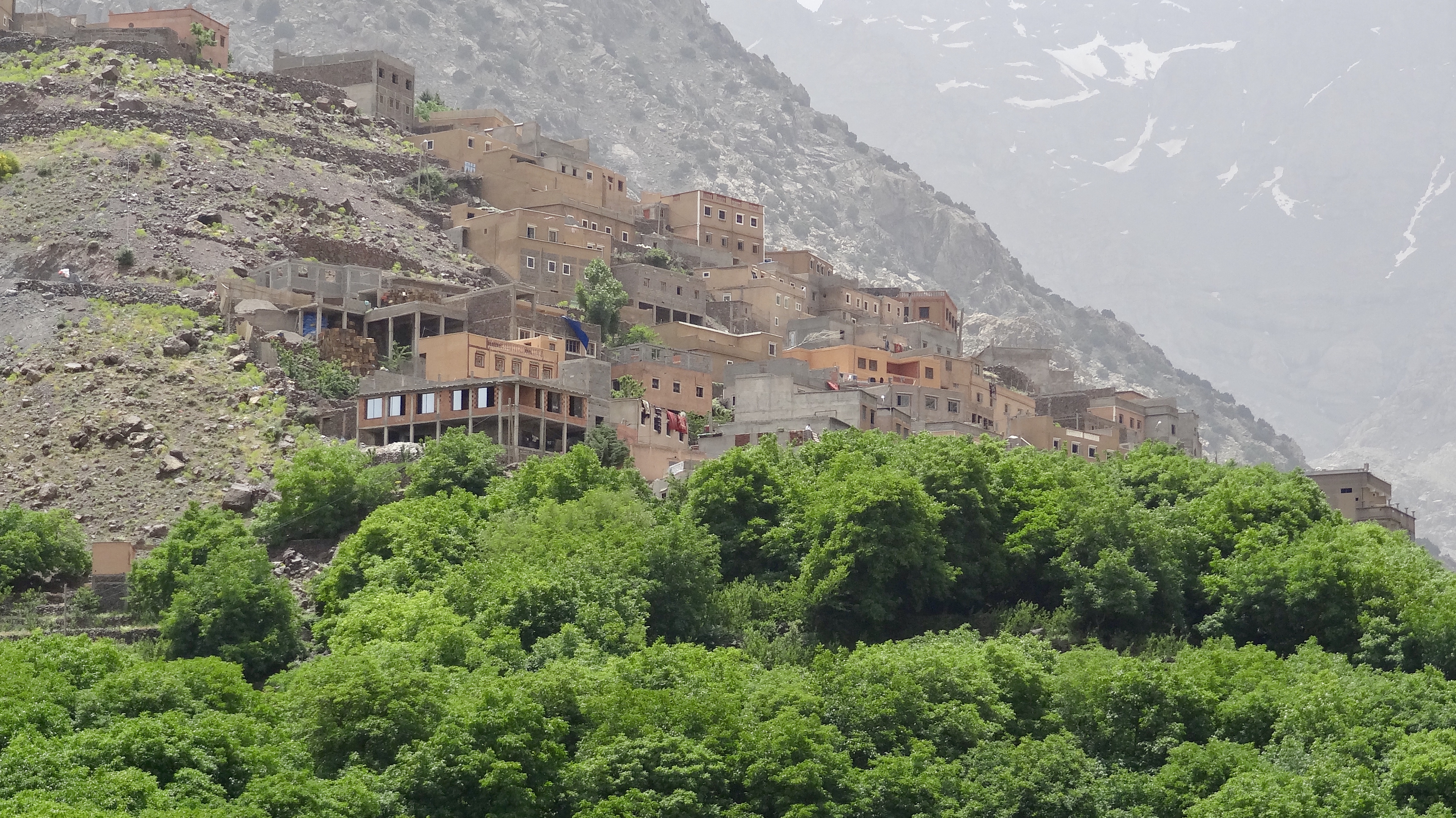
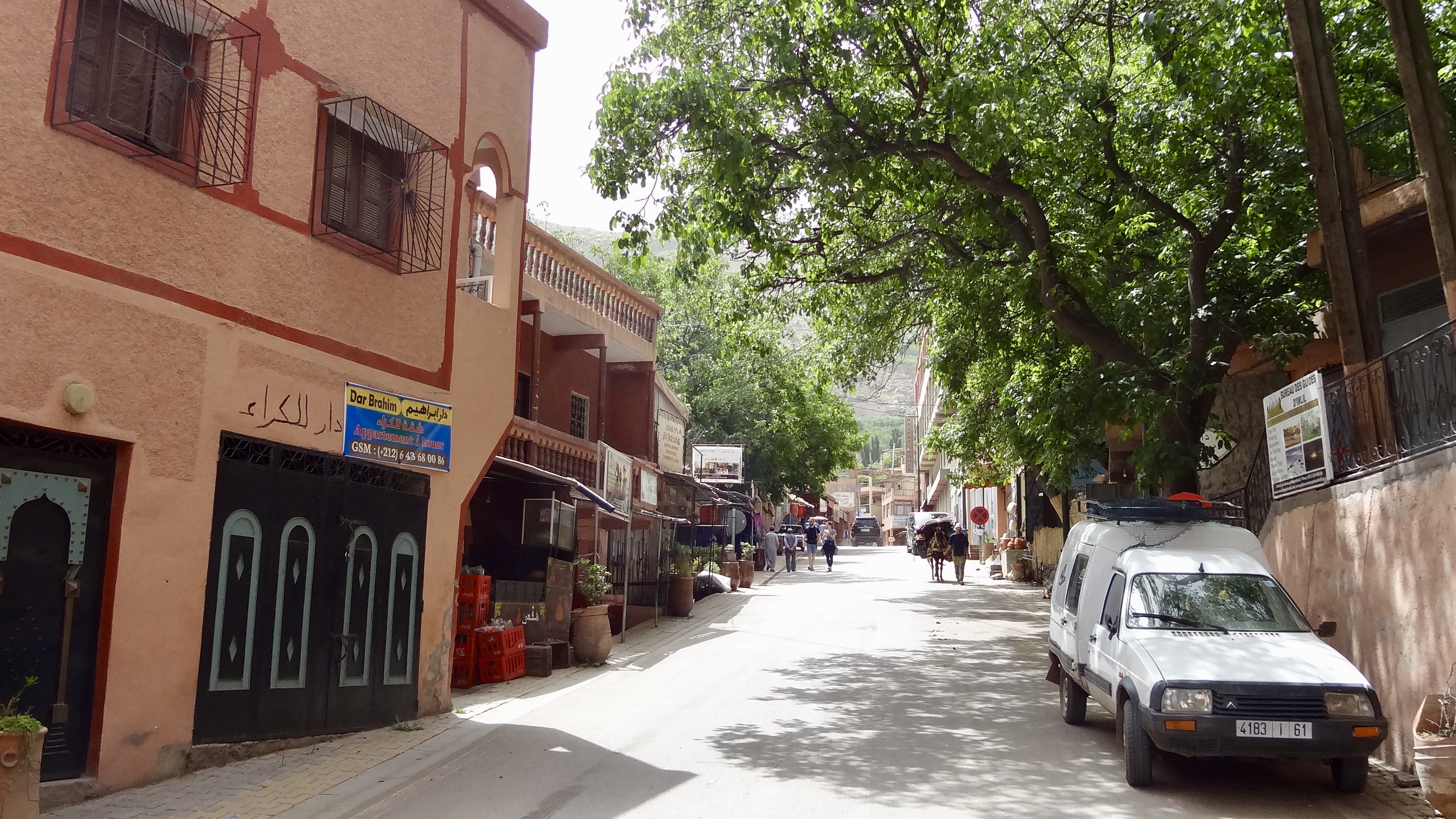
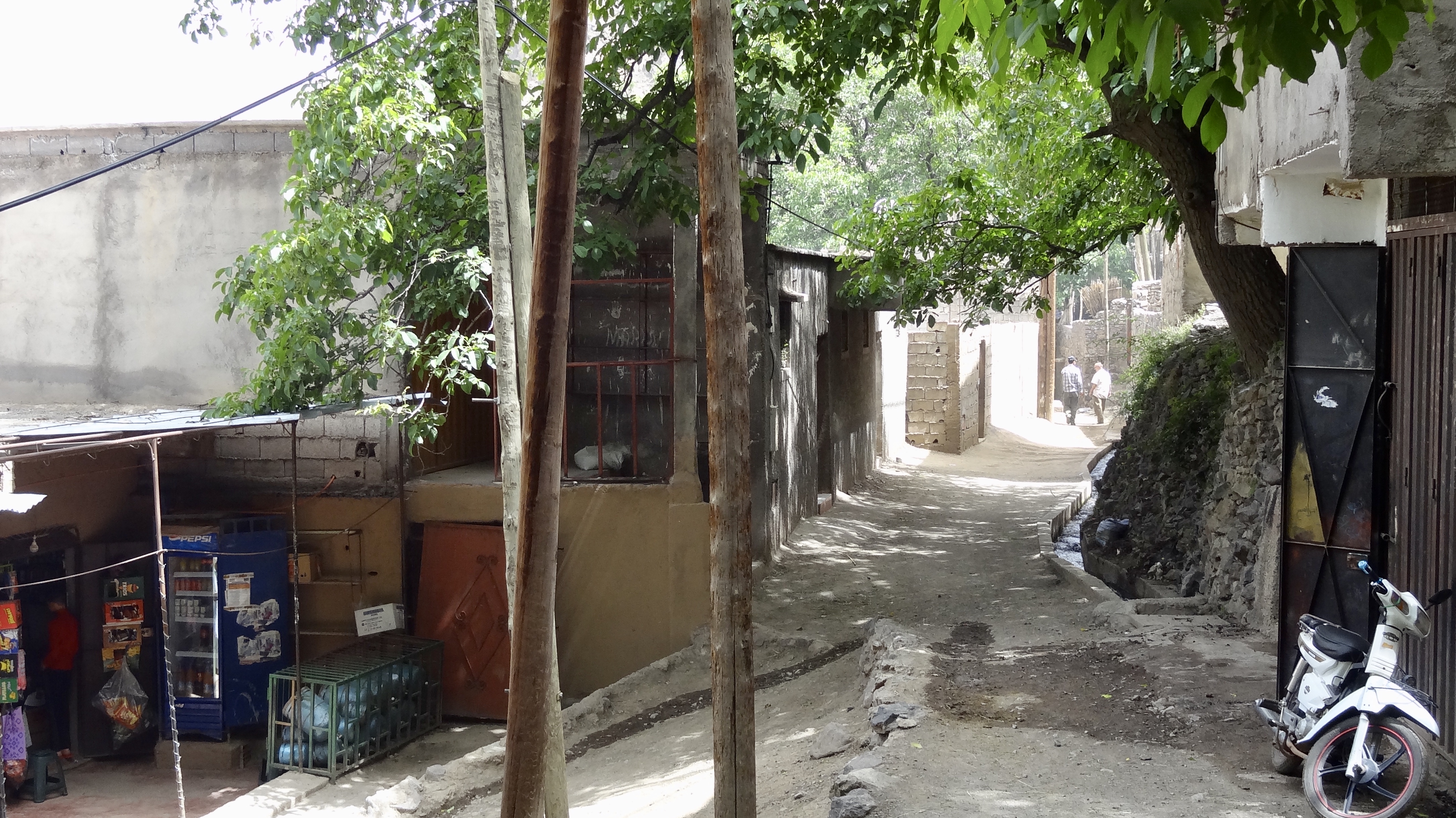
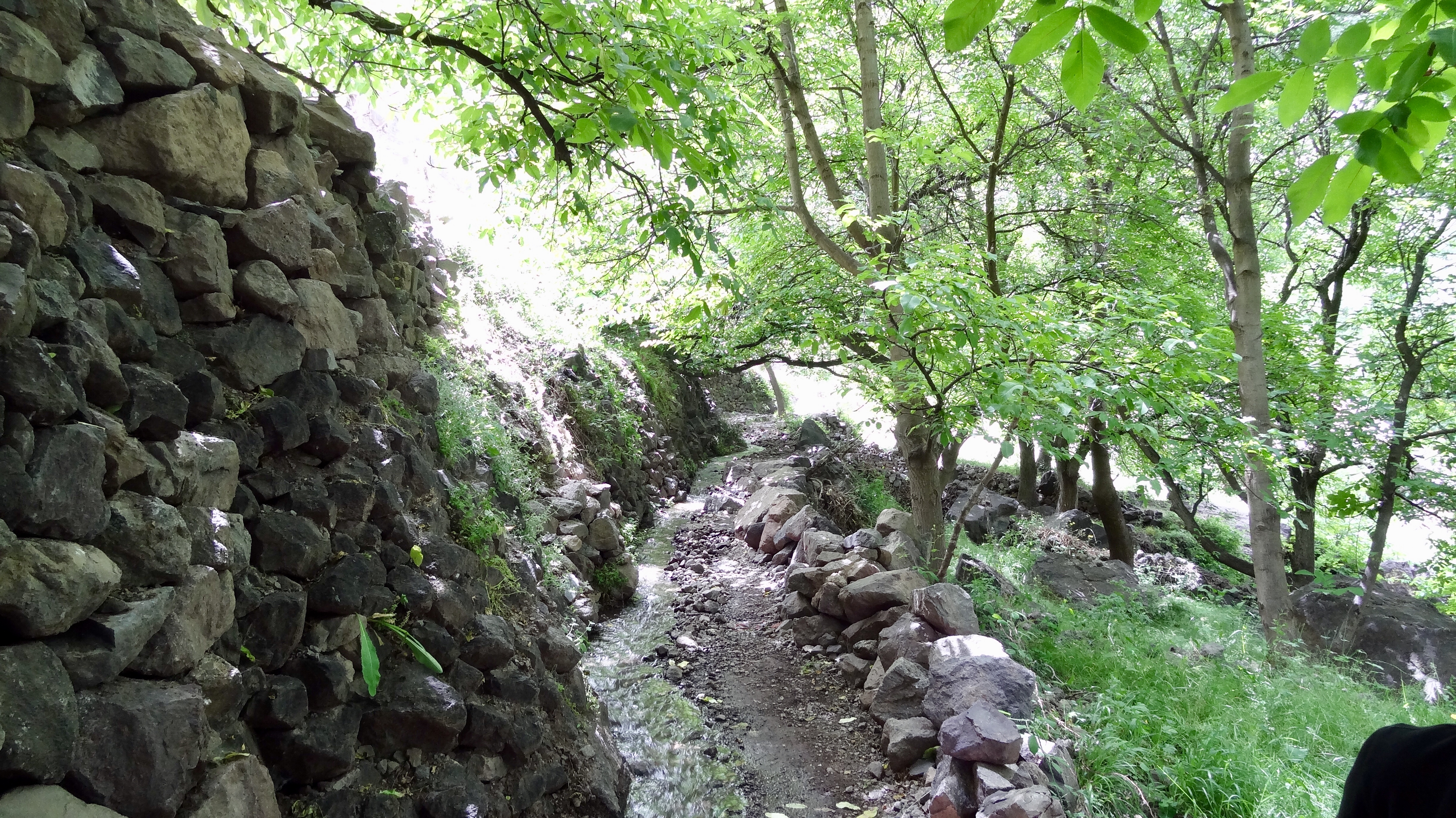
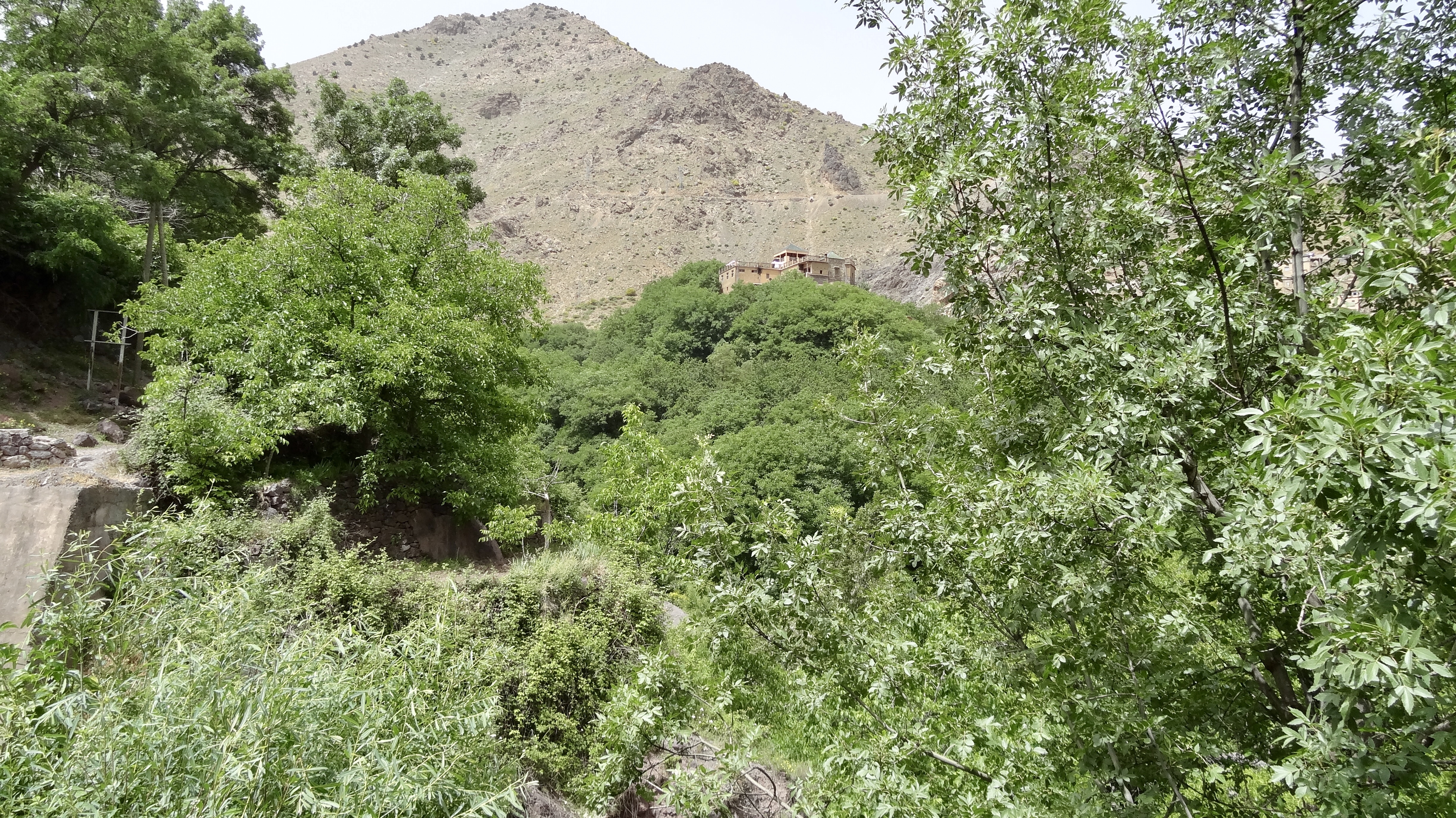
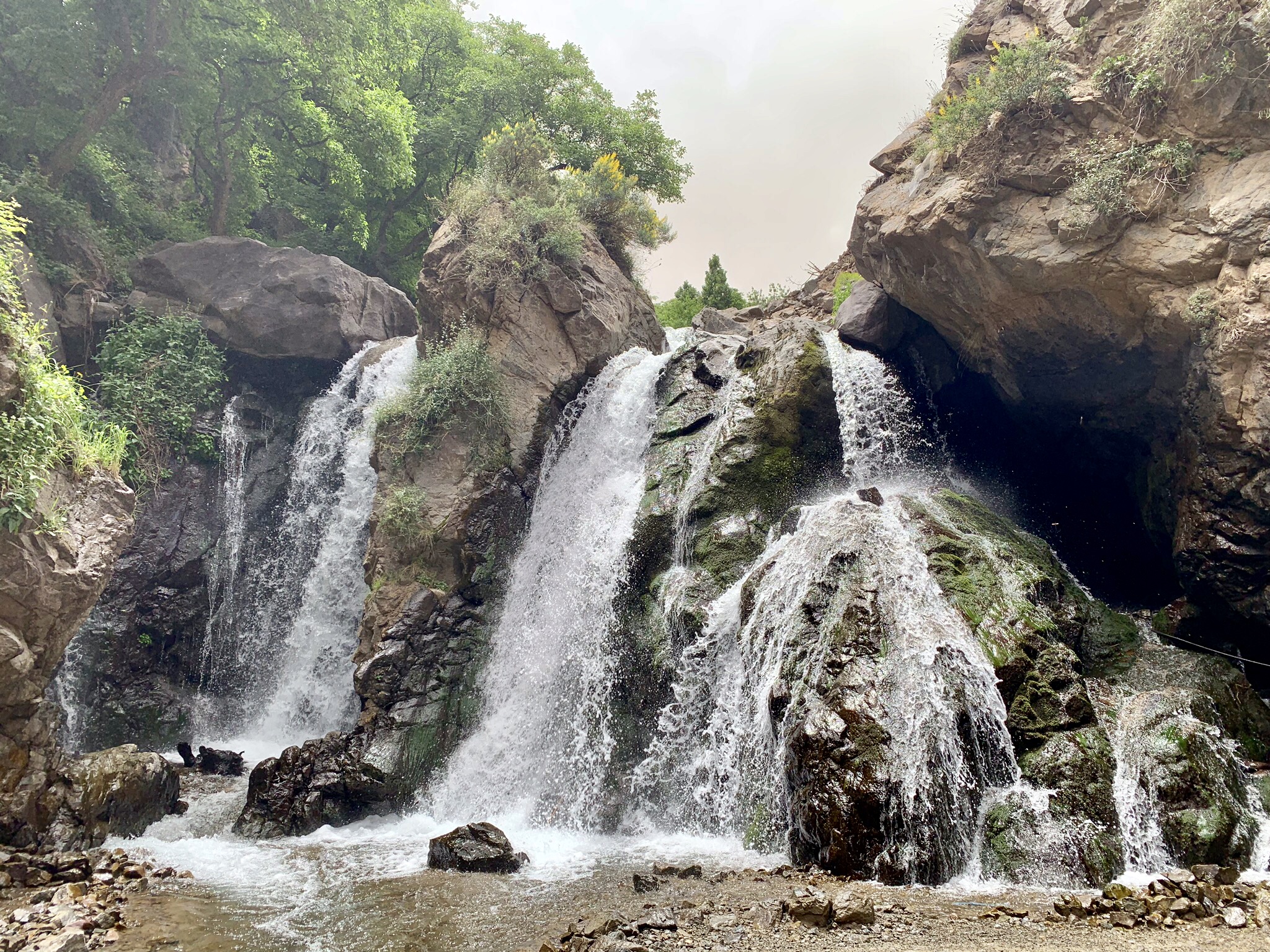
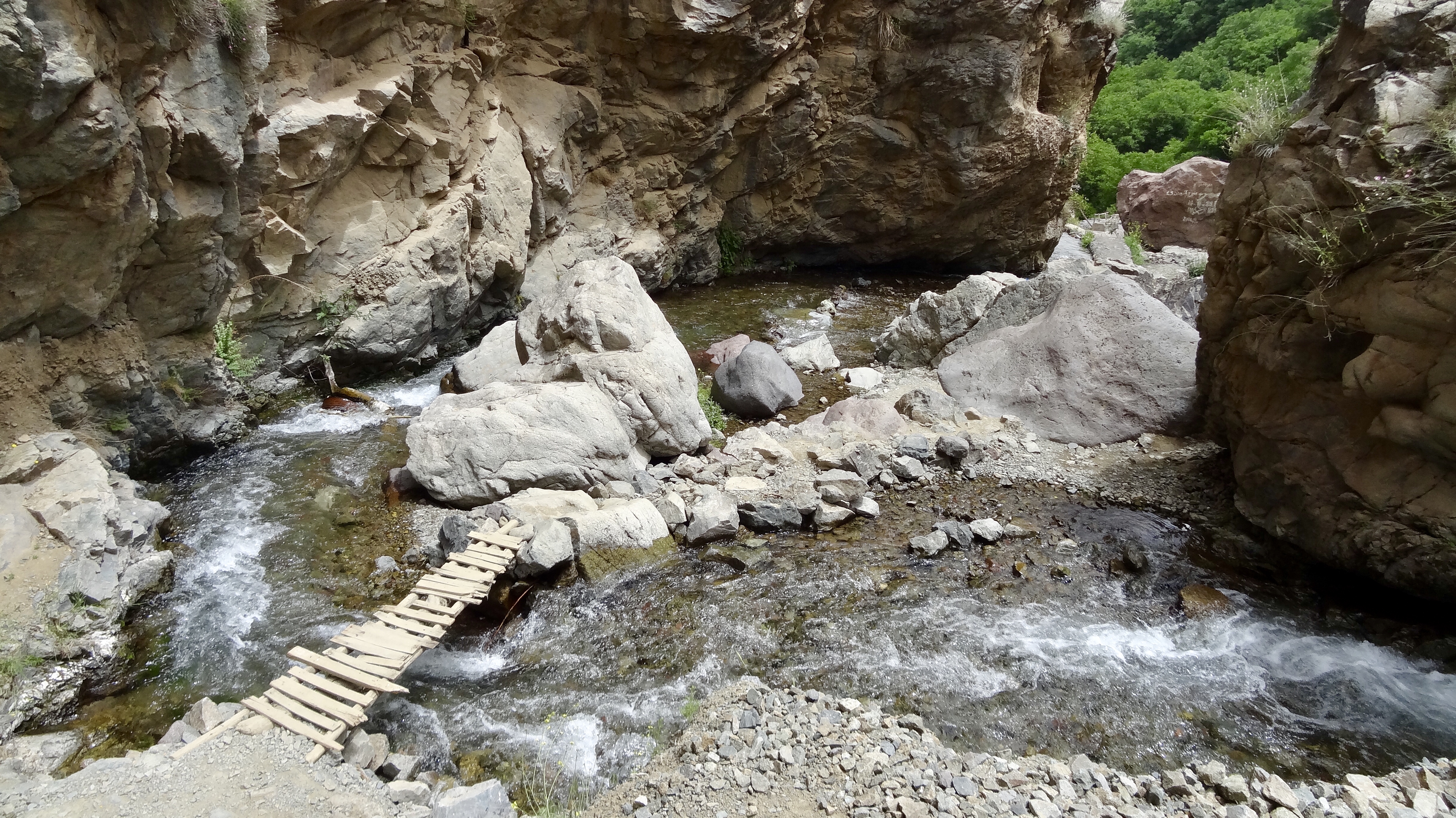
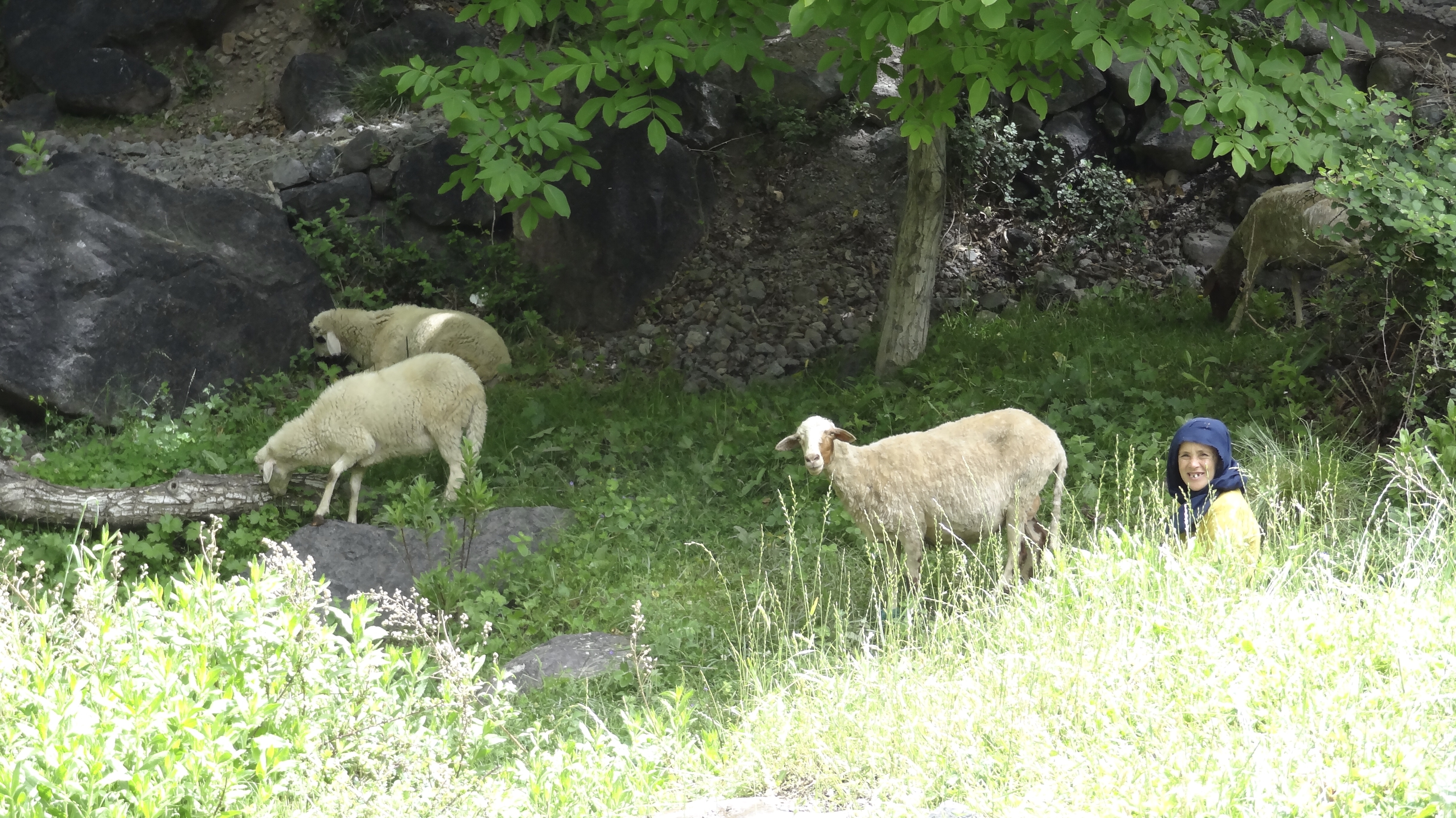
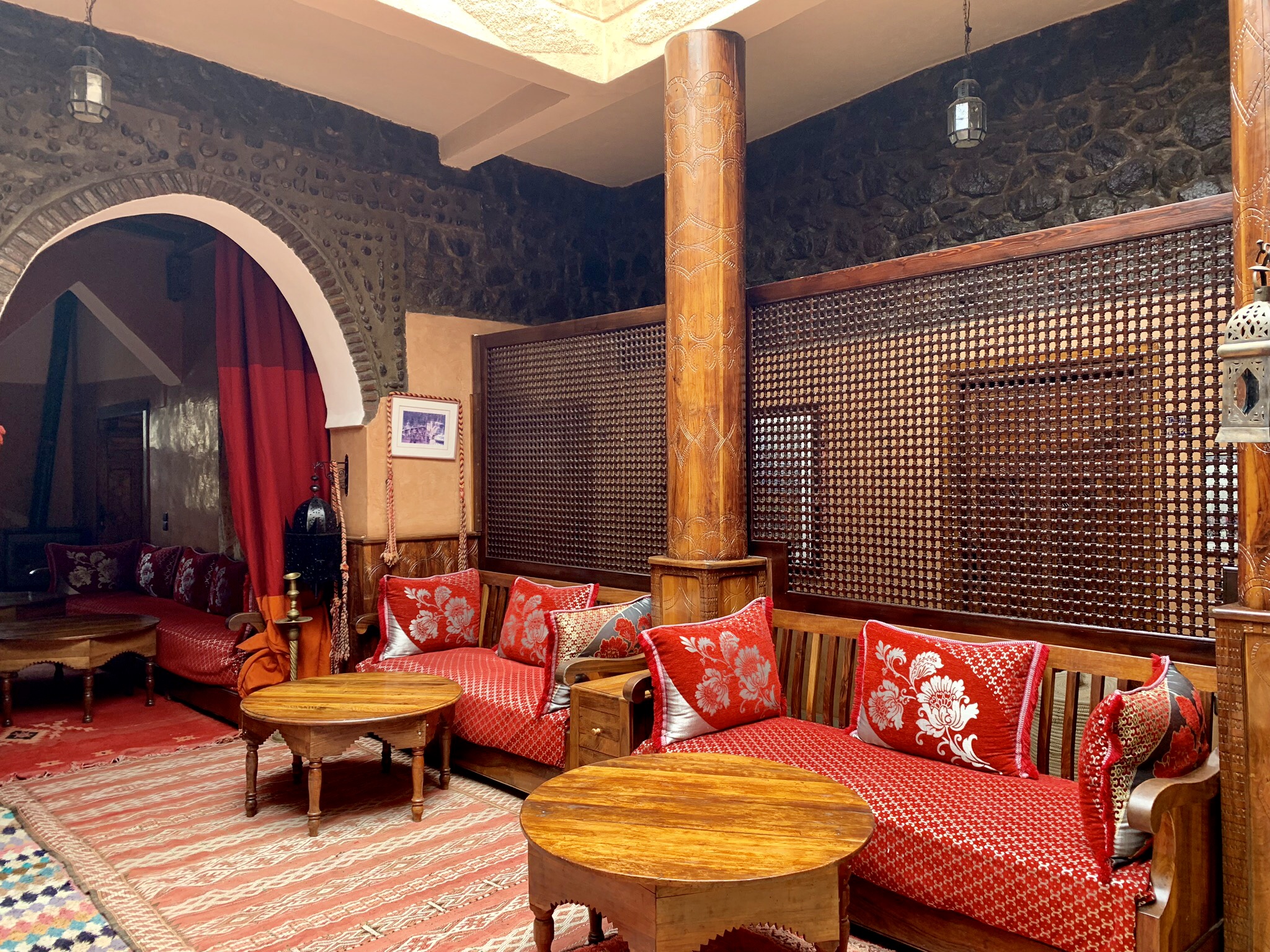
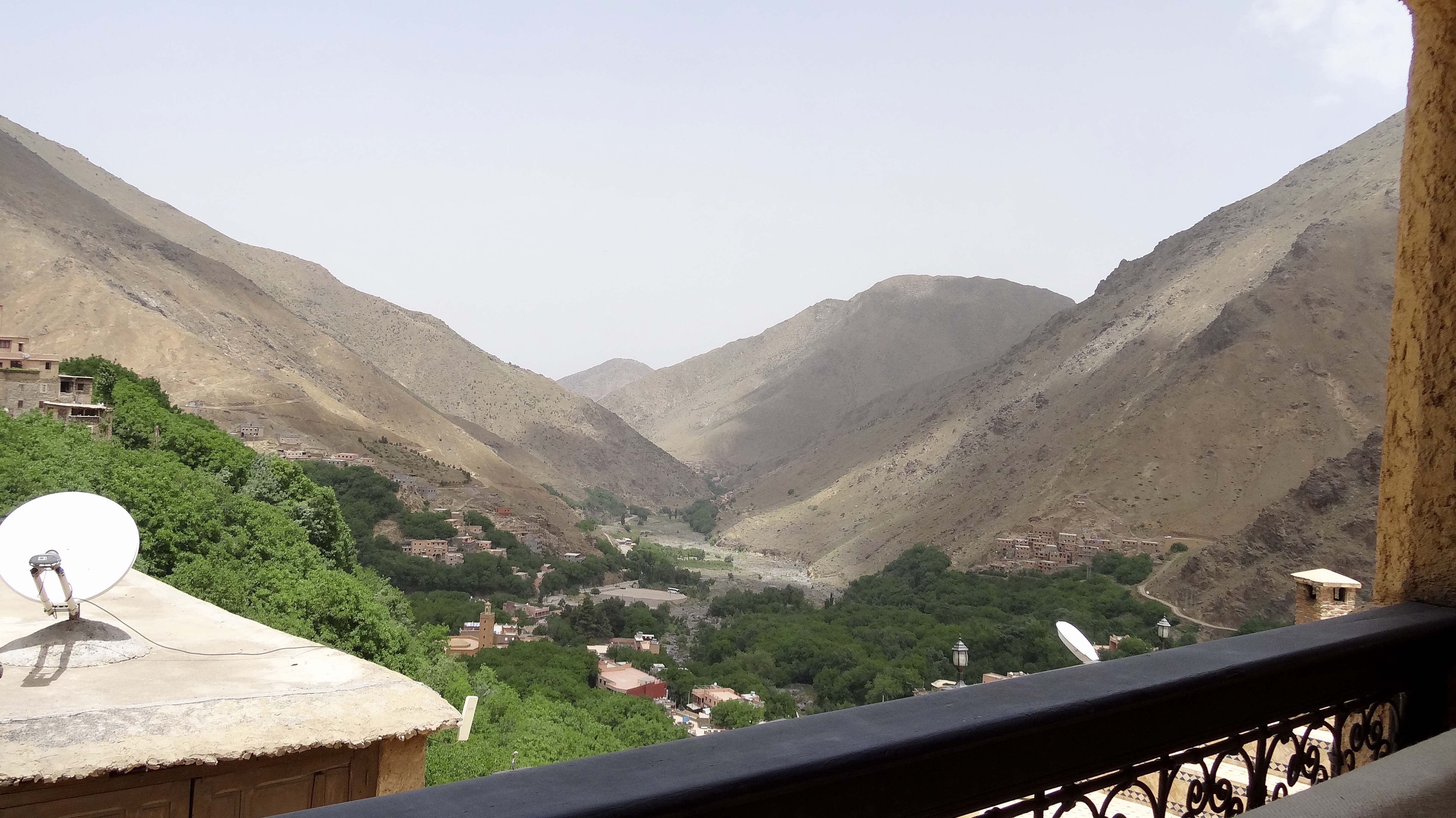
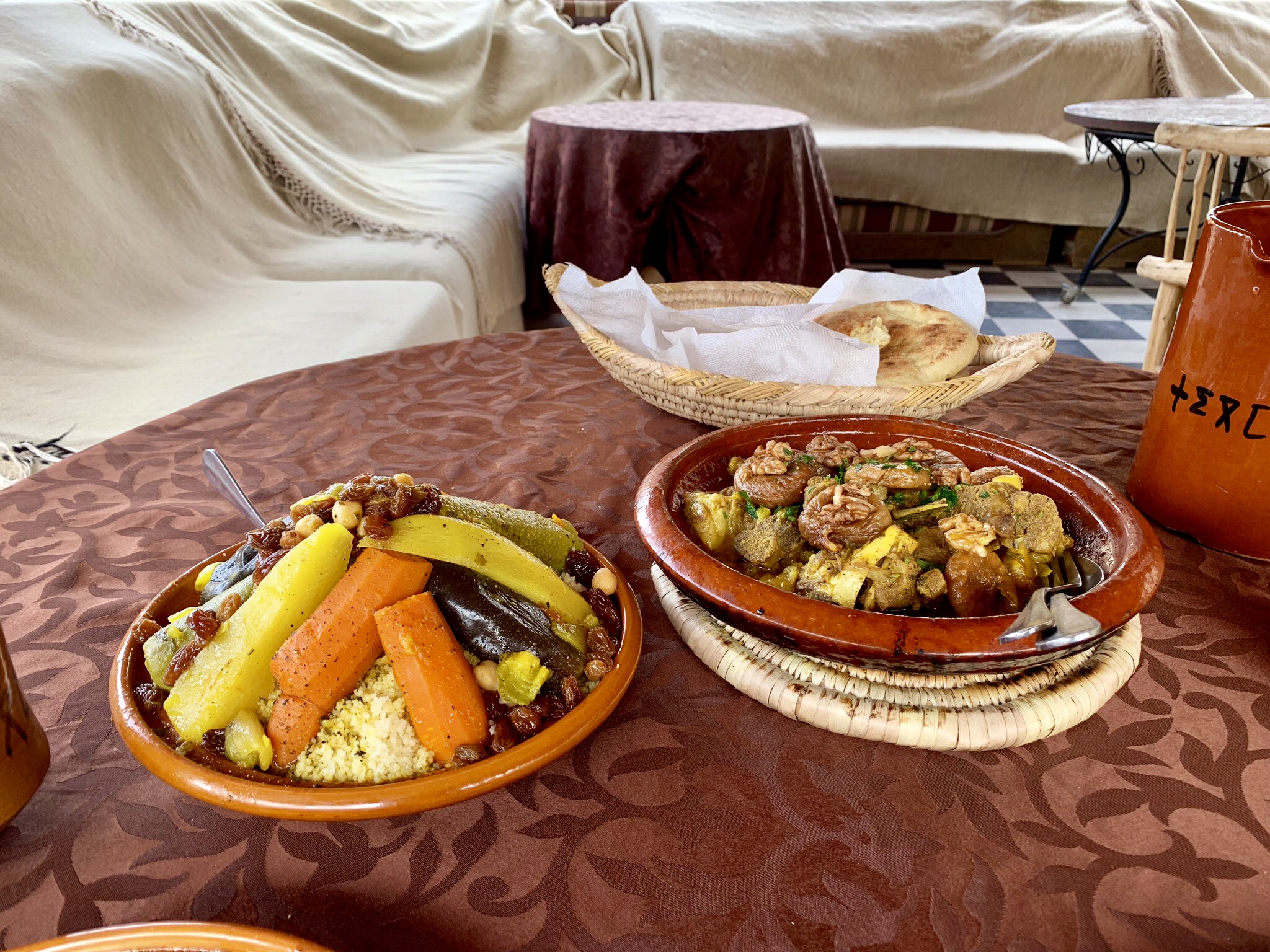
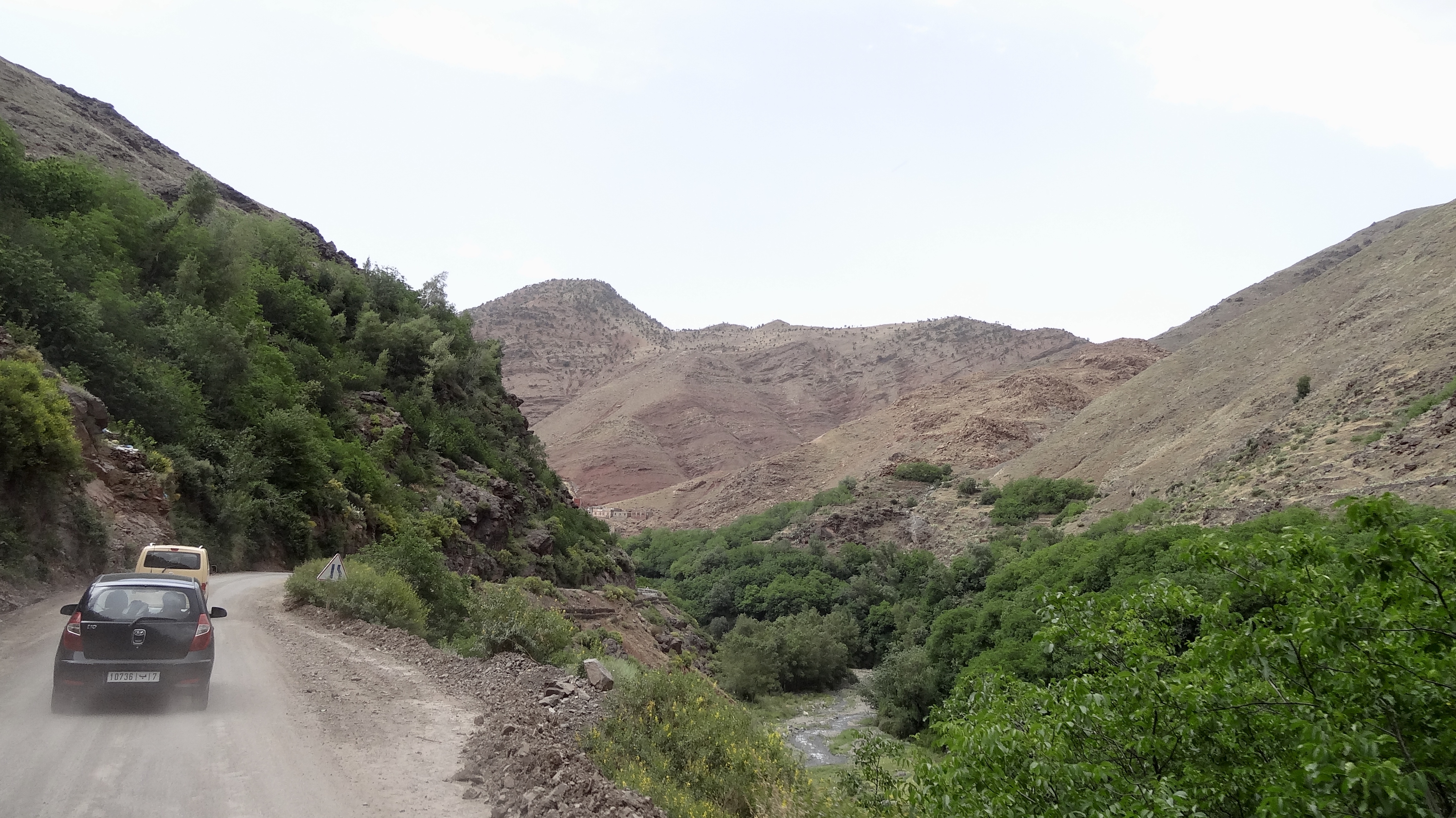
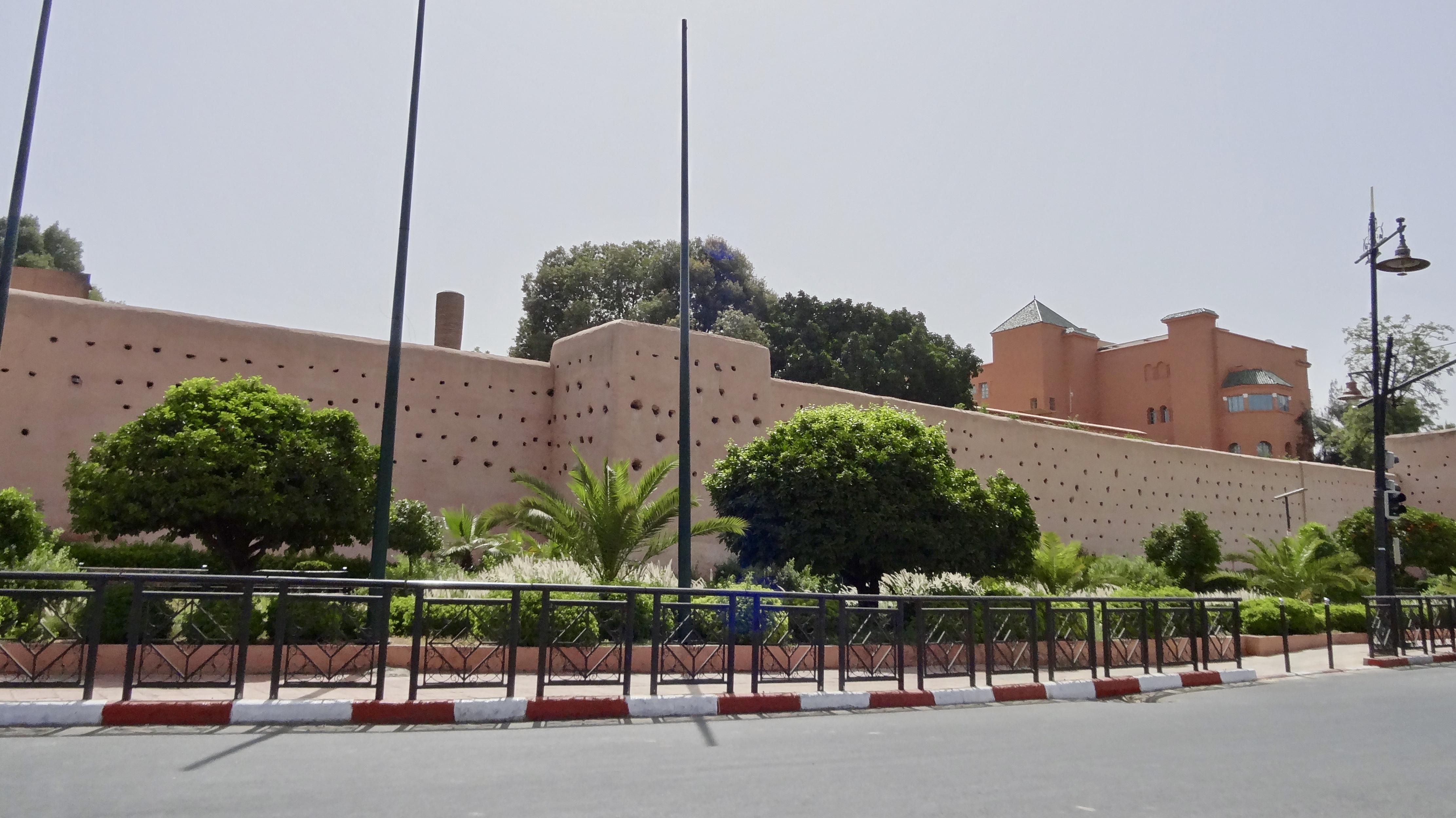
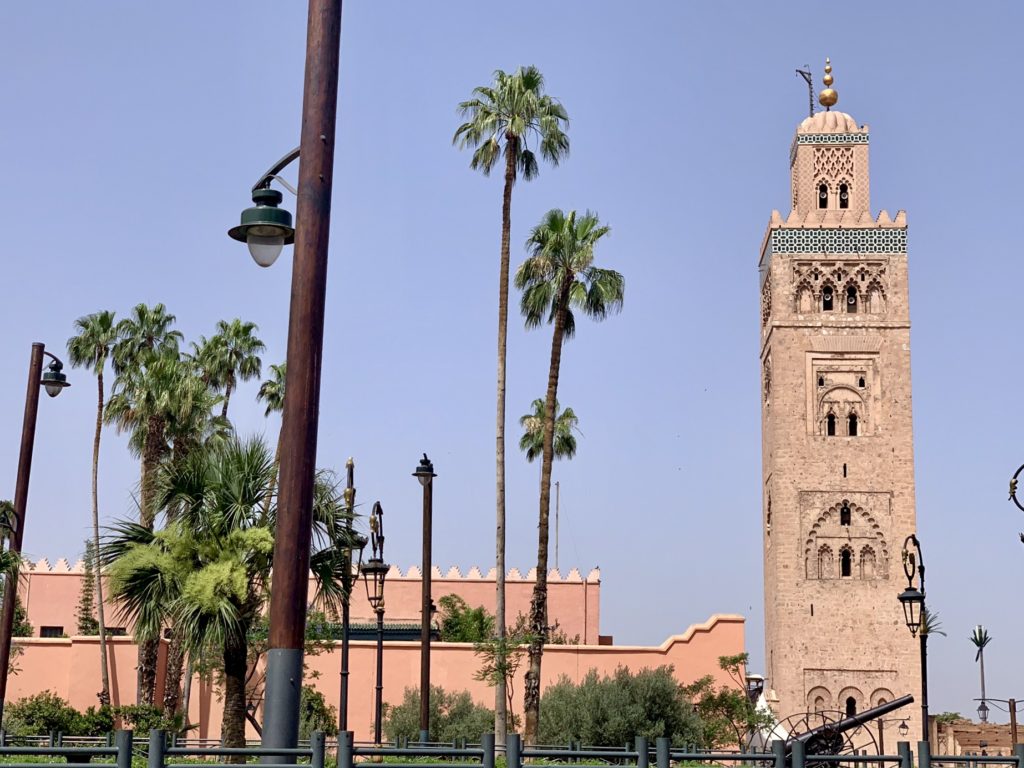
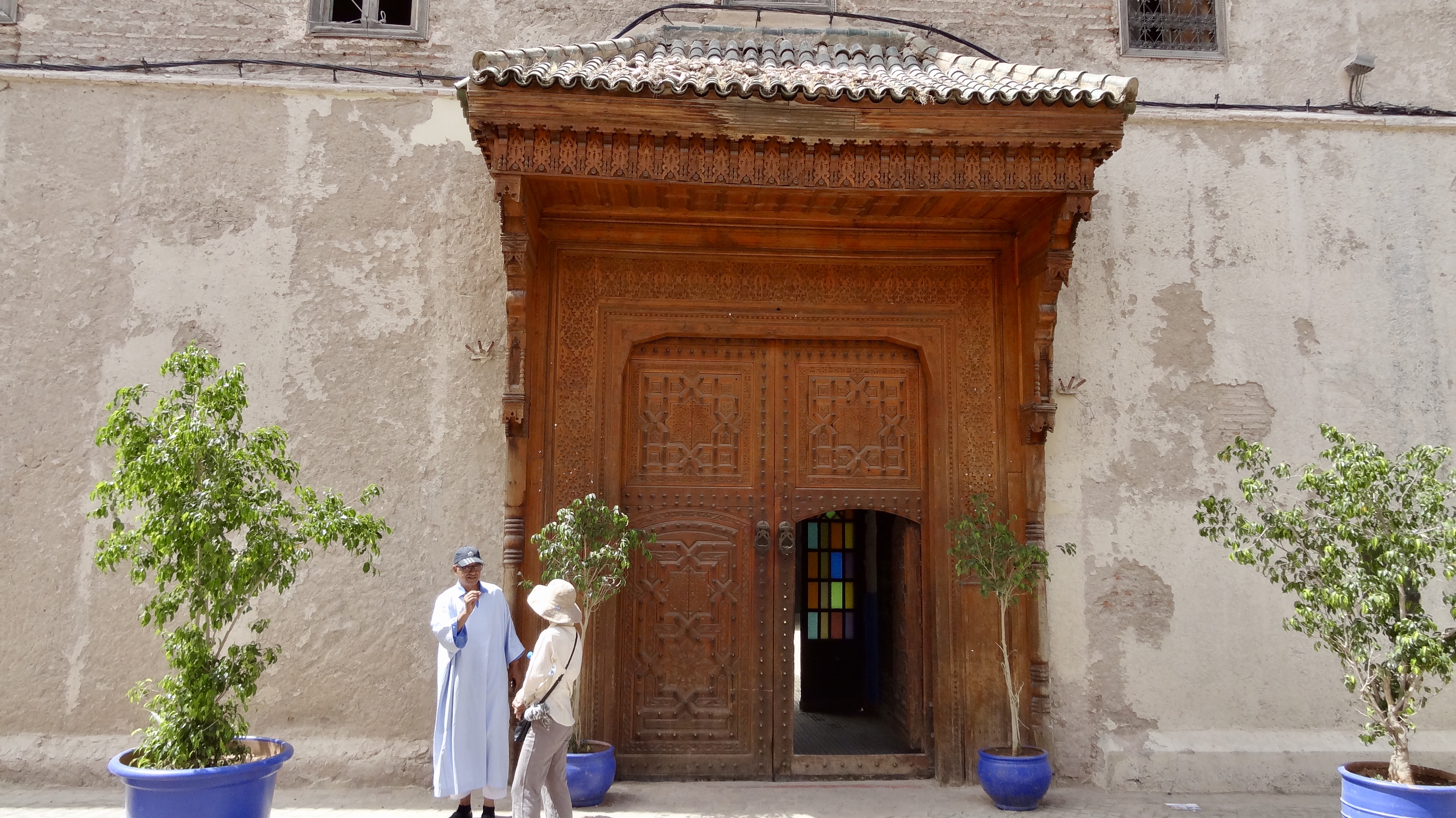
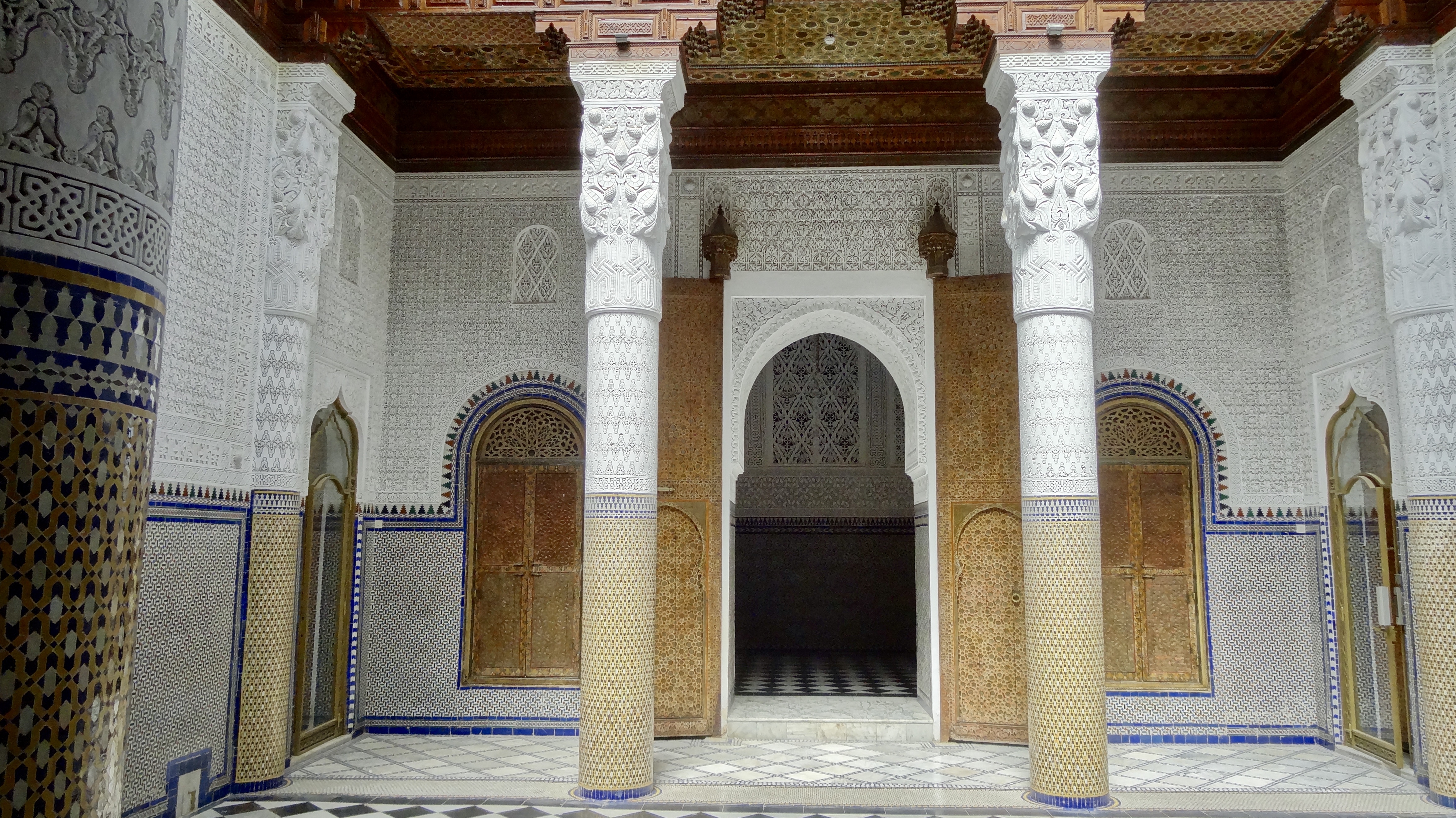
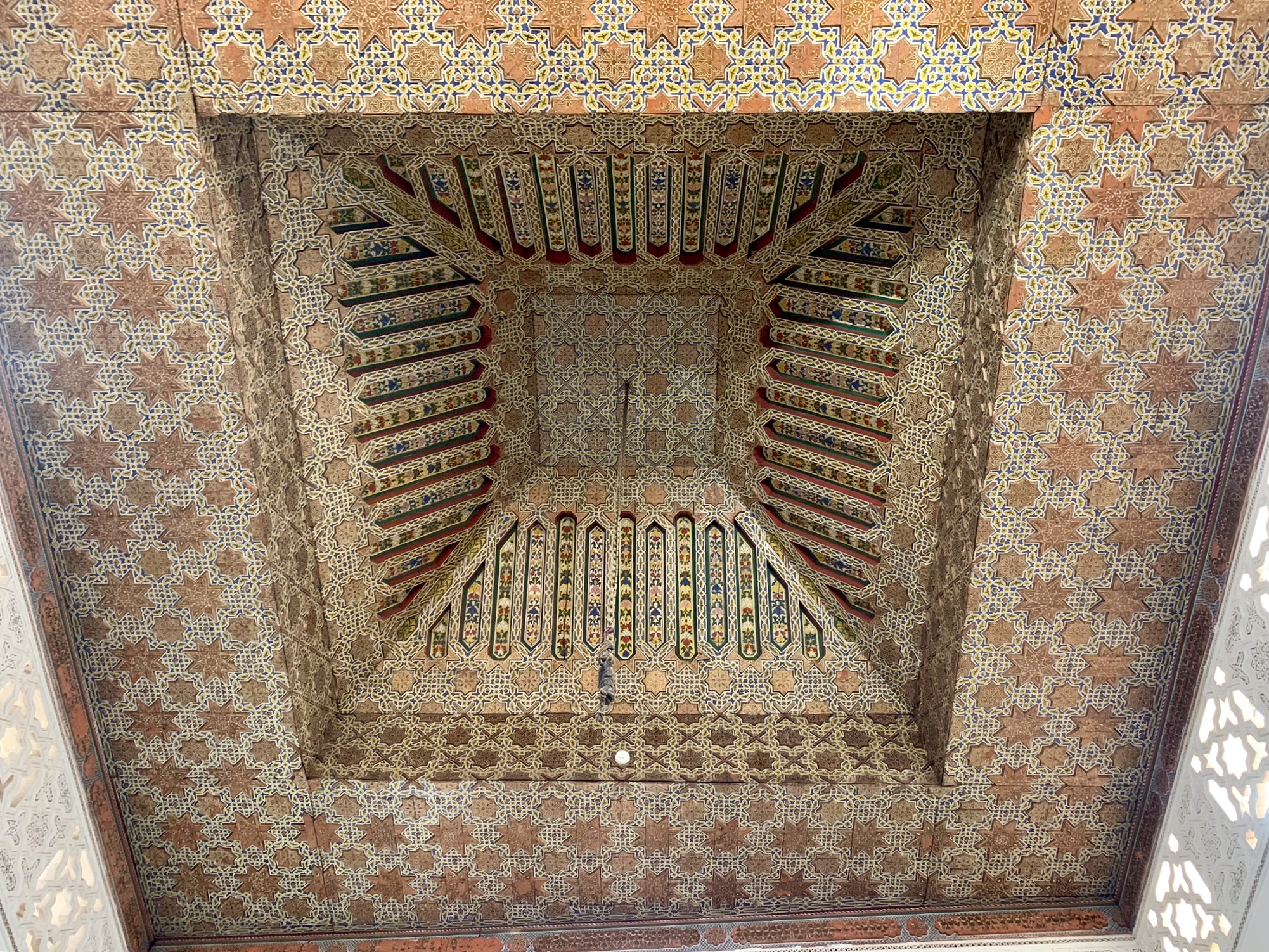
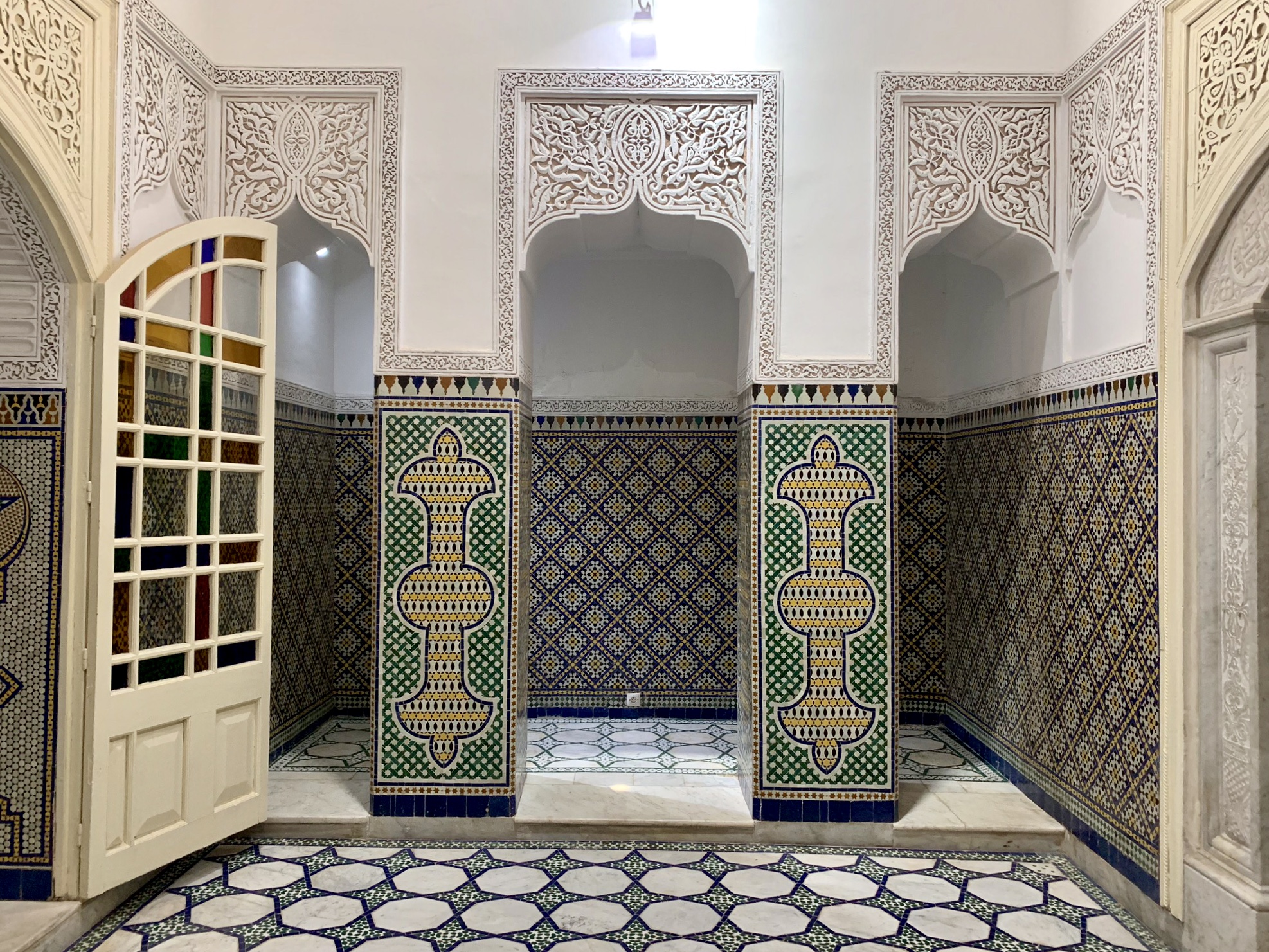
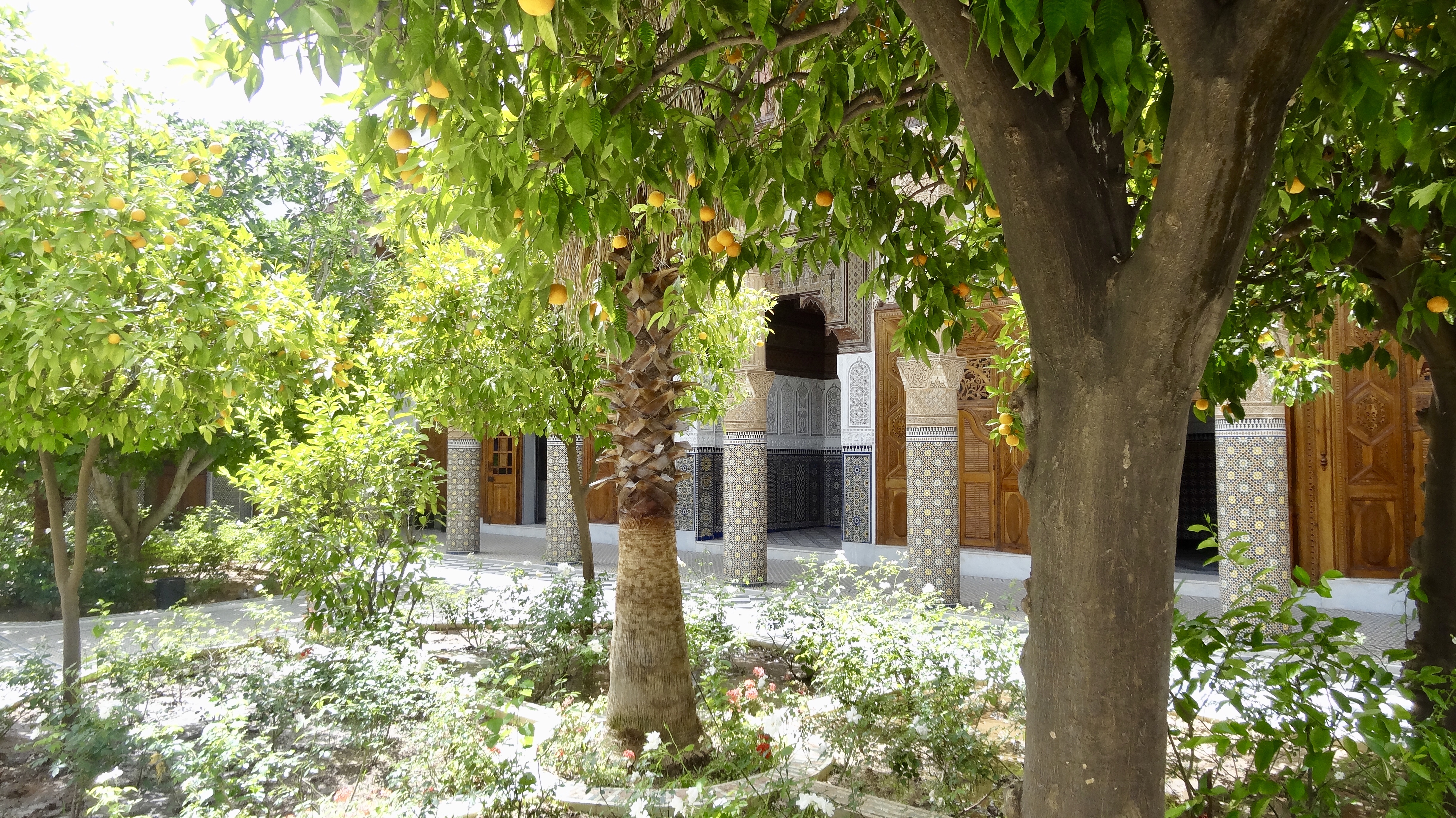
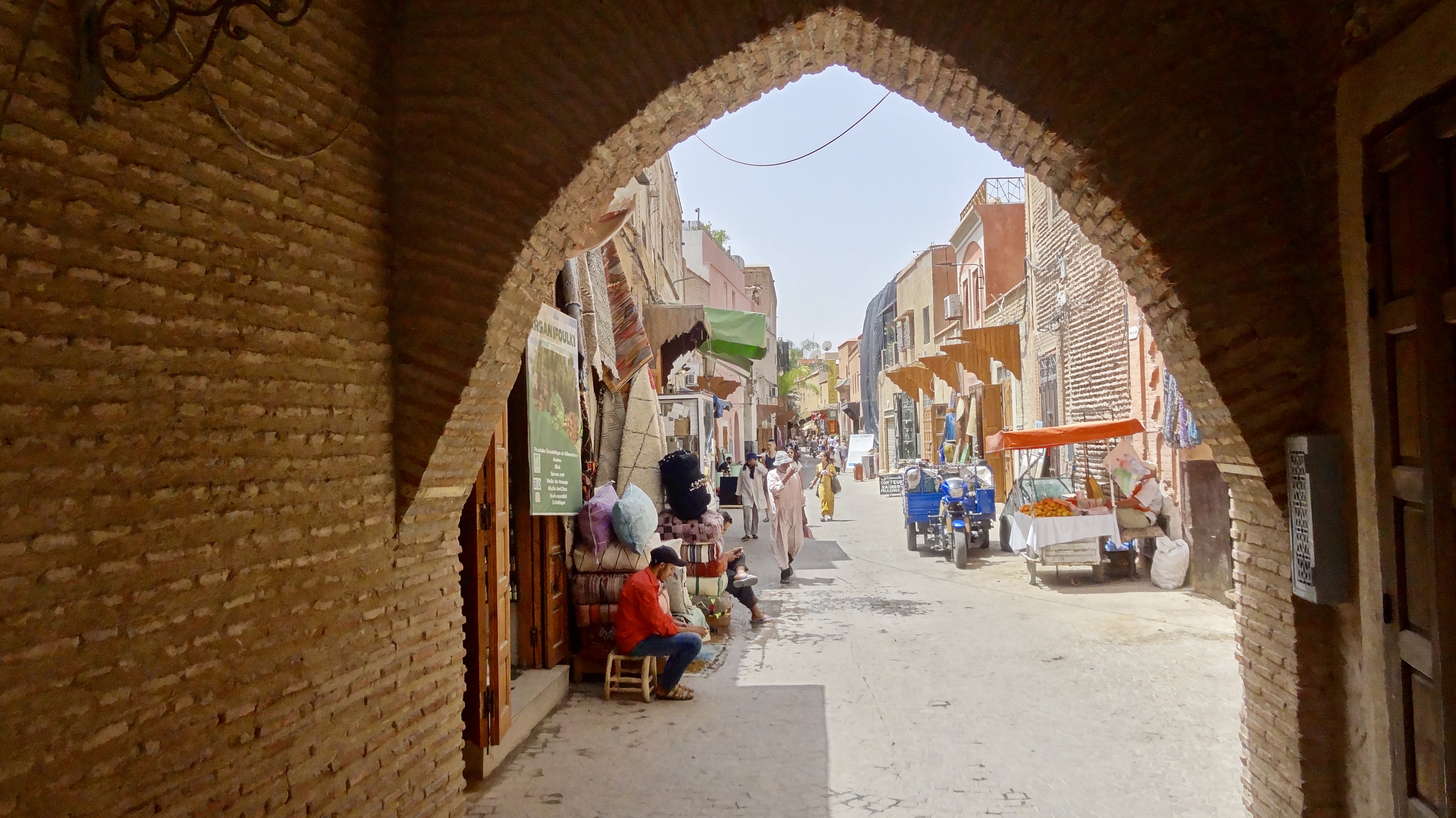
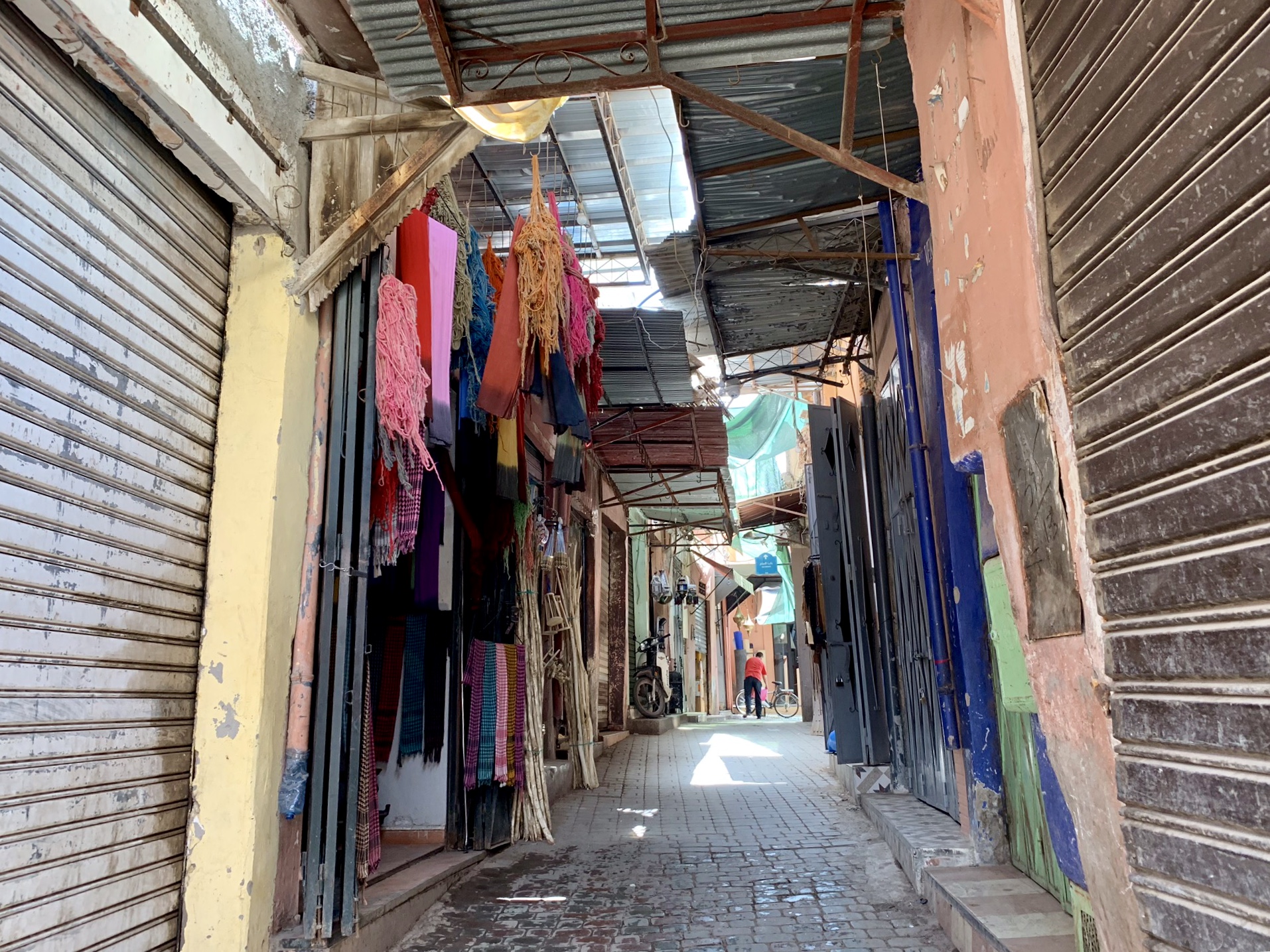
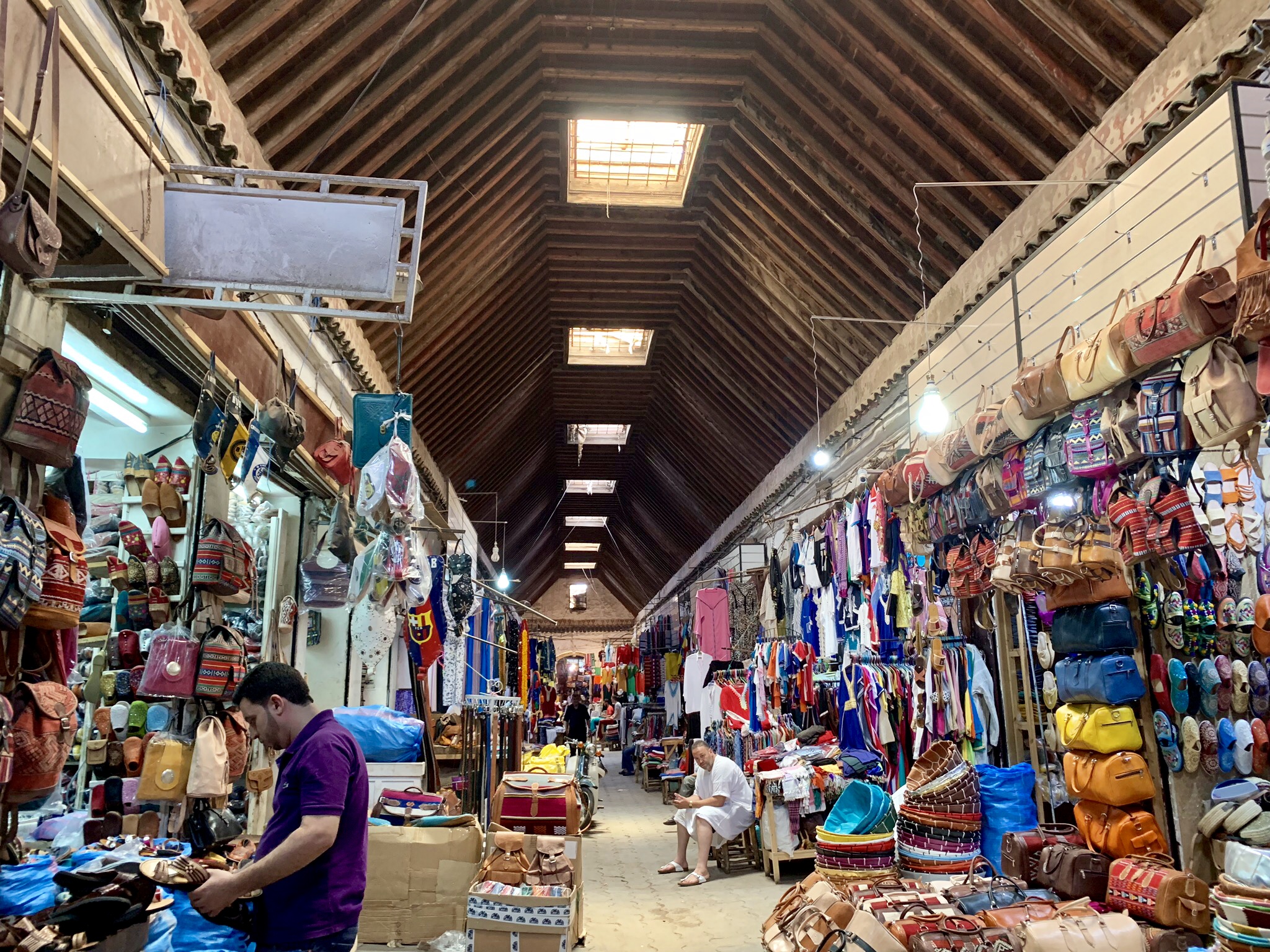
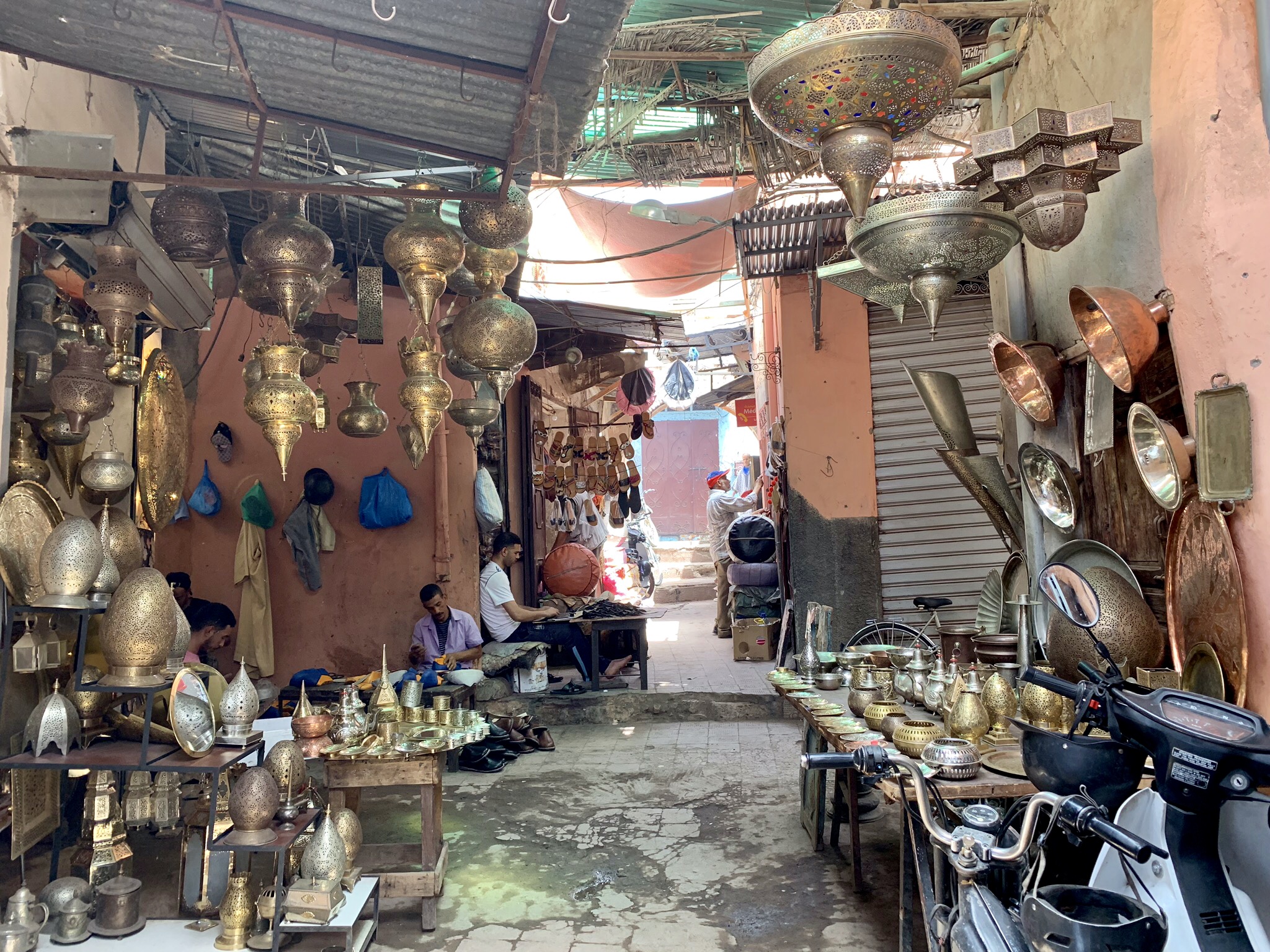
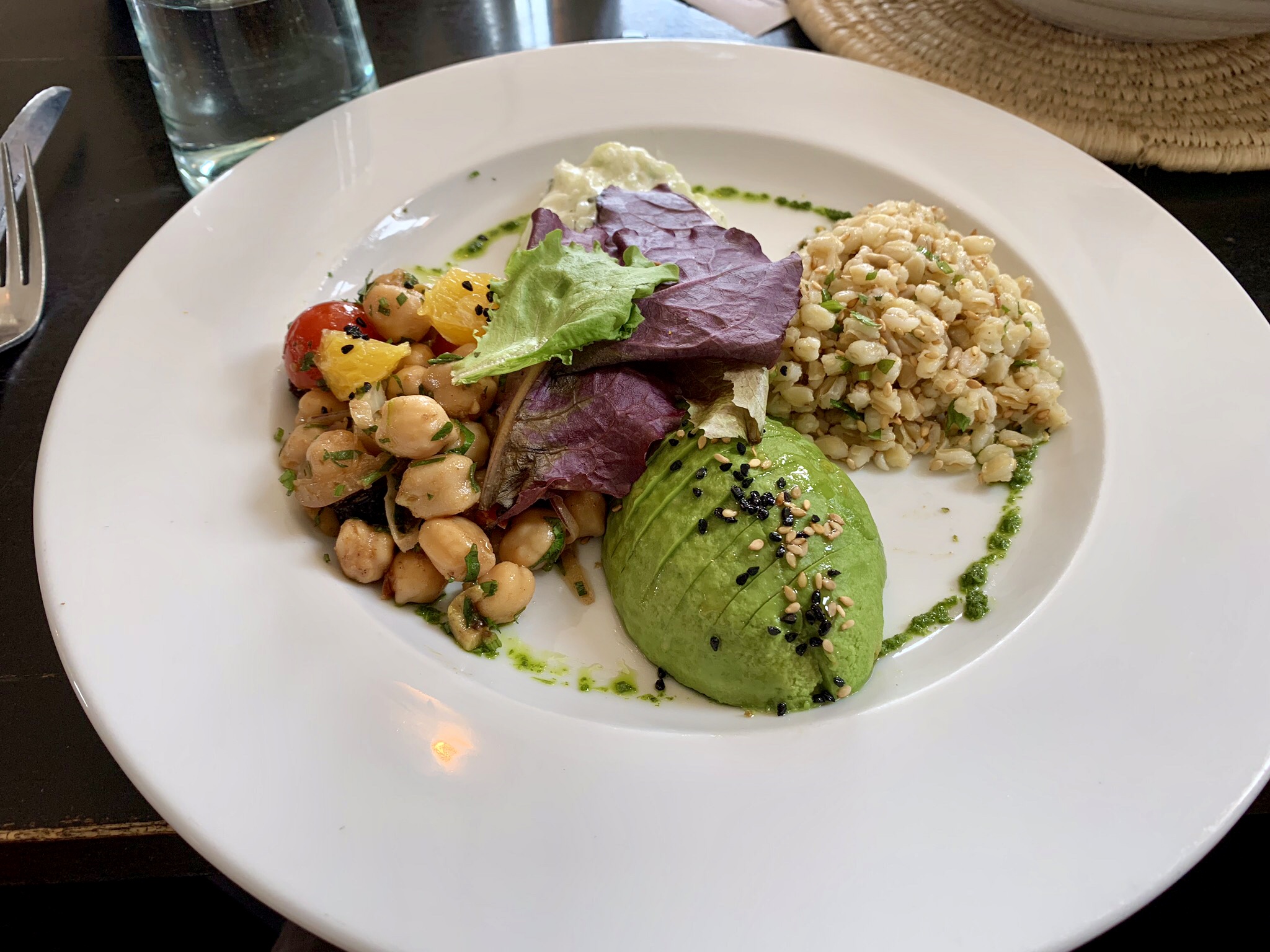
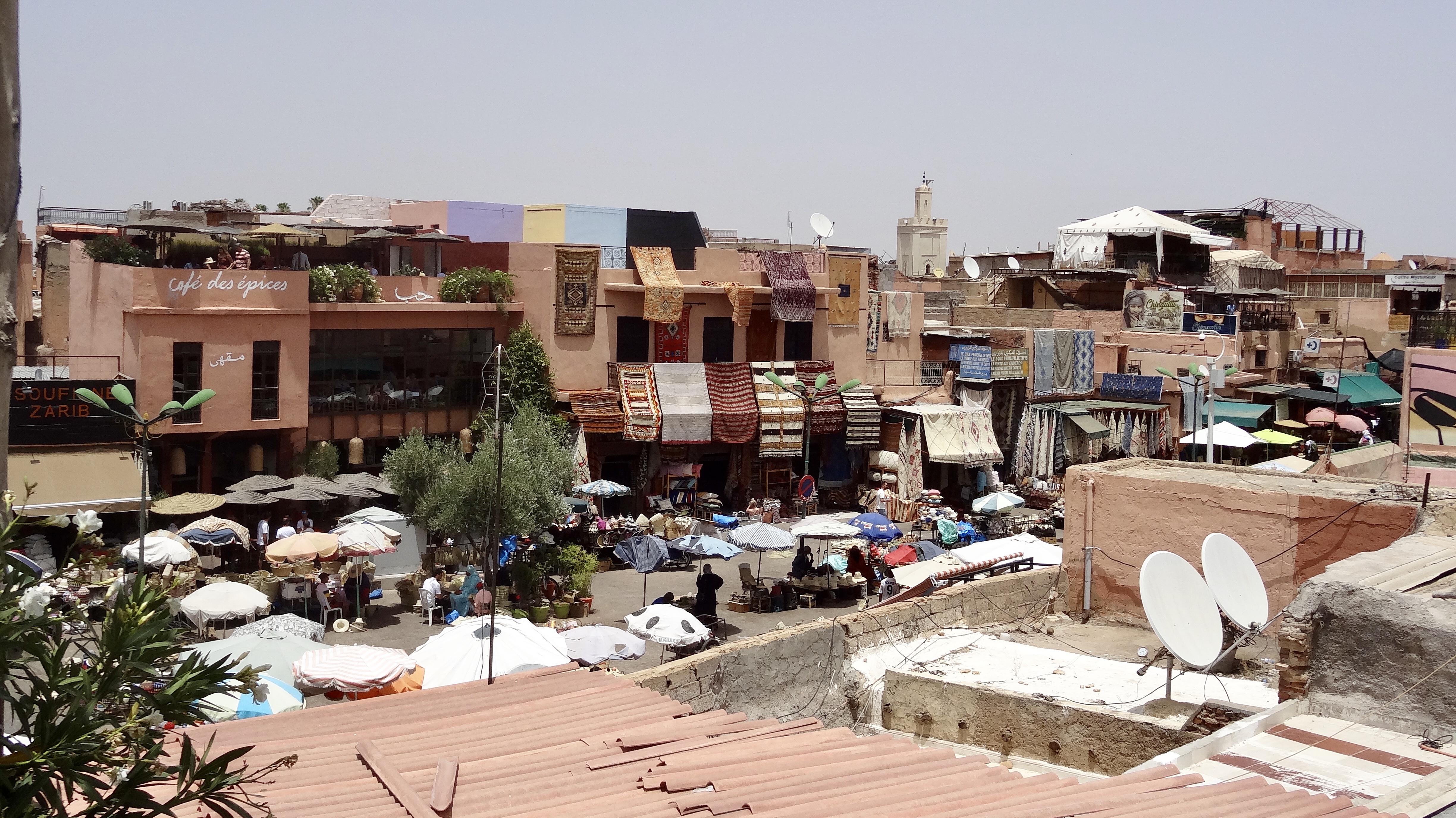
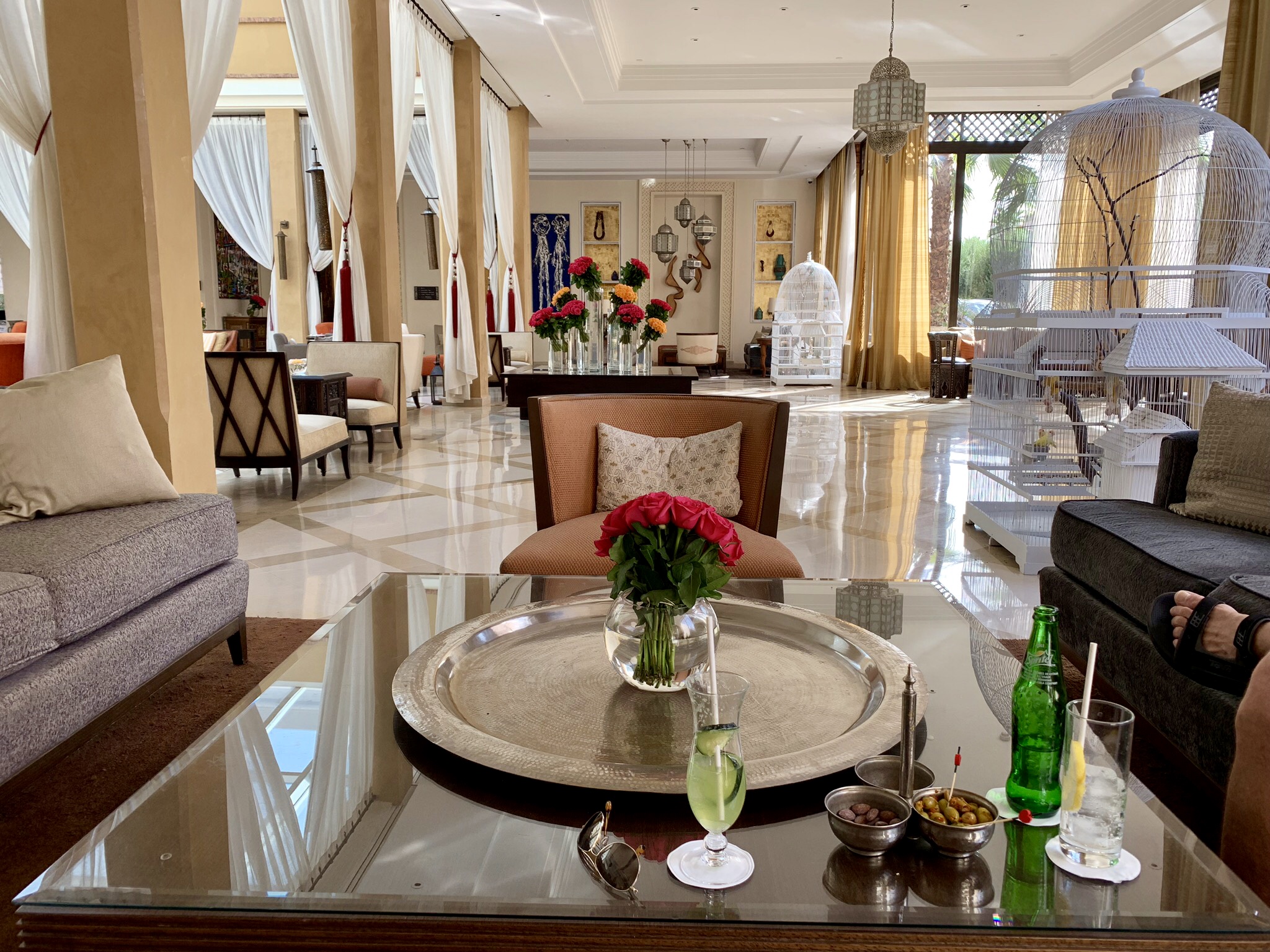
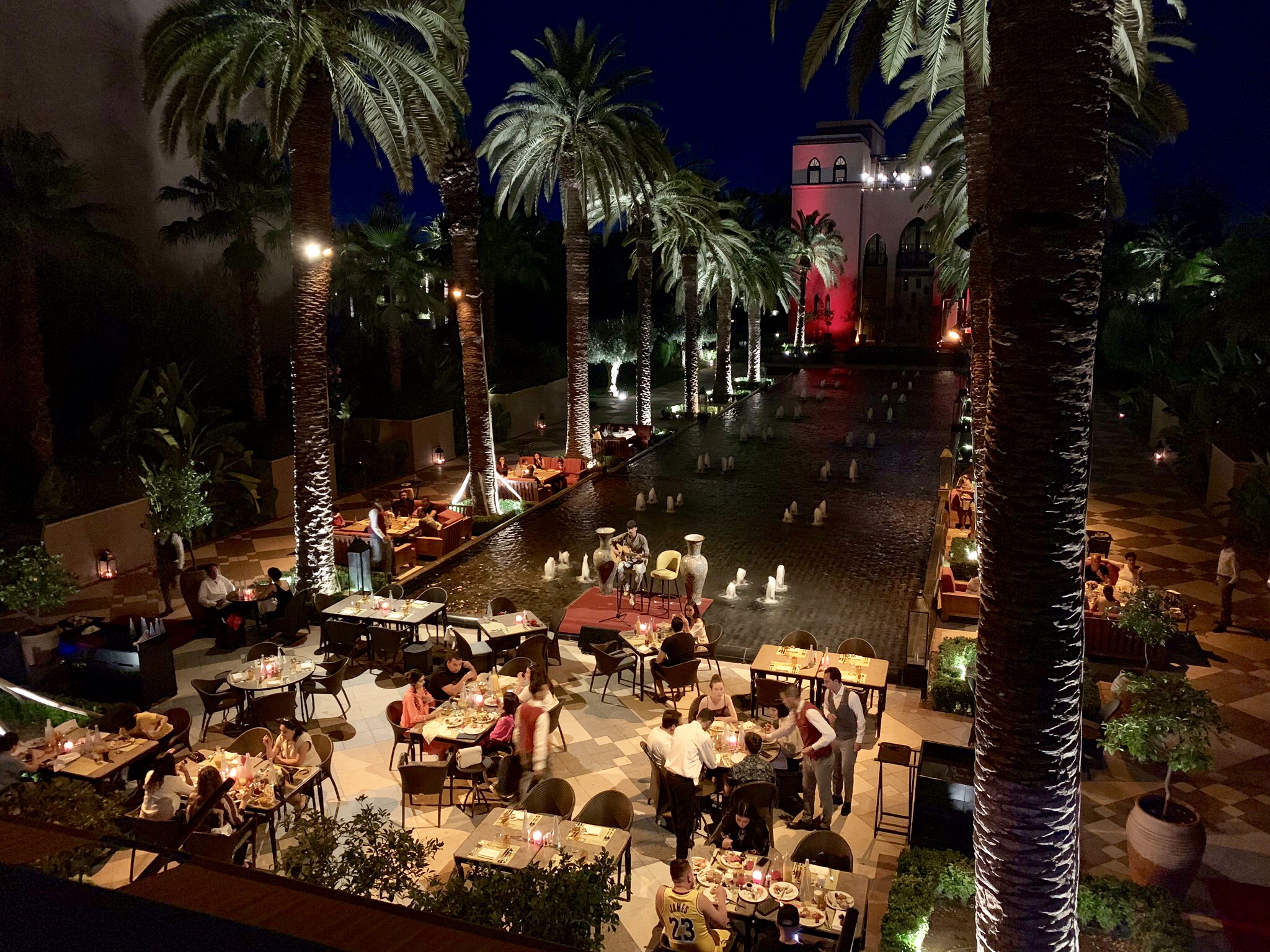
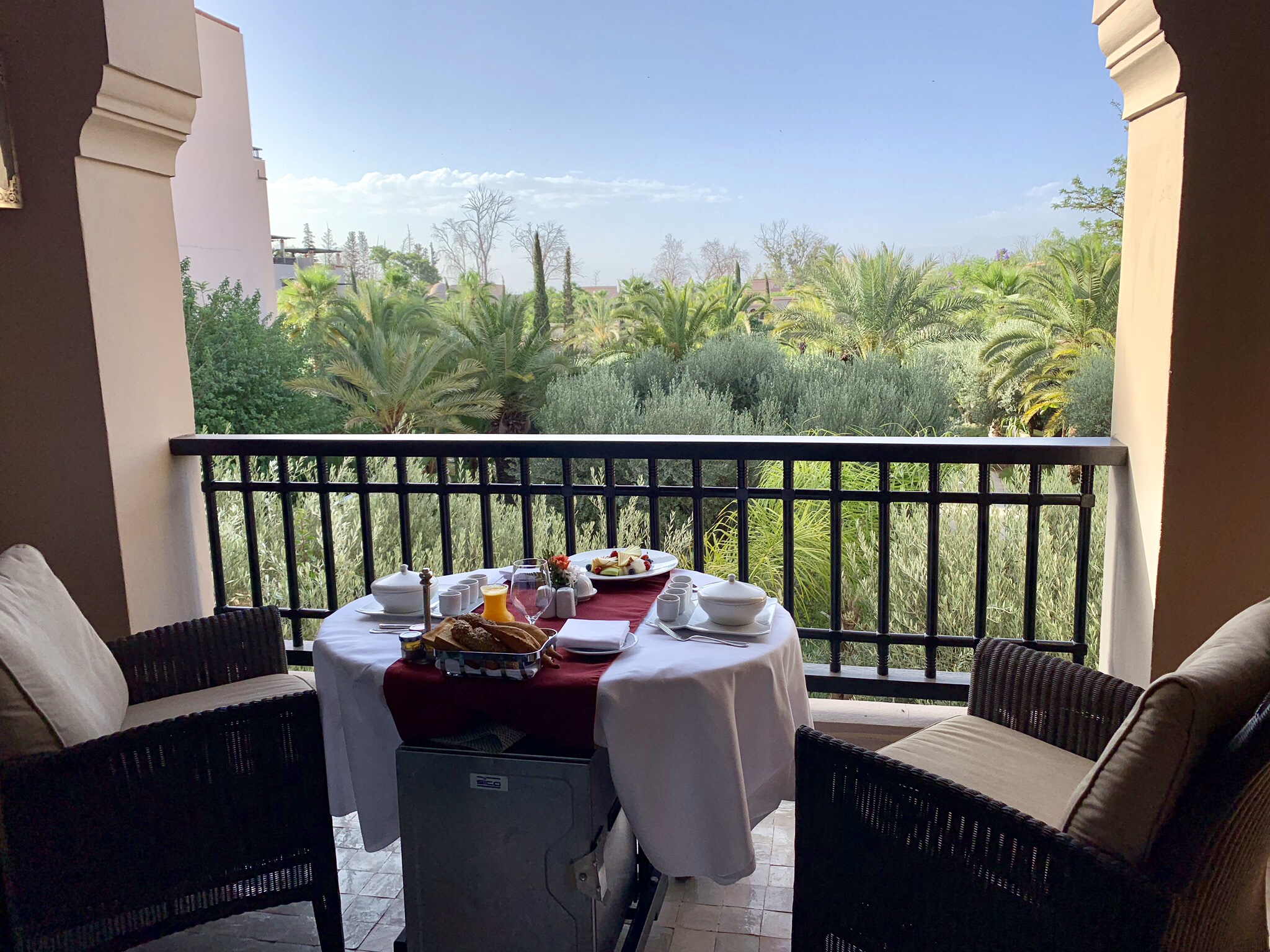
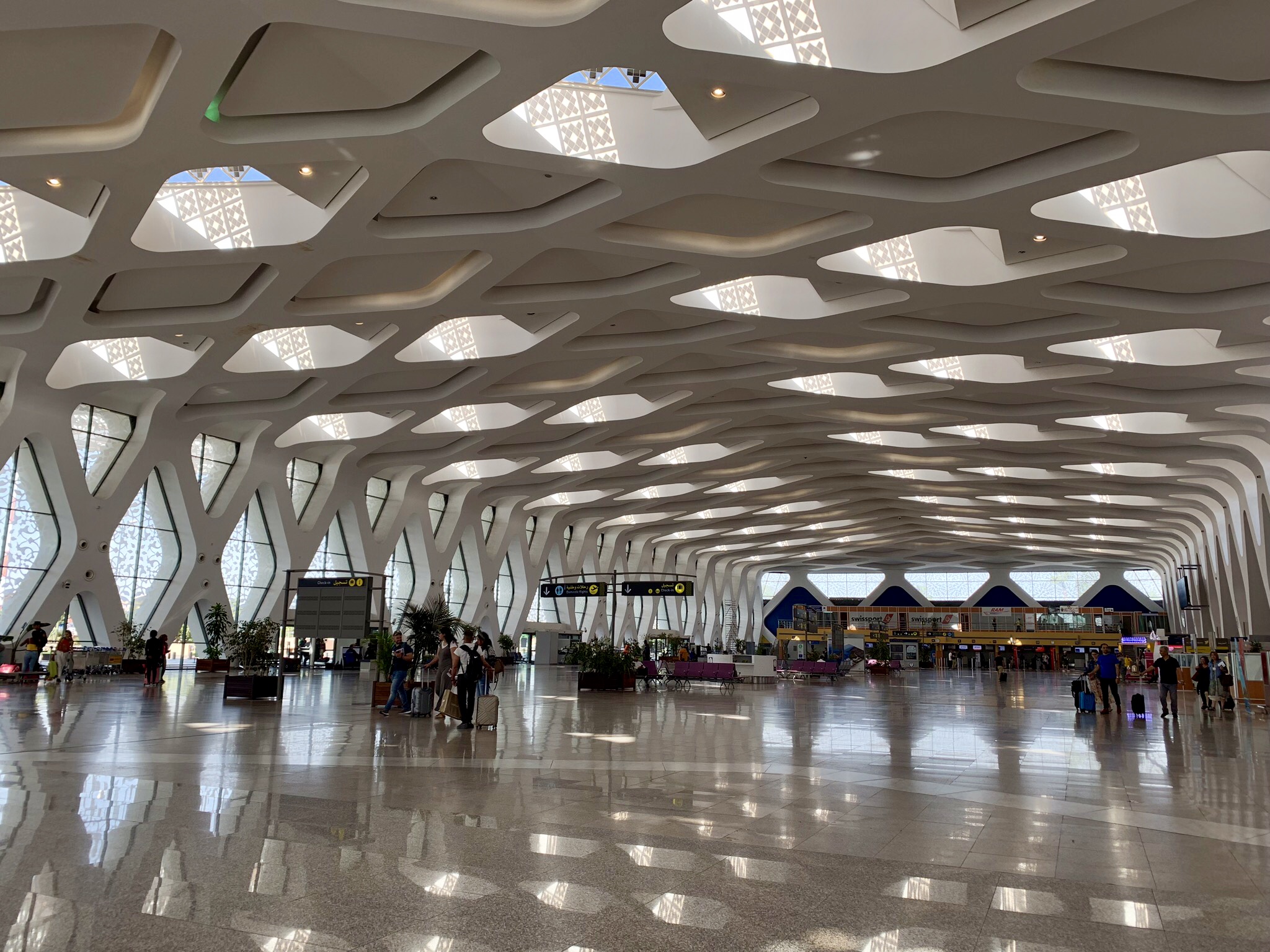
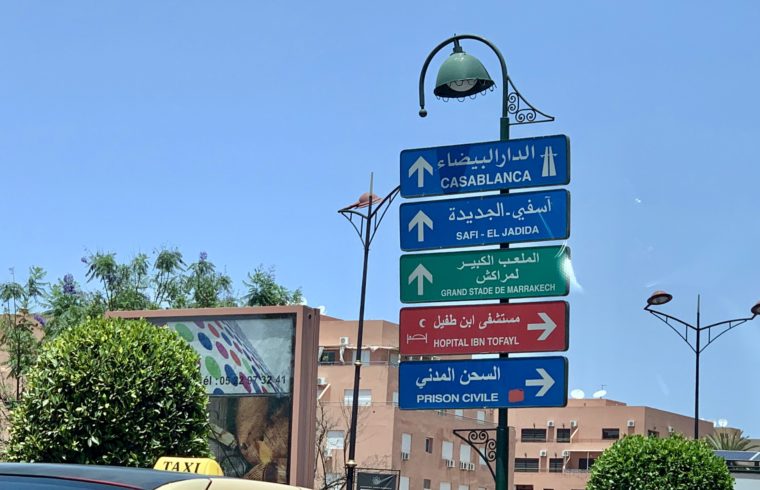
With Marrakech just an hour and a half flight from Lisbon, we took a long weekend and visited Morocco.Like so many cities with long histories, Marrakech is a lot of new wrapped around a fair amount of old. The airport is shiny and new. We debated between staying in a more traditional “riad” or a more modern hotel. We chose the Four Seasons. Duh.With the afternoon temperatures being north of 100°, we headed for the shady and cooler Jardin Majorelle.Named for the artist who created it in the early 1900s, it was restored by Yves St Laurent and his partner. We have yet to visit a botanical garden without cactus. At least this one is in the desert. On one of our days, we headed up the Imlil valley into the Atlas Mountains. From end to end, the valley is scattered through with Berber villages (above and below). Our destination was the the village of Imlil, which sprung up to serve the many trekkers headed out to climb Mount Toubkal, the highest peak in North Africa. We left the car and driver behind and headed up through little adjacent villages — with a guide. We followed the tangle of irrigation ditches toward a casbah on a hill (below) where we hoped to find lunch waiting.En route we took a detour up a side valley to visit a water fall. Though the mountains are much cooler than Marrakech, the breeze and mist driven by the falls was great. Berber air conditioning. Just below the falls, local Berber families pile up rocks on hot days to create pools for kids to play in. No pools or kids today. Though we passed a few grazing sheep and goats, most of the valley is home to orchards of cherries, apples, and walnuts. Being ripe on the trees, we borrowed a few cherries. The casbah itself is an old house that has been rebuilt and now serves as an inn for trekkers and the like. Our lunch (below) was served in the open tower, with views up and down the valley. We ate too much lamb tagine and couscous, and then didn’t want to move off of the homespun blanket-covered divans. We eventually headed back. Somewhere we read that the winding road to Imlil is one of the more dangerous ones in the world. We found the road quite safe. The drivers, not so much. The next day we took a taxi into town, with a guide, to explore the labyrinth that is the old walled medina. The minaret of the 12th century Koutoubia Mosque. Once within the walls, we visited a palace that was the home of the Pasha of Marrakech when it was a French protectorate. The ornate detail of the rooms and spaces — and ceilings (below) — were eclipsed only by the sheer size of the place. One room of the pasha’s private hammam. The courtyard, representing paradise, which makes a house a riad, an architectural style that goes back a thousand years and more. Deeper into the Médina, the old city is still there and working. For every stall selling things to tourists (below), there are three others buried away where things are made. Alleys of sandal makers, metal hammerers, clothes makers, Louis Vuitton knock-off makers, and more. We had lunch at the locally well known restaurant Nomad, with a lovely view of one of the souks (below).Then back to our own version of paradise for air conditioning and refreshments. We were in Morocco for the last week of a Ramadan, each night of which is celebrated when the day’s fast is broken. This is often done by way of an iftar buffet, where families and friends spend hours enjoying a surfeit of rich foods. On our last night we duly joined the feast. The next morning it was a room service breakfast and a plane ride back to Lisbon. Ciao, ciao Marrakech.