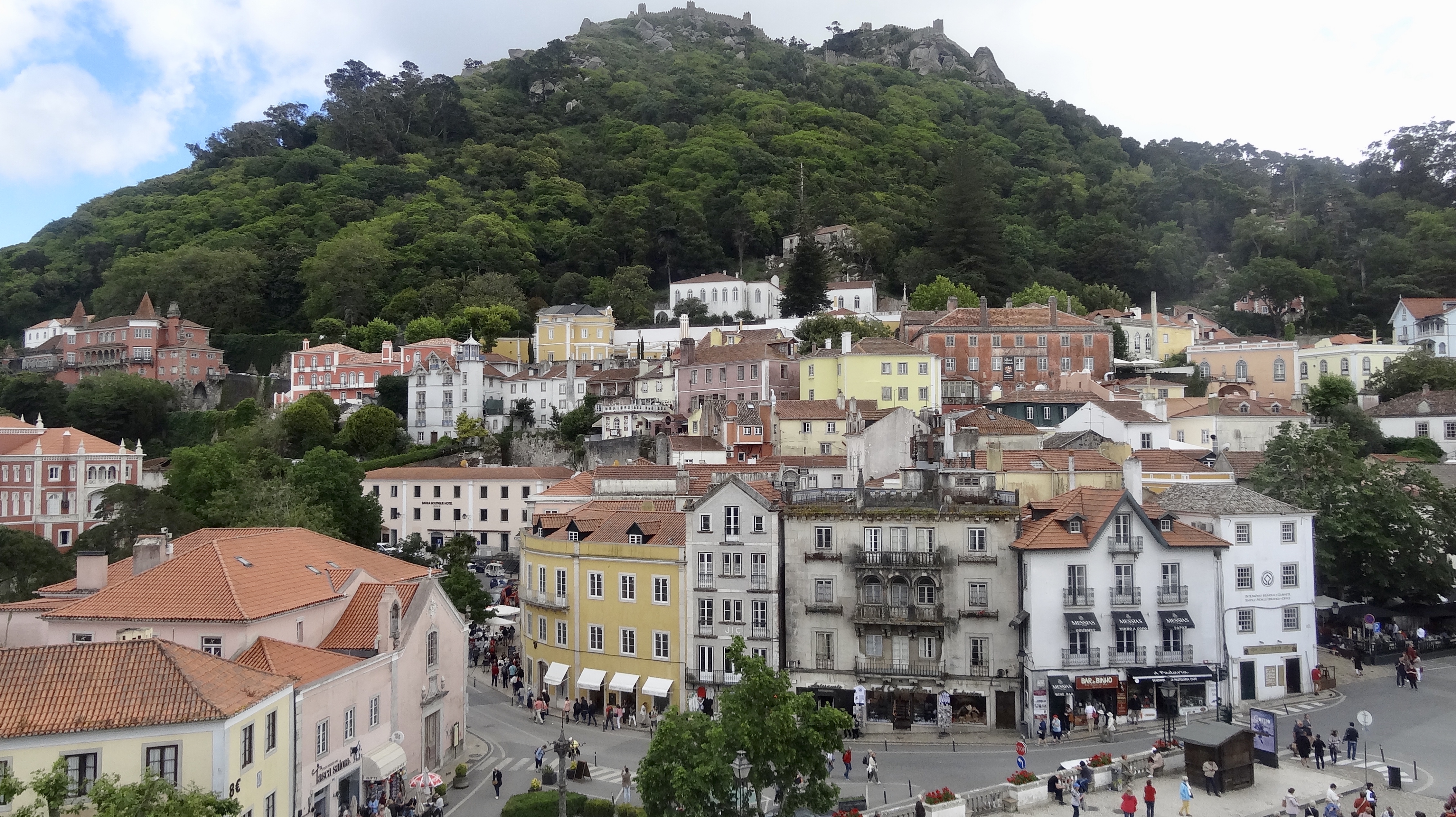
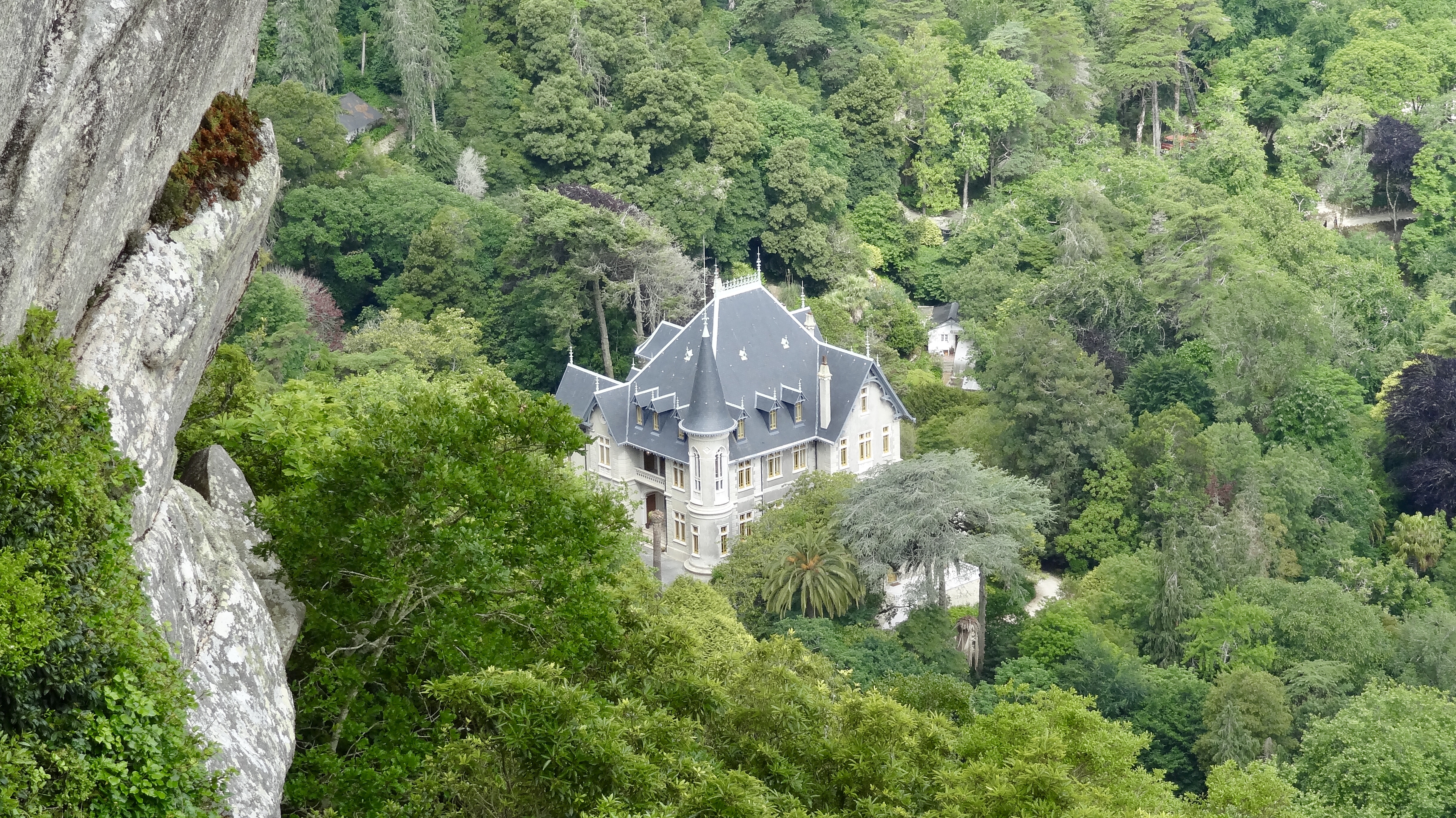
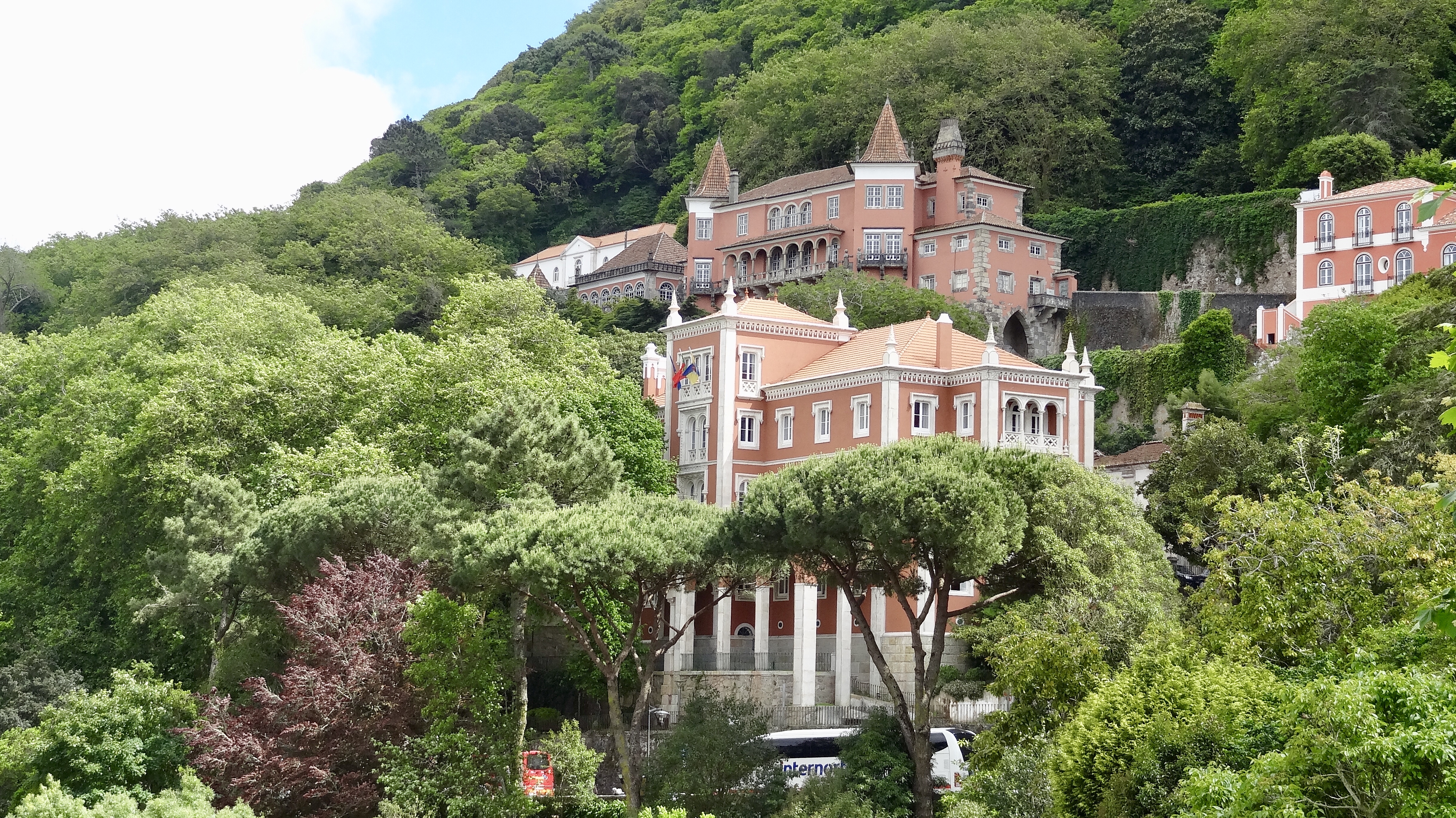
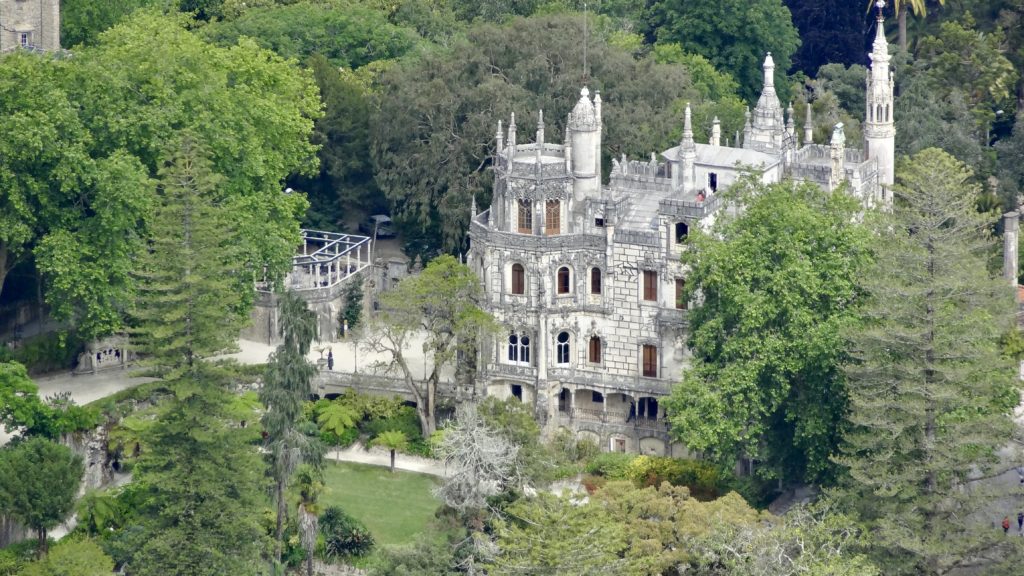
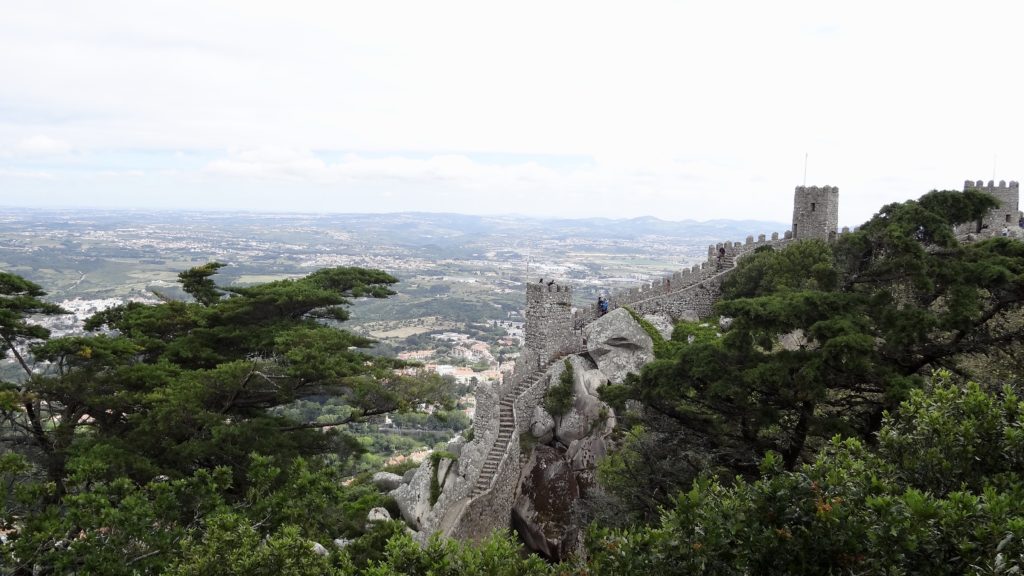
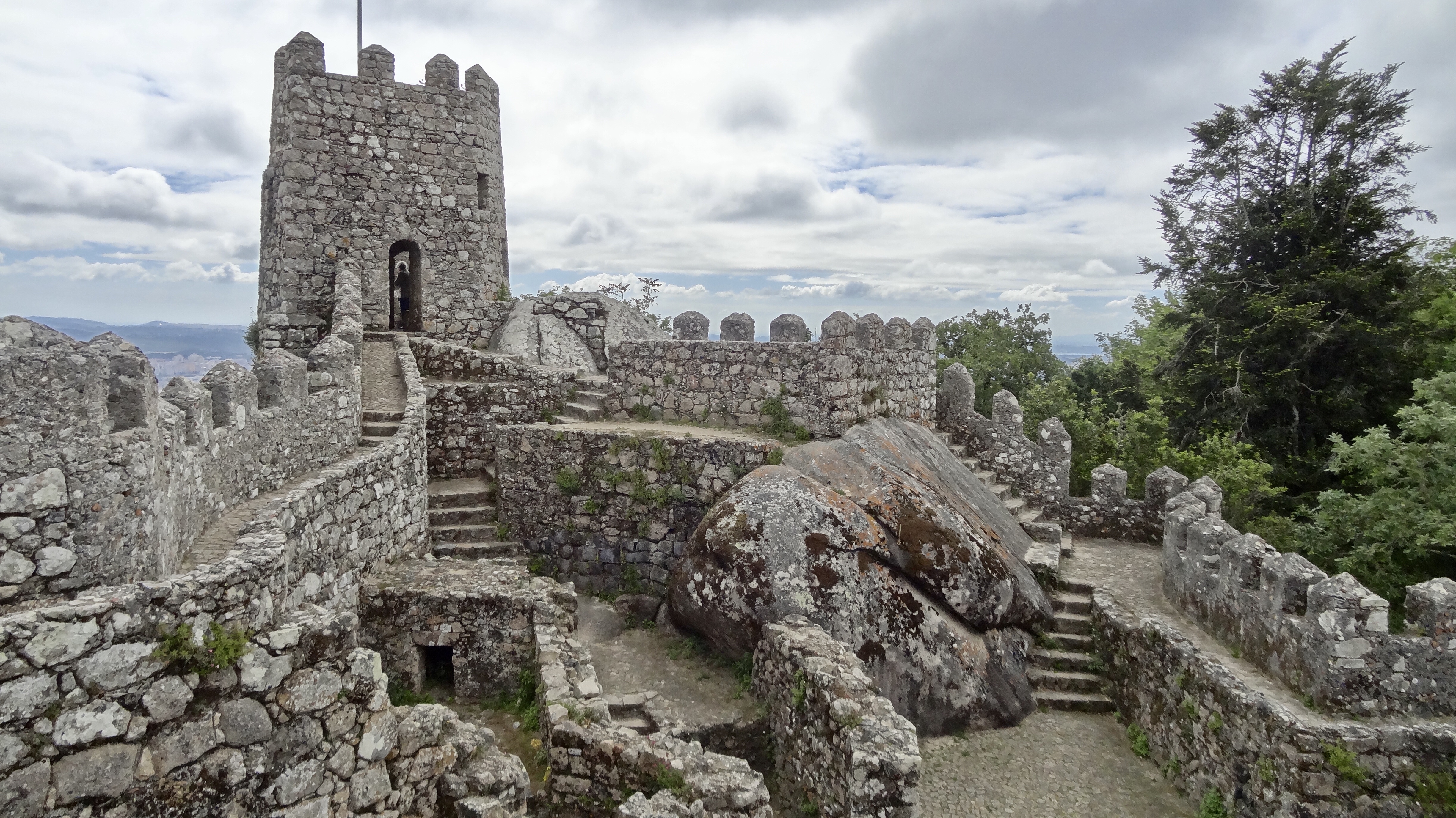
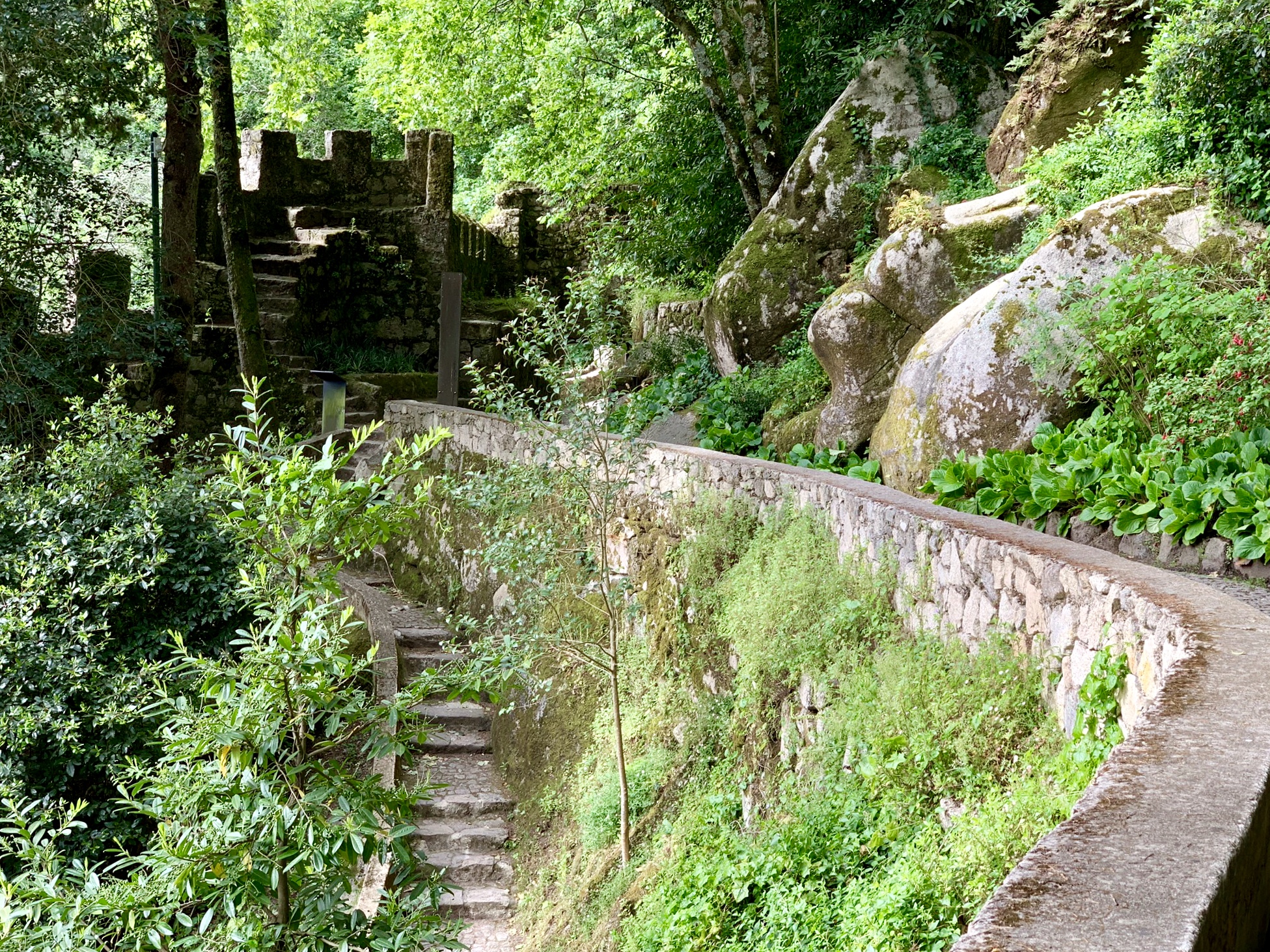
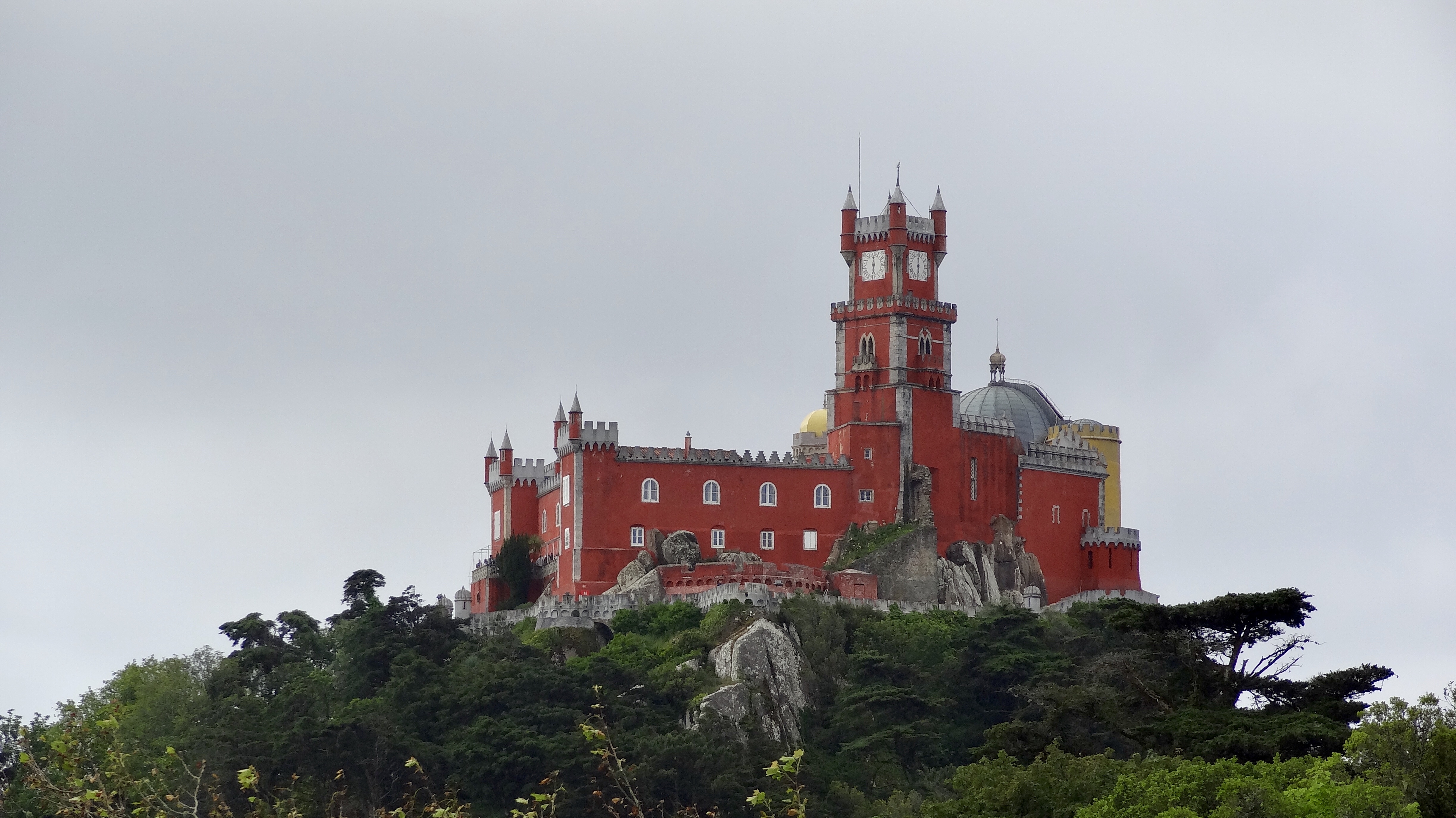
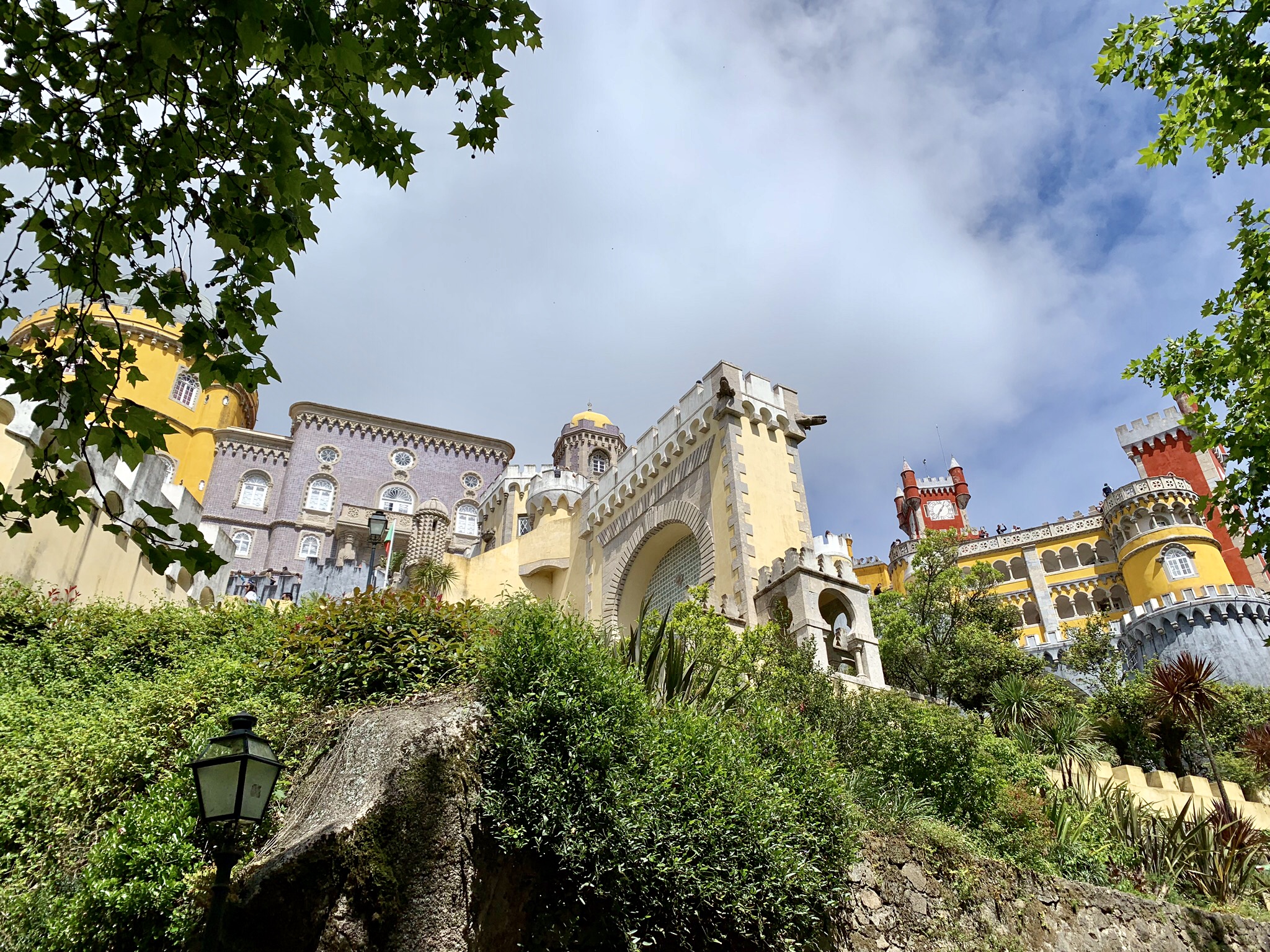
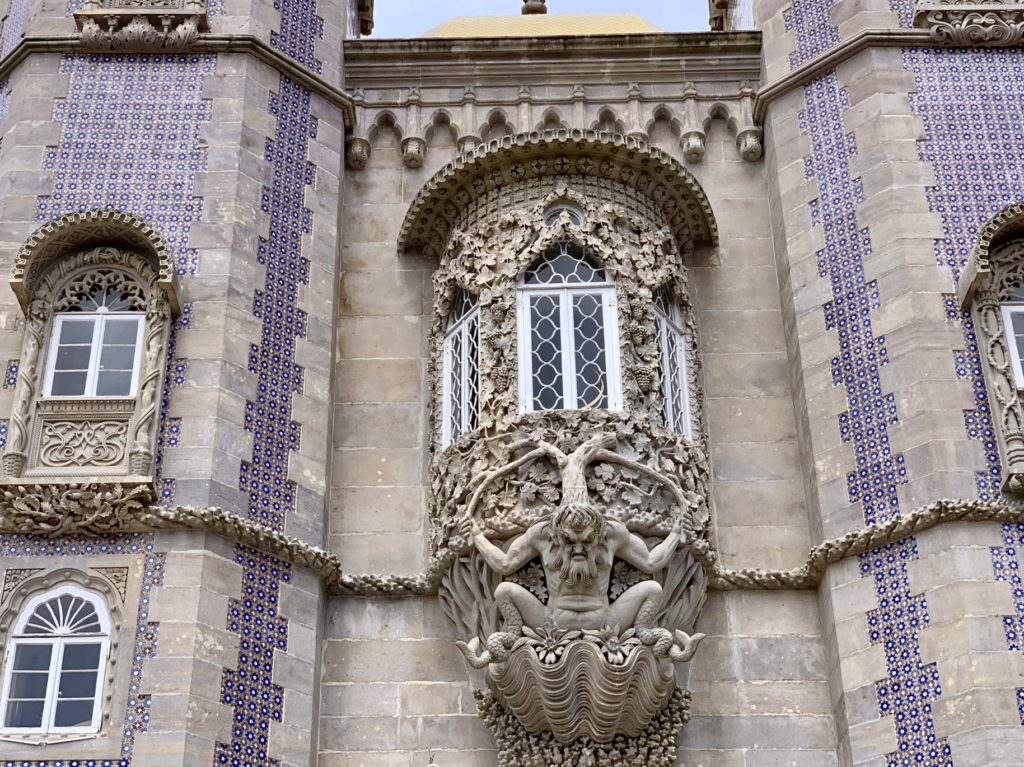
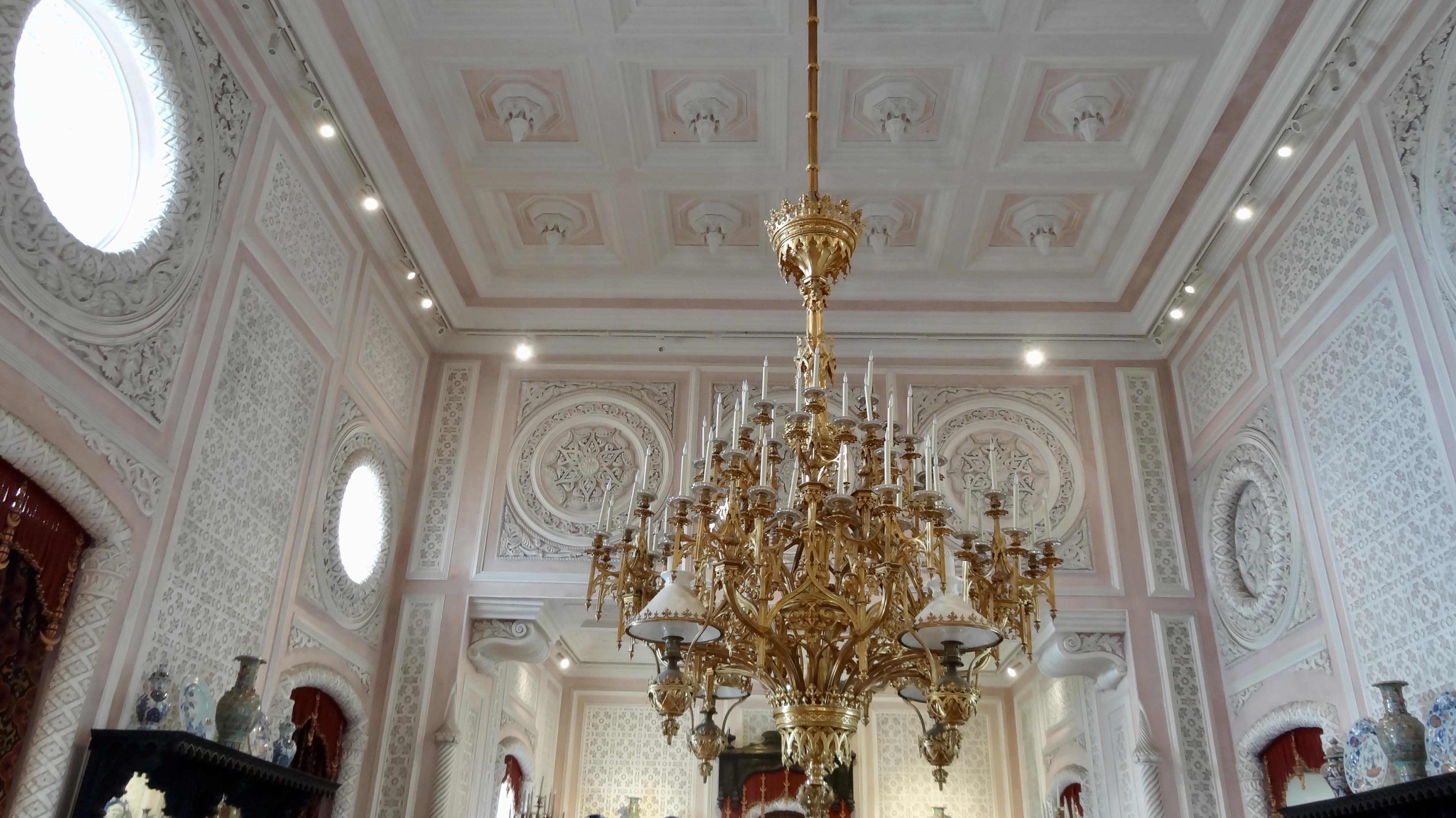
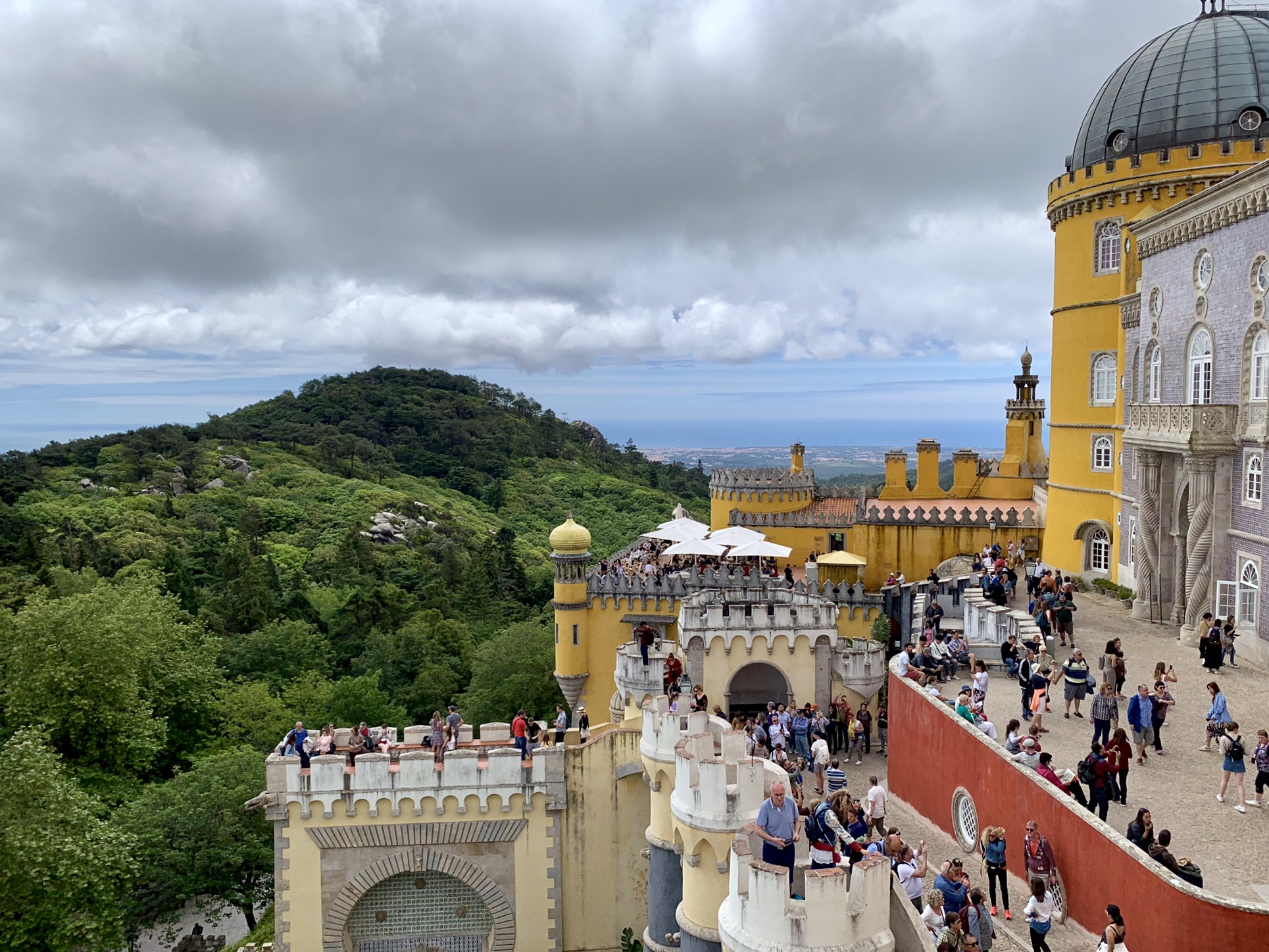
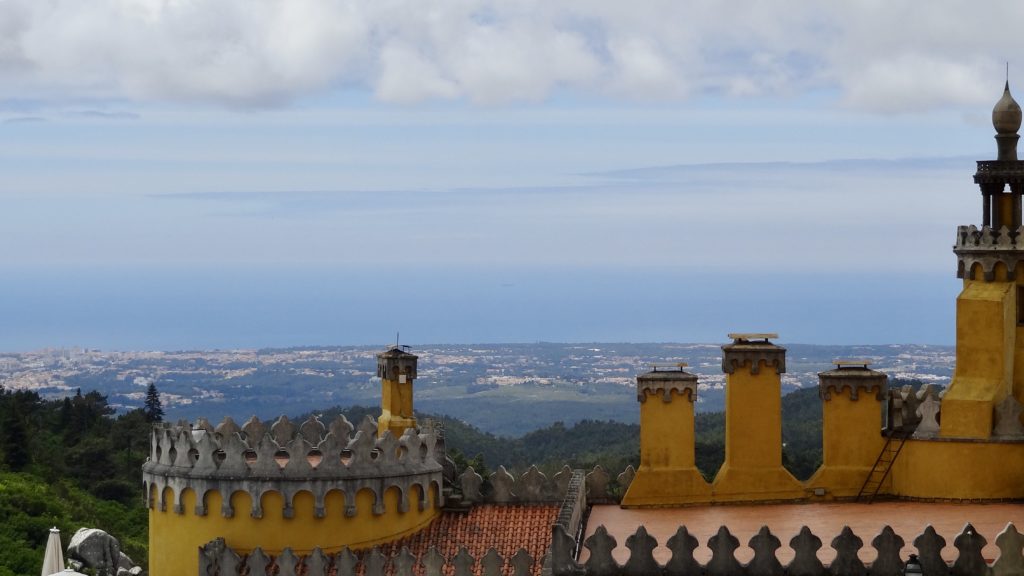
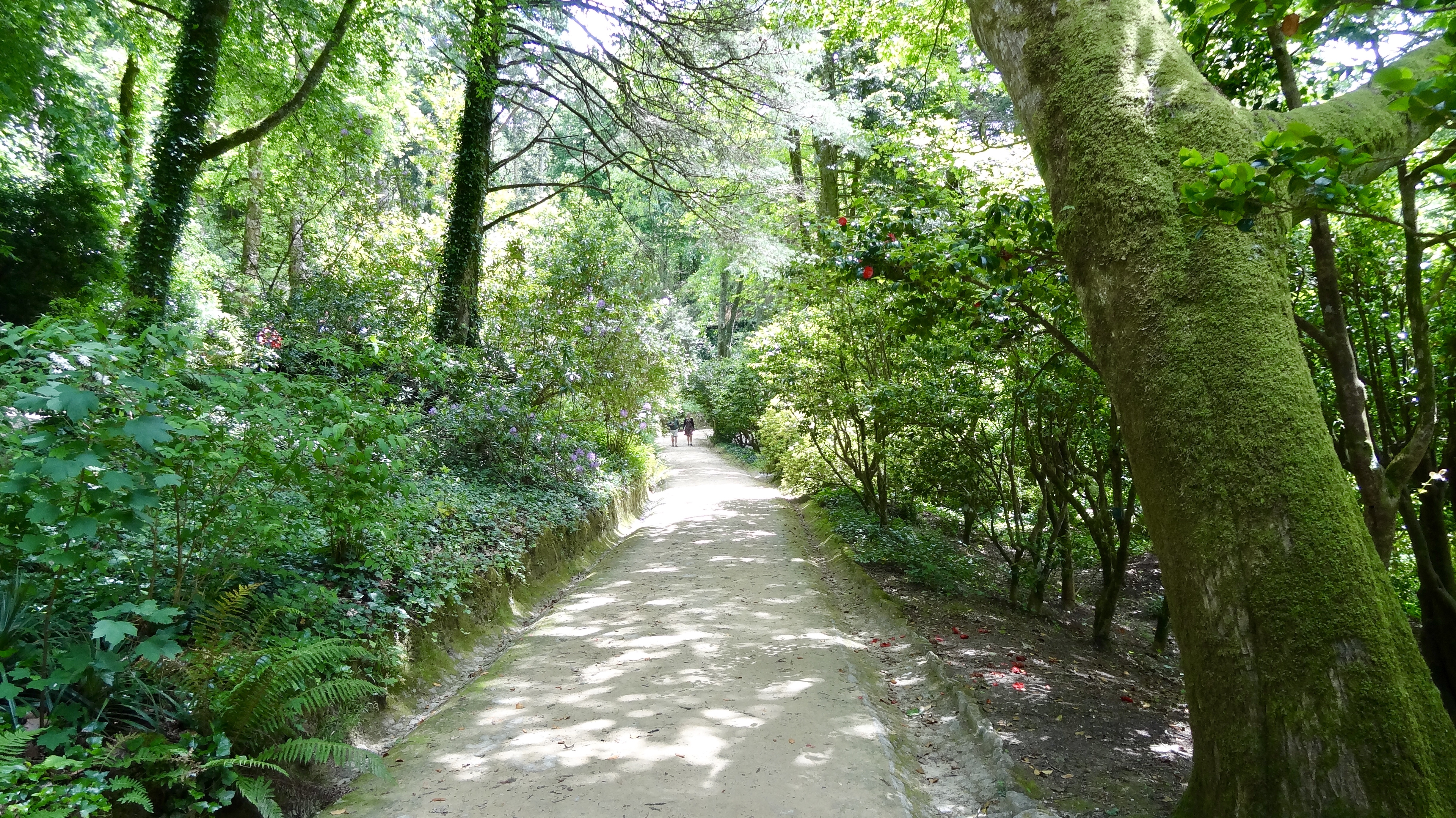
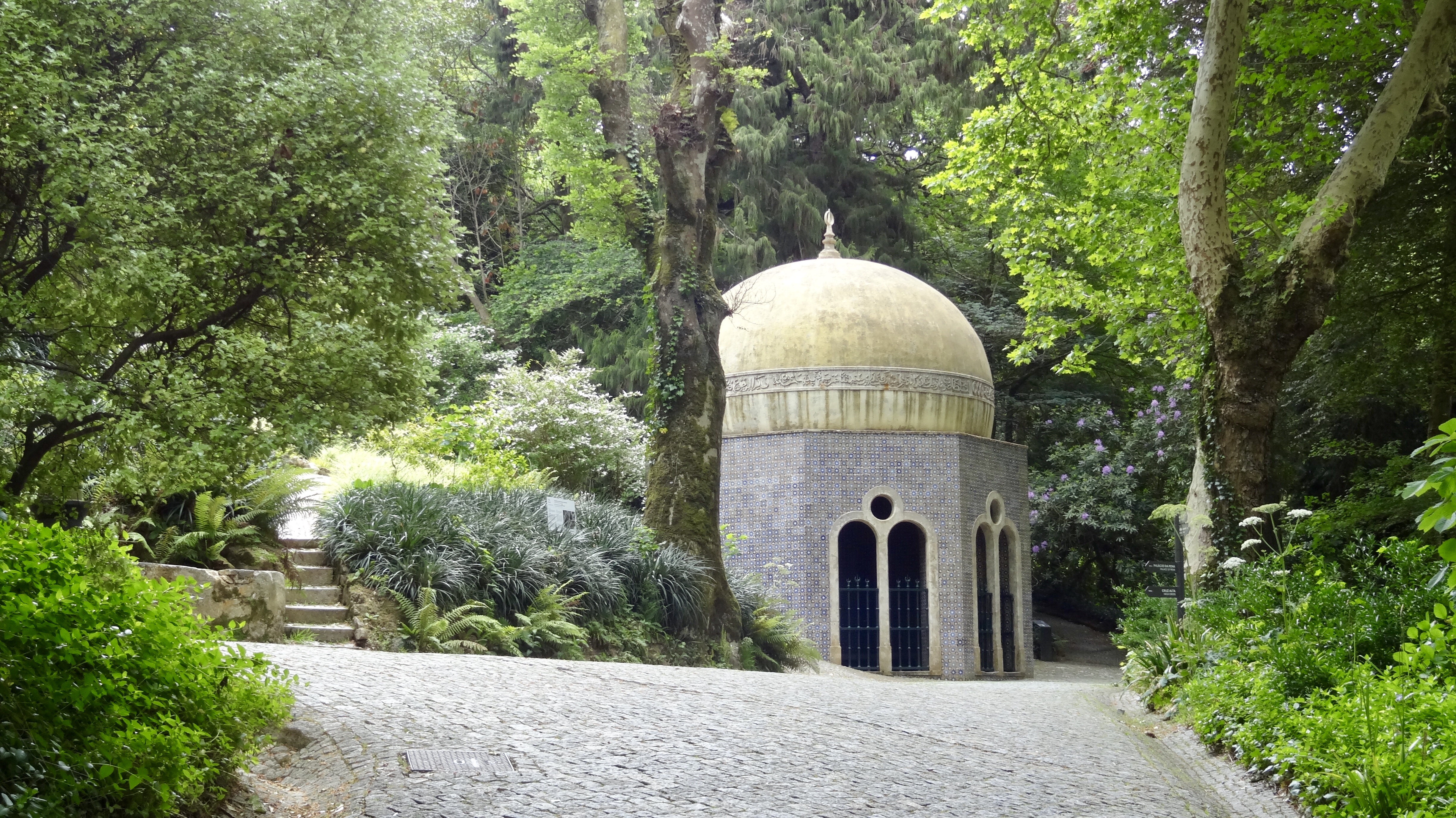
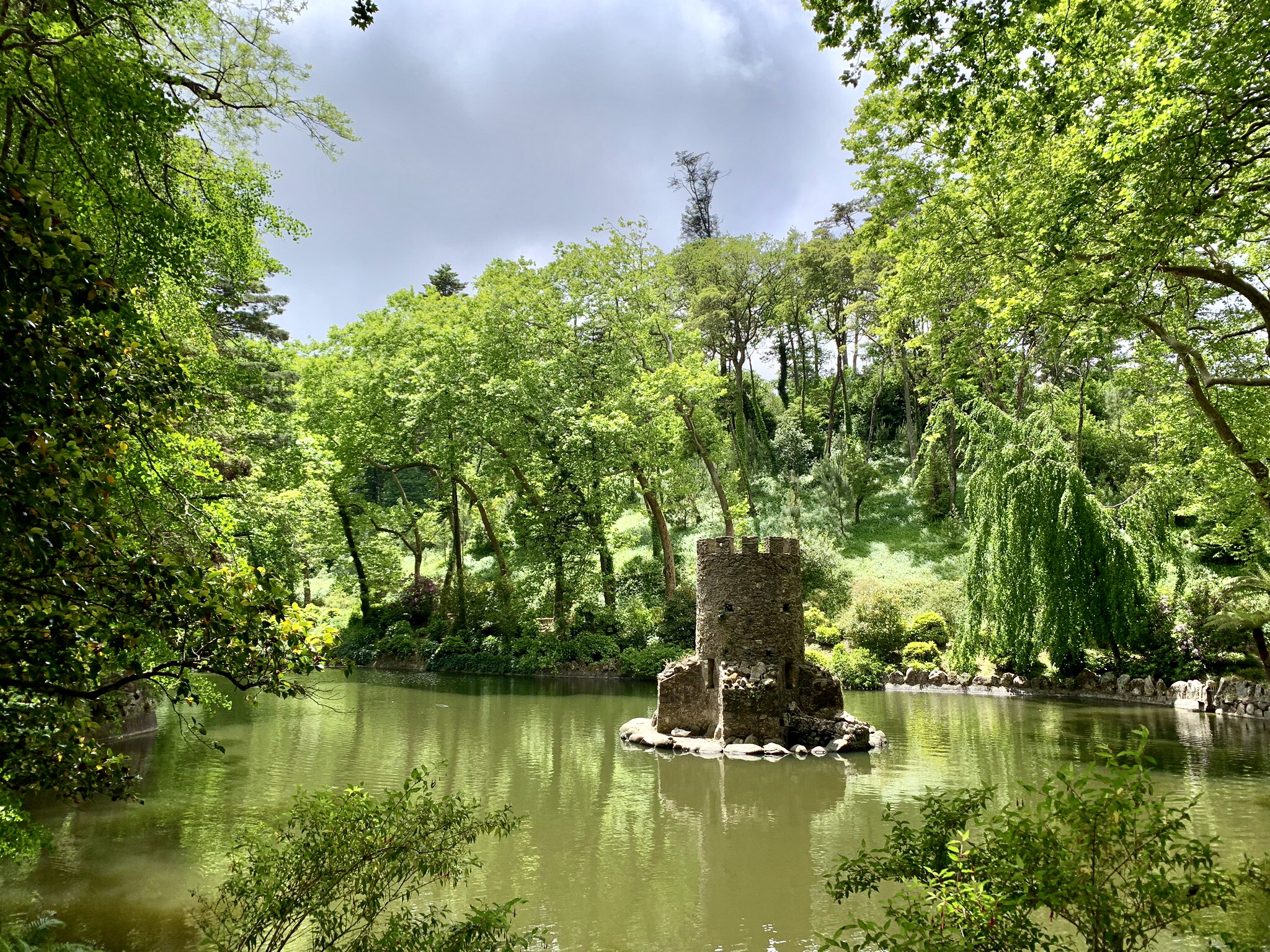
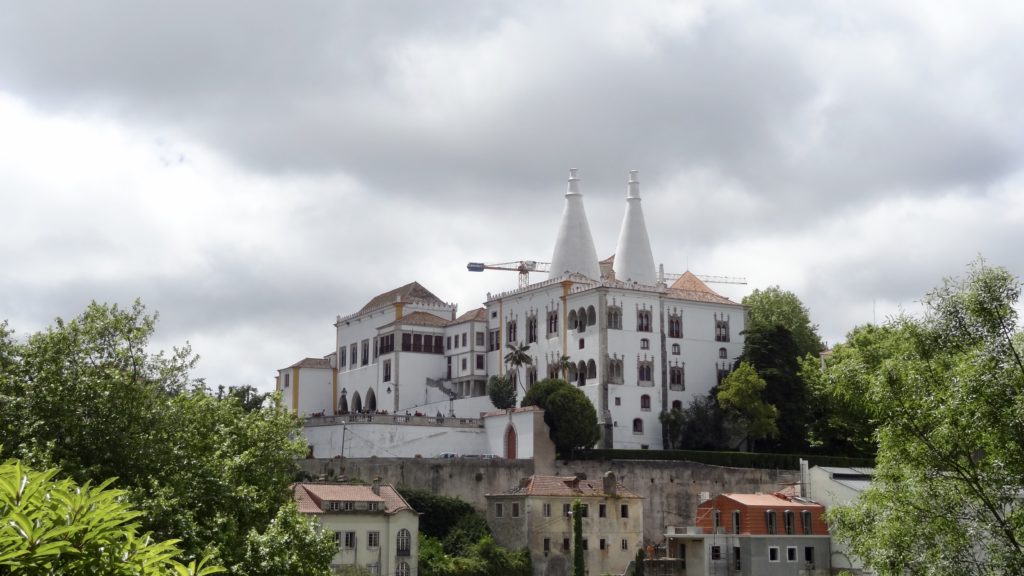
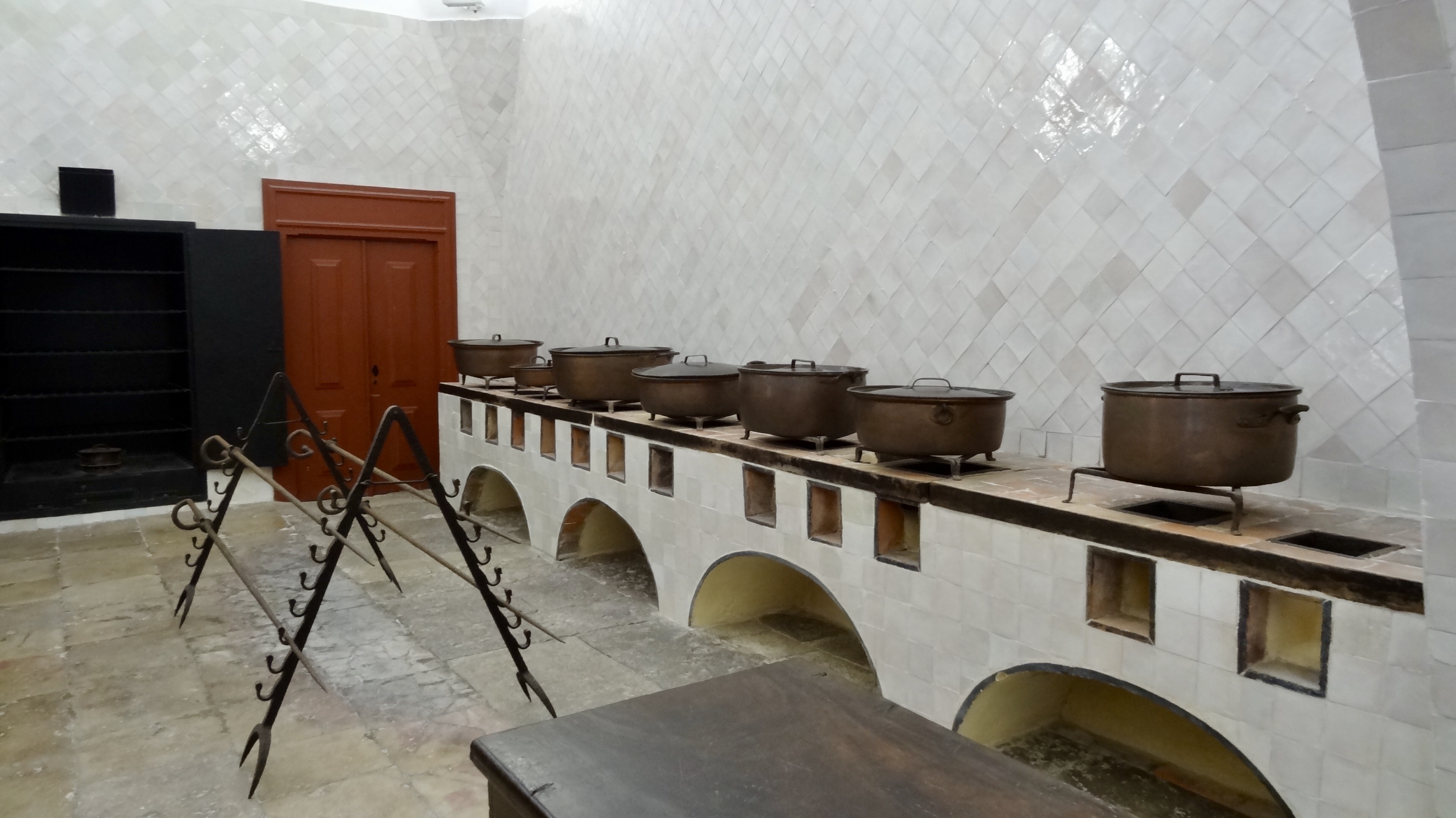
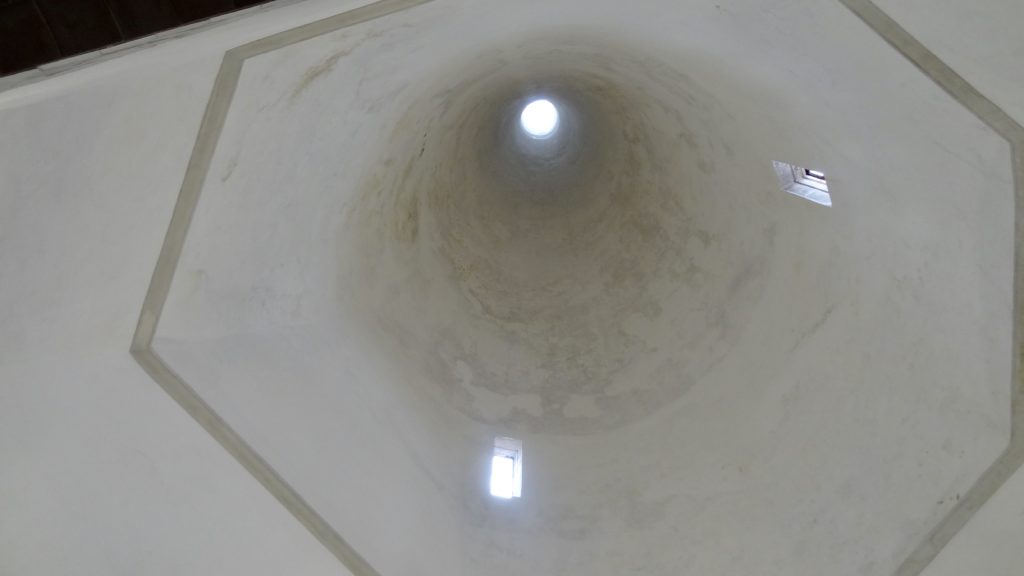
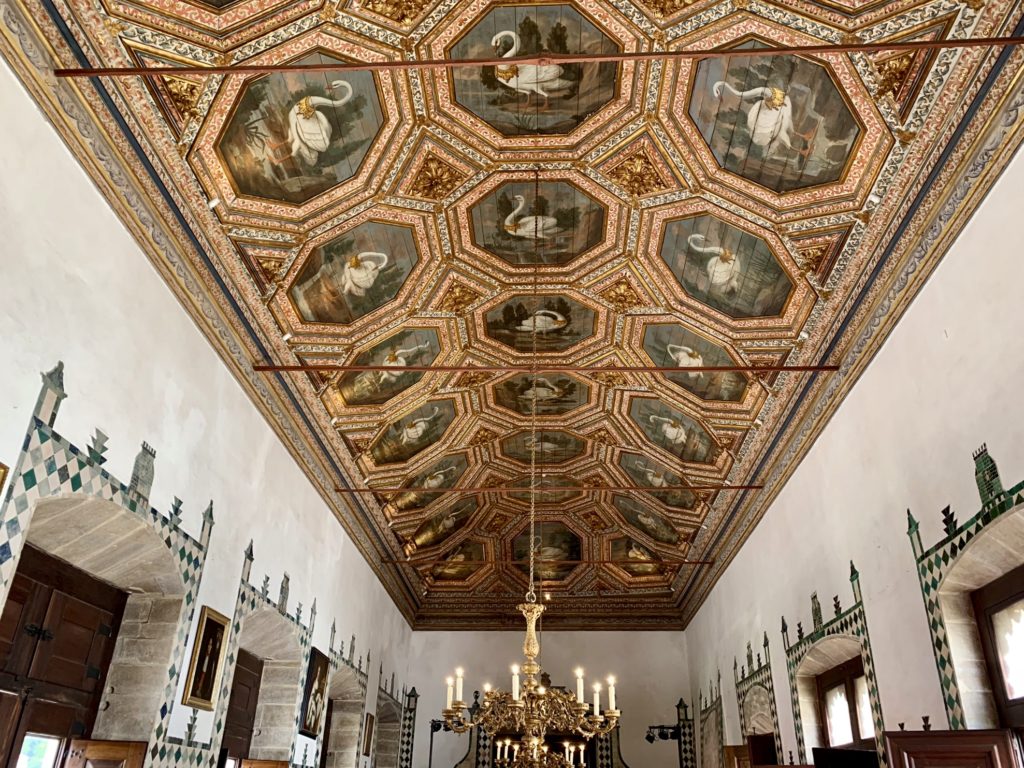
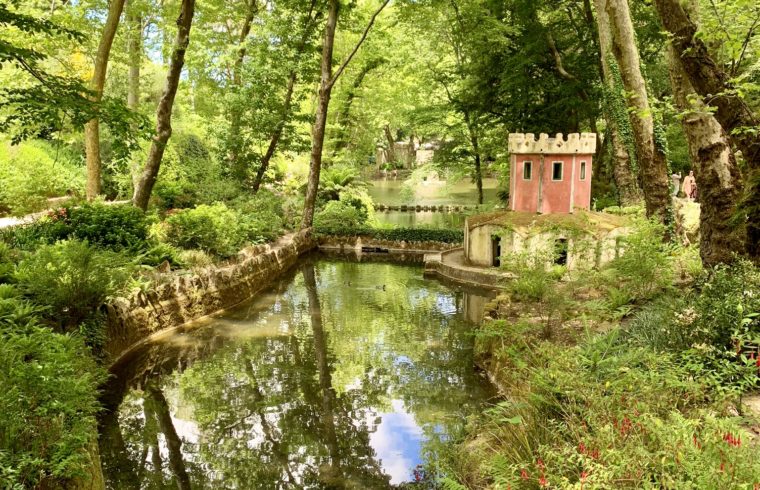
Forty minutes by train from Lisbon is Sintra, a picturesque village and one-time royal retreat. Embedded in forested hills, it is beset with palaces and great villas (below).Overlooking all is the thousand year old Castle of the Moors. Built in the eighth and ninth centuries, when the Iberian Peninsula was a Muslim caliphate, this was my favorite part of Sintra. Not colorful, but fertile ground for imagining a completely different time.On the slopes, both inside and outside the walls, are remnants of settlements going back to the Paleolithic.A hilltop away from the Castle is Pena Palace, probably the most visited part of Sintra. Originally the site of a chapel built to commemorate an apparition of the Virgin Mary — who just happened to appear after an 1,800 foot near-vertical climb. All the surrounding land was purchased in the early 1800s and the palace built where the chapel stood, as a summer residence for the Portuguese royal familyThe style is called romanticist, which I think is a euphemism for gingerbread mashup. Not being quite sure what was going through the architect’s mind at the time, we call this the Groot window. In contrast to the exterior, the palace’s interior rooms use colors more pastel than primary.Who would design a royal palace without planning for crowds of future tourists? The entire visitor experience at the Pena Palace is spent in one long line, from when you queue up to get into the palace, through every corridor and room, until you exit the place and run screaming to throw yourself over the cliff. Was it worth it? Absolutely not. But we didn’t know that until we got to the end of the line, did we?We did get to see the ocean, though, some seven miles distant, like a promised land.The whole palace debacle was somewhat redeemed by its serene garden, which runs down through a valley of small lakes. Originally for the sole use of the royal family and guests, it’s winding cobbled paths are dotted with places for reflection.In the last small lake is a crenellated-castle of a duck house, with the lake as its moat. The resident ducks were more interested in the moat than the house, of course. In Sintra town itself is the 15th century Sintra National Palace. A normal palace by most counts, except for the two milk-bottle kitchen chimneys. Why would a palace designer trouble with chimneys for stoves, when one could chimney the whole kitchen (below)?This is the “ceiling” of the kitchen, which is also the inside of one of the two huge chimneys. Built in the 14th century, the palace is both rustic and ornate. Even then, it seems great rooms lived and died by their ceilings.
Cacilhas
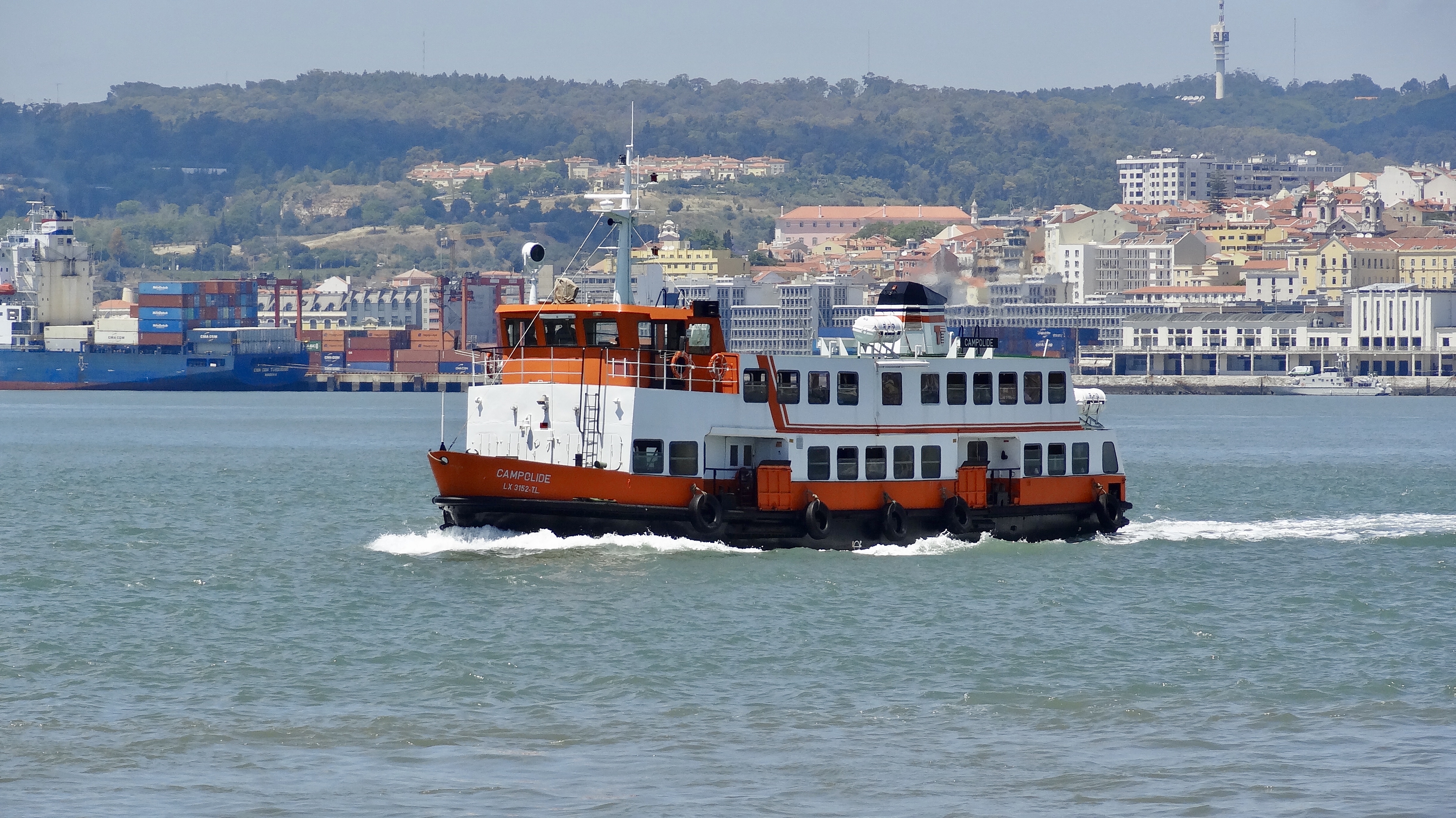
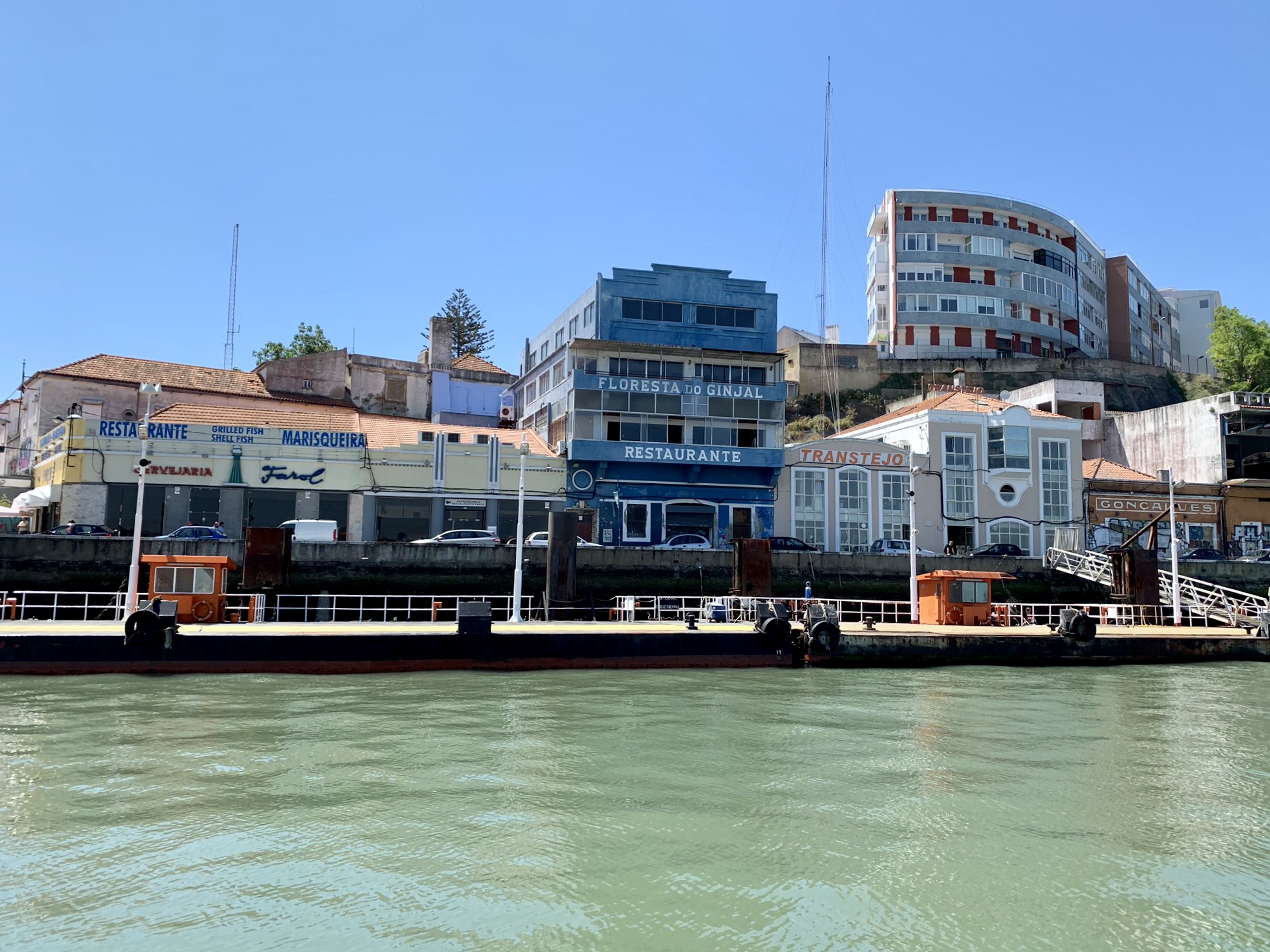
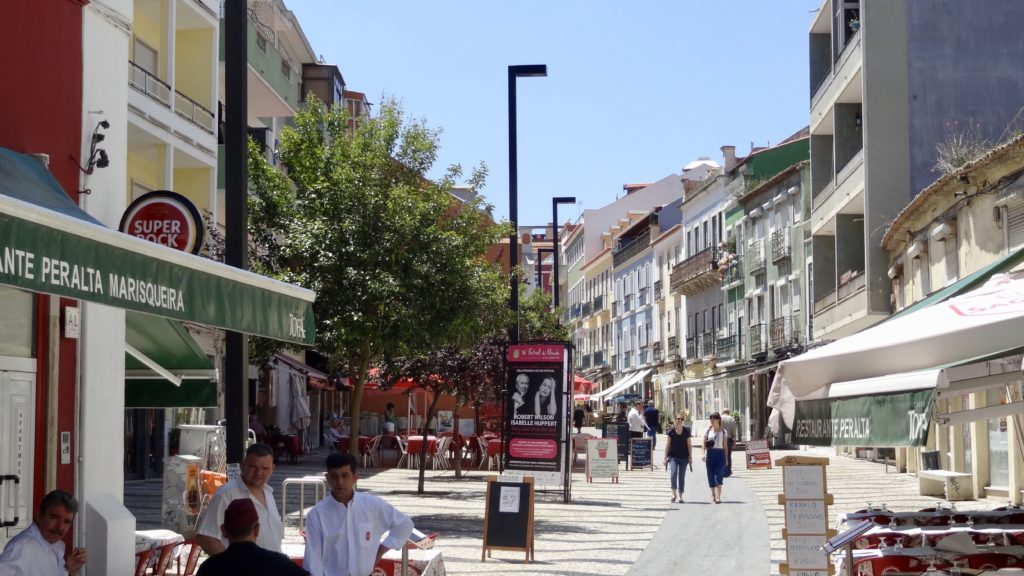
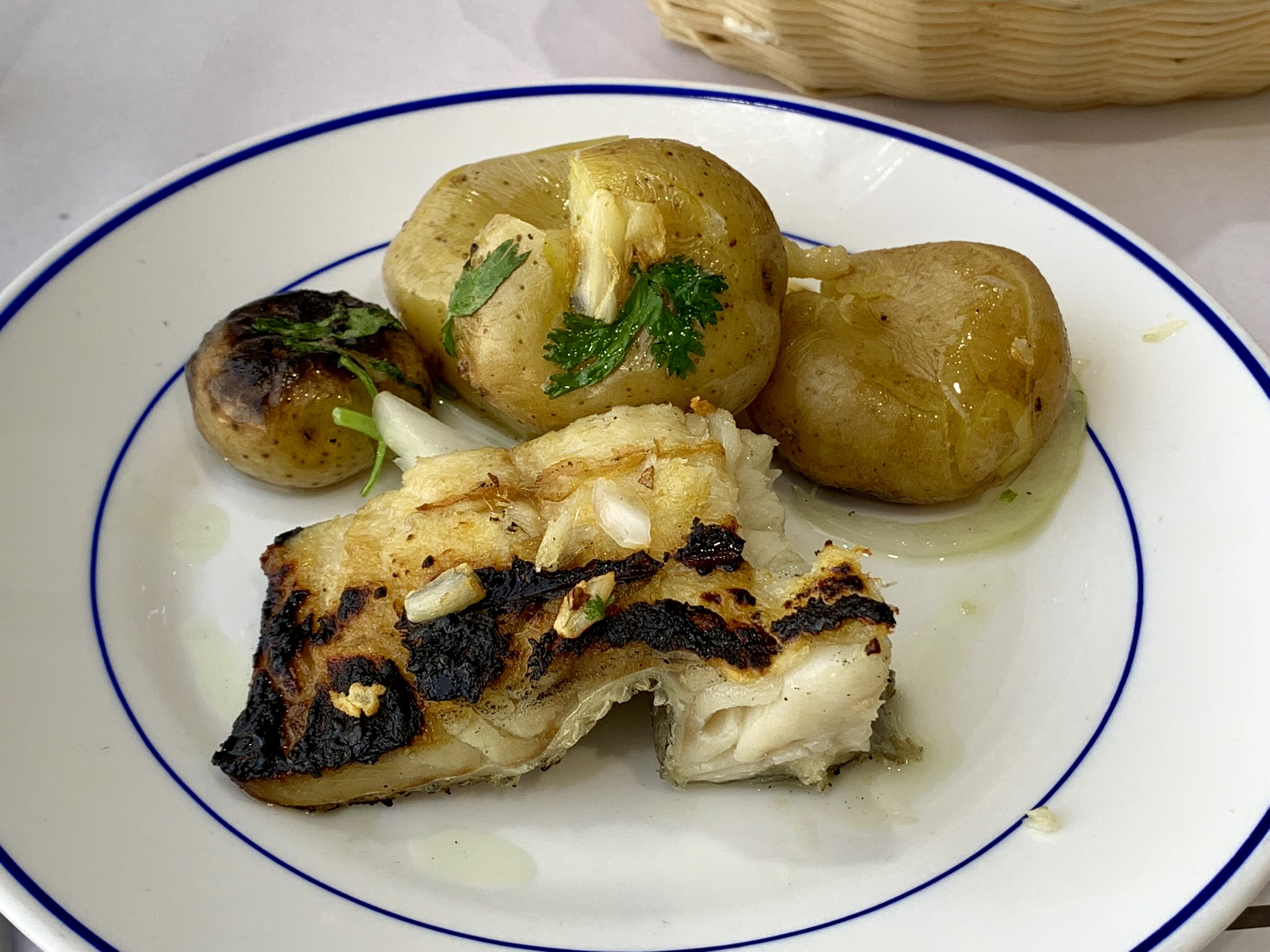
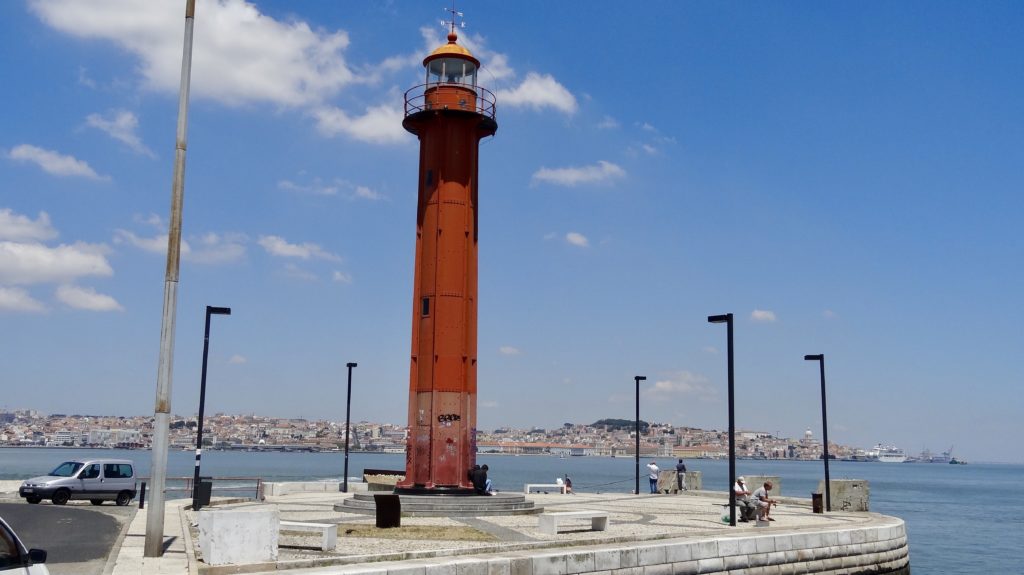
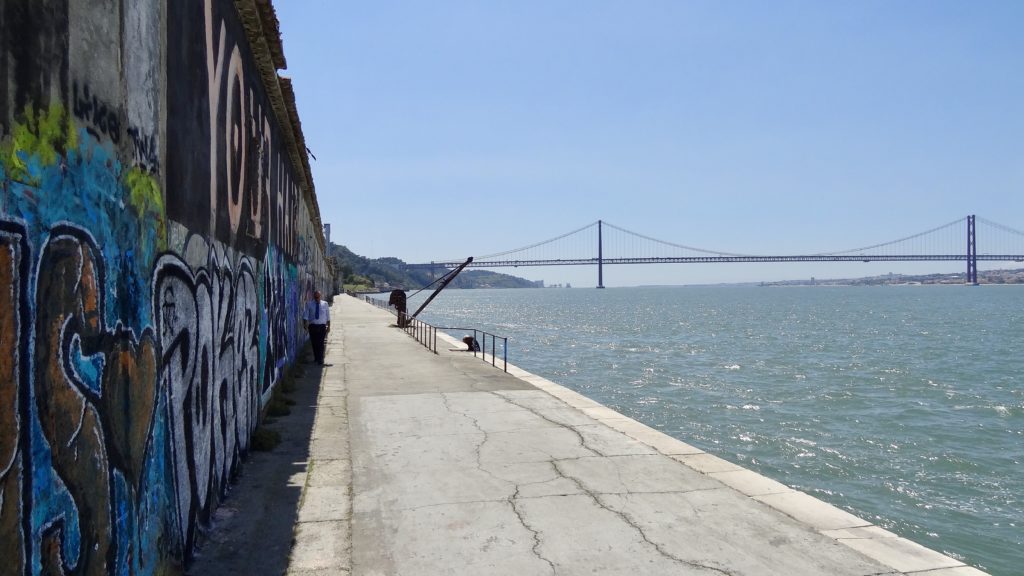
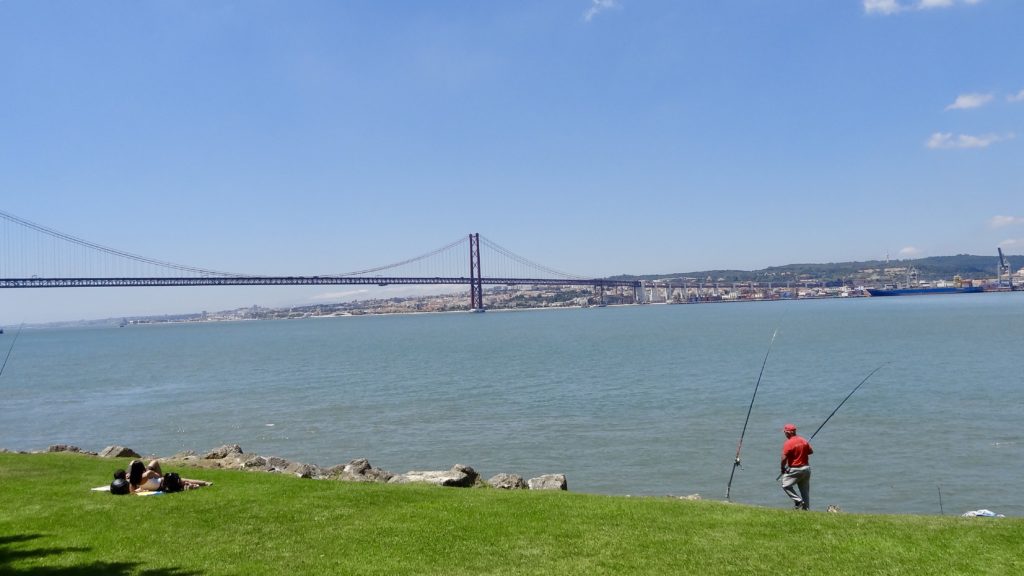
Only 10 minutes across the river by ferry, Cacilhas is a small town known for seafood and its views of Lisbon. The ferry is part of the Greater Lisbon metro system, so €3 on your zappy card will get you there and back.Dock-front restaurants (above) give way to a small shopping street, with more restaurants of course (below).We ate dockside and had fresh grilled bacalhau fresco (fresh cod) for lunch (fresh sardine season was a few weeks away).After lunch, we found the closest thing we could to fresh malasadas (filled with custard and called bolas de Berlim here) and ate them as we walked the waterfront and followed the long wharfs and their abandoned warehouses toward the 25 de Abril Bridge (below). We spent the afternoon at the little park at the end of the old working docks and watched fishermen compete with each other, yelling back and forth as they reeled in corvina — and the occasional boot.
Belém
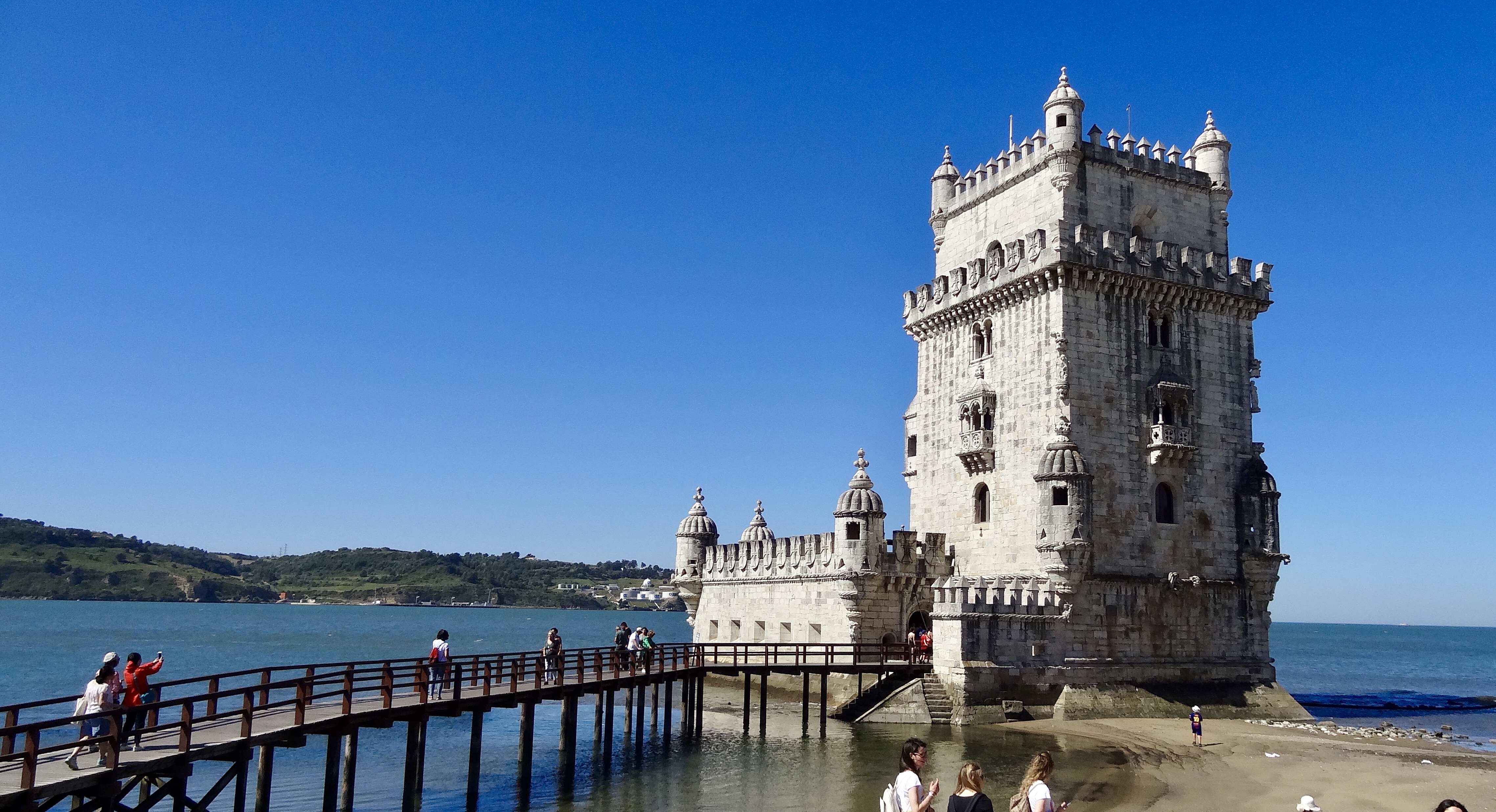
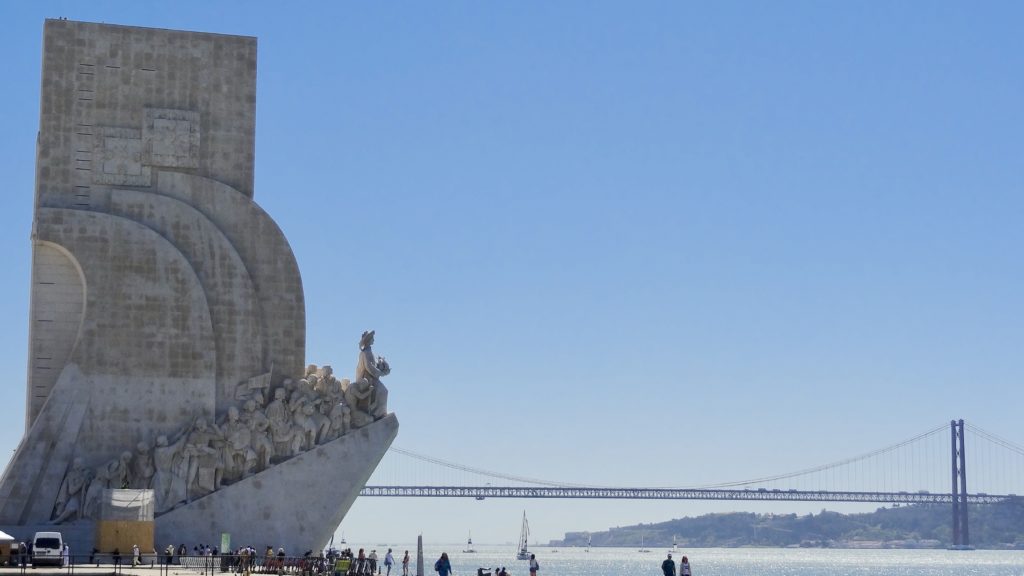
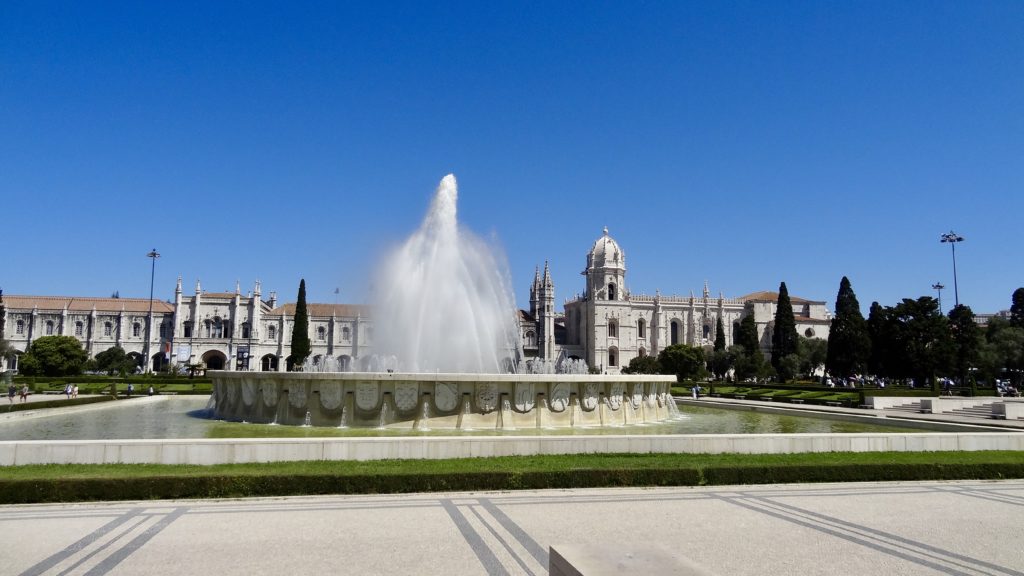
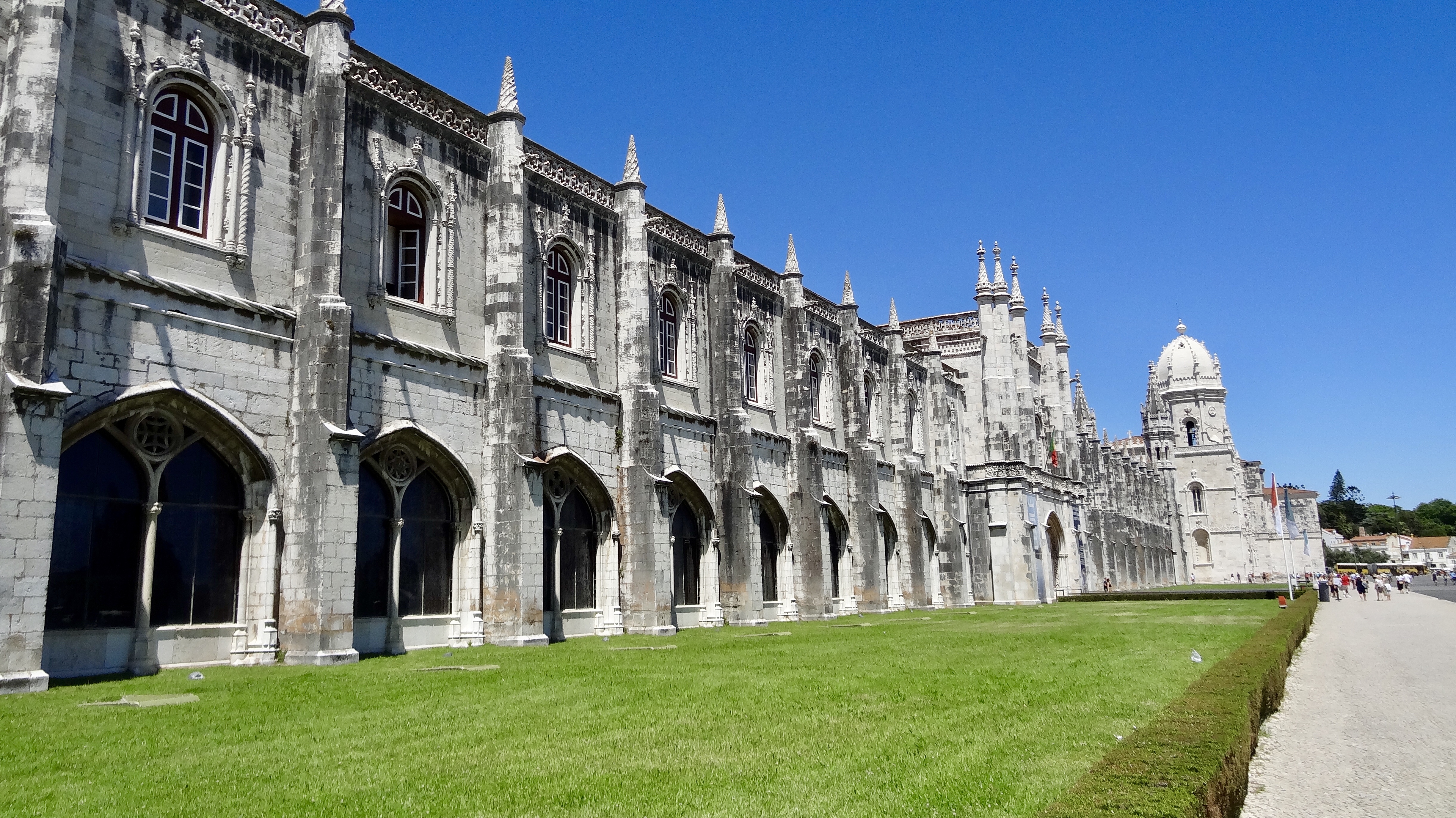
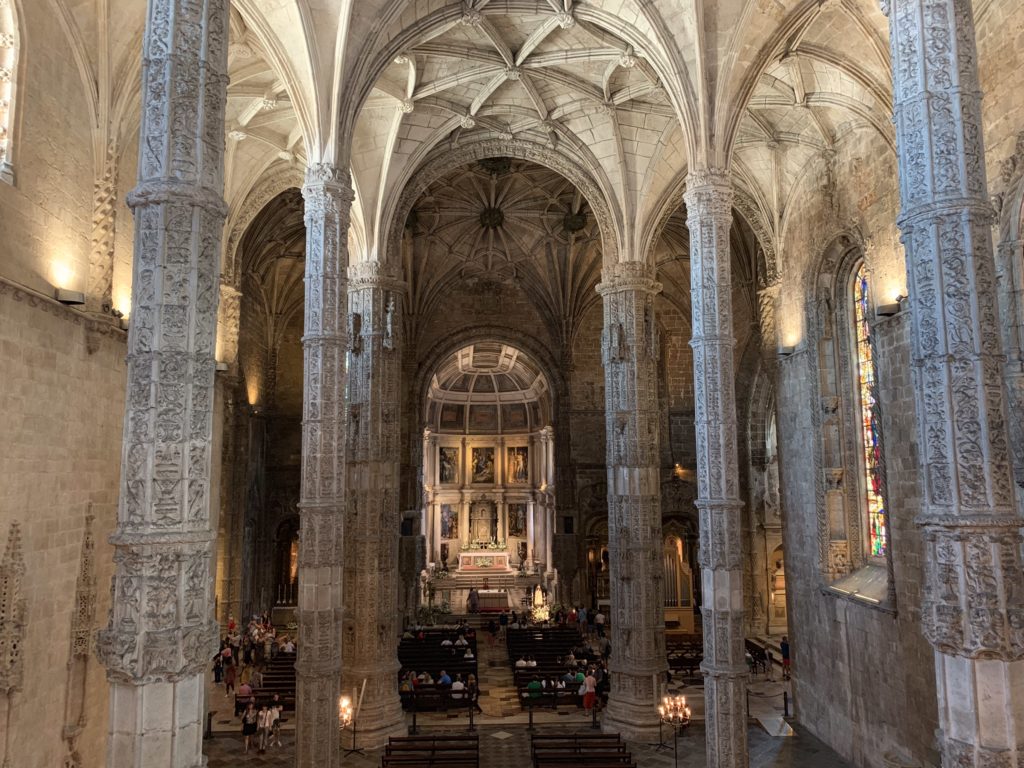
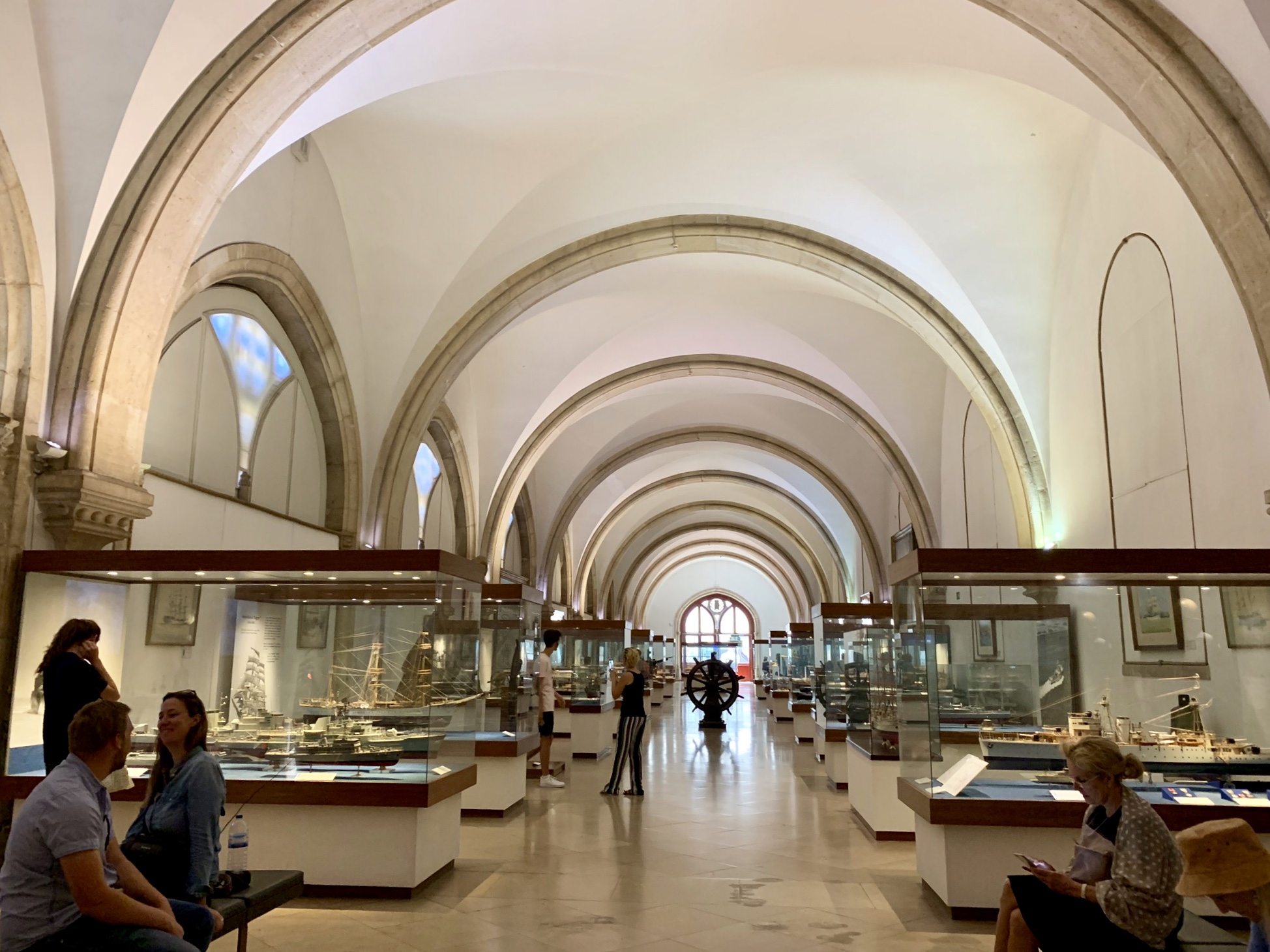
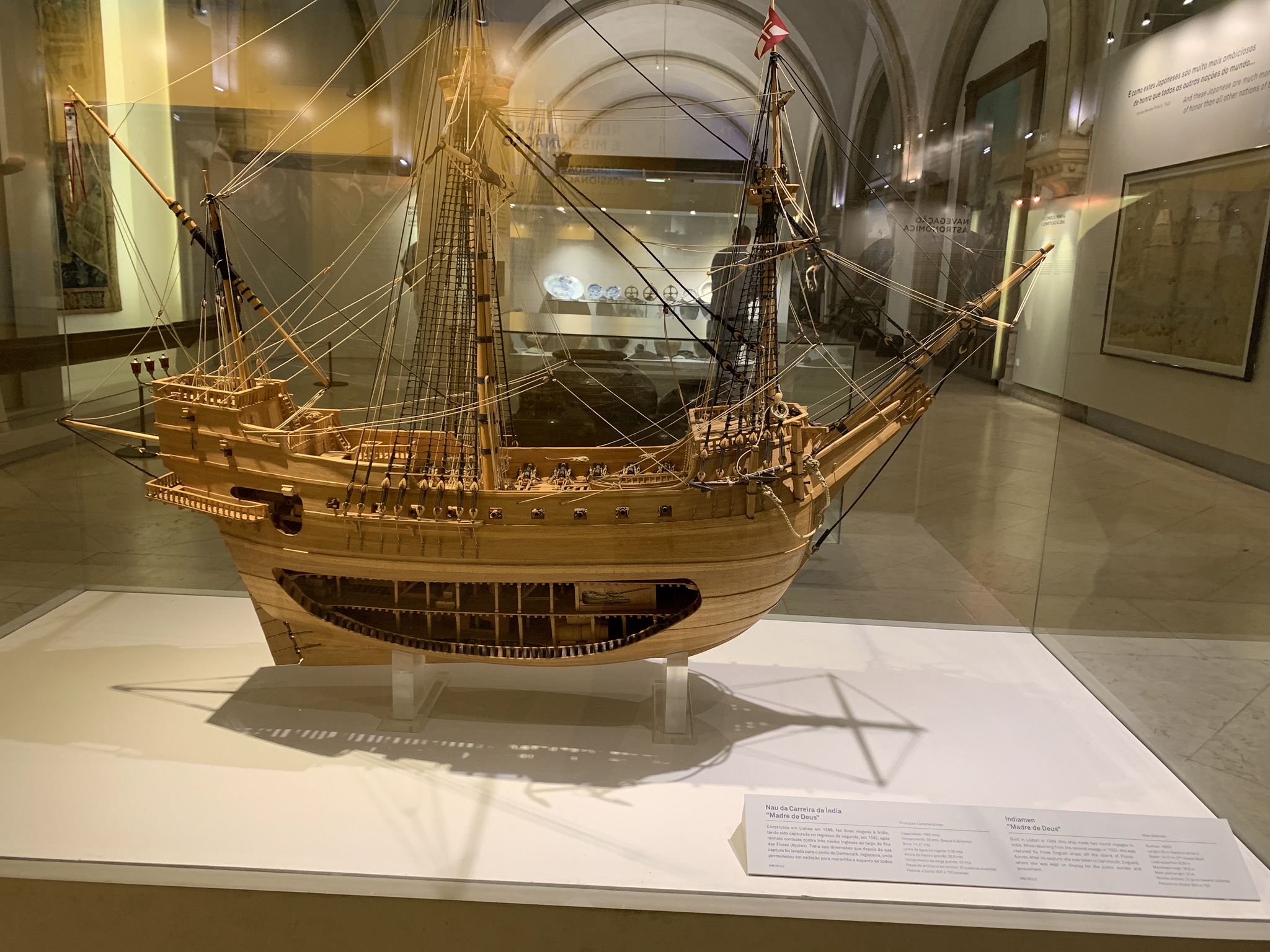
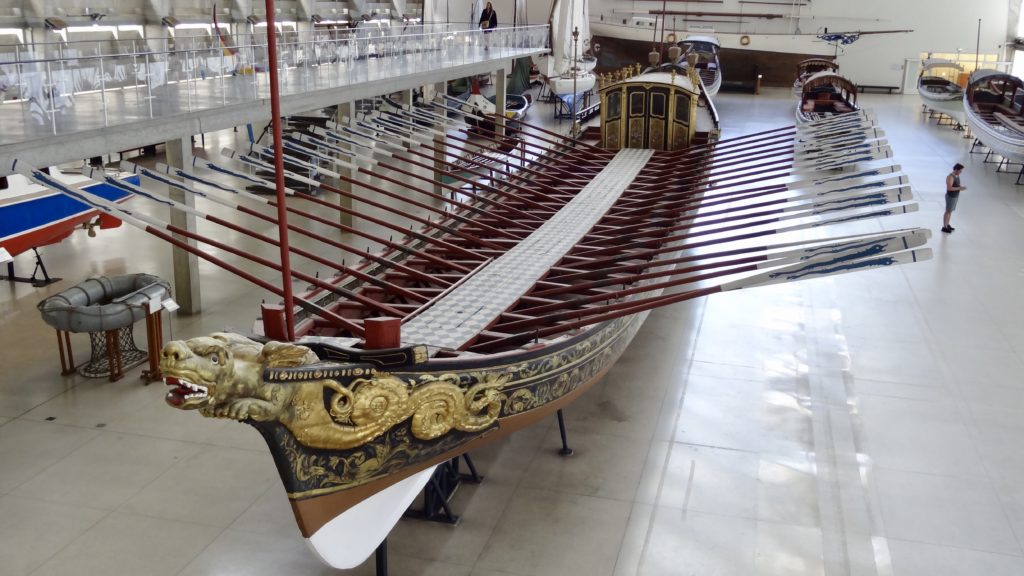
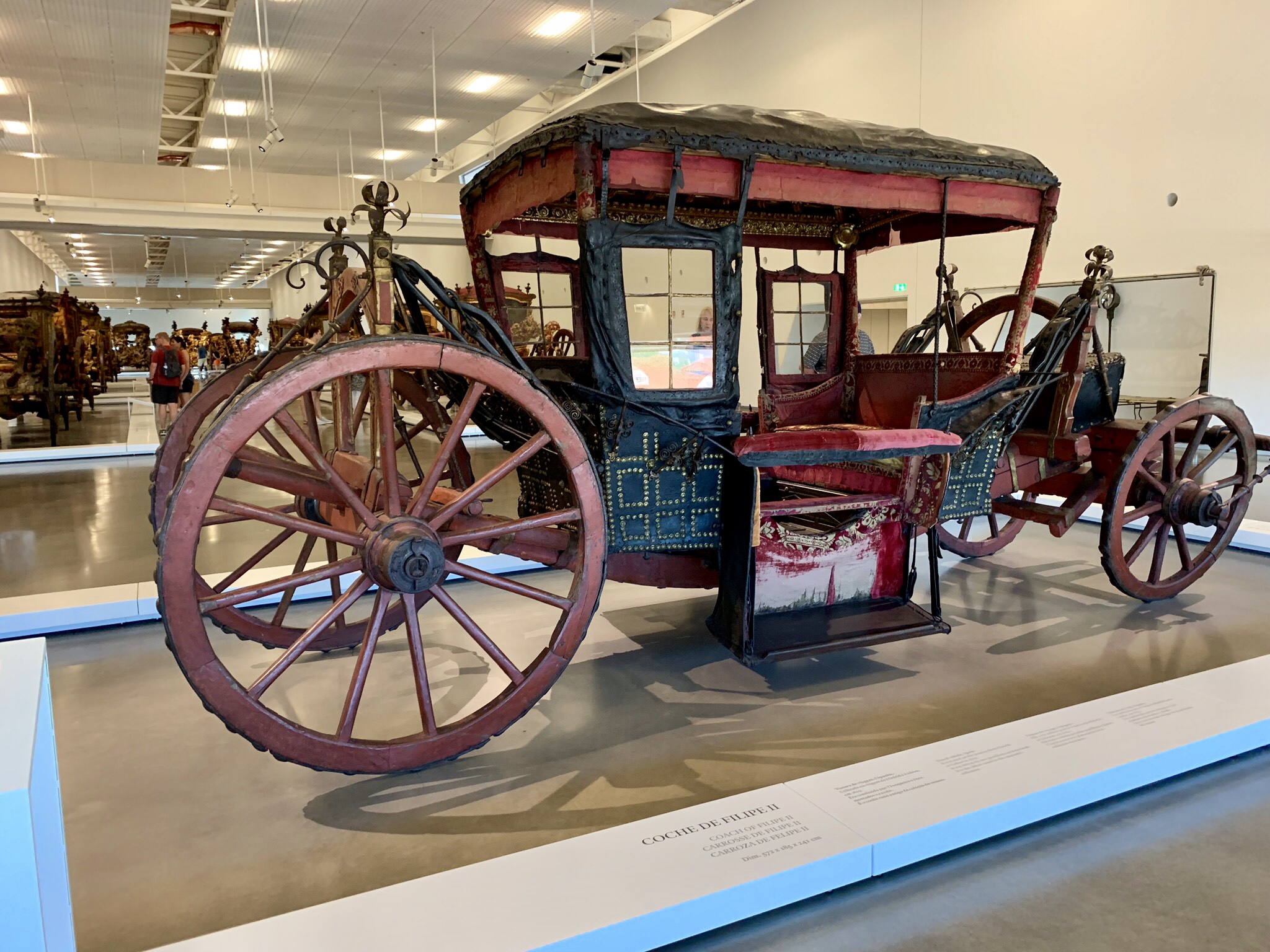
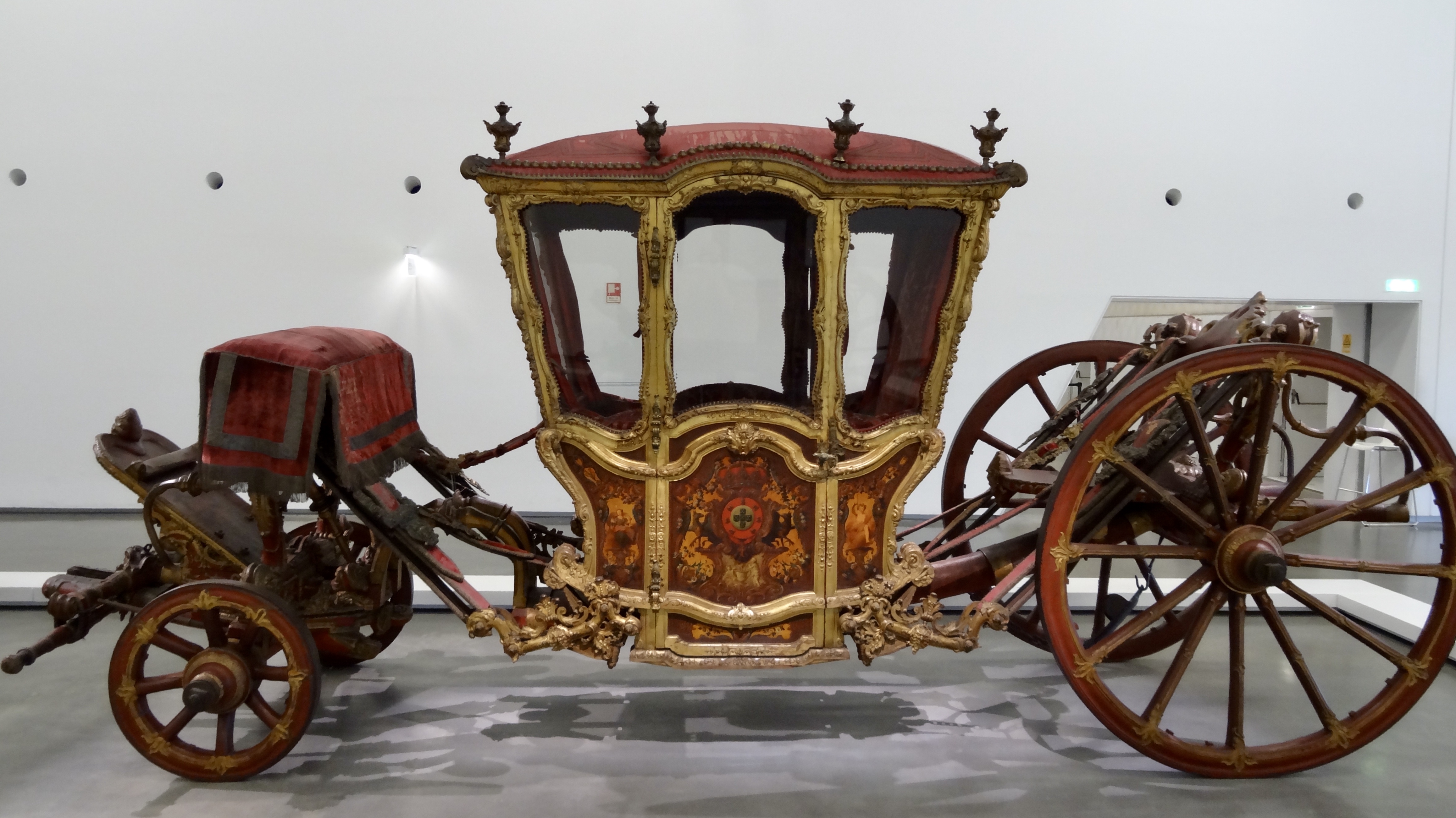
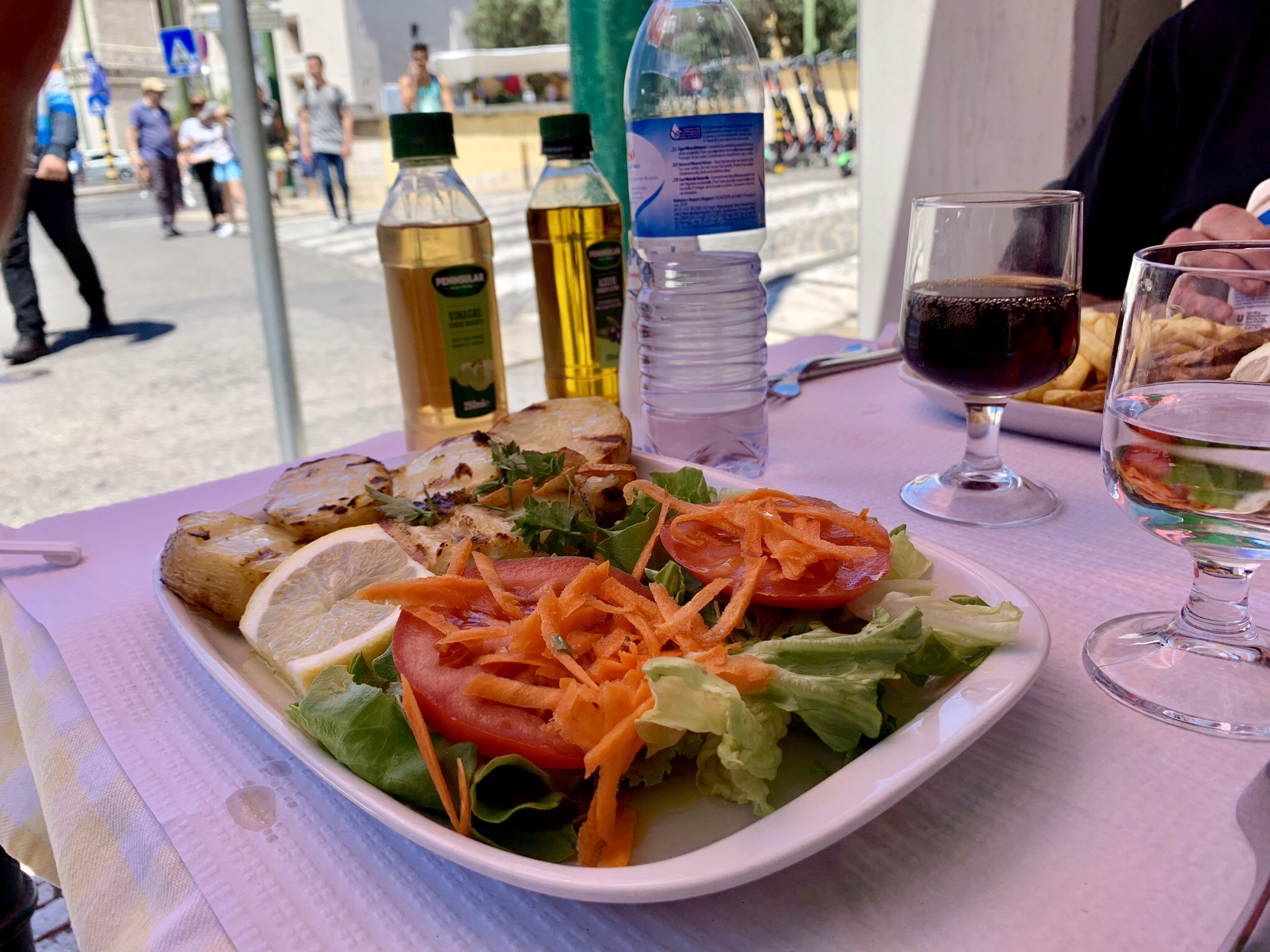
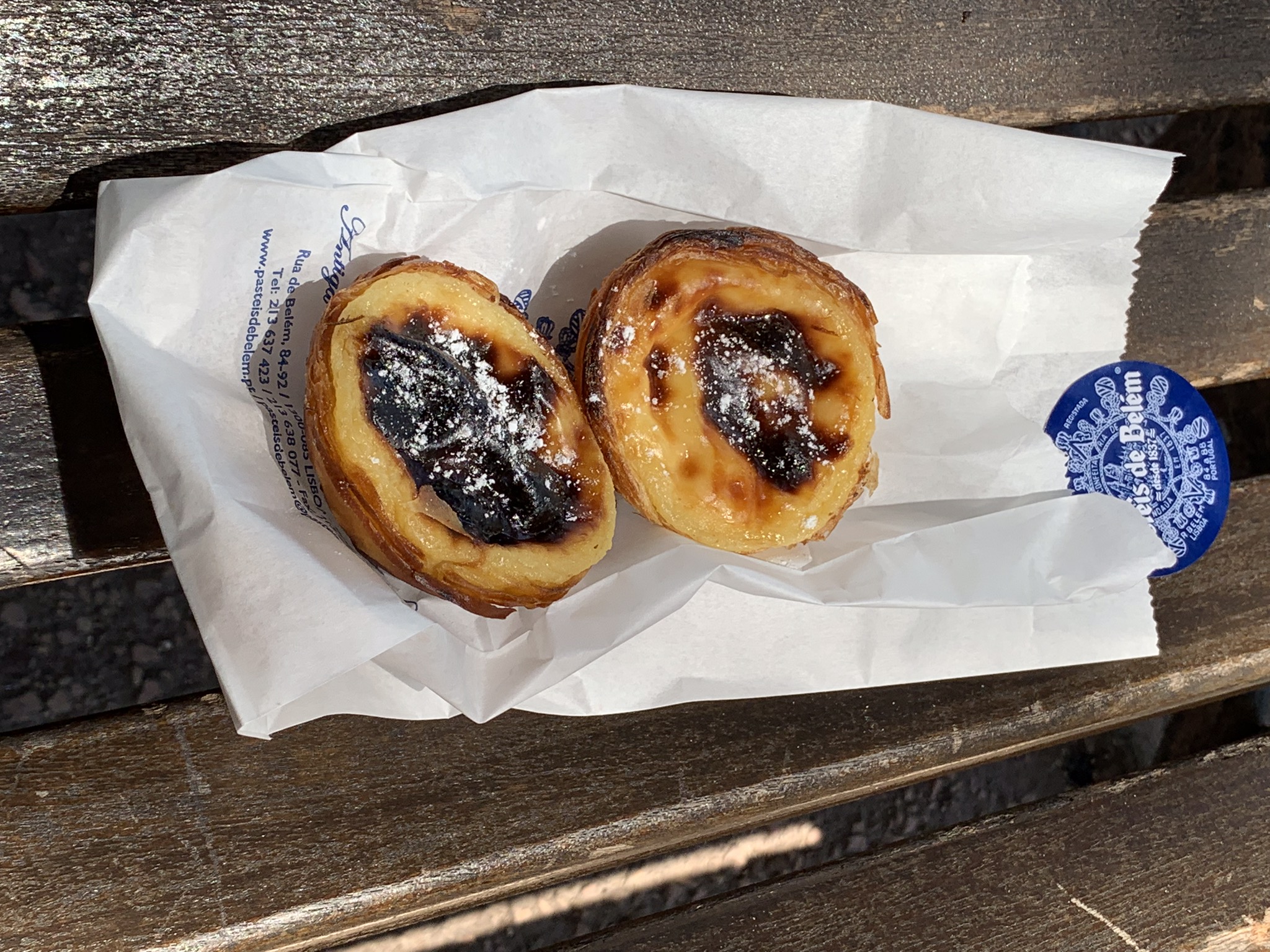
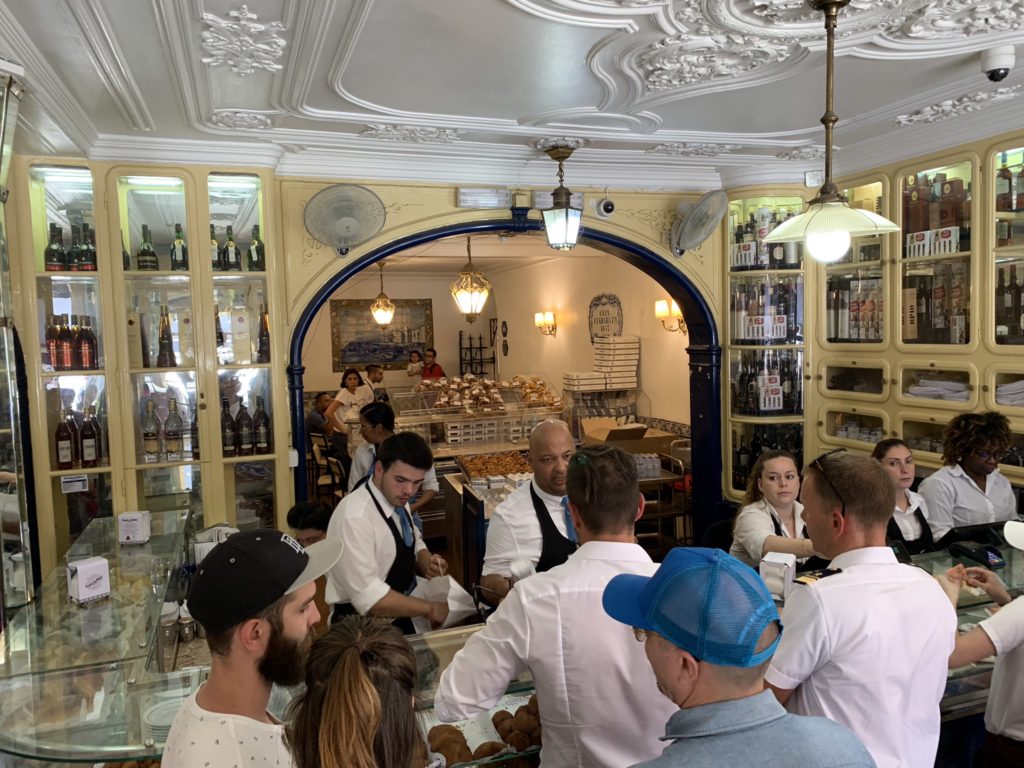
A 20 minute metro train ride west takes you to Belém. At the mouth of the Tagus River, it was important to the defense of Lisbon and is the site of the 16th century Tower of Belém.Belém was also the port town from which Portuguese caravels set sail, their captains intent on discovering the world, including Vasco da Gama. Monuments and museums live here now, attesting to the past. Front and center is the immense, and immensely expensive, Jerónimos Monastery, built in the early 1500s using taxes on African and Oriental trade. It and its predecessors were charged with ministering to the port’s sailors.The church remains a church, but the monastery is now several museums. Inside the church. The only thing in Belém that doesn’t charge admission, by the way. One of the museums housed is the Maritime Museum. We walked hall after fascinating hall of finely crafted models of the ships of Portugal, from ancient times to now. In one part of the museum rests royal river barges and sailing boats. This one here last saw service carrying a much younger Queen Elizabeth II down the Tagus River. Closer to the train station is a separate Coach Museum, with specimens more than 400 years old, like this one shown, used to transport royalty by road as far as Madrid. Plus more than a few Cinderella coaches.Lunch was at a tiny street table that we pounced on as soon as we spotted it. If you feel the need to check the menu board first, you lose the table, and all you’d learn anyway is whether they list their cod under Mariscos or Peixe.And the day wouldn’t be complete without a couple of pasteis de nata from the legendary source, Pastéis de Belém (below). We found a bench under a tree and ate them.
Cascais
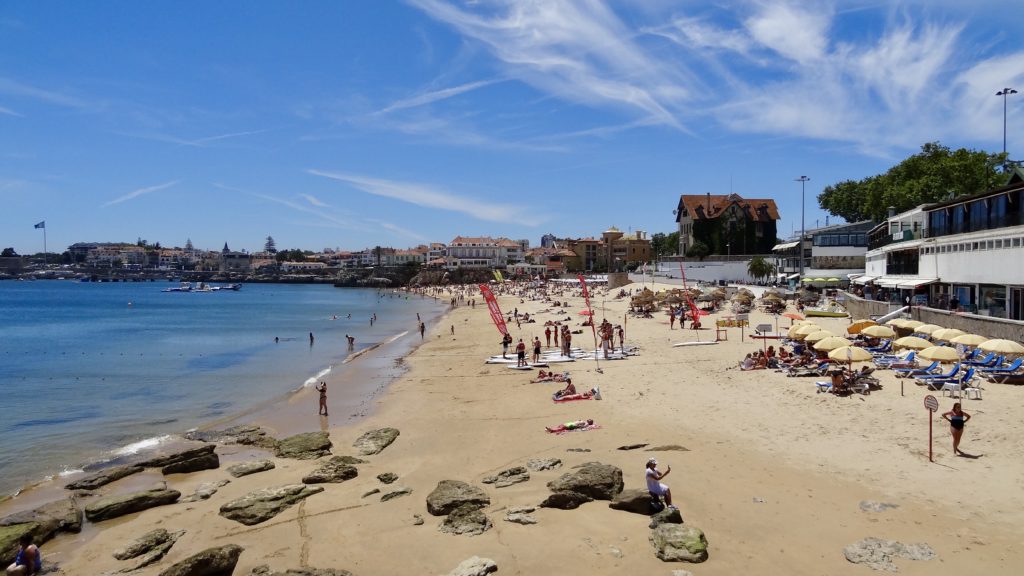
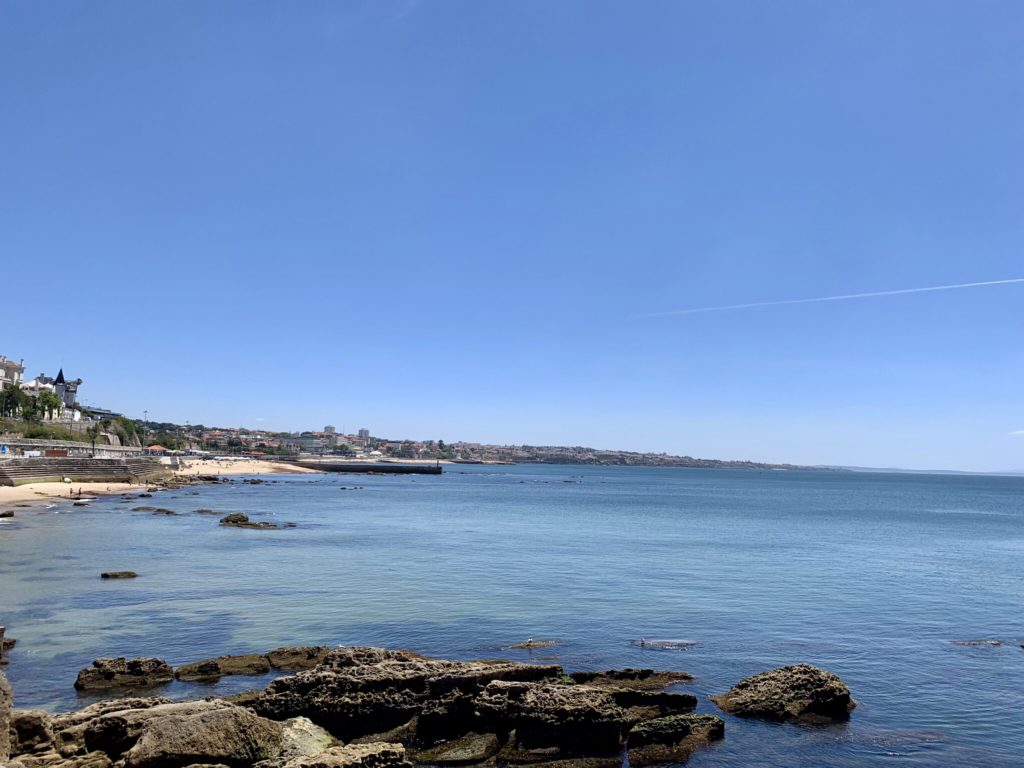
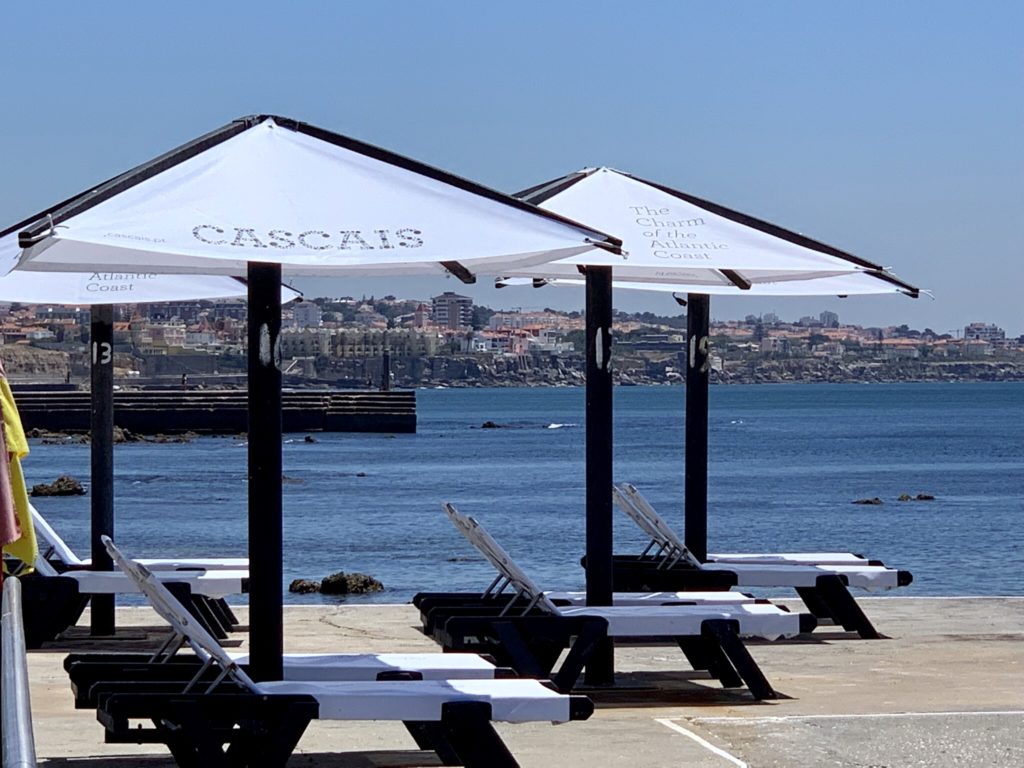
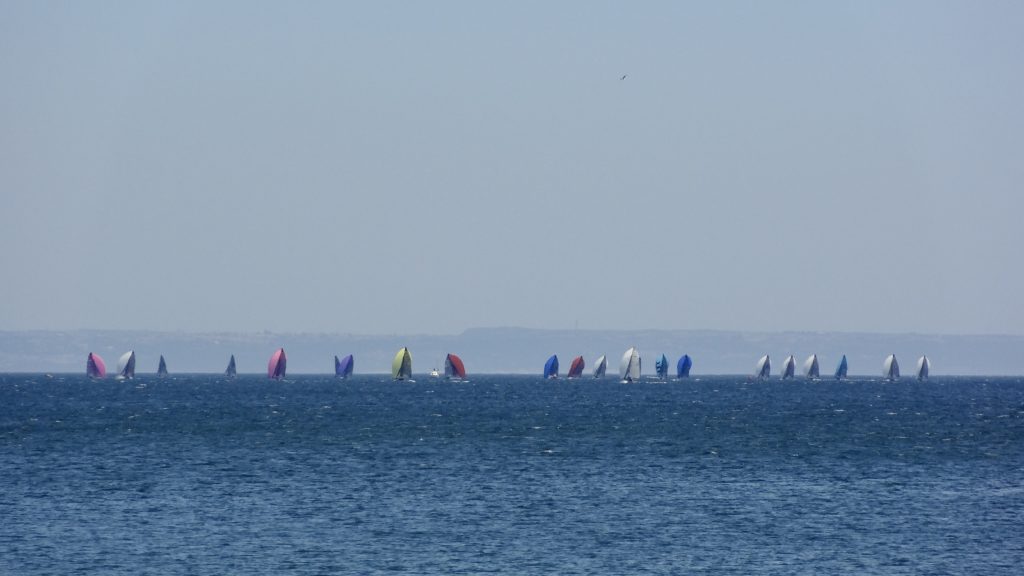
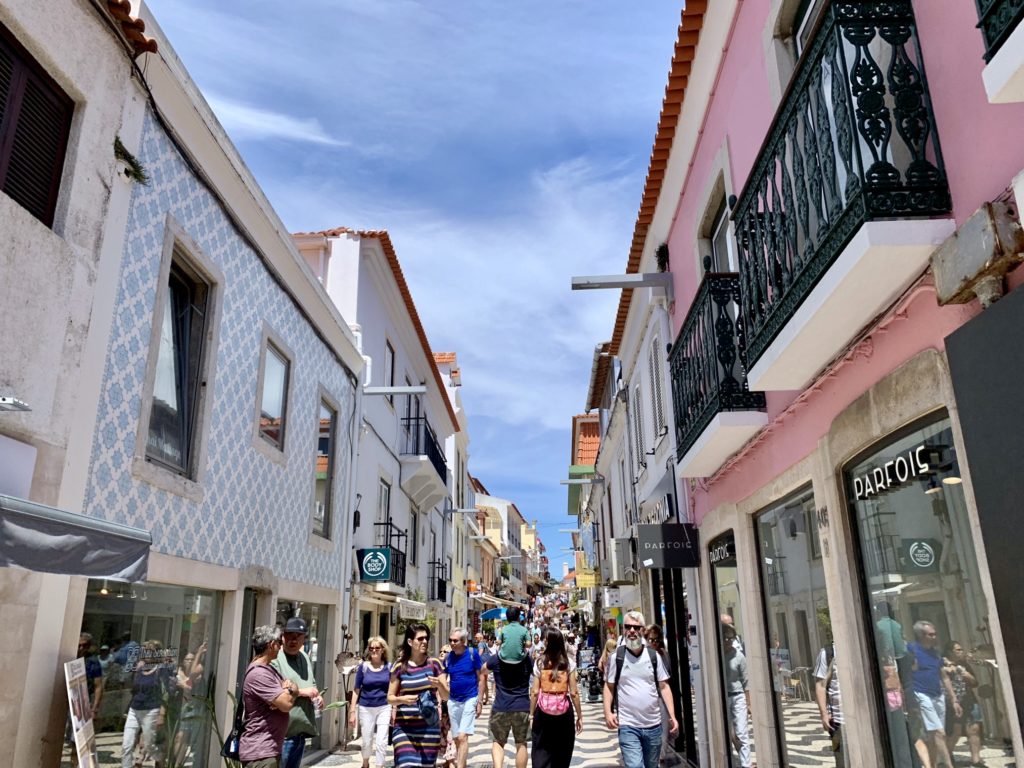
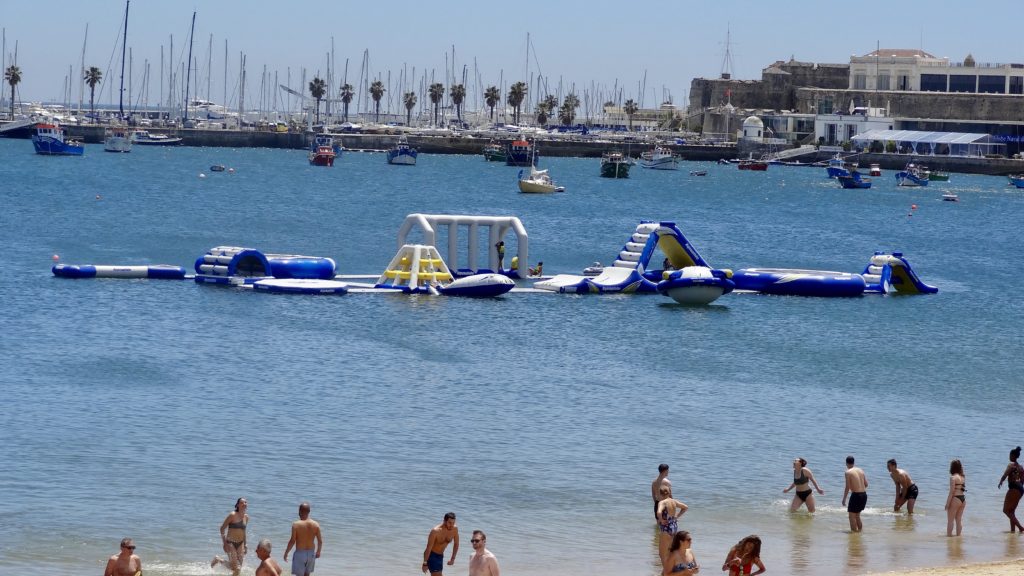
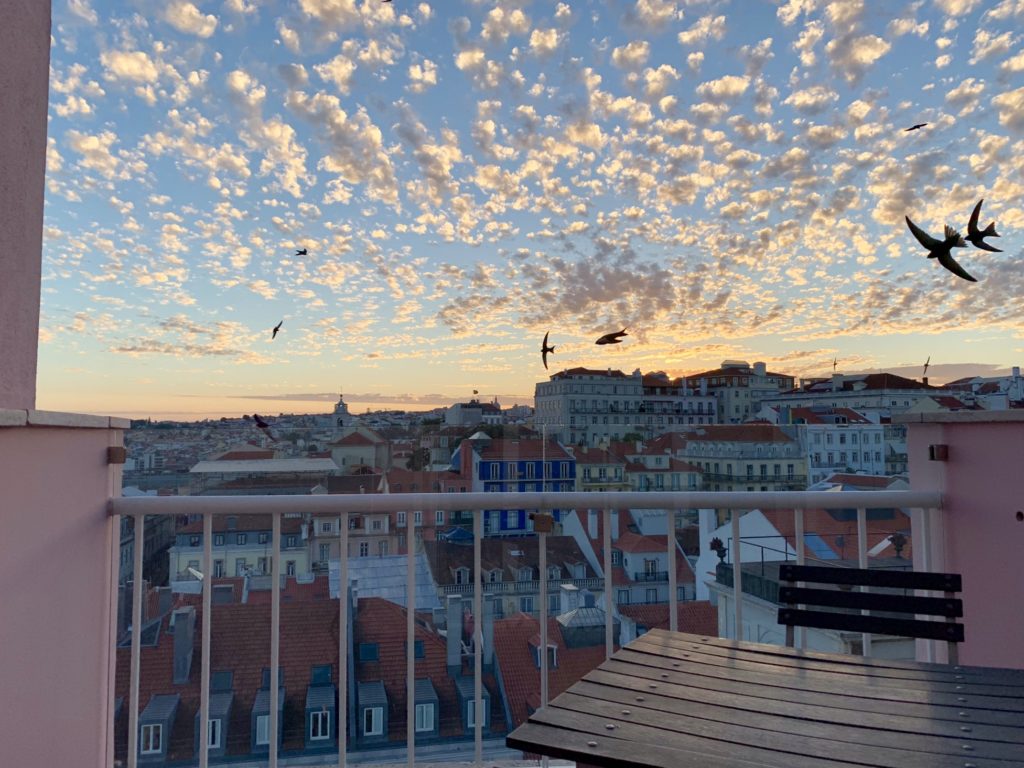
Another 20 minutes past Belém is Cascais, a popular seaside town with several beaches. We took a day, and for the first time in many months went to the beach. We rented a couple of “sun beds” and their umbrella and just hung out and read, while we let the attendant bring us lunch.Even though we went on a Monday, both the sea (above) and the town (below) were pretty busy. Nice floaty, but I’d hate to be the guy who had to blow it up. At the end of each day we would end up back in Lisbon and watch the sun set. When we leave, we’ll miss watching the little aerobatic swifts race around the sky.