//Kuala Lumpur & Malacca – February, March 2023

Kuala Lumpur & Malacca – February, March 2023

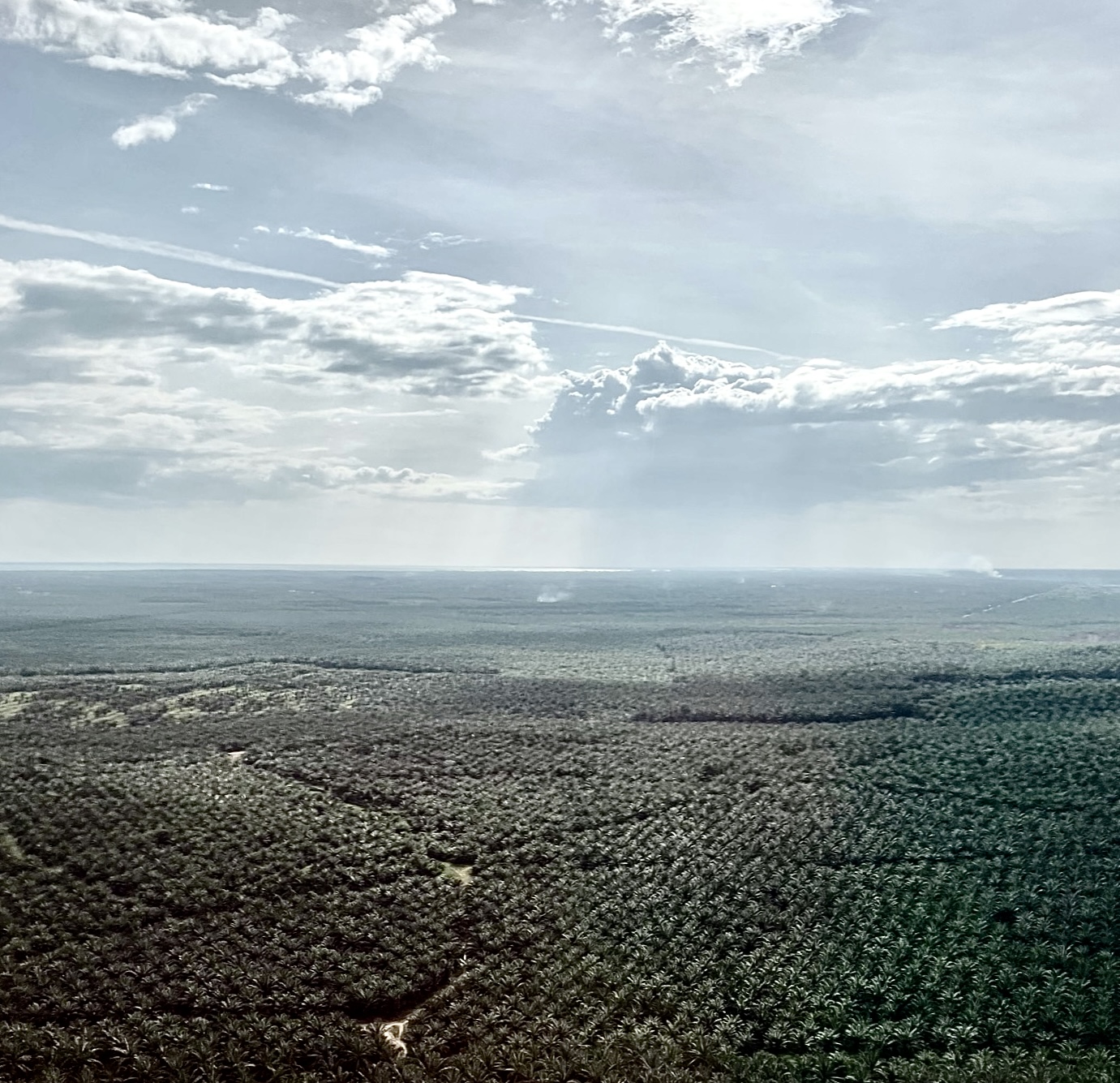
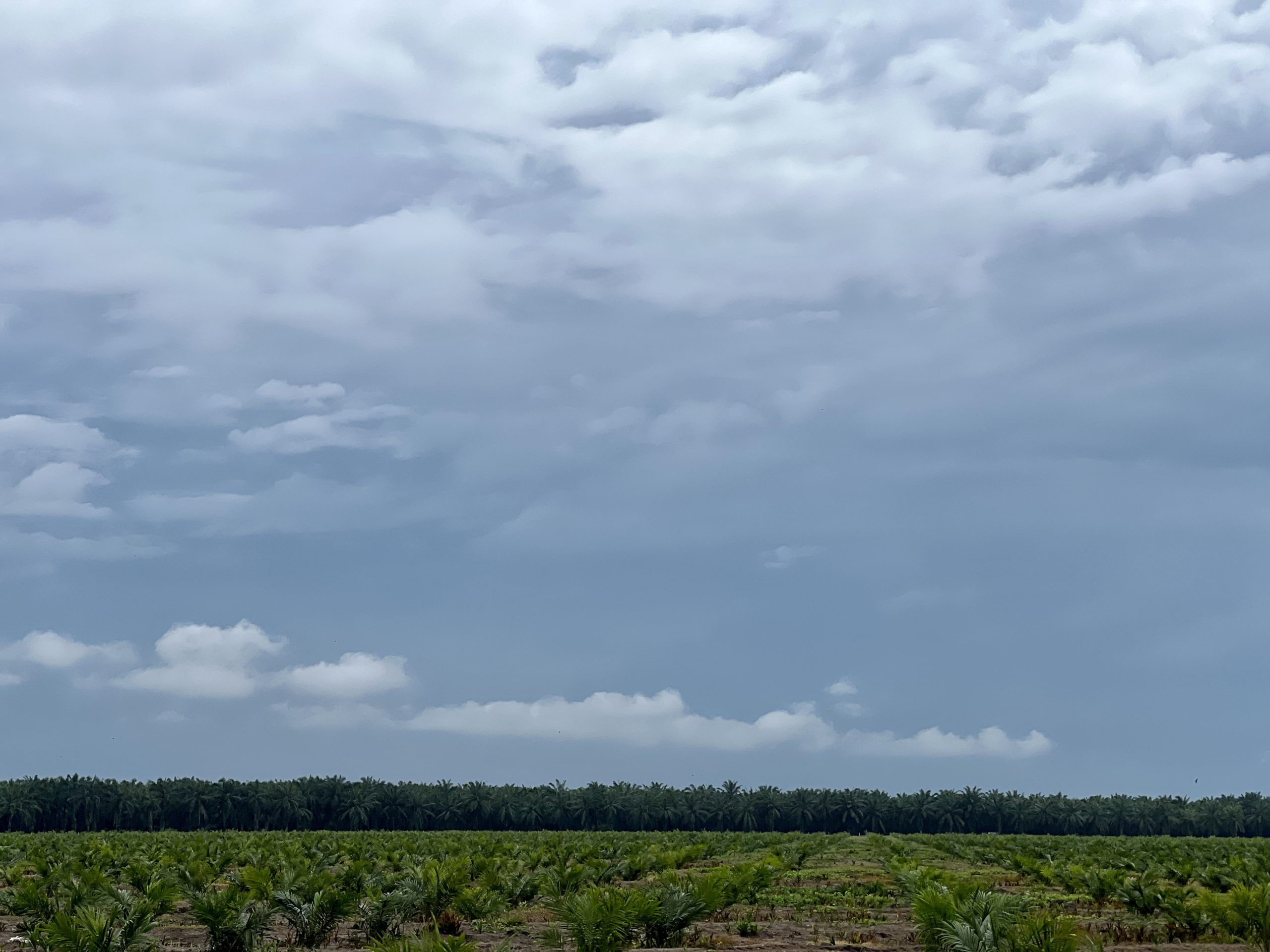
Our approach to Kuala Lumpur took us over palm oil plantations that appeared to stretch to the horizon. Palm oil is primarily used in cooking, and most of what is produced is consumed by asian countries, like Indonesia, China, and India. Nevertheless, it is used globally and can be found in most personal care products, like lipstick, soaps, and detergent. Even ice cream, which is perhaps the most important personal care product ever invented.
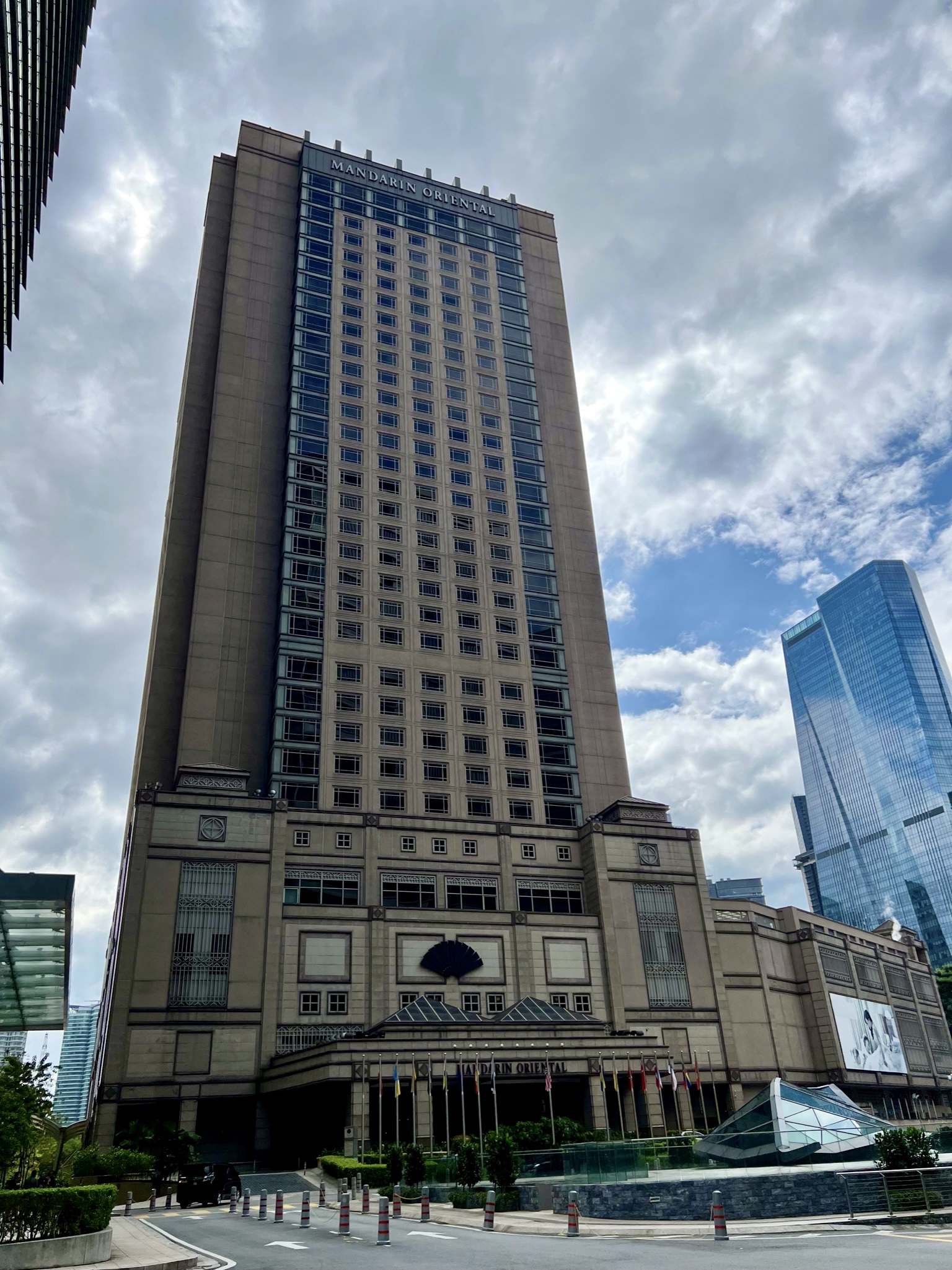
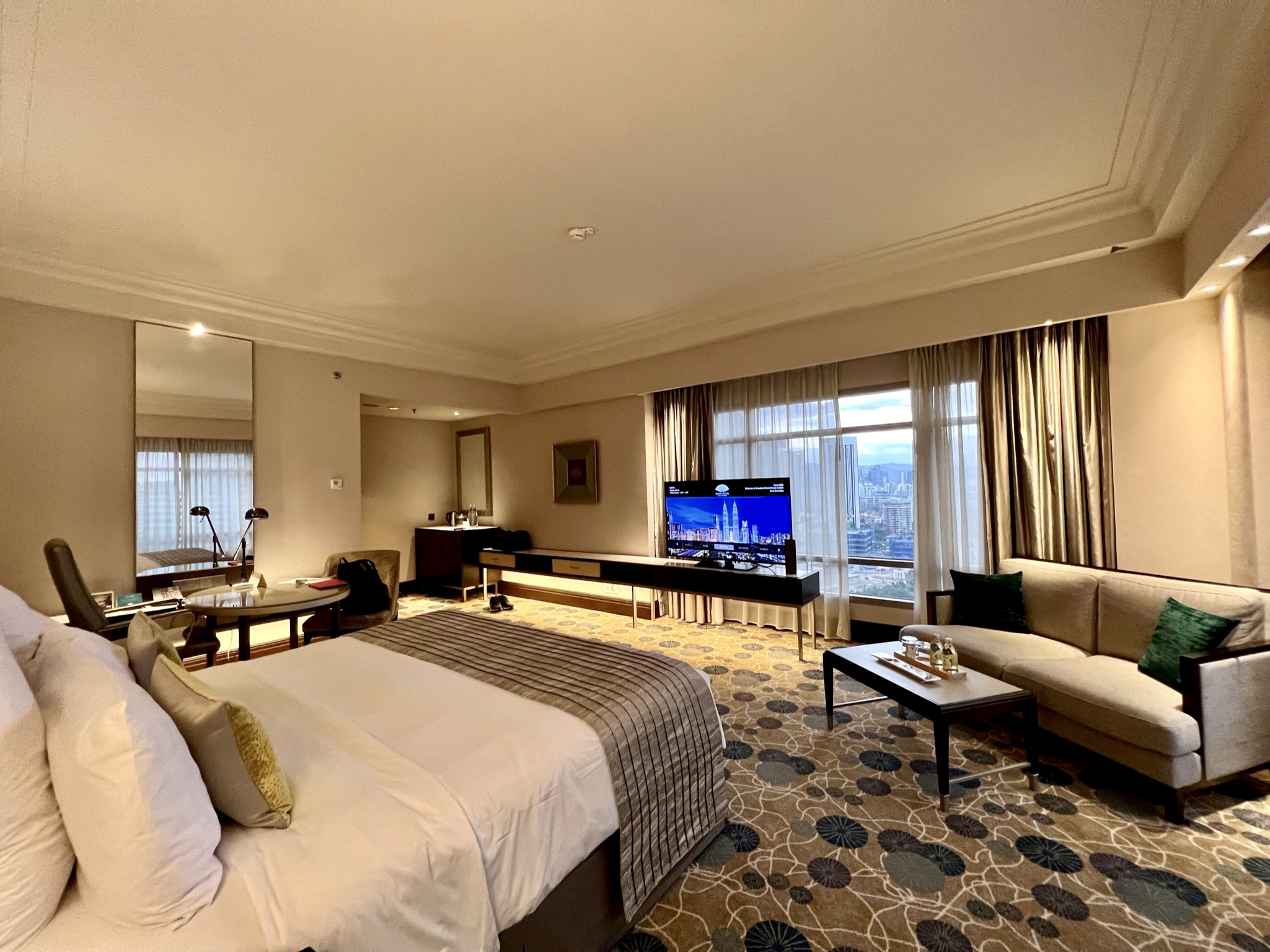
We checked into the Mandarin Oriental, the best located hotel in Kuala Lumpur.
We booked well in advance and got a great rate for our week’s stay. In addition to its location, the property is impeccable, and the service is some of the best we’ve ever experienced – and that’s saying something.
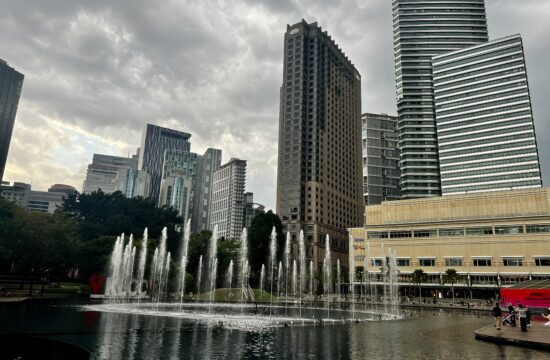
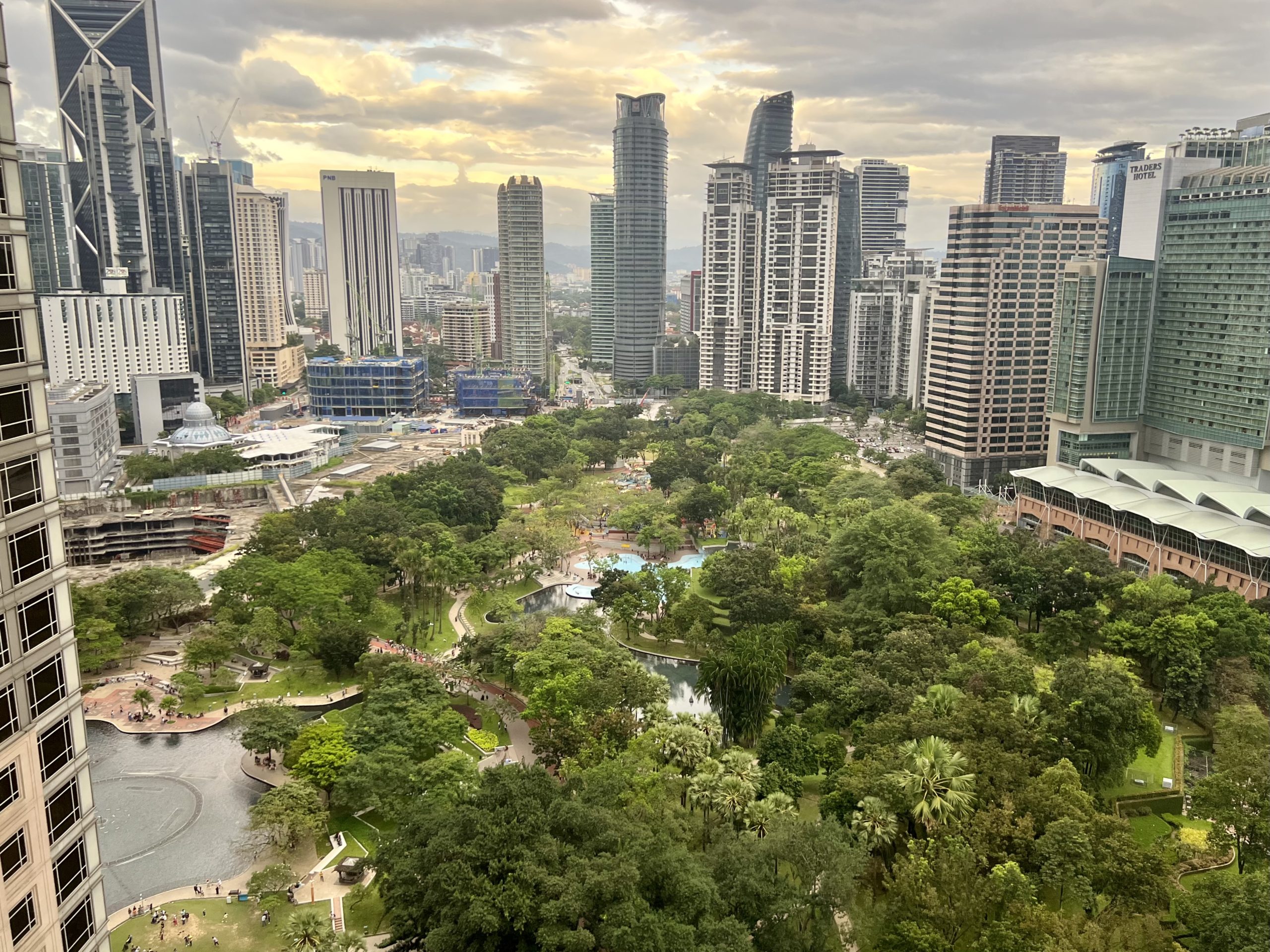
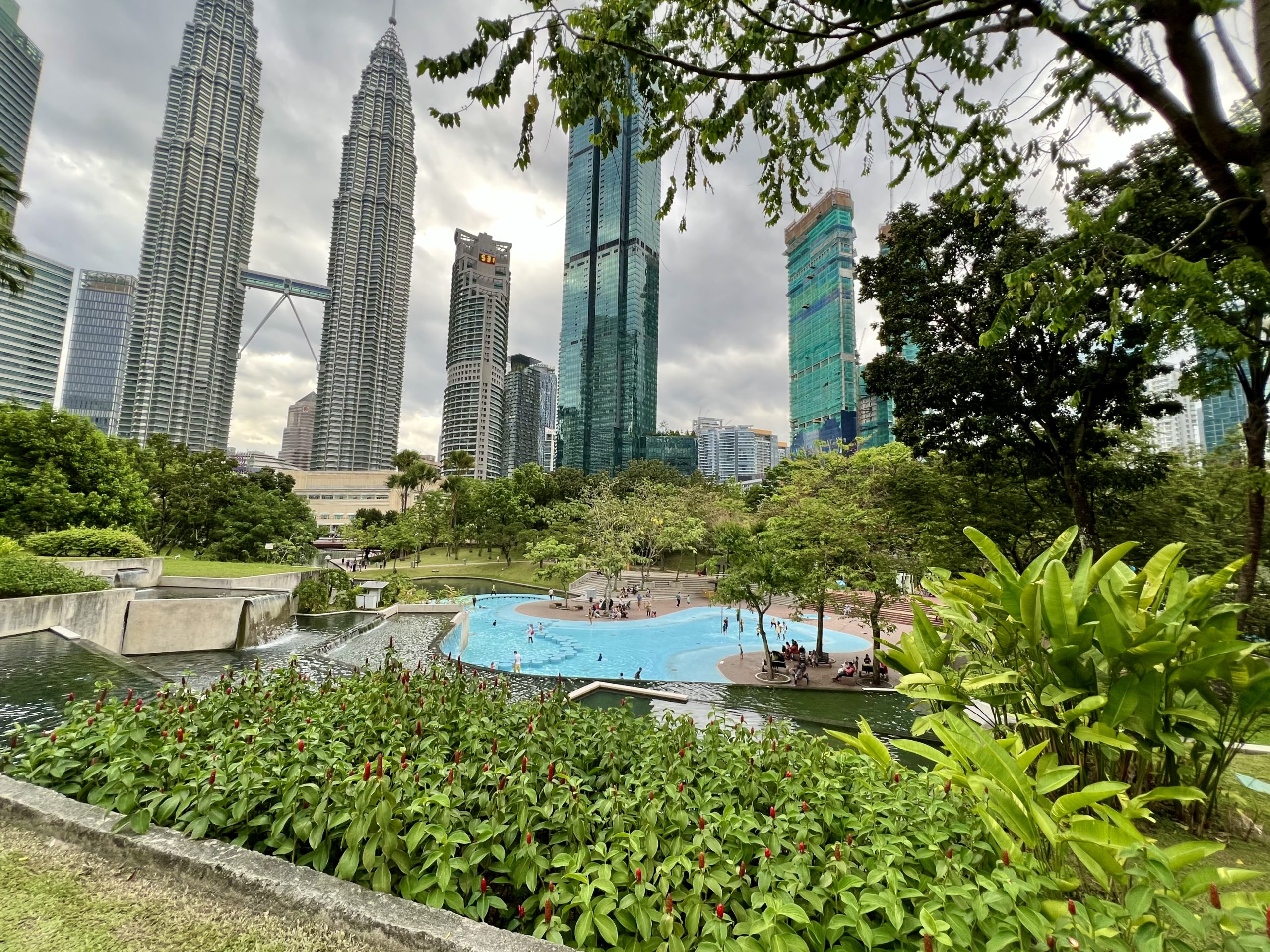
Our room overlooked Kuala Lumpur City Center (KLCC) park and the forest of concrete that surrounds it.
We immediately fell in love with the park’s running track – 1.3km of rubberized running surface that we made regular use of.
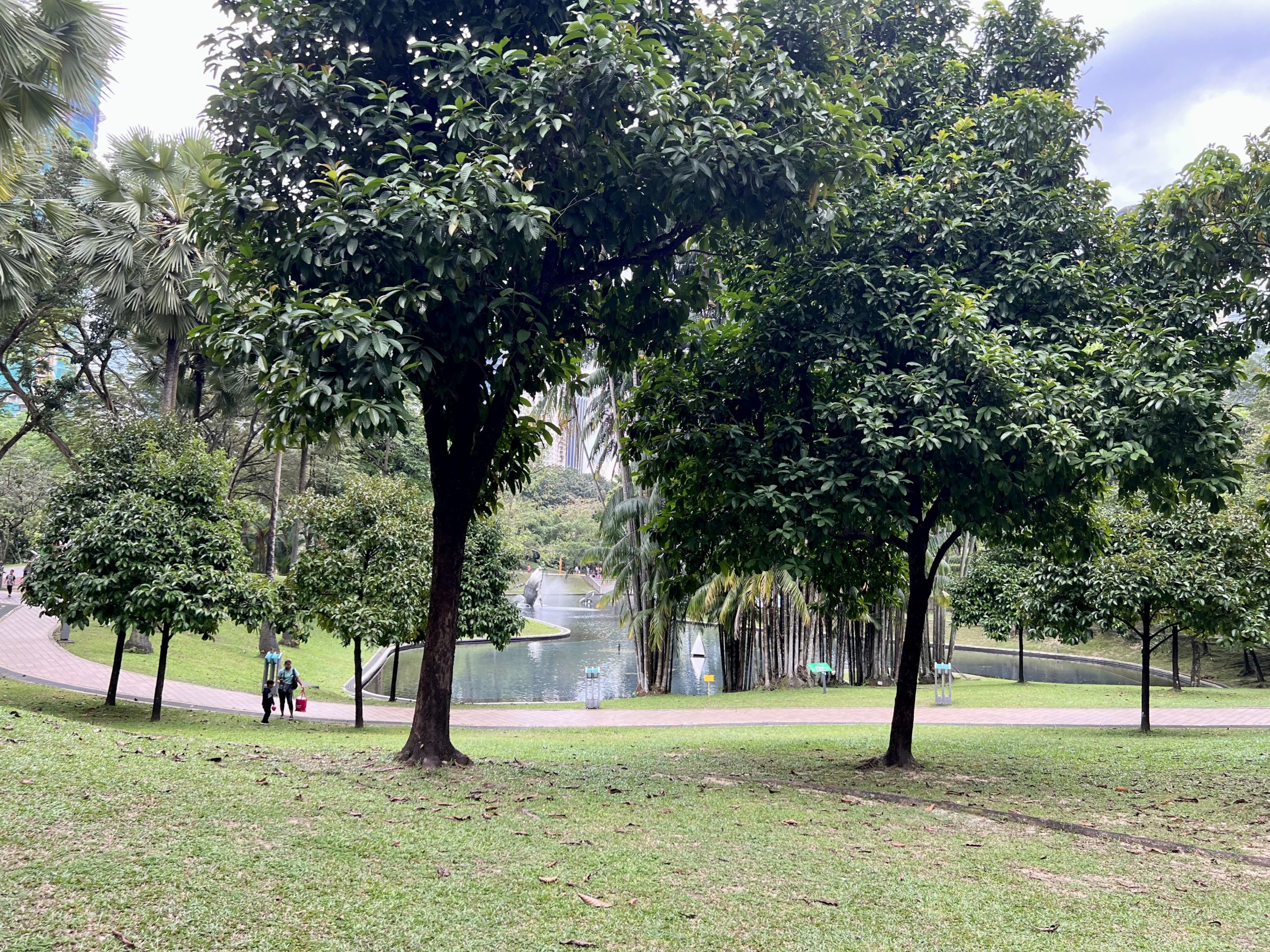
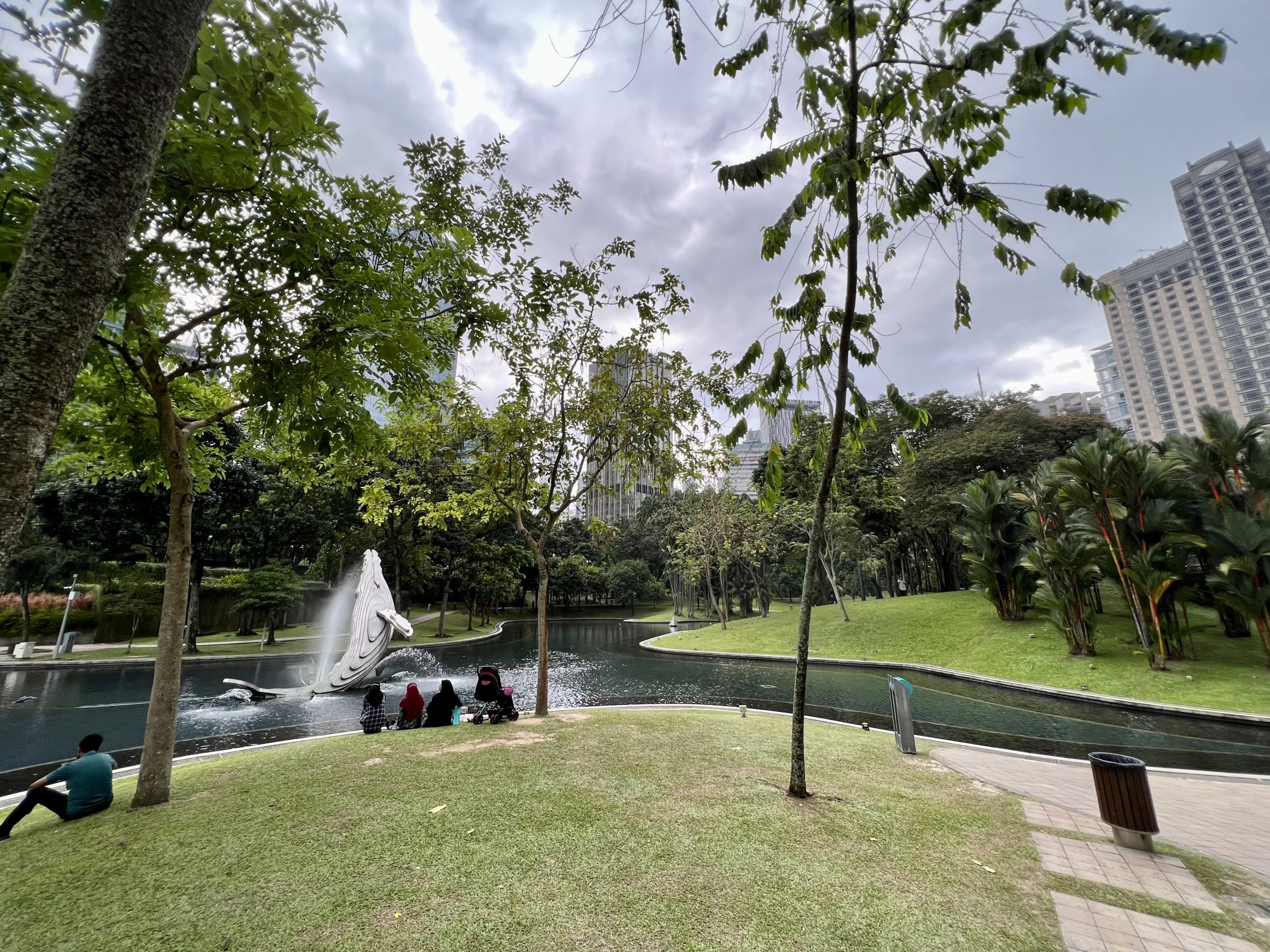
The park has green spaces and water features …
And an immense children’s play area, which includes this huge play pool, essential, I suppose, for preventing meltdowns in the equatorial heat.
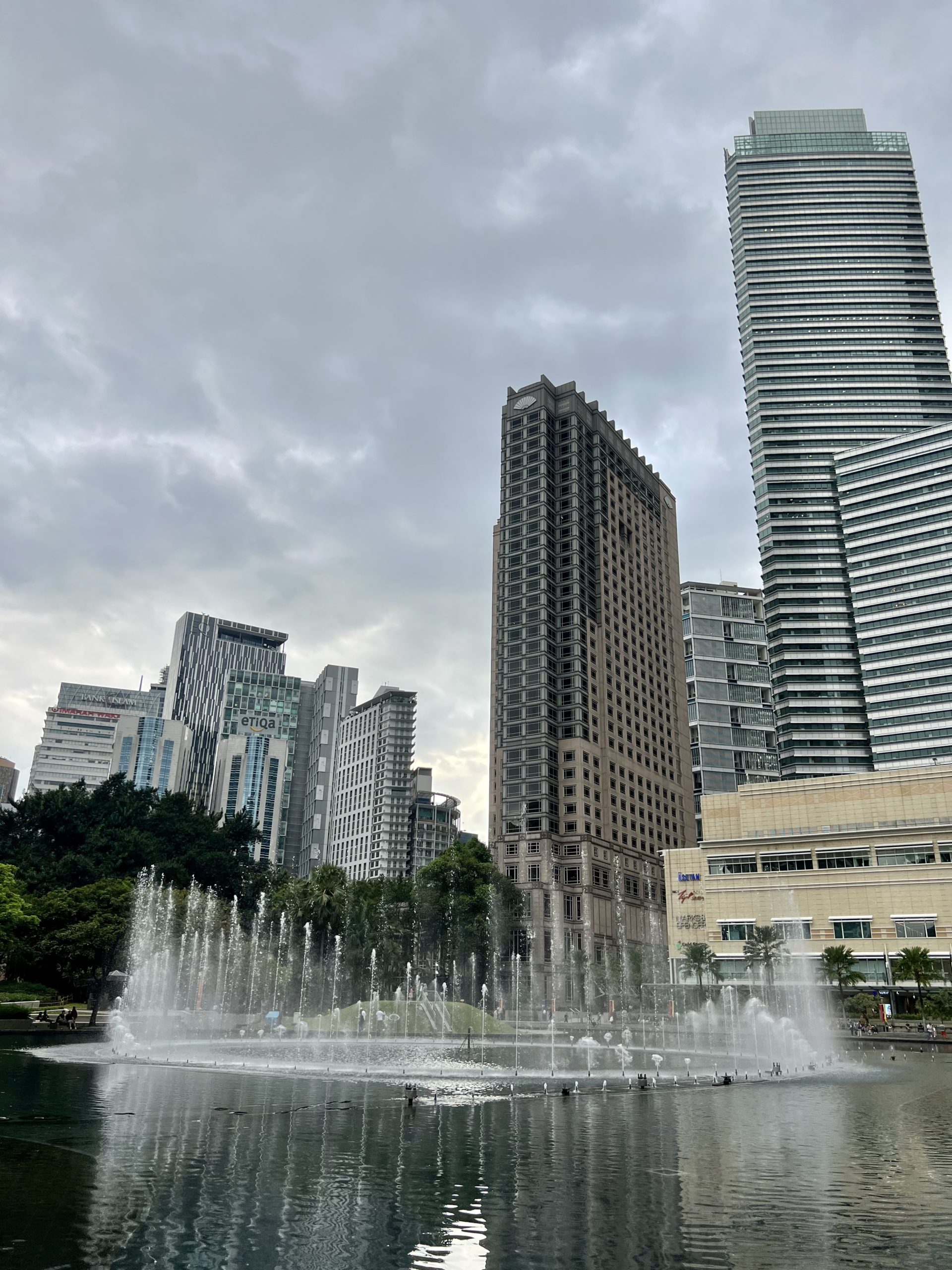
Here’s a look at the MO from the park. These fountains cycle through a number of patterns and seem to mesmerize people, some who watch them for hours, especially at night when colored lights are added.
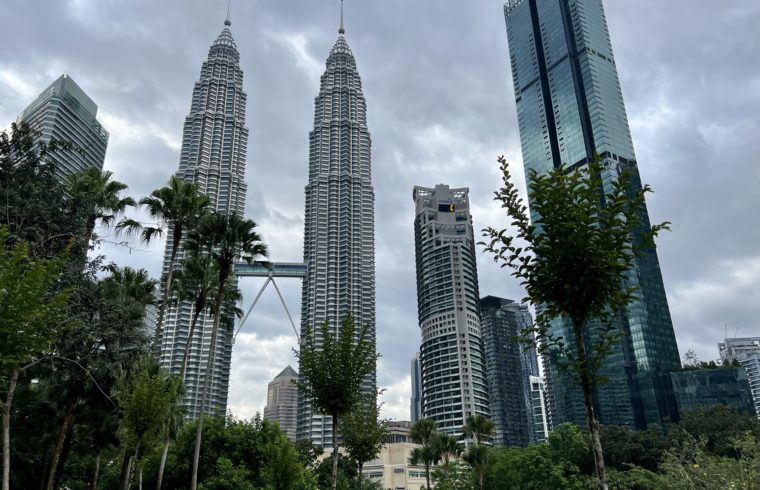
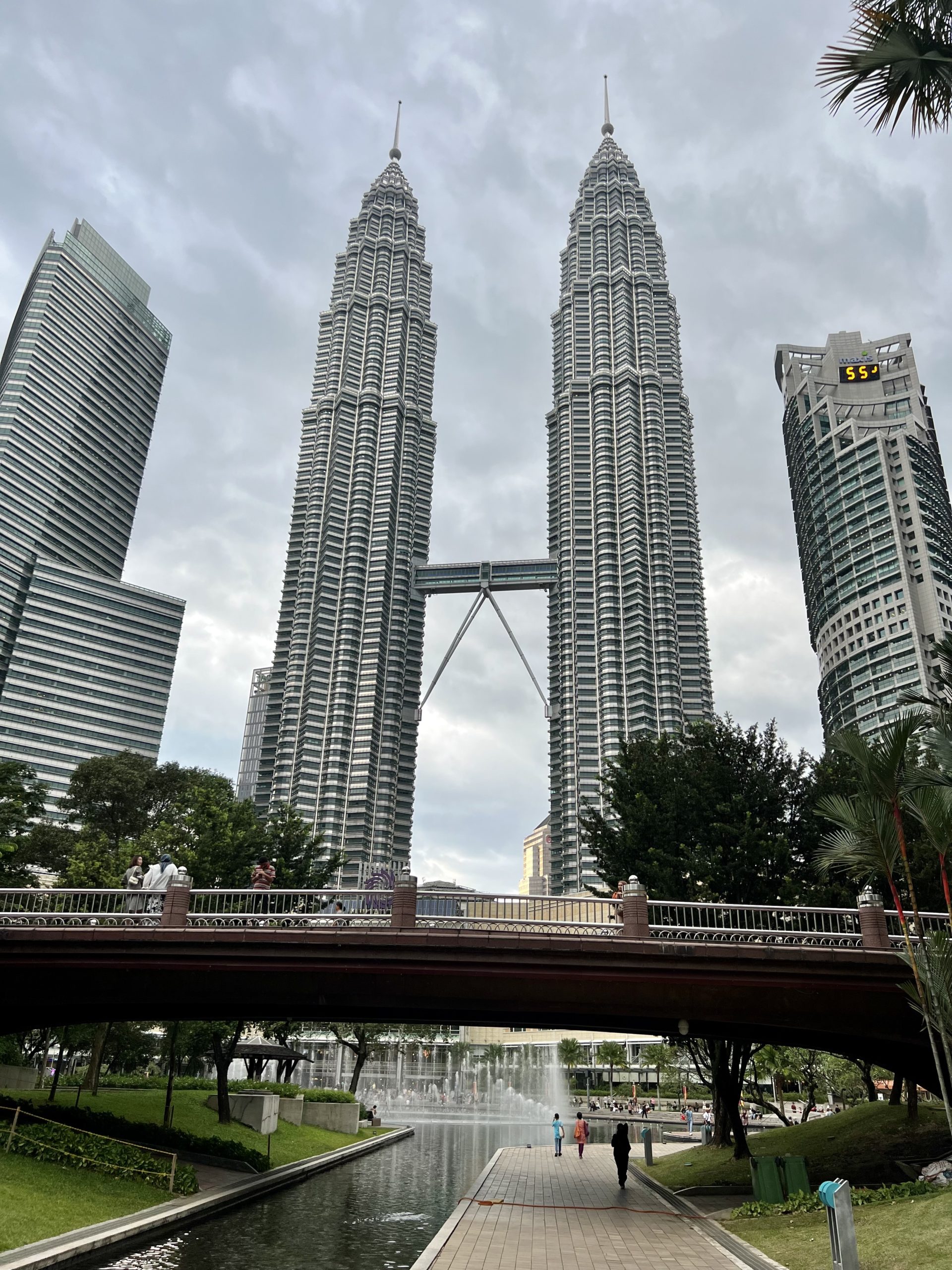
And then there are the iconic Petronas towers. The last time we were in KL, the towers were just being completed, and the number of buildings you might consider tall could be counted on one hand. Our understanding is these towers helped put Kuala Lumpur on the map, and started an economic and building boom that is still underway.
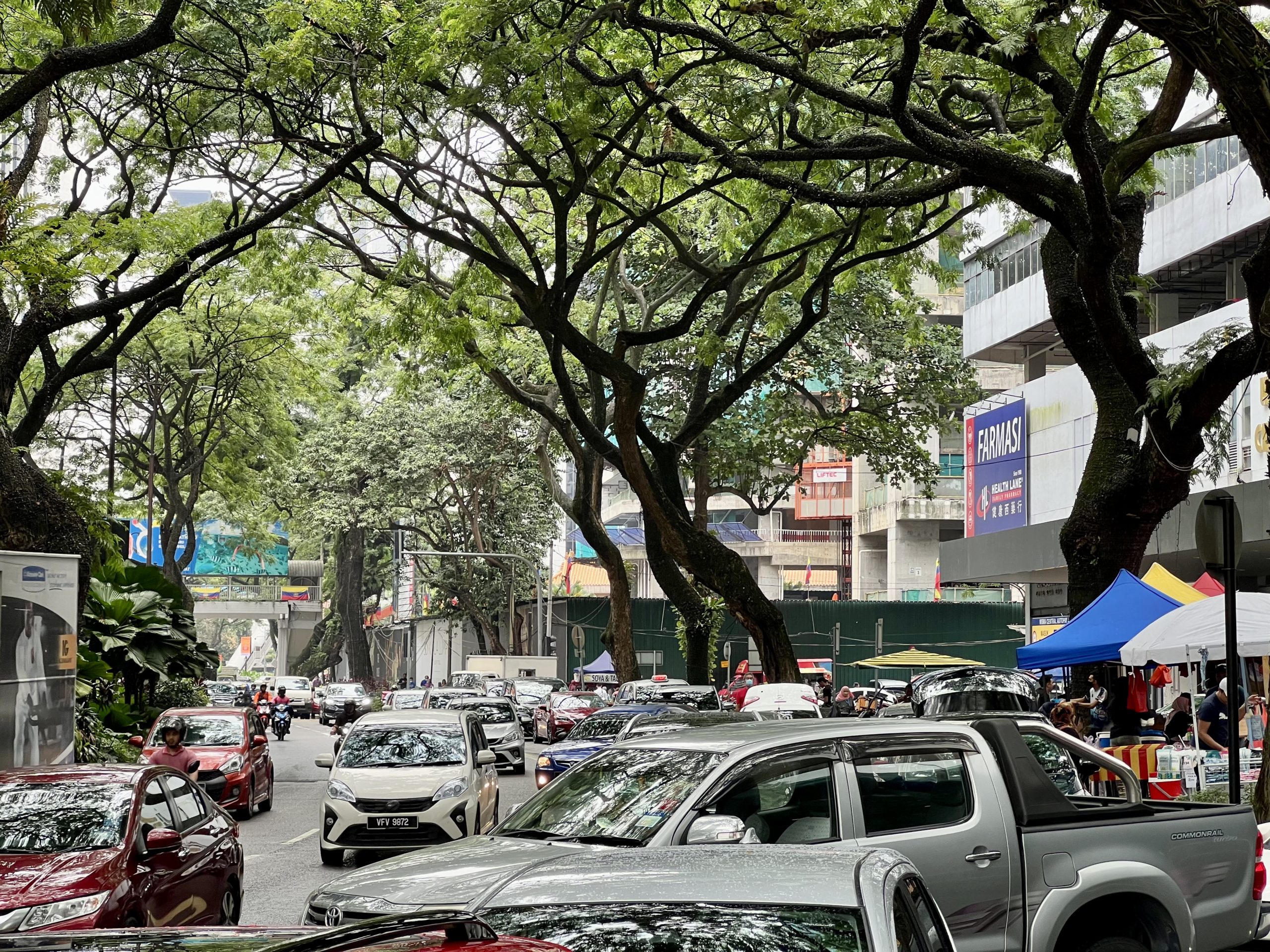
The surface streets of the city center are little cuckoo. We didn’t see one that ran straight for more than a hundred yards. They merge, become a different street, end at an intersection, or take an abrupt turn into a driveway or something. If you‘re not a native KL driver, you’re toast. And there was a fair amount of toast on the road.
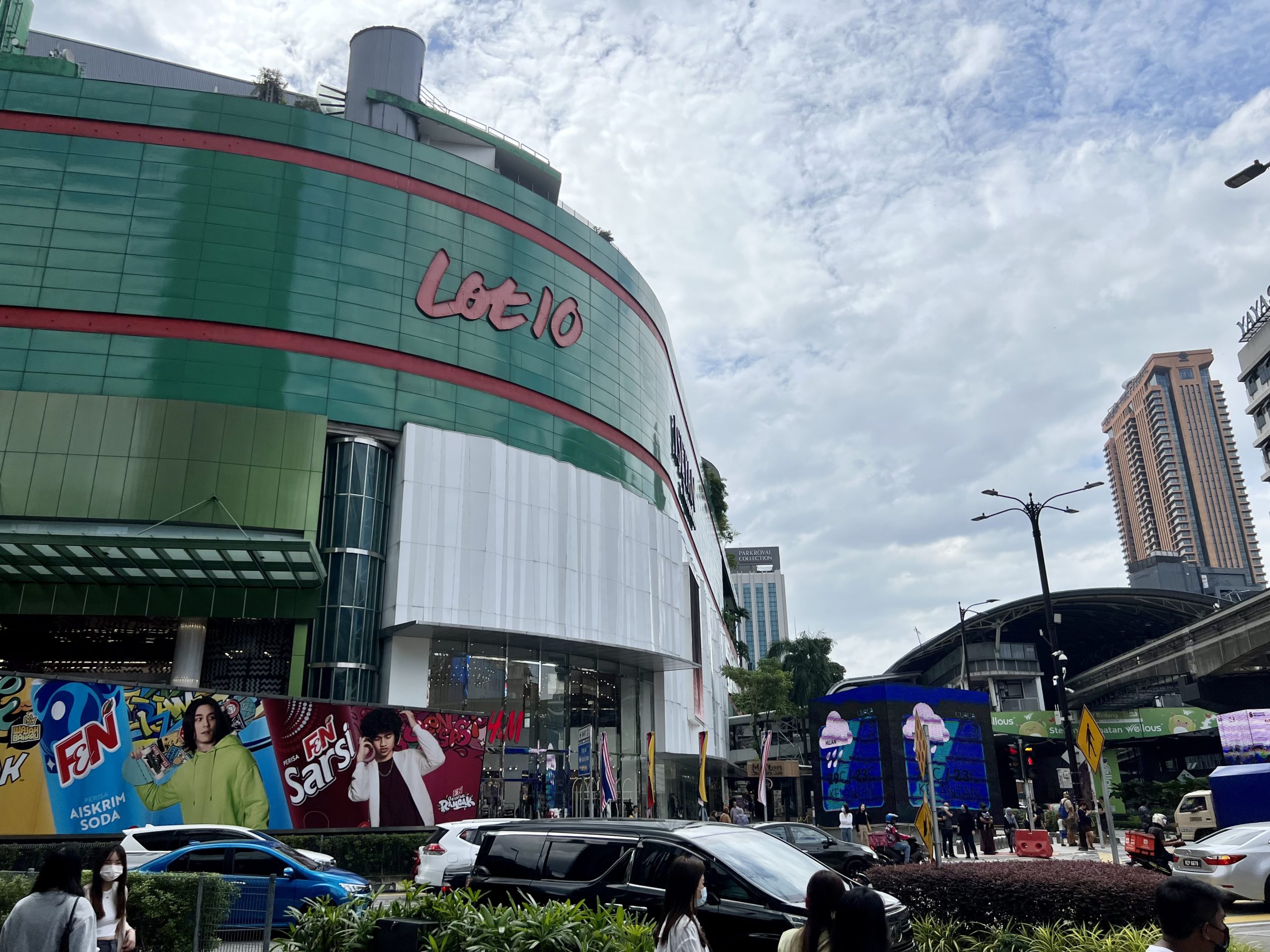
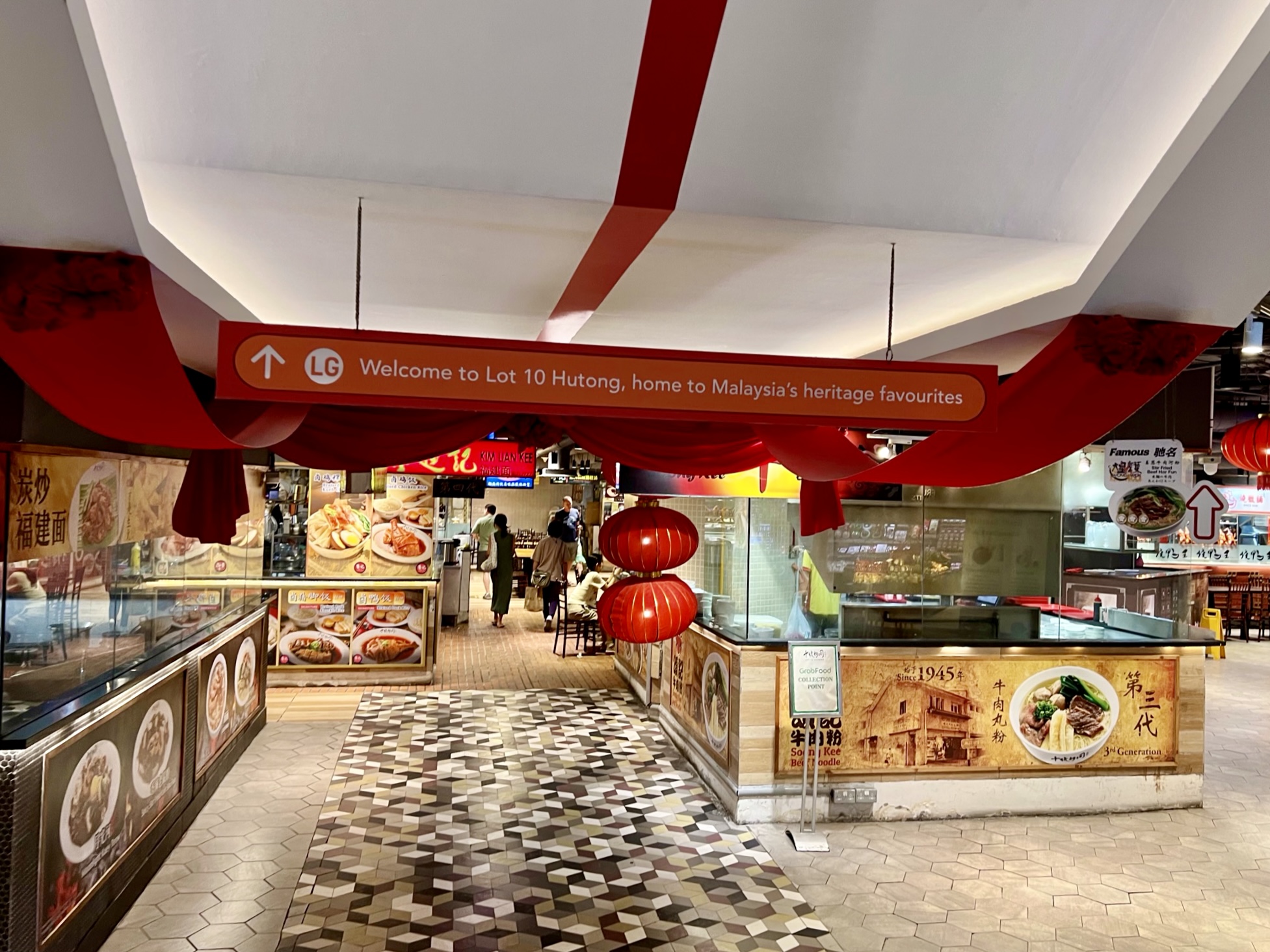
We frequently headed out into the mess, often to find sustenance. We Googled our way to Lot 10 on the recommendation of a KL native we chatted with during breakfast. It has a Nonya food court in the basement that he raved about.
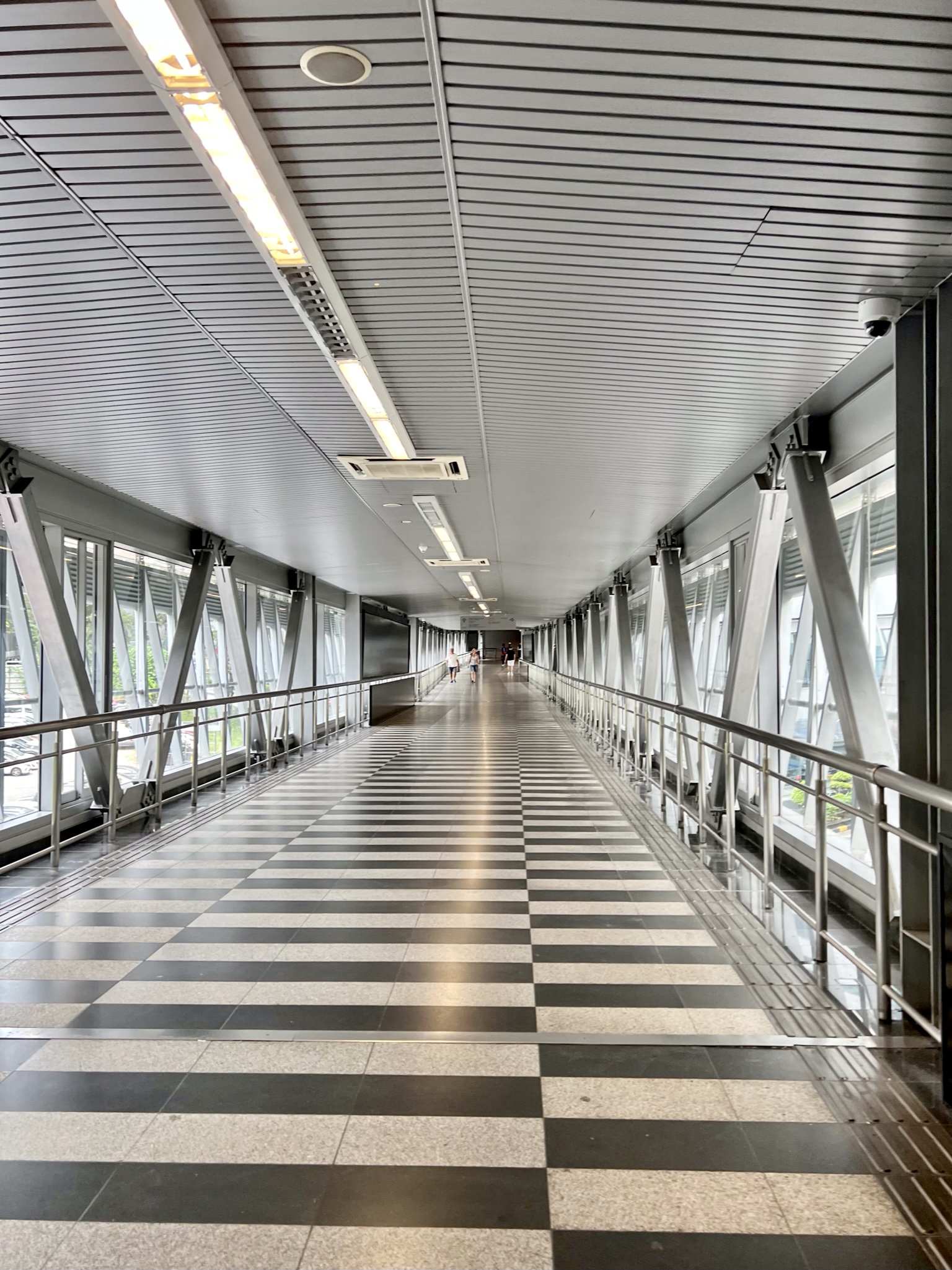
In truth, pedestrians have it a lot easier than drivers, at least around the city center, thanks to a network of elevated walkways …
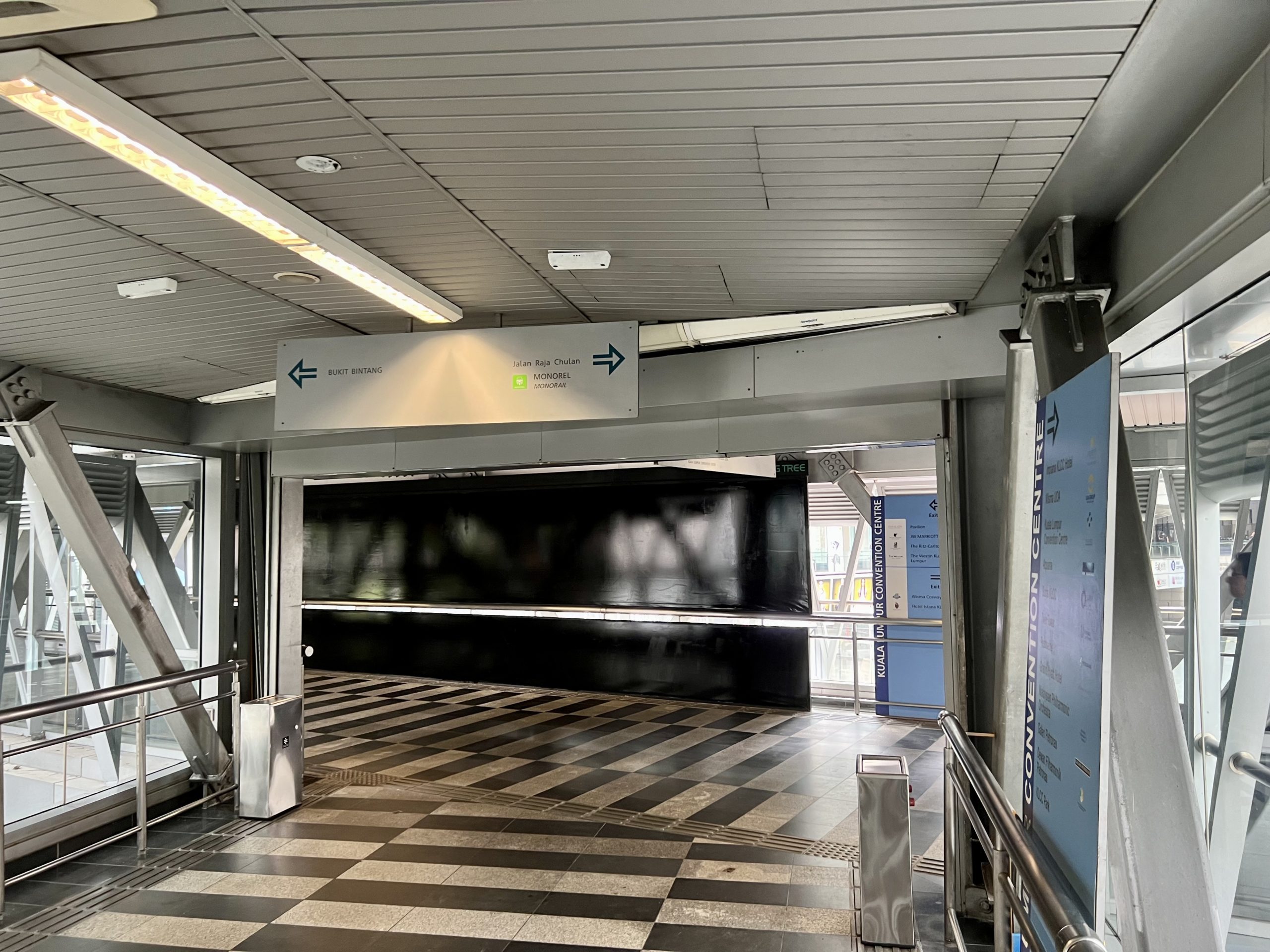
They are well marked and kept us off the streets for a good part of our walk.
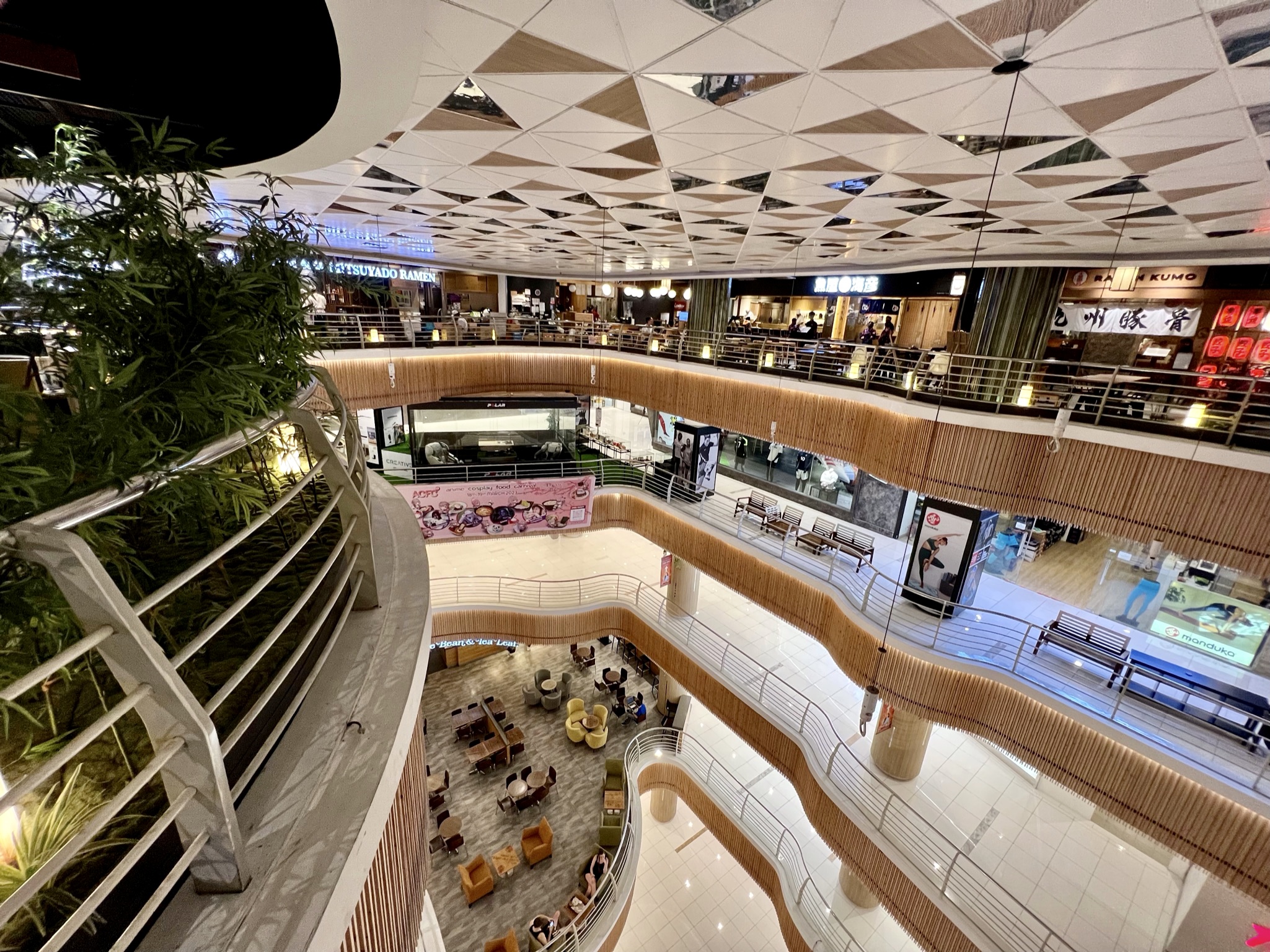
The shopping center itself is vertical and compact.
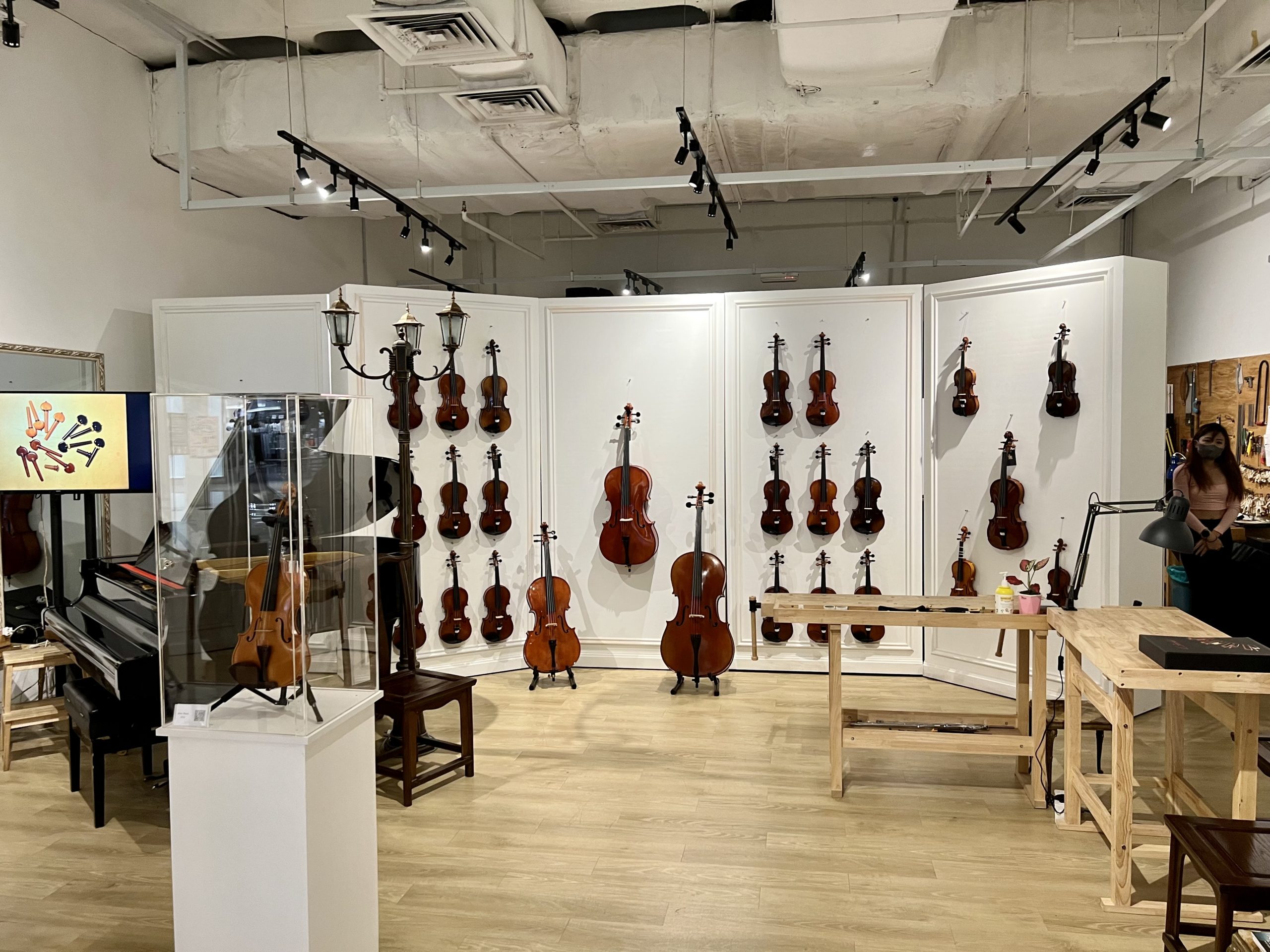
And it had some interesting stores, like this Chinese violin shop, which was across from a Chinese electric guitar store.
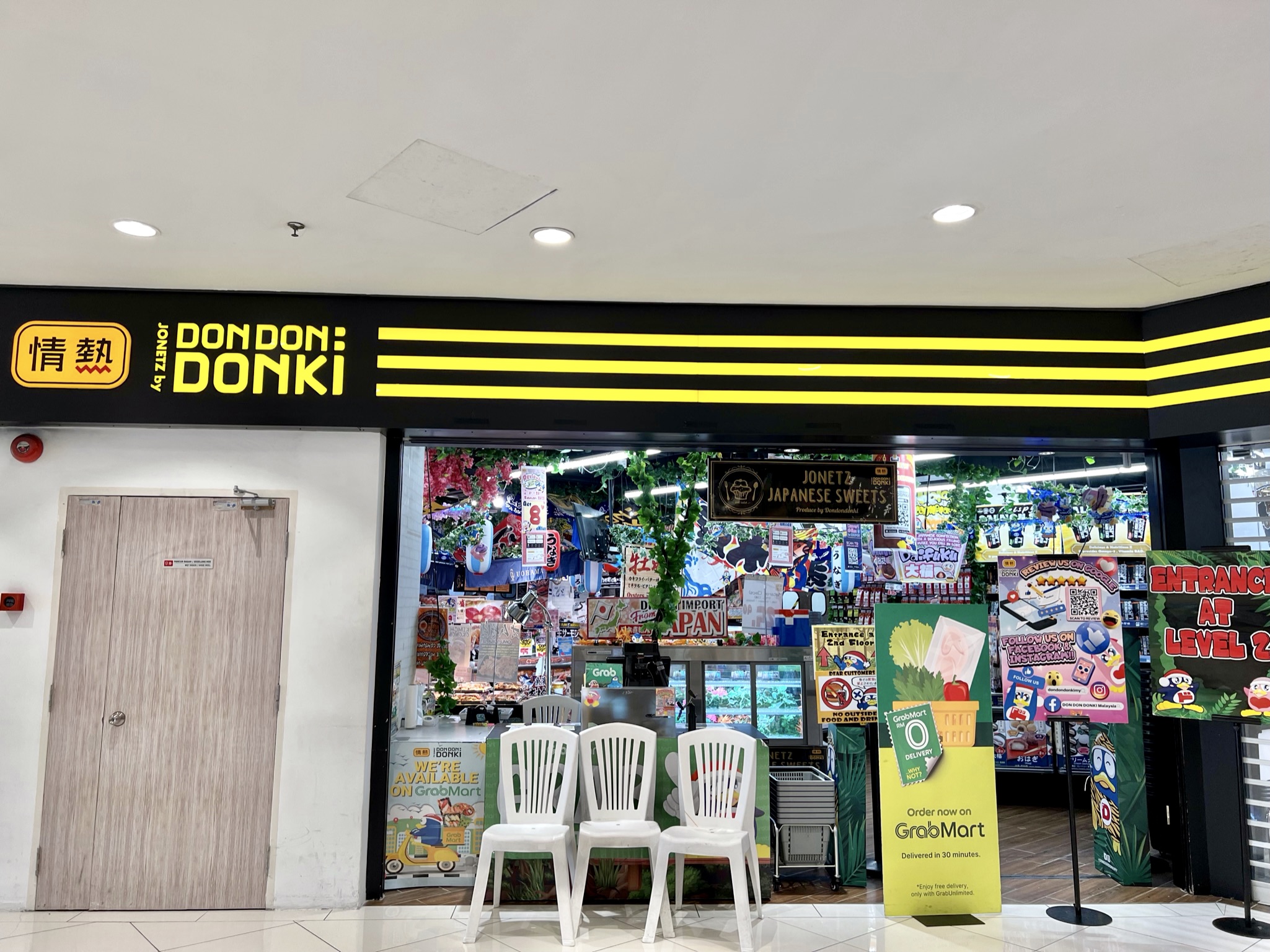
And it has a Don Don Donki! This Japanese brand has one of their discount superstores in Honolulu, named Don Quijote, and this one is just as packed with random bits of stuff. We bought some ginger and honey candies, almonds to snack on, and a shopping bag that warns its colors will bleed onto anything it touches.
We ended up in the basement, as planned.
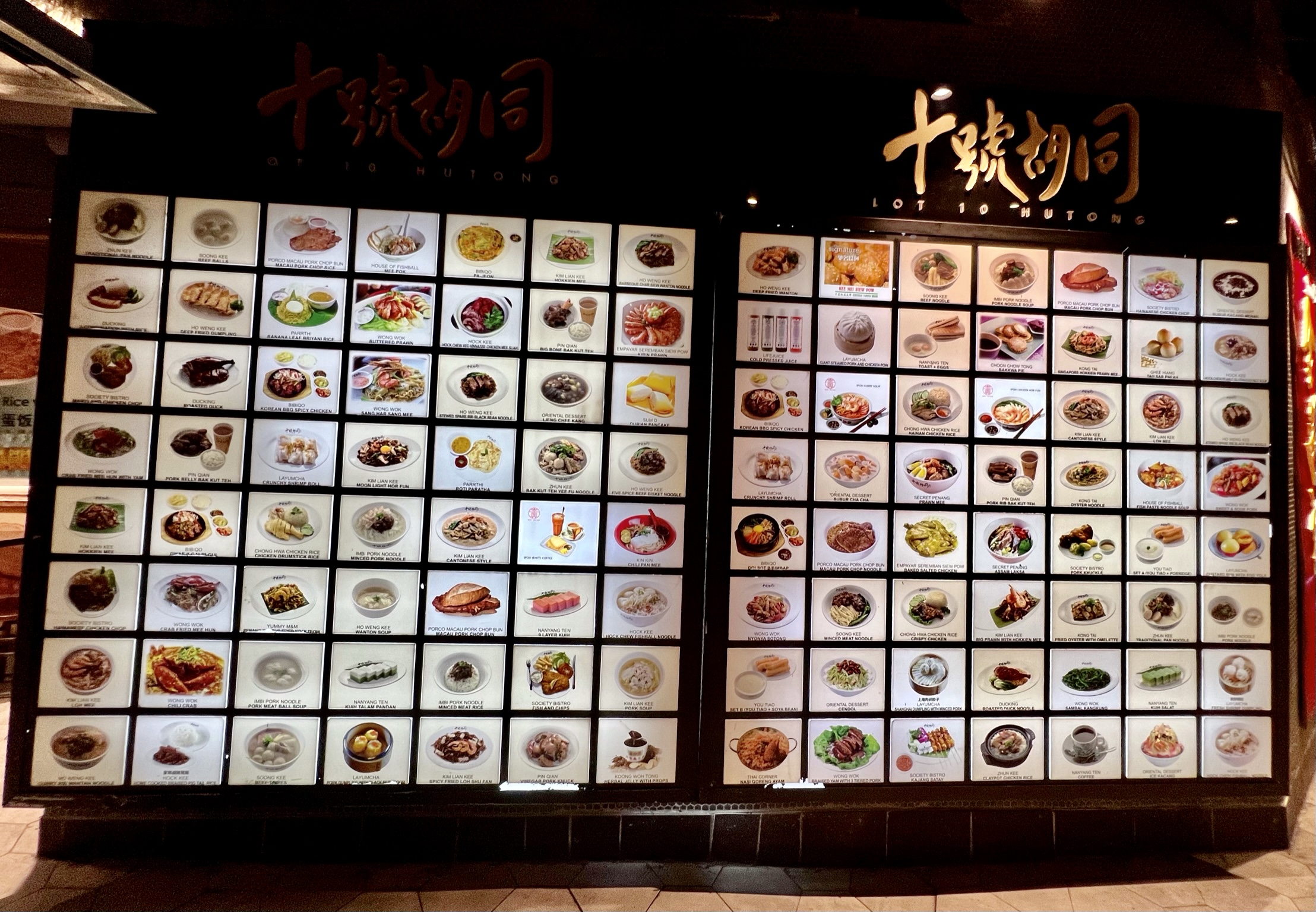
There’s a big board where the kitchens can promote their signature dishes, but it was a lot easier to just walk around.
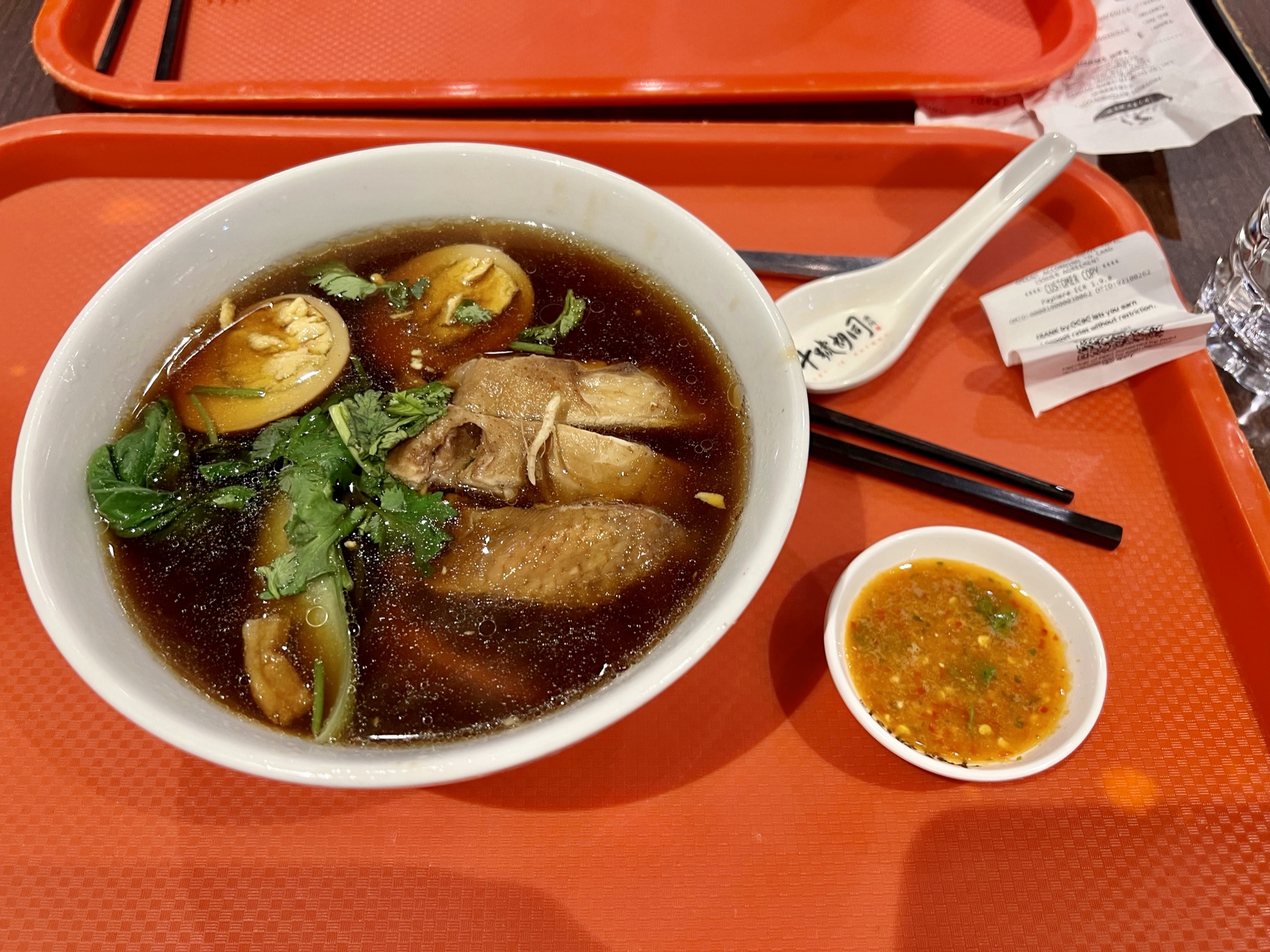
The photographer had kueh chap soup, a good example of the combination of flavors that pervade Malaysia’s fusion cuisines – garlic, ginger, peppercorns, cloves, star anise, cardamom, cinnamon, and dark soy sauce. With a side of heat.
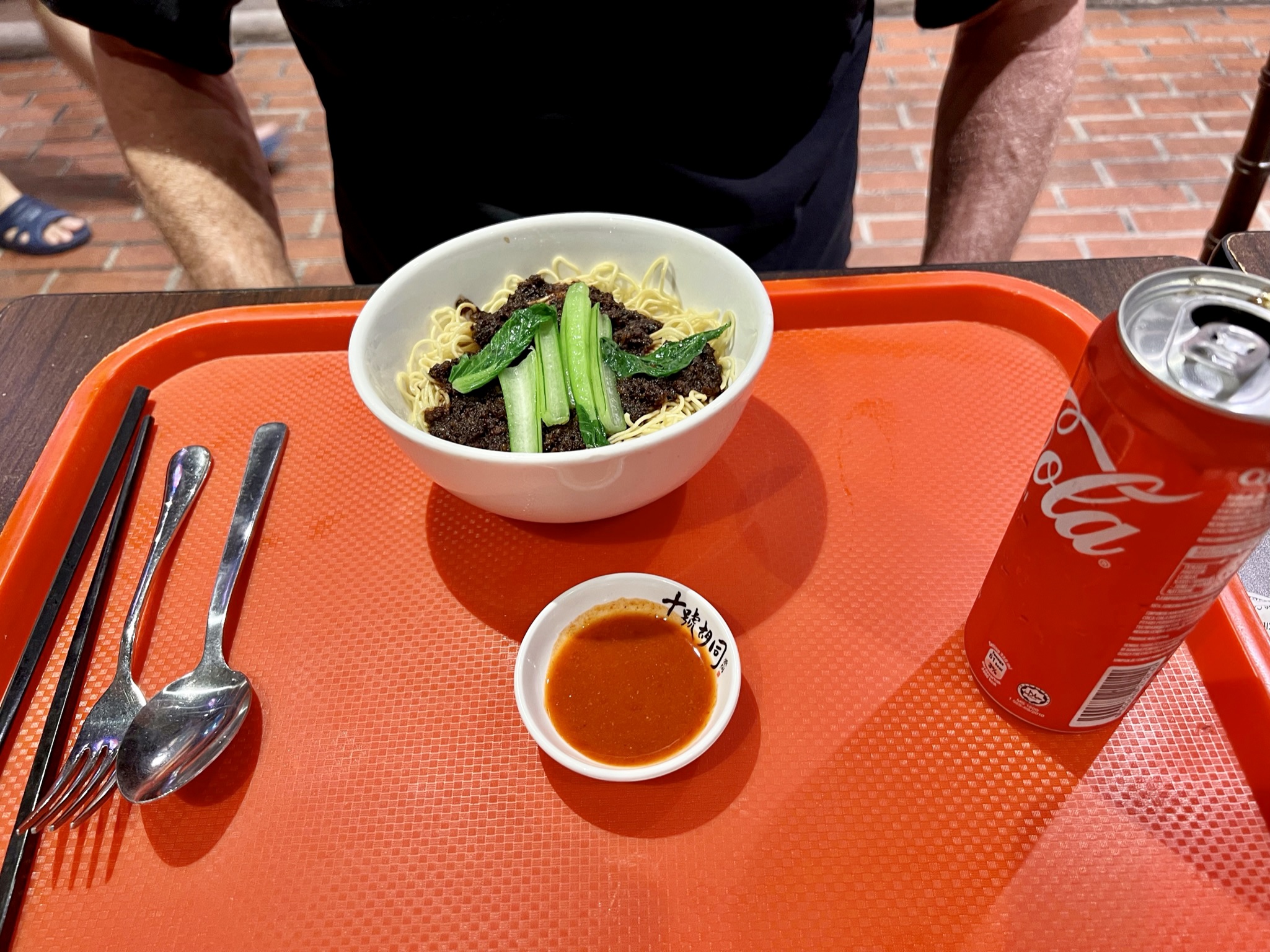
The blogger had Soong Ki beef noodles, Soong Ki being the name of the little kitchen that makes it. When asked what the dish was, they said, Soong Ki Beef Noodles. That’s been its name for over 75 years, so its origins are likely lost to its present day cooks. Here the blogger has to wait while the photographer gets her food shot.
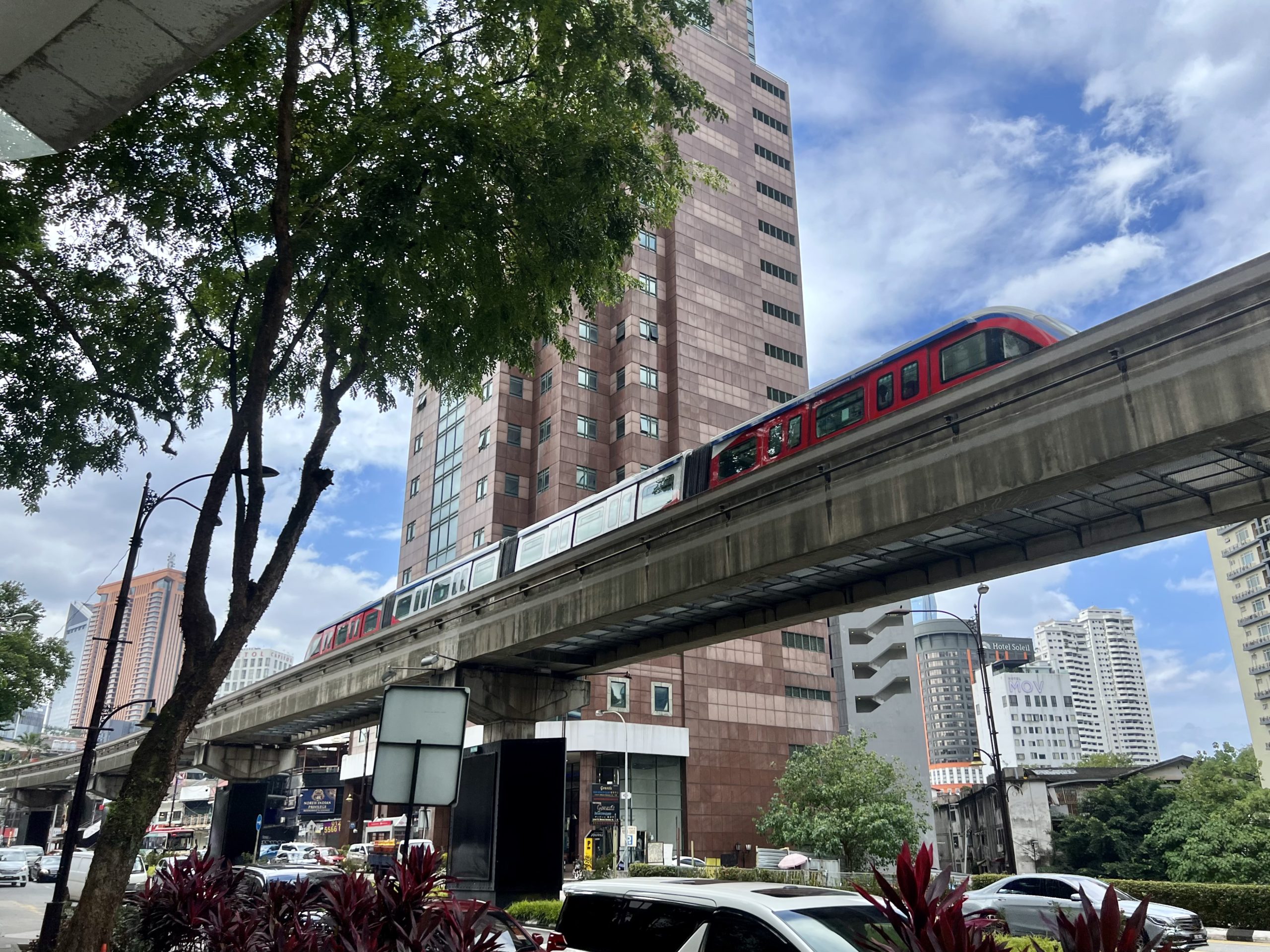
On our way back, we thought we’d take the monorail.
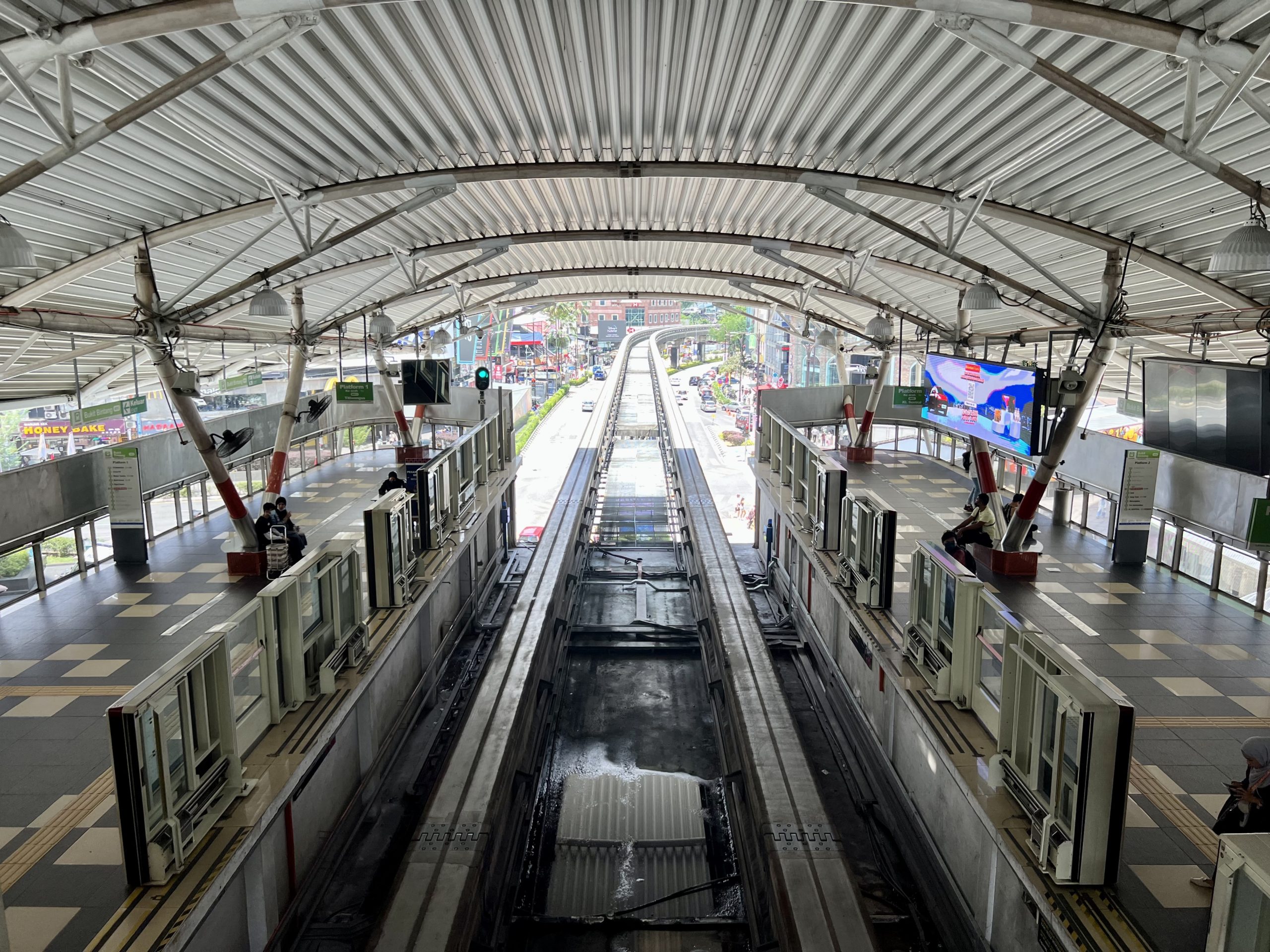
The automatic gates that keep passengers from falling onto the tracks were broken and locked open. So we had to be responsible for avoiding our own demise. They did have a woman making sure masks were worn on the trains, though, scolding those without one and providing them as needed. But only if you stand out, as might be the case with a tall, white, foreign person.
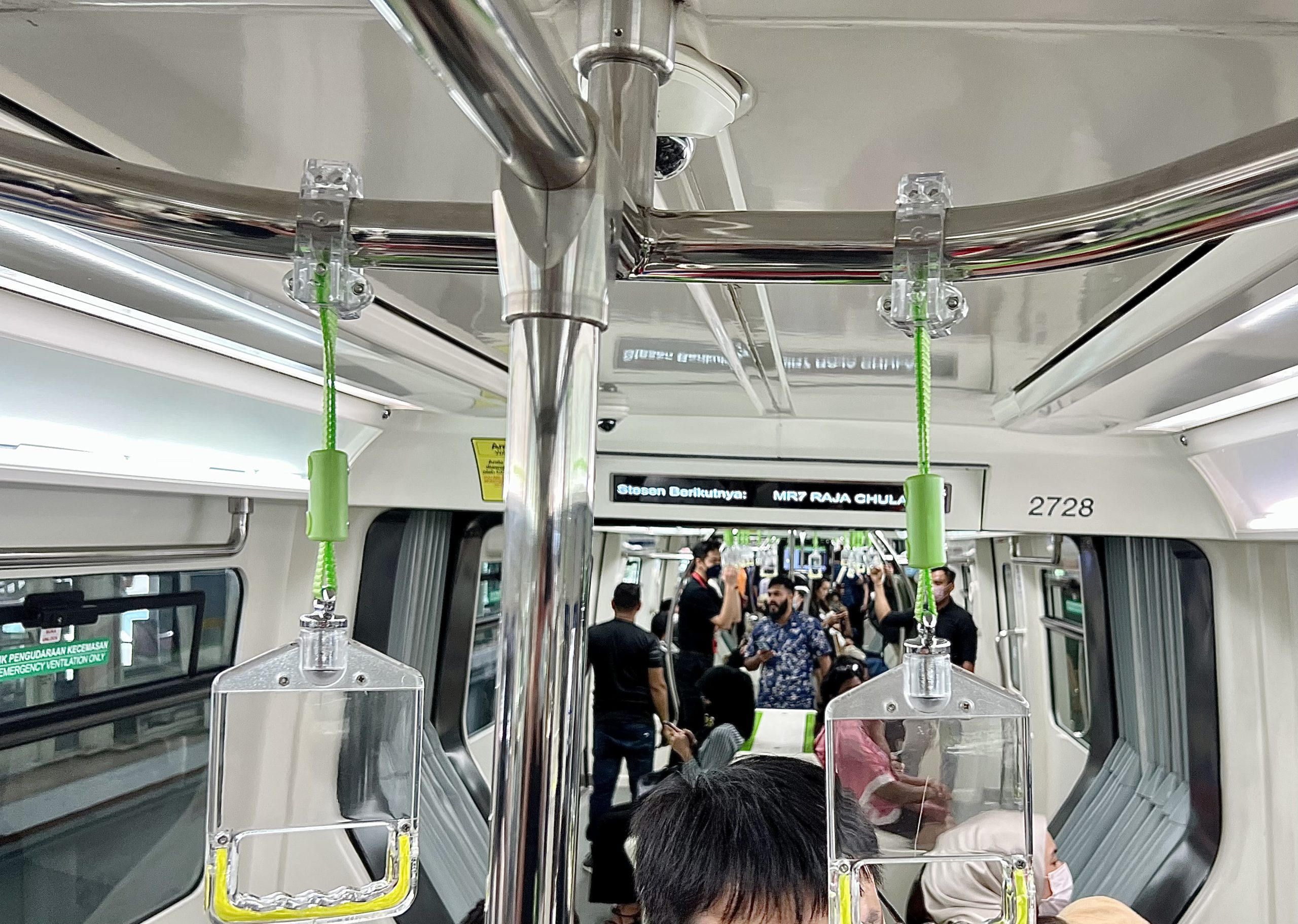
En route. Masked and otherwise.
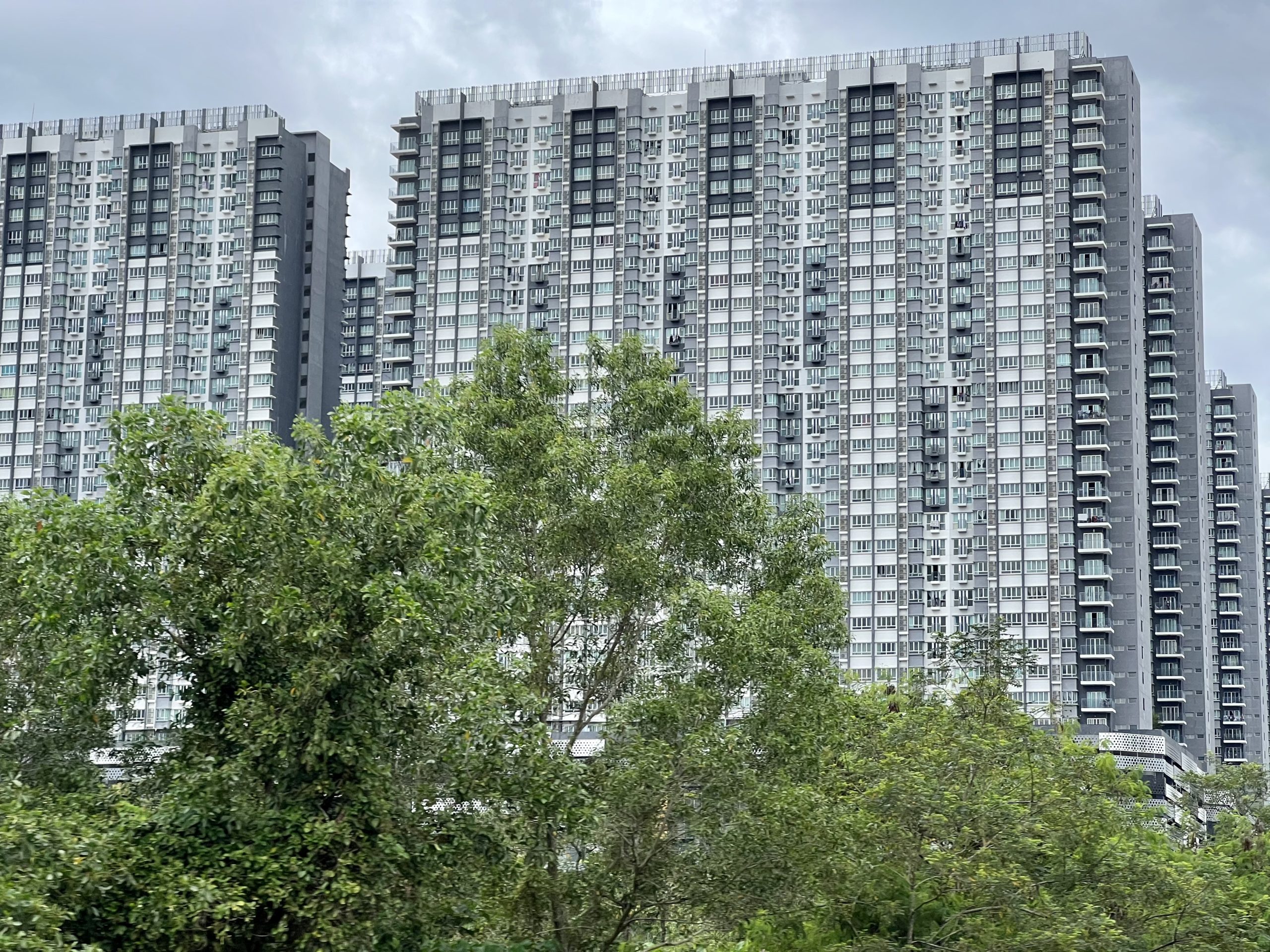
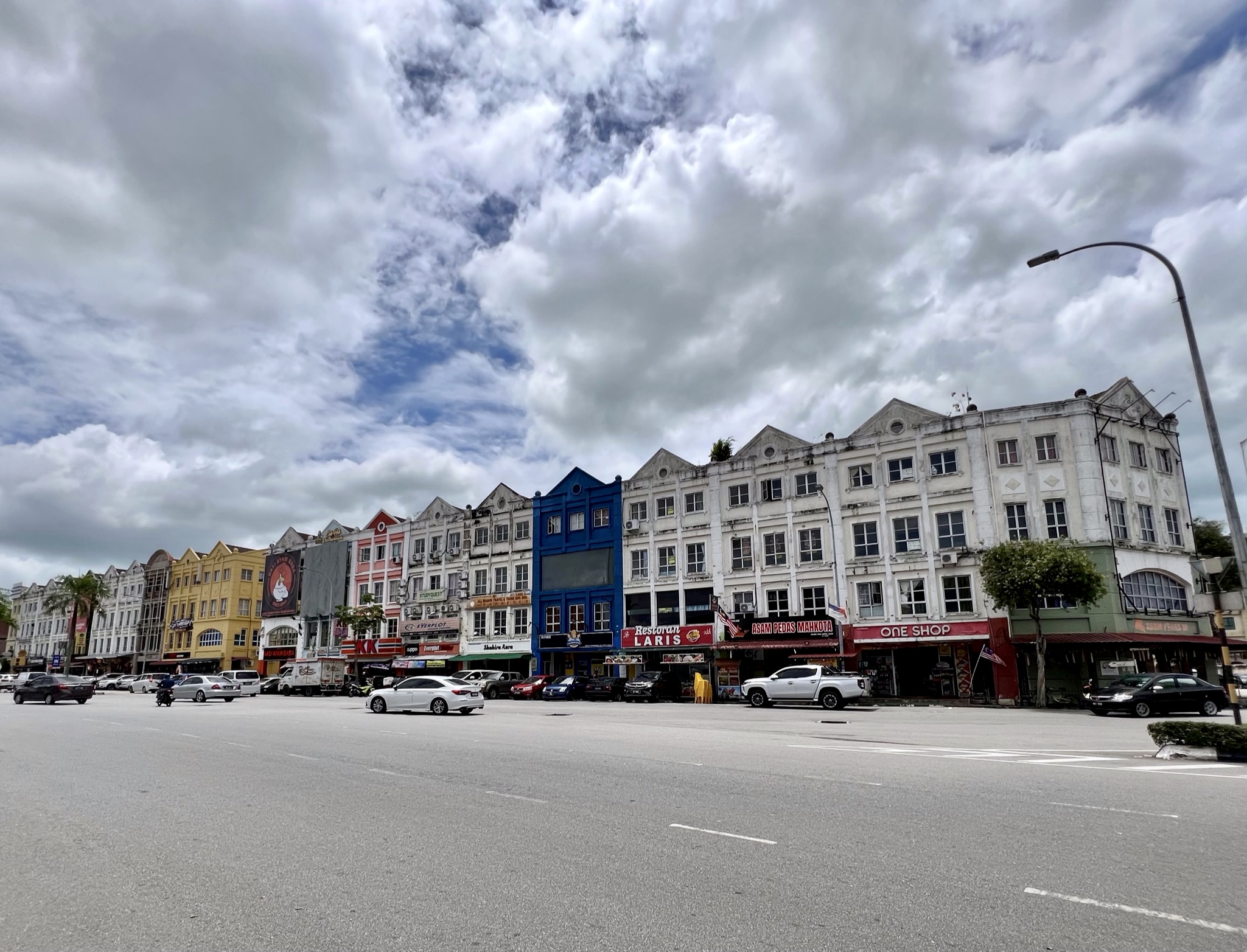
Wanting to visit Malacca, the Malay spelling being Melaka, we found a driver and guide to take us there. It’s a two-hour drive that took us through the vertical suburbs of KL …
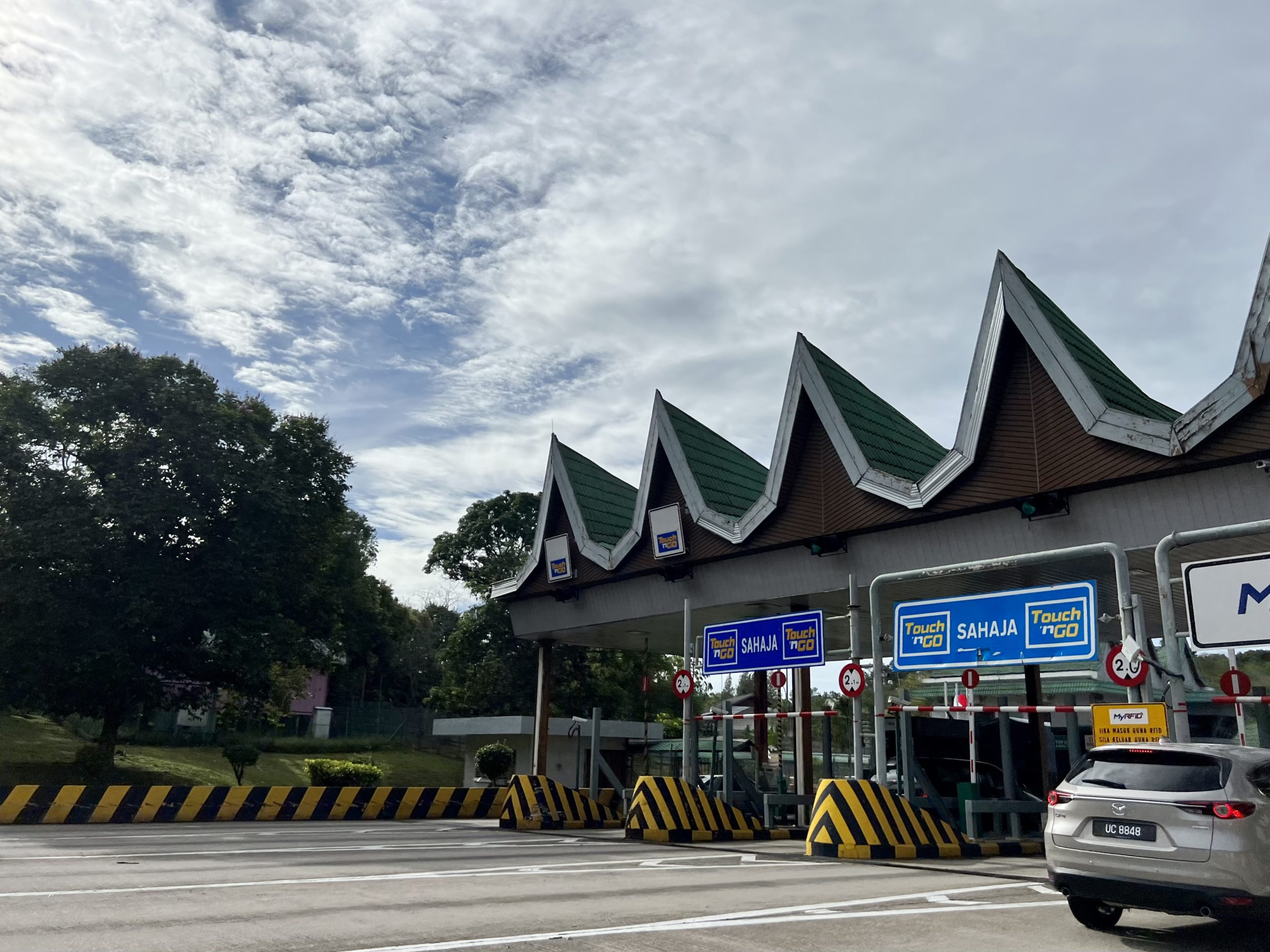
And through any number of toll booths. The country’s modern expressway system runs east to west and from Thailand to Singapore. It is approaching 1,000km of roadway, all of it tolled. The expressways are the only way to drive, averaging the equivalent of a US nickel per kilometer. It cuts drive times to a fraction of what it used to take on the old surface roads.
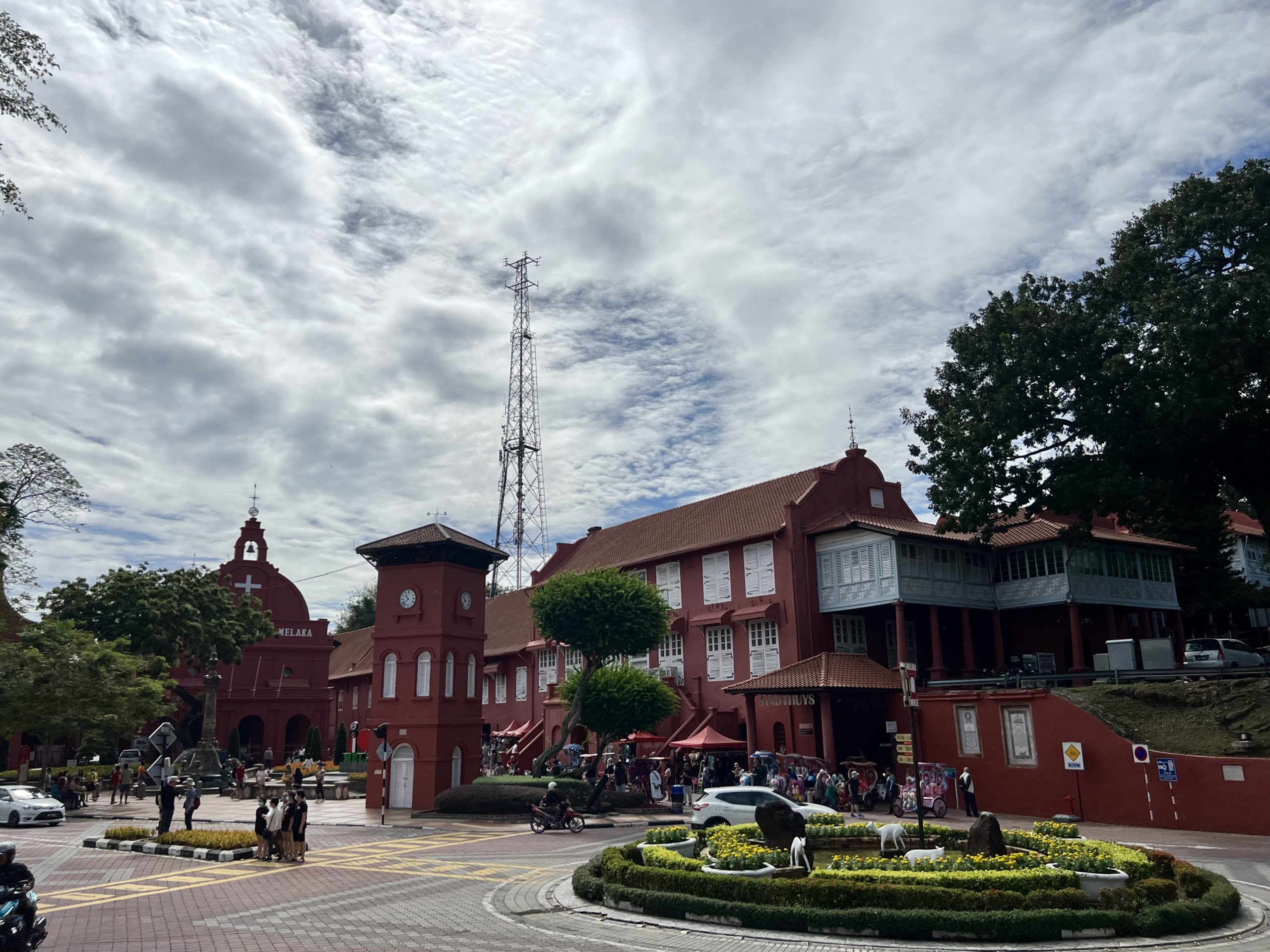
Malacca has long attracted the attention of the outside world, thanks to the spice trade and its usefulness as a port. It was the location of the first sultanate on the Malay peninsula, later a Portuguese colony, then a Dutch one, then British. None of the transitions were peaceful. The Stadthuys, or town hall, is the old Dutch center of town. The buildings, once white, are now red. Why the British went with red is anyone’s guess.
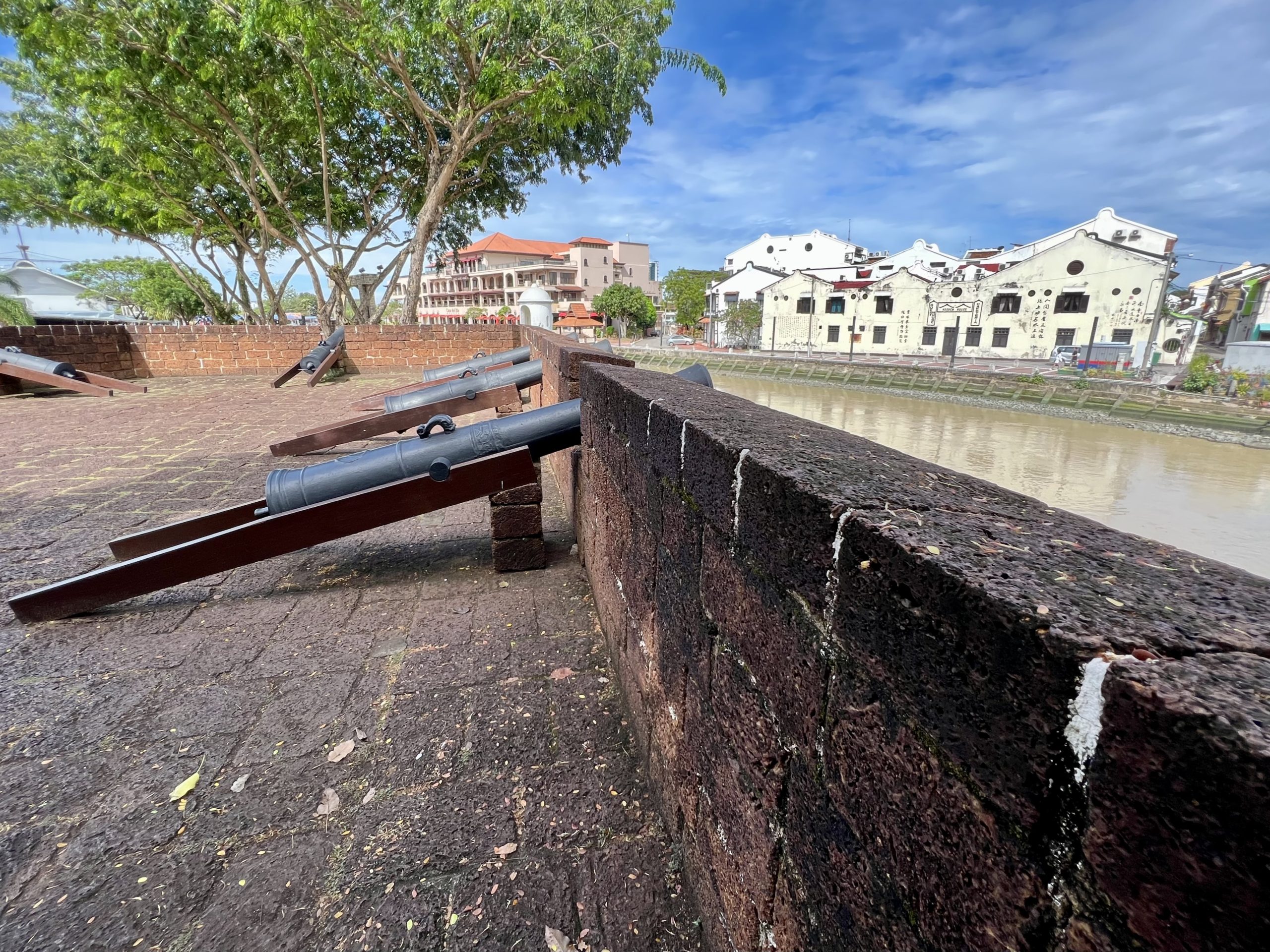
Across from the old town center is the equally old VOC fort, VOC being an acronym for the barely pronounceable Verenigde Oostindische Compagnie, or Dutch East India Company.
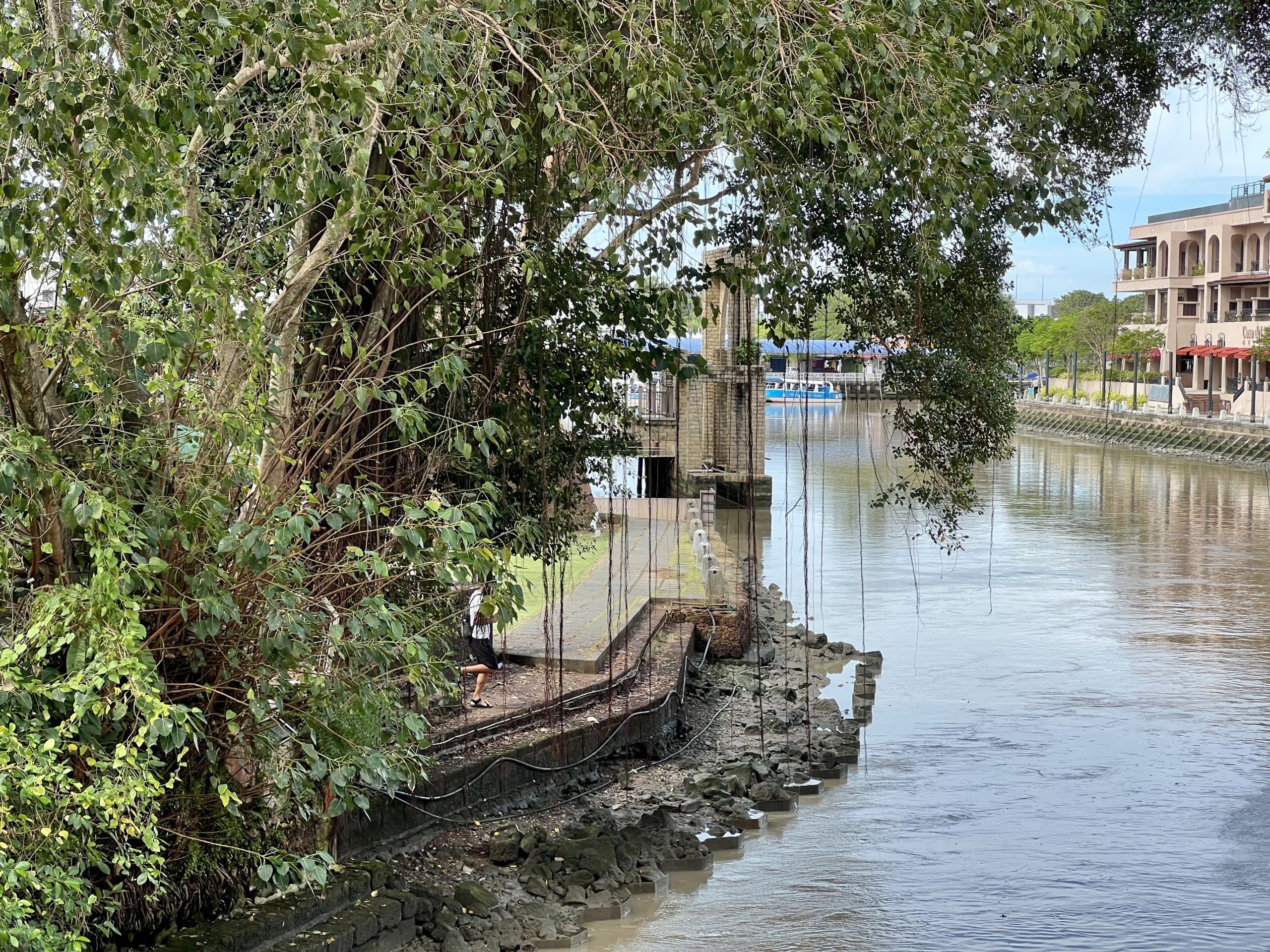
Fronting the fort is the dock it guarded. At the time, the mouth of the Malacca River was much closer, about where the blue boat is in the background.
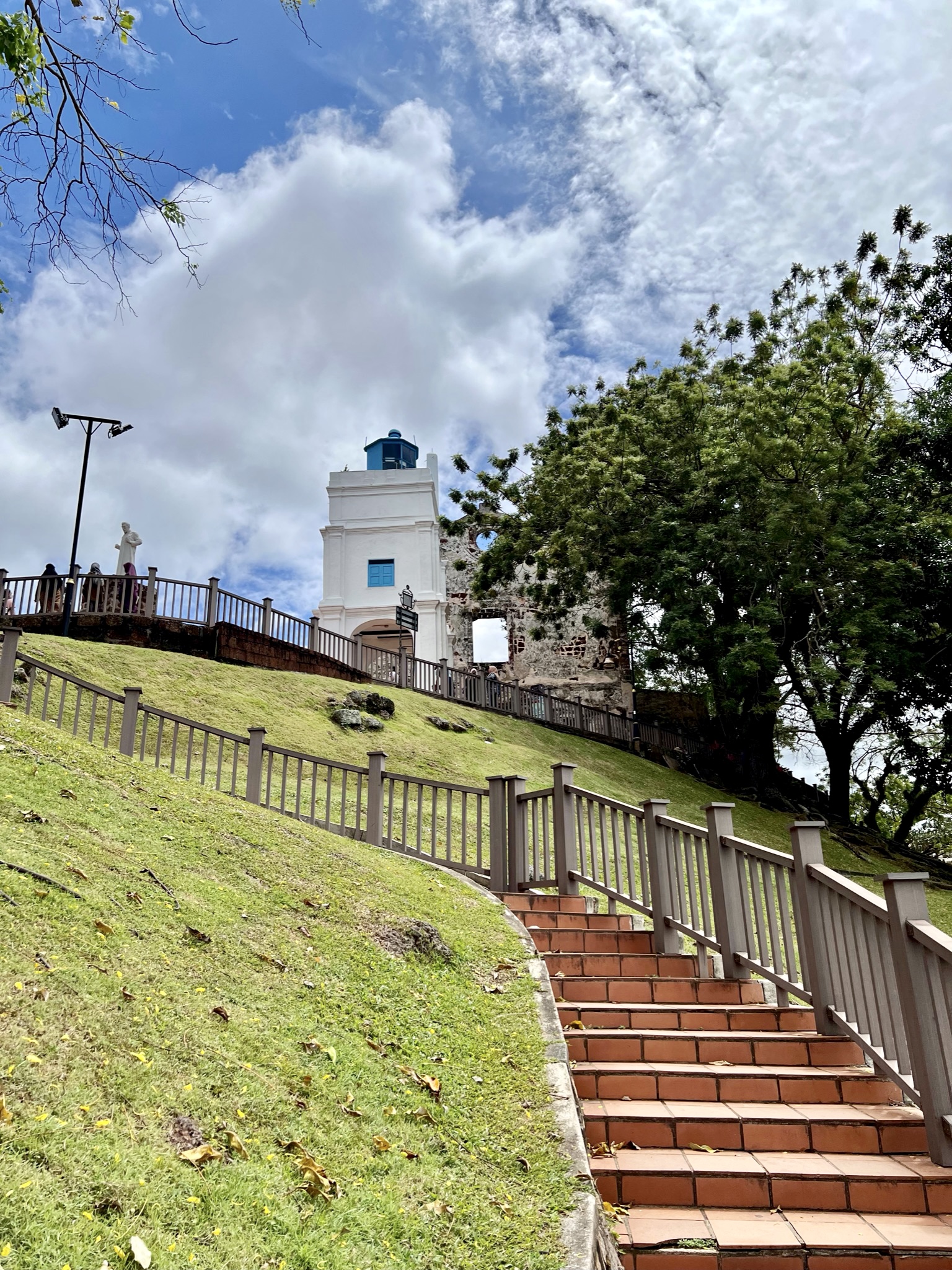
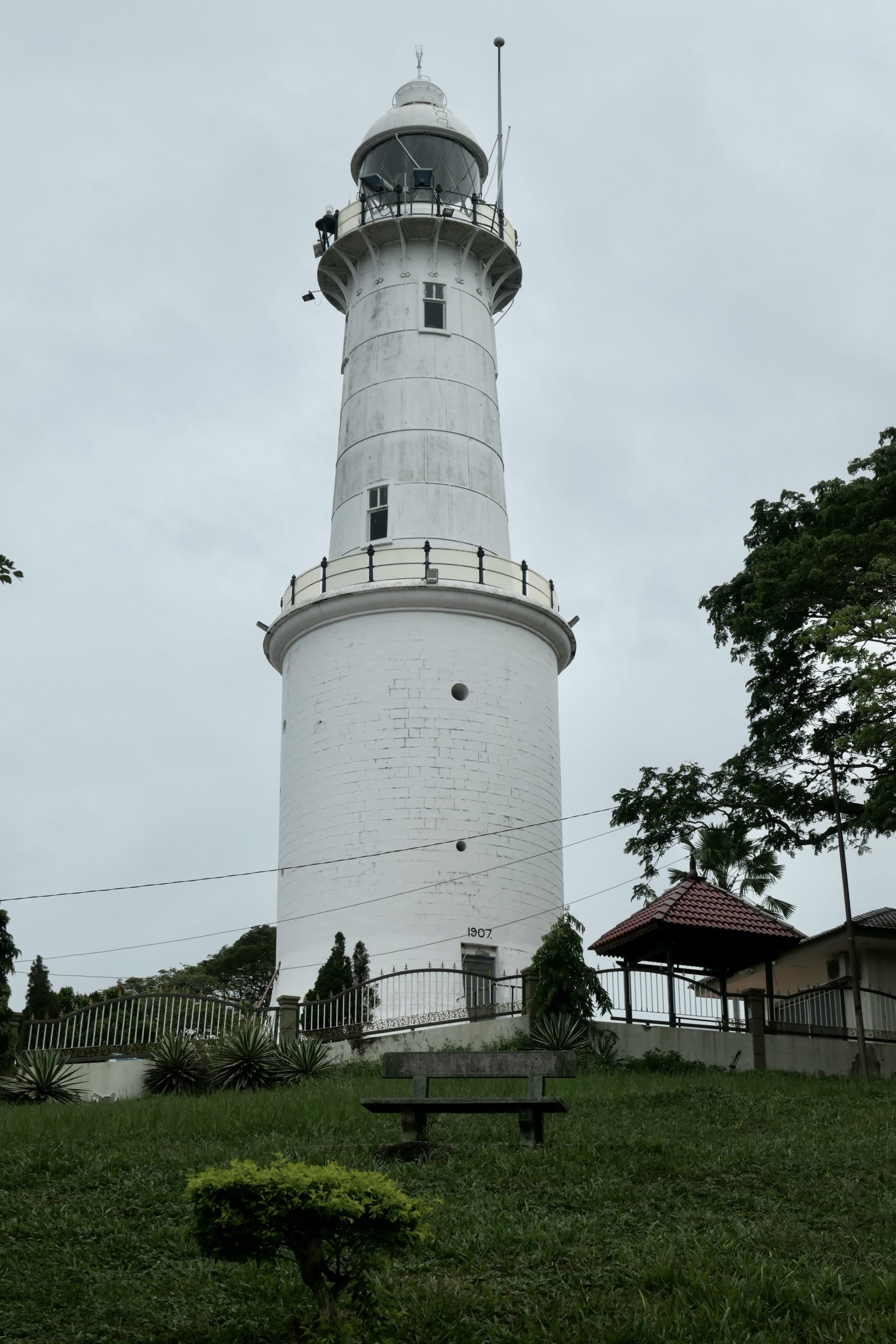
Behind and above the Dutch town is St Paul’s Hill, at the top of which sits a lighthouse. And St Paul’s.
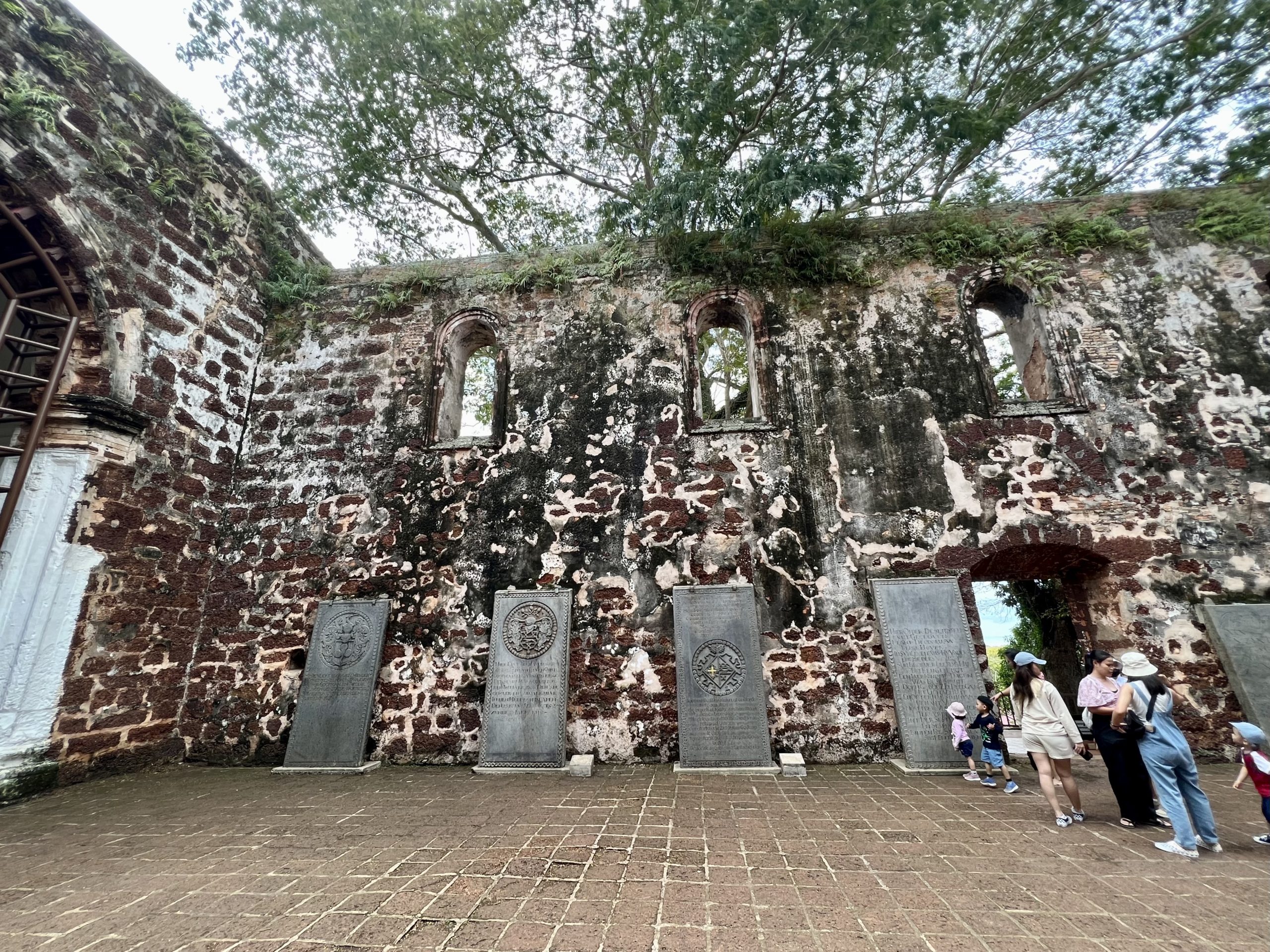
Built by the Portuguese in the 1500s, after chasing off the reigning sultan, St Paul’s was a church within a fortress. Later occupied by the Dutch, their ledgerstones are still displayed, now leaning against the walls.
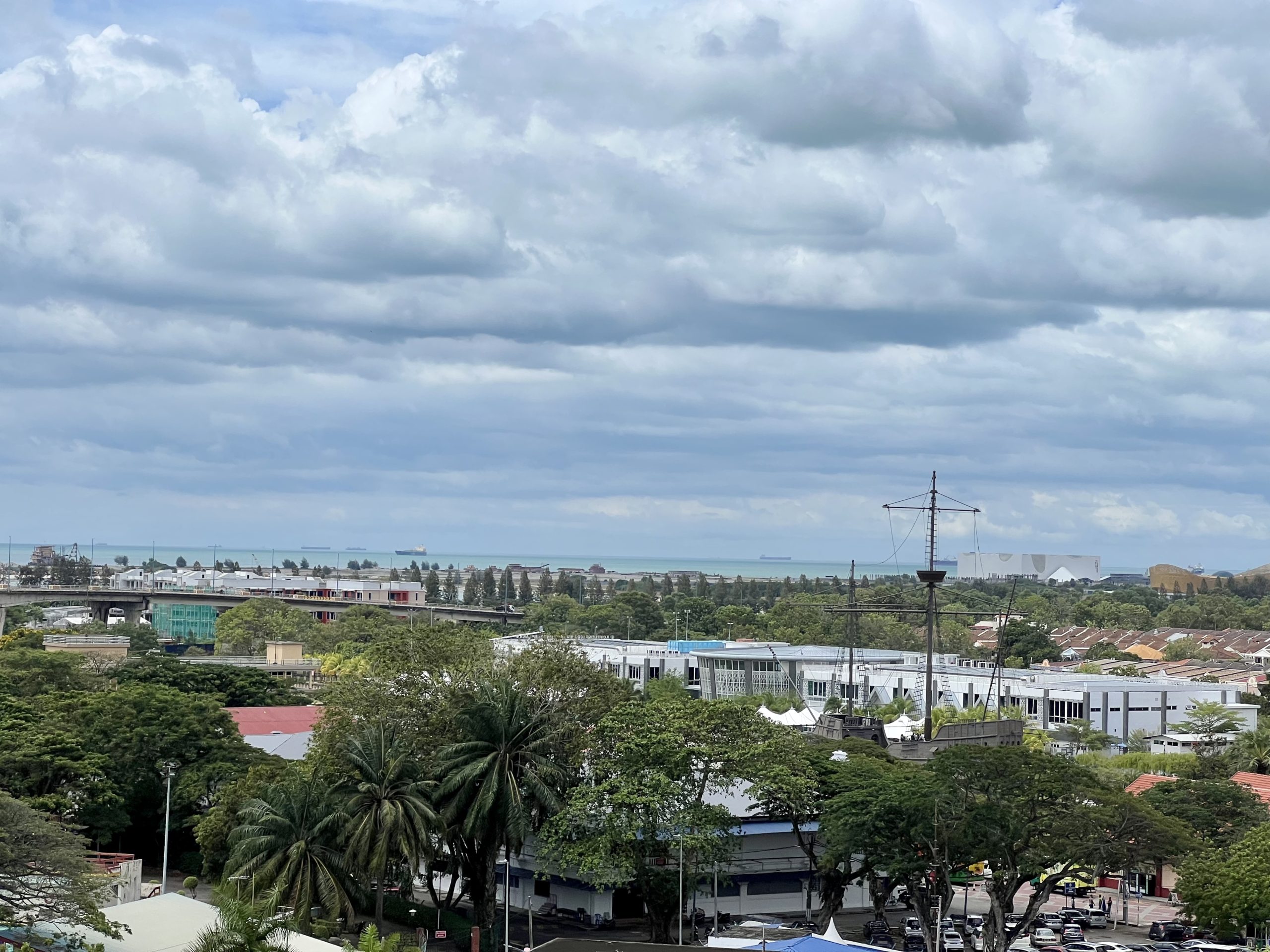
The view to the sea from the natural hilltop explains its worth as a fort, though that didn’t prevent it from changing hands on a fairly regular basis.
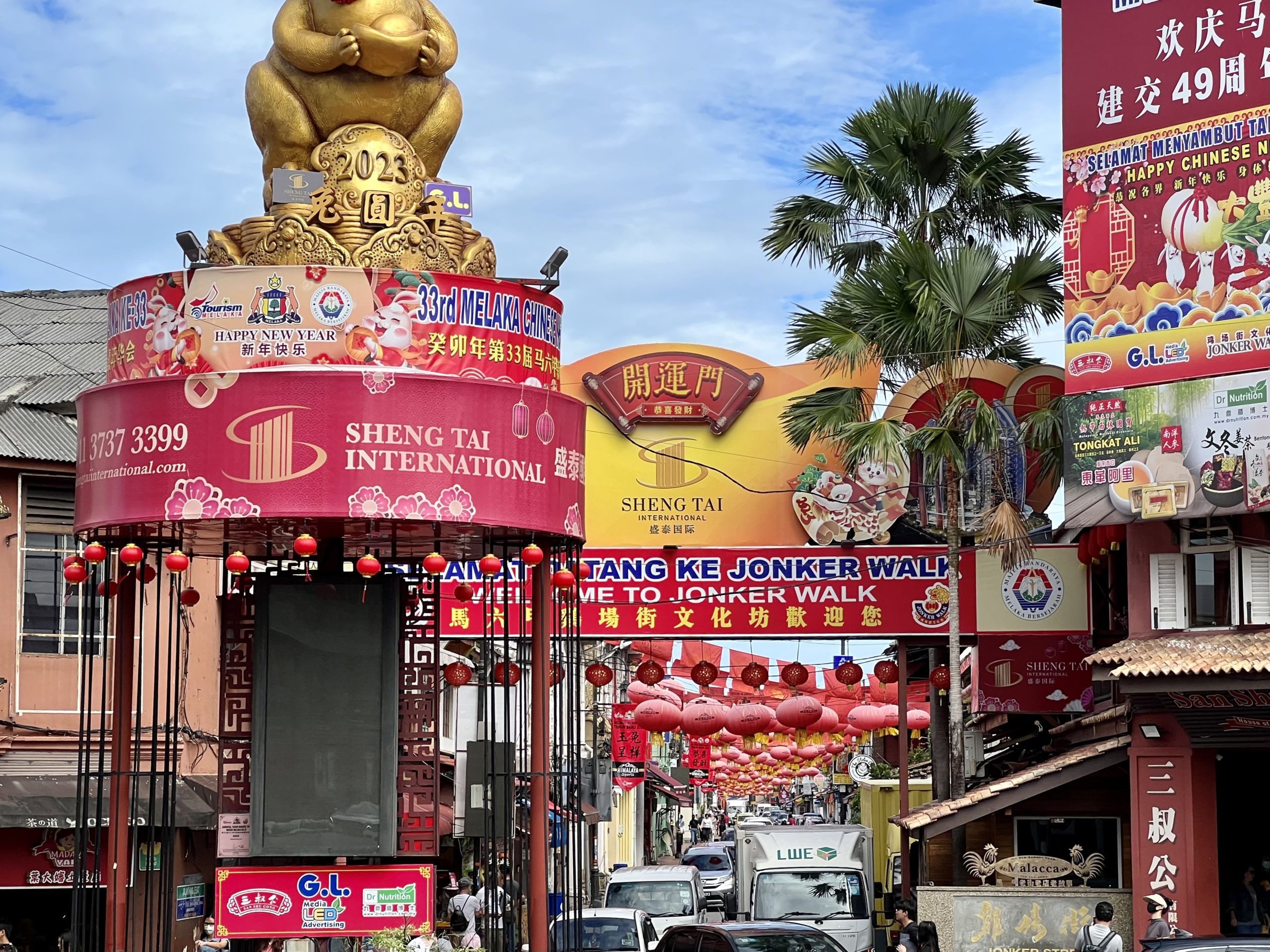
Across the Malacca River is the Chinatown district and Jonker Street, which date to the 1600s. Originally homes, shops, and streets dedicated to specific crafts, it is now home to antique dealers, restaurants, and tourist shops.
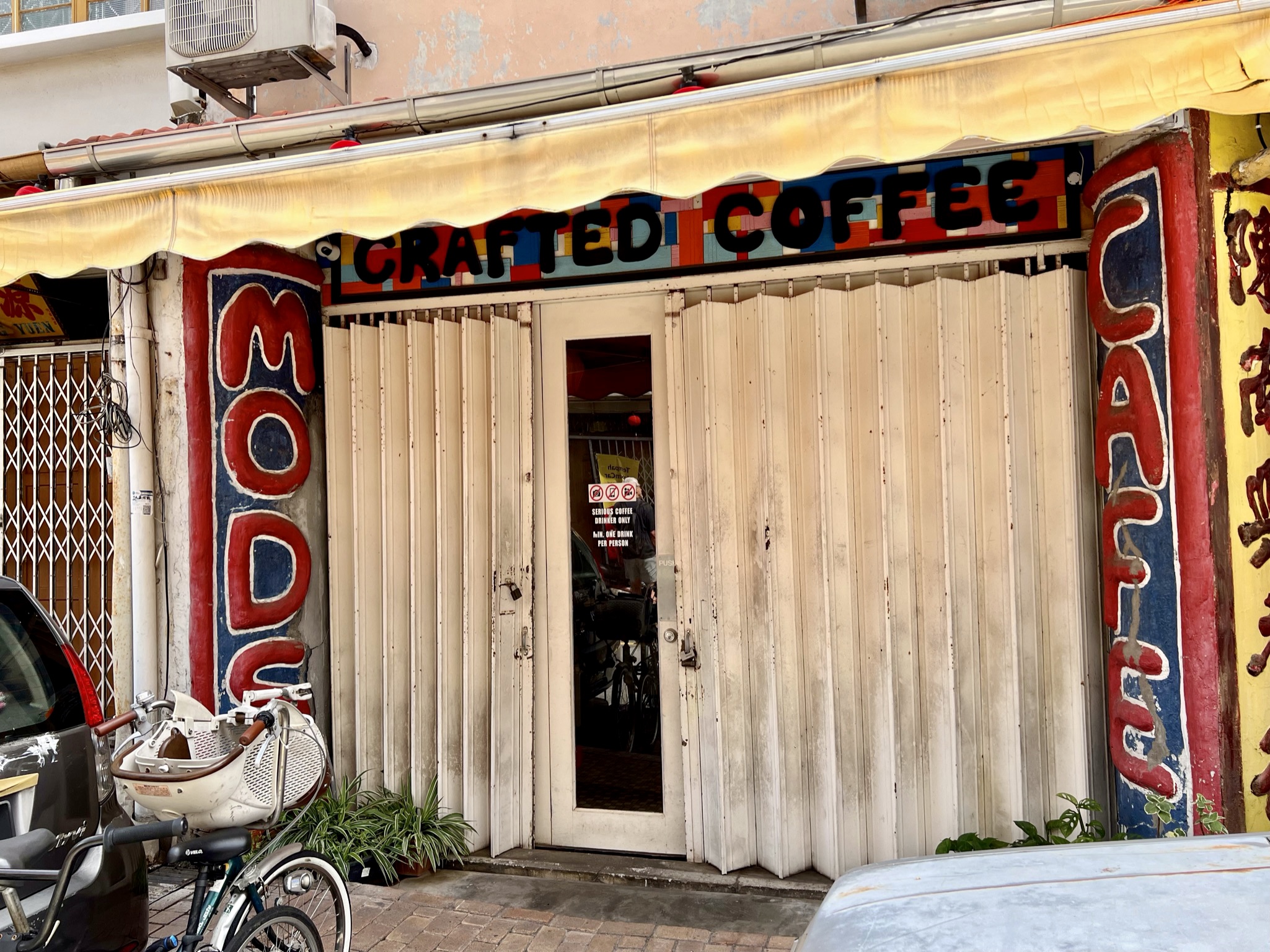
We stopped at an expensive little coffee shop, but only after our guide confirmed our willingness to spend USD$10 a cup.
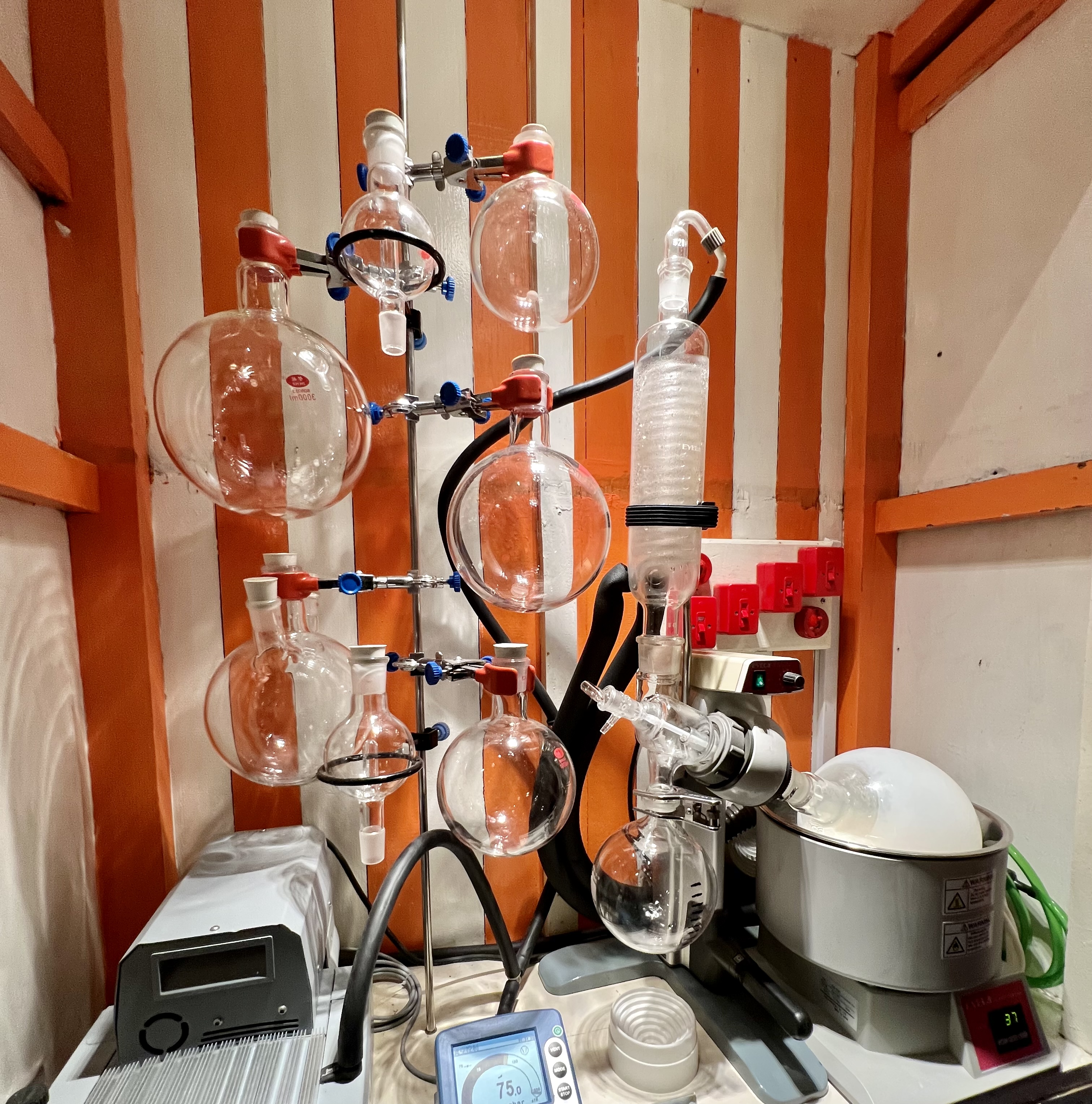
The owner was very protective of his proprietary methods for roasting and preparing coffee, but we did talk him into letting us take a picture of his setup for evaporating milk. He sells very light-bodied coffees, and the charcoal-roasted grinds are the $10 ones at the top of his price pyramid. Evaporated milk is extra. He’s been doing it for 12 years. With no customers lined up at the door and only six seats inside, he must have other sources of income.
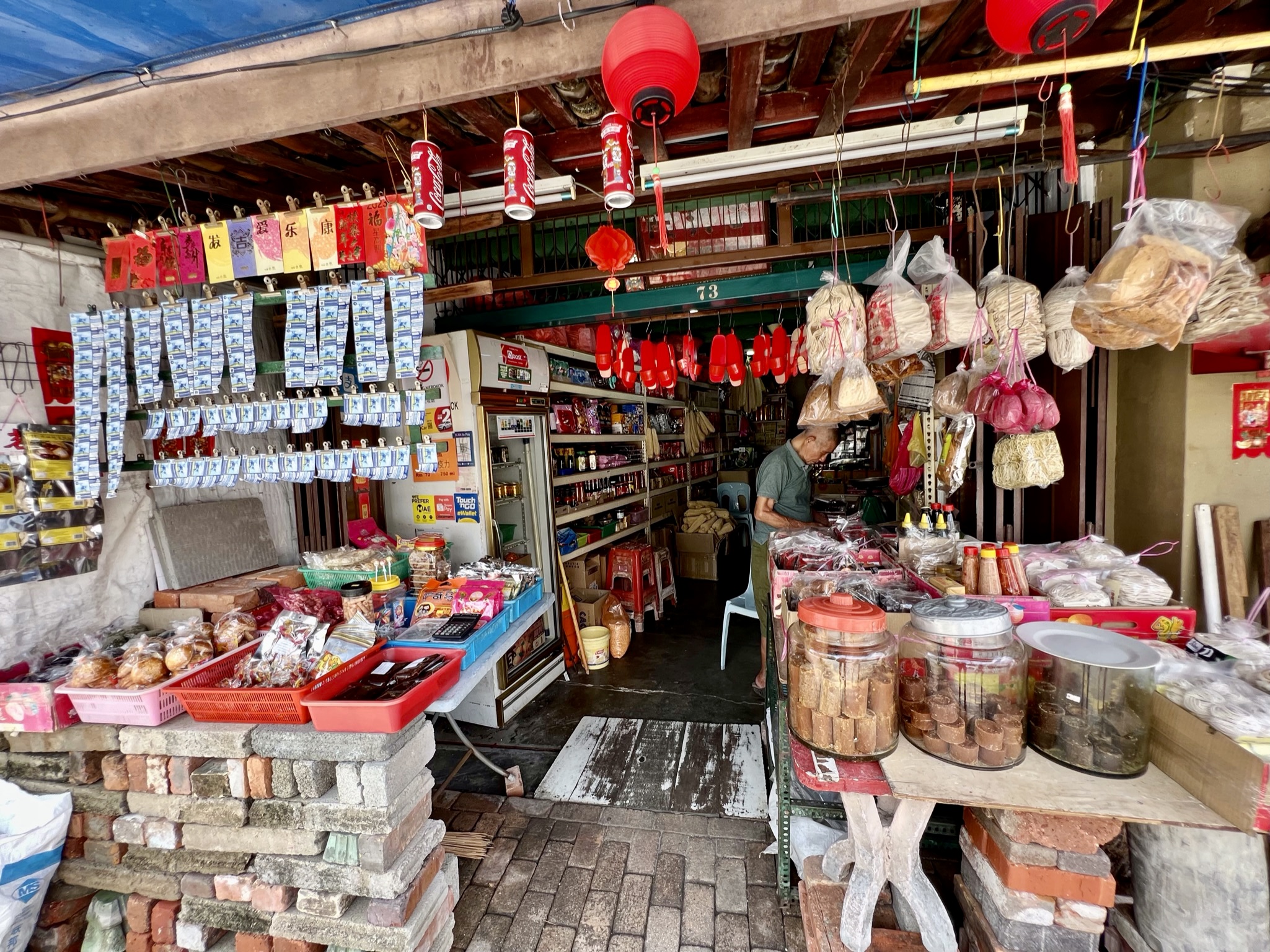
Before leaving the old town, we bought several cylinders of gula melaka, the dark brown, complex, caramel-tasting palm sugar unique to the area. Yumo.
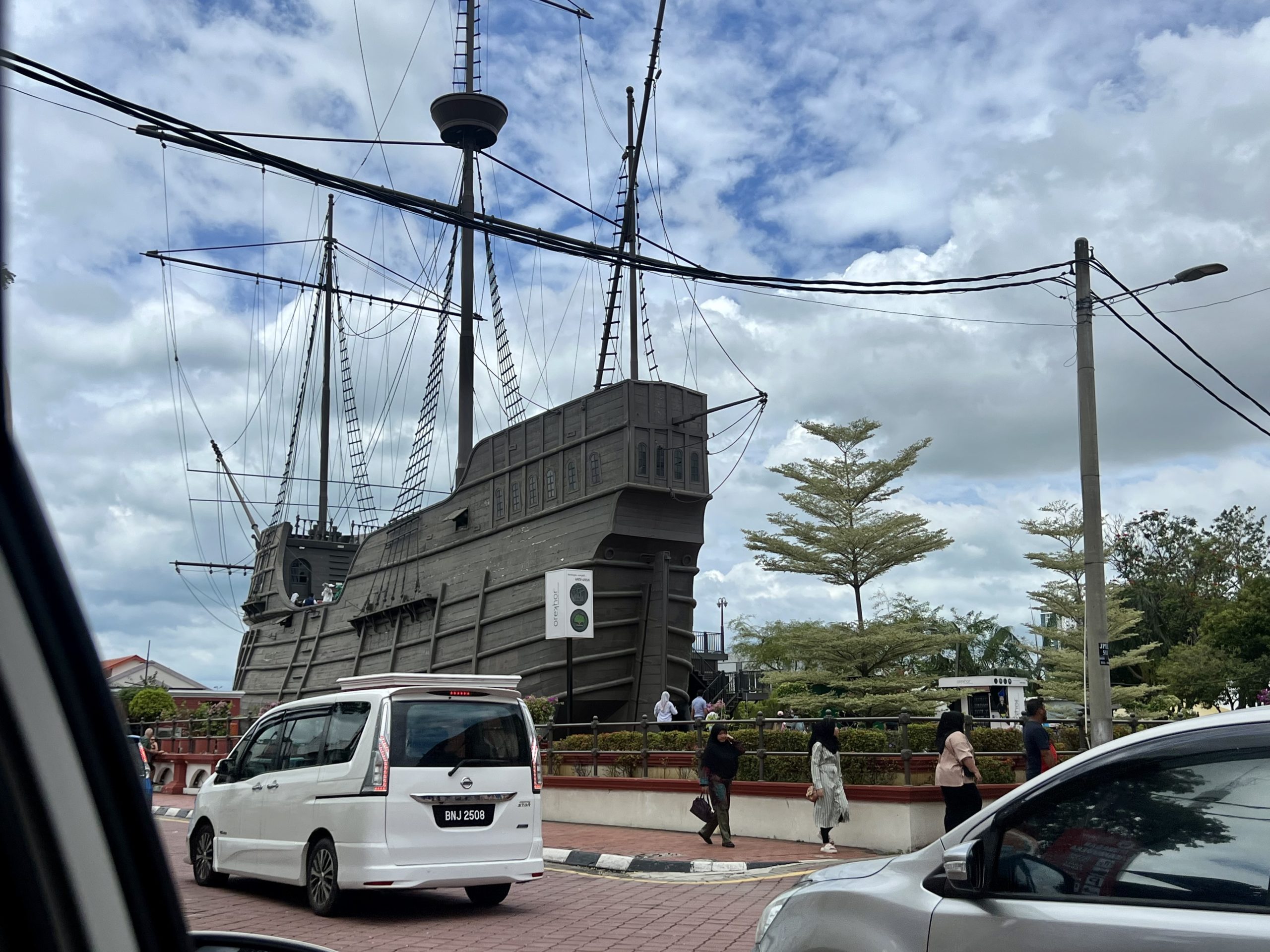
On our way to lunch, we snapped a shot of this reproduction of a Portuguese caravel, the preferred ship of Portuguese explorers back in the day.
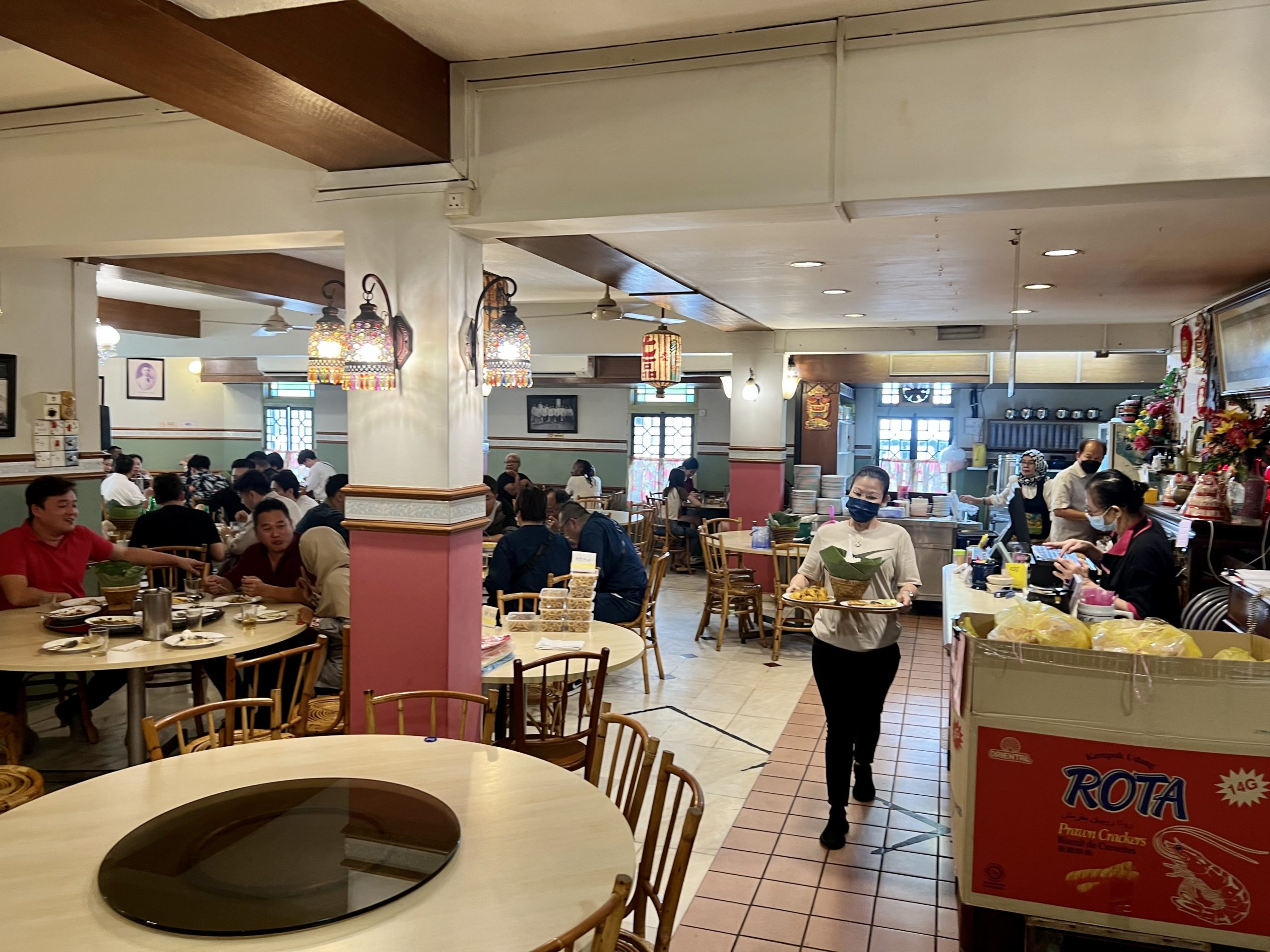
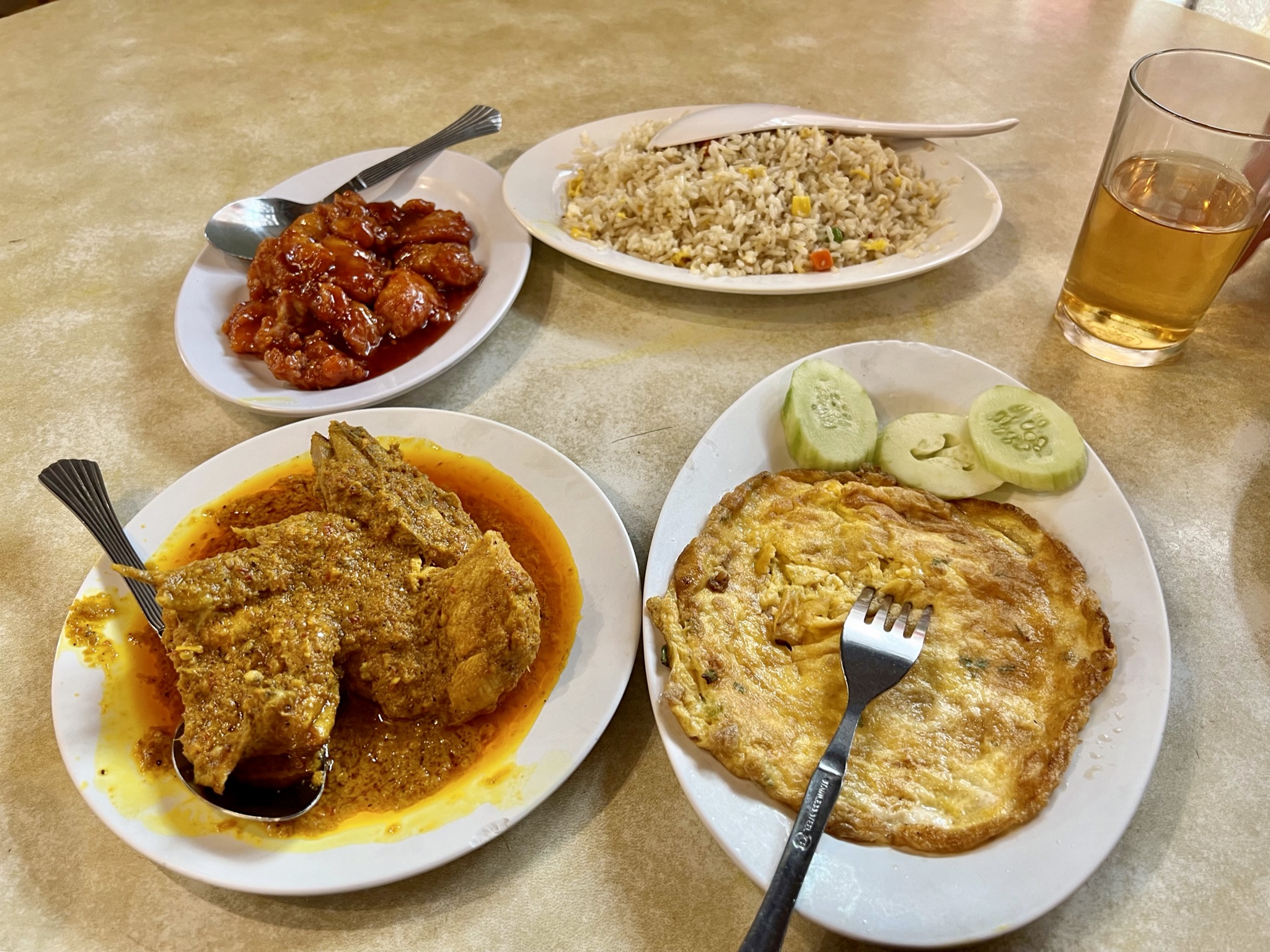
I am including lunch here so we don’t forget the experience. What is it with hired drivers and their terrible restaurant reservations?
The food wasn’t as bad as other tourist restaurants, but jeez, if this had been our first meal here, we would have flown home yesterday. Distracted cooking could explain it. Or maybe spice selection by braille. We ate and ran, with the emphasis on the running part.
Then back through contemporary Malacca town to the expressway home.
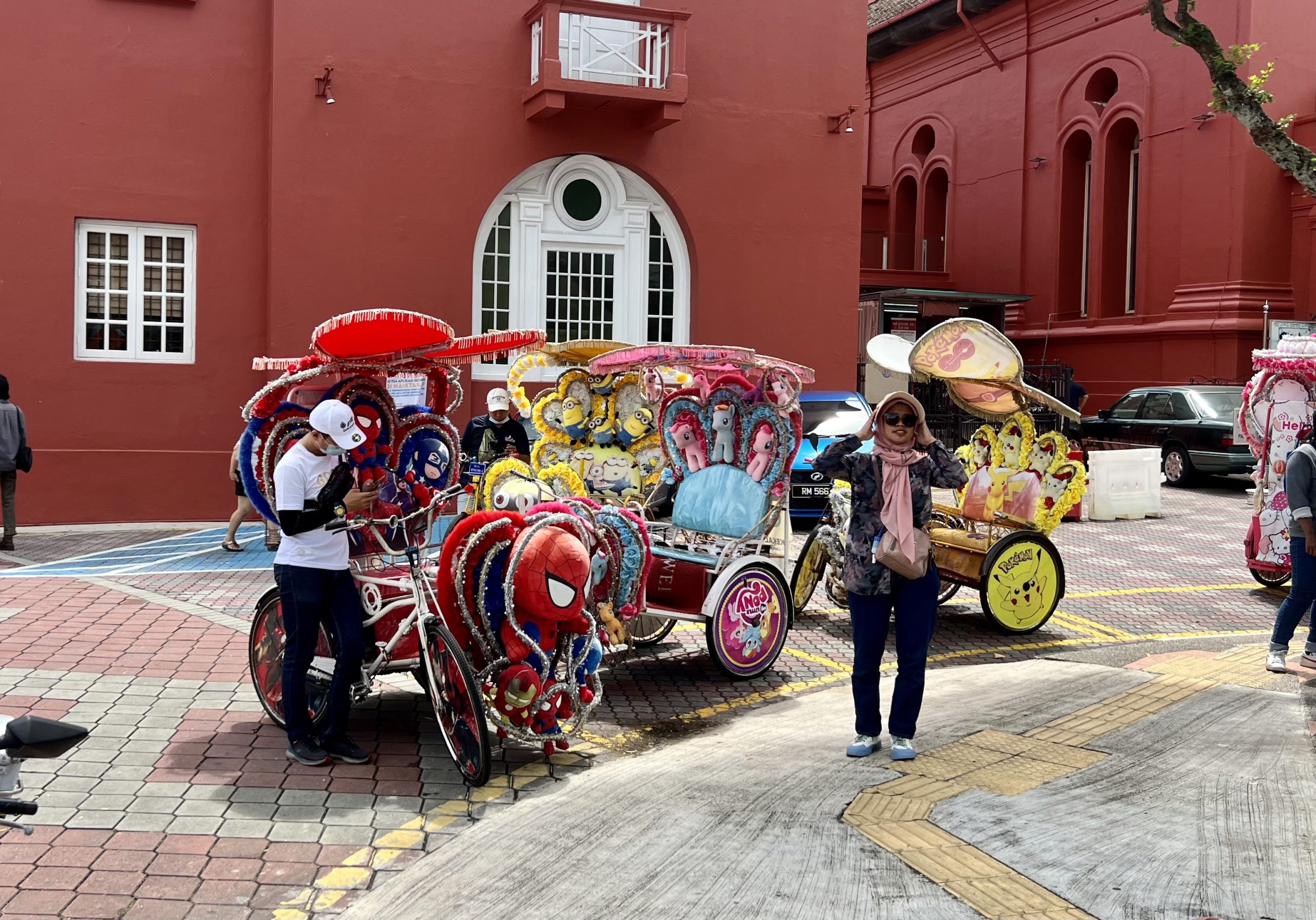
Oh, I forgot to mention … Some time in recent history a pedal rickshaw driver had a brain fart and cartooned his ride. Then he added the biggest sound system that wouldn’t give him a hernia. A trend was born. Now you can’t get pedaled around Malacca without a pathological desire for attention, and earplugs. Nevertheless, some tourists get giddy just thinking about riding in one.
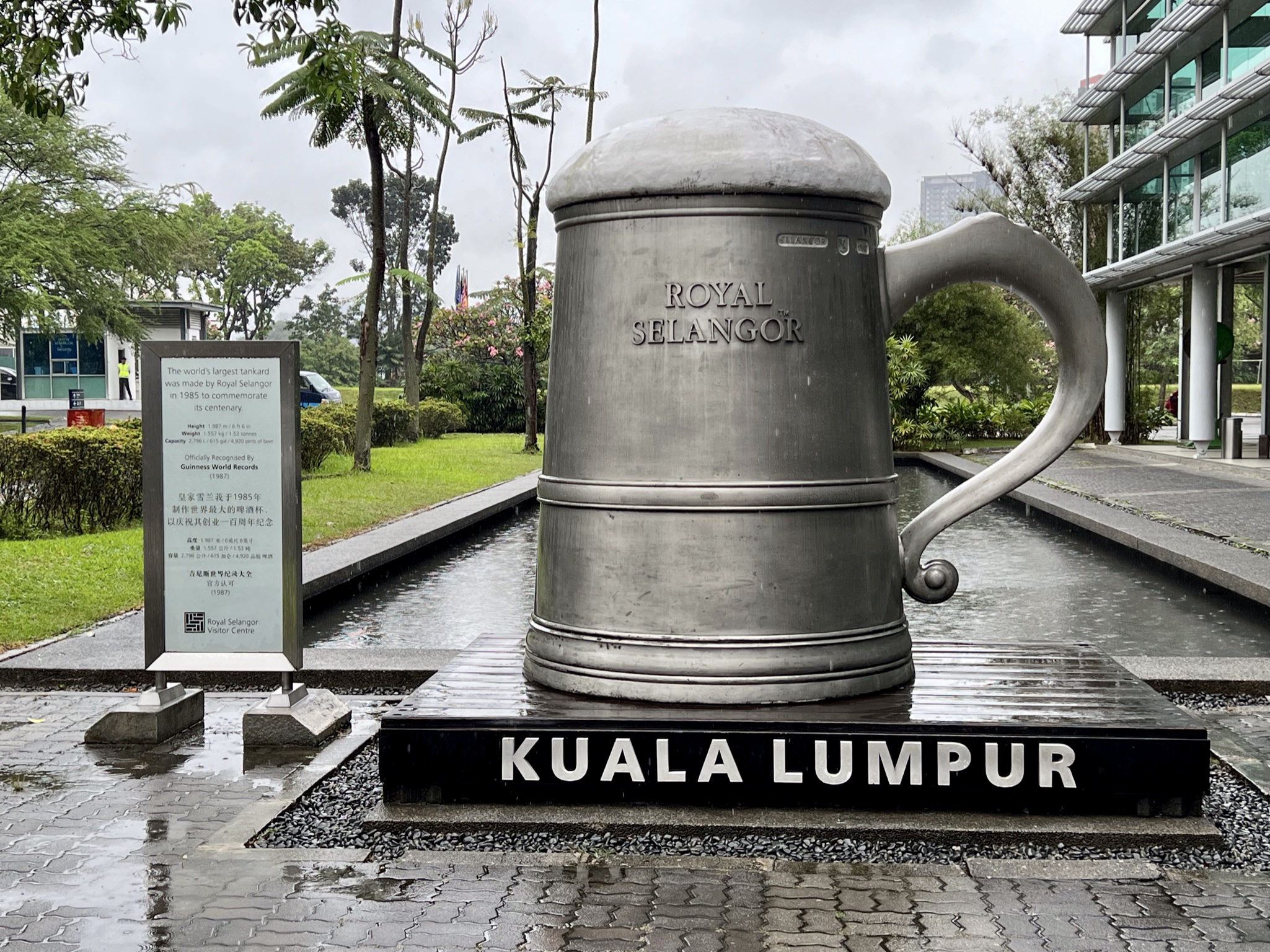
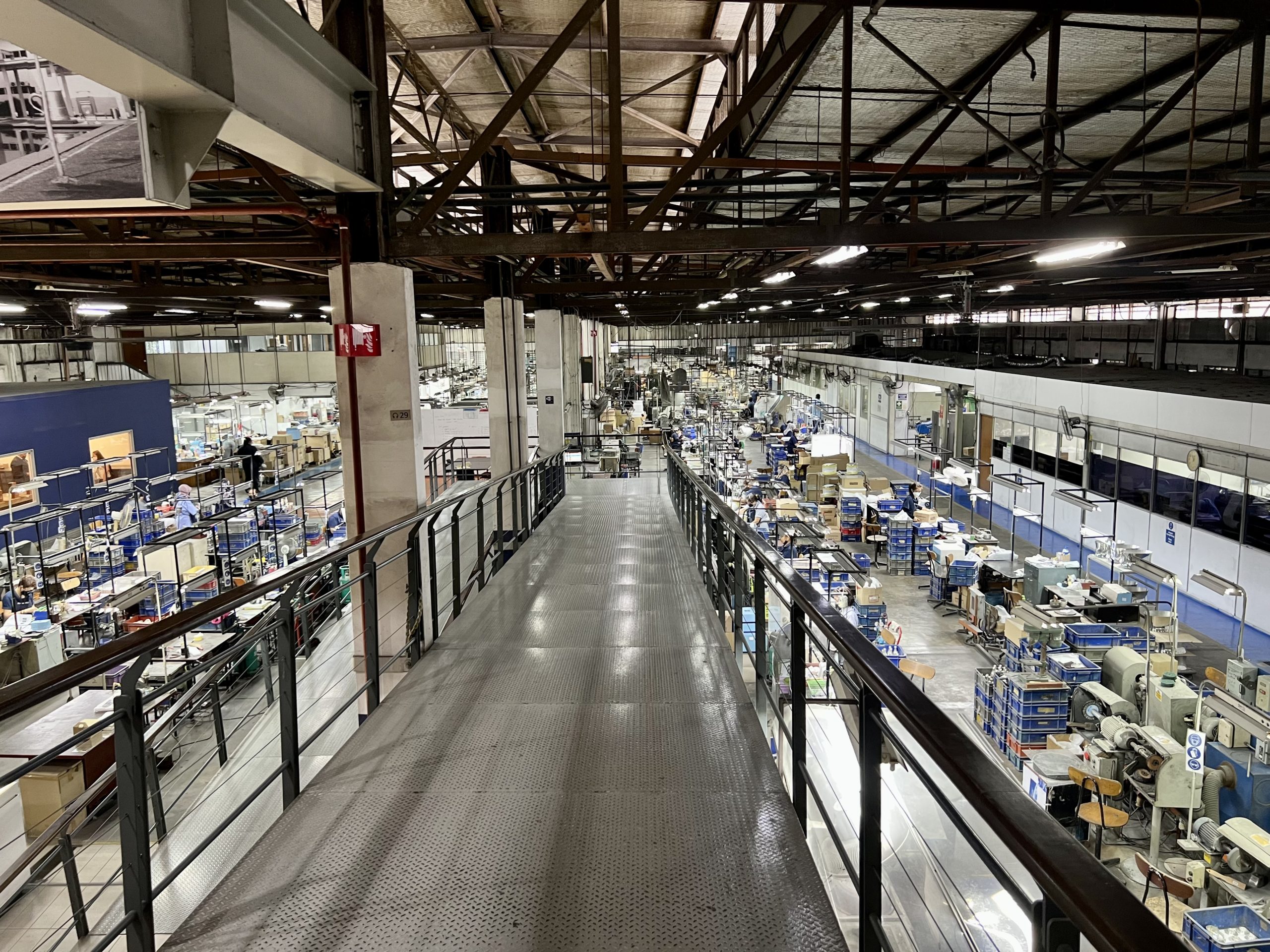
One of the things on our to-do list was to find a pewter memento. The photographer discovered that the Royal Salangor pewter company has its only factory in KL. We went. Here is a picture of the giant pewter tankard they created to commemorate a century of pewtering. A tankard? If you don’t know what to make, make an ashtray. That’s the first thing I learned in 2nd grade artsy crafts.
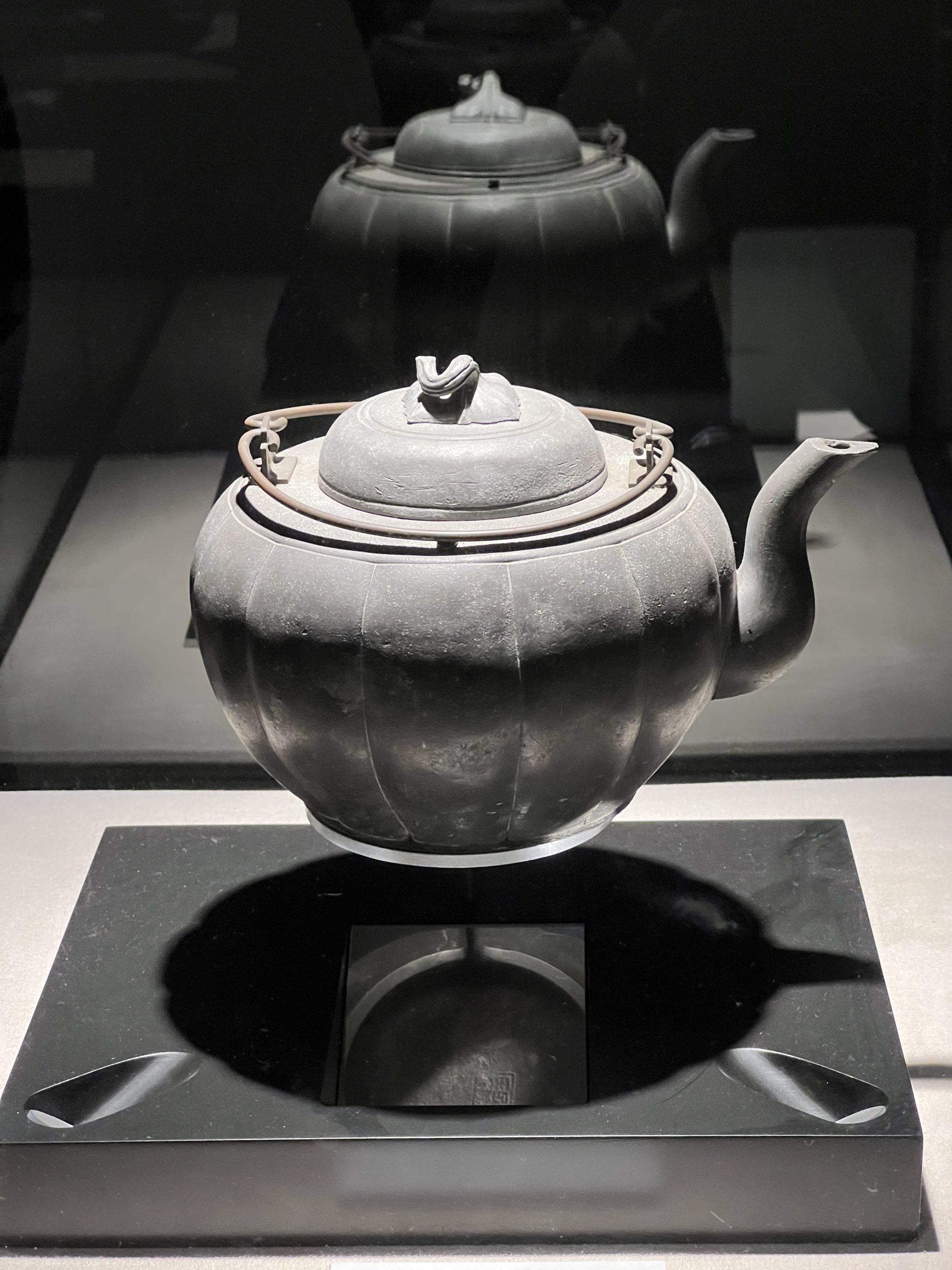
They have a well-presented museum of their history, including this storied teapot made by the founder, examples of their work over the past 130 years or so, and the history of tin mining in Malaysia.
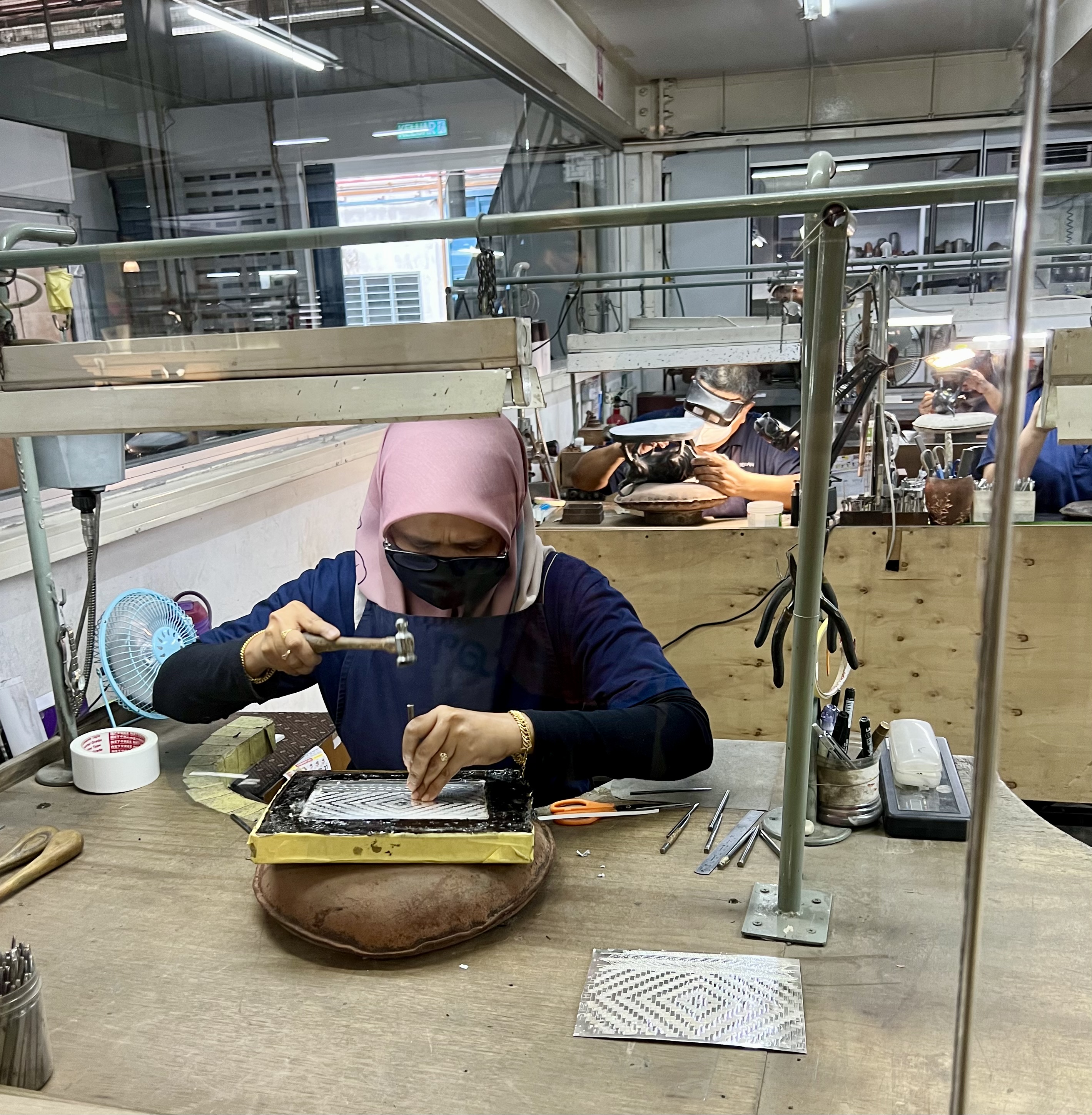
They also offer a factory tour …
And the skilled artisans were accessible and fascinating to watch. We bought a few things to remind us of Malaysia. We’re going to have to figure out how to put them up when we get home.
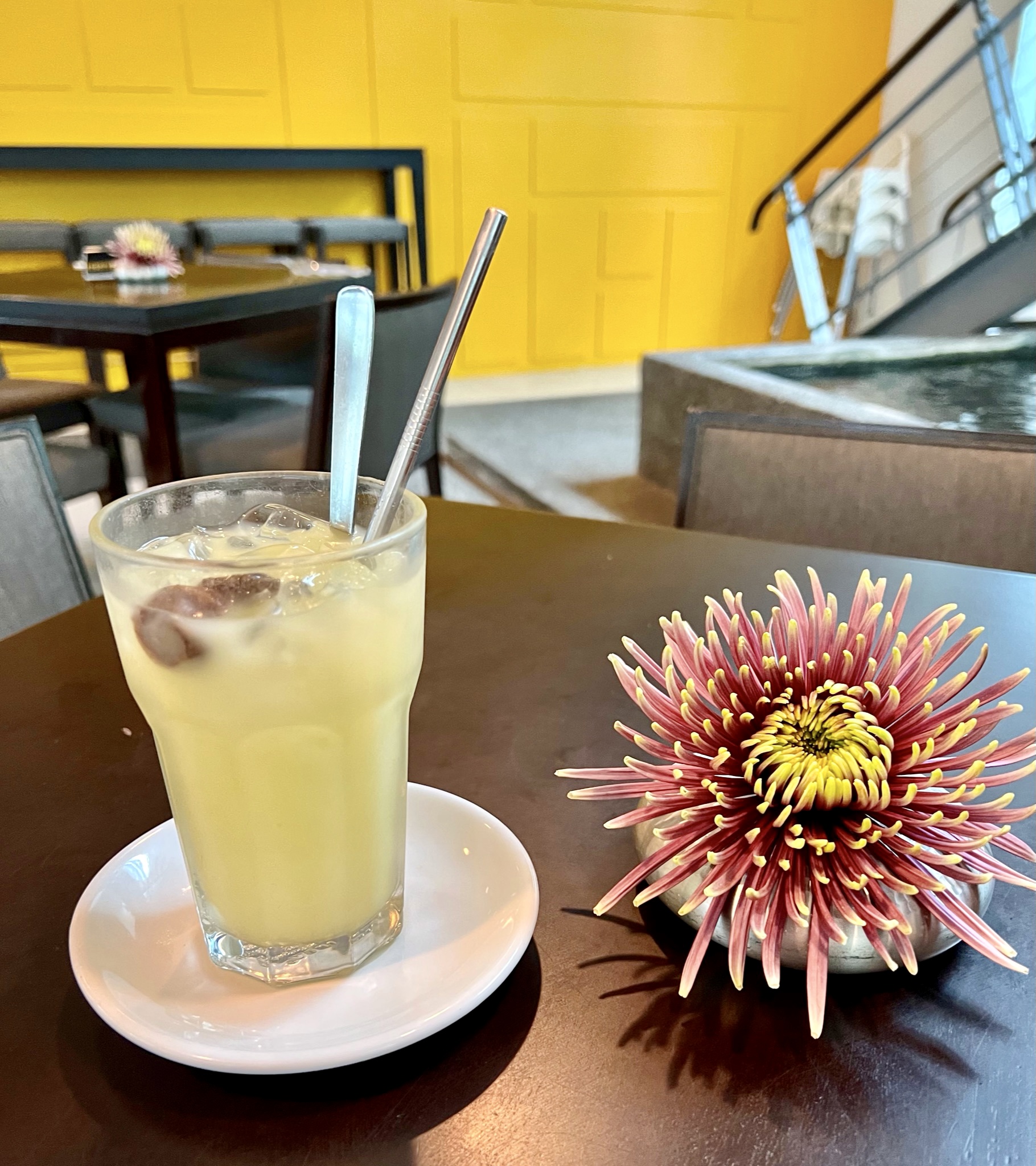
We had a simple lunch at the Royal Selangor Cafe, just Malay roast chicken and a caesar garlic salad. The photographer had calamansi juice with sour plum the was photo-worthy. Garnished with a couple of le hing mui (sweet and salty dried plums), it’s a unique and super tasty drink.
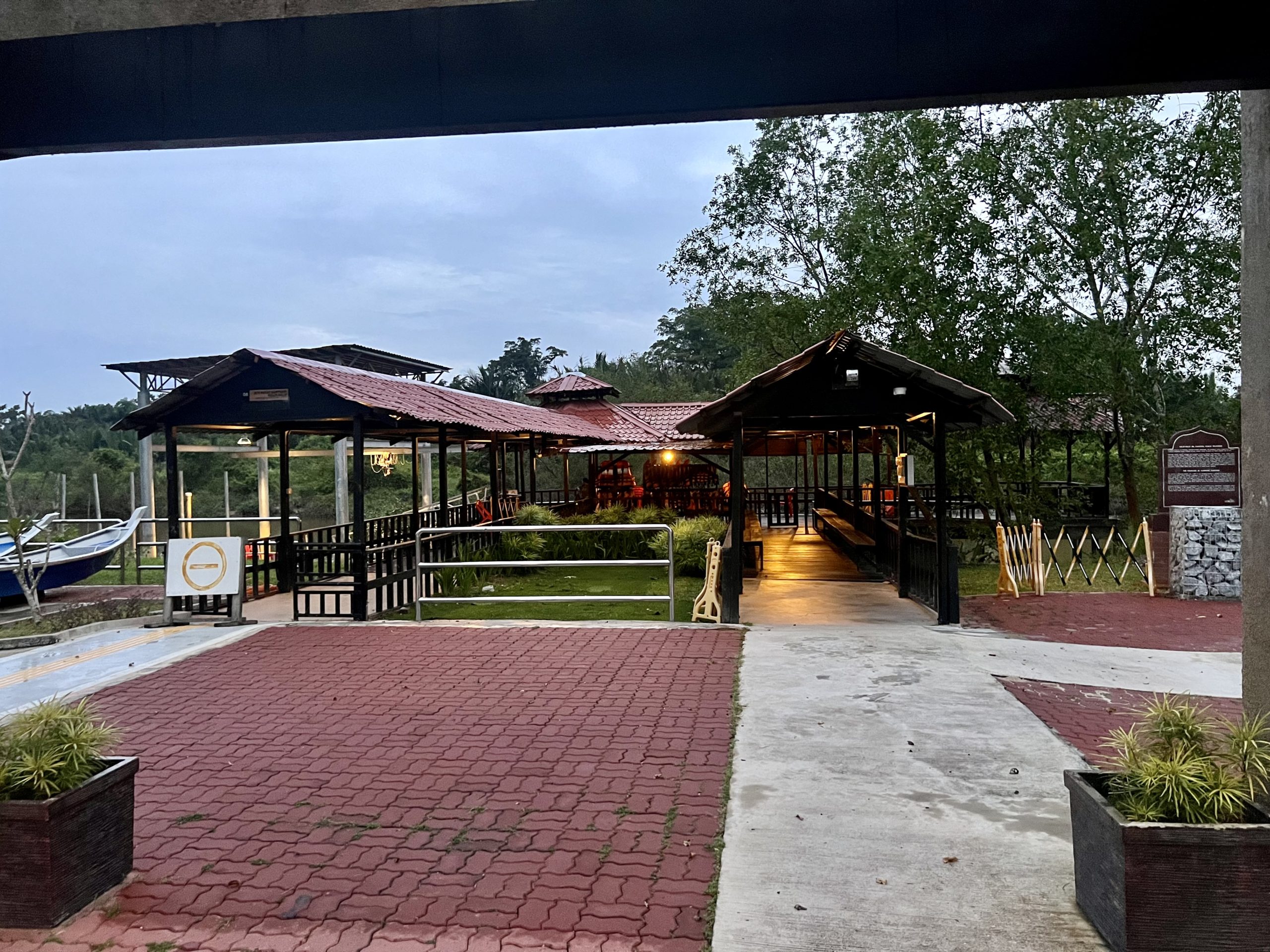
When planning our stop in Kuala Lumpur, we learned about their firefly reserves and parks. So before we arrived, we had made arrangements with a guide to drive us to a firefly park on the Selangor River, about an hour away. On the way, we passed through palm oil plantations, some being replanted, like this one.
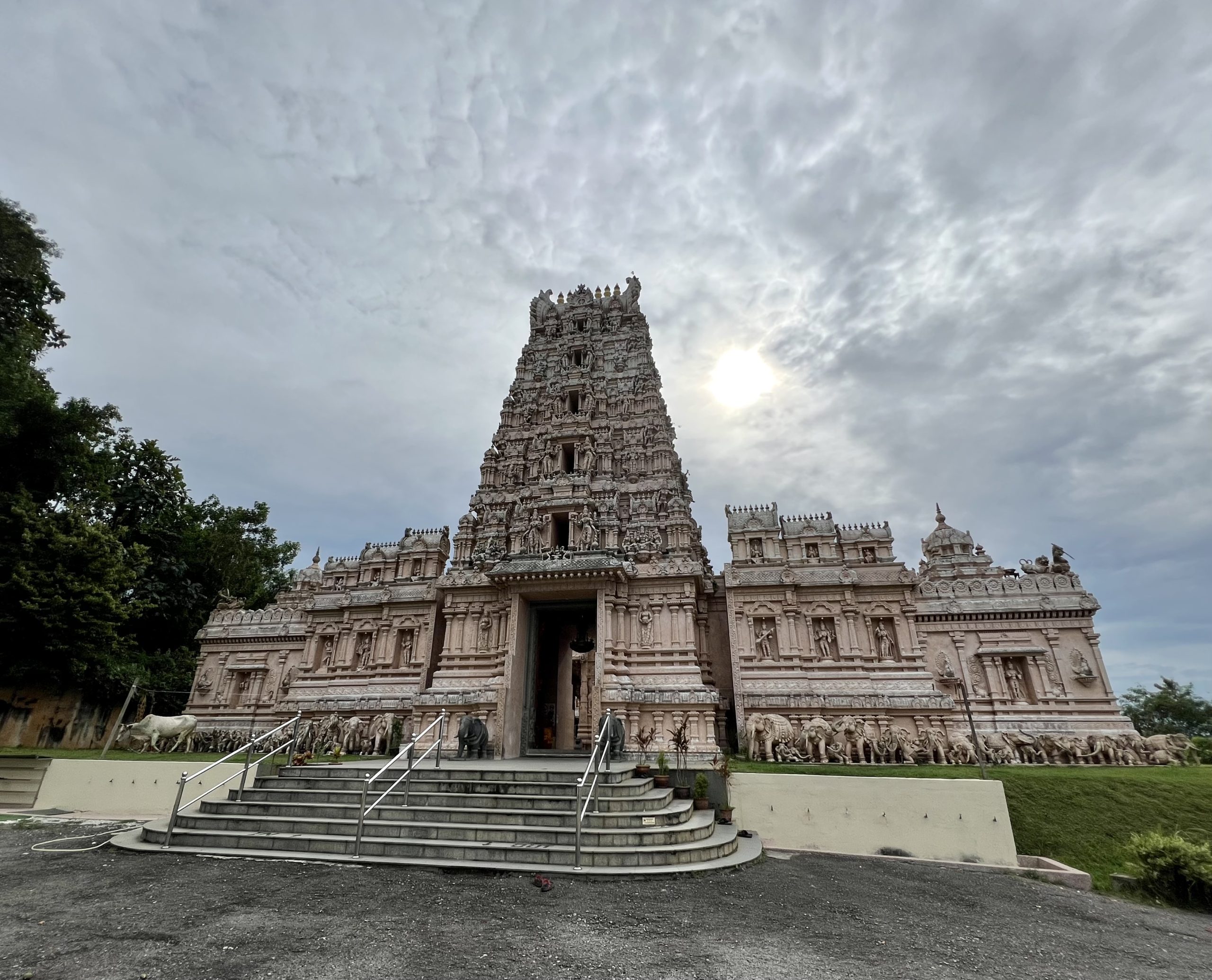
Since we had some time before it was dark enough to go fireflying, we made a couple of stops. One was at the Sri Maha Mariamman Temple. There are Indian and Chineses temples all over Malaysia, but they rarely pretend to magnificence. That is mostly left to mosques. This Hindu temple, however, is an exception. As you see on the left, they also keep a few brahman cows. Holy in their own right, their milk is used for purification rituals.
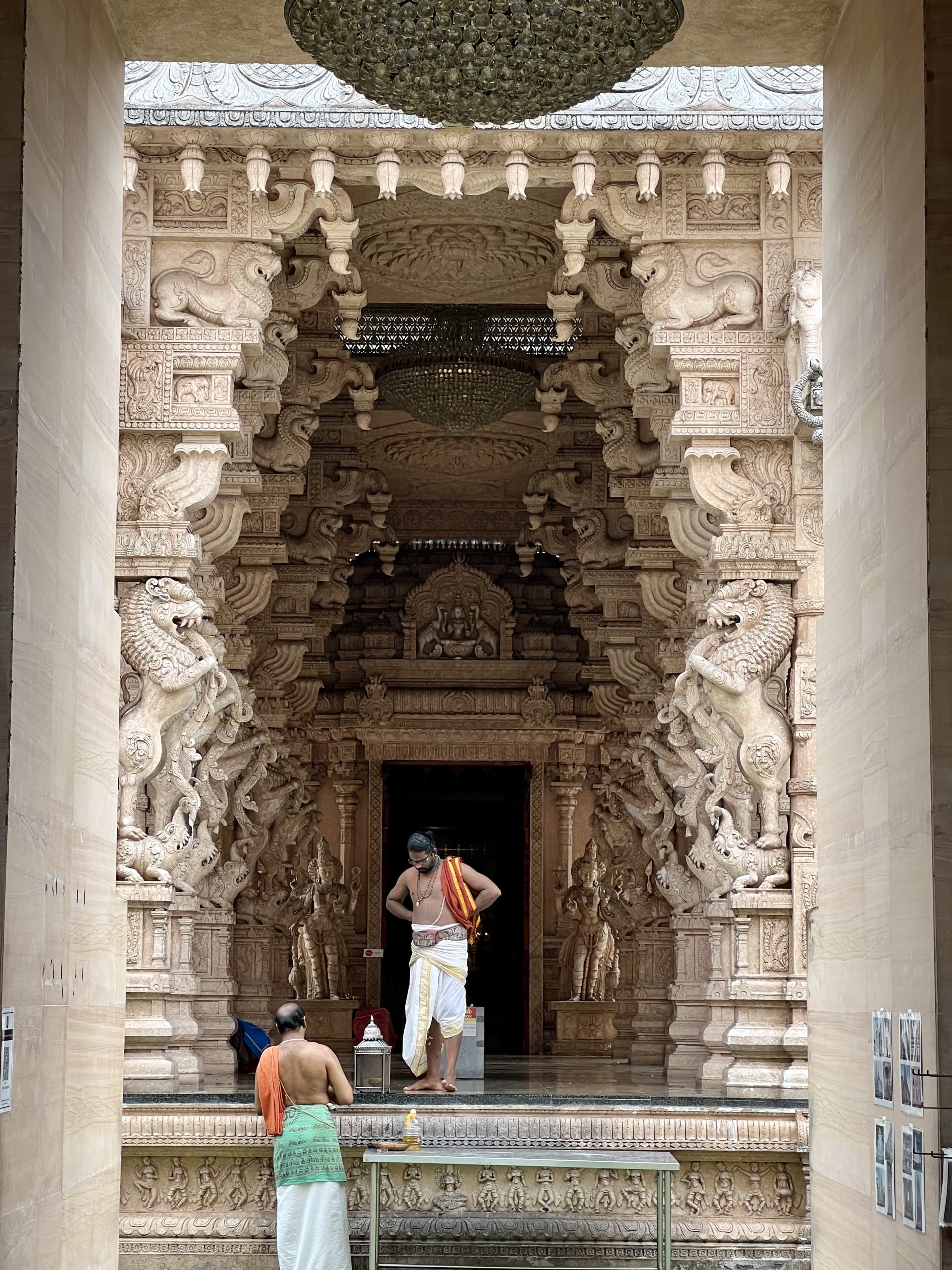
Photos are not allowed inside, but you get a sense here of the ornateness of the carvings that cover every square inch of the interior. Originally a small shrine built near the end of the 19th century by Indian immigrants brought in to work the rubber plantations and the like, this grand temple, built of brick, steel, concrete, and granite, opened for business in 2013.
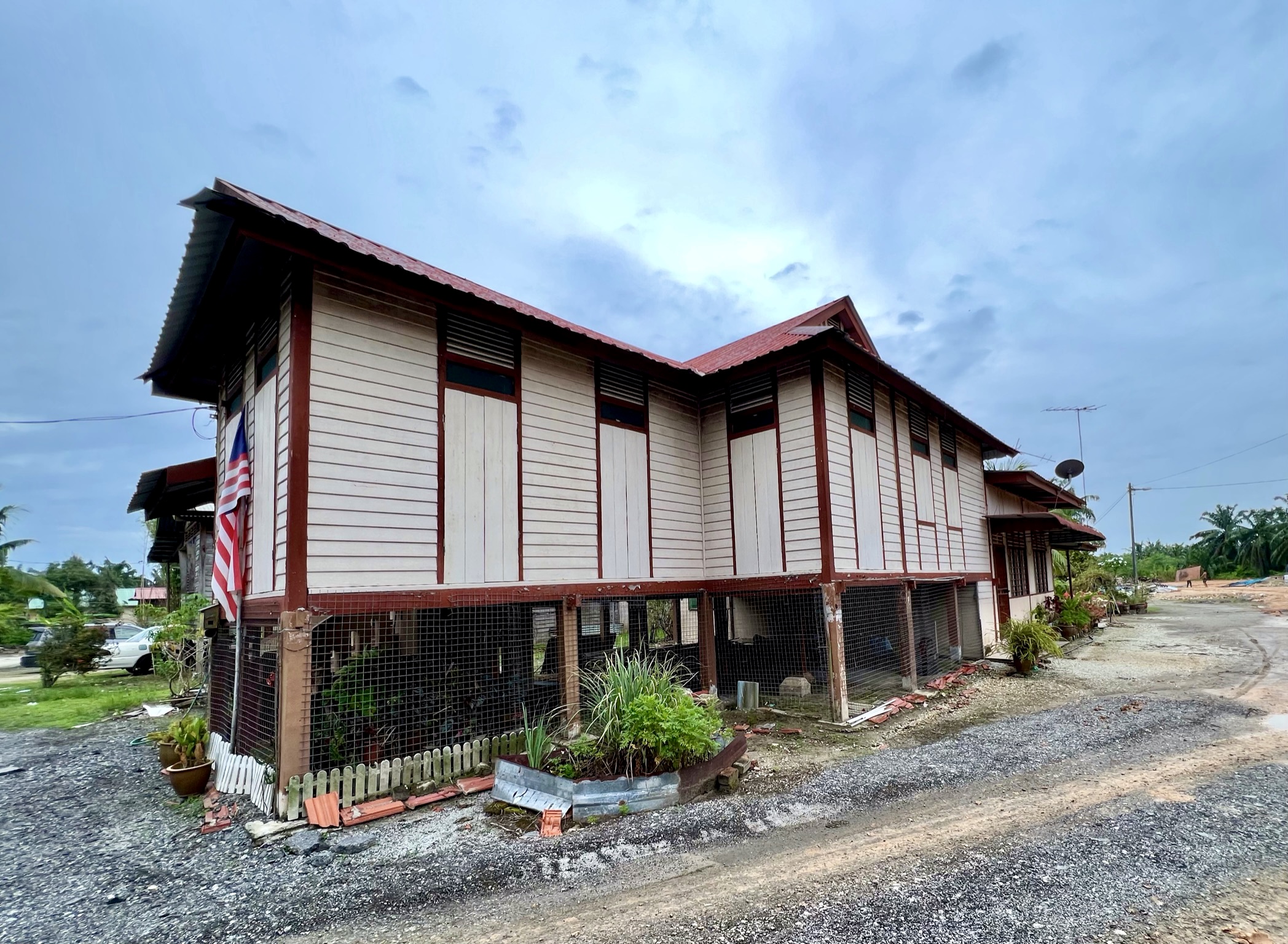
We also stopped at the house of our guide’s grandmother. Originally built over 100 years ago, it’s been added on to but still retains its original traditional form. Each of the narrow, deep lots here belong to one village family, many of which keep to the old raised design. The square posts keep the snakes out, raise the house above any threat of water, and combine with loosely fit floor planks and a high-peaked roof to encourage flow of air.
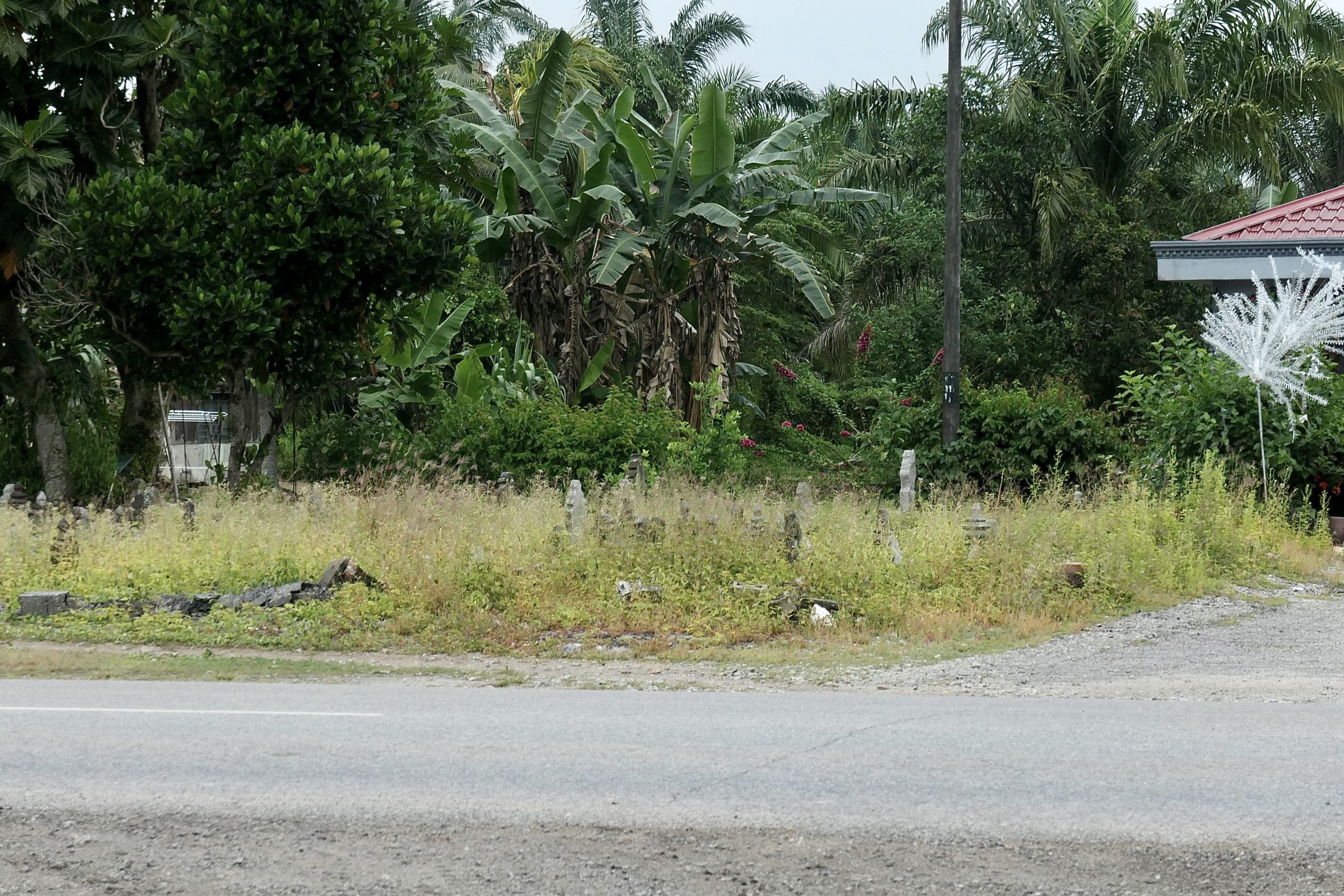
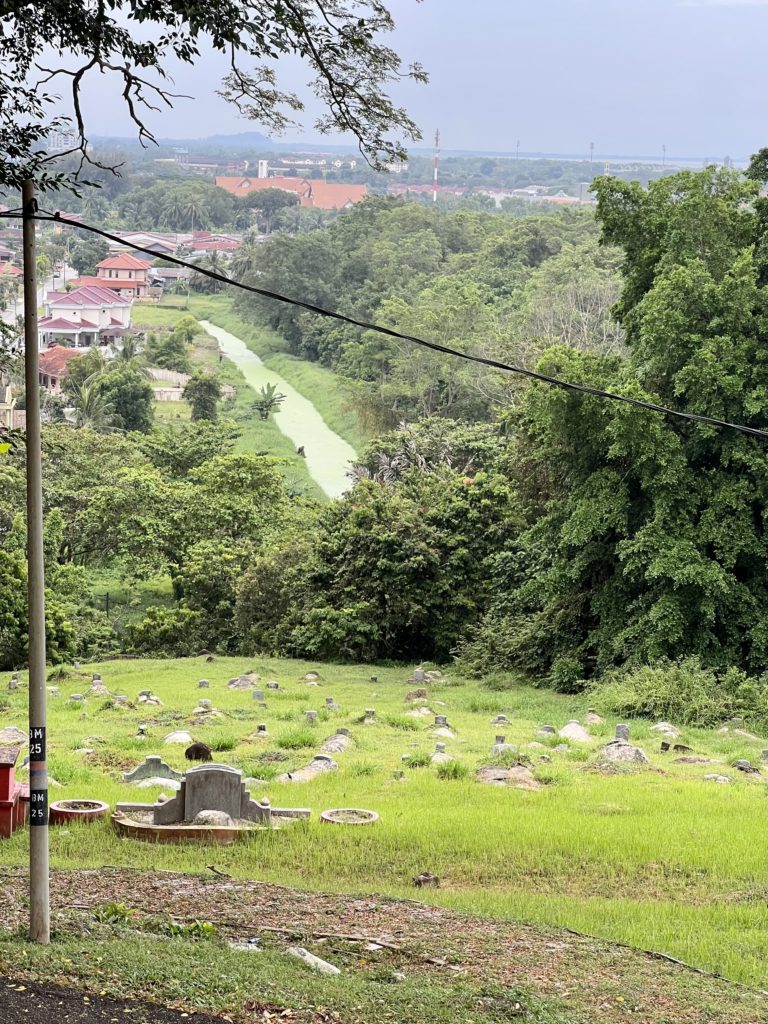
Across the street and between houses is what remains of an old Dutch cemetery, with markers that date to the 17th century and the original war of conquest against the sultan.
Once we reached Kuala Selangor, we parked at the foot of Malawati Hill and headed to the summit. It was the site of the sultan’s palace and later a well fortified fort.
Now it hosts a lighthouse and the Kuala Selangor History Museum.
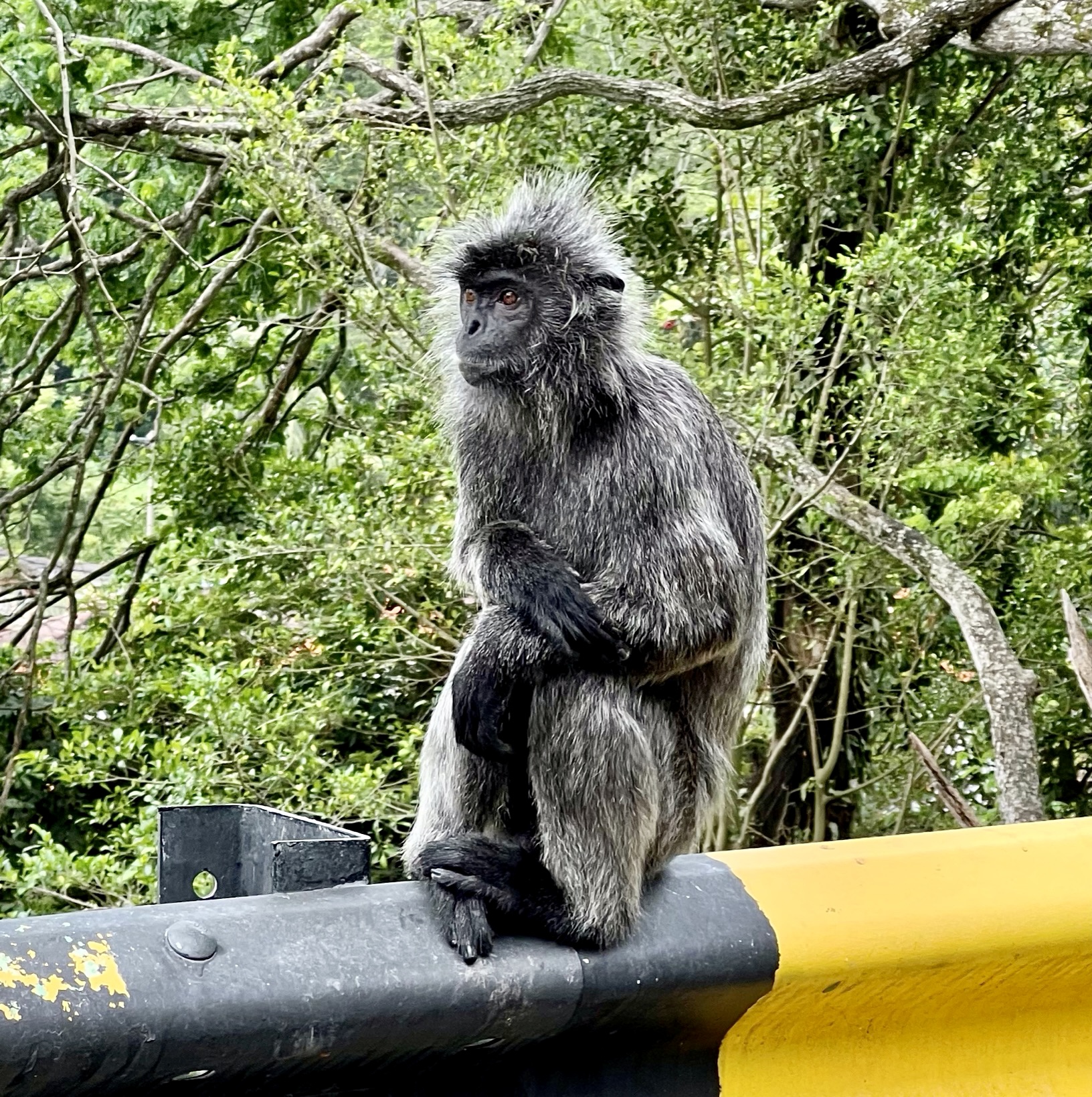
Along the road up, silvered leaf monkeys rushed out and sat quietly – and expectantly – for handouts. Unlike other places and other monkeys, these are very well behaved. They don’t beg or snatch, just sit and avoid eye contact.
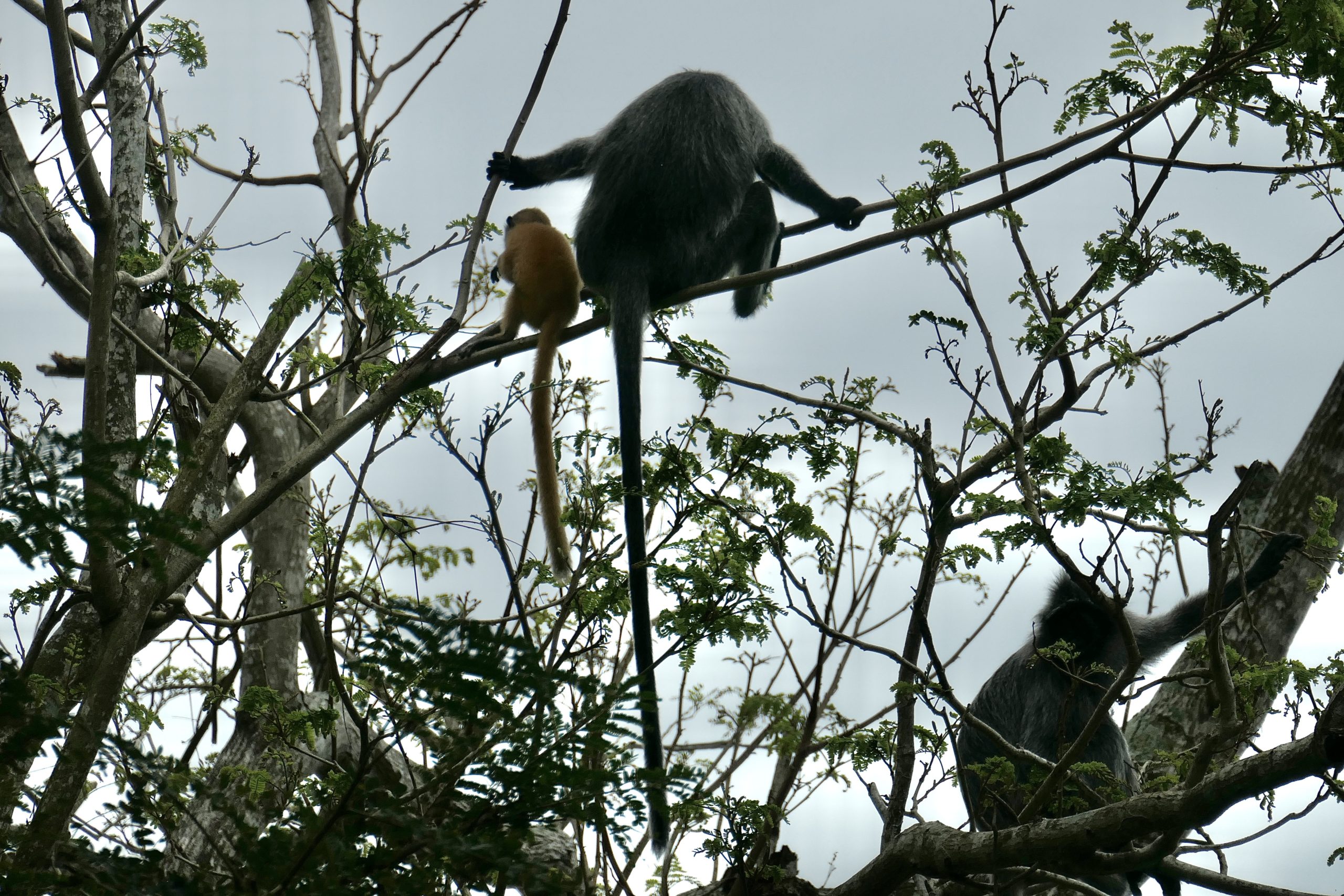
Young silvered leaf monkeys are a bright orange-blonde. Note to self: a can of bright orange paint could go a long way toward making active toddlers easier to keep track of.
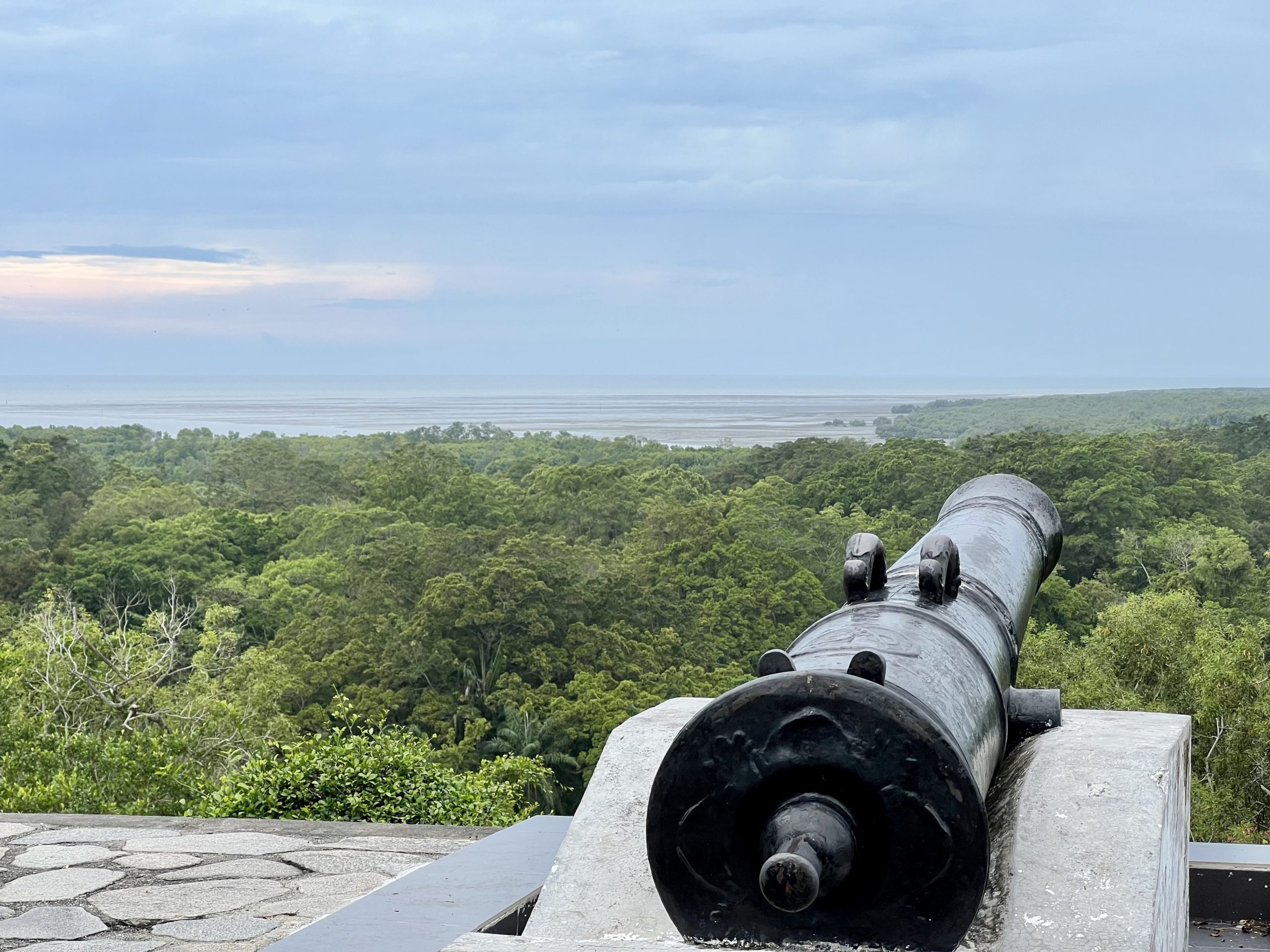
Atop the hill, the expected fort. In the distance is the estuary of the Selangor River and the mangrove swamps it fosters.
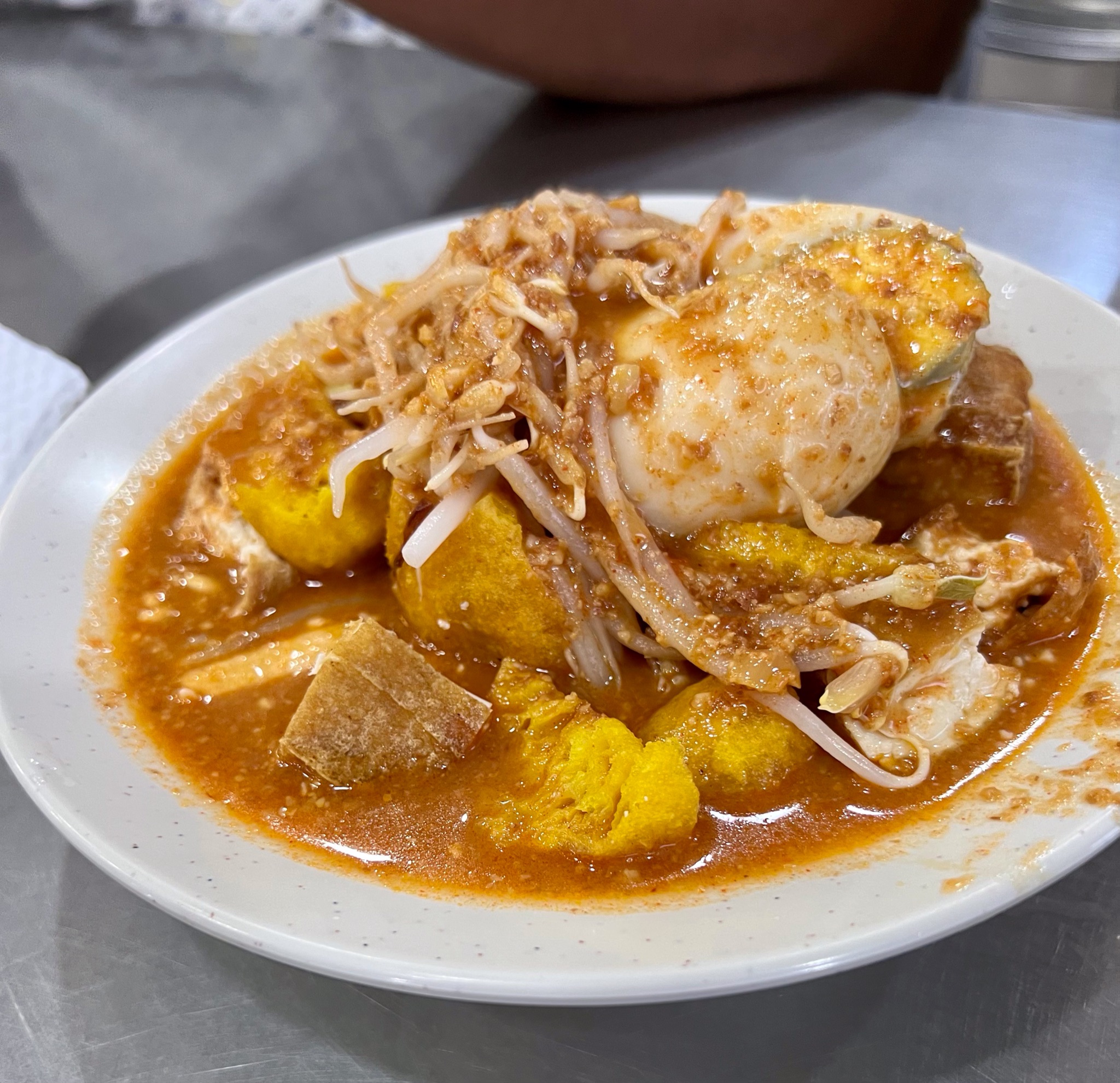
With the sun not yet set, our guide took us to a local restaurant that’s a favorite of his. Busy. Local. Good food. This dish is called rojak. But since rojak means something like ‘eclectic combination’ it has many variations, from salads to hot dishes. This one is native to the Malaysian Peninsula. The sauce is a slightly sweet mild curry-like dish made with a hint of fish sauce and served with bean sprouts, some peanuts, and roti, or bread. It was incredible.
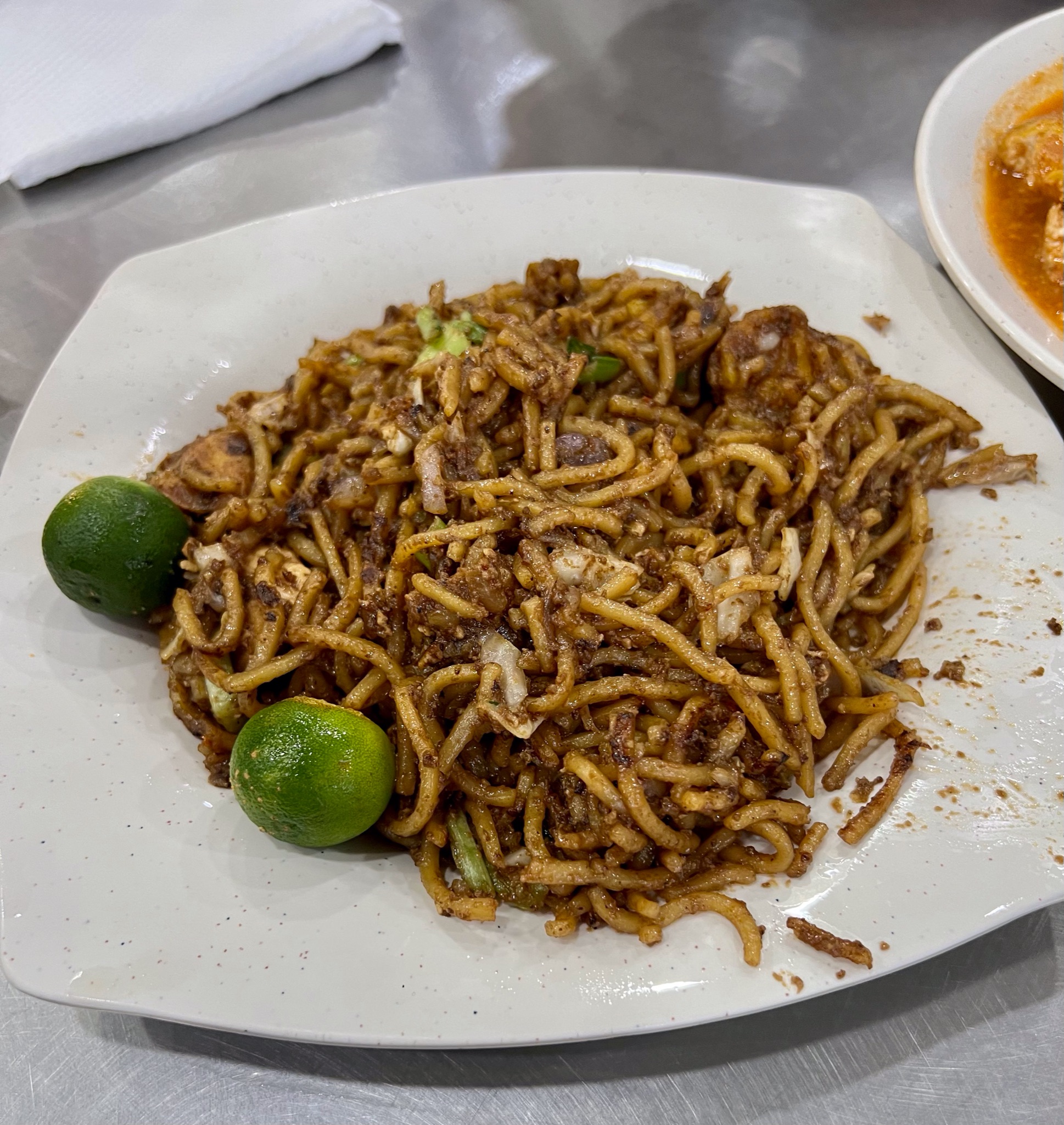
We also had mee goreng, and their version was excellent.
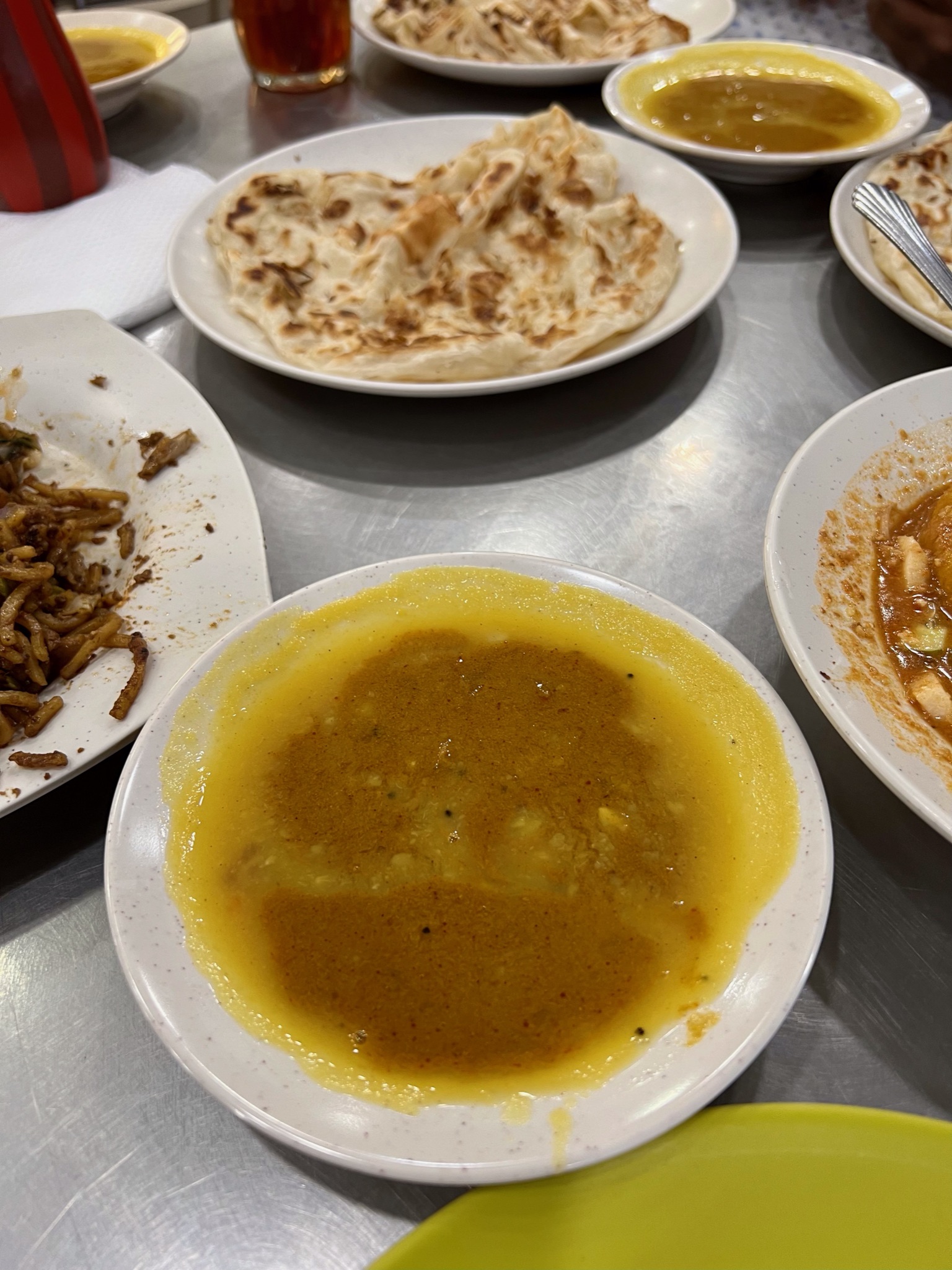
As if that wasn’t enough, we had naan bread and a Malay version of dal to fill the corners.
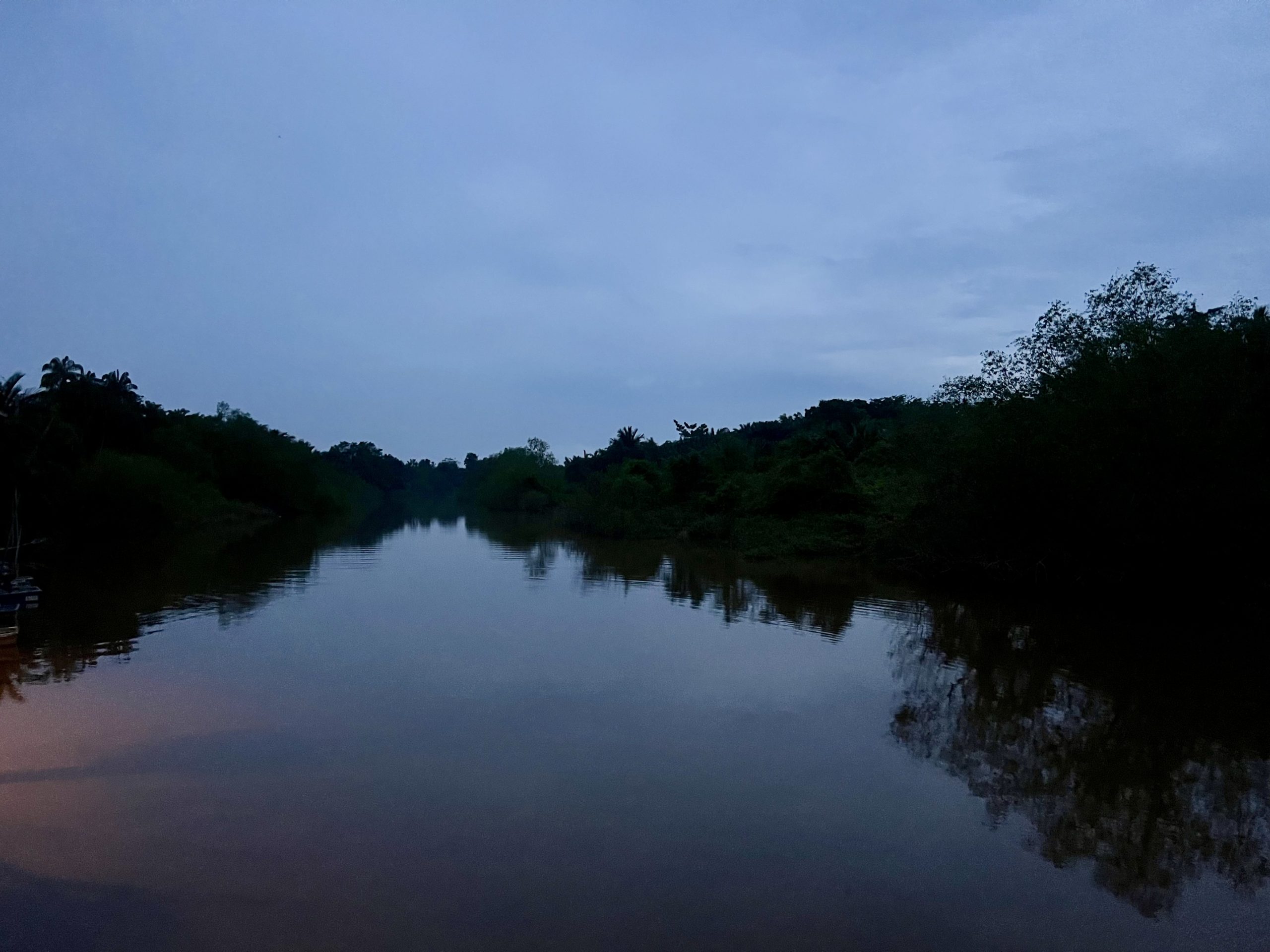
The sun was setting, so we went to the firefly park to wait for the boat rowers to show up.
And it got dark quick. We jumped into a boat, and the rower took us upriver.

We were half expecting to see swarms of fireflies flying around. What we saw was tree after tree of fireflies feeding off of sap on the branches, as bright as little LEDs, usually flashing in synchrony. One would fly off every now and then, but they usually sat there happily flashing away. We could reach out and touch them, but they are so tiny we were wary of busting their little bulbs. The video needs to be at full screen or on a larger screen to see anything but black night.
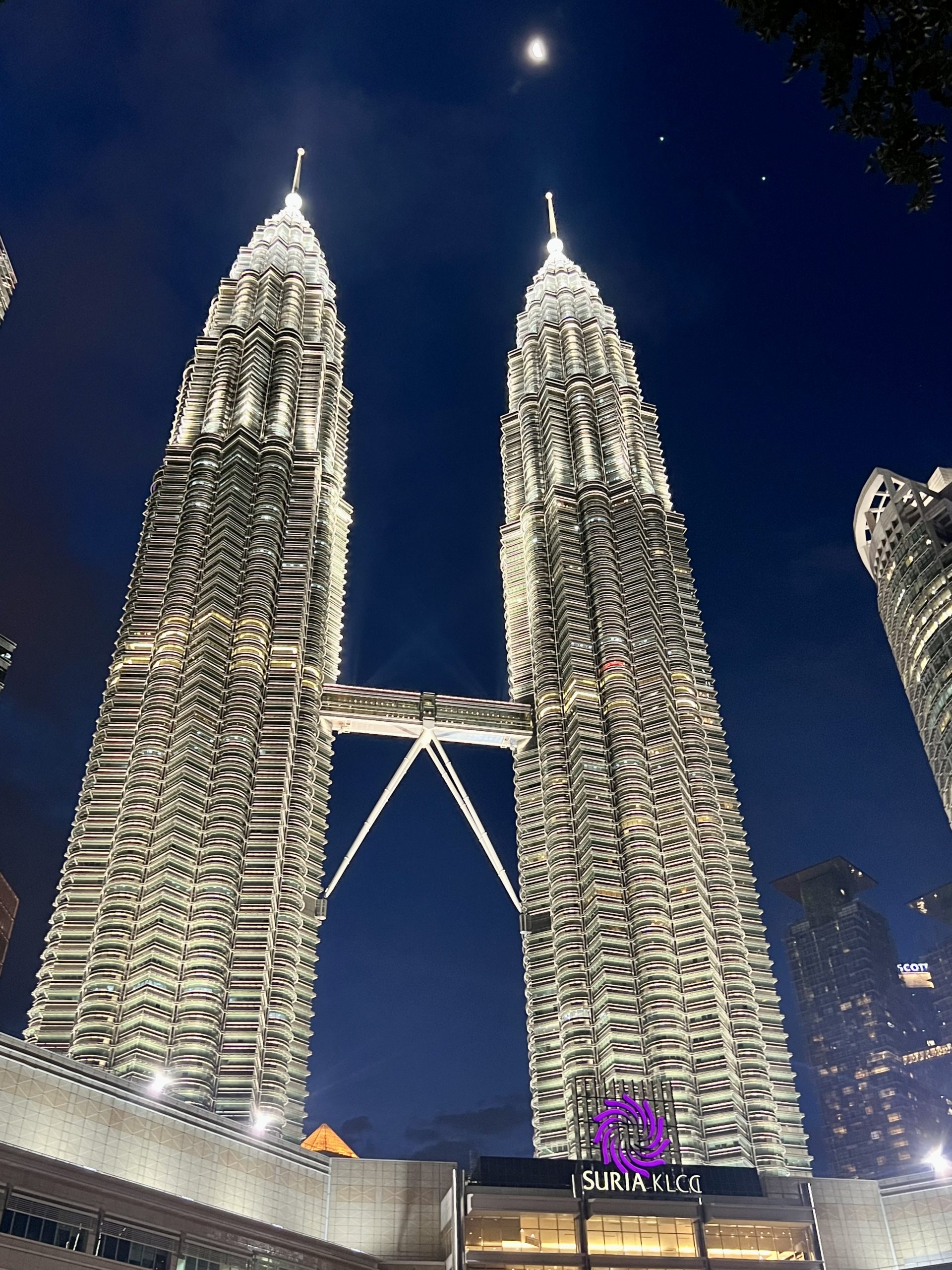
Back in Kuala Lumpur, the Petronas Towers at night are quite the sight, and photos just don’t do it justice.
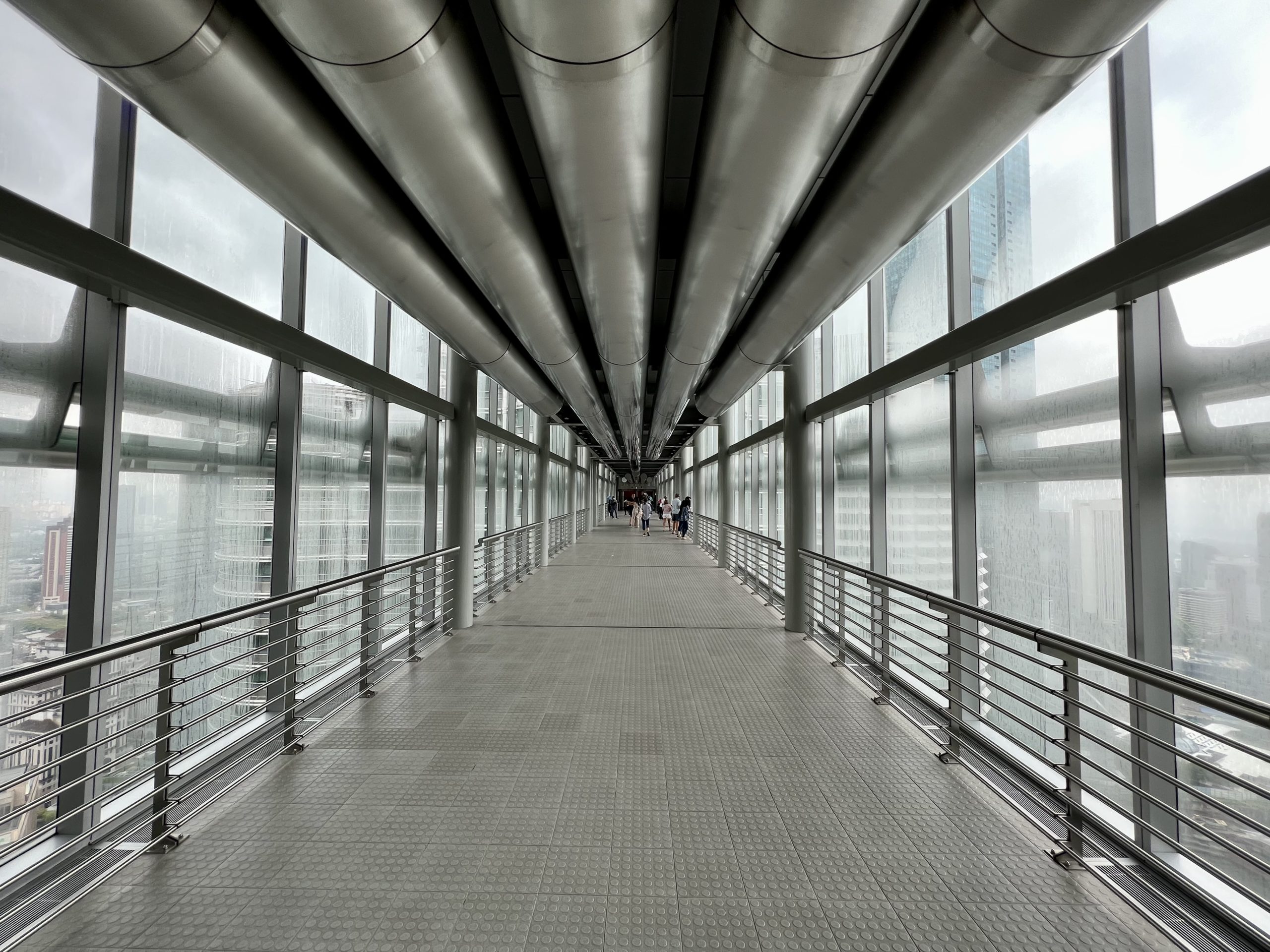
We wanted to visit the top of the tower. It’s so popular, timed tickets sell out days in advance. We got morning tickets, stood in line, got our little colored group sticker, and joined our elevator cohort for the trip up. First stop, the two-floor bridge between the towers, about half way up. I remember it being featured in the 90’s Sean Connery caper movie Entrapment.
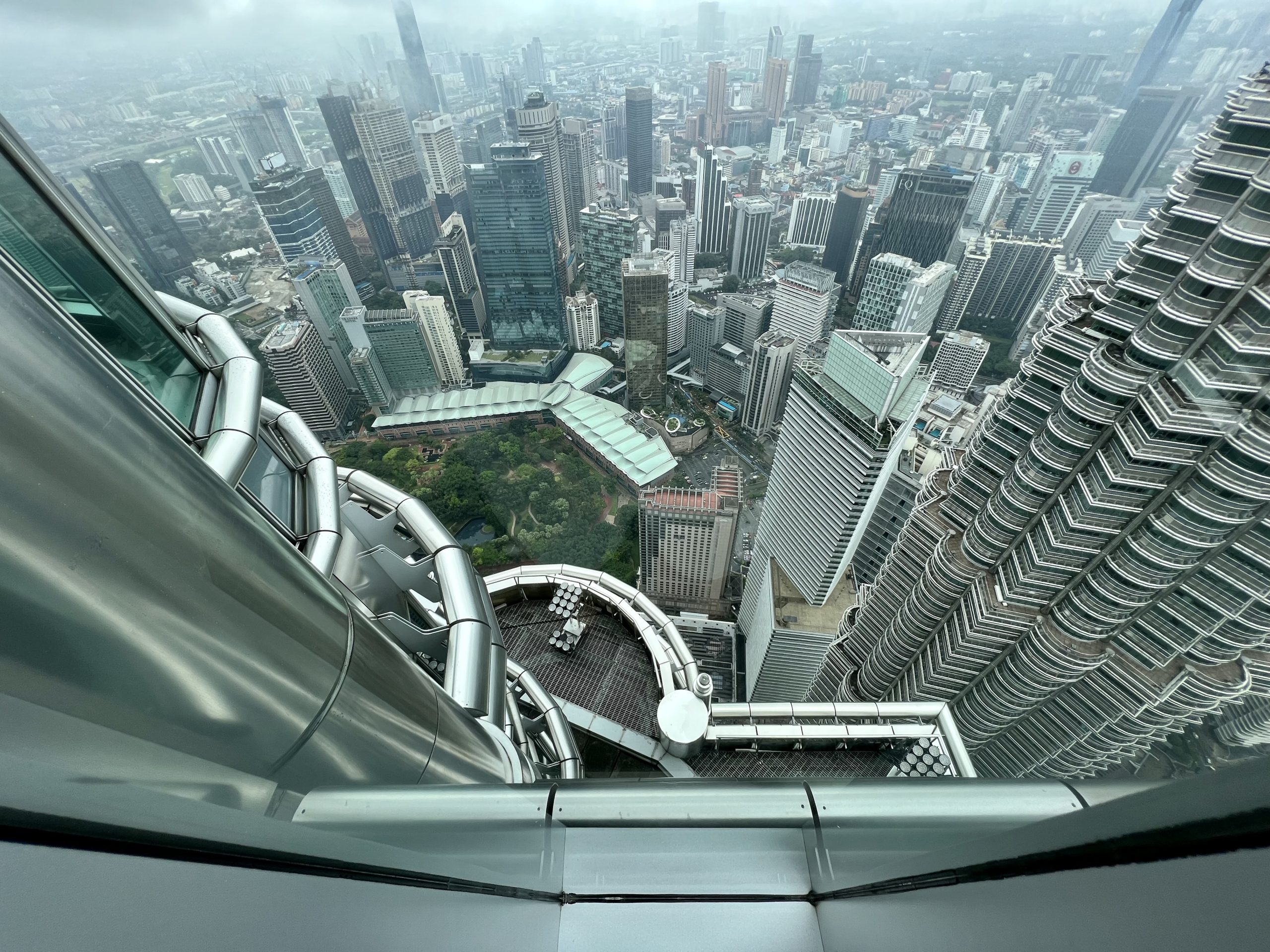
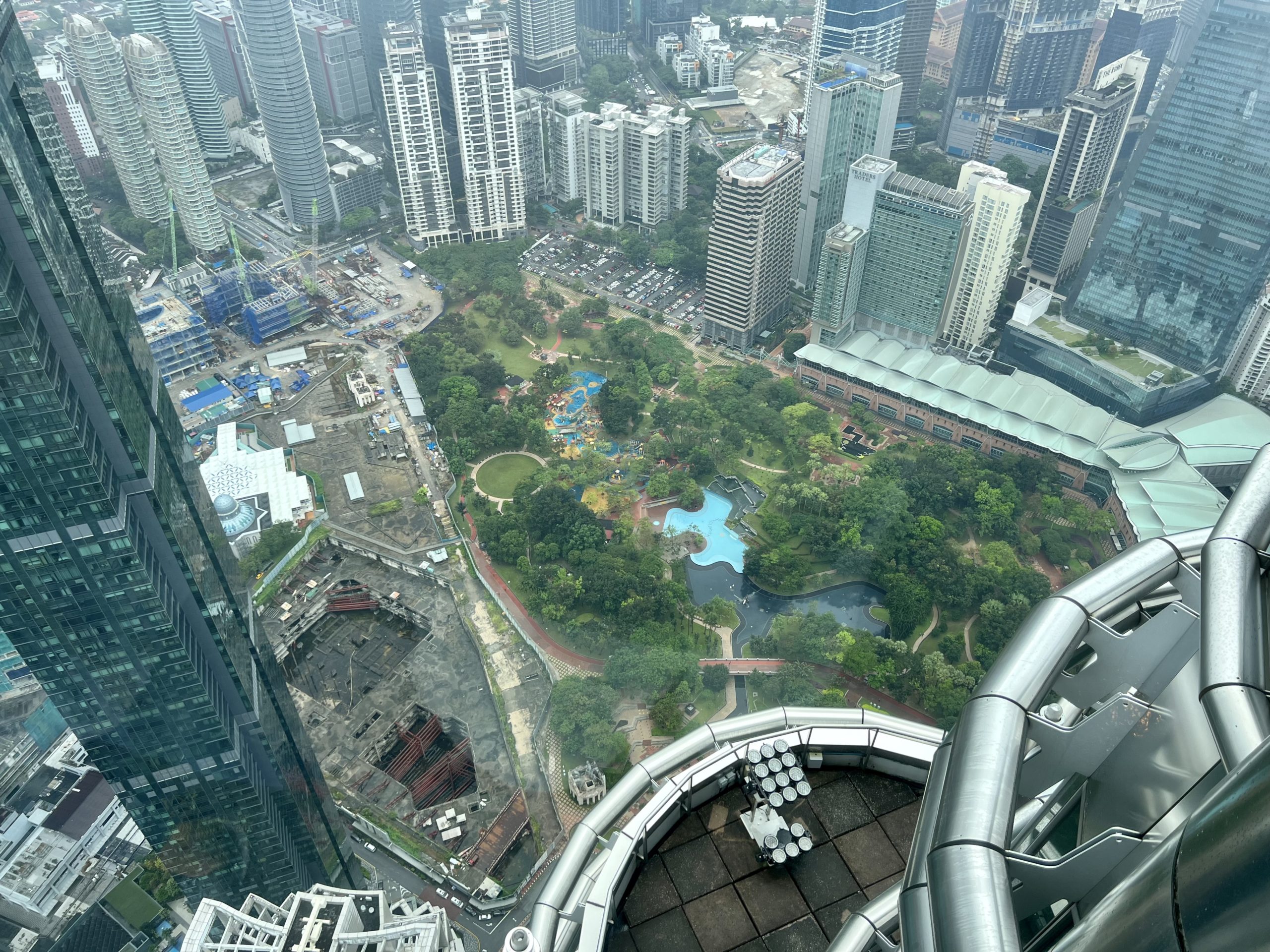
At almost 1,500 feet, which is equivalent to about 140 floors, the Petronas Towers were the tallest buildings in the world when they were completed. Once at the top, you’re almost too high to appreciate it. Kind of like seeing the Grand Canyon – too big to get your head around. In this picture, the red roofed building below is our 30-floor hotel.
And here’s the KLCC park that we like so much.
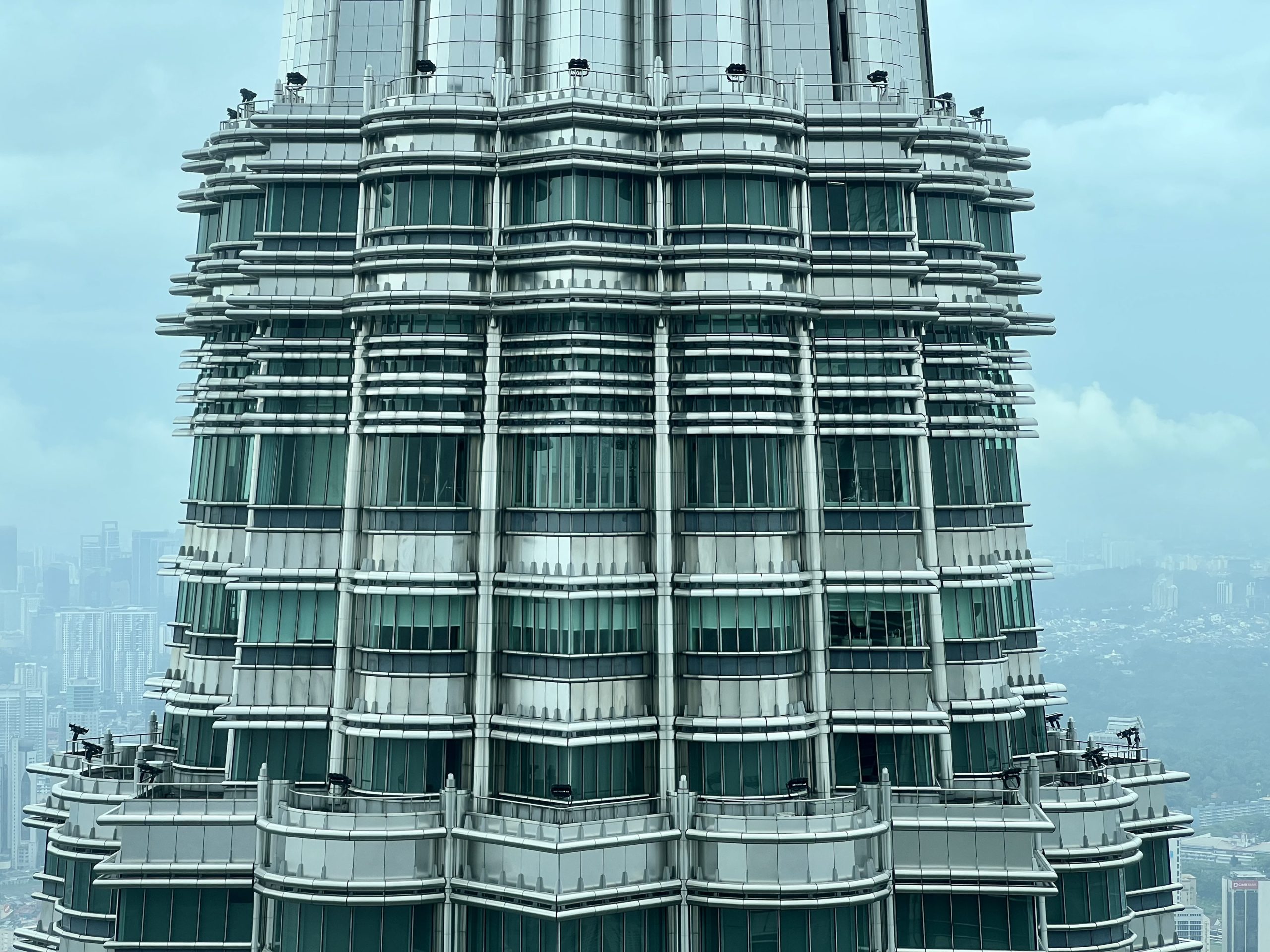
The level of detail the towers’ designers incorporated into the exterior of a building almost half of a kilometer in the air is something else.
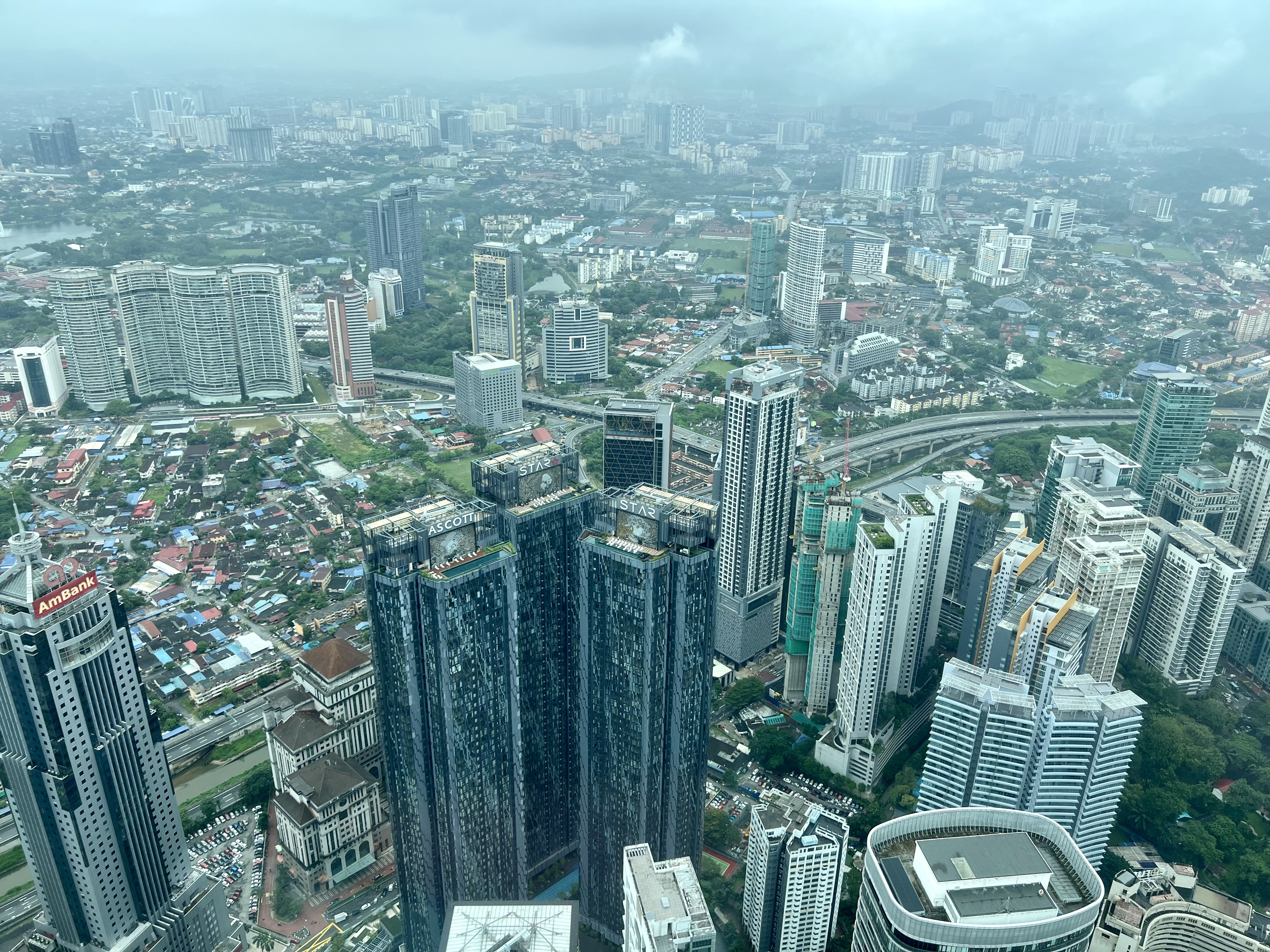
Other than that, the view is what you’d expect afloat in a sea of tall buildings.
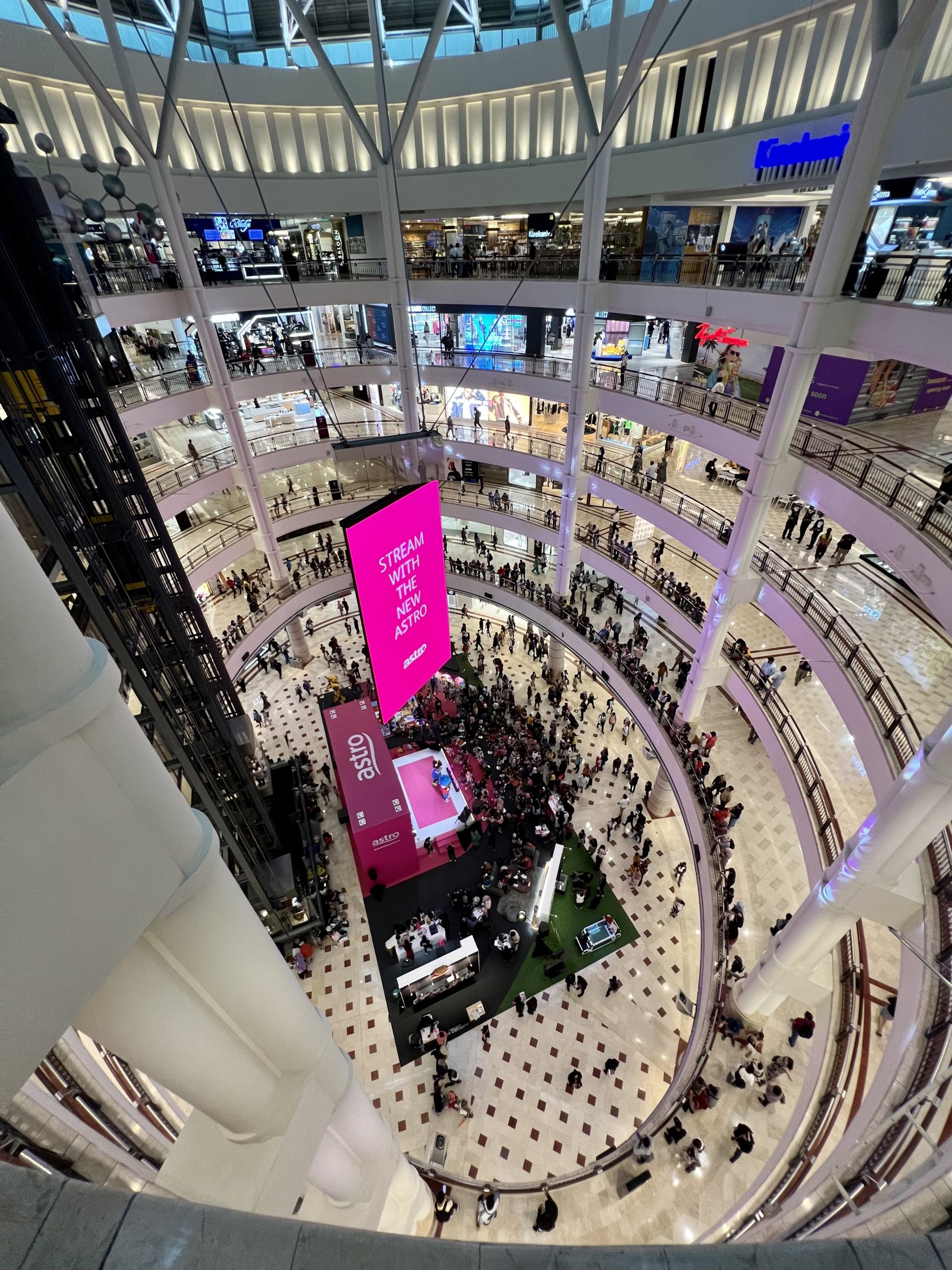
Smack between our hotel and the Towers is the Suria KLCC Shopping Center. Constantly busy in a way that US shopping centers simply aren’t anymore, the stores are boring, unless you need to shop, then it has everything from Alfred Dunhill to Zaras, even a 7-Eleven. The blogger bought some Oakley frames and a pair of cheap readers. The first to replace sunglasses that the lenses keep popping out of and the second to temporarily replace a pair of Rx reading glasses that got left behind on Borneo.
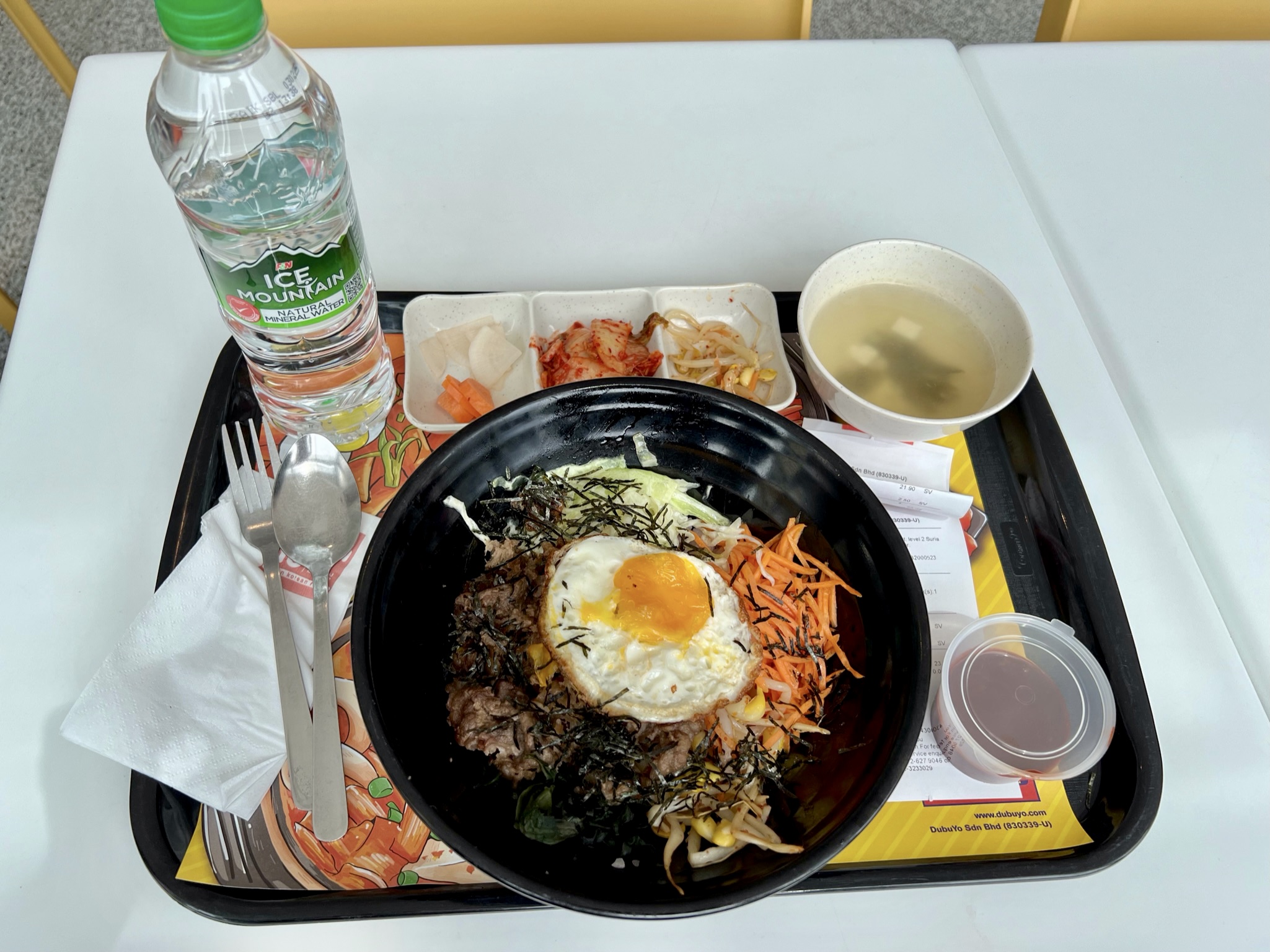
For us, the real draw was the food. So many restaurants. We probably ate there a half-dozen times. Here is bibimbap, from the Urban Korean Food Stall.
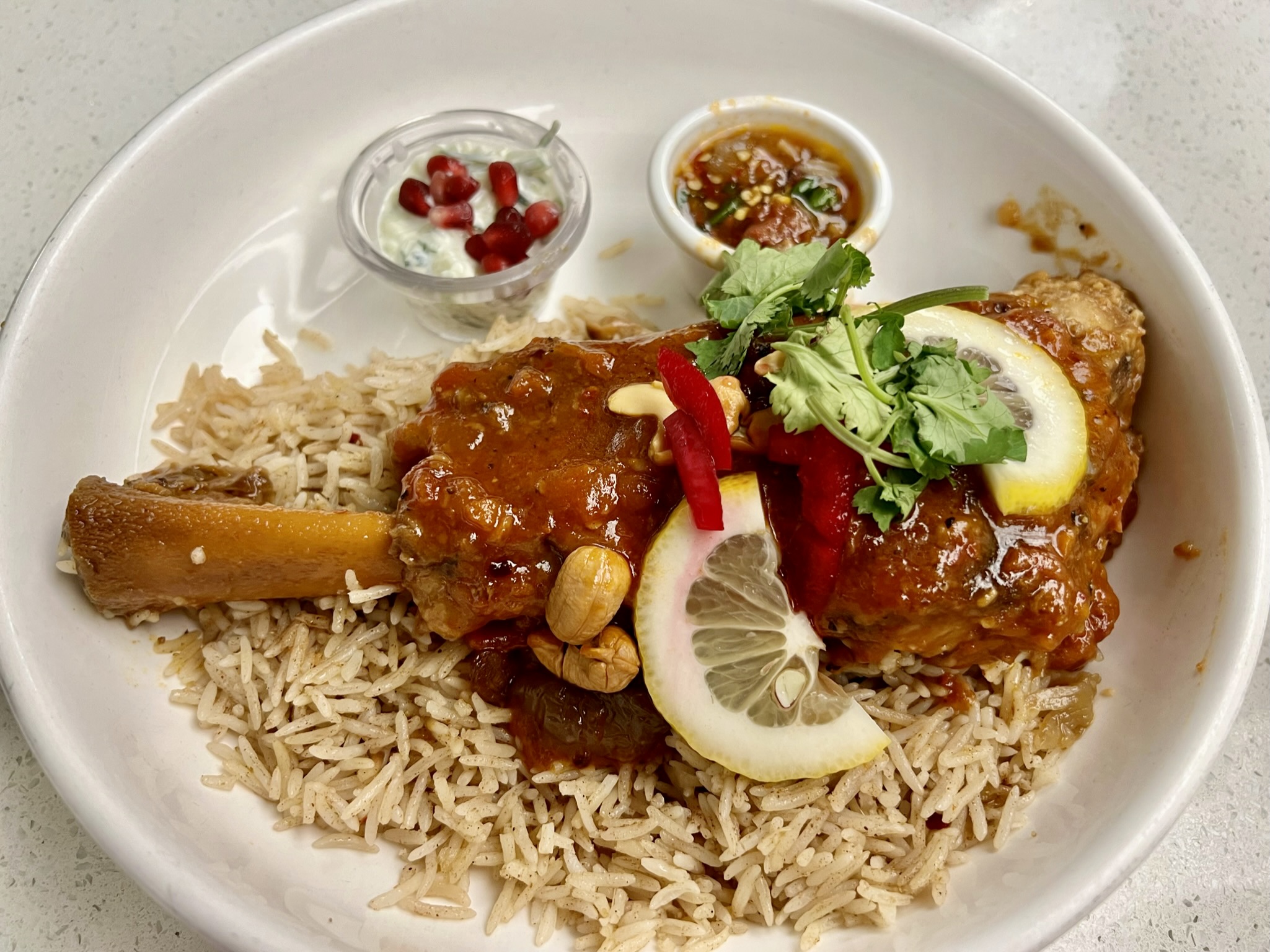
Unlike so many countries and cities, the food choices in KL span the globe and are so well done. Here is Moroccan lamb shank with lemon chili harissa, fried onion, and mint labneh. So good.
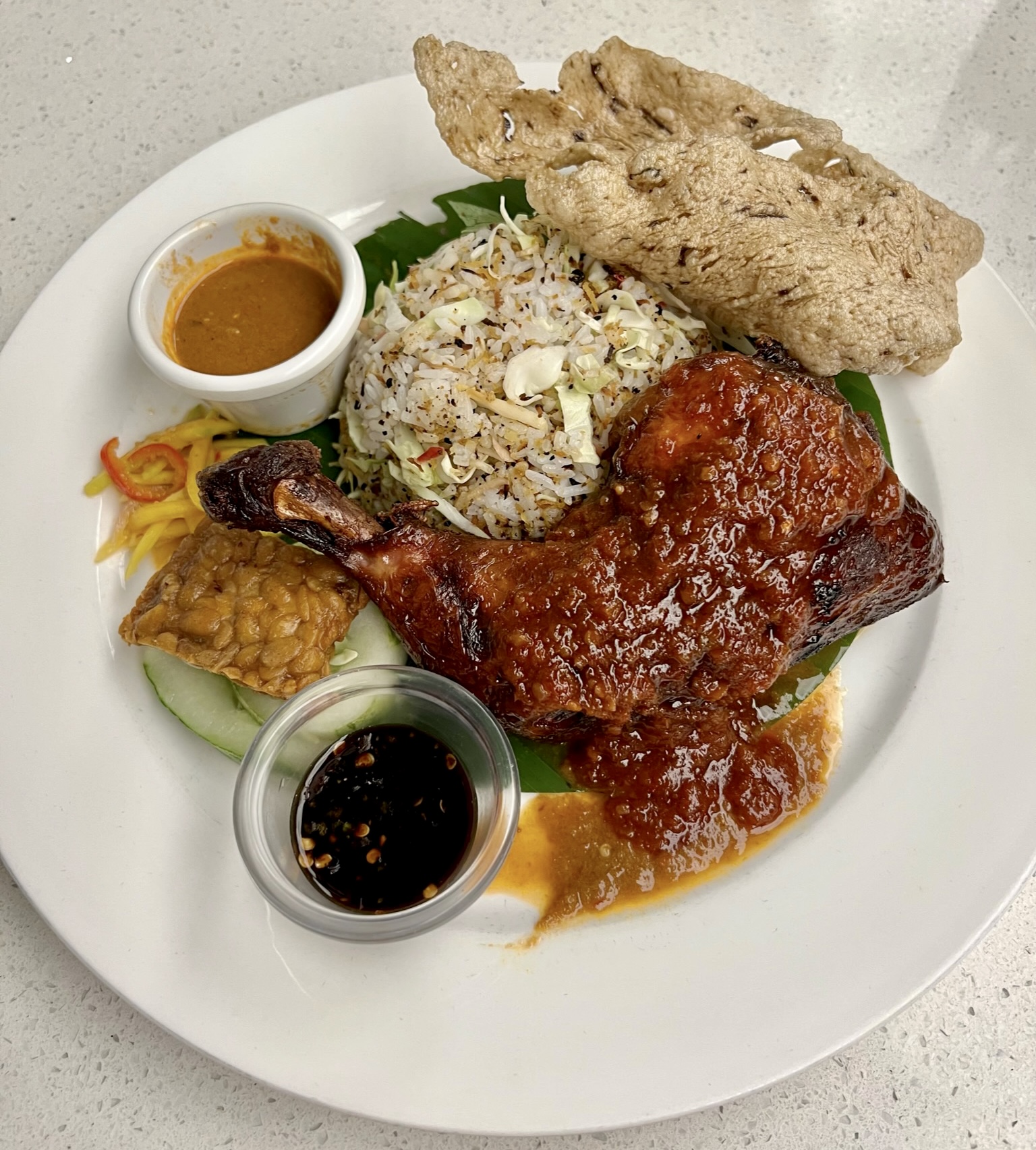
And the offerings of Malay fusion dishes seem to be endless. This is nasi ulam ayam bakar grilled chicken, with mango sambal, keropok ikan, fried tempe, with calamansi and shallots kecap dip. Generally, Malaysian-ization adds Malay spices to Chinese and Indian dishes, along with a little caramel-like sweetness of palm sugar. Sooo good.
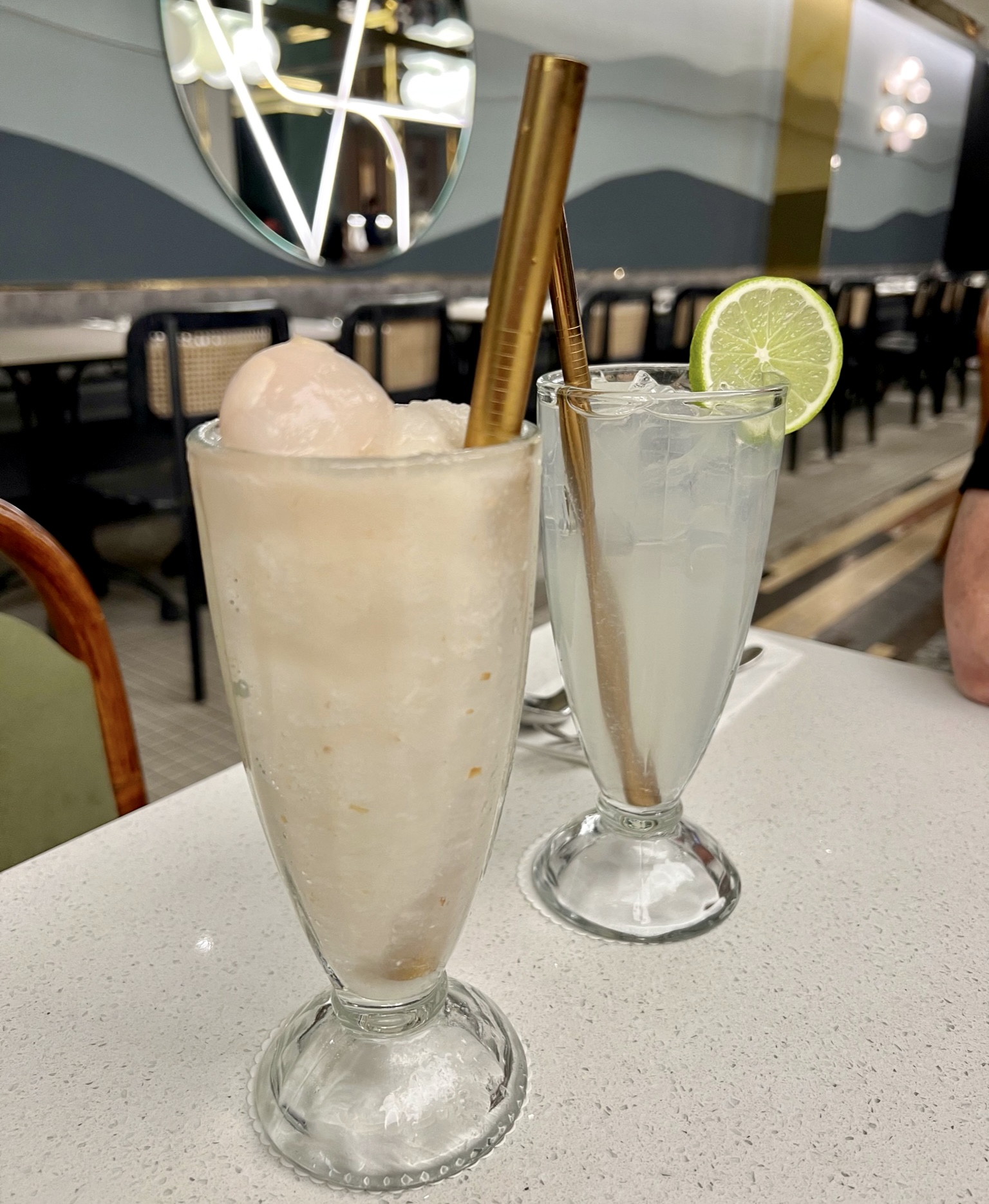
And even the fresh juices we enjoy so much in SE Asia are more interesting, like the Honeydew, lychee, and lime blend shown on the left.
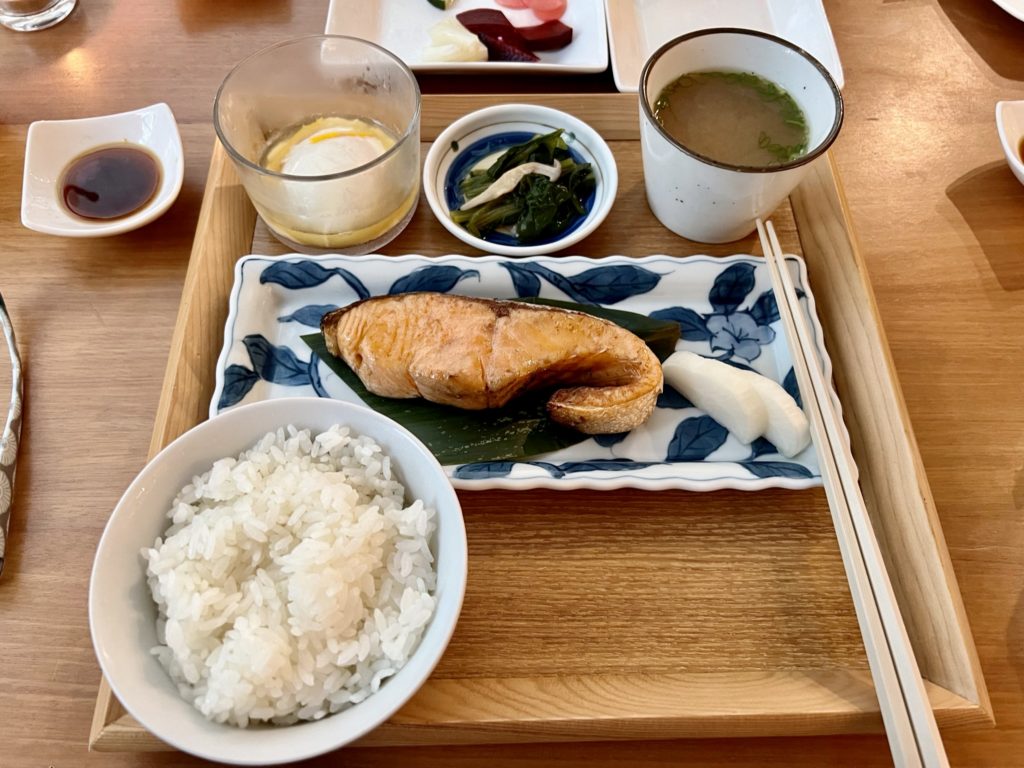
And once again, a member of our party steered us toward a Japanese restaurant. Here is grilled salmon with onsen tamago and miso soup.
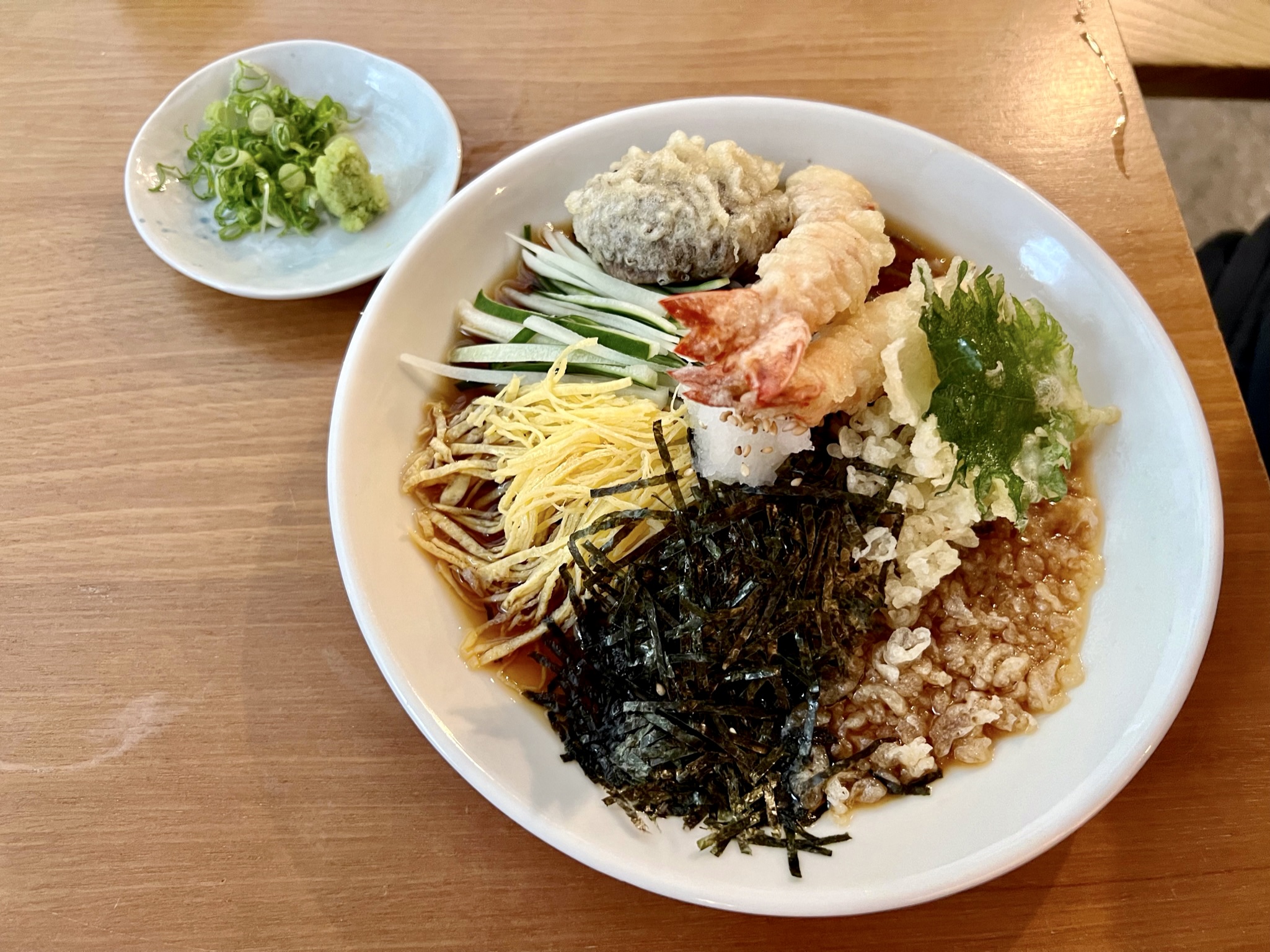
Above is tempura soba. We haven’t had bad Japanese food in all our travels, and most exceed not-bad by a lot.
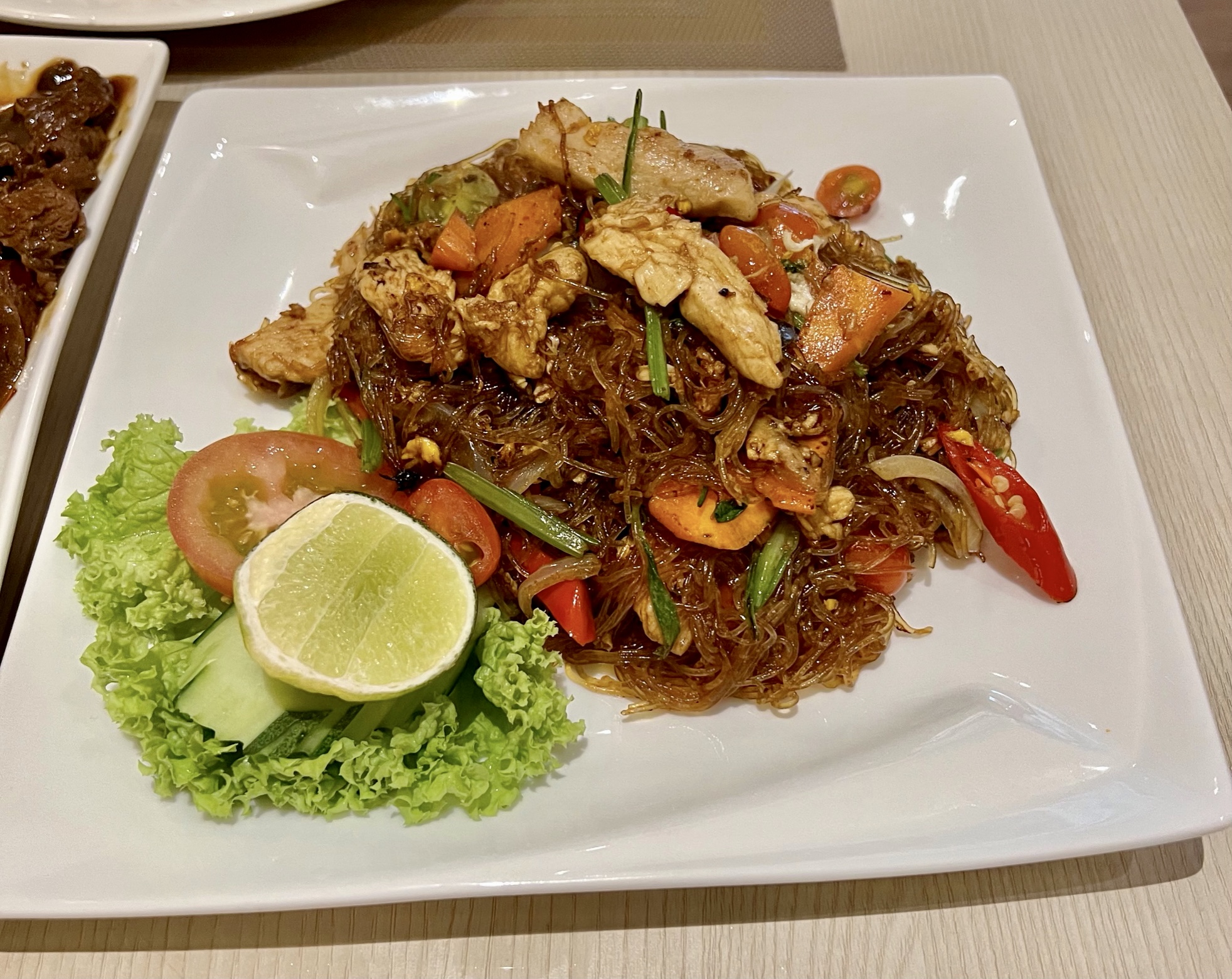
Another night we had Thai food for the first time in a long time at the Chakri Palace. Glass noodles with chicken …
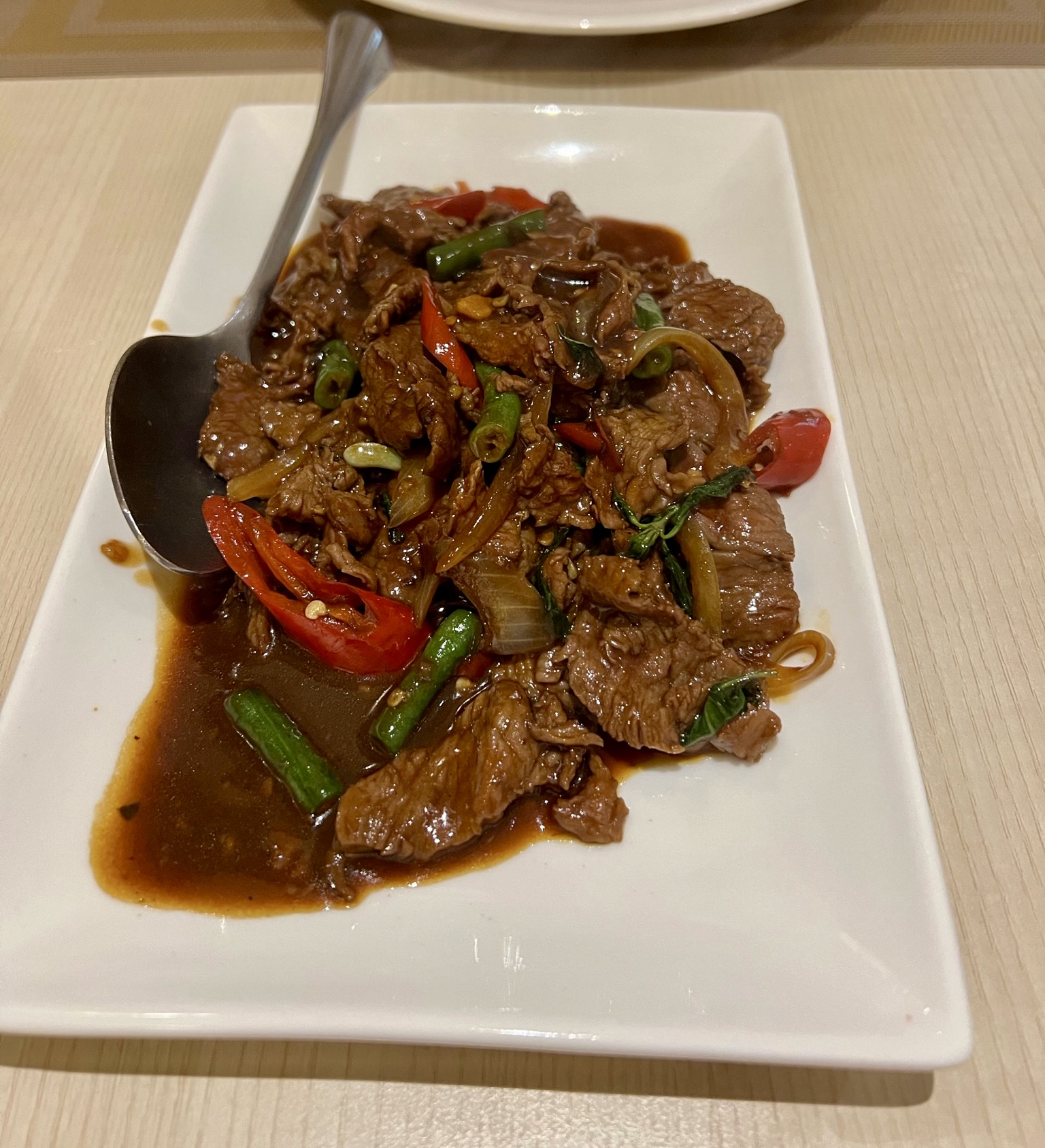
And beef with basil and long beans.
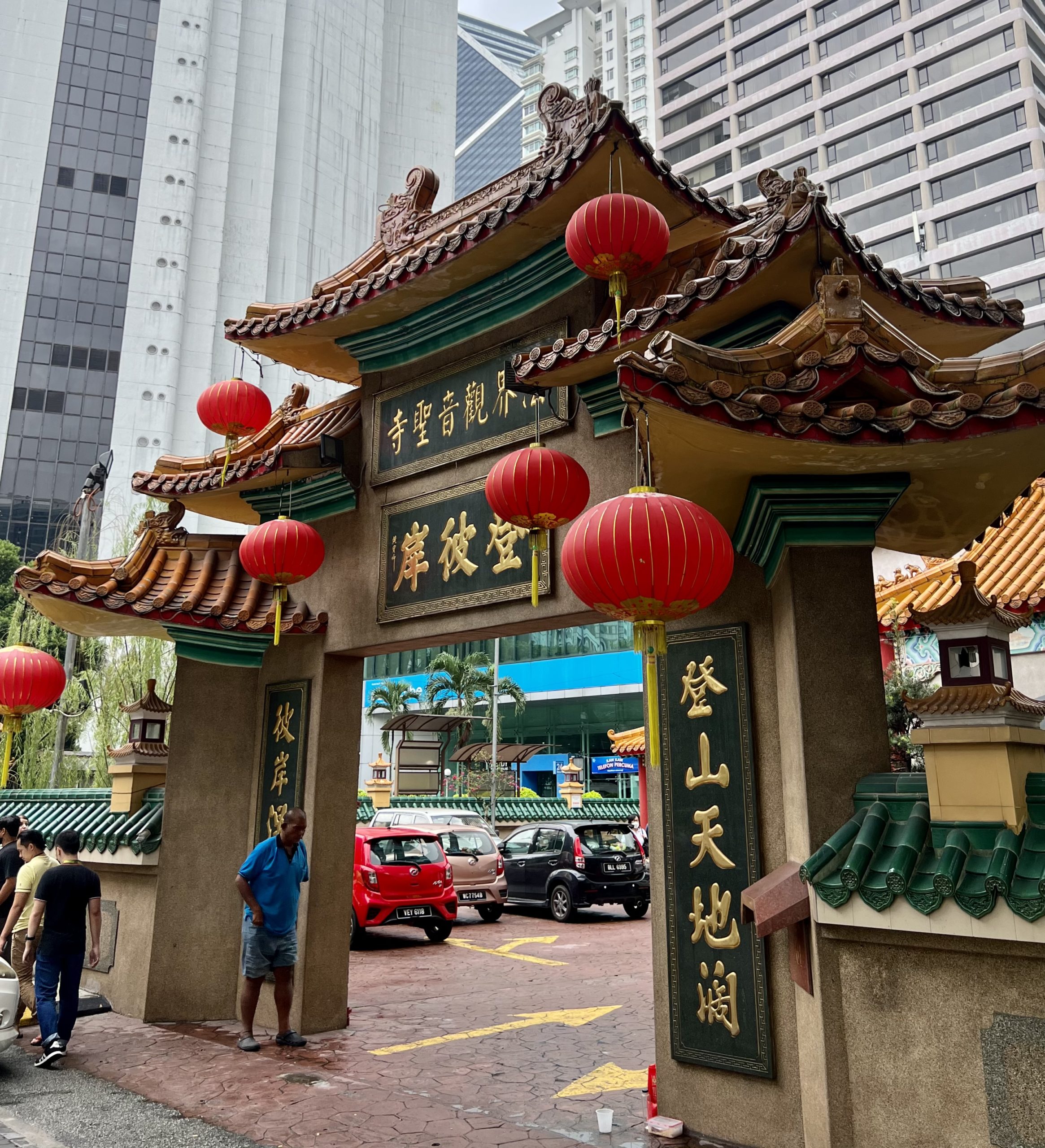
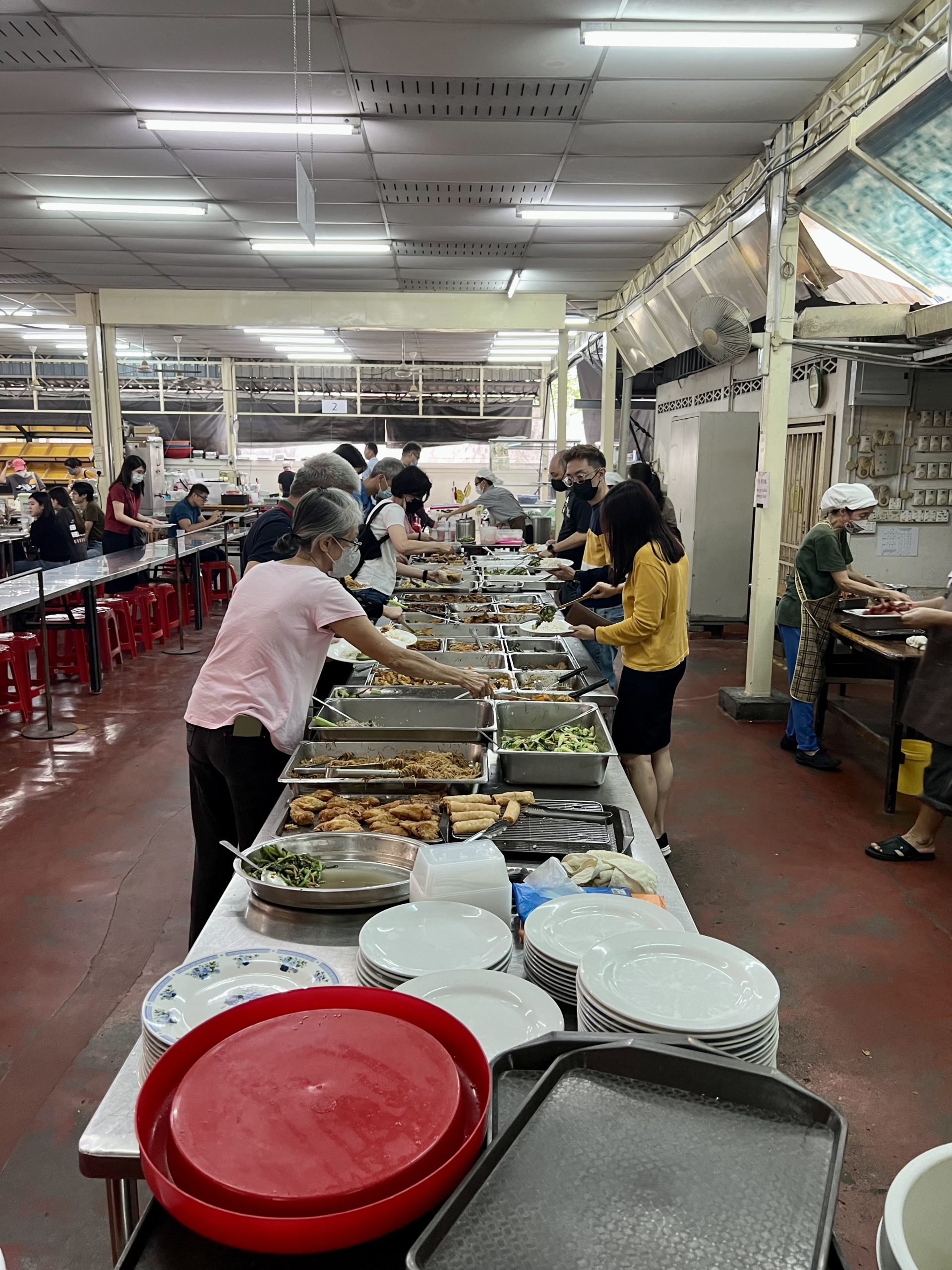
We also sought out more interesting restaurants, if you can call the Dharma Realm Guan Yin Sagely Monastery Food Centre at the Buddhist Deng Be An Temple a restaurant.
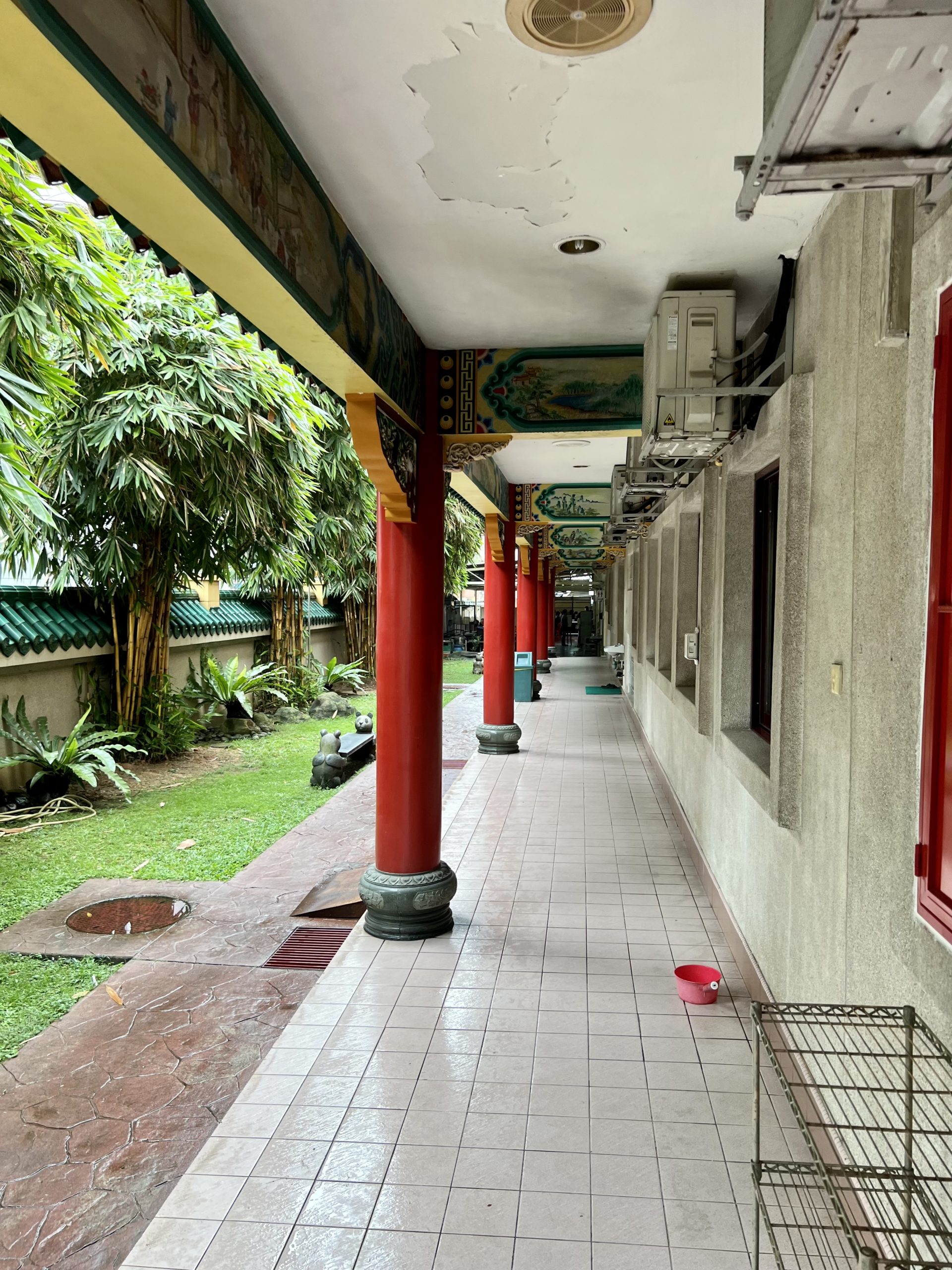
Next to the temple, down a long walk …
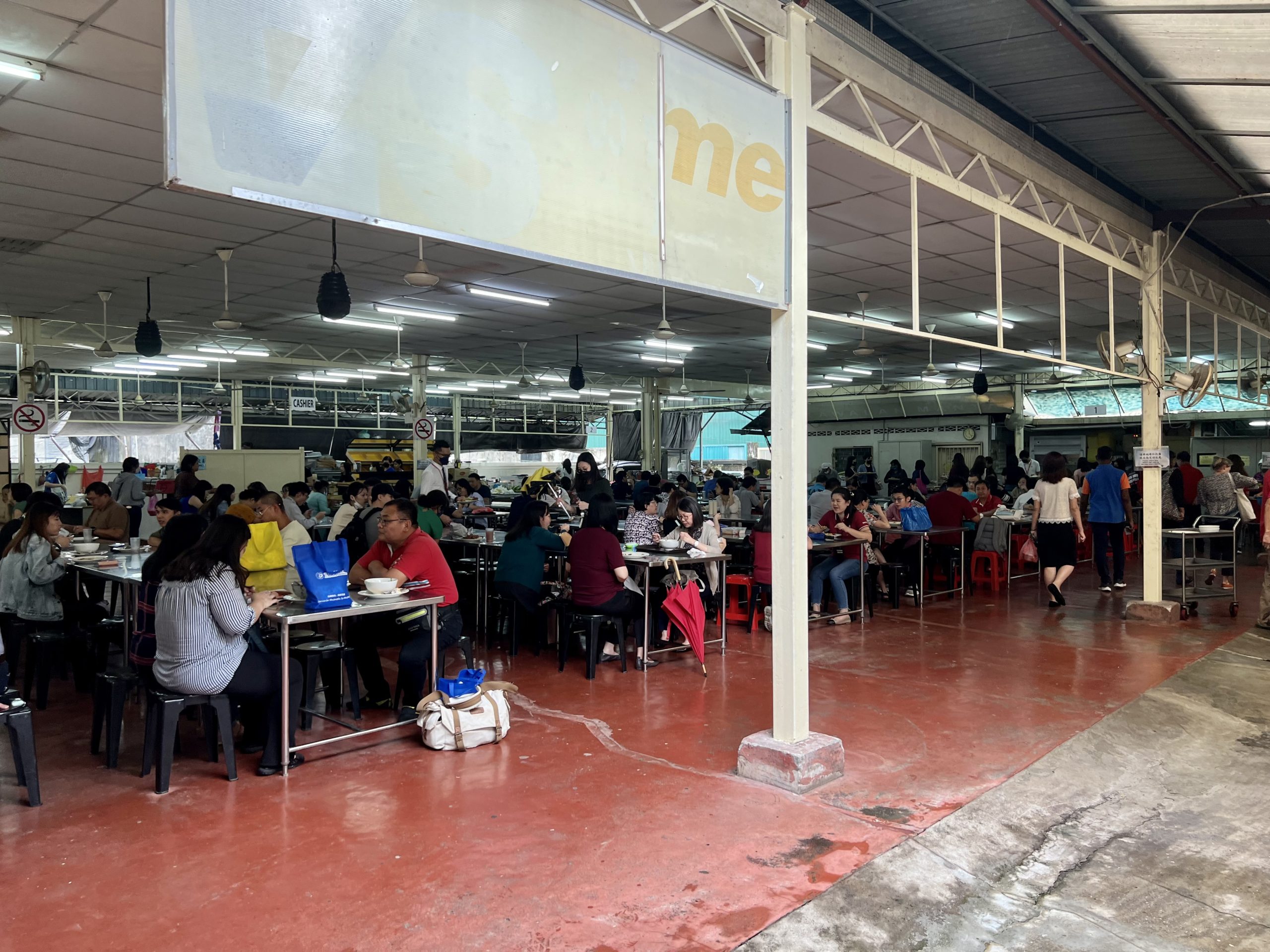
There is a vegetarian cafeteria food hall that, given the presence of only two tourists, appears to be a downtown nexus for hungry locals.
The food line changes by the minute. Something runs out, something entirely different takes its place.
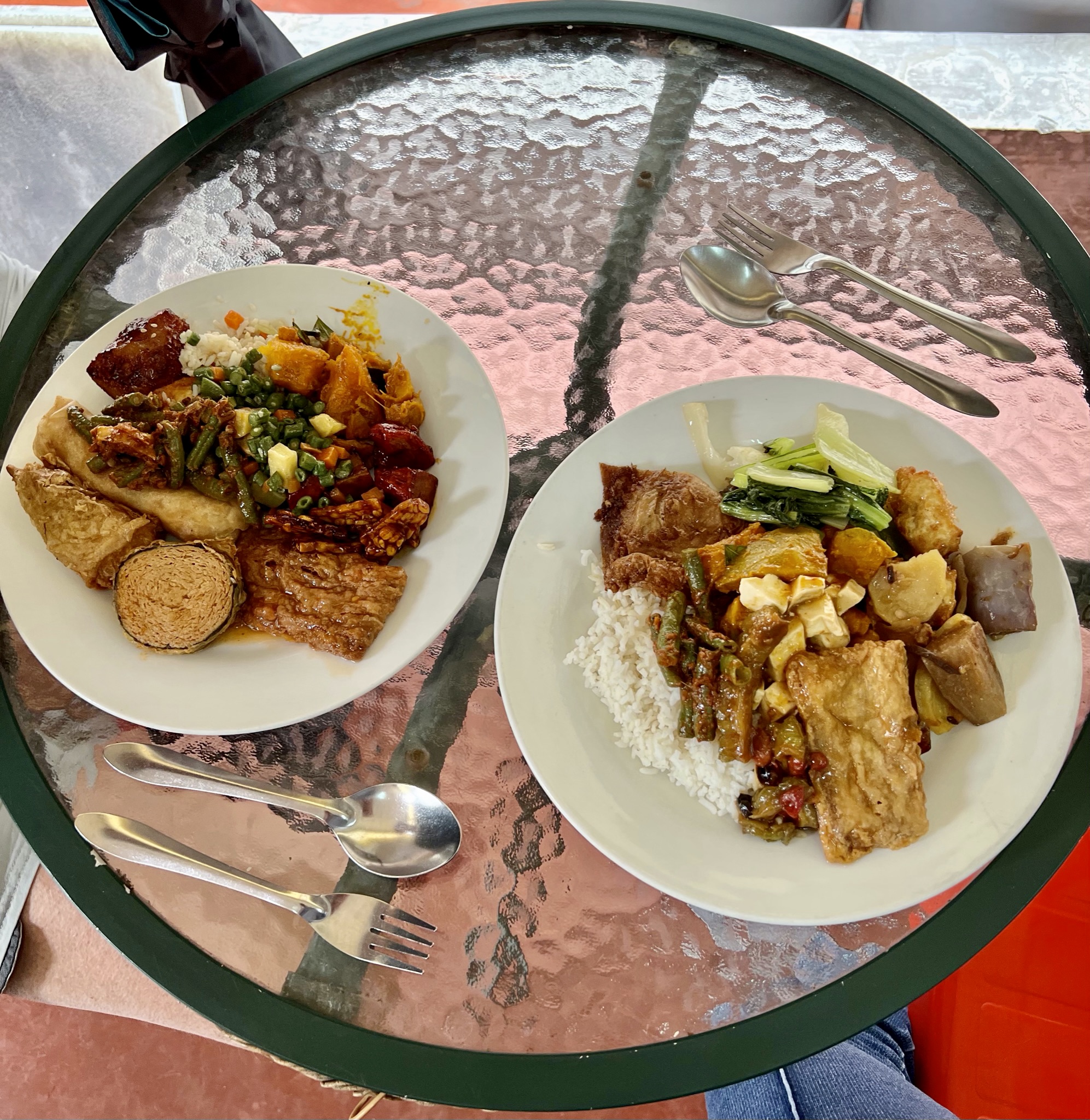
The food was incredibly varied and remarkably good. We loaded up our plates, the cashier looked at it, did some mental calculations, and charged us a couple of dollars a plate. We can’t name a thing we ate, but it was all … well … remarkably good.
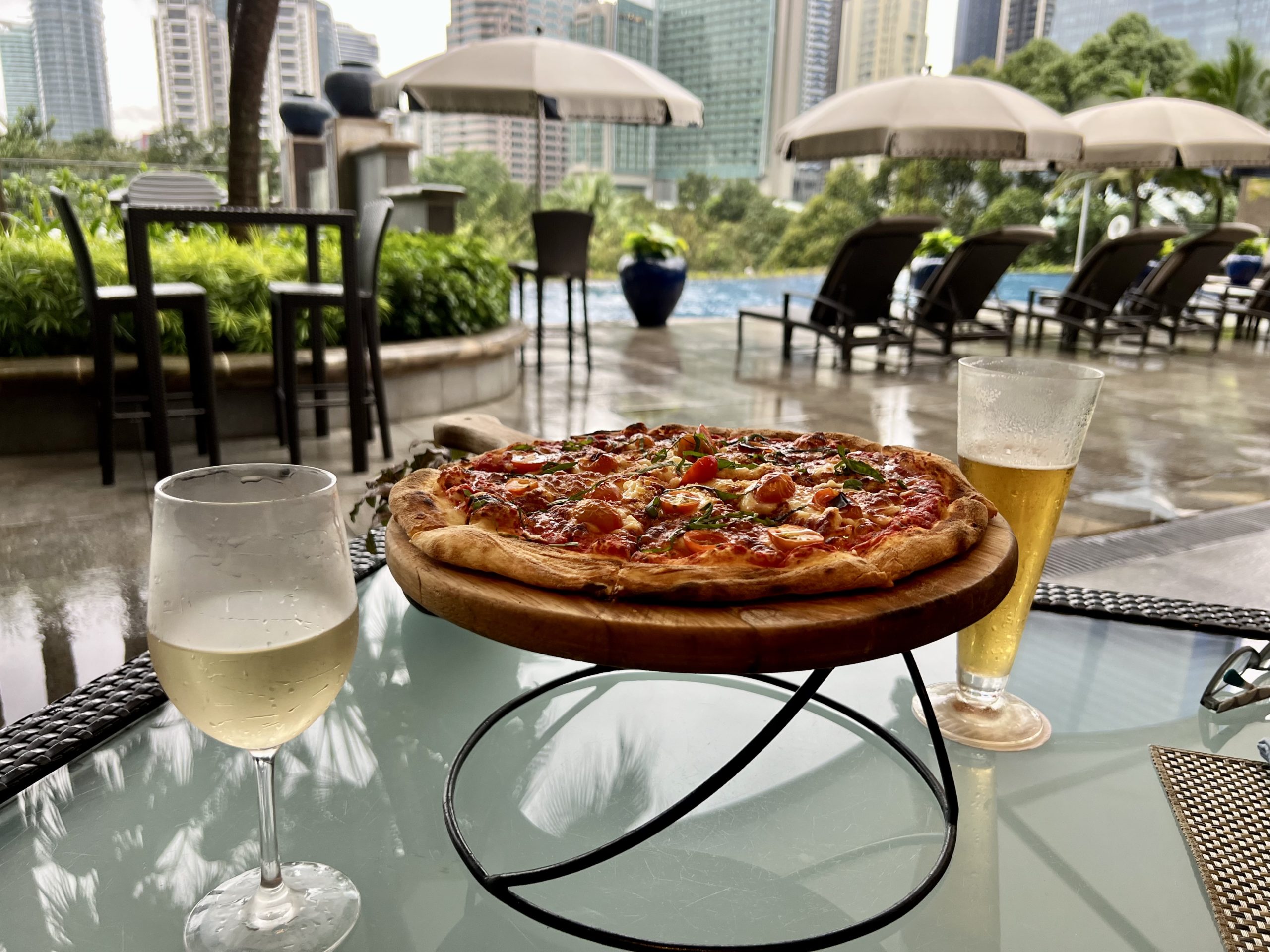
We also had a couple of meals at the hotel, like this pizza at the pool restaurant when we wanted something quick on the day we arrived.
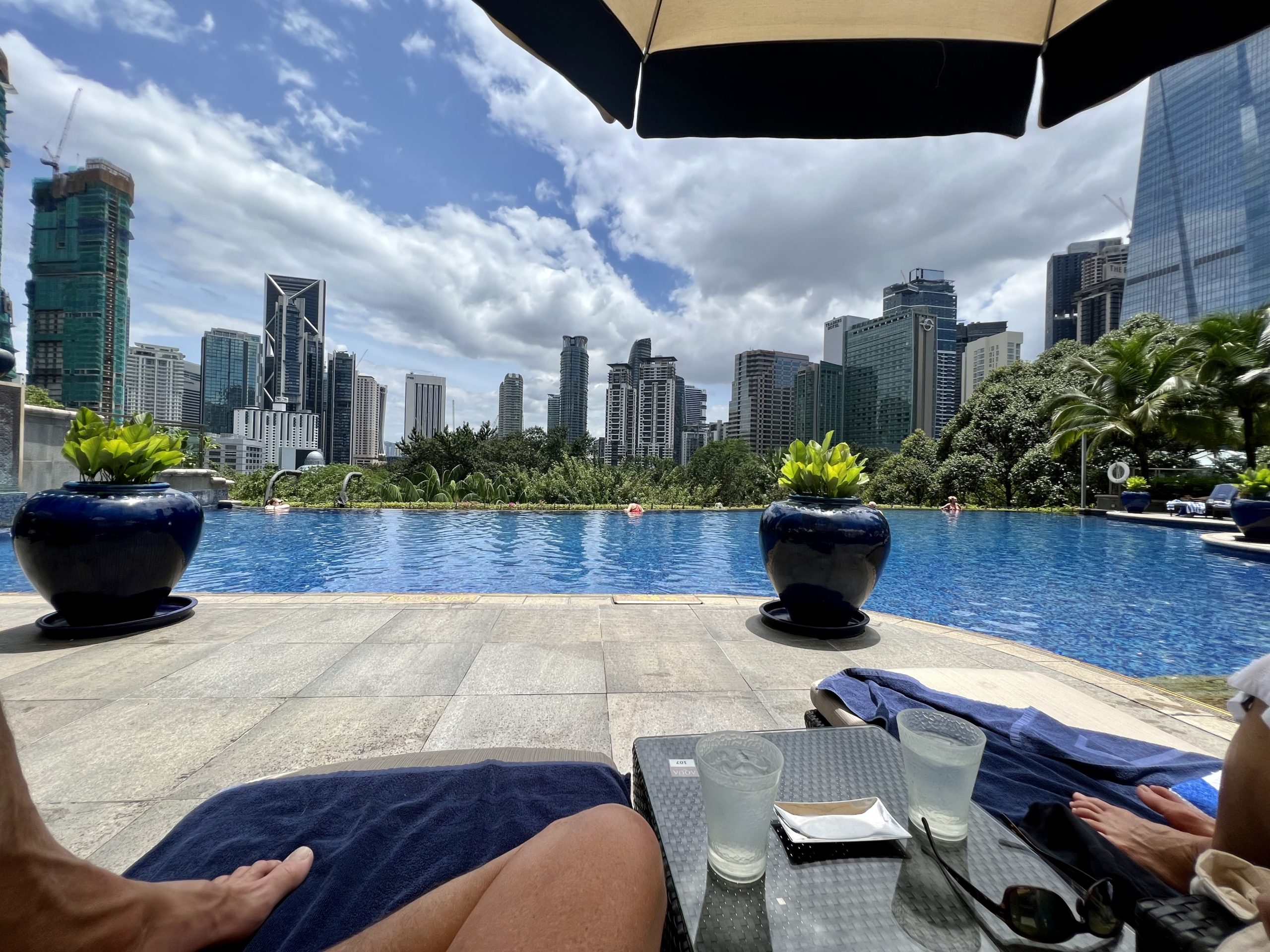
We spent time at the pool on a couple of days and ate more pool lunch food …
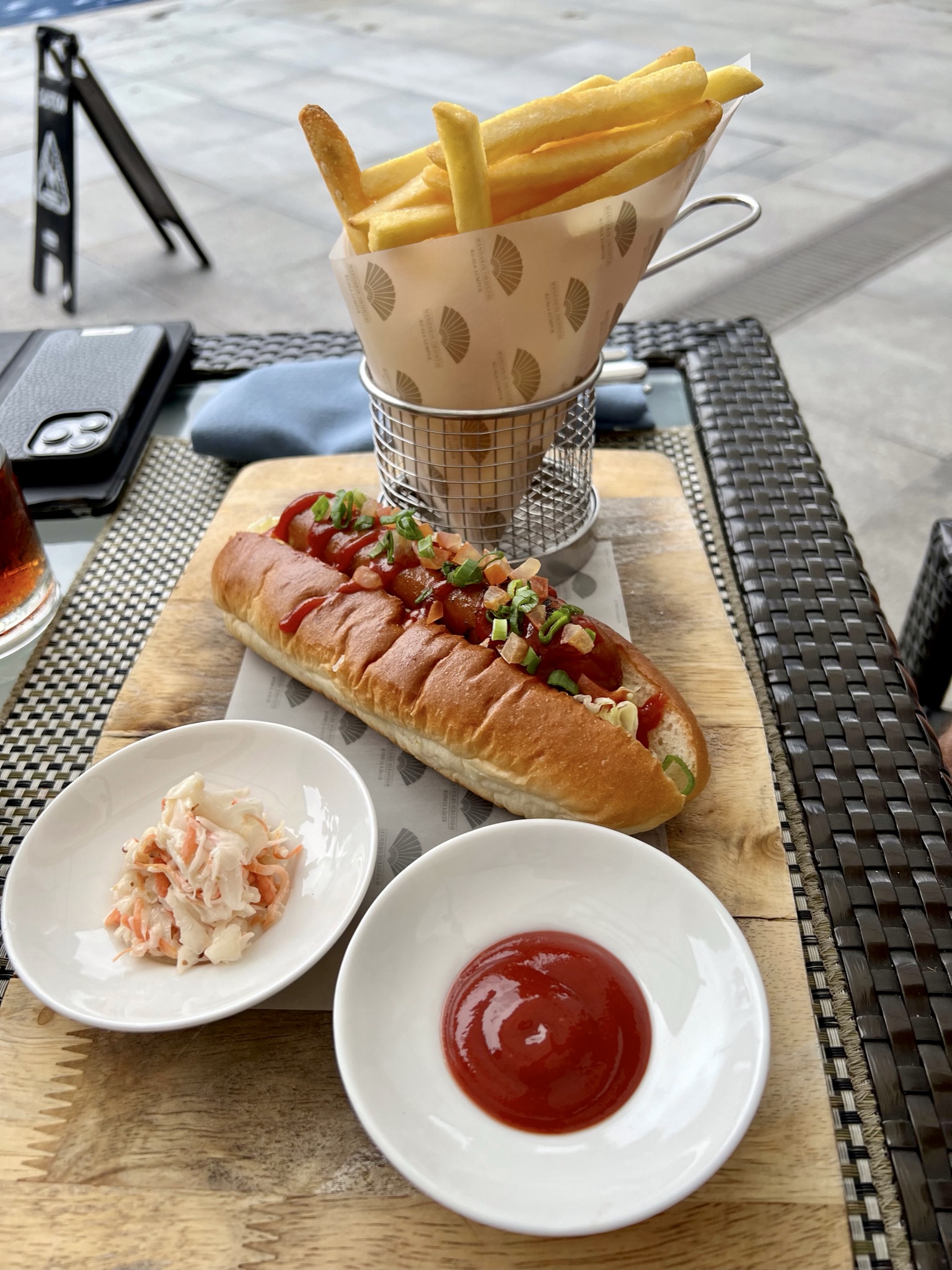
Like a chicken weenie ..
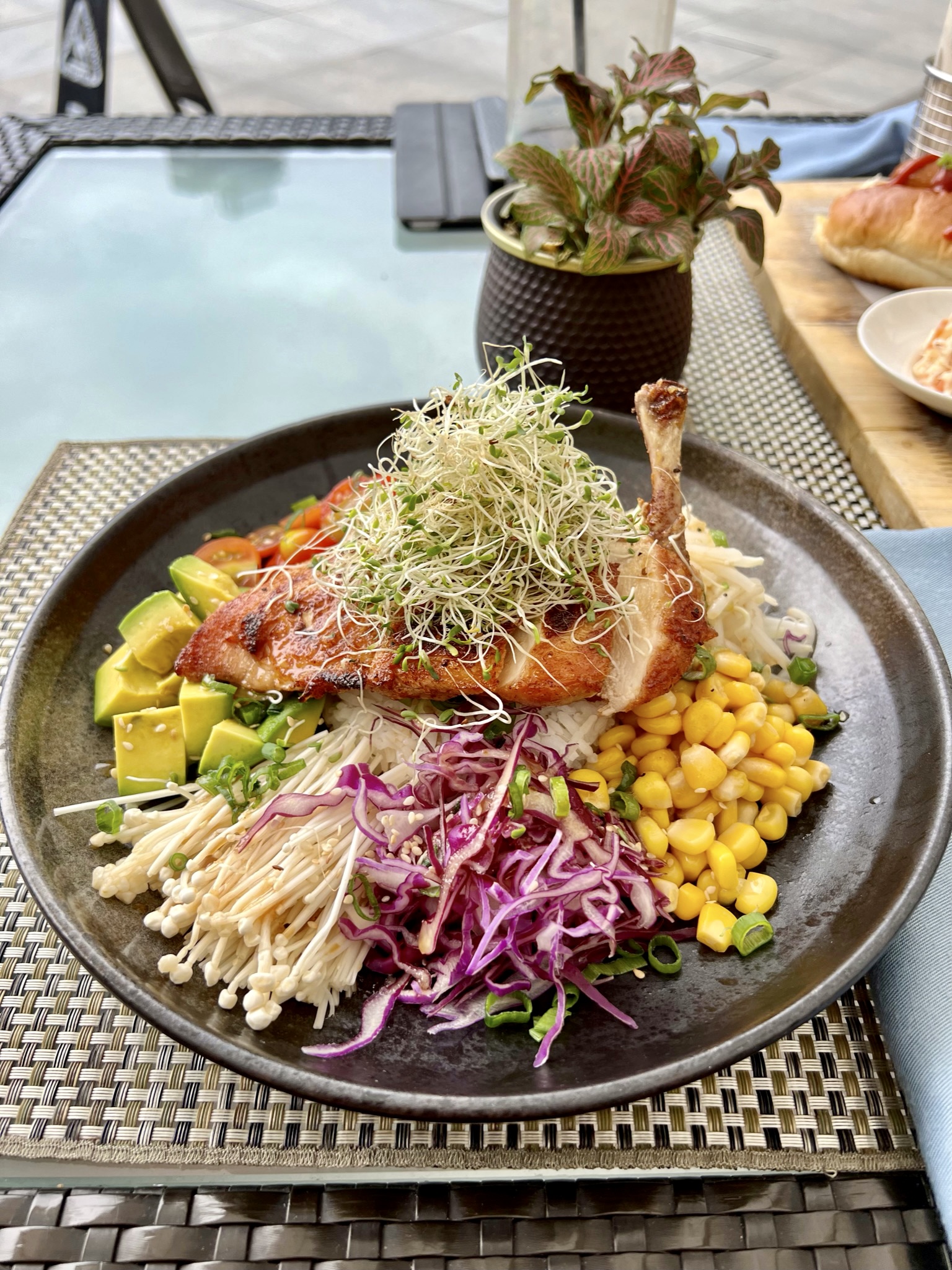
And what they billed as a chicken poke bowl. Good, but not poke. At all.
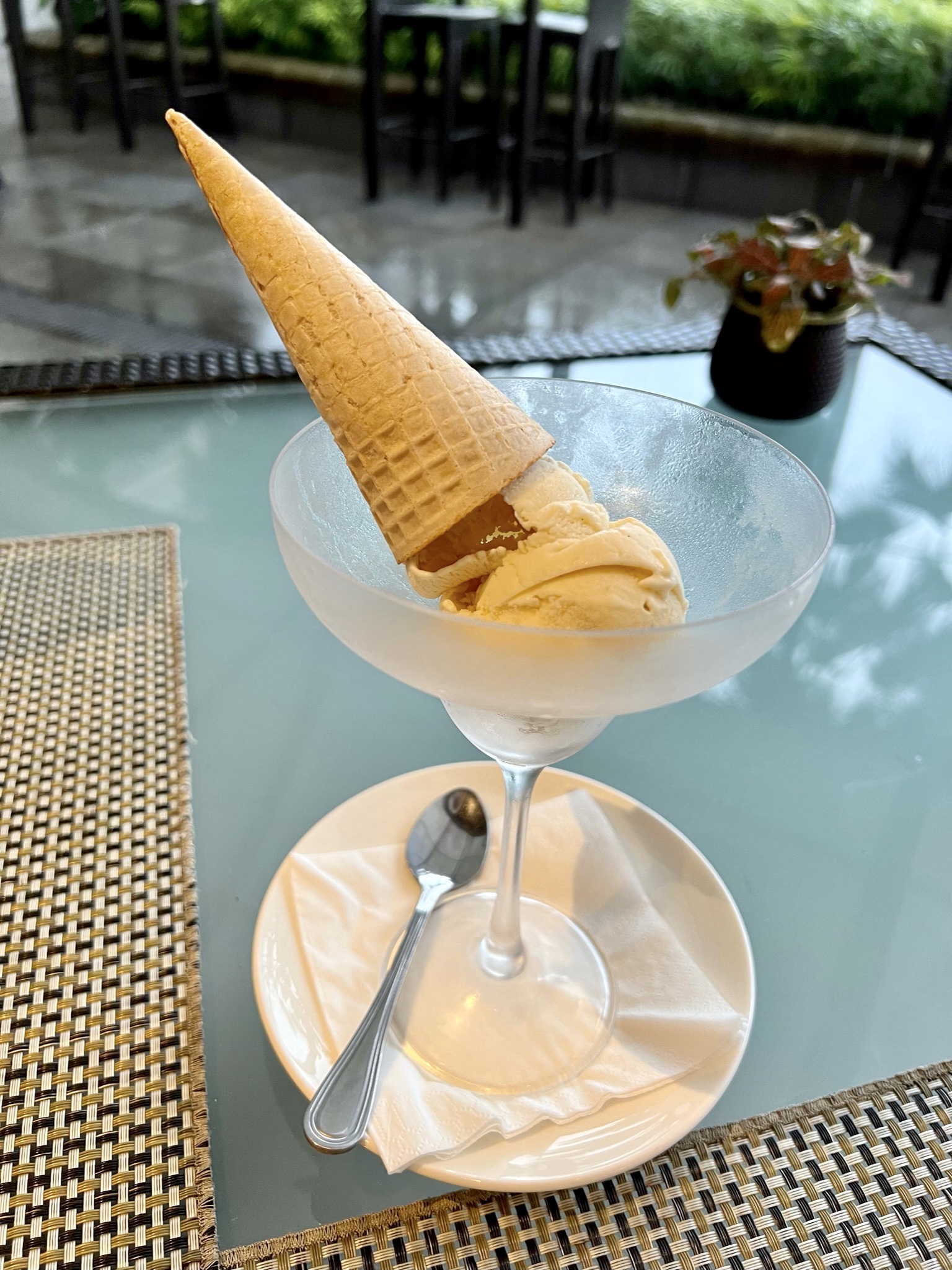
We also decided to try the durian ice cream. Everyone says it tastes great if you can get past the smell. We figured ice cream would get us maximum distance from the fruit itself but still let us taste it. And how can ice cream-anything be bad? We should have heeded the look on the server’s face when we ordered it. Its taste was disgusting. We still can’t figure out how you make ice cream taste like burning plastic.
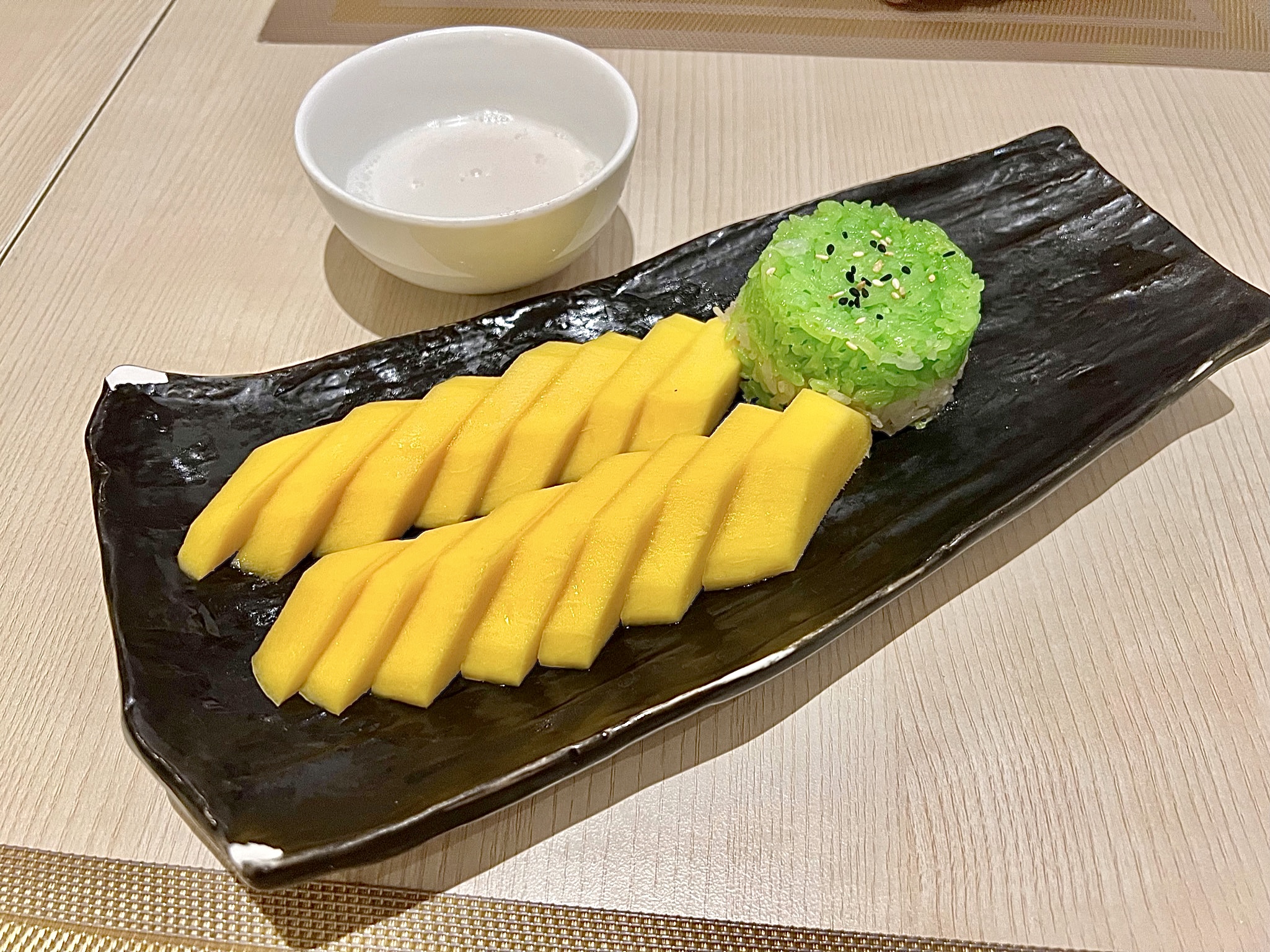
So we don’t leave ourselves with that taste in our mouth, here’s mango and sticky pandan rice with coconut cream. More better.
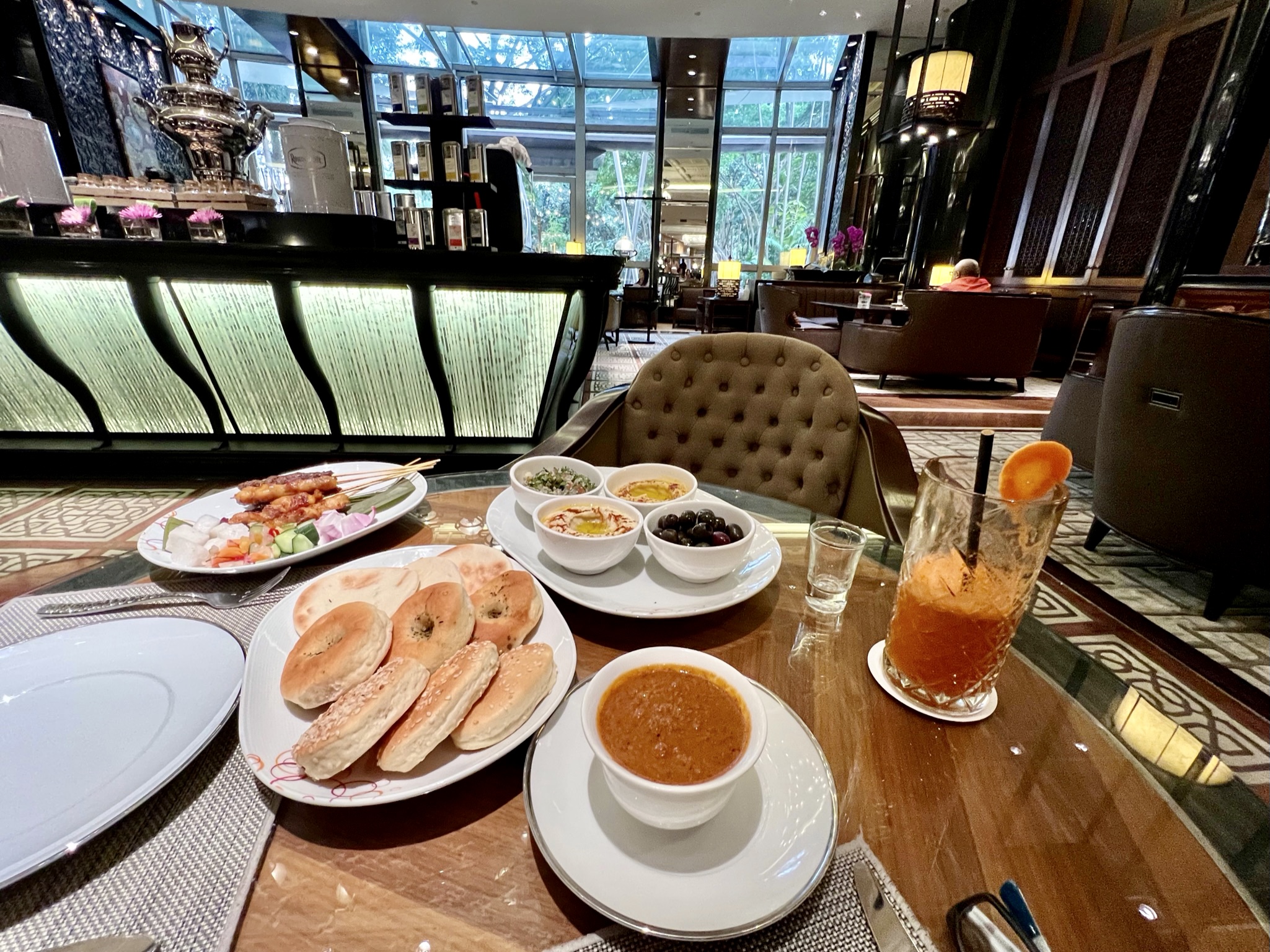
Time to head home. The almost two months we’ve been traveling seemed timeless, but now it’s so quickly behind us. Our flight was at midnight, so we had a light tapas and satay snack in the hotel lobby lounge.
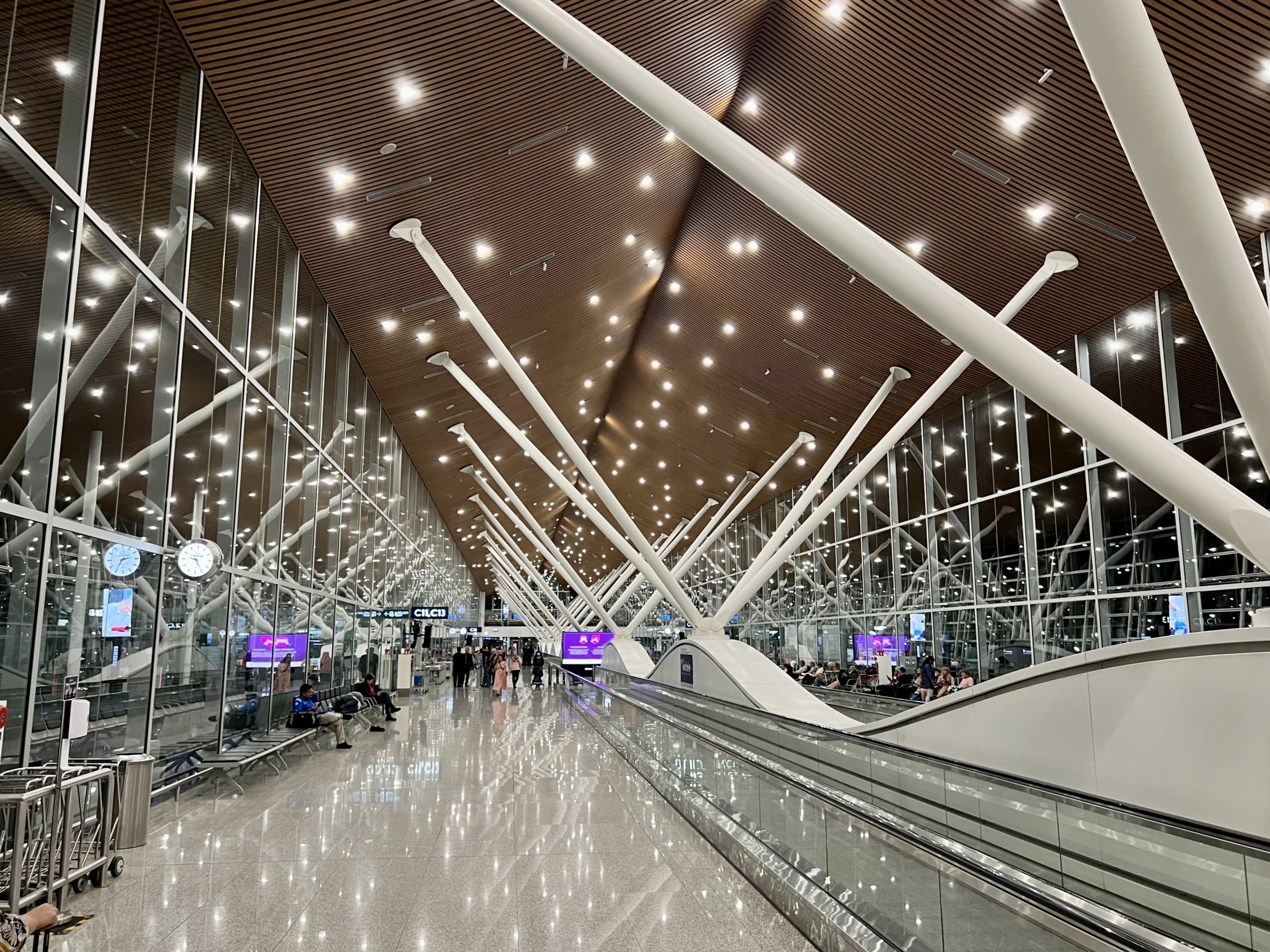
Then to the KL airport …
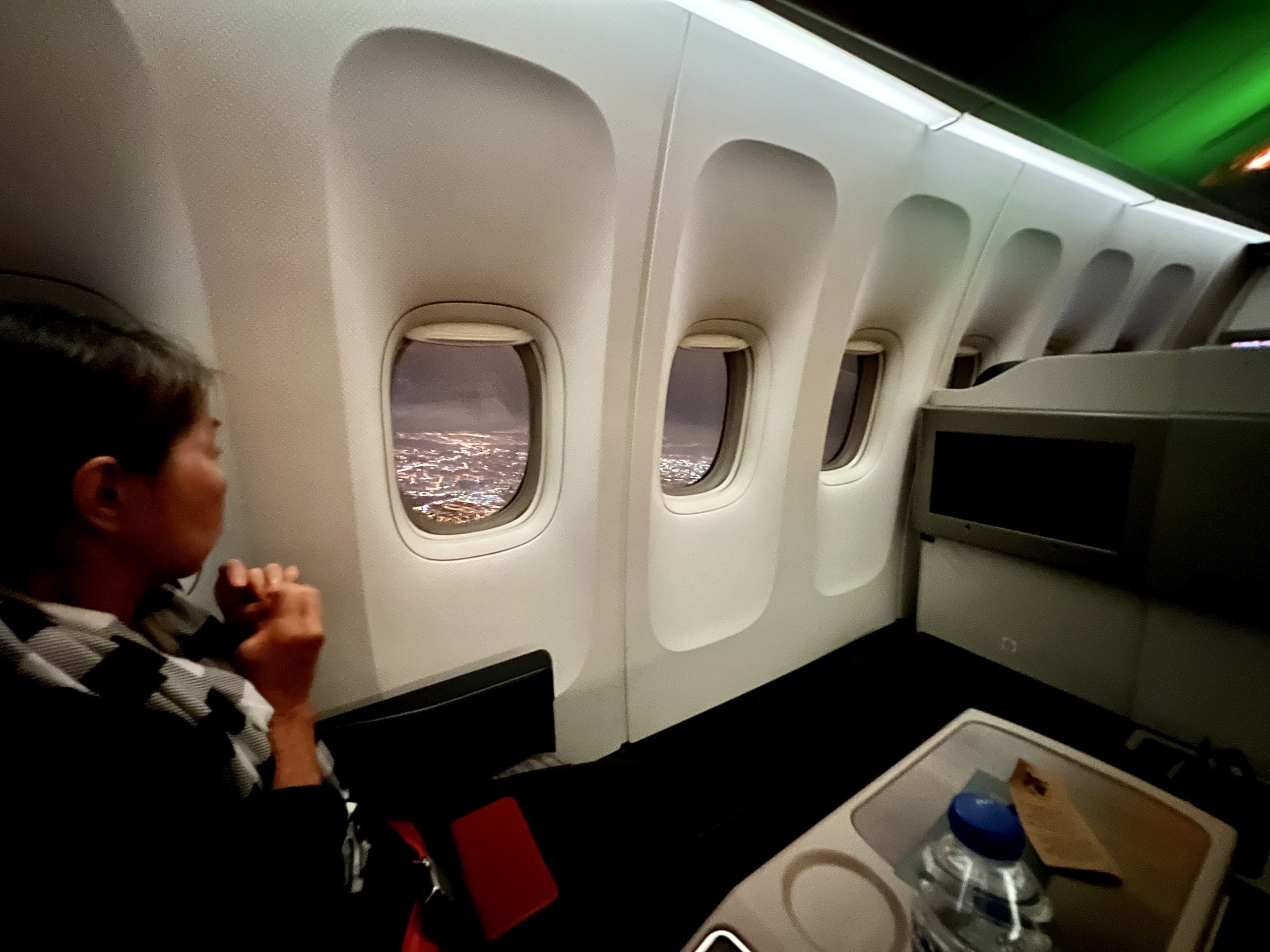
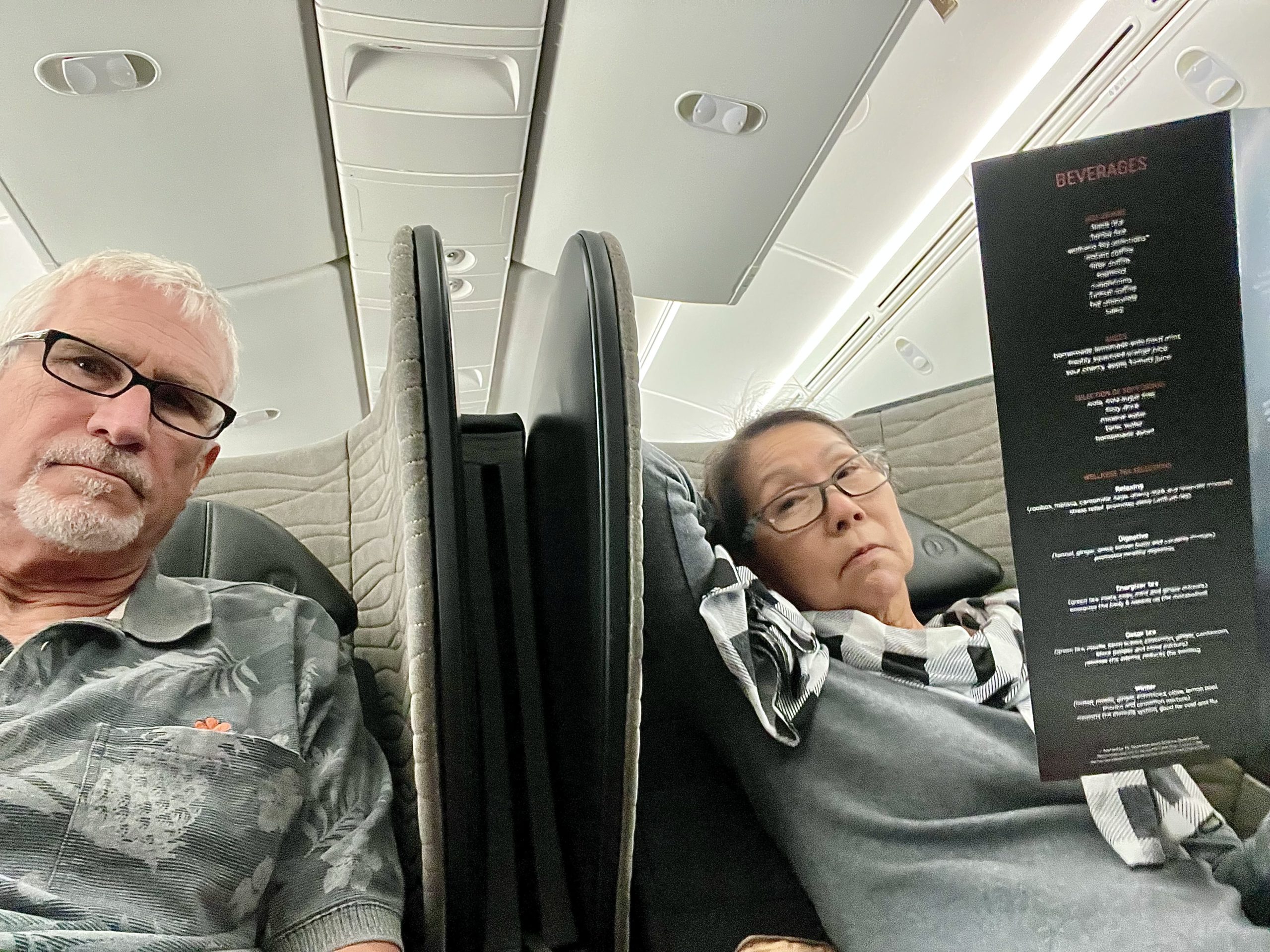
And into our seats and into the air for our first leg, an 11+ hour flight to Istanbul. We love Turkish Airlines’ 777 version of business class seats. Not as private as the mini-suites, but lots of space and more room for sleeping.
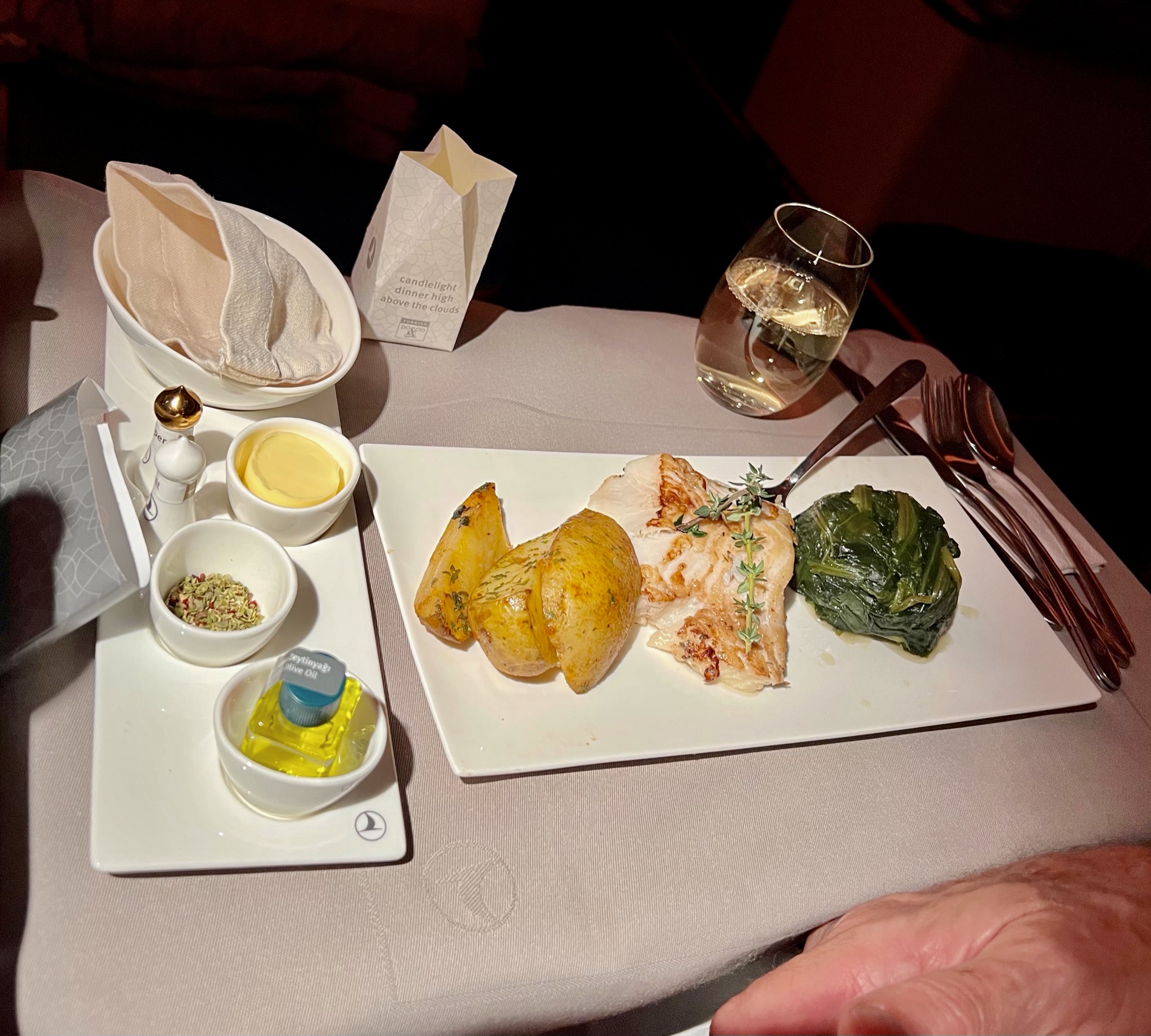
So a midnight dinner with their signature flickering candle, and then a long nap …
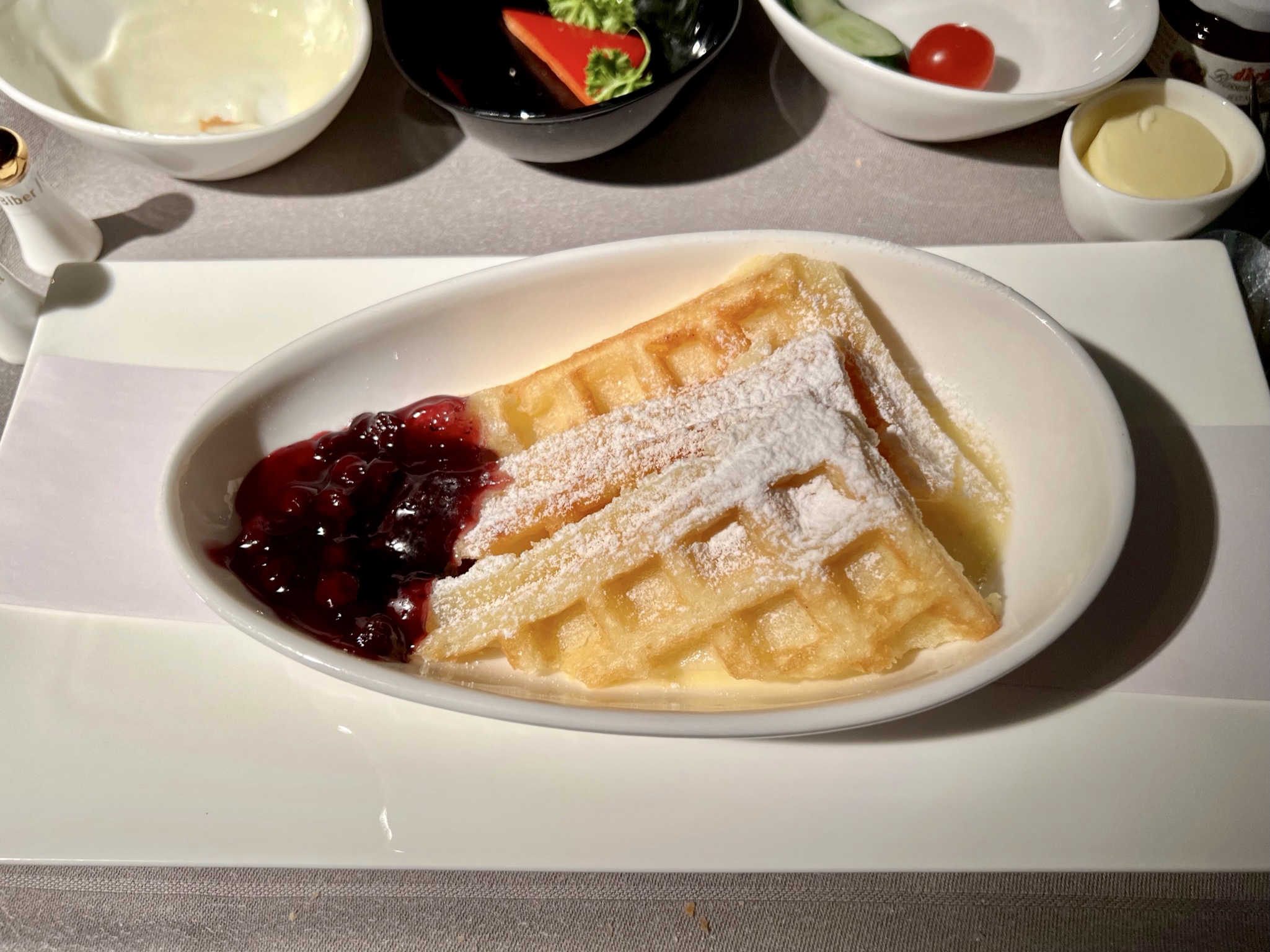
And a light breakfast before landing.
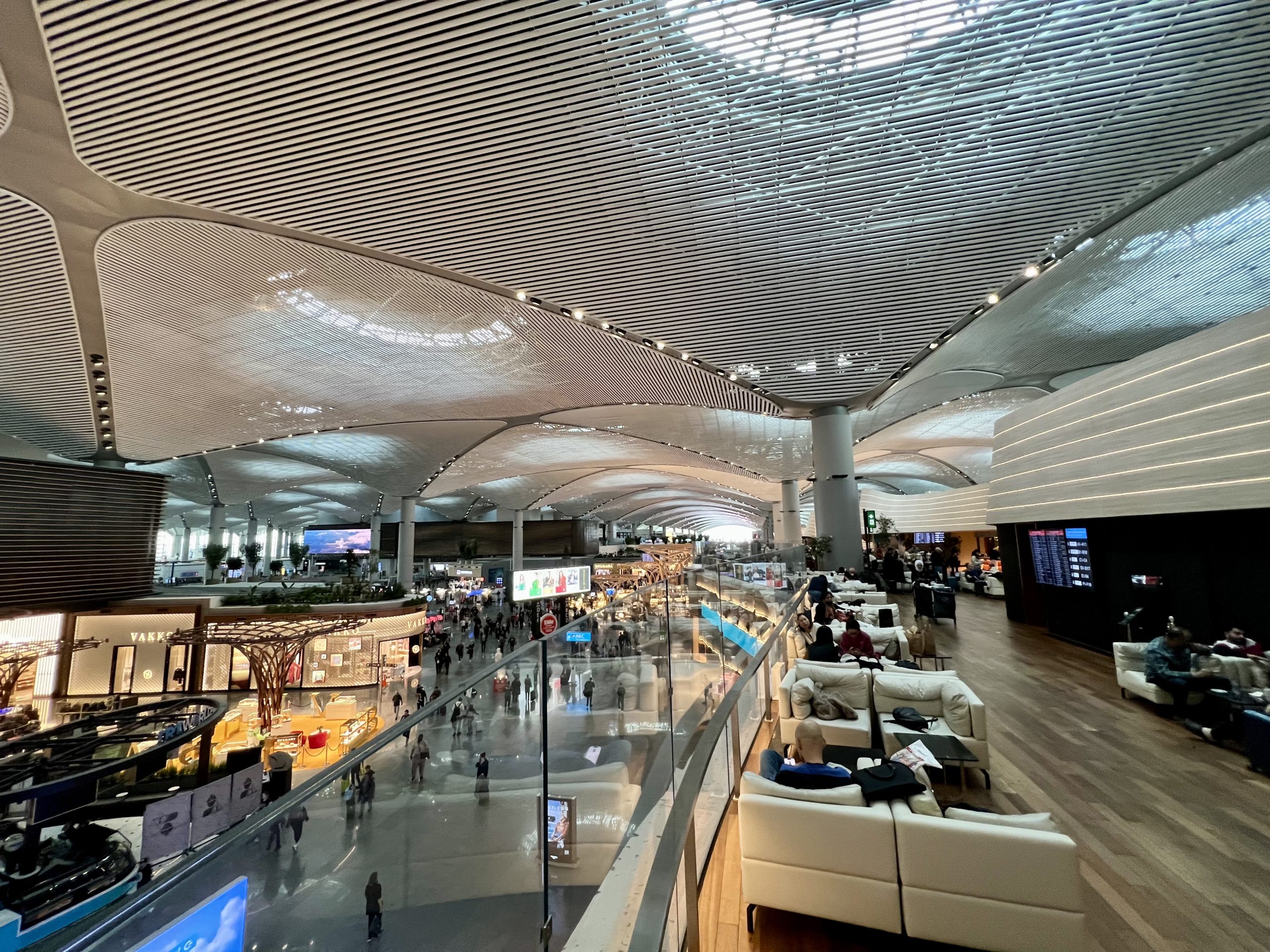
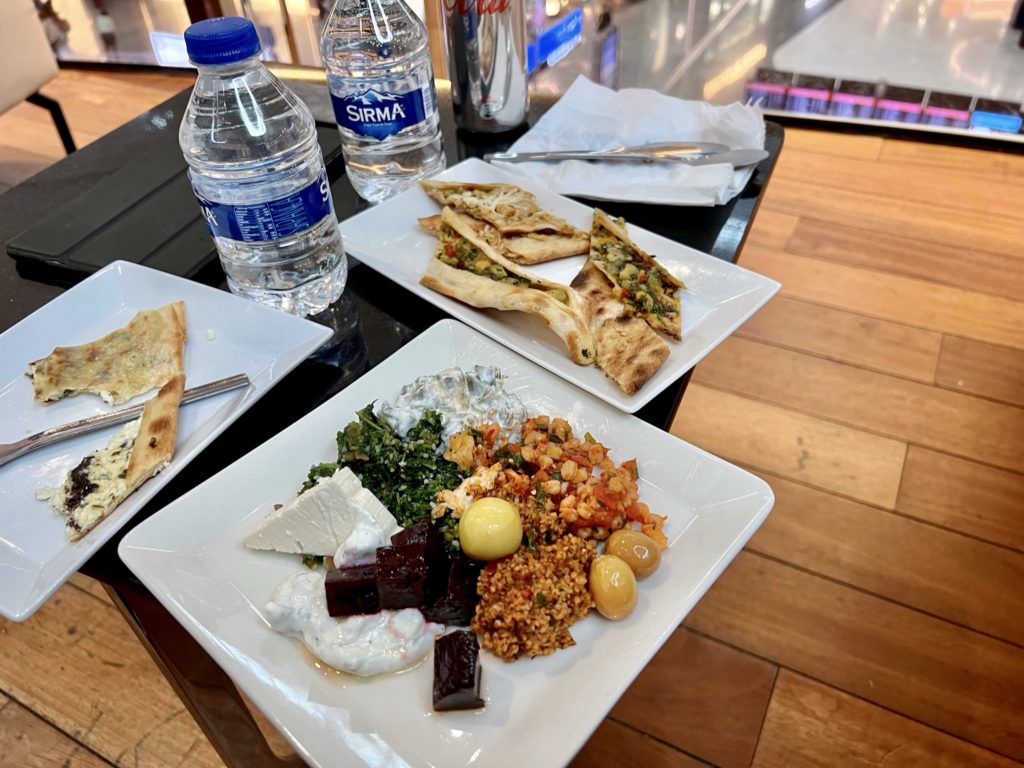
Then the reason this post isn’t finished yet: Turkish Airlines’ Istanbul Business Lounge. Set on a mezzanine overlooking the main concourse, the lounge is huge.
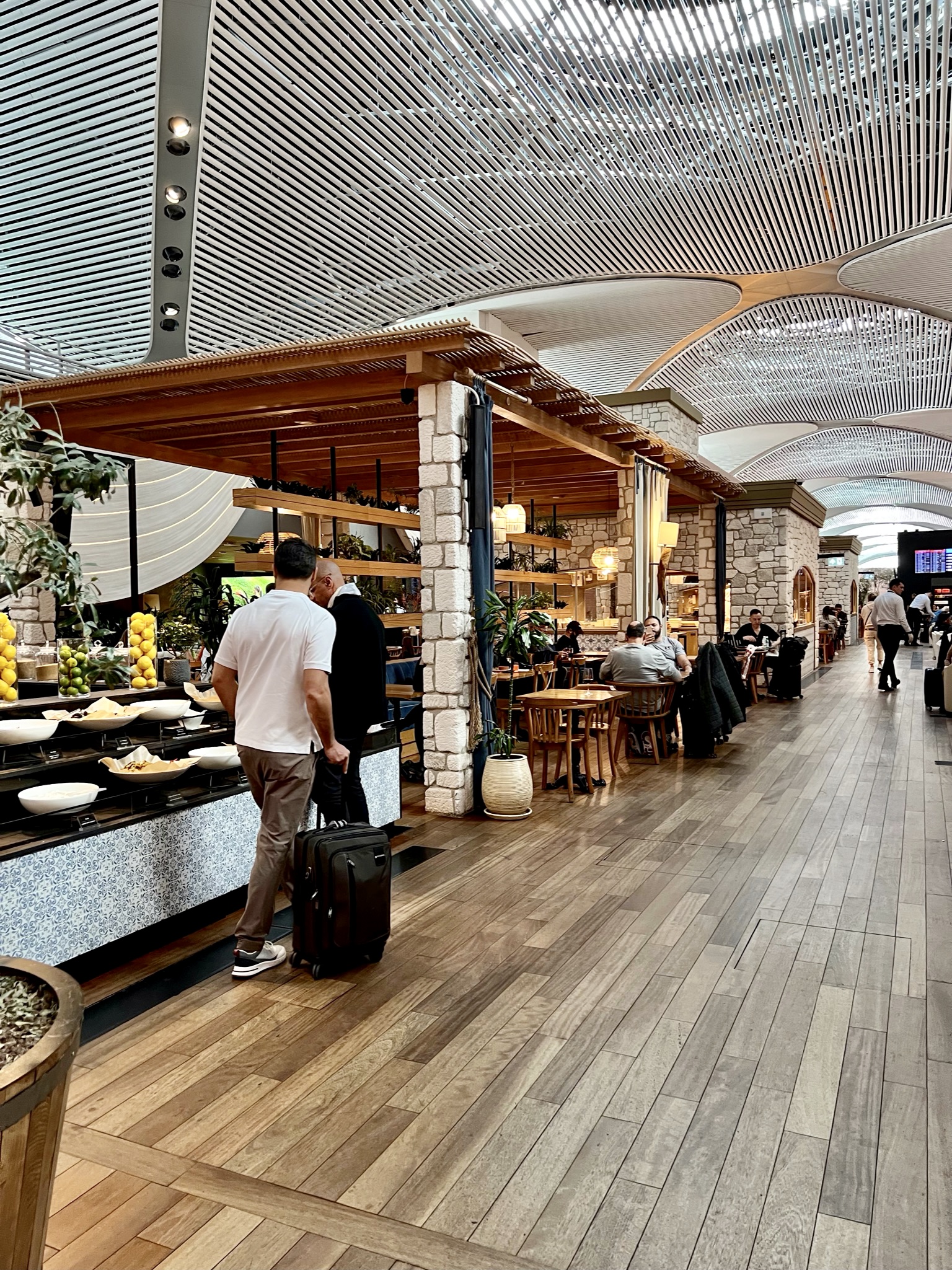
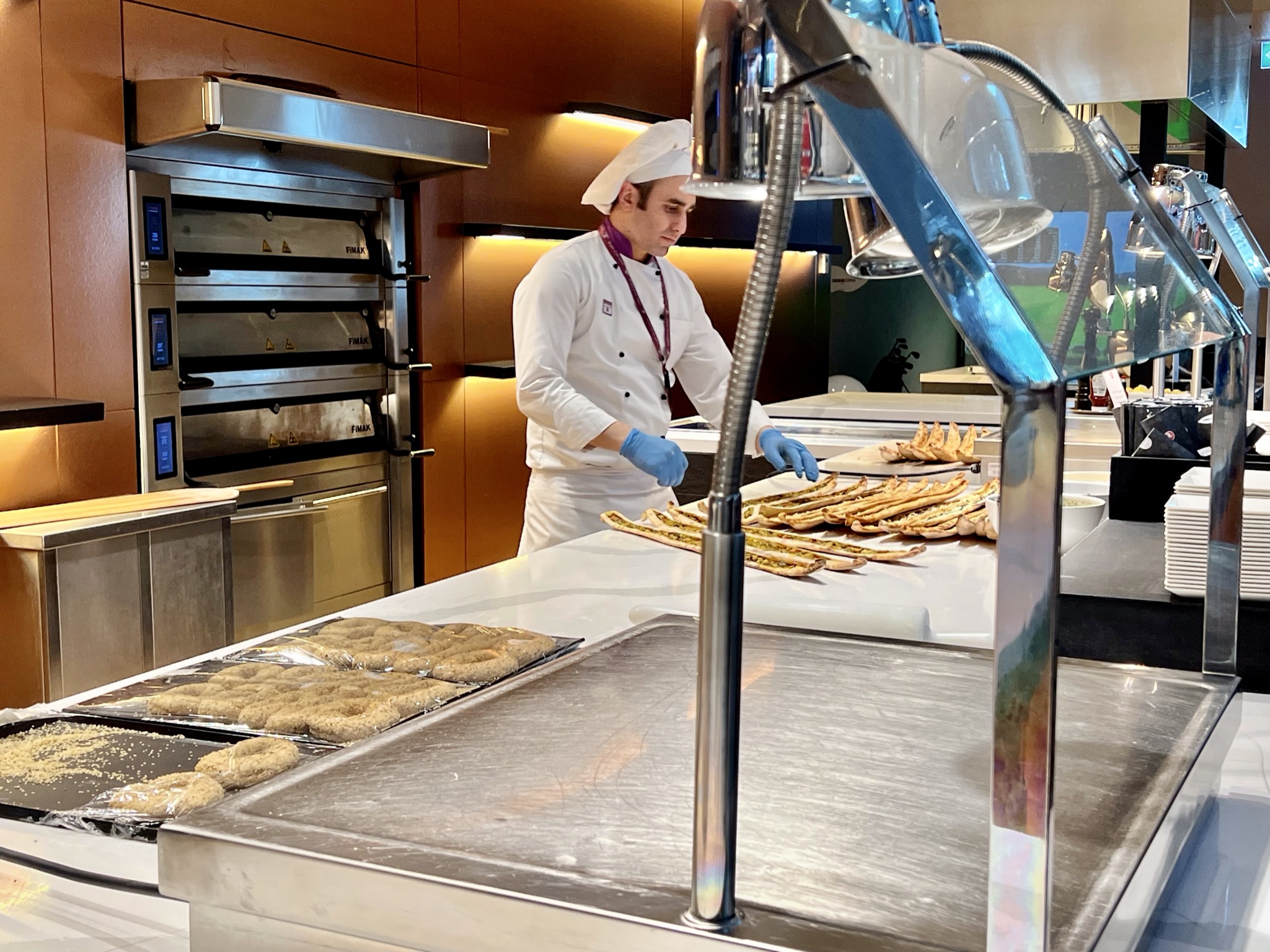
And the emphasis is on food, with so many stations, from flatbreads to salads to coffees and desserts, most with working chefs …
Like this one. They call it gourmet entertainment.
We were entertained.
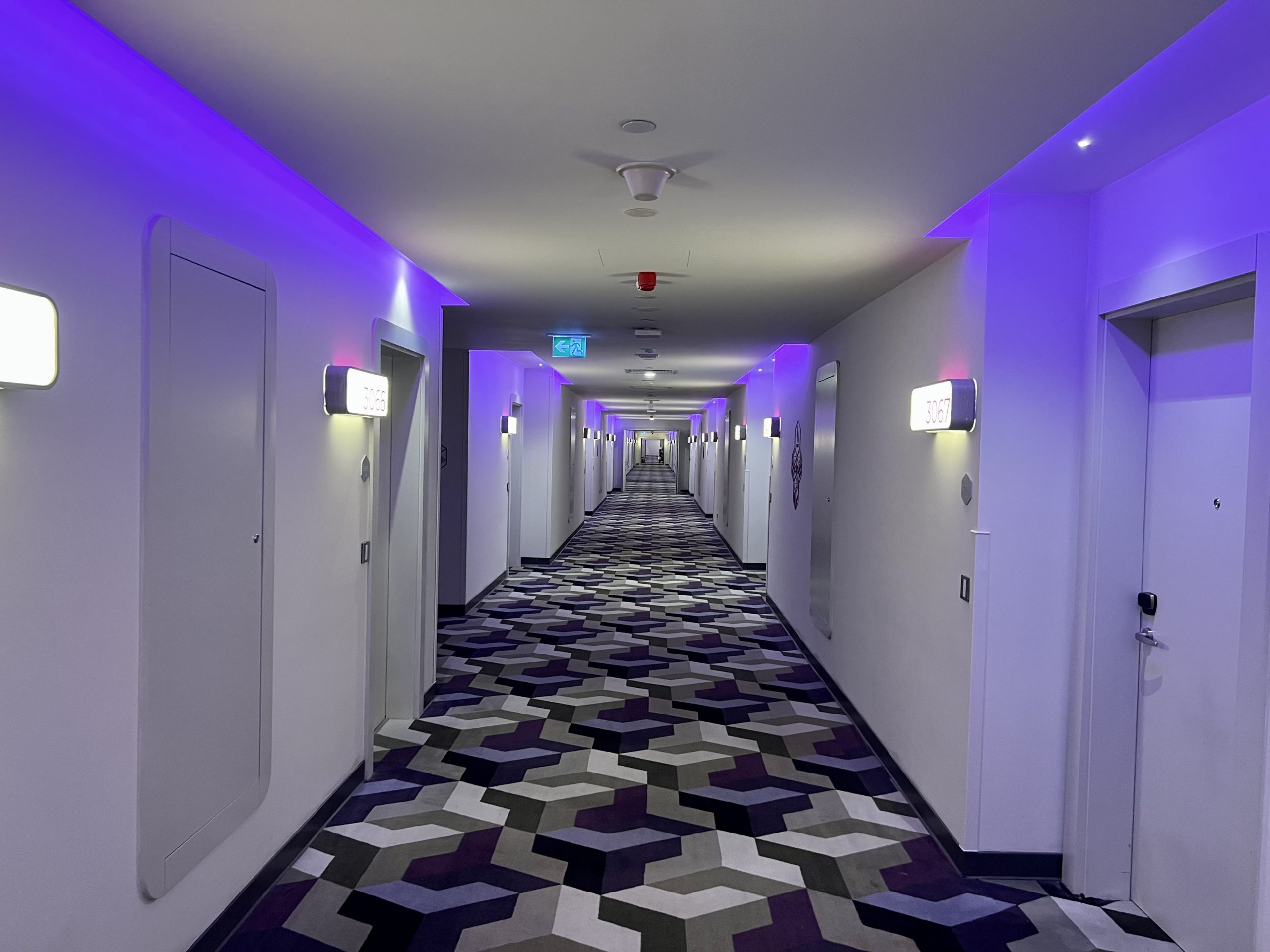
We had a nine hour layover, and though Turkish Airlines offers many complimentary perks, like private sleeping and shower suites in the lounge and free offsite hotel rooms for longer layovers, our layover was too long for the first and too short for the second. So we grabbed a room for six hours at an airside hotel. We’ve stayed in a few, and this Yotel was expansive and top notch. We could nap a bit, shop, and then shower before heading back to the lounge for more food.
Then back on a plane for another 12 hours of movies, naps, and more food …
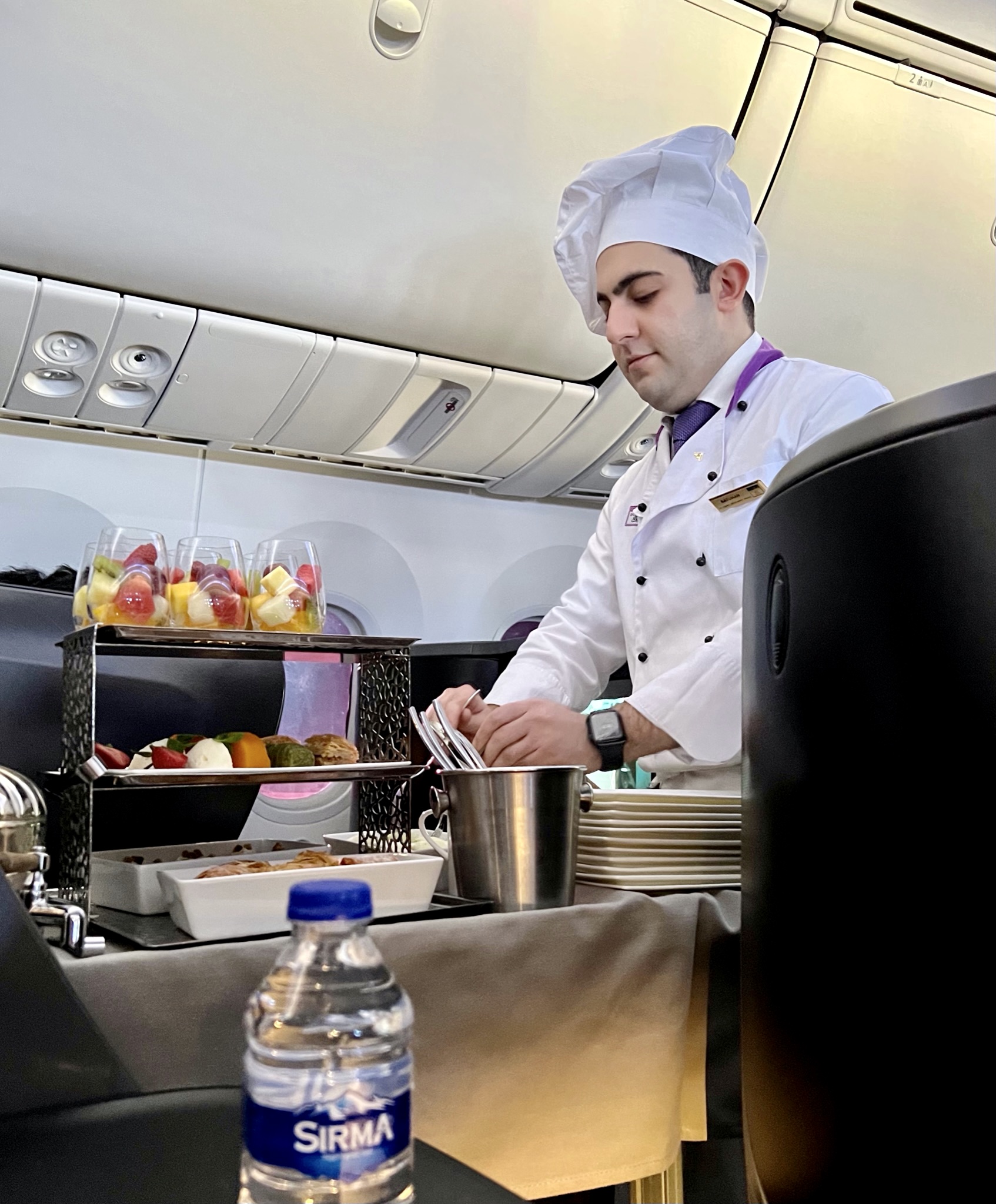
The photographer is particularly fond of Turkish Airlines’ inflight chefs.
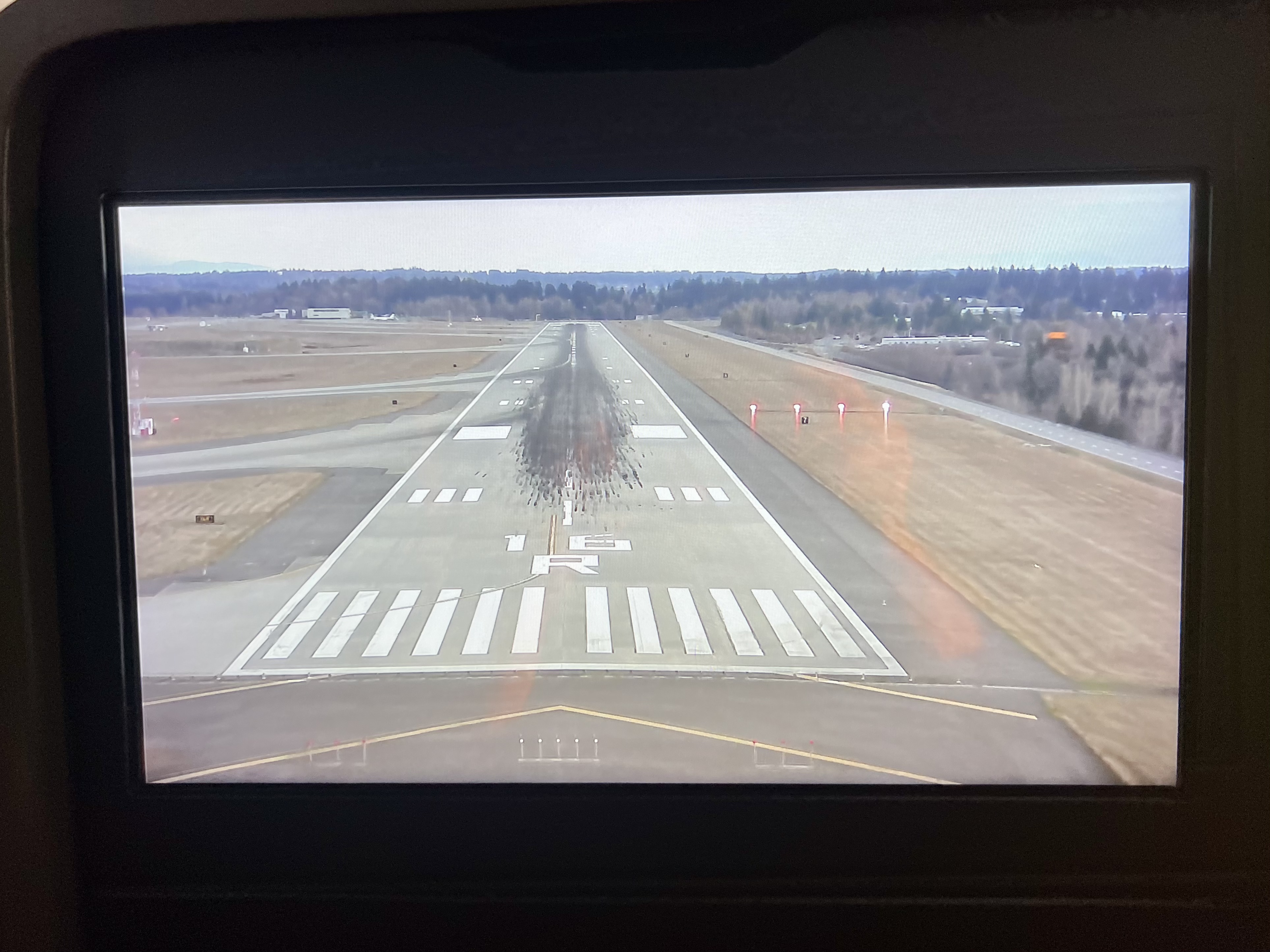
Finally landing at Seatac, we have already made plans for next winter.