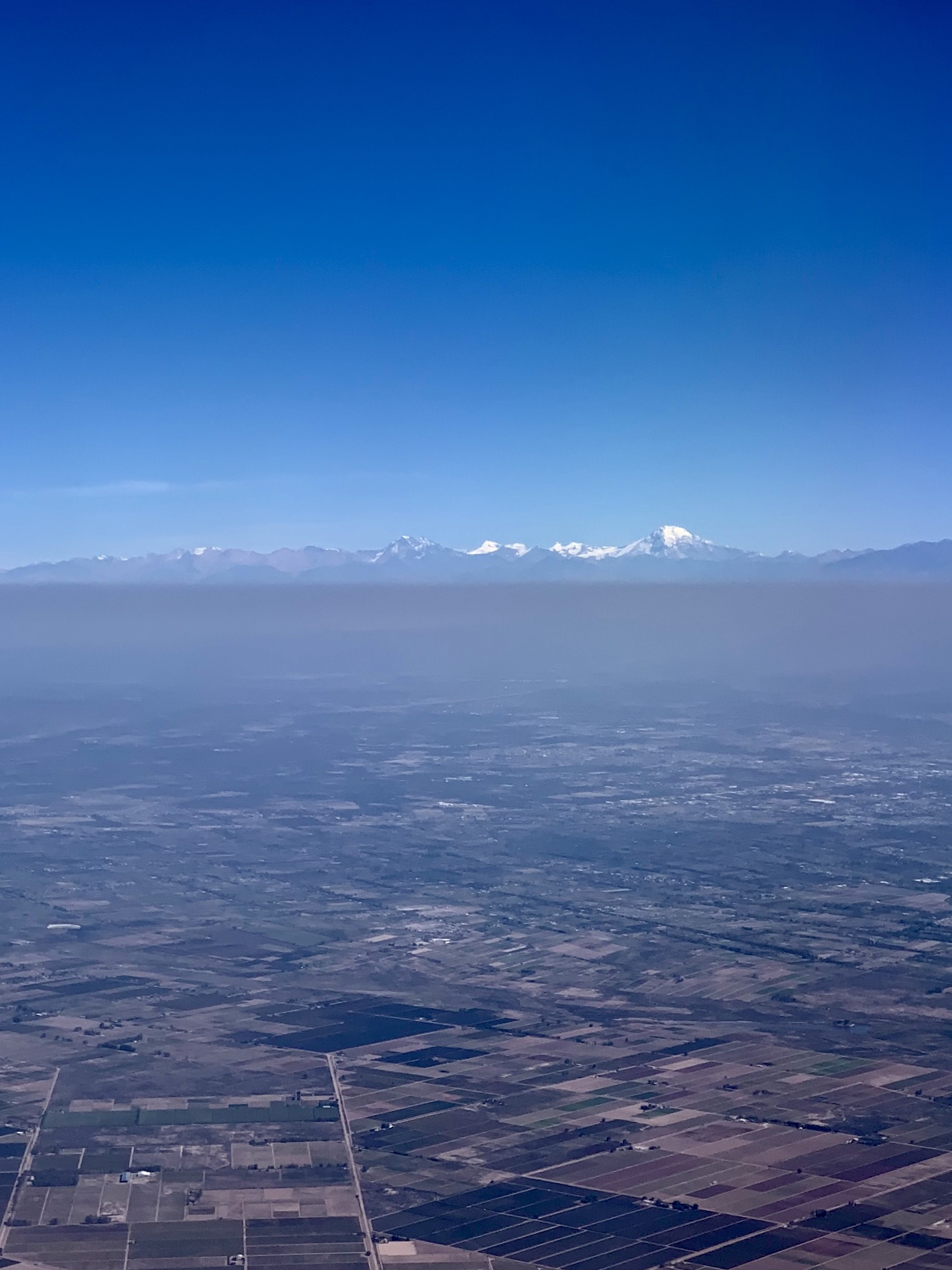
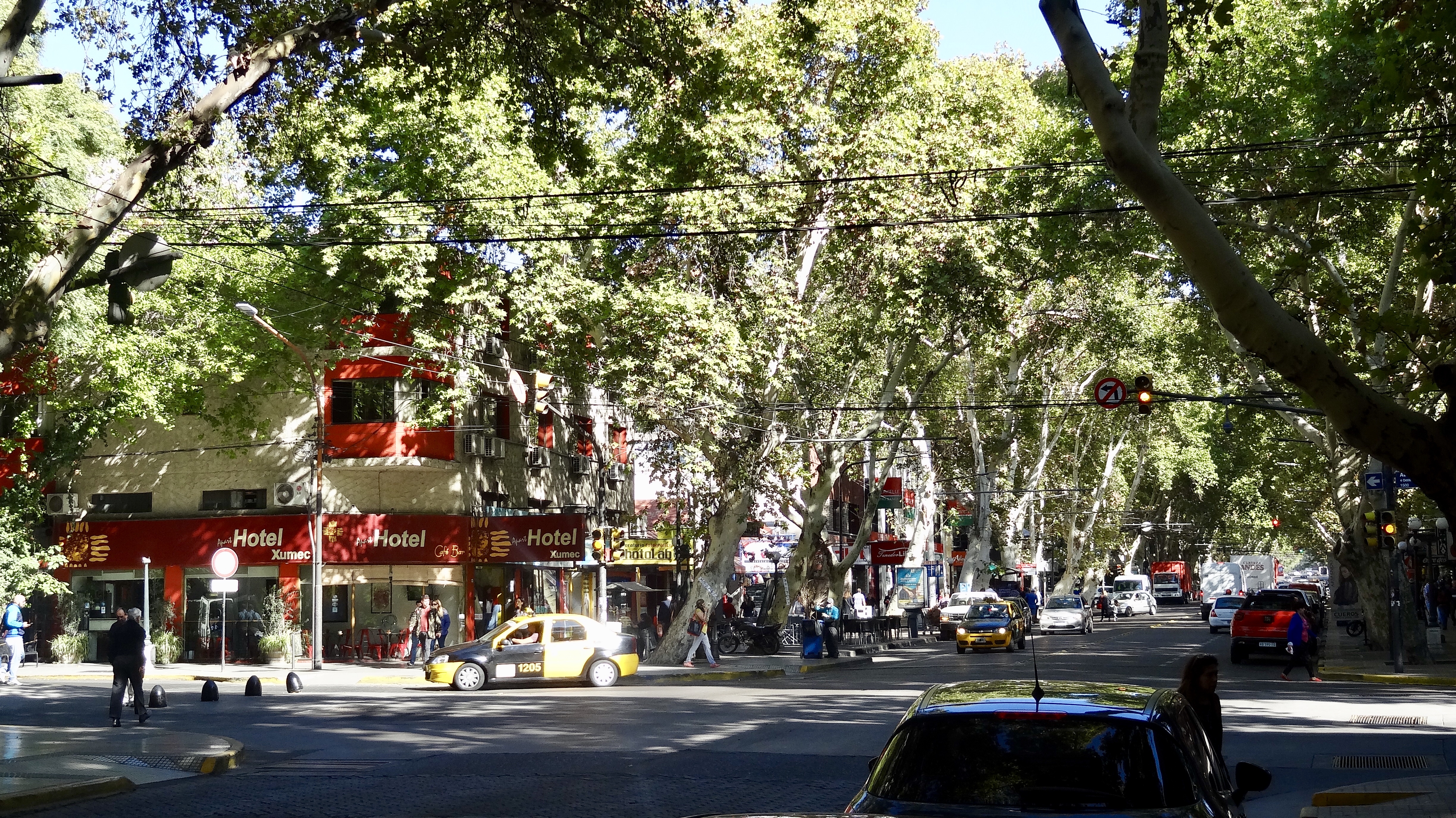
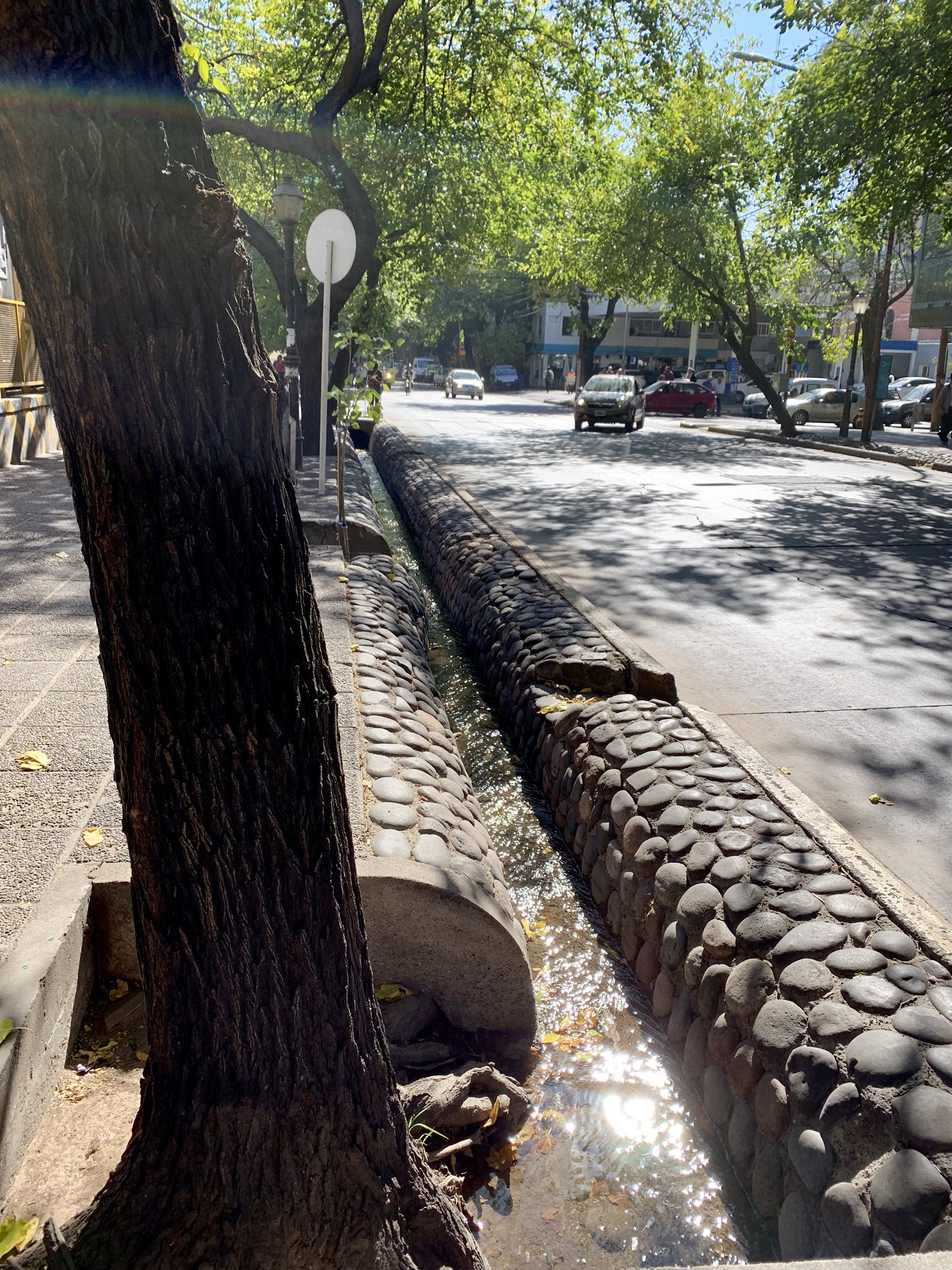
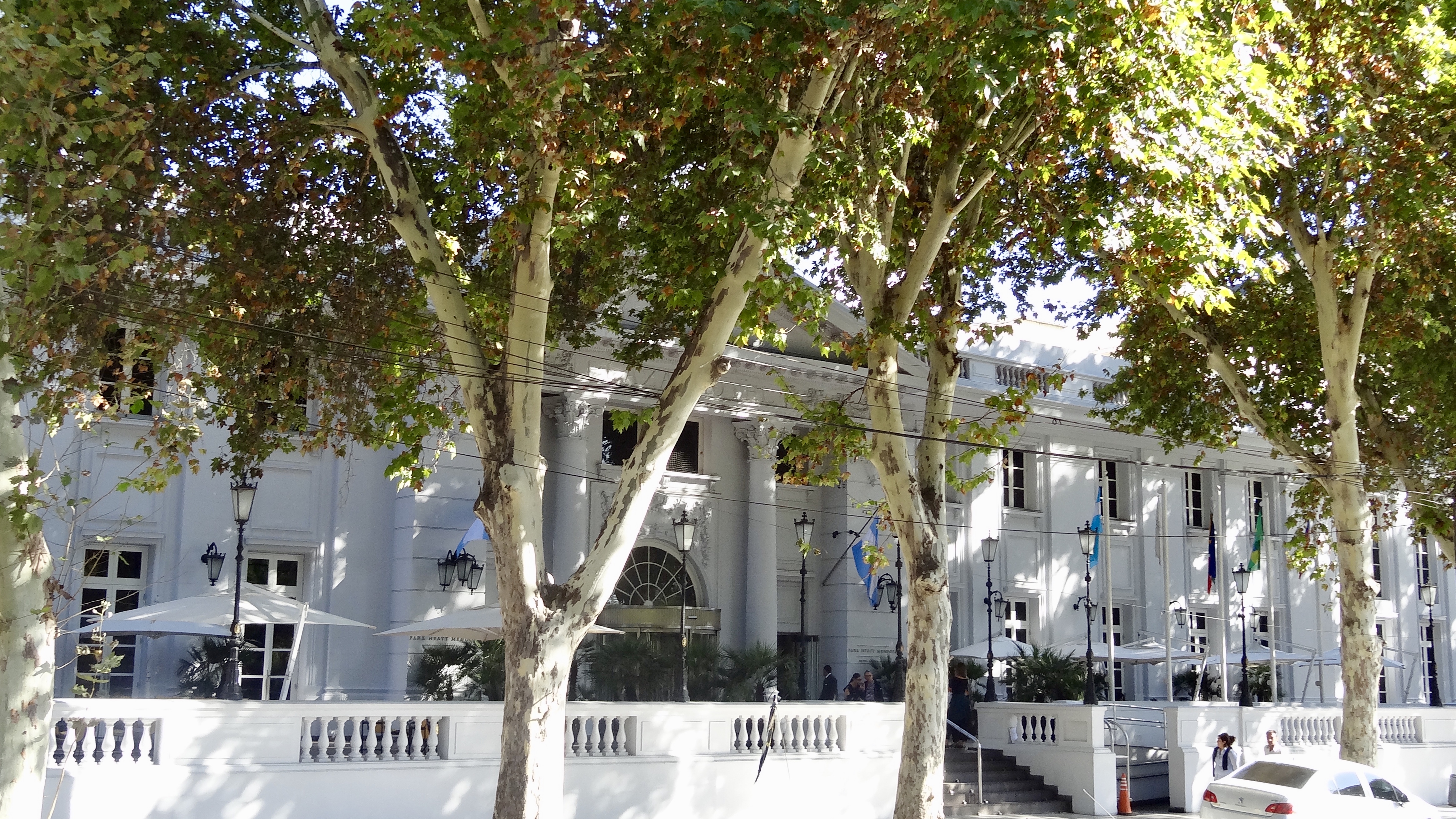
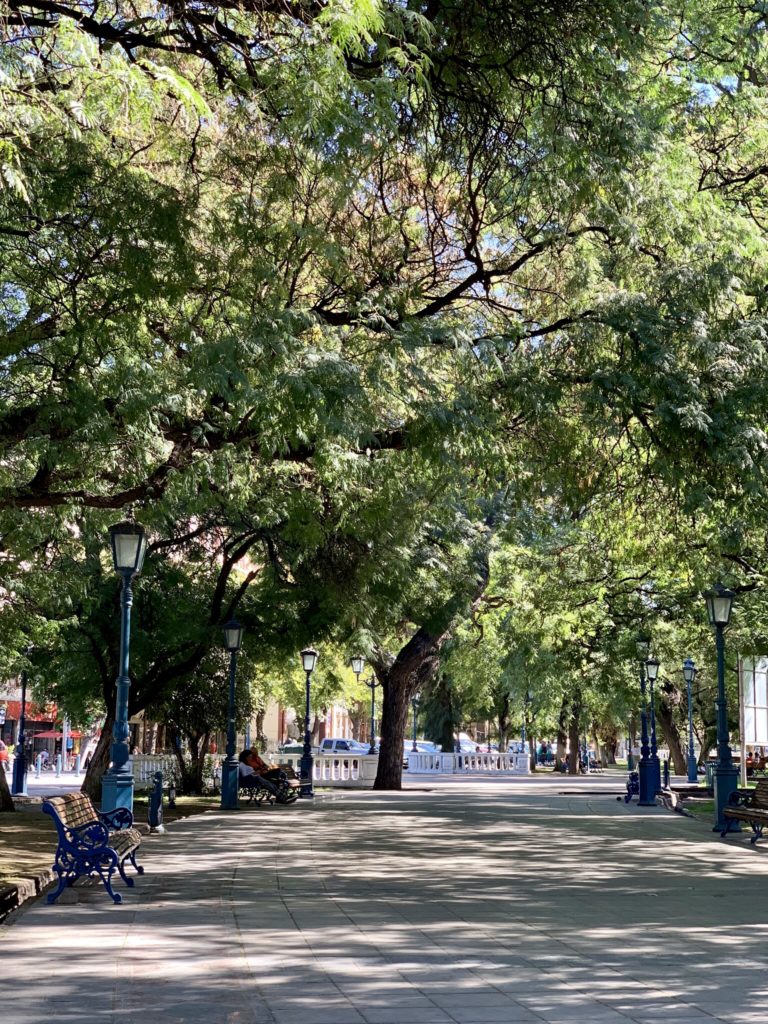
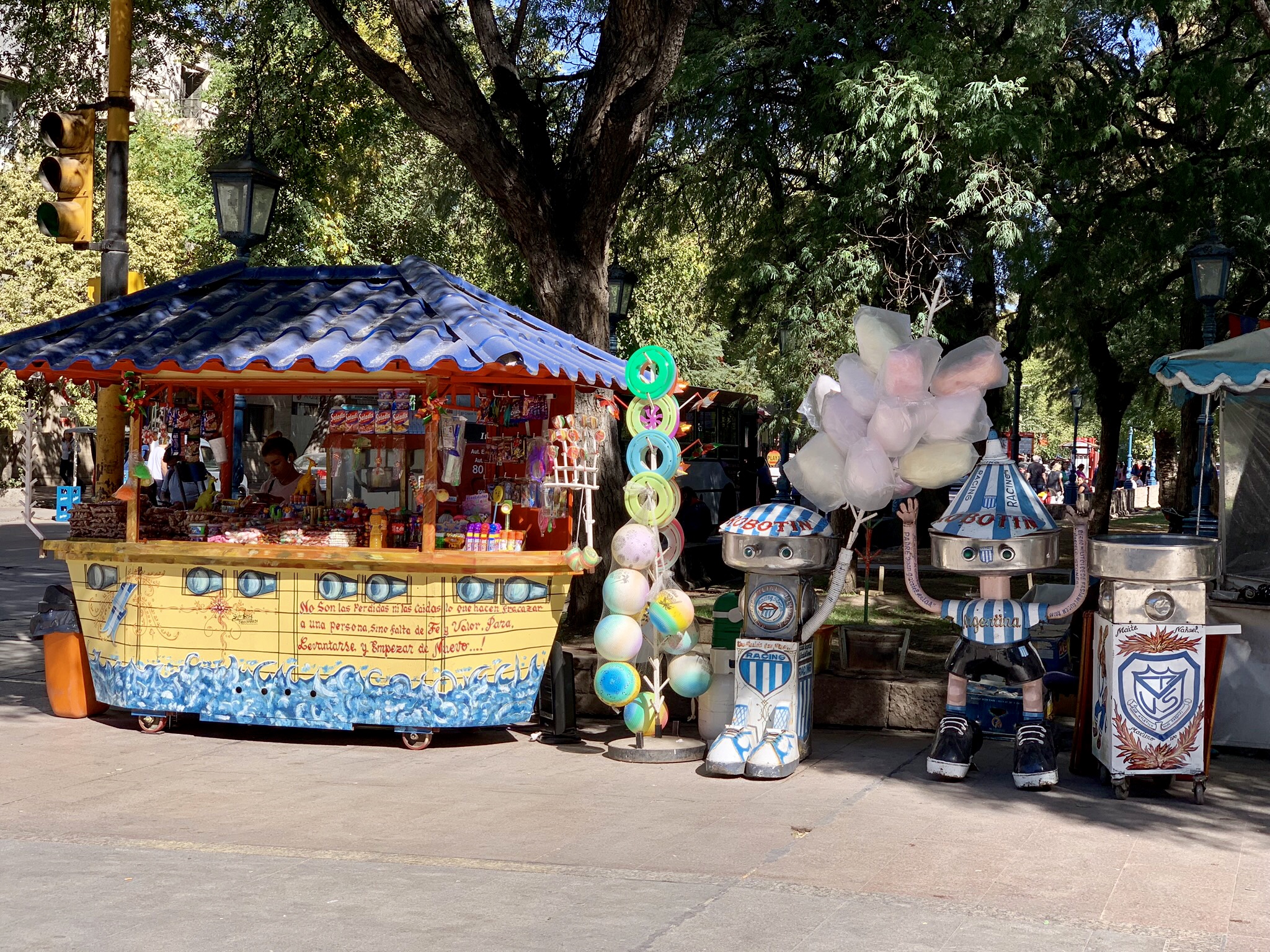
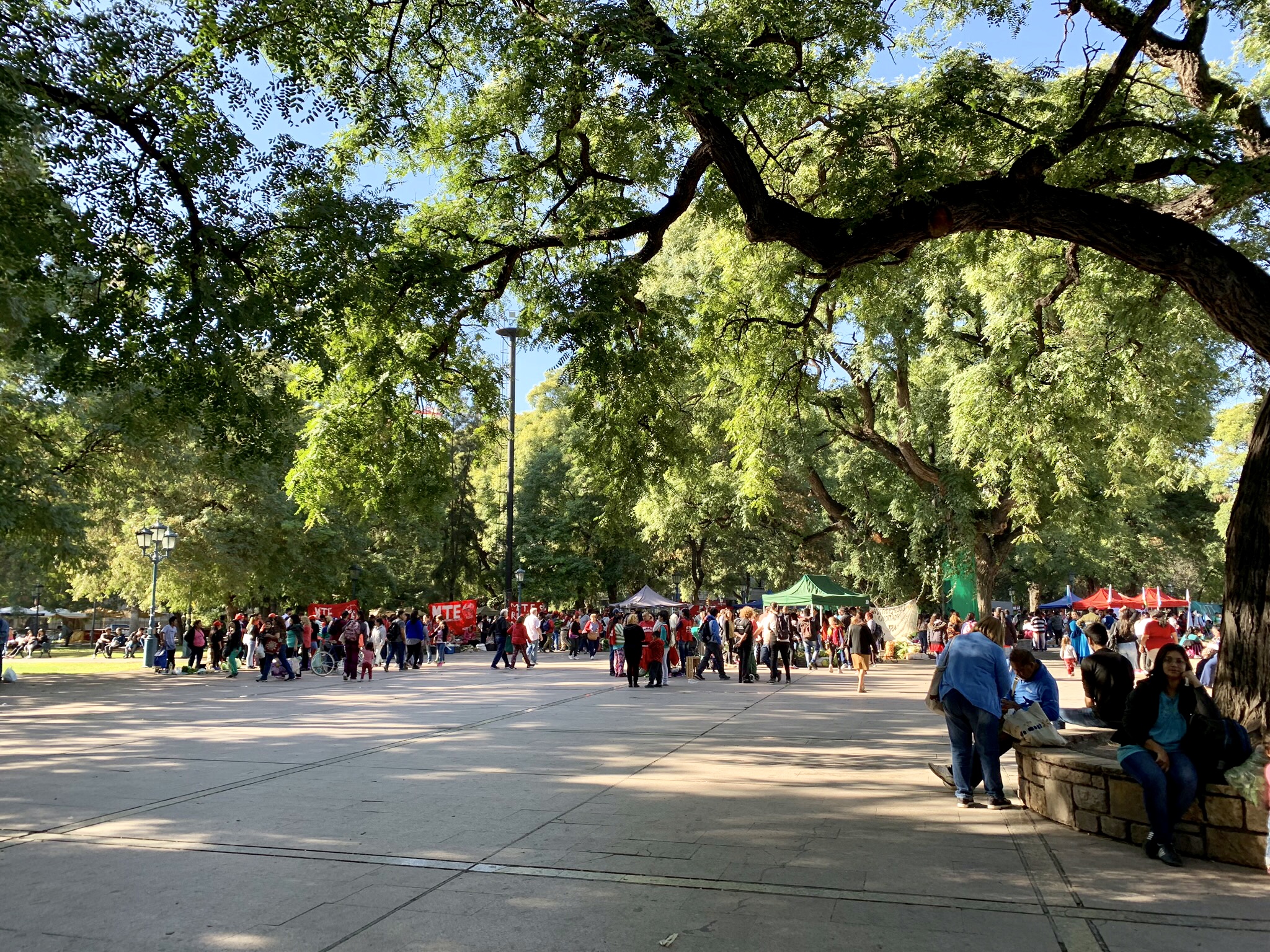
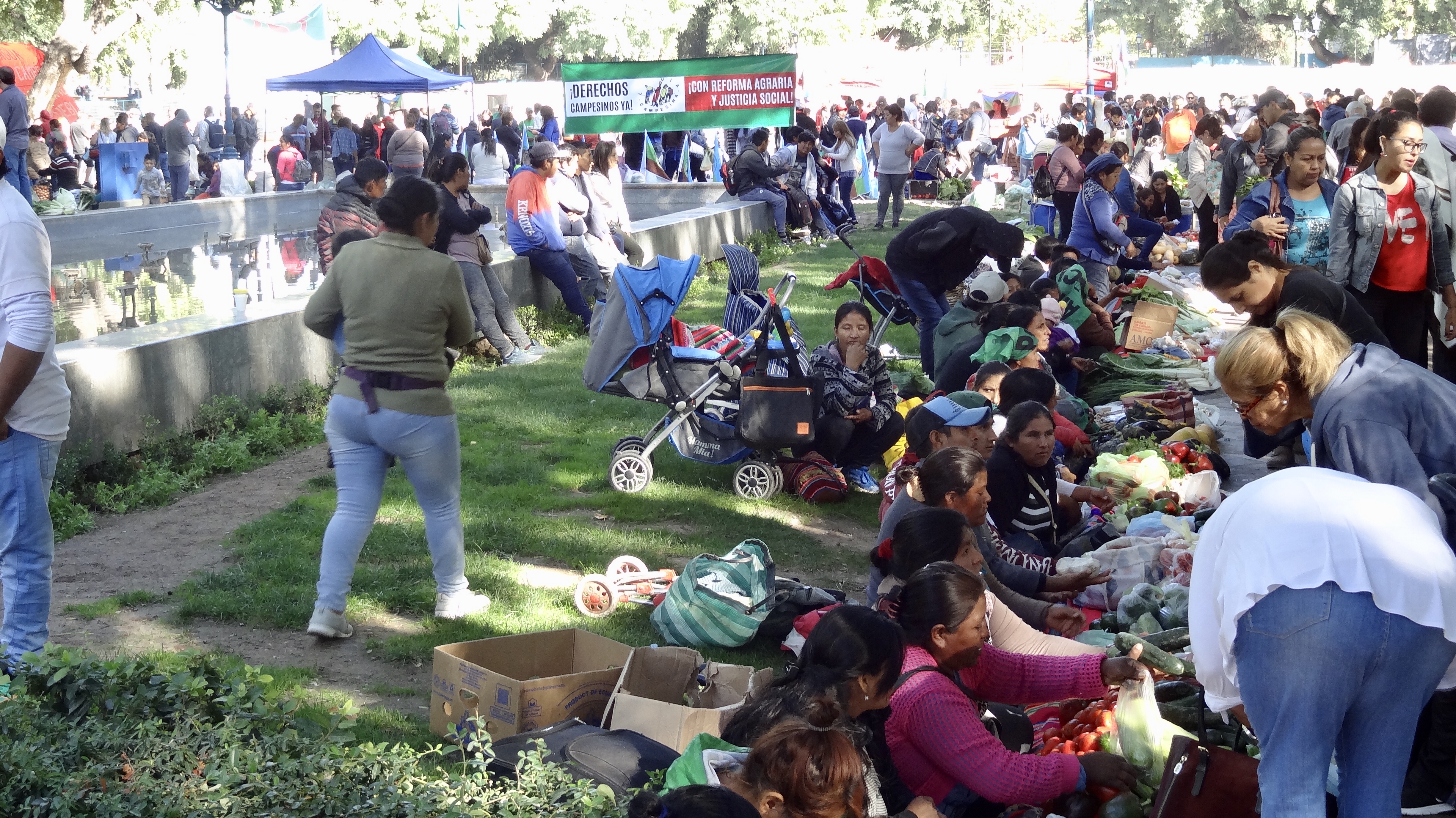
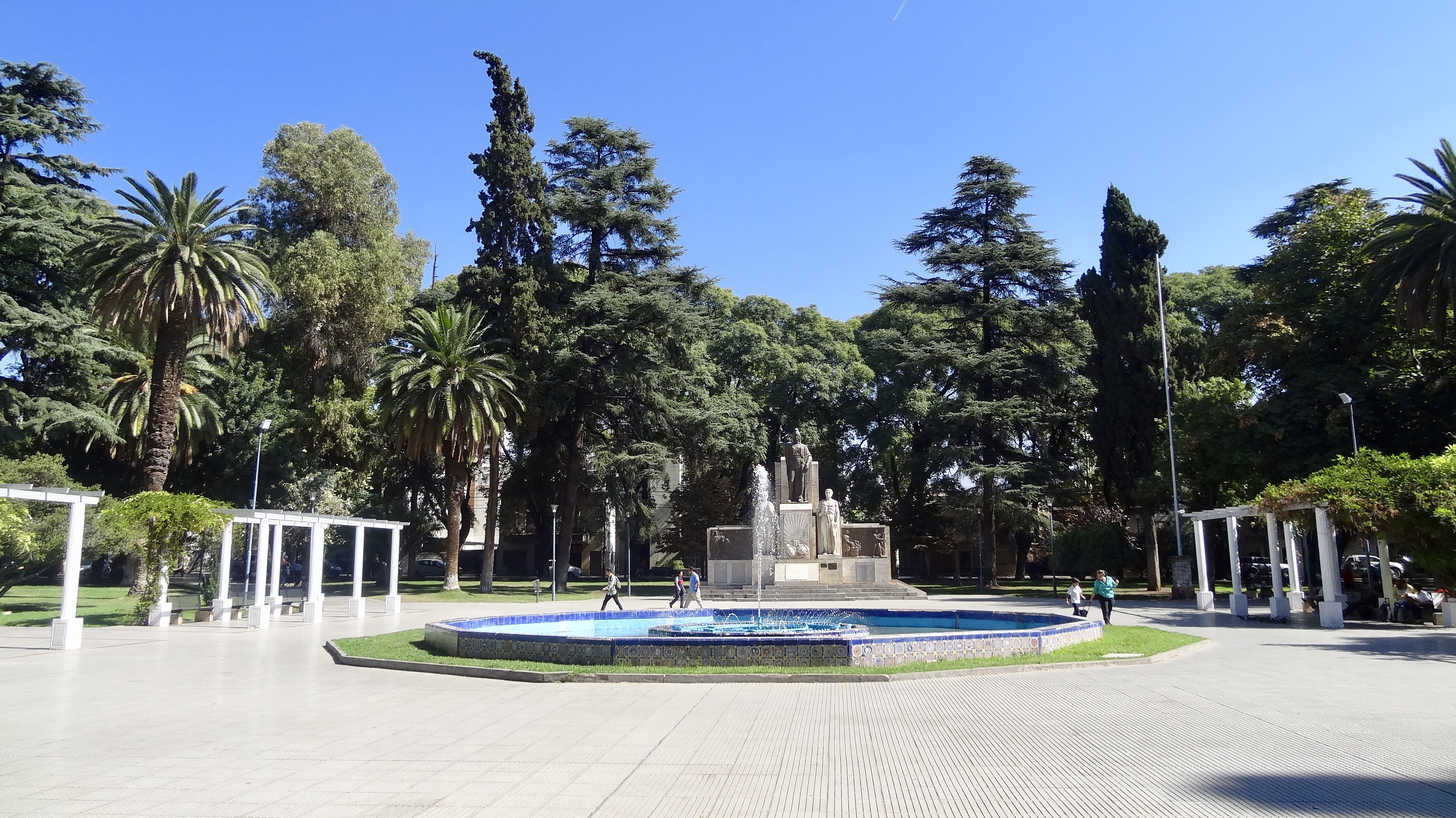
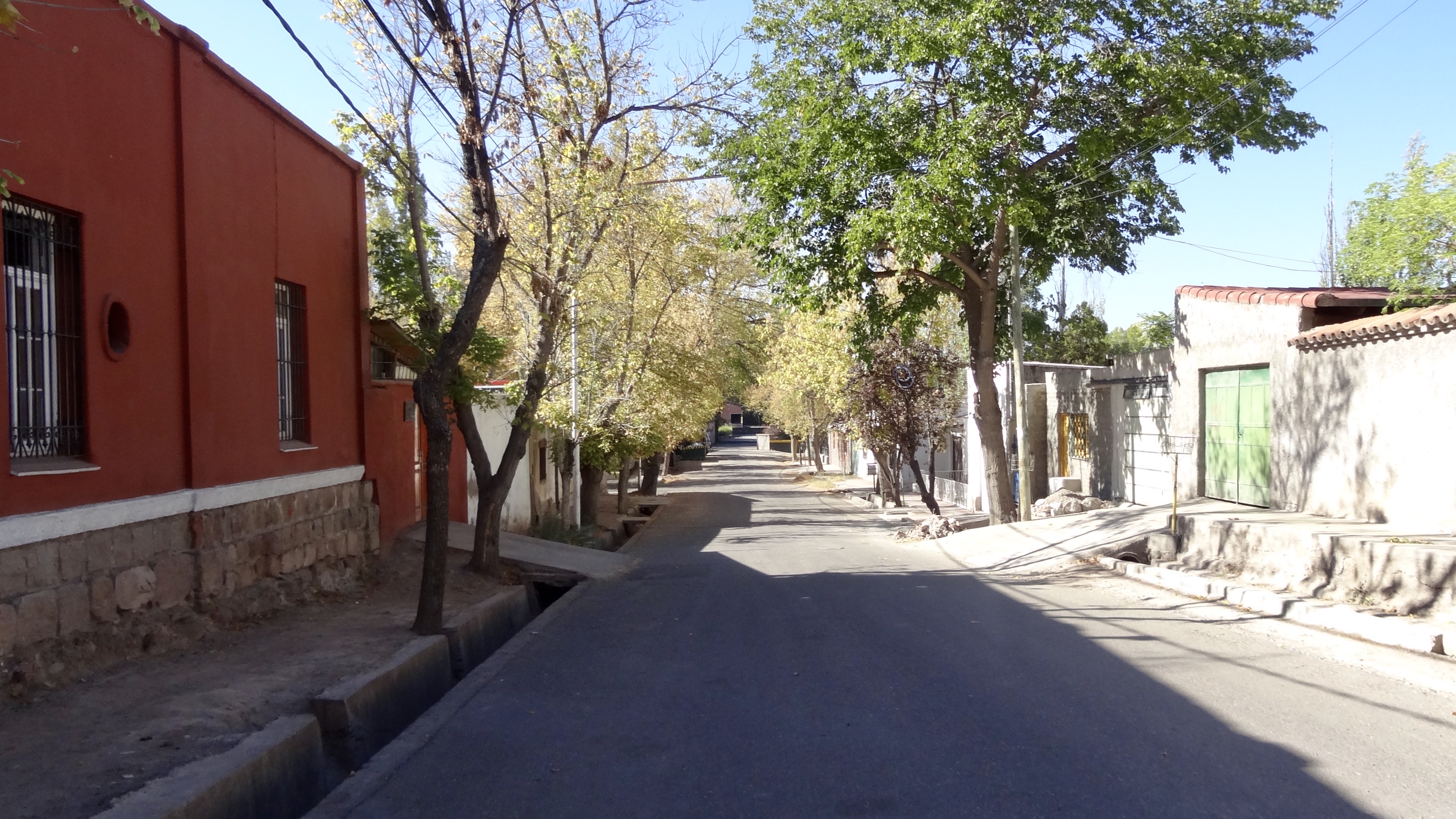
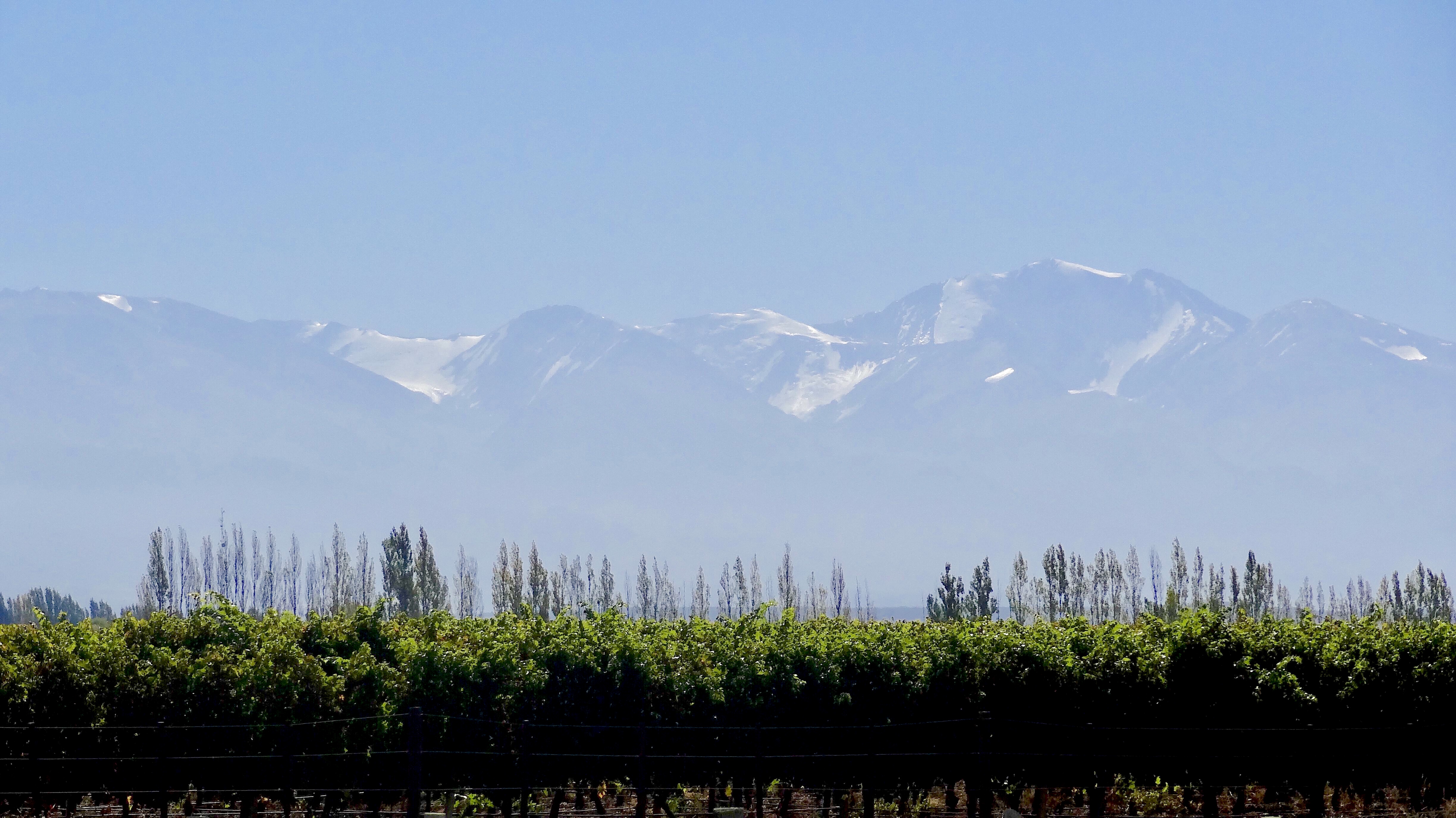
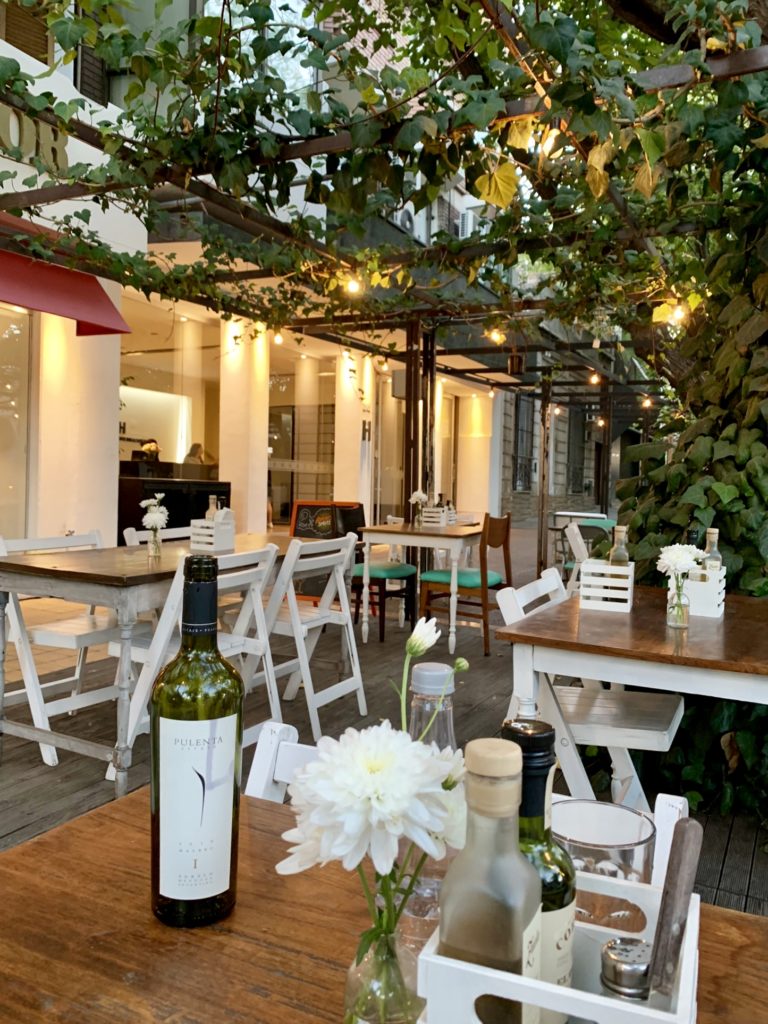
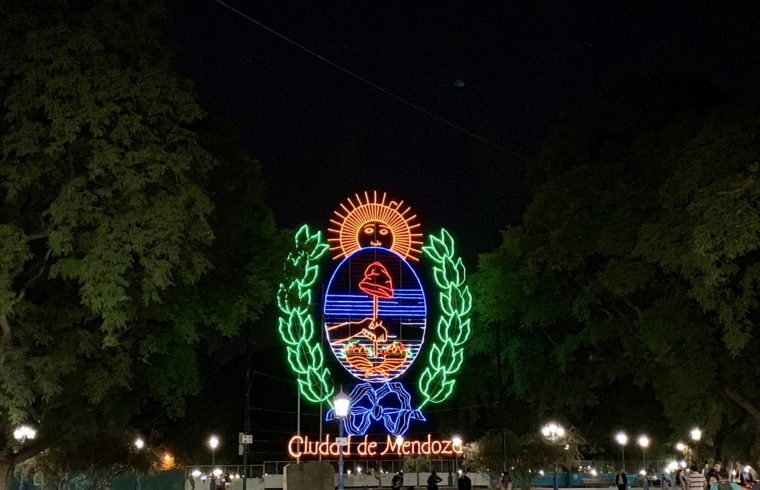
In the high desert, along the eastern slopes of the Andes, Mendoza has become one of the great wine regions of the world. The name of both province and Argentinas’s third largest city, Mendoza town is laid out much like Buenos Aries, with sprawling avenues and tree-lined streets, but it is less urban, with a very small town feelThe area’s roots are agricultural, with open irrigation channels watering all the city’s trees and parks. We stayed at the Park Hyatt. One of our favorite brands. Directly across from the hotel is Plaza Independencia, a four-block park and square. We made a point of testing many of its benches. There were the expected things, like sugar vendors …But on one day, it was experiencing some sort of a celebration and farmers market. The walks were crowded with produce sellers, and buyers. The center of the city is a square, eight blocks on a side. At its center is Plaza Independencia. Four smaller squares anchor each of its cardinal corners, like this one here.
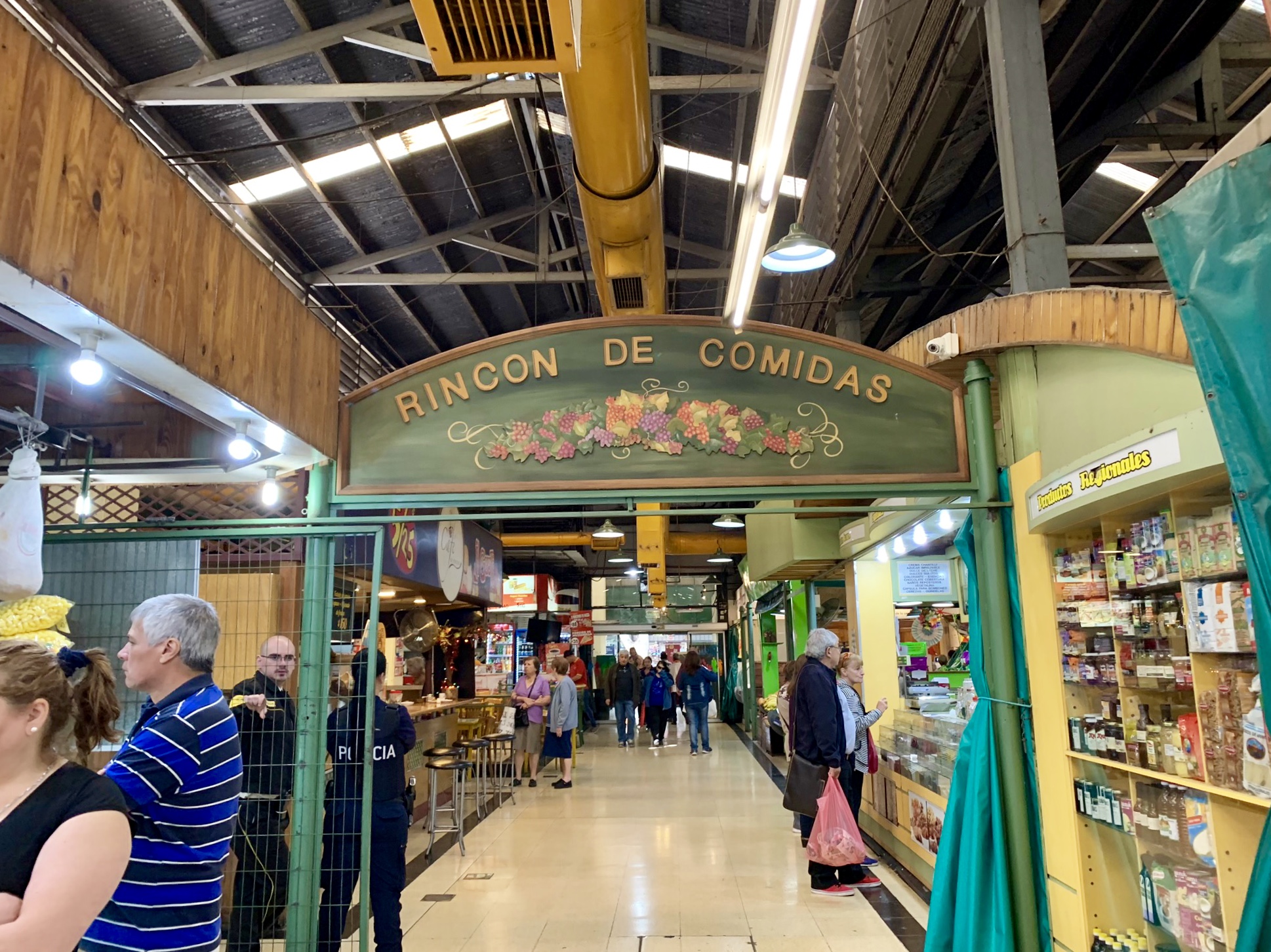
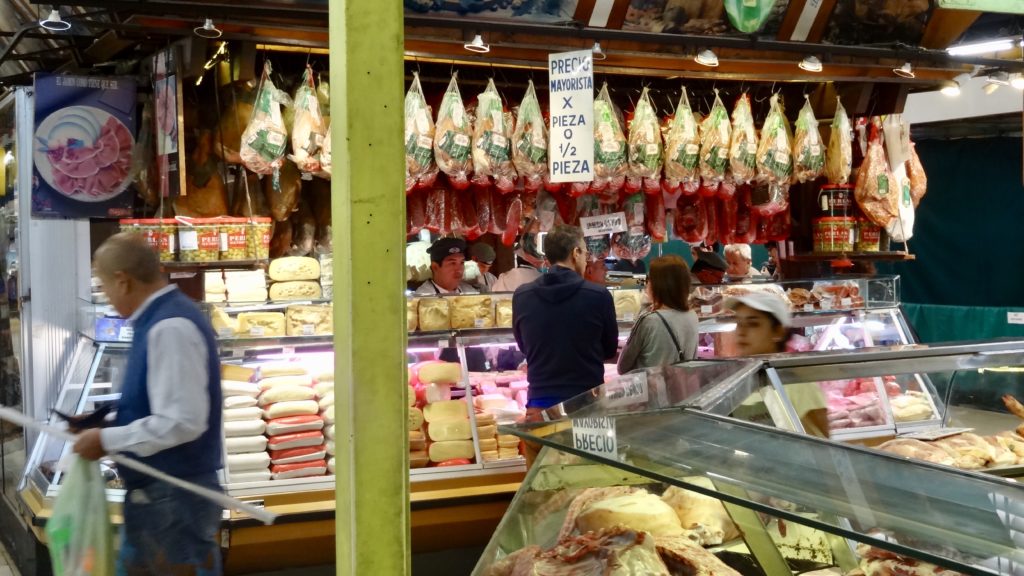
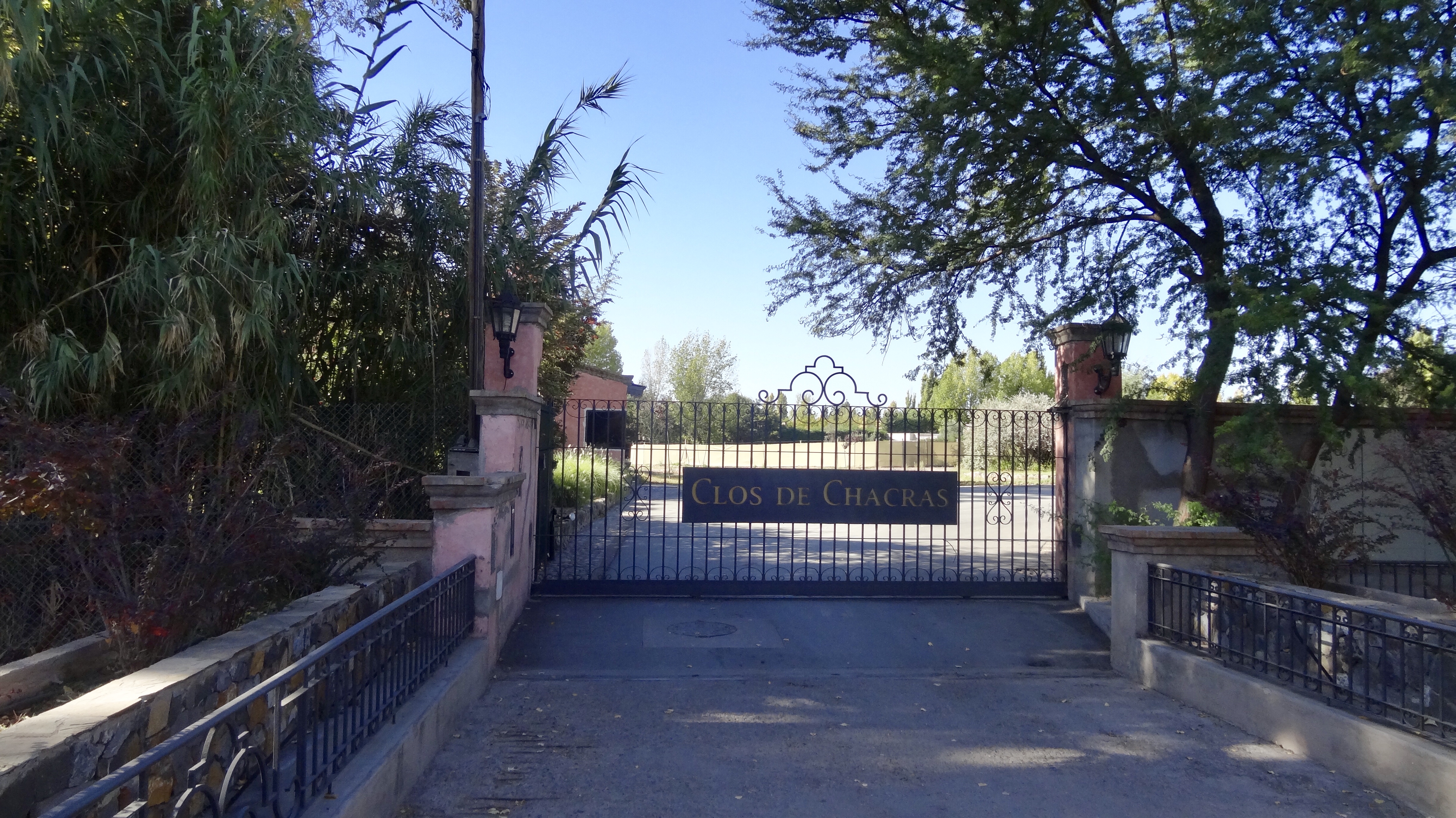
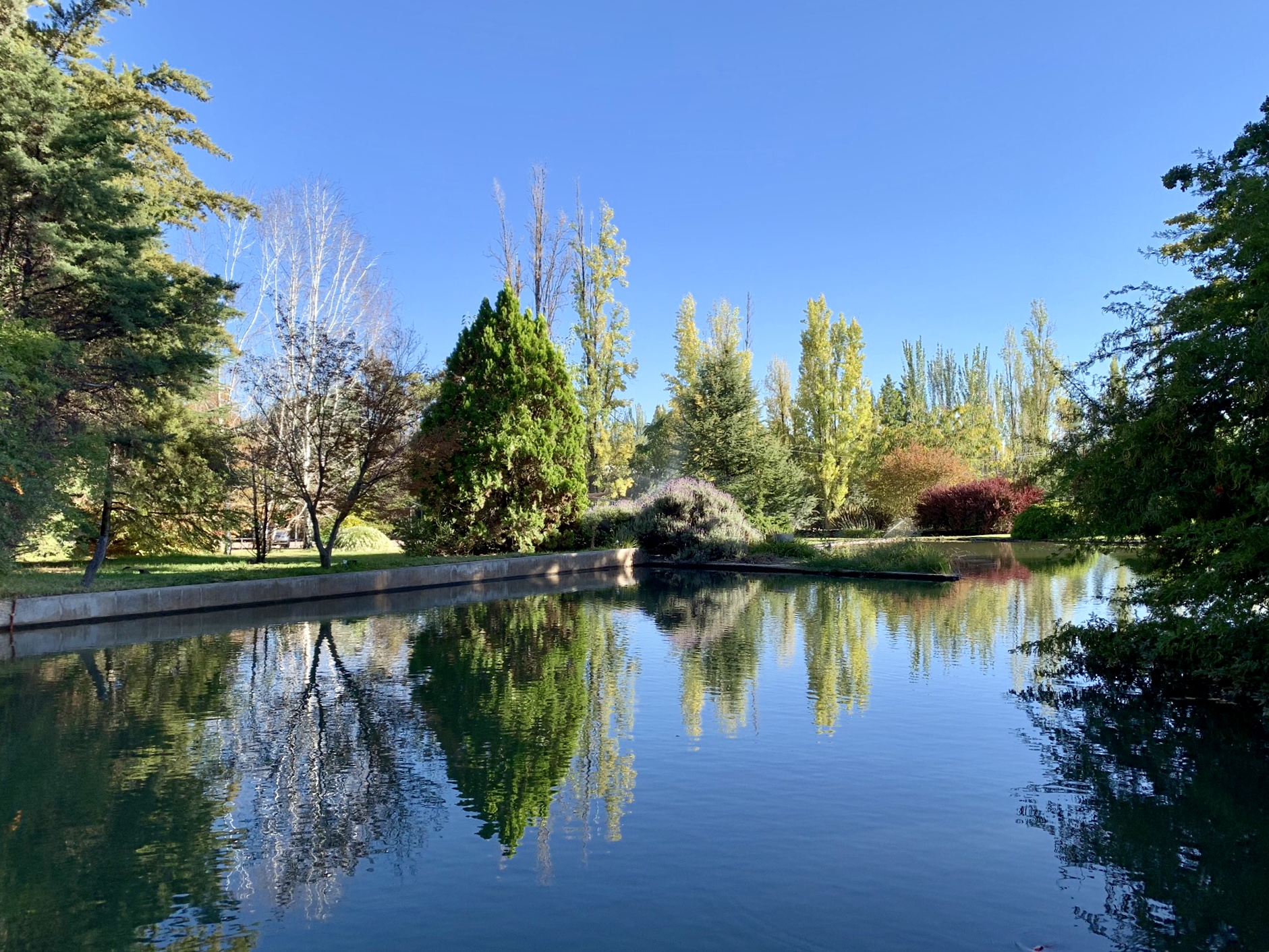
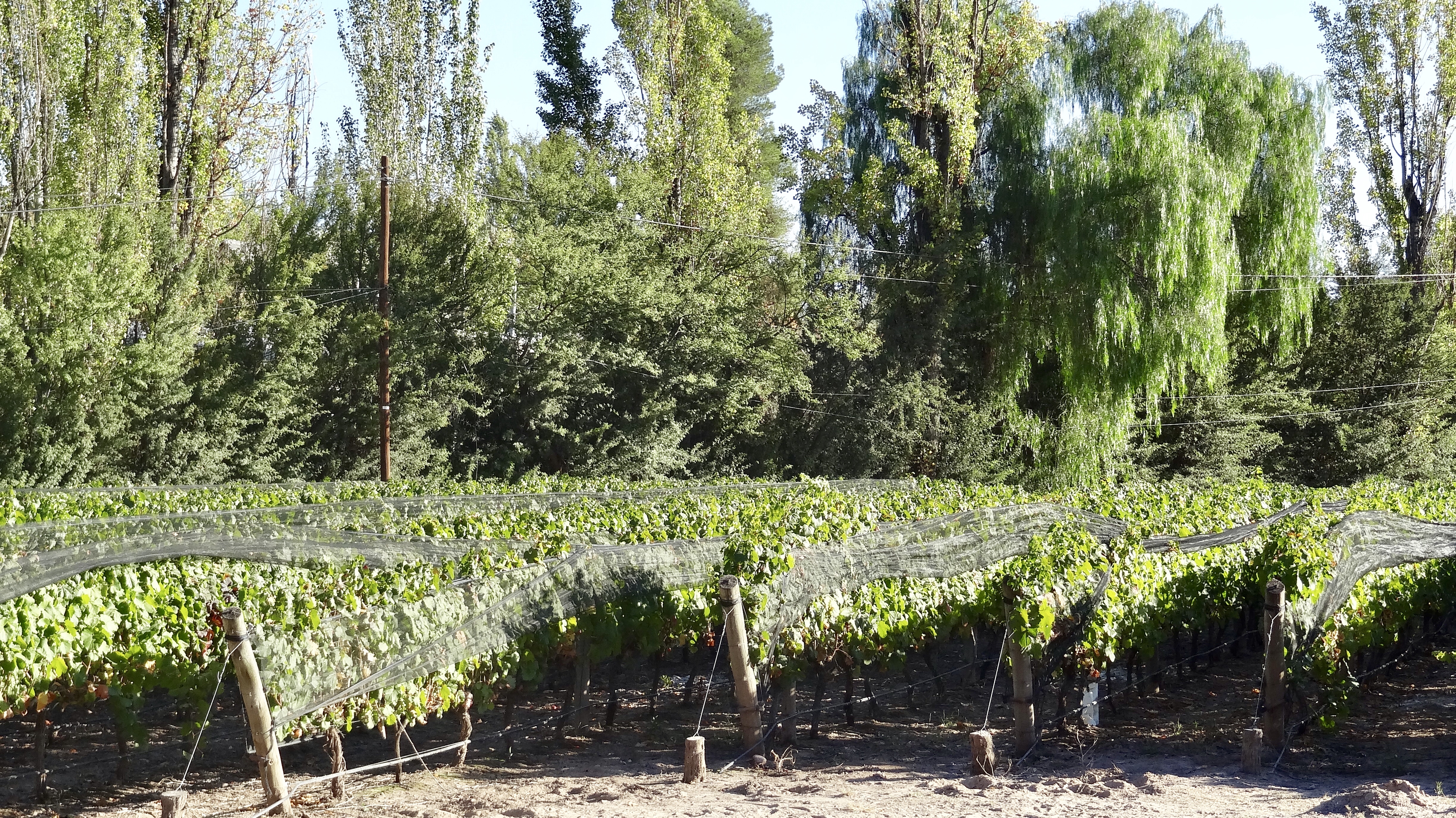
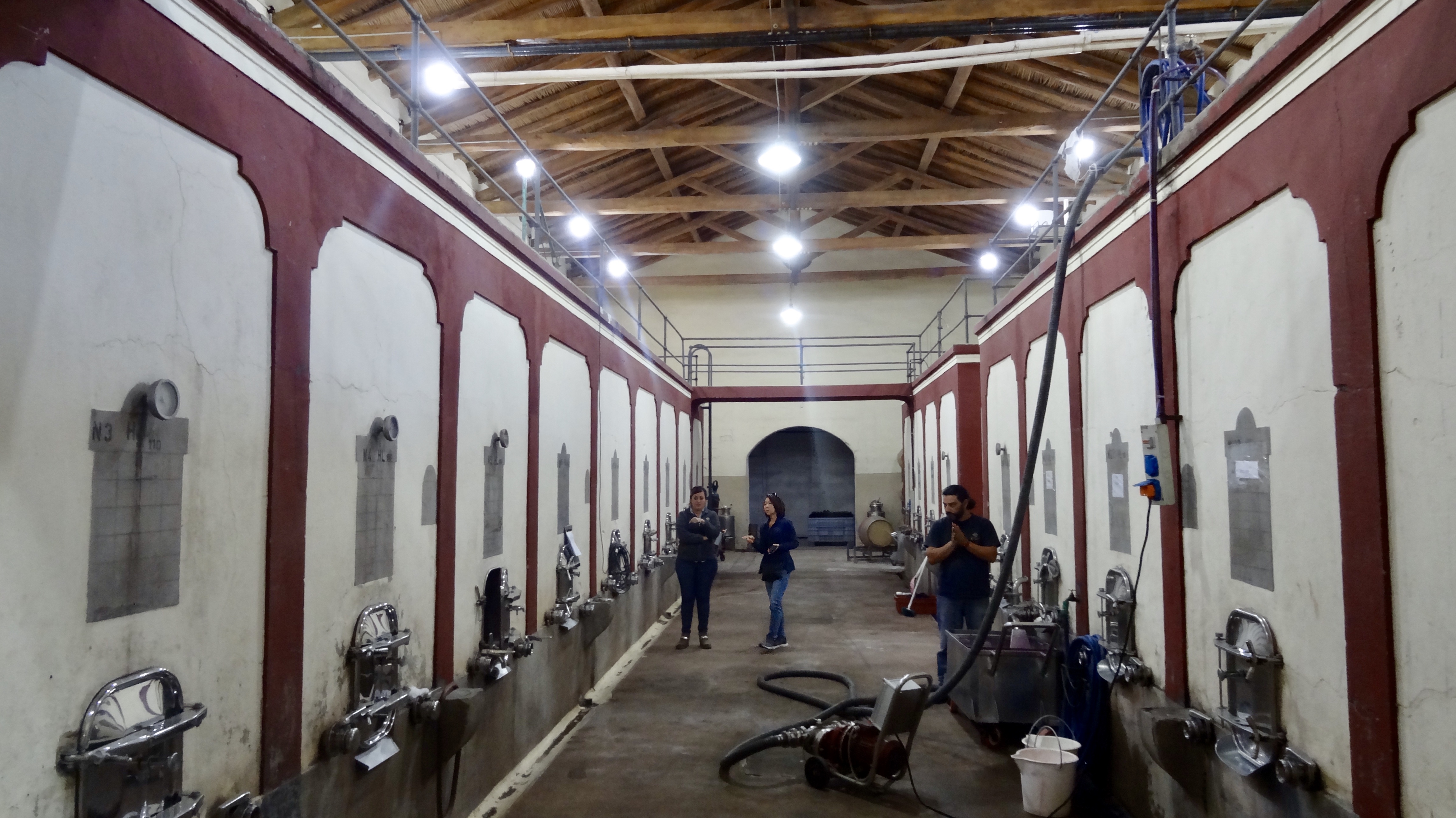
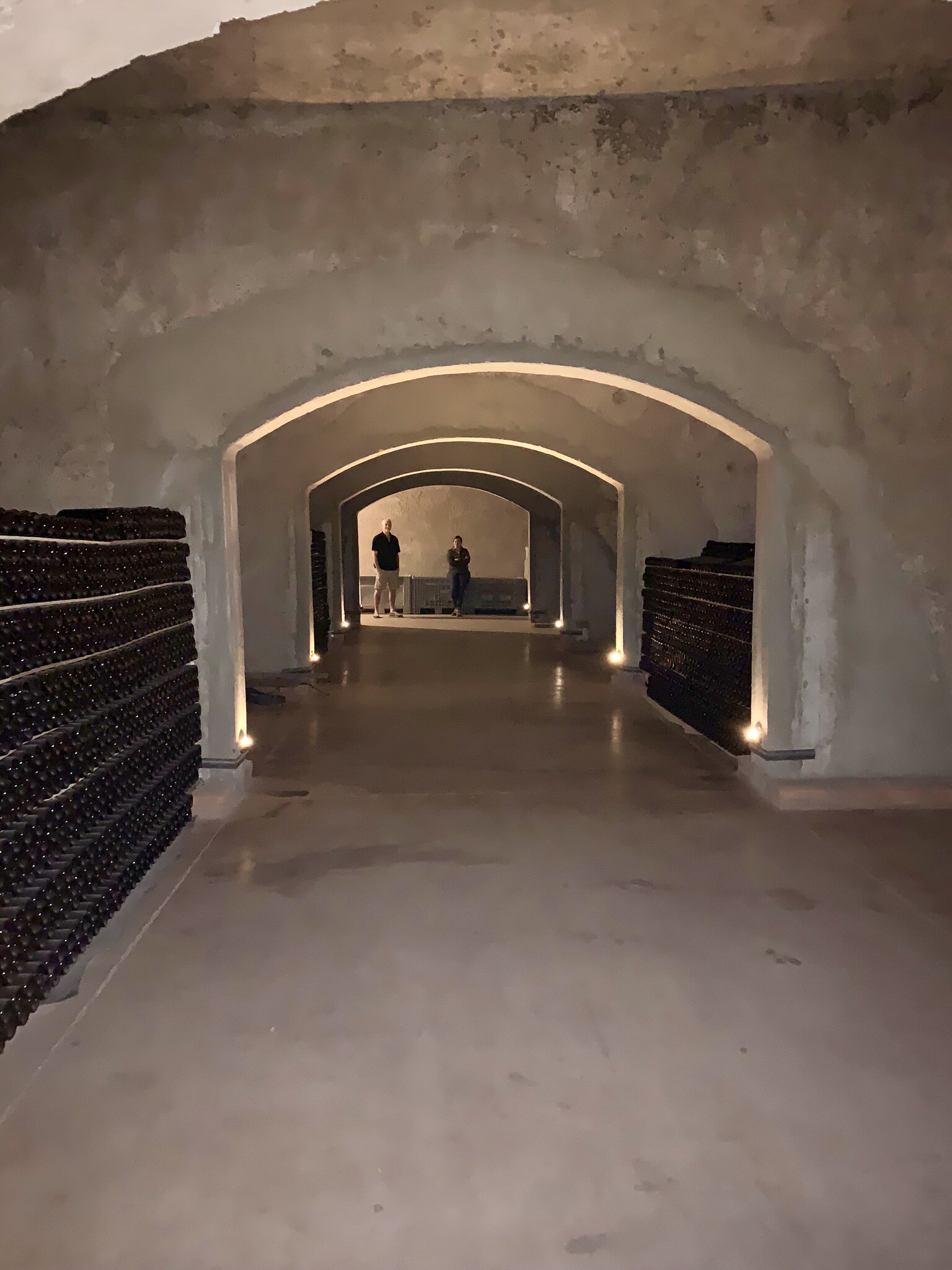
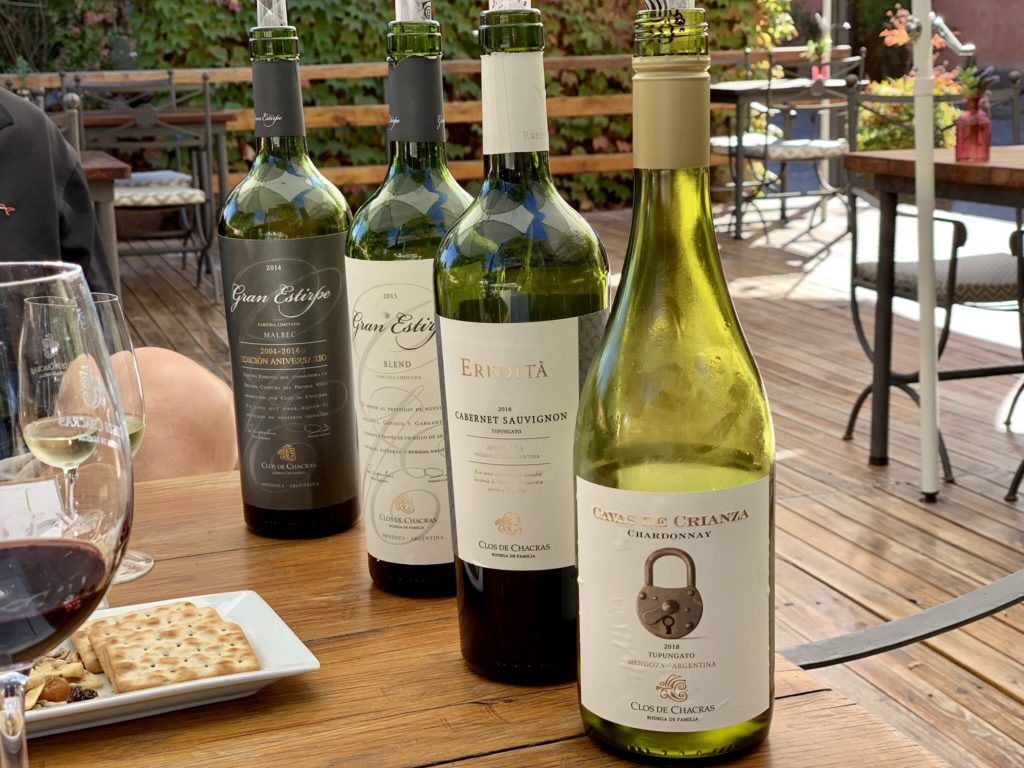
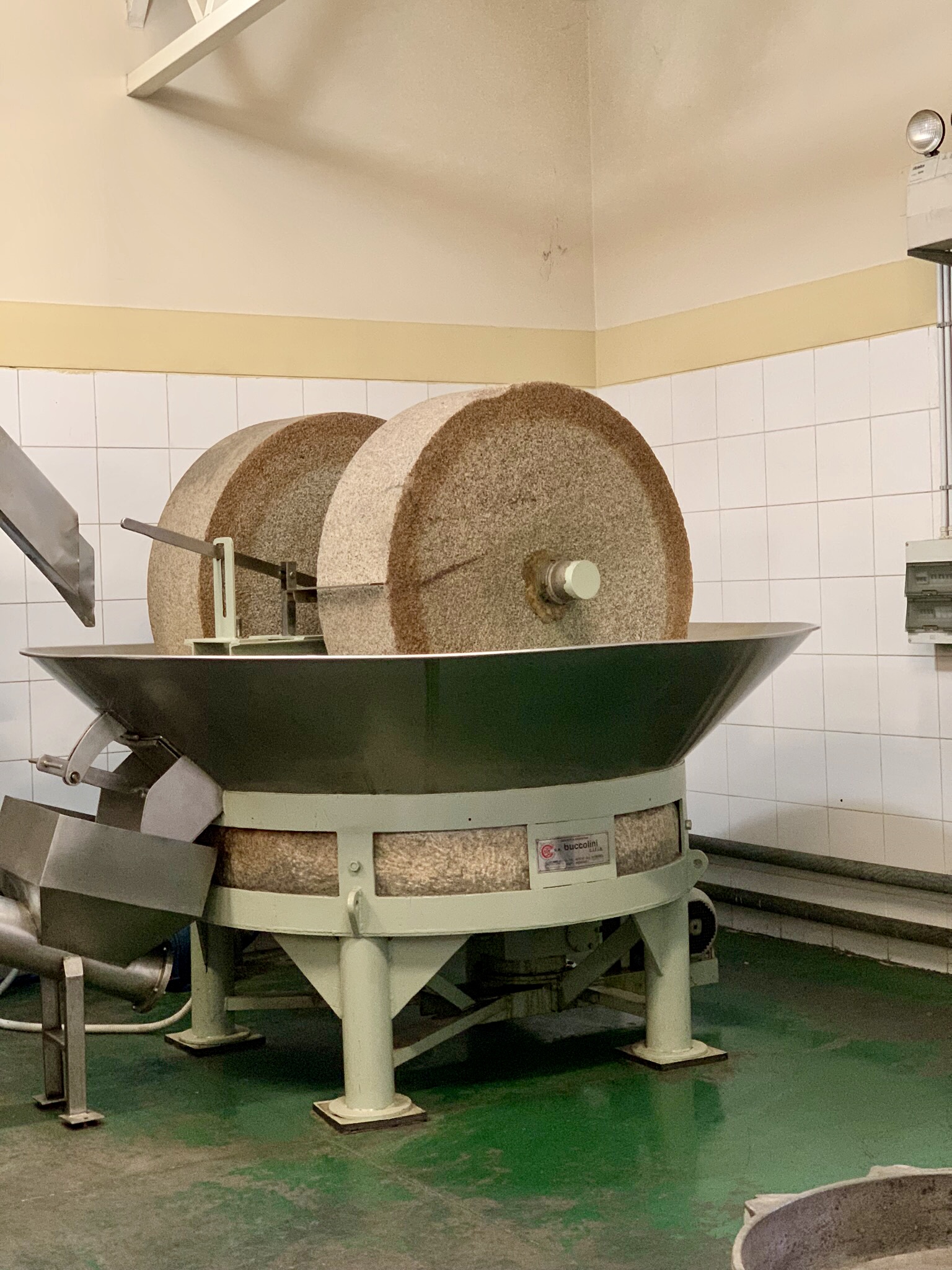
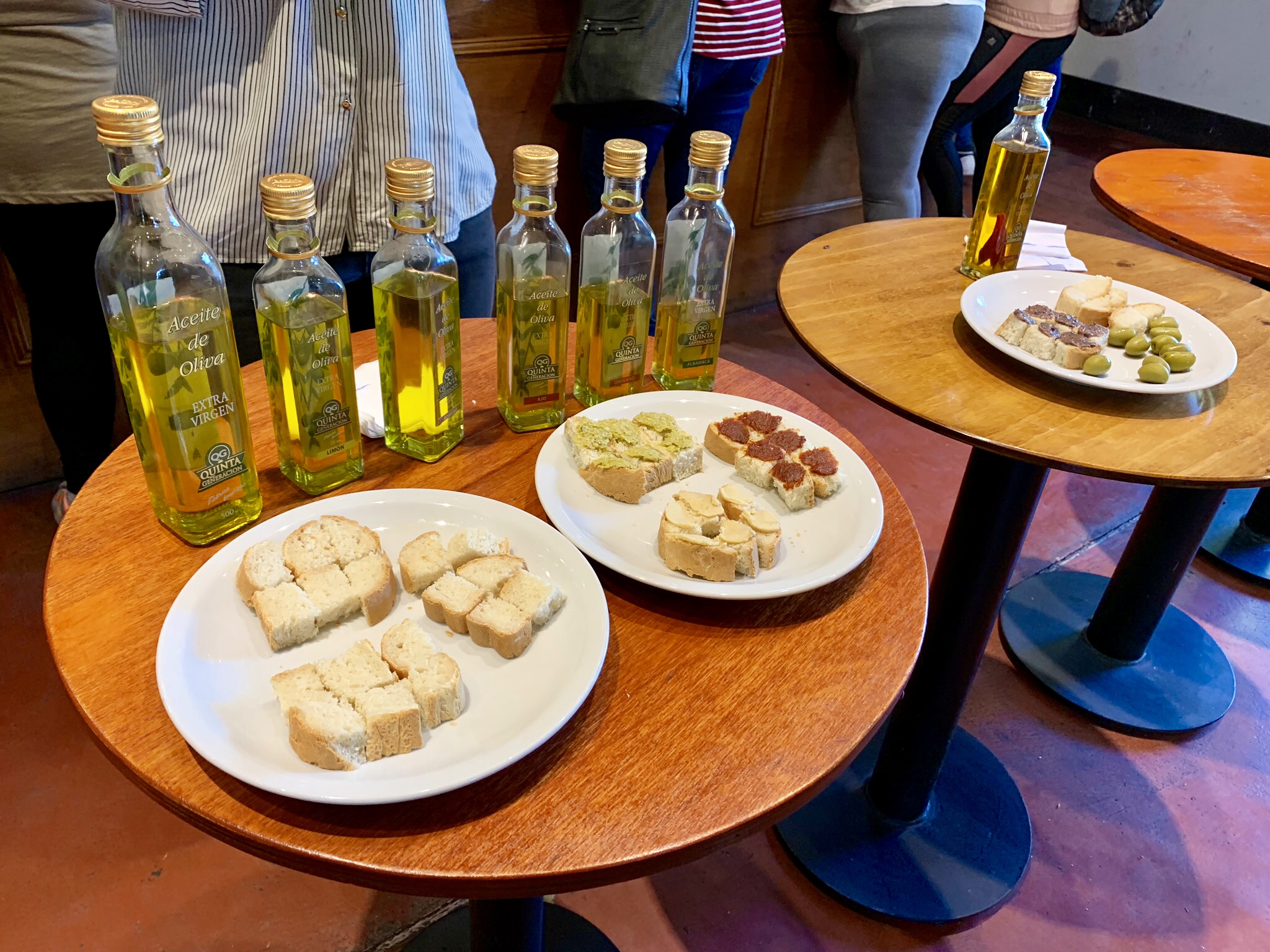
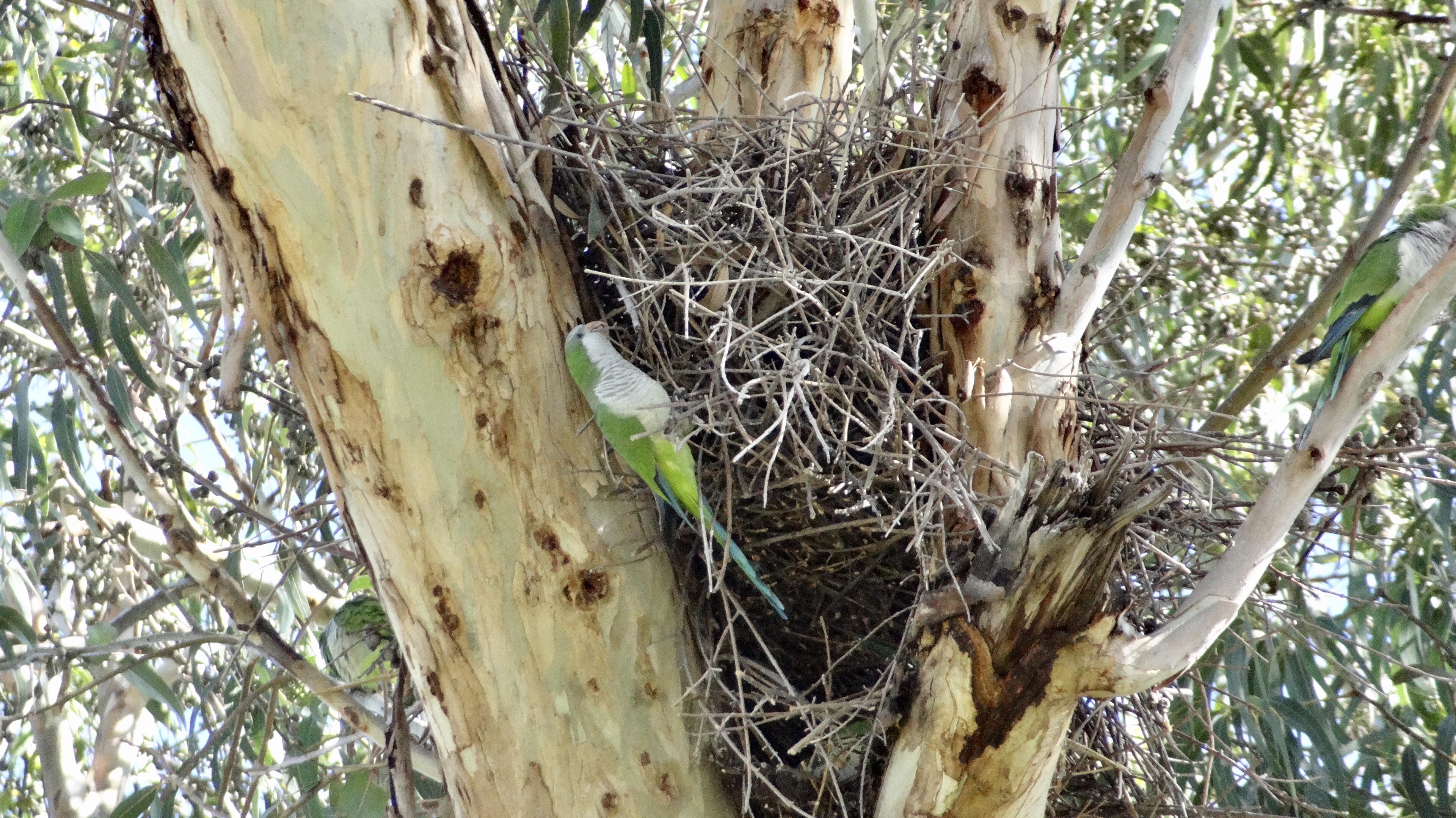
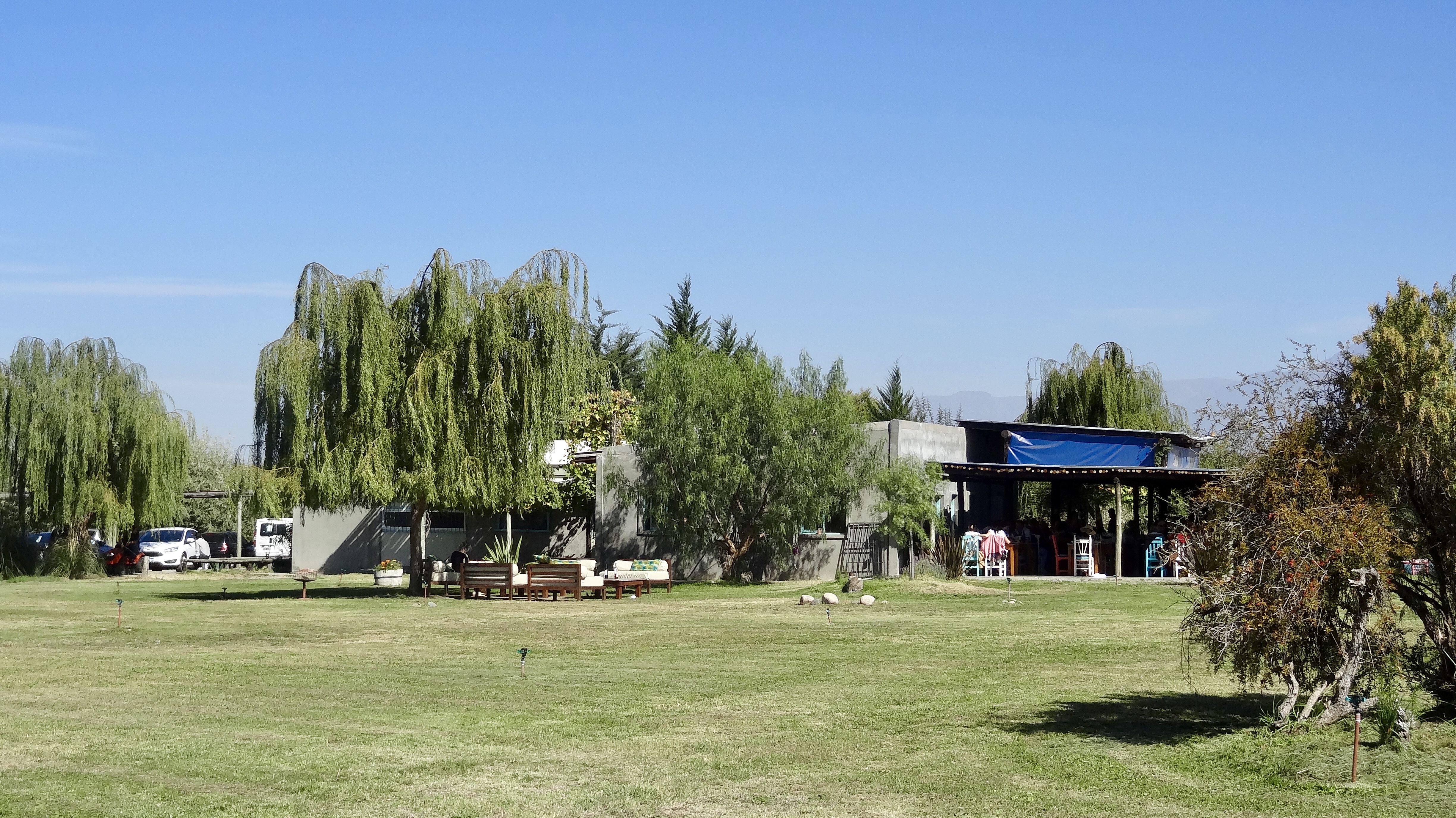
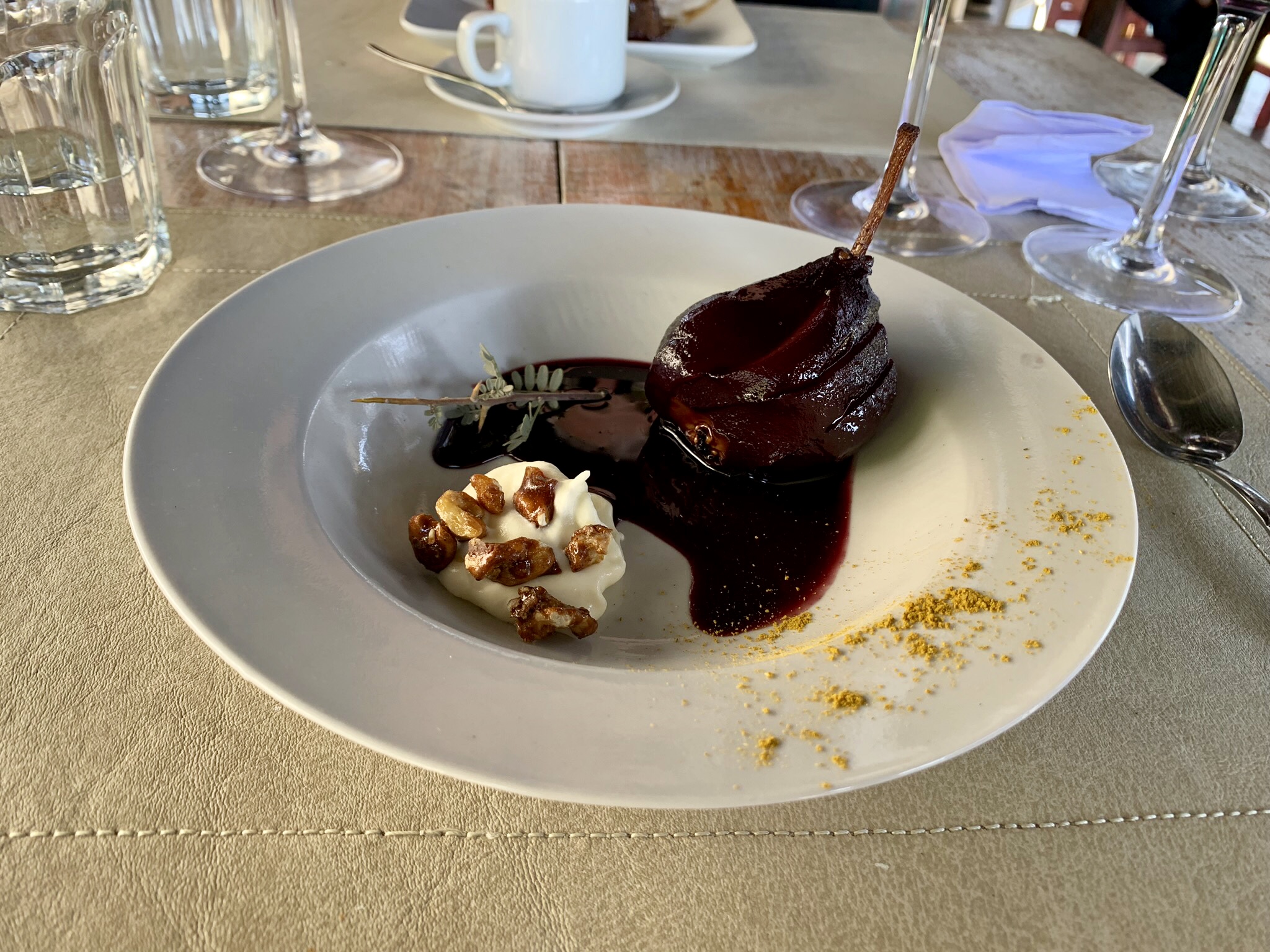
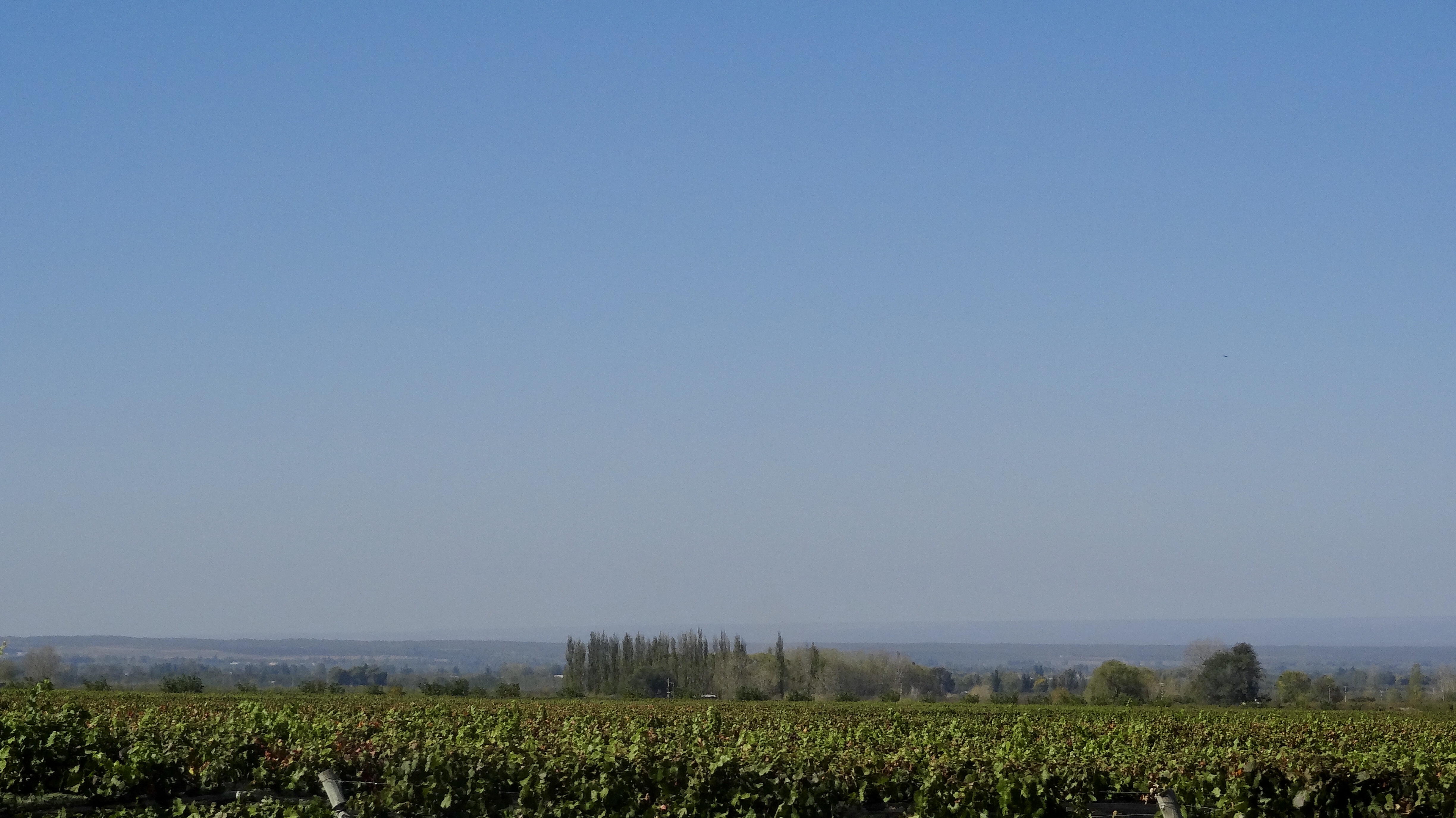
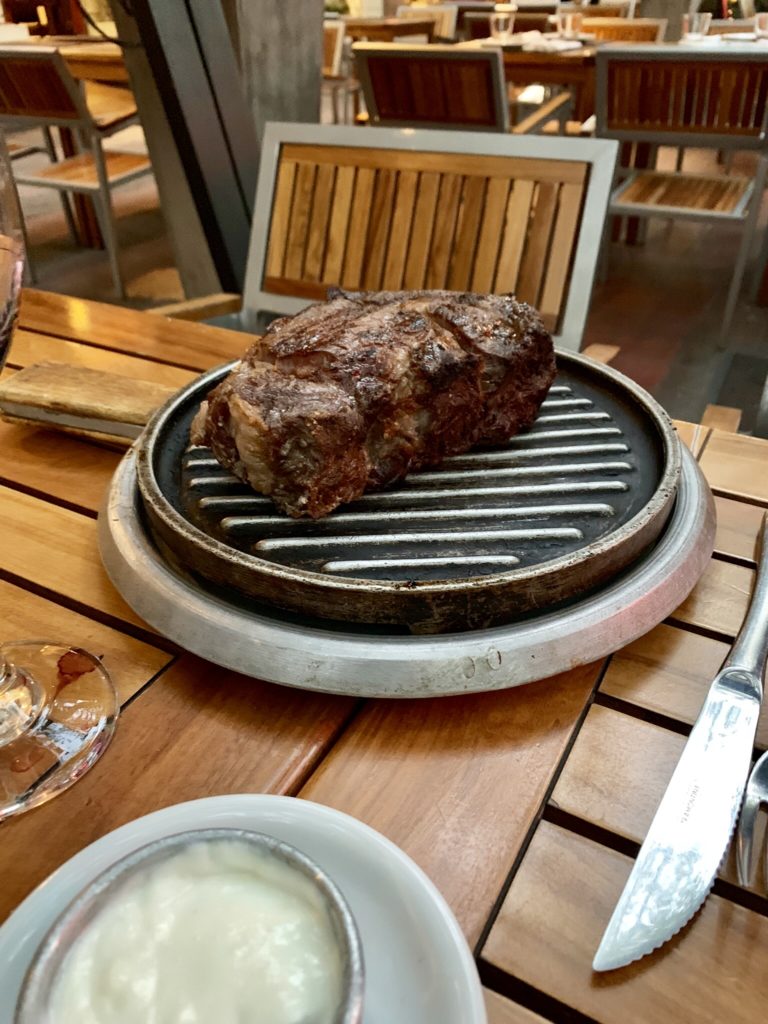
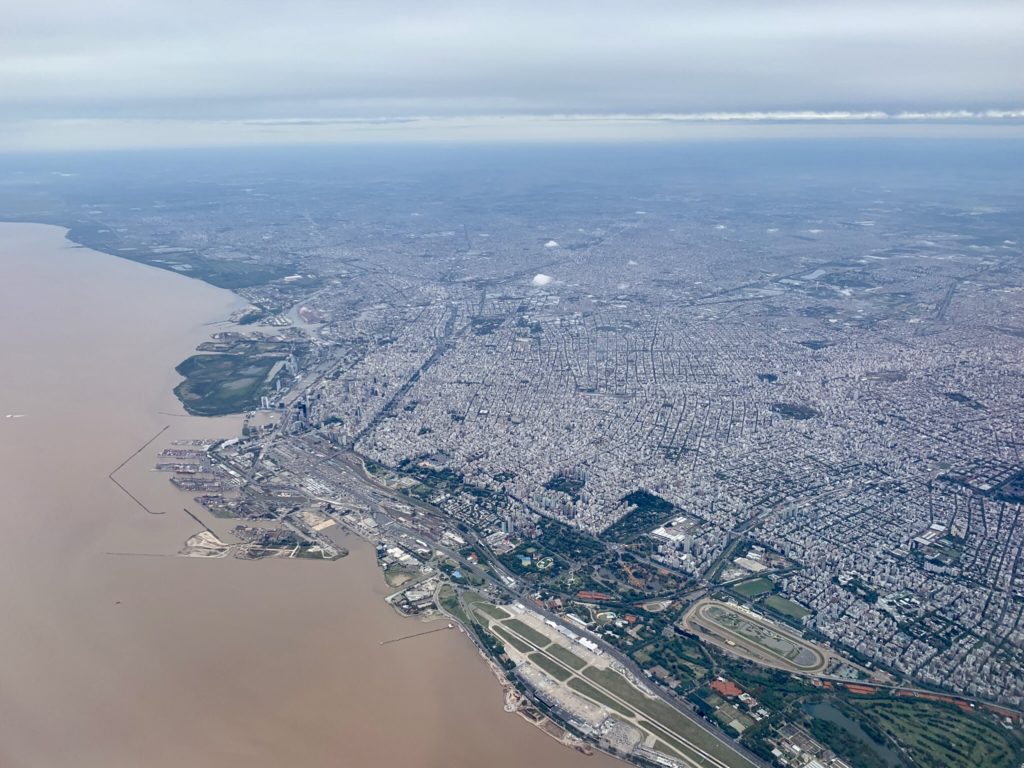
Between the plazas are streets and avenues lined with stores and restaurants, including the large roofed market Rincon de Comidas dating to 1883. On one of the days, we hired a driver-guide and drove through Mendoza’s three main wine regions: Maipu Valley, Lujan de Cuyo, and Uco Valley. We stopped for a tasting at a boutique winery in the heart of Lujan de Cuyo. The winery and its vineyard are 100 years old, and greater Mendoza has since surrounded it. It now sits at the end of a semi-urban street. Within its walls, the old estate remains Here only the oldest Malbec vines are grown. The rest of their grapes come from other vineyards owned by the family. Now, wines are made in new stainless vats, while the old plaster lined ones, below, have been opened to become the cellars.We sat by the water and sipped their wines. In the Maipú Valley, we visited an olive oil plant, where olives are crushed and pressed. We joined a couple from New Zealand and a woman from the Mission District in San Francisco and sampled olive oils. Olives seem to follow wine regions everywhere. The EVO here is much better than the South African version, with a richer, nuttier taste.Outside, there was a tree full of nesting monk parakeets, a type of true parrot that we see quite a lot of here. The Uco Valley is another of the agricultural “oases” made possible by the rivers that flow from the Andes, used to irrigate otherwise arid land. It is where the newest vineyards are, and we saw many either being planted or growing toward their first harvest.We stopped at a roadside winery known for its five course pairings of traditional Argentinian food and wine.We are really enjoying the Malbec wines, even when used to poach pears. Looking eastward, away from the Andes, the plains stretch far beyond the reach of irrigation. Between 3,000 and 5,000 feet above sea level, the moisture wrung from the air by the Andes ranges, the uncultivated land is much like the high desert of eastern Oregon. Back in Mendoza town, we enjoy dinner each evening at one of the sidewalk restaurants. Meat is often on the menu. Big meat. Then we were headed back to the coast and Buenes Aires. Though Mendoza is much closer to Chile and the Pacific than it is to BA and the Atlantic, the flight was only about 1 1/2 hours, and it flew out of the domestic airport, which is literally within walking distance of Palermo. Easy.