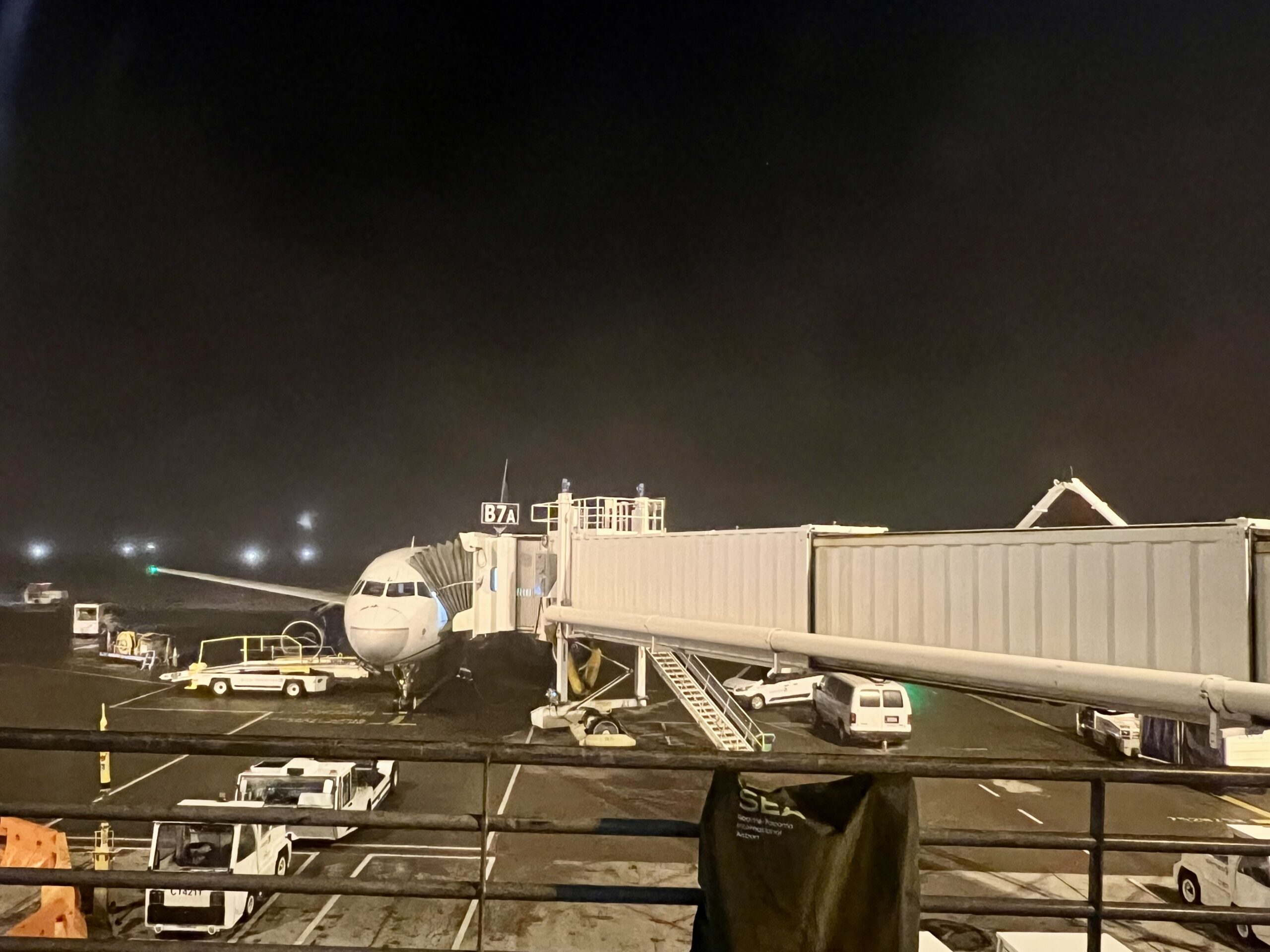
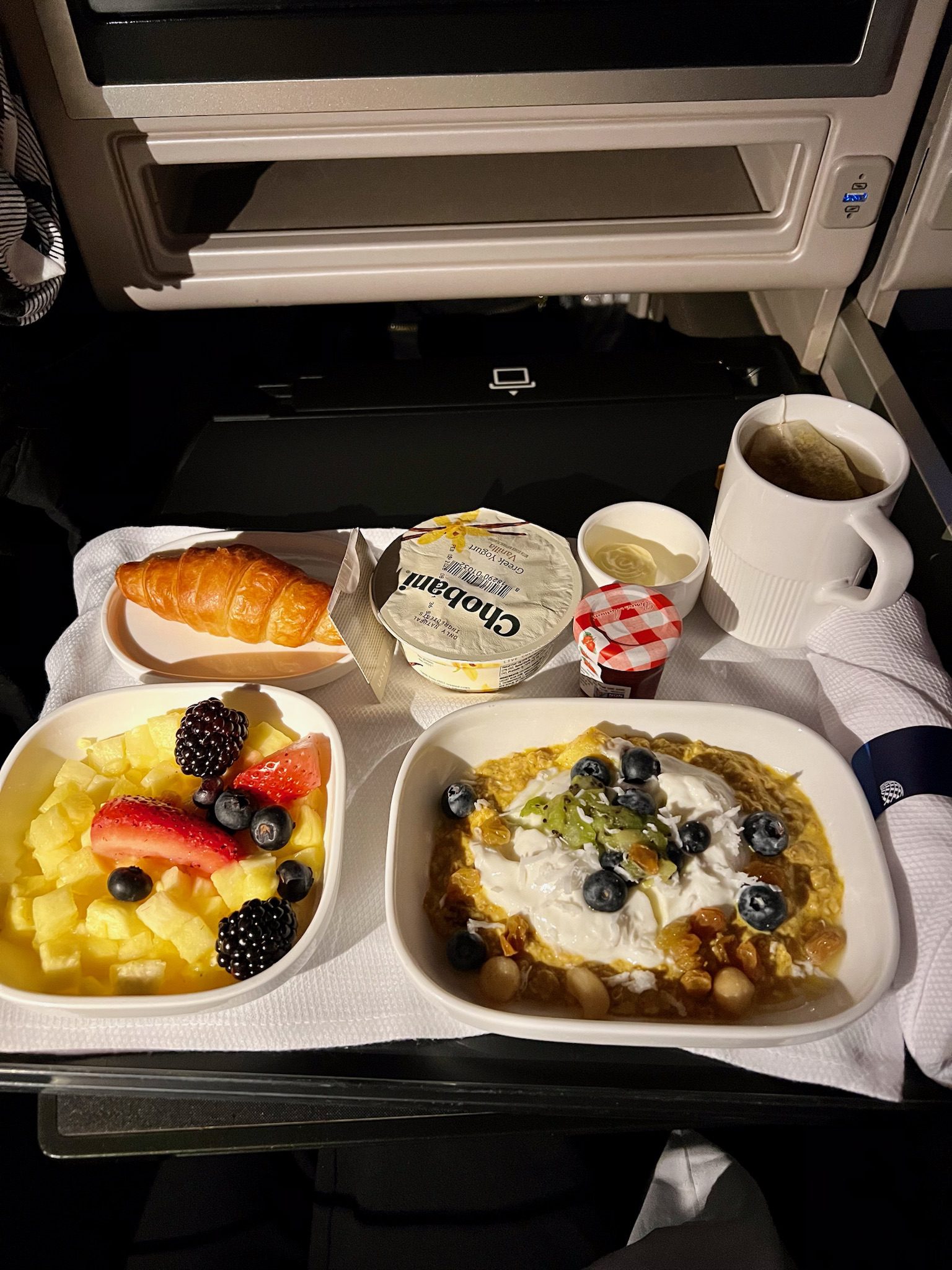
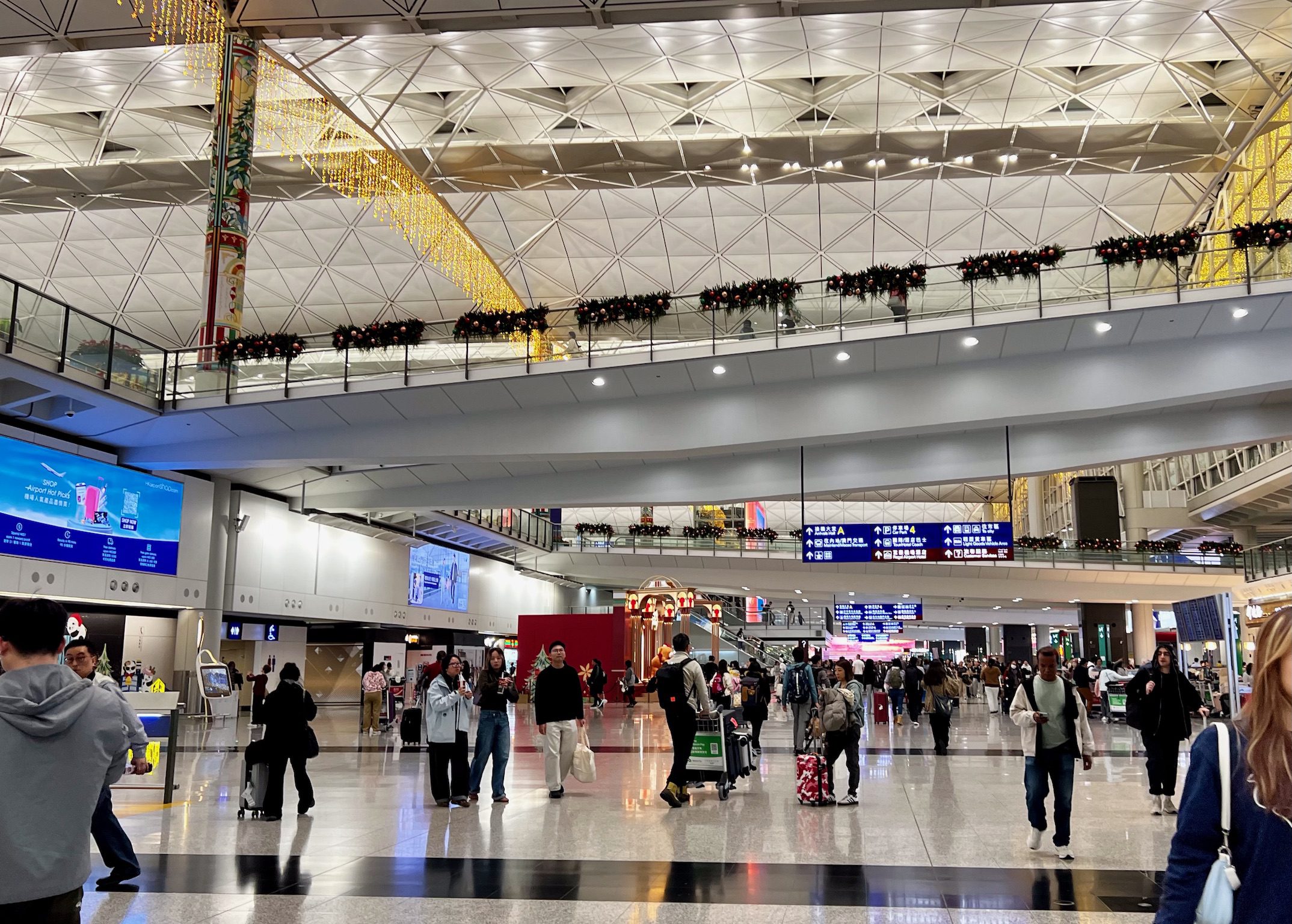
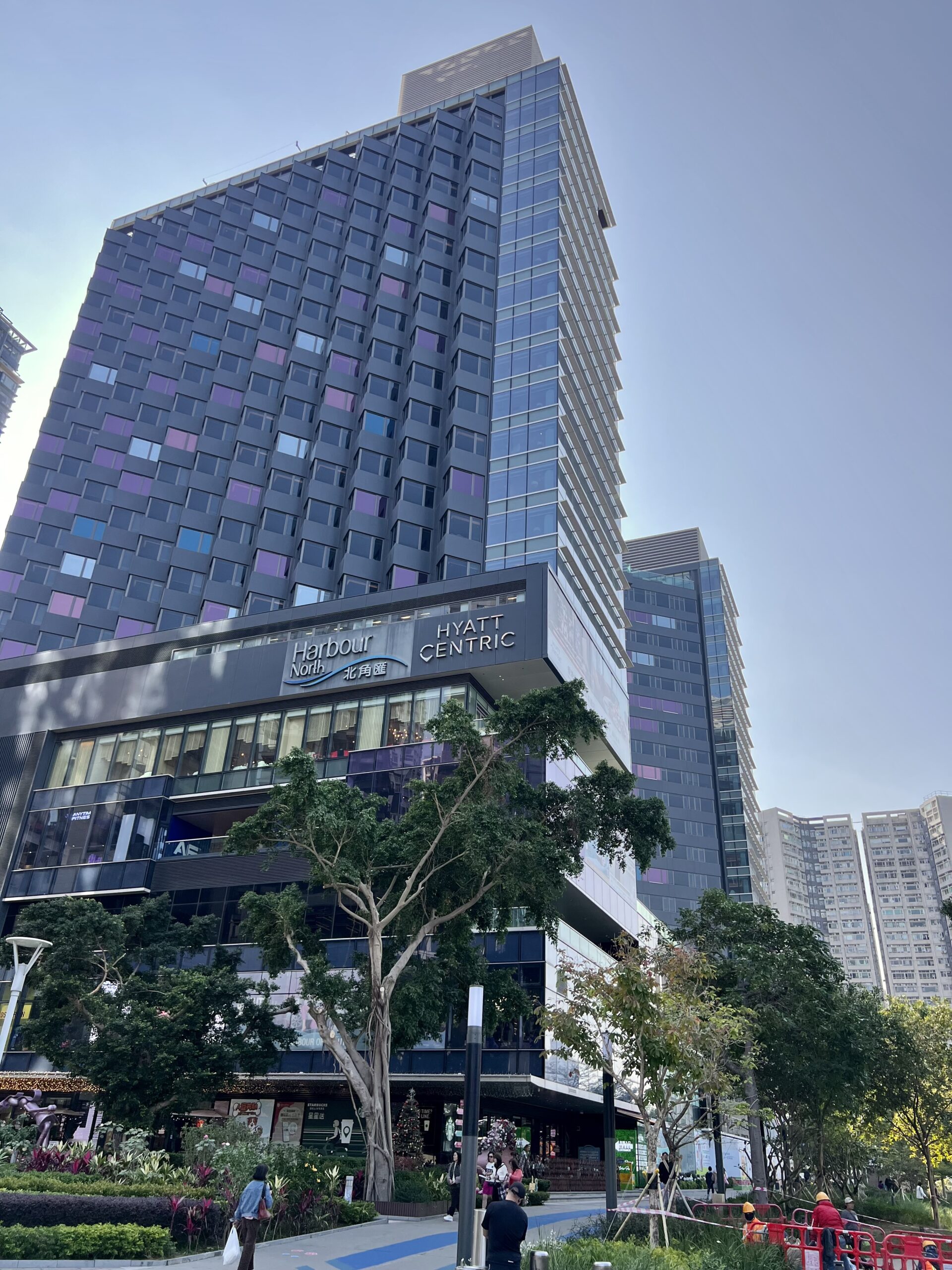
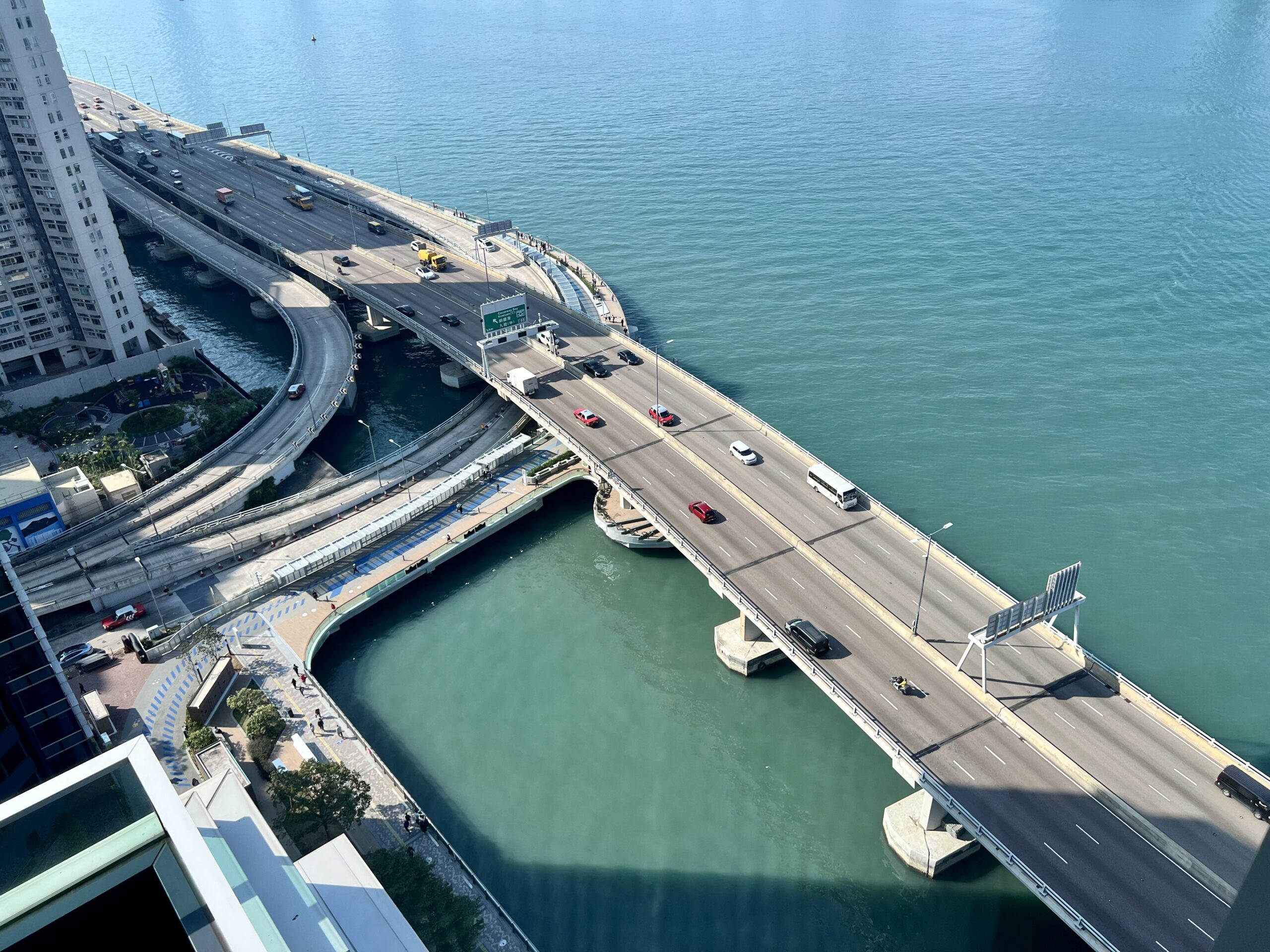
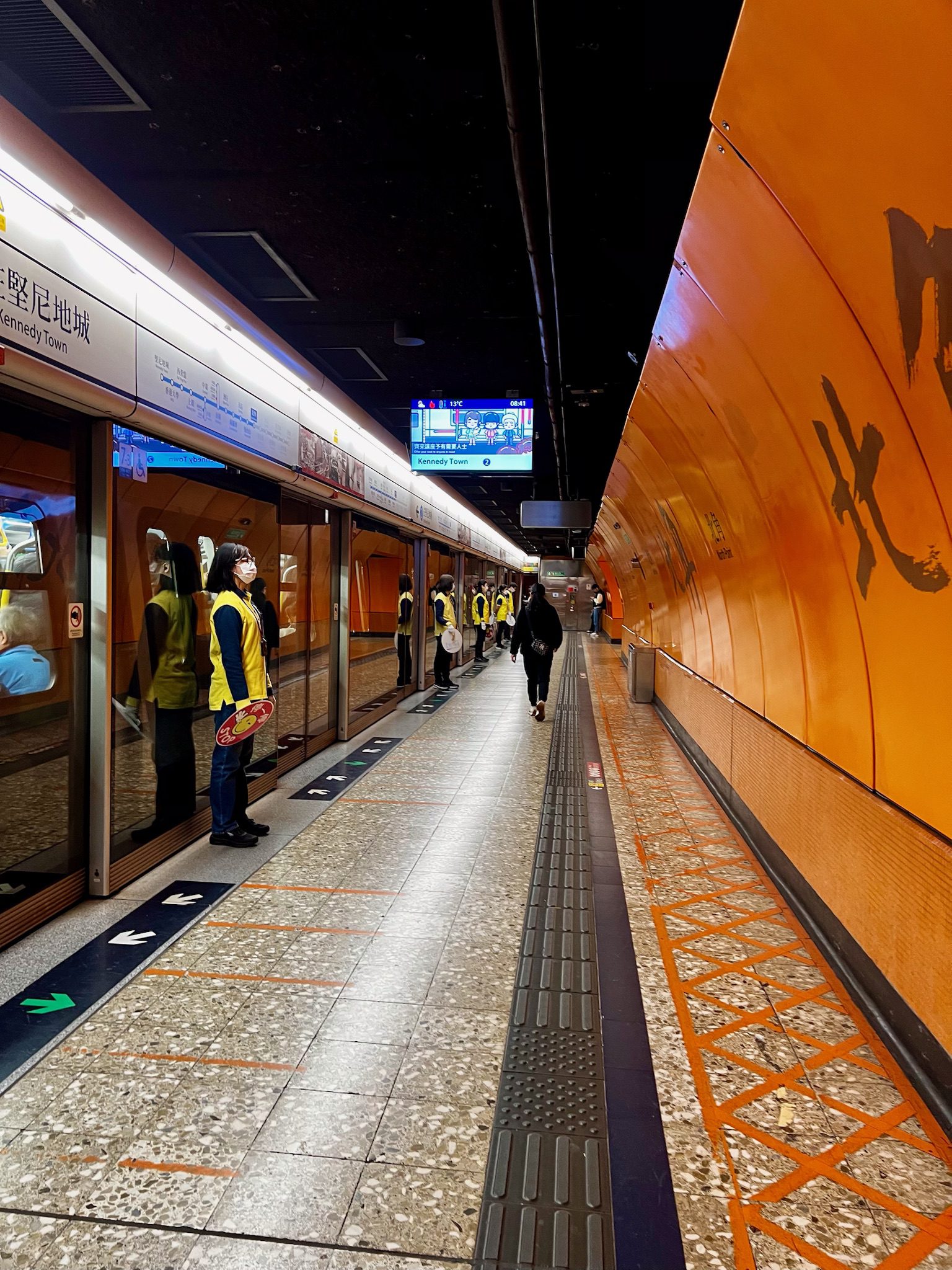
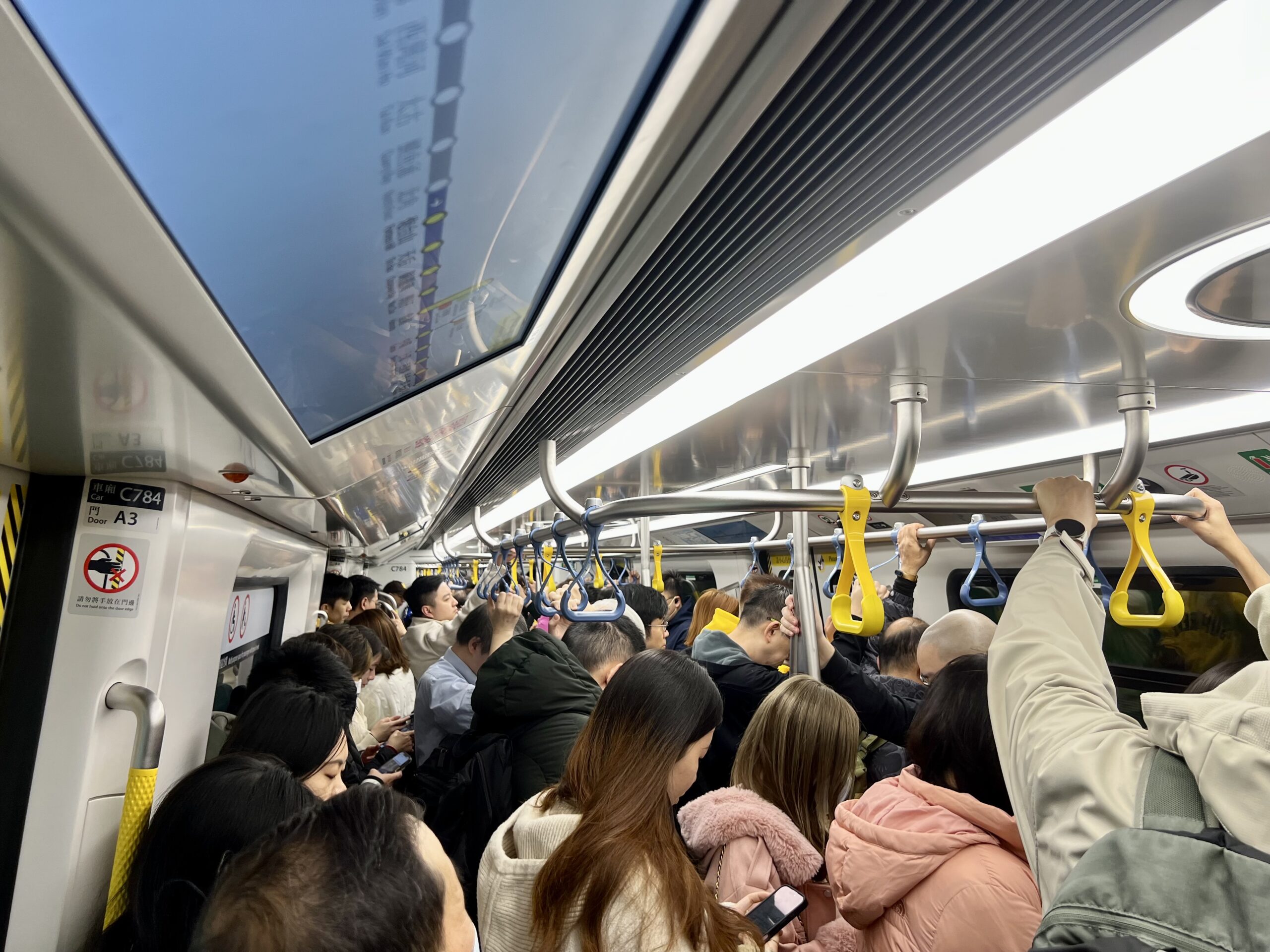
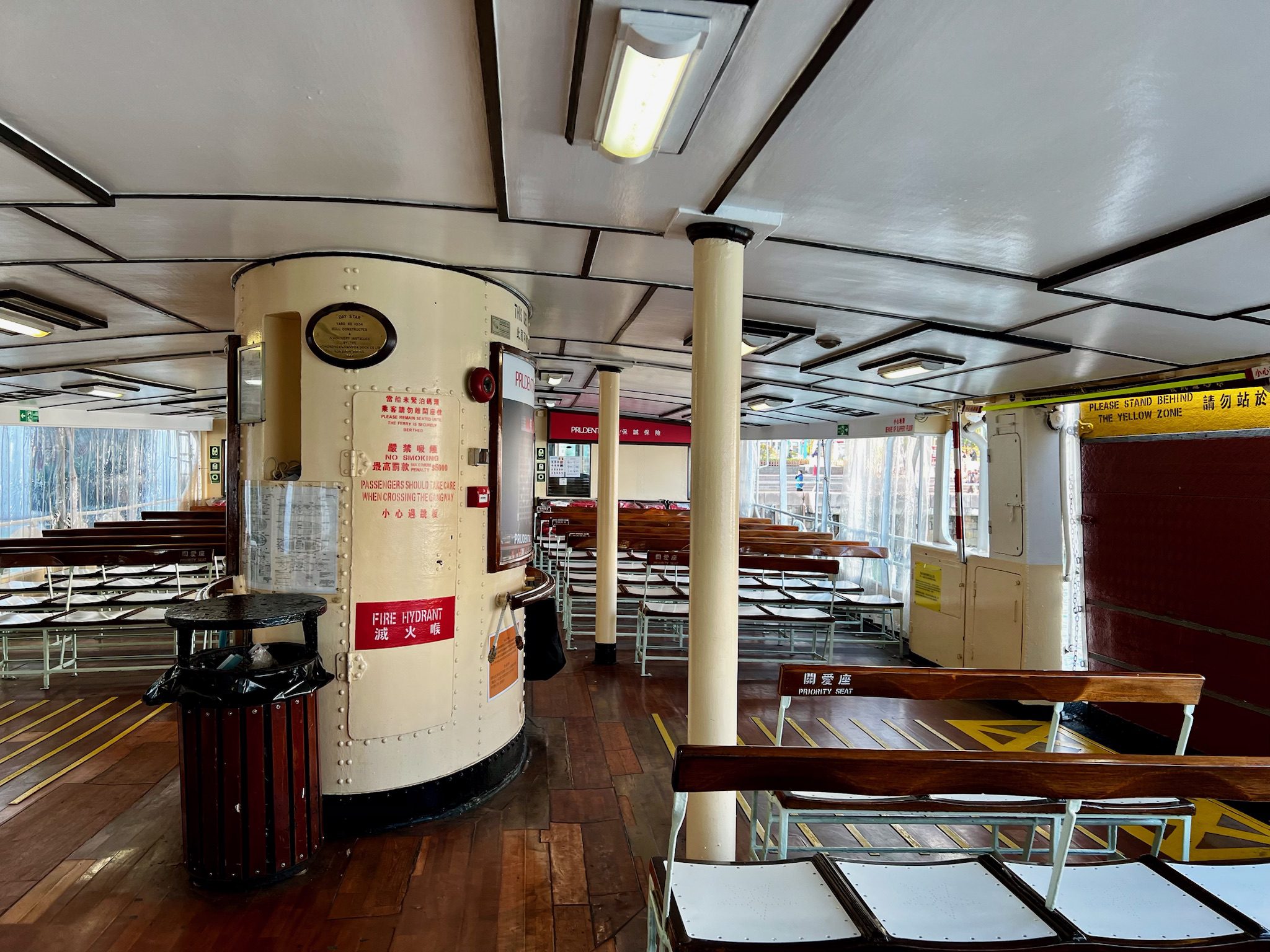
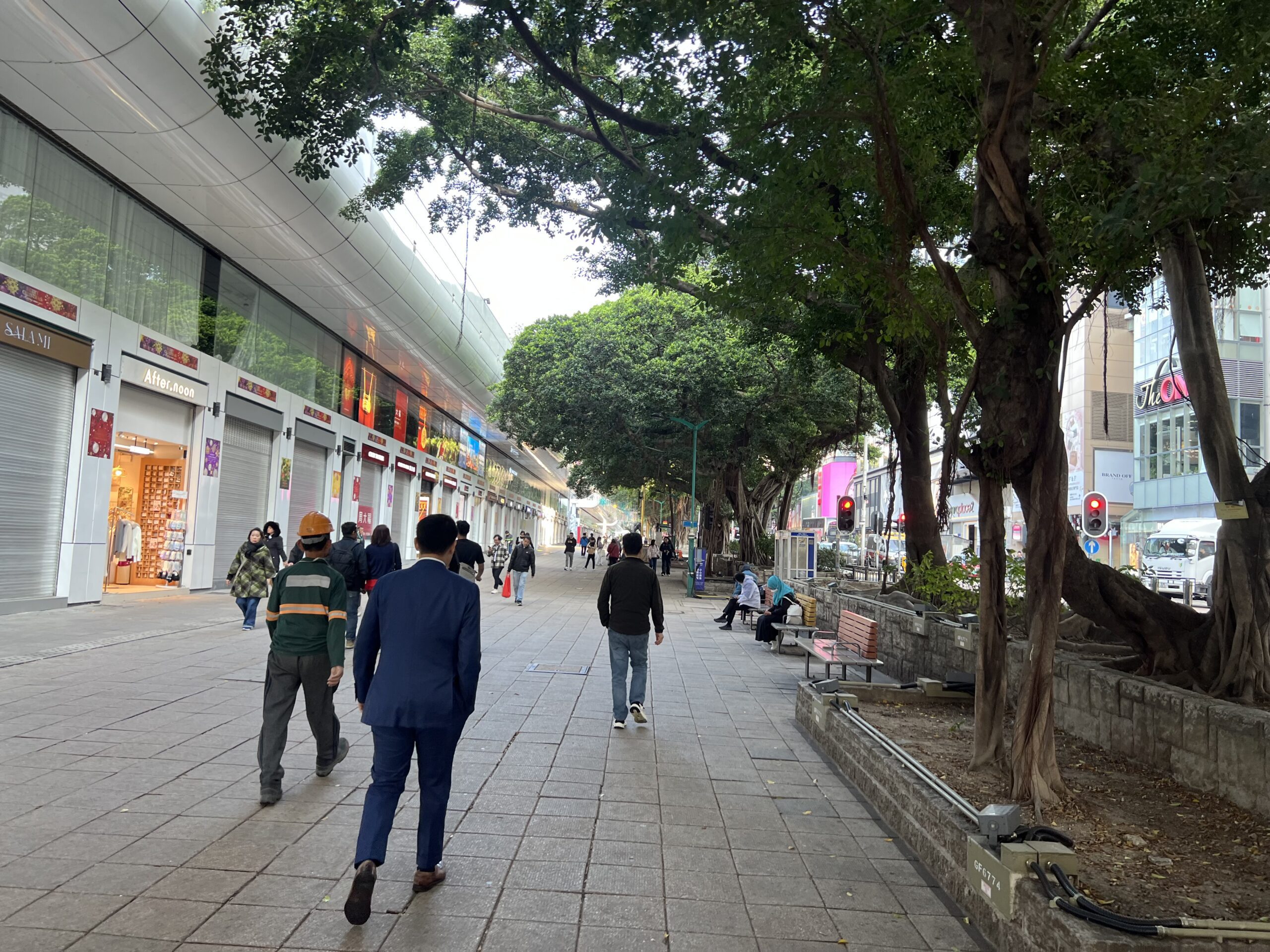
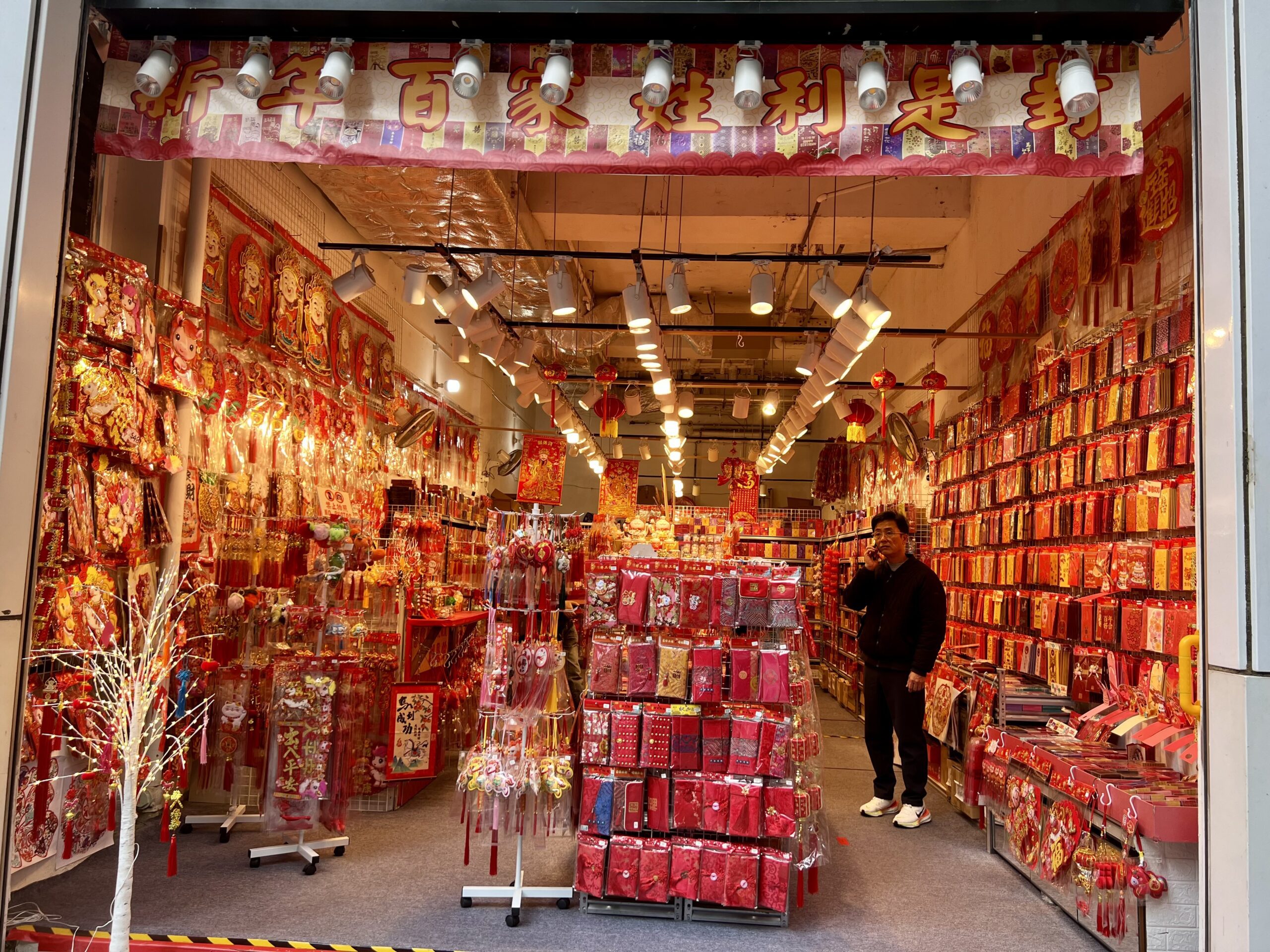
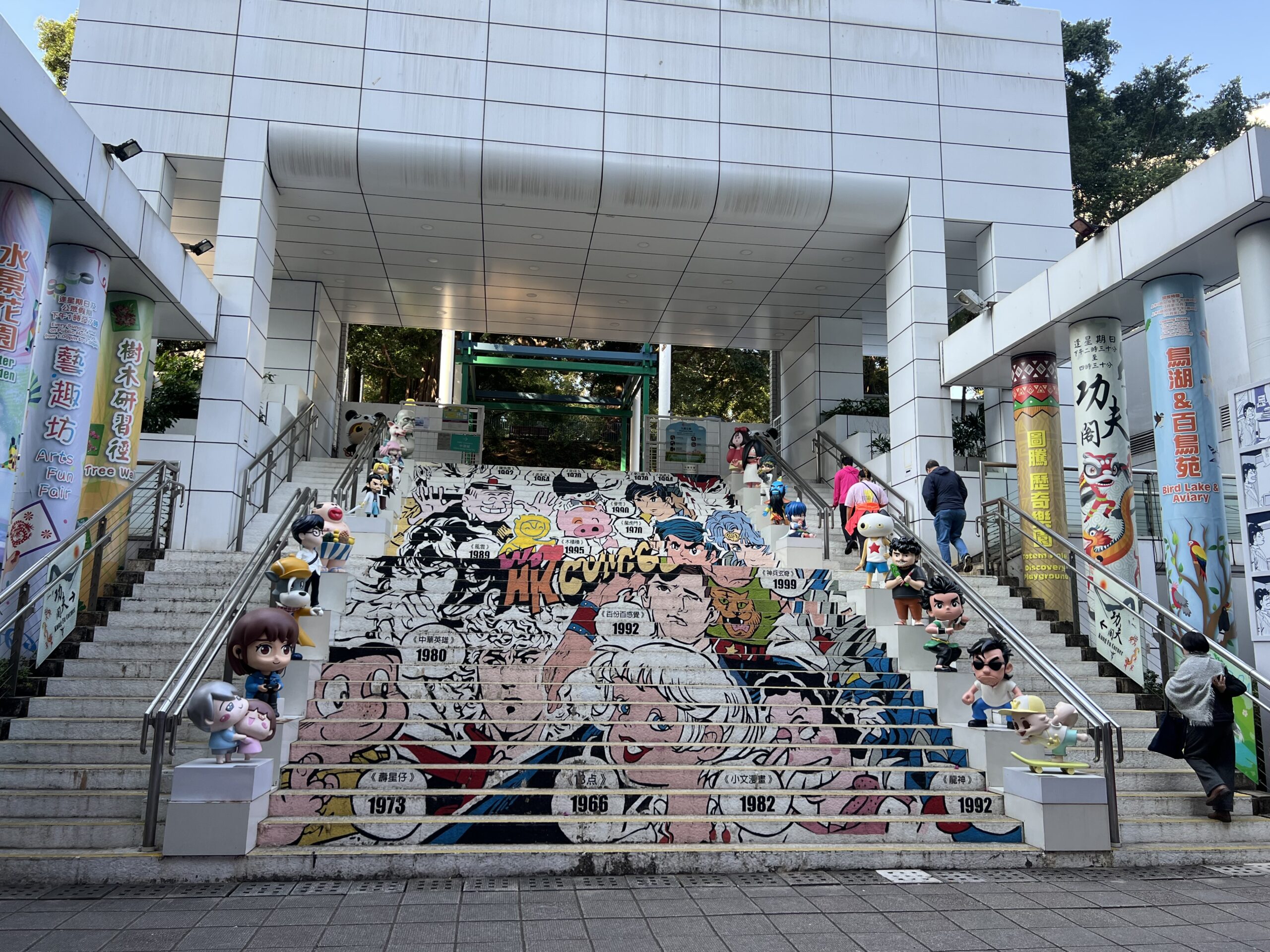
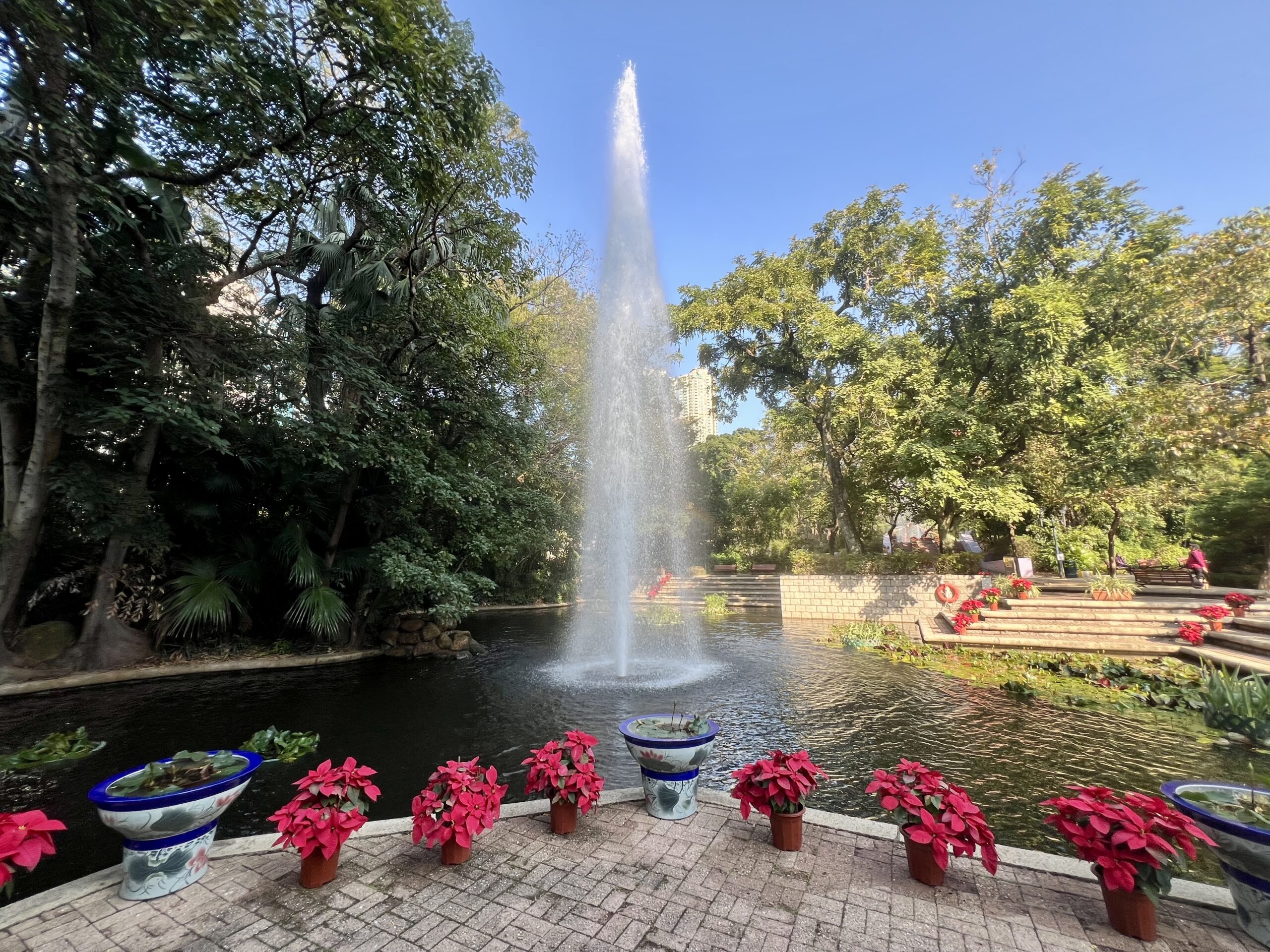
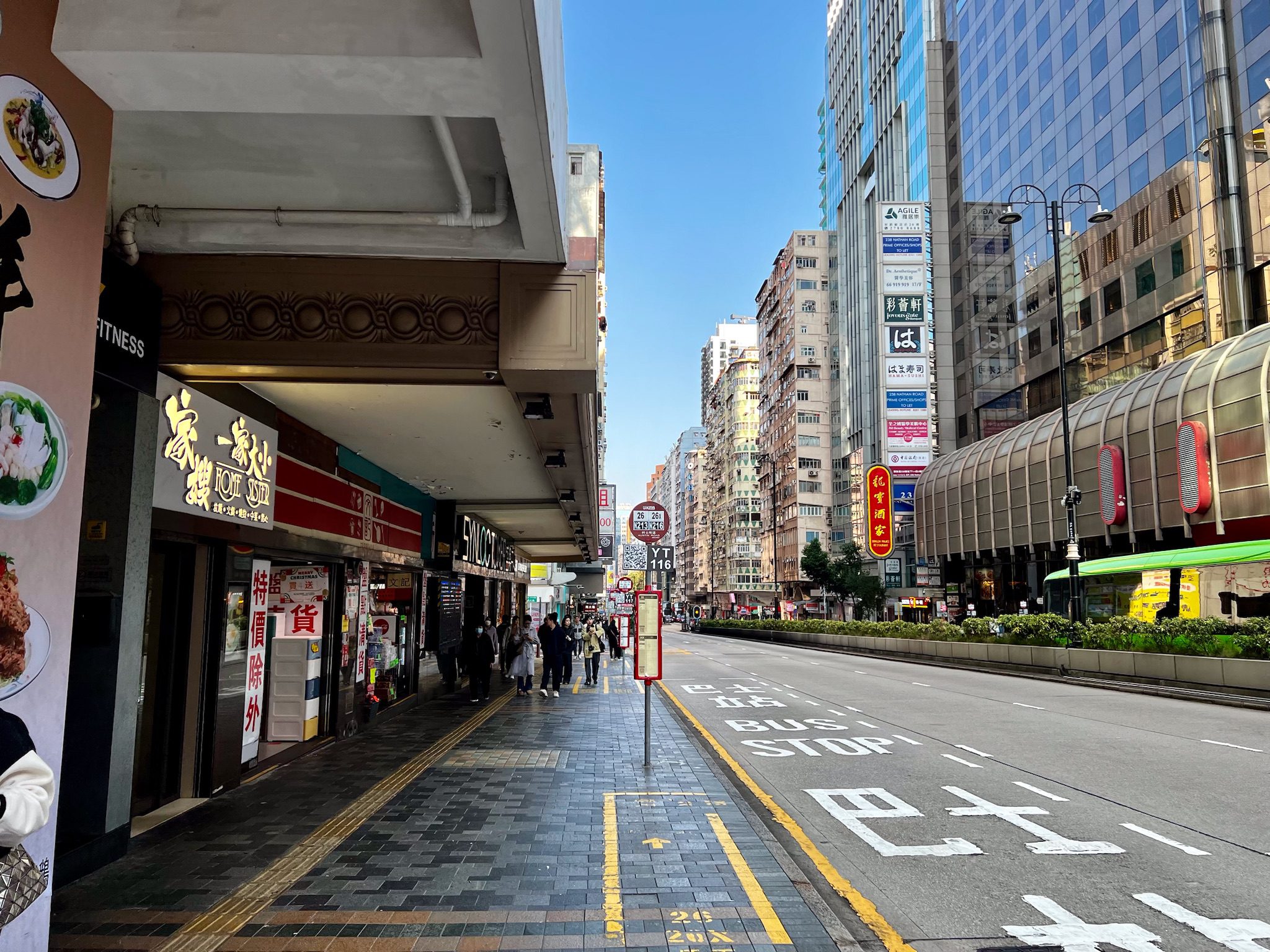
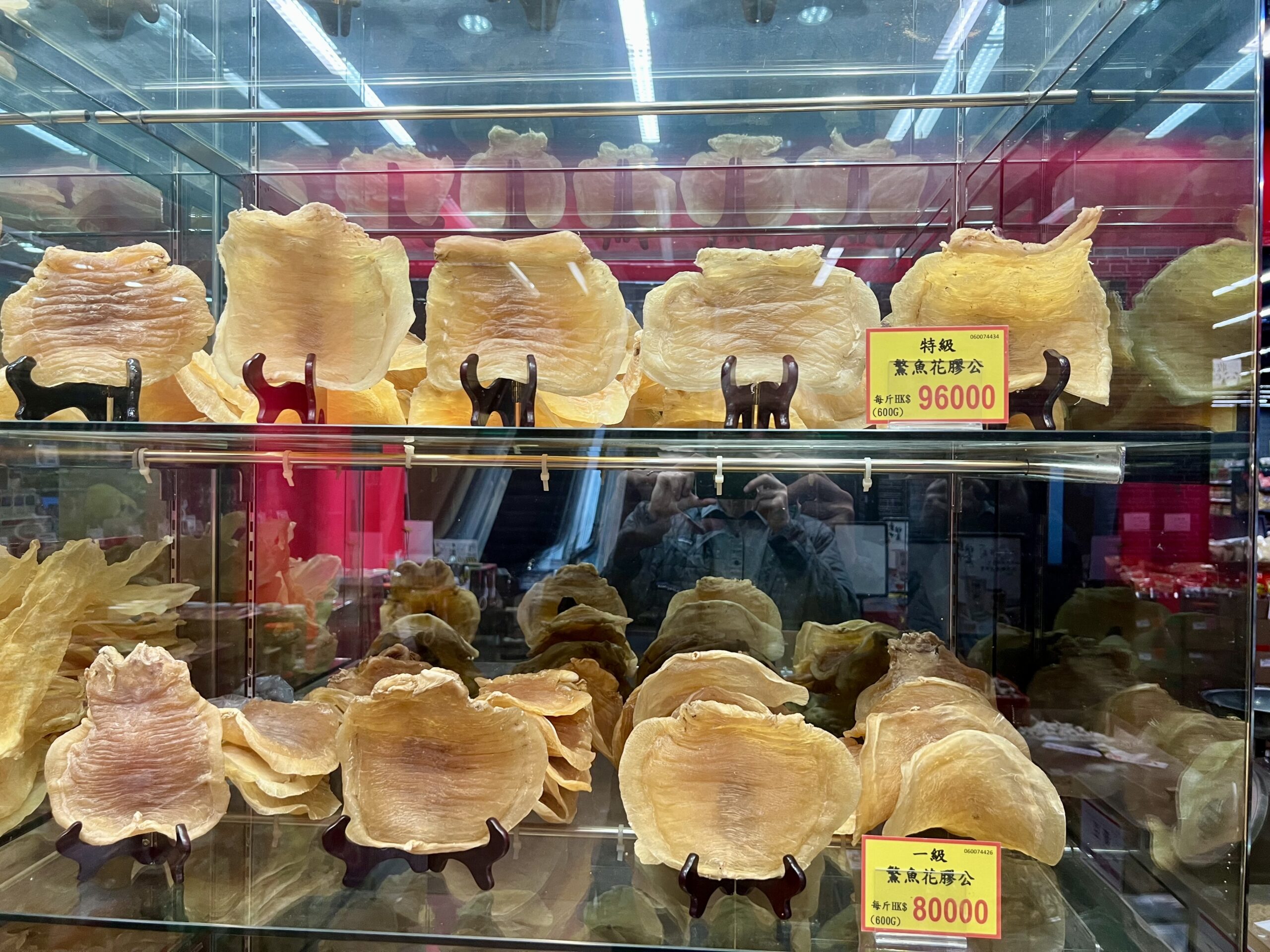
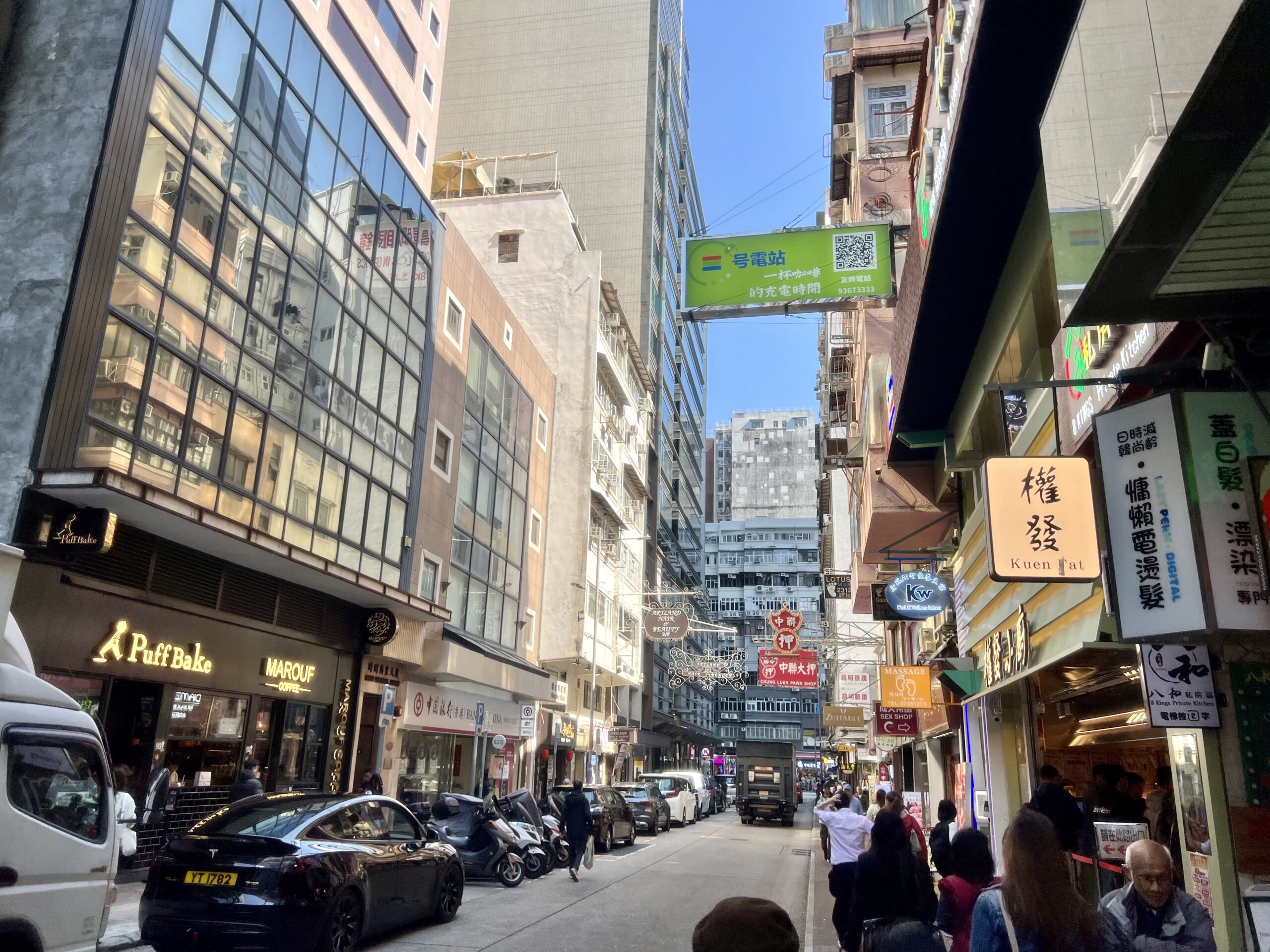
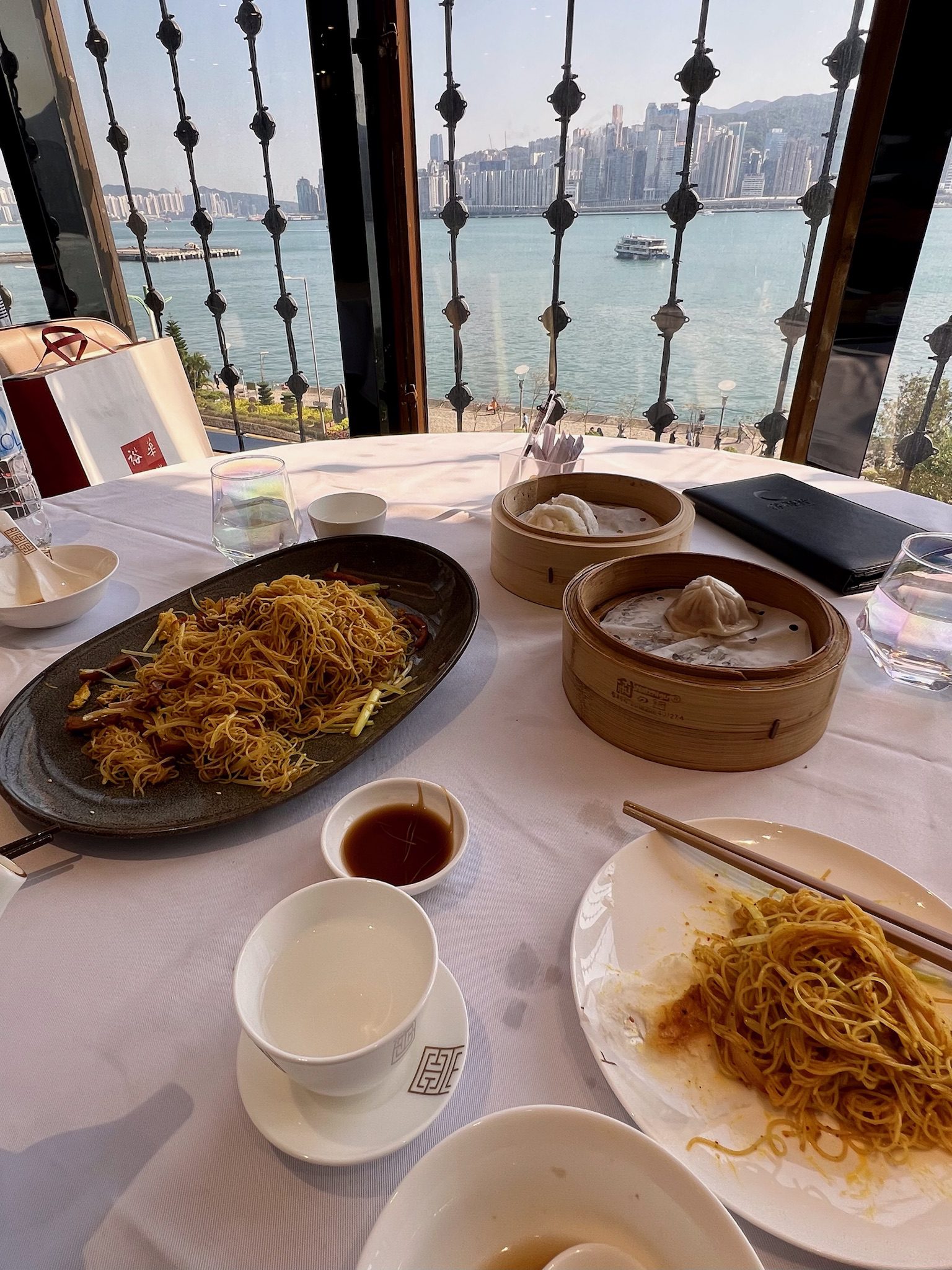
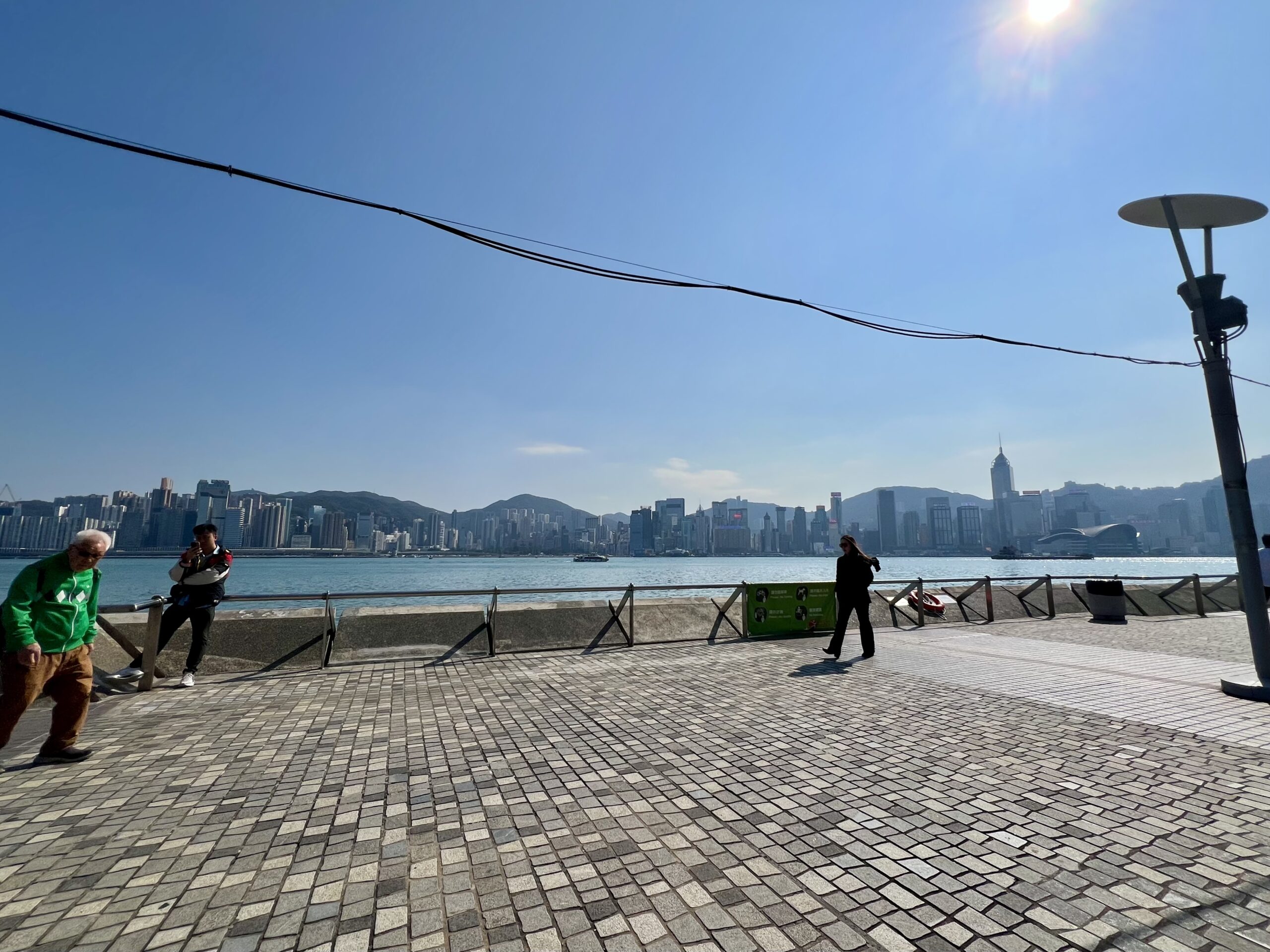
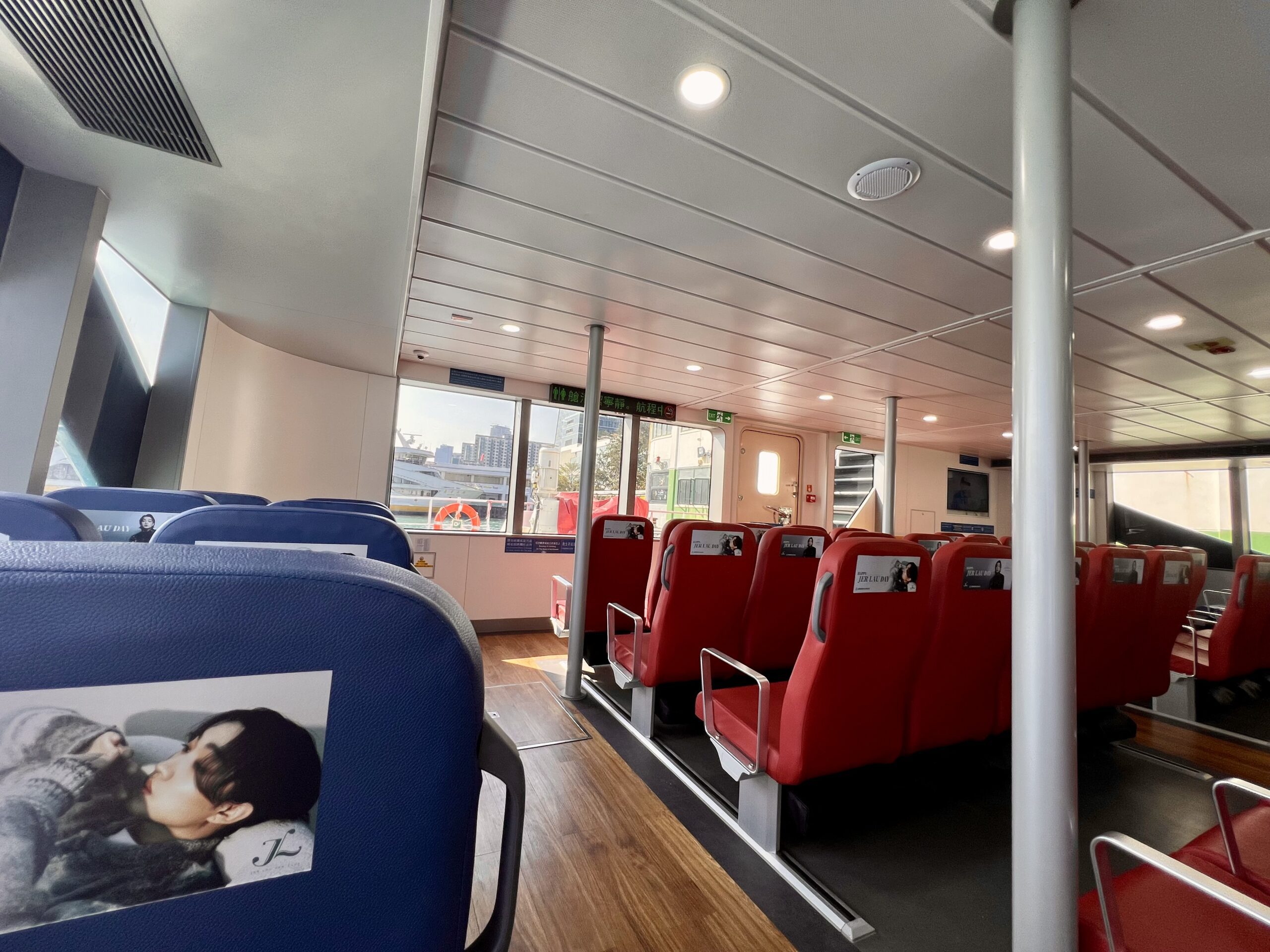
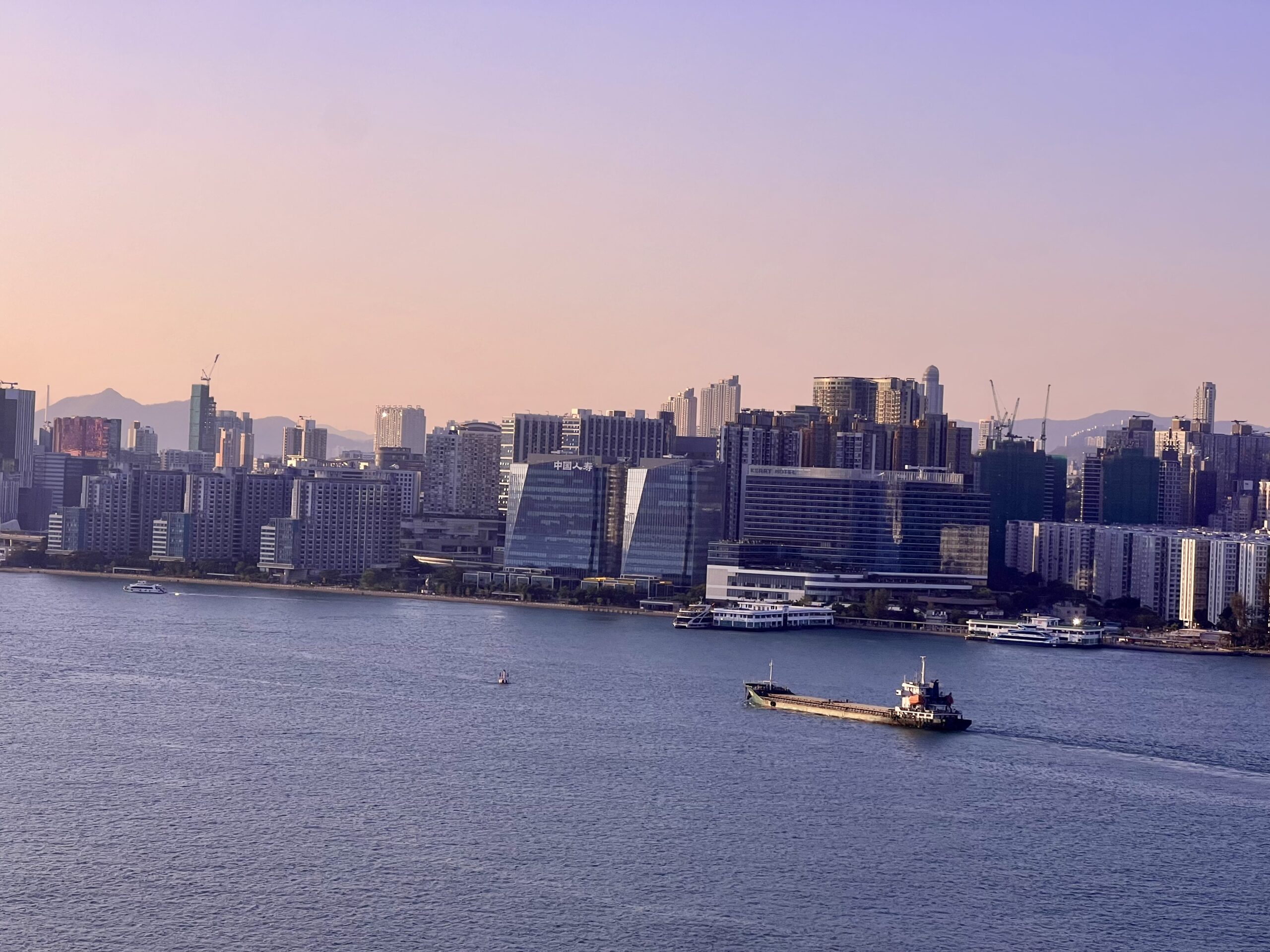
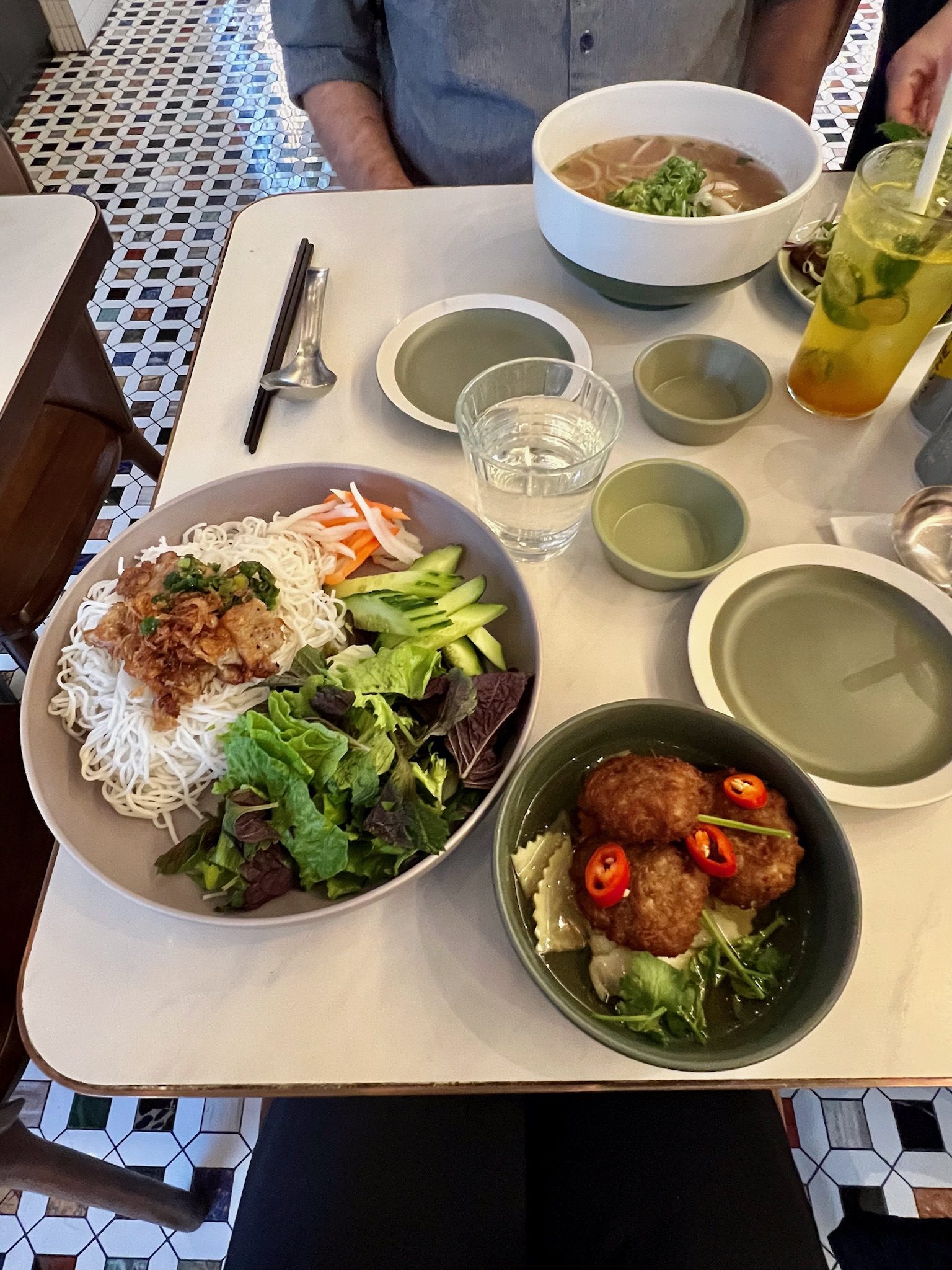
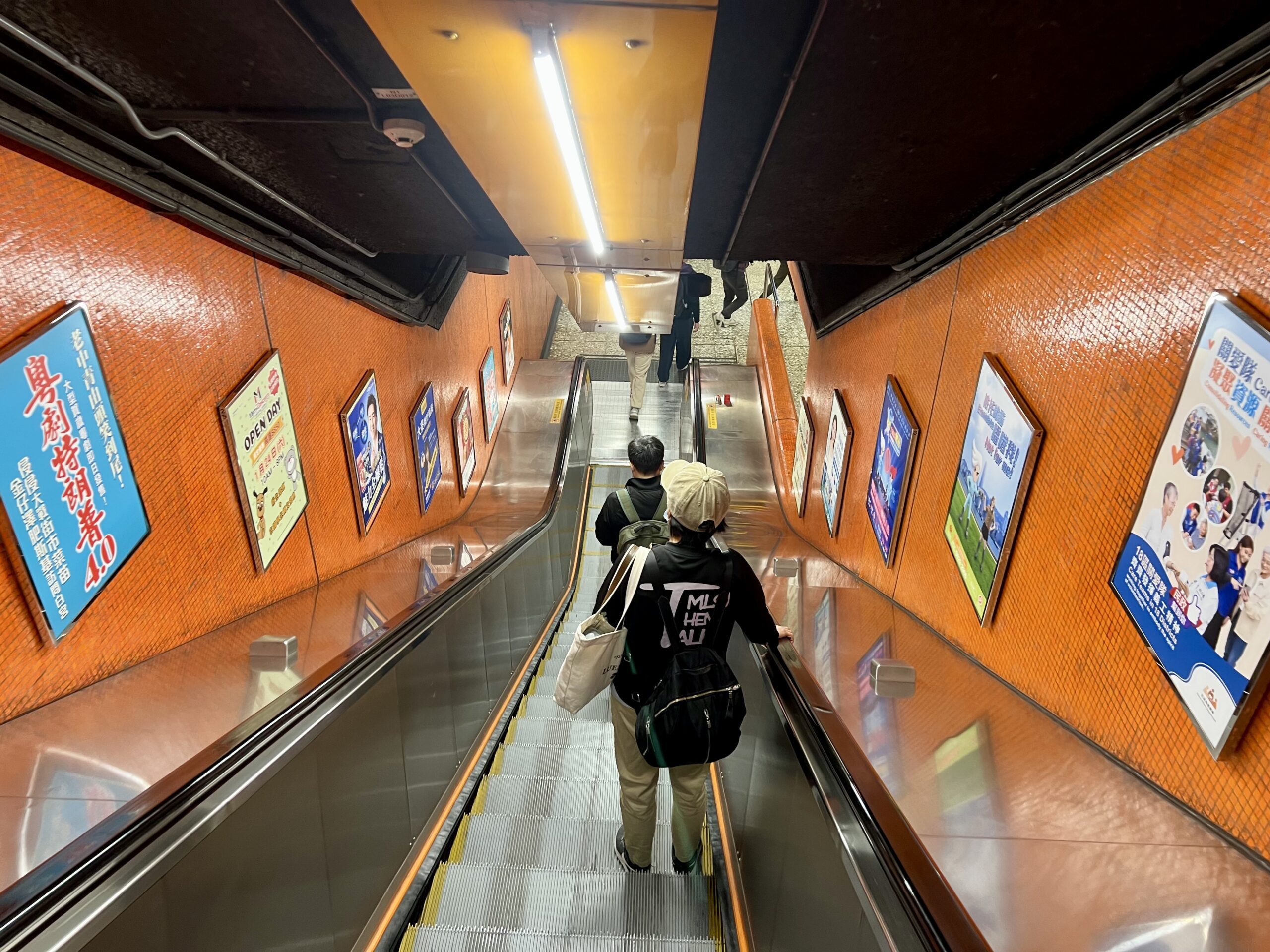
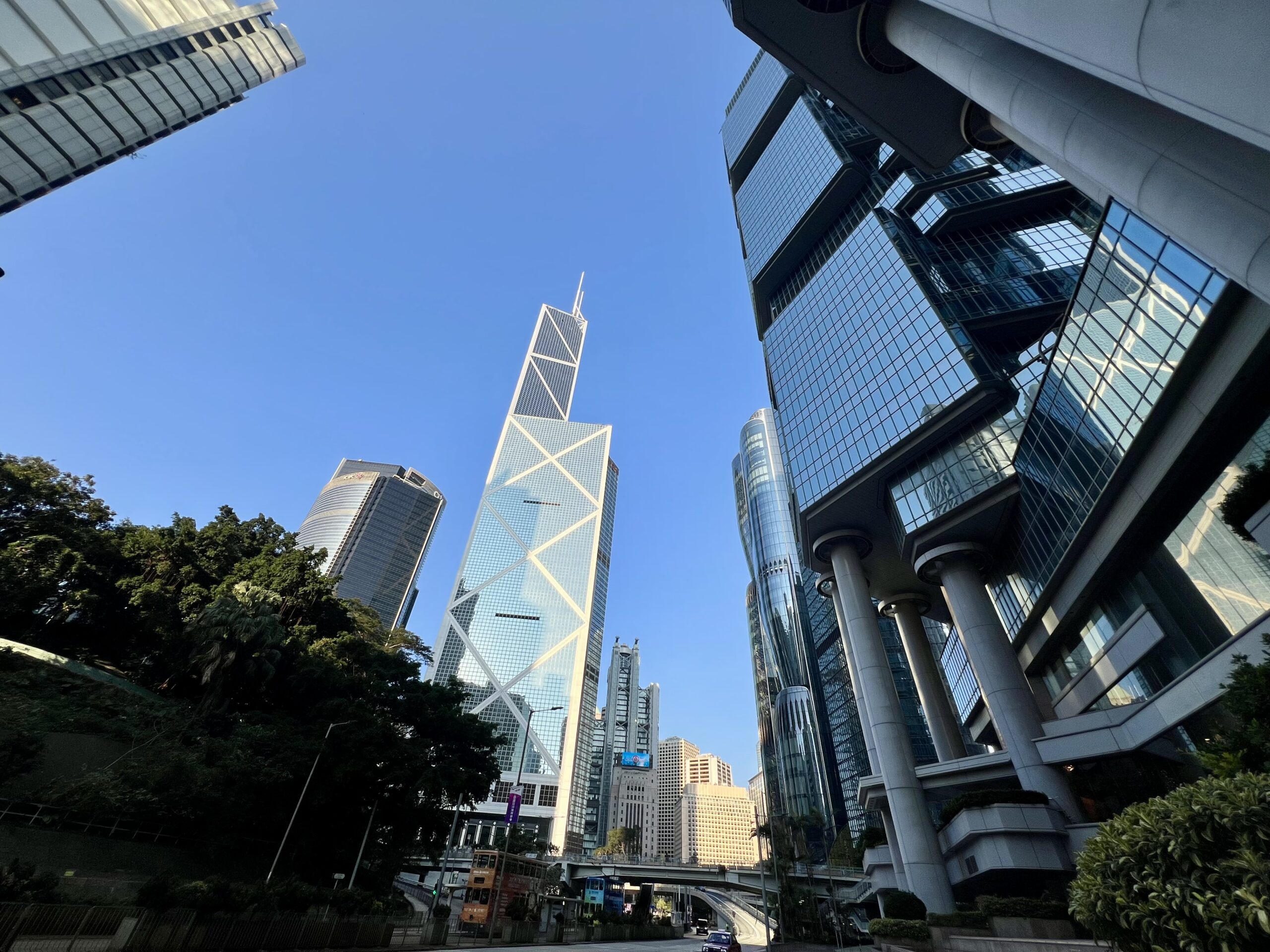
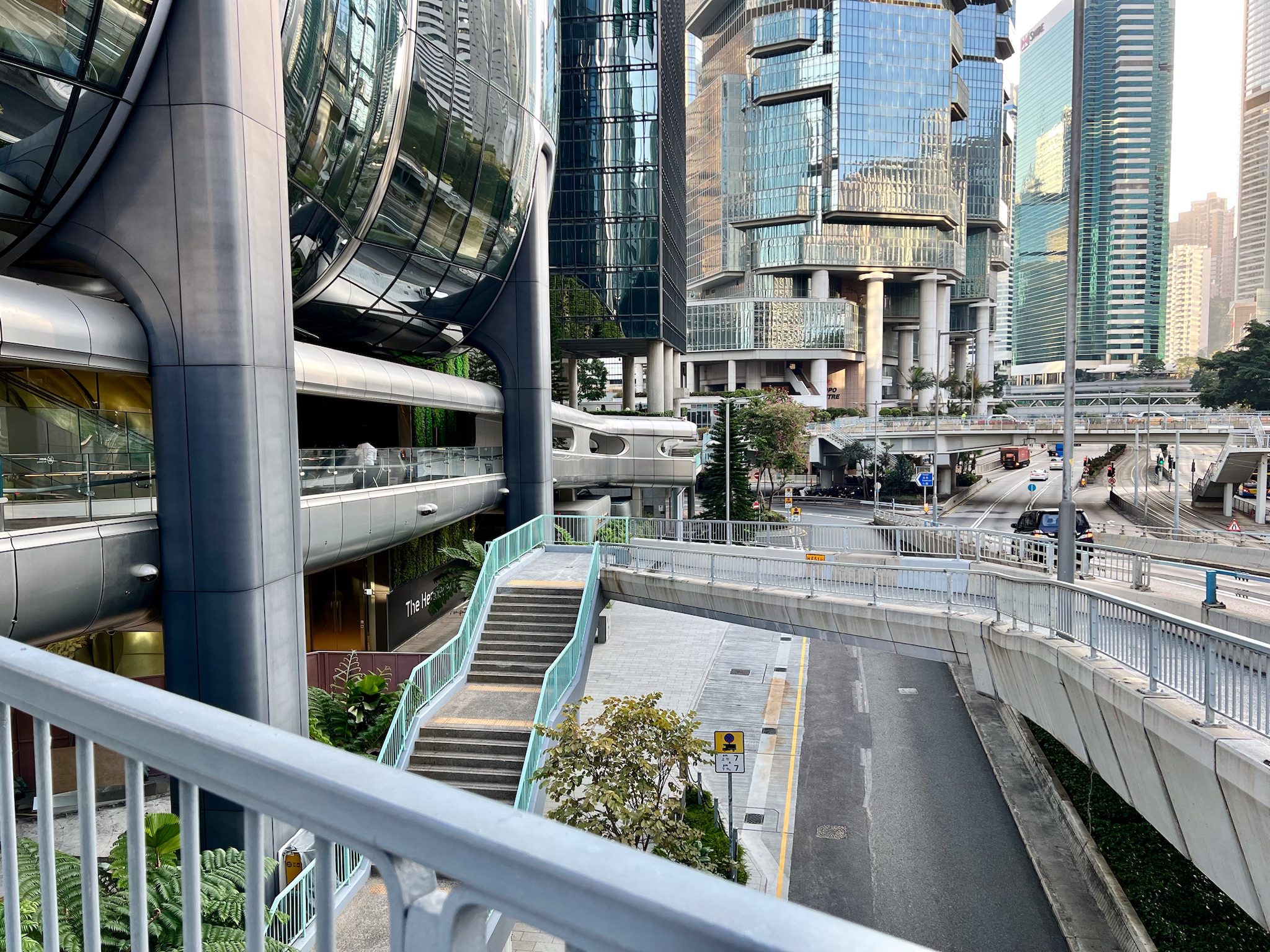
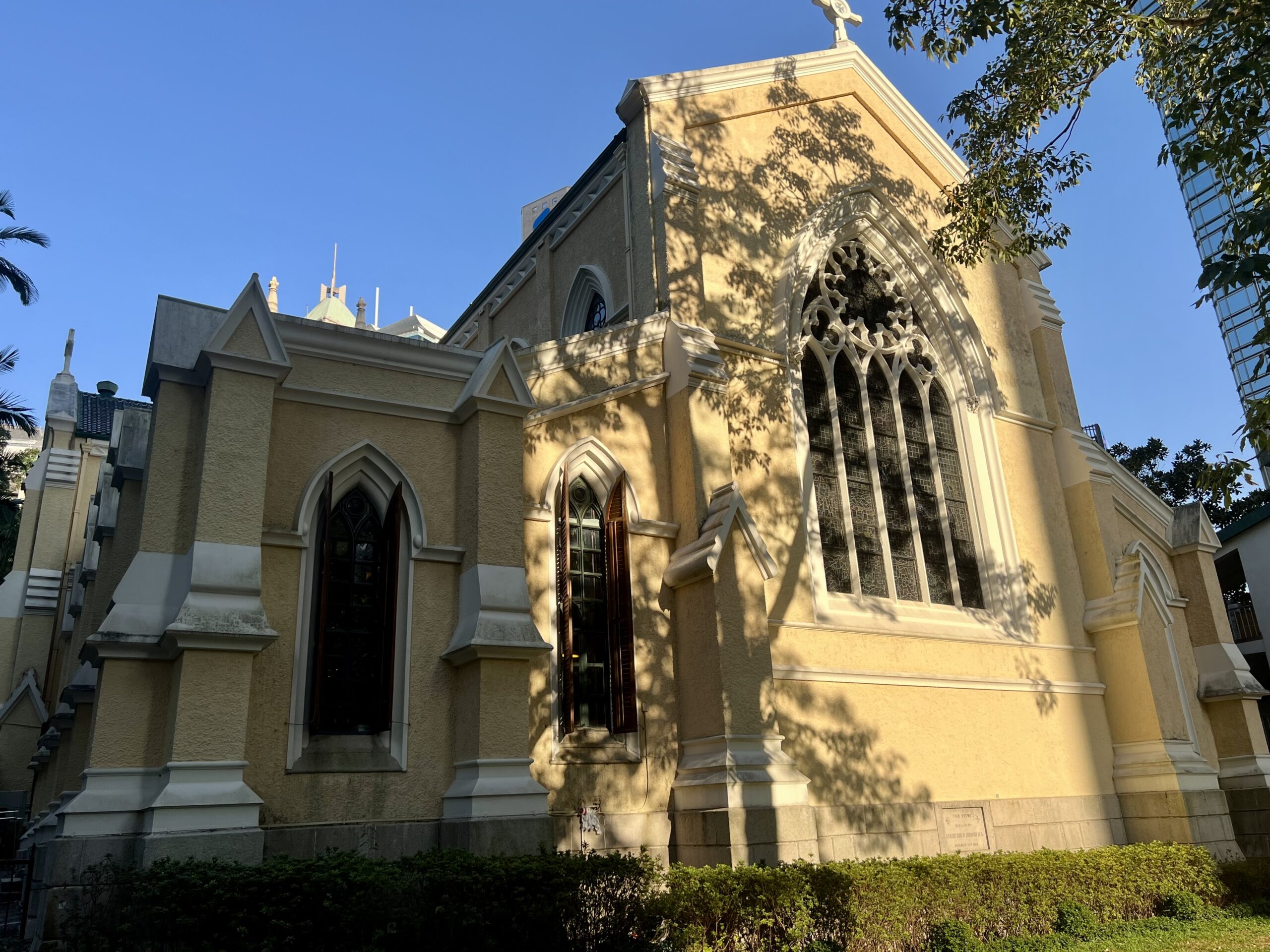
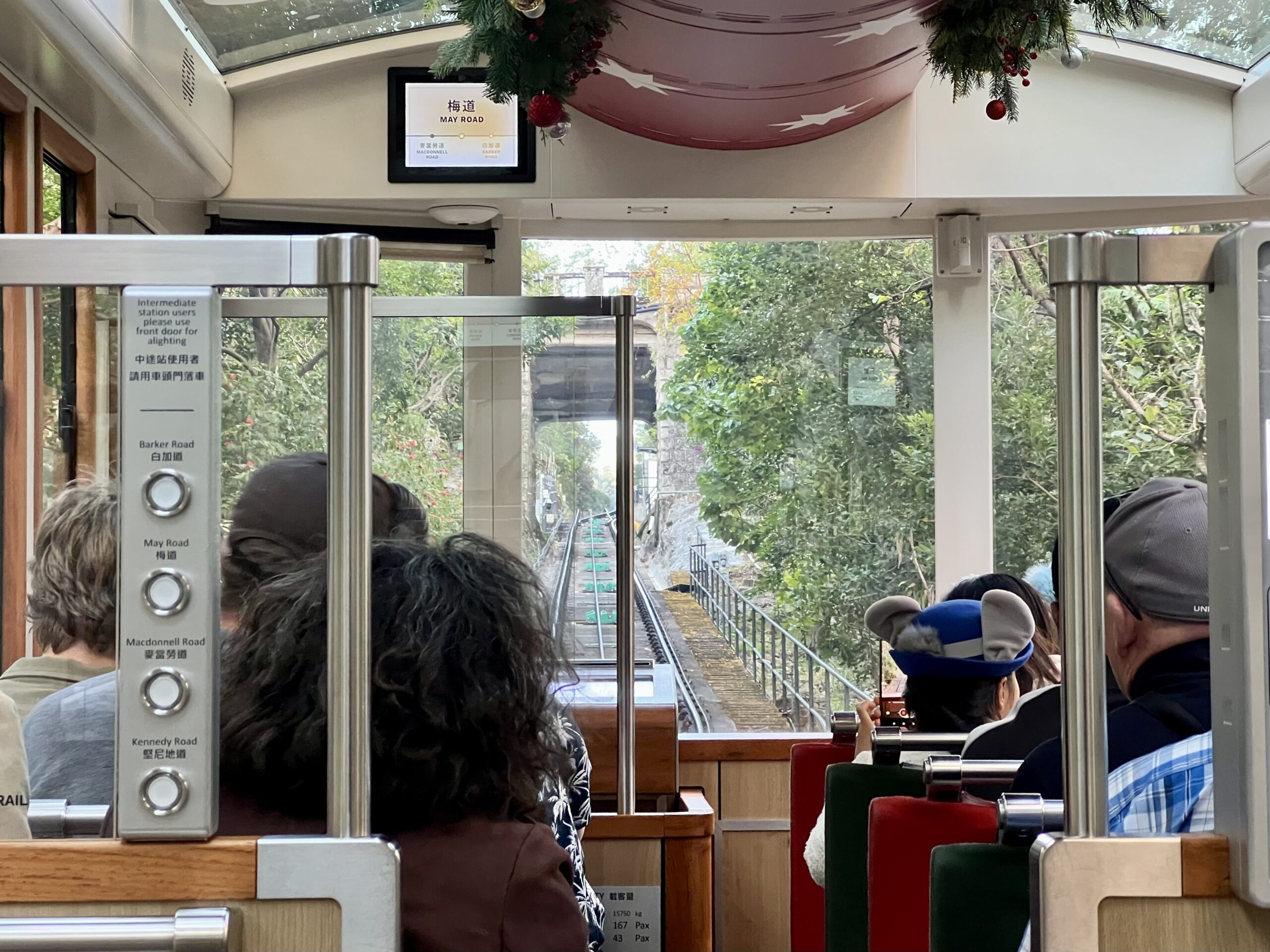
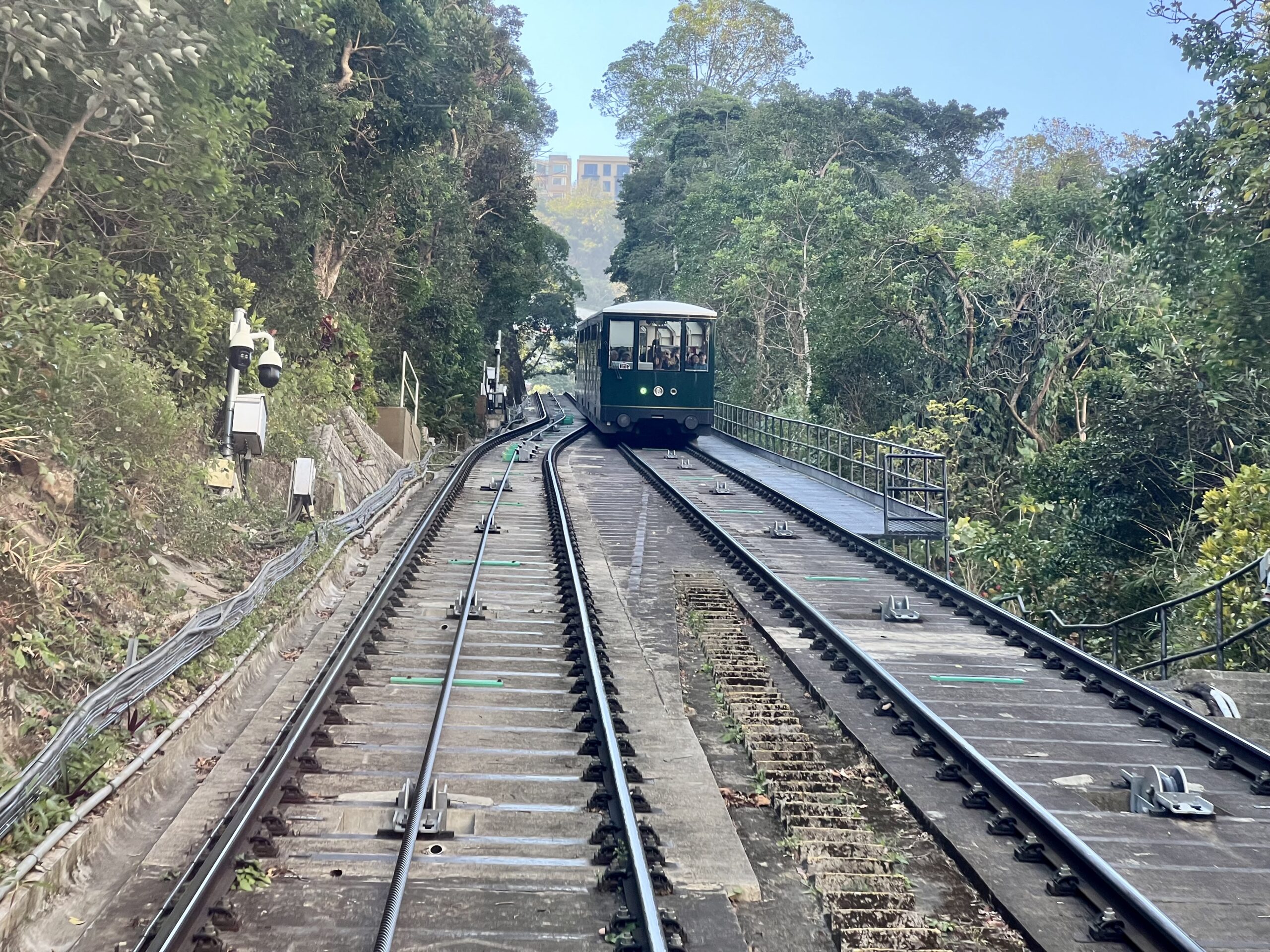
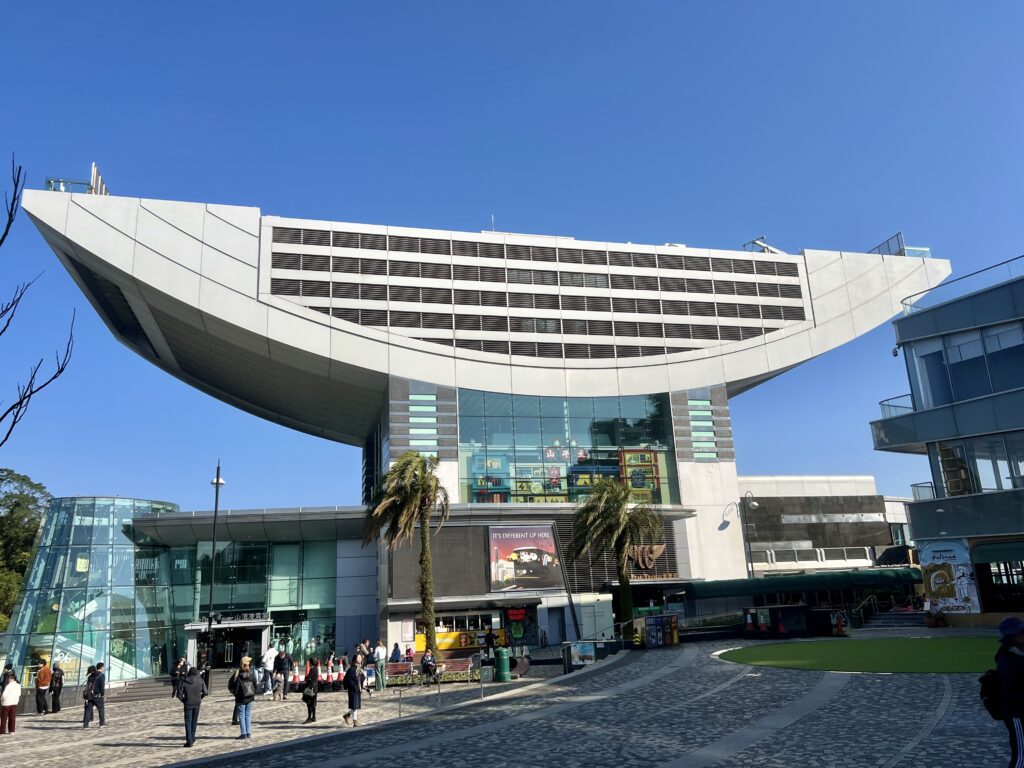
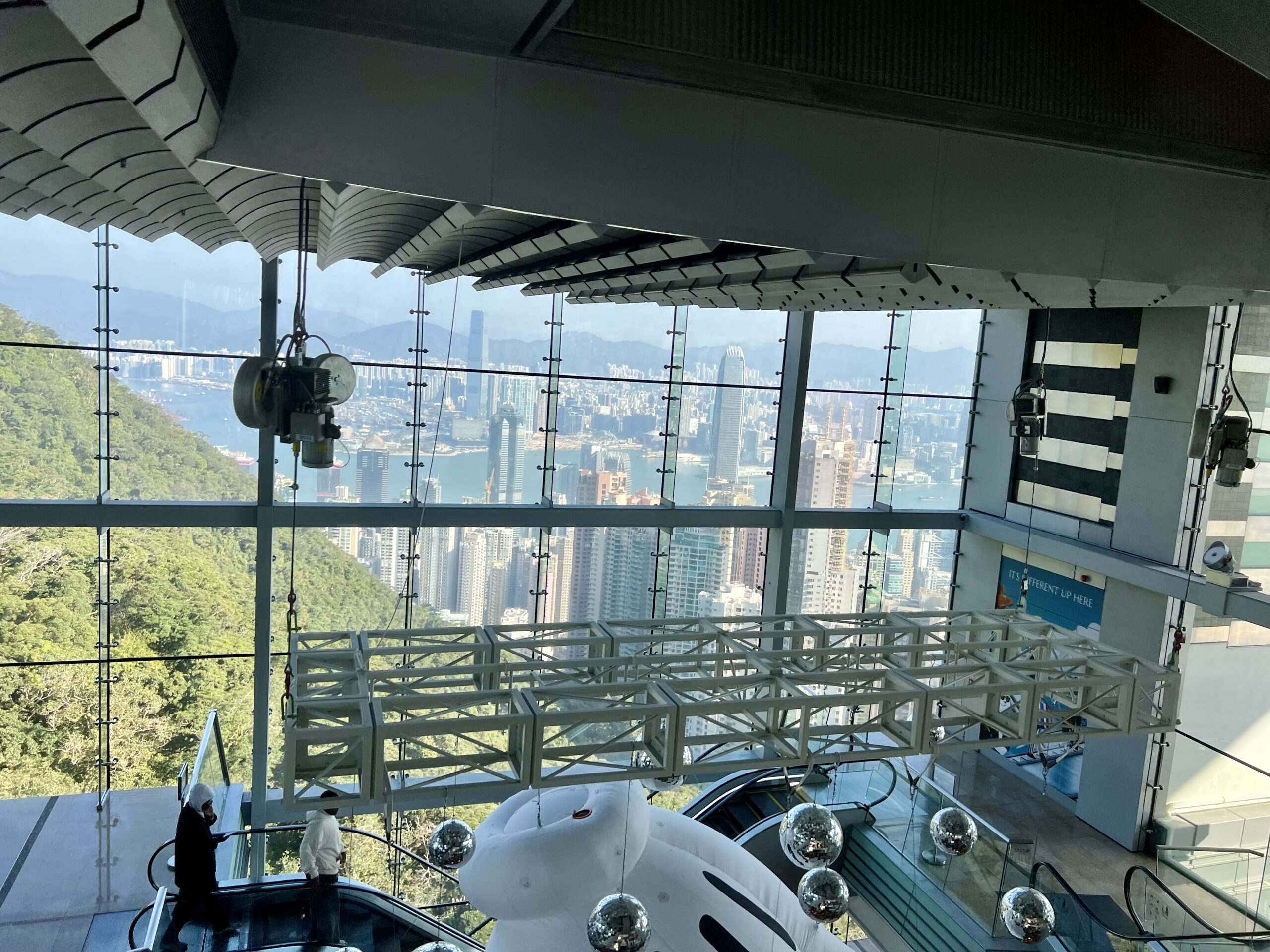
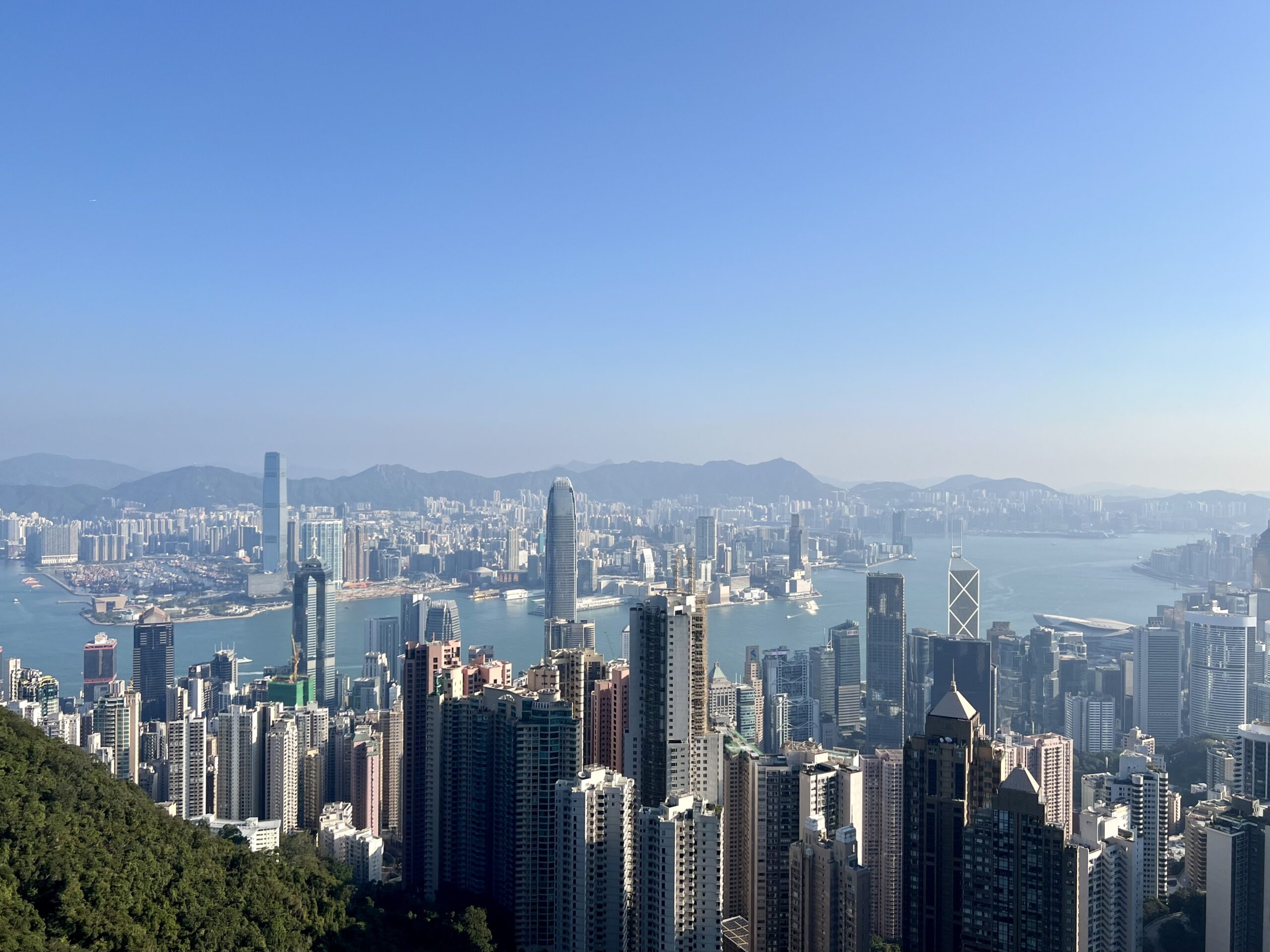
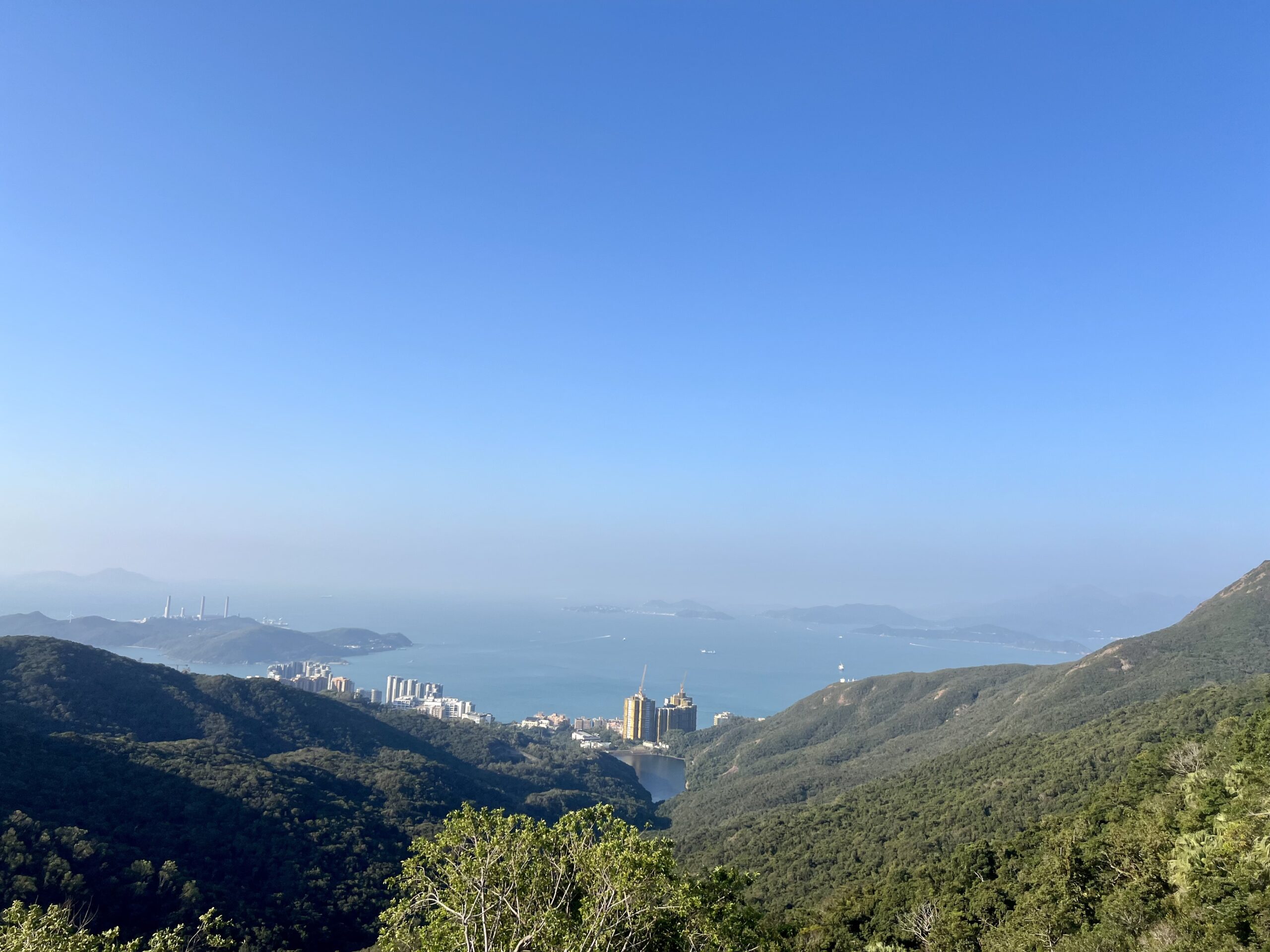
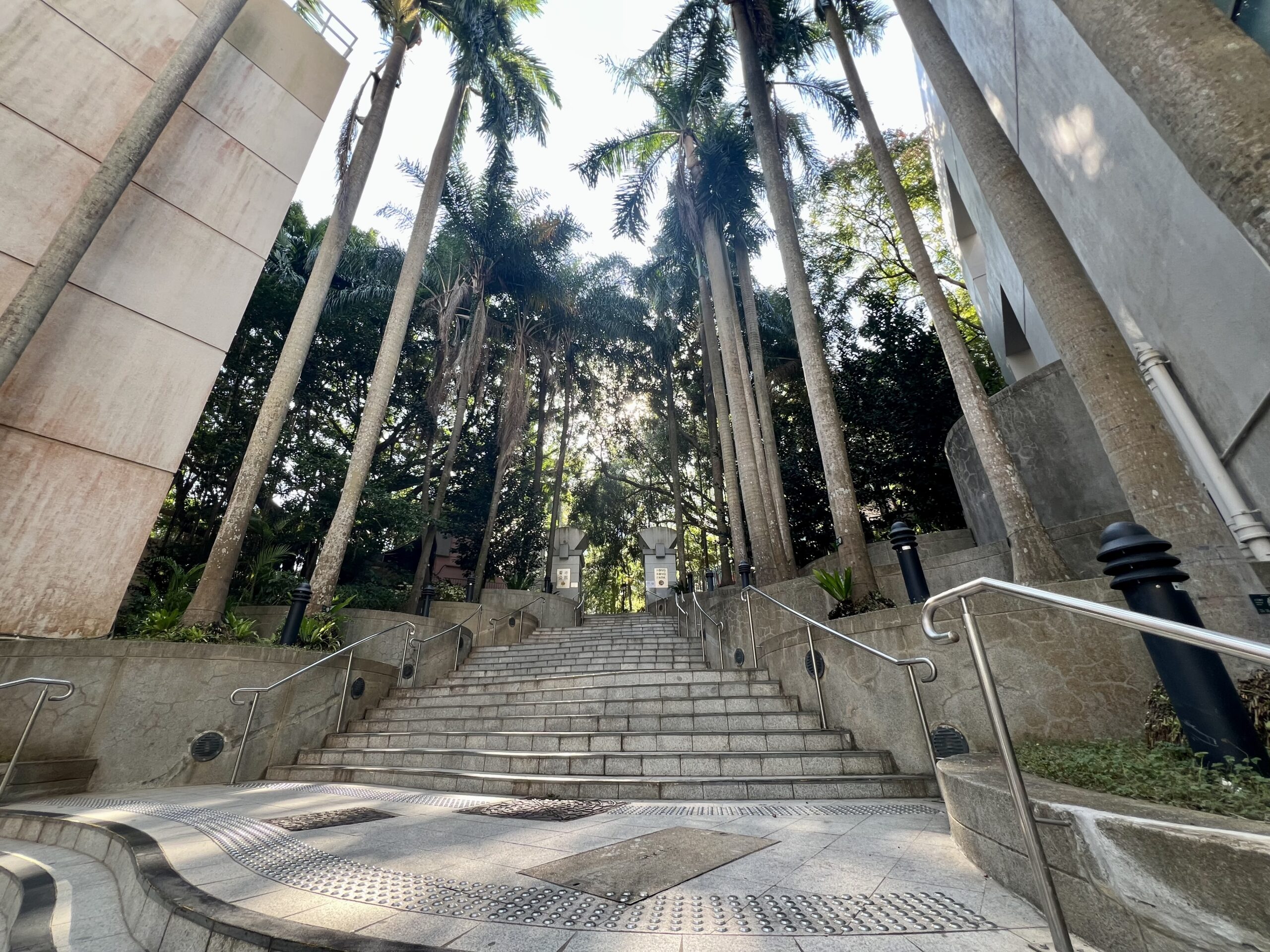
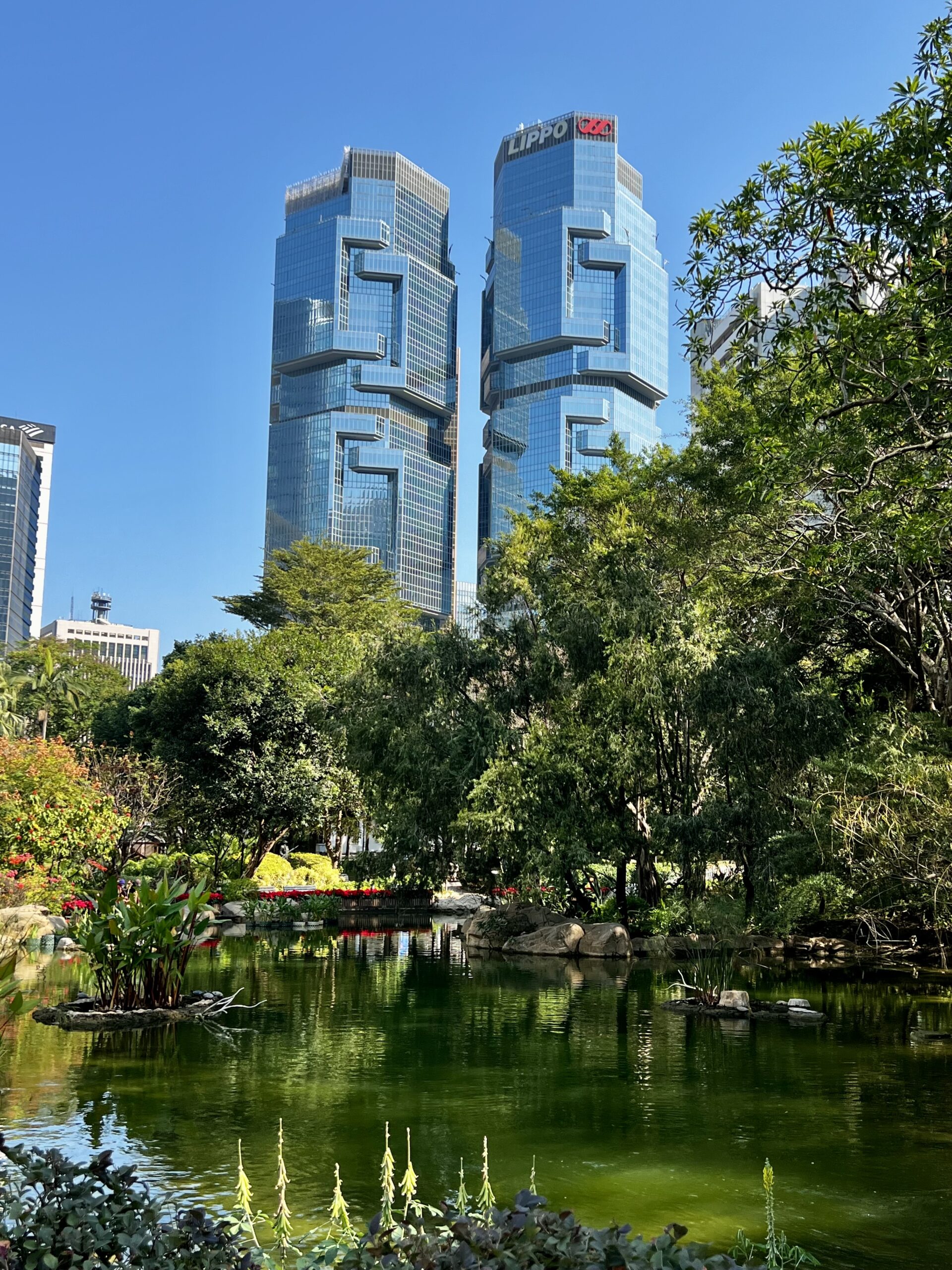
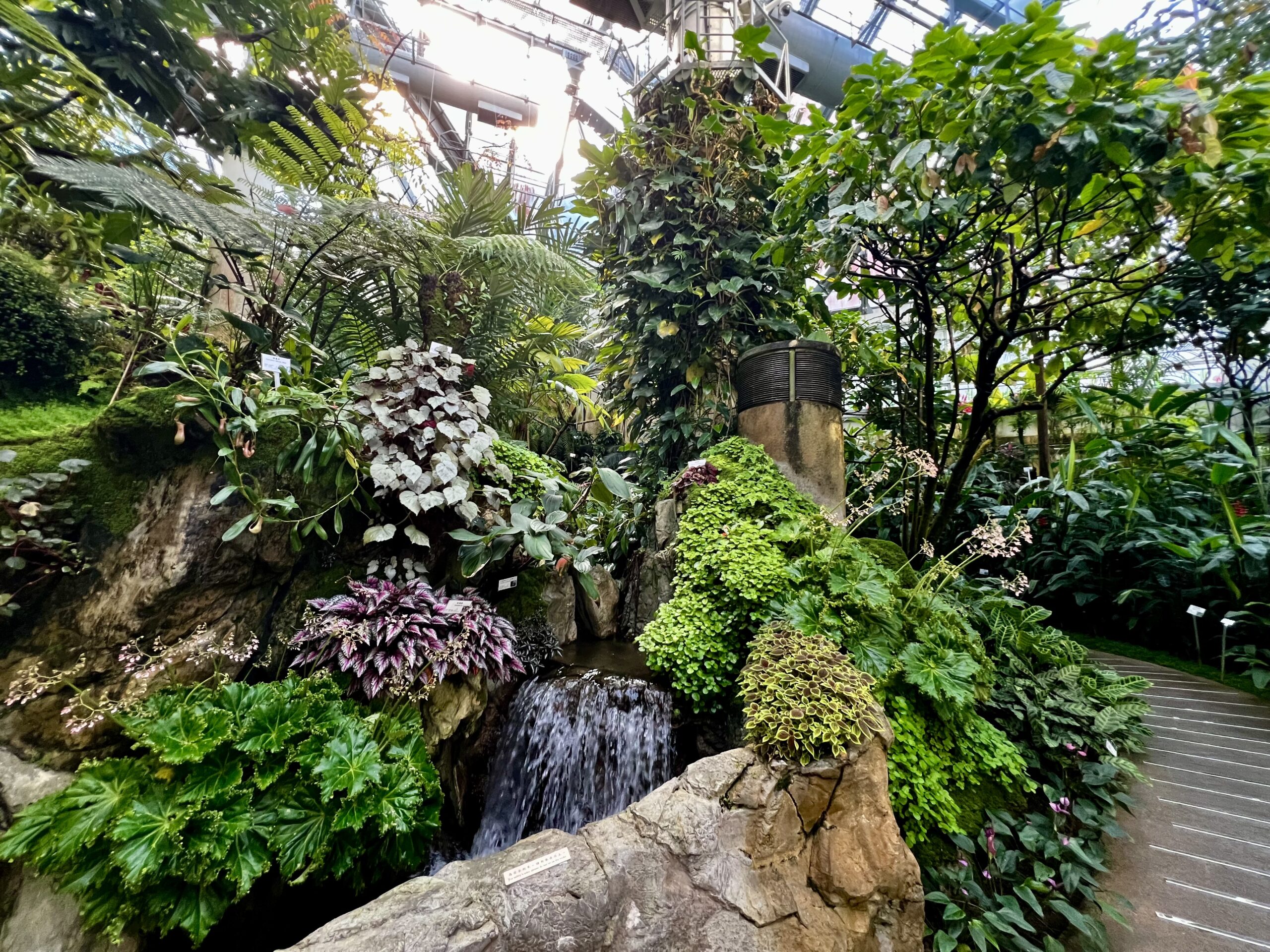
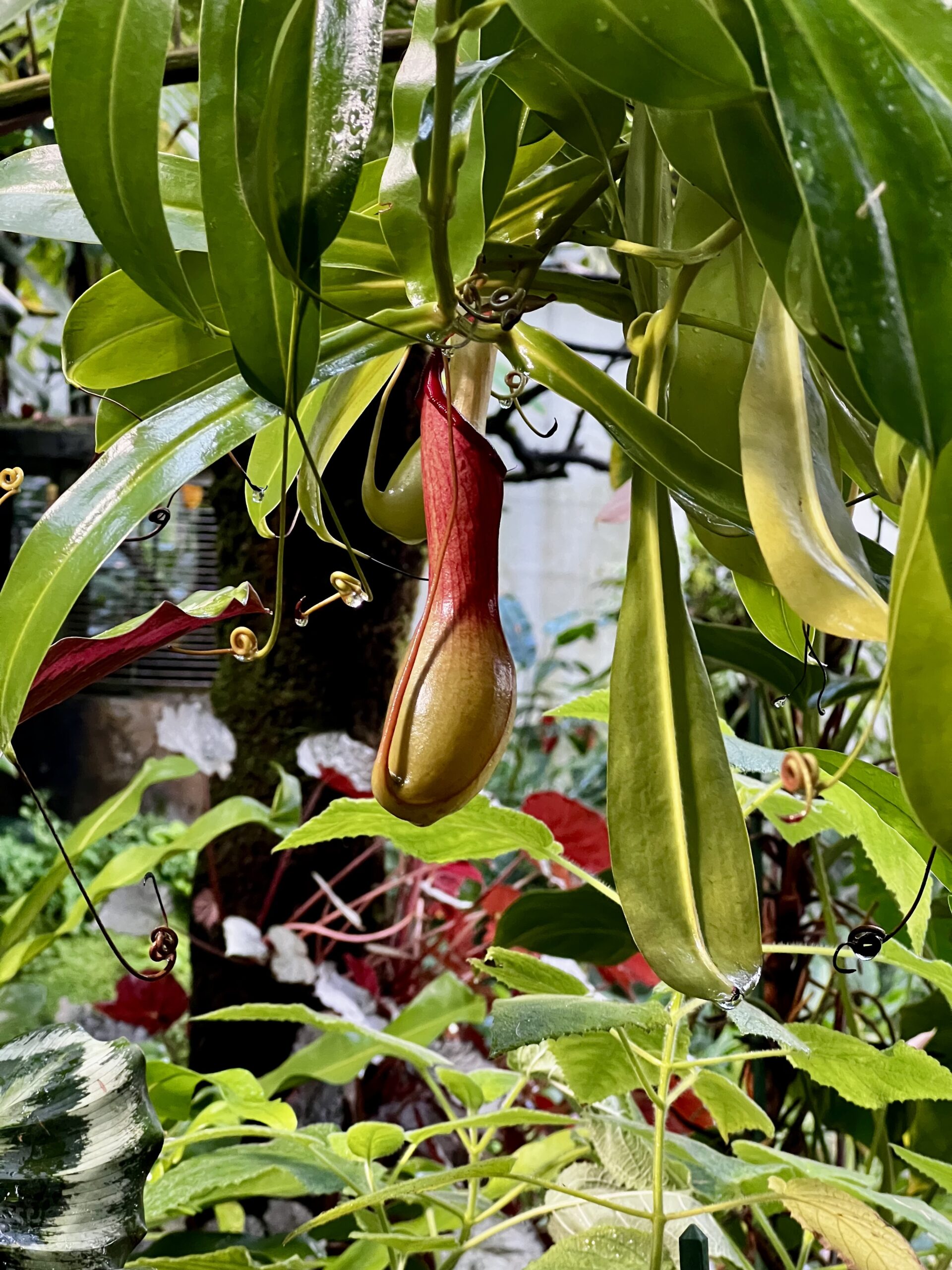
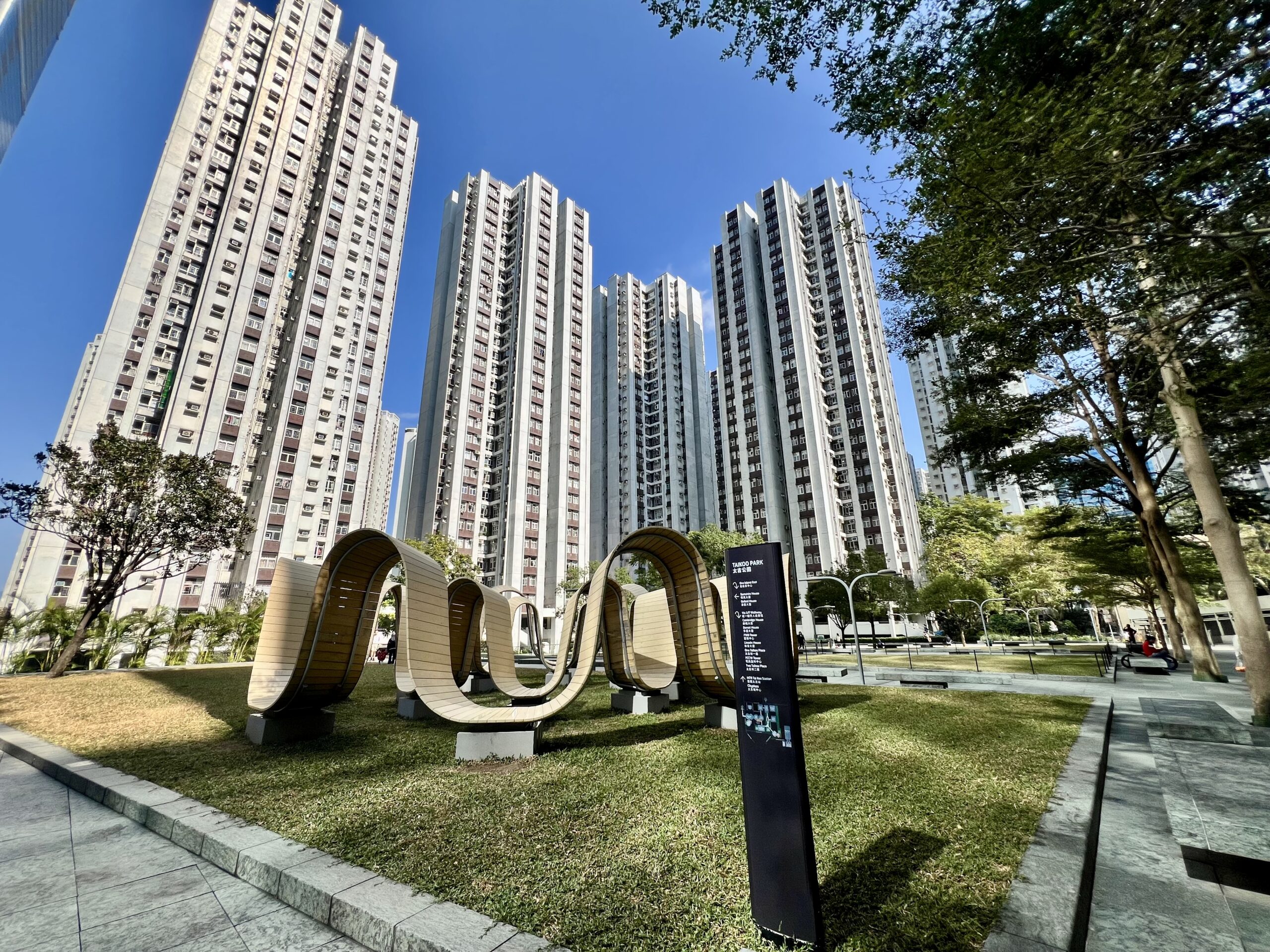
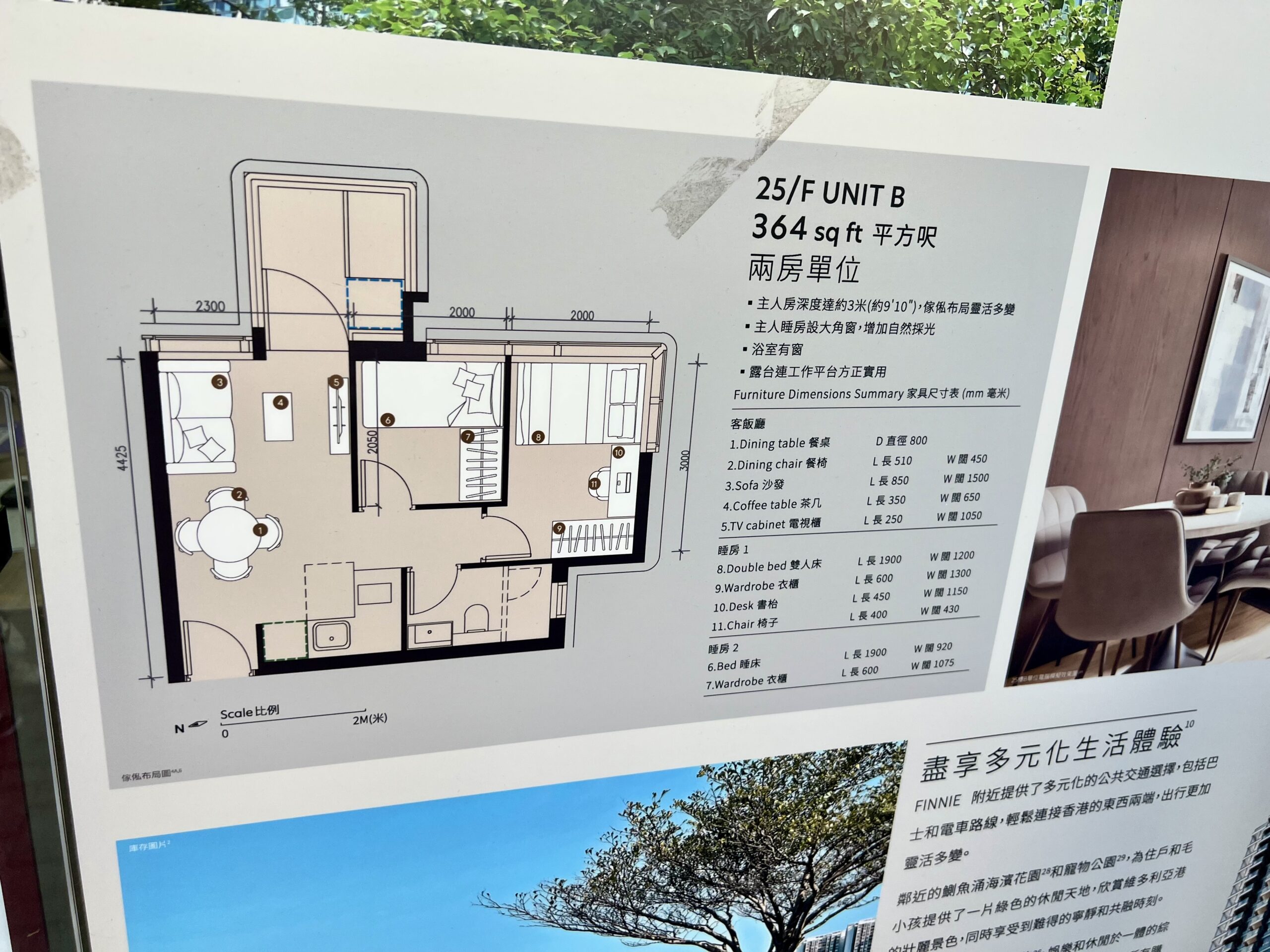
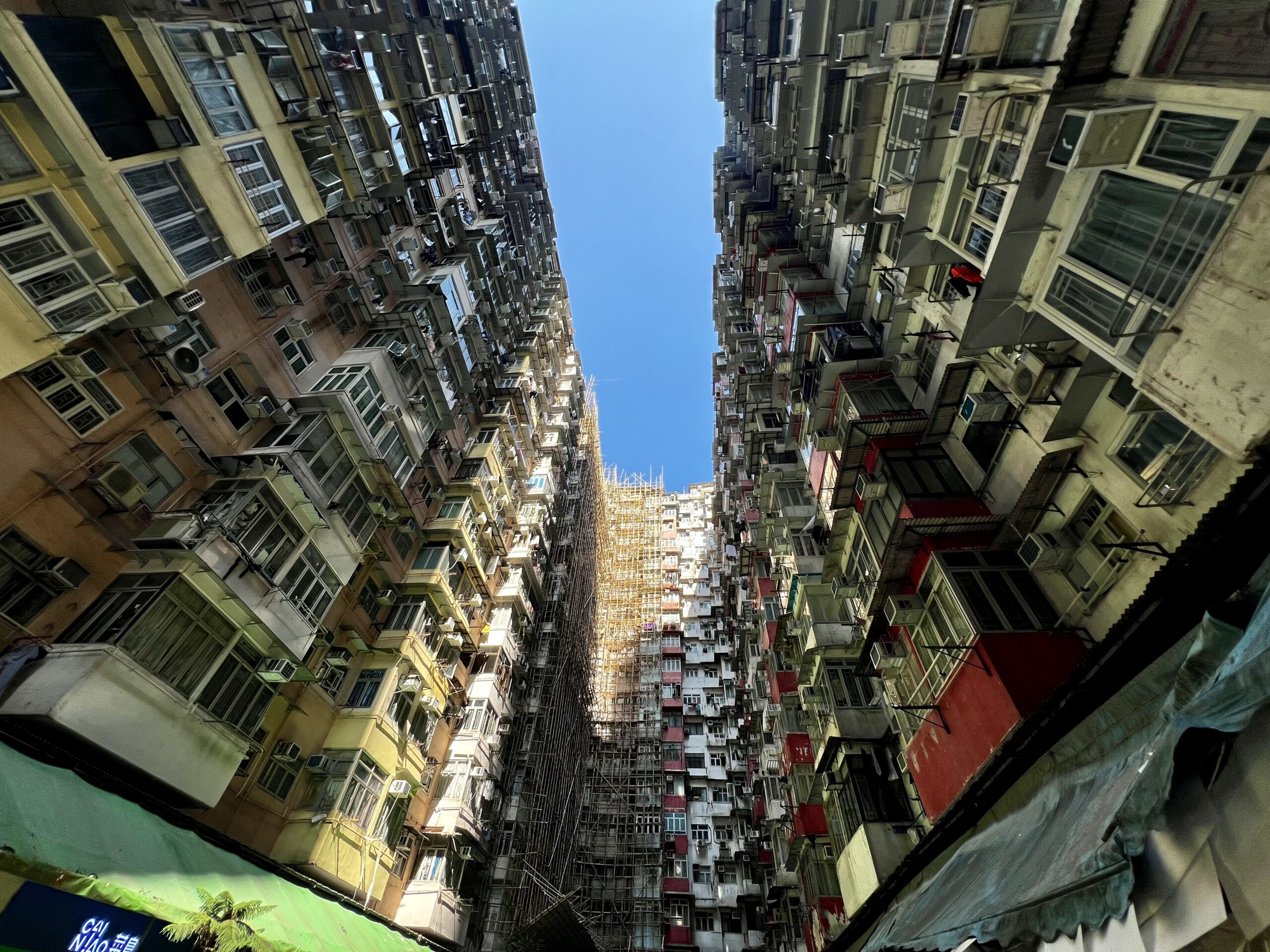
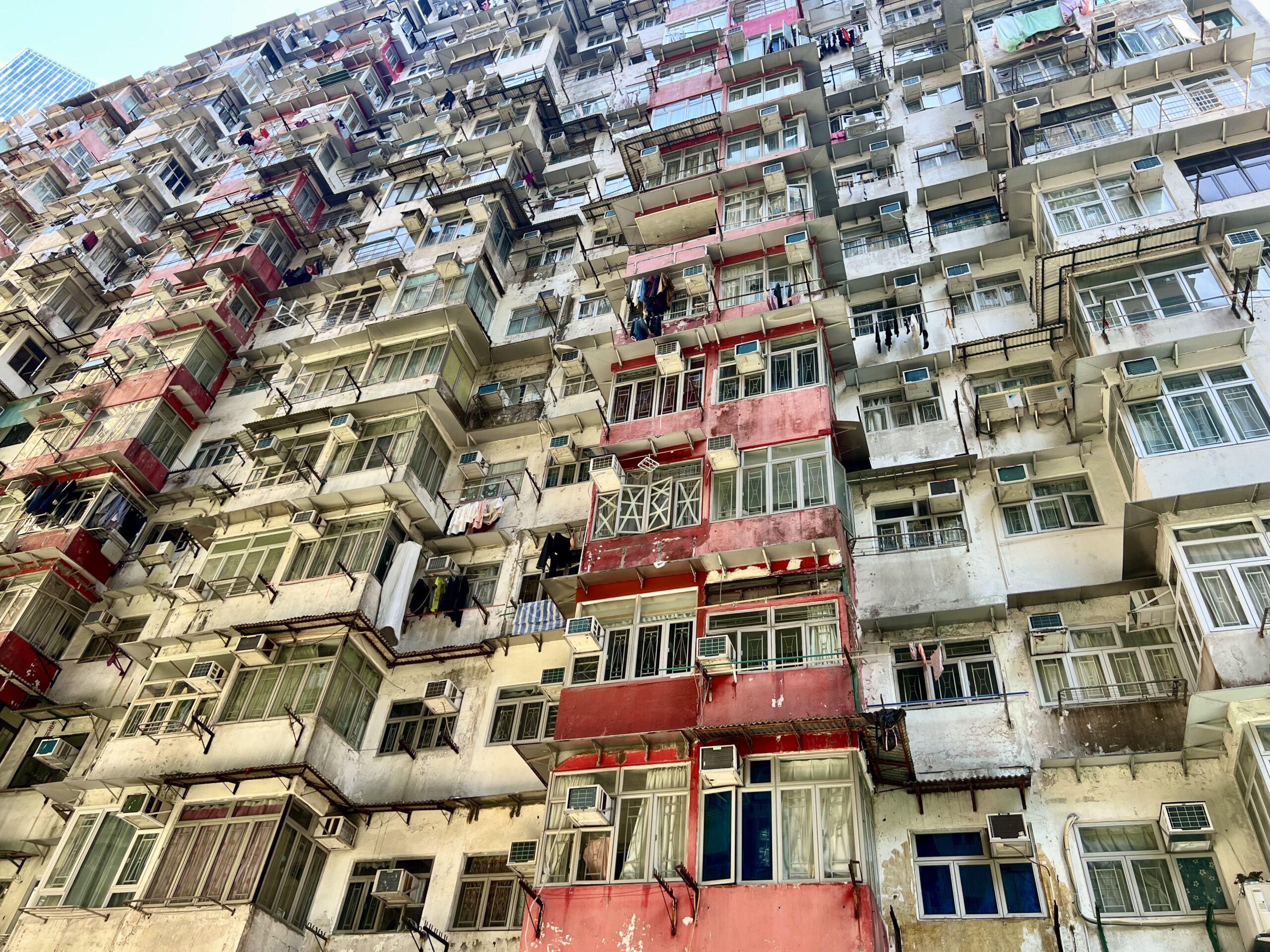
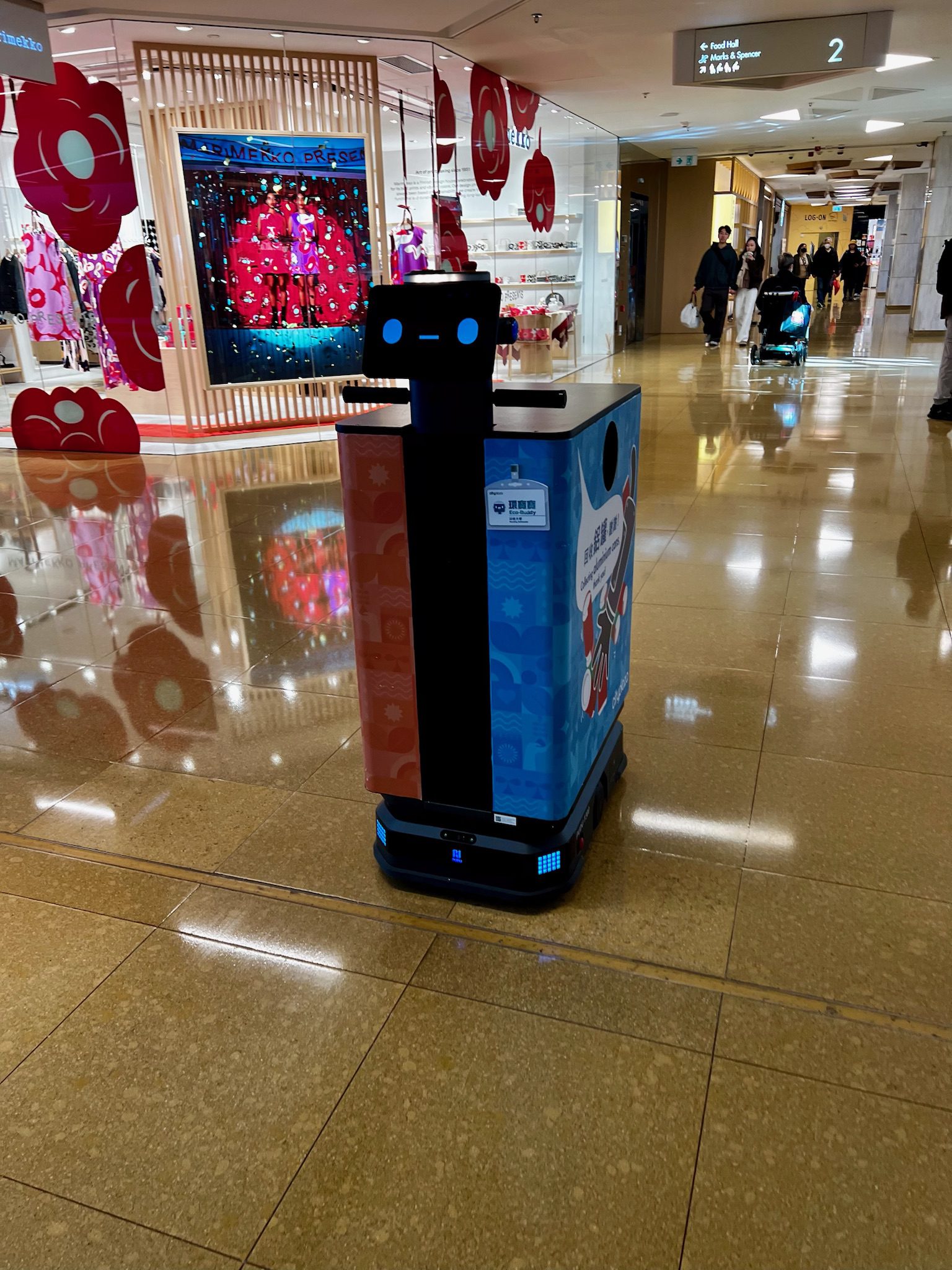
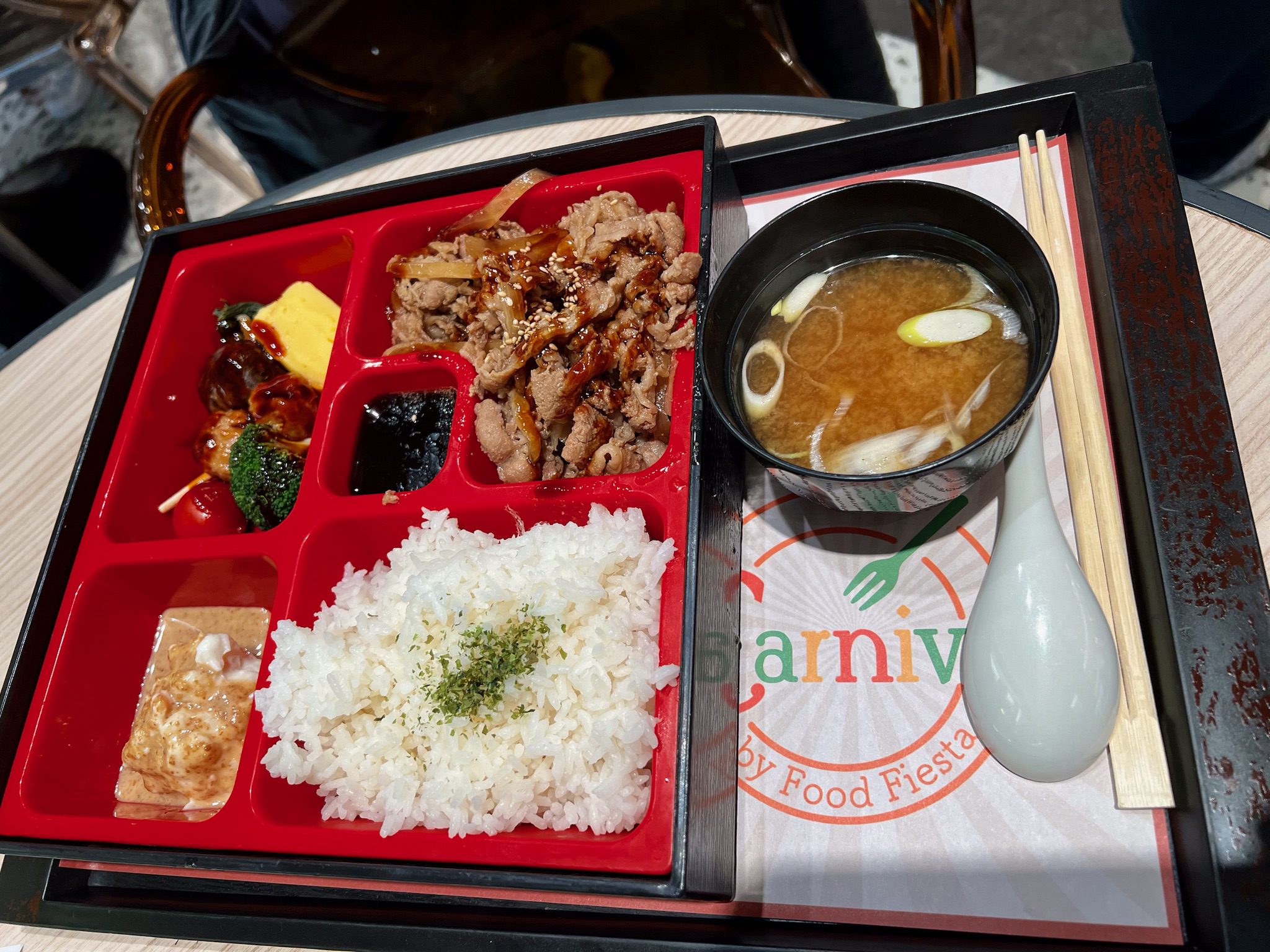
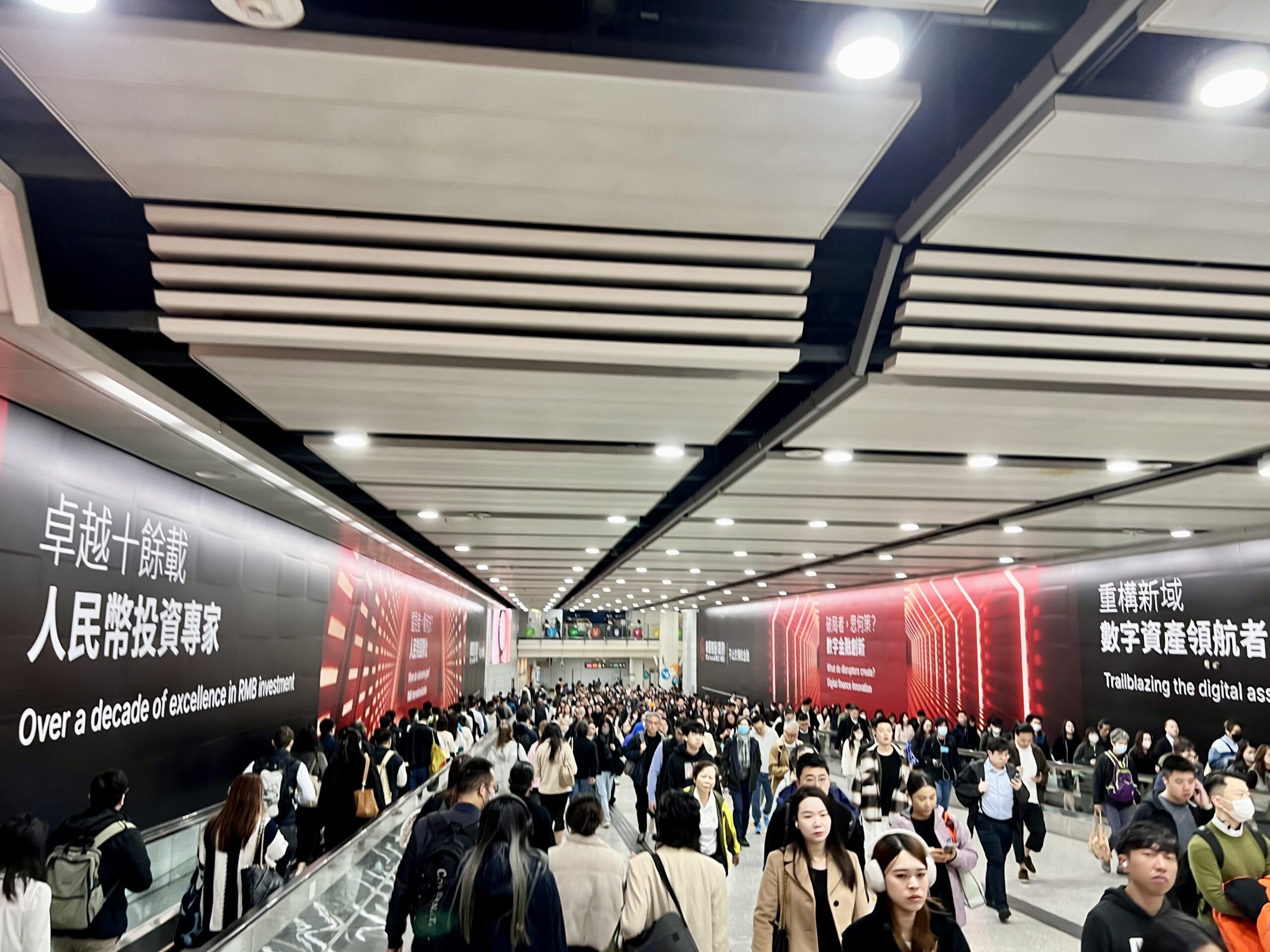
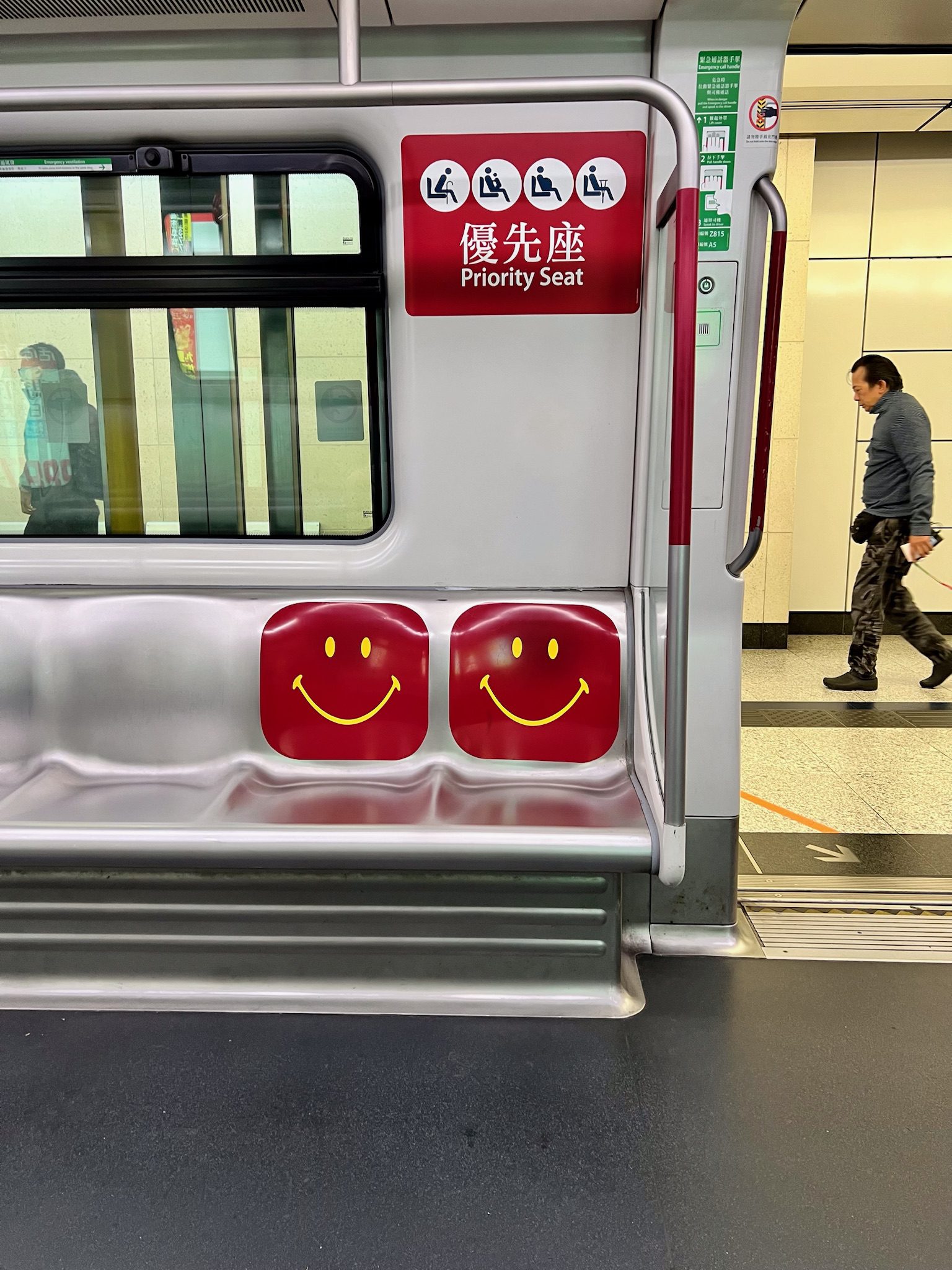
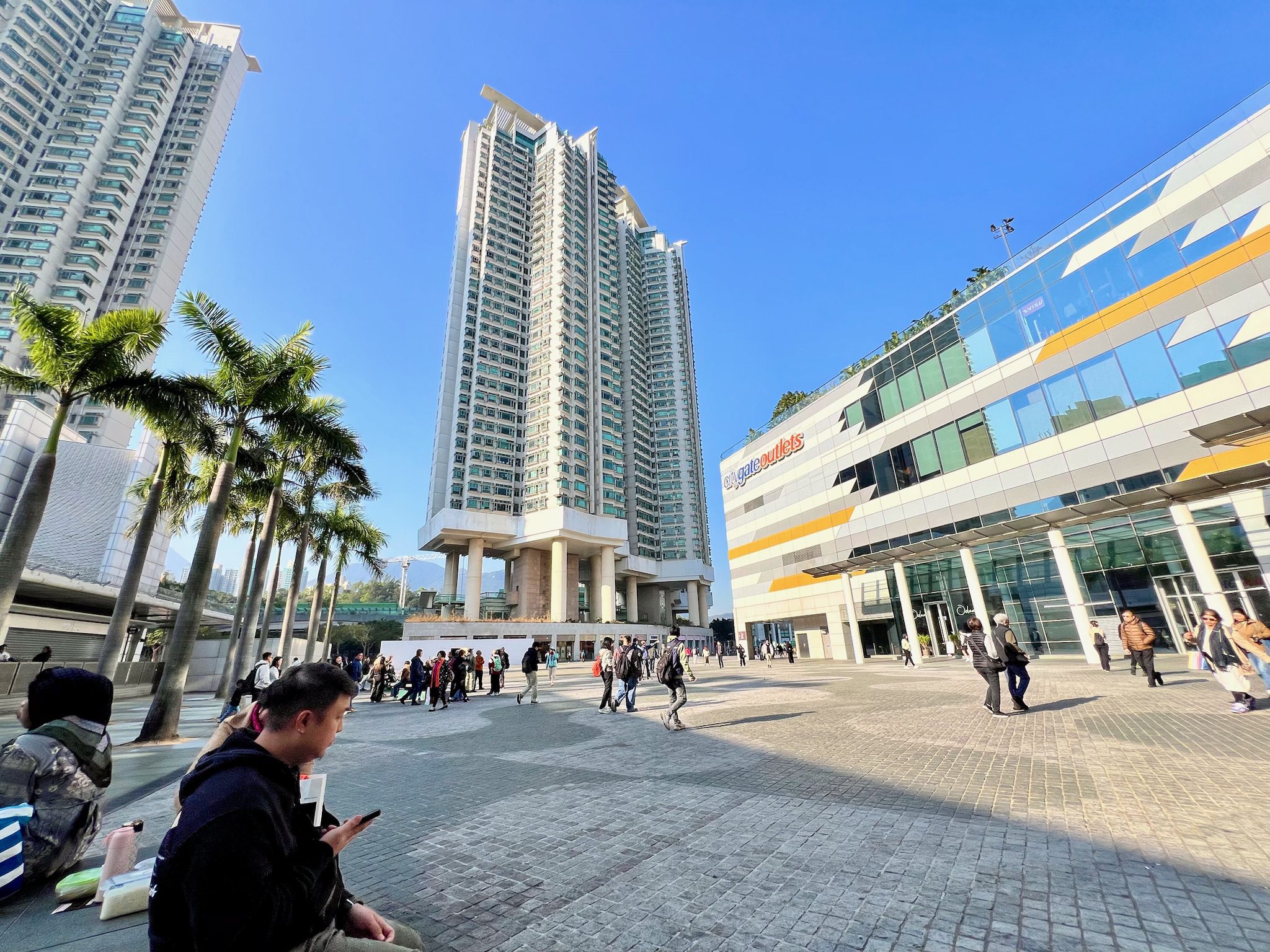
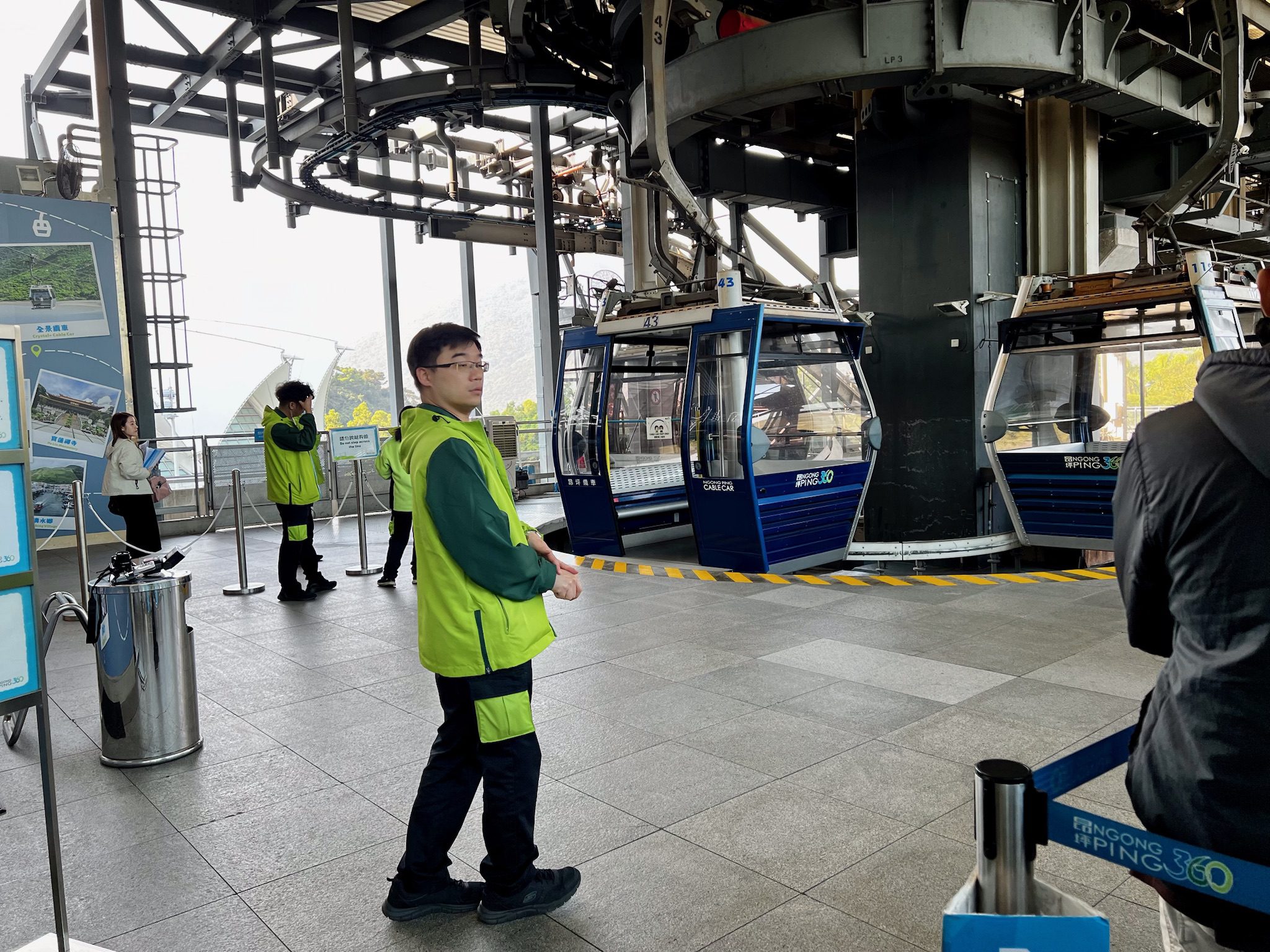
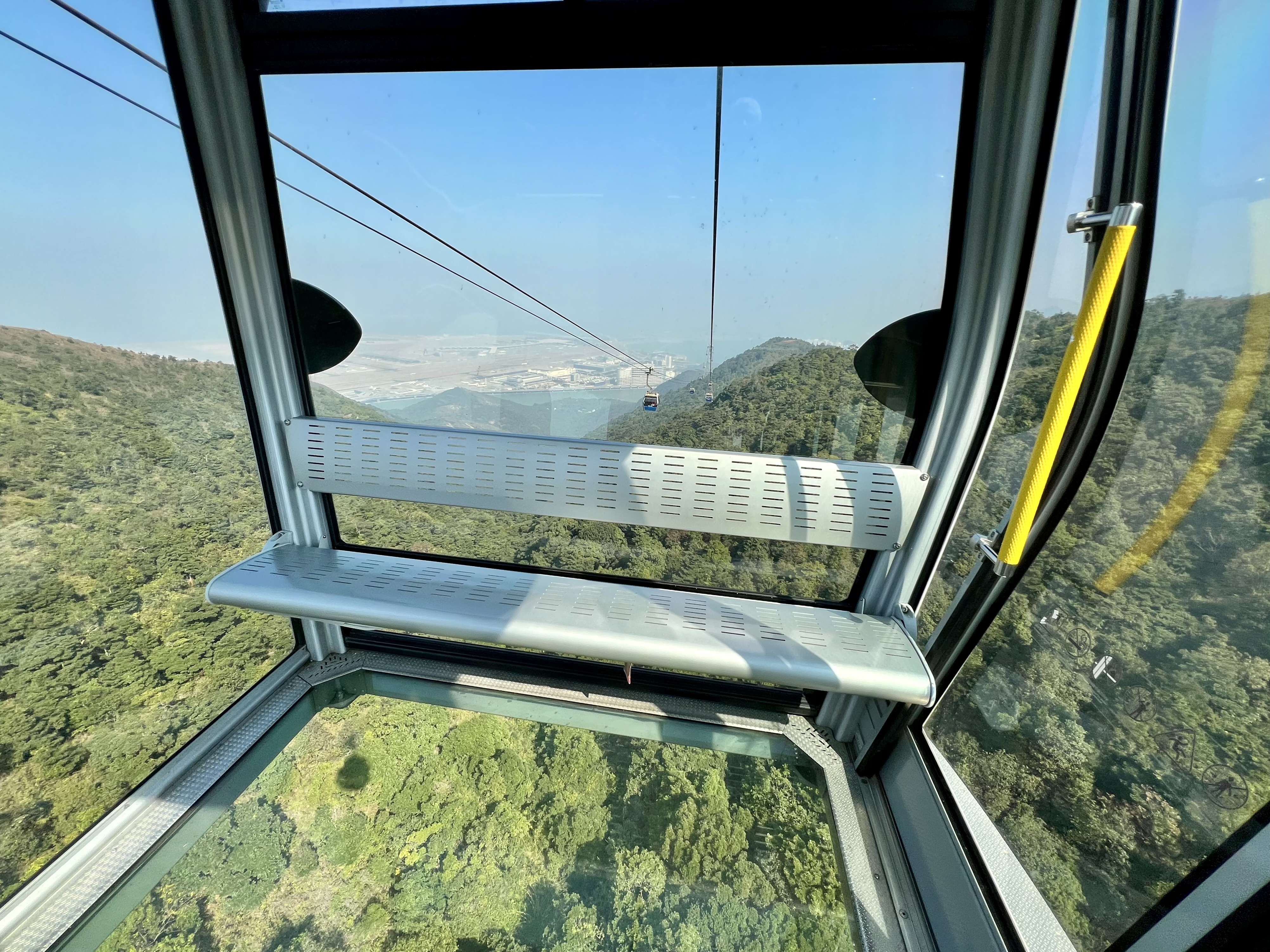
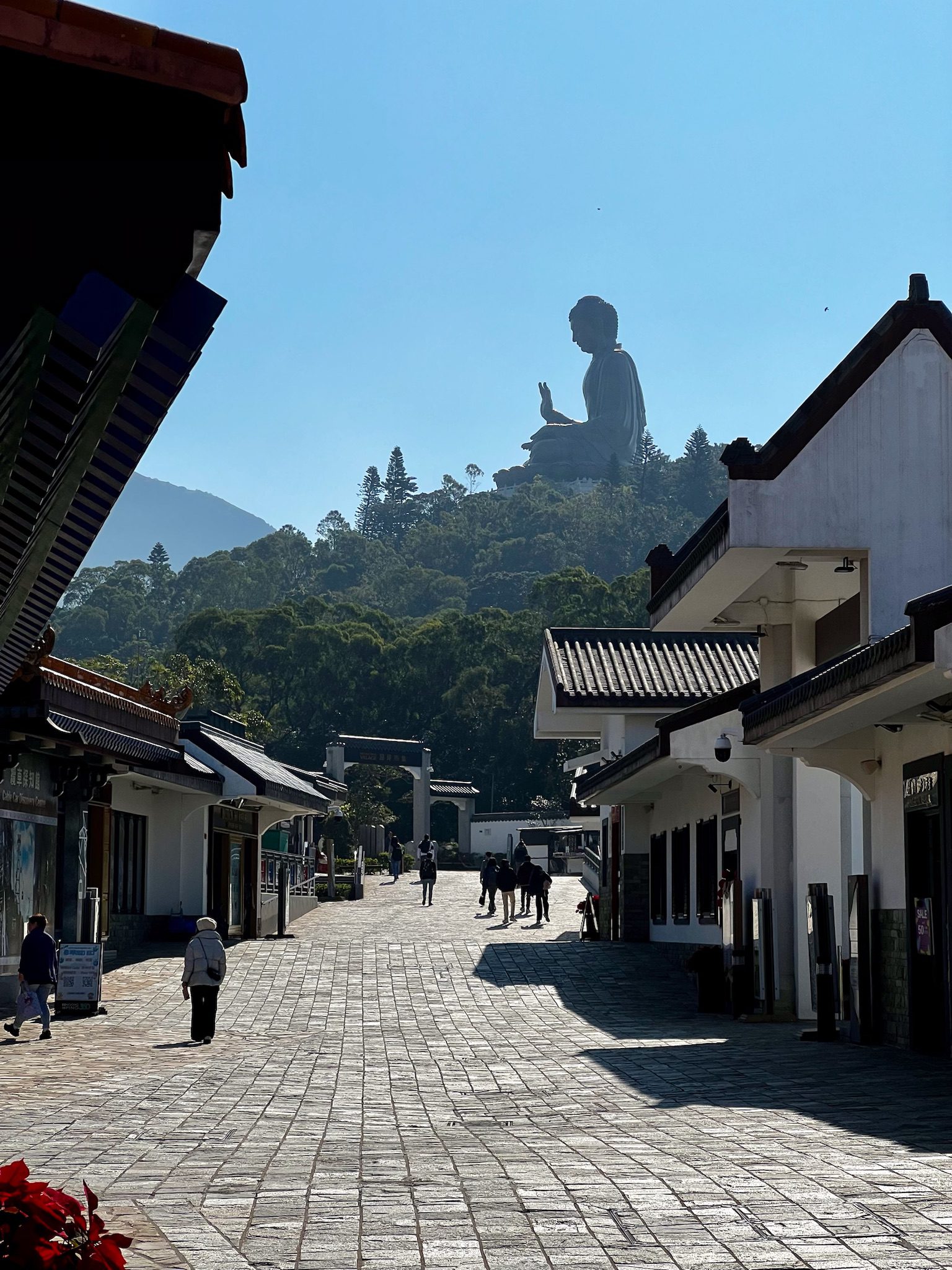
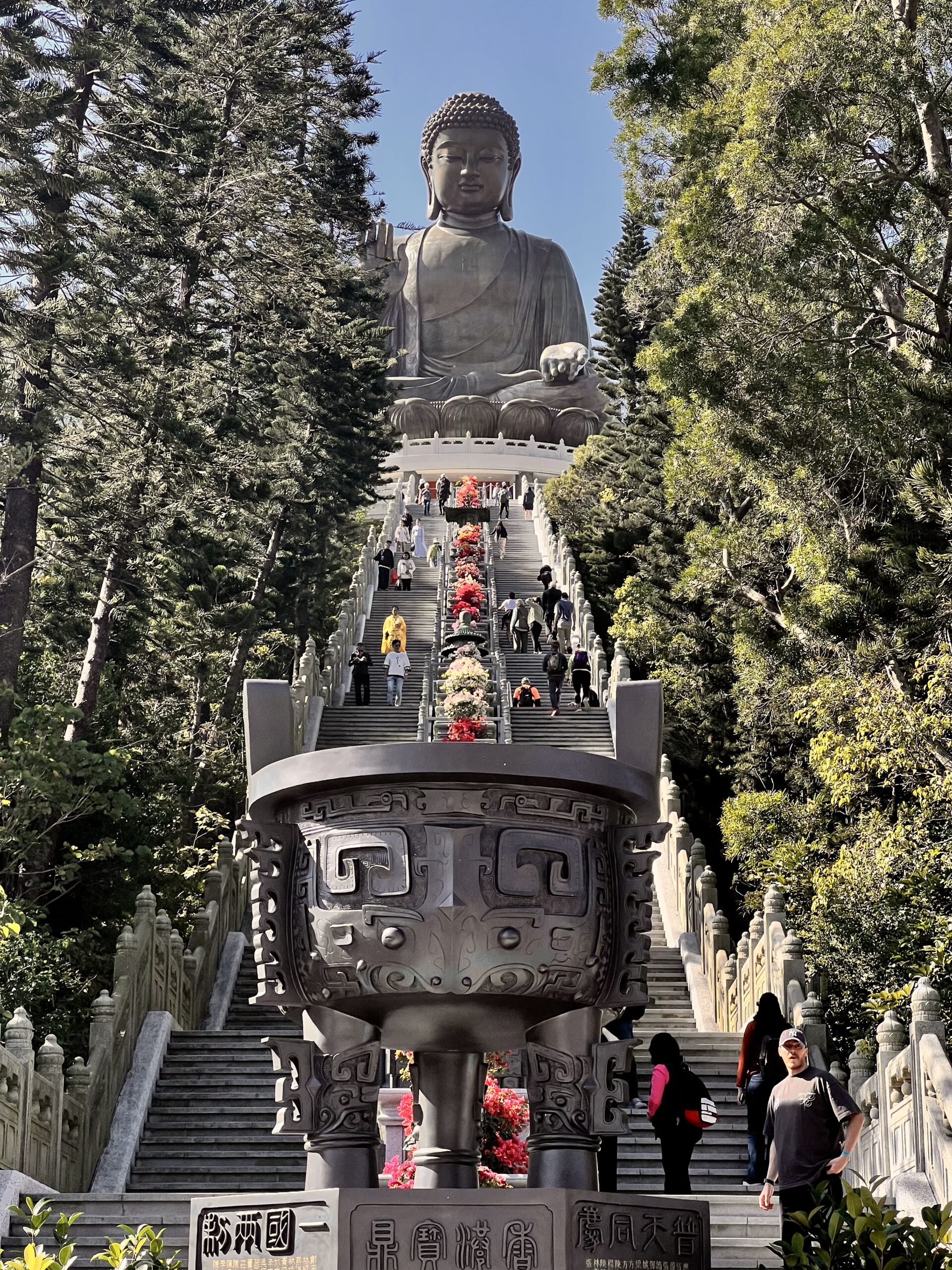
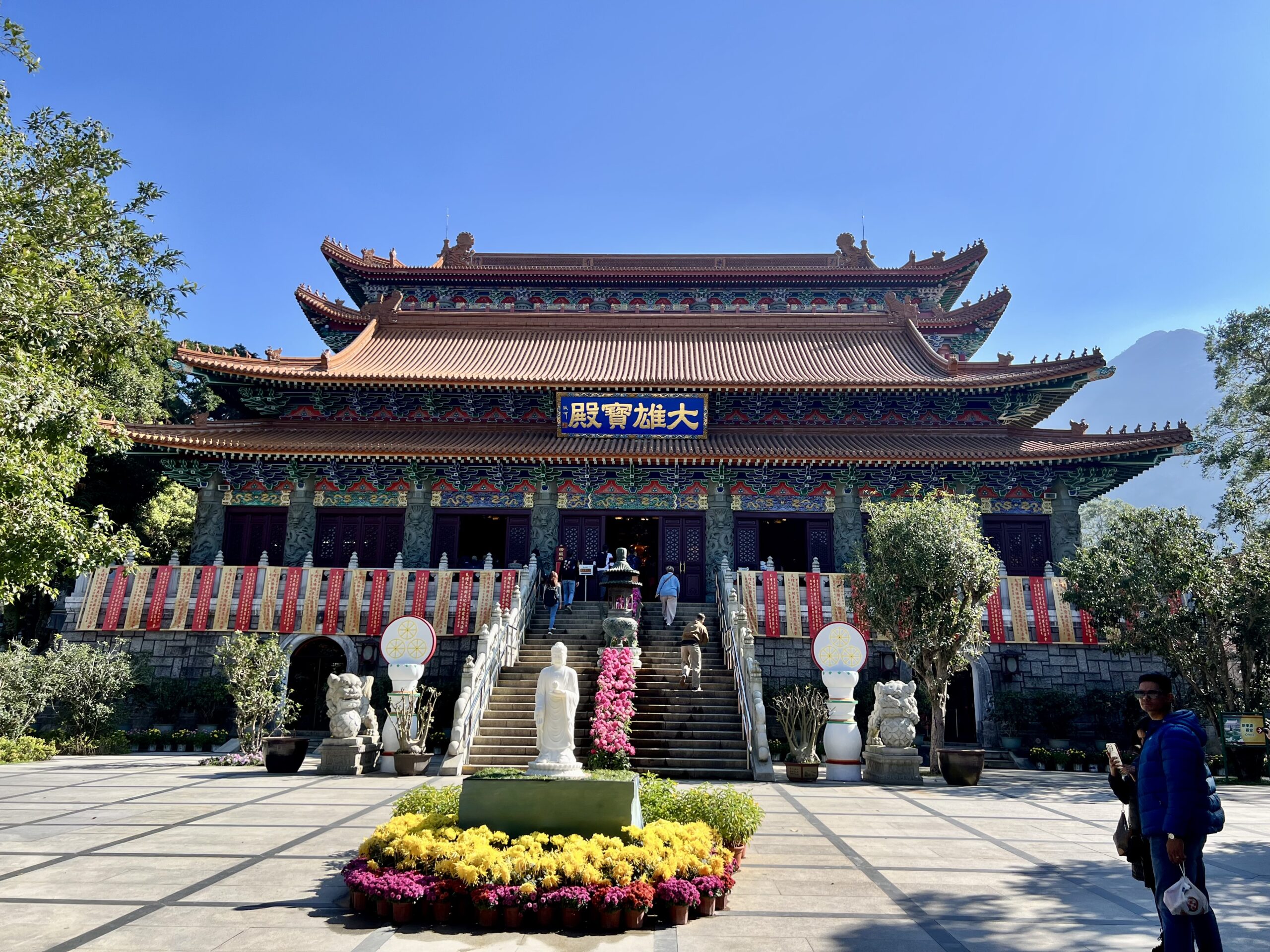
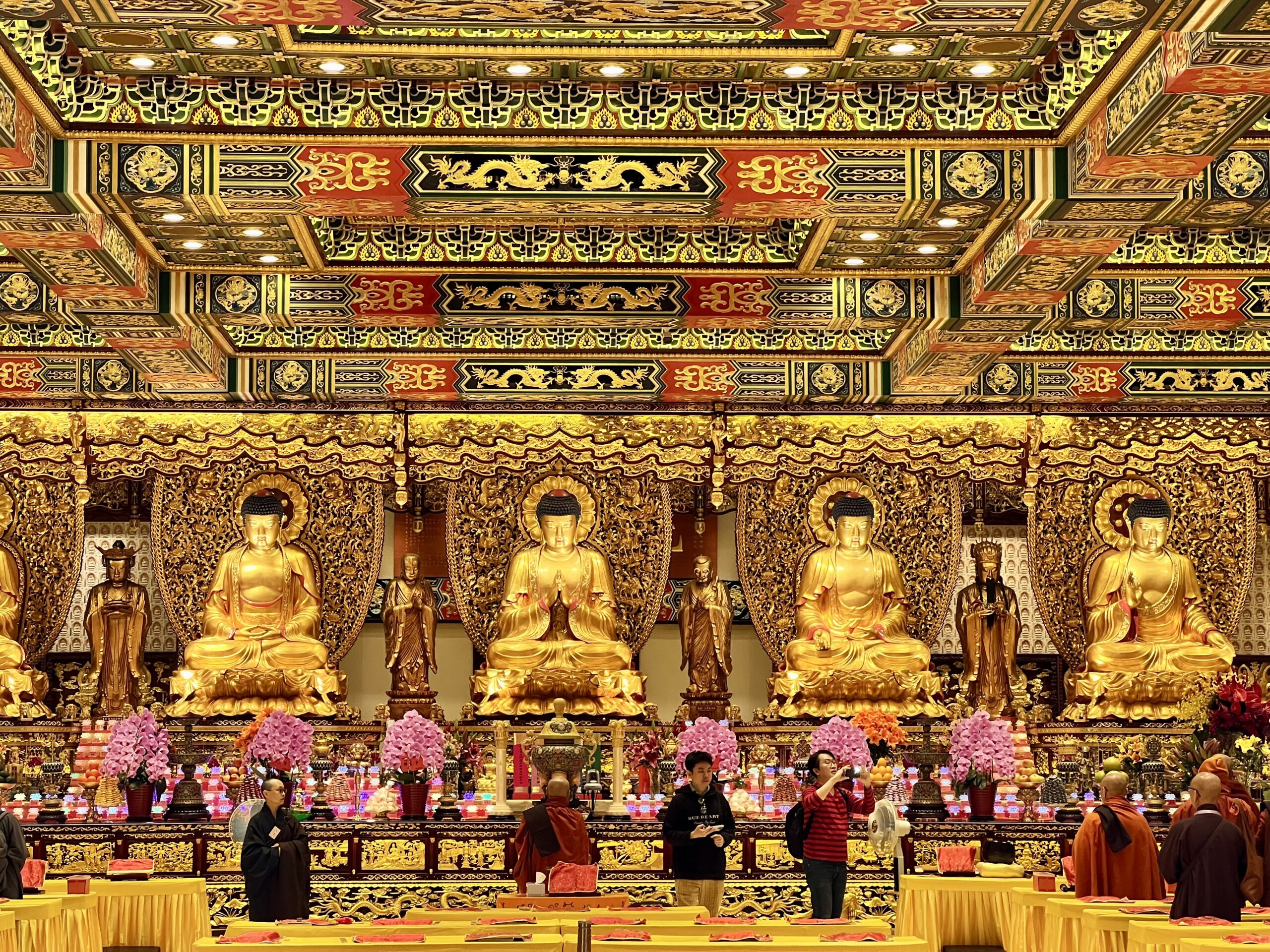
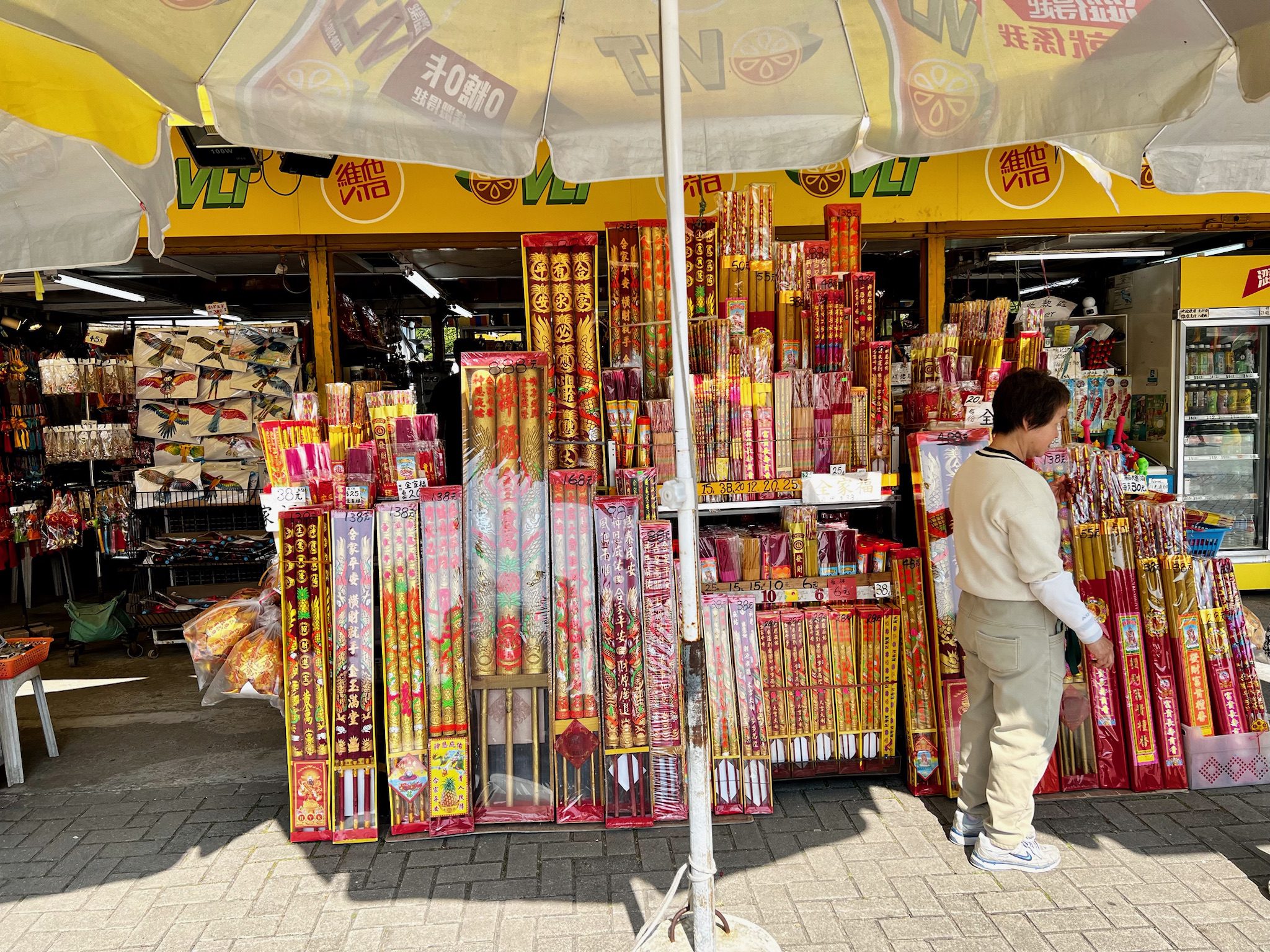
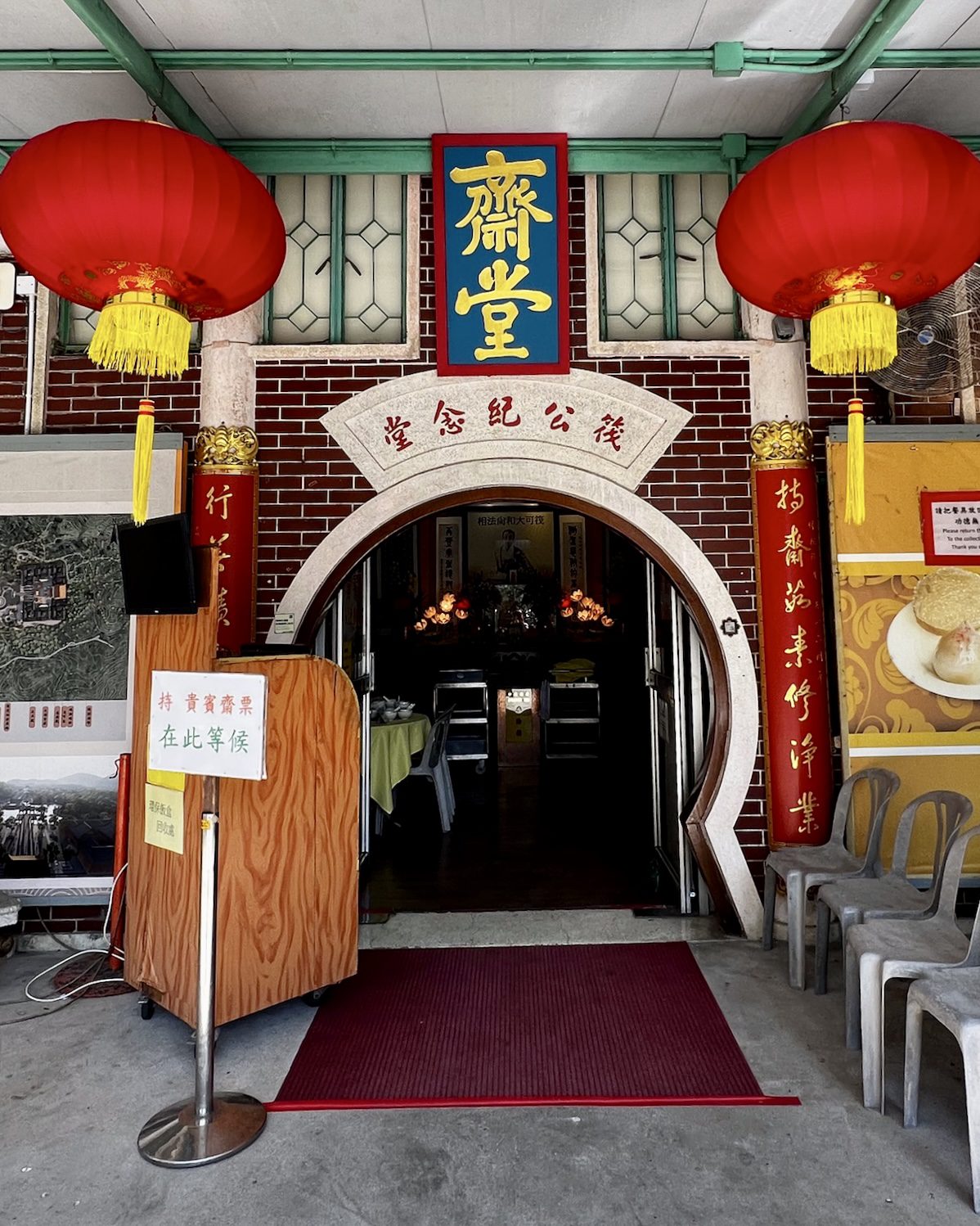
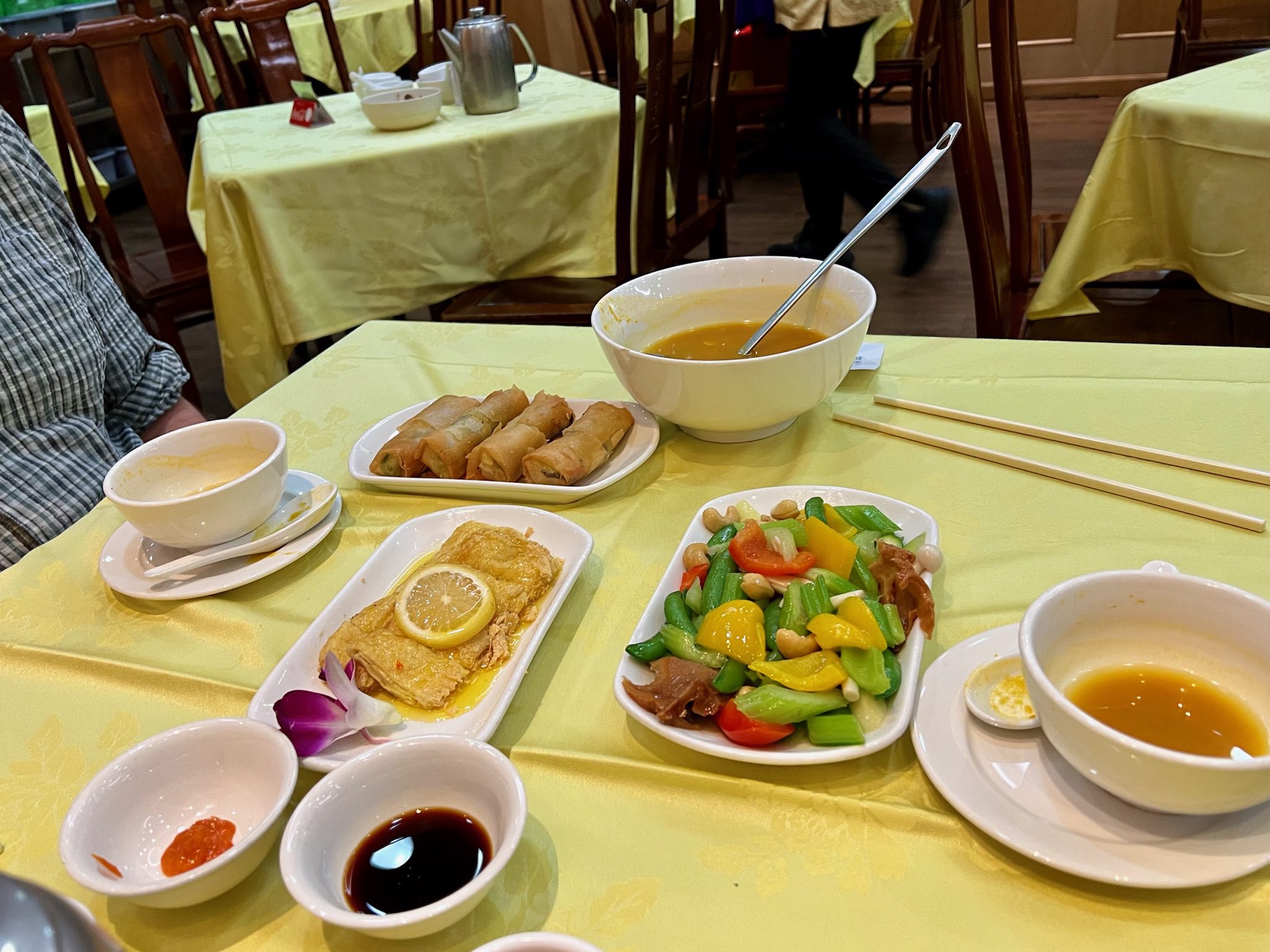
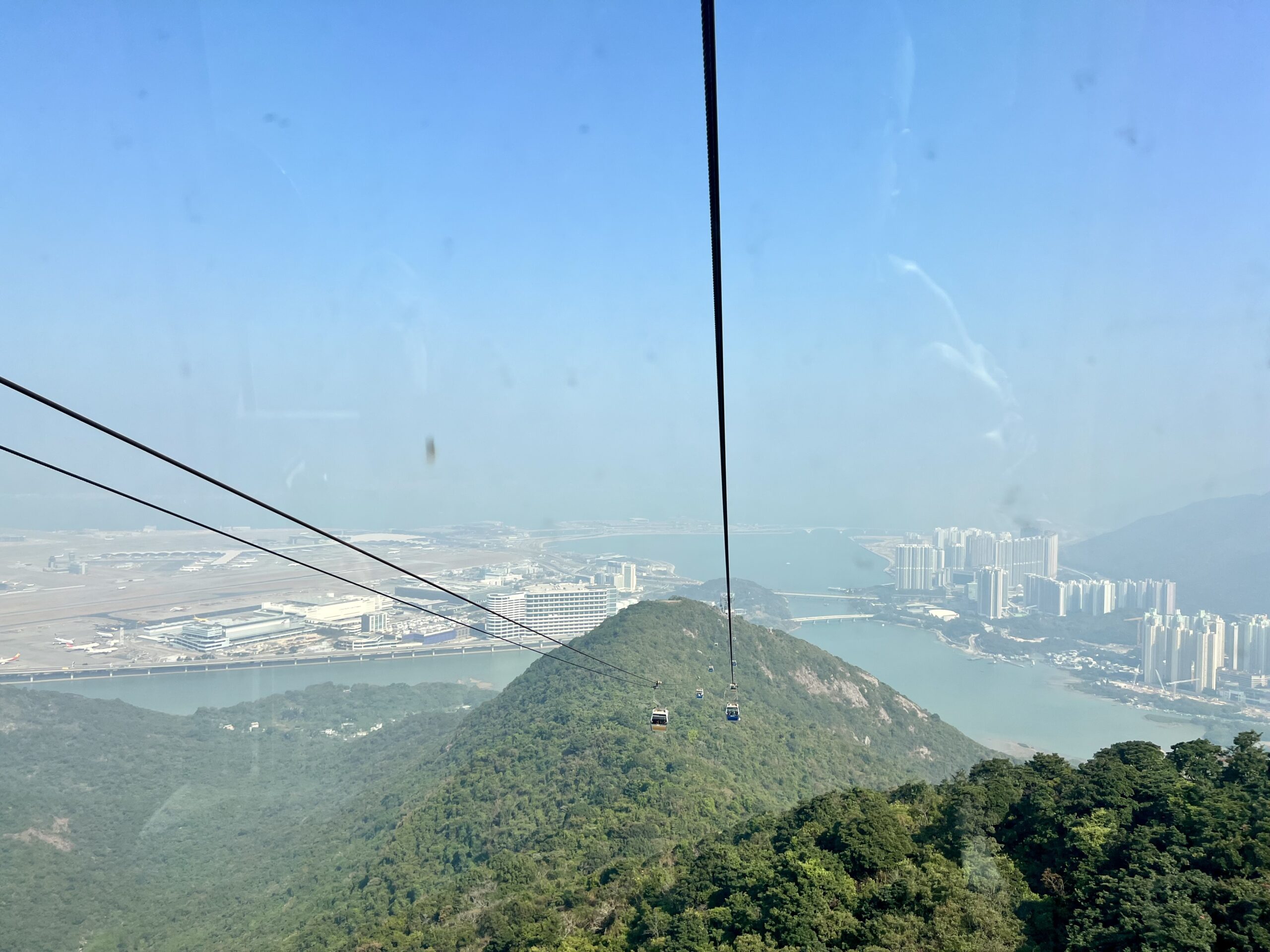
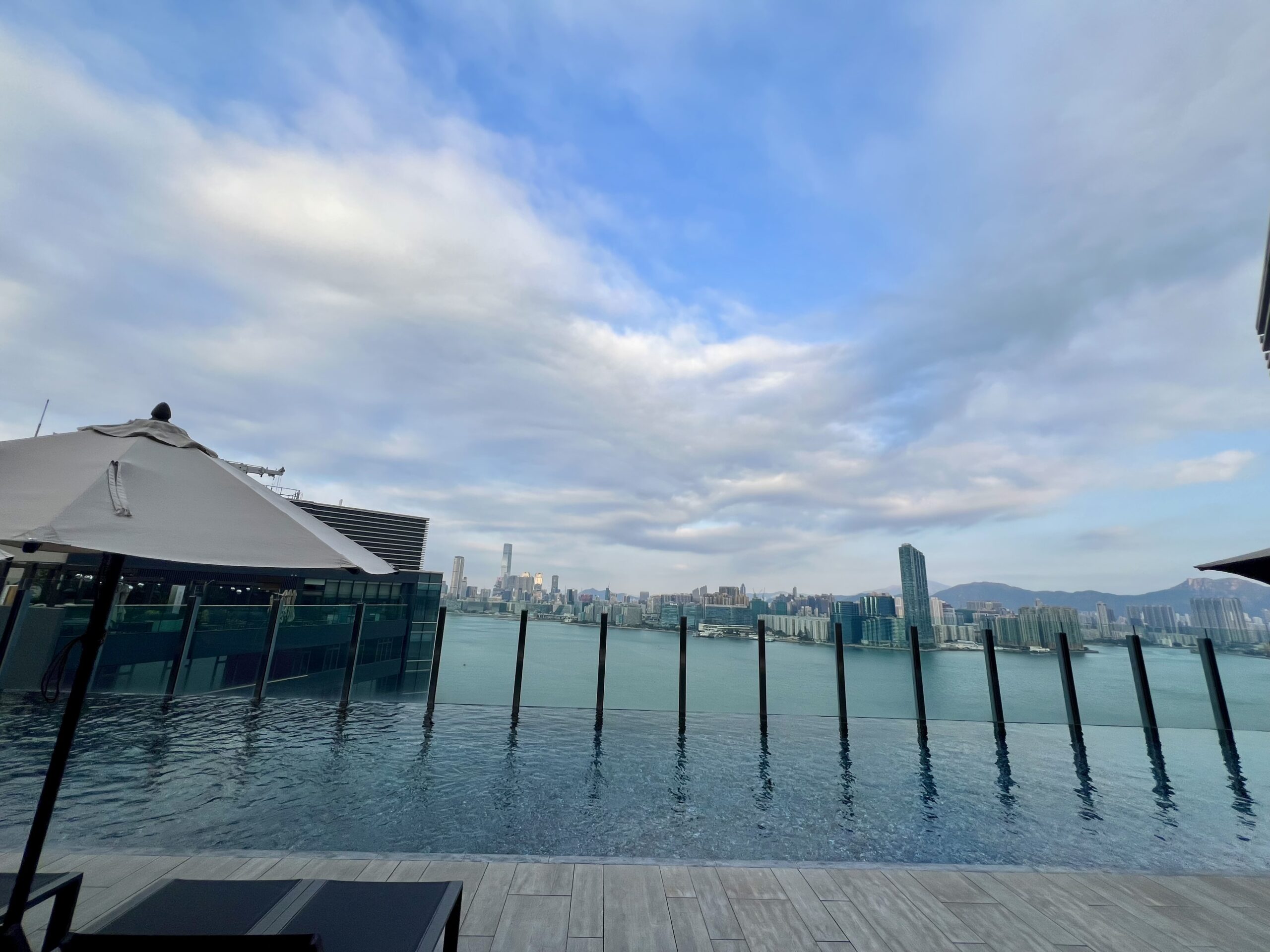
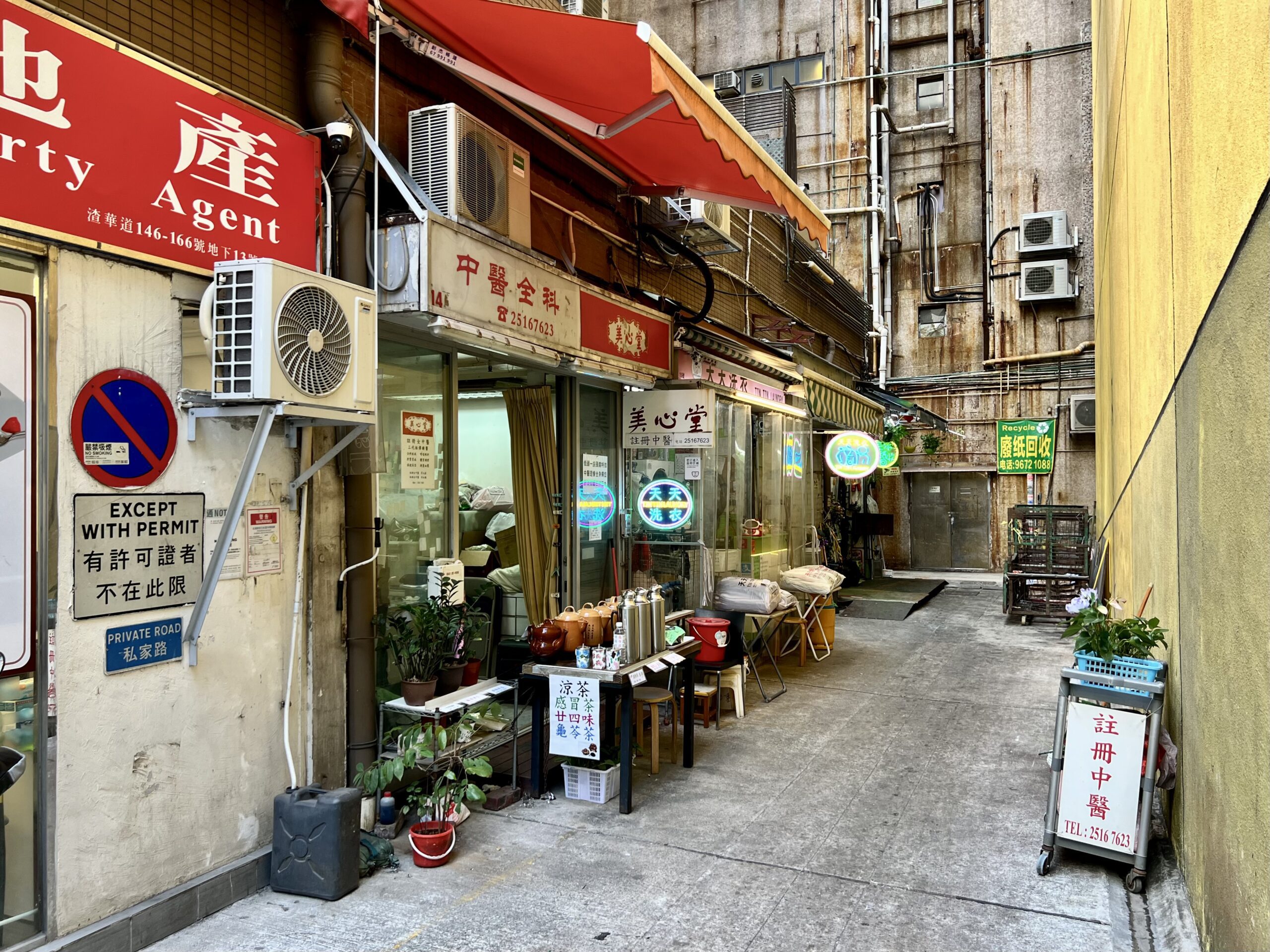
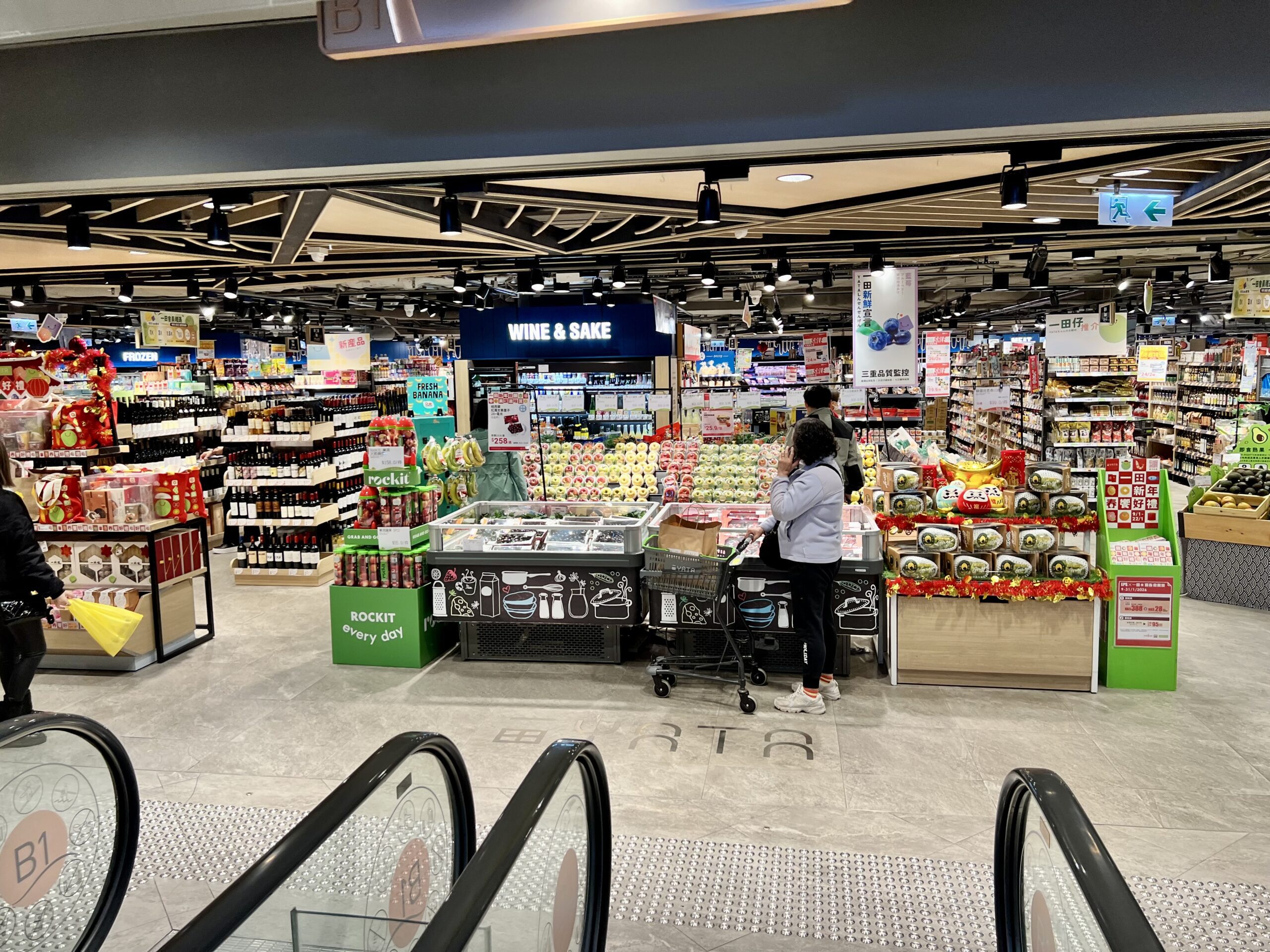
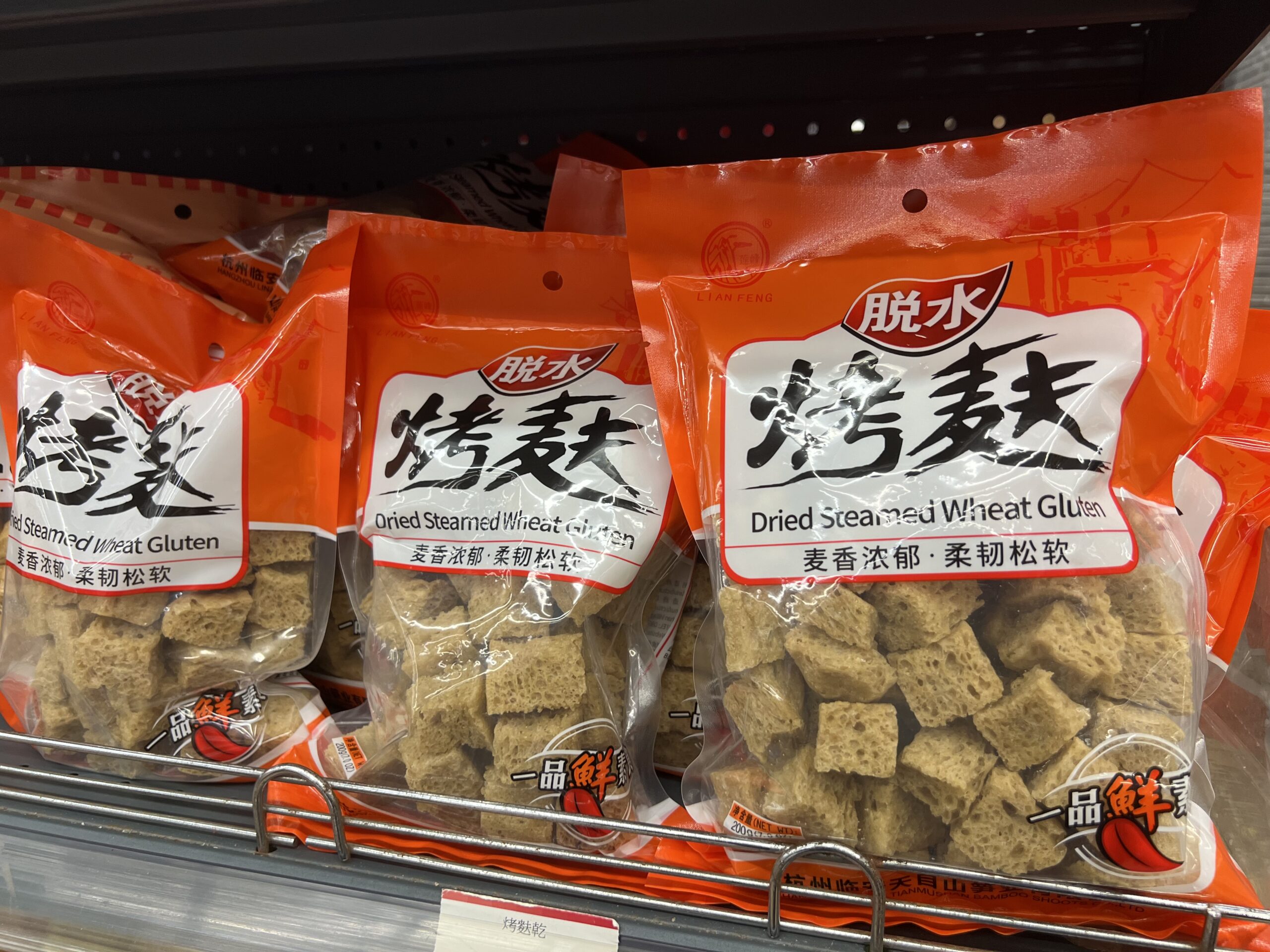
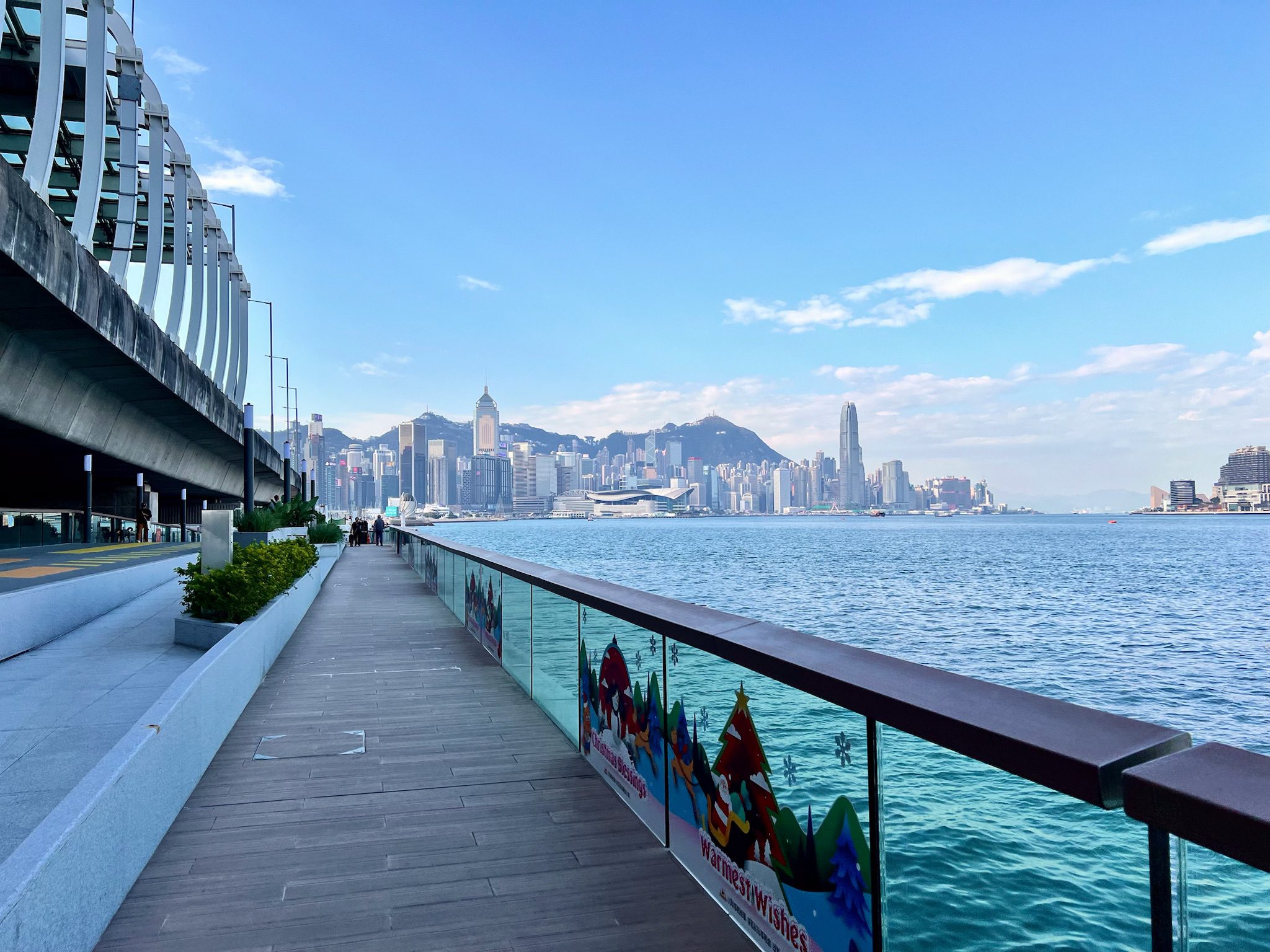
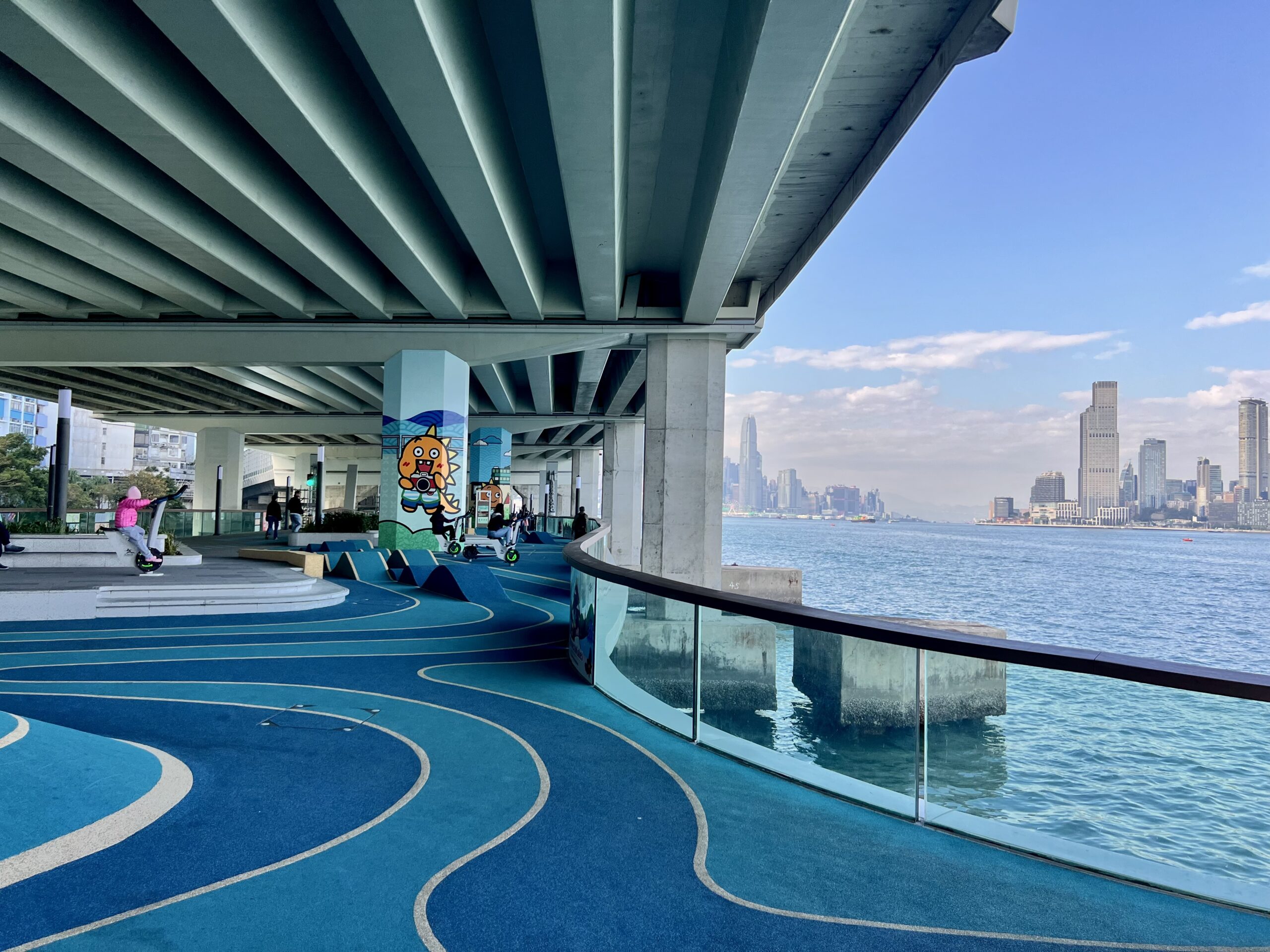
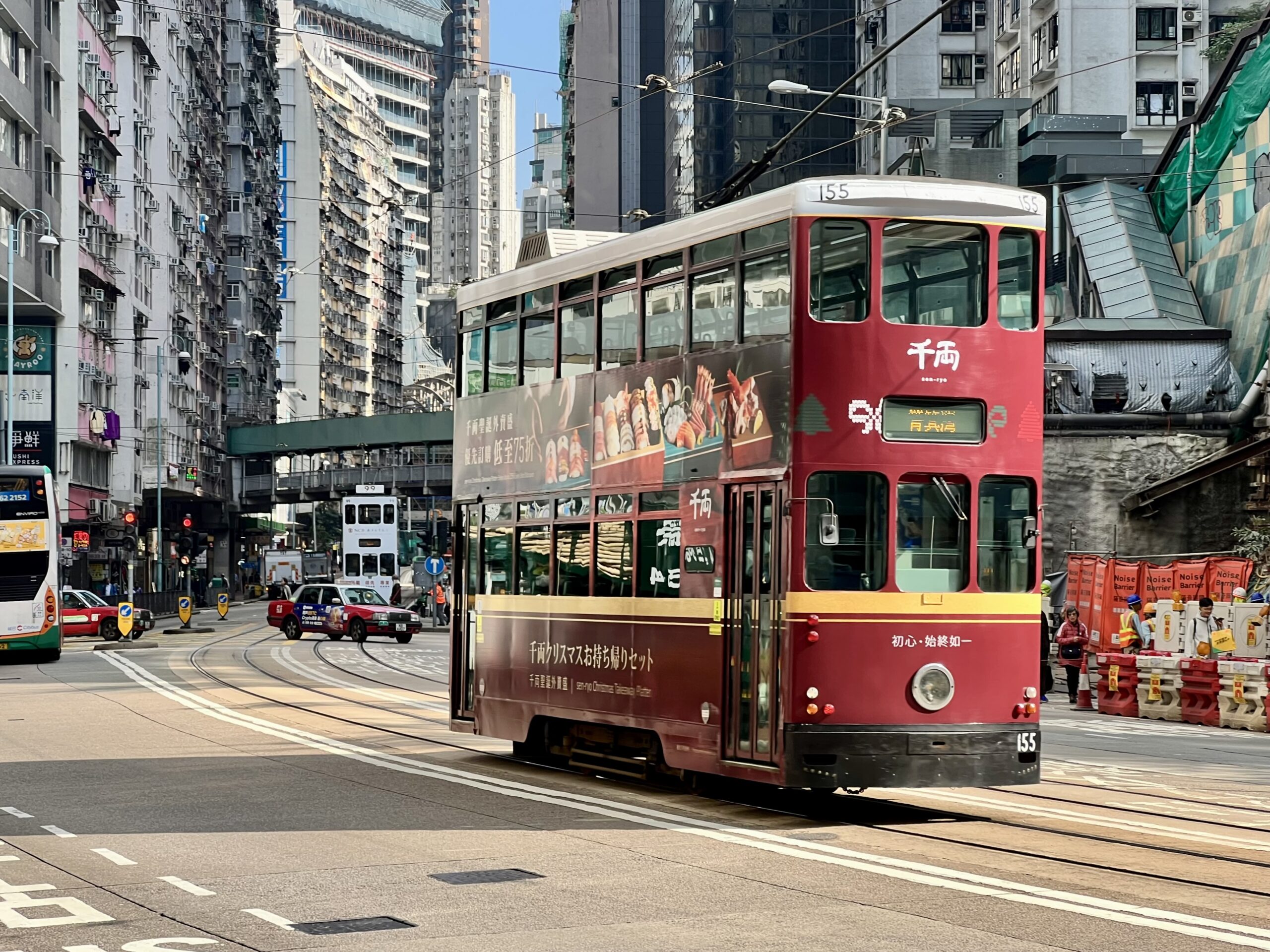
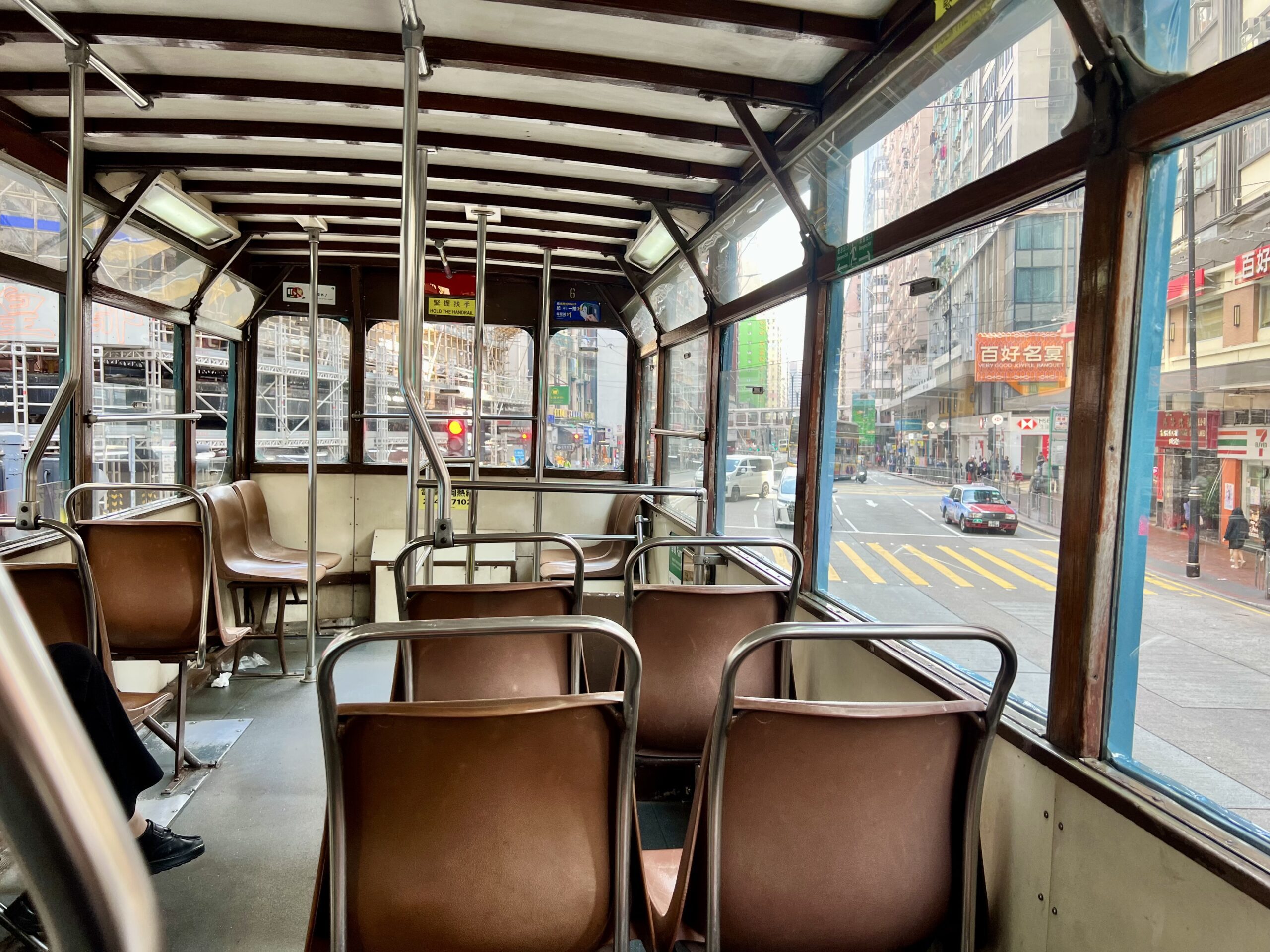
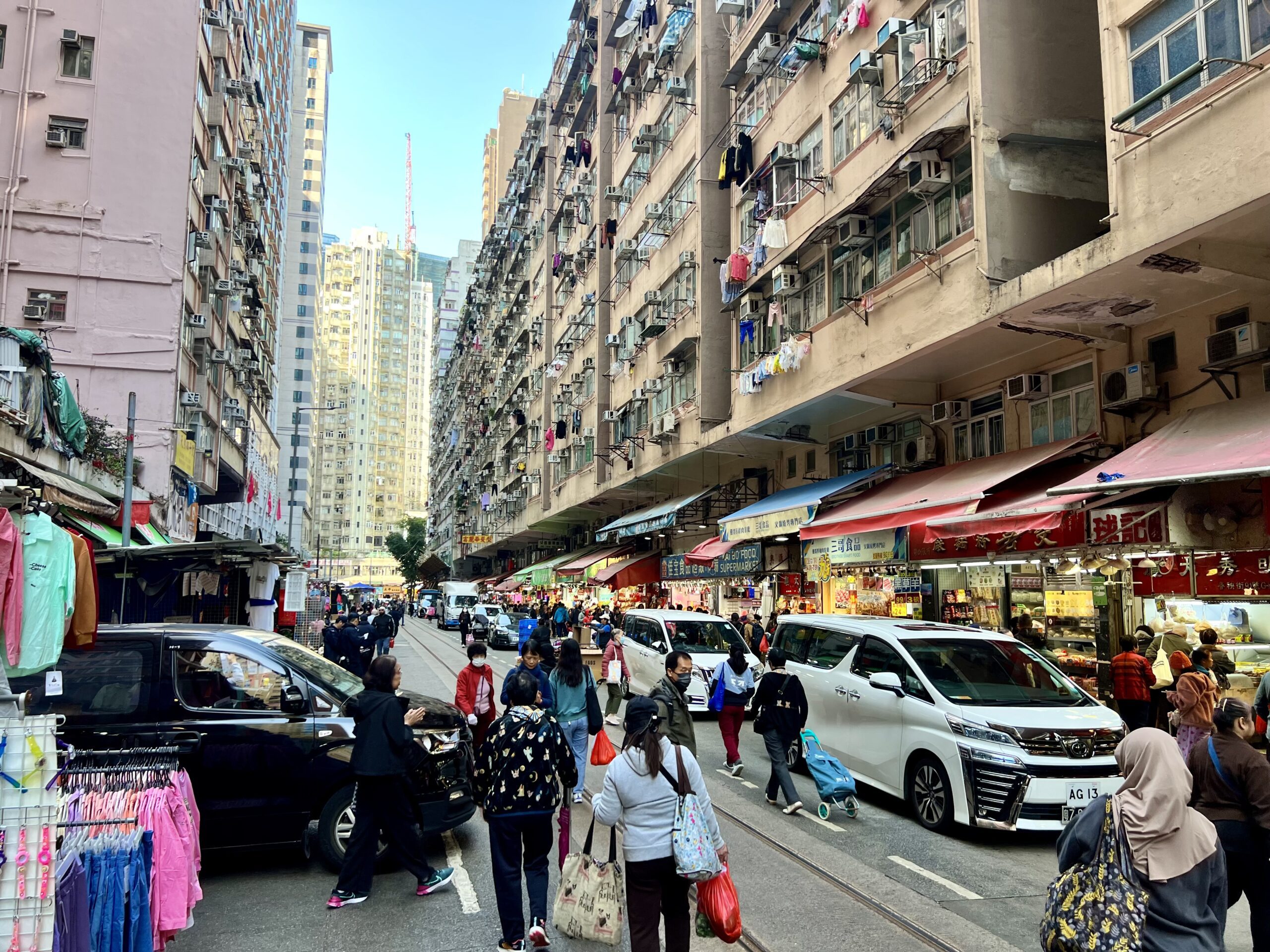
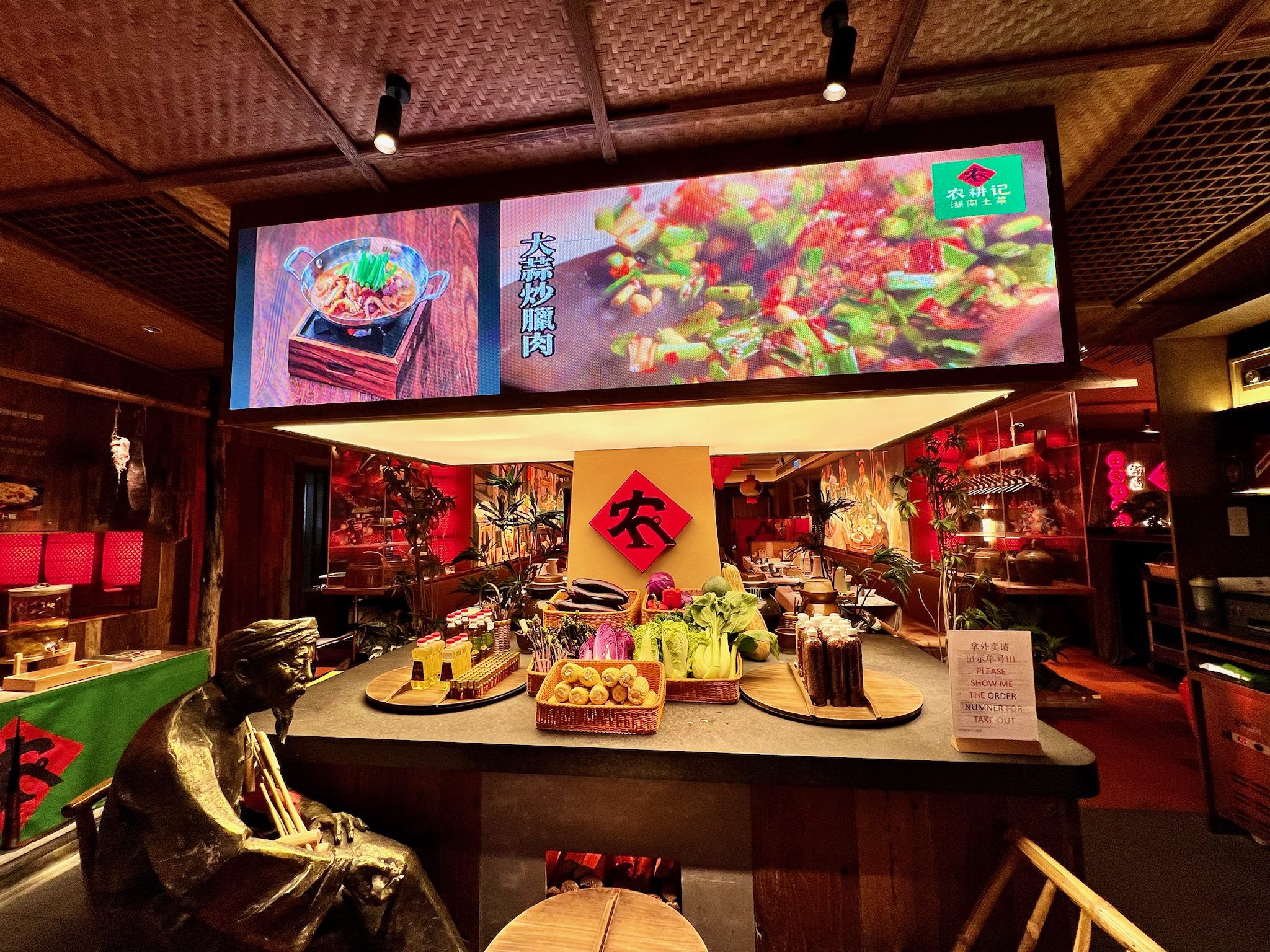
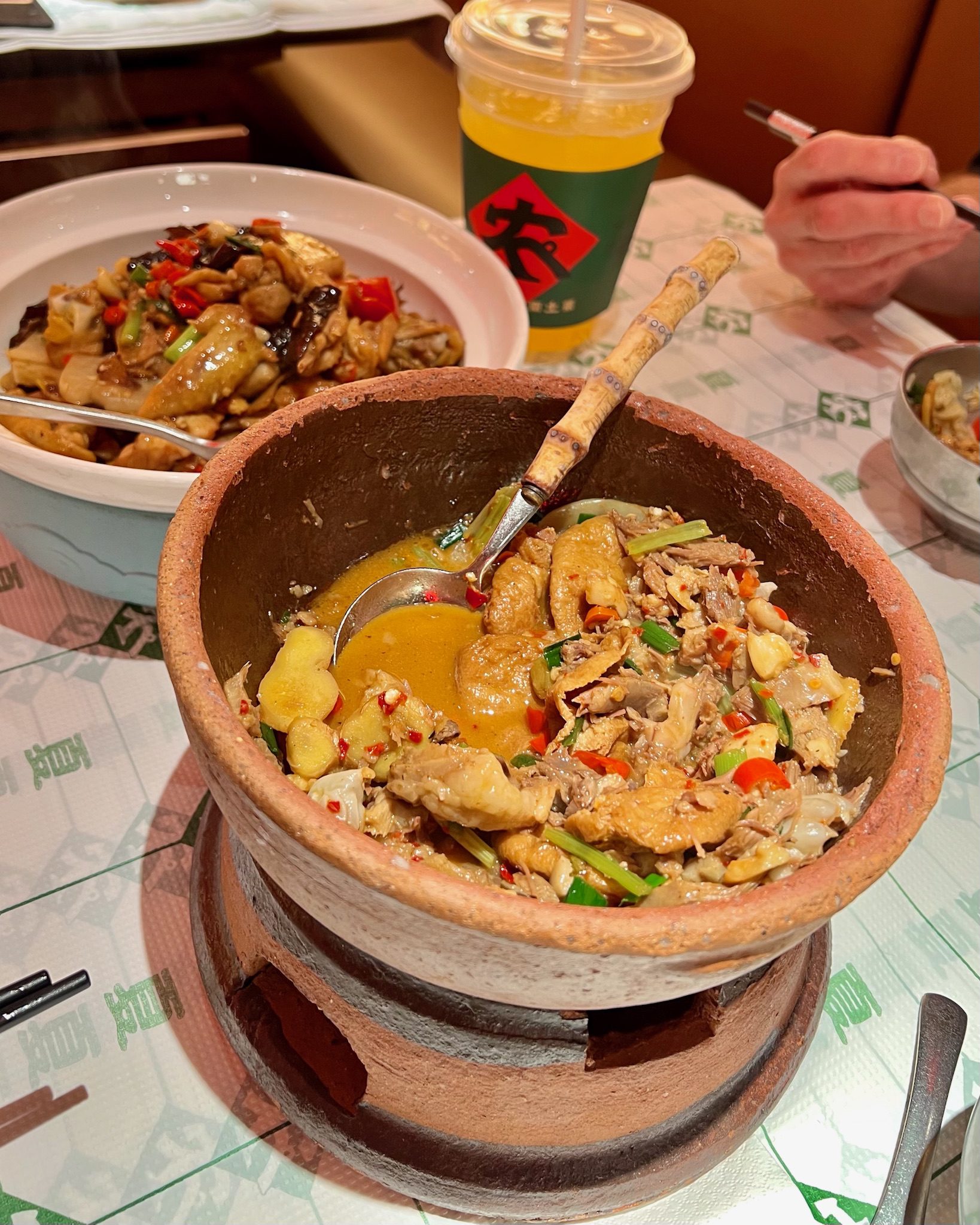
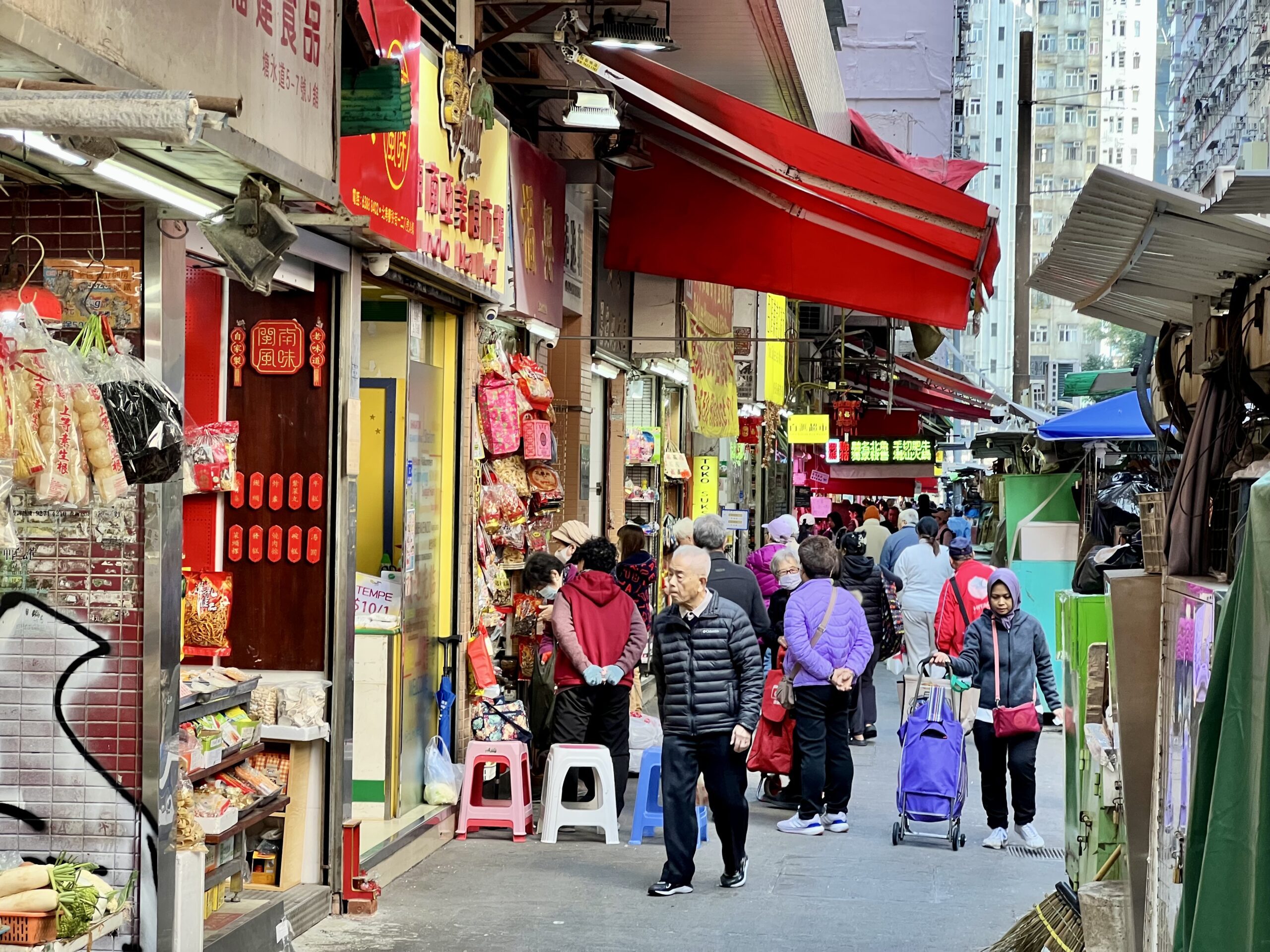
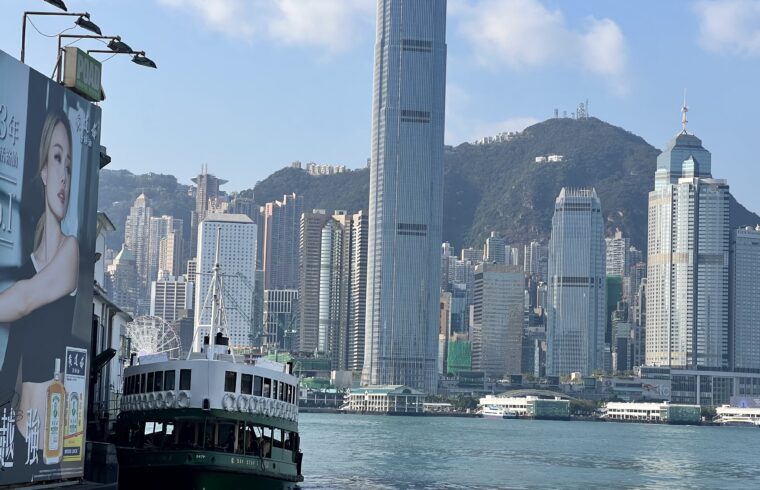
For reasons impenetrable, we decided to spend a week in Hong Kong on our way to Sri Lanka. We flew from Seattle to San Francisco, where we would board another United flight for the 15 hours to Hong Kong. We left Seattle in a bit of a drizzle. Of course. United Airlines’ business class food ranks somewhere above Aeroflot’s but well below EVA’s. This is breakfast. Better than the neoprene steak they served for dinner.We arrived in Hong Kong a bit after 7:00 pm on New Year’s Day. As fate would have it, the photographer’s suitcase was among the last to make it onto the carousel, but our driver was waiting patiently in the arrival hall.We stayed at the Hyatt Centric on Hong Kong Island. The hotel is right on Victoria Harbor, with the Hong Kong promenade, the MTR metro station, and a Kowloon ferry at its doorstep. Hong Kong Island is completely built-over and built-out. Need a new thoroughfare? Bolt it onto the shoreline overhanging the water.Up early on our first day, thanks to moving west through eight time zones, we embarked on a circular exploration of Hong Kong Island and Kowloon by metro, ferry, and foot. We got our Octopus Card apps and headed down into the MTR metro. The trains run fast and frequent. During rush hour, each door gets a crossing guard with a Stop and Go paddle. In the few minutes between trains, queues go from empty (above) to not.And the cars fill quickly. The blogger was the only westerner as far as the eye could see. Six stops later we were in Central Hong Kong and a short walk from Pier 7, where we caught the venerable Star Ferry (above). It has been shuttling passengers between Hong Kong and Kowloon since 1871. Hong Kong has three distinct parts. Hong Kong Island – the original British concession; Kowloon – a later concession of the peninsula across Victoria Harbour; and the New Territories – a leased swath of land surrounding Kowloon. After alighting from the ferry, we headed up Nathan Road, the usually bustling shopping and dining street that is Greater Hong Kong’s Golden Mile. It was fairly early on January 2nd, so we had the street mostly to ourselves.Only a couple of shops were open, like this one selling highly auspicious red and gold trinkets. Red and gold symbolizing immense luck, joy, wealth, prosperity, and happiness, of course. For several blocks, Nathan Road runs along Kowloon Park. This entrance features comic stars and drew us upward. Once past the tributes to cartoon greats, the park was very park like – open space in a city with very little.Our destination was the Yue Hwa Chinese Products Emporium, known for all things Chinese. We were looking for something made in China to take home as a souvenir. Since most of what we own was made in China, it seemed only fitting.These Mandarin Fish Maw in a showcase caught our attention. We didn’t buy any, though. $12,000 USD for a big fish swim bladder seemed a bit dear, even allowing for its allegedly propitious collagen content.After exploring and shopping, we wound our way back to the harbour through central Tsim Sha Tsui. We enjoyed an iconic dim sum lunch at the hugely popular and hugely noisy Club de Chinese Cuisine, looking out over Victoria Harbour to Hong Kong Island. We had eaten half the meal before the photographer remembered to take a picture.Then we continued our walk along the harbor’s Avenue of Stars, with the occasional stop for a bench-sit to enjoy the view.We caught a different ferry – the less charming Sun Ferry – back to the hotel, where it docks just harbor-side of it. Super convenient. After watching the sun slant over Kowloon, we decided on an early dinner. Having had such a large and quintessentially Chinese lunch, we opted for a Vietnamese dinner at the Nha Trang Vietnamese Canteen. The photographer had one of her perennial favorites, Bun Cha.Another day and we were back on the subway again, this time to downtown Hong Kong Island.There appears to be very little left of old Hong Kong. As with all islands, once all the land is in use, there is only one way to build new: by tearing down the old.The buildings are so densely packed and the surface streets so needed by vehicles, that pedestrian life has taken to the mezzanine. All through central Hong Kong, walkways are elevated, and street-level walking is rarely required, even to enter building lobbies.Along Garden Road, amid the tall buildings on our way to catch the Victoria Peak Tram, we walked by St John’s Cathedral, a nearly 200 year old Anglican anachronism. We had tickets for the 10-minute Victoria Peak tram ride, and with no real lines, we had a seat in the lead car.The tram is really a two-car funicular, with the one going downhill pulling the other car uphill via their shared cable. The Peak Tower is topped by an open-air viewing platform.The viewing platform requires another ticket, and any number of escalator rides, to get to the top.Once at the top, the view is pretty spectacular. Central Hong Kong Island below, Kowloon across Victoria Harbour, and the hills of the New Territories in the distance.A walk around the windy deck to the far side, the view looks southwest, toward the outlying islands in the South China SeaVictoria Peak being a fairly straightforward up-and-back-down affair, when we were back down, we went for a stroll through Hong Kong Park. At the center of the park lies a pond, and the juxtaposition of its bucolic grace with the sharp artificial lines of the city is striking.Next to the pond, the Forsgate Conservatory slopes uphill …And is alive with pitcher plants and more things tropical. Done with downtown Hong Kong, we jumped back on the MTR and headed east on the Island Line to Quarry Bay. There we found more buildings, these mostly residential. Pride of place is held by Taikoo Shing, a monstrous private housing project comprised of a forest of 61 high-rises housing over 35,000 people, all on about 50 acres.We dawdled at a real estate office and were greeted by Andrew, it’s Deputy Associate Sales Director. It was fascinating learning about property values and availability. The photo here is of a nearby high-rise build that just sold out. $1.3M USD for an average unit of 364 square feet. That’s the size of our living room, and the unit shown has its small space partitioned into a two bedroom. We have no clue how that works. Our destination was a public housing project built 60 years ago and now famous as the Monster Building. It is an E-shaped building, 18 stories high, and home to some 10,000 people.Density is definitely the thing in Hong Kong. And some 30 percent of its residents live in public housing projects.We ended up at Cityplaza for a late lunch. It is a shopping mall with a recyclables-collecting robot, at the center of the Taikoo Shing development.We ate at the food court, the blogger having a bento. We ended up sitting with a woman and chatting about life in Hong Kong. She’s an overworked investment banker living in an aforementioned small apartment with her husband, teenage son, and mother. They’re waiting for the market to recover after the recent 25 percent downturn, so they can buy a larger place.On yet another day, we took the MTR all the way to Ting Chung on Lantau Island, transferring trains at the sprawling underground nexus that is Hong Kong Station. One curious thing is how no one has gray hair. At first we thought there were only young people living here, but it quickly became apparent that the hair-color industry’s market presence here is simply spectacular.Fortunately, because we were traveling against the commute, once we got past Hong Kong Station, we got to ride seated.At the end of the line is a transfer plaza, where the MRT meets up with a huge bus terminal and the Ngong Ping Cablecar. Until the new Hong Kong airport was built, Lantau was a barren rock of an island. Now it also hosts high rise apartments, Hong Kong Disneyland, and the Ngong Ping cable car that ascends to the Po Lin monastery.We queued up with our Crystal+ tickets and waited for our car.The Crystal+ cabs cost a little more, but they’re pretty much all glass – and the line is shorter. Vertigo comes free with the ticket. At the top, between the cable car station and the monastery, is the new Ngong Ping retail village. You don’t have to exit through the gift shop; the destination is a gift shop. The Big Buddha, built in 1993 after the monks from Po Lin Monastery, in a fit of Buddha-envy following visits to the Great Buddhas of Kamakura and Changhua, petitioned the British Government for the land adjacent to their monastery. 112 feet tall and 250 tons of bronze, it’s pretty much the biggest Buddha on the planet. Past The Buddha, the monastery grounds have the requisite temples and incense alters …Plus the golden hall of 10,000 Buddhas – we didn’t stop to count them. The my-Buddha-is-bigger-than-your-Buddha mindset also extends to incense burning. We saw visitors proudly toting joss sticks the size of small telephone poles to the various alters, almost certainly to seek favor with the instagram gods.Fortunately the photographer knew that the monastery featured a vegetarian restaurant. For $18 USD each, we got their daily menu set. Not bad, but nothing like the monastery food we get in Kuala Lumpur at a fraction of the price. We figure they have to pay for The Big Buddha somehow.Once done with monastery-ing, we took the cable car back to Ting Chung and the MTR. Our main reason for the trip was the cable-car ride: 3½ miles and 30 minutes each way. Though not as scenically lush as the Sun World cable car run at Ba Na hills near Hoi An, it was still fun.The nice thing about spending at least a week visiting someplace new is there is time to just relax and explore. Hong Kong can be cool and windy in the winter, but it can also have comfortably warm afternoons. On one of those afternoons we camped out at the rooftop pool to read and write this blog.We also took time to do laundry. Having a Chinese laundry nearby wasn’t a big surprise, but it was appreciated. Tin Tin Laundry became our go-to wash-and-fold. They did lose a pair of socks. “No. No missing socks.” But on the next trip, we got them back. “So sorry.”And we shopped for snacks and bottled water at Yata Supermarket, in the basement of the small shopping center next door. They also had pure wheat gluten in stock, for those who don’t otherwise get enough in their daily diet. We lucked out in one sense. The shoreline promenade that has been under construction for 15 years was fully opened last month. One can walk the eight miles from Quarry Bay (think Monster Building), past central Hong Kong, to Kennedy Town at the western tip of the island. Sometimes it runs out over the water …And sometimes under the expressway, with exercise stations, play areas, and benches scattered along the way. We would walk it one way and brave the surface streets coming back.An easy way to stay off the sidewalks, though, is to ride the Ding Ding, a skinny, double-decker electric trolly.It alternates running down the middle of King’s Road with threading through narrow stall-lined streets. It terminates on one such street in North Point, just a few blocks from our hotel. We bought a cheap carryon at one of the stalls to help us get to our next stop, where we plan to ship a couple of things home. One of our favorite dinners was at Nongenji Hunan Cuisine, an authentic Hunan restaurant cheffed by an authentic Hunan transplant.Hunan dishes are spicy. We ordered stir fried chicken with tea oil and fried tofu stew with pork, both with mild spice. Wonderful rich flavors but enough peppers to make you want to forego your next number two. They also offer medium and spicy versions, but we suspect the chef finds the distinctions too much of a bother and just adds peppers to his taste.Hong Kong is a remarkably clean city, with zero graffiti and virtually no homeless. Public transportation is cheap and world class. The people are courteous, seem to love to queue as much as the British, and love to eat. And to practice their outdoor voices indoors. We don’t recall ever visiting a city that smells so completely of food and incense. We truly enjoyed Hong Kong, despite there not being much left of what we saw in pictures growing up.